Tag: Yemen

  • Yemeni Army Strikes Israeli Ministry of War and Vital Positions

    Yemeni Army Strikes Israeli Ministry of War and Vital Positions

    The details are as follows:
    January 12: Four suicide drones attacked vital targets in Tel Aviv.
    January 13: A Palestine 2 hypersonic ballistic missile was fired at a key target in Tel Aviv.
    January 14: A Palestine 2 hypersonic ballistic missile was launched at the headquarters of the Israeli Ministry of War in Tel Aviv.

    Brigadier General Yahya Saree confirmed all three operations achieved their objectives.

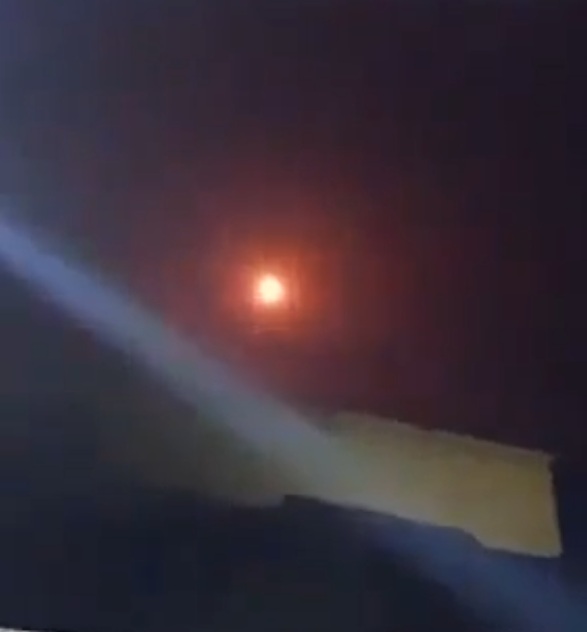
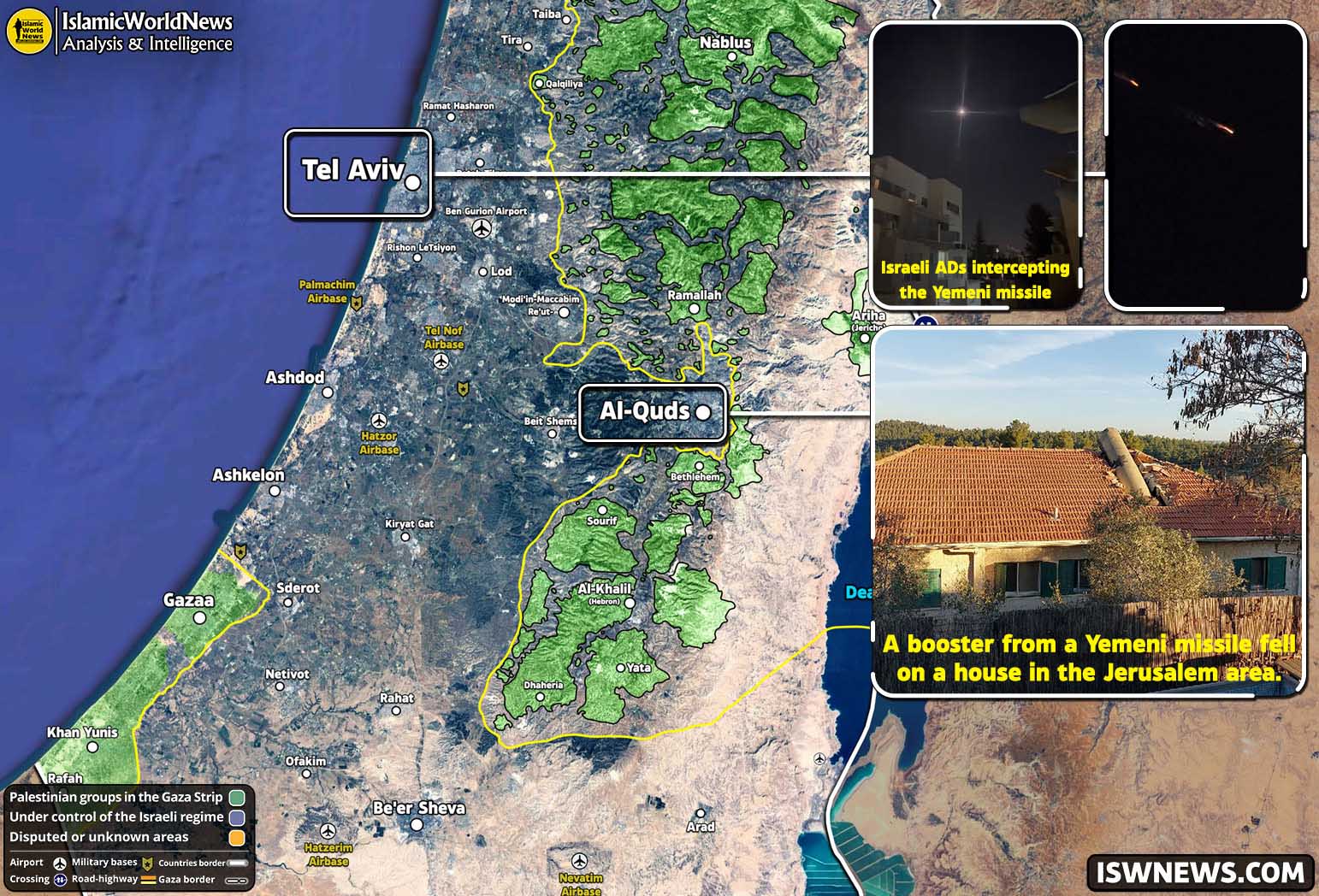
    Israeli air defenses intercepting the Yemeni missile
    Israeli air defenses intercepting the Yemeni missile

    These attacks mark the 69th to 71st air operations of the Yemeni Army against the positions of the Zionist regime in occupied Palestine.

    The investigations by IWN indicate that these attacks marks the 69th to 71st aerial operation by the Yemeni armed forces against the Zionist regime in occupied Palestinian territory, utilizing ballistic missiles, cruise missiles, and suicide drones.

    The Yemeni army’s operation in support of Palestinian people against the Zionist regime began on October 19, 2023, in occupied Palestinian territory and along the maritime route from the Gulf of Aden to the Red Sea. The continuous attacks on more than 180 ships affiliated with Israel, leading to the suspension of shipping by Zionist companies through the Red Sea route.
  • Yemeni Army: The Annihilator of American MQ-9 Drones!

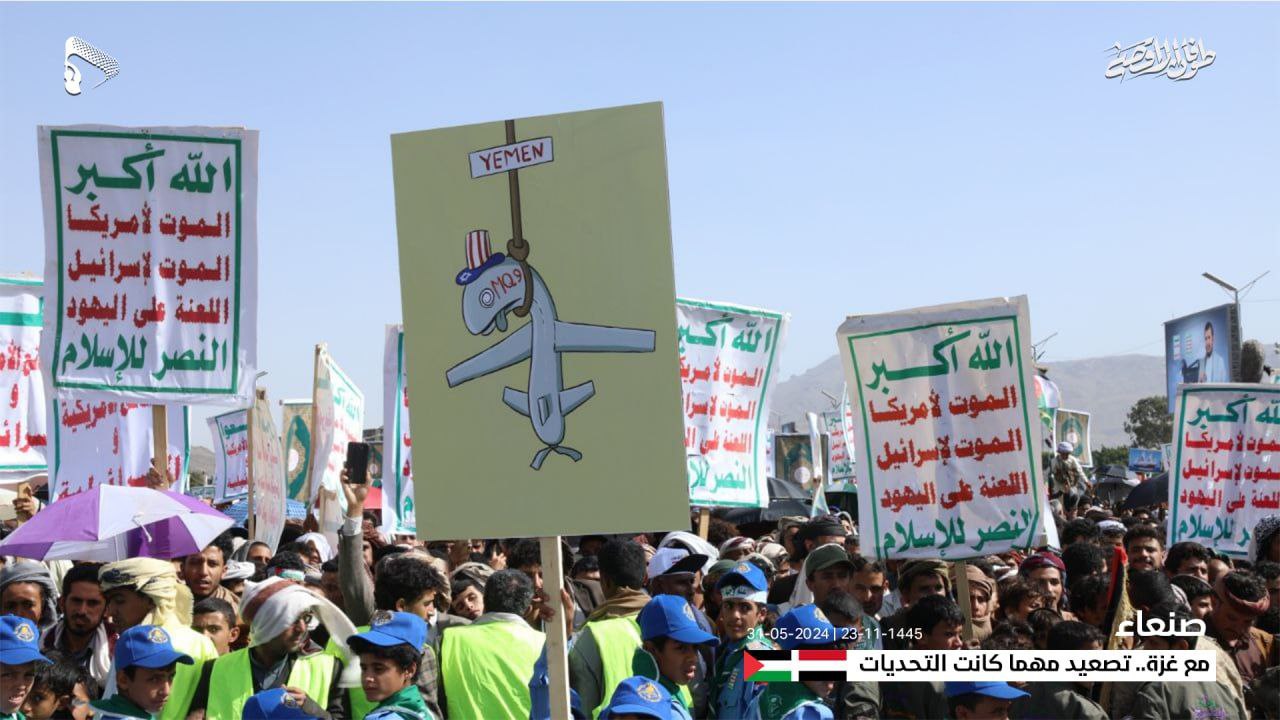
    Yemeni Army: The Annihilator of American MQ-9 Drones!

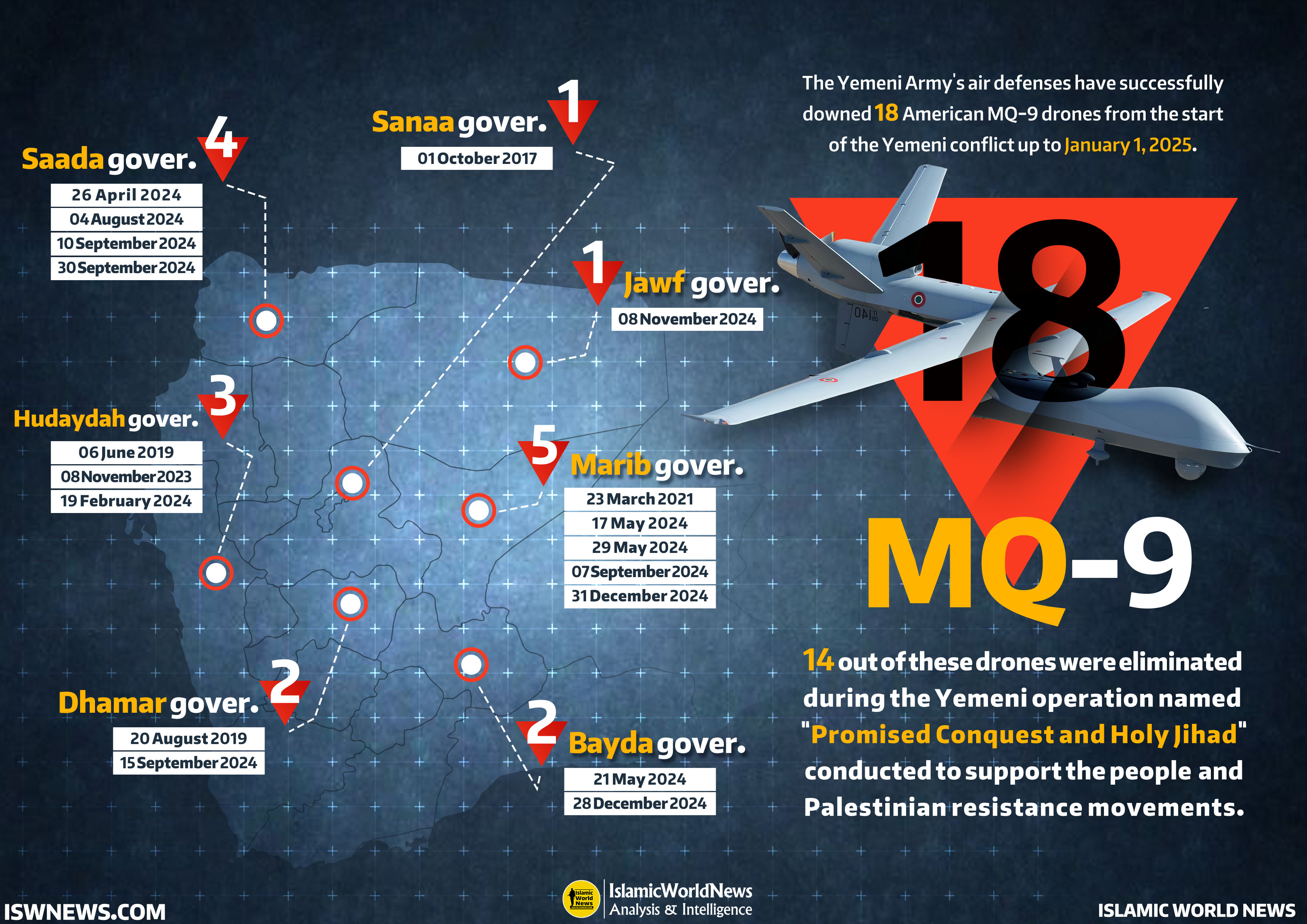
    14 out of these 18 drones were eliminated during the Yemeni operation named “Promised Conquest and Holy Jihad,” conducted to support the people and Palestinian resistance.

    General Atomics MQ-9 Reaper is a versatile and heavy drone used by the US Army for reconnaissance, surveillance, and offensive operations, including assassinations in Iraq, Afghanistan, and Syria since 2001. As of 2023, each MQ-9 drone costs approximately $32 million to produce, resulting in $576 million in damage inflicted by Ansar Allah through the destruction of 18 drones.

    The dates and locations of the destroyed MQ-9 drones in Yemen are as follows:

    1. Sanaa, 01 October 2017
    2. Hudaydah, 06 June 2019
    3. Dhamar, 20 August 2019
    4. Marib, 23 March 2021
    5. Hudaydah, 08 November 2023
    6. Hudaydah, 19 February 2024
    7. Saada, 26 April 2024
    8. Marib, 17 May 2024
    9. Al-Bayda, 21 May 2024
    10. Marib, 29 May 2024
    11. Saada, 04 August 2024
    12. Marib, 07 September 2024
    13. Saada, 10 September 2024
    14. Dhamar, 15 September 2024
    15. Saada, 30 September 2024
    16. Al-Jawf, 08 November 2024
    17. Al-Bayda, 28 December 2024
    18. Marib, 31 December 2024

    The extensive destruction of reconnaissance and attack drones from the Saudi-American coalition in Yemen stands as one of the Yemeni Armed Forces’ significant achievements over a decade-long war. During this period, the Yemeni Army has downed over 100 military aircraft belonging to Saudi Arabia, the UAE, the US, Jordan, Morocco, and Bahrain, 20 of which were American.

    Since the onset of the Palestine war, the US Army has dispatched numerous MQ-9 drones to Yemen to monitor military installations and equipment, and to carry out assassination missions. However, the Yemeni Army’s air defense forces have successfully disrupted these drone operations in Yemen through their intelligence and persistent efforts.

    Click to view full size
  • CENTCOM Commander’s Visit to Riyadh; Saudis Enter War Against Ansar Allah

    CENTCOM Commander’s Visit to Riyadh; Saudis Enter War Against Ansar Allah

    Kurilla met with General Fayyad bin Hamed Al-Ruwaili, Chief of Staff of the Saudi Armed Forces, and other Saudi military commanders to discuss security issues, mutual commitment, and joint cooperation to address evolving threats in the region. They emphasized the importance of joint military maneuvers and the strategic partnership between their countries.

    Specifically, these terms refer to the issue of “Yemen.” It seems that Kurilla and Al-Ruwaili discussed the upcoming US operations against Yemen and the need for Saudi cooperation against Ansar Allah.

    Kurilla also met with Lieutenant General Saghir bin Aziz, Chief of Staff of the Armed Forces of the resigned Yemeni government (aligned with the Saudi coalition), in Riyadh. They focused on strengthening security cooperation, combating Ansar Allah, and enhancing the operational capacity.

    These discussions suggest that the United States, in exchange for providing military weapons to the resigned Yemeni government, seeks intelligence cooperation and participation in ground attacks on Ansar Allah positions.

    Kurilla’s visit to Riyadh marks the beginning of a comprehensive and decisive plan to create a coalition against Ansar Allah. Airstrikes by the Israeli army and the American-British coalition against Yemen have had limited impact on reducing the operations of Yemeni armed forces against Israel. The United States is aiming for increased attacks on Yemen by forming a new coalition with Saudi Arabia and the resigned Yemeni government.

  • Ansar Allah’s Security Operation Against ISIS; US Condemns!

    Ansar Allah’s Security Operation Against ISIS; US Condemns!

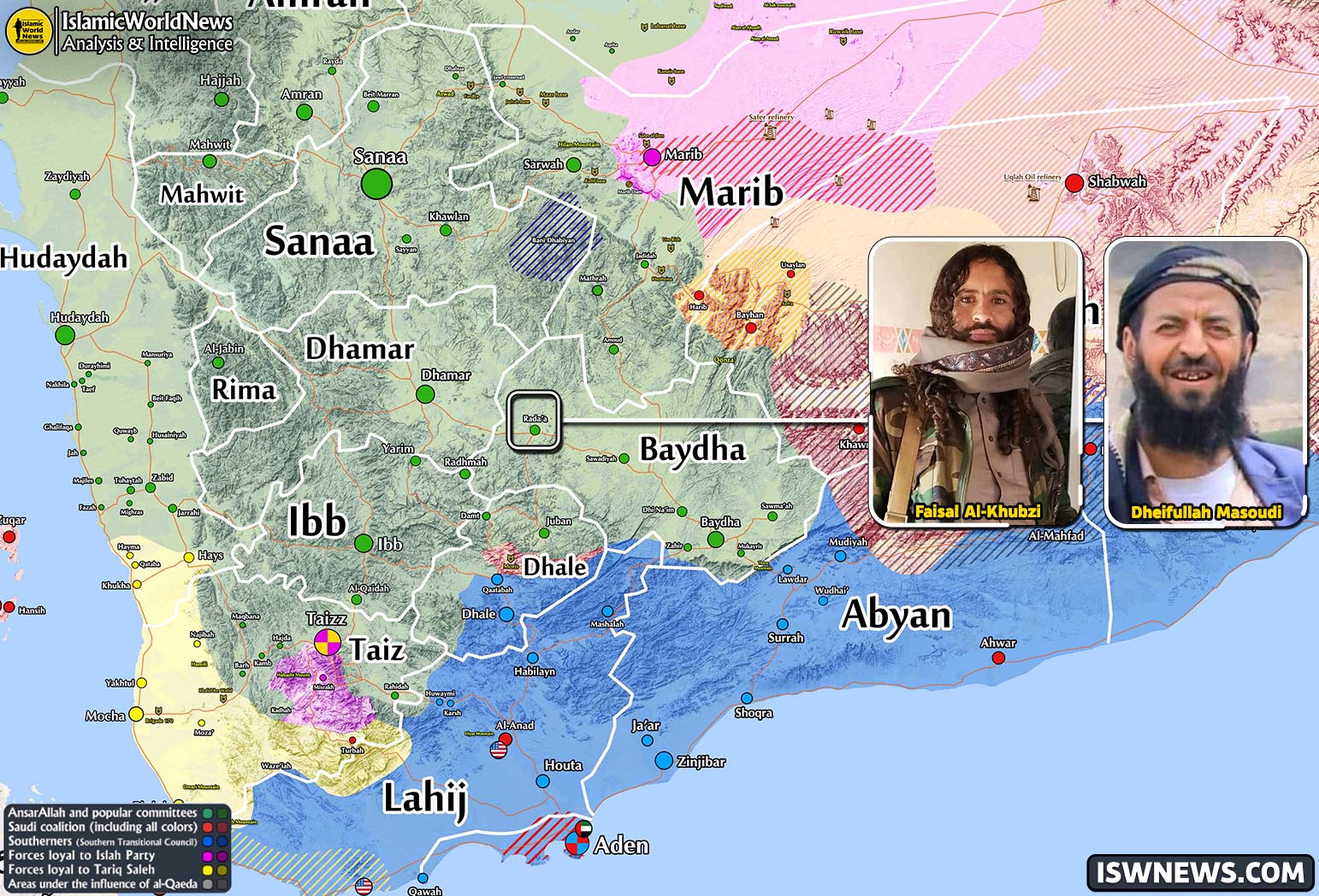
    On Friday, January 10, Yemeni government security forces and Ansar Allah’s Intelligence Organization carried out a security operation in the Hanaka Al-Masood area of Qurayshiyah district after identifying ISIS terrorists in Al-Bayda Governorate.

    Hanaka Al-Masood, located in the northern part of Radaa city, the center of Qurayshiyah district, had seen ISIS and Al-Qaeda recruit several residents in recent years to carry out terrorist activities in areas under Ansar Allah’s control.

    The operation resulted in the deaths of four ISIS terrorists, including Faisal Al-Khabzi, known as Haizom Al-Khabzi, the network’s commander, and his successor, Dhaifullah Al-Masoudi. According to local sources, one ISIS member carried out a suicide attack during a clash with security forces.

    In a controversial move, the so-called US Embassy in Yemen condemned the operation, labeling it an attack on innocent civilians and a deprivation of peace and a bright future for the Yemeni people! This statement highlights the US’s apparent support for terrorist elements operating under the guise of ISIS and Al-Qaeda, who act against Yemeni security when necessary.

    In 2020 and 2021, Yemeni armed forces launched extensive operations against ISIS and Al-Qaeda positions, as well as forces affiliated with the Saudi coalition in various areas of Al-Bayda province, resulting in the clearing of 3,500 square kilometers of land.

    Read more:
    Latest Updates on Baydha Front, 19 August 2020 (Map Update)
    “Fajr al-Hurriyah Operation” in Al-Baydha Province (Map Update)

    During this phase of the Yemeni war, Ansar Allah was heavily involved in several other fronts, but their dominance, internal power, and cooperation with the tribes allowed them to overcome challenges and completely eliminate the Takfiris from Al-Bayda province.

  • Yemen’s Army Missie Attack Orot Rabin Power Plant South of Haifa

    Yemen’s Army Missie Attack Orot Rabin Power Plant South of Haifa

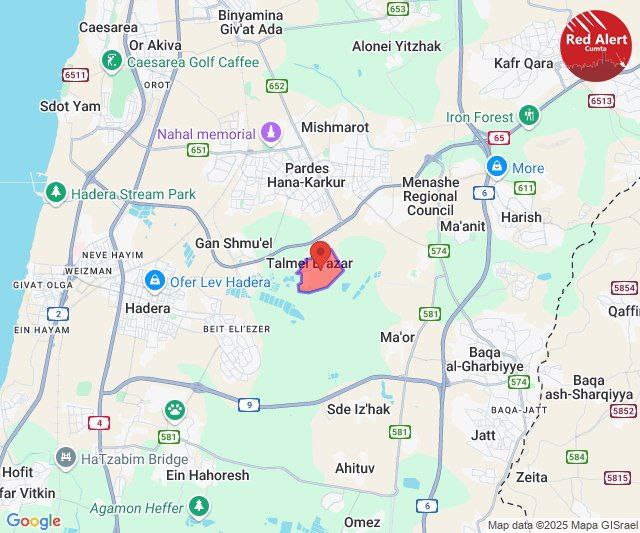
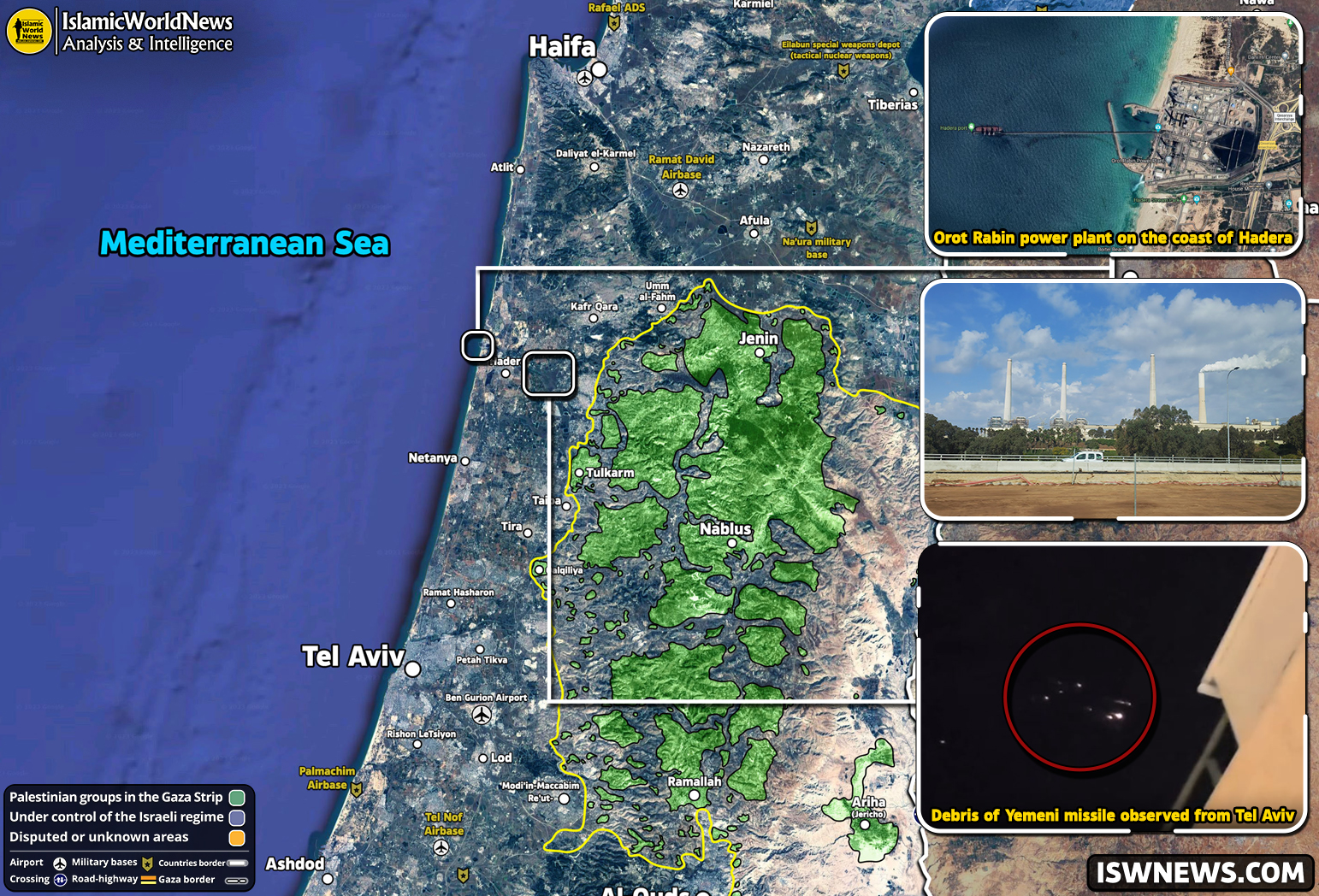
    The Israeli army reported that the missile was intercepted before entering the skies of occupied Palestine, with its debris triggering a warning siren in the Talmei Elazar area north-east of Hadera.

    Siren sounded Talmei Elazar area north-east of Hadera.

    Given the missile debris’ fall location, 50 kilometers north of Tel Aviv, it seems that the Yemeni army has extended the range of its missile attacks.

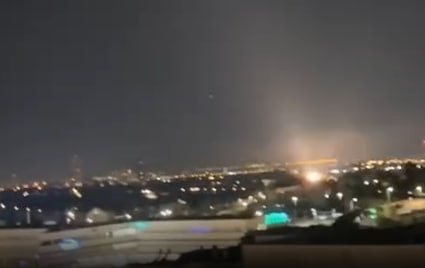
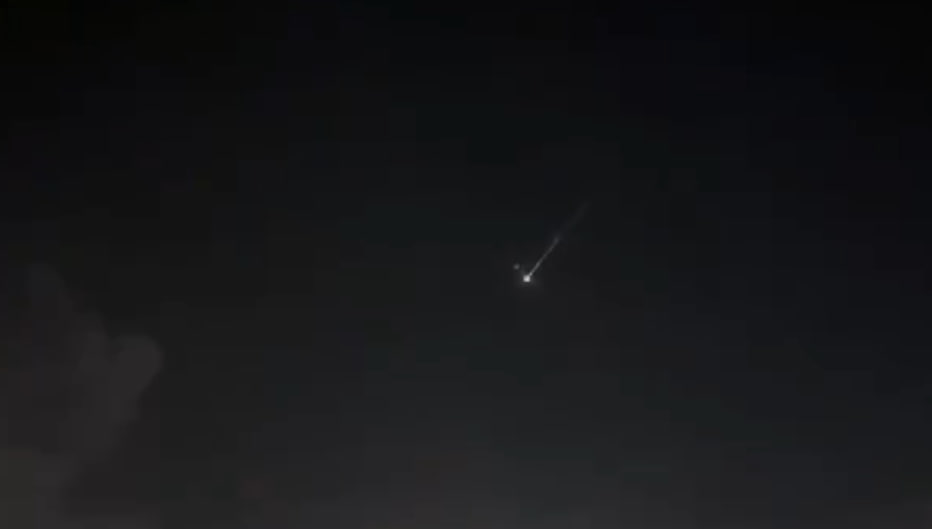
    Debris of Yemeni missile observed from Tel Aviv
    Debris of Yemeni missile observed from Tel Aviv

    Brigadier General Yahya Saree, spokesman for the Yemeni armed forces, stated, “The leadership, people, and army of Yemen continue to fulfill their religious, moral, and humanitarian duties towards the oppressed Palestinian people. The military support operation for the Resistance in Gaza will persist with continuous military expansion. The primary goal of the Yemeni armed forces in these attacks is to compel the Israeli enemy to cease its attacks on the Gaza Strip and lift its siege.”

    An hour after Yemen launched a missile attack on the occupied territories, US-British coalition warplanes conducted three airstrikes east of Saada city, likely targeting the missile launch site.

    The investigations by IWN indicate that this attack marks the 64th aerial operation by the Yemeni armed forces against the Zionist regime in occupied Palestinian territory, utilizing ballistic missiles, cruise missiles, and suicide drones.

    The Yemeni army’s operation in support of Palestinian people against the Zionist regime began on October 19, 2023, in occupied Palestinian territory and along the maritime route from the Gulf of Aden to the Red Sea. The continuous attacks on more than 175 ships affiliated with Israel, leading to the suspension of shipping by Zionist companies through the Red Sea route.
  • The UAE Base on Abdul Kuri Island is Ready for Operation

    The UAE Base on Abdul Kuri Island is Ready for Operation

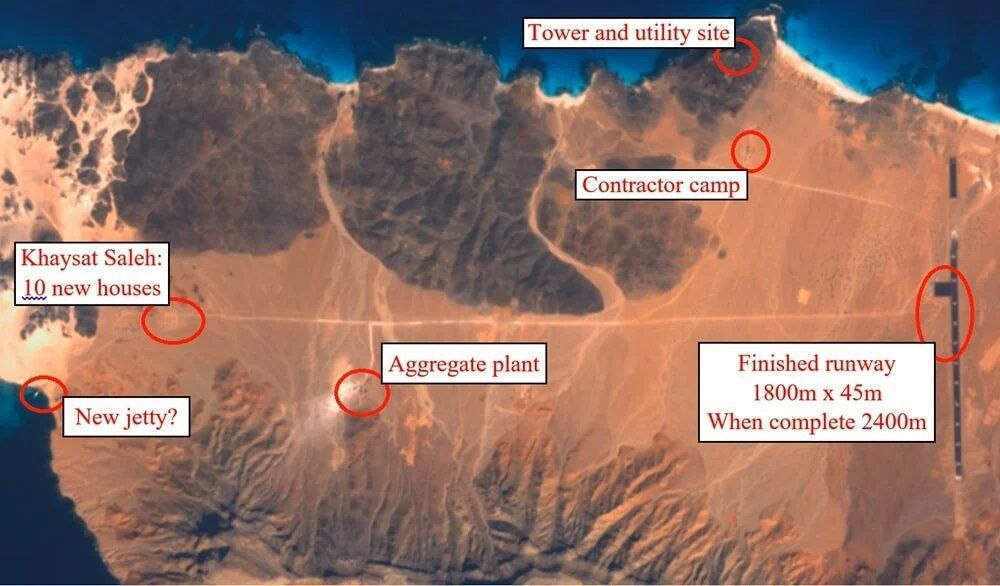
    Abd al Kuri Island is part of the Socotra archipelago, spanning approximately 133 square kilometers with a population of around 500 people. In recent years, the UAE has occupied the island and forcibly relocated its residents to Socotra Island and other areas of Yemen in February 2023.

    With assistance from the United States and Israel, the UAE is constructing an air base on the island, along with several other military and intelligence facilities.

    Operating military aircraft from this island could significantly enhance the UAE’s control over the Gulf of Aden, the Bab al-Mandab Strait, and maritime traffic from the coast of Yemen to the Guardafui Channel in the Horn of Africa.

  • Yemen’s Missile Attack Target Modi’in Area (Video)

    Yemen’s Missile Attack Target Modi’in Area (Video)

    The Israeli army claims that their defense systems intercepted the Yemeni missile after it entered the skies of occupied Palestine, but a fragment of the missile hit the Modi’in area, causing an explosion. However, released videos captured the moment the warhead of the Yemeni missile struck.

    The moment a Yemeni missile hit the Modi’in area

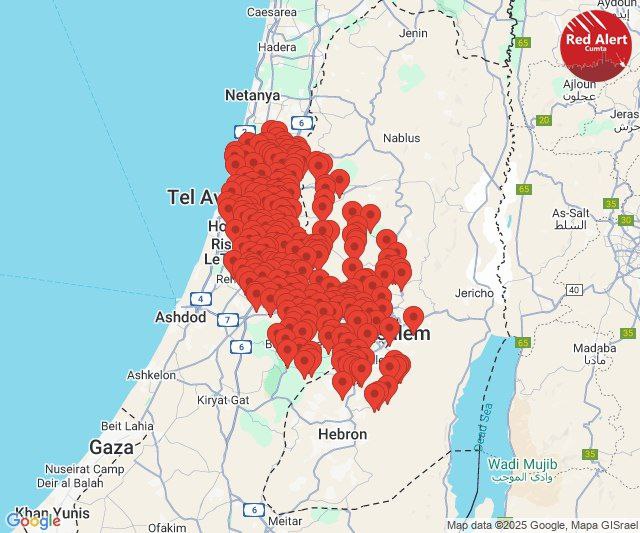
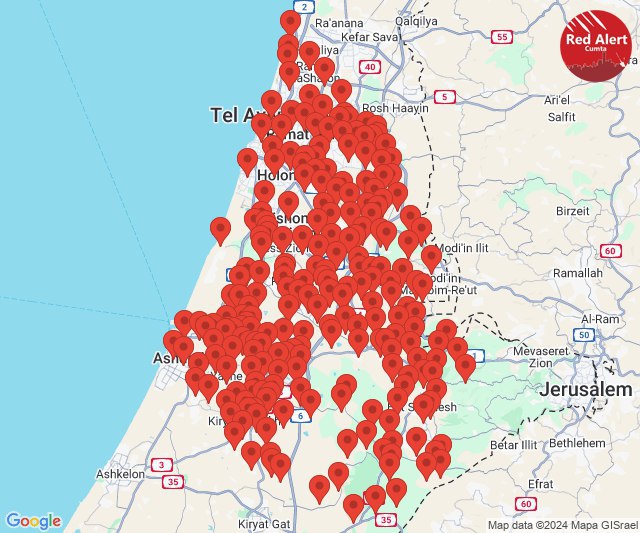
    During the attack, sirens sounded in the Tel Aviv area and Jerusalem, prompting hundreds of thousands of Israelis to seek shelter in the middle of the night. According to Israeli emergency services, 12 Israeli settlers were injured while fleeing to shelters, and nine others suffered panic attacks.

    Sirens blared in Tel Aviv region and Jerusalem

    An hour after the attack, the Israeli army reported intercepting and destroying a suicide drone before it entered the skies of occupied Palestine. This drone was also reportedly launched from Yemen.

    The IWN investigations indicate that the attacks on Modi’in area mark the 62th aerial operations by the Yemeni armed forces against Zionist regime positions in occupied Palestinian territory, employing ballistic missiles, cruise missiles, and suicide drones.

    The Yemeni army’s operation in support of Palestinian people against the Zionist regime began on October 19, 2023, in occupied Palestinian territory and along the maritime route from the Gulf of Aden to the Red Sea. The continuous attacks on more than 175 ships affiliated with Israel, leading to the suspension of shipping by Zionist companies through the Red Sea route.
    Another video from a different angle show the impact moment in Modi’in
  • Saudi Coalition Attack on Northern Yemen: Ceasefire Violation or Widespread Assault on Yemen?

    Saudi Coalition Attack on Northern Yemen: Ceasefire Violation or Widespread Assault on Yemen?

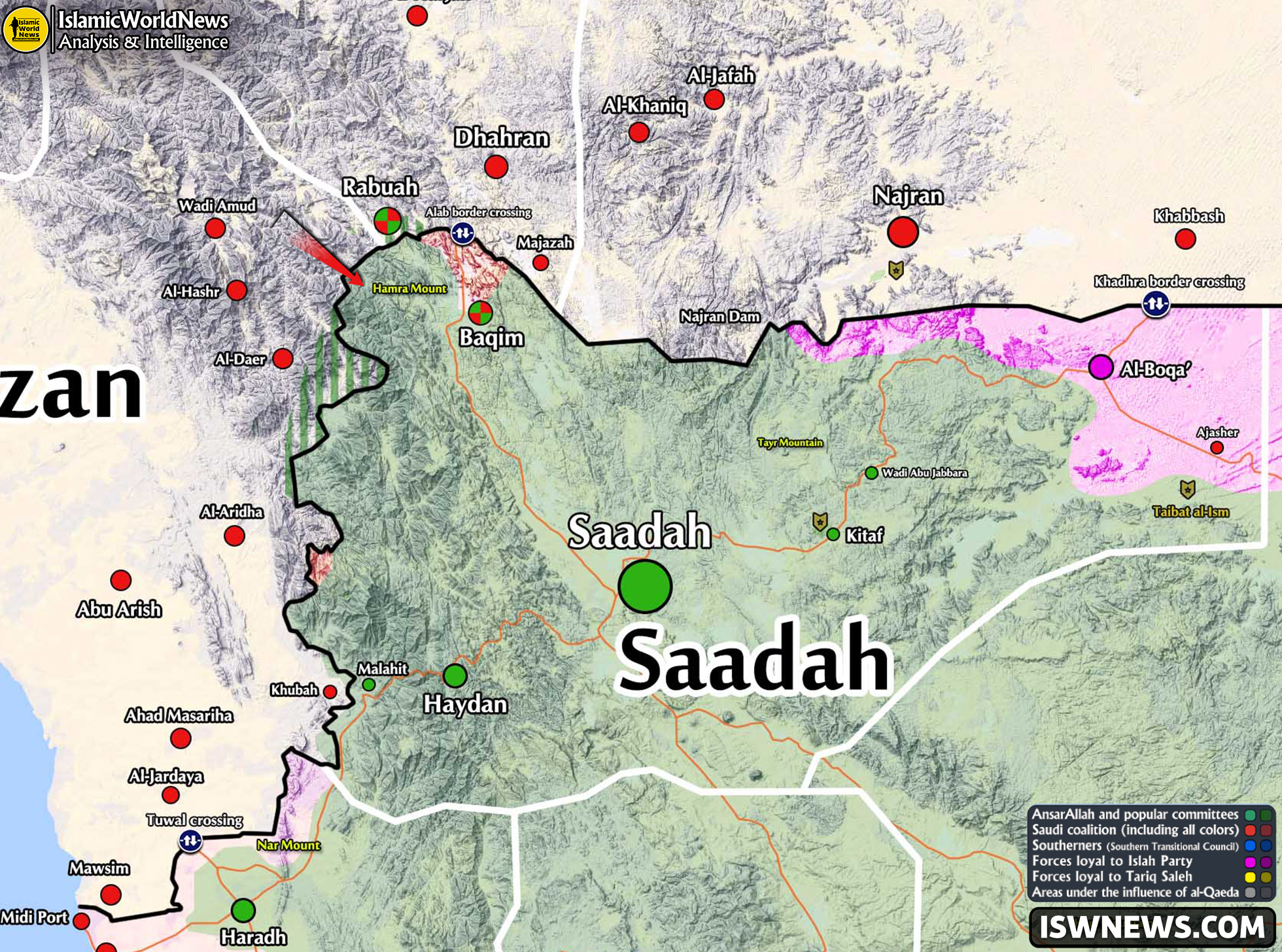
    Border attacks by Saudi forces in Saada province have been a persistent issue since the onset of the Yemeni war and the ceasefire that began three years ago. The Saudi government claims that Yemenis should refrain from approaching their southern borders due to security concerns. This characterization comes at a time when many villages are situated along the northern borders of Saada, where numerous African migrant workers are employed.

    Some domestic media outlets, due to their lack of knowledge over developments in Yemen, have mistakenly reported these attacks as the beginning of a ground offensive against Yemen, attributing them to American and Israeli plans. However, these attacks are unrelated to such issues; they are merely violations of the ceasefire and exacerbate border tensions.

  • Yemeni Army Downed 18th US MQ-9 In Marib!

    Yemeni Army Downed 18th US MQ-9 In Marib!

    This is the second drone to be shot down by the Yemeni forces within the last 72 hours. This marks the 18th MQ-9 drone shot down during the Yemeni conflict. Additionally, 14 of these drones were destroyed during recent military operations and Yemen’s support for the Palestinian people.

    The MQ-9 Reaper drone, developed by General Atomics, is a heavy, multi-purpose drone used by the US military for various reconnaissance, surveillance, and offensive operations, including assassination missions in Iraq, Afghanistan, and Syria since 2001.

    The average unit cost of an MQ-9 is estimated at $32 million in 2023 dollars. Consequently, Ansar Allah has inflicted around $576 million in damage to the US by downing 18 of these drones.”

  • Yemeni Missile and Drone Attack on Tel Aviv and USS Harry S. Truman Aircraft Carrier

    Yemeni Missile and Drone Attack on Tel Aviv and USS Harry S. Truman Aircraft Carrier

    The attack on Ben Gurion Airport, located southeast of Tel Aviv, was executed with a Palestine-2 hypersonic ballistic missile. Additionally, a Zulfiqar ballistic missile was deployed to target a power plant south of Jerusalem.

    The USS Harry S. Truman aircraft carrier was also attacked by multiple suicide drones and cruise missiles in the Red Sea.

    According to Yahya Saree, spokesman for the Yemeni armed forces, all attacks successfully achieved their objectives.

    The Israeli army claims to have intercepted and destroyed two missiles fired from Yemen. Additionally, some sources report that one of the missiles was hit, although no visual evidence has been provided yet.

    Missile attack on Tel Aviv
    Missile attack on Tel Aviv

    As a result of this attack, sirens blared in over 100 locations in the occupied territories, prompting hundreds of thousands of Israelis to seek shelter.

    sirens blared in over 100 locations in the occupied territories

    Several flights at Ben Gurion Airport were delayed. Additionally, falling debris from the missiles caused damage in the Zionist settlements.

    The IWN investigations indicate that the attacks on Ben Gurion Airport and Jerusalem power plant mark the 60th and 61th aerial operations by the Yemeni armed forces against Zionist regime positions in occupied Palestinian territory, employing ballistic missiles, cruise missiles, and suicide drones.

    Furthermore, the operation against the USS Harry S. Truman represents the 178th military action against illegal ships (Israeli, American, British, and their affiliates) in the waters surrounding Yemen.

  • THAAD System Deployed: U.S. Assists Israel with First Official Use

    THAAD System Deployed: U.S. Assists Israel with First Official Use

    In mid-October, the United States deployed two or three THAAD anti-ballistic missile system batteries, along with about 100 American military personnel, in the occupied territories. Initially, the THAAD system was deployed to counter potential Iranian retaliatory attacks on sensitive Israeli sites. However, it seems that following the failure of the Israeli Arrow-2 and Arrow-3 anti-ballistic missile systems to counter Yemeni hypersonic missiles, the THAAD system was brought in to assist.

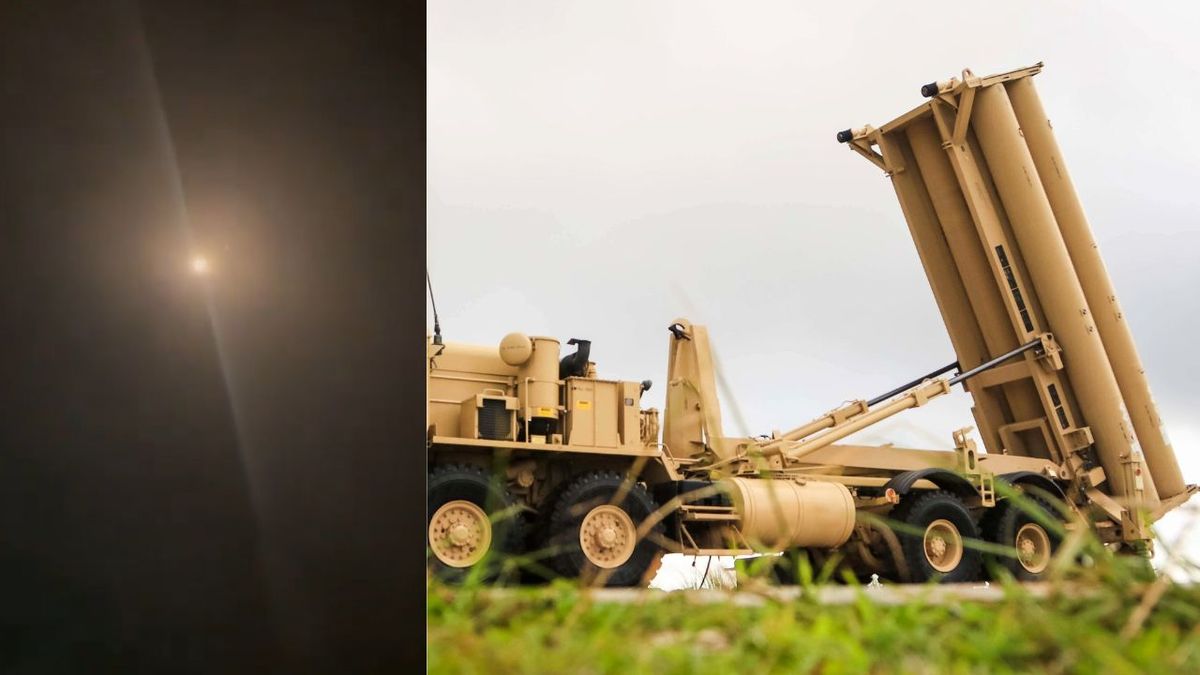
    According to Israeli sources, this marks the first activation of the THAAD system since its deployment in occupied Palestine. In the video, American military personnel excitedly exclaimed, “18 years waiting for this!”

    THAAD activated in Israel on December 27

    But how effective is THAAD really?

    In short, against one or two ballistic missiles, the THAAD system is quite effective. However, it struggles against a large number of incoming missiles.

    Each THAAD system battery has 6 launchers, each with 8 missiles, totaling 48 missiles per battery. The United States has 7 THAAD batteries, which are strategically important for defending sensitive American locations. Lockheed Martin, the manufacturer of THAAD, has produced and delivered about 800 THAAD missiles to the US Army. Of these, 336 are needed for the 7 American batteries, with the remainder in reserve.

    Given this information, it’s clear why the US has provided Israel with two to three batteries of the THAAD system. The production of THAAD systems and missiles is limited, and the United States cannot supply all the THAADs and missiles it needs to Israel.

    If Israel has three THAAD batteries, that means 144 interceptor missiles are ready for use, supplemented by a small portion of the US THAAD missile reserves.

    The primary purpose of deploying these systems in Israel is to counter Iranian attacks. However, the system can easily become overwhelmed by a large volume of missiles, such as 200 in a single operational mission, significantly reducing its defensive capabilities. The key to the success of Yemeni attacks, similar to Iran’s approach, lies in effectively saturating these systems. The more hypersonic missiles are fired, the higher the success rate of Yemeni operations!

  • 17th US MQ-9 Drone Shot Down In Yemen!

    17th US MQ-9 Drone Shot Down In Yemen!

    Brigadier General Yahya Saree, the spokesperson for the Yemeni armed forces, stated that the MQ-9 drone was brought down by a locally-made Yemeni missile.

    This marks the 17th MQ-9 drone shot down during the Yemeni conflict. Additionally, 13 of these drones were destroyed during recent military operations and Yemen’s support for the Palestinian people.

    The first footage of the aftermath of the US Army MQ-9 drone’s destruction over Al-Bayda Province

    The frequent downing of MQ-9 drones in Yemen highlights the US Army’s challenges in effectively conducting reconnaissance operations to locate and eliminate Yemeni missile and suicide drone launch sites.

    The military bases in Al-Bayda Province are critical launch points for the Yemeni Army’s anti-ship ballistic missiles, which target ships operating in the Gulf of Aden. American drones patrol this area in an effort to monitor the movements of Yemeni missile force fighters.