Tag: Yemen

  • Yemen intensifies missile and drone strikes against Israel

    Yemen intensifies missile and drone strikes against Israel

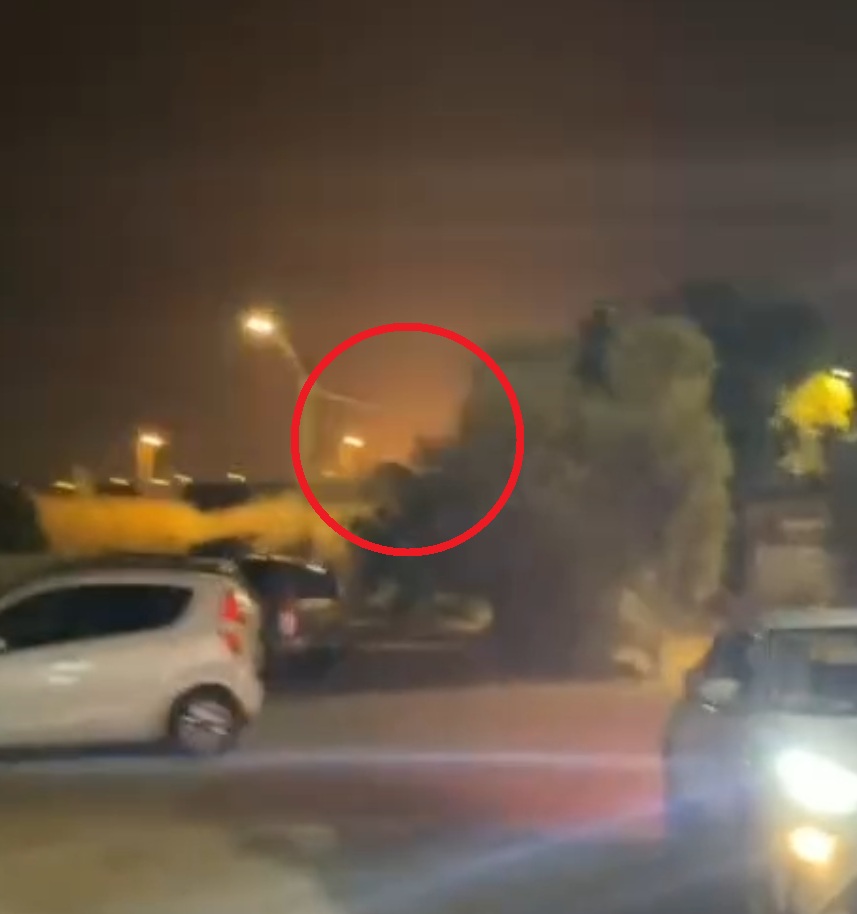
    One of the cluster warheads reportedly caused a fire near Ben Gurion Airport. The attacks triggered mass panic, forcing thousands of Israeli settlers into shelters and disrupting flights at the airport.

    One of the cluster warheads reportedly caused a fire near Ben Gurion Airport

    According to data compiled by the Islamic World News, Yemen has carried out 188 missile and drone operations against Israel since the beginning of Israel’s military aggression on Gaza.

    Yemen’s military has repeatedly stated that its attacks will continue until the Israeli regime halts its aggression against the oppressed people of Gaza.

  • Ansar Allah Releases Names of Fallen Yemeni Government Officials

    Ansar Allah Releases Names of Fallen Yemeni Government Officials

    Among those named were key figures in Yemen’s political leadership, including Prime Minister Ahmed Ghalib Nasser Al-Rahwi, whose death marks a significant loss for the government’s executive branch. The list also includes several cabinet ministers across vital sectors:

    • Jamal Amer, Minister of Foreign Affairs
    • Hashim Sharafuddin, Minister of Information
    • Ahmed Abdullah Ali, Minister of Justice
    • Muhammad Al-Mawlid, Minister of Sports and Youth
    • Ali Saif Muhammad, Minister of Electricity and Energy
    • Ali Al-Yafei, Minister of Culture and Tourism
    • Radwan Ali Al-Riba’i, Minister of Agriculture and Fisheries
    • Samir Bajaala, Minister of Social Affairs and Labor
    • Muhammad Al-Kabsi, Chief of Staff to the Prime Minister

    The Israeli airstrike, carried out on Thursday, August 28, targeted senior military commanders and political leaders in Yemen. Although the attempt to assassinate the Chief of Staff and the Defense Minister was unsuccessful, the attack resulted in the deaths of the Prime Minister and several cabinet members. This operation marks the beginning of a broader intelligence and security campaign by Israeli agencies Mossad and Aman in Yemen, aimed at murdering key figures in the Yemeni government and the Ansar Allah movement.

    Military sources in Yemen told the Lebanese newspaper Al-Akhbar that the Yemeni response to the attack on the civilian government meeting will not be driven by emotion, as some might expect. Instead, they emphasized that the operation being prepared by forces in Sana’a will be precise and highly impactful. The sources added that Israeli government offices will not be spared from the firepower of Yemen’s armed forces.

  • Israeli-Linked Tanker Hit by Missile Near Yanbu Off the Saudi Coast

    Israeli-Linked Tanker Hit by Missile Near Yanbu Off the Saudi Coast

    The attack occurred last night, and the ship’s crew reported the incident to UK Maritime Trade Operations (UKMTO). The report states the assault took place 40 nautical miles southwest of Yanbu, in western Saudi Arabia. The captain described an explosion and an unidentified projectile hitting near the ship, causing water splashes, but the crew remains unharmed, and the ship continues its course.

    The Yemeni Armed Forces emphasized support for Palestinians, banning shipping to occupied Palestinian ports and targeting Israeli military sites until hostilities cease and the Gaza siege is lifted.

    This marks their 215th operation against vessels linked to Israel, the U.S., and the U.K.

    The Scarlet Ray, an Israeli oil tanker under the Liberian flag, was en route from Yanbu to occupied ports. This incident highlights ongoing cooperation between Saudi Arabia and Israel over energy transfers. Countries like Turkey, Egypt, and Saudi Arabia are working to bypass the maritime blockade imposed by Yemen on the Zionist regime.

    Yemen #Israel

  • Yemeni Prime Minister and Cabinet Ministers Martyred in Israeli Airstrike

    Yemeni Prime Minister and Cabinet Ministers Martyred in Israeli Airstrike

    According to the statement, a number of ministers were also injured in the attack and are currently receiving treatment at a hospital in Sanaa. Yemeni media reports confirm the deaths of Foreign Minister Jamal Amer, Information Minister Hashem Sharaf al-Din, Justice Minister Ahmed Abdullah Ali, Youth and Sports Minister Mohammed al-Mawled, and Electricity and Energy Minister Ali Saif Mohammed.

    Ahmed al-Rahawi had been appointed Prime Minister on August 23, 2024, by Mahdi al-Mashat, head of Yemen’s Supreme Political Council. His administration, operating under the slogan “Change and Construction,” had made notable progress over the past year in addressing economic hardships and managing the fallout from the ongoing conflict with Israel.

    Following the assassination, Deputy Prime Minister Mohammed Ahmed Moftah has been appointed to lead the government.

    The Israeli airstrike, carried out on Thursday, August 28, targeted senior military commanders and political leaders in Yemen. Although the attempt to assassinate the Chief of Staff and the Defense Minister was unsuccessful, the attack resulted in the deaths of the Prime Minister and several cabinet members. This operation marks the beginning of a broader intelligence and security campaign by Israeli agencies Mossad and Aman in Yemen, aimed at murdering key figures in the Yemeni government and the Ansar Allah movement.

  • Ahmed Saleh Expelled from the Yemeni People’s Congress Party

    Ahmed Saleh Expelled from the Yemeni People’s Congress Party

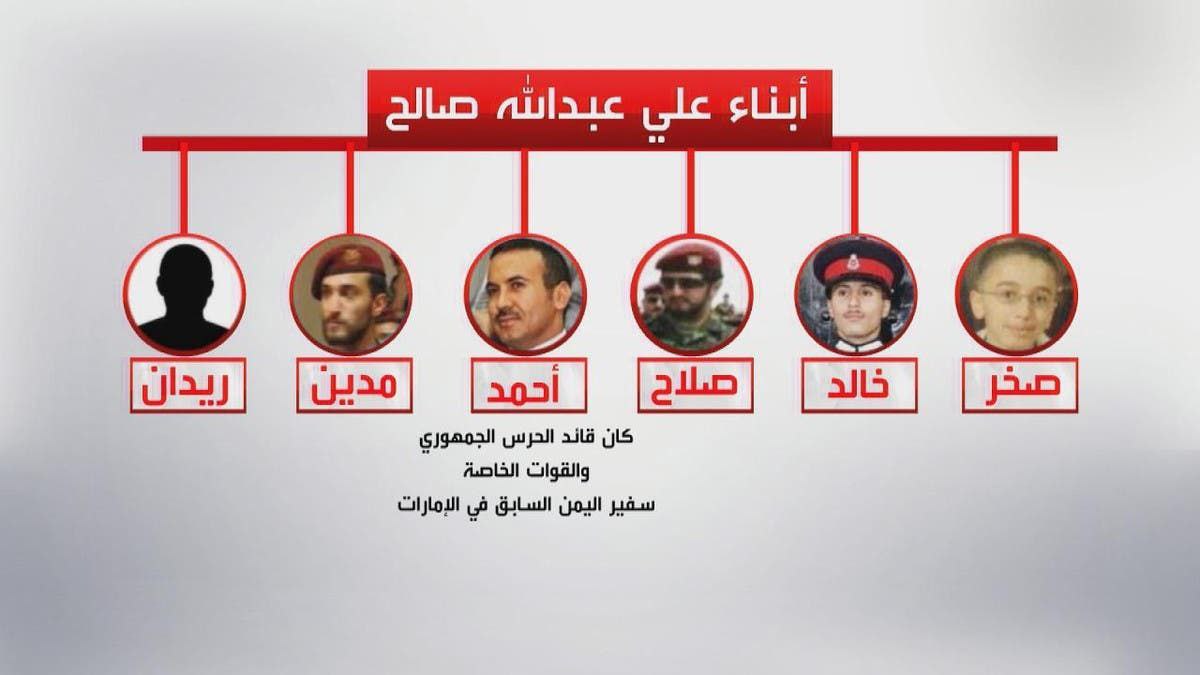
    Ahmed is the eldest son of Ali Abdullah Saleh, the founder of the Yemeni People’s Congress Party. Ali Abdullah Saleh fled to the UAE following his attempted coup against the leaders of the Yemeni revolution and the Ansar Allah movement in 2017, after which he ceased his activities in Yemen. However, the Central Committee of the People’s Congress Party appointed Ahmed as deputy to Sadiq Amin Abu Ras, the new leader of the party.

    Ahmed’s dismissal stems from his recent attempts to reenter the political arena in Yemen and his efforts to create a rift between the People’s Congress Party and the Ansar Allah movement. His actions are reportedly aligned with an Israeli security plan that involves the participation of the UAE in the city of Marib. The Islah Party has opposed the rise of Ali Abdullah Saleh’s supporters in Marib, considering it their most significant base of operations, which has escalated tensions between the factions in the occupied areas of Yemen.

  • Ambush in Marib: Emirati Soldier Killed Amid Rising Tensions

    Ambush in Marib: Emirati Soldier Killed Amid Rising Tensions

    According to local sources, the ambush occurred early this morning as Emirati forces were traveling in three vehicles from Al-Samda and were attacked with light and semi-heavy weapons by unknown assailants.

    It is still unclear who carried out the attack or which group was responsible. However, the city of Marib is the main stronghold of the Islah Party, the Yemeni branch of the Muslim Brotherhood. Emirati-affiliated forces have been planning to bring back remnants of the Saleh family’s political movement—especially Ahmed Abdullah Saleh, the eldest son of Ali Abdullah Saleh—to the city. This move is seen as undermining the Islah Party’s dominance in Marib. Therefore, such attacks by the Islah Party are considered a natural response and reflect the covert rivalry between the UAE and Islah over influence and control in Marib.

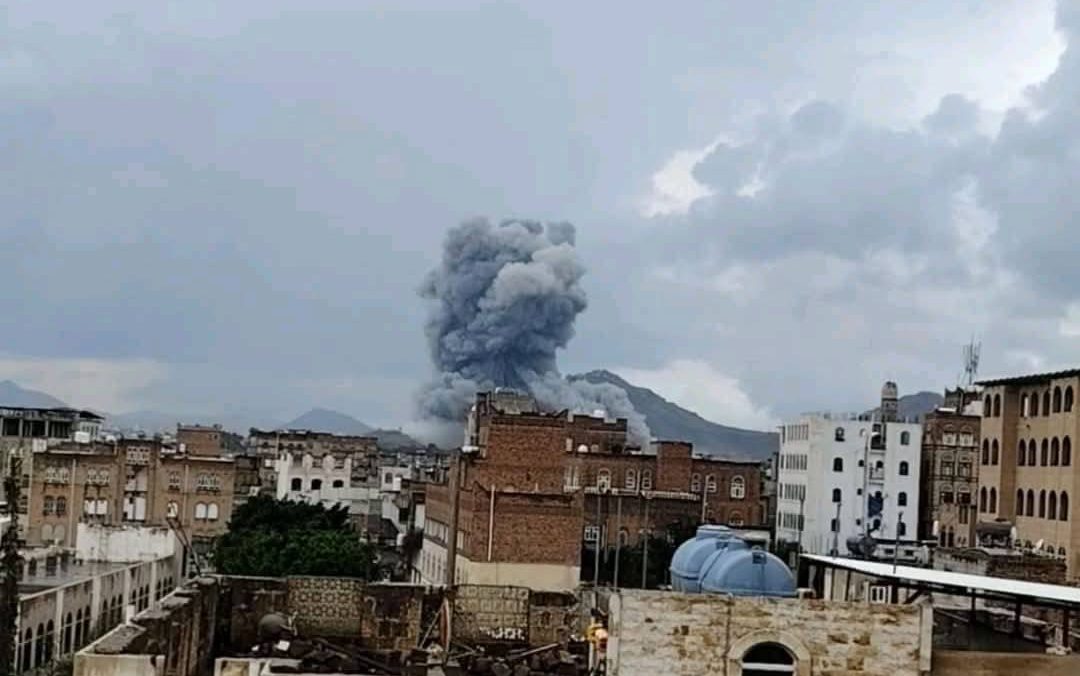
  • Intense Israeli Airstrike on Yemen’s Capital (Video)

    Intense Israeli Airstrike on Yemen’s Capital (Video)

    The strikes hit multiple sites including the presidential palace, the Haziz power station in Sanhan district, a facility referred to as the Assar power station (not identified in Yemeni sources), and a fuel depot. So far, six fatalities have been reported, with 86 others injured.

    Simultaneously, Yemeni air defense forces engaged the Israeli aircraft, launching interceptor missiles that successfully repelled some jets and disrupted the operation.

    According to Israeli statements, the airstrikes were a retaliatory measure against ongoing missile and drone attacks by Yemeni forces. The Israeli regime claims the targeted sites were being used militarily by Ansar Allah.

    The attack drew widespread condemnation from regional actors, including the Yemeni Foreign Ministry, the Political Bureau of the Ansar Allah Movement, Iran’s Foreign Ministry, Oman, Hezbollah in Lebanon, and various Palestinian resistance groups, all of whom issued statements denouncing Israel’s actions.

    Israeli Airstrike on Yemen’s Capital

    This marks the 15th aerial assault by the Zionist regime on Yemen since the escalation of hostilities.

    Analysts suggest that by targeting civilian infrastructure and energy facilities, Israel aims to weaken Yemeni military pressure and shift focus away from internal challenges. The Israeli security apparatus is allegedly prioritizing the elimination of key figures within the Yemeni armed forces and the Ansar Allah political leadership, though these efforts have failed. Meanwhile, the U.S. Navy and Air Force are actively working to intercept Yemeni missile and drone attacks, utilizing regional airspace, including that of Saudi Arabia, to prevent strikes from reaching Israeli territory.

  • Yemeni Missile and Drone Strike on Israel (Video)

    Yemeni Missile and Drone Strike on Israel (Video)

    The Yemeni Armed Forces launched an attack on Israeli positions in Tel Aviv and Ashkelon using one hypersonic missile and two suicide drones. A video from the occupied territories captured the moment of impact.

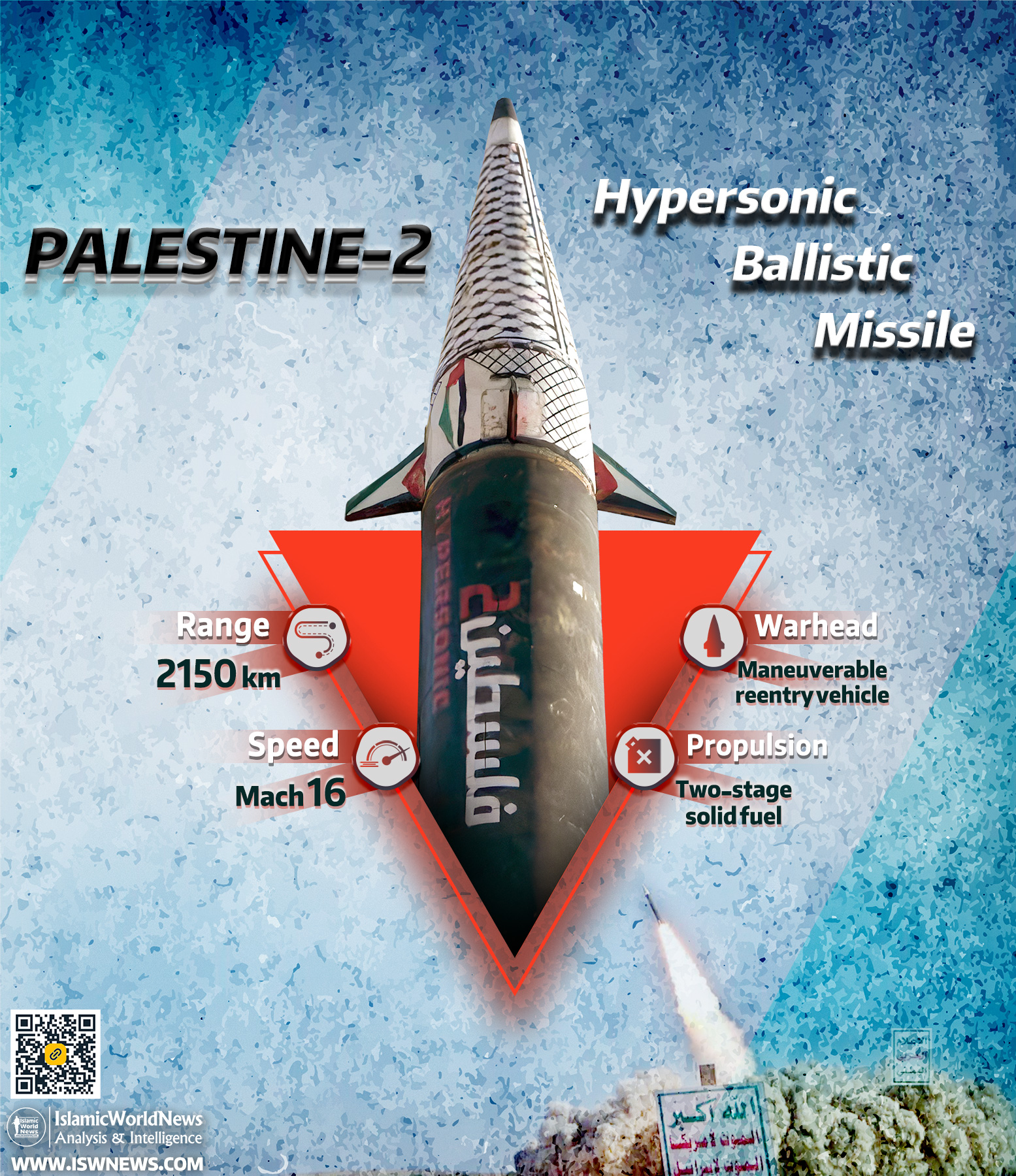
    As part of their continued support for the Palestinian people and resistance, the Yemeni Armed Forces targeted Lod Airport (Ben Gurion) near Tel Aviv with a hypersonic ballistic missile named “Palestine 2.” Israel’s missile defense systems failed to stop the missile, and the operation reportedly hit its target successfully. The strike caused millions of Israelis to flee to shelters and suspended airport operations.

    Yemeni missile impact in occupied territories

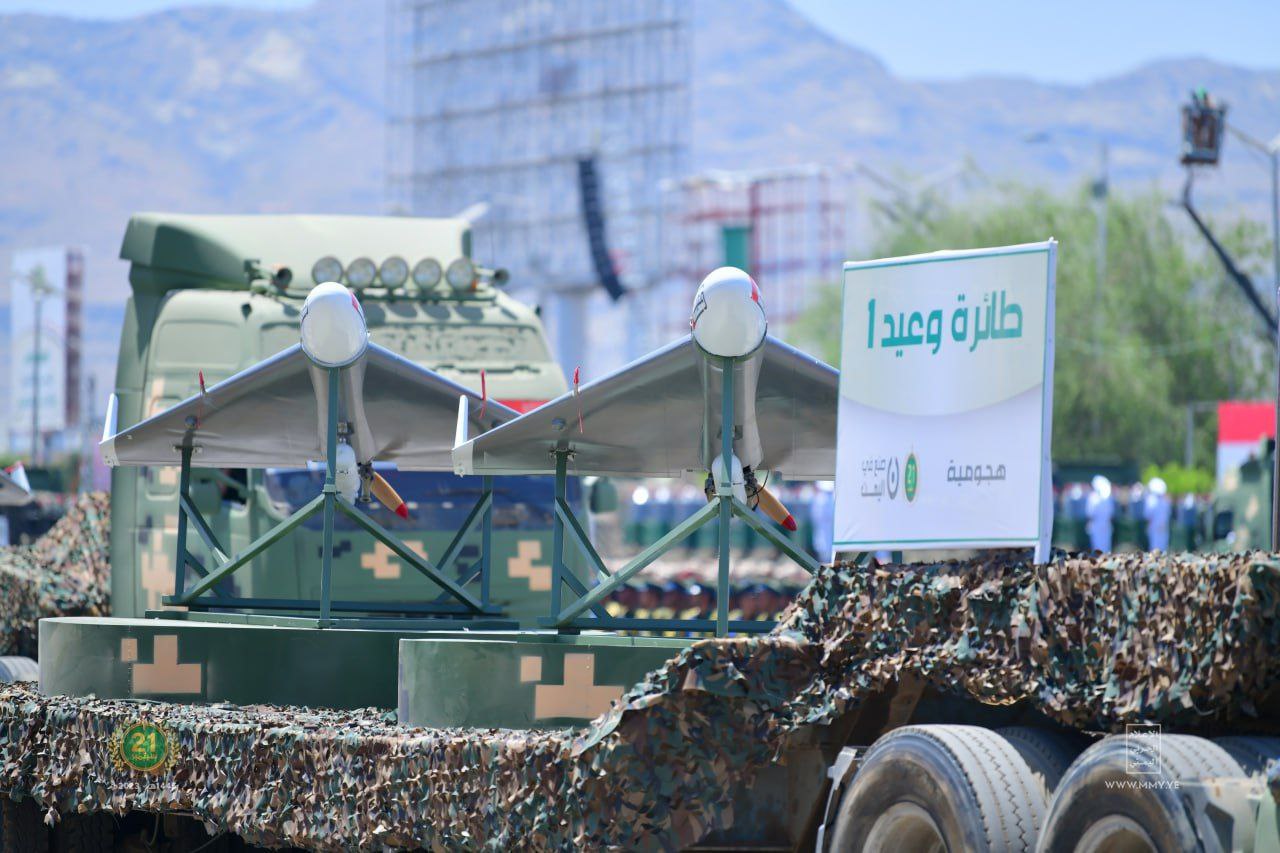
    The Yemeni Air Force also carried out two military operations using suicide drones against critical Israeli military targets in Tel Aviv and Ashkelon. According to Brigadier General Yahya Saree, both missions successfully reached their objectives.

    In his statement, Brigadier General Yahya Saree expressed Yemen’s deep appreciation for the heroism and sacrifices of the steadfast Palestinian fighters in Gaza. He described them as the embodiment of resistance against the enemies of the Muslim nation, selflessness in the path of God, and defenders of the dignity of the Ummah. He affirmed that Yemen—with its loyal people, devoted army, and faithful leadership—will stand by them until the aggression ends and the blockade is lifted.

    According to Islamic World News statistics, these operations mark the 178th to 180th aerial strikes by the Yemeni Armed Forces against Israeli positions in occupied Palestine.

  • Digital Conflict Intensifies: Yemen Strikes Back Against Cyber Aggressors

    Digital Conflict Intensifies: Yemen Strikes Back Against Cyber Aggressors

    In retaliation, Yemen has targeted the Absher platform, which is affiliated with the Saudi Ministry of Interior. This platform connects all Saudi government departments electronically and serves 21 million users, offering 200 electronic services, including online services for passports, traffic, and civil affairs.

    The cyber attacks on Yemeni sites suggests that Israel has organized a comprehensive operation involving air, cyber, intelligence, security, and economic strategies to strike Yemen. Following the failure of a US military naval operation in Yemen, it appears that Israeli officials now recognize that disabling the Yemeni front will require a large-scale, coordinated effort over an extended period.

  • Yemen Prepares Itself For Any Foreign Aggression

    Yemen Prepares Itself For Any Foreign Aggression

    During this meeting, senior Yemeni commanders discussed the military readiness of the Sixth Region forces, security and intelligence matters, the training process, and popular mobilization efforts in support of Palestine. They also addressed the organization of the annual ceremony commemorating the birth of the Prophet Muhammad (PBUH).

    The Yemeni Armed Forces anticipate the possibility of the enemy launching ground or air attacks on the northern or northwestern fronts, particularly in the Al-Jawf and Sa’ada regions. In response, they have prepared themselves for all potential scenarios involving the United States and Israel against Yemen.

  • Israeli Intelligence Infiltration Plan in Yemen Using Ali Abdullah Saleh’s Son

    Israeli Intelligence Infiltration Plan in Yemen Using Ali Abdullah Saleh’s Son

    Recently, Arab media reported that Ansar Allah was at odds with its main political ally, the “Popular Congress Party,” and claimed that the party’s leaders were detained and their headquarters seized, allegedly due to connections with Ahmed Abdullah Saleh, the son of ex-Yemeni leader Ali Abdullah Saleh, now residing in the Emirates. These reports, however, were false, and the Yemeni Popular Congress Party denied the accusations circulated by Saudi and Emirati media that Ansar Allah intelligence agents had attacked its headquarters in Sanaa.

    Salim Al-Mughlas, a member of the Ansar Allah political bureau, revealed that Saudi Arabia and the UAE recently attempted to incite Yemeni factions and trigger internal conflict in Sanaa, but this plan failed. He dismissed rumors in Arab media about the arrest of Popular Congress Party members, stating that these provocations aimed to target both the Popular Congress Party and the Ansar Allah movement.

    The story indicates that the Ansar Allah intelligence service acted wisely by uncovering and preventing the sedition led by elements linked to the Popular Congress Party. It appears that Mossad is trying to involve Ahmed Abdullah Saleh in politics through Emirati agents and by attracting members of the Popular Congress Party based in Sanaa, aiming to create new security tensions. Meanwhile, alongside Tariq Saleh’s covert efforts to strengthen ties with the Islah Party in Taiz, local sources confirmed that Madin Abdullah Saleh, another son of former Yemeni leader Ali Abdullah Saleh, recently arrived in Marib. He traveled to Riyadh a few days earlier and was coordinated into Marib by the Saudis. These actions align with a tripartite plan involving Israel, the UAE, and Saudi Arabia to reintroduce Saleh’s children into Yemeni politics. During his visit, Madin likely met with Saudi-UAE coalition military leaders, including Sultan Al-Aradah, other Islah Party leaders, and Lieutenant General Sagheer bin Aziz, to discuss ongoing political and military developments.

    The plan to bring Ali Abdullah Saleh’s children back is actually a security strategy orchestrated by the Israeli Mossad. It started by rewriting the story of Saleh’s death at the hands of Ansar Allah while he was fleeing Sanaa, and progressed through his eldest son Ahmed’s contact with members of the Popular Congress Party in Sanaa. Recently, this has become more evident with the movements of Tariq and Madin Saleh in southwestern Yemen and Marib. It is anticipated that Saleh’s sons will enter Yemen as part of a new group of mercenaries connected to the Saudi coalition. Their goal is to recruit members of the Popular Congress Party in Sanaa, as well as forces loyal to Tariq Saleh and supporters of Ali Abdullah Saleh, such as Lieutenant General Sagheer bin Aziz. This strategy aims to weaken the political influence of Ansar Allah’s allies.

    At first glance, this plan might appear weak and naive, since the Popular Congress Party lacks significant power in Sanaa. Meanwhile, Ansar Allah, with its considerable political and social influence, could easily seize control of the entire organization of this party through a security operation. However, their separation will undermine Ansar Allah’s political standing in Yemen. Additionally, their subordinate elements could turn into a Mossad spy network in Sana’a and infiltrate the Yemeni government and armed forces. This would allow Israel to gather more intelligence and data on military and vital installations, as well as the headquarters of Ansar Allah leaders, commanders, and the Yemeni armed forces.

    Overall, Ansar Allah must work harder than ever to maintain the unity of their internal front within the Sana’a government and prevent spies from infiltrating areas under their control. One method of infiltration involves reopening roads between cities held by Ansar Allah and the resigned government, which is being pushed by the UN. This move could allow spies easier access to Ansar Allah’s internal territories. Although Ansar Allah oversees and inspects these roads, Israeli field agents possess specialized training and resources to evade security checks, potentially infiltrating cities controlled by Ansar Allah.
  • Yemen’s Army Drone Attacks Against Israel

    Yemen’s Army Drone Attacks Against Israel

    According to a statement from the spokesman of the Yemeni armed forces, these operations were deemed successful.

    The Yemeni armed forces urged Islamic and Arab nations to support Palestine. They also warned companies involved with the ports in occupied Palestine, calling on them to cease their cooperation to safeguard the crews of their ships.

    Data collected by IWN indicates that these operations mark the 169th to 171st air operations of the Yemeni armed forces against the positions of the Zionist regime in occupied Palestine