— “The Houthis (AnsarAllah) have targeted key Israeli aviation hubs. Although Israel can protect its skies, it struggles to secure its airspace completely.”
— “As a result of the missile launches from Yemen, insurance companies have categorized Israel as a high-risk area.”
— “Israel should not leave airlines to fend for themselves against Yemeni missiles, especially since there is no effective countermeasure in place.”
— “The Houthis do not need to capture Ben Gurion Airport; their objective could simply be to disrupt its operations.”
👉 The most significant effect of the Yemeni missile attacks on Israeli airports is that continuous missile threats can have severe implications, even if the missiles themselves don’t reach their designated targets. This strategy explains the Yemenis’ ongoing and small-scale attacks, aimed at halting or significantly impacting Israeli aviation.
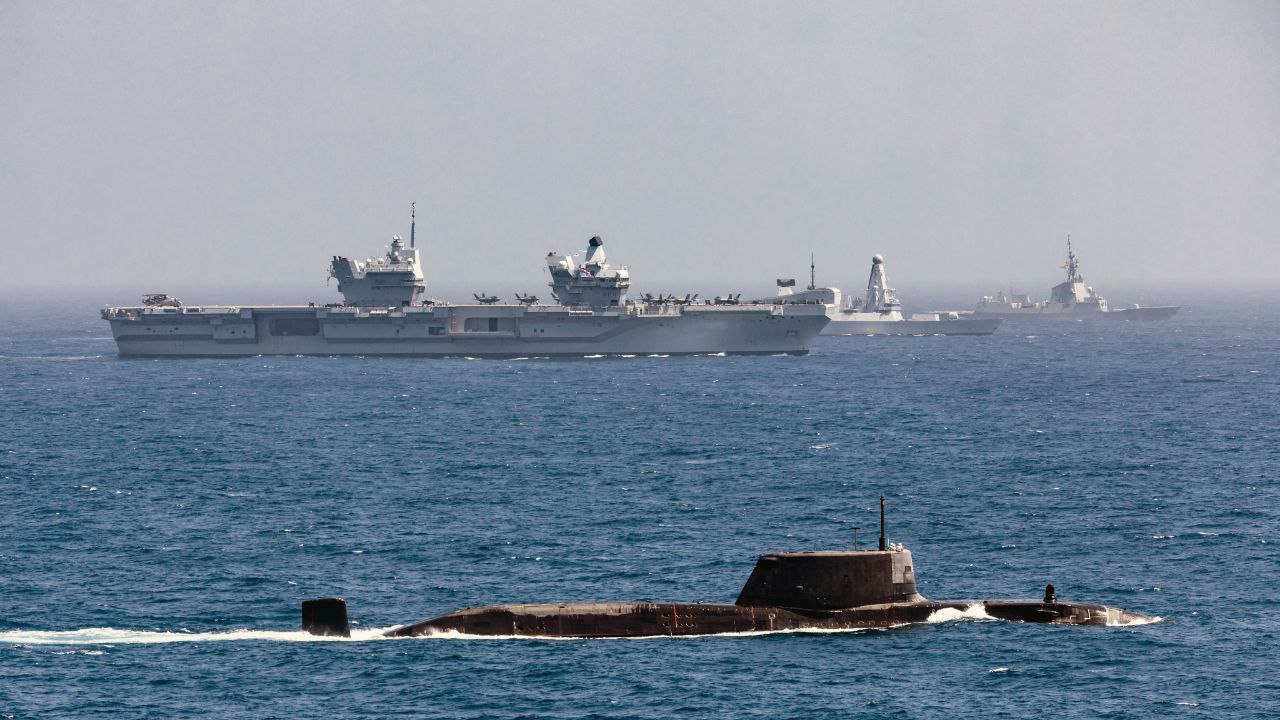
The CSG25 Fleet includes the aircraft carrier HMS Prince of Wales, the destroyer HMS Dauntless, the frigate HMS Richmond, and the support vessel RFA Tide Spring. It also comprises warships from Norway, Spain, and Canada, as well as several attack and support aircraft, including F-35 fighter jets.
The fleet departed from Portsmouth in southern England on April 22 and is set to continue its mission in the Indian and Pacific Oceans. After recently passing through the Suez Canal, the fleet plans to navigate the Bab el-Mandeb Strait to reach the Indian Ocean.
Given that the recent US-Yemen agreement does not involve British ships, there is a possibility that the fleet may encounter Yemeni armed forces in the Red Sea. Consequently, the European fleet has devised plans to respond to any potential Yemeni attacks; if conflict arises, they are prepared to target positions in Yemen using F-35 fighter jets.
The Yemeni armed forces have previously attacked British-affiliated commercial ships in response to the involvement of British forces and aircraft in the air campaign against Yemen, as well as the UK’s support for Israel’s conflicts in Gaza and Lebanon. Despite a ceasefire agreement brokered by representatives of Trump and Ansar Allah in Oman, tensions remain high. A recent joint British-American military operation against Yemen has gone unanswered by the Yemeni army, heightening the likelihood of a retaliatory response.
What’s particularly noteworthy about this situation is that Trump’s policies appear to be most detrimental to his allies. The ceasefire agreement with Yemen largely prioritizes American interests, leaving European and Israeli ships vulnerable to attacks from Ansar Allah.
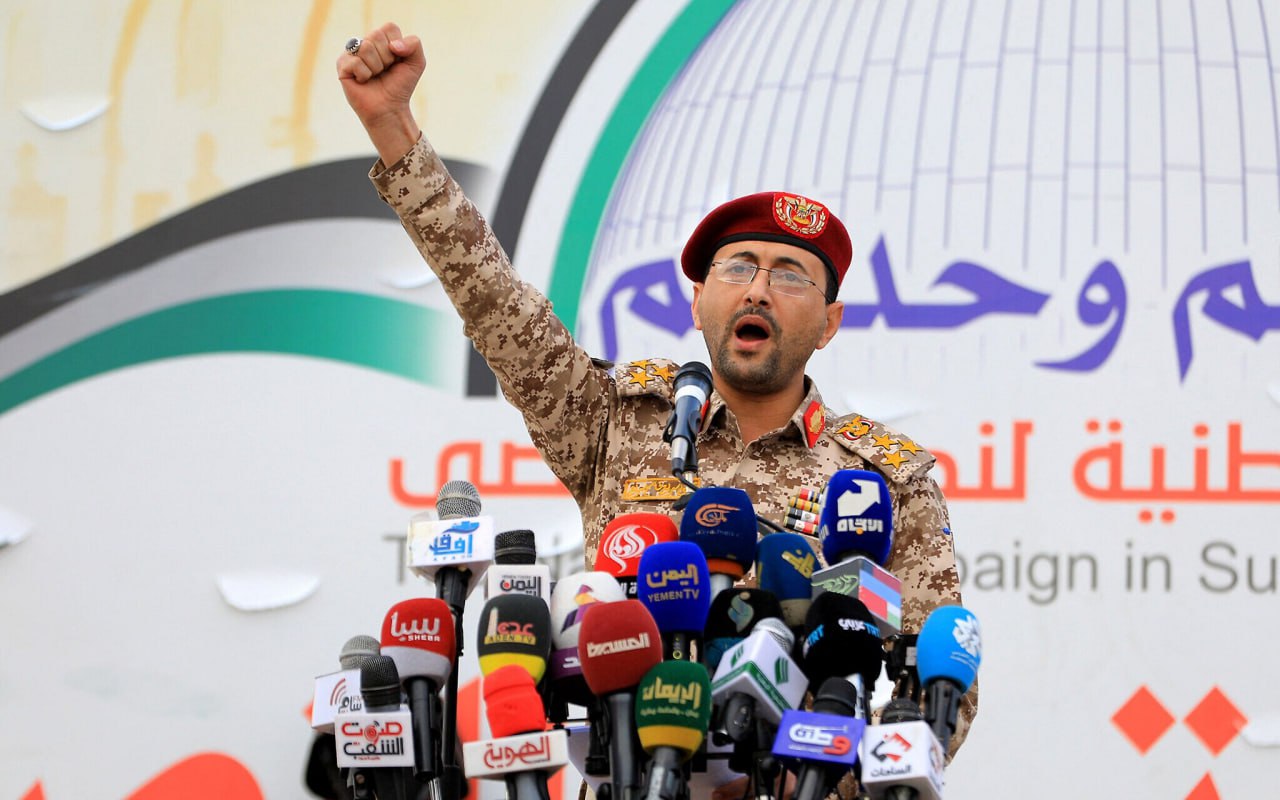
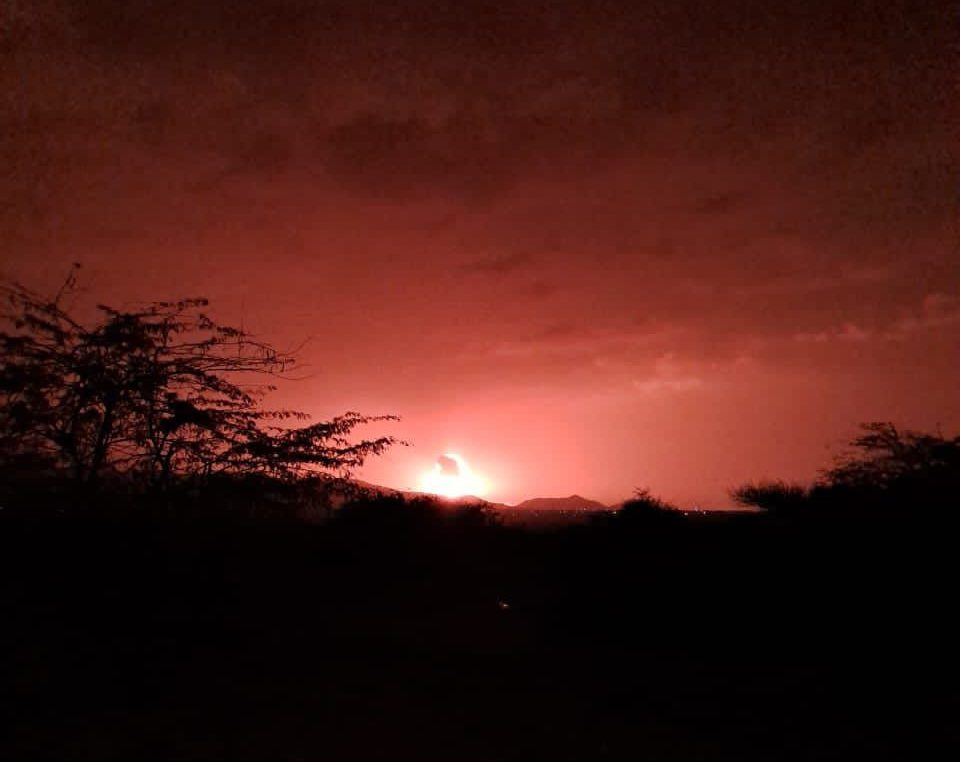
Brigadier General Yahya Saree stated that the missile force struck Lod (Ben Gurion) Airport, located in the outskirts of Tel Aviv, on the morning of May 25. The missile successfully reached its target, forcing the occupiers to seek shelter. The attack triggered air raid sirens in various areas of central occupied Palestine and disrupted multiple flights at the airport.
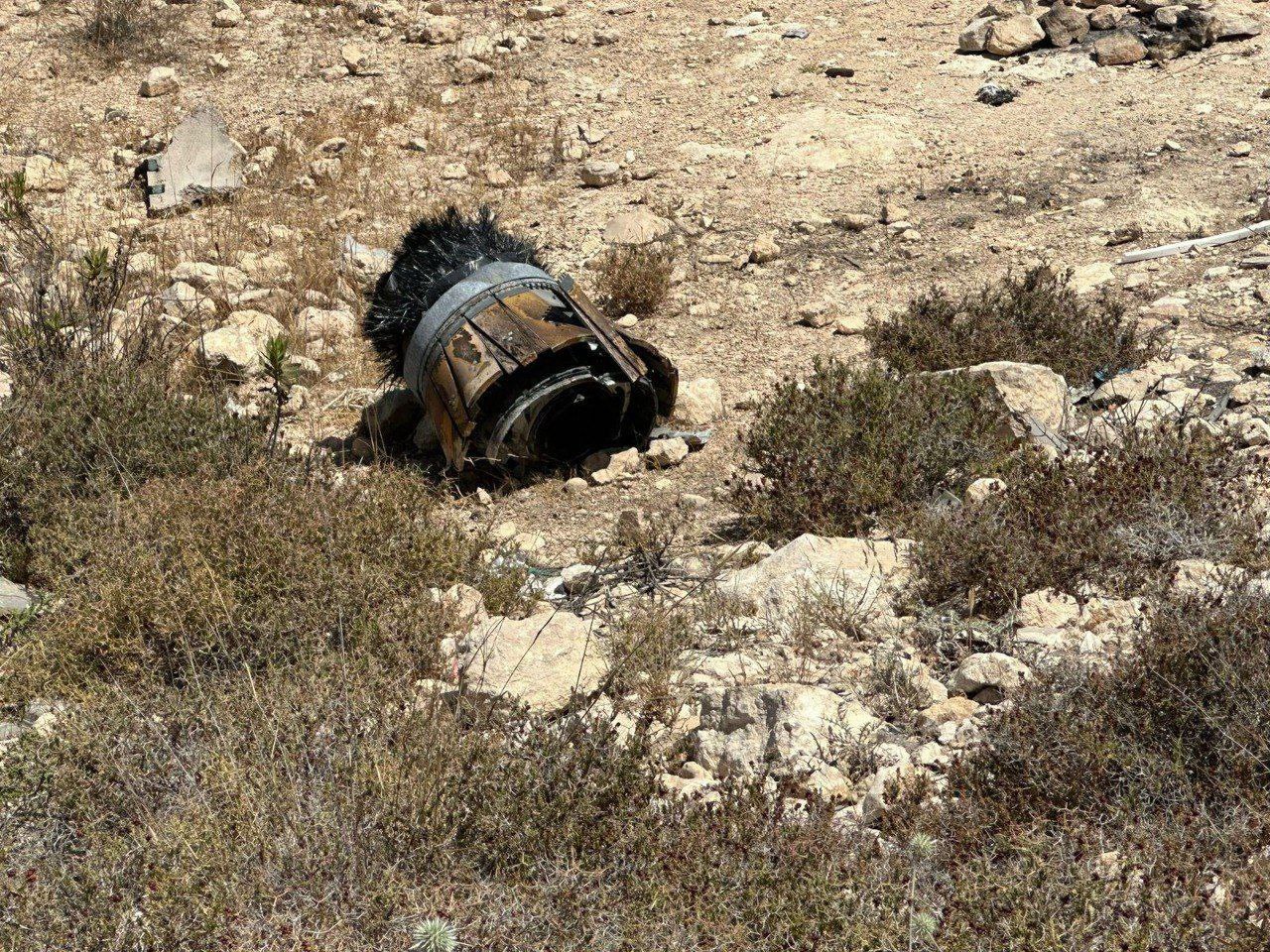
The Israeli army reported that it intercepted one Yemeni missile in the skies over occupied Palestine. According to Israeli media, Yemen has fired 41 ballistic missiles at occupied Palestine since March 18.
Data collected by IWN shows that this attack against Ben Gurion Airport represents the 124th strike carried out by the Yemeni armed forces on Israeli positions in occupied Palestine.
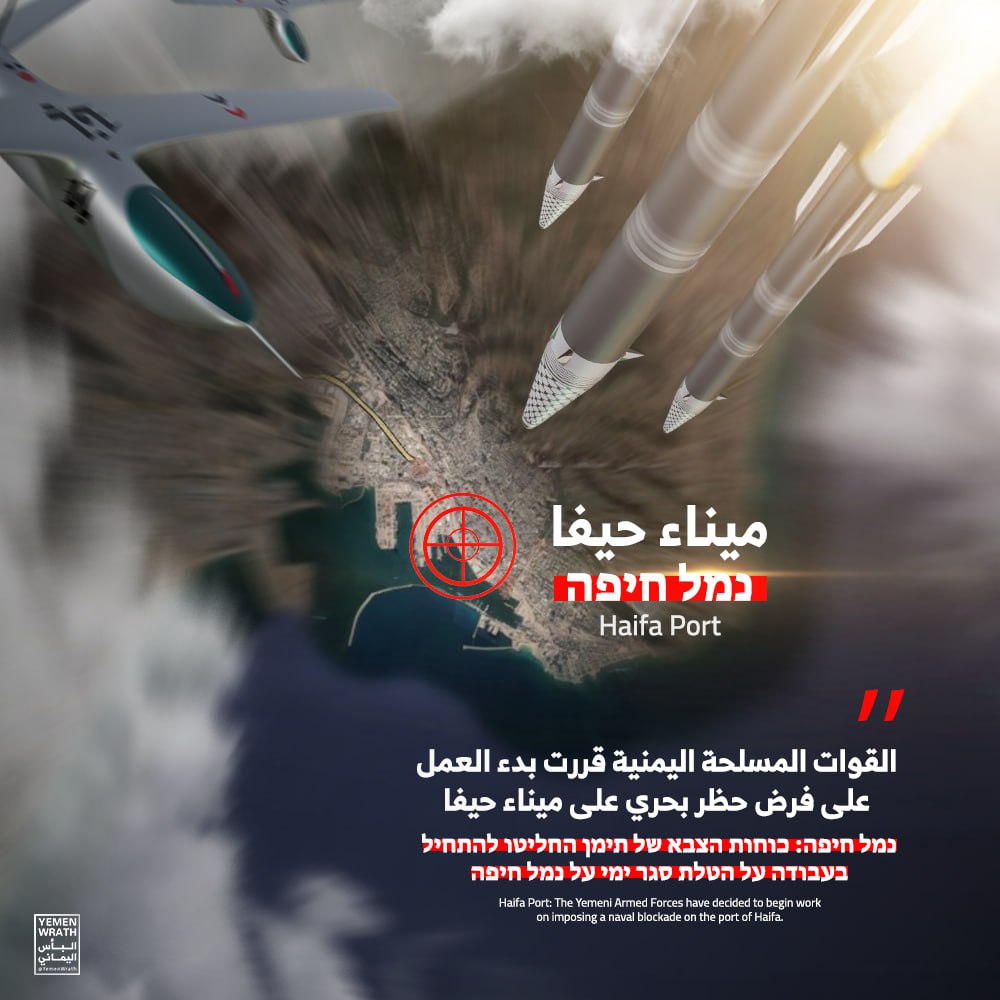
Brigadier General Yahya Saree, spokesman for the Yemeni Armed Forces, has warned all companies whose ships are currently in or heading to Haifa port that this port has been added to the target list following this announcement. Companies must take this statement and its implications into account.
The Yemeni Armed Forces also stated that all operations and decisions made by these forces against Israel, including the prohibition of air and sea navigation, will cease once the attacks on Gaza end and the siege is lifted.
The blockade of Haifa port means that any shipping company that violates the Israeli shipping ban will be added to the Yemeni sanctions list, prohibiting its naval fleet from passing through the Red Sea and the Indian Ocean. Moreover, Yemeni ballistic missiles, which have recently increased in range, could target port facilities, creating a state of insecurity at the port.
The Yemeni Armed Forces’ decision to blockade Haifa port is seen as a courageous and strategic move by the resistance axis, stemming from a series of successful actions by the Yemenis in the recent conflict against Israel and the United States.
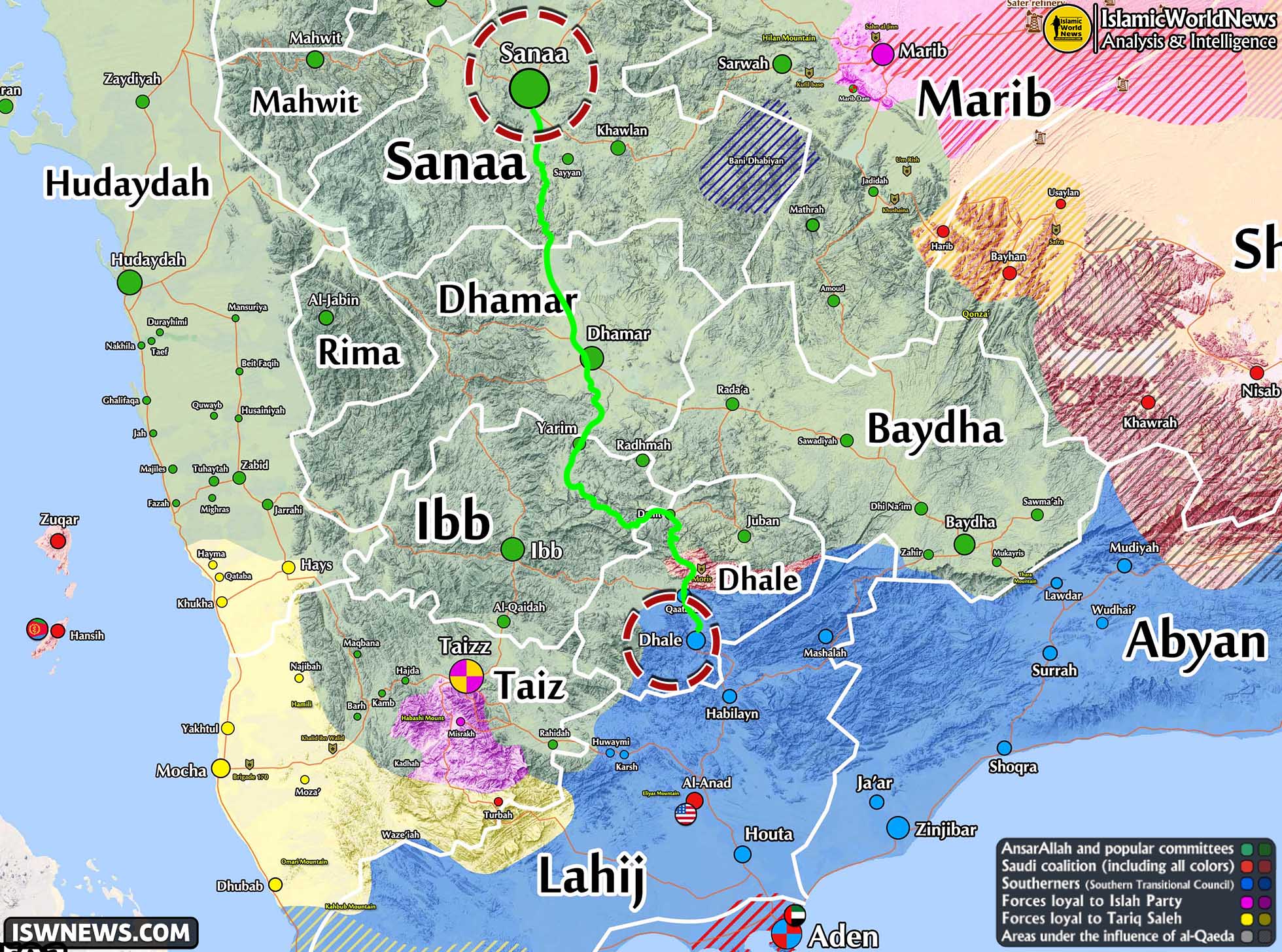
According to Major General Ali Muqbil Saleh, the Saudi-backed governor of Dhale, this decision was made to assist in the flow of humanitarian aid, reduce suffering, and ease civilian movement.
The Dhale-Sanaa road is a 240-kilometer route that runs from Dammam to Yarim in the Al-Bayda governorate and then passes through the city of Dhamar. This essential roadway connects the southern and central governorates of Yemen.
The closure of the Dhale-Sanaa road in recent years has caused significant hardship for southern Yemenis, forcing many to take long and difficult alternative routes. Although the Sanaa-backed government, supported by Ansar Allah, announced various plans to reopen all Yemeni roads following a ceasefire with the Saudi coalition in April 2022, the resigned government has prevented these plans from being implemented due to divisions and differing positions among southern Yemen groups.
Additionally, the Yemeni army attacked Lod Airport last night with a Zulfiqar ballistic missile. These strikes caused thousands of Israelis to seek shelter, and flights at Ben Gurion Airport were suspended for about an hour.
The spokesman for the Yemeni armed forces emphasized that these operations against Israel will continue and will not cease until the aggression against Gaza stops and the siege is lifted.
This missile operation against Ben Gurion Airport marks the 116th operation by the Yemeni armed forces against Israeli positions in occupied Palestine.
This operation involved 20 F-15 fighters, supported by refueling and reconnaissance aircraft.
As a result of these airstrikes, 21 civilians have been injured to date.
This marks the sixth airstrike by Israel on Yemen.
Israeli strikes in Hudaydah
Israel claims that the port of Hudaydah serves as a transfer point for Iranian weapons to Yemen, and claims that the Bajil cement factory is a source of income for Ansar Allah, which is allegedly used to construct bases and underground tunnels. However, these claims arise at a time when no Iranian ship has docked at the port of Hudaydah in the past decade, and there is no evidence to support the military use of Yemeni civilian facilities by Ansar Allah. The Yemeni armed forces have clearly stated that the weapons they utilize are domestically manufactured. Additionally, there are no military bases or positions located within commercial, energy, or service facilities. Thus, the claims made by the Israeli army and the American-British coalition have consistently proven to be unfounded.
Brigadier General Yahya Saree stated that the missile successfully reached its target and that enemy defense systems failed to intercept it.
This operation marks the 98th strikes conducted by the Yemeni army against Israeli positions in occupied Palestine, utilizing ballistic and cruise missiles, as well as suicide drones.
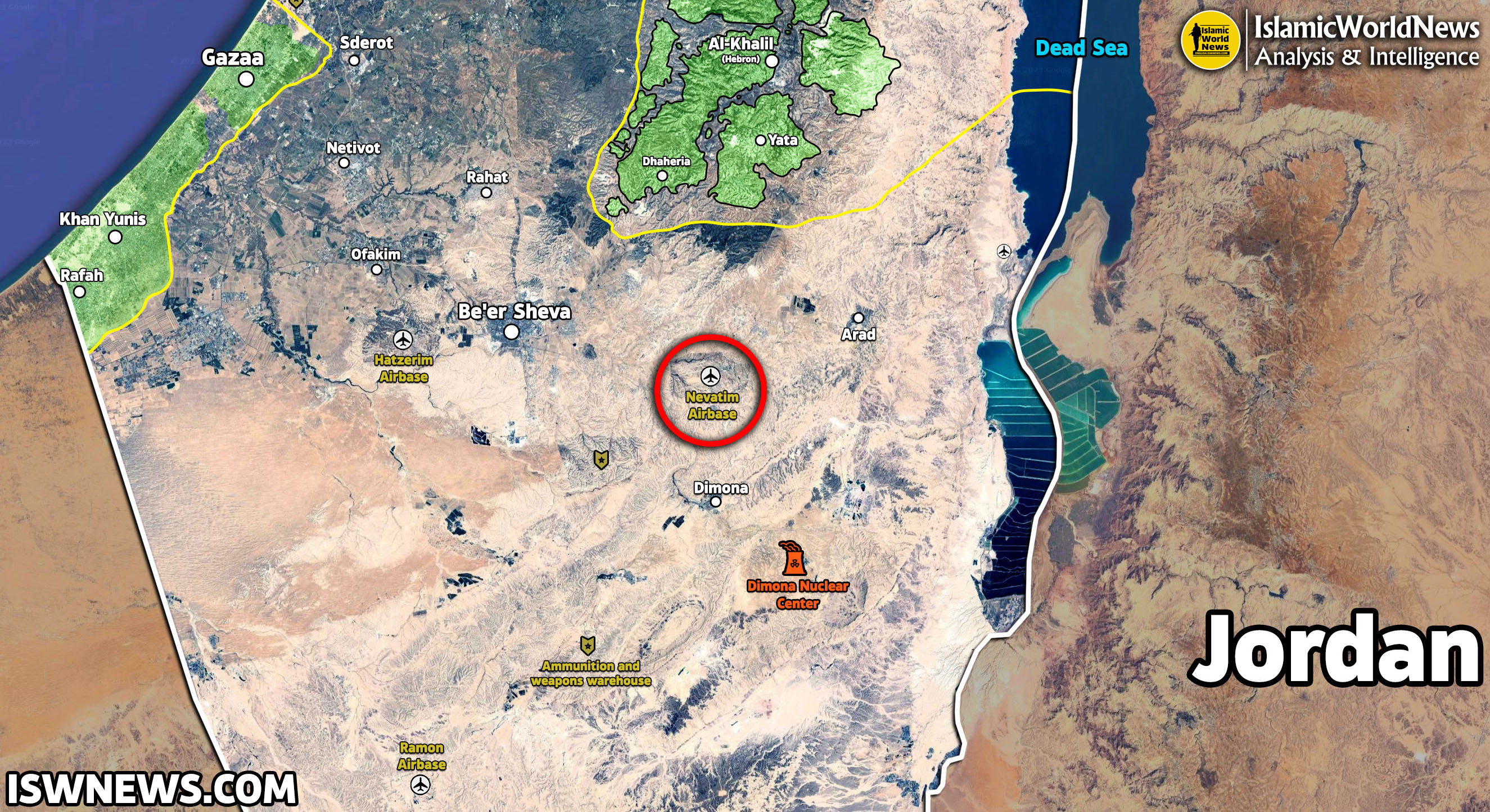
The missile attack on Nevatim Air Base is the fifth conducted by the Yemenis, and when including two operations carried out by the Iranian armed forces—Promise of Truth 1 and 2—it becomes the seventh operation by the Axis of Resistance targeting this significant base.
Nevatim Air Base has been the launch point for many airstrikes in the region and is home to a substantial number of Israeli military aircraft, including F-35 fighters, which have recently been stationed there.
Al-Hudaydah: Six attacks on the Bajel district, four attacks on the Ras Issa area and two attacks on the Ras Issa port.
Saadah: Four attacks on the Takhiya area in Majaz district, one attack on the house of Yemeni tribesmen in the east of the Sahar district.
Sanaa: Bani Matar district, five attacks on the Ninth district.
Al-Mahwit: One attack on the Tuwaila district.
Marib: Seven attacks on the Madghal district.
The US airstrike in the Sahar district resulted in the death of one civilian and injured another. Additionally, a Yemeni civilian was martyred due to the explosion of remnants of American bombs in the Al-Batin area of Al-Jawf province.
22 out of these 26 drones were eliminated during the Yemeni operation named “Promised Conquest and Holy Jihad,” conducted to support the people and Palestinian resistance.
General Atomics MQ-9 Reaper is a versatile and heavy drone used by the US Army for reconnaissance, surveillance, and offensive operations, including assassinations in Iraq, Afghanistan, and Syria since 2001. As of 2023, each MQ-9 drone costs approximately $32 million to produce, resulting in $832 million in damage inflicted by Ansar Allah through the destruction of 26 drones.
The dates and locations of the destroyed MQ-9 drones in Yemen are as follows:
Sanaa, 01 October 2017
Hudaydah, 06 June 2019
Dhamar, 20 August 2019
Marib, 23 March 2021
Hudaydah, 08 November 2023
Hudaydah, 19 February 2024
Saada, 26 April 2024
Marib, 17 May 2024
Al-Bayda, 21 May 2024
Marib, 29 May 2024
Saada, 04 August 2024
Marib, 07 September 2024
Saada, 10 September 2024
Dhamar, 15 September 2024
Saada, 30 September 2024
Al-Jawf, 08 November 2024
Al-Bayda, 28 December 2024
Marib, 31 December 2024
Hudaydah, 03 March 2025
Marib, 31 March 2025
Hudaydah, 03 April 2025
Al-Jawf, 09 April 2025
Hajjah, 13 April 2025
Sanaa, 18 April 2025
Sanaa, 19 April 2025
Hajjah, 22 April 2025
The extensive destruction of reconnaissance-combat drones belonging to the Saudi-American coalition in Yemen stands out as one of the most significant accomplishments of the Yemeni armed forces over a decade-long conflict. Throughout this time, the Yemeni army has downed 118 military aircraft from Saudi Arabia, the UAE, the United States, Jordan, Morocco, and Bahrain, including 29 from the United States.
Since the onset of the Palestine war, the US Army has dispatched numerous MQ-9 drones to Yemen to monitor military installations and equipment, and to carry out assassination missions. However, the Yemeni Army’s air defense forces have successfully disrupted these drone operations in Yemen through their intelligence and persistent efforts.
Yahya Saree, the spokesperson for Yemen’s army, issued a statement declaring,
“In support of the oppressed Palestinian people and their fighters, and in rejection of the genocide being committed by the Israeli enemy, with American support, against our brothers in Gaza, the Yemeni Armed Forces’ missile force carried out a qualitative military operation targeting a vital Zionist enemy target in the occupied Haifa area with a hypersonic ballistic missile. The missile reached its target, thank God, and the interception systems failed to intercept it. It caused a state of fear and panic among the Zionist settlers, as more than two million Zionists headed to shelters. The Yemeni Armed Forces’ unmanned aerial vehicle (UAV) carried out a military operation targeting a vital target in the occupied Yafa region with a Yafa drone. The people of faith and wisdom are waging this battle seeking help from God Almighty, implementing His orders and directives, relying on and trusting in Him. They will not retreat or abandon their religious, moral, and humanitarian duties. With God’s help, they will continue their jihadist path in support of and assistance to the oppressed Palestinian people until the aggression against Gaza stops and the siege is lifted.”
According to released videos, the Yemeni missile struck an unknown location in Haifa region. Also, the Yemeni army used a Yafa suicide drone to attack Tel Aviv.
Yemen’s army missile attack on Haifa
This marks Yemen’s first operation against northern occupied Palestine and is considered the longest-range missile attack by Yemen on Israel to date. If the missile was launched from Saada province towards Haifa, it would have traveled a distance of approximately 1,950 to 2,000 kilometers. It appears that the Yemeni missile forces have extended their range by modifying the Khaybar-Shekan missile, allowing for missile attacks against Israel to reach northern occupied Palestine.
If Ansar Allah continues its missile strikes on northern occupied Palestine, we may see significant impacts on developments in Lebanon and the northern front of occupied Palestine in the coming months. The influence of the Yemeni forces in regional dynamics is growing day by day, and Yemen is proving to be a key player in the conflict, despite having relatively limited weaponry.
Brigadier General Yahya Saree stated that the defense forces of the Yemeni Armed Forces have effectively destroyed another US military MQ-9 drone in the skies of Hajjah province, northwestern Yemen, using a surface-to-air missile. The drone was tracked and shot down while undertaking a hostile operation in Yemeni airspace.
This incident marks the 26th MQ-9 drone downed throughout the Yemeni conflict, with 21 of these drones being downed during the operation aimed at aiding Palestine, titled “Promised Conquest and Holy Jihad. “