
PMF in the Crosshairs of Western Diplomacy – A Report on Iraq’s Popular Mobilization Forces Law Crisis
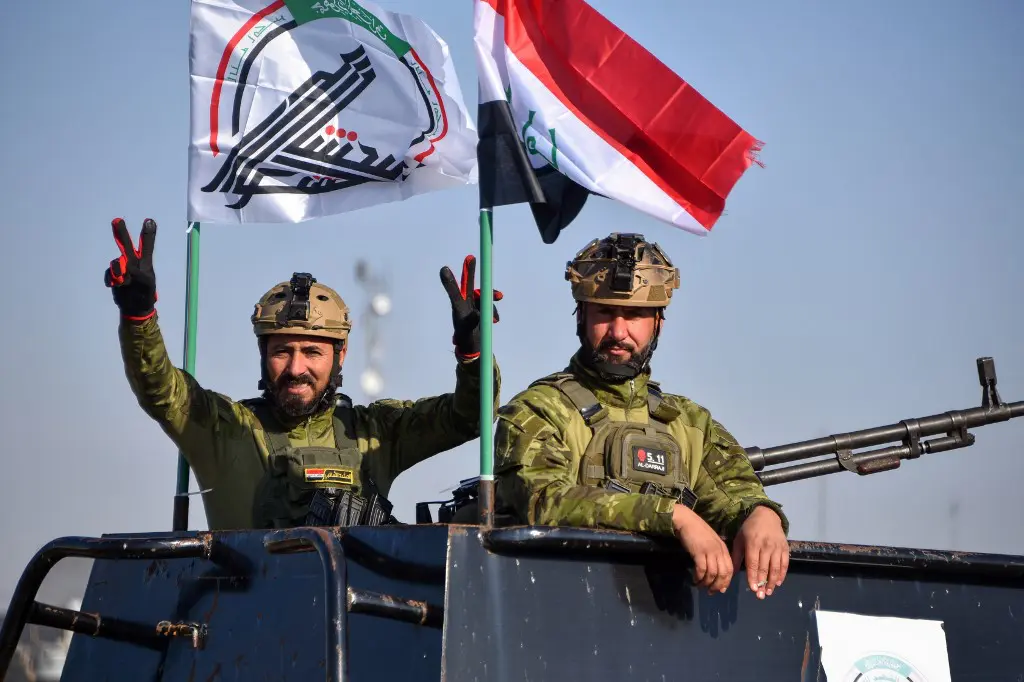
In recent months, the passage of legislation recognizing Iraq’s Popular Mobilization Forces (PMF) has become one of the country’s most contentious political issues. Under this law, PMF units would be formally integrated into Iraq’s armed forces, with standardized recruitment, retirement, and ranking procedures aligned with the national military framework.
The law effectively elevates PMF from a paramilitary group to an official state force, making its dissolution—long sought by pro-Western factions in Iraq—significantly more difficult.
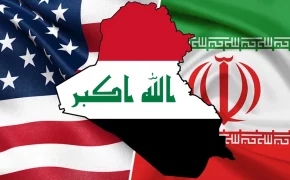
The legislation has faced strong opposition from the United States, which has exerted pressure on Iraqi officials to remove it from the parliamentary agenda. Washington argues that passing the law would solidify one of Iran’s regional arms and, given PMF’s history of resistance against U.S. occupation and involvement in American troop casualties, the U.S. government remains committed to its full disbandment.
Internal Tensions in Iraq
Domestically, the law has stirred political unrest. Sunni and Kurdish parties view PMF as a Shiite-dominated entity and interpret its formalization as a power shift favoring Shiite factions. Consequently, they have repeatedly declared their refusal to participate in the vote.
Even within the Shiite coalition known as the “Coordination Framework,” deep divisions persist—primarily over the retirement age clause, which sets the PMF retirement threshold at 60. This would force many senior commanders, including PMF chief Faleh al-Fayyad, into retirement. Prominent Shiite figures such as Sheikh Qais al-Khazali (leader of Asa’ib Ahl al-Haq) and Nouri al-Maliki support al-Fayyad’s removal due to his backing of Prime Minister Mohammed Shia’ al-Sudani and their electoral alliance. On the other hand, leaders like Hadi al-Amiri oppose restructuring PMF leadership and advocate for amending the clause to exempt al-Fayyad and other top commanders from mandatory retirement.
U.S. Response
Reports indicate that the U.S. has responded with political pressure aimed at scaling back bilateral security agreements. Concurrently, American forces have begun withdrawing from the Ain al-Asad base in western Iraq as part of a broader military drawdown.
Public sentiment in Iraq remains wary of U.S. withdrawal, recalling the post-2011 vacuum that enabled ISIS to wreak havoc across the country.
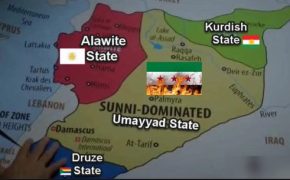
According to Iraqi security sources, ISIS militants are regrouping and reorganizing by exploiting instability in Syria. While their current activity is not deemed critically dangerous, heightened vigilance is essential to prevent any surprise resurgence.
Comment