
Burevestnik Missile: Russia’s Nuclear-Powered Cruise Weapon
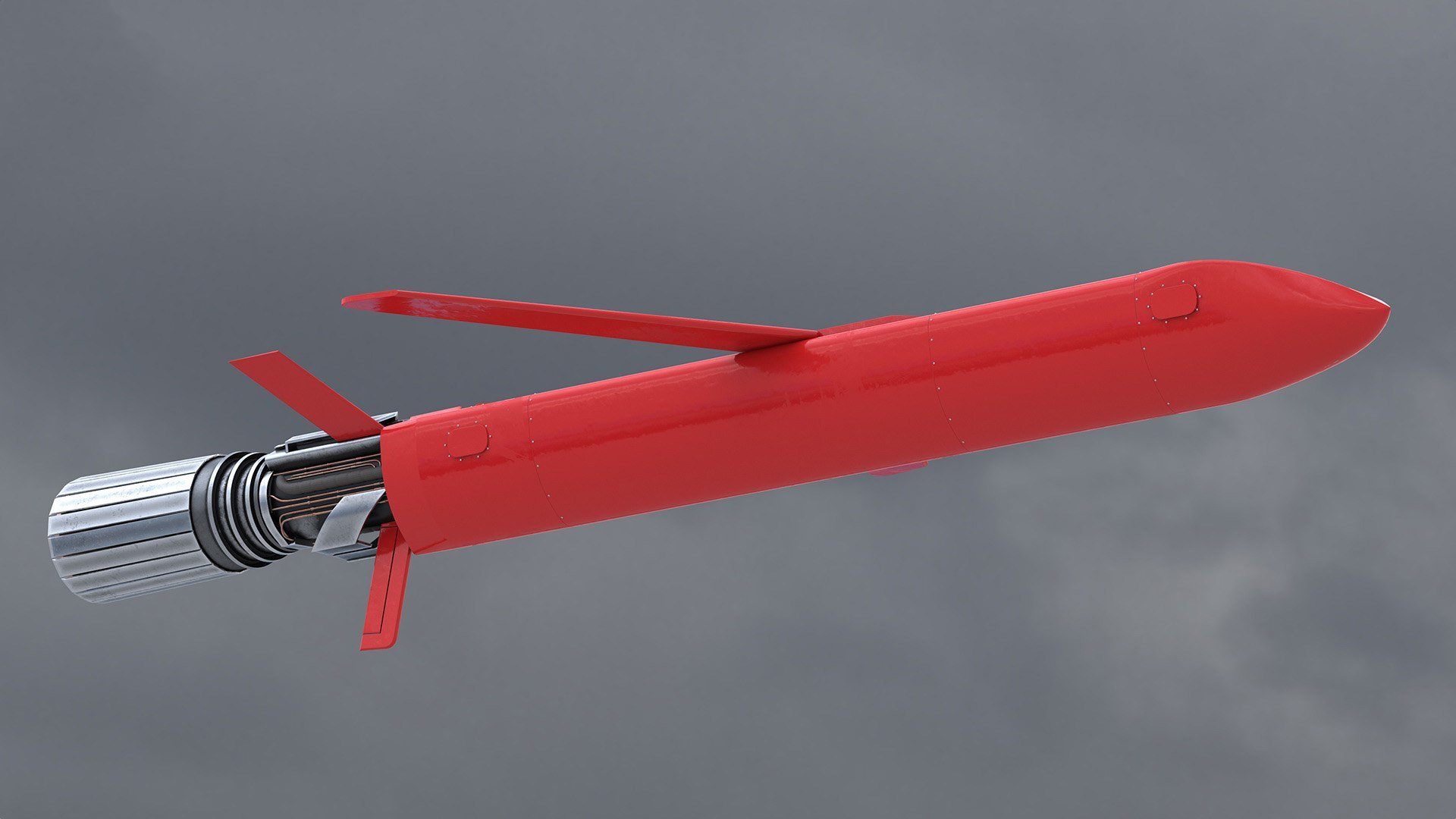
The Burevestnik (Буревестник) missile system is a Russian cruise-like weapon distinguished by two groundbreaking features: it carries a nuclear warhead and is powered by a nuclear propulsion unit. This technological fusion enables sustained energy and thrust—capabilities that conventional chemical-fueled systems typically cannot maintain. As a result, Burevestnik stands apart conceptually and operationally from other strategic and cruise systems, aiming to overcome traditional limitations in range and endurance through nuclear energy.
Conceptual Background
The roots of this approach lie in long-standing efforts to miniaturize nuclear power units. While naval reactors have been successfully deployed in submarines and surface vessels, adapting them to compact, lightweight platforms has required solving critical challenges in cooling, reaction control, noise suppression, and safety. Many early attempts at nuclear propulsion for smaller systems failed, but Burevestnik is said to have overcome some of these barriers, drawing considerable attention.
Fuel Efficiency and Strategic Design
Fuel efficiency has long been a technological bottleneck in strategic weapon design. Liquid, solid, or hybrid fuels require large energy storage compartments, increasing size and weight and reducing agility—especially in long-range systems. Designers have pursued better thrust-to-weight ratios through advanced materials like lightweight alloys, composites, and carbon fiber, or multi-stage propulsion architectures. In contrast, nuclear propulsion offers a fundamental solution: high energy density enables sustained thrust with reduced volume and mass, allowing for compact dimensions, lower weight, greater maneuverability, and extended range.
Design and Development
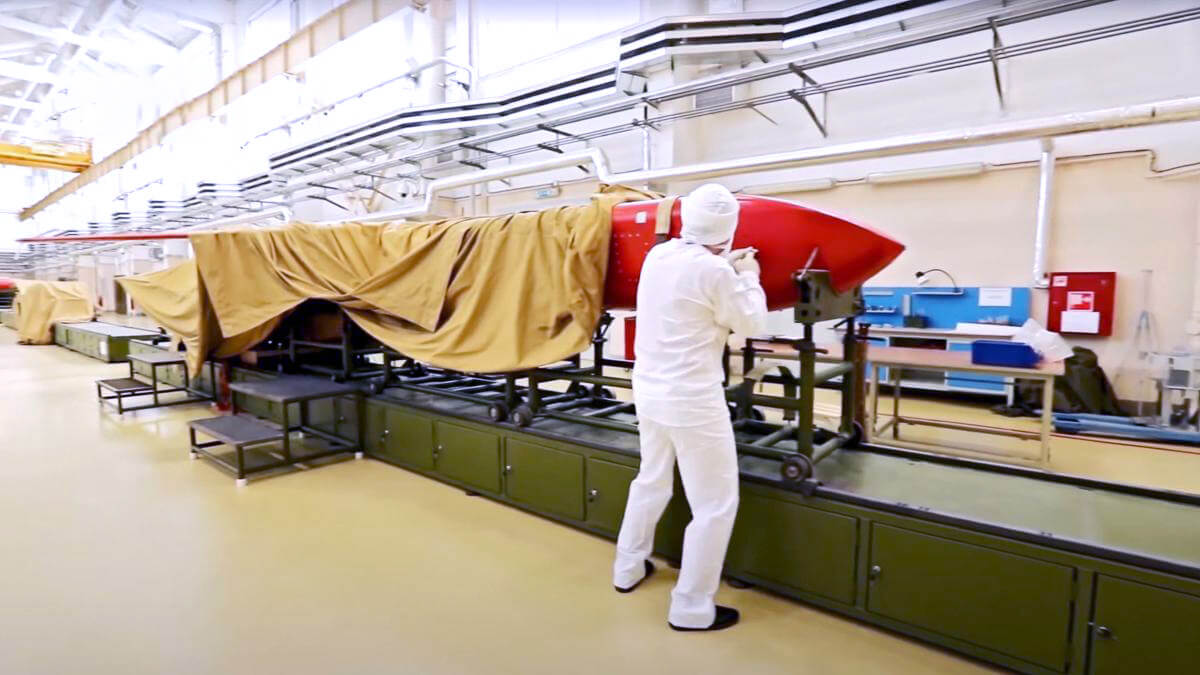
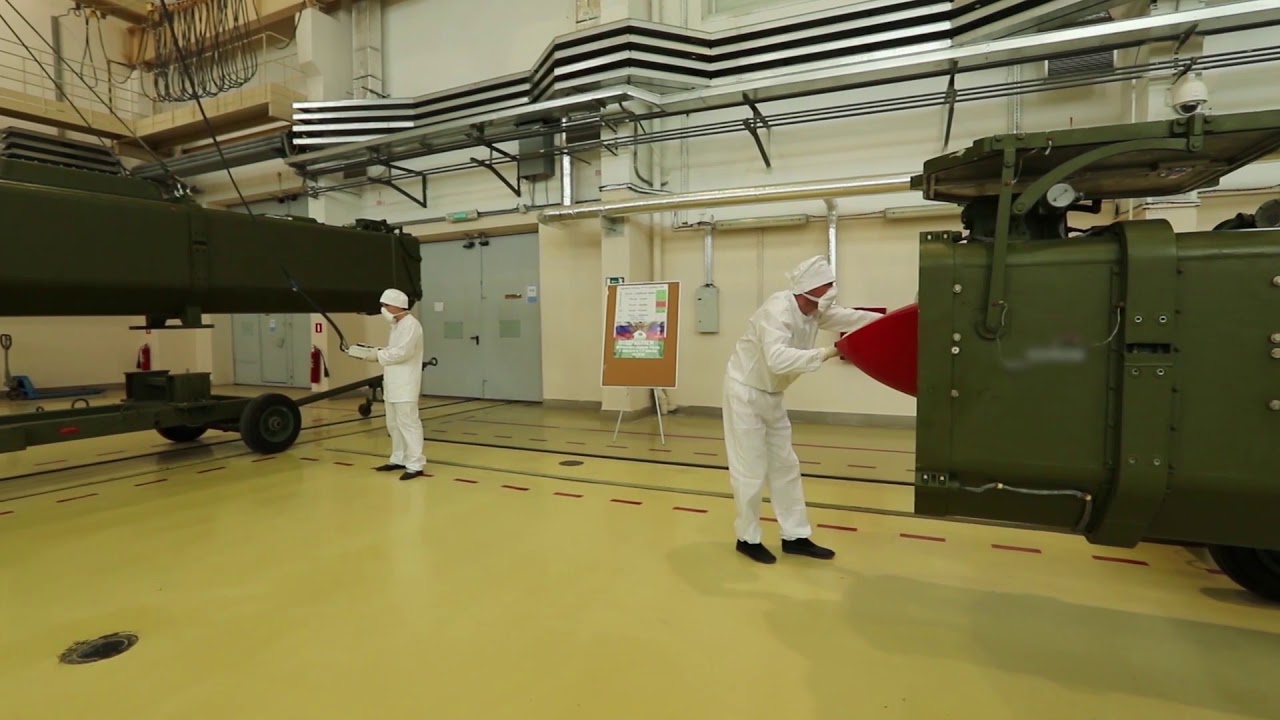
Burevestnik was officially introduced by President Vladimir Putin during the Federal Assembly address on March 1, 2018. Russia’s two leading cruise missile developers—Design Bureau Raduga and NPO Novator—are behind its design. Raduga is known for the Kh-55 and Kh-101 series, while Novator developed the Kalibr and Iskander systems. Visually, Burevestnik resembles the Kh-101, though some speculate it may be designated Kh-102, a claim not confirmed. The Western designation SSC-X-9 Skyfall is used by NATO, while the internal Russian index remains undisclosed.
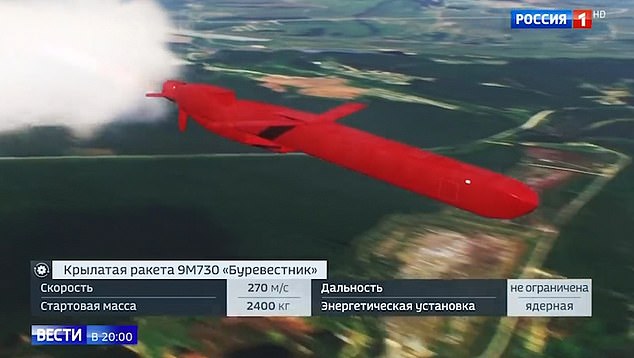
The missile reportedly measures around 12 meters in length and features a cuboid-cylinder body, capable of housing a powerful thermonuclear warhead. However, its defining feature is not the payload but its propulsion: a miniature nuclear reactor provides continuous, long-duration energy instead of conventional chemical propellants.
Operational Profile
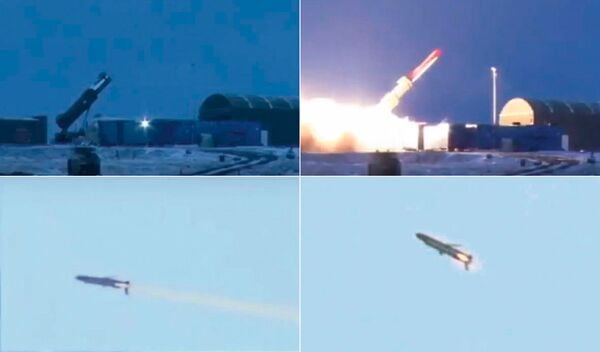
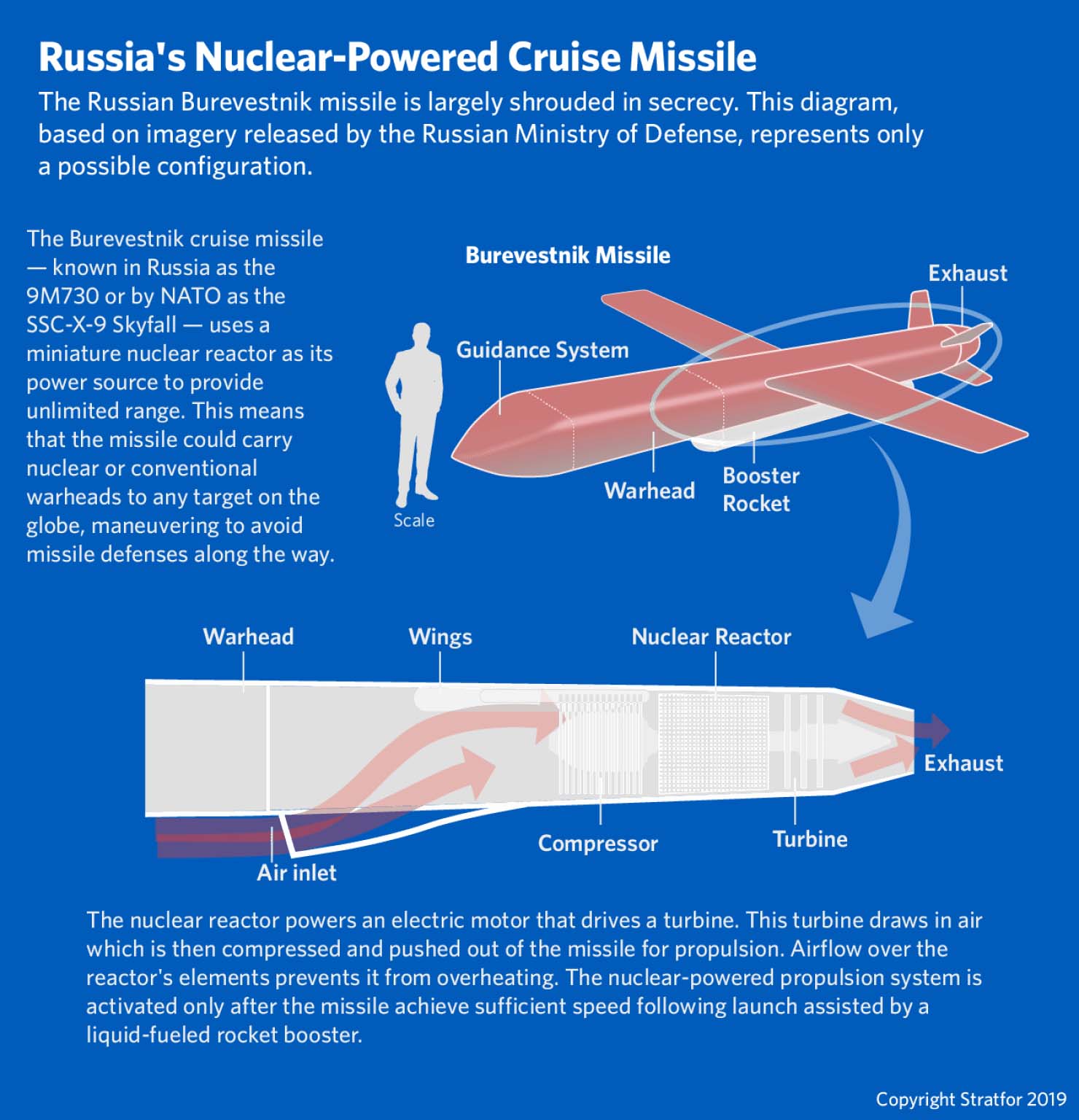
The missile launches from a ground platform using chemical boosters to reach optimal speed and airflow conditions. Once separated, the onboard reactor activates—similar to a ramjet ignition, but powered by nuclear fission rather than combustion. Incoming air is compressed and heated before entering the thrust-generating chamber.
Two heat transfer models are possible:
- Open-cycle: Ambient air passes directly through the reactor core, absorbing heat from fuel elements. This allows for extended range but risks radioactive particle release.
- Closed-cycle: Heat is transferred via a secondary loop or exchanger, reducing contamination but requiring heavier, more complex systems and typically lower thermal efficiency.
In both cases, thrust is generated by heating and expanding air mass expelled through a nozzle—akin to ramjet mechanics, but with nuclear heat. Depending on reactor performance, ranges from several hundred to thousands of kilometers are possible. Recent tests suggest a range of up to 14,000 km, often described as “unlimited.”
Testing and Development History
At least 13 tests have been reported since development began. The most notable was in November 2017, when the missile failed two minutes after launch and crashed into the Barents Sea. Despite setbacks, continued investment and testing reflect strong political and technical commitment.
Strategic Significance
In today’s world, many nuclear weapons already offer global reach. For example, the Sarmat ICBM can deliver over 15 warheads across 18,000 km, and the Yars missile can carry three maneuverable warheads over 10,000 km. Hypersonic weapons have introduced new challenges in detection and interception. So why develop Burevestnik?
The answer lies in its unique advantage: extreme range and unpredictable flight paths. While modern systems focus on speed and rapid response to reduce enemy reaction time, Burevestnik emphasizes stealth and route flexibility to exploit surprise. Unlike large, fast ICBMs that are easily detected and tracked, Burevestnik’s low-altitude cruise profile makes it harder to spot and intercept.
Read more: Space-Based Early Warning Systems (SBIRS & DSP)
Ballistic missiles follow high-arching trajectories and exit the atmosphere, making them visible to space-based infrared sensors and over-the-horizon radar. In contrast, cruise missiles fly below 100 meters, often evading early warning systems and reducing the chance of interception.
Burevestnik’s significance lies not in its destructive power, but in its ability to reshape the dynamics of detection, response, and strategic planning. By expanding attack vectors and reducing predictability, it forces defenders to rethink operational risks and readiness.



Comment