Tag: Military Knowledge

  • Military Knowledge: GBU-43/B Massive Ordnance Air Blast

    Military Knowledge: GBU-43/B Massive Ordnance Air Blast

    History of the development of the GBU-43/B MOAB bomb:

    The design of the GBU-43/B MOAB (Massive Ordnance Air Blast) began in mid-2002 at the United States Air Force Research Laboratory. The primary goal of developing this weapon was to provide an efficient replacement for the older BLU-82 bomb.

    The free-fall BLU-82 bomb was initially developed during the Vietnam War to quickly create helicopter landing zones in dense jungles, and was later used in the Gulf War and the Battle of Tora Bora in Afghanistan to destroy fortified positions and instill fear in enemy forces. This bomb lacked a guidance system and was released from the rear of transport aircraft using a parachute. This delivery method severely reduced operational accuracy and forced the carrying aircraft to fly at a relatively close altitude and distance to the target, exposing it to threats.
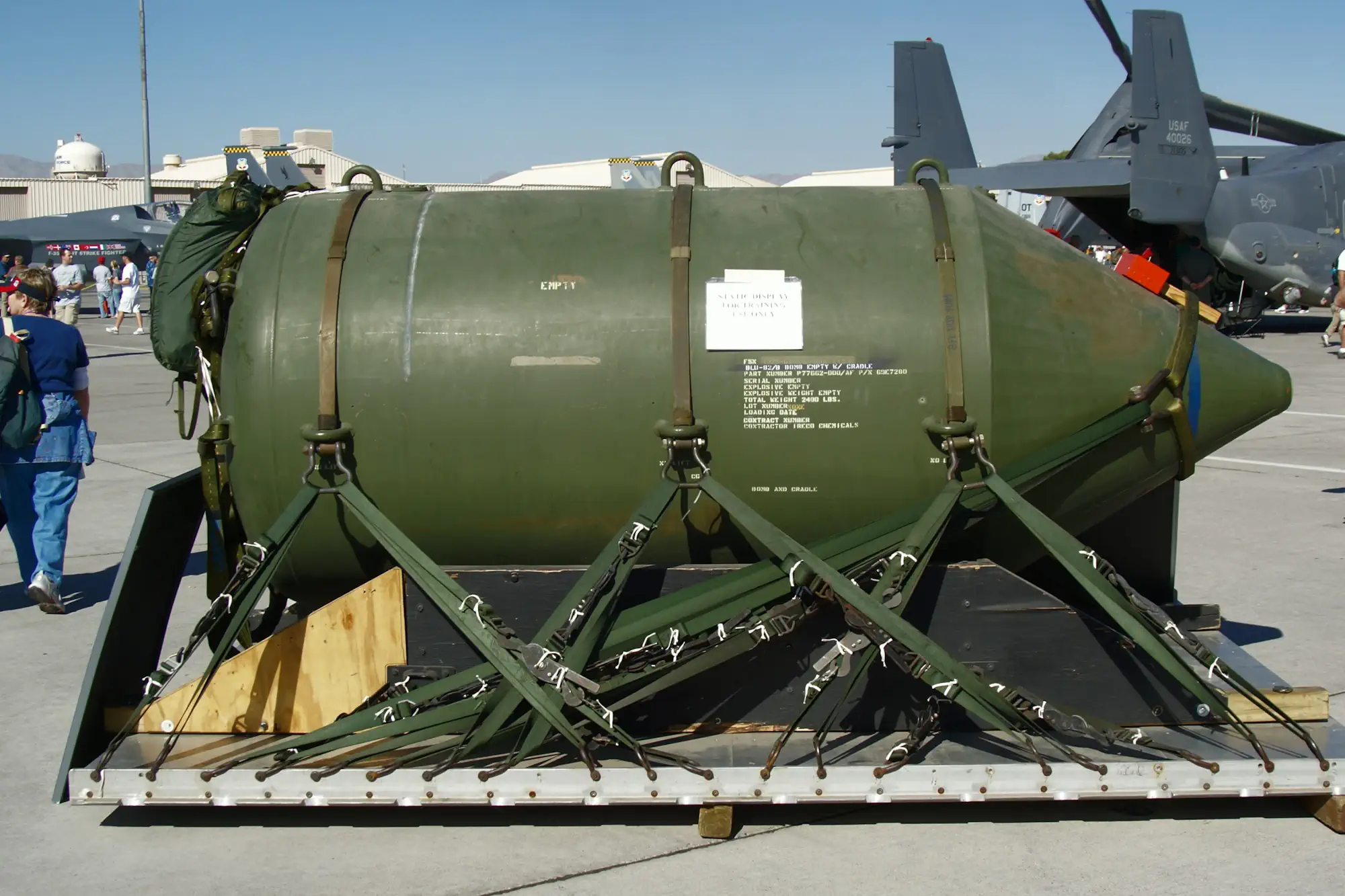
    BLU-82 free-fall bomb

    As the year 2003 and the invasion of Iraq approached, the Pentagon, in the form of an emergency project and within only 9 weeks, put on its agenda the development of a bomb with destructive power similar to the BLU-82, but with the capability of being launched from a safer distance and with satellite guidance.

    The name of this project, MOAB, was also chosen in a way to evoke a direct response to the famous phrase “Mother of All Battles” — a term used by Saddam Hussein during the First Gulf War to describe the battle with the international coalition.

    The simulation and prototype construction process was carried out with the participation of Dynetics. The first test of this bomb took place on March 11, 2003, at Range 70 of the Eglin Test Range. The mushroom cloud resulting from this test was visible from a distance of 32 kilometers and, only 9 days before the start of the military operation, sent a deterrent message to Baghdad.

    With the end of the Iraq War without the use of the MOAB, production of this bomb continued at the McAlester Army Ammunition Plant in the state of Oklahoma. The development goals of this weapon can be examined in two areas: operational and psychological.

    In the operational domain, Pentagon engineers sought to build a munition capable of destroying the mouths and entrances of natural caves in inaccessible areas, creating intense pressure in valleys, blocking tunnels, and clearing dense minefields. These capabilities could provide the basis for the advance of armored and infantry units.

    In the psychological domain, this bomb was considered part of the “shock and awe” doctrine and was intended, by creating a massive explosion sound, ground shaking, and a widespread blast wave, to weaken the morale and resistance capability of enemy forces before direct engagement.

    Video of the GBU-43/B bomb test in 2003

    Technical and engineering specifications of the MOAB:

    The structure of the GBU-43/B bomb consists of two main assemblies: the BLU-120/B warhead and the tail fin and navigation kit assembly, known by the designation KMU-593/B.

    Unlike conventional bombs and heavy penetrators, in which a significant portion of their mass is devoted to thick steel casings, the outer body of the MOAB is made of aluminum sheets with a mass of approximately 1,300 kilograms. This design has brought the ratio of explosive mass to total bomb mass to a remarkable 87 percent.

    The explosive material used in the warhead is the H-6 composition with a weight of approximately 8,500 kilograms. This composition was previously used in the maritime industry for the manufacture of torpedoes and naval mines. The explosive power of H-6 is estimated at about 1.35 to 1.38 times that of TNT. On this basis, the explosive yield of the MOAB is equivalent to approximately 11 tons of TNT, or 46 gigajoules of energy.
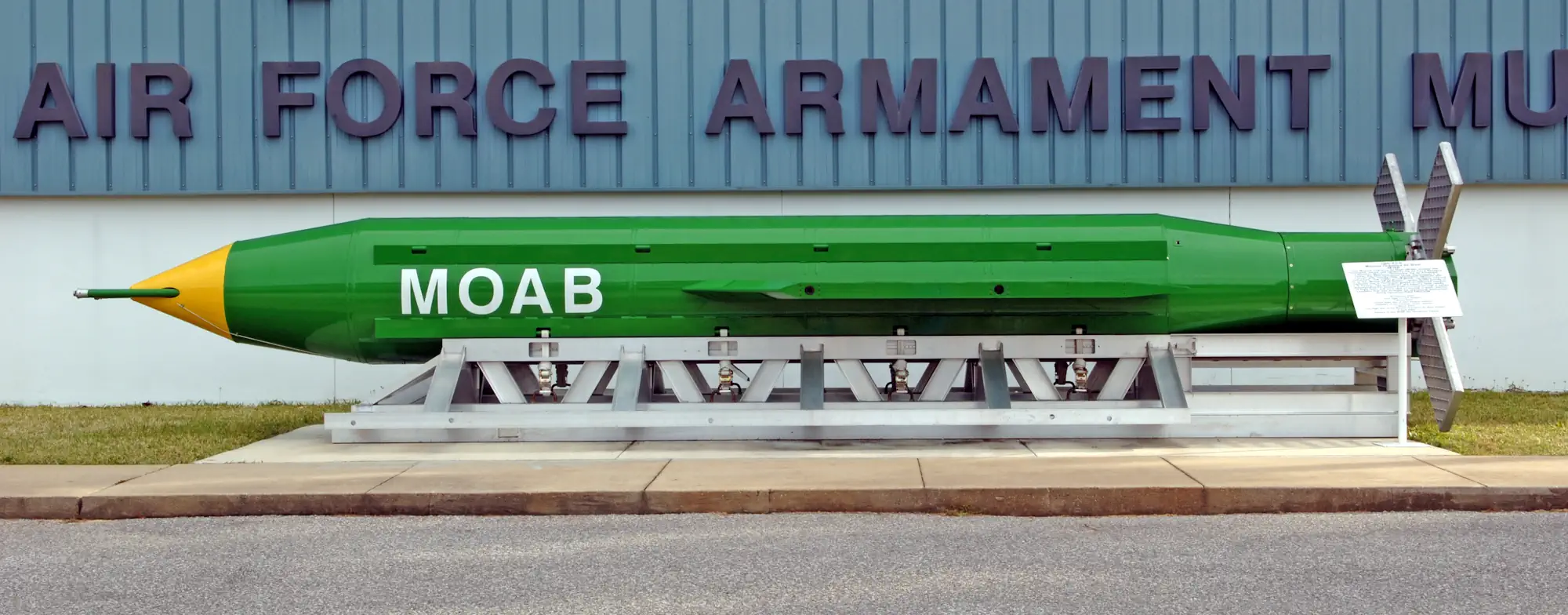
    GBU-43/B bomb

    In some public sources, the MOAB is mistakenly presented as a thermobaric or fuel-air weapon, whereas this bomb lacks a mechanism for dispersing fuel into the air before ignition and, in terms of classification, falls into the category of conventional high-explosive bombs.

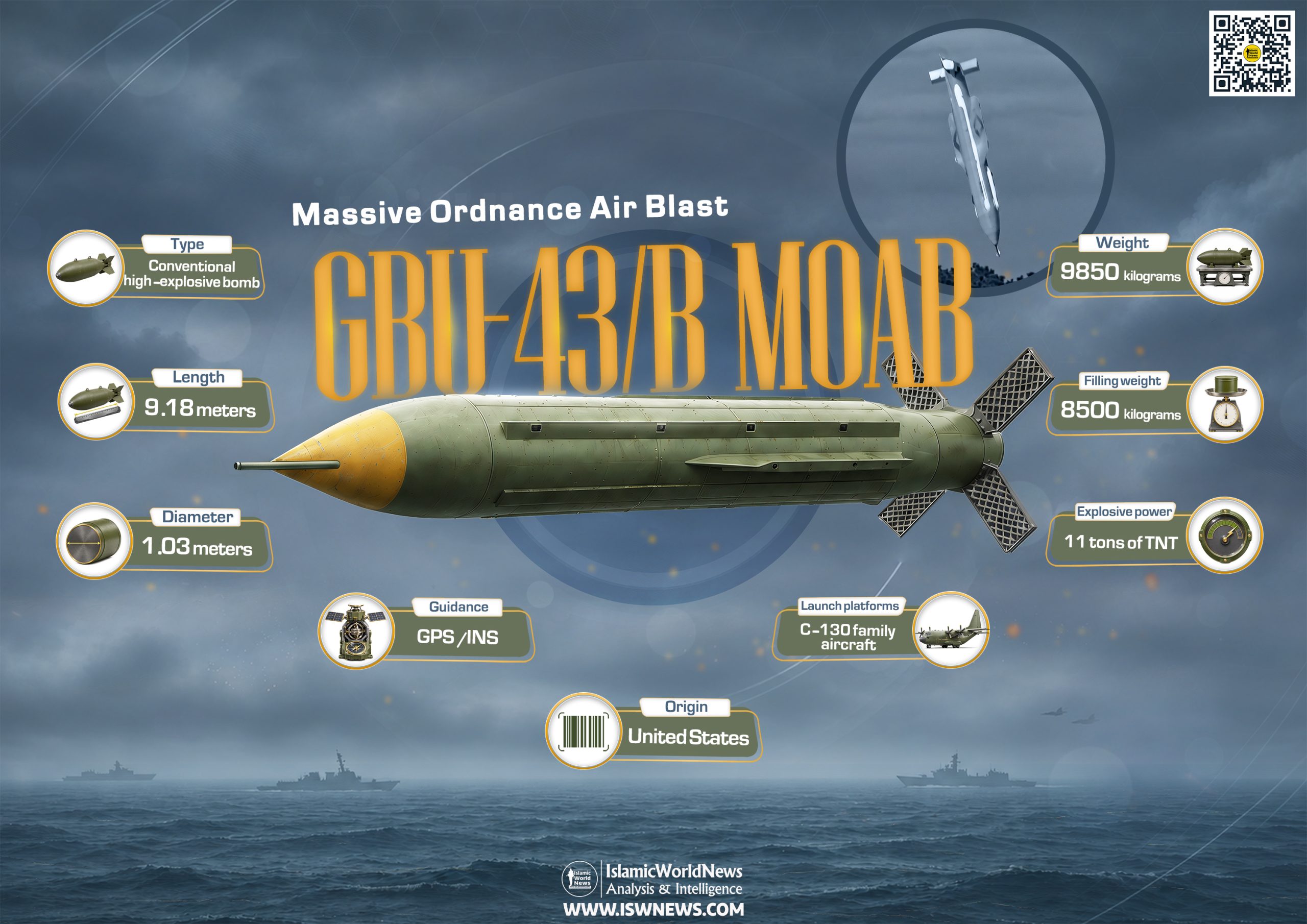
    The dimensions of this bomb, including a length of 9.18 meters and a diameter of 1.03 meters, together with a mass of approximately 10 tons, rule out its carriage by conventional strategic bombers such as the B-52 and B-2. Therefore, heavy transport aircraft of the C-130 family, especially special operations variants such as the MC-130E Combat Talon I and MC-130H Combat Talon II, have been considered as the launch platform for this weapon.

    The bomb is placed on a restrained platform in the aircraft’s cargo bay. When launched from the rear ramp, a drogue parachute first opens, guiding the platform and bomb toward the end of the ramp and extracting them from the aircraft. After extraction, the bomb separates from the platform and enters free air.
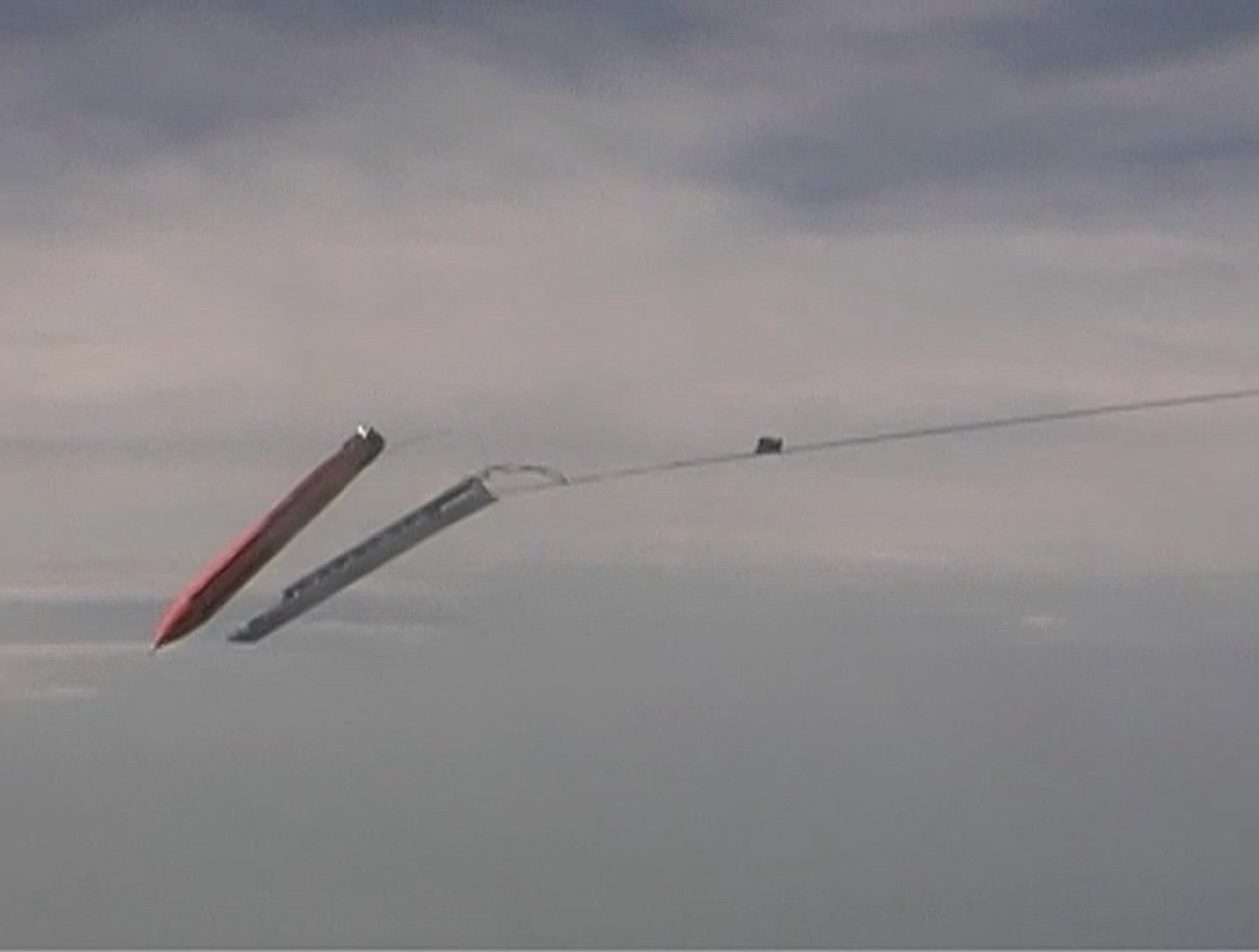
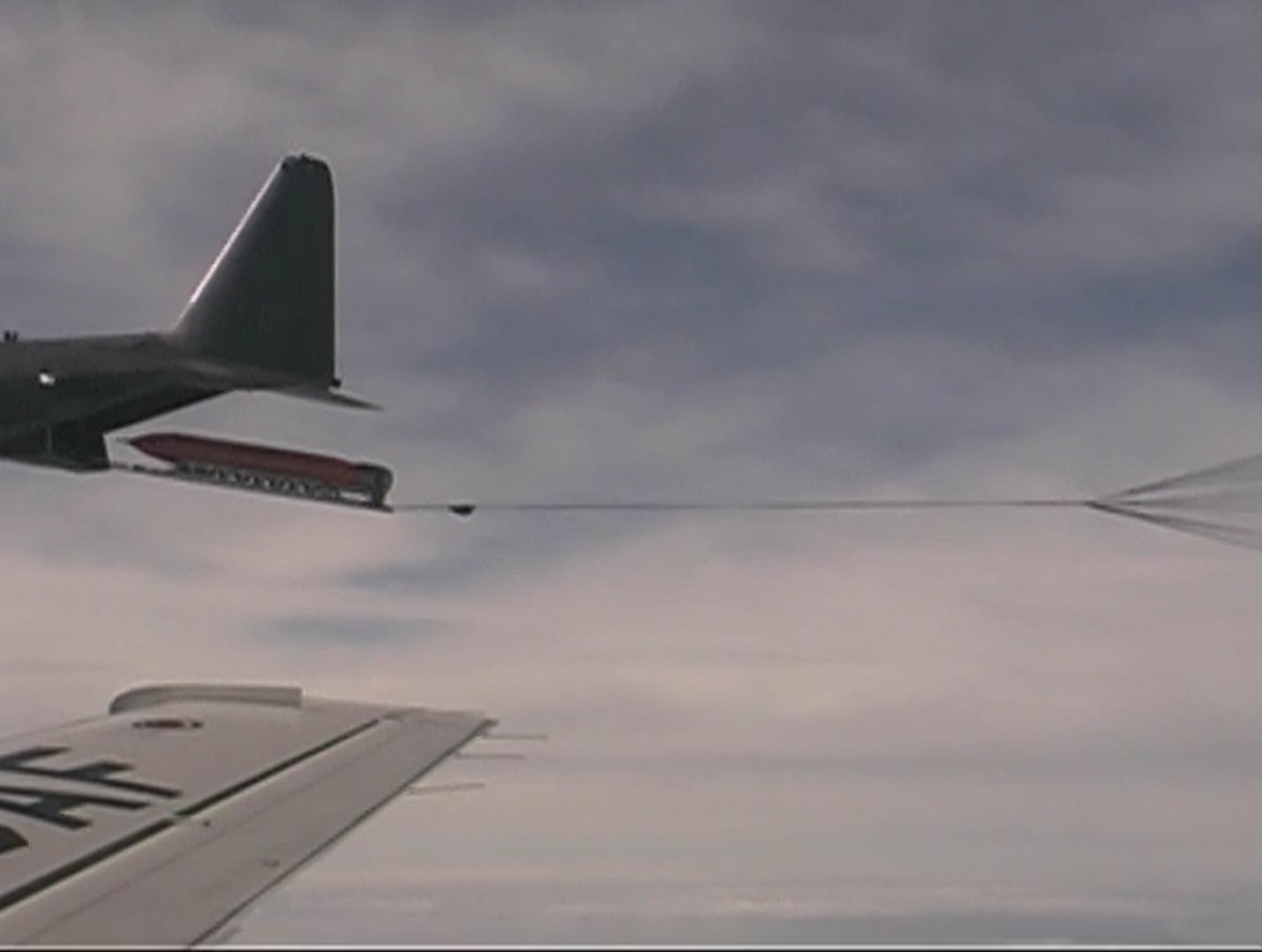
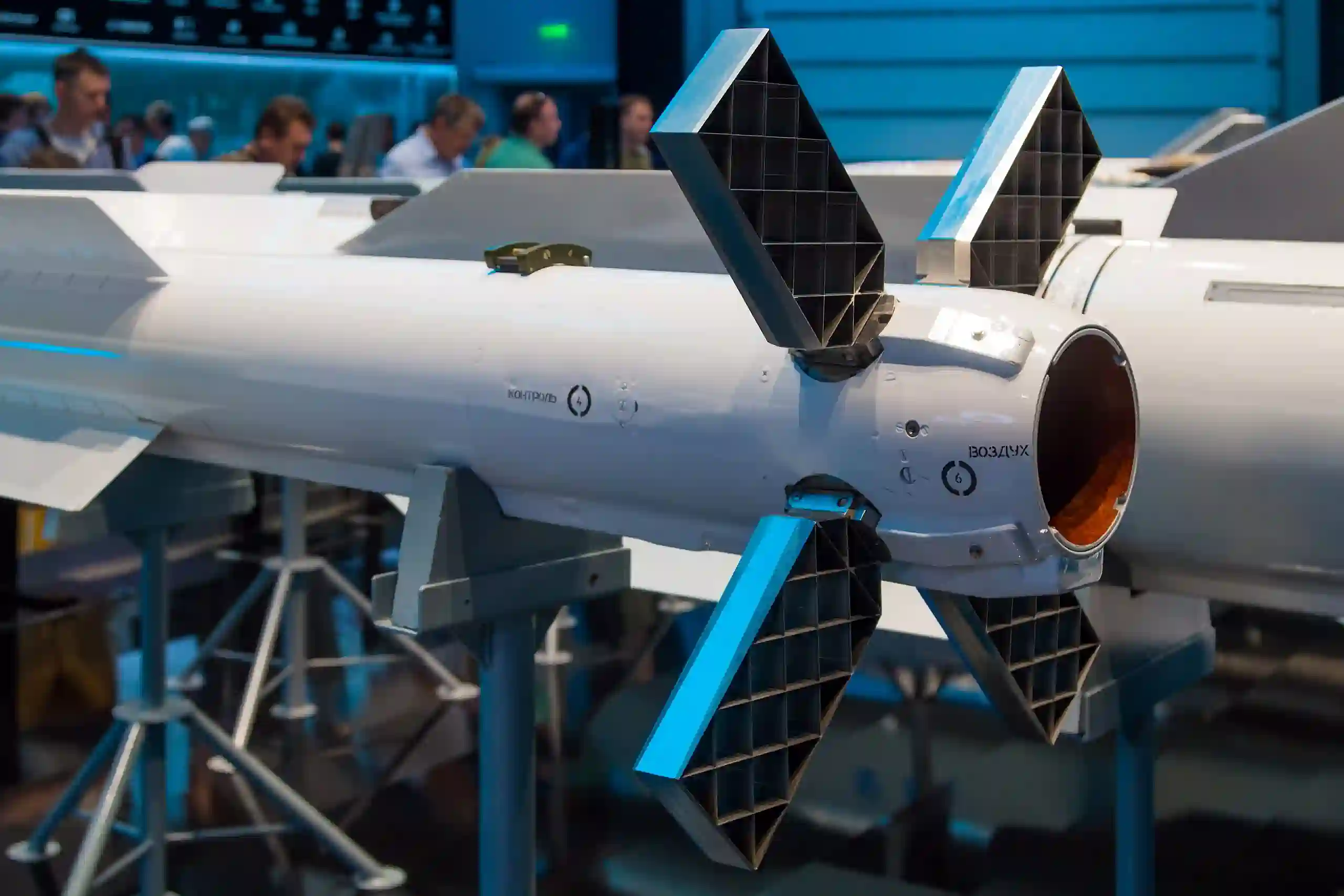
    During the descent, four lattice fins deploy at the rear of the bomb. This assembly, combined with satellite and inertial guidance systems, enables trajectory correction and the guidance of the bomb toward its target, up to a range of approximately 5.5 kilometers.
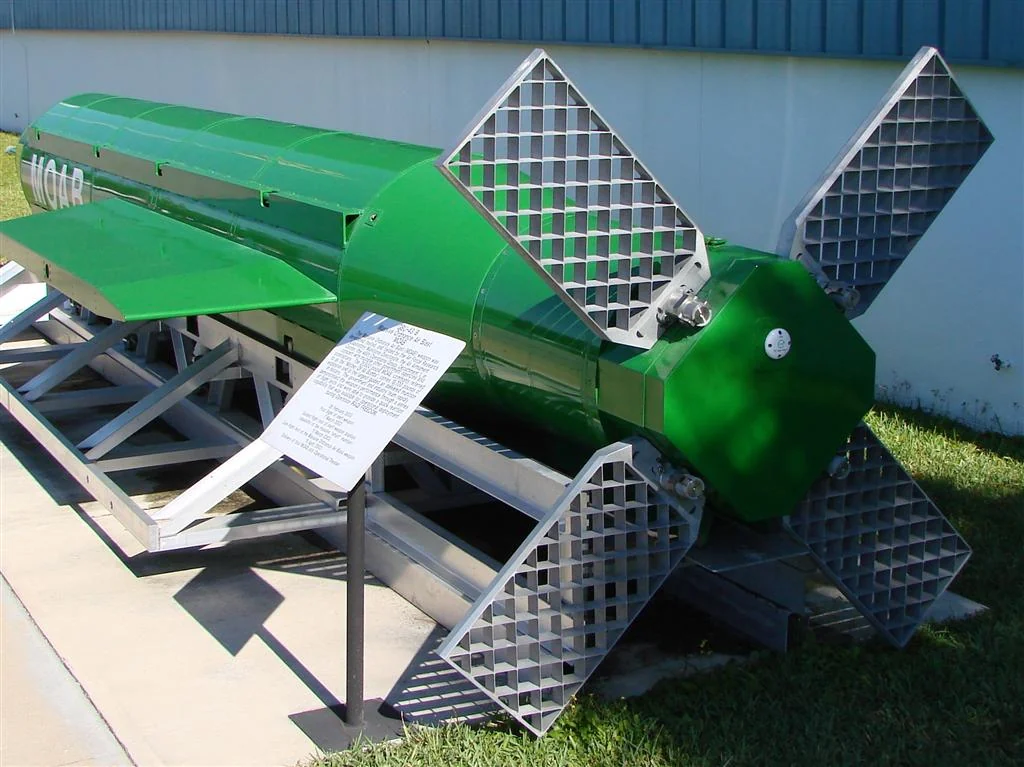
    Four lattice fins at the rear of the bomb

    The detonation mechanism of the MOAB is based on the operation of radar altimeter fuses installed in the nose section. These fuses detonate the bomb at an altitude of approximately 1.8 to 3 meters above ground level, before physical impact with the target. Detonation at this altitude can lead to the formation of a phenomenon known as Mach reflection.
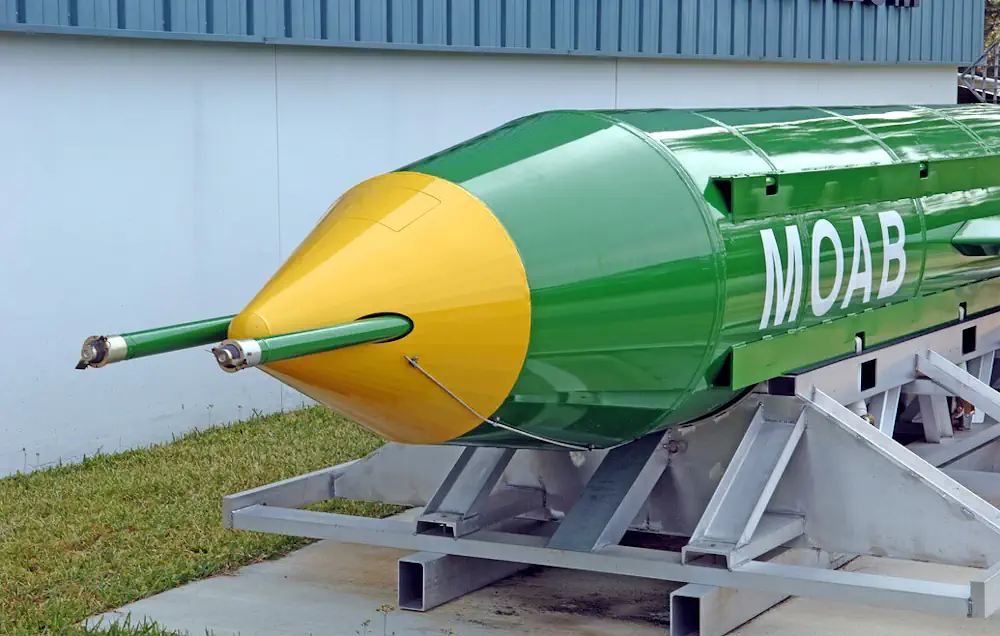
    Nose section of the GBU-43/B bomb

    In this phenomenon, the blast wave reflects off the ground and merges with the initial wave, creating a powerful pressure front. At a distance of approximately 150 to 300 meters from the explosion’s epicenter, this wave can penetrate the entrances of caves, tunnels, and shelters with great force. Furthermore, drastic pressure fluctuations within enclosed spaces can cause severe lung injuries, the destruction of biological tissues, and respiratory impairment for individuals present in these environments.
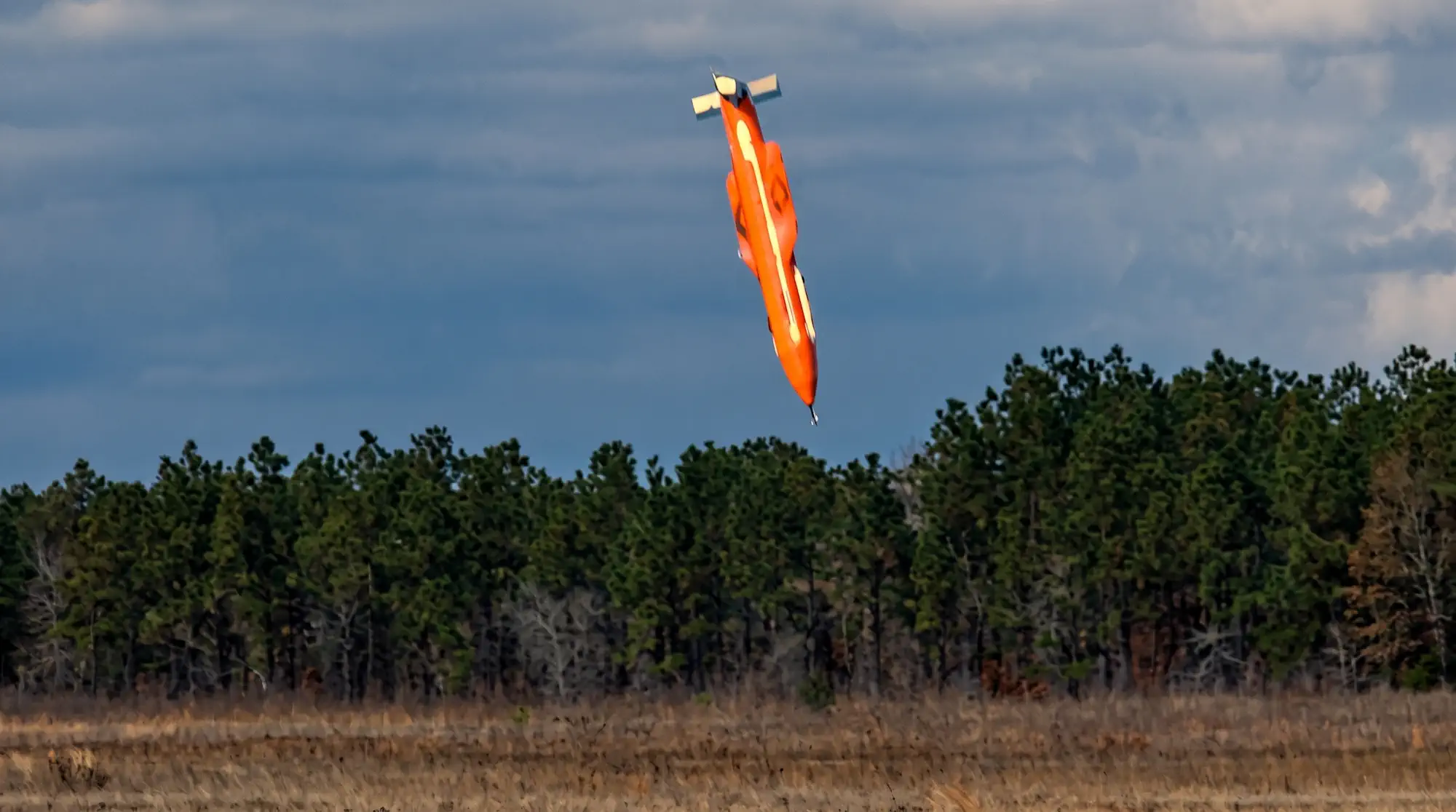
    The GBU-43/B bomb moments before the explosion

    Operational history:

    The only combat use of the GBU-43/B bomb in history was recorded on April 13, 2017. The target area contained a network of underground corridors and military tunnels that had been constructed in the 1980s, concurrently with the Afghan mujahideen war against Soviet forces and with initial support from the U.S. Central Intelligence Agency. ISIS forces had used these natural shelters to establish a defensive network consisting of extensive minefields, improvised explosive traps, and fortified positions.

    In that operation, the bomb was dropped from the rear ramp of a U.S. Air Force MC-130 special operations aircraft over the Momand Valley in Achin District, Nangarhar Province, eastern Afghanistan. Afghan security officials and the Ministry of Defense announced the ISIS death toll from the attack as between 94 and 96 killed.

    It is claimed that the blast wave penetrated the interior of the caves and tunnels and, by destroying the entrances and ventilation systems, disrupted access to this underground network. Additionally, the intensity of the blast wave helped clear minefields adjacent to the target area.

    GBU-43/B bomb used in Afghanistan on April 13, 2017

    Comparison of the MOAB with Tactical Nuclear Weapons:

    The MOAB’s explosive yield of approximately 11 tons of TNT has led some media outlets to place it at the boundary between conventional munitions and nuclear weapons.

    However, the only nuclear weapon with a comparable explosive yield is the U.S. W54 compact nuclear warhead, developed during the Cold War and used in the M-388 launcher system. Depending on its detonator setting, the warhead had a variable yield of between 10 and 20 tons of TNT.

    Despite their comparable explosive yields, the two weapons differ significantly in size and weight. The MOAB requires a structure weighing nearly 10 tons to produce an explosive yield equivalent to 11 tons of TNT. By contrast, the W54 delivered a similar yield in a compact, capsule-shaped package weighing less than 27 kilograms and could be fired from a lightweight rocket launcher. Therefore, the two weapons belong to fundamentally different categories, and their similarities in explosive yield should not be taken as a direct equivalence.

    W54 small nuclear warhead

    Comparison with Russia’s FOAB bomb:

    In 2007, the Joint Staff of the Armed Forces of the Russian Federation, in response to the claims raised about the MOAB bomb, released a video of the test of a bomb designated ATBIP. This weapon immediately became known in international media as the Father of All Bombs (FOAB).

    The FOAB is in fact a thermobaric weapon whose operating principle is based on the dispersal of liquid fuel into the air and its combination with atmospheric oxygen. When the bomb’s casing opens at a specified altitude, the fuel mass spreads in the environment in the form of a vast aerosol cloud and is then ignited using delayed detonators.
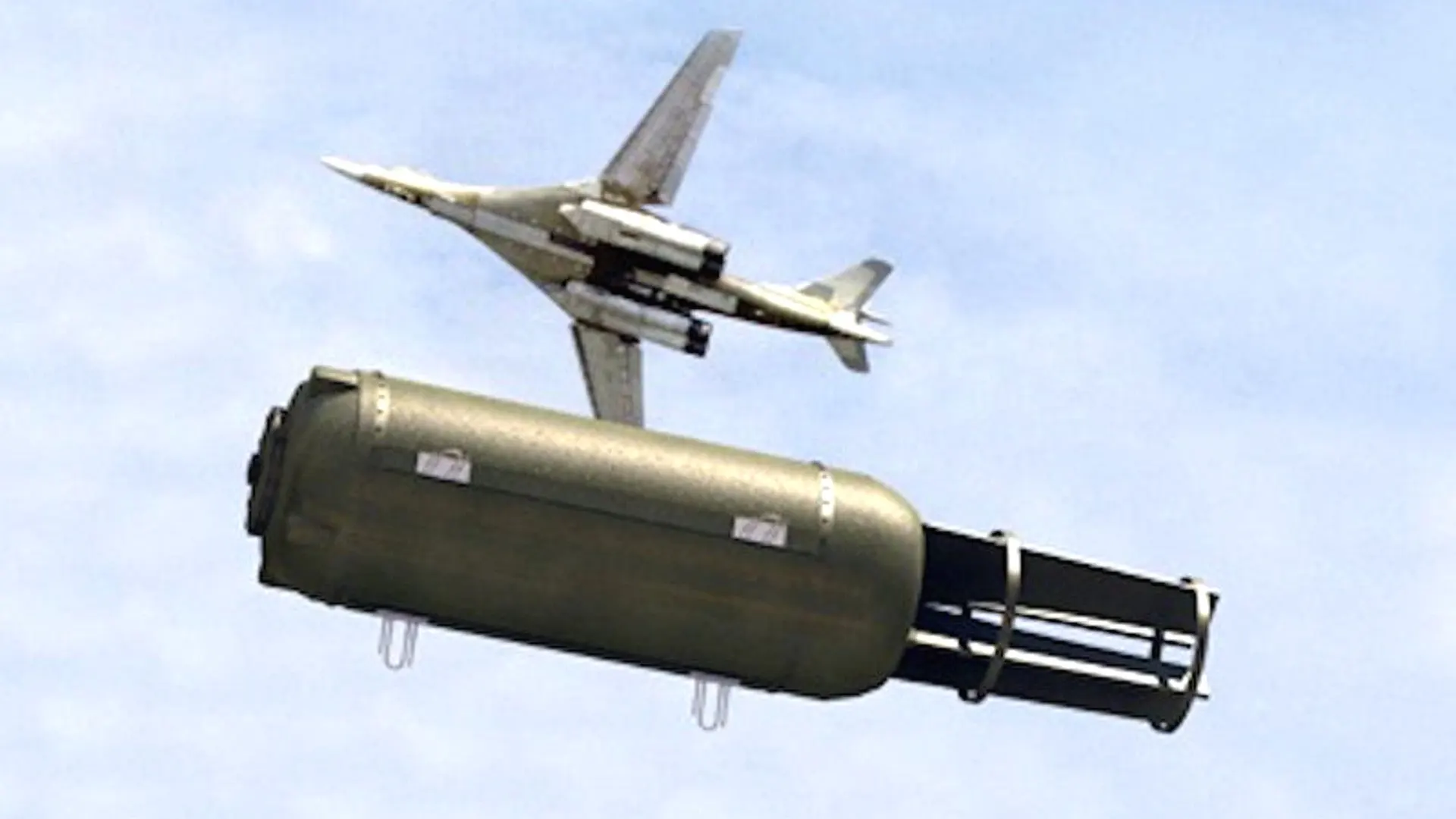
    Russian officials claimed that the FOAB, despite having a lower mass than the MOAB—approximately 7.1 tons versus 9.85 tons—produces an explosive yield equivalent to 44 tons of TNT thanks to nanotechnology and the use of ambient oxygen instead of a solid oxidizer. This figure is about four times the explosive power of the American model. The complete destruction radius of this bomb has also been announced as up to 300 meters.

    Comparison of the MOAB with bunker-buster weapons:

    In turn, a comparison of this bomb with bunker-busting munitions, including the GBU-28 Paveway III and the GBU-57A/B (MOP), is noteworthy.

    This is because these weapons pursue completely different objectives in terms of structural design and materials used. The MOAB bomb has an aluminum and relatively thin casing designed to devote more than 85 percent of the bomb’s total weight to the H-6 explosive compound. As a result, this bomb fundamentally lacks the ability to penetrate soil and concrete and is built to explode in the air. Its casing is also not designed to withstand the severe impact of striking hard surfaces before detonation.

    In contrast, bunker-busting munitions such as the GBU-57 MOP are built to withstand the pressure and mechanical shock of penetrating thick layers of soil, rock, and concrete. Despite weighing approximately 14 tons, this bomb carries less than 2,400 kilograms of explosive material. The bulk of its weight is devoted to a dense, robust steel casing made from special alloys. The elongated structure, reinforced nose, and high mass of this weapon enable it to penetrate into lower layers of the earth by relying on kinetic energy.

    Read more: Military Knowledge: GBU-57 Massive Ordnance Penetrator

    Another important difference concerns the fuse mechanism. The MOAB’s radar proximity fuse detects distance from the ground surface and detonates the bomb before impact; therefore, this weapon is not designed for physical penetration into the ground. In contrast, bunker-busting bombs are equipped with delay fuses that allow detonation after impact and penetration into various layers. These systems can, by calculating the timing and penetration conditions, delay detonation until the bomb reaches the desired depth so that targets buried underground or behind concrete structures are destroyed from within.
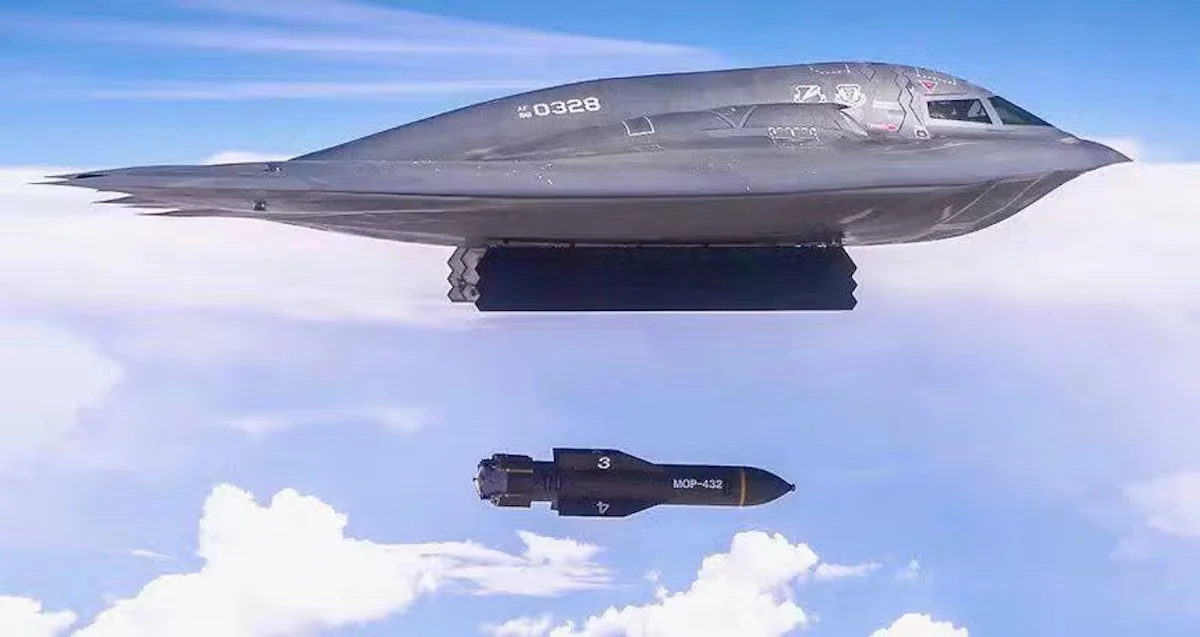
    GBU-57 MOP bomb

    Conclusion

    The use of the GBU-43/B MOAB bomb is highly dependent on specific geographical conditions and operational environments, particularly the absence of effective air defense. Although this weapon is suitable for destroying extensive positions, tunnel networks, and surface fortifications, clearing mined areas, and creating a severe psychological effect in asymmetric warfare, due to the nature of its airburst detonation and its inability to penetrate deep layers of the earth, it cannot serve as a substitute for bunker-busting munitions.

    On the other hand, compared with tactical nuclear weapons, the MOAB, despite possessing considerable mechanical destructive power, lacks the radiological effects of a nuclear explosion. This characteristic allows commanders to benefit from its high destructive capacity without imposing the political and strategic consequences of using a nuclear weapon.

    Overall, the MOAB is a weapon with limited production numbers whose place is defined in operations against inaccessible areas and specific conditions.

    Specifications of the GBU-43/B MOAB bomb:

    Type: Conventional high-explosive guided bomb with airburst fuse
    Origin: United States
    Producer: Dynetics
    Development: Since 2002
    Entered service: 2003
    Length: 9.18 meters
    Diameter: 1.03 meters
    Engine: None (free-fall bomb)
    Range: Approximately 5.5 kilometers (dependent on release altitude)
    Weight: 9,850 kilograms
    Warhead: BLU-120/B
    Explosive weight: Approximately 8,500 kilograms of H-6 type
    Explosive yield: Equivalent to approximately 11 tons of TNT
    Flight path: Free fall, controlled by four grid fins
    Guidance: GPS/INS combined
    Launch platforms: C-130 family transport aircraft (especially MC-130E Combat Talon I and MC-130H Combat Talon II)
    GBU-43 Bomb | Click to view in a larger size

    Sources:

    GBU-43/B MOAB – Wikipedia | AFRL GBU-43/B MOAB – Designation-Systems.Net | What to Know About the GBU-43/B, ‘Mother of All Bombs’ – DSIAC | Dynetics GBU-43/B MOAB | KÜRE Encyclopedia | What is a GBU-43/B MOAB? – Boot Camp & Military Fitness Institute | GBU-43/B MOAB | Air Force Armament Museum Foundation | MOAB Explained: GBU-43 Mother of All Bombs, Tests & Combat | GBU-43/B MOAB – The Historical Marker Database | MOAB, the “mother of all bombs”: how far its blast reaches, and what | “The Mother of All Bombs”: Understanding the Massive Ordnance Air | Massive Ordnance Air Blast, MOAB – A Perspective | US drops ‘mother of all bombs’ on Islamic State tunnel | AP News | 2017 Nangarhar airstrike – Wikipedia | The US unleashed the ‘mother of all bombs’ onto an ISIS target in | Nuclear weapons compared to Conventional bombs – Reddit | “Lowest yield” atomic weapon possible – Physics Stack Exchange | TIL The smallest nuclear bomb(Davy Crockett) and the biggest non | Father of All Bombs – Wikipedia | GBU-57A/B MOP – Wikipedia | Father of All Bombs Explained: Russia’s FOAB Claims, Specs and | Can anyone verify the claims o
  • Military Knowledge: MQ-1C Grey Eagle Drone

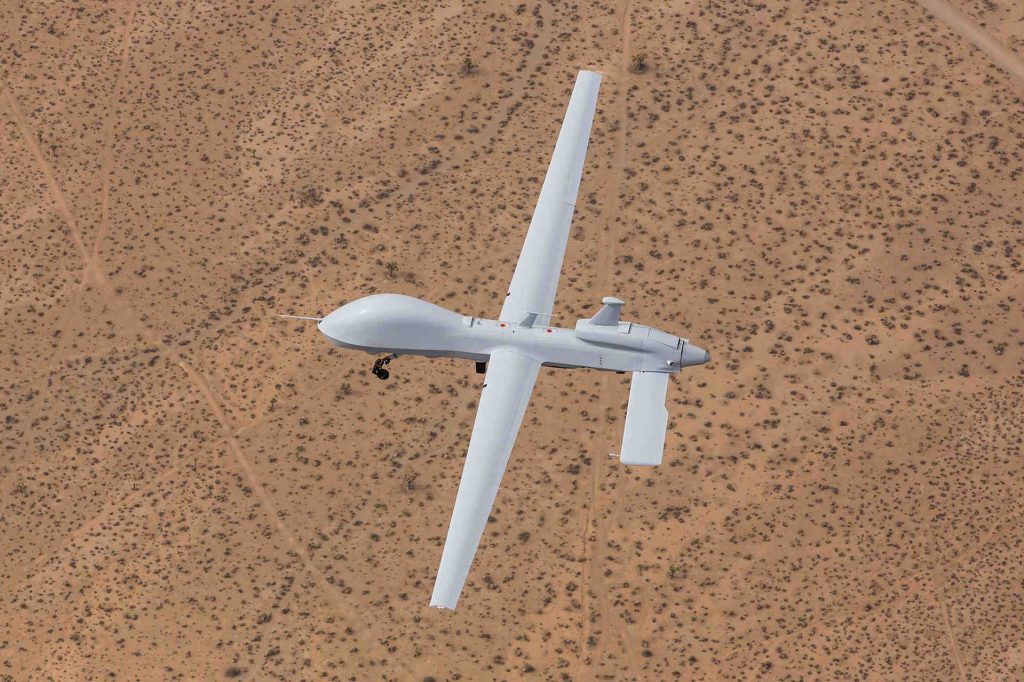
    Military Knowledge: MQ-1C Grey Eagle Drone

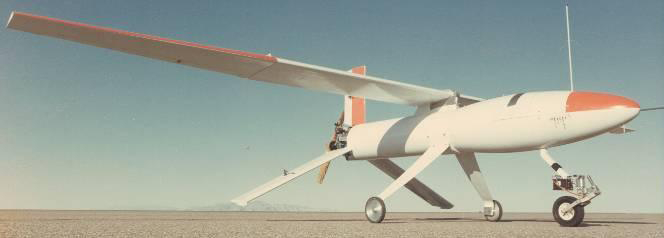
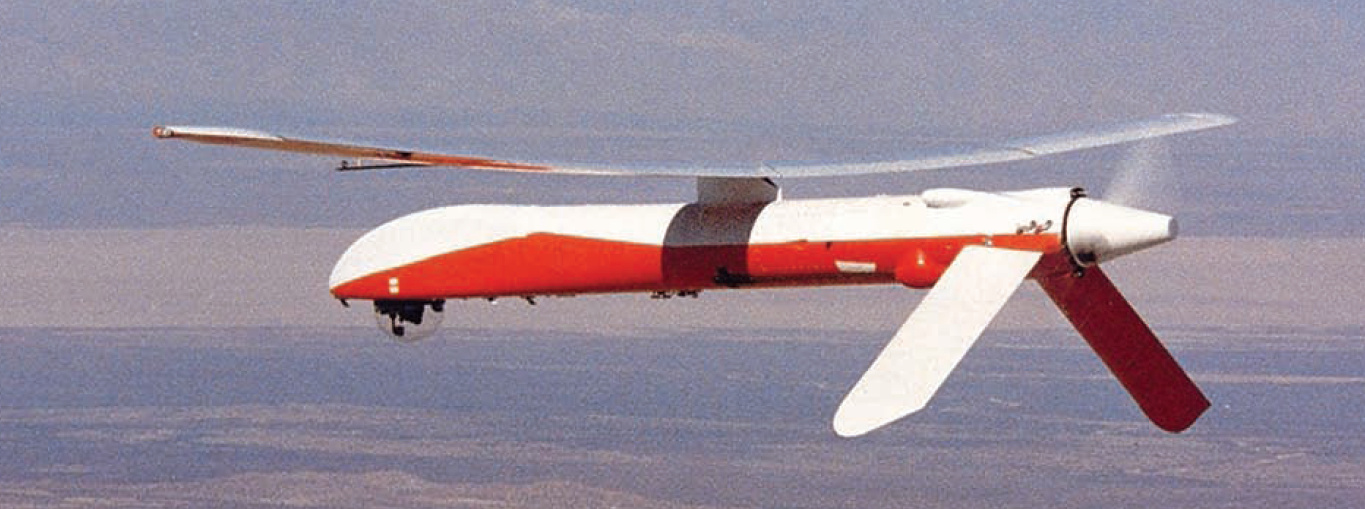
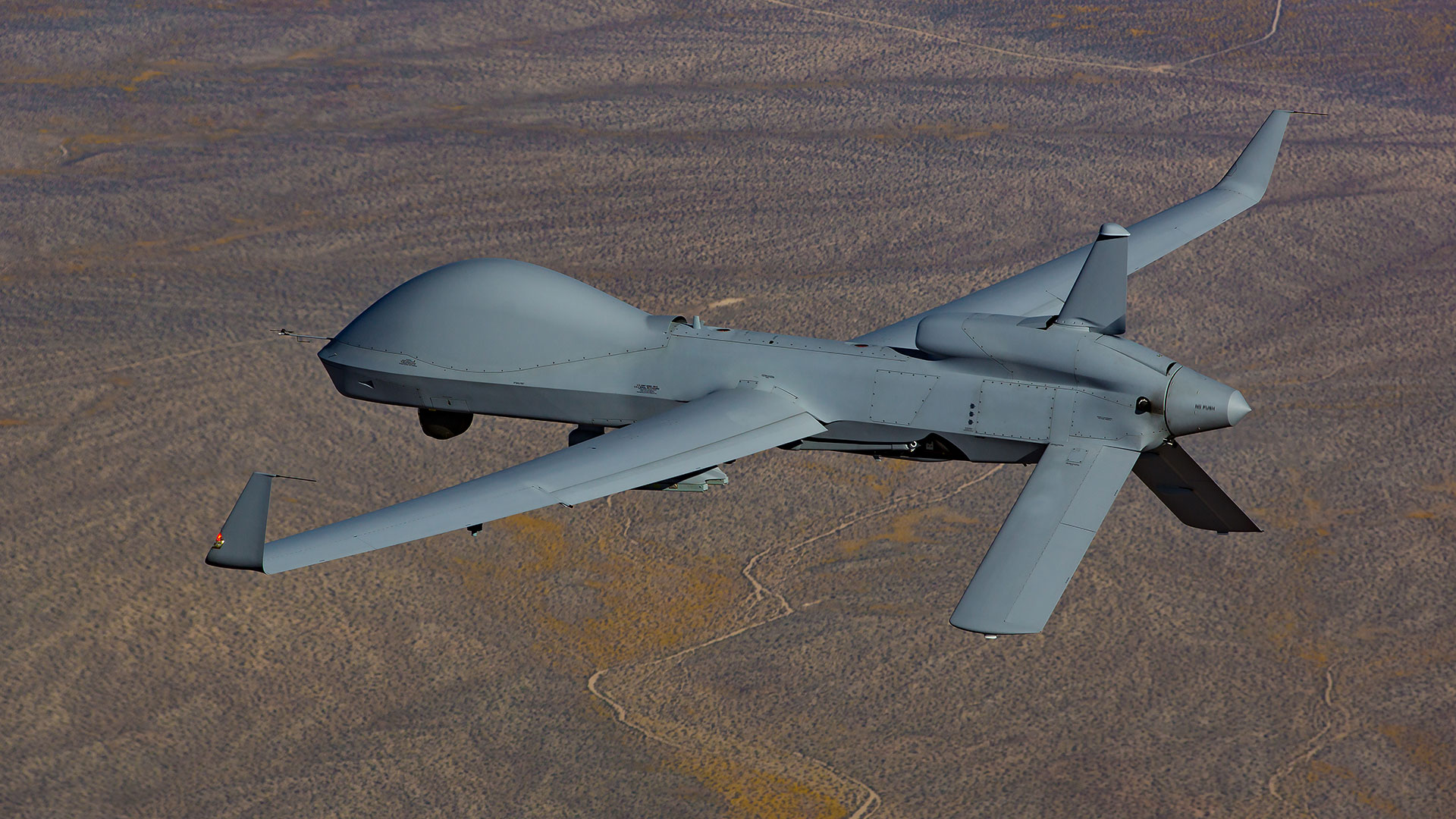
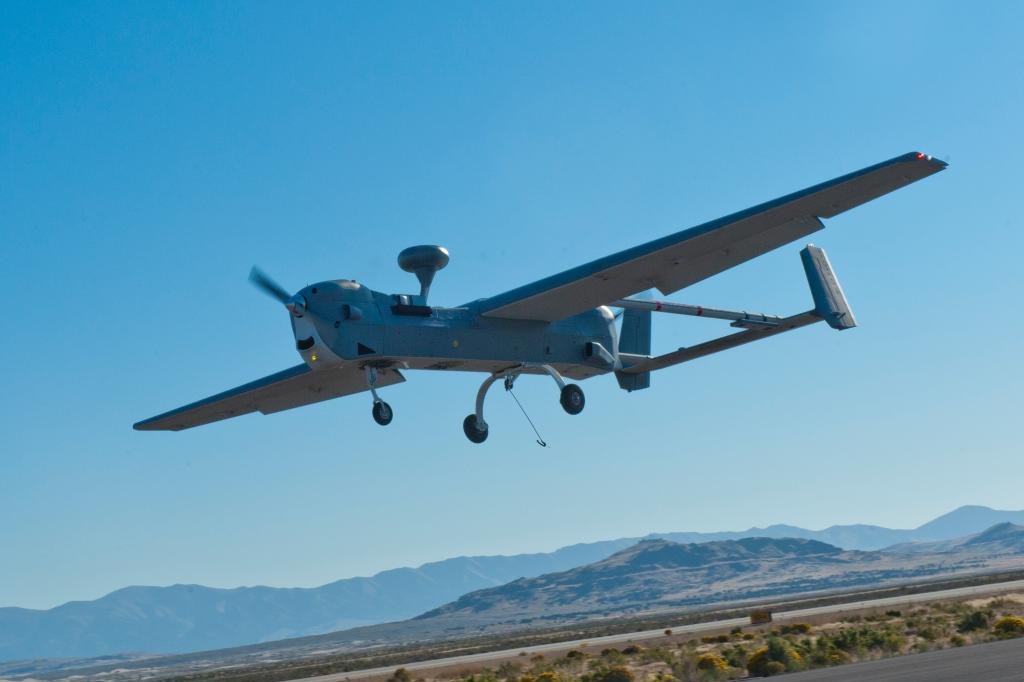
    The roots of the MQ-1C Gray Eagle development can be traced back to the early 2000s, when the U.S. Army was seeking a replacement for the aging RQ-5 Hunter UAV. At the time, the Army’s primary requirement was a long-endurance reconnaissance-strike platform capable of carrying weapons, which, unlike UAVs operated by the U.S. Air Force, would be directly assigned to and operate in support of Army ground formations. Accordingly, the competition began in 2002. Two main contenders emerged: the Hunter II, developed through a collaboration between IAI and Northrop Grumman, and the Warrior, proposed by General Atomics.
    Ultimately, in August 2005, the U.S. Army officially selected the Warrior as the winner and awarded a $214 million development contract. The project, initially known as “Sky Warrior” and later renamed Gray Eagle, was based on the proven design of the MQ-1 Predator, but underwent extensive modifications to meet the Army’s specific operational and logistical requirements.

    RQ-5 Hunter drone

    From Predator to Gray Eagle – History and Development Philosophy of the MQ-1 UAV Family

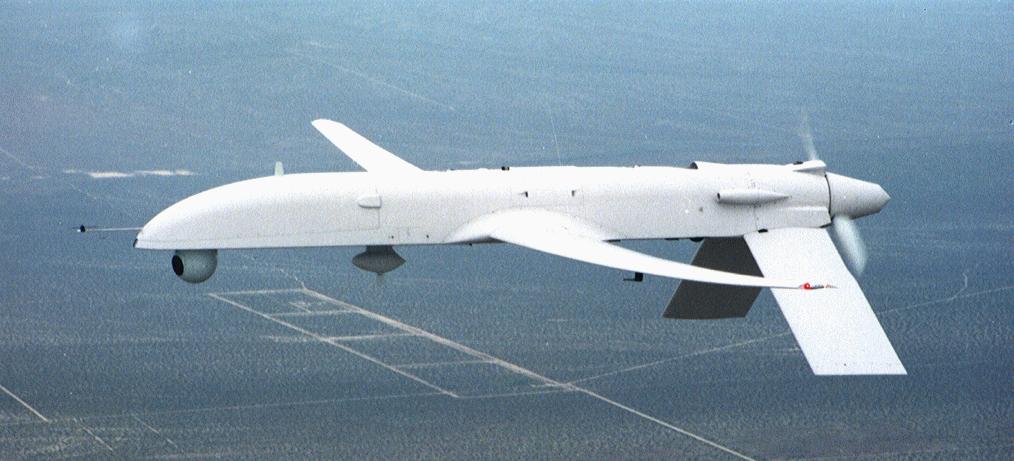
    The rationale behind the development of the MQ-1C Gray Eagle can be traced back to the evolutionary path of the MQ-1 Predator—a journey that began with a relatively simple reconnaissance concept and ultimately led to the emergence of a versatile combat platform. This development process began with the work of Abraham Karem, who, after serving in the Israeli Air Force, immigrated to the United States and founded Leading Systems. In 1981, he developed an early prototype known as the Albatross. The effort continued with support from DARPA, leading to the development of the Amber project between 1984 and 1986. After Congress abruptly terminated funding for the program and the company went bankrupt, General Atomics acquired Karem’s engineering team and continued developing the concept, eventually producing the Gnat-750, which was designed primarily for export.

    In the early 1990s, the need for persistent surveillance of the Balkan crisis led the CIA and U.S. Air Force to adopt the UAV. However, its reliance on a line-of-sight data link limited its operational range. To overcome this limitation, the Pentagon awarded General Atomics a contract in January 1994 to develop a MALE (Medium-Altitude Long-Endurance) UAV, resulting in the Predator. By incorporating satellite communications, the aircraft effectively overcame the previous range limitation. The combination of a turbocharged engine, lightweight composite airframe, and multispectral sensors transformed it into a more capable and versatile reconnaissance platform.

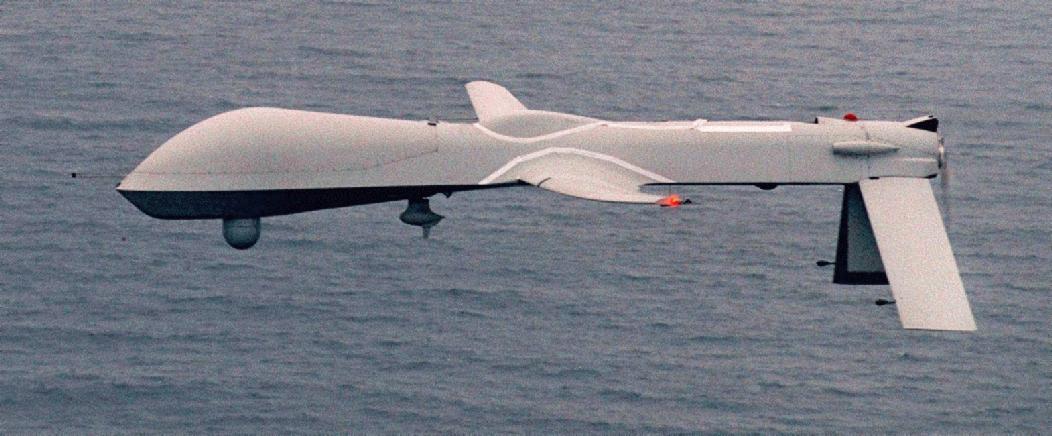
    However, the real turning point came when the Predator was armed. The integration of the AGM-114 Hellfire missile transformed the aircraft into the world’s first operational armed combat UAV. This evolution required engineers to overcome complex challenges, including reinforcing the wing structure and managing the thermal and mechanical stresses generated during missile launches. Following this upgrade, the aircraft was redesignated MQ-1 in 2002.

    Arming the Predator introduced a new doctrine in modern warfare, often referred to as the “Predator paradigm.” It was based on persistent surveillance over a target, precision strikes against high-value targets, reduced collateral damage, and the ability to conduct operations remotely without placing aircrews at risk. However, the platform had structural limitations from the outset and was ultimately regarded as an interim solution. The UAV served with the U.S. Air Force from 2002 to 2018, and despite its relatively short service period, it underwent continuous upgrades and generated valuable operational experience that informed the development of subsequent UAV generations.

    The main factor behind its eventual retirement was the parallel development of a larger platform, the MQ-9 Reaper. Compared with the Predator, the Reaper offered roughly five times the payload capacity along with substantially greater engine power. It made its first flight in 2001 and entered service in 2007. With its significant advances and subsequent upgrades, the Reaper remains one of the key platforms underpinning U.S. unmanned aerial capabilities.

    Read more: Military Knowledge: MQ-9 Reaper Drone

    MQ-9 Reaper drone

    At the same time, as the 2000s began, the role of UAVs was becoming firmly established. While the U.S. Air Force was moving toward heavier platforms such as the Reaper, the U.S. Army required a UAV that could be placed directly under the control of field commanders and tailored to the logistical and operational requirements of ground units. This requirement ultimately led to the development of the Gray Eagle—a UAV that may resemble the Predator externally, but in reality represents a major redesign based on a fundamentally different operational philosophy.

    Introduction to the Gray Eagle — Redesigning the Aerodynamics, Electronics, and Propulsion

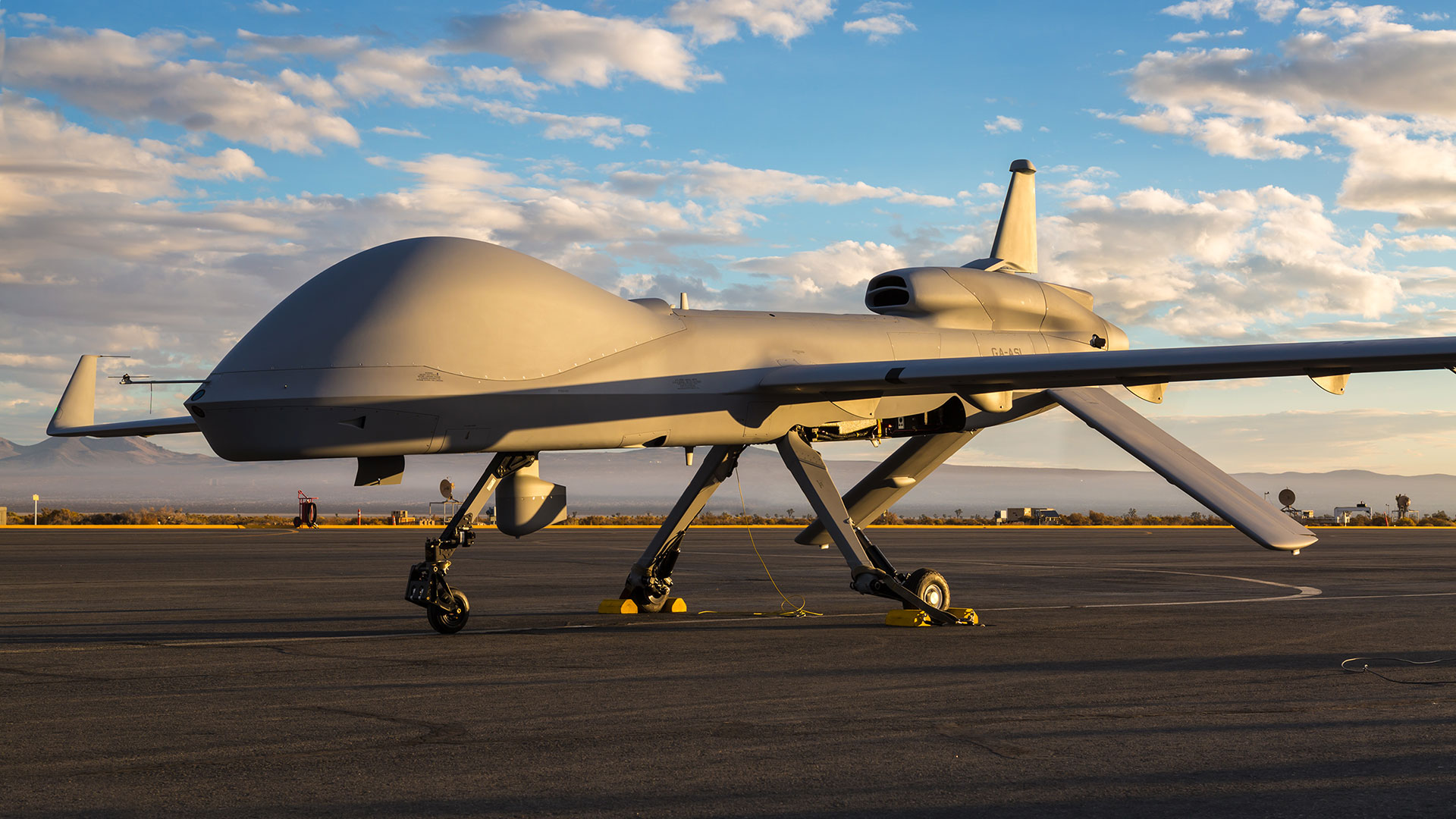
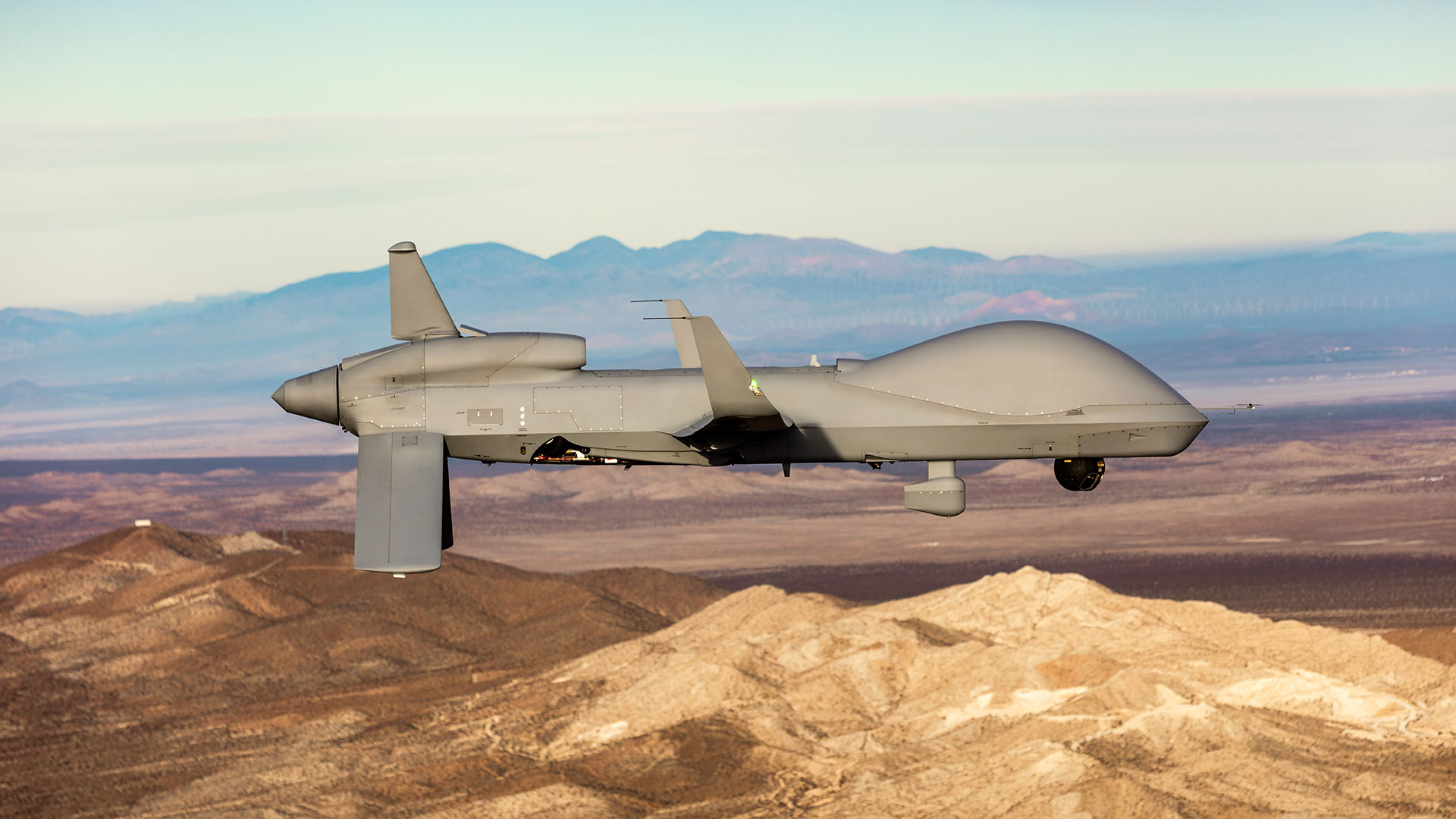
    The Gray Eagle underwent extensive redesign to meet the operational requirements of the U.S. Army, to the extent that it can be regarded as a largely distinct platform. Although it retains a visual resemblance to the Predator, significant engineering differences are evident. Its wingspan was increased to approximately 17 meters, improving the lift-to-drag ratio, enhancing stability at medium altitudes, and reducing fuel consumption.

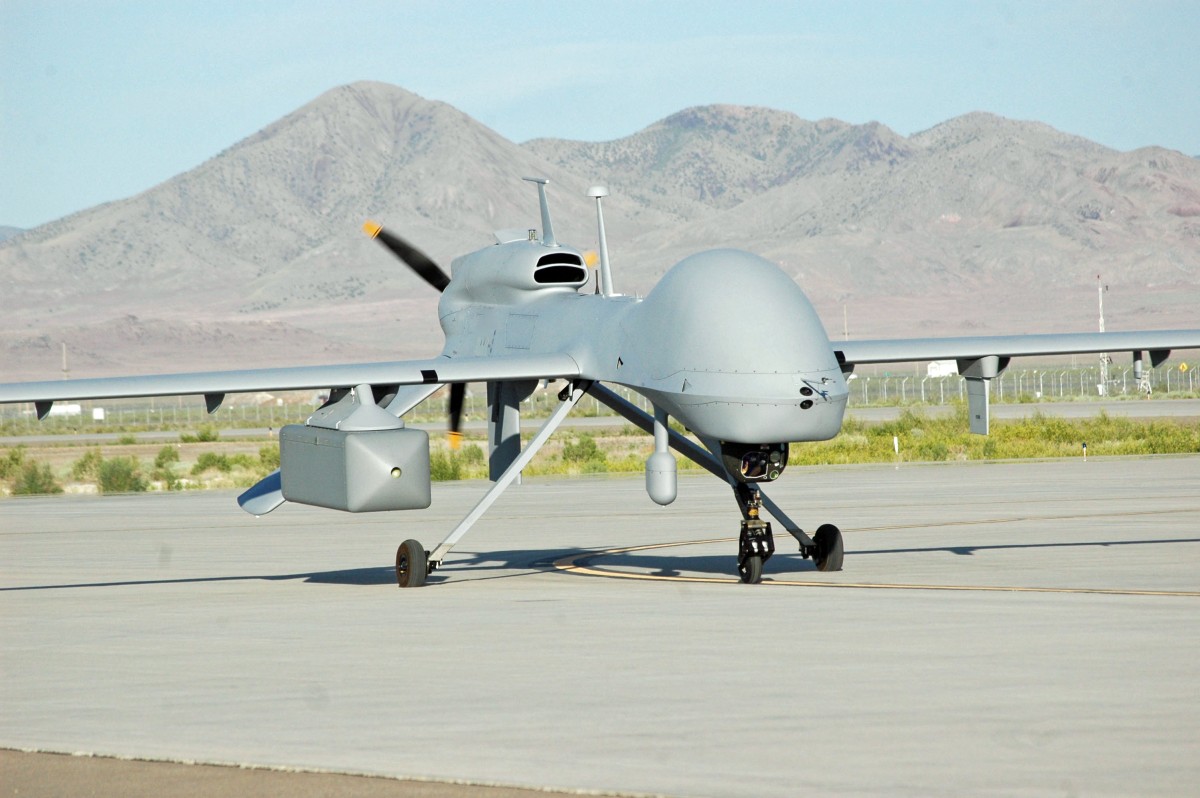
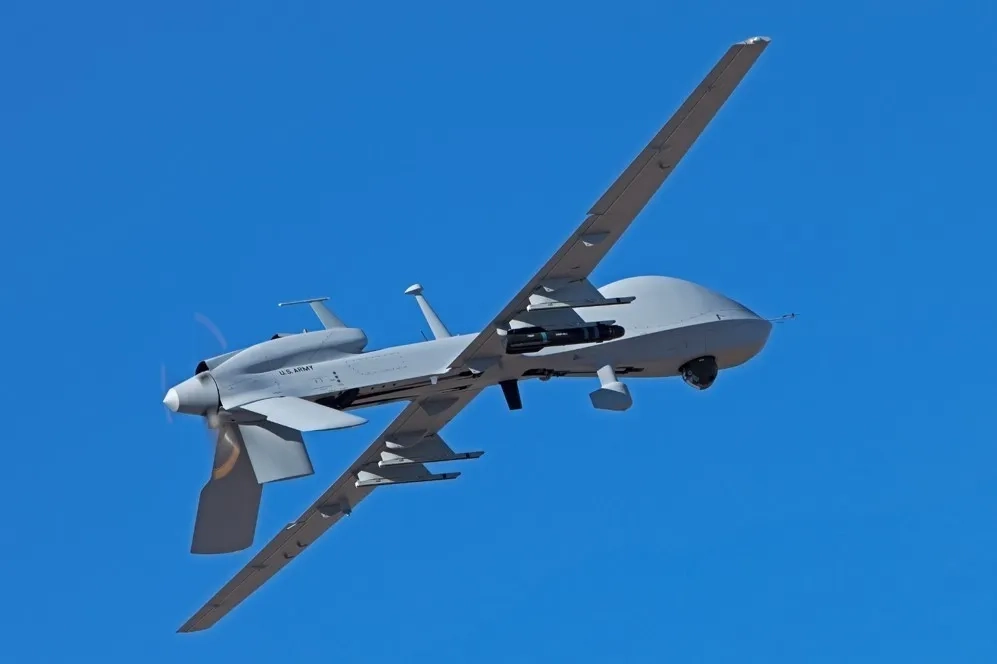
    MQ-1 Grey Eagle

    The airframe was designed with a damage-tolerant approach, while the Extended Range variant incorporates a deep-belly design. This modification increased internal fuel capacity from approximately 575 pounds to around 900 pounds, while also optimizing the center of gravity to accommodate heavier payloads on the central hardpoint.

    One of the most significant advancements was the introduction of an automatic takeoff and landing system. Unlike the Predator, which required a high degree of pilot skill and experienced a significant proportion of accidents during the landing phase, the Gray Eagle can perform both takeoff and landing fully autonomously. The system relies on precise Ku-band radar sensors and had recorded more than 20,000 successful landings by 2013.

    One of the major logistical challenges faced by the U.S. Army on the battlefield is the need to simultaneously supply multiple types of fuel. To address this issue, the Army follows a “single-fuel” doctrine, under which platforms are expected to operate on a common fuel such as JP-8 or diesel. By contrast, the Rotax engines used on earlier UAVs relied on aviation gasoline, which was not part of the Army’s standard battlefield fuel supply chain.

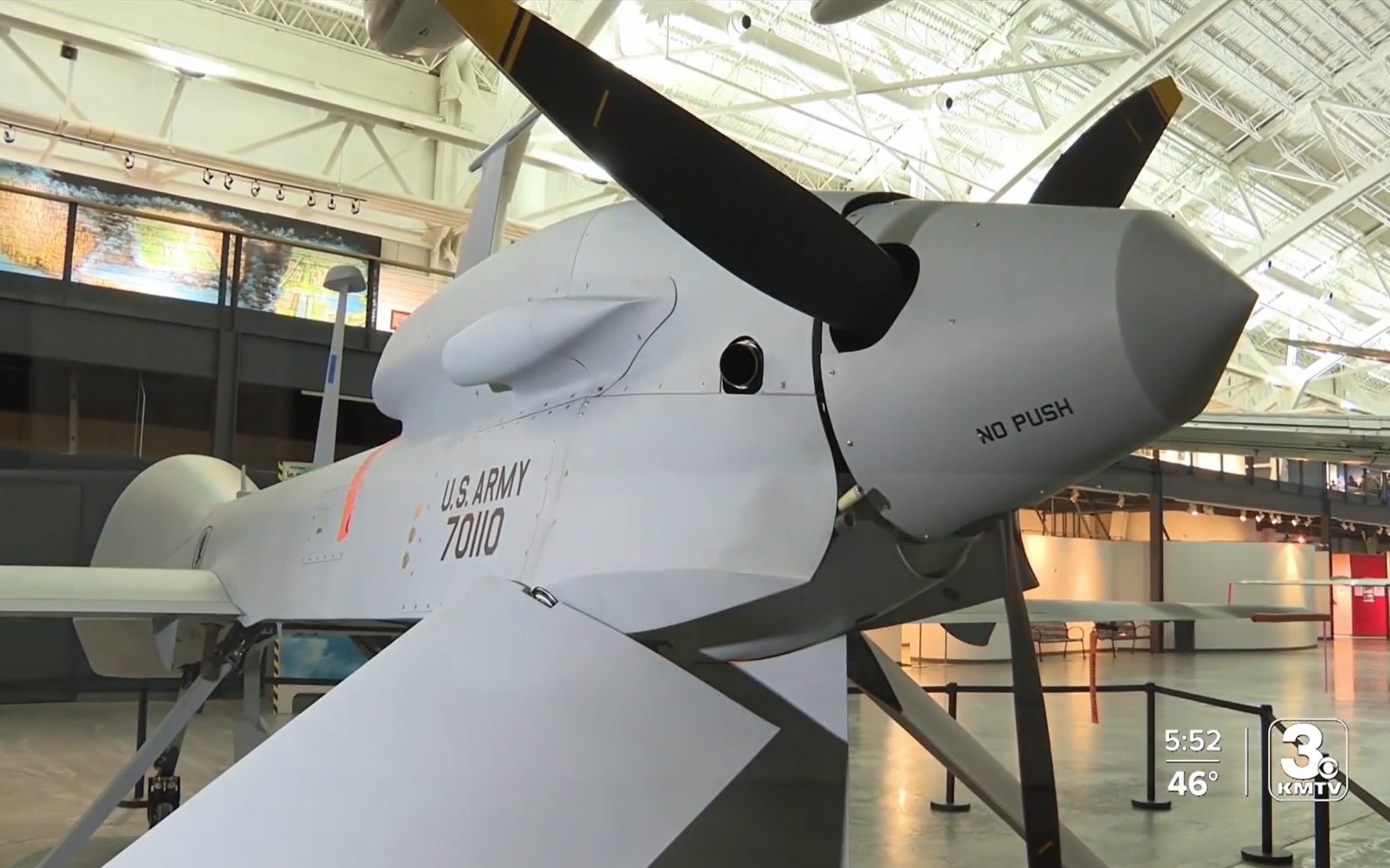
    In response to this limitation, the MQ-1C Gray Eagle was equipped with the Thielert Centurion 1.7 heavy-fuel engine, a 165-horsepower diesel piston engine that used digital engine control to significantly improve fuel efficiency. This approach continued in later variants. In the Extended Range version, the more powerful Lycoming DEL-120, producing 180 horsepower, replaced the earlier engine, providing increased power as well as longer maintenance intervals. The latest 25M variant introduces the HFE 2.0 engine, rated at 200 horsepower, and equipped with dual 7-kilowatt generators to provide electrical power for advanced sensor systems.

    MQ-1C Gray Eagle drone propulsion system

    اThe use of heavy fuel offers more than just a logistical advantage; because of its higher energy density, it also contributes to increased endurance. The standard Gray Eagle can remain airborne for approximately 25 to 30 hours, while the ER variant, equipped with external fuel tanks, can extend endurance to around 50 hours.

    MQ-1C Sensor and Electronic Warfare Capabilities

    The MQ-1C Gray Eagle was designed around the requirement to provide battlefield commanders with accurate, persistent, and real-time intelligence. As a result, its nose section was enlarged compared with the previous generation, creating additional space for advanced systems, including synthetic aperture radar (SAR) and electro-optical targeting systems.

    AN/AAS-52 MTS Electro-Optical System — Mounted beneath the nose is the AN/AAS-52 Multispectral Targeting System (MTS). The system incorporates high-resolution infrared sensors, powerful day cameras, and a laser designator. This combination allows operators to identify and track targets in considerable detail from altitudes of around 25,000 feet. In addition to its surveillance capabilities, the integrated laser designator plays a key role in guiding precision weapons such as AGM-114 Hellfire missiles and laser-guided bombs. The Gray Eagle can also accommodate other multispectral electro-optical imaging systems, including the Raytheon AN/AAS-53 and the DAS-2 pod, mounted beneath the wings.

    Read more: Military Knowledge: Raytheon Multi-Spectral Targeting Systems

    The AN/AAS-53 system under the nose of the MQ-1C UAV.

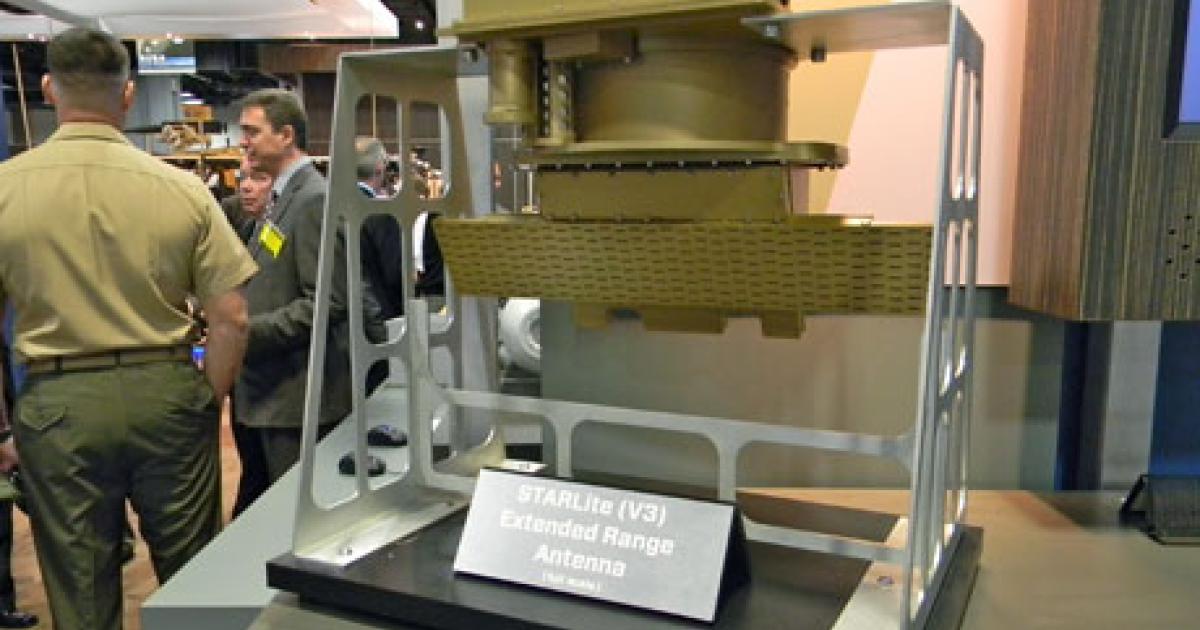
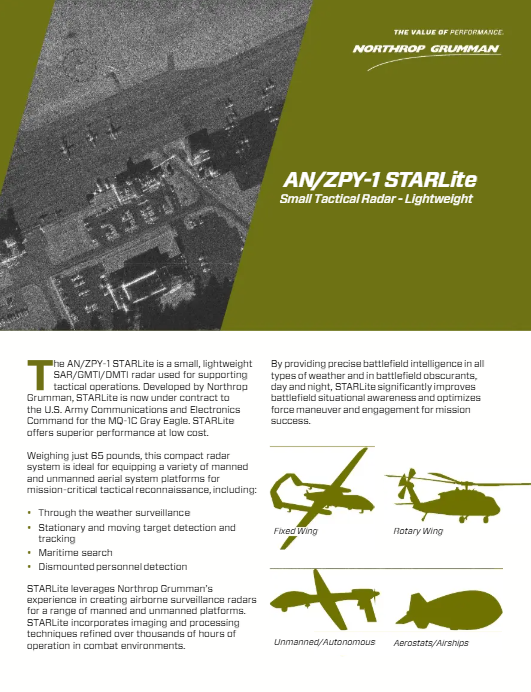
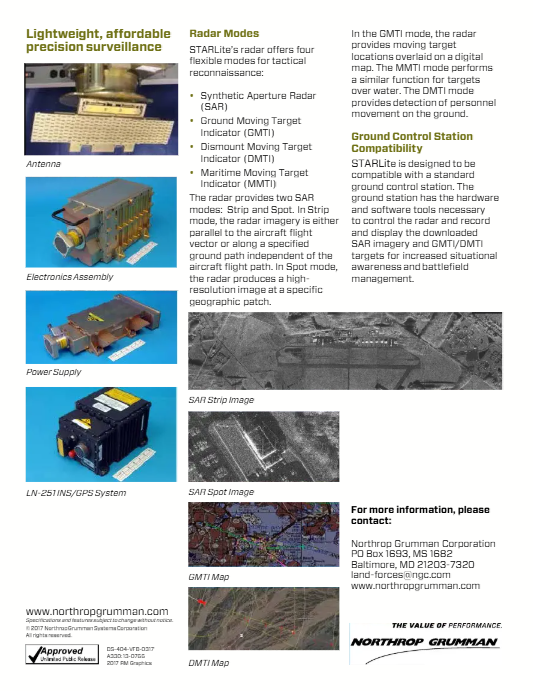
    Synthetic Aperture Radar — The AN/ZPY-1 STARLite radar, developed by Northrop Grumman, is one of the Gray Eagle’s key capabilities for operating in adverse weather and difficult environmental conditions, including cloud cover, fog, smoke, and sandstorms. Mounted within the UAV’s forward radar fairing, the system provides several advanced capabilities:

    • Synthetic Aperture Radar (SAR) Imaging: Generates detailed, high-resolution maps of the ground surface day or night, even under conditions that can limit conventional electro-optical sensors.
    • Ground Moving Target Indicator (GMTI): Detects, identifies, and tracks moving targets such as vehicles, displaying their movements on a digital map.
    • Change Detection: Compares radar imagery collected at different times to identify subtle changes on the ground, such as new tire tracks or disturbed soil, which may indicate potential threats such as improvised explosive devices (IEDs).

    Electronic Warfare

    In addition to its electro-optical systems, the MQ-1C Gray Eagle is also equipped with electronic warfare (EW) capabilities. One of its most important systems is NERO, a variant of the CEASAR system used aboard C-12 aircraft. It enables the UAV to disrupt enemy communications and telecommunications networks, effectively providing an electronic protection layer for ground forces.

    NERO Electronic Warfare System

    MQ-1C Network-Centric Warfare Capabilities

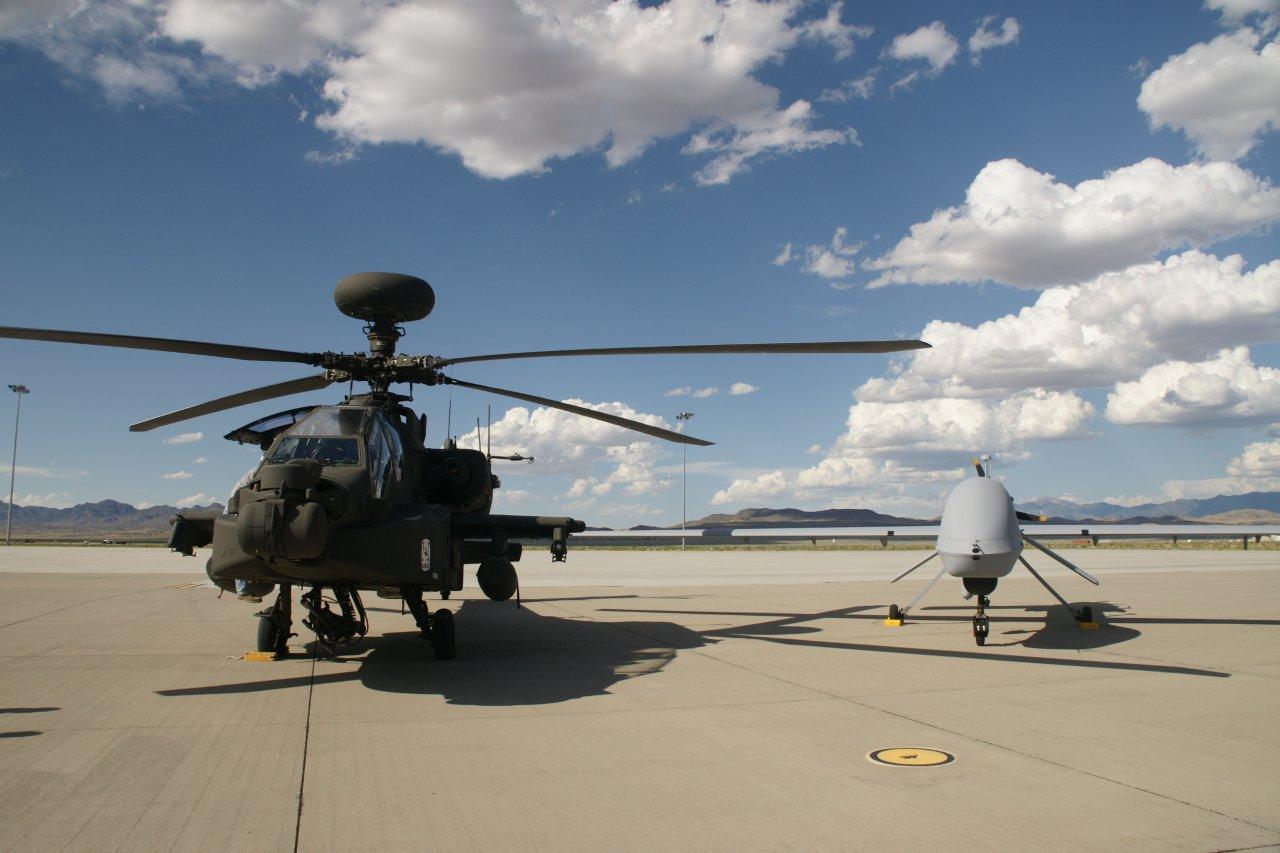
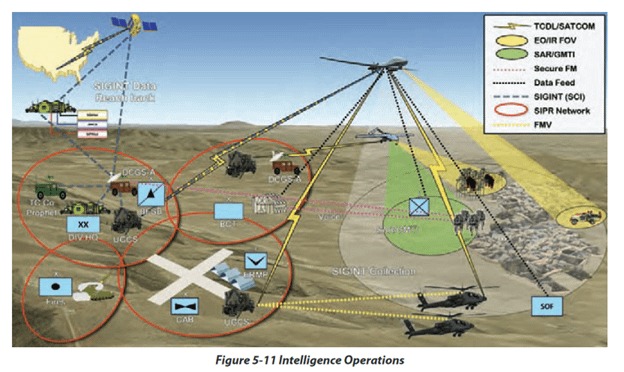
    One of the most advanced applications of the MQ-1C within the U.S. Army is its tactical integration with the AH-64 Apache attack helicopter through the Manned-Unmanned Teaming (MUM-T) concept. Under this doctrine, the UAV serves as an aerial scout, operating ahead of manned platforms. From inside the cockpit, an Apache pilot can receive live imagery from the Gray Eagle’s sensors and, depending on the level of MUM-T integration, control or direct those sensors. This high level of information integration provides helicopter crews with a significantly clearer picture of the battlefield and improves their ability to identify and respond to threats.

    A direct benefit of this cooperation is the increased survivability of manned helicopters. The Gray Eagle can detect targets and enemy air-defense systems from distances beyond the helicopter’s immediate engagement range and can use laser designation to mark targets for weapons carried by the Apache. Field exercises at Dugway Proving Ground demonstrated the potential of combining Apache helicopters and UAVs within a networked architecture to conduct complex target-engagement missions with a high degree of precision.

    مفهوم“Manned-Unmanned Teaming” (MUM-T) is essentially a framework consisting of different levels of interaction between the helicopter and UAV:

    • Level 2: The Apache pilot can only receive live imagery from the Gray Eagle’s sensors.
    • Levels 3 and 4: The pilot can control the UAV’s camera and, at higher levels of integration, can also control its flight path.
    • Level 5: Full control of the UAV, from takeoff to landing, by the helicopter crew. This level remains under advanced development.

    Under this concept, the helicopter can remain concealed behind natural terrain such as mountains or elevated ground, while the Gray Eagle operates within the enemy’s line of sight to conduct reconnaissance. Targeting information is transmitted to the Apache in real time, and when required, a missile can be guided to the target using laser designation provided by the UAV.

    MQ-1C Derived Variants

    As the U.S. Army shifted its focus from counterinsurgency operations toward Large-Scale Combat Operations (LSCO) and potential conflicts with peer adversaries, the operational demand for greater endurance, increased payload capacity, and broader mission flexibility drove the development of new variants of the MQ-1C Gray Eagle.

    MQ-1C Gray Eagle Extended Range (GE-ER): Previously known as the Improved Gray Eagle, this variant was developed to increase endurance and overall operational capability. Its most significant structural modification was a substantial increase in internal fuel capacity.

    The GE-ER is equipped with an upgraded 180-horsepower engine and redesigned wings, allowing it to remain airborne for up to 42 hours continuously. With the addition of external fuel tanks, endurance can reportedly be extended to approximately 50 hours. The variant was designed to support operations at higher echelons, including division- and corps-level formations, while its internal payload capacity was increased to approximately 540 pounds.

    Gray Eagle 25M (Modernized): The most advanced member of the family is the GE-25M, which was designed for multi-domain operations and developed around an open systems architecture. This architecture enables rapid and cost-effective upgrades to the platform’s sensors and software.

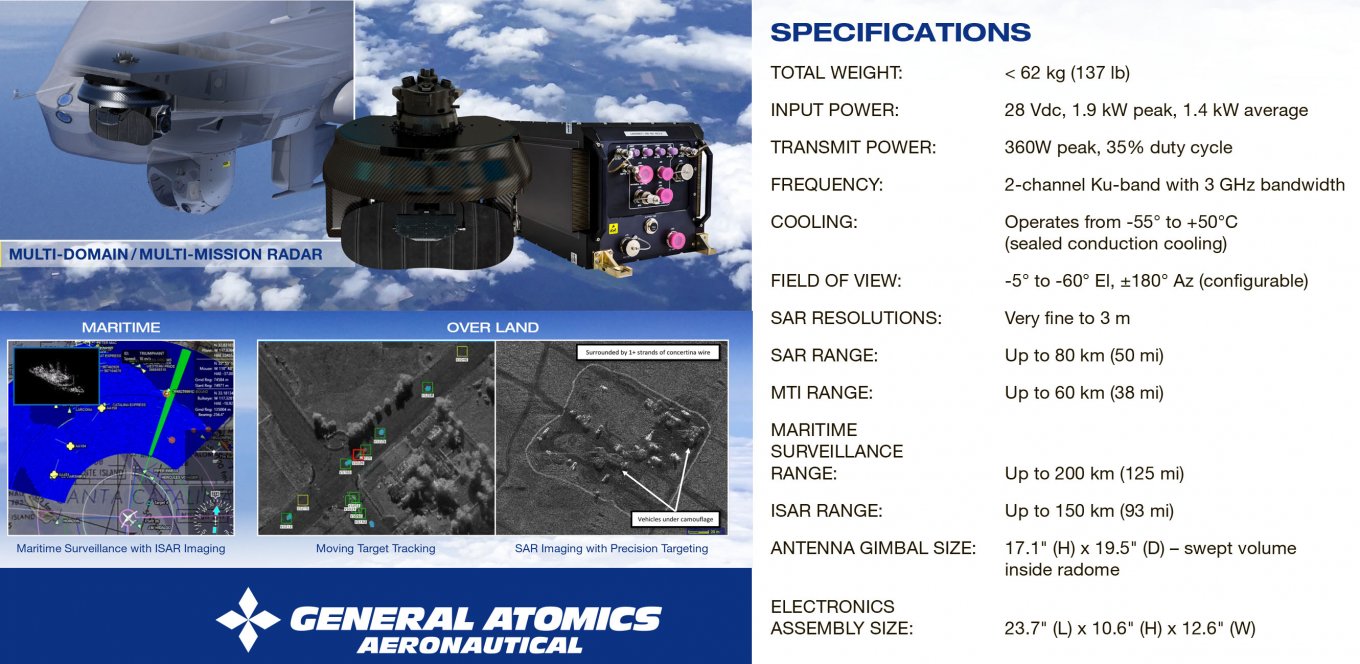
    Key features of this variant include the 200-horsepower HFE 2.0 engine and an upgraded electrical power-generation system; the EagleEye radar, which offers approximately five times greater range and the ability to simultaneously detect and track both ground and maritime targets; advanced Electronic Warfare (EW) systems, including ELINT/COMINT, for detecting, identifying, and geolocating enemy air-defense radars; and increased weapons capacity, allowing the aircraft to carry up to eight AGM-114 Hellfire missiles using dual-rail underwing hardpoints.

    EagleEye Radar Specifications

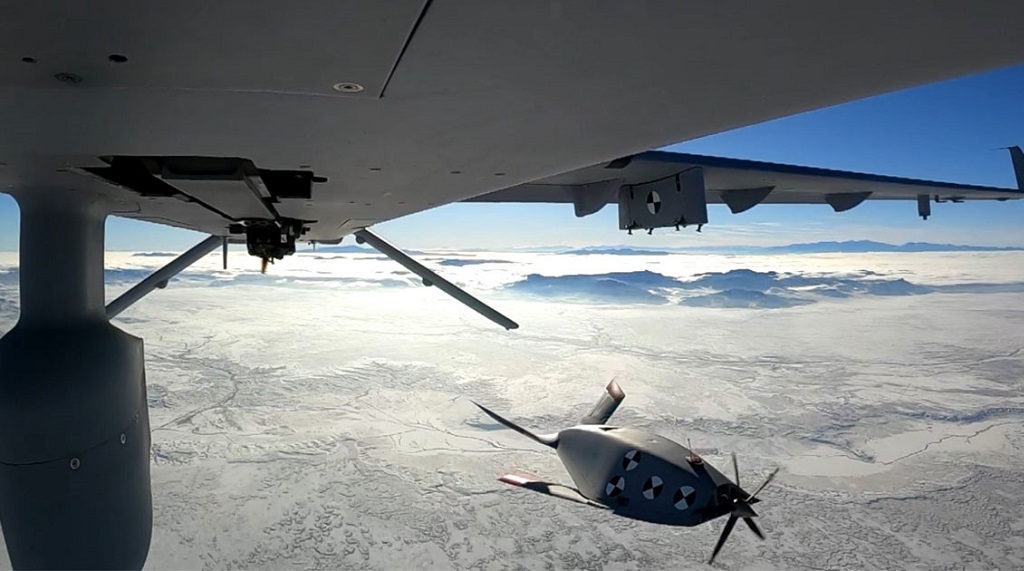
    With the emergence of advanced air-defense systems on modern battlefields, the survivability of relatively slow UAVs such as the Gray Eagle has become increasingly challenging. In response to this threat, the 25M variant has been developed alongside a mothership concept. Under this architecture, the Gray Eagle serves as a “mother ship” for smaller loitering munitions and decoy UAVs. Platforms such as the Eaglet can be launched from beneath its wings and penetrate deep into enemy air-defense networks, where they can either destroy targets through suicide attacks or open the way for the main operation through electronic disruption and reconnaissance.

    Launch of the Eaglet UAV from the MQ-1C

    In the latest upgrades, advanced ELINT systems, installed on the fleet since 2026, enable the Gray Eagle to detect and geolocate enemy radar emissions from very long distances, remaining outside the engagement range of most air-defense systems. This information can then be transmitted in real time to long-range fire systems such as HIMARS, allowing enemy air-defense assets to be engaged before the UAV enters the threat zone.

    Read more: Military Knowledge: M142 HIMARS Multiple Rocket Launcher

    MQ-1C Defensive Capabilities:

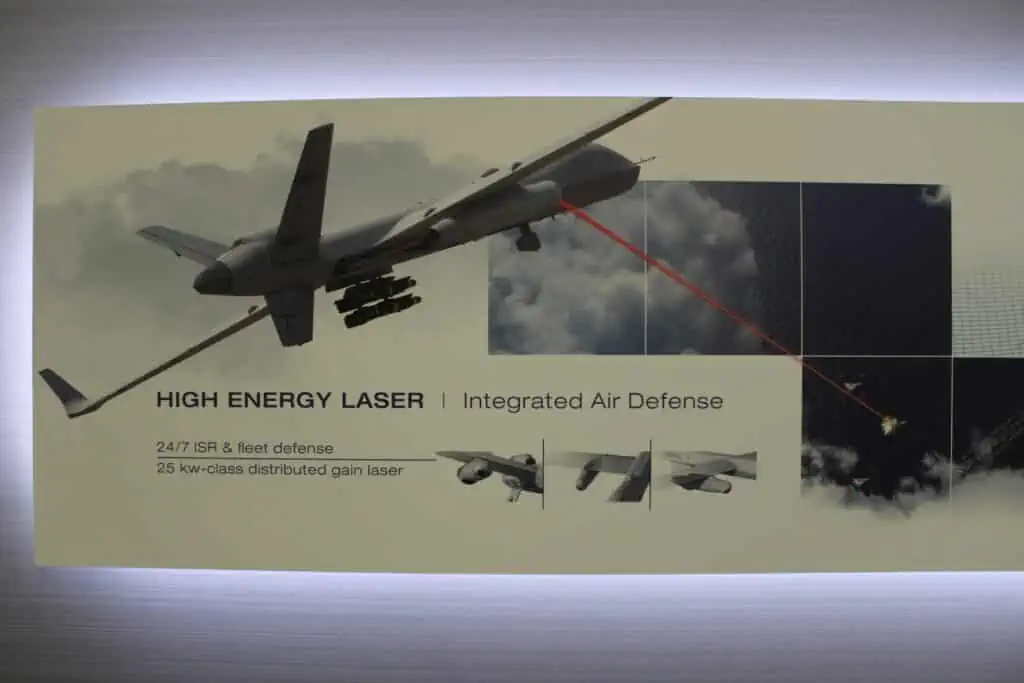
    Despite the U.S. Army’s current decision to halt further procurement, one of the Gray Eagle’s emerging capabilities is the use of air-to-air weapons to engage and destroy UAVs. In particular, the latest generation of the Gray Eagle family incorporates several newly developed capabilities. Lockheed Martin is currently planning to integrate the UAV-mounted synthetic aperture radar with the Hellfire missile. The EagleEye radar can detect and track ground targets at ranges of up to 50 miles (80 km) and maritime targets at up to 124 miles (200 km), although its effectiveness against airborne threats has yet to be established. Nevertheless, with a new active electronically scanned array (AESA) antenna and software currently under development, the radar is expected to achieve greater range and improved performance.

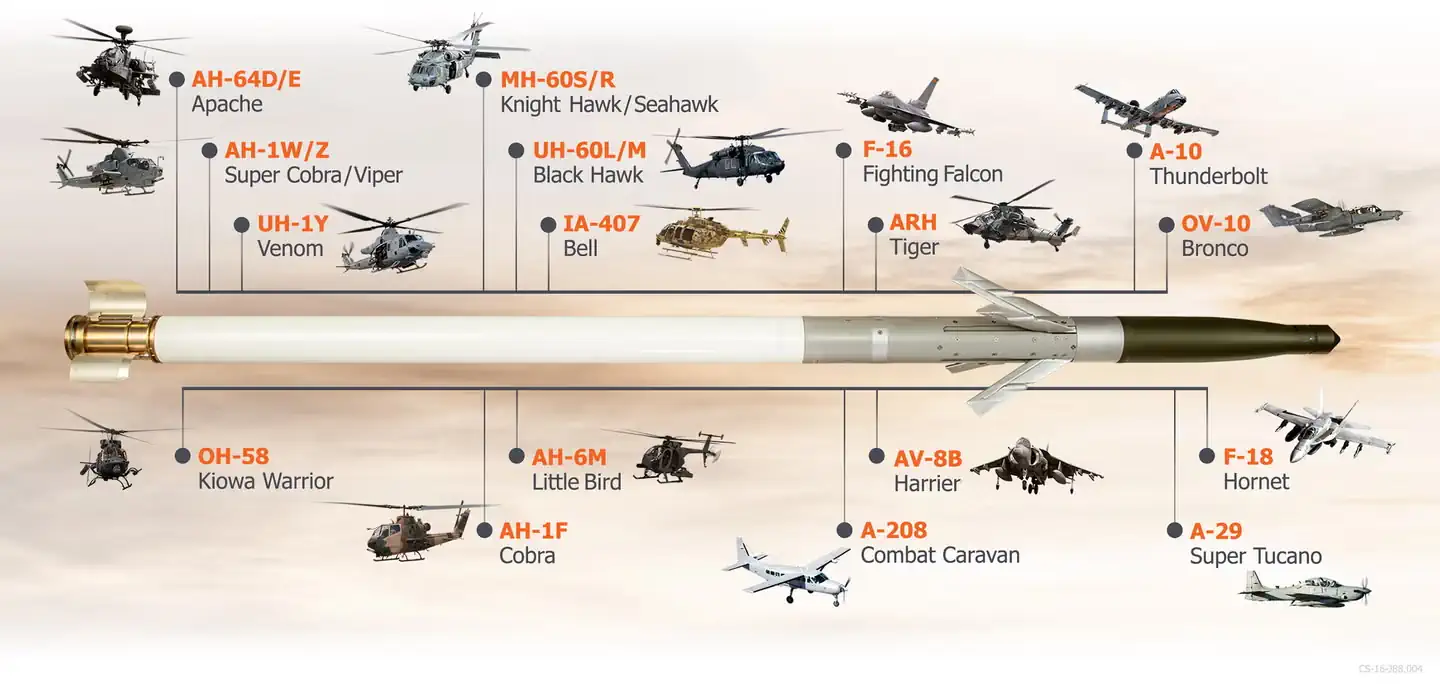
    Within this framework, a specialized version of the Hellfire missile known as the Longbow Hellfire will be employed. Although the AGM-114 Hellfire was originally developed as an air-to-ground weapon and has primarily been used in that role, the Longbow variant uses millimeter-wave guidance, giving it the potential to perform an air-defense role against UAVs.

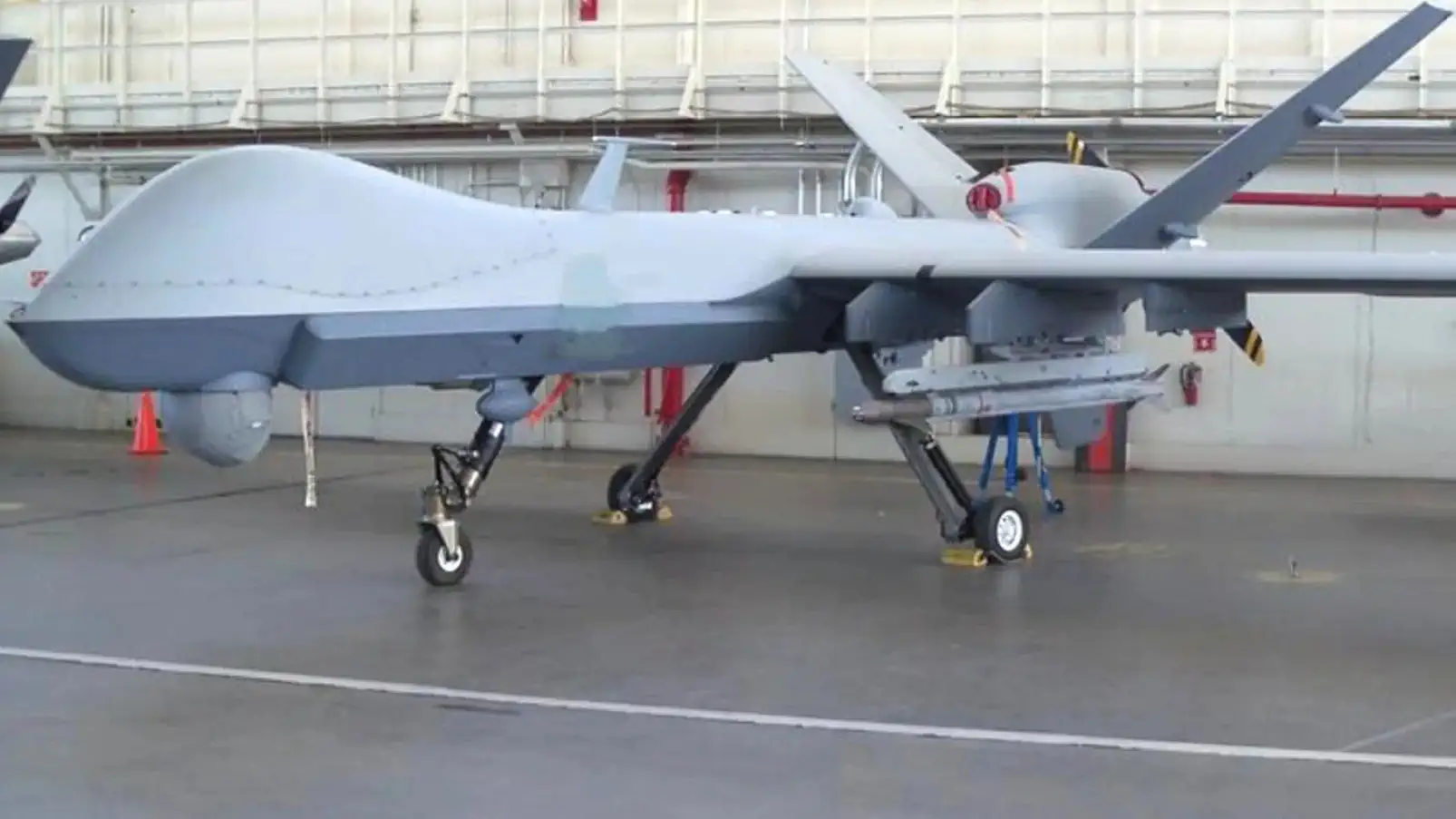
    MQ-1C drone equipped with a Hellfire missile

    It is worth noting that the US Air Force has successfully integrated the AIM-9X air-to-air missile onto its MQ-9 Reaper drone. This combination achieved its first “kill” during a 2017 exercise. Shortly thereafter, the service announced plans to develop air defense capabilities for unmanned platforms, thereby providing them with significant self-protection. This initiative could also complement developments regarding the MQ-1C. In this context, the use of laser-guided rockets, such as the APKWS, is to be expected.

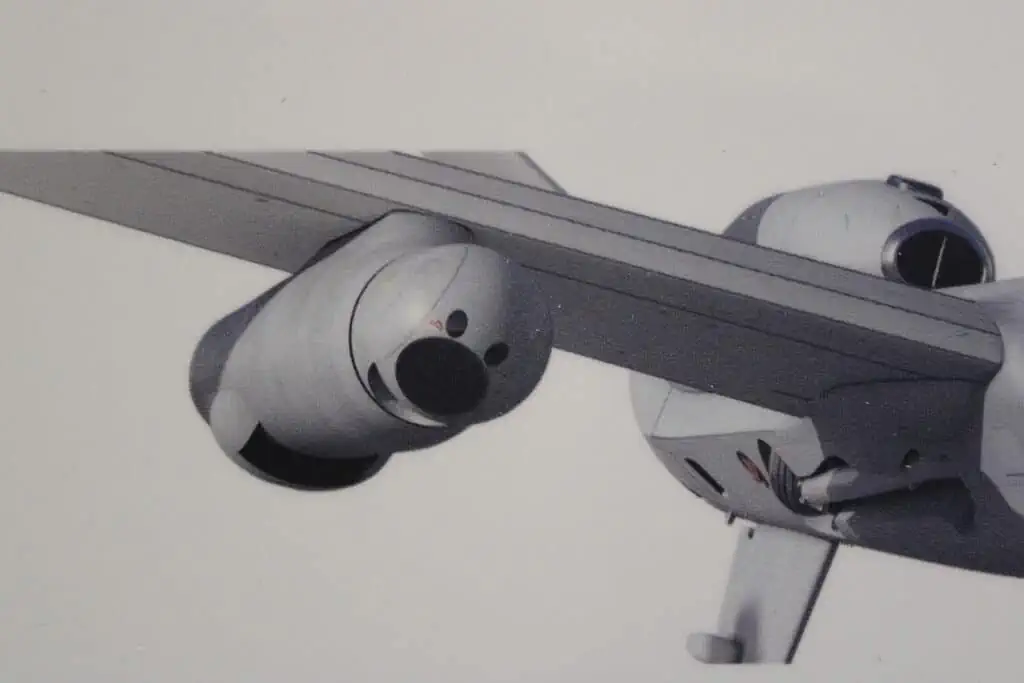
    Meanwhile, the use of laser pods represents another option. This capability—currently under development as a concept—was previously showcased in a graphic at the Air Force Association’s Air Warfare Symposium, featuring the MQ-9B SkyGuardian drone. Notably, GA-ASI is primarily marketing this pod for fleet defense against suicide drones.

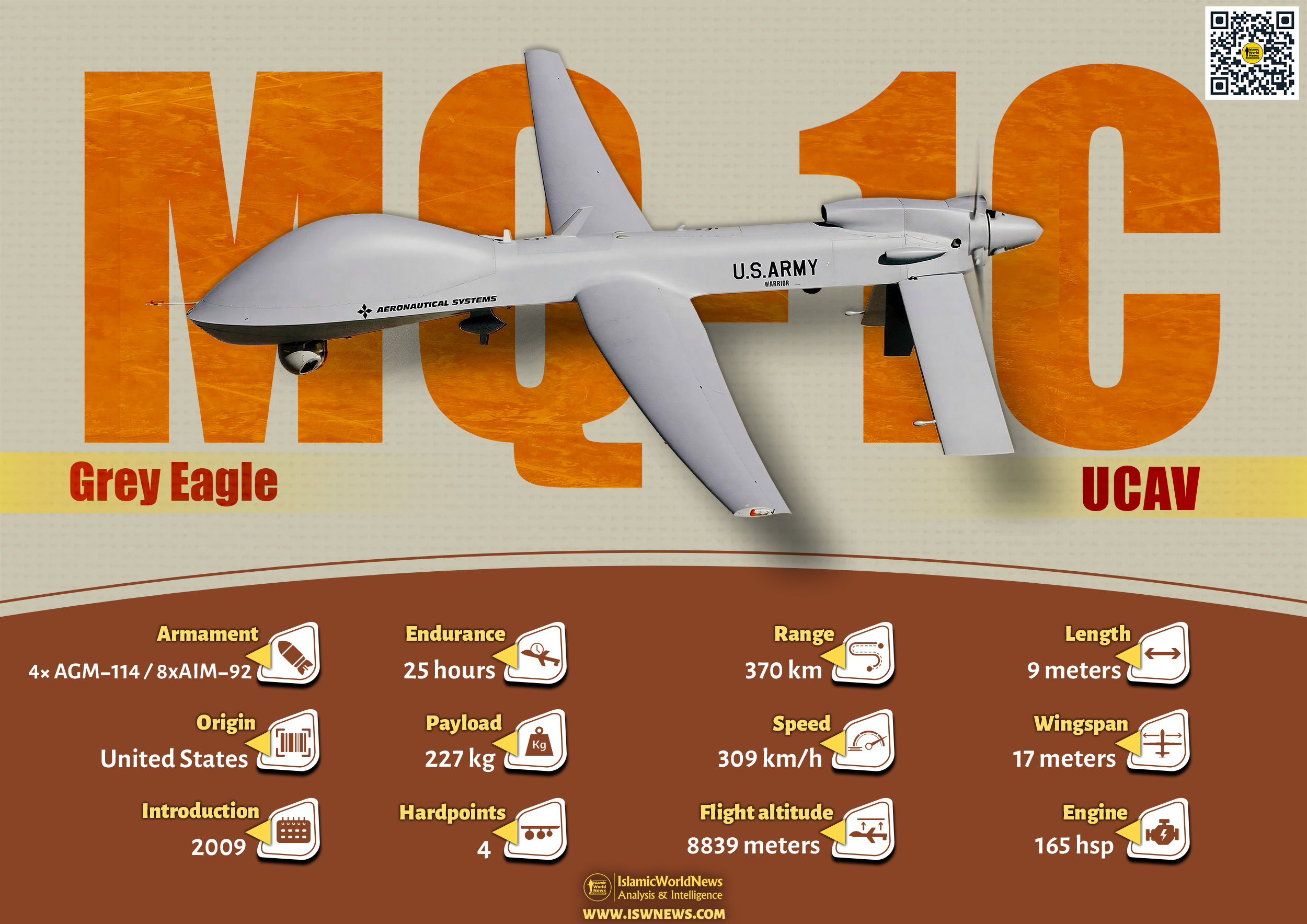
    MQ-1C Grey Eagle Specifications:

    Type: Reconnaissance-strike UAV
    Country of origin: United States
    Manufacturer: General Atomics
    Introduction: 2009
    Length: 9 m
    Wingspan: 17 m
    Height: 2.1 m
    Engine: One Thielert Centurion 1.7 engine, producing 165 hp
    Range: 370 km
    Maximum speed: 309 km/h
    Service ceiling: 8,839 m (29,000 ft)
    Endurance: 25 hours
    Maximum takeoff weight: 1,633 kg
    Fuel capacity: 261 kg
    Payload: 227 kg
    Hardpoints: 4
    Armament: 4 AGM-114 Hellfire missiles or 8 AIM-92 Stinger rockets

    ER Variant Specifications:

    Wingspan: ~17–18 m
    Length: 9 m
    Engine: 180 hp
    Maximum takeoff weight: 1,905 kg
    Fuel capacity: 408 kg
    Internal payload capacity: 181 kg
    Payload: 227 kg
    Service ceiling: 8,839 m (29,000 ft)
    Endurance: 42 hours
    Maximum speed: 309 km/h

    ER Block 25 Specifications:

    Wingspan: 17 m
    Length: 9 m
    Engine: 200 hp (HFE 2.0)
    Maximum takeoff weight: 1,905 kg
    Fuel capacity: 408 kg
    Internal payload capacity: 181 kg
    Payload: 227 kg
    Service ceiling: 25,000 ft
    Endurance: 40+ hours
    Maximum speed: 309 km/h

    MQ-1C Gray Eagle combat-reconnaissance UAV – click to view in full size
  • Turkey’s Aeroballistic Missile Family

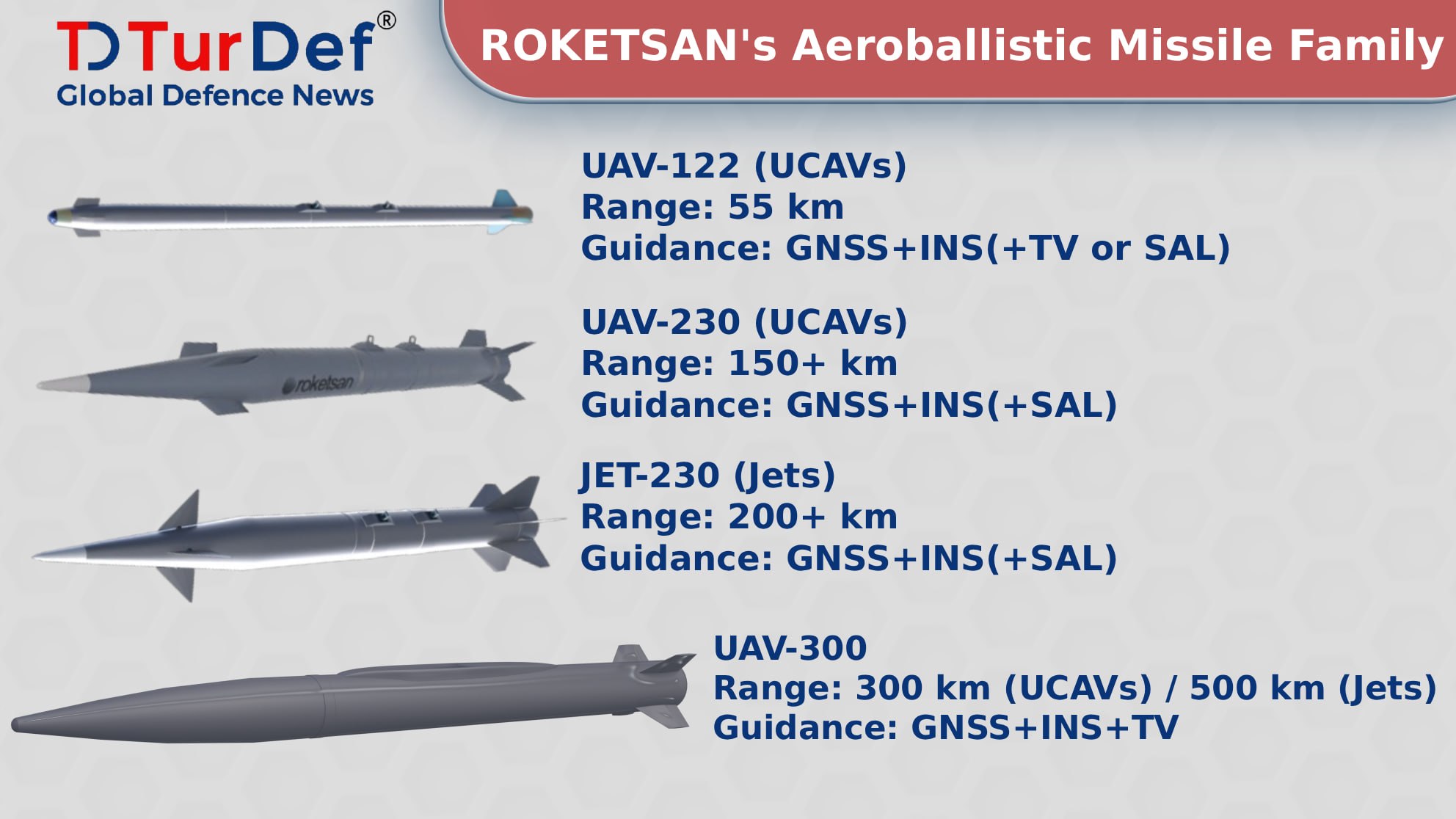
    Turkey’s Aeroballistic Missile Family

    The UAV-122 model is designed for use from combat drones and has a range of about 55 kilometers. The guidance system of this missile is a combination of inertial satellite navigation, and the possibility of using a TV or semi-active laser imaging seeker has also been mentioned for it.

    The UAV-230 model is considered the next step of this family and is fired from combat drones, with a range of more than 150 kilometers. Its guidance is also based on GNSS+INS, and the possibility of using a semi-active laser seeker has been raised for it.

    The JET-230 version is a variant of the UAV-230 for use from jet fighters, and its range reaches more than 200 kilometers.

    At the highest tier is the UAV-300, whose range varies depending on the launch platform; if fired from combat drones, this missile will have a range of about 300 kilometers, and if fired from jet fighters, up to 500 kilometers.

  • Military Knowledge: B-52 Strategic Bomber

    Military Knowledge: B-52 Strategic Bomber

    Basic introduction to the B-52:

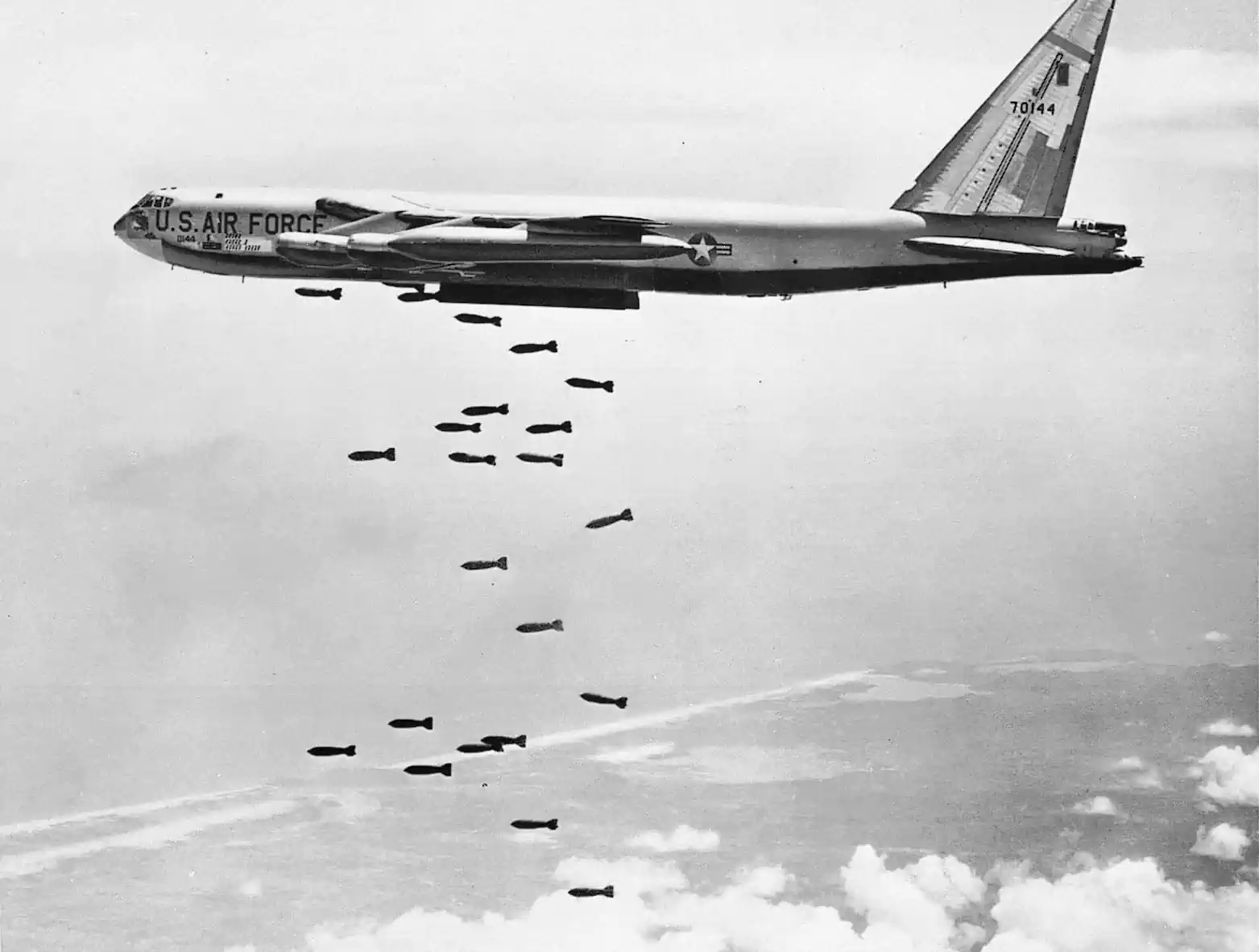
    For more than sixty years, the B-52 has been the backbone of America’s strategic bomber force. It is an aircraft capable of carrying and delivering the most diverse array of weapons in the US arsenal, including free-fall bombs, cluster munitions, and precision-guided munitions. With modern upgrades, the B-52 is able to carry all of the weaponry developed by the US Air Force and continues to play a significant role in the nation’s defense strategy in the 21st century.

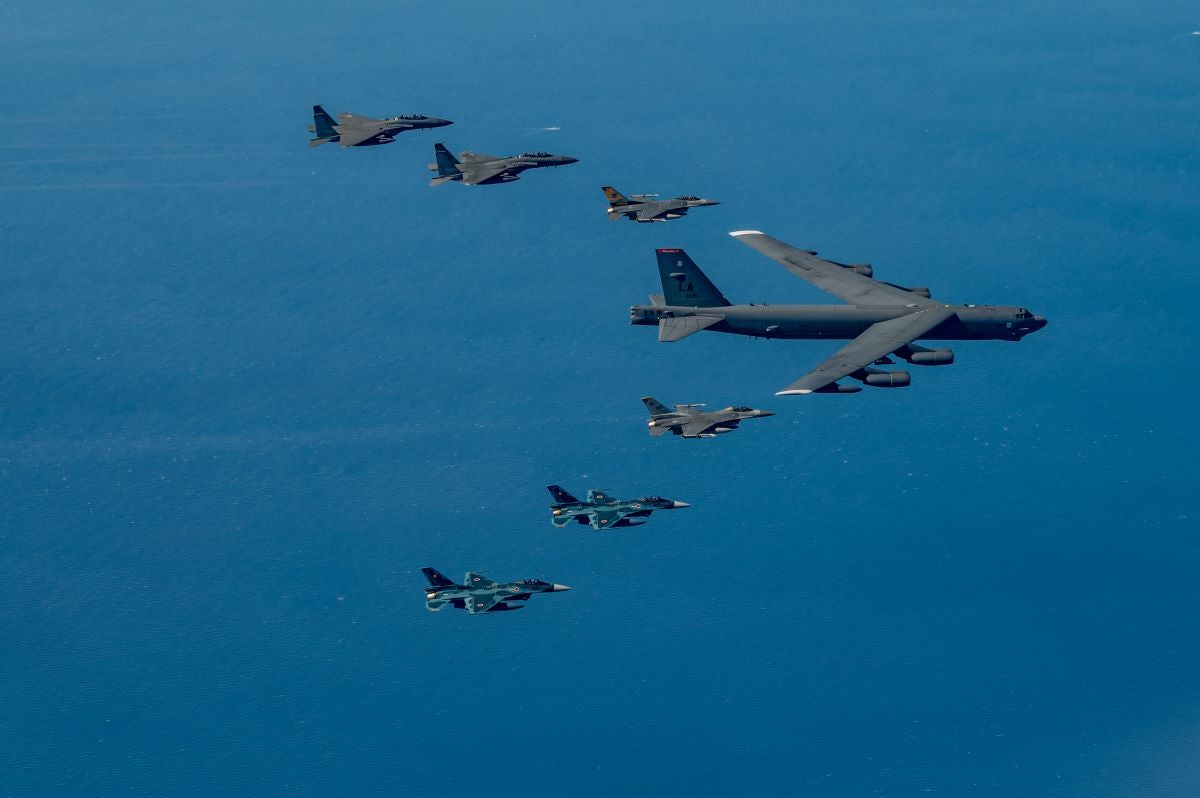
    B-52 dropping bombs during the Vietnam War

    The flexibility of the B-52’s design is one of its standout features. Over time, the aircraft has undergone numerous changes and upgrades based on shifting military requirements. The B-52 has transitioned from its original role as a nuclear deterrent to a multi-role conventional bomber.

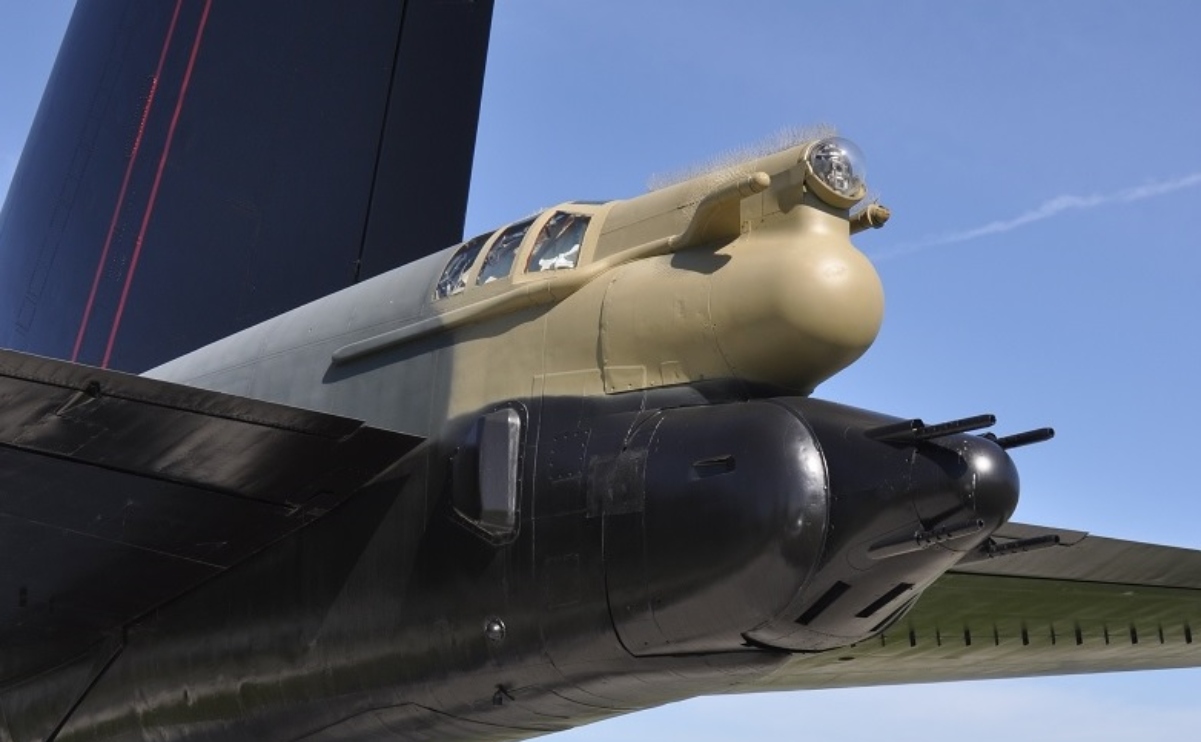
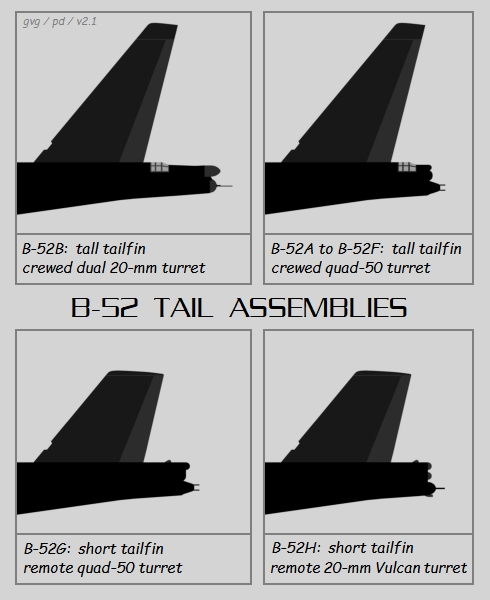
    For example, in early models, the tail gunner was stationed in the traditional location at the rear of the aircraft, operating with visual and radar targeting systems. In later models, the gunner’s position was moved to the front of the fuselage, and targeting operations were carried out solely by radar. However, since 1991, the tail gun has been removed from all operational B-52s.

    Design and production history of the B-52:

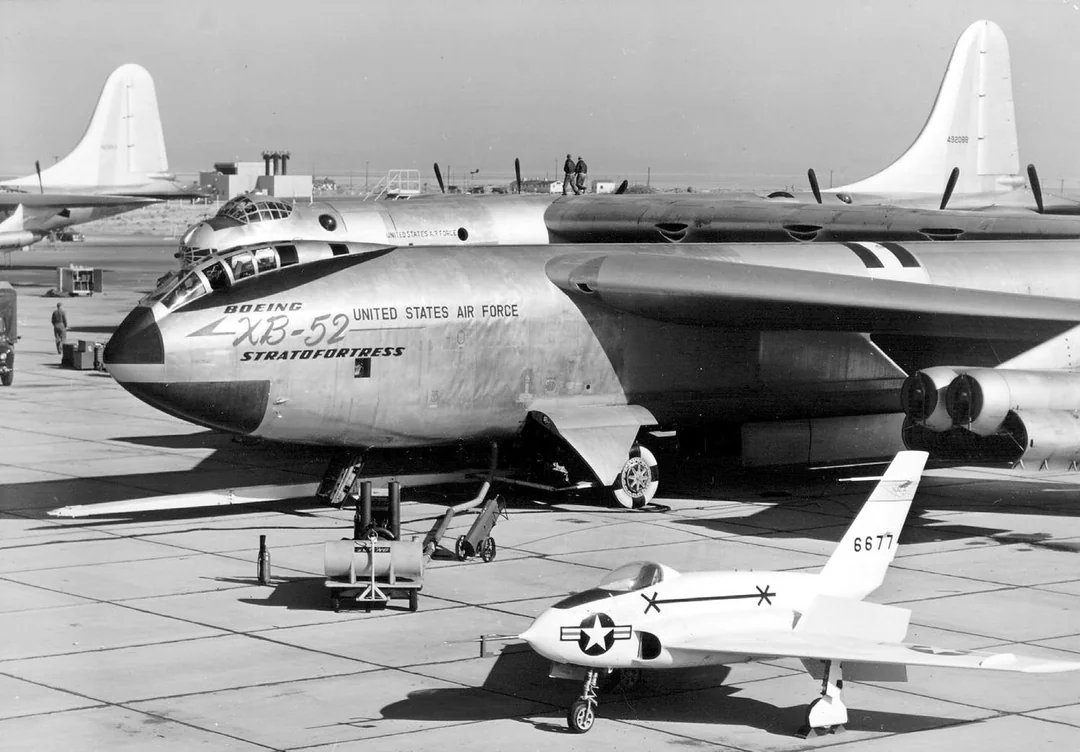
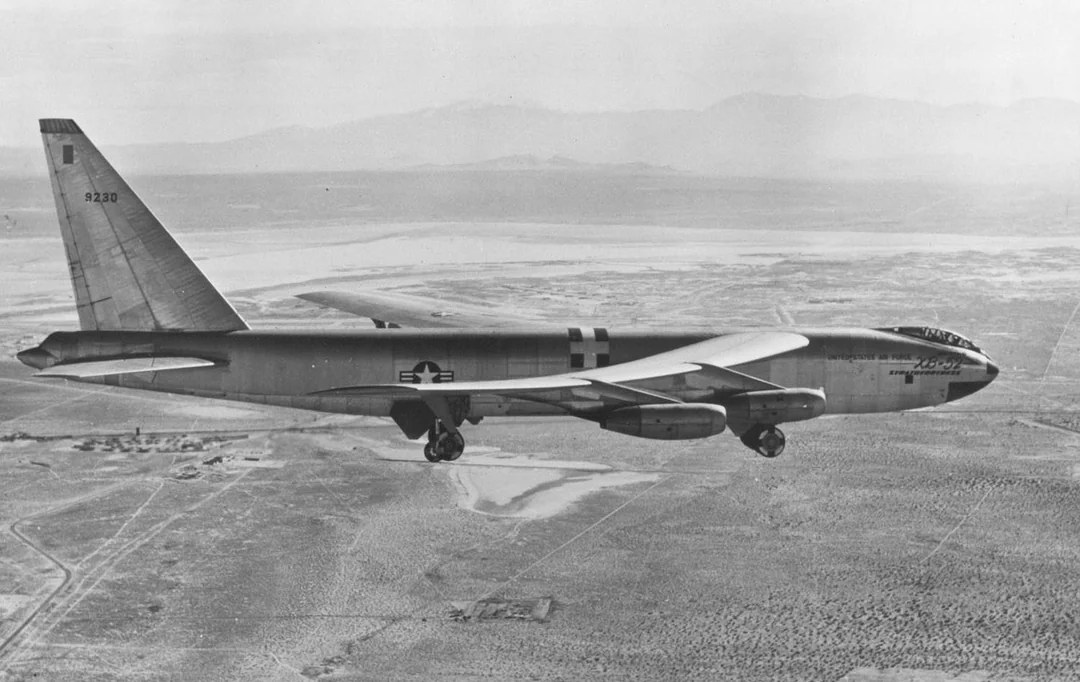
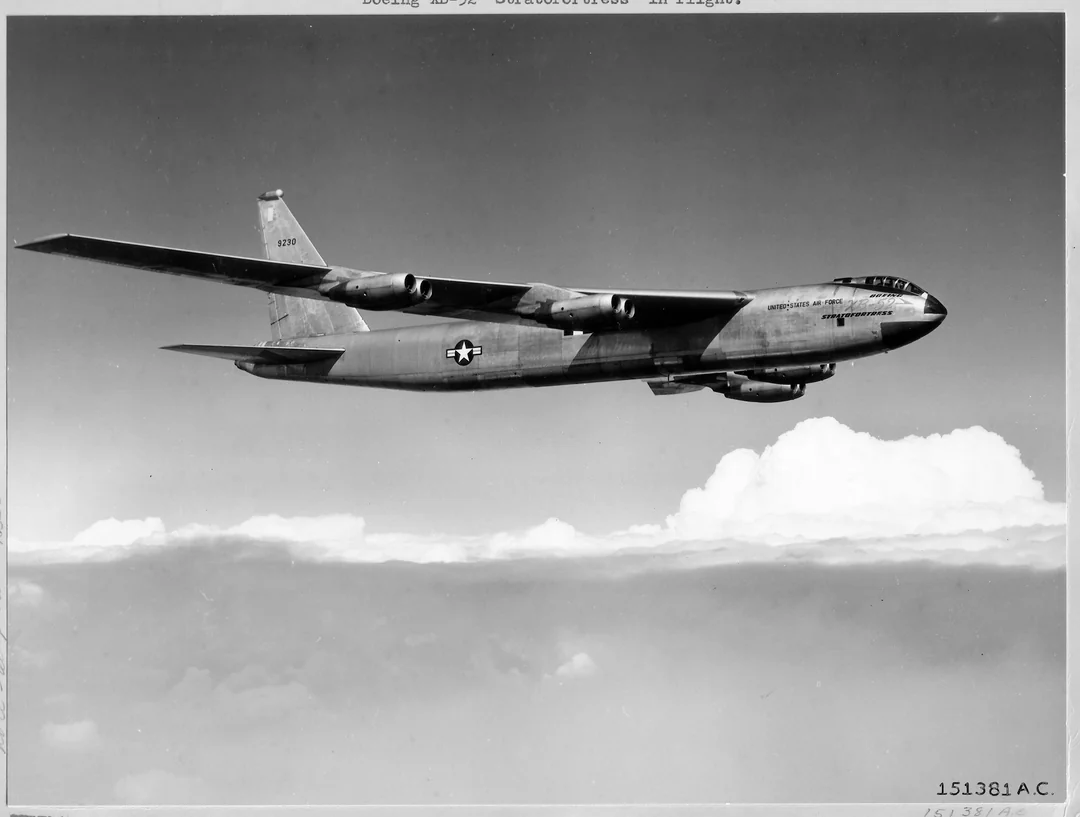
    The development of the B-52 began in the early 1940s with the experimental prototype XB-52 — an initiative by Boeing in response to the Air Force’s request for a new bomber design. In November 1945, the Air Force specified the desired performance characteristics for a modern strategic bomber; an aircraft capable of carrying out strategic missions independently, without relying on forward or intermediate bases under the control of other nations.

    Then, on February 13, 1946, the US Air Force issued an invitation for prototype proposals, asking manufacturers to submit their designs based on various specifications.

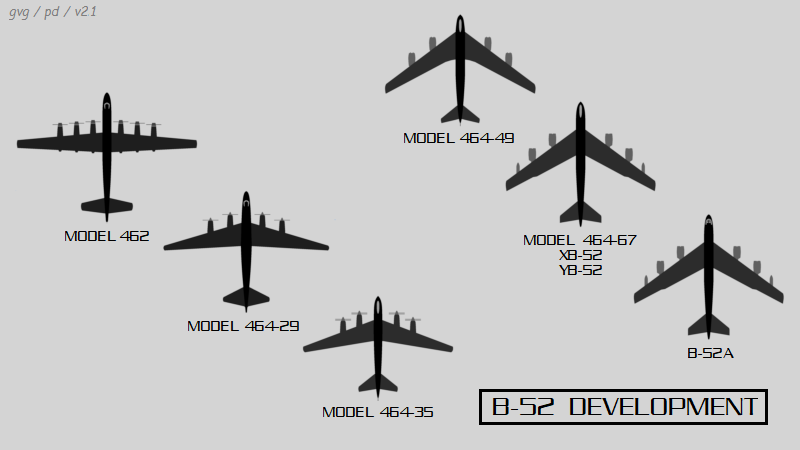
    On June 5, 1946, Boeing’s Model 462, an aircraft with straight wings and six turboprop engines, was selected as the winner. On June 28, 1946, a $1.7 million contract was awarded to Boeing to build the full XB-52 prototype and conduct preliminary tests. However, concerns were raised within the Air Force regarding the aircraft’s size and its compliance with design requirements. In response, Boeing offered two models: the Model 464-16 for nuclear missions and the Model 464-17 for conventional bombing. To reduce costs, the Air Force selected the Model 464-17, which had secondary adaptability for nuclear strikes. Later, Boeing was instructed to explore technological advancements including aerial refueling, increased speed, extended range, and other capabilities.

    Government concerns over the high fuel consumption of jet engines led Boeing to continue using the Model 464-35 with turboprop engines as the basis for the XB-52. Subsequently, Boeing designed the larger Model 464-67 and proposed that later modifications in production could further improve it.

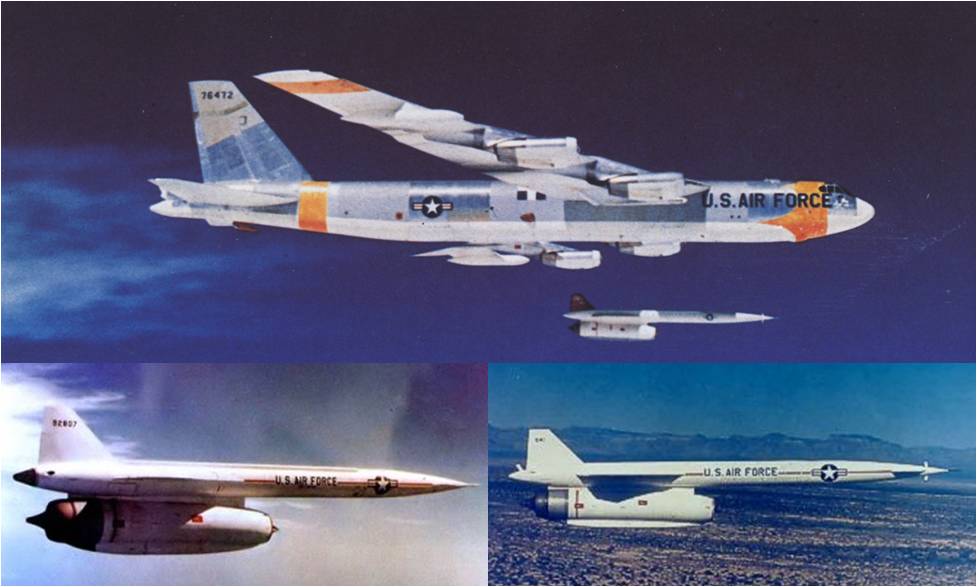
    B-52 concept development

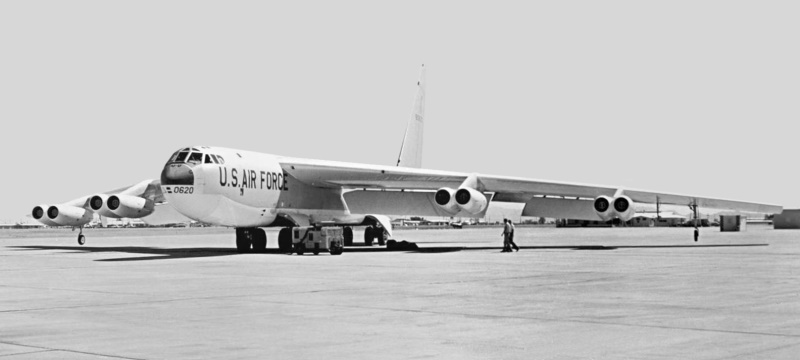
    Ultimately, on February 14, 1951, Boeing received a production contract for 13 B-52A aircraft and 17 detachable reconnaissance pods. The last major design change involved switching from the old tandem two-seat cockpit to a side-by-side seating arrangement, which increased the co-pilot’s effectiveness and reduced crew fatigue. The first XB-52 prototype flew on April 15, 1952. This flight marked the first step in an intensive phase of testing and development. The aircraft demonstrated impressive performance and range, meeting the requirements of the US Air Force.

    B-52 Model A

    B-52 Variants:

    The initial production variant, known as the B-52A, entered service in the mid-1950s. Subsequently, a series of variants and modifications were introduced, including the B-52B, B-52C, B-52D, B-52E, B-52F, B-52G, and B-52H, each incorporating improvements in engines, avionics, and armaments. This extensive production effort involved over 5,000 companies, with subcontractors fabricating 41 percent of the airframe.

    The Seattle plant built 101 D models, while Wichita produced 69. Both plants continued production of the B-52E — 42 built in Seattle and 58 in Wichita — along with the B-52F (44 from Seattle and 45 from Wichita). Production finally ended in 1963 with the B-52H, for a total of 742 aircraft built, in addition to the two original prototypes.

    The B-52C variant was generally very similar to the B-52B, with the same engines and nearly identical avionics. The most noticeable external difference of the B-52C compared to the B-52B was the installation of a large external fuel tank under each wing. Additionally, the water injection tank at the rear of the fuselage was removed, and a water injection tank was placed in the wing root of each wing.

    The B-52D variant was almost identical to the B-52C, using the same fire control system that was used on the last B-52C. The only significant difference was the complete removal of the reconnaissance pod capability.

    The B-52E variant was externally almost identical to the B-52D, but by this time, Soviet air defense had reached a level of sophistication that made high-altitude bombing no longer considered practical or safe; therefore, the Strategic Air Command (SAC) adopted low-level penetration tactics. To support this new mission, the B-52E was equipped with a range of modern systems, the most important of which was the AN/ASQ-38 integrated navigation and bombing system built by IBM. This system included the Raytheon AN/ASB-4 navigation and bombing radar and the GPL AN/APN-89 doppler ground speed/altitude indicator.

    The B-52F variant was also very close in appearance and structure to the B-52E, with the major difference being that it was equipped with improved J57-43W engines.

    The B-52G variant is the most produced variant of the family. This model is distinguished by a significant increase in internal fuel tank capacity.

    The United States Air Force expected that after the B-52, it would bring into service the North American B-70 Valkyrie supersonic bomber; therefore, the B-52G was intended to be the final production model. However, in practice, only two XB-70s were built, and they were used only as test aircraft. On the other hand, the Air Force was interested in the GAM-87 Skybolt air-launched ballistic missile, and for this reason awarded Boeing a contract to build the final B-52 variant, the B-52H, as a launch platform for Skybolt. The B-52H was to carry four Skybolts — two on each underwing pylon. However, the Skybolt project was canceled in December 1962, and the B-52H never operationally carried the missile.

    Configuration and Aerodynamic Design of the B-52:

    The defining design feature of the B-52 is its swept-back wings. This configuration offers several advantages, including improved performance at high speeds, reduced drag, and increased fuel efficiency. Furthermore, the swept-back wings play a critical role in enhancing the aircraft’s stability and maneuverability. Officially, the B-52’s service ceiling is recorded as 50,000 feet (15,000 meters); however, operational experience indicates that reaching this altitude presents considerable challenges when the aircraft is fully loaded with bombs.

    According to various sources, the optimal altitude for a combat mission was around 43,000 feet (13,000 meters), since exceeding this height would quickly reduce the aircraft’s range. Therefore, during operations, the ability to achieve maximum range and altitude depended entirely on the skill and effort of the B-52’s crew. Taking all these factors into account, the B-52’s design incorporates high aspect ratio wings—meaning the wings are long and relatively narrow. This design increases lift and efficiency, allowing the carriage of heavy loads over long distances. Additionally, fuel tanks are housed inside the wings to extend the flight range.

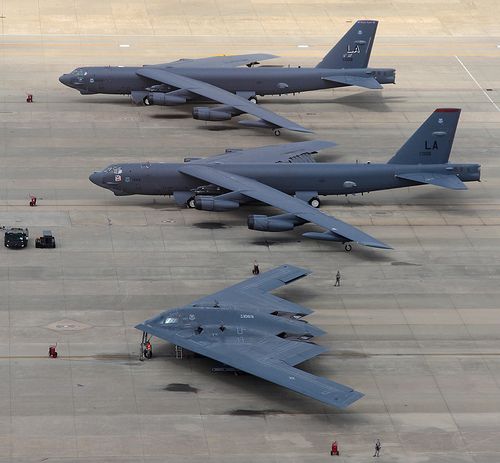
    B-52 bomber next to B-2 stealth bomber

    Propulsion System of the B-52:

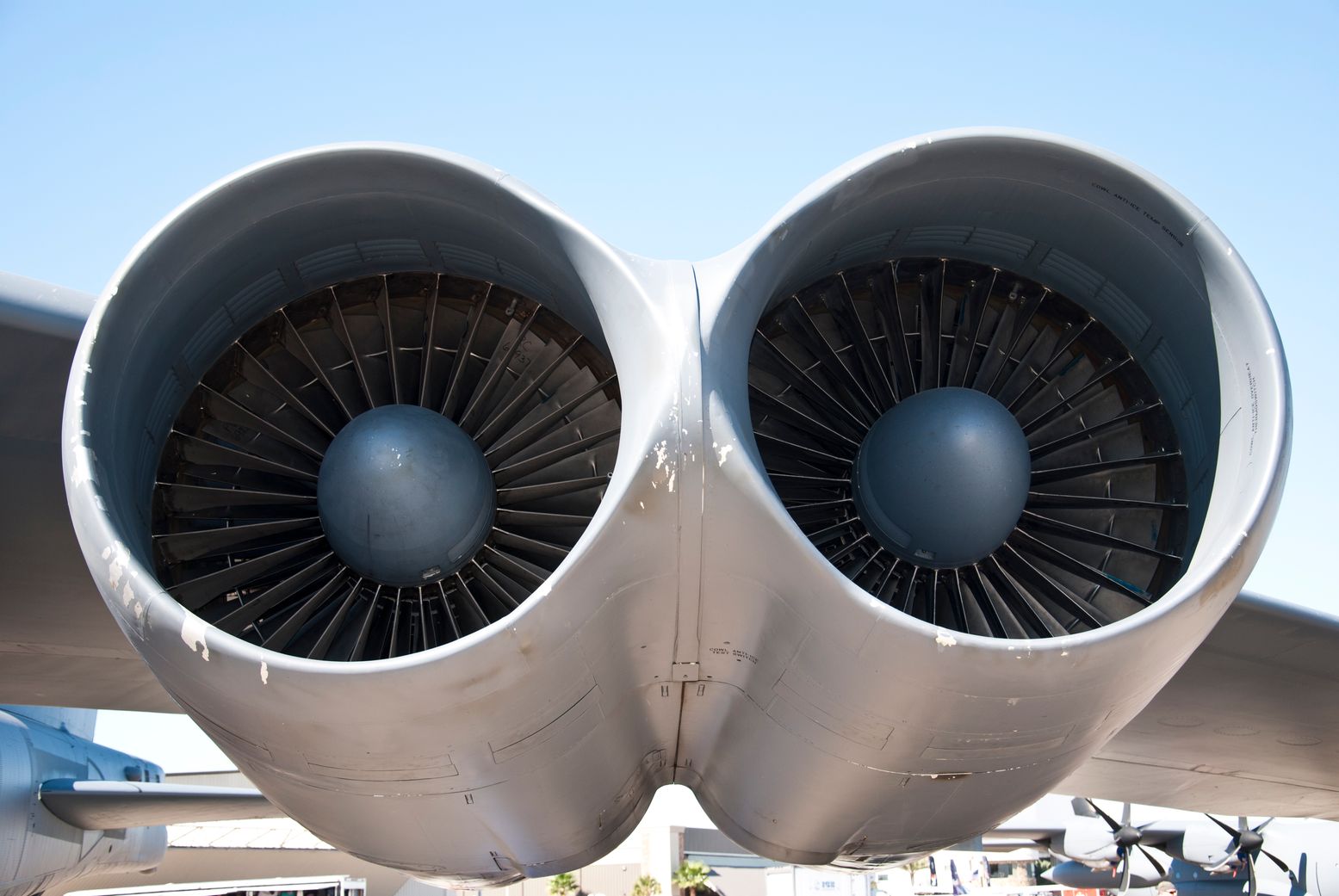
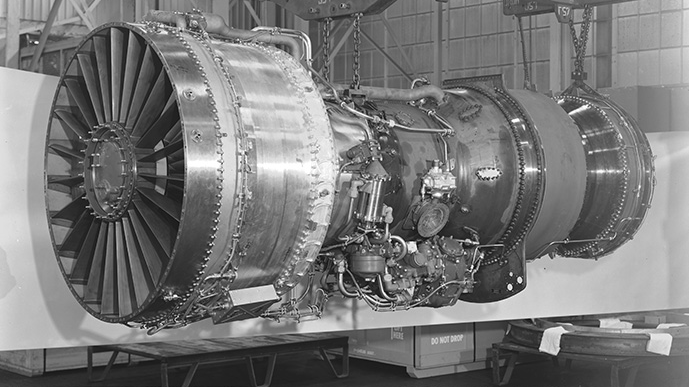
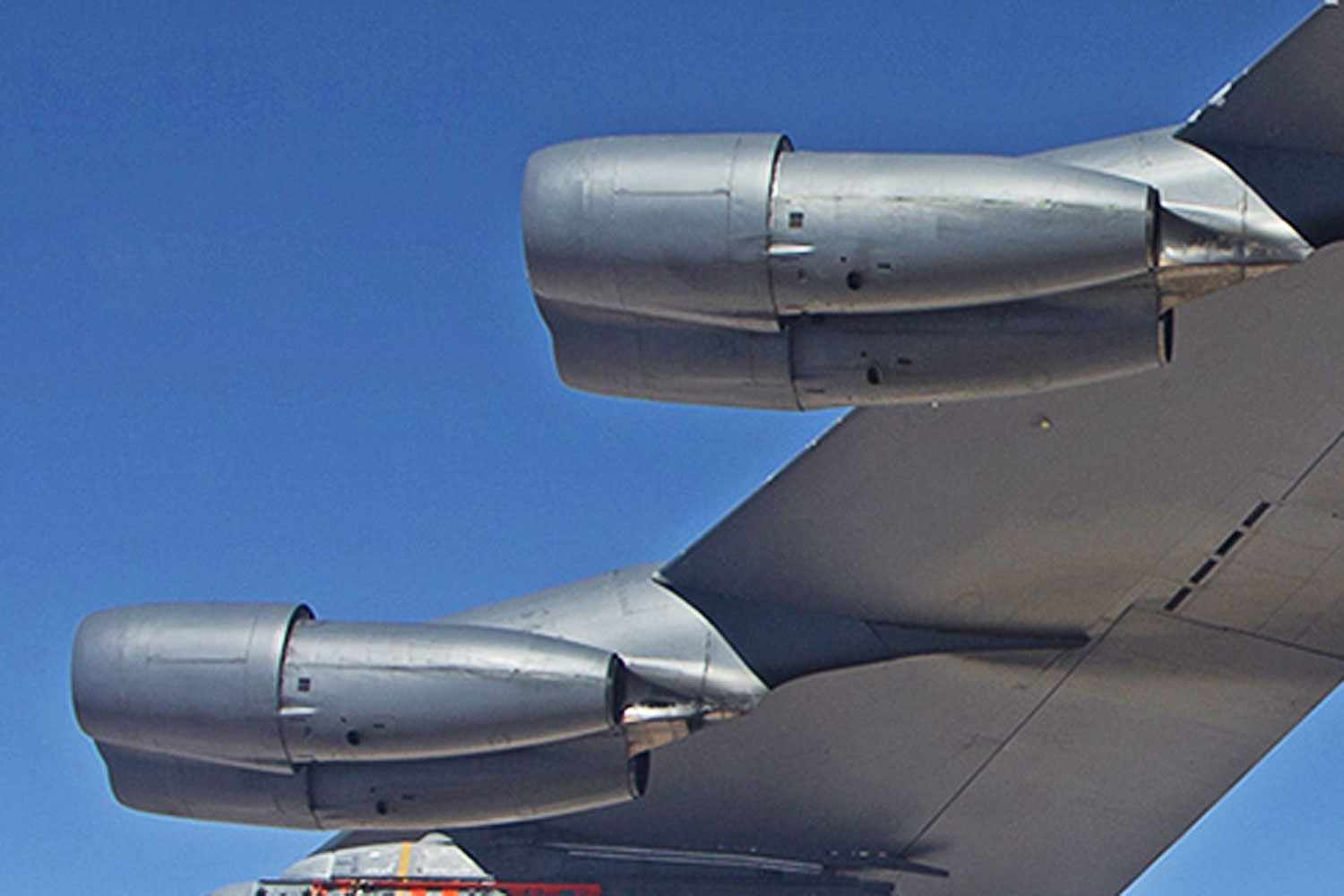
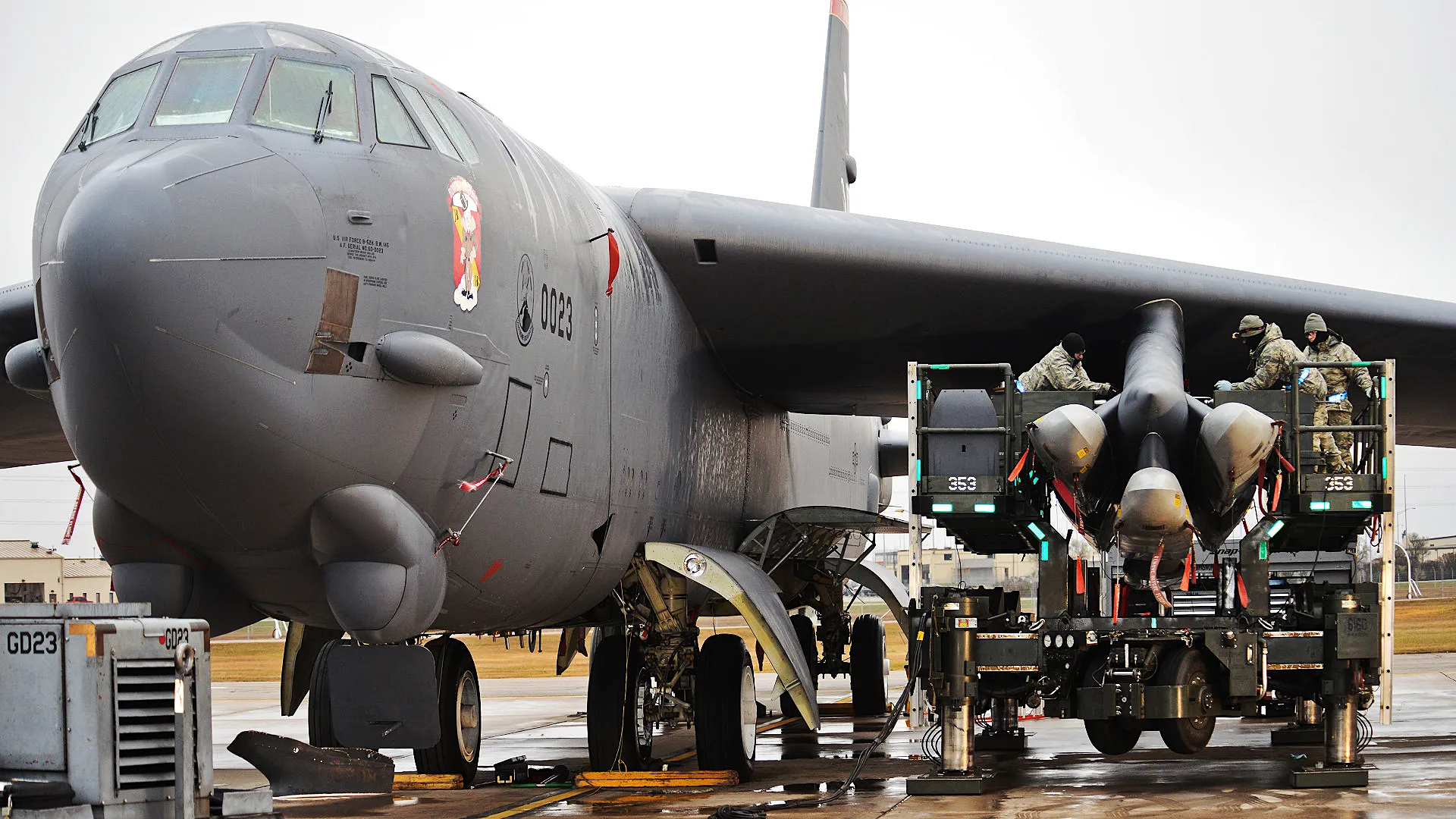
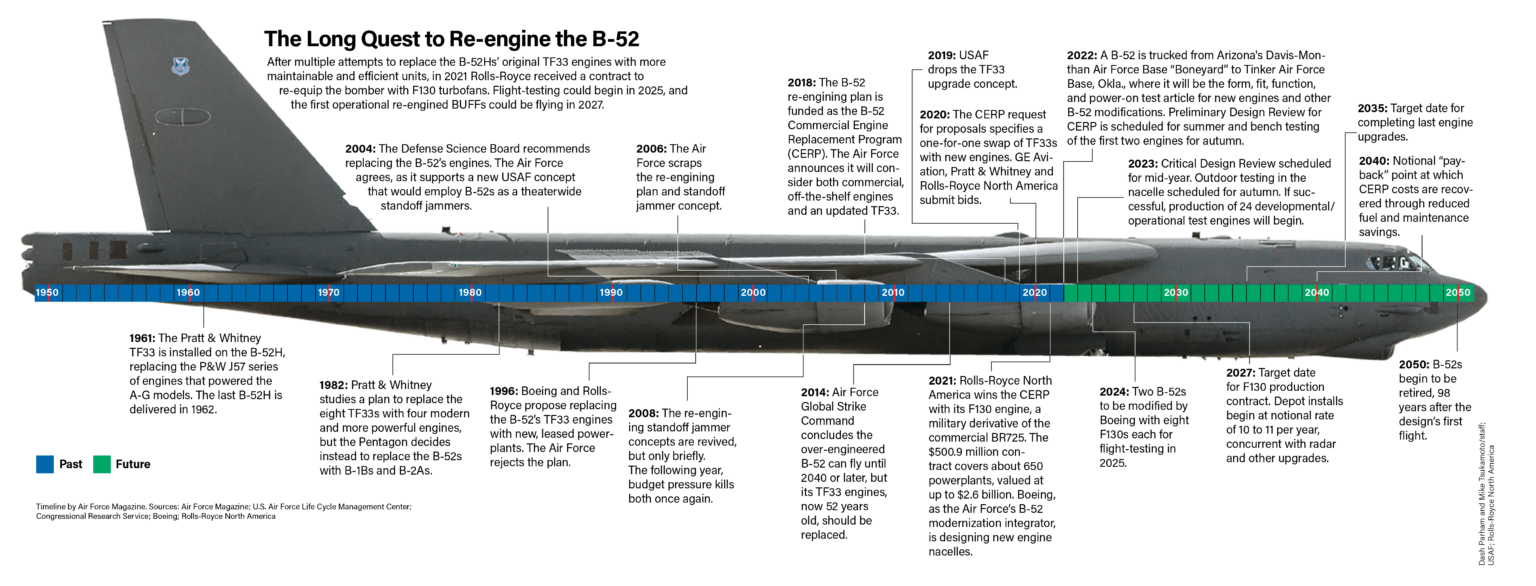
    Starting in mid-1961, deliveries of the B-52H to the U.S. Air Force began—a version equipped with Pratt & Whitney TF33-P-3 turbofan engines featuring cleaner combustion and reduced noise, each producing 17,100 pounds of thrust. This redundancy allows the aircraft to continue flying even if some engines fail, enhancing its survivability on long-range missions. The engines are mounted in pairs beneath each wing. The B-52’s eight engines are housed in coupled nacelles and suspended from four pylons below and ahead of the wing’s leading edge.

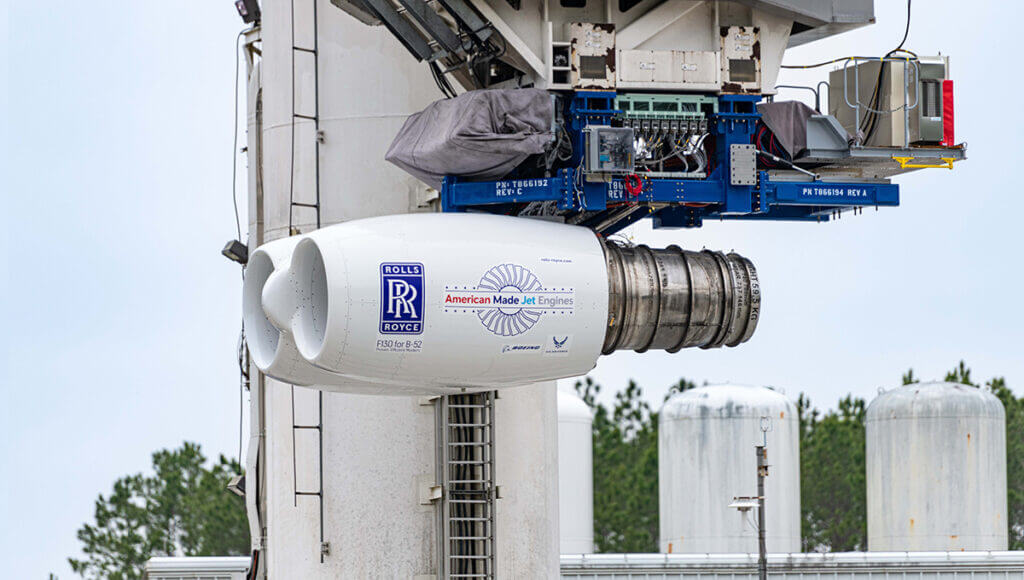
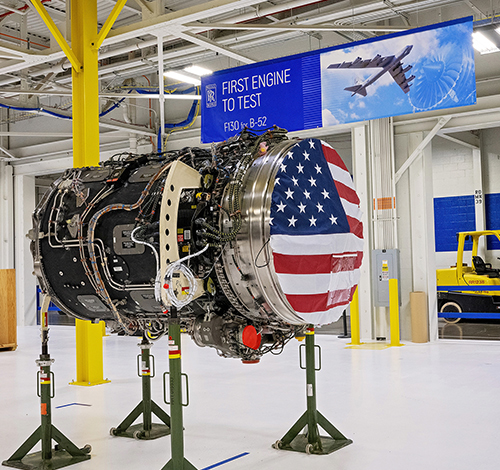
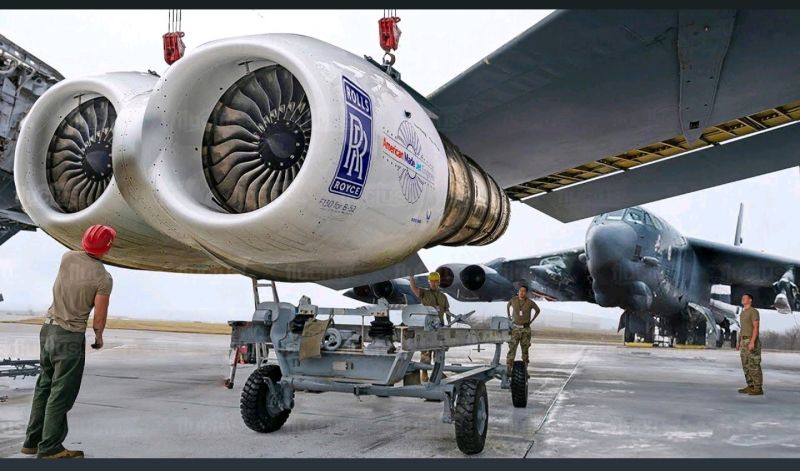
    The engine upgrade program has been a major step in recent decades. On April 23, 2020, the U.S. Air Force issued a request for proposals to purchase 608 commercial engines along with spare parts and support equipment. Then, on September 24, 2021, the Air Force selected Rolls-Royce’s F130 engine as the winner, unveiling a procurement plan for 650 engines—including 608 direct replacements and 42 spares—at a total cost of $2.6 billion. Under this upgrade, B-52H aircraft equipped with Rolls-Royce F130 engines will be re-designated as the B-52J.

    Avionics and Radar of the B-52:

    Throughout its history, the B-52 has been continuously modernized, incorporating advanced avionics and radar systems that have dramatically enhanced its capabilities in navigation, communications, and precision strike missions. These upgrades have played a crucial role in maintaining the B-52’s effectiveness in contemporary combat.

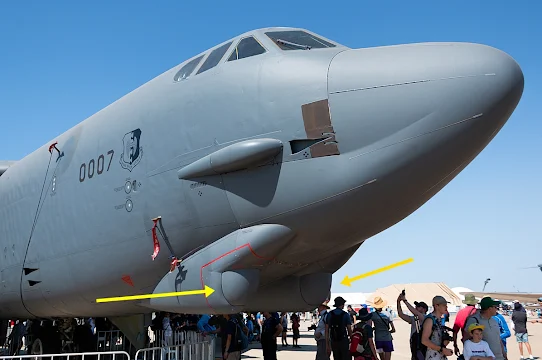
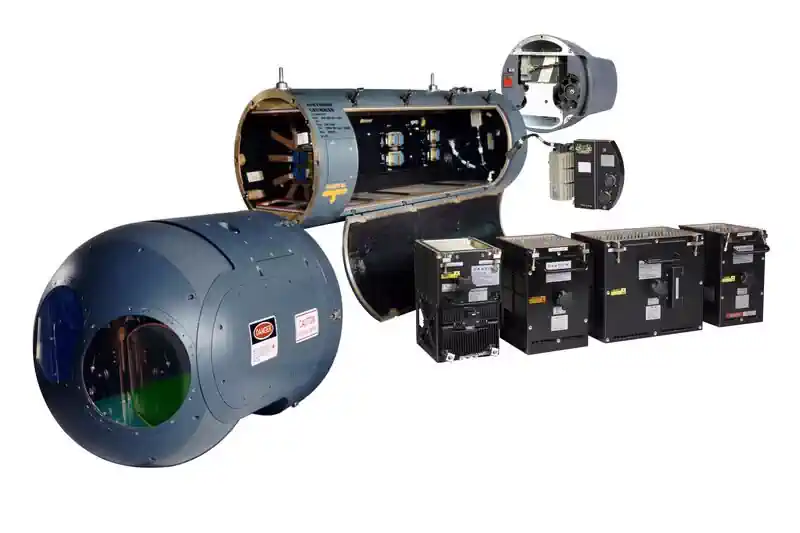
    To improve the aircraft’s low-altitude performance, the AN/ASQ-151 Electro-Optical Viewing System (EVS) was installed between 1972 and 1976. This system included a Low-Light Level Television (LLLTV) camera and a Forward-Looking Infrared (FLIR) system, housed in fairings beneath the nose of the B-52G and B-52H.

    AN/ASQ-151 Electro-Optical system

    In the 1980s, GPS technology was added to the B-52 to enhance its navigation capabilities. Additionally, the IBM AP-101 was installed as the B-52’s main computer. In 2007, the installation of the LITENING targeting pod greatly improved the aircraft’s ground targeting ability, enabling the use of various munitions. This system included laser guidance, a high-resolution Forward-Looking Infrared (FLIR) sensor, and a CCD camera for target imaging.

    LITENING targeting pod system

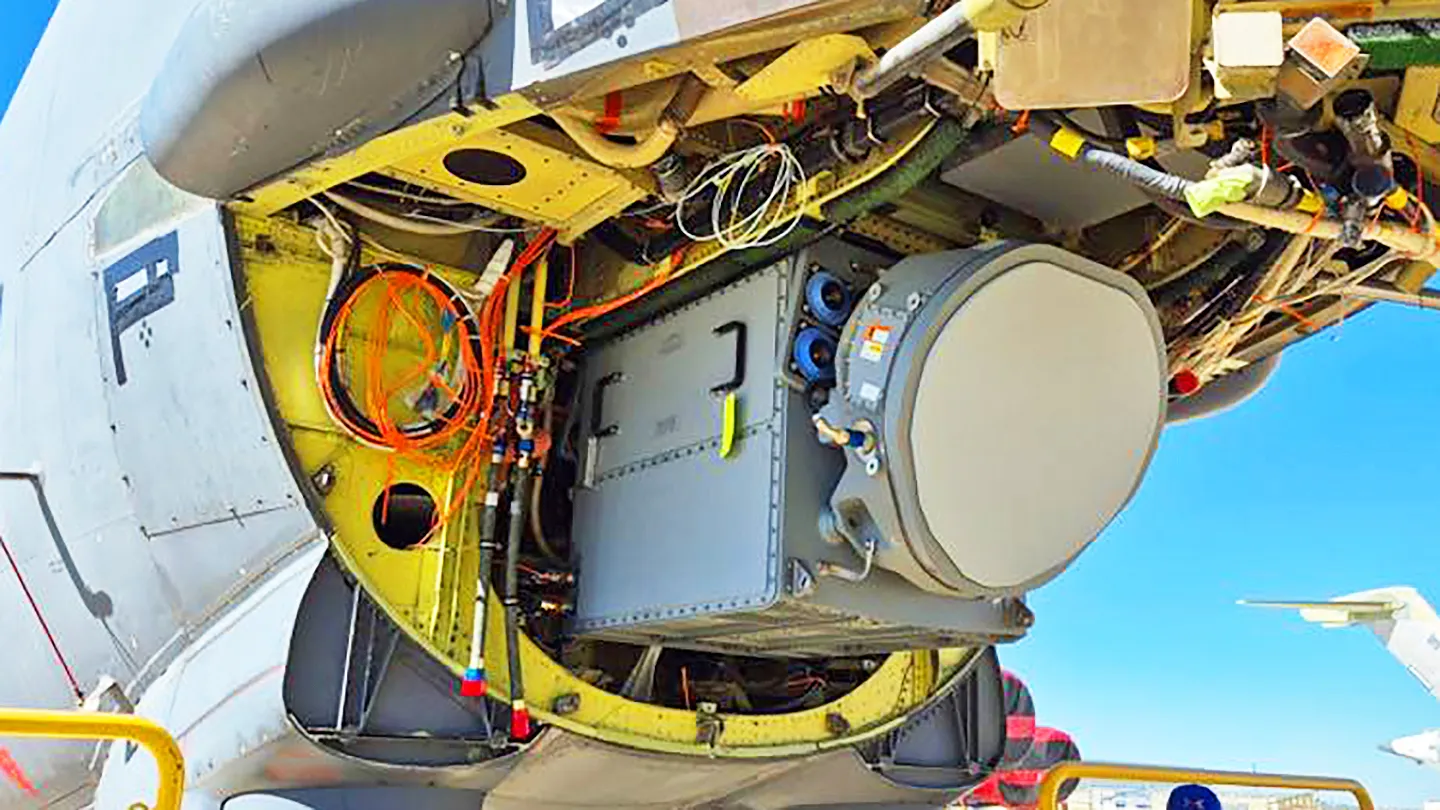
    The B-52 is also now equipped with the advanced APG-79B4 Active Electronically Scanned Array radar, replacing its older mechanical arrays.

    APG-79B4 Active Electronically Scanned Array radar

    Armament of the B-52:

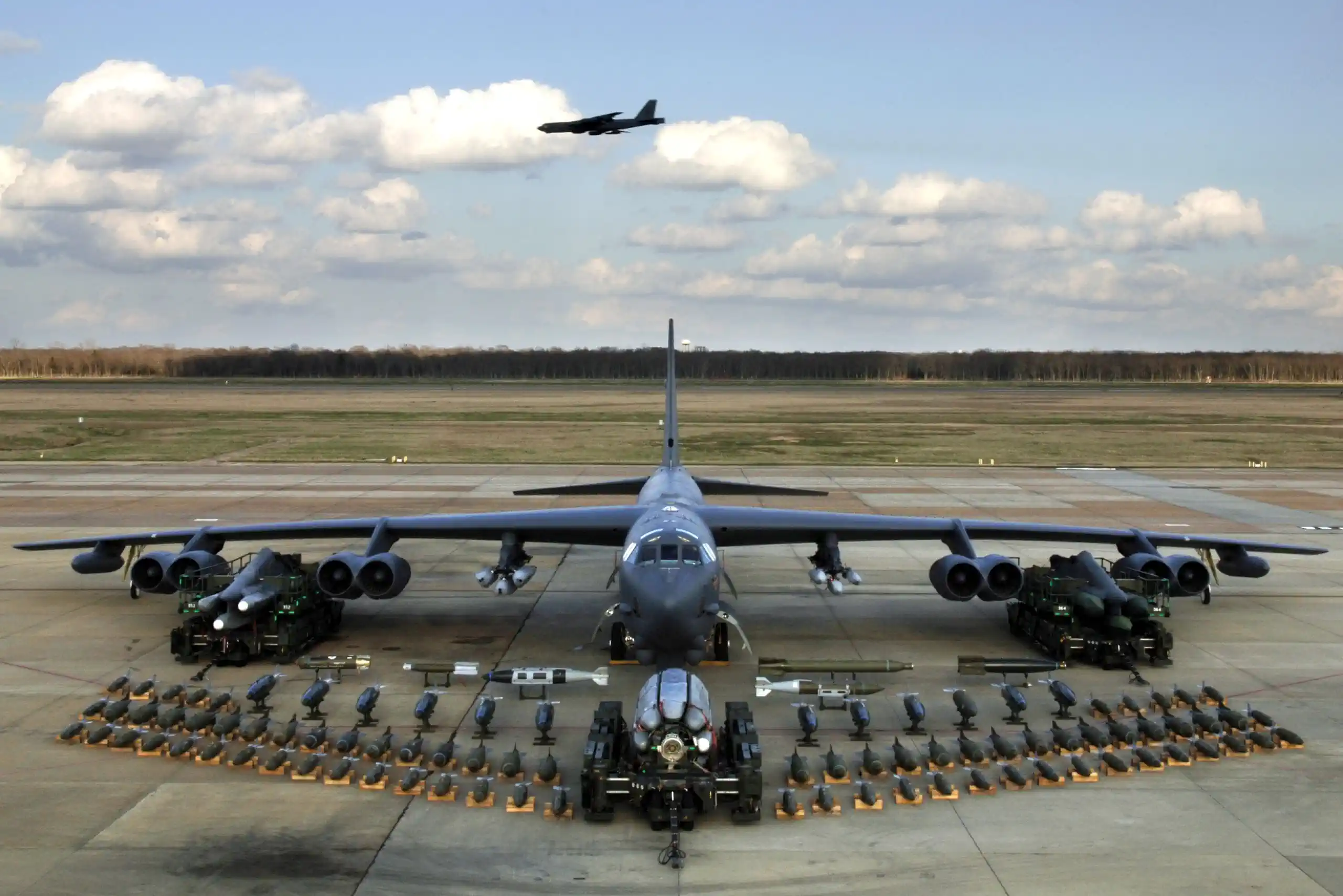
    The B-52’s internal bomb bay has the capability to carry a wide range of nuclear and conventional munitions. This flexibility in carrying various types of weapons has made it a highly adaptable platform for diverse missions.

    Types of ammunition carried by the B-52H

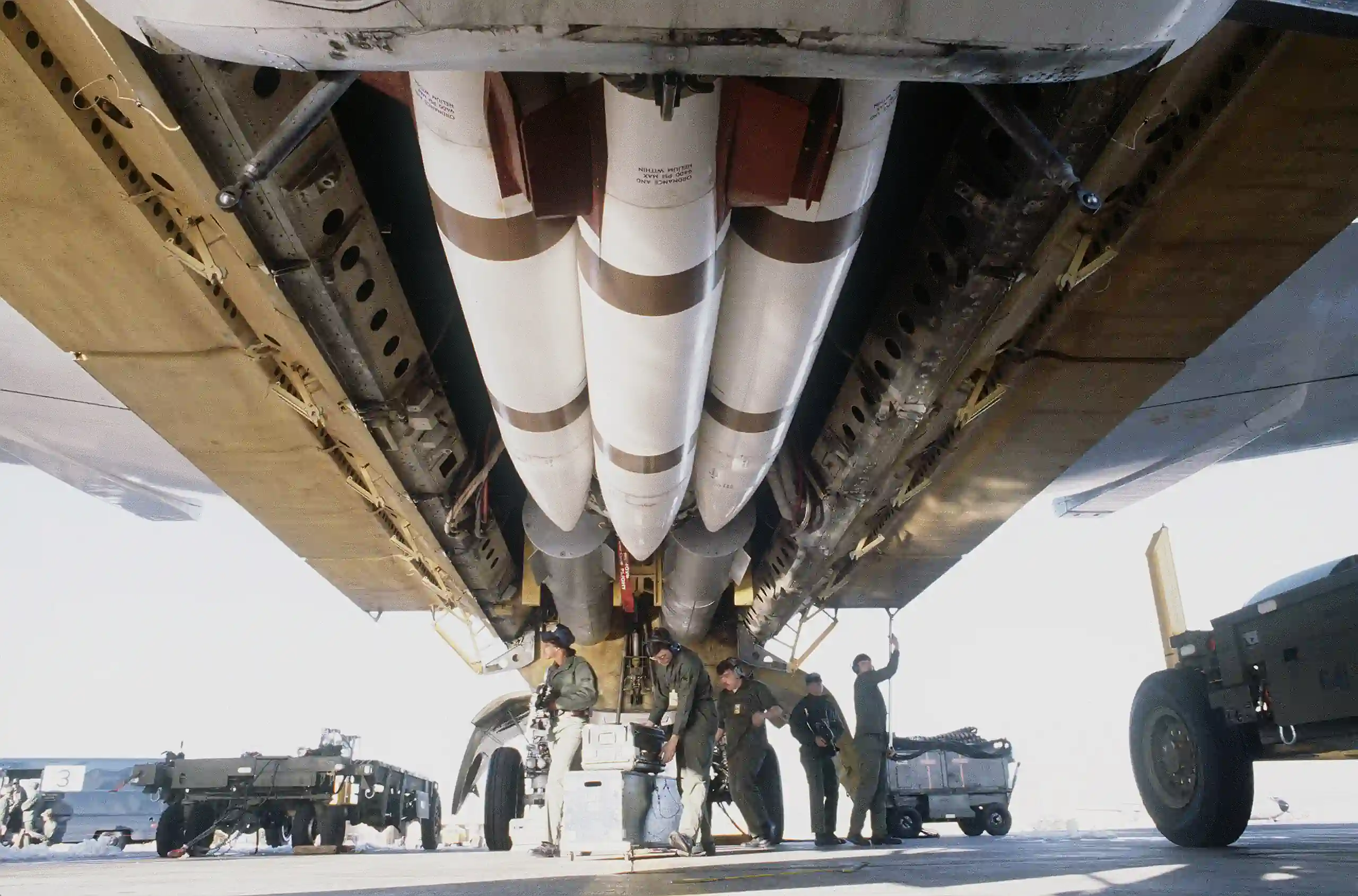
    Since the 1980s, B-52H aircraft have undergone a series of modifications enabling the use of Harpoon missiles, a wide variety of cruise missiles, laser- and satellite-guided bombs, as well as unguided munitions. The Conventional Enhancement Modification (CEM) program also significantly improved the B-52H’s comprehensive conventional weapons capabilities. This program modified the underwing weapon pylons to resemble those of conventional-armed B-52G models, simplifying the integration of Harpoon and Popeye missiles.

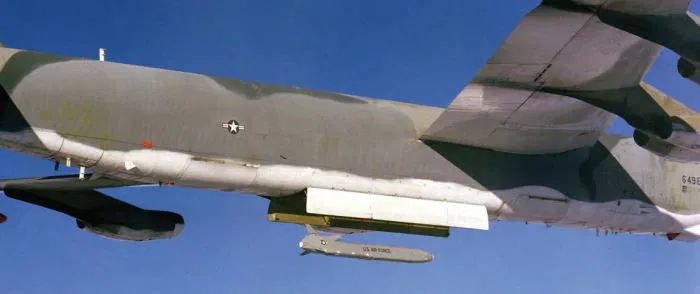
    In the nuclear role, the aircraft can externally carry up to 12 AGM-86B ALCM nuclear cruise missiles while simultaneously housing an additional 8 cruise missiles or nuclear free-fall munitions in the internal bay. In upgraded versions, the ability to carry 12 AGM-158 JASSM missiles on external pylons has been provided, while the internal bay can also host 8 JASSM-ER missiles, MALD decoys, or MALD-J electronic warfare variants.

    AGM-86B air-launched cruise missile launched from the internal bay of a B-52 bomber
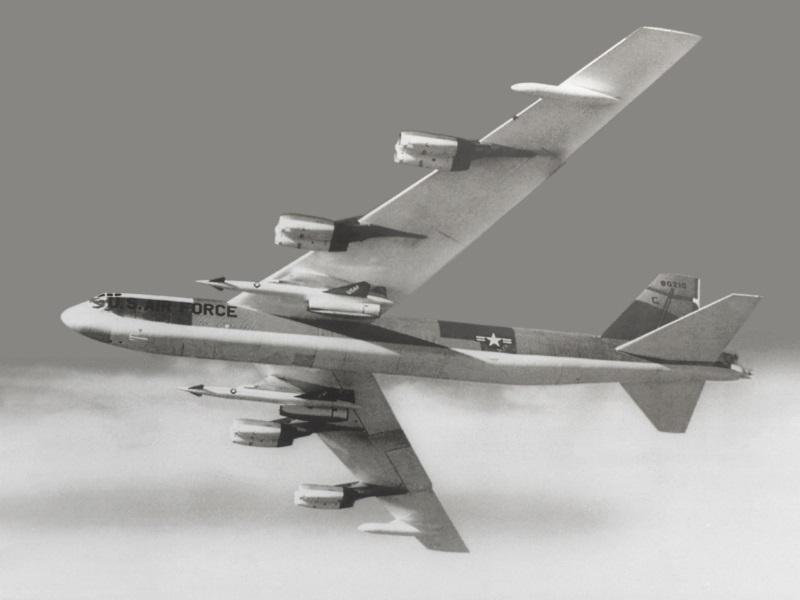
    Loading an AGM-86B air-launched cruise missile under the wing of a B-52

    In the conventional armament domain, the B-52 is equipped with a wide range of air-launched munitions, including AGM-86C/D CALCM conventional cruise missiles, Mk 62 naval mines, Mk 82 and Mk 84 free-fall bombs, CBU-87 and CBU-89 cluster bombs, CBU-103, CBU-104, and CBU-105 WCMD guided munitions, GBU-31 and GBU-38 JDAM satellite-guided bombs, AGM-158A JASSM long-range cruise missiles, and GBU-10, GBU-12, and GBU-28 laser-guided bombs.

    This diversity transforms the aircraft into a multi-role strategic platform capable of executing everything from nuclear deterrence to long-range conventional precision strikes within a single operational framework.

    AGM-69 short-range missiles and Mark 28 thermonuclear bombs (in the background) in the bomb bay of the 52H.

    Operational History of the B-52:

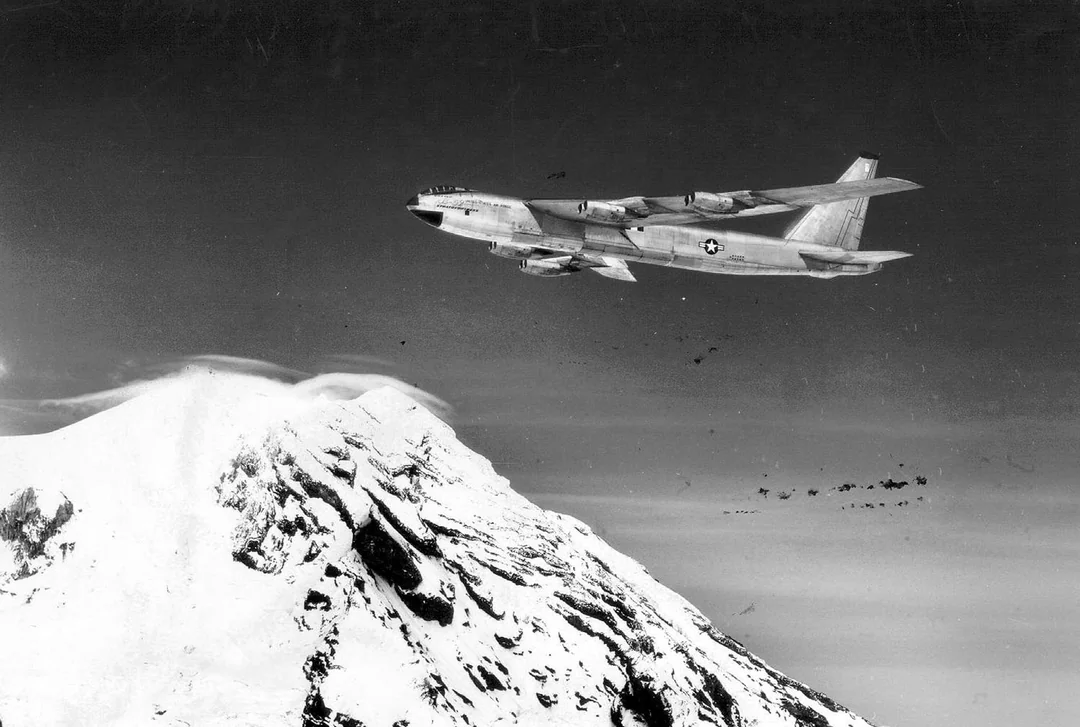
    The B-52A prototype made its first flight in 1954, and the B model entered service in 1955. A total of 744 B-52s were built, with the last one—a B-52H—delivered in October 1962.

    The first B-52 bomber to officially enter operational service was an RB-52B, handed over to the 93rd Bomb Wing at Castle Air Force Base, California, on June 29, 1955.

    On May 21, 1956, a B-52B flying from Eniwetok Island in the Pacific Ocean conducted the first airborne drop of an American hydrogen bomb during the CHEROKEE test. This marked the first time a B-52 had released an actual nuclear bomb. The weapon used was the Mark 15, nicknamed “Zombie,” with an explosive yield of nearly four megatons, dropped over Bikini Atoll. Due to a procedural error, the bomb detonated 30 seconds early, exposing the B-52 and other participating aircraft to the blast waves—yet they survived.

    These aircraft continued conducting live nuclear drop tests until 1963, when the United States signed the Limited Test Ban Treaty, which prohibited atmospheric nuclear tests to reduce radioactive fallout into the environment.

    On January 16, 1957, three B-52Bs under Project POWER FLITE completed an unrefueled around-the-world flight using aerial refueling, lasting 45 hours and 19 minutes. This historic mission marked the first non-stop circumnavigation by a jet aircraft.

    The first of 102 B-52Hs was delivered to the Strategic Air Command in May 1961. The H model can carry up to 20 air-launched cruise missiles. Additionally, the B-52H has the capability to carry conventional cruise missiles—weapons that entered the operational scene starting in the 1990s with Operation Desert Storm and continued their path through Operation Inherent Resolve against ISIS in 2016.

    The versatility of the B-52 was fully evident during Operation Desert Storm and NATO strikes against Yugoslavia. B-52s targeted large troop concentrations, fixed installations, and bunkers, severely degrading the morale of the Iraqi Republican Guard. On September 2–3, 1996, two B-52Hs struck Baghdad’s power and communication facilities with 13 AGM-86C missiles, an operation that was part of Operation Desert Strike and, at the time, the longest combat flight ever—a 34‑hour mission covering 16,000 miles round trip from Barksdale Air Force Base in Louisiana.

    In 2001, the B-52 contributed to the success of Operation Enduring Freedom during the invasion of Afghanistan, providing close air support via precision-guided munitions while loitering high above the battlefield. The aircraft also played a role in the Second Gulf War, launching approximately 100 CALCM missiles in a single night mission on March 21, 2003.

    In 2016, after a decade-long absence, the B-52 re-entered the U.S. Central Command’s area of responsibility. These aircraft conducted about 1,800 combat missions against ISIS forces in Syria and Iraq.

    Currently, only the H model remains in the Air Force inventory, assigned to the 5th Bomb Wing at Minot Air Force Base, North Dakota, and the 2nd Bomb Wing at Barksdale Air Force Base, Louisiana, operating under the Air Force Global Strike Command. The aircraft is also assigned to the 307th Bomb Wing under the Air Force Reserve Command at Barksdale Air Force Base.

    Future Path of the B-52:

    The future regarding the complete retirement of the B-52 bomber remains uncertain, but under current planning, the aircraft will continue flying until 2055. If this goal is achieved, it will set an unprecedented record in military aviation history: one hundred years of continuous service.

    On May 5, 2025, the U.S. Air Force officially launched the extensive and ambitious B-52J project as the most comprehensive modernization program in the history of the B-52 Stratofortress strategic bomber. This long-range, subsonic bomber, which has served on the front lines since the 1950s, is now slated—under the B-52J program—to upgrade all 76 remaining B-52Hs built in 1961 and 1962 to an entirely new standard, enabling the aircraft to maintain effective operational capability at least until the mid-2050s.

    According to the announced schedule, the first flight of the B-52J prototype will take place around 2028, with initial operational capability targeted for 2033.

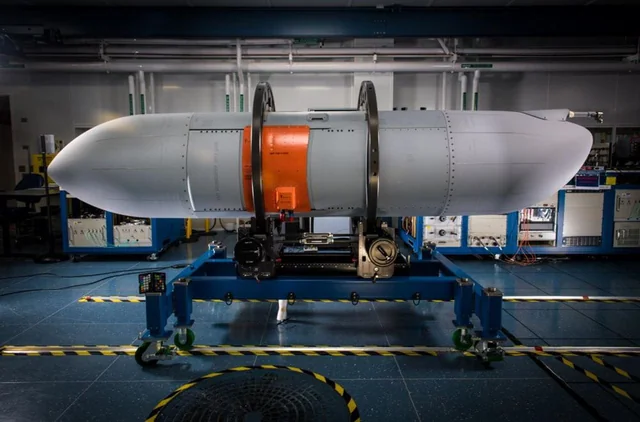
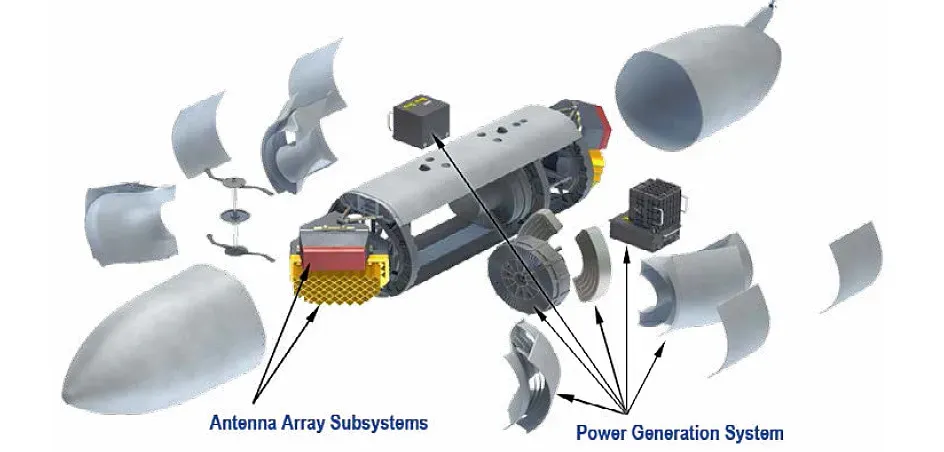
    The core of this modernization program is replacing the aging Pratt & Whitney TF33 engines with modern Rolls-Royce F130 turbofan engines. Derived from the successful BR725 commercial engine family, this powerplant is being tested on the B-52 in a twin-pod configuration. Initial sea-level testing is underway at NASA’s Stennis Space Center, while high-altitude engine tests have been scheduled at the Arnold Engineering Development Complex. Rolls-Royce is set to manufacture more than 600 engines at its Indianapolis plant.

    The F130 engine, with approximately 30% greater fuel efficiency, significantly increases the current range of about 8,800 nautical miles (14,080 km), drastically reduces maintenance costs, eliminates the need for heavy overhauls, dramatically improves reliability, and—most importantly—substantially lowers the operational stress on the aircraft’s sixty-plus-year-old airframes.

    However, the modernization is not limited to the engines. Boeing is implementing a comprehensive set of structural and system changes in this project, including the following:

    • Design and installation of new engine pylons
    • Redesign and complete replacement of the aircraft’s internal wiring
    • Installation of an entirely new digital core
    • Advanced avionics suite
    • Modern satellite navigation
    • Updated communication tools including Link 16
    • A fully digital cockpit with large displays and improved user interfaces

    In the sensors domain, the advanced AN/APG-79 AESA radar—similar to that of the F/A-18E/F Super Hornet—will replace the old radar. This radar provides far superior search, ground mapping, precise targeting, and electronic warfare capabilities, while offering much improved situational awareness in threat environments.

    B-52 redesign over time

    Alongside this, the integration of the advanced AN/ALQ-249(V)1 jammer significantly enhances the aircraft’s defensive capability against radars and guided missiles. With these changes, although the B-52J will never become a stealth platform, it will gain a much greater ability to conduct long-range operations in high-threat environments.

    With a weapons payload capacity of 70,000 pounds (approximately 31,750 kg), the B-52J will remain the most diverse and heaviest ordnance-carrying option among the U.S. Air Force’s strategic bombers.

    This bomber is also preparing for the era of hypersonic weapons. Following the cancellation of the AGM-183 ARRW program, the main focus has shifted to the Hypersonic Attack Cruise Missile (HACM)—a scramjet-powered missile expected to reach operational capability by the end of fiscal year 2027. At the same time, dedicated carriage racks for mounting multiple hypersonic missiles on a single mission are being developed.

    On a longer-term horizon, the B-52J will likely also be capable of launching and directing Collaborative Combat Aircraft (CCA) drones, thereby expanding its role from a mere bomber to a multi-role command-and-control platform in future aerial battles.

    The total program cost is estimated at approximately $2.56 billion—a figure that has drawn criticism from some quarters, who argue that these resources would be better directed toward greater production of the B-21 Raider or other next-generation platforms. However, given that the total number of B-21s will ultimately be just over 100, a dual mix of stealth and non-stealth bombers will still be necessary for decades to come. In this equation, the B-52J will serve as a powerful, more cost-effective, and highly flexible complement alongside the B-21, maintaining its key role in America’s strategic deterrence for a long time to come.

    Specifications of the B-52 Stratofortress Bomber:

    Role: Long-range strategic bomber
    Origin: United States
    Manufacturer: Boeing
    Entry into service: 1955
    Crew: 5
    Length: 48.5 m
    Wingspan: 56.4 m
    Height: 12.4 m
    Engines: 8 × Pratt & Whitney TF33-P-3/103 turbofan engines
    Combat range: 14,200 km
    Ferry range: 16,327 km
    Speed: 1,050 km/h
    Service ceiling: 15,000 m
    Empty weight: ~ 83 tonnes
    Takeoff weight: ~ 220 tonnes
    Payload: over 31 tonnes

    Armament:
    1 × 20 mm M61 Vulcan cannon
    Free-fall bombs
    Precision-guided bombs (JDAM)
    Cruise missiles (AGM‑86 / AGM‑158)
    Nuclear weapons

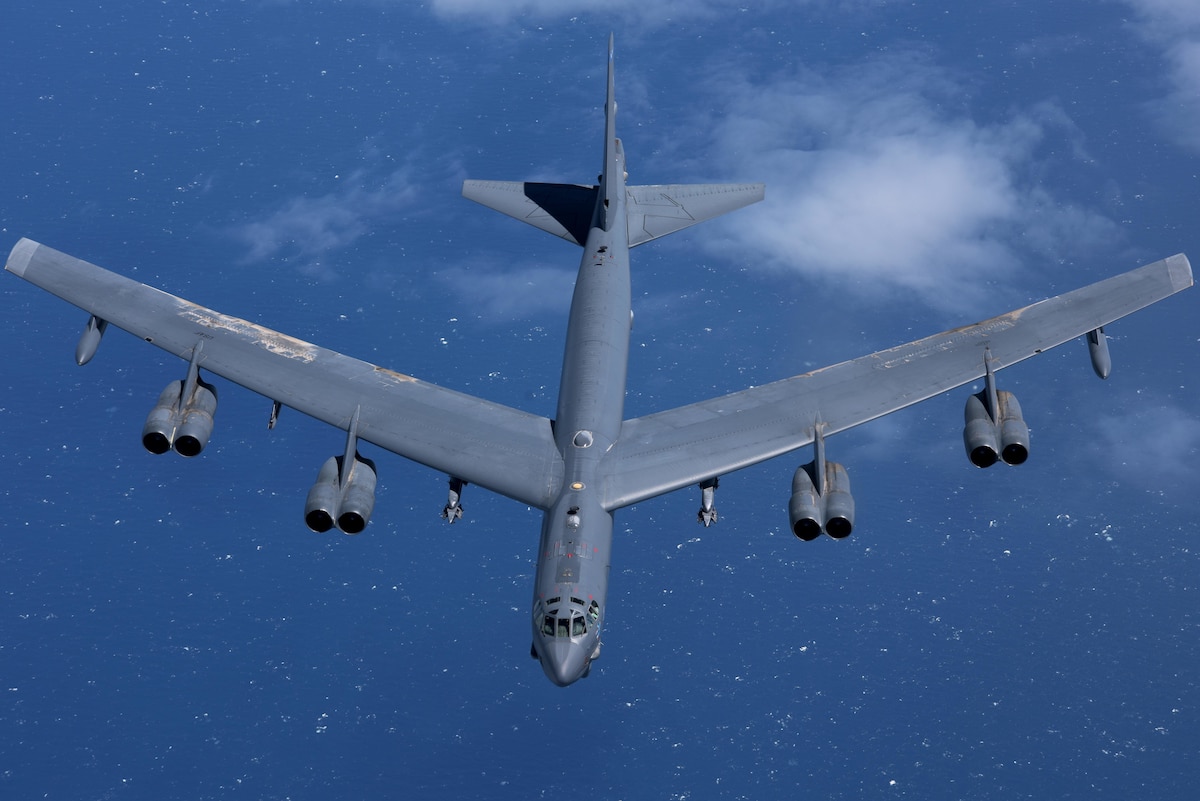
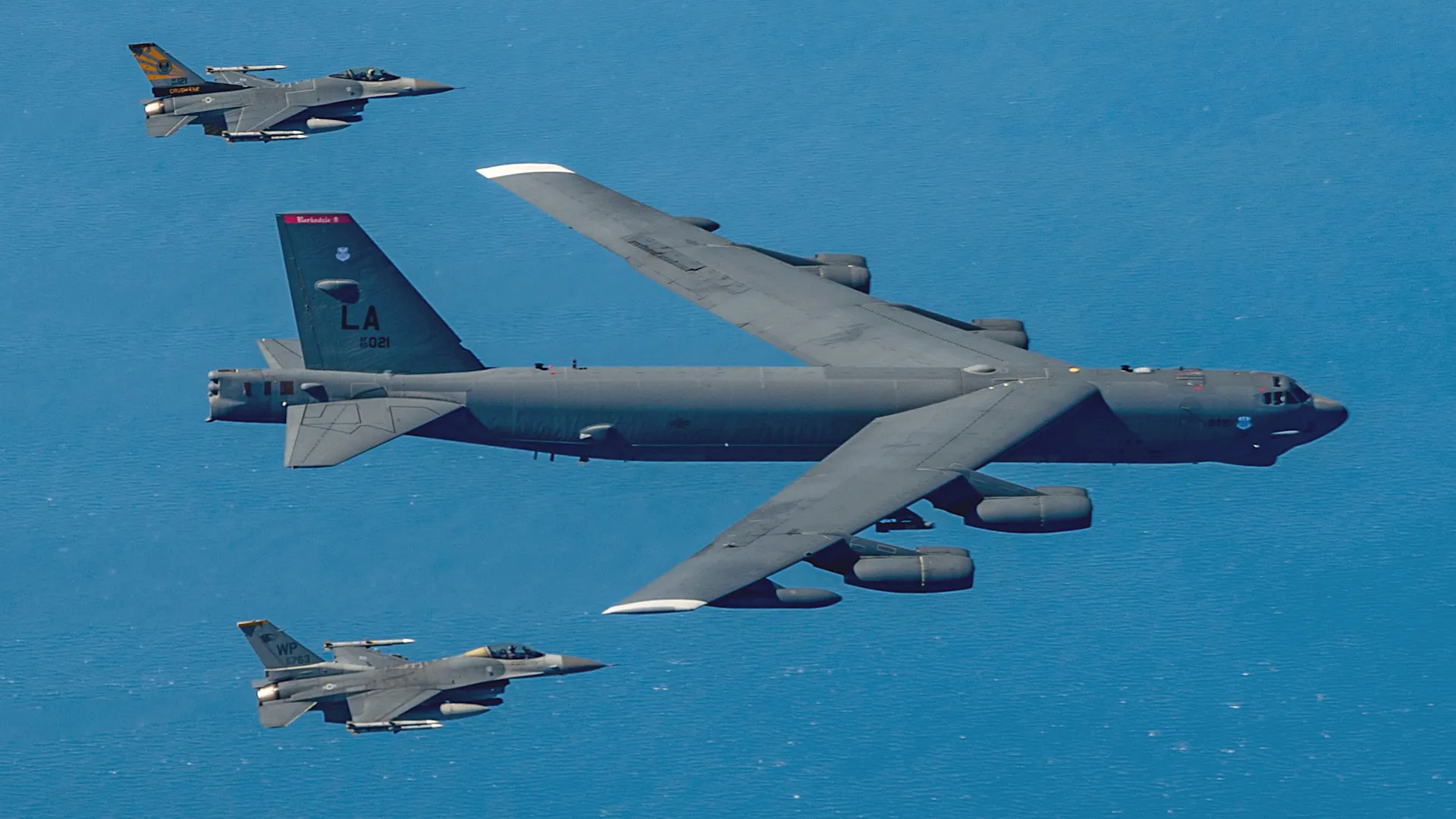
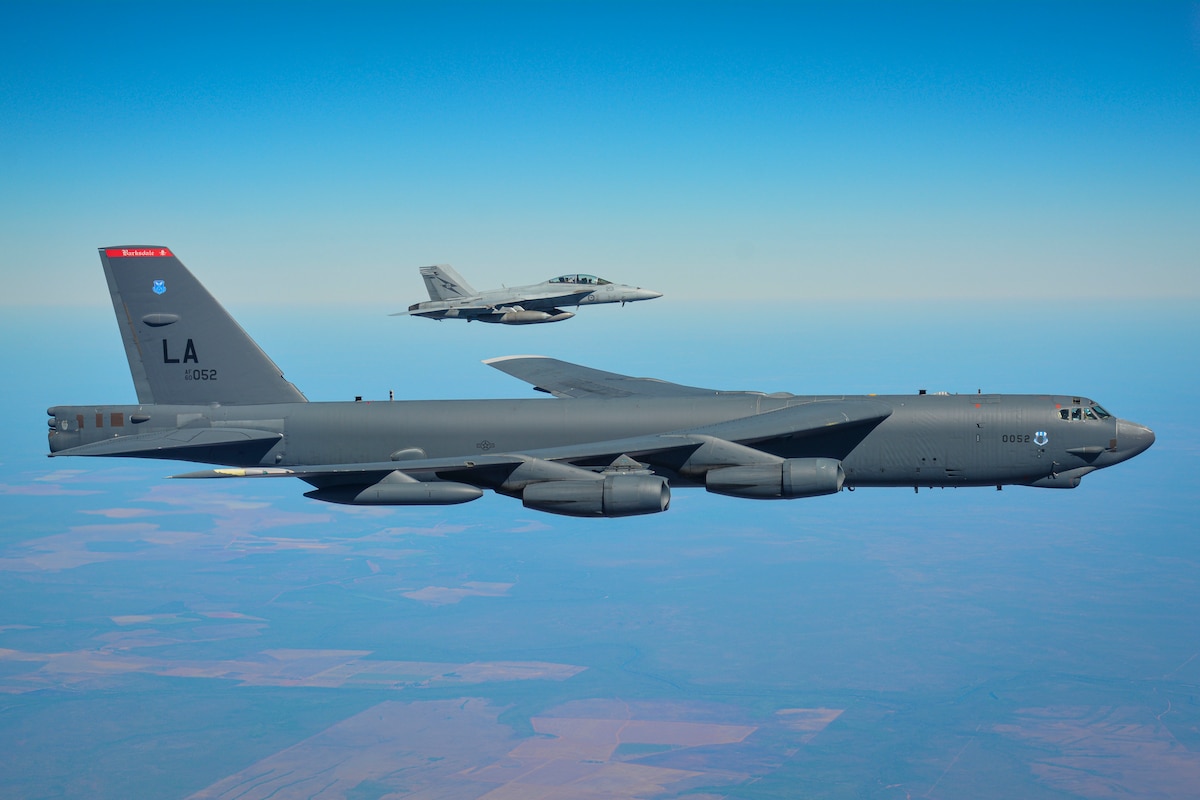
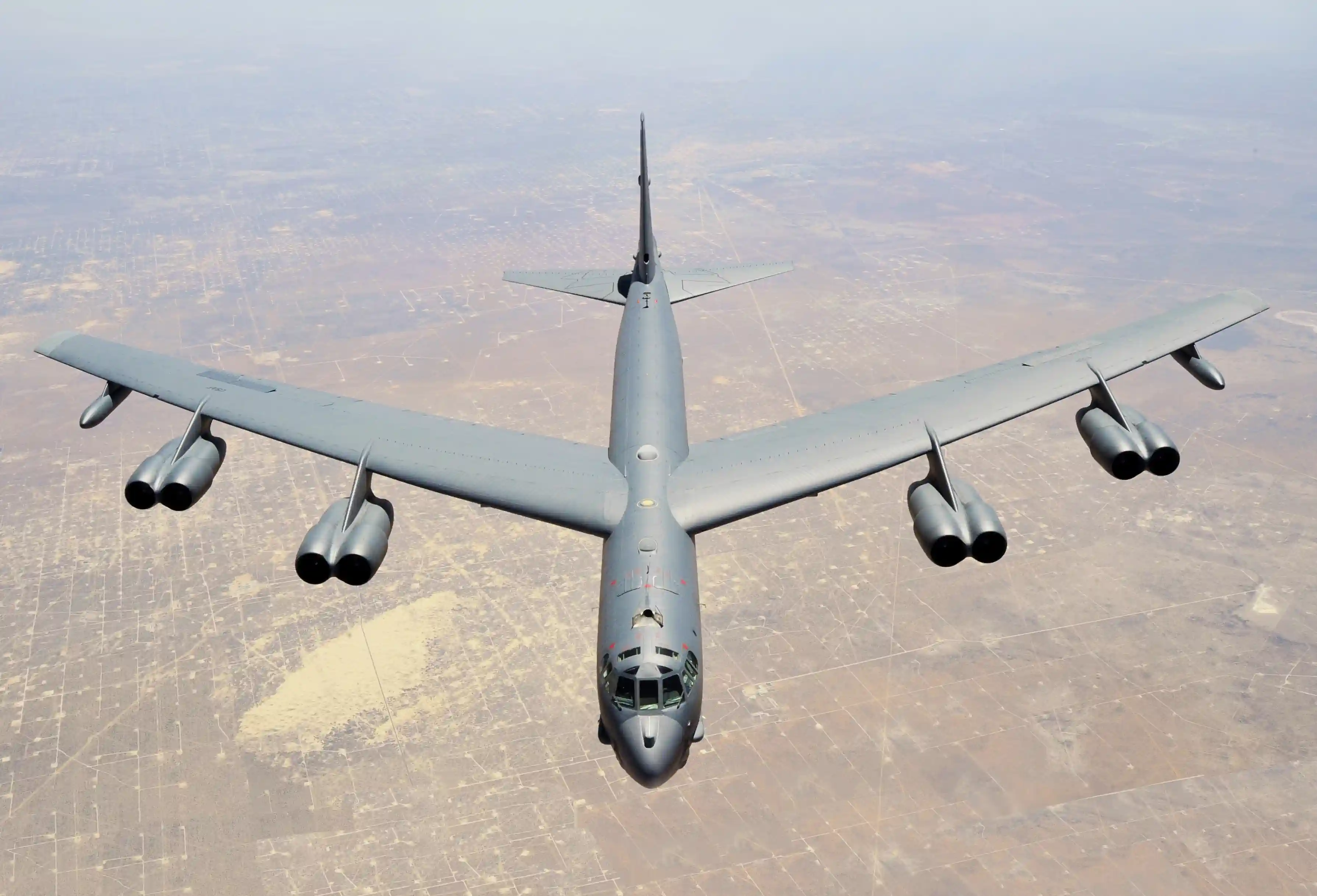
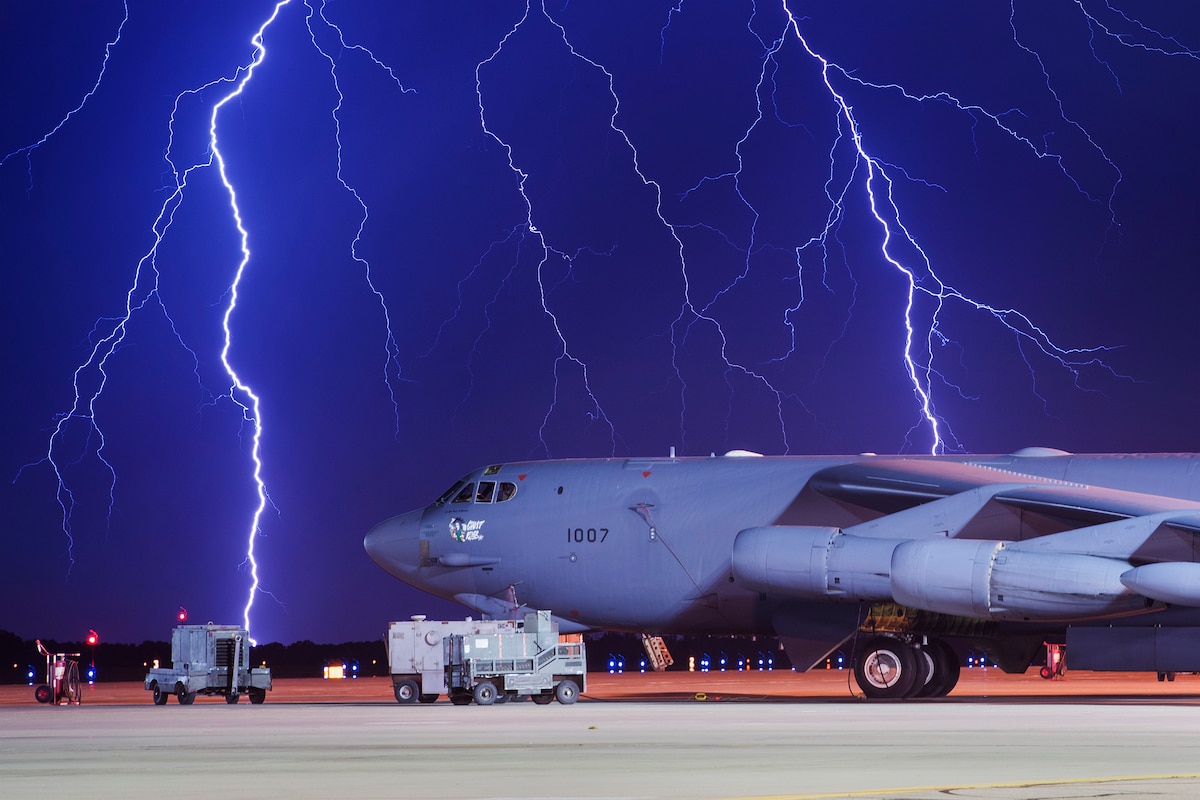
    More images of the B-52 bomber:

  • Military Knowledge: Mi-28 Attack Helicopter

    Military Knowledge: Mi-28 Attack Helicopter

    Design and Development History

    Development of the Mi-28 began in 1972, when the Soviet Union decided to design a fully dedicated replacement for the aging Mi-24 Hind, aiming to significantly enhance anti-tank and close-support firepower. During the 1980s, the initial design was completed by the Mil Design Bureau under the leadership of Marat Tishchenko, and the first Mi-28 prototype made its maiden flight on 10 November 1982. However, competition with the Kamov Ka-50, financial difficulties following the collapse of the Soviet Union, and shifting defense priorities delayed large-scale production.

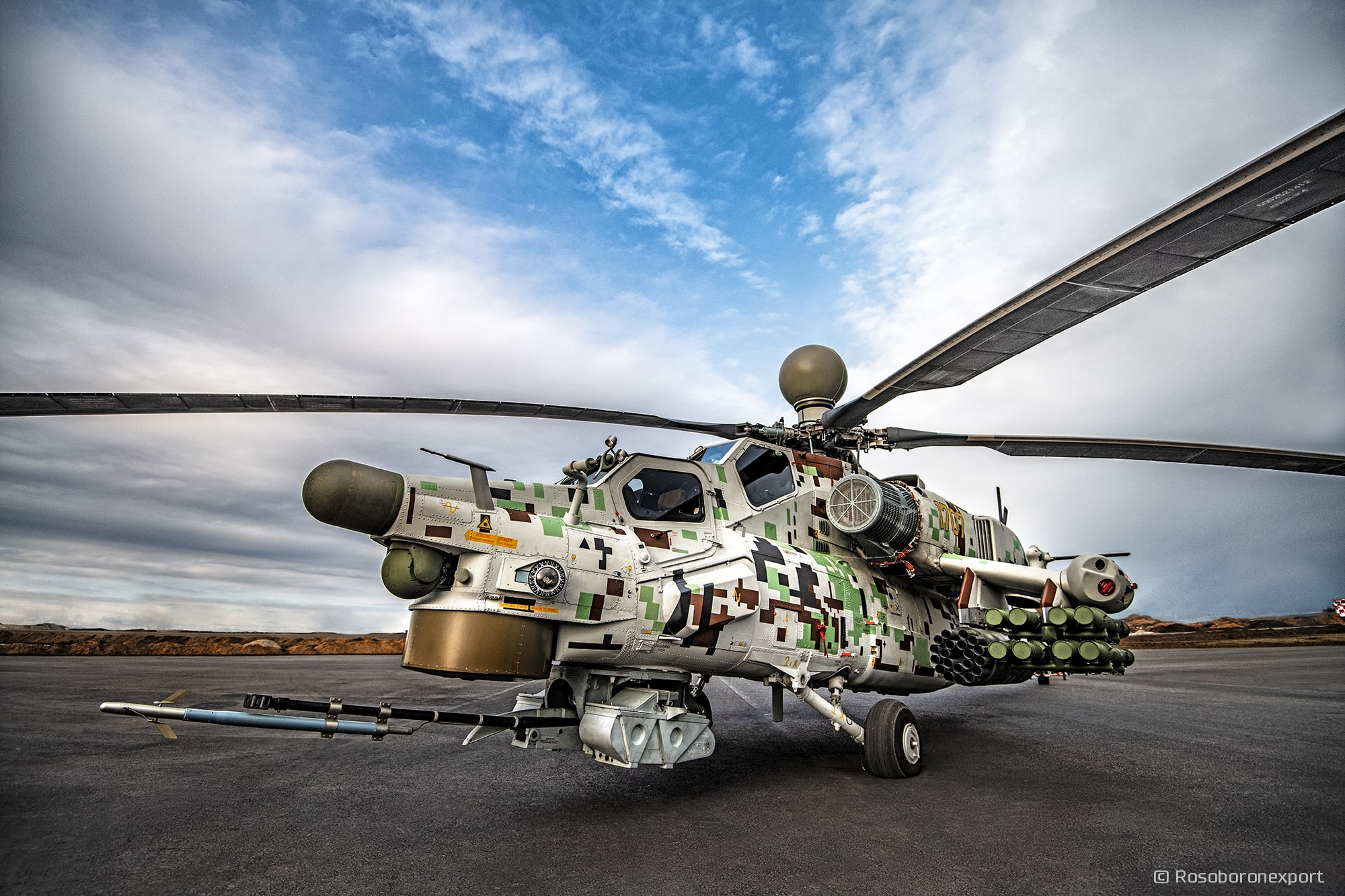
    The initial production variant, Mi-28A, was introduced in the 1990s, but it was the upgraded Mi-28N “Night Hunter”, featuring full night and all-weather capability, that officially entered service with the Russian Armed Forces in 2009. Subsequently, the more advanced Mi-28NM was developed, incorporating updated radar systems, improved engines, and modern avionics to enhance battlefield awareness, making it one of Russia’s most modern attack helicopters.

    General Characteristics of the Mi-28

    The Mi-28 is a dedicated anti-armor attack helicopter designed to destroy tanks, armored vehicles, enemy units, and soft targets on the front lines. Unlike the Mi-24, it has no troop-carrying capability and is fully focused on combat missions. The aircraft has a two-person crew, with the pilot seated in the rear and the weapons systems officer in the front. Its twin turboshaft engines provide high maneuverability and adequate speed.

    The Mi-28 has a fuselage length of approximately 17.9 meters, a main rotor diameter of 17.2 meters, and a height of about 3.8 meters. While its aerodynamic layout is similar to other modern attack helicopters, greater emphasis has been placed on armor protection and the integration of advanced systems beneath the fuselage.

    The twin-engine configuration, main rotor system, and short wings on either side improve performance across various flight conditions, including low-altitude operations. The helicopter is equipped with three non-retractable landing gears. Both the landing gear and energy-absorbing seats are designed to protect the crew during low-altitude crash scenarios.

    Airframe Armor Protection

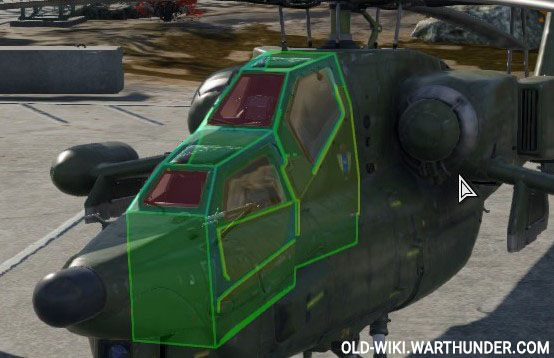
    One of the Mi-28’s most notable features is its heavy armor protection, capable of withstanding fire from NATO-standard 7.62 mm and 12.7 mm rounds, as well as 20 mm projectiles. The helicopter has a fully armored cockpit with bullet-resistant glass. The cockpit and critical airframe sections are engineered to protect the crew even during hard impacts—an aspect emphasized in earlier designs and further optimized in newer variants. Compared to the Mi-24, the Mi-28 has approximately 2.5 times lower thermal signature, enhancing its survivability on the battlefield.

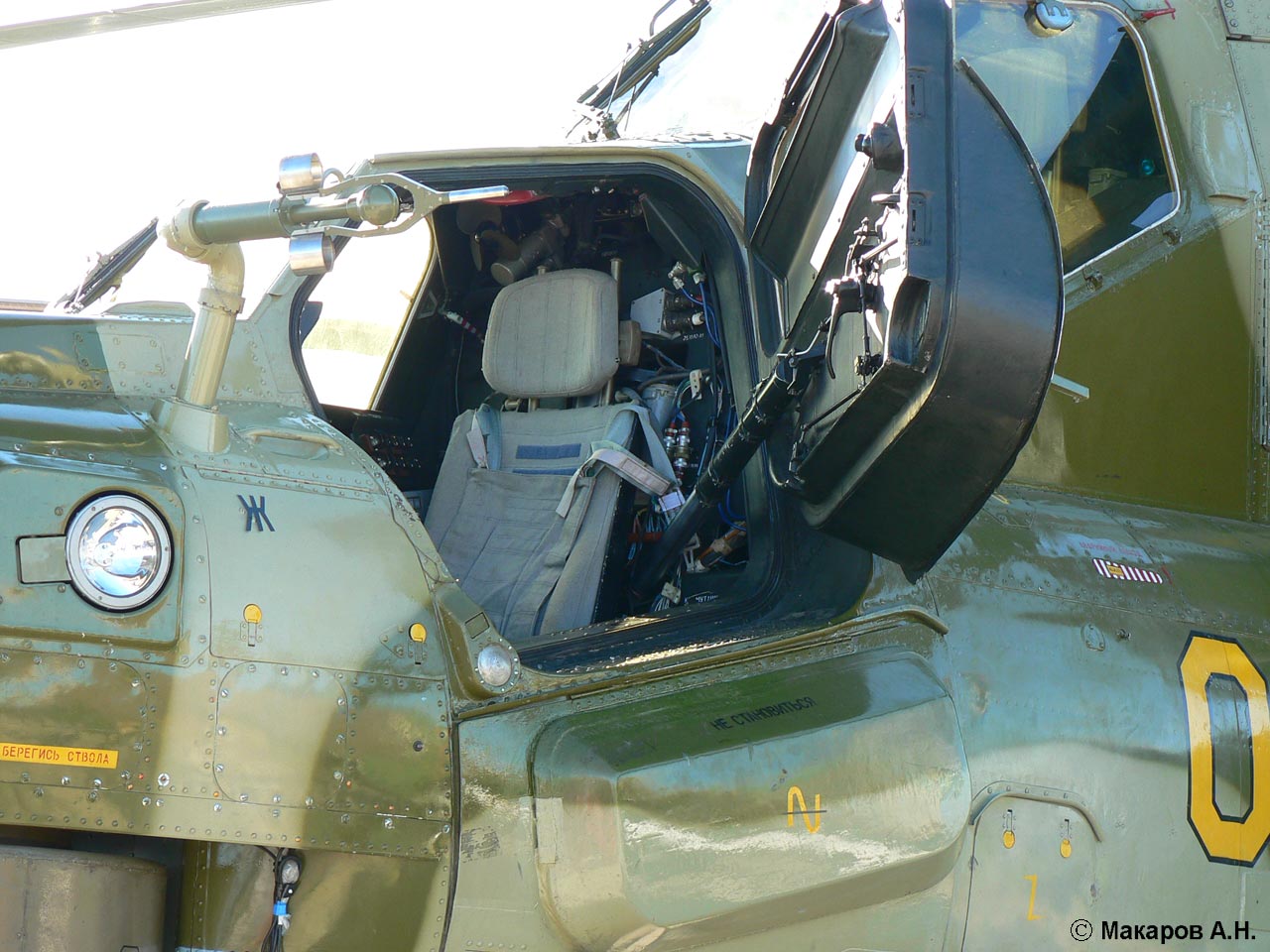
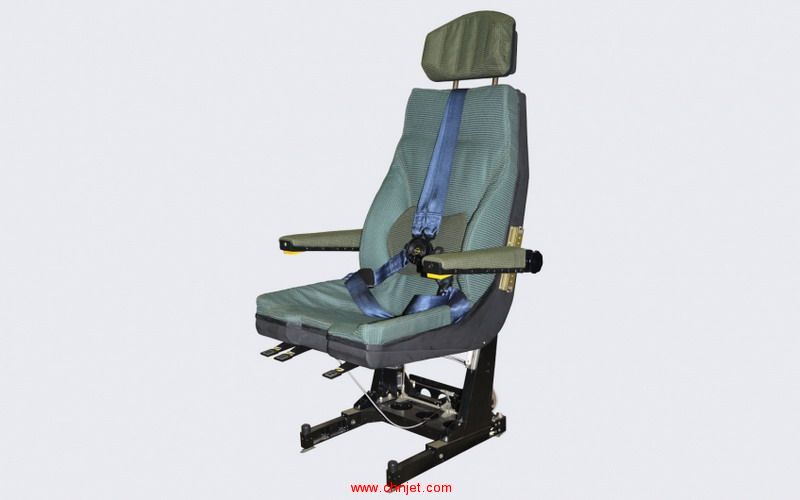
    The front and rear cockpits are also equipped with AK-2005 crash-resistant seats.

    AK-2005 crash-resistant seats

    Motors and rotors

    The Mi-28 helicopter is powered by two TV3-117VMA turboshaft engines, each producing about 2,200 horsepower, or by two VK-2500P turboshaft engines in the Mi-28NM variant, each delivering around 2,500 horsepower. These engines drive a five-blade main rotor and a four-blade tail rotor.

    This powerful engine setup and rotor configuration enable the helicopter to perform effectively at high speeds, medium altitudes, and in dense battlefield environments. The Mi-28 has a maximum speed of 324 km/h. It is also capable of flying rearward and sideways at speeds of up to 100 km/h, and can execute reverse turns at a rate of 45 degrees per second.

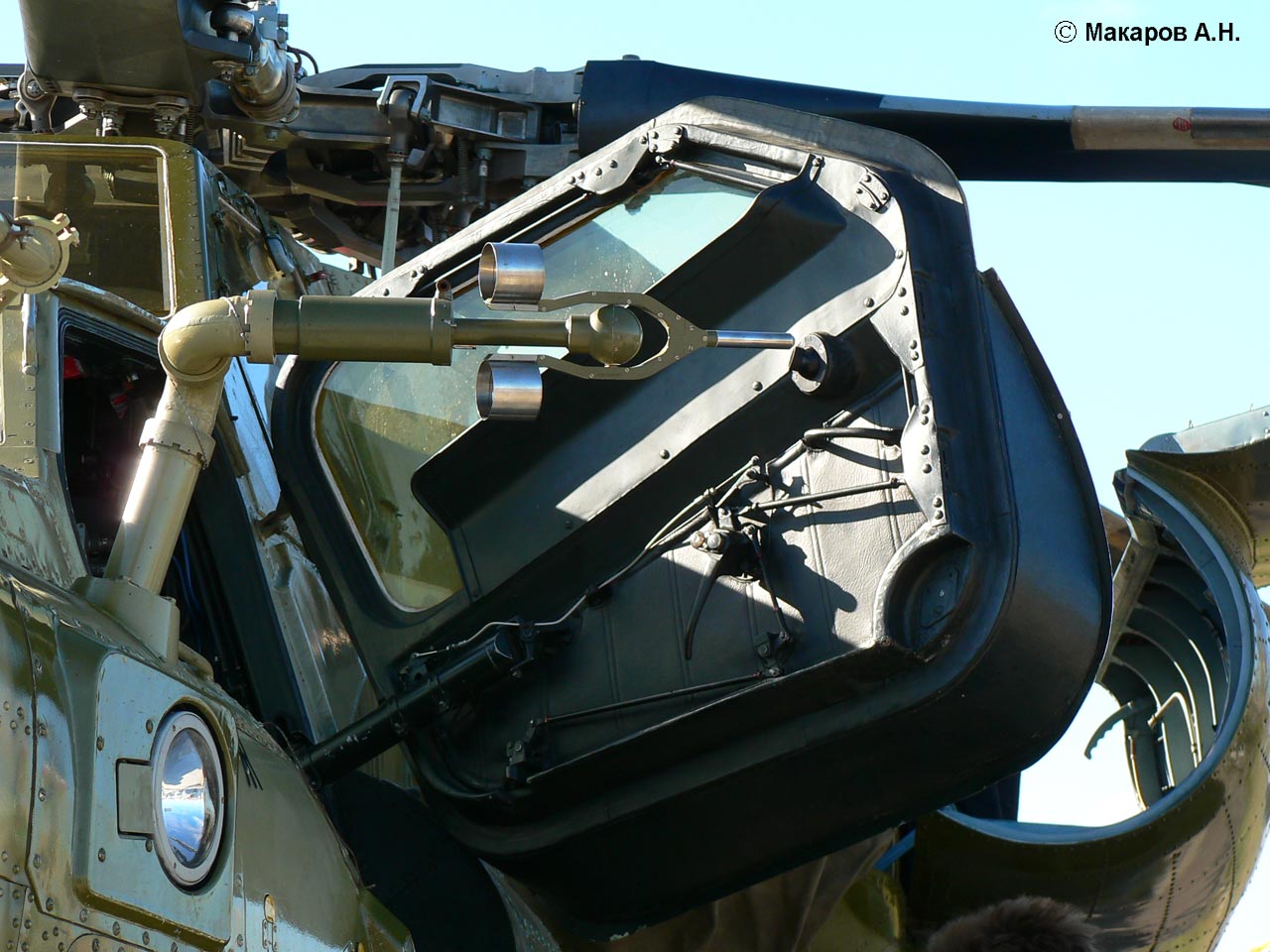
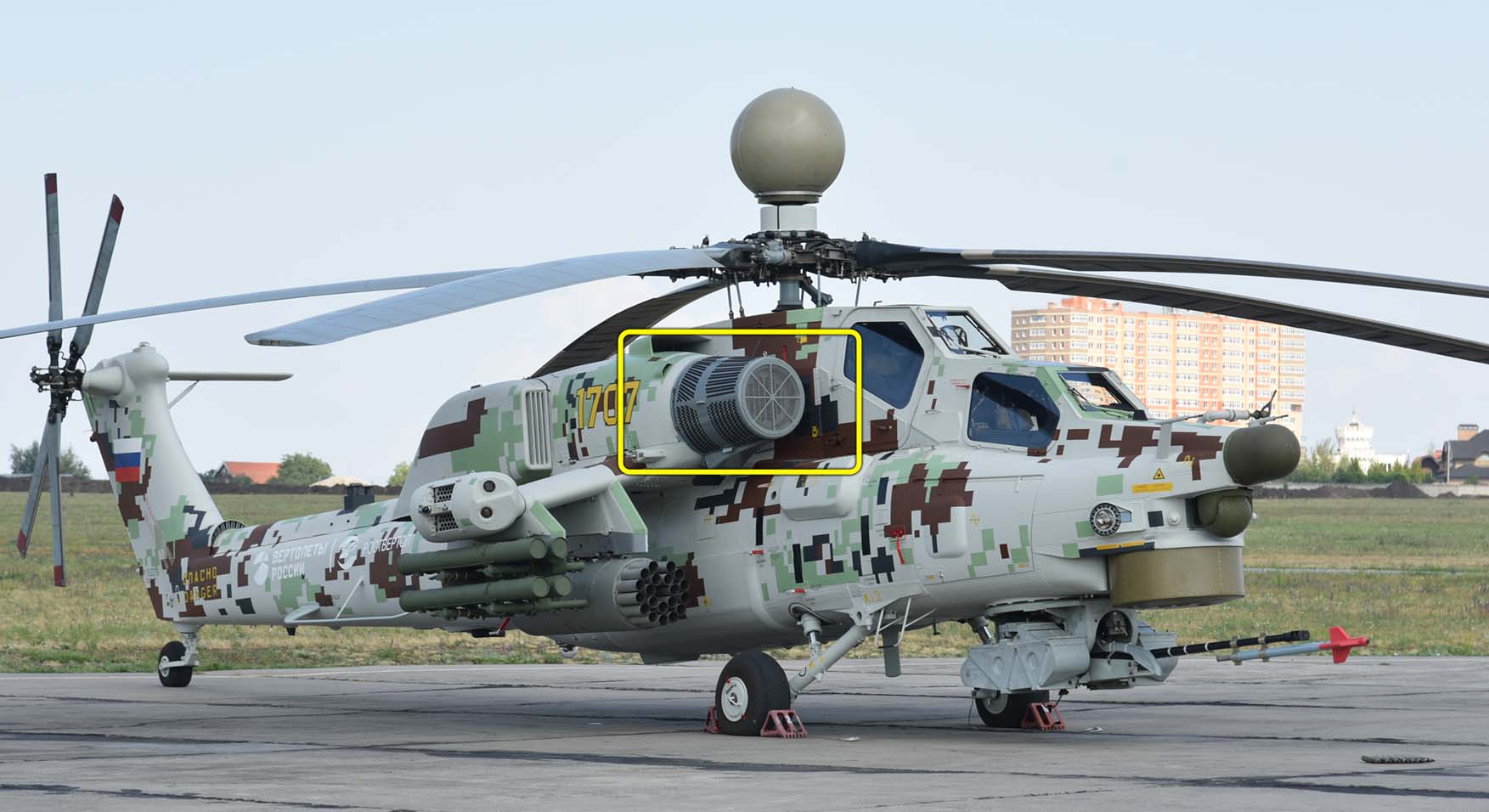
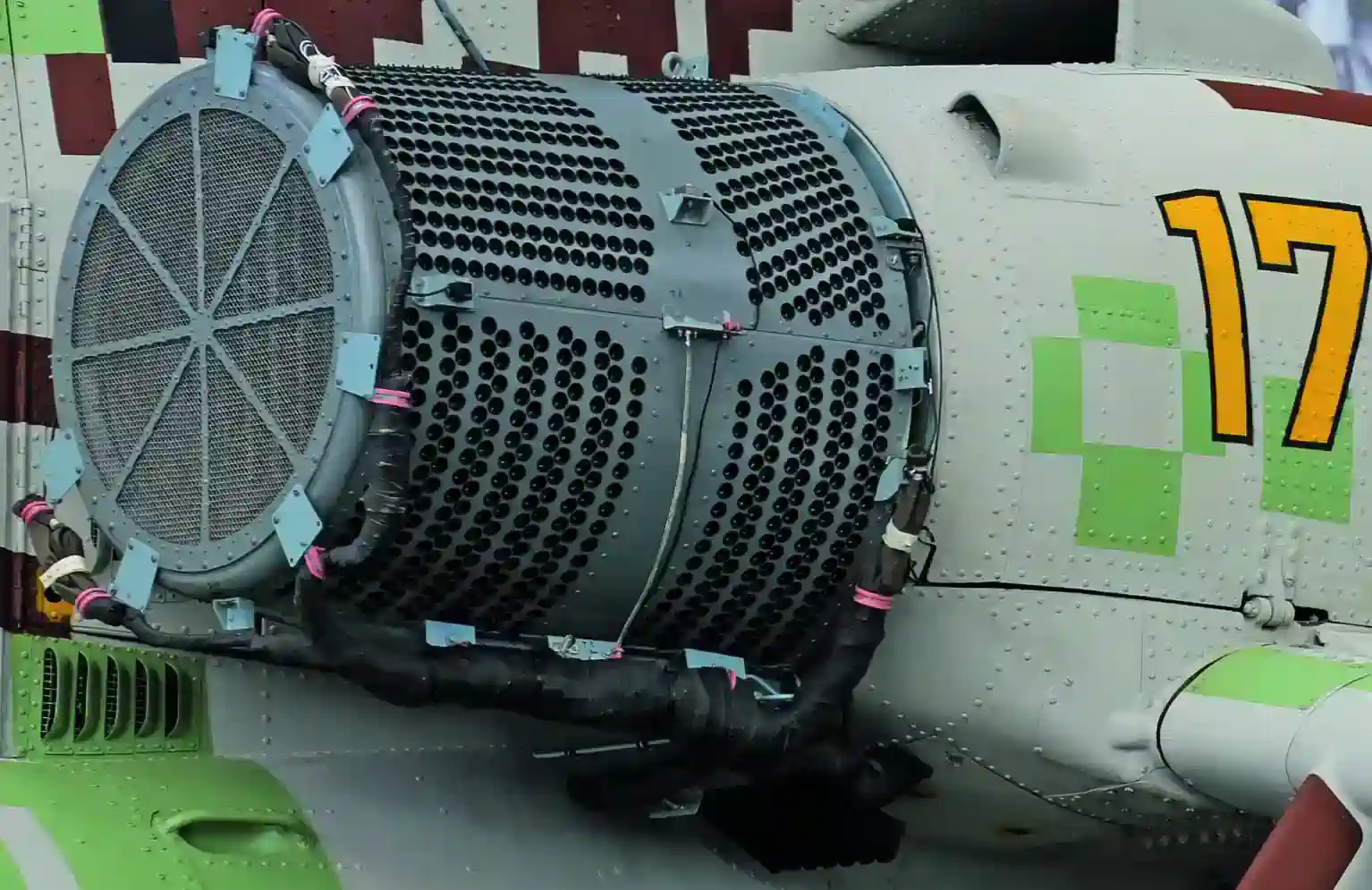
    In the export version of this helicopter, the Mi-28NE, the helicopter engines are equipped with air intakes protected against dust and sand. This multi-cyclone dust protection unit prepares the Mi-28 helicopter for operation in dry and desert climates. According to the manufacturer, this air intake provides an efficiency of 93%.

    Multi-cyclone dust protection unit for Mi-28NE helicopter
    Multi-cyclone dust protection unit for Mi-28NE helicopter/ Image: Alexander Mladenov

    Mi-28 Avionics and Navigation

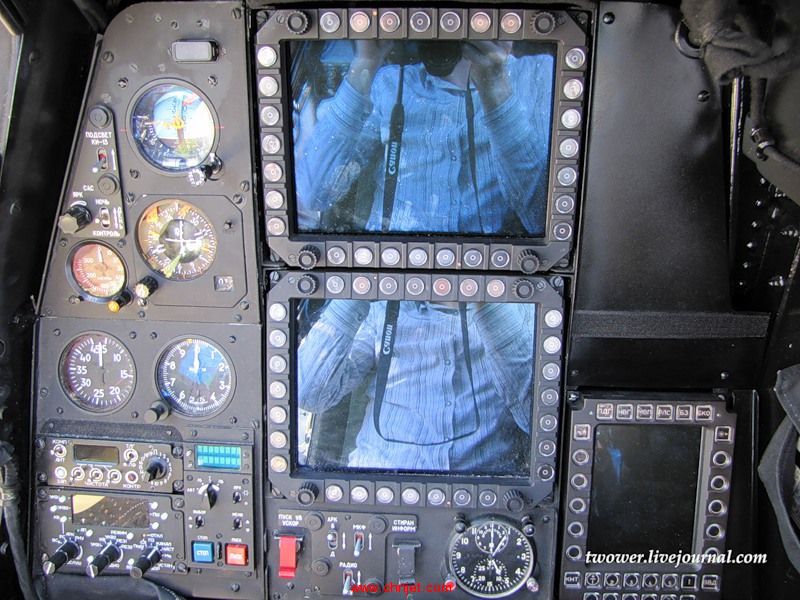
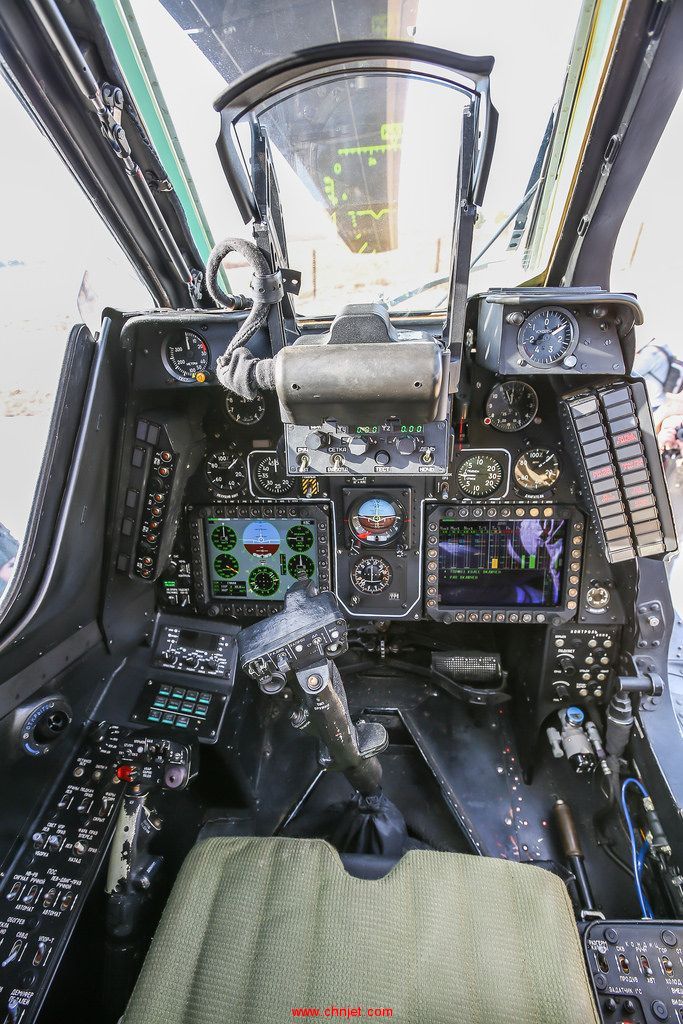
    The Mi-28N helicopter is equipped with the integrated digital avionics suite BREO-28N. This system is built around a two-seat digital cockpit featuring multifunction displays, a central mission computer, and a hybrid inertial navigation system (INS) integrated with GLONASS/GPS, enabling night operations and full-time/all-weather capability.

    In the pilot’s cockpit, two MFI-10-6M LCD multifunction displays are installed, presenting flight and navigation data, airframe and engine parameters, weapons status, and target information. In addition, the pilot can use the ILS-28 head-up display (HUD) to aim direct-fire weapons. The gunner’s cockpit is also equipped with two similar color displays used for navigation and targeting.

    The helicopter is fitted with a four-axis autopilot, a terrain awareness and warning system (TAWS), digital maps, secure radio communications, and a data link, allowing the crew to fly with high stability at very low altitudes and conduct tactical penetration missions. The core design focus is on enhancing situational awareness for both the pilot and weapons officer while reducing crew workload during complex missions—especially night and low-visibility operations.

    Electro-Optical Sensors of the Mi-28

    Mounted in the nose of the Mi-28 is an electro-optical sensor suite comprising a daytime TV camera, a forward-looking infrared (FLIR) system for night vision, and a laser rangefinder/designator, enabling detection, tracking, and guidance of laser-guided weapons at ranges of several kilometers.

    Mi-28 (Mi-28N) electro-optical sensors

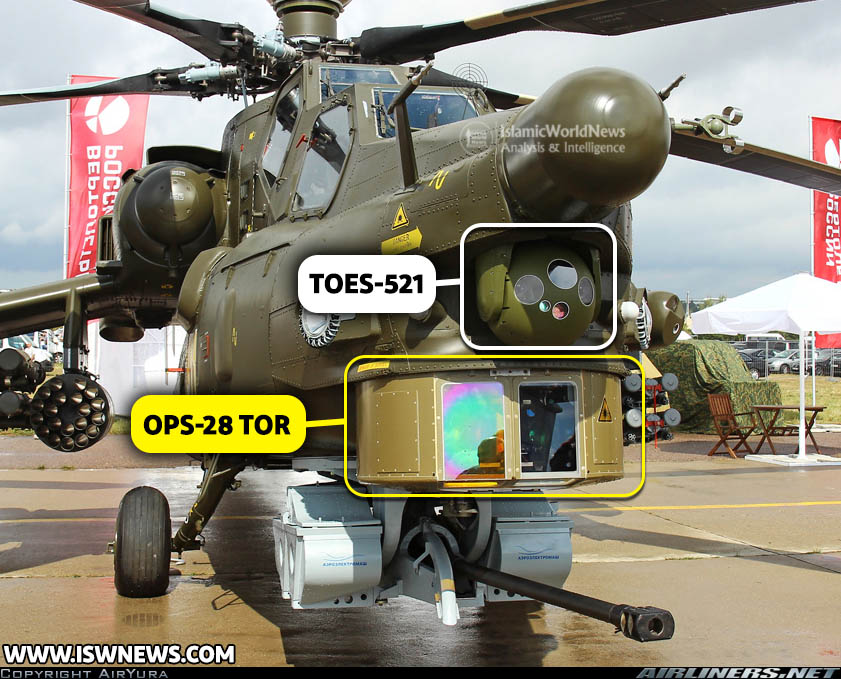
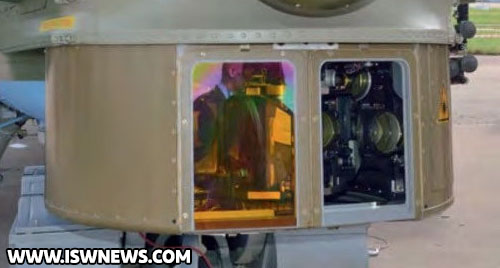
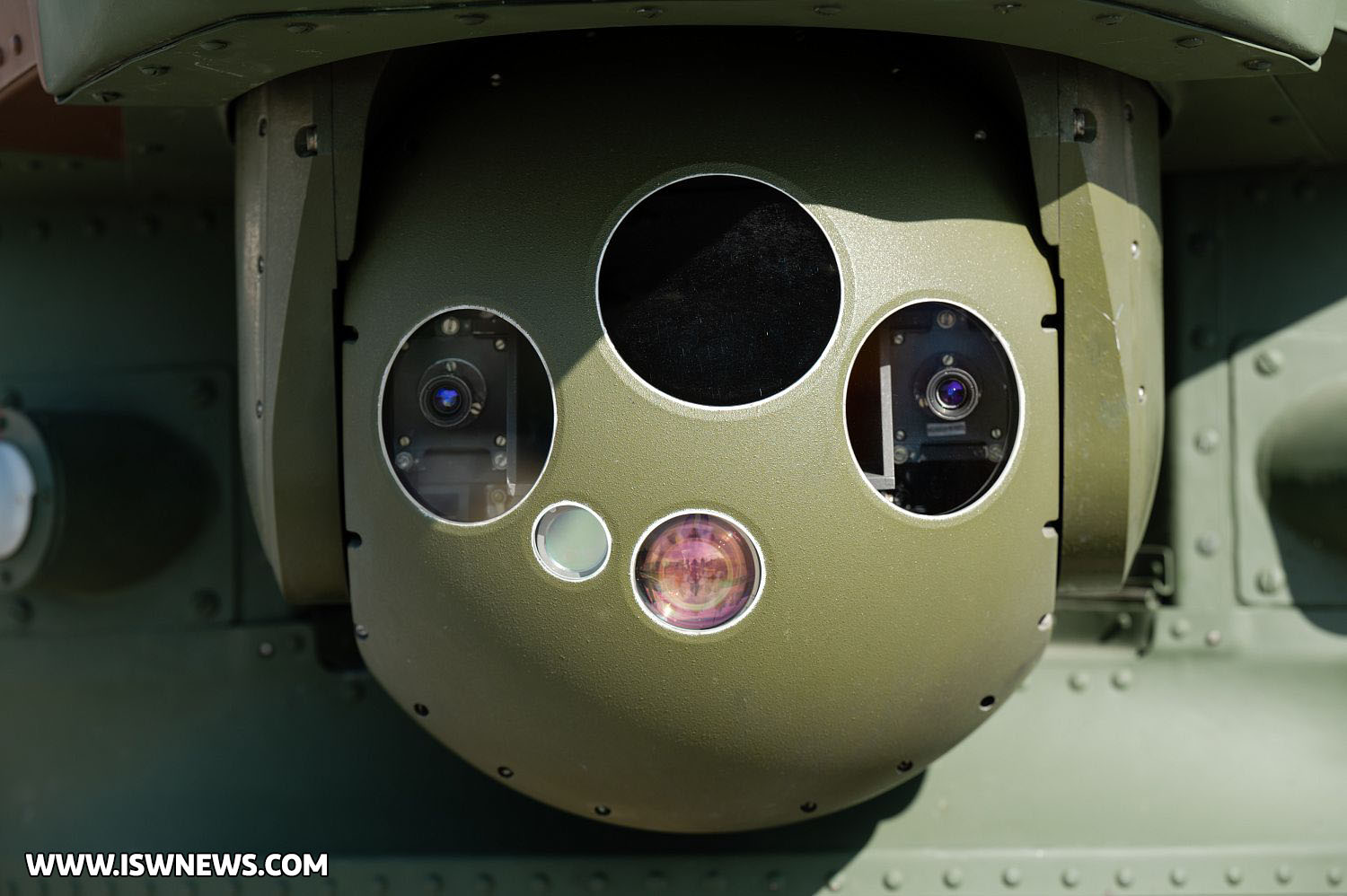
    The OPS-28 electro-optical system serves as the primary search and targeting sensor of the Mi-28. It includes a TV channel, an infrared FLIR channel, an LD-294 laser rangefinder, and a radio command data link. These three sensors are housed in a gyro-stabilized cylindrical rotating turret beneath the helicopter’s nose, providing a field of movement of 110 degrees to either side, 13 degrees upward, and 40 degrees downward. The system is manufactured by the Krasnogorsk Optical-Mechanical Plant (Zenith).

    The laser rangefinder, thermal imager, and TV camera are concealed behind two flat glass windows within the rotating turret. The thermal camera offers two fixed fields of view with 3× and 8× magnification, while the TV camera is capable of up to 20× optical zoom.

    OPS-28 Tor system

    When the battlefield is obscured by rain or smoke and direct visibility is reduced to less than 1.5 km, the OPS-28N thermal imager is still capable of guiding the 9M120 Ataka-V anti-tank missile toward targets at ranges of over 3 km. Under favorable visibility conditions, the system’s TV sensor can detect tanks at distances of up to 7 km, enabling missile engagements at ranges of around 5 km.

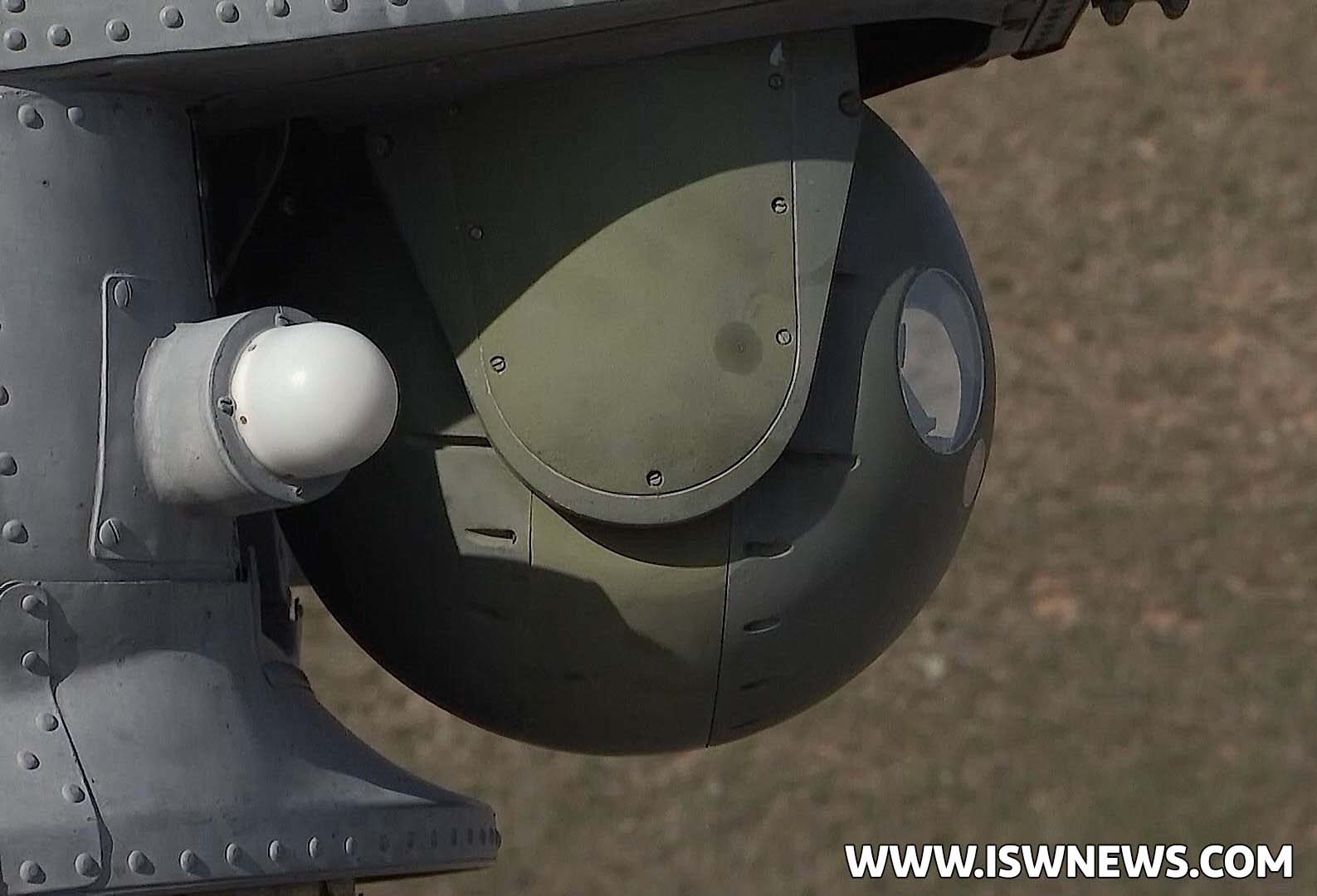
    In addition, the Mi-28N is equipped with a pilot-dedicated electro-optical surveillance system known as TOES-521, mounted beneath the nose. The Mi-28NM variant features a further upgraded electro-optical system designated SMS-550.

    Radar and Defensive Systems of the Mi-28

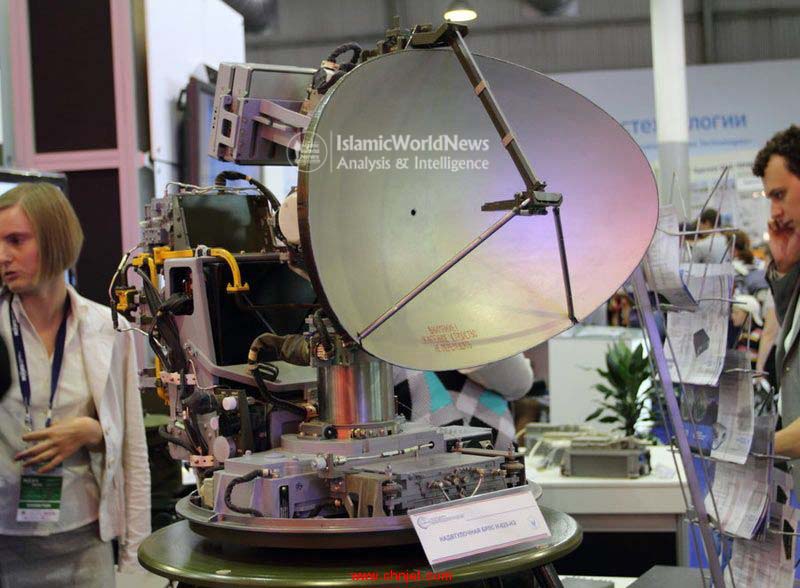
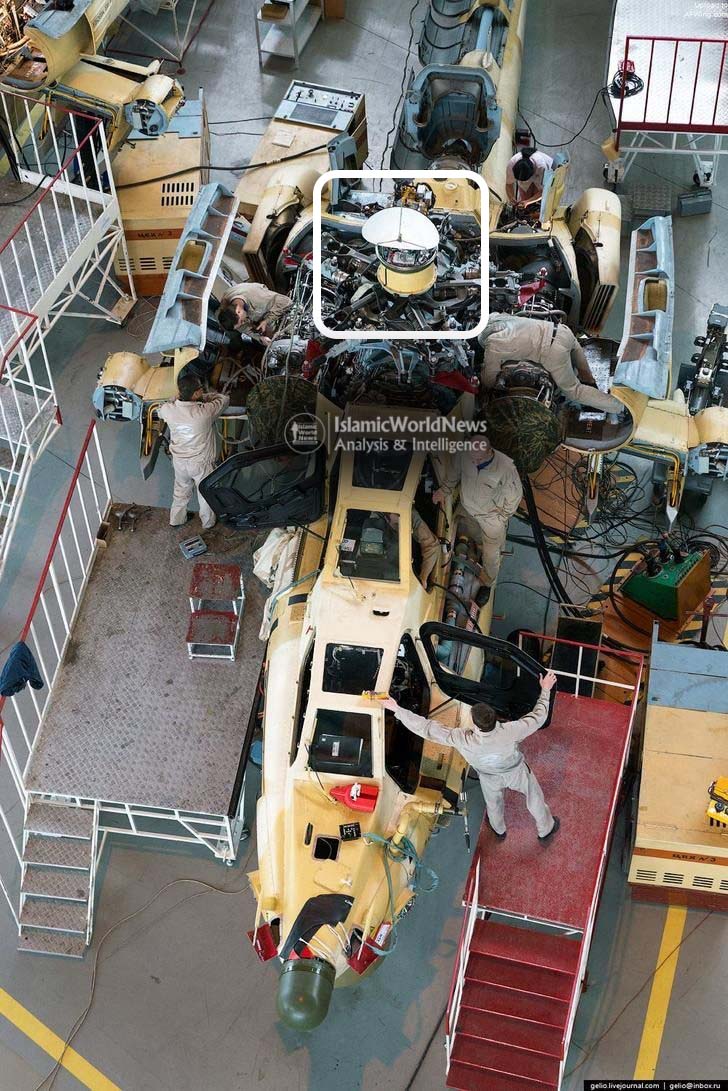
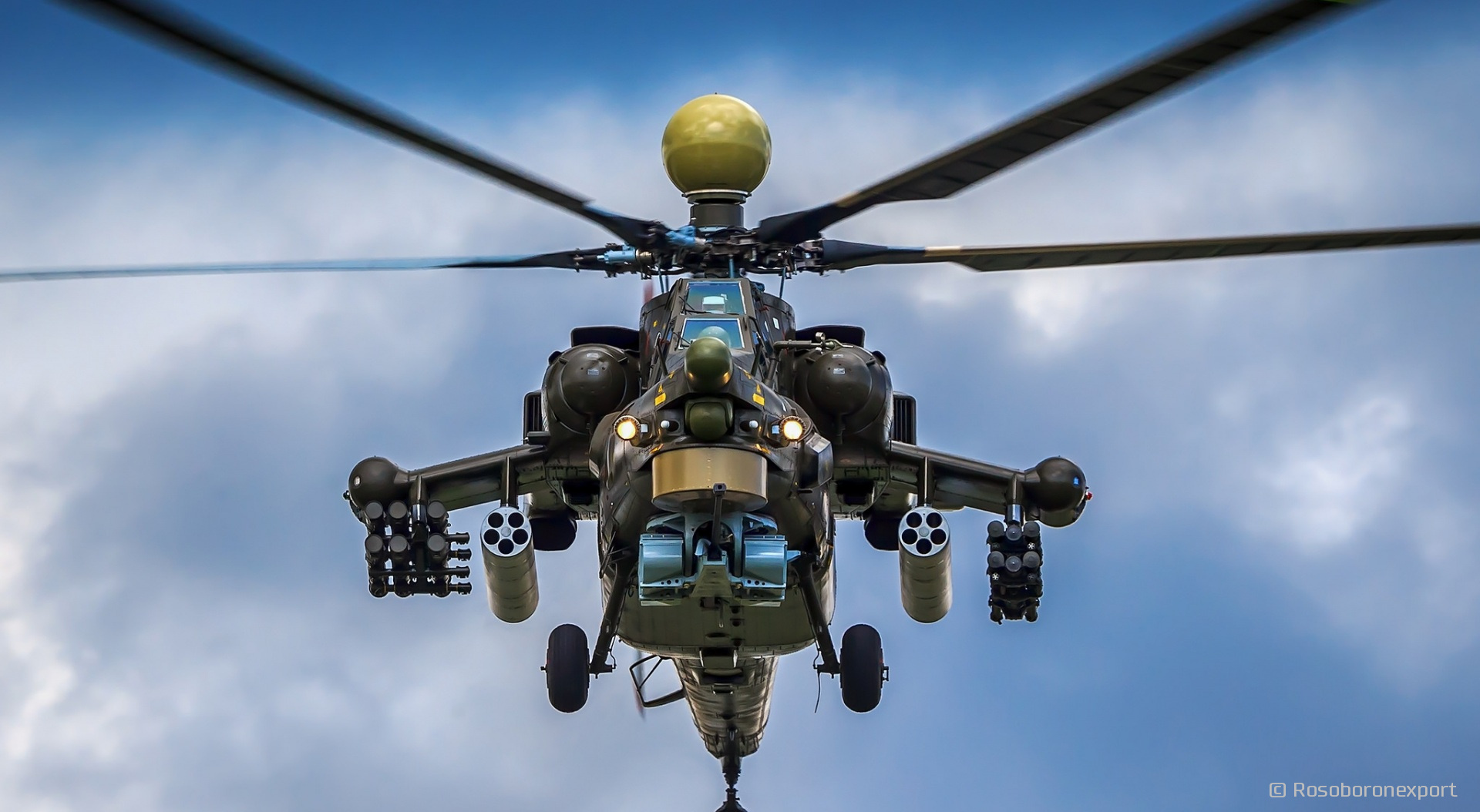
    In more advanced variants of the Mi-28—particularly the Mi-28NM—a N025 millimeter-wave radar produced by GRPZ is installed above the main rotor. This radar is used for terrain mapping, surface target detection, cueing and handing off targets to the electro-optical system, as well as weather monitoring and air-to-air tasks. In its N025M version, the radar operates in the Ka and X bands, while a third channel works in the L band for IFF (Identification Friend or Foe) purposes.

    It should be noted that, like the base N025, the N025M radar cannot directly assign targets to weapons; instead, it provides initial target coordinates to the OPS-28 electro-optical system.

    In terrain-mapping mode, the radar can scan a 90-degree sector in front of the helicopter, mapping ground features and enabling the OPS-28 sensor to rapidly cue onto selected targets. In air-to-air mode, the N025 covers a 180-degree forward sector. The manufacturer claims a maximum detection range of 20 km against main battle tanks. The radar also includes a Moving Target Indicator (MTI) mode with a 20 km detection range against aerial targets.

    Mi-28N helicopter equipped with the N025 radar mounted above the propellers

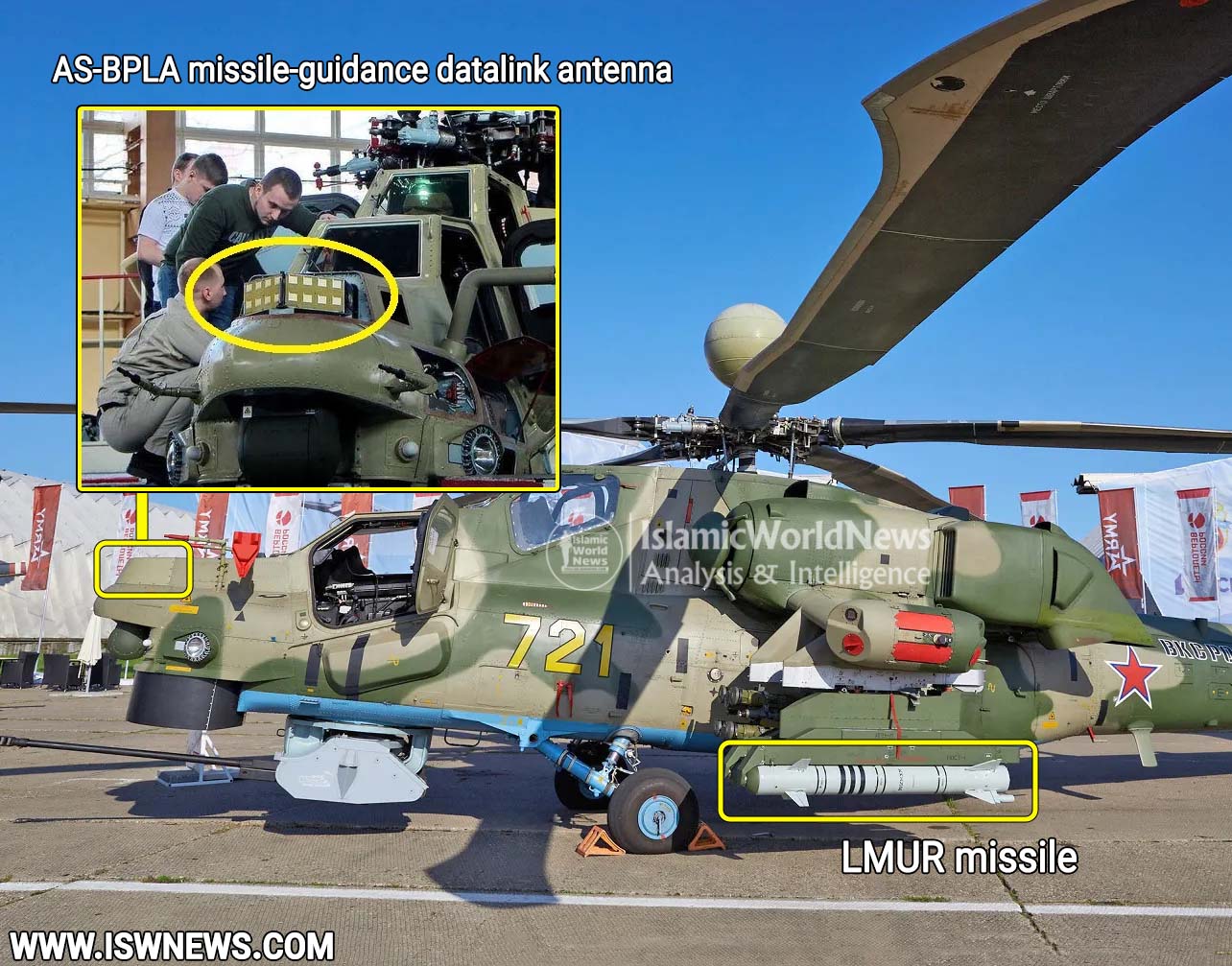
    On the Mi-28NM, an AS-BPLA data-link antenna is installed in the nose to guide the LMUR missile. The Lightweight Multirole Air-to-Surface Guided Missile (LMUR)—also known as Izdeliye 305 or Item 305—has a range of 14.5 km and is intended for engaging a wide variety of ground targets.

    The shape of the AS-BPLA guidance antenna mounted on the Mi-28NM indicates a ±90-degree field of view relative to the helicopter’s longitudinal axis, meaning the helicopter can maneuver within this envelope after missile launch.

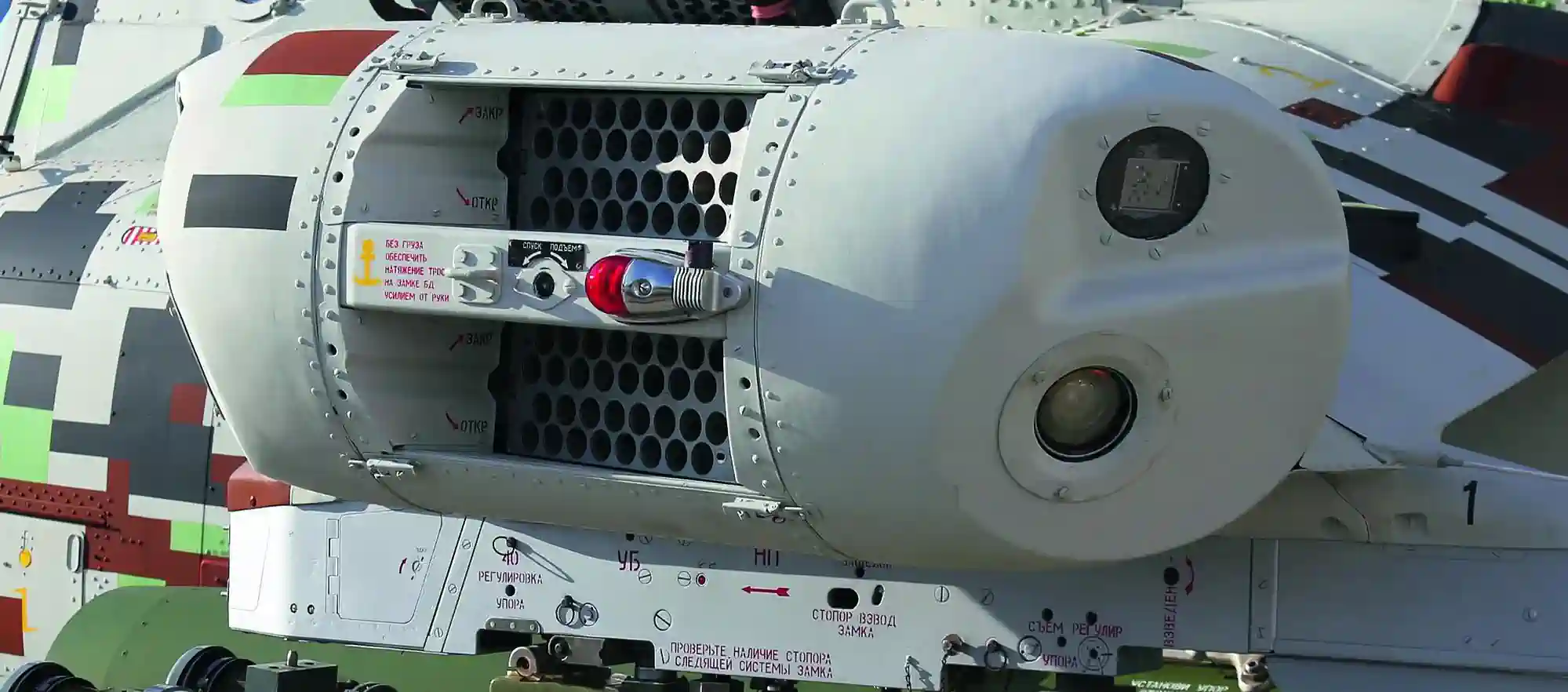
    AS-BPLA datalink antenna for LMUR missile guidance

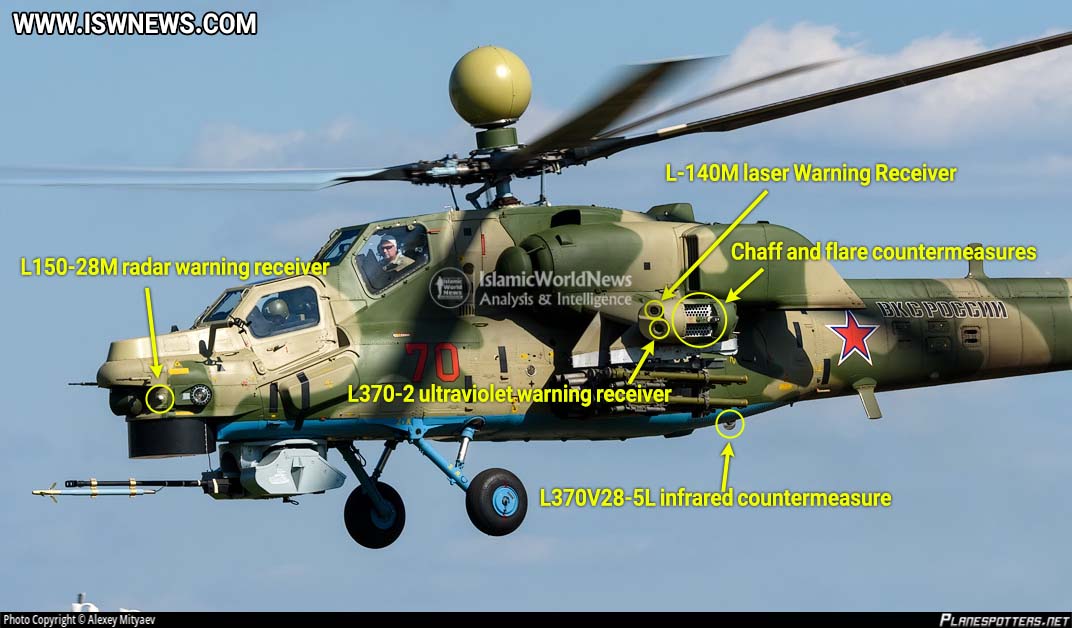
    The Mi-28NM is also equipped with the L370V28 Vitebsk defensive suite. This integrated warning and countermeasure system includes the L150-28M radar warning receiver, L-140M laser warning receiver, L370-2 ultraviolet missile warning sensor, the L370V28-5L directional infrared countermeasure (DIRCM) laser system, and the UV-26 chaff and flare dispensers.

    Warning and countermeasure equipment in the Mi-28 NM version helicopter
    UV-26 chaff and flare dispenser system and L-140 laser warning receiver (top) and L370-2 ultraviolet warning receiver (bottom) / Photo: Alexander Mladenov

    Armament of the Mi-28

    As a dedicated attack platform, the Mi-28 carries a diverse array of weapons, making it suitable for engaging a wide spectrum of ground targets and certain low-altitude aerial threats.

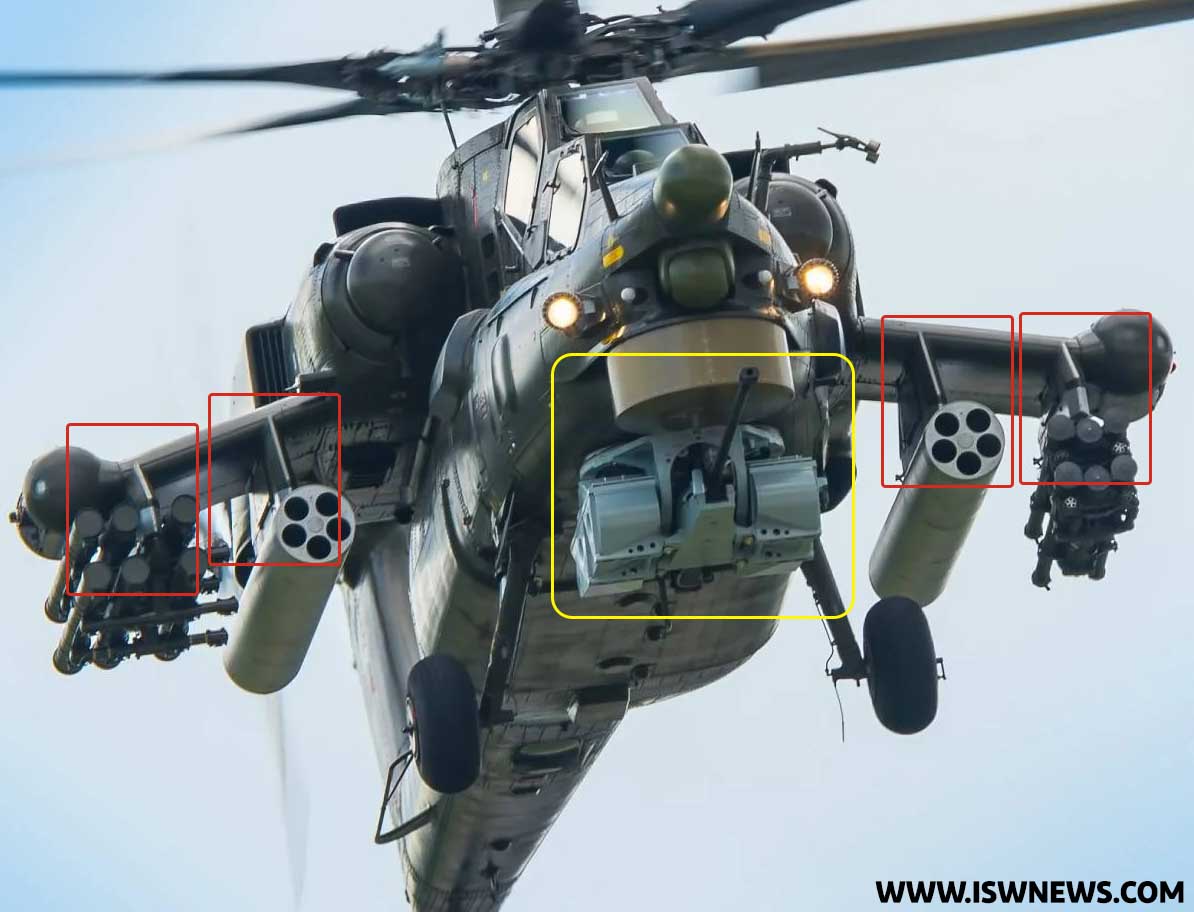
    Weapons hardpoints under the wings and a 30 mm cannon under the nose

    A 30 mm 2A42 automatic cannon is mounted under the nose, providing flexible traverse and precise aiming against light armored vehicles, infantry, and fortifications. The cannon is slaved to a helmet-mounted sighting system, allowing the weapon to follow the pilot’s line of sight.

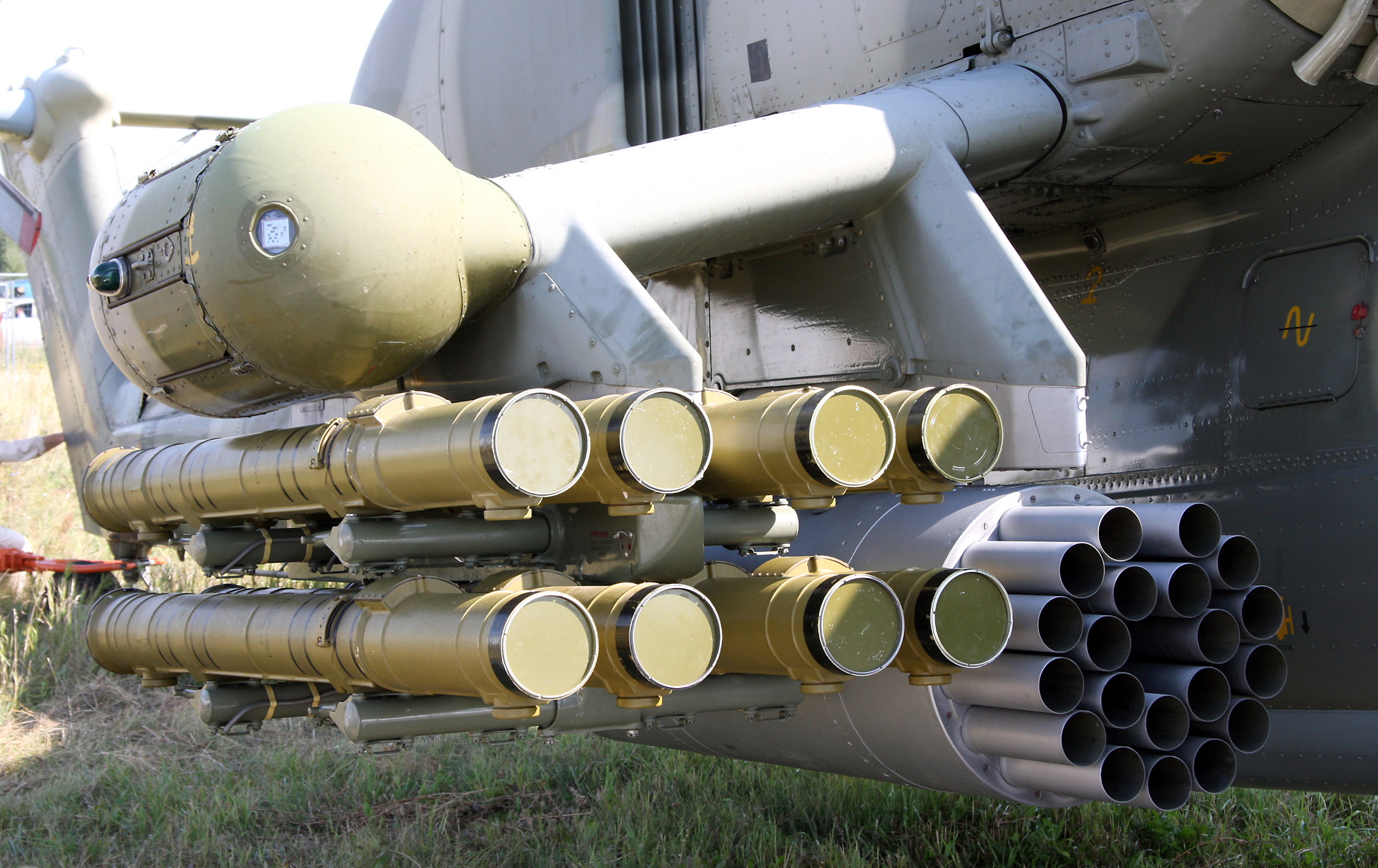
    On the four underwing hardpoints mounted on the stub wings, various weapon packages can be installed, including 80 mm unguided rocket pods, anti-tank guided missiles such as Ataka and Vikhr, and, in some configurations, short-range air-to-air missiles for close-in self-defense.

    Underwing hardpoints of the Mi-28

    This weapons diversity allows crews to tailor their loadout to mission requirements and strike an effective balance between accuracy, range, and destructive power, while the advanced targeting and electro-optical sensor systems further enhance combat effectiveness.

    Mi-28 Variants

    Mi-28A:
    The original baseline variant developed in the 1980s, primarily for testing purposes. It featured daytime vision systems, the 30 mm cannon, underwing weapon stations, and basic navigation and communication systems, but had limited night and adverse-weather combat capability. The Mi-28A served mainly as a testbed and developmental foundation and did not enter large-scale production.

    Mi-28N (Night Hunter):
    The most significant leap in the Mi-28 family. With the addition of a mast-mounted radar, thermal imaging systems, advanced electro-optical sensors, and inertial/satellite navigation, it gained full 24-hour operational capability. Digital avionics, improved survivability, and better integration of weapons systems made it the backbone of Russia’s attack helicopter fleet.

    Mi-28NE:
    The export derivative of the Mi-28N, with certain systems—especially communications and identification—reconfigured according to customer requirements. In terms of firepower, range, and survivability, it is broadly comparable to the Night Hunter and is adapted for operation in diverse environments, including hot, dusty, and high-altitude conditions.

    Mi-28NM:
    The most advanced member of the Mi-28 family. It incorporates minor airframe and rotor redesigns for improved performance, a new multimode radar, data-link connectivity for network-centric cooperation with UAVs and ground units, fully digital avionics, upgraded defensive systems, and more precise weapon options, including new guided missiles. The goal of this variant is to enhance survivability, crew situational awareness, and effectiveness in modern high-threat environments.

    Mi-28UB:
    A training variant that retains full combat capability. It features a dual-control cockpit allowing full instructor oversight, specialized training equipment, and enhanced safety features. Despite its training focus, the Mi-28UB can carry weapons and conduct real combat missions, making it a flexible asset for combined training and operational squadrons.

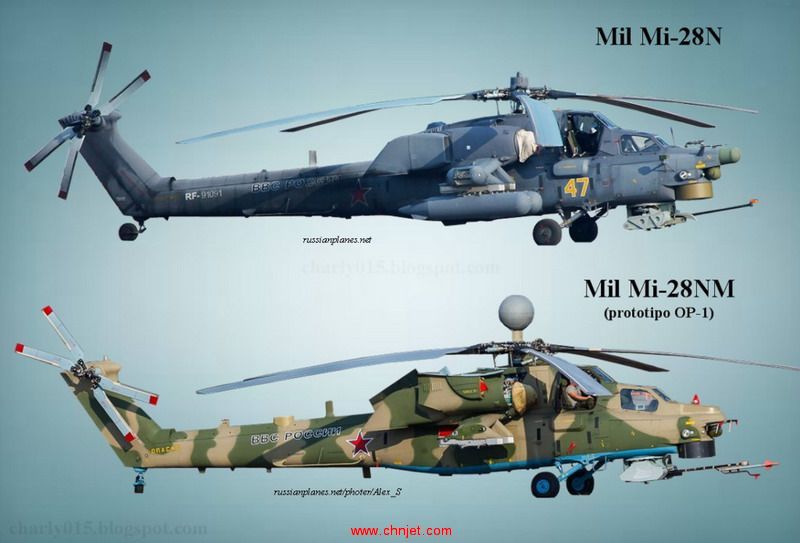
    The difference between the Mi-28N and Mi-28NM in terms of appearance. As is clear, there is very little difference in appearance between the two versions, with the biggest difference being in the nose configuration.

    Operators and Export Market

    The Mi-28 attack helicopter is primarily operated by the Russian Aerospace Forces as its main user. As of the end of 2024, more than 92 Mi-28N helicopters, around 19 Mi-28UB training variants, and at least 9 Mi-28NM helicopters were in service with the Russian Aerospace Forces. In addition, orders are in place for 98 more Mi-28NM and 12 Mi-28UB helicopters to be delivered by 2027. Overall, Russia operates the largest Mi-28 fleet in the world.

    Outside Russia, the Algerian Air Force operates approximately 42 Mi-28NE helicopters. Iraq fields around 17 Mi-28NE and 4 Mi-28UB aircraft, while the Ugandan Air Force has received at least 4 Mi-28NE, with an additional two helicopters on order.

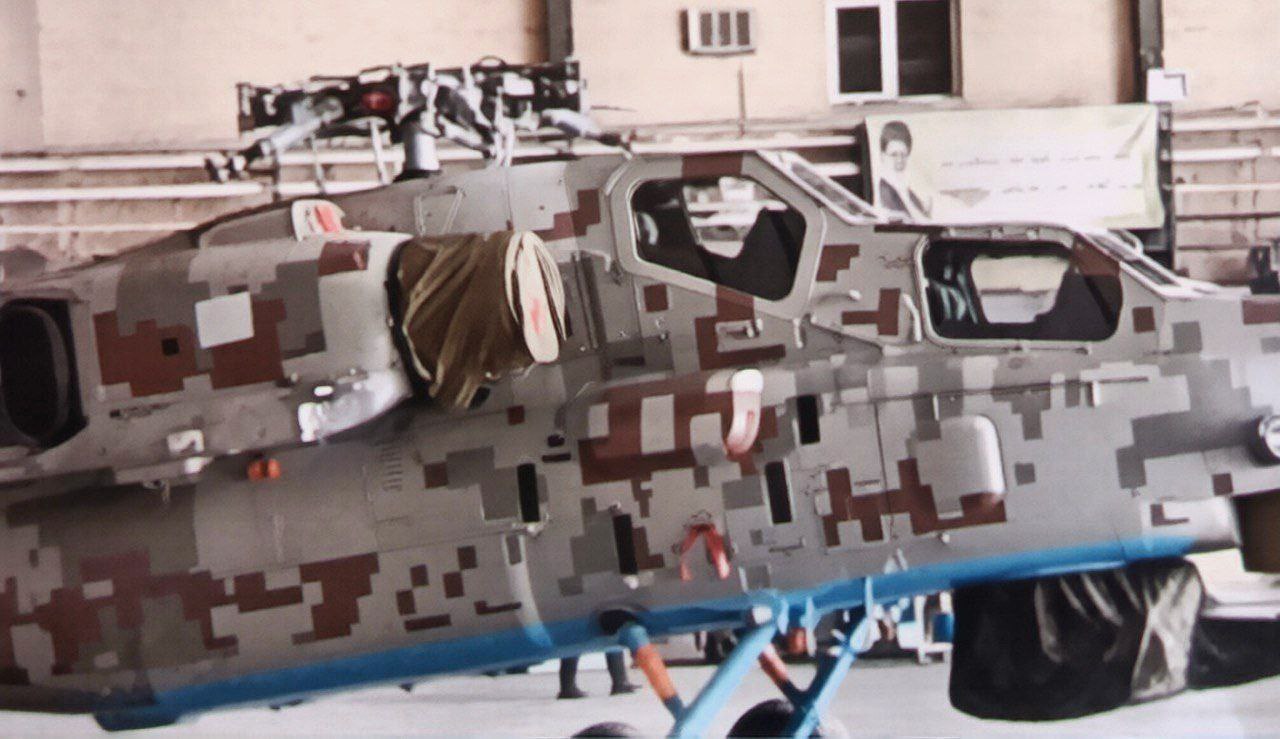
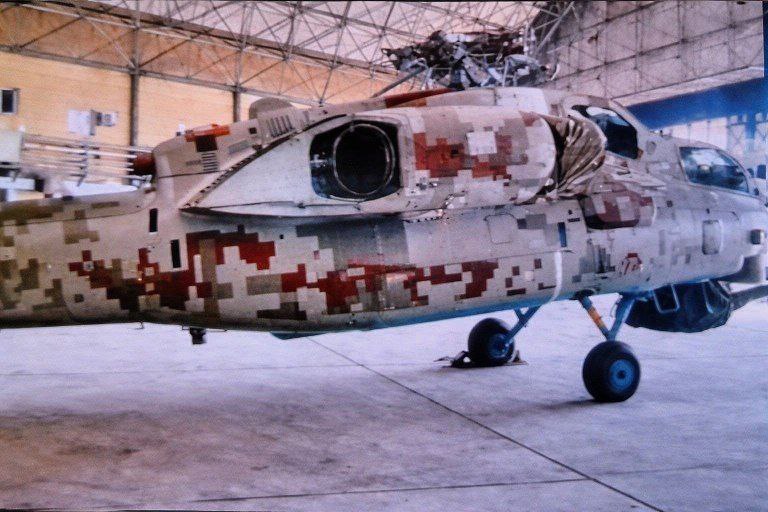
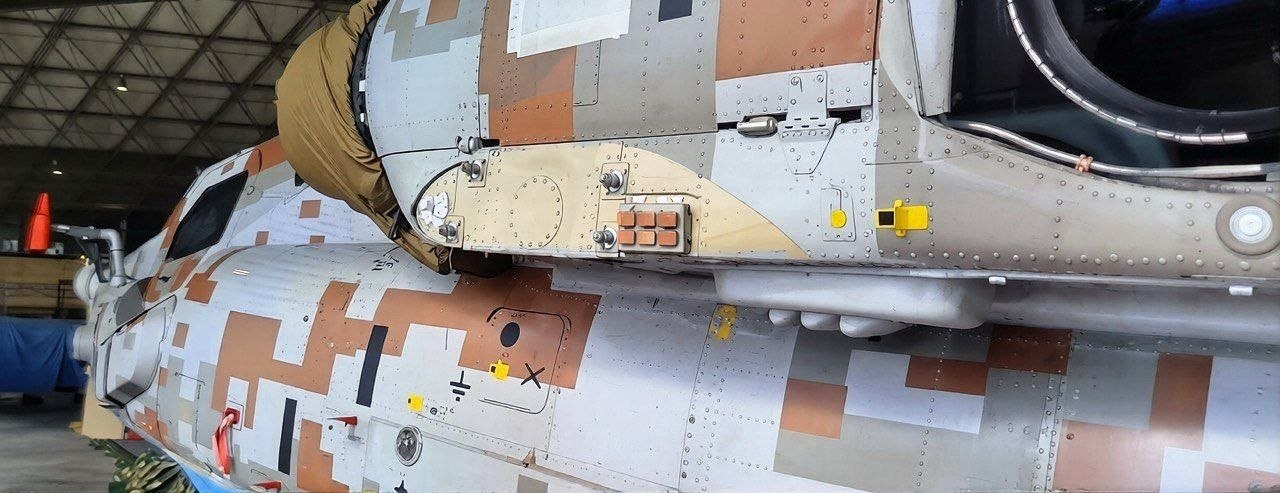
    It is also worth noting that in December 2023, Iran’s Deputy Minister of Defense and Armed Forces Logistics announced the finalization of a deal to purchase the Mi-28 attack helicopter. One year later, the appearance of unofficial images showing the helicopter inside a hangar in Iran confirmed its entry into the order of battle of Iran’s armed forces. The induction of the Mi-28 is expected to significantly help address existing gaps in Iran’s aging helicopter fleet and substantially enhance the country’s close air support capabilities.

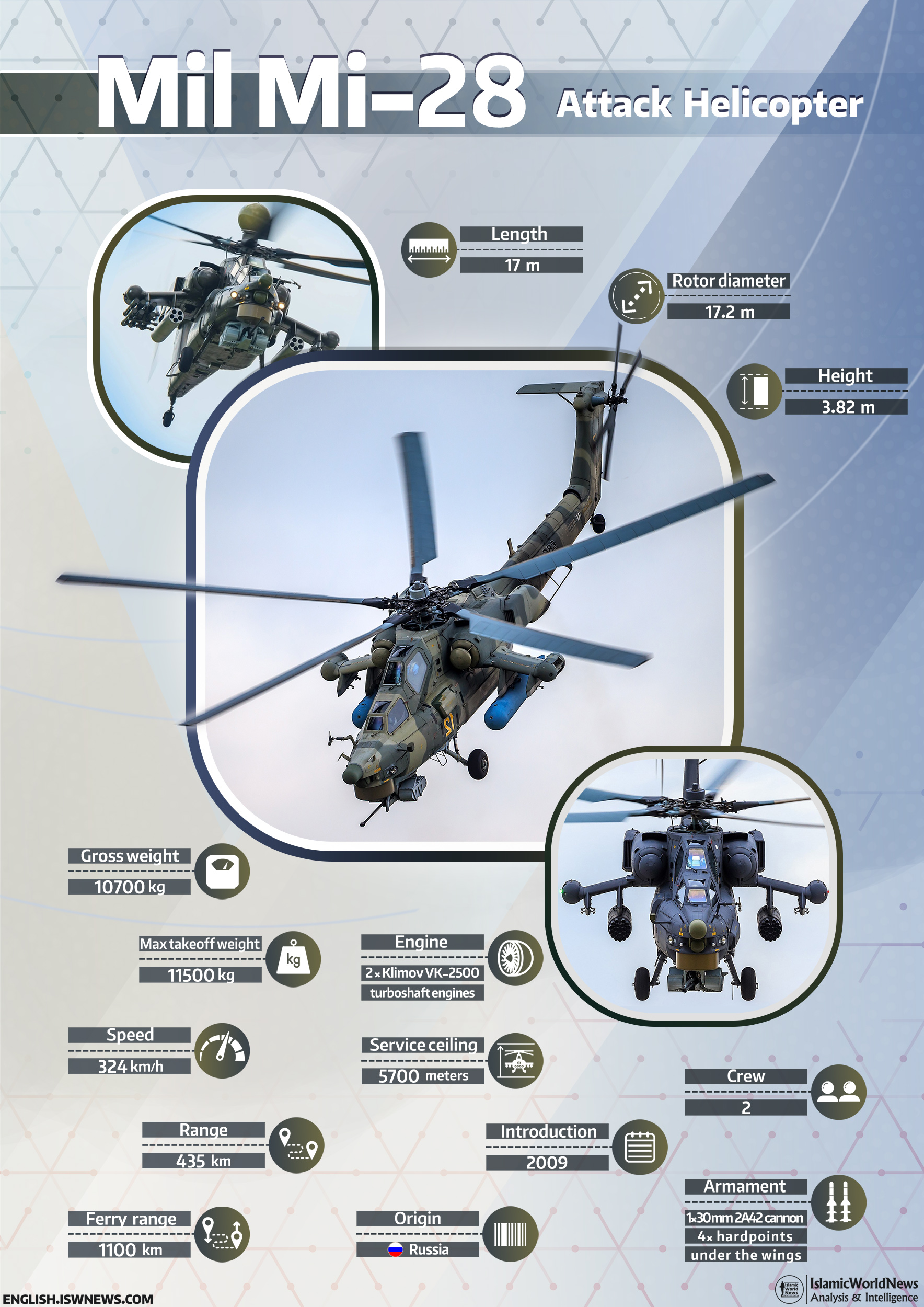
    Mi-28 helicopter specifications:

    Type: Attack helicopter
    Origin: Russia
    Manufacturer: Mil Moscow Helicopter Plant
    First flight: 1982
    Entered service: 2009
    Crew: 2
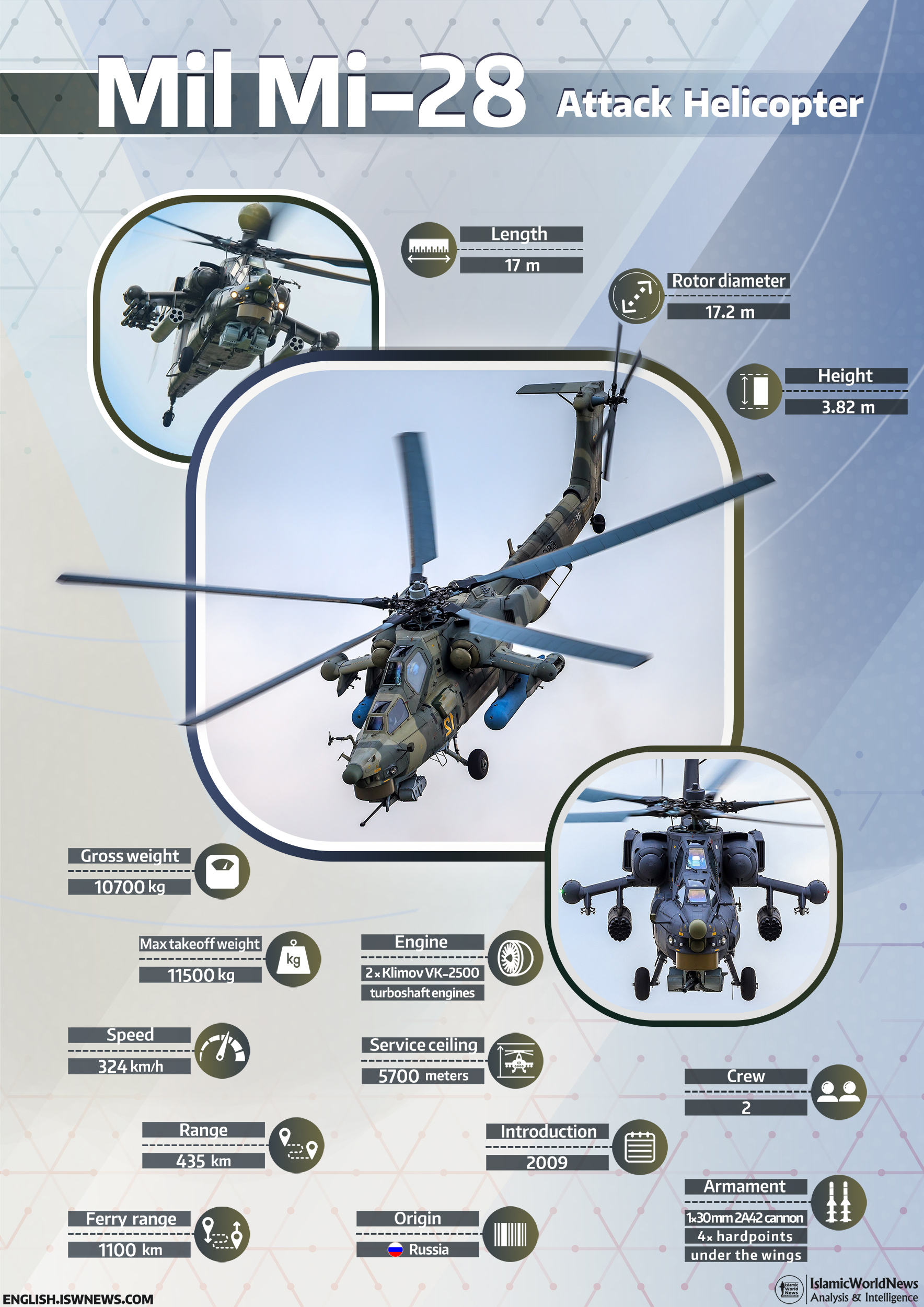
    Length: 17 m
    Wingspan: 4.88 m
    Height: 3.82 m
    Empty weight: 8590 kg
    Gross weight: 10700 kg
    Maximum takeoff weight: 11500 kg
    Engine: 2 Klimov TV3-117 turboshaft engines with a power of 2194 hp or 2 VK-2500P turboshaft engines (in the NM version) with a power of about 2500 hp
    Rotor diameter: 17.2 m
    Rotor area: 232.35 m2
    Maximum speed: 324 km / h
    Range: 435 km
    Combat range: 200 km
    Ferry range: 1100 km
    Flight endurance: 2 hours
    Service eiling: 5700 meters

    Armament:

    Gun: One 30 mm Shipunov 2A42 cannon in a nose turret, with 250 rounds (horizontal rotation of about ±110 degrees)

    Hardpoints: Two pylons under each short wing for mounting bombs, rockets, missiles and cannon pods. Main configurations include:

    • 16 Ataka-V anti-tank missiles with 40 S-8 rockets, or
    • 16 Ataka-V missiles with 10 S-13 rockets, or
    • 16 Ataka-V missiles with two 23 mm UPK-23-250 cannon pods (each pod with a GSh-23L cannon and 250 rounds)

    Other munitions that can be installed:

    • 9K121 Vikhr anti-tank missiles
    • 9M123 Khrizantema missiles (9M123VM version with ACLOS millimeter-wave radar fire control and guidance radar)
    • LMUR missile
    • Igla-V and Vympel R-73 air-to-air missiles
    • Two KMGU-2 mine-distributing pods
    • Unspecified variant of 9K333 Verba air-to-air missile

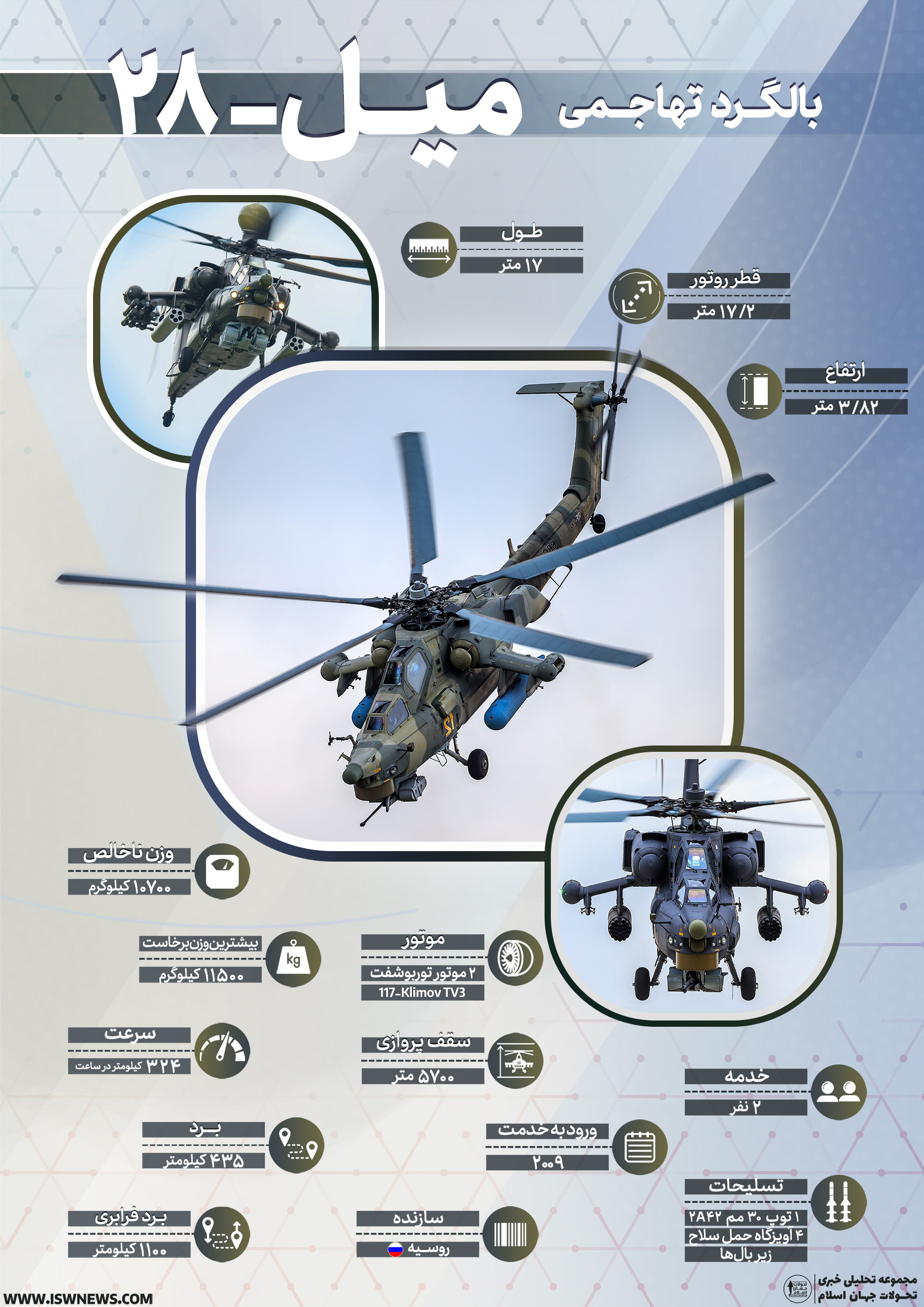
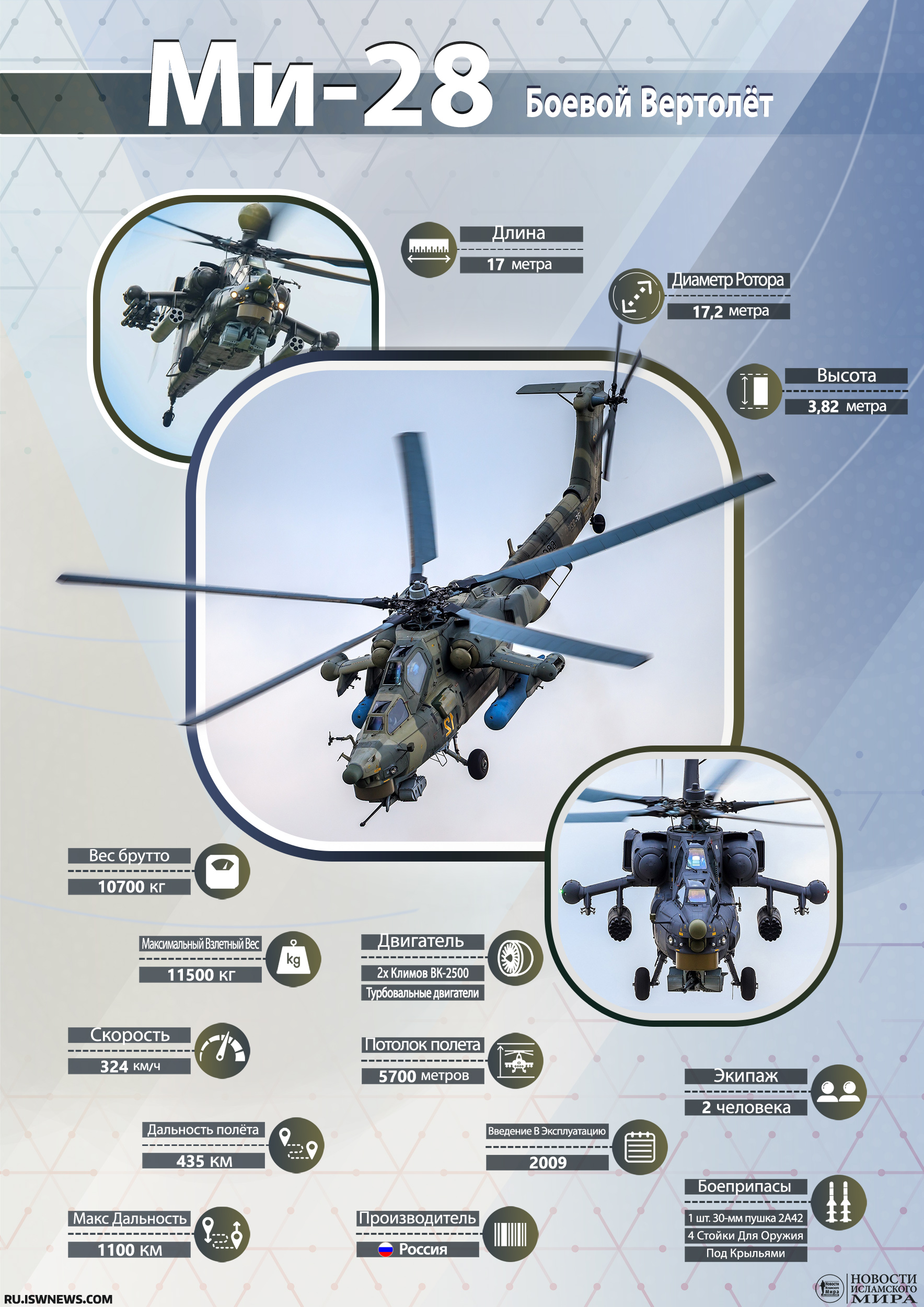
    Mi-28 combat helicopter posters in Persian, English and Russian:

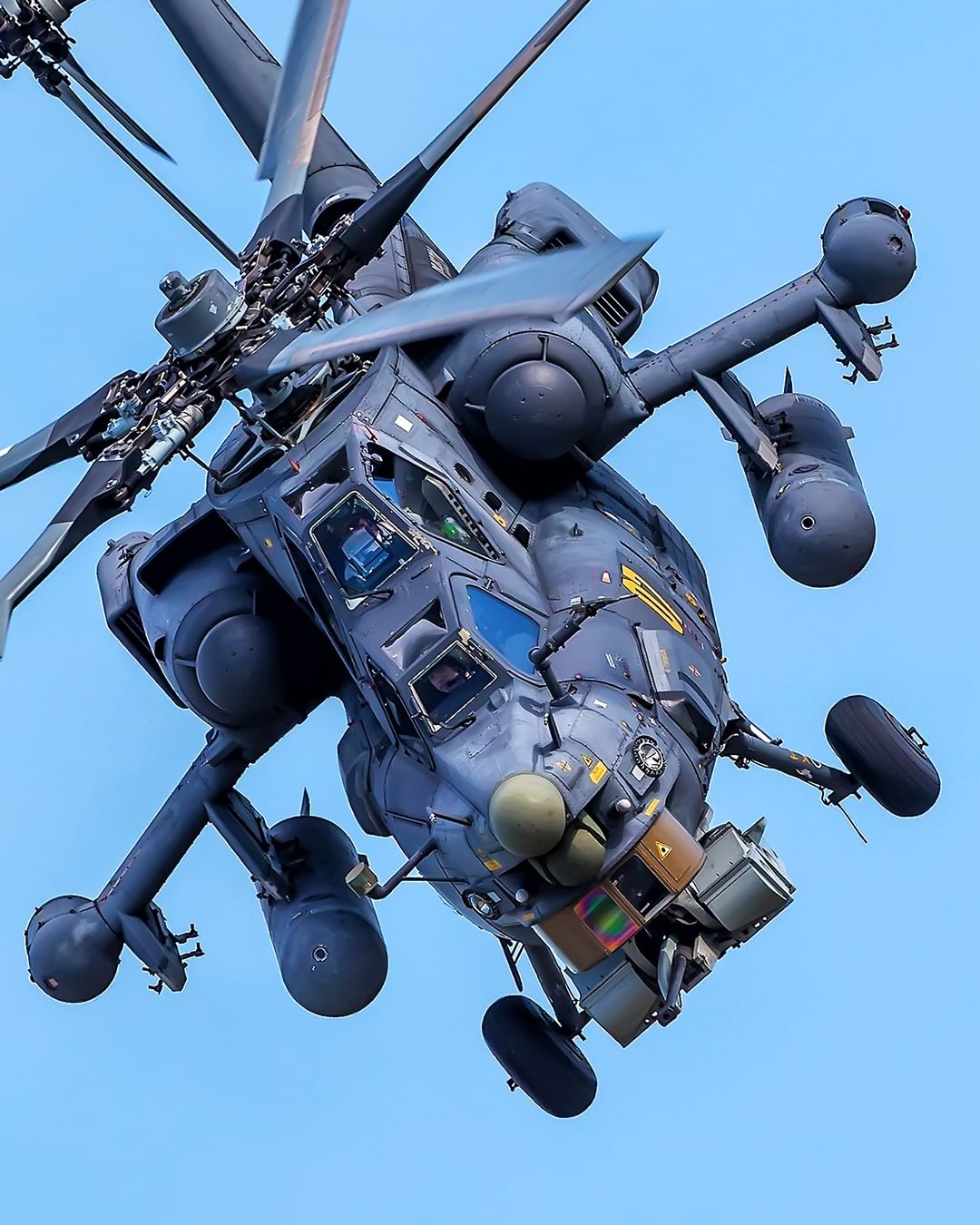
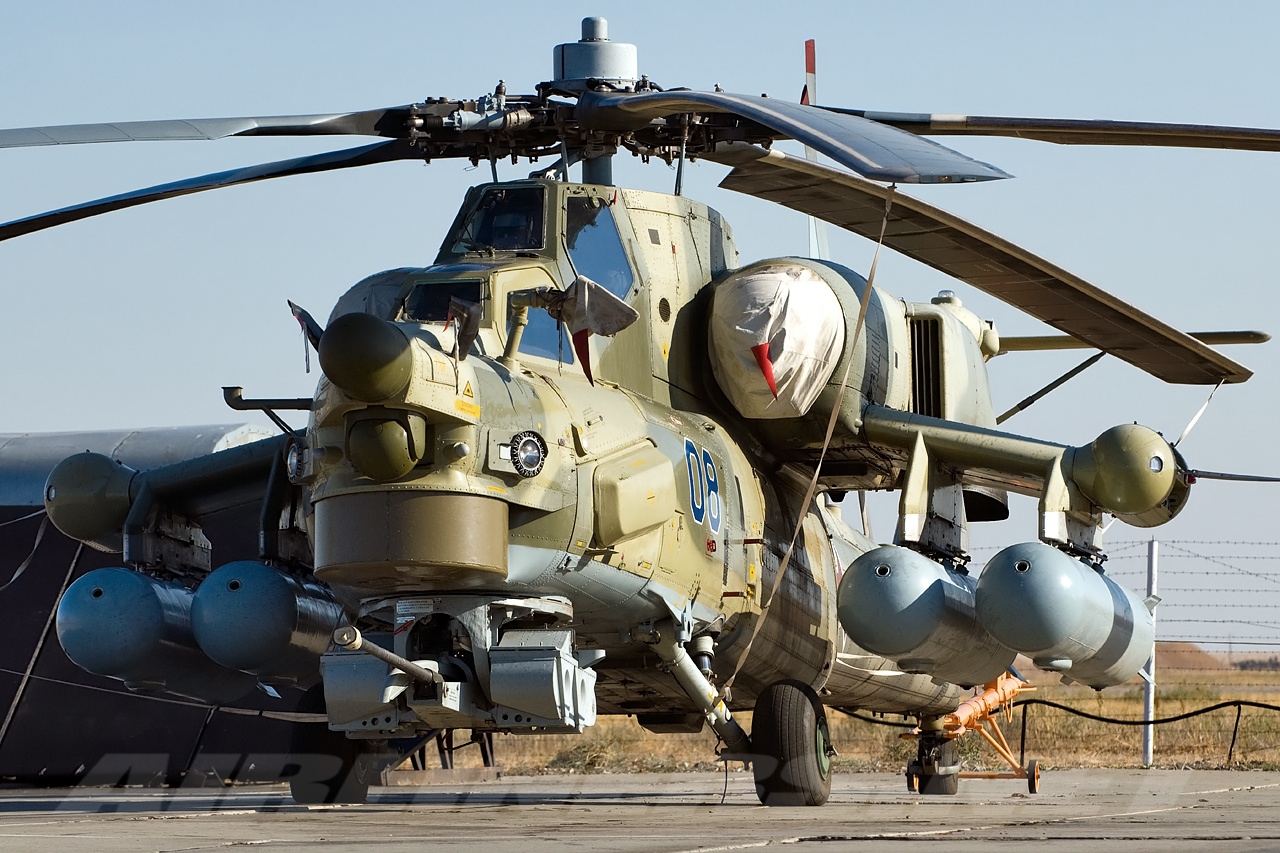
    More images of the Mi-28 combat helicopter:

    Sources:
    Mil_Mi-28 | mil-mi-28 | Mil_Mi-28 | mi-28-havoc | mil-mi-28a-n-havoc | mi-28 | Mi 28NE | Mil Mi-28 | Mi-28-havoc | Mil_Mi-28 | AirDejaVu | Russia’s Mi-28NM | Mi-28

  • Military Knowledge: Spartak Armored Vehicle – A Look at Iran’s Newest MRAP in Service

    Military Knowledge: Spartak Armored Vehicle – A Look at Iran’s Newest MRAP in Service

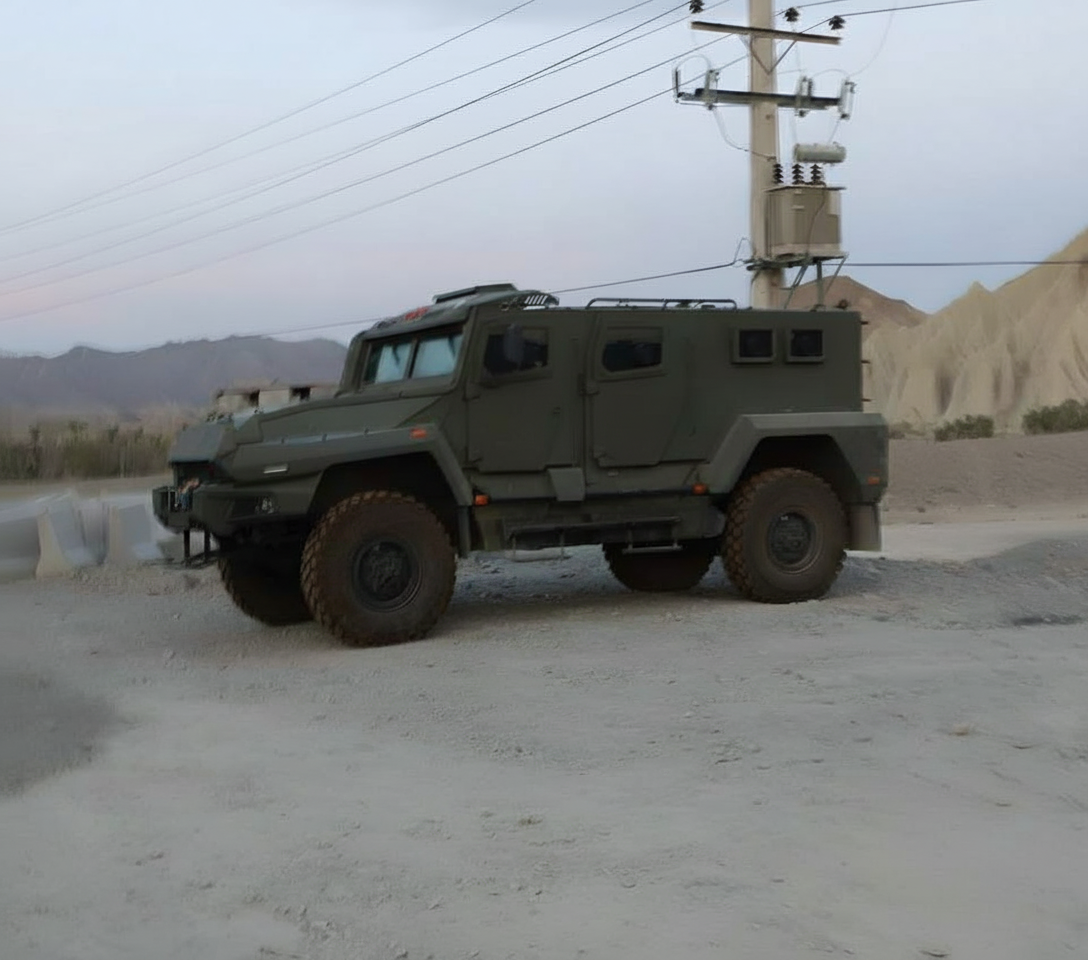
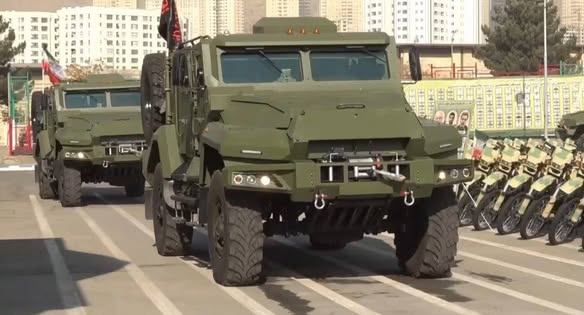
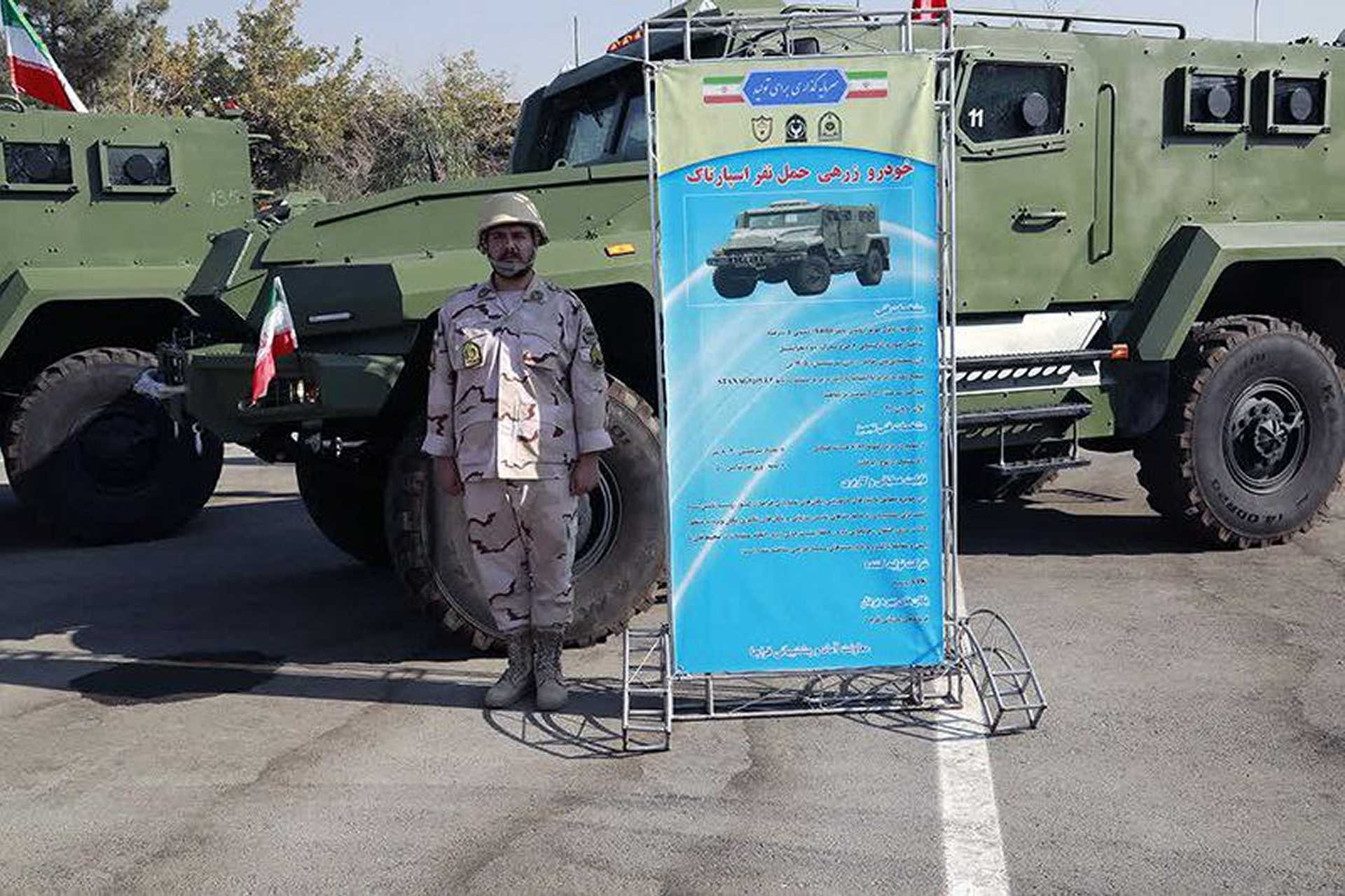
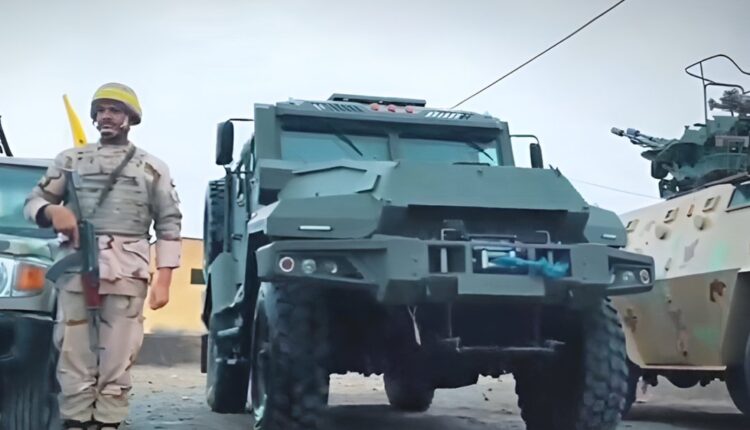
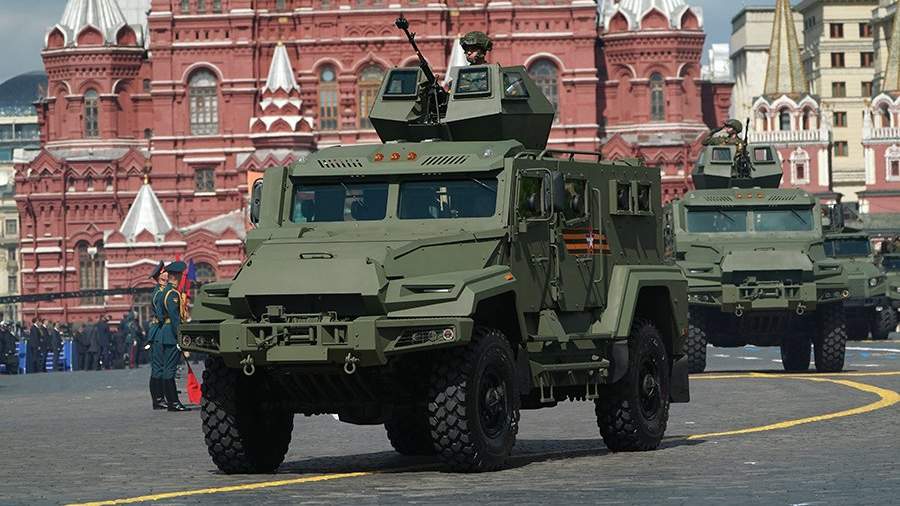
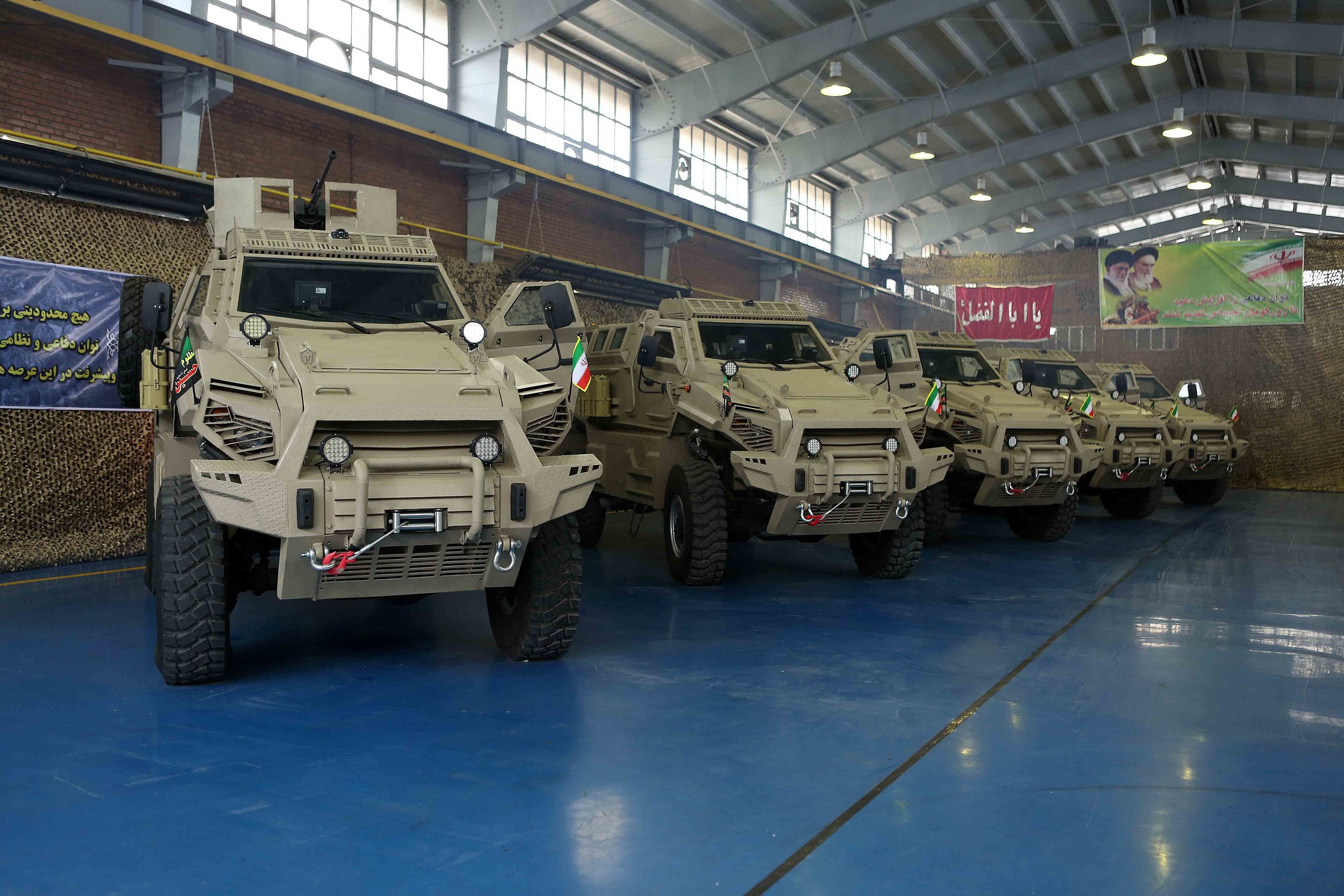
    During a ceremony in December 2025 marking the addition of new ground and aerial equipment to FARAJA’s Border Guard Command, a new type of armored vehicle of non-Iranian origin was formally introduced. Further examination revealed that these vehicles are in fact Russian-built Spartak MRAPs.

    Speculation suggests that around 20 units of the Spartak MRAP were delivered in the initial phase to FARAJA’s Border Guard, with the possibility of additional vehicles being supplied both to the Border Guard Command and the Army Ground Forces in the future.

    Introduction to the Spartak Mine-Resistant Armored Vehicle

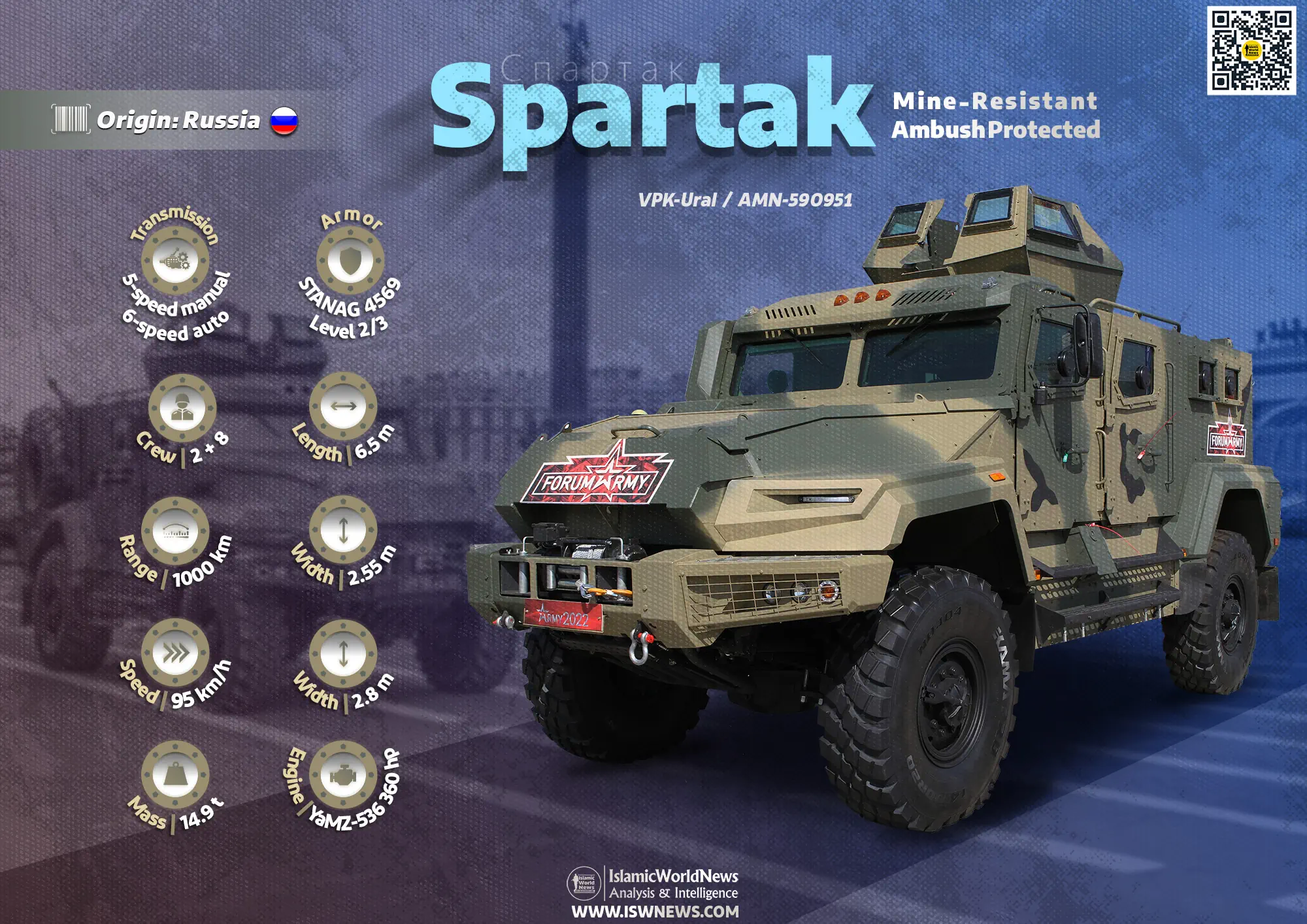
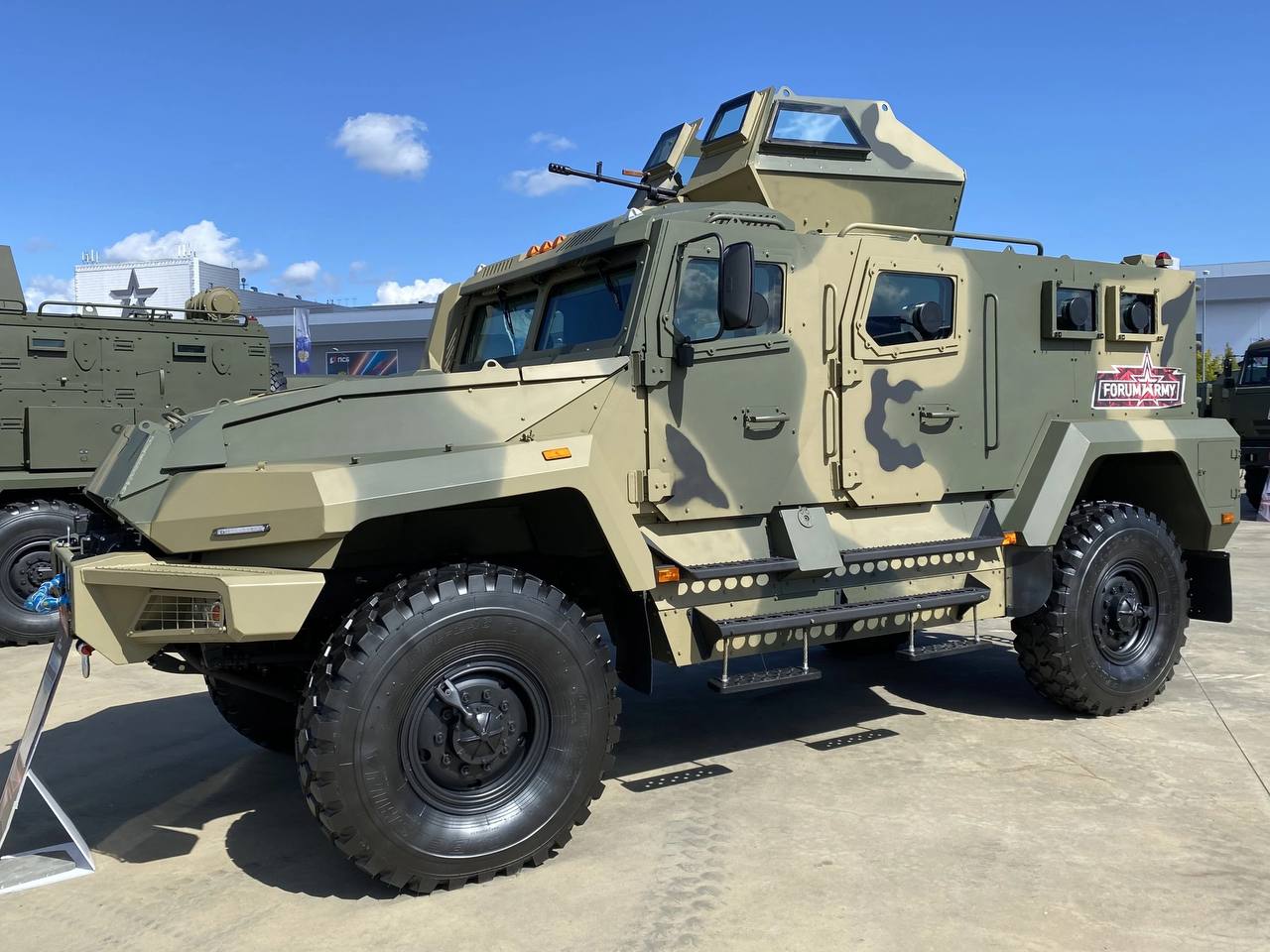
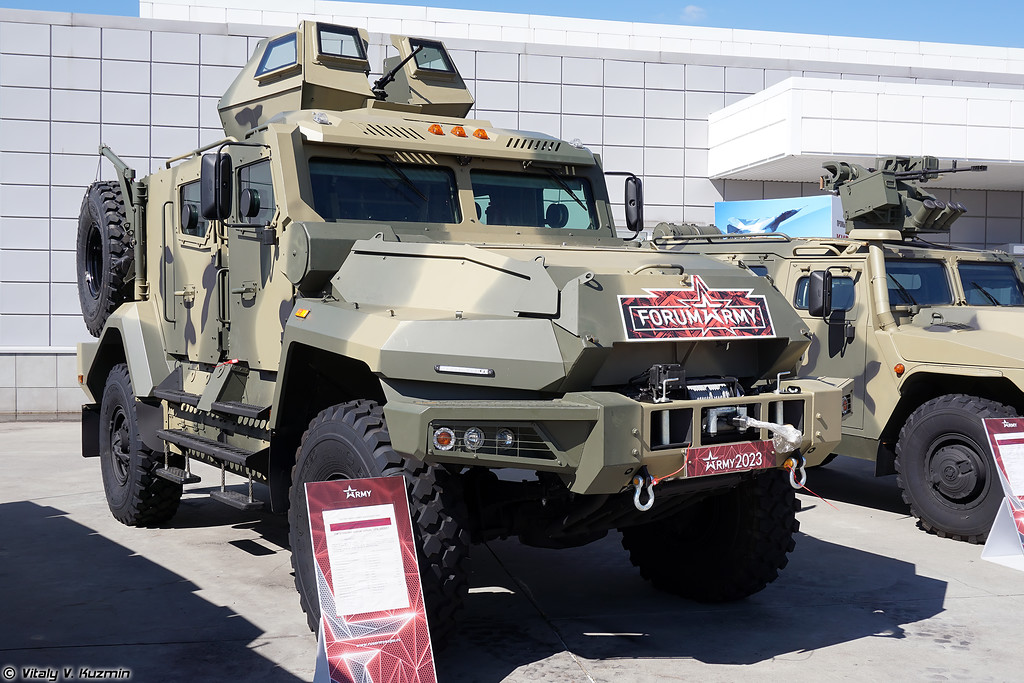
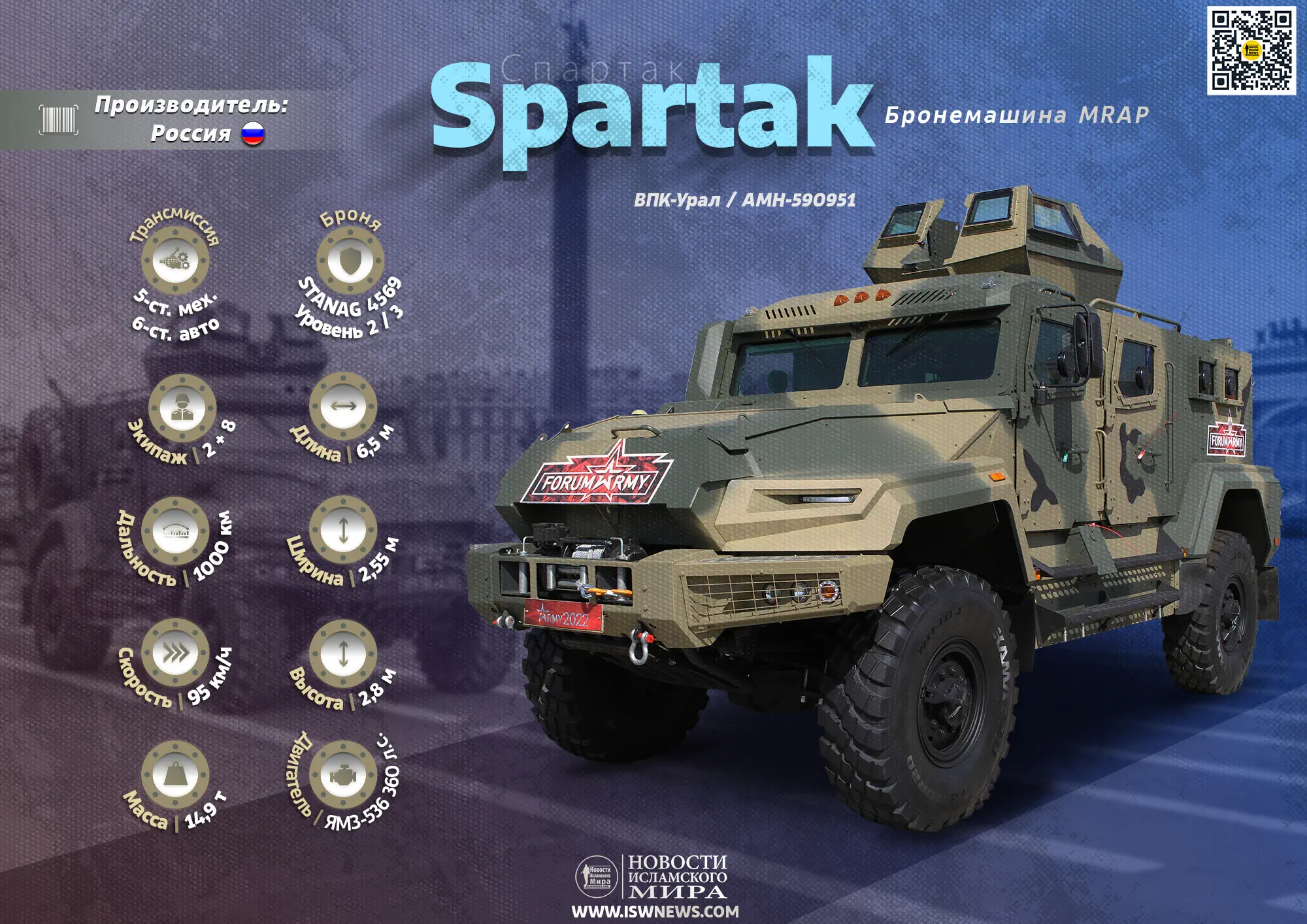
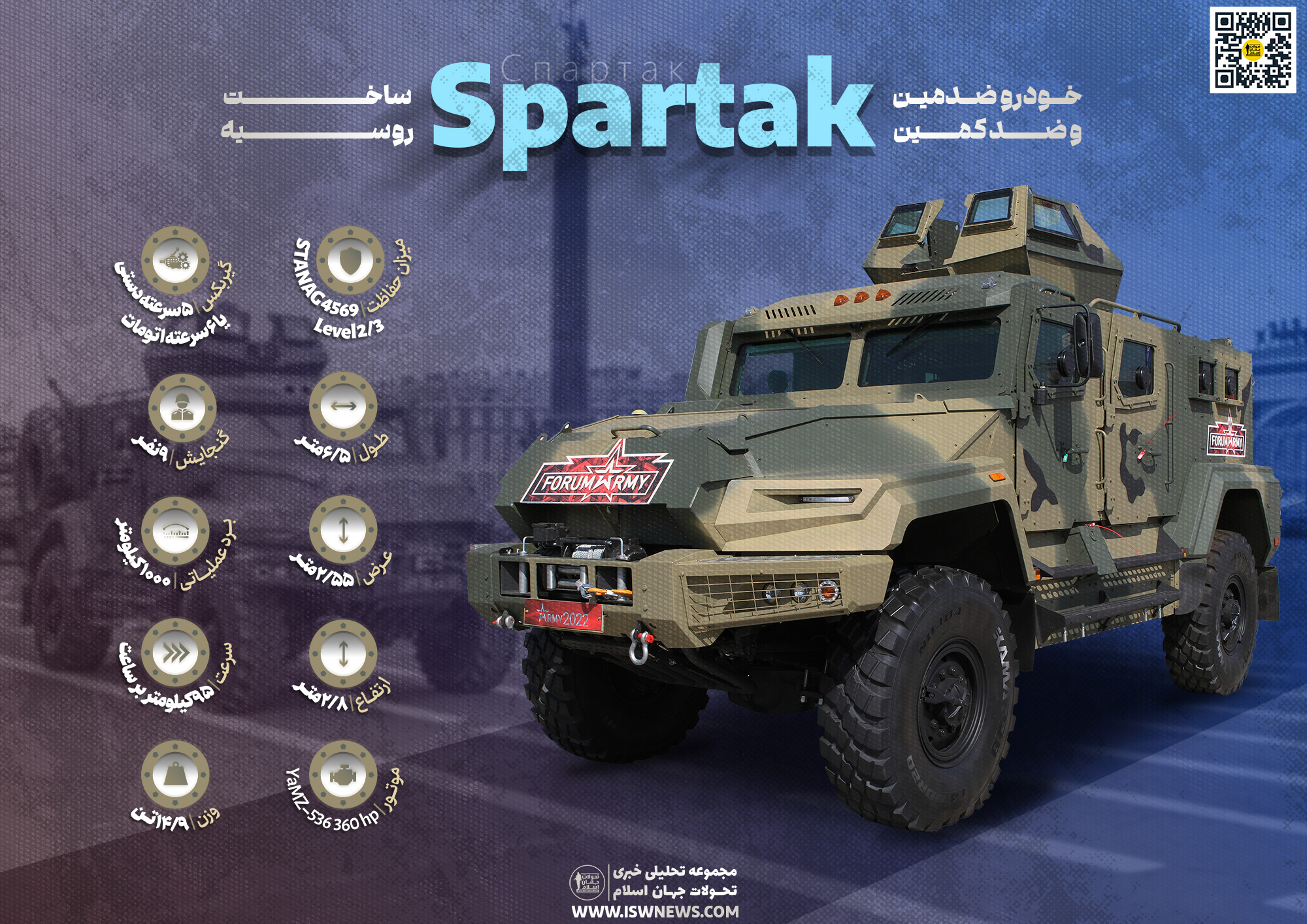
    The Spartak, also known as AMN-590951, VPK-Ural, or SBM-59095S, is a Russian 4×4 armored vehicle developed by the Military Industrial Company (VPK). It was first unveiled at the Army-2019 exhibition.

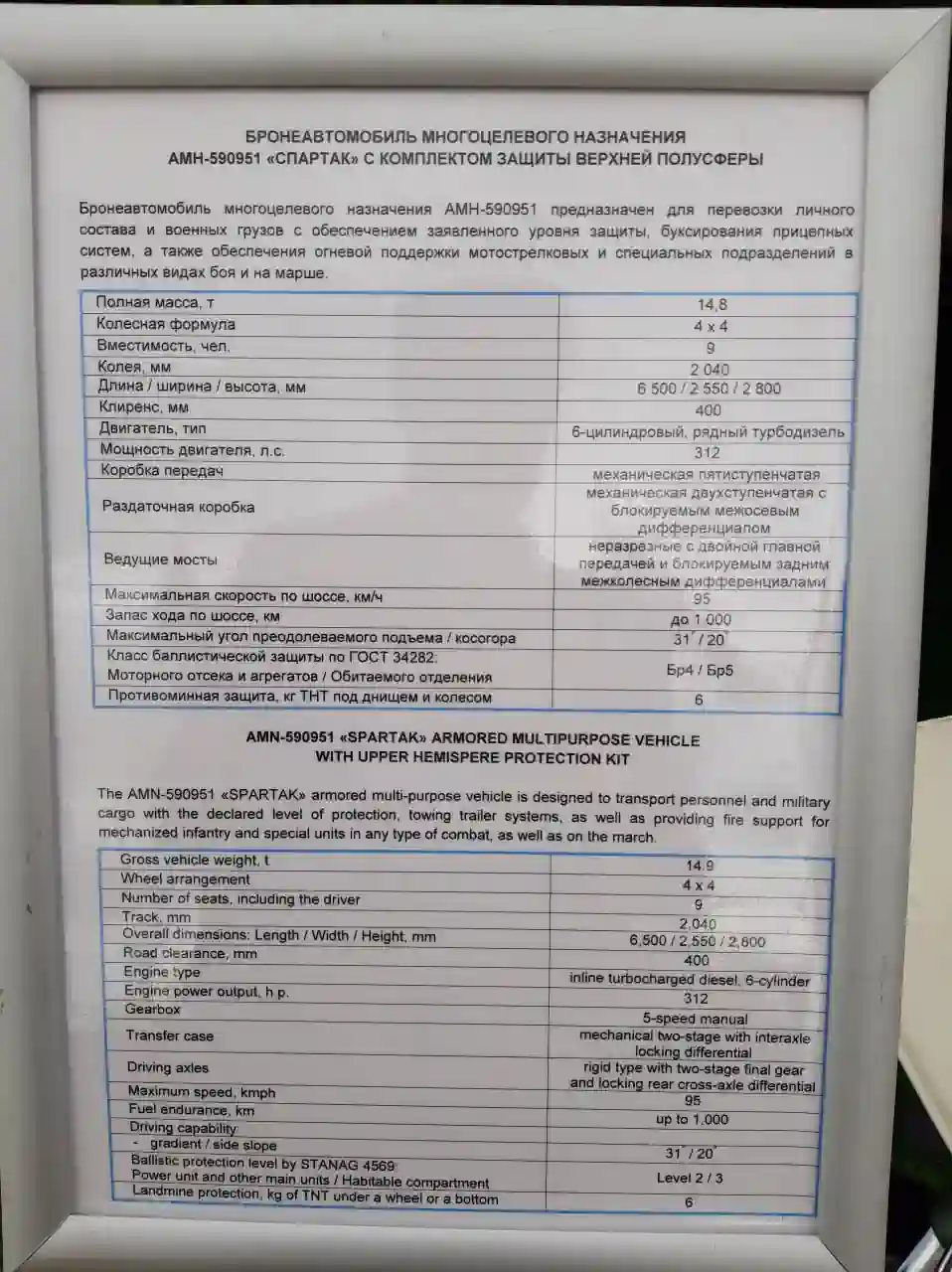
    Designed according to MRAP principles, the Spartak features a welded monocoque hull with a V-shaped floor, capable of withstanding blasts equivalent to 6–8 kg of TNT. Its armor includes reinforced frontal and roof sections, able to resist 12.7mm rounds, and with optional add-on armor plates, protection can be increased against 14.5mm rounds

    The Spartak platform can be considered a modern redesign of older Russian armored vehicles first introduced in the 2000s. In fact, the Spartak is built on the two-axle Ural-53099 truck chassis, incorporating field-tested components and mass-produced parts from Ural’s multipurpose military vehicles.

    This approach significantly reduces the final production cost and operational expenses, while improving maintainability and ease of servicing. Internally, the Spartak is presented as a joint product of the Military-Industrial Company and Ural Industries, positioned to compete with KAMAZ products, such as the Typhoon MRAP.

    The Spartak is powered by a YaMZ-536 six-cylinder turbocharged diesel engine producing approximately 360 horsepower, paired with either a five-speed manual or a six-speed automatic transmission.

    This configuration enables the vehicle to reach road speeds of about 80–100 km/h depending on terrain, and off-road speeds of 40–60 km/h. Its operational range extends to roughly 1,000 kilometers, providing long-distance endurance for missions in diverse environments.

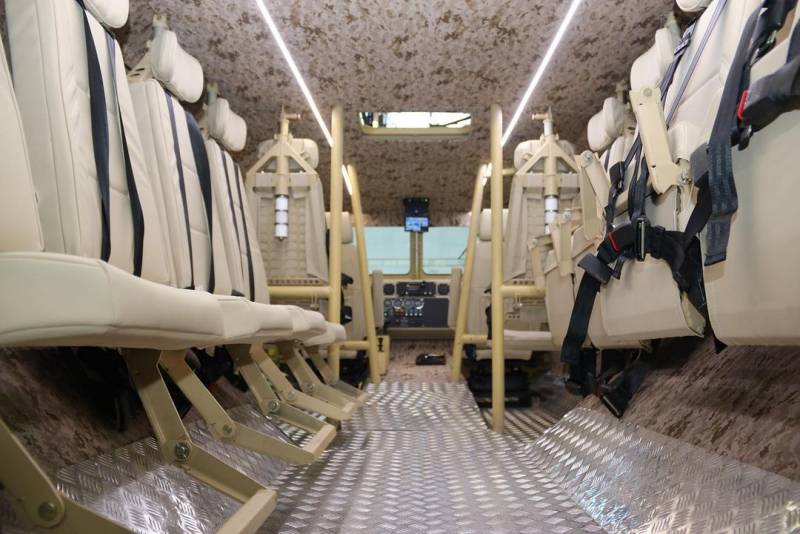
    Depending on its internal configuration, the Spartak accommodates two crew members plus up to ten additional personnel. The compartment is fitted with firing ports, bullet-resistant windows, and side and rear access doors.

    The roof typically hosts an open armored turret, which can be armed with a 12.7mm heavy machine gun, PK or PKP machine guns, or automatic grenade launchers such as the 17AGS, 30AGS, or 40AGS.

    Additionally, the manufacturer has announced compatibility with remote-controlled weapon stations (RCWS), allowing the Spartak to integrate modern fire-control solutions.

    Survivability Standards and Export Outlook of the Spartak

    The key factor in the Spartak’s survivability and its potential for export markets lies in its compliance with NATO standards.

    Ballistic Protection: The vehicle’s monocoque armored hull provides STANAG 4569 Level 3 ballistic protection. This level ensures resistance against 7.62mm assault rifle fire and, more importantly, against 12.7mm heavy machine gun rounds. Such capability is critical for operations in environments exposed to intense machine gun fire.

    Mine Protection: The hull design incorporates a V-shaped geometry, intended to deflect and disperse blast energy from beneath the vehicle. This configuration achieves STANAG 4569 Level 2a protection (blast under wheel) and Level 2b protection (blast under hull), withstanding explosions equivalent to up to 6 kg of TNT.

    Comparison of Spartak with Similar Iranian Models

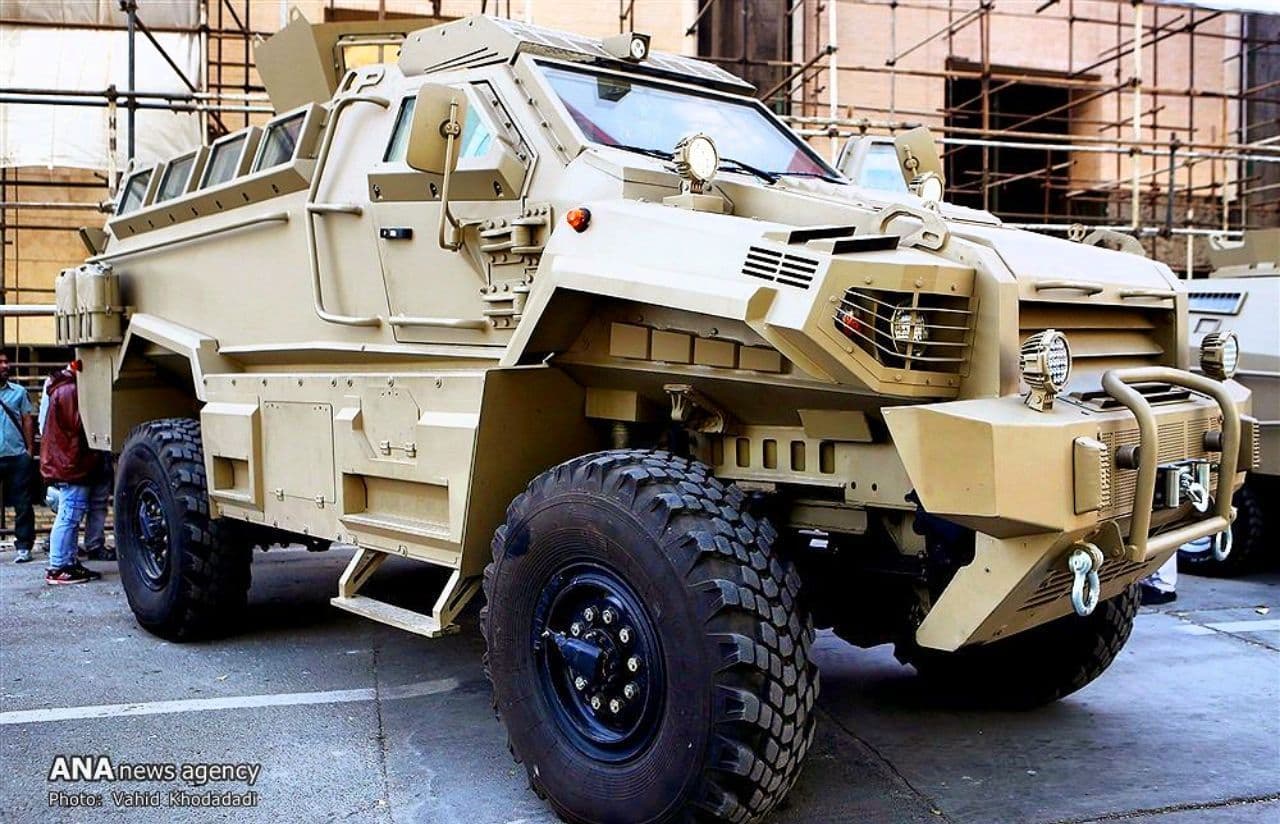
    The list of Iranian-produced Mine-Resistant Ambush-Protected (MRAP) vehicles is limited to just two models: Raad and Toofan. These MRAPs are deployed in relatively small numbers across military units. According to available information, the Raad MRAP has only recently been introduced into the combat organization of Iran’s armed forces, marking its entry into active service.

    The Toofan MRAP is a 4×4 armored vehicle built on a monocoque V-shaped chassis and powered by a KAMAZ diesel engine delivering 360 horsepower from an eight-cylinder, 3,600 cc configuration. With an empty weight of 12 tons and a combat weight of 14 tons, it measures 7 meters in length, 2.5 meters in width, and 3.1 meters in height. Its protection meets STANAG 4569 Level 3 standards, enabling resistance against 6–8 kg TNT blasts under the hull or wheels, 7.62mm tungsten-core rounds at 30 meters, and 155mm artillery fragments at 60 meters. The vehicle accommodates 10 personnel (two crew and eight troops), reaches a maximum speed of 100 km/h, and offers an operational range of 1,100 km. Mobility features include fording water up to 1.5 meters deep, climbing gradients of 60 percent, and traveling up to 50 km on punctured tires thanks to its run-flat capability.

    Read more: Toofan MRAP

    In comparison with the Russian Spartak, both vehicles share a 4×4 chassis design focused on protection and mobility, yet they differ in several aspects of layout and performance. The Spartak is heavier but more compact, making it better suited for urban maneuvering, while the Toofan, with its 7‑meter length, offers greater interior space. In terms of protection, Spartak’s ballistic rating of Br5/Br6A (resistant to 12.7–14.5mm rounds in key areas) appears slightly superior to Toofan’s STANAG 4569 Level 3, though both platforms are designed to withstand 6–8 kg TNT blasts. Their engines are broadly similar, but Toofan delivers higher torque (1,470 Nm) enabling steeper climbs (60% gradient versus Spartak’s 31°). Operational range is nearly identical, with Toofan holding a small edge in water fording capability at 1.5 meters, compared to 1.2 meters for Spartak.

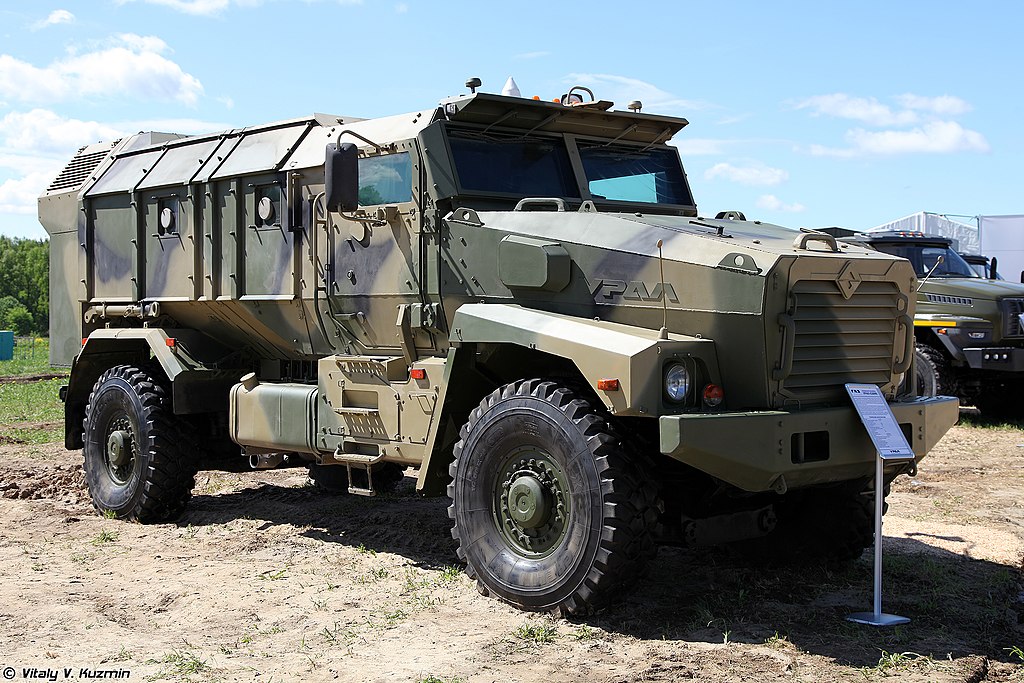
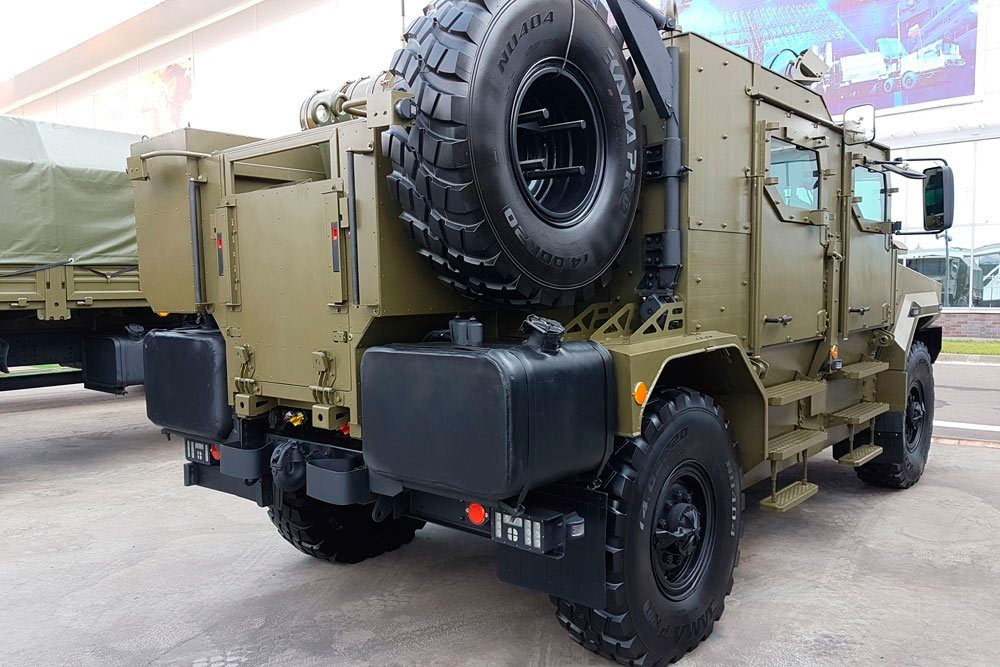
    Spartak MRAP

    Despite the high degree of similarity between the two platforms, it can be inferred that the domestic assembly of the Toofan MRAP has faced challenges due to reliance on certain components sourced from Turkey and Russia, as well as its dependence on a Canadian-Emirati Streit Group design. These factors appear to have complicated the process of mass production. Consequently, the armed forces opted to procure a similar platform with fewer logistical and supply chain difficulties, ensuring smoother integration into service.

    Spartak MRAP specifications:

    Origin: Russia
    Manufacturer: Military Industrial Company (VPK)
    Crew: 10 people
    Length: 6.5 m
    Width: 2.55 m
    Height: 2.8 m
    Engine: YaMZ-536 360 hp
    Transmission: 5-speed manual or 6-speed automatic
    Operational range: 1,000 km
    Speed: 95 km/h
    Weight: 14.9 tons
    Protection level: STANAG 4569 Level 2 / 3

  • Military Knowledge: Bradley Fighting Vehicle

    Military Knowledge: Bradley Fighting Vehicle

    History of the Bradley Armored Fighting Vehicle Design and Development

    The Bradley Infantry Fighting Vehicle (M2/M3 Bradley) traces its origins to the U.S. Army’s needs during the Cold War, when the aging M113 APC could no longer meet the requirements of modern mechanized warfare. In the 1960s, the Army sought a vehicle capable of keeping pace with main battle tanks, protecting infantry against nuclear, chemical, and conventional threats, while also delivering effective firepower. This demand led to the launch of the MICV (Mechanized Infantry Combat Vehicle) program, which later became the foundation for the Bradley’s design.

    During the 1970s, the MICV project faced serious challenges. Disagreements among military commanders, engineers, and policymakers over weight, armor levels, weaponry, and operational roles caused repeated delays. Each time new Soviet threats emerged—particularly advanced APCs and tanks—the call for stronger armor and heavier armament grew, driving up both the weight and cost of the project. As a result, the program was frequently criticized by Congress and the media.

    Ultimately, in the late 1970s and early 1980s, the final design was approved: the M2 Bradley for infantry fighting and the M3 Bradley for cavalry reconnaissance. The vehicle was equipped with a 25mm autocannon, TOW anti-tank missiles, advanced sighting systems, and composite armor. Officially entering service in 1981, the Bradley was recognized as one of the most advanced armored fighting vehicles of its era. It became a vital complement to the M1 Abrams main battle tank, playing a key role in U.S. armored units.

    Bradley firing a TOW guided missile

    The 1991 Persian Gulf War marked a turning point in the Bradley’s combat record, where it proved highly effective against Iraqi armored forces and destroyed a significant number of enemy tanks. However, battlefield experience also revealed vulnerabilities, particularly to mines and anti-armor weapons. In response, the U.S. Army launched multiple upgrade programs, including enhanced armor protection, improved electronic systems, and greater survivability measures. These upgrades ensured that the Bradley remained one of the core pillars of America’s mechanized units for decades to follow.

    Technical Specifications of the Bradley Armored Fighting Vehicle

    The Bradley Fighting Vehicle (M2/M3 Bradley) weighs approximately 30–35 tons, depending on the variant and armor configuration. It is powered by a Cummins VTA-903 diesel engine producing about 600 horsepower, enabling a maximum speed of 65–66 km/h and an operational range of nearly 480 km.

    Its dimensions are about 6.5 meters in length, 3.6 meters in width, and 3 meters in height. The crew consists of three members (driver, gunner, and commander), while the M2 version can carry 6–7 infantry soldiers.

    The main armament includes a 25mm M242 Bushmaster autocannon, a coaxial 7.62mm machine gun, and a dual TOW anti-tank missile launcher. Protection is provided by reinforced aluminum armor with additional armor packages, and in newer versions, readiness for advanced protection systems has been incorporated..

    TOW anti-tank missile launcher, 25 mm cannon, and 7.62 mm machine gun on a Bradley armored vehicle.

    Variants of the Bradley Armored Fighting Vehicle

    Throughout its service in the U.S. Army, the Bradley AFV has been produced in several models and configurations, each designed for specific roles and missions. Among these, the M2 and M3 versions are the most widely used, differing only in certain details.

    M2 Bradley (Infantry Fighting Vehicle)
    The M2 Bradley is the infantry-focused variant of the Bradley family, designed to transport, support, and directly engage alongside ground troops. Unlike the reconnaissance-oriented M3 version, the M2’s primary mission is to carry an infantry squad into battle and provide them with fire support.

    As noted, the M2 is operated by a three-man crew (commander, gunner, and driver) and can carry six to seven infantry soldiers. The interior layout of the Bradley is specifically arranged to accommodate this squad while maintaining combat readiness.

    Interior view of a Bradley Fighting Vehicle and infantry seats

    M2 Bradley (Initial version)
    The early M2 Bradley, which entered service in the early 1980s, was equipped with basic aluminum armor and fitted with warning systems and smoke grenade launchers to enhance survivability. However, initial combat experience revealed that its armor protection was insufficient against modern anti-armor threats, highlighting the need for further upgrades.

    US Army M2 Bradley armored vehicle in 1985, Germany.

    M2A1 Bradley (First major upgrade)
    The M2A1 Bradley represented the first significant upgrade to the vehicle, with its primary focus on improving the weapons system, particularly through the standardization of the TOW missile launcher. This version offered enhanced capability in engaging enemy tanks. However, in terms of armor protection and electronic systems, it did not differ substantially from the original model, and was largely considered a weapons-focused update

    M2A1 armored vehicle from the US 24th Infantry Division (Mechanized) during Operation Desert Shield.

    M2A2 Bradley (Key development milestone)
    The M2A2 Bradley marked a major turning point in the vehicle’s evolution. This version was fitted with reinforced multilayer armor, including steel plates and later reactive armor, to provide greater resistance against anti-armor rounds and landmines. However, the added protection increased the vehicle’s weight, which slightly reduced its mobility and troop-carrying capacity. The 1991 Persian Gulf War played a crucial role in solidifying the importance of this variant, as its battlefield performance demonstrated the value of the upgrades.

    US Army M2A2 armored vehicle at the National Training Center, Fort Irwin.

    M2A2 ODS (Operation Desert Storm)
    Introduced after the Persian Gulf War, the M2A2 ODS incorporated operational improvements based on battlefield experience. This variant was equipped with GPS navigation systems, more advanced night-vision equipment, Identification Friend or Foe (IFF) systems, and upgraded communications. The primary goal of the ODS version was to enhance crew situational awareness and ensure better coordination with other units.

    M2A3 Bradley (Major leap)
    The M2A3 represented a major leap in electronics and digital systems. It featured a digital battlefield management system, advanced crew displays, improved sensors, and the ability to share information seamlessly with other units. Despite its increased weight, the M2A3 has remained one of the core pillars of U.S. mechanized forces, thanks to its advanced technology and battlefield integration.

    M2A3 armored vehicle in action near Fallujah, Iraq, November 2004

    M2A4 Bradley (Latest operational variant)
    The M2A4 Bradley is the newest and most advanced operational version of the fighting vehicle, developed in the 2020s to meet the demands of modern battlefields. Its primary design goals were to offset the limitations caused by increased weight, enhance survivability, and prepare the platform for future systems.

    In essence, the M2A4 represents a deep upgrade of the M2A3, with a focus on improved mobility, greater electrical power capacity, enhanced protection, and advanced network integration.

    M2A4 armored vehicle

    The most significant change in the M2A4 Bradley lies in its enhanced propulsion system. This version is equipped with a Cummins VTA-903E-T675 engine delivering around 675 horsepower, a new transmission, and a reinforced suspension system. These upgrades were designed to offset the mobility limitations caused by additional armor and modern equipment. As a result, the M2A4 offers improved acceleration, better off-road maneuverability, and greater operational reliability compared to earlier versions.

    Cummins VTA-903E-T675 engine

    In terms of protection, the M2A4 Bradley is equipped with modular reinforced armor, improved defense against mines and roadside IEDs, and readiness for the installation of active protection systems (APS) such as Trophy. The vehicle’s internal systems have also been redesigned to enhance the safety of the crew and embarked infantry. Its troop capacity remains six infantry soldiers plus a three-man crew.

    In the field of electronics and command, the M2A4 features an upgraded power generation and management system, enabling the use of advanced sensors, communication systems, and digital equipment. It is fully compatible with the U.S. Army’s modern command-and-control networks, designed as a “future-ready” platform. The M2A4 is expected to extend the Bradley family’s operational life into the 2030s, until it is eventually replaced by the next generation of combat vehicles.

    In April 2024, the U.S. Army unveiled the M2A4E1 Bradley, fitted with the Israeli Iron Fist active protection system. The Iron Fist Light configuration includes two countermeasure launchers and four sensor arrays mounted around the turret. These sensors—comprising small AESA radars and infrared cameras—detect incoming threats and guide the launchers, which are capable of rotation. Once a threat is identified, a small interceptor with a fragmentation warhead is fired to neutralize the incoming missile or rocket.

    The Iron Fist system is developed by Elbit Systems (Israel), while General Dynamics Ordnance and Tactical Systems (USA) is responsible for its integration onto the Bradley platform.

    M2A4E1 armored vehicle equipped with the Iron Fist active defense system
    Diagram of the Iron Fist system layout on the Bradley. Two countermeasure launchers are mounted at the rear and front, and four sensor arrays are mounted around the turret of the armored vehicle.

    M3 Bradley (Cavalry Fighting Vehicle)

    The M3 Bradley is the reconnaissance variant of the Bradley family, developed on the same chassis as the M2 but with a different mission profile and internal layout. Designed in the late 1970s and early 1980s for U.S. Army armored reconnaissance units, it was intended to replace older scout vehicles and enhance capabilities in intelligence gathering, rapid engagement, and survivability on the modern battlefield.

    The key distinction between the M3 and M2 lies in troop capacity and operational focus. Instead of carrying a full infantry squad, the M3 accommodates only two reconnaissance soldiers, while its interior is optimized for additional ammunition storage, particularly TOW anti-tank missiles. This gives the M3 a stronger ability to engage enemy tanks effectively, making it a specialized platform for reconnaissance with significant firepower.

    Troop compartment in an M3 Bradley armored personnel carrier. Note the extra TOW missile ammunition in the storage racks on the right, which have replaced a row of seats for the cavalry infantry.

    In terms of weaponry, the M3 Bradley is similar to the M2, being equipped with the 25mm M242 Bushmaster autocannon, a coaxial 7.62mm machine gun, and the TOW anti-tank missile system. This combination allows the M3 to operate both as an armed reconnaissance vehicle and, when necessary, engage directly in combat. Its high mobility, effective firepower, and reinforced armor make it a formidable offensive reconnaissance platform.

    Like the M2, the M3 has undergone several upgrade phases, resulting in variants such as the M3A1, M3A2, and M3A3. These upgrades included enhanced armor (including reactive armor), advanced thermal imaging systems, digital command-and-control equipment, and improved survivability against modern threats. The newer versions, particularly after the experiences of the 1991 Gulf War and the Iraq War, were significantly strengthened to meet evolving battlefield requirements.

    A Bradley firing its 25mm M242 cannon.

    Optical and surveillance systems in M2 and M3 Bradley

    Both the M2 and M3 Bradley are equipped with advanced optical systems designed to enhance situational awareness and fire accuracy. At the core of these systems are the IBAS (Improved Bradley Acquisition Subsystem) for the gunner and the CIV (Commander’s Independent Viewer) for the commander.

    Both subsystems utilize second-generation forward-looking infrared (FLIR) sensors and electro-optical/infrared imaging systems. The IBAS provides direct-view optics, dual-target tracking, and an eye-safe laser rangefinder, while the CIV enables the commander to conduct 360-degree battlefield surveillance and independently designate targets apart from the gunner.

    This capability allows execution of the Hunter-Killer tactic—where the commander identifies the next target while the gunner engages the current one. Such functionality is especially critical in fast-paced battles and complex urban environments, significantly improving the Bradley’s reaction speed and combat effectiveness.

    IBAS and CIV electro-optical system

    The fire control software integrates data from the laser rangefinder, environmental conditions, ammunition type, and turret status to automatically adjust the weapon’s angle and calculate a lead solution for moving targets. This significantly increases the probability of a first-round hit. It also includes the Automatic Target Tracker (ATT), which enables simultaneous tracking of two targets—particularly useful when employing TOW missiles—and provides automatic turret alignment toward targets designated by the Commander’s Independent Viewer (CIV).

    The Commander’s Tactical Display (CTD) offers a moving map interface and text communication, while the Squad Leader’s Display (SLD) inside the troop compartment enhances situational awareness for dismounted infantry

    M2A3 thermal sight

    In addition to standard periscopes, Bradley drivers are equipped with a forward-looking electro-optical/infrared camera that greatly enhances their situational awareness. The Driver’s Vision Enhancer (DVE) system enables navigation under challenging conditions such as dust, sand, fog, smoke, and nighttime operations.

    The latest Bradley variants—M2A4 and M3A4—replace the conventional camera with a wide-angle vision system, offering a 107-degree horizontal field of view. This allows the driver to see both sides of the road simultaneously, significantly improving maneuverability and safety in complex environments.

    Driver’s Vision Enhancer in standard and wide models

    Bradley Operators and Export Market

    United States: As the producer of the Bradley armored vehicle, the U.S. is its primary and largest operator. It is estimated that about 4,500 M2 models and 1,200 M3 models are currently in active service with the U.S. Army. In addition, approximately 2,000 M2s and 800 M3s are stored in reserve.

    Ukraine: Following the outbreak of war with Russia in 2023, Ukraine began receiving Bradleys and has employed them in combat. Estimates suggest that more than 300 M2A2 ODS vehicles and 4 M7 BFIST variants have been delivered. Reports indicate that by September 2025, around 182 Bradleys had been destroyed, damaged, or captured during the conflict. Notably, Russia has seized 12 M2A2 ODS vehicles from Ukrainian forces.

    Saudi Arabia: Another major foreign operator, Saudi Arabia fields roughly 400 Bradleys within its armed forces. These vehicles have been deployed in various regional operations, including the conflict in Yemen.

    Croatia and Lebanon: Croatia operates 89 M2A2 ODS vehicles, while Lebanon has received 32 M2A2 vehicles, making them additional users of the Bradley armored fighting vehicle.

    Bradley Fighting Vehicle Specifications:

    Type: Infantry Fighting Vehicle – Cavalry Fighting Vehicle
    Origin: United States
    Manufacturer: BAE Systems
    Entered service: 1981
    Crew: 3 (commander, gunner, driver) + 6 in M2 or 2 in M3
    Length: 6.55 m
    Width: 3.6 m
    Height: 2.98 m
    Engine: Cummins VTA-903E 675 hp
    Operational range: 480 km
    Speed: 65 km/h
    Weight: ~ 30 tons
    Main armament: 1× 25 mm M242 Bushmaster chain gun with 1,500 rounds (300 rounds ready) and dual TOW anti-tank missile launcher with 12 rounds (2 rounds ready in launcher)
    Secondary armament: 1× 7.62 mm M240C machine gun

    Bradley Fighting Vehicle Poster Collection in Persian, English and Russian

    Sources:
    Bradley Fighting Vehicle | M2 Bradley | M3 Bradley | Driver’s Vision Enhancer | Army’s New M2A4E1 | M2 BRADLEY | Bradley M2A2 ODS

  • Military Knowledge: KS-172 Air to Air Missile

    Military Knowledge: KS-172 Air to Air Missile

    Design and Development History

    The concept of creating a very‑long‑range air‑to‑air missile in Russia dates back to the early 1990s. Development began under the project name “Izdeliye‑172” by the Novator Design Bureau, with mock‑ups displayed at exhibitions starting in 1993. Due to funding shortages, the program was halted during the 1990s, but in the early 2000s it was revived with new investments and export negotiations (including talks with India). This led to the introduction of updated variants such as 172S‑1, K‑100, and eventually KS‑172.

    Throughout its development, the core objective remained unchanged: to destroy or disable enemy airborne strategic platforms such as AWACS and aerial refueling tankers. Engineering efforts focused on extending range, improving seekers, and enabling strikes from beyond enemy defensive lines.

    Reports suggest the program was suspended until the early 2010s, but by the mid‑2020s speculation emerged about its return to service, potentially deployed on MiG‑31s or upgraded Sukhoi fighters.

    KS‑172 Body Structure, Dimensions, and Aerodynamics

    The body design of the KS‑172 shows similarities to certain surface‑to‑air missile configurations. According to available specifications, the missile’s fuselage length ranges from 6.0 to 7.5 meters depending on the version and whether a booster is attached. Its approximate body diameter is 0.4 meters, with the detachable booster capable of increasing both the overall length and diameter.

    The fins vary across different designs, typically measuring between 0.6 and 0.75 meters, reflecting the missile’s aerodynamic optimization for long‑range interception missions.

    KS-172 missile

    The missile’s reported weight falls within the range of 700–750 kilograms, reflecting the presence of a substantial warhead, a large guidance system, and a powerful propulsion unit.

    Its aerodynamic design is optimized for high‑altitude flight with minimal range loss. Exhibition models have displayed different tail configurations and variations in control surfaces, highlighting ongoing refinements to maximize performance and adaptability across versions.

    Internal Components of the KS‑172 Missile

    1) Guidance and Navigation System
    The KS‑172 employs inertial navigation (INS) during the initial and mid‑course phases, combined with the ability to receive trajectory corrections via data/radio link until approaching the target. In the terminal phase, a large active radar homing (ARH) seeker with significant lock‑on range takes over to secure final tracking of airborne targets. The seeker is designed to detect medium‑ to large‑radar‑cross‑section aircraft at long distances. Reports mention the use of advanced Russian radar seeker variants with resistance to electronic countermeasures (ECM) and strong active performance. This combination—INS with radio correction and final ARH lock—is essential for achieving very long ranges and high hit accuracy.

    2) Propulsion System and Booster
    Reported versions of the KS‑172 primarily use solid‑fuel propulsion. To achieve extreme ranges, a tandem propulsion system is employed: a powerful initial booster (solid rocket or jet) accelerates the missile to cruise speed, followed by a second solid‑fuel motor sustaining range or enabling extended cruise/glide profiles. Some models reportedly feature boosters with thrust vector control (TVC) for improved maneuverability and extended reach. The presence or absence of a booster directly affects range—non‑booster versions are cited at ~300 km, while booster‑equipped variants reach up to ~400 km.

    3) Warhead
    The missile carries a high‑explosive fragmentation warhead, designed to create a wide damage zone and maximize effectiveness against large airborne platforms. Sources indicate a warhead weight of around 50 kg, sufficient to disable or destroy bulky aircraft such as AWACS or tankers. The fuze system likely combines radar/proximity and impact fuzes, ensuring effectiveness against maneuvering airborne targets.

    4) Control System and Aerodynamic Surfaces
    Early KS‑172 prototypes used fins and control surfaces similar to surface‑to‑air missiles. Later versions introduced modifications to better suit aircraft carriage aerodynamics and allow multiple missiles to be mounted under wings or on centerline pylons. The control surfaces and body design enable stable release at high altitude and speed, ensuring reliable long‑range flight performance.

    5) Electronics, Signal Processing, and ECM Resistance
    A major focus of the project has been the development of robust signal processors and ECCM (Electronic Counter‑Countermeasures) algorithms. Russian manufacturers claim that advanced seeker versions can detect and track targets even in heavily jammed environments, though independent field data and analysis remain limited.

    Variants of the KS‑172 Missile

    Over the years, multiple names and configurations have been associated with this missile family. The most notable include:

    • Izdeliye‑172 / KS‑172 / AAM‑L (Prototype): The original design by Novator, with a mock‑up first displayed in 1993.
    • 172S‑1 / K‑100 / K‑100‑1: Modified versions developed in the early to mid‑2000s, featuring changes in body structure and booster design. These variants were showcased at MAKS air shows, with the names often used interchangeably in different sources.
    • Long‑range and Export Versions: Reports suggest the preparation of models with ranges around 300 km for export markets, and booster‑equipped versions capable of reaching up to ~400 km.
    The transformation of the KS‑172 missile throughout its development process is clearly illustrated in this comparison. Top image, the initial prototype displayed at exhibitions in 1993, representing the early design phase, and the bottom image, a more advanced version showcased in subsequent years, reflecting modifications in body structure, booster configuration, and aerodynamic surfaces introduced during the 2000s.

    Export Market, Operators, and Latest Developments of the KS‑172 Missile

    The KS‑172 has been offered commercially several times, with negotiations involving India and other potential partners. In the early 2000s, India was reported to have invested or participated in the project to develop a variant for its Su‑30MKI fighters. However, the details of production agreements and final development remain unclear in public records.

    By the mid‑2010s through the early 2020s, reports suggested that the program had been halted or discontinued. Yet, in the mid‑2020s, new claims emerged pointing to a revival of the project.

    The latest updates, attributed to military analysts citing Russia’s United Aircraft Corporation (UAC), indicate that in 2025 a final version of the missile—boasting a range of 400 km or more—was introduced into service with Russian MiG‑31s. Still, official confirmation and transparent government documentation remain limited.

    Different sources report varying range figures, from 300 km to over 400 km, with discrepancies likely tied to how “range” is defined and the missile’s launch profile—whether direct line‑of‑sight, extended glide trajectory, or booster‑assisted flight.

    KS-172 missile

    Many sources have described the KS‑172 as an “export‑focused project”, intended to market reduced‑range variants to international buyers. However, there is little evidence of widespread, confirmed operational use by foreign customers.

    Exhibition displays, mock‑ups, and promotional efforts indicate that India and other markets were targeted through marketing campaigns and negotiations. Yet, the details of final contracts or production agreements have not been made publicly transparent, leaving the export track record of the KS‑172 largely uncertain.

    Summary and Key Features

    The KS‑172 represents a symbolic effort to develop an ultra‑long‑range air‑to‑air missile, specifically designed to neutralize high‑value airborne platforms of the enemy.

    Key highlights include:

    • Very long range capability enabling engagement far beyond frontline defenses
    • Hybrid guidance system: inertial navigation with mid‑course data‑link corrections, followed by active radar homing in the terminal phase
    • Weight and warhead size optimized to inflict serious damage on large airborne targets such as AWACS and tankers
    • Tandem propulsion arrangement (booster + solid rocket motor) to achieve extended flight profiles and ranges

    The project’s history—marked by repeated halts, export negotiations, and speculation about operational deployment on specific aircraft—illustrates the technical, financial, and political challenges of building such advanced weaponry.

    If a proven version of the KS‑172 with a range exceeding 300 km enters service, it would represent a significant shift in long‑range aerial combat capabilities, with strategic implications for the protection of AWACS, refueling tankers, and other critical airborne assets in modern air warfare.

    KS-172 missile specifications:

    Type: Long-range air-to-air missile
    Origin: Russia
    Manufacturer: Novator
    Design: 1991
    Length: 7.4 m
    Diameter of the first stage: 51 cm
    Diameter of the body: 40 cm
    Propellant: Tandem rocket booster, Solid fuel
    Range: 400 km
    Speed: Mach 3.3 (4000 km/h)
    Weight: 750 kg
    Warhead: 50 kg HE-frag
    Flight altitude: 30 km
    Guidance: INS – ARH
    Launch platforms: MiG-31, Sukhoi 27/30/35/57 fighters

    Sources:
    Wikipedia – Novator KS-172 | GlobalSecurity – Izdeliye 172 / K-100 | Missilery.info – KS-172 Missile Profile | RedStar.gr – KS-172 Long-Range AAM | Wikipedia Deutsch – KS-172 | Gagadget Defense Report – 2025

  • Skana Robotics: A Newcomer in Autonomous Naval Warfare

    Skana Robotics: A Newcomer in Autonomous Naval Warfare

    About Skana Robotics:
    The company was officially registered on June 21, 2023 as a private Israeli firm. Its headquarters are located in Or Akiva, near the Mediterranean coast, providing direct access to sea trials. Founded by veterans of naval special operations and robotics experts, Skana combines real mission experience with advanced technology to bridge operational needs and innovation. Beyond vehicles, it develops a complete ecosystem of hardware and software to deliver scalable responses to maritime threats. Potential customers include states around the Mediterranean, Black Sea, and Red Sea.

    Product Behavior and Integration:
    Skana’s portfolio consists of autonomous maritime platforms integrated with SeaSphere software, enabling mission planning and distributed, network‑centric execution. These missions typically cover surveillance, reconnaissance, and combat operations. The company’s offerings are built on a unified maritime autonomy system, with three flagship platforms: Bull Shark (autonomous surface vessel), Stingray (autonomous underwater vehicle), and Alligator (autonomous amphibious craft).

    All products are seamlessly connected to two core software systems: SeaSphere and Vera Edge.

    • SeaSphere functions as the command‑and‑control hub, handling resource allocation, mission planning, high‑level objectives, and platform coordination.
    • Vera Edge, built on ROS2, acts as the adaptive execution core, translating high‑level commands into local actions and ensuring resilience against environmental changes.

    Both systems are hardware‑agnostic, meaning they can enhance performance without requiring modifications to the physical platforms. This design provides scalability, flexibility, and long‑term adaptability across Skana’s autonomous naval ecosystem.

    Skana Robotics, SeaSphere, and Vera Edge products

    Technical Specifications of Skana Robotics Products:

    The Bull Shark platform (meaning “shark”) is a tactical Autonomous Surface Vehicle (ASV) designed for group operations, reconnaissance, and rapid strike missions. It can be launched from docks, shorelines, or a mothership, and is equipped with advanced tracking, long‑endurance patrol capability, and kamikaze attack options.

    Its maximum speed is 50 knots (≈93 km/h), with an operational range of 120 nautical miles and a payload capacity of 150 kg—sufficient to carry drones or communication equipment.

    According to the manufacturer, Bull Shark can function as a communication hub, coordinating both surface and subsurface assets. Its modular design allows quick reconfiguration, while low operating costs make it suitable for mass production. At present, the platform lacks secondary weapon systems (such as surface‑to‑air or anti‑ship missiles, torpedoes, or mines). However, future variants are expected to incorporate these capabilities.

    Bull Shark USV

    The Stingray is an Autonomous Underwater Vehicle (AUV) designed for extended presence in underwater environments. It has been developed for reconnaissance missions, anti‑submarine warfare, and the protection of critical subsea infrastructure such as communication cables, internet lines, and gas pipelines. Key features include fully autonomous navigation, seabed stationing, and underwater recharging.

    Its operational depth reaches up to 300 meters, with a range of 45 nautical miles, a speed of 12 knots, and a payload capacity of 15 kg. Battery endurance is 24 hours in standard mode, extendable to 48 hours with an additional module.

    The modular sensor suite includes sonar, ELINT sensors, mapping systems, and potentially offensive payloads. Stingray can be launched from submarines, ports, ships, or patrol boats, and thanks to its very low acoustic and thermal signature, it is ideally suited for covert missions.

    The Alligator is an Autonomous Amphibious Vehicle (AAV) designed for sea‑to‑shore missions. Scheduled to enter production in the first quarter of 2026, it is capable of carrying and deploying secondary platforms such as the Stingray, and can function as a central system for equipment collection and recovery.

    Its specifications include a top speed of 40 knots, an operational range of 300 nautical miles, and a payload capacity of 1,500 kg—sufficient for transporting logistics, sensors, or even personnel.

    The vehicle operates seamlessly between water and land without requiring coastal infrastructure, making it highly suitable for contested zones. Fully integrated with Skana’s software network, Alligator enables real‑time control and coordination. Its stealth design further enhances its effectiveness in missions such as coastal surveillance or amphibious assaults.

    Alligator is an Autonomous Amphibious Vehicle

    Future Outlook:
    Skana emphasizes open architecture to ensure interoperability with foreign systems. Its simulation environment supports operator training and combat analysis, enhancing trust in autonomous systems. While competing with giants like Boeing and Rafael, Skana’s focus on cost efficiency may provide strategic advantages and attract partnerships with larger firms or non‑state actors.

    In the regional context, Skana’s emergence could draw investment from Arab states, particularly the UAE and Saudi Arabia, amid normalization efforts with Israel. Persian Gulf countries show strong interest in affordable, low‑risk advanced systems to counter Iran’s growing capabilities. Their recent investments in drones highlight a broader shift toward future‑oriented, cost‑effective defense technologies.

    Sources:
    Skana Robotics official website | Jerusalem Post article on Skana products | Israel Defense article | Company registration details | European Security & Defence article | Ocean News on Alligator | Shephard Media on DSEI 2025 | Janes article on Alligator | Tracxn company profile | Maritime Innovations article

  • Military Knowledge: R-77 Air-to-Air Missile

    Military Knowledge: R-77 Air-to-Air Missile

    History of the R-77 Missile

    Development of the active radar-guided R-77 air-to-air missile began in 1982 at the Molnija OKB design bureau in Soviet Ukraine (Ukrainian SSR). Today, the Vympel bureau is recognized as the primary designer of the R-77. The first version, designated izdeliye 170 (product 170), was manufactured at the Artem plant following the dissolution of the Soviet Union in 1991. It was publicly unveiled at the MAKS Airshow in Moscow in 1992, where Western journalists nicknamed it “Amraamski.”

    Over time, the R-77 entered service with upgraded Russian fighters such as the Su-27, MiG-29, and MiG-31 within the Aerospace Forces.

    The export variant, known as izdeliye 190 or RVV-AE, has a range of 80 kilometers. It was widely marketed abroad, with India and China among the first major buyers, integrating the missile on the Chinese J-11 and Indian Su-30MKK fighters. Other Su-30 operators — including Malaysia, Indonesia, Vietnam, Venezuela, and Algeria — also acquired the RVV-AE. Additionally, Yemen and Syria purchased the missile for use on upgraded MiG-29SE aircraft, with Yemen further modifying the weapon for air defense applications.

    R-77 missile on Indian Su-30MKK fighter

    Vympel initiated development of the RVV-AE-PD variant, equipped with a ramjet engine and designed for a range of 120 to 160 kilometers. The company also worked on the R-77M, a longer, heavier, two-stage missile intended to expand the capabilities of the R-77 family. However, during the 1990s, the economic turmoil following the collapse of the Soviet Union left Vympel without sufficient funding, forcing the abandonment of both the RVV-AE-PD and R-77M programs.

    A Sukhoi Su-35 fighter jet firing an R-77 missile.

    The KTRV company, short for “Tactical Missiles Corporation,” was established in 2002 by order of President Vladimir Putin. It became Russia’s first integrated military-industrial structure, consolidating scientific and production resources to develop advanced guided missiles and tactical weapon systems. Since then, the Vympel design bureau has operated under KTRV, tasked with the development, design, and production of air-to-air missiles.

    Design of the R-77 Missile

    The R-77 is a medium-range, solid-fuel air-to-air missile equipped with an active radar seeker. At the front of the missile is the radar unit, followed by the control section and then the warhead. Behind the warhead lies the fuel compartment and solid-propellant motor. The missile features four mid-body fins for stability and four movable lattice fins at the rear, which serve as control surfaces to provide high maneuverability during flight.

    Different parts of the R-77 missile

    The use of lattice fins gives the missile exceptional agility, allowing it to achieve angles of attack up to 40 degrees. These fins generate minimal drag and, thanks to their stable hinge moment across all speed ranges, altitudes, and angles of attack, they keep airflow steady and controllable. When folded, the fins do not extend beyond the missile’s cross-section, ensuring their span remains narrower than the missile’s wingspan. Their light weight and short length also make it possible to store a greater number of missiles inside the internal bays of next-generation fighters.

    Because of the small chord, the hinge moment is also reduced and shows little dependence on speed, altitude, or angle of attack. The required hinge moment is less than 1.5 kg·m, which has made it possible to employ compact and lightweight electric actuators to control the lattice fins. This design choice not only enhances efficiency but also simplifies integration into modern fighter aircraft systems.

    These lattice fins maintain effectiveness at angles of attack up to 40 degrees and possess high structural rigidity, which positively influences flight control quality.

    Like any engineering solution, lattice fins also have drawbacks — notably increased aerodynamic drag and a larger radar cross-section. However, their foldable design helps offset these disadvantages, enabling internal carriage of the missile within fighter bays.

    The missile employs a multifunction active Doppler radar seeker developed by OAO Agat. In the terminal attack phase, this seeker can actively engage targets from a distance of 20 kilometers. Guidance is provided by an inertial navigation system, which can be updated via encrypted data links from the launching aircraft. This allows the missile to track and adjust to target movements mid-flight, and once within 20 kilometers, it independently acquires and strikes the target.

    An image of the R-77 missile radar displayed at the MAKS 2009 exhibition.

    The R-77 missile is equipped with a 22 kg high-explosive fragmentation warhead. Its proximity fuse allows detonation near the target, a feature particularly effective against cruise missiles, which present smaller impact surfaces.

    Variants of the R-77

    R-77 (izdeliye 170) – The standard, baseline version developed during the Soviet era.

    RVV-AE (izdeliye 190) – The export model derived from the R-77, with a shorter range compared to newer versions. It has a maximum range of 80 km and carries a 22.5 kg warhead. The missile can intercept targets flying at speeds up to 3,600 km/h. Guidance relies on an inertial navigation system with mid-course updates via data link, and in the terminal phase it uses active radar homing. This makes it a true “fire-and-forget” weapon.

    Specifications of the R-77 (RVV-AE) Missile

    Type: Active radar-guided air-to-air missile
    First unveiled: 1992
    Length: 3.6 meters
    Diameter: 0.2 meters (20 cm)
    Wingspan (mid-body fins): 0.4 meters (40 cm)
    Rear fin span: 0.7 meters (70 cm)
    Maximum range: 80 kilometers
    Engagement altitude: up to 25 kilometers
    Missile weight: 175 kilograms
    Warhead weight: 22.5 kilograms (high-explosive fragmentation)
    Propulsion: Single-pulse solid-fuel rocket motor
    Speed: Mach 4
    Fuse: Laser proximity fuse

    RVV-AE (R-77) missile at the MAKS 2009 exhibition

    R-77-1 (izdeliye 170-1) – This is the upgraded variant featuring a more aerodynamic nose cone, the active radar seeker 9B-1248, and redesigned control surfaces. Its range has been extended to 110 km, weight increased to 190 kg, and overall length to 3.71 meters. Production began in 2003, with four prototypes introduced in 2005. The R-77-1 was developed for deployment on the Su-35S fighter and Su-34 bomber, and it also forms part of the future armament suite of the fifth-generation Su-57, capable of being mounted on its external hardpoints. The upgraded MiG-31BM can carry up to four R-77-1 missiles.

    RVV-SD – This is the export version of the R-77-1, with specifications virtually identical to the original R-77-1.

    R-77-1 missile

    R-77M (izdeliye 180) – Also known as K-77M, this missile represents a modernized mid-life upgrade for the R-77 family. It has been developed as the primary medium-range weapon for the Su-57 and Su-35S fighters. The R-77M is powered by a dual-pulse rocket motor and equipped with an active electronically scanned array (AESA) radar seeker, specifically the 9B-1103M2. Unlike earlier versions, it replaces lattice fins with conventional rear fins. This design aims to deliver performance comparable to the latest variants of the AIM-120. Many analysts consider it a continuation of the R-77M program that was abandoned in the 1990s due to financial constraints.

    The missile’s range is reported to reach 193 kilometers, making it the longest-range member of the R-77 family.

    On October 4, 2020, Russia’s Ministry of Defense released a video marking the centenary of the Chkalov State Flight Test Center, which for the first time showed the Su-57 carrying the R-77M.

    A Sukhoi Su-57 fighter equipped with an R-77M missile.

    The R-77 missile family has spawned several additional projects, which can be outlined as follows:

    R-77P / RVV-PE – A passive radiation homing version of the R-77. In this model, which never entered mass production, the missile relied on the fighter’s radar guidance until the final stage.

    R-77T / RVV-TE – An infrared homing variant of the R-77. This version used an infrared seeker in the nose to track heat emissions from aircraft engines and other hot components.

    R-77-SRK – A navalized air-defense missile, optimized for launch from ships.

    R-77-ZRK / RVV-AE-ZRK – A ground-based air-defense adaptation of the R-77, designed for use in surface-to-air systems.

    R-77-PD / RVV-AE-PD – As noted earlier, this ramjet-powered version was developed in the 1990s to achieve a range of 120–160 km. However, financial difficulties after the Soviet collapse halted its progress. Its concept is often compared to the European Meteor missile.

    R-77-PD ZRK – A surface-to-air air-defense missile variant of the R-77, also powered by a ramjet engine.

    K-77ME (izdeliye 180-BD) – A ramjet-powered derivative of the R-77M, developed specifically for integration with the fifth-generation Su-57 fighter.

    Images of R-77 missiles, from top to bottom: R-77, R-77-PD, RVV-ZRK, K/R-77M, K-77ME

    Sources:
    R-77 | Ракета РВВ-АЕ | R-77 / AA-12 ADDER – Variants | RVV-SD

  • Astra as a Replacement: India’s Bid to Capture the Market for Russia’s R-77

    Astra as a Replacement: India’s Bid to Capture the Market for Russia’s R-77

    In addition, the price of the Russian missile has tripled in recent years, rising from about $400,000 in 2019 to over $1.2 million. These challenges have opened the door for India to position Astra Mk1 as a viable alternative for operators of Su and MiG fighter families.

    Read the full analysis of the R-77 missile HERE

    It should be noted that Astra Mk1 is already in mass production by India’s Defence Research and Development Organisation (DRDO), both as part of Tejas Mk1A fighter contracts and for integration into India’s Su-30 fleet.

    The Astra Mk1 has a maximum range of 110 km, features an indigenous Ku-band active radar seeker, and is fully compatible with Russian launch pylons. An upgraded version, Astra Mk2, is under development with a range of up to 160 km, with future enhancements potentially extending beyond 200 km.

    Reports suggest that after recovering a Chinese PL-15E missile fired by Pakistan and crashed in Punjab during recent clashes, India analyzed its advanced technologies — including a compact AESA radar, a high-energy solid-fuel motor capable of speeds above Mach 5, and sophisticated electronic countermeasures — to incorporate them into the next generations of Astra.

    Source

  • Military Knowledge: R-37 Air-to-Air Missile

    Military Knowledge: R-37 Air-to-Air Missile

    The R-37 is also known as izdeliye 610 (Product 610), RVV-BD, and in NATO designation as AA-13 Axehead.

    History of the R-37 Design and Development

    The concept of the R-37 was intended as a replacement for the R-33 missile. Its design was assigned to the Vympel design bureau, the same company that developed the R-33. The R-33, or AA-9 Amos, was a large missile weighing 490 kg with a range of 160 km (E variant). It entered service in 1981 and remains in use with the Russian Air Force and CIS states. The missile could be deployed on MiG-25 and MiG-31 interceptors, and in testing was reported to have successfully engaged a target at 304 km.

    The new missile had to be smaller than the R-33 while offering greater range, enabling it to strike standoff targets such as AWACS and refueling aircraft. It also needed to be compatible with simpler fighter radars beyond the MiG-31.

    The R-37 project began in the early 1980s, with the first successful test launch recorded in 1989. Testing continued for about a decade until 1998, but development was halted due to budget constraints and the limited number of launch platforms. Work resumed in 2006, and by 2014 the missile was formally adopted by the Russian Air Force, with serial production initiated.

    In 2018, the updated R-37M variant completed its trials. The R-37M is the modernized version of the R-37, also known as RVV-BD. Sources cite its range as over 300 km, with a top speed of Mach 6 (7,400 km/h). It is deployable on the MiG-31BM interceptor, as well as the Su-35S multirole fighter and the Su-57 fifth-generation fighter.

    R-37M missile under the export designation RVV-BD at the MAKS 2013 air show

    Body and Components of the R-37 Missile

    The R-37 air-to-air missile has two sets of fins; the mid-body fins act as stabilizers, while the rear fins are used for guidance and directional control. The rear fins are longer than the mid-body fins and can be folded to reduce the space they occupy.

    At the nose section, the missile contains its radar seeker. Behind the seeker is the warhead, followed by the solid-fuel propellant, and finally at the rear is the dual-pulse rocket motor.

    An image of the R37 missile’s layout and fins is also clear, as is how the rear fins fold.

    The R-37, with an overall weight of 510 kg and a high-explosive fragmentation warhead weighing 60 kg, is considered a heavy air-to-air missile. This missile has a length of 4.06 m, a diameter of 38 cm, and a wingspan of 72 cm. The range of the R-37M is cited in various sources as between 300 and 400 km.

    The dual-pulse solid-fuel rocket motor used on the R-37 was chosen to extend the missile’s range. In a pulsed solid-fuel design, the propellant is divided into separate charges that ignite sequentially with a delay. In the dual-pulse motor, the number of pulses is limited to two, and the chamber is designed accordingly to deliver fuel in separated stages. The purpose of the dual-pulse system is to limit the missile’s maximum speed while increasing its effective range. This powerful motor propels the 510 kg R-37 to a speed of Mach 6.

    Guidance and Navigation of the R-37 Missile:

    The R-37 uses an active radar seeker called Agat 9B-1388 in its nose, which allows the missile to independently detect and track targets. Given its range of over 300 km, continuous radar seeker guidance throughout the flight is not possible, as with all missiles of this class. Therefore, the missile employs a multi-channel combined guidance system: it is launched in a fire-and-forget mode, but requires mid-course corrections.

    The missile is fired with target data and initially flies toward the target using inertial navigation. In the mid-course phase, its trajectory is updated via datalink corrections from the launch aircraft’s radar, ensuring adjustments if the target changes course. In the final phase, the missile closes in and uses its own radar seeker to acquire and engage the target.

    Based on limited published data, the 9B-1388 seeker has a diameter of approximately 380 mm, a weight of about 40 kg, the ability to detect a target with a radar cross-section of 5 m² at a distance of around 40 km, and requires about 5 seconds after pre-heating to reach operational readiness. It also supports a radio correction link with an approximate range of 100 km.

    Agat 9B-1388 radar seeker for the R-37 missile

    Russia has introduced another radar seeker called 9B-1103M-350, designed for installation on R-37 missiles and other long-range systems such as the KS-172. This seeker incorporates a newly miniaturized digital signal processor with enhanced memory capacity and improved processing speed.

    Instead of conventional mechanical gyroscopes, it employs fiber-optic gyroscopes along with fast-activation mechanical gyroscopes, resulting in a shorter missile preparation time before launch.

    The radar seeker of this missile is equipped with an antenna measuring 330 mm in length and 350 mm in diameter, with a total weight of 13 kg. Its digital processing system is capable of performing at least 50 million operations per second and can detect a target with a radar cross-section of 5 m² at a minimum distance of 40 km. After two minutes of pre-heating, the seeker reaches full operational readiness within one second.

    This new radar seeker offers a high level of standardization and adaptability, making it suitable for use across a wide range of missiles, including both air-defense systems and air-to-air missiles, within the 200 to 400 mm caliber range.

    Radar seeker 9B-1103M-350 (seeker head section)

    Launch Platforms:
    The missile is primarily deployed on the MiG-31BM interceptor as its main operational fighter. It is also integrated on the Su-35S and Su-57 multirole fighters. When loaded onto the Su-35, up to five long-range R-37M air-to-air missiles can be mounted on hardpoints 1, 3, 4, 11, and 12.

    Russian fighter jet firing an R-37 long-range missile

    Operators of the R-37M Missile

    The R-37M is currently in service with the Russian Aerospace Forces, operational on the MiG-31BM, Su-35S, and Su-57 fighters. There have also been reports of the missile being offered to India for use on the Su-30MKI, as well as speculation about a potential order by Iran alongside its acquisition of Su-35 fighters.

    If Iranian Su-35s are equipped with the long-range R-37M missiles—with a range of over 300 km and speeds reaching Mach 6—they would pose a serious threat to aerial refueling tankers and AWACS aircraft belonging to Israel and the United States. The combination of the R-37M with the powerful Irbis-E radar on the Su-35 enables targeting from safe standoff distances, meaning that in any potential confrontation, a significant portion of the offensive and surveillance air capabilities of Tel Aviv and Washington could be affected.

    Read more: Military Knowledge: Sukhoi Su-35 Multirole Fighter Jet

    Specifications of the R-37M Missile:

    Type: Long-range air-to-air missile
    Origin: Russia
    Manufacturer: Vympel NPO
    Service Entry: 2014
    Length: 4.06 m
    Wingspan: 72 cm
    Diameter: 38 cm
    Propulsion: Dual-pulse solid-fuel rocket motor
    Range: 300–400 km
    Speed: Mach 6
    Weight: 510 kg
    Warhead: 60 kg high-explosive fragmentation
    Launch Platforms: MiG-31BM, Su-35S, Su-57

    Sources:
    R-37 (missile) | New Russian long-range AAM | R-37 Long-range air-to-air missile | Homing head 9B-1103M-350 | К-37 / Р-37 / РВВ-БД – AA-13 ARROW | Janes Radar & Electronic Warfare Systems | Agat Research Institute – public brochures | ГСН семейства Агат | Russia Offers to Sell India the R-37M