
Skana Robotics: A Newcomer in Autonomous Naval Warfare
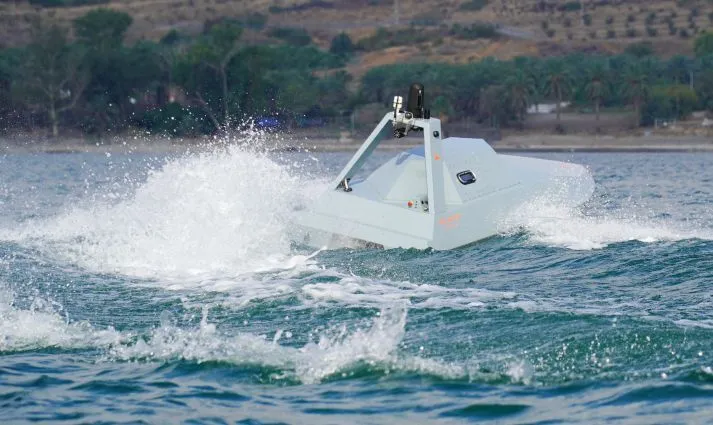
Skana Robotics Ltd. is an Israeli defense company focused on developing autonomous maritime systems, including surface, subsurface, and amphibious platforms, with the aim of strengthening modern naval forces. Through modular design, Skana offers products such as the Bull Shark (tactical surface vessel), Stingray (subsurface reconnaissance and anti‑submarine vehicle), and Alligator (high‑capacity amphibious craft), positioning itself in the global unmanned maritime market with low operating costs.
About Skana Robotics:
The company was officially registered on June 21, 2023 as a private Israeli firm. Its headquarters are located in Or Akiva, near the Mediterranean coast, providing direct access to sea trials. Founded by veterans of naval special operations and robotics experts, Skana combines real mission experience with advanced technology to bridge operational needs and innovation. Beyond vehicles, it develops a complete ecosystem of hardware and software to deliver scalable responses to maritime threats. Potential customers include states around the Mediterranean, Black Sea, and Red Sea.
Product Behavior and Integration:
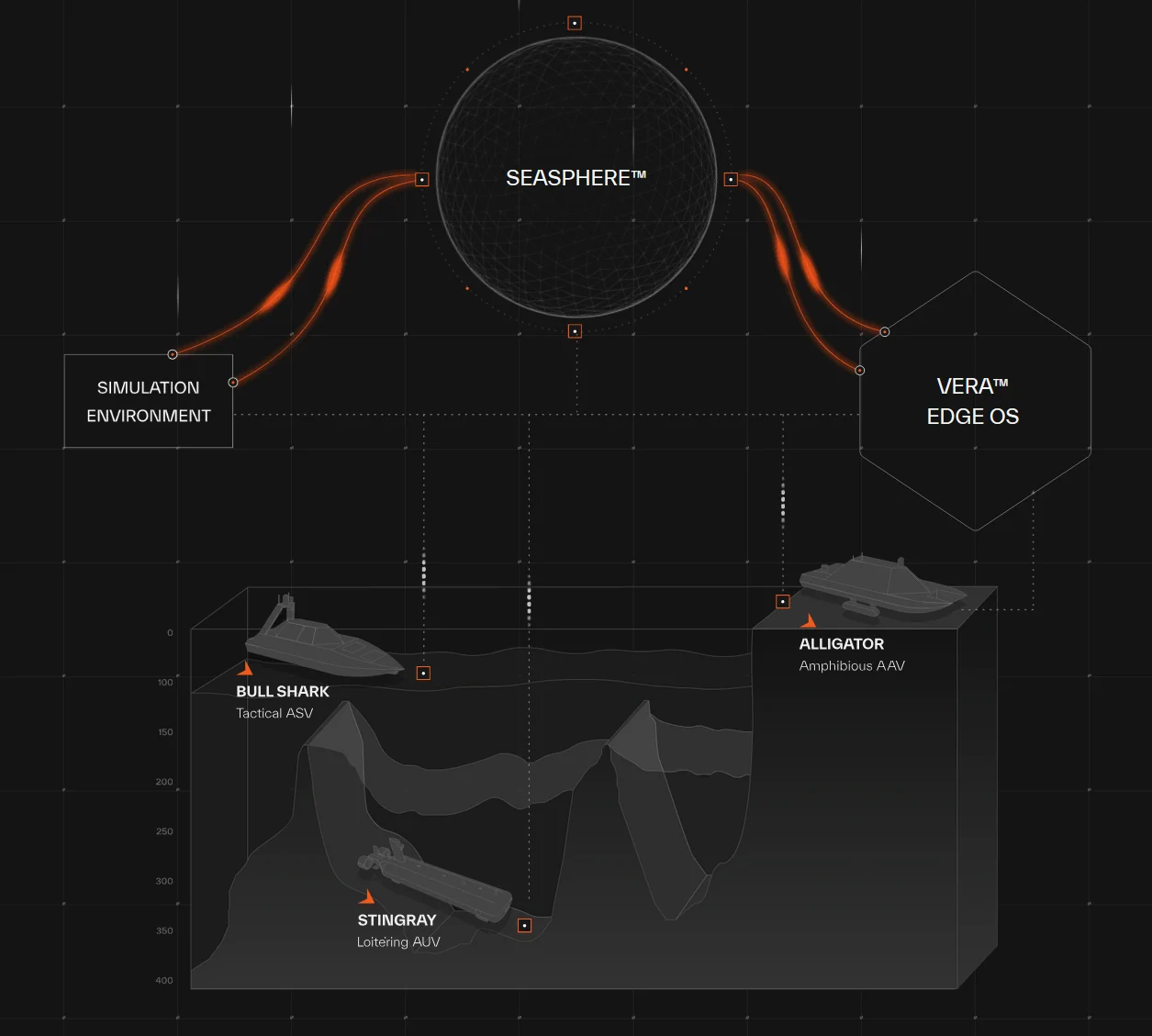
Skana’s portfolio consists of autonomous maritime platforms integrated with SeaSphere software, enabling mission planning and distributed, network‑centric execution. These missions typically cover surveillance, reconnaissance, and combat operations. The company’s offerings are built on a unified maritime autonomy system, with three flagship platforms: Bull Shark (autonomous surface vessel), Stingray (autonomous underwater vehicle), and Alligator (autonomous amphibious craft).
All products are seamlessly connected to two core software systems: SeaSphere and Vera Edge.
- SeaSphere functions as the command‑and‑control hub, handling resource allocation, mission planning, high‑level objectives, and platform coordination.
- Vera Edge, built on ROS2, acts as the adaptive execution core, translating high‑level commands into local actions and ensuring resilience against environmental changes.
Both systems are hardware‑agnostic, meaning they can enhance performance without requiring modifications to the physical platforms. This design provides scalability, flexibility, and long‑term adaptability across Skana’s autonomous naval ecosystem.
Technical Specifications of Skana Robotics Products:
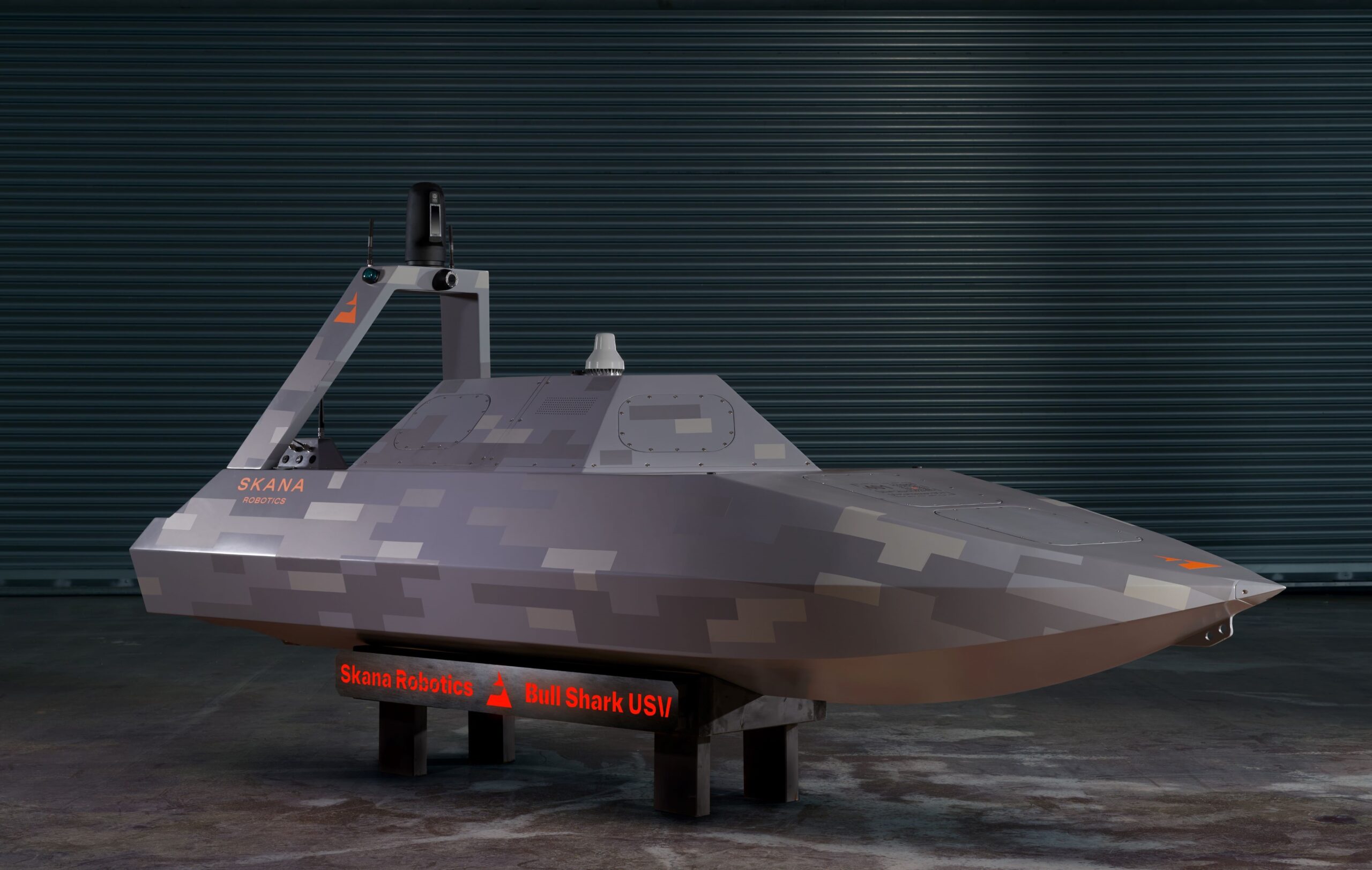
The Bull Shark platform (meaning “shark”) is a tactical Autonomous Surface Vehicle (ASV) designed for group operations, reconnaissance, and rapid strike missions. It can be launched from docks, shorelines, or a mothership, and is equipped with advanced tracking, long‑endurance patrol capability, and kamikaze attack options.
Its maximum speed is 50 knots (≈93 km/h), with an operational range of 120 nautical miles and a payload capacity of 150 kg—sufficient to carry drones or communication equipment.
According to the manufacturer, Bull Shark can function as a communication hub, coordinating both surface and subsurface assets. Its modular design allows quick reconfiguration, while low operating costs make it suitable for mass production. At present, the platform lacks secondary weapon systems (such as surface‑to‑air or anti‑ship missiles, torpedoes, or mines). However, future variants are expected to incorporate these capabilities.
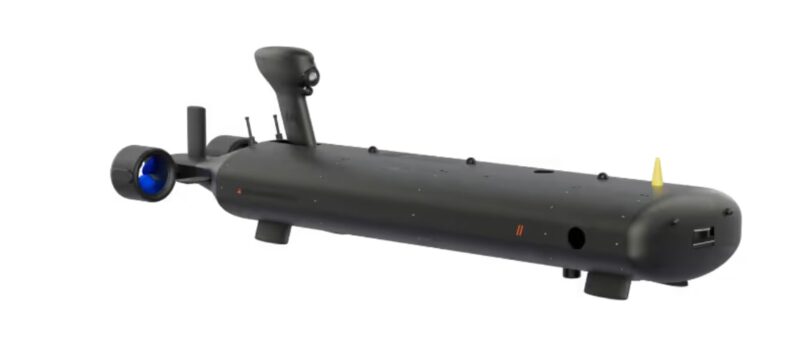
The Stingray is an Autonomous Underwater Vehicle (AUV) designed for extended presence in underwater environments. It has been developed for reconnaissance missions, anti‑submarine warfare, and the protection of critical subsea infrastructure such as communication cables, internet lines, and gas pipelines. Key features include fully autonomous navigation, seabed stationing, and underwater recharging.
Its operational depth reaches up to 300 meters, with a range of 45 nautical miles, a speed of 12 knots, and a payload capacity of 15 kg. Battery endurance is 24 hours in standard mode, extendable to 48 hours with an additional module.
The modular sensor suite includes sonar, ELINT sensors, mapping systems, and potentially offensive payloads. Stingray can be launched from submarines, ports, ships, or patrol boats, and thanks to its very low acoustic and thermal signature, it is ideally suited for covert missions.
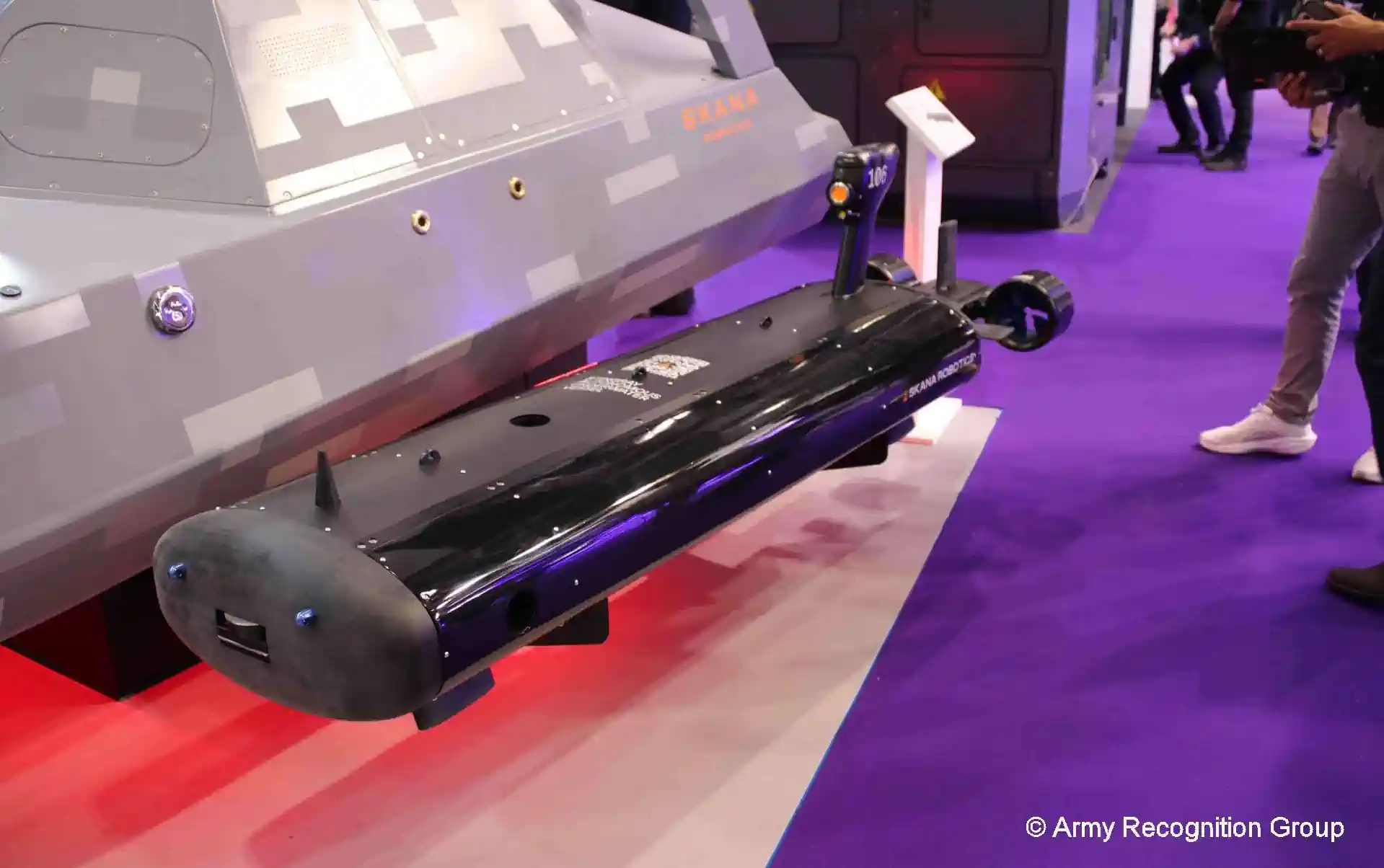
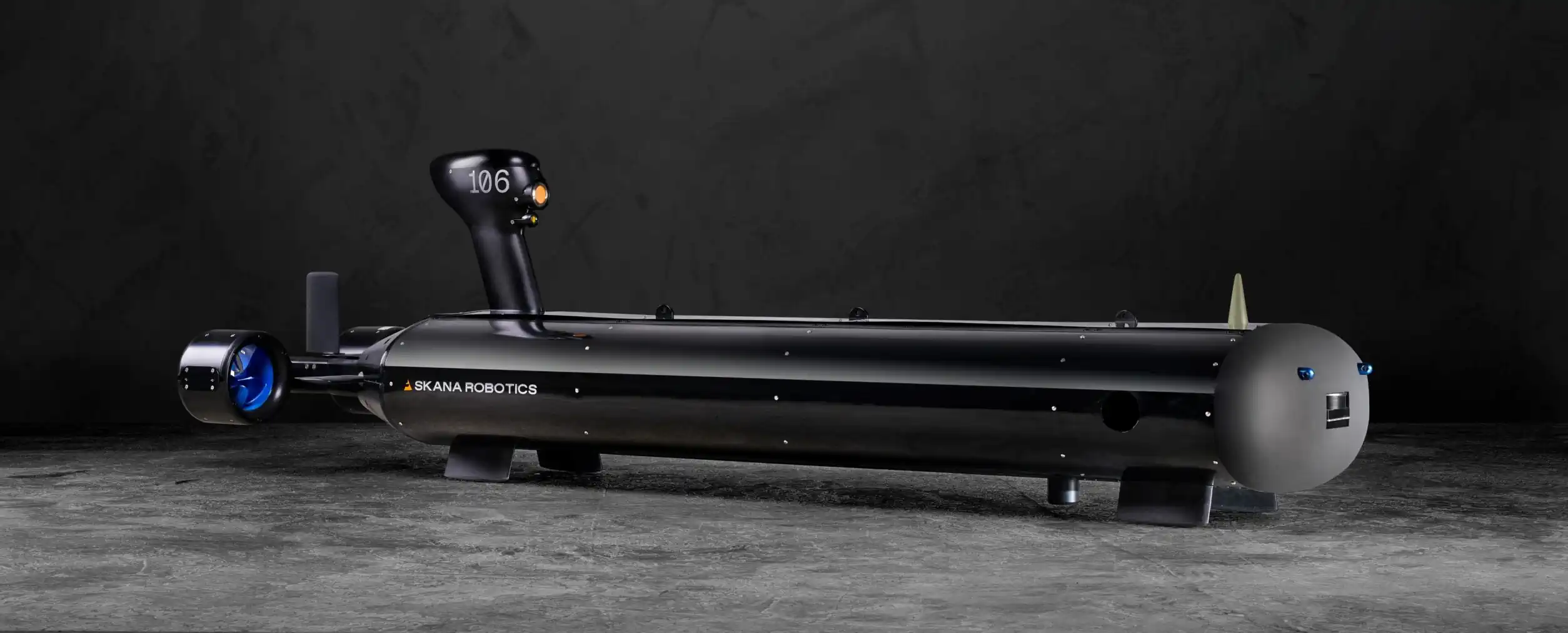
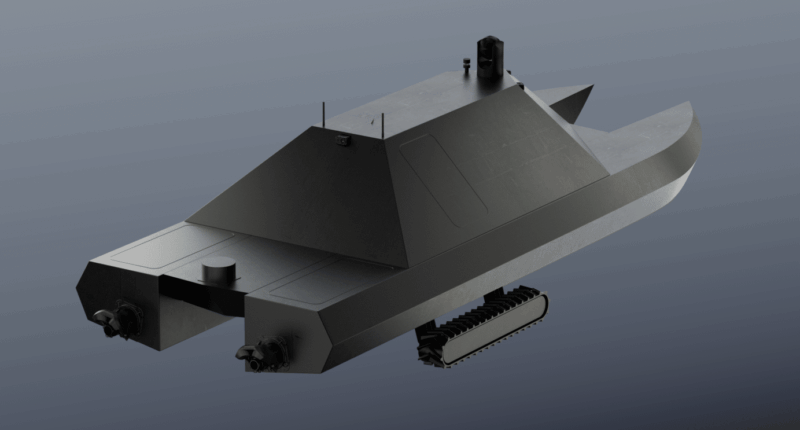
The Alligator is an Autonomous Amphibious Vehicle (AAV) designed for sea‑to‑shore missions. Scheduled to enter production in the first quarter of 2026, it is capable of carrying and deploying secondary platforms such as the Stingray, and can function as a central system for equipment collection and recovery.
Its specifications include a top speed of 40 knots, an operational range of 300 nautical miles, and a payload capacity of 1,500 kg—sufficient for transporting logistics, sensors, or even personnel.
The vehicle operates seamlessly between water and land without requiring coastal infrastructure, making it highly suitable for contested zones. Fully integrated with Skana’s software network, Alligator enables real‑time control and coordination. Its stealth design further enhances its effectiveness in missions such as coastal surveillance or amphibious assaults.
Future Outlook:
Skana emphasizes open architecture to ensure interoperability with foreign systems. Its simulation environment supports operator training and combat analysis, enhancing trust in autonomous systems. While competing with giants like Boeing and Rafael, Skana’s focus on cost efficiency may provide strategic advantages and attract partnerships with larger firms or non‑state actors.
In the regional context, Skana’s emergence could draw investment from Arab states, particularly the UAE and Saudi Arabia, amid normalization efforts with Israel. Persian Gulf countries show strong interest in affordable, low‑risk advanced systems to counter Iran’s growing capabilities. Their recent investments in drones highlight a broader shift toward future‑oriented, cost‑effective defense technologies.
Sources:
Skana Robotics official website | Jerusalem Post article on Skana products | Israel Defense article | Company registration details | European Security & Defence article | Ocean News on Alligator | Shephard Media on DSEI 2025 | Janes article on Alligator | Tracxn company profile | Maritime Innovations article



Comment