
Military Knowledge: Bradley Fighting Vehicle
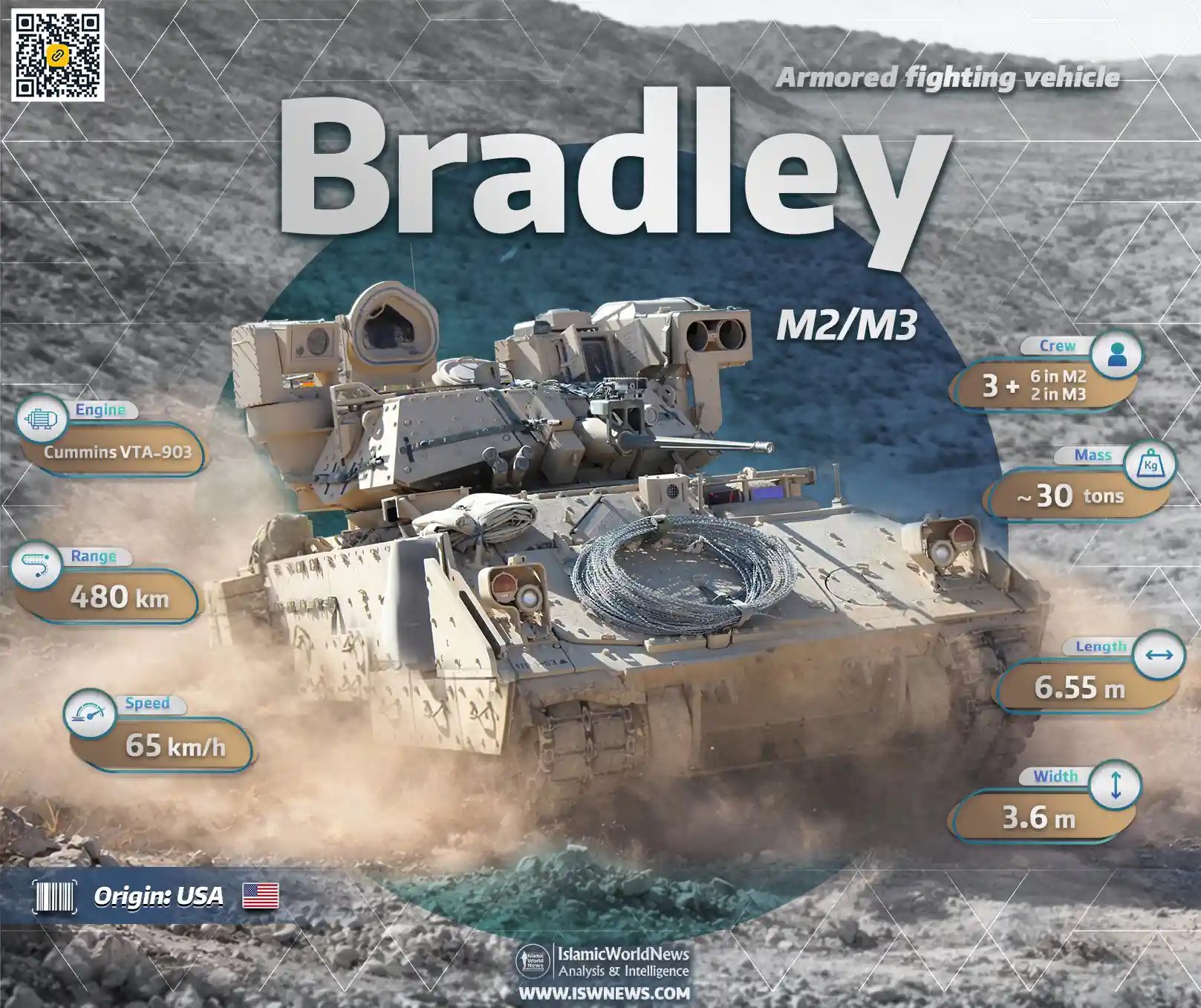
The Bradley Infantry Fighting Vehicle (IFV), developed by BAE Systems is among the most advanced armored vehicles designed to support infantry on the battlefield. Entering service with the U.S. Army in 1980, it has been widely deployed in numerous conflicts, including the Persian Gulf War, Iraq, and Afghanistan. With features such as high firepower, strong protection, and superior mobility, the Bradley has become one of the primary combat tools in infantry warfare. In the Ukraine war, it has also played a significant role by providing fire support, troop transport, and countering armored threats, thereby assisting Ukrainian forces against Russian attacks and making a notable impact on the battles. In this article, we will examine this armored fighting vehicle in detail.
History of the Bradley Armored Fighting Vehicle Design and Development
The Bradley Infantry Fighting Vehicle (M2/M3 Bradley) traces its origins to the U.S. Army’s needs during the Cold War, when the aging M113 APC could no longer meet the requirements of modern mechanized warfare. In the 1960s, the Army sought a vehicle capable of keeping pace with main battle tanks, protecting infantry against nuclear, chemical, and conventional threats, while also delivering effective firepower. This demand led to the launch of the MICV (Mechanized Infantry Combat Vehicle) program, which later became the foundation for the Bradley’s design.
During the 1970s, the MICV project faced serious challenges. Disagreements among military commanders, engineers, and policymakers over weight, armor levels, weaponry, and operational roles caused repeated delays. Each time new Soviet threats emerged—particularly advanced APCs and tanks—the call for stronger armor and heavier armament grew, driving up both the weight and cost of the project. As a result, the program was frequently criticized by Congress and the media.
Ultimately, in the late 1970s and early 1980s, the final design was approved: the M2 Bradley for infantry fighting and the M3 Bradley for cavalry reconnaissance. The vehicle was equipped with a 25mm autocannon, TOW anti-tank missiles, advanced sighting systems, and composite armor. Officially entering service in 1981, the Bradley was recognized as one of the most advanced armored fighting vehicles of its era. It became a vital complement to the M1 Abrams main battle tank, playing a key role in U.S. armored units.
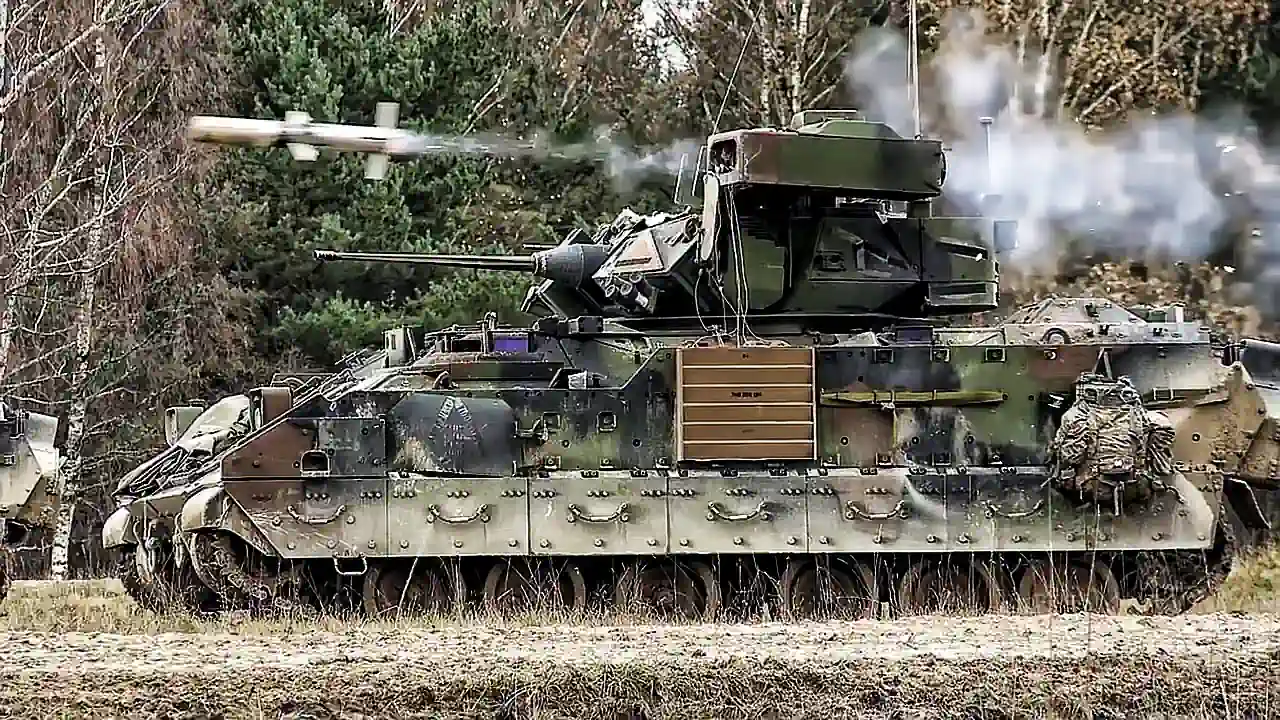
The 1991 Persian Gulf War marked a turning point in the Bradley’s combat record, where it proved highly effective against Iraqi armored forces and destroyed a significant number of enemy tanks. However, battlefield experience also revealed vulnerabilities, particularly to mines and anti-armor weapons. In response, the U.S. Army launched multiple upgrade programs, including enhanced armor protection, improved electronic systems, and greater survivability measures. These upgrades ensured that the Bradley remained one of the core pillars of America’s mechanized units for decades to follow.
Technical Specifications of the Bradley Armored Fighting Vehicle
The Bradley Fighting Vehicle (M2/M3 Bradley) weighs approximately 30–35 tons, depending on the variant and armor configuration. It is powered by a Cummins VTA-903 diesel engine producing about 600 horsepower, enabling a maximum speed of 65–66 km/h and an operational range of nearly 480 km.
Its dimensions are about 6.5 meters in length, 3.6 meters in width, and 3 meters in height. The crew consists of three members (driver, gunner, and commander), while the M2 version can carry 6–7 infantry soldiers.
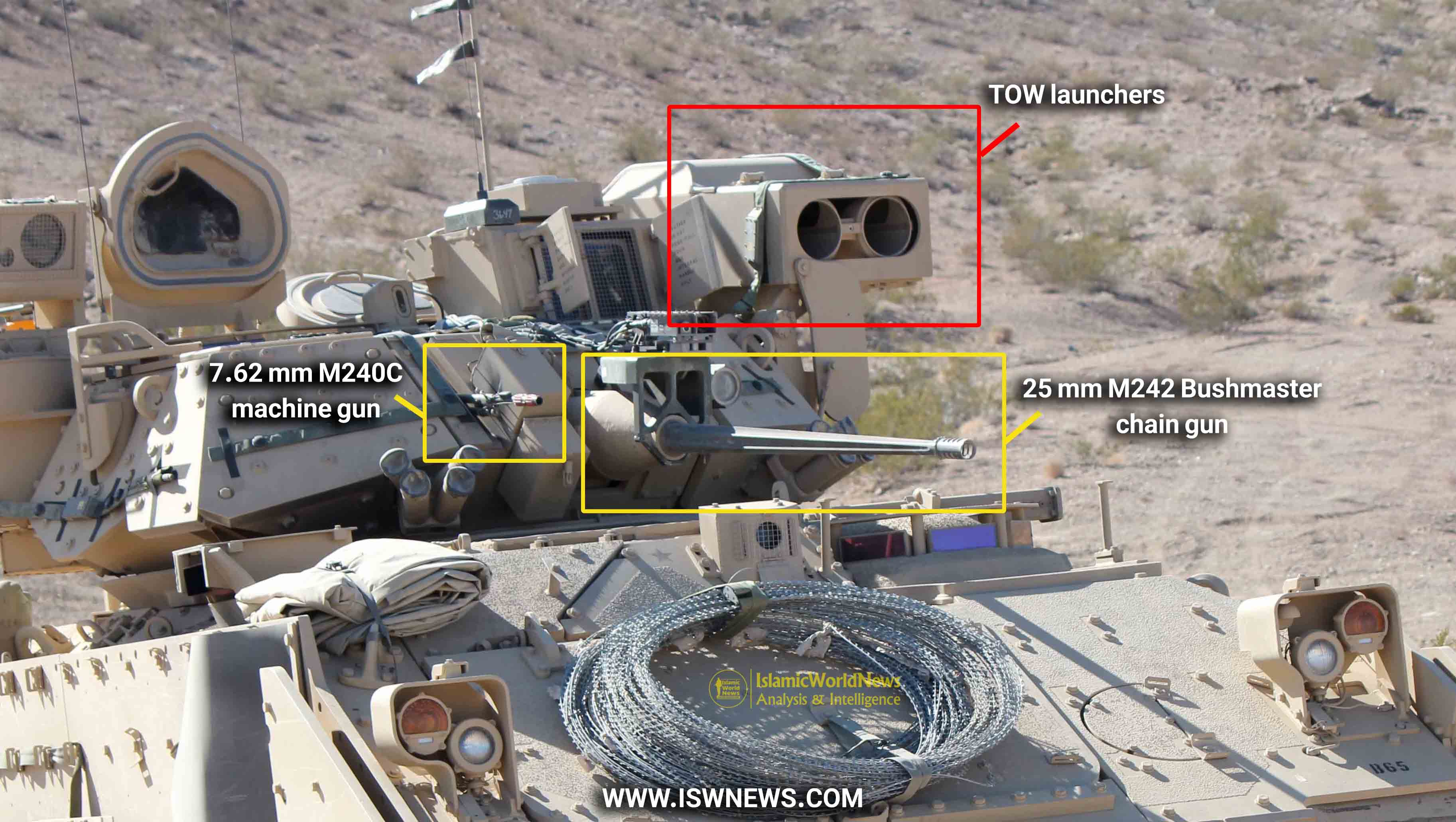
The main armament includes a 25mm M242 Bushmaster autocannon, a coaxial 7.62mm machine gun, and a dual TOW anti-tank missile launcher. Protection is provided by reinforced aluminum armor with additional armor packages, and in newer versions, readiness for advanced protection systems has been incorporated..
Variants of the Bradley Armored Fighting Vehicle
Throughout its service in the U.S. Army, the Bradley AFV has been produced in several models and configurations, each designed for specific roles and missions. Among these, the M2 and M3 versions are the most widely used, differing only in certain details.
M2 Bradley (Infantry Fighting Vehicle)
The M2 Bradley is the infantry-focused variant of the Bradley family, designed to transport, support, and directly engage alongside ground troops. Unlike the reconnaissance-oriented M3 version, the M2’s primary mission is to carry an infantry squad into battle and provide them with fire support.
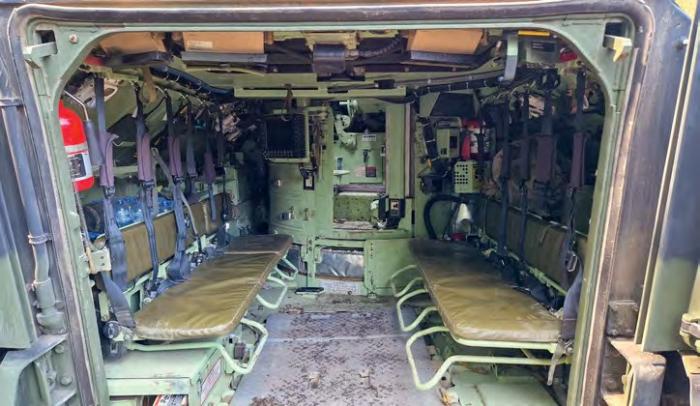
As noted, the M2 is operated by a three-man crew (commander, gunner, and driver) and can carry six to seven infantry soldiers. The interior layout of the Bradley is specifically arranged to accommodate this squad while maintaining combat readiness.
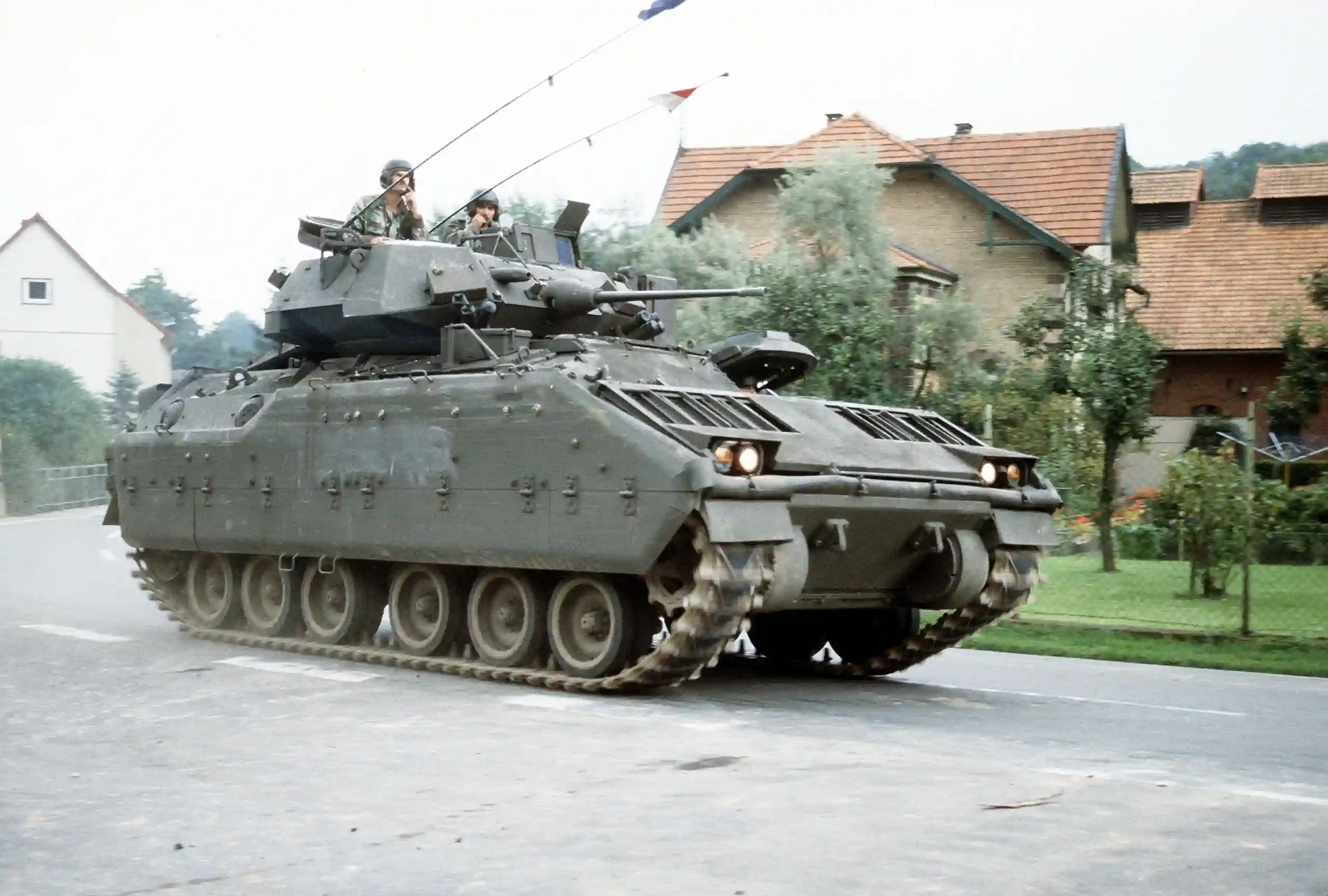
M2 Bradley (Initial version)
The early M2 Bradley, which entered service in the early 1980s, was equipped with basic aluminum armor and fitted with warning systems and smoke grenade launchers to enhance survivability. However, initial combat experience revealed that its armor protection was insufficient against modern anti-armor threats, highlighting the need for further upgrades.
M2A1 Bradley (First major upgrade)
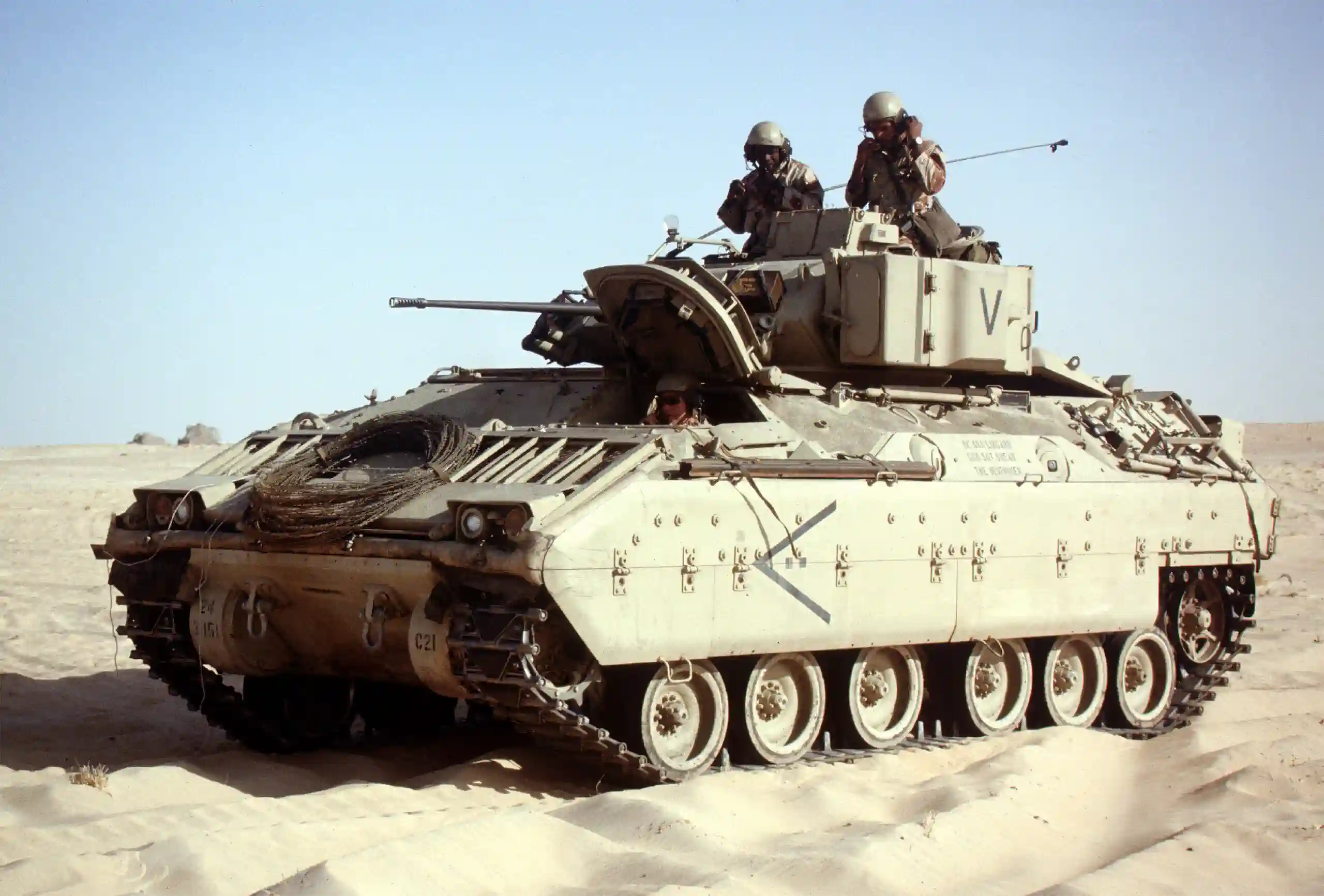
The M2A1 Bradley represented the first significant upgrade to the vehicle, with its primary focus on improving the weapons system, particularly through the standardization of the TOW missile launcher. This version offered enhanced capability in engaging enemy tanks. However, in terms of armor protection and electronic systems, it did not differ substantially from the original model, and was largely considered a weapons-focused update
M2A2 Bradley (Key development milestone)
The M2A2 Bradley marked a major turning point in the vehicle’s evolution. This version was fitted with reinforced multilayer armor, including steel plates and later reactive armor, to provide greater resistance against anti-armor rounds and landmines. However, the added protection increased the vehicle’s weight, which slightly reduced its mobility and troop-carrying capacity. The 1991 Persian Gulf War played a crucial role in solidifying the importance of this variant, as its battlefield performance demonstrated the value of the upgrades.
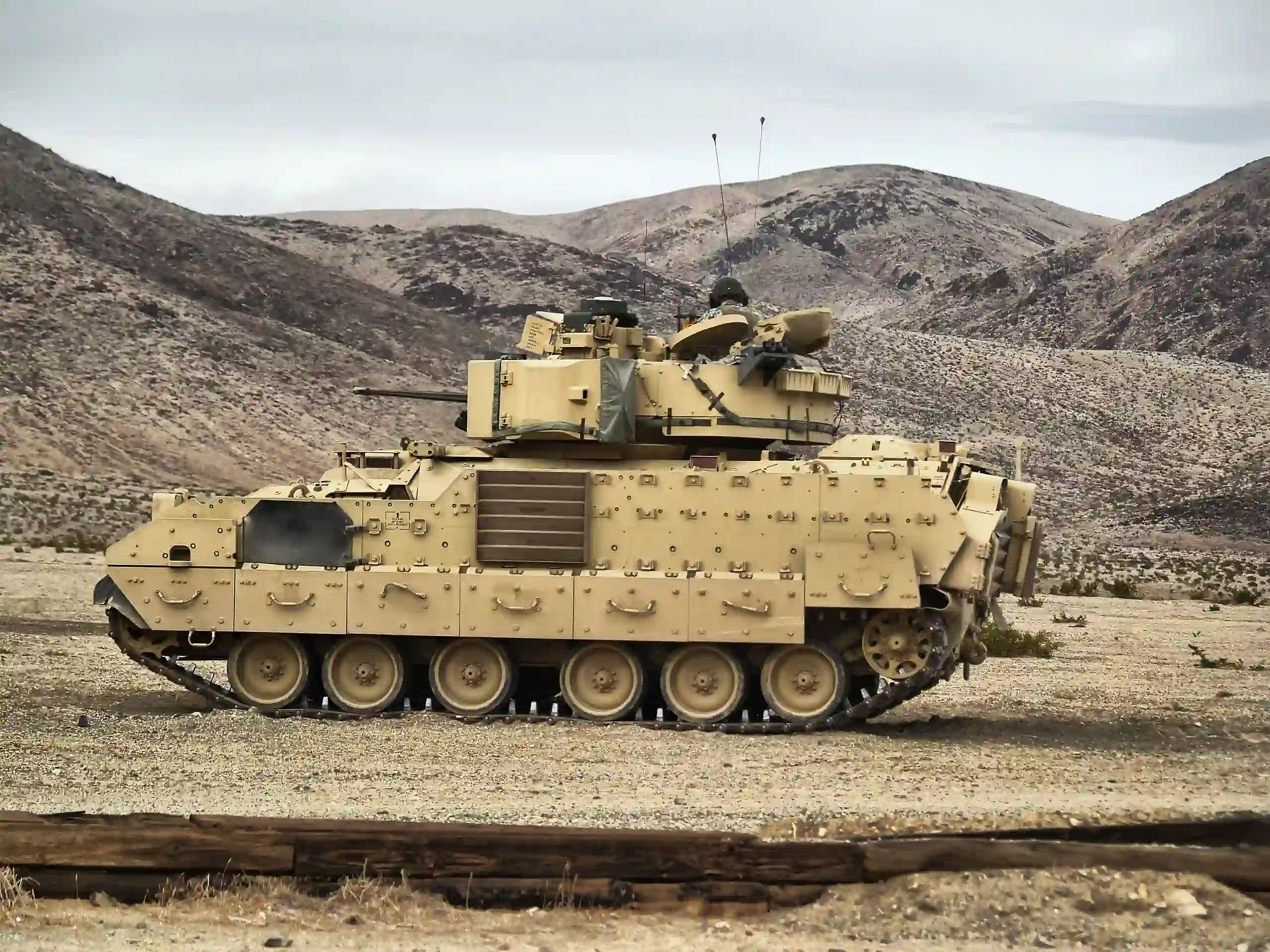
M2A2 ODS (Operation Desert Storm)
Introduced after the Persian Gulf War, the M2A2 ODS incorporated operational improvements based on battlefield experience. This variant was equipped with GPS navigation systems, more advanced night-vision equipment, Identification Friend or Foe (IFF) systems, and upgraded communications. The primary goal of the ODS version was to enhance crew situational awareness and ensure better coordination with other units.
M2A3 Bradley (Major leap)
The M2A3 represented a major leap in electronics and digital systems. It featured a digital battlefield management system, advanced crew displays, improved sensors, and the ability to share information seamlessly with other units. Despite its increased weight, the M2A3 has remained one of the core pillars of U.S. mechanized forces, thanks to its advanced technology and battlefield integration.
M2A4 Bradley (Latest operational variant)
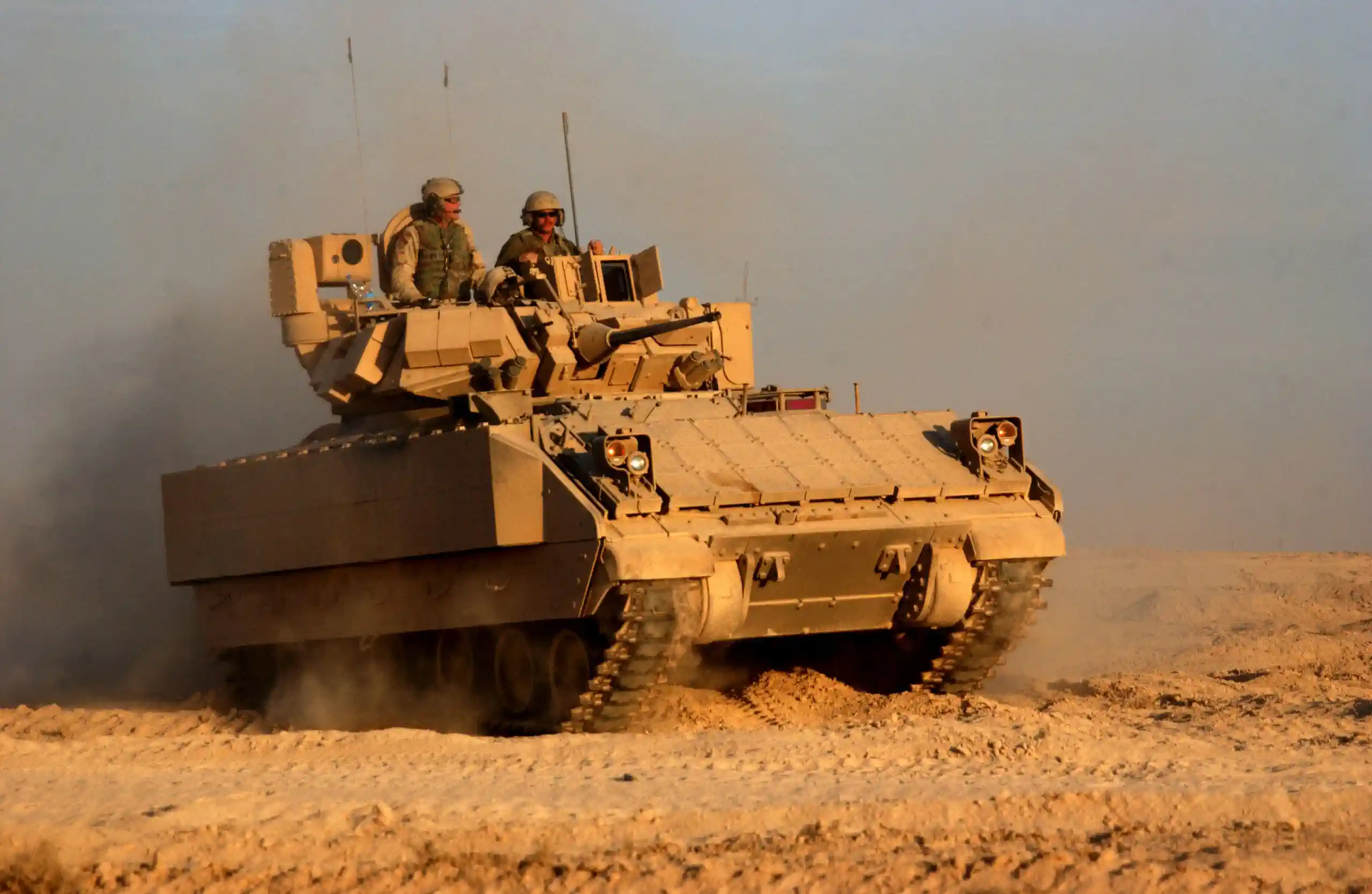
The M2A4 Bradley is the newest and most advanced operational version of the fighting vehicle, developed in the 2020s to meet the demands of modern battlefields. Its primary design goals were to offset the limitations caused by increased weight, enhance survivability, and prepare the platform for future systems.
In essence, the M2A4 represents a deep upgrade of the M2A3, with a focus on improved mobility, greater electrical power capacity, enhanced protection, and advanced network integration.
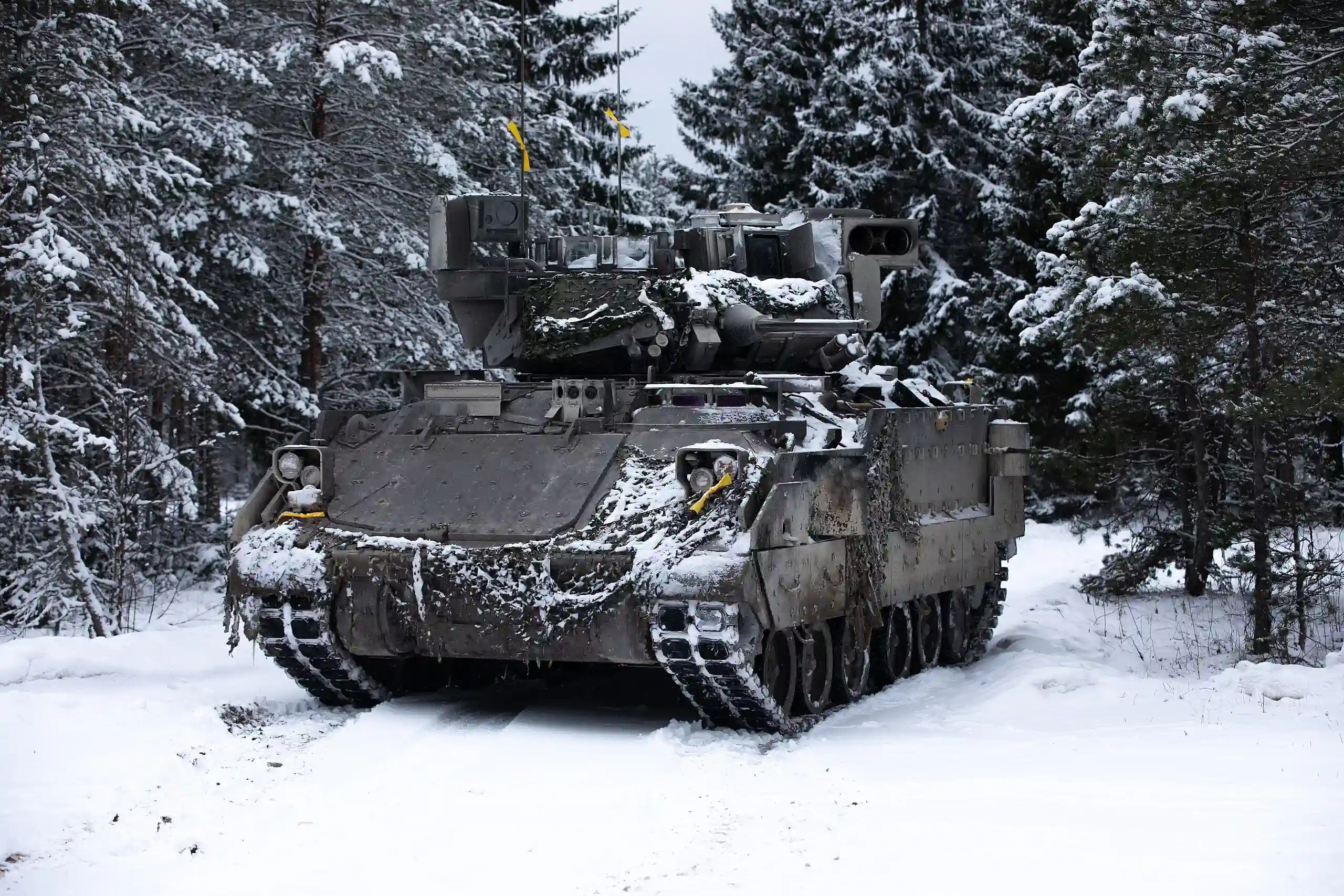
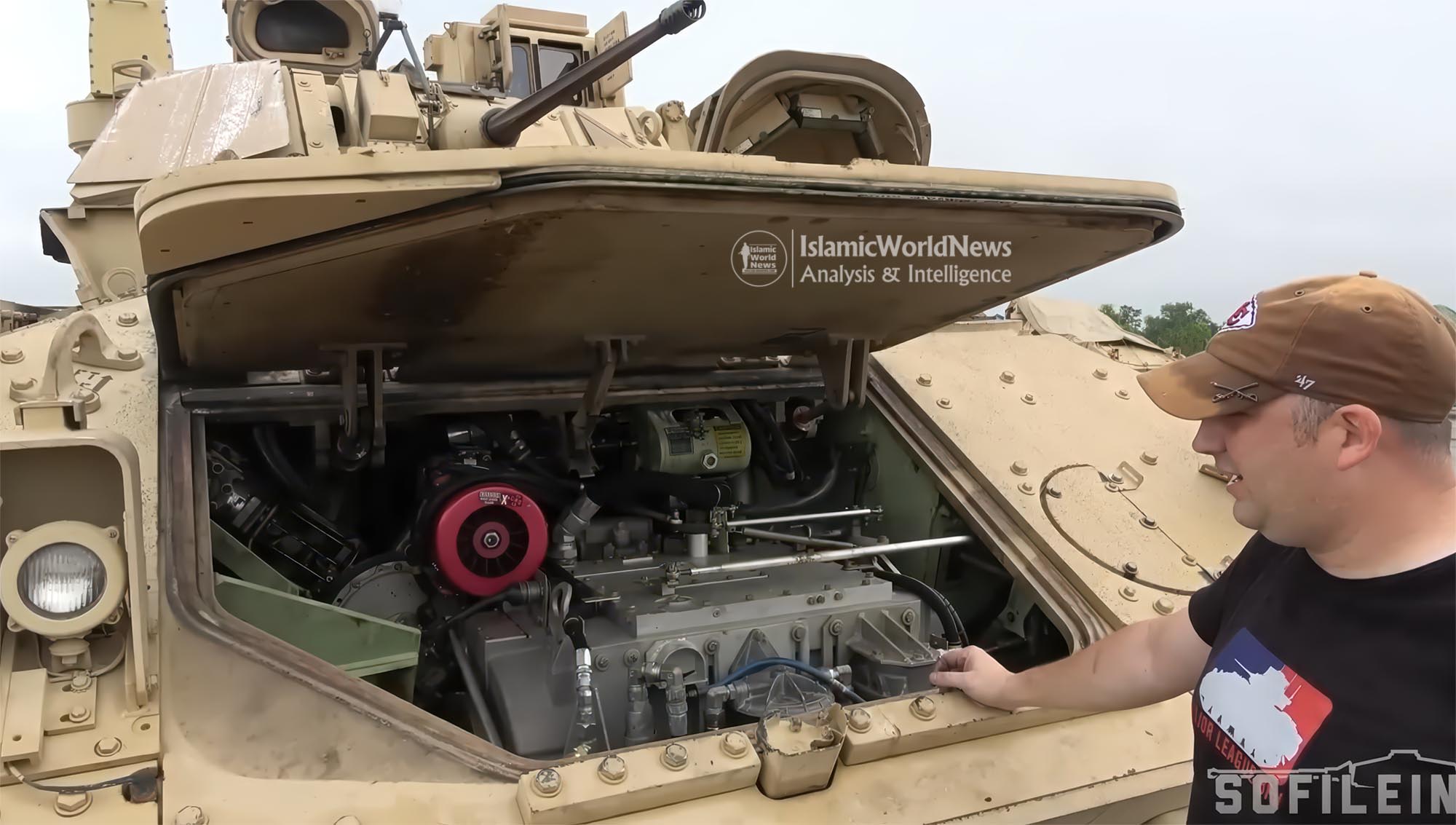
The most significant change in the M2A4 Bradley lies in its enhanced propulsion system. This version is equipped with a Cummins VTA-903E-T675 engine delivering around 675 horsepower, a new transmission, and a reinforced suspension system. These upgrades were designed to offset the mobility limitations caused by additional armor and modern equipment. As a result, the M2A4 offers improved acceleration, better off-road maneuverability, and greater operational reliability compared to earlier versions.
In terms of protection, the M2A4 Bradley is equipped with modular reinforced armor, improved defense against mines and roadside IEDs, and readiness for the installation of active protection systems (APS) such as Trophy. The vehicle’s internal systems have also been redesigned to enhance the safety of the crew and embarked infantry. Its troop capacity remains six infantry soldiers plus a three-man crew.
In the field of electronics and command, the M2A4 features an upgraded power generation and management system, enabling the use of advanced sensors, communication systems, and digital equipment. It is fully compatible with the U.S. Army’s modern command-and-control networks, designed as a “future-ready” platform. The M2A4 is expected to extend the Bradley family’s operational life into the 2030s, until it is eventually replaced by the next generation of combat vehicles.
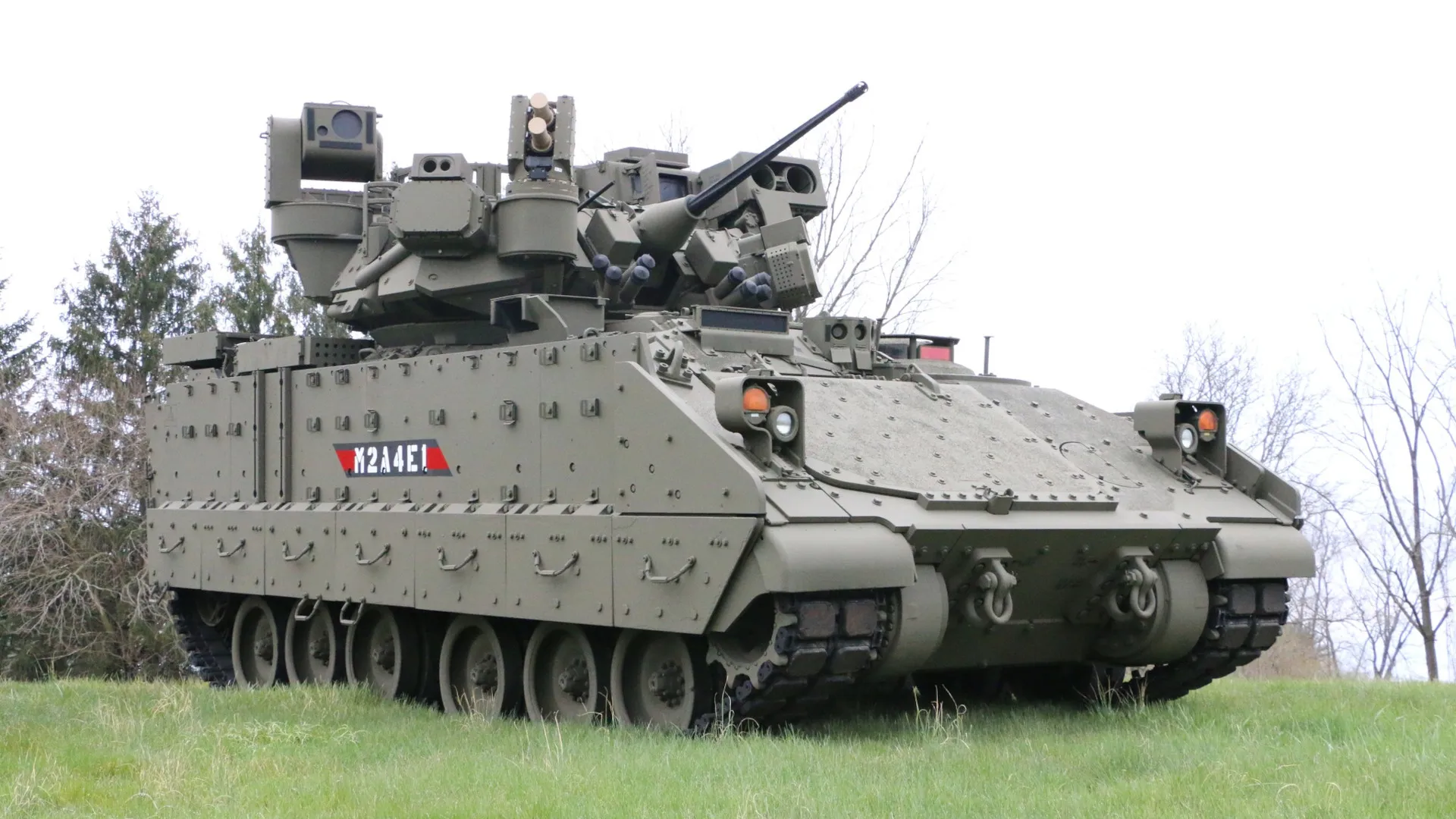
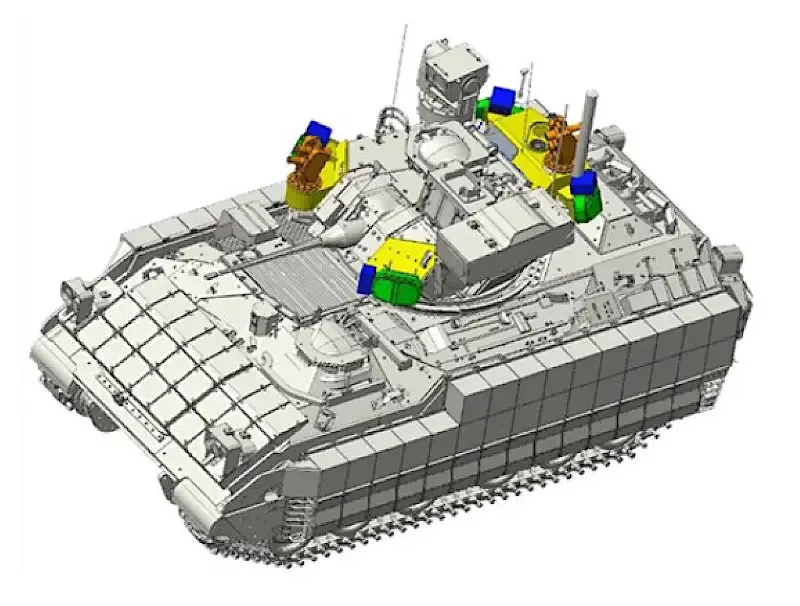
In April 2024, the U.S. Army unveiled the M2A4E1 Bradley, fitted with the Israeli Iron Fist active protection system. The Iron Fist Light configuration includes two countermeasure launchers and four sensor arrays mounted around the turret. These sensors—comprising small AESA radars and infrared cameras—detect incoming threats and guide the launchers, which are capable of rotation. Once a threat is identified, a small interceptor with a fragmentation warhead is fired to neutralize the incoming missile or rocket.
The Iron Fist system is developed by Elbit Systems (Israel), while General Dynamics Ordnance and Tactical Systems (USA) is responsible for its integration onto the Bradley platform.
M3 Bradley (Cavalry Fighting Vehicle)
The M3 Bradley is the reconnaissance variant of the Bradley family, developed on the same chassis as the M2 but with a different mission profile and internal layout. Designed in the late 1970s and early 1980s for U.S. Army armored reconnaissance units, it was intended to replace older scout vehicles and enhance capabilities in intelligence gathering, rapid engagement, and survivability on the modern battlefield.
The key distinction between the M3 and M2 lies in troop capacity and operational focus. Instead of carrying a full infantry squad, the M3 accommodates only two reconnaissance soldiers, while its interior is optimized for additional ammunition storage, particularly TOW anti-tank missiles. This gives the M3 a stronger ability to engage enemy tanks effectively, making it a specialized platform for reconnaissance with significant firepower.
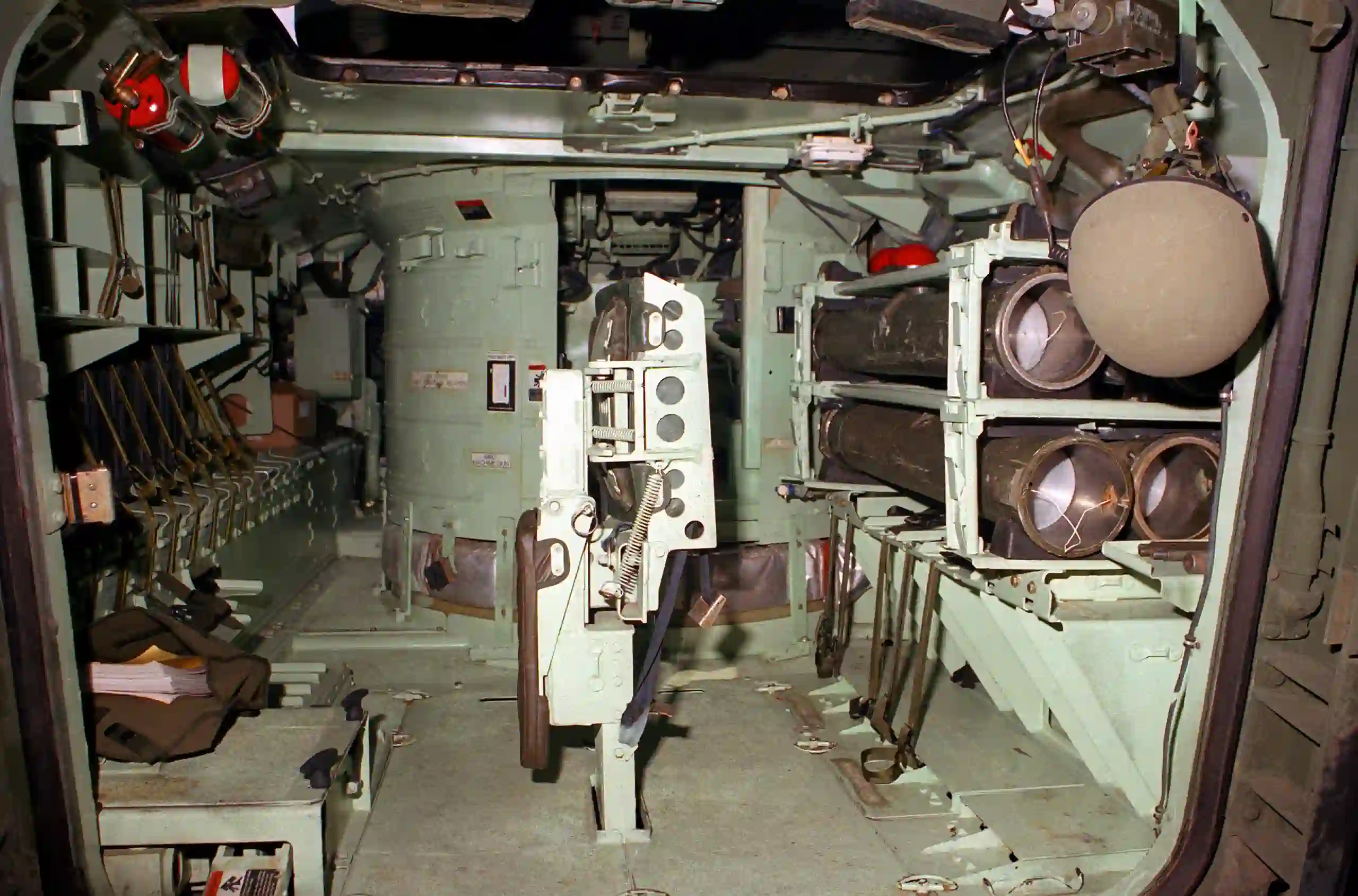
In terms of weaponry, the M3 Bradley is similar to the M2, being equipped with the 25mm M242 Bushmaster autocannon, a coaxial 7.62mm machine gun, and the TOW anti-tank missile system. This combination allows the M3 to operate both as an armed reconnaissance vehicle and, when necessary, engage directly in combat. Its high mobility, effective firepower, and reinforced armor make it a formidable offensive reconnaissance platform.
Like the M2, the M3 has undergone several upgrade phases, resulting in variants such as the M3A1, M3A2, and M3A3. These upgrades included enhanced armor (including reactive armor), advanced thermal imaging systems, digital command-and-control equipment, and improved survivability against modern threats. The newer versions, particularly after the experiences of the 1991 Gulf War and the Iraq War, were significantly strengthened to meet evolving battlefield requirements.
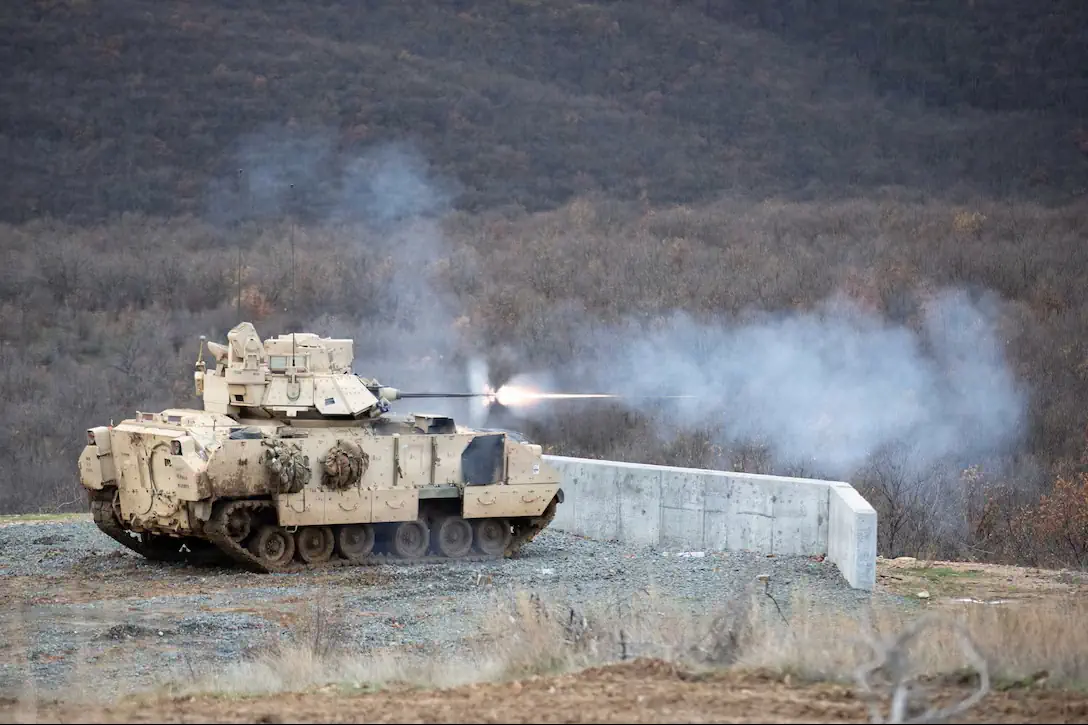
Optical and surveillance systems in M2 and M3 Bradley
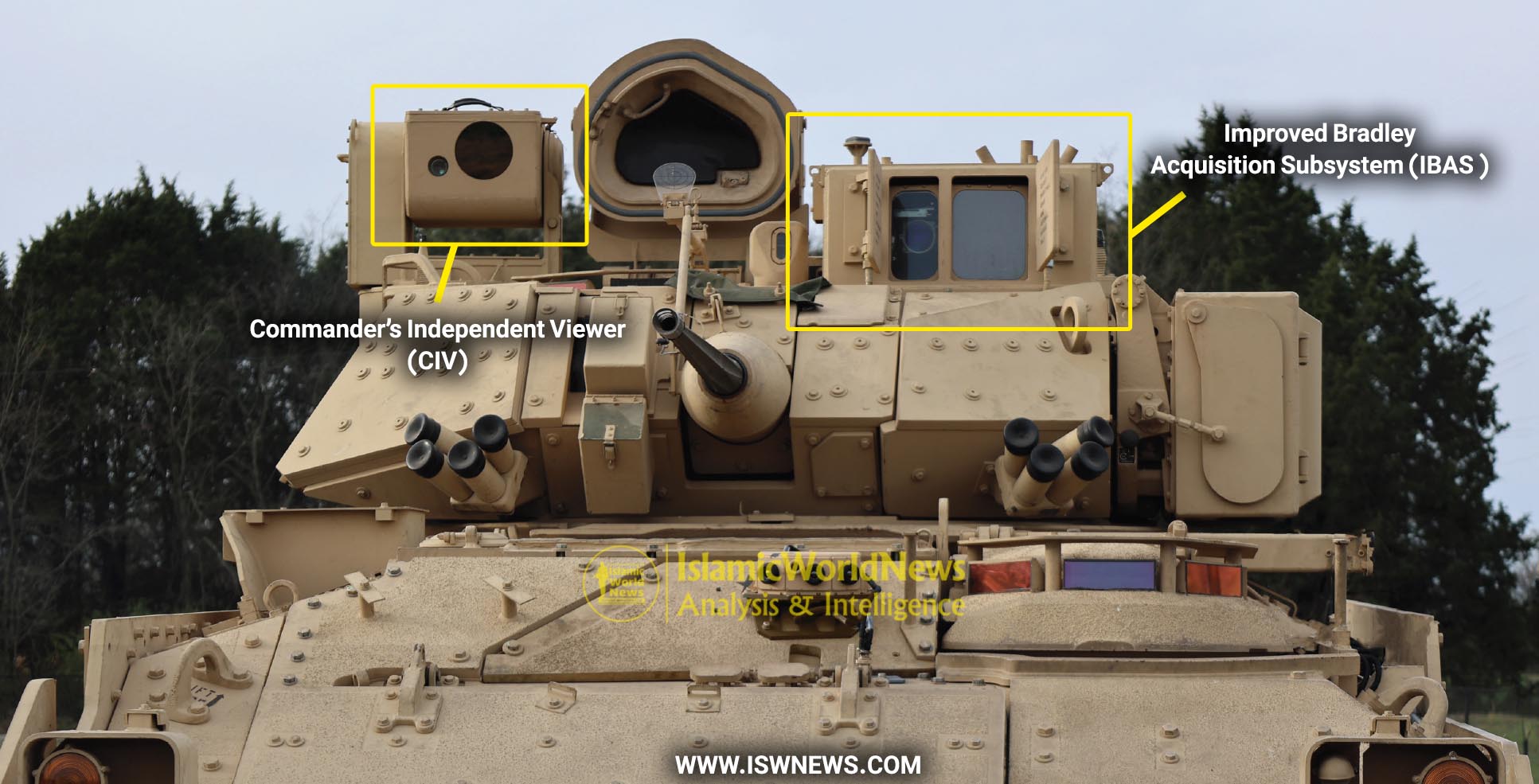
Both the M2 and M3 Bradley are equipped with advanced optical systems designed to enhance situational awareness and fire accuracy. At the core of these systems are the IBAS (Improved Bradley Acquisition Subsystem) for the gunner and the CIV (Commander’s Independent Viewer) for the commander.
Both subsystems utilize second-generation forward-looking infrared (FLIR) sensors and electro-optical/infrared imaging systems. The IBAS provides direct-view optics, dual-target tracking, and an eye-safe laser rangefinder, while the CIV enables the commander to conduct 360-degree battlefield surveillance and independently designate targets apart from the gunner.
This capability allows execution of the Hunter-Killer tactic—where the commander identifies the next target while the gunner engages the current one. Such functionality is especially critical in fast-paced battles and complex urban environments, significantly improving the Bradley’s reaction speed and combat effectiveness.
The fire control software integrates data from the laser rangefinder, environmental conditions, ammunition type, and turret status to automatically adjust the weapon’s angle and calculate a lead solution for moving targets. This significantly increases the probability of a first-round hit. It also includes the Automatic Target Tracker (ATT), which enables simultaneous tracking of two targets—particularly useful when employing TOW missiles—and provides automatic turret alignment toward targets designated by the Commander’s Independent Viewer (CIV).
The Commander’s Tactical Display (CTD) offers a moving map interface and text communication, while the Squad Leader’s Display (SLD) inside the troop compartment enhances situational awareness for dismounted infantry
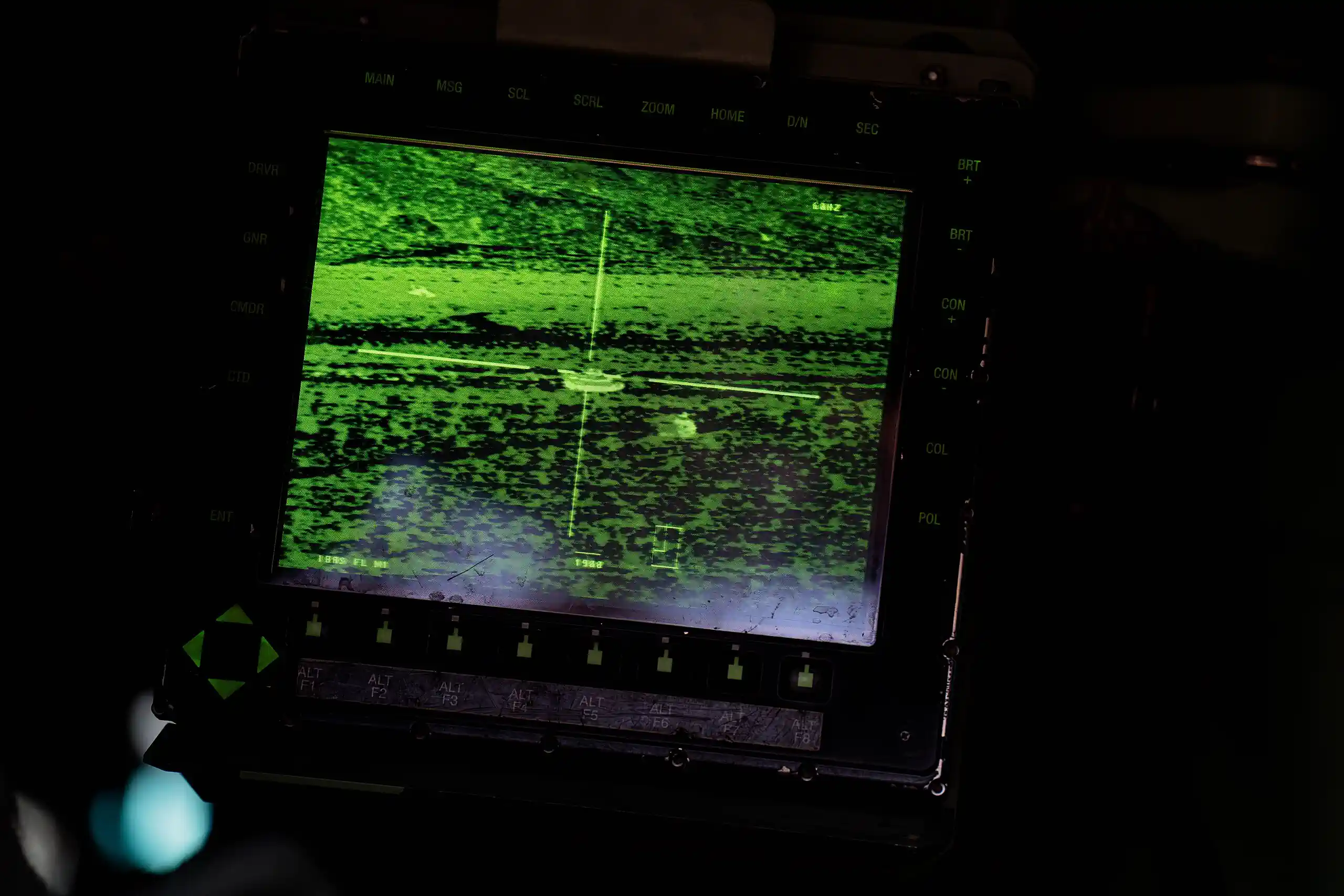
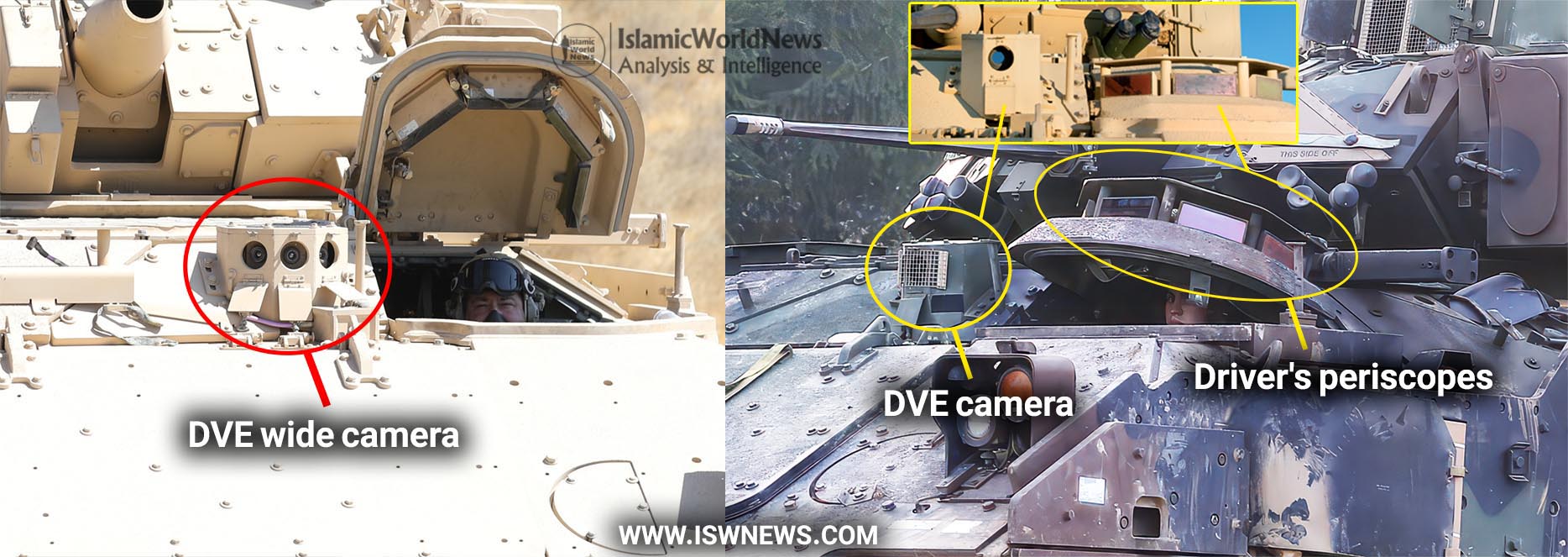
In addition to standard periscopes, Bradley drivers are equipped with a forward-looking electro-optical/infrared camera that greatly enhances their situational awareness. The Driver’s Vision Enhancer (DVE) system enables navigation under challenging conditions such as dust, sand, fog, smoke, and nighttime operations.
The latest Bradley variants—M2A4 and M3A4—replace the conventional camera with a wide-angle vision system, offering a 107-degree horizontal field of view. This allows the driver to see both sides of the road simultaneously, significantly improving maneuverability and safety in complex environments.
Bradley Operators and Export Market
United States: As the producer of the Bradley armored vehicle, the U.S. is its primary and largest operator. It is estimated that about 4,500 M2 models and 1,200 M3 models are currently in active service with the U.S. Army. In addition, approximately 2,000 M2s and 800 M3s are stored in reserve.
Ukraine: Following the outbreak of war with Russia in 2023, Ukraine began receiving Bradleys and has employed them in combat. Estimates suggest that more than 300 M2A2 ODS vehicles and 4 M7 BFIST variants have been delivered. Reports indicate that by September 2025, around 182 Bradleys had been destroyed, damaged, or captured during the conflict. Notably, Russia has seized 12 M2A2 ODS vehicles from Ukrainian forces.
Saudi Arabia: Another major foreign operator, Saudi Arabia fields roughly 400 Bradleys within its armed forces. These vehicles have been deployed in various regional operations, including the conflict in Yemen.
Croatia and Lebanon: Croatia operates 89 M2A2 ODS vehicles, while Lebanon has received 32 M2A2 vehicles, making them additional users of the Bradley armored fighting vehicle.
Bradley Fighting Vehicle Specifications:
Type: Infantry Fighting Vehicle – Cavalry Fighting Vehicle
Origin: United States
Manufacturer: BAE Systems
Entered service: 1981
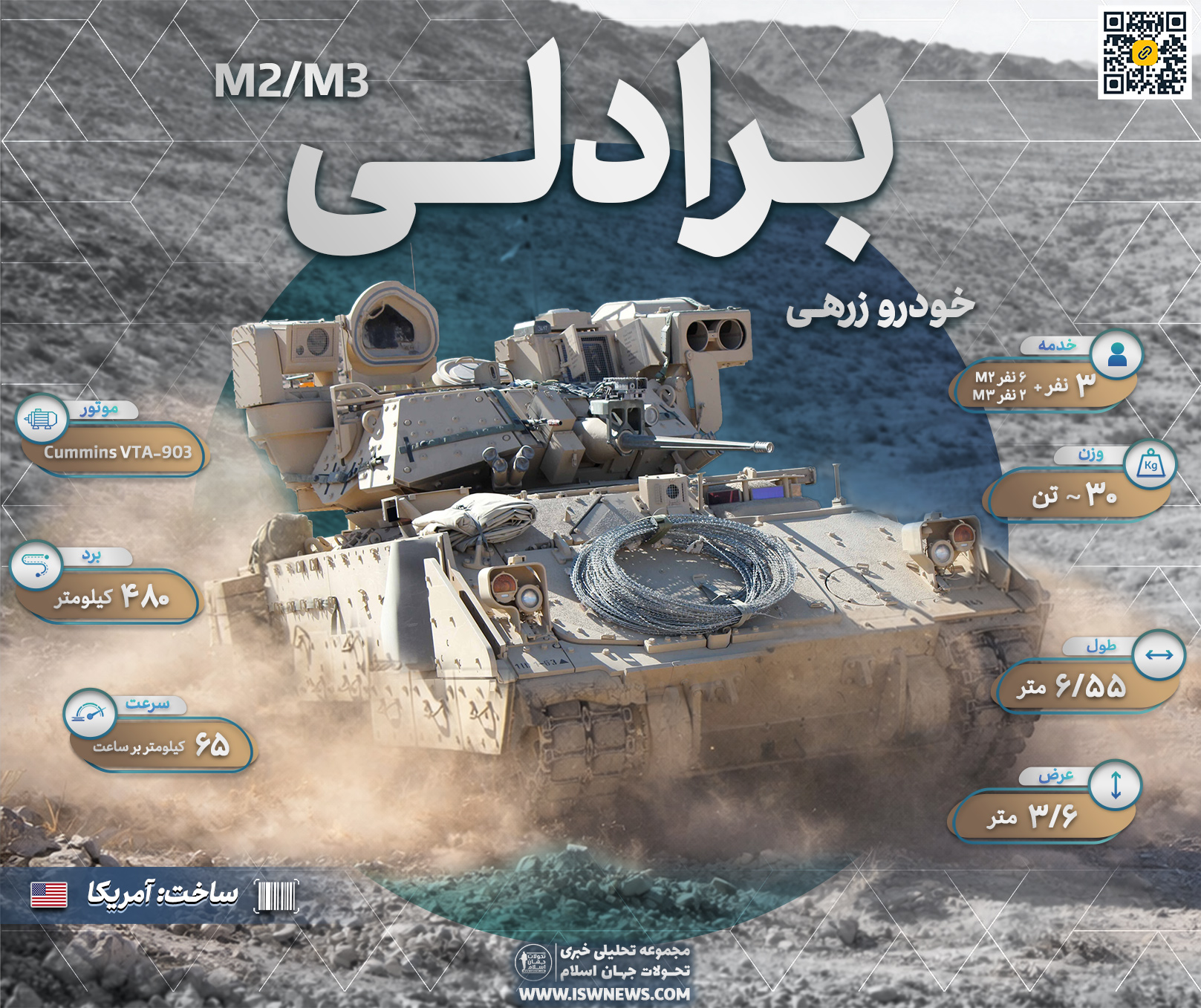
Crew: 3 (commander, gunner, driver) + 6 in M2 or 2 in M3
Length: 6.55 m
Width: 3.6 m
Height: 2.98 m
Engine: Cummins VTA-903E 675 hp
Operational range: 480 km
Speed: 65 km/h
Weight: ~ 30 tons
Main armament: 1× 25 mm M242 Bushmaster chain gun with 1,500 rounds (300 rounds ready) and dual TOW anti-tank missile launcher with 12 rounds (2 rounds ready in launcher)
Secondary armament: 1× 7.62 mm M240C machine gun
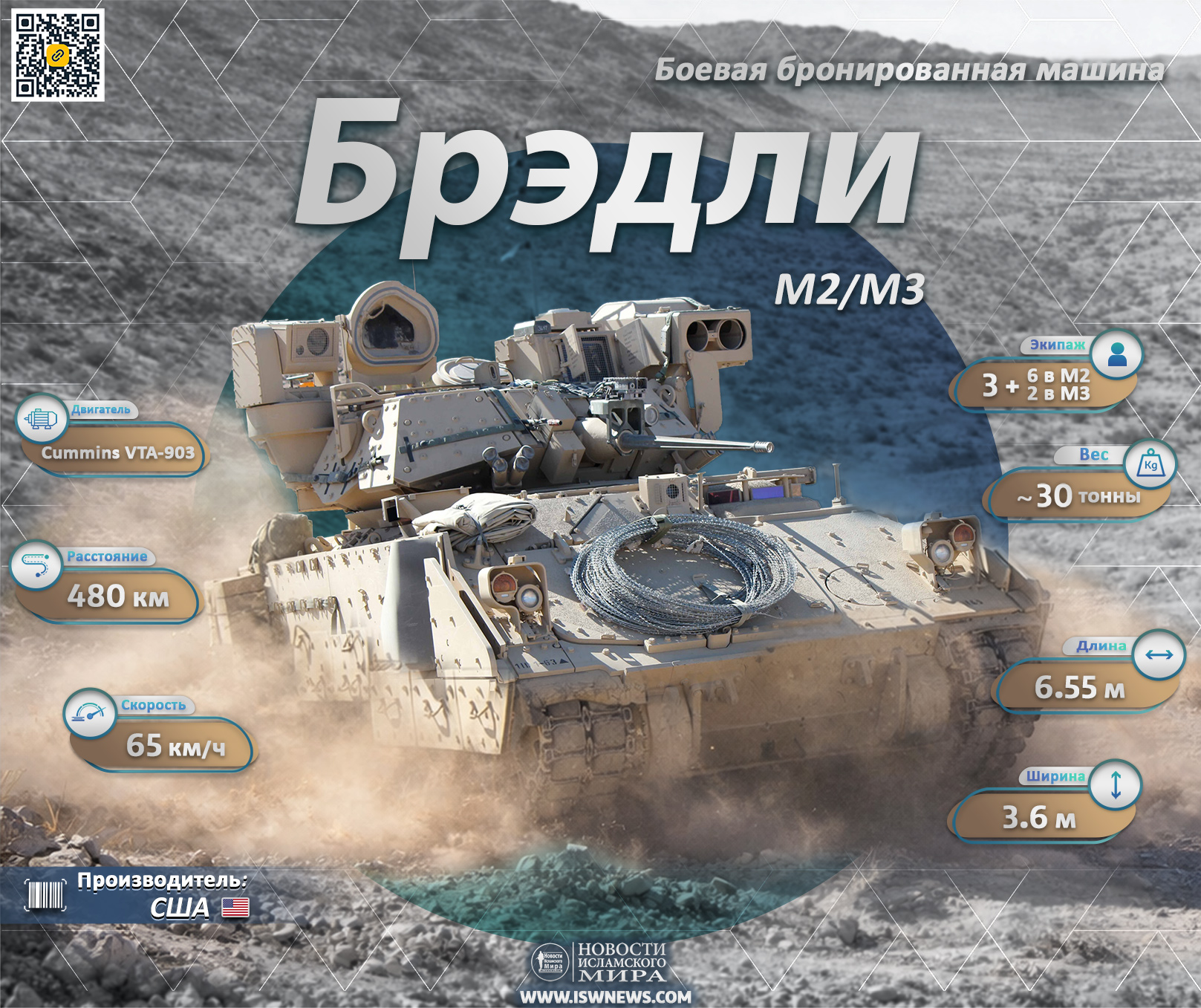
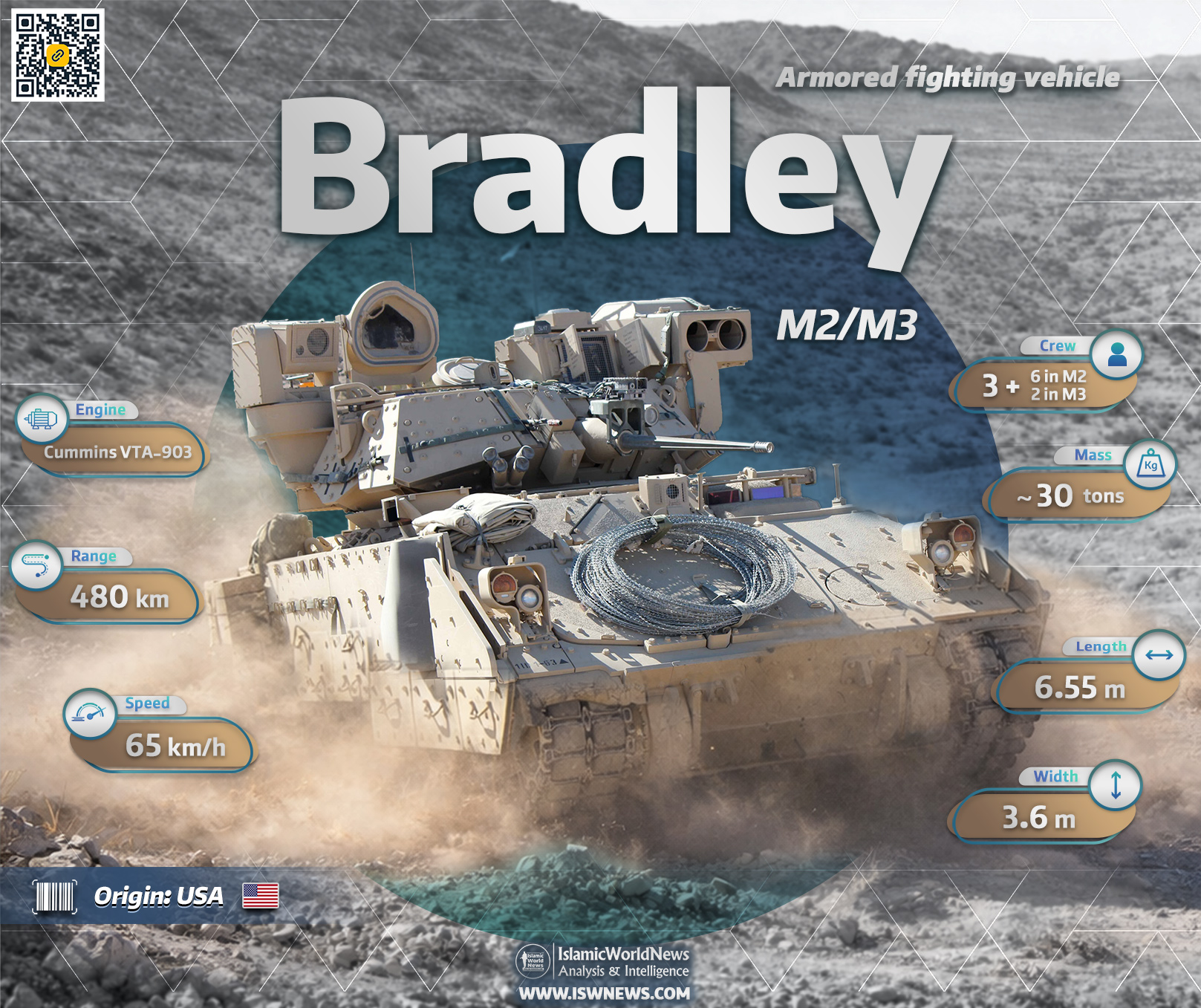
Bradley Fighting Vehicle Poster Collection in Persian, English and Russian
Sources:
Bradley Fighting Vehicle | M2 Bradley | M3 Bradley | Driver’s Vision Enhancer | Army’s New M2A4E1 | M2 BRADLEY | Bradley M2A2 ODS


Comment