
Dialectic of Deterrence – Part II: Active Defense Strategies Against Strategic Threats
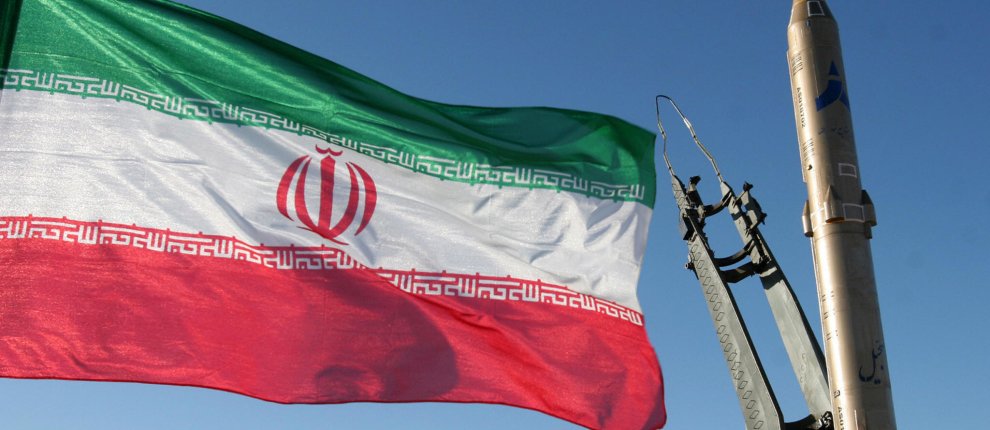
In the second part of this analysis, we explore key defensive strategies for countering threats posed by the Israeli regime.
For foundational context, refer to Dialectic of Deterrence – Part I: Key Offensive Superiority Components of Israel
Developing a Multi-Layered and Flexible Air Defense System
Iran’s most effective tool to counter Israel’s long-range, multi-axis operations is a dynamic, multi-layered air defense architecture. According to RAND analysis, integrating long-range systems like Bavar-373, S-300, and S-400 with medium and short-range platforms such as Mersad and Oerlikon, alongside mobile point-defense systems like Tor-M1 and Pantsir-S1, creates a dense and responsive network capable of intercepting threats across various altitudes and distances.
The IISS Military Balance 2024 report highlights that such layered defenses prevent adversaries from overwhelming a single tier—whether via low-altitude cruise missiles or high-altitude ballistic strikes. CSIS further emphasizes that combining rapid-response short-range systems with real-time data-driven C4I networks significantly enhances decision-making speed during saturation attacks.
Lessons from Russia’s war in Ukraine, documented by War on the Rocks, show that even advanced systems are vulnerable without mobility. Thus, Iran must prioritize maneuverability, frequent repositioning, and continuous joint training between the Army and IRGC to minimize preemptive detection.
Jane’s Defence Weekly (2020–2024) also notes that mobile point-defense systems and radar stations capable of relocating within 30 minutes can severely disrupt Israeli F-35I mission planning and increase operational costs.
Counterintelligence and Information Warfare
To neutralize Israel’s intelligence advantage—rooted in HUMINT and SIGINT networks—Iran must implement a comprehensive counterintelligence and data security framework. RAND’s study on Israel-Iran conflicts reveals that Israel’s advanced surveillance and human infiltration around military sites enable precision strikes and targeted assassinations. The report recommends isolating Secure C4I centers from open networks to reduce interception risks.
CSIS stresses the importance of indigenous encryption, independent satellite systems, and constant monitoring of command network entry points to block cyber intrusions. FDD’s analysis adds that threat detection must extend beyond technical layers to behavioral monitoring of key personnel. Domestic FCC centers should track anomalies, unauthorized access, and suspicious communication patterns. This should be reinforced with Red Team/Blue Team exercises, allowing forces to simulate real-world responses and patch vulnerabilities before exploitation.
Such measures can erode Israel’s intelligence edge and disrupt hybrid operations before they materialize.
Strengthening and Integrating Cyber Infrastructure
Leading think tanks agree that bolstering cyber infrastructure and fostering coordination between military and intelligence agencies is vital for Iran’s cyber defense. CSIS’s Iran and Cyber Power report recommends forming joint task forces to continuously assess vulnerabilities and synchronize cyber responses. RAND advocates for a policy framework based on continuous updates, regular training, and adoption of cutting-edge technologies to counter complex, preemptive attacks.
CISA underscores the need for early threat detection and rapid response to prevent enemy infiltration and enhance network resilience. This integration not only boosts system durability but also enables swift reactions to emerging threats, protecting critical infrastructure and maintaining operational continuity.
Strategic Dispersion and Engineered Deception
To counter precision and simultaneous strikes, dispersing critical facilities and deploying engineered deception technologies is essential. RAND’s research warns that concentrated installations are highly vulnerable, while geographic dispersion confuses enemy targeting priorities.
War on the Rocks, analyzing Russia’s defense in Ukraine, shows that thermal, radio, and mobile decoys complicate enemy identification and reduce strike success rates. CSIS also highlights the value of electronic deception and mobile structures in air defense networks, which waste enemy resources and neutralize attacks.
These engineered tactics, combined with advanced concealment systems, enhance operational survivability and prevent concentrated enemy assaults—preserving strategic balance amid regional tensions.
Active Diplomacy and Breaking Regional Isolation
Expanding security and technological ties with neighboring states is a cornerstone of Iran’s deterrence strategy. CSIS reports that intelligence-sharing with Gulf countries can create rapid data exchange corridors for timely threat detection. RAND emphasizes that active diplomacy and regional coalitions raise the cost of aggression and improve Iran’s political and operational landscape.
Crisis Group advocates for leveraging modern information technologies and regional security coordination to build trust and reduce tensions. This approach not only strengthens Iran’s national security but also opens avenues for economic and technological cooperation, enhancing resilience against complex threats.
Conclusion
Israel’s strategic power rests on intelligence dominance, long-range air capabilities, cyber assets, and its alliance with the United States. By adopting layered defense systems, reinforcing cyber security, and avoiding over-concentration of assets, Iran can reduce its vulnerabilities and raise the cost of aggression. Continued regional intelligence cooperation and implementation of an “active defense” doctrine are key to maintaining strategic equilibrium in the face of future threats.
Sources:
CSIS: Missile Defense | RAND: Bombing in Iran | CSIS: Iranian Missile Threat | FDD: Iran’s Counterintelligence
Comments