
Abu Dhabi: The Second Baku!
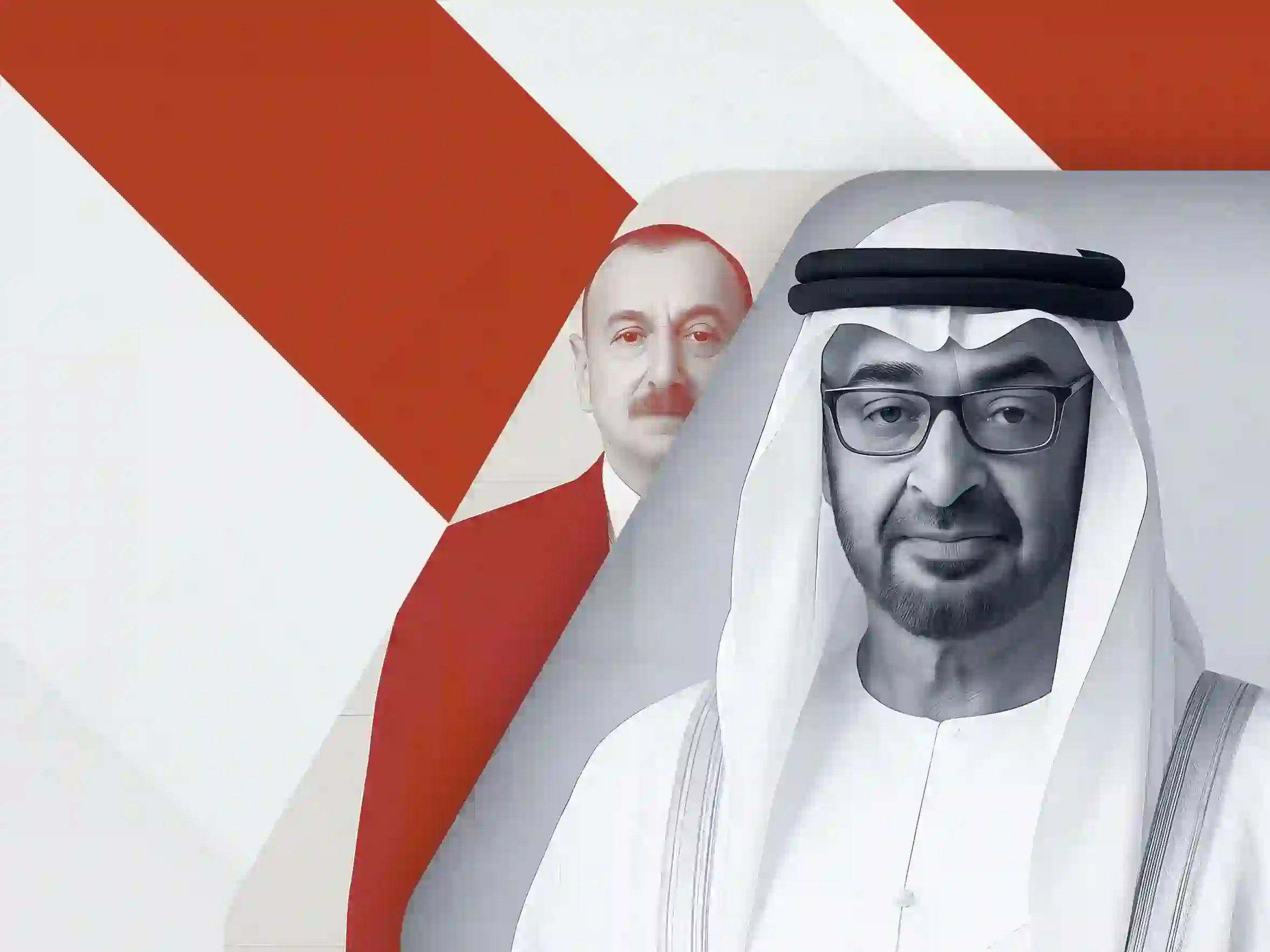
Without doubt, in recent years the United Arab Emirates has become both a security and economic arm for the United States and Israel. Through economic projects, it advances Western‑Israeli security objectives—examples include involvement in Sudan’s conflict, support for the Rapid Support Forces, and exploitation of Sudan’s gold mines. Another example is the UAE’s entry into infrastructure and trade corridor projects in Central Asia. Recently, by signing agreements with countries in this region and the Caucasus, Abu Dhabi has sought access to the Middle Corridor, pursuing geopolitical and geo‑economic goals aligned with Tel Aviv and the West.
UAE and the Middle Corridor
The Middle Corridor, largely composed of Turkic‑speaking states, is part of China’s Belt and Road Initiative. Since the war in Ukraine, its importance has multiplied, as the northern route through Russia and Belarus faces security challenges. Arab investments, especially by the UAE, are now directed toward this corridor. For instance, within Dubai’s Silk Road project, the UAE successfully integrated Uzbekistan and Kazakhstan into the Global Logistics Passport scheme, aiming to expand trade links across Latin America, Asia, the Middle East, and Africa.
Diversifying its financial portfolio is a key driver of UAE interest in Central Asia, but its ambitions go beyond investment. Relations with Kazakhstan and Turkmenistan highlight the role of DP World in building ports not only on the Caspian Sea but also in Russia’s Arctic, reflecting Abu Dhabi’s aspiration to become a global maritime logistics power.
Abu Dhabi’s foreign policy underscores the growing importance of these states in its strategic agenda. Competition with regional and global powers in Central Asia’s economic and energy sectors, combined with its strategic presence in the Middle East and North Africa, reveals the multifaceted nature of UAE engagement. By leveraging financial resources, the Gulf state strengthens its influence and acts as a major player in regional economic growth.
Initial cooperation between Central Asian countries and the UAE focused on trade and investment, but long‑term agreements have expanded into petrochemicals, energy, transport and logistics, agriculture, and aerospace. To deepen ties with the Caspian region, Abu Dhabi invested in port access as part of a global hub system, including DP World’s purchase of two special economic zones in Kazakhstan.
Economic Agreements
The UAE’s Masdar has launched renewable energy projects in Kazakhstan and Uzbekistan, with electricity exported to Europe via undersea cables across the Caspian and Black Seas. Other Emirati firms, such as Abu Dhabi National Energy Company, have built wind power facilities in Central Asia with capacities ranging from tens to hundreds of megawatts.
Abu Dhabi National Oil Company (ADNOC) is also active in petrochemicals in Kazakhstan and Turkmenistan’s offshore fields, creating value‑added industries that enable refined exports. The establishment of the Astana International Financial Center in Dubai could turn Kazakhstan into a major financial hub for Central Asia within the Belt and Road framework.
For example, in May this year, the UAE and Kazakhstan signed 20 agreements worth $5 billion, mostly in energy, transit, and logistics. More recently, ADNOC subsidiary XRG signed a preliminary deal with Azerbaijan’s Southern Gas Corridor (SGC) company, which plays a key role in delivering Azerbaijani gas to Europe.
These agreements show Abu Dhabi’s intent to expand economic influence in Kazakhstan and Azerbaijan—two pivotal states in the Middle Corridor—while also serving broader political and security objectives.
Security–Economic Objectives
The UAE’s investments in the Middle Corridor cannot be reduced to economic figures alone; they conceal strategic motives aligned with Israeli and Western agendas.
Former Israeli communications minister Ayoob Kara emphasized the need to connect the Middle Corridor via Turkey and the Mediterranean to Israel and then to Gulf Arab states: “If the Middle Corridor is built, we Israelis can connect to it. Stronger links between Turkic republics, Israel, and the Arab world will help counter Iran. We can connect via Turkey by ship, then by rail from Israel to Jordan, Saudi Arabia, and onward to the UAE. This will expand trade between China, the Turkic republics, Israel, and Arab countries.”
Thus, Emirati (and potentially Saudi) support for the Middle Corridor can be seen as part of a broader Israeli plan to encircle Iran’s transit routes.
Strategic Goals of the UAE in the Middle Corridor:
- Rare minerals in Central Asia — vital for defense and technology industries. The West, heavily dependent on China, seeks alternative supplies. Recent agreements with Kazakhstan highlight the corridor’s strategic role in transferring these resources westward.
- Energy diversification via the Zangezur Corridor — supported by the UAE and Saudi Arabia. Europe, reducing reliance on Russian energy post‑Ukraine war, looks to Central Asia and the Caucasus. Turkmenistan, with the world’s fourth‑largest gas reserves, and Azerbaijan, aiming to double gas exports to Europe by 2027, require foreign investment. Projects like the proposed Trans‑Caspian pipeline could become feasible through Middle Corridor development.
- Countering Iran’s transit routes — by aligning with Israeli and Western strategies. As corridor competition shapes the new global order, the West seeks to reinforce Israeli economic hegemony in West Asia. Iran’s geography poses the main challenge, so rival corridors like the Middle Corridor are being strengthened with Emirati support.

Comments