Brigadier General Yahya Saree, the spokesman for the Yemeni Armed Forces, stated in a declaration that the Yemeni navy, in response to the attacks by the US-UK coalition, targeted and hit the American ship Pinocchio precisely in the Red Sea with a number of missiles.
In this statement, the Yemeni Armed Forces confirmed that until the end of the Gaza war and lifting the siege on the people of Palestine in the Gaza Strip, they will continue to prevent Israeli shipping and the sailing of vessels headed to the occupied Palestinian ports in the Red Sea and the Arabian Sea, and they will intensify their military operations in support of Palestine during the month of Ramadan, which is the month of fight (jihad).
Archival images of the container ship Pinocchio
The Pinocchio ship is a container ship that has been operating under the flag of Liberia since 2009. The ship was en route from Jeddah, Saudi Arabia, to an undisclosed destination when it was targeted by Yemeni army missiles approximately 71 nautical miles southwest of Al-Salif.
The Yemeni army’s operation against the Pinocchio ship is the 48th official missile and drone operation by the Yemeni armed forces against Israeli, American and British ships, as well as ships affiliated with these enemies both in the Red Sea and the Arabian Sea.
The air defense systems of the Israeli army have countered some of these rockets, but most of the rockets have hit the occupied territories. There are no details on the amount of damages and casualties caused by this attack.
This attack, which is the heaviest rocket attack by Hezbollah on the positions of the Israeli army since the beginning of the conflict, was carried out in response to the Israeli airstrikes on the city of Baalbek and the martyrdom of a Lebanese civilian.
According to preliminary statistics, one Lebanese was martyred and several others were wounded during these attacks.
This attack is the second Israeli airstrike on Baalbek and the third airstrike deep in Lebanon. The Israeli army has started to escalate the conflict with Hezbollah by repeating the attack deep into Lebanon.
Pictures of the location of the Israeli attack in Ansar town in Baalbek, as well as a picture of Mustafa Gharib, a Lebanese citizen who was martyred during this attack.
This morning (March 11) Hezbollah fighters carried out a precise drone attack on the air defense and missile positions of the Israeli regime’s army at the Kela Alon base in the occupied Golan Heights using four suicide drones.
Hezbollah targeted this Israeli military base with rockets twice in the past month. This attack marks the 3rd drone attack by Hezbollah on the Kela base and the 19th attack by Hezbollah on Israeli army positions using suicide drones.
Considering the number of drones used in the assault on the Kela base, this attack is considered the largest drone attack by the resistance movement during the recent five-month conflict with the Israeli regime.
With the death of these three servicemen, the alleged death toll of the Israeli army since the launch of ground invasion of Gaza increased to 249 servicemen, And the alleged total number of “military” deaths since the October 7 reached 589 servicemen.
According to Israeli media reports, at least 30 rockets were fired in this attack, and defense systems of the Israeli regime’s army only managed to intercept a few of these rockets.
This attack marks the sixth Hezbollah strike into Israeli army positions in Mount Meron and the Meron Air Surveillance Base in the Upper Galilee region of the Israeli-occupied territories. This base plays a significant role in managing, monitoring, and controlling the Israeli regime’s operations in the region, especially in occupied northern Palestine and southern Lebanon.
It is worth mentioning that following the airstrike last night by Israeli fighter jets on the Al-Ain area in the Khirbet Salim neighborhood, five people were wounded and four individuals are missing. Lebanese rescue forces continued evacuating debris and tried to rescue the missing individuals of this attack on Sunday.
Some sources have also reported the deaths of the missing individuals in this attack. Hezbollah officials have emphasized in their speeches and statements that they will respond to Israeli attacks on civilian areas in southern Lebanon.
The moment Hezbollah’s rockets hit Meron base and its surroundings (1)The moment Hezbollah’s rockets hit Meron base and its surroundings (2)
Taliban militants on Saturday afternoon (March 9), after establishing military installations by Pakistani border forces in the border area of Babrak Khan Tanai in Khost province, fired shots and launched mortars towards Pakistani soil. In response to this attack, Pakistani forces targeted Taliban positions and engaged in exchange of fire with the militants.
As a result of this clash, two Pakistani servicemen and several Taliban militants were wounded. Authorities from both sides have not made any comments on this border clash so far.
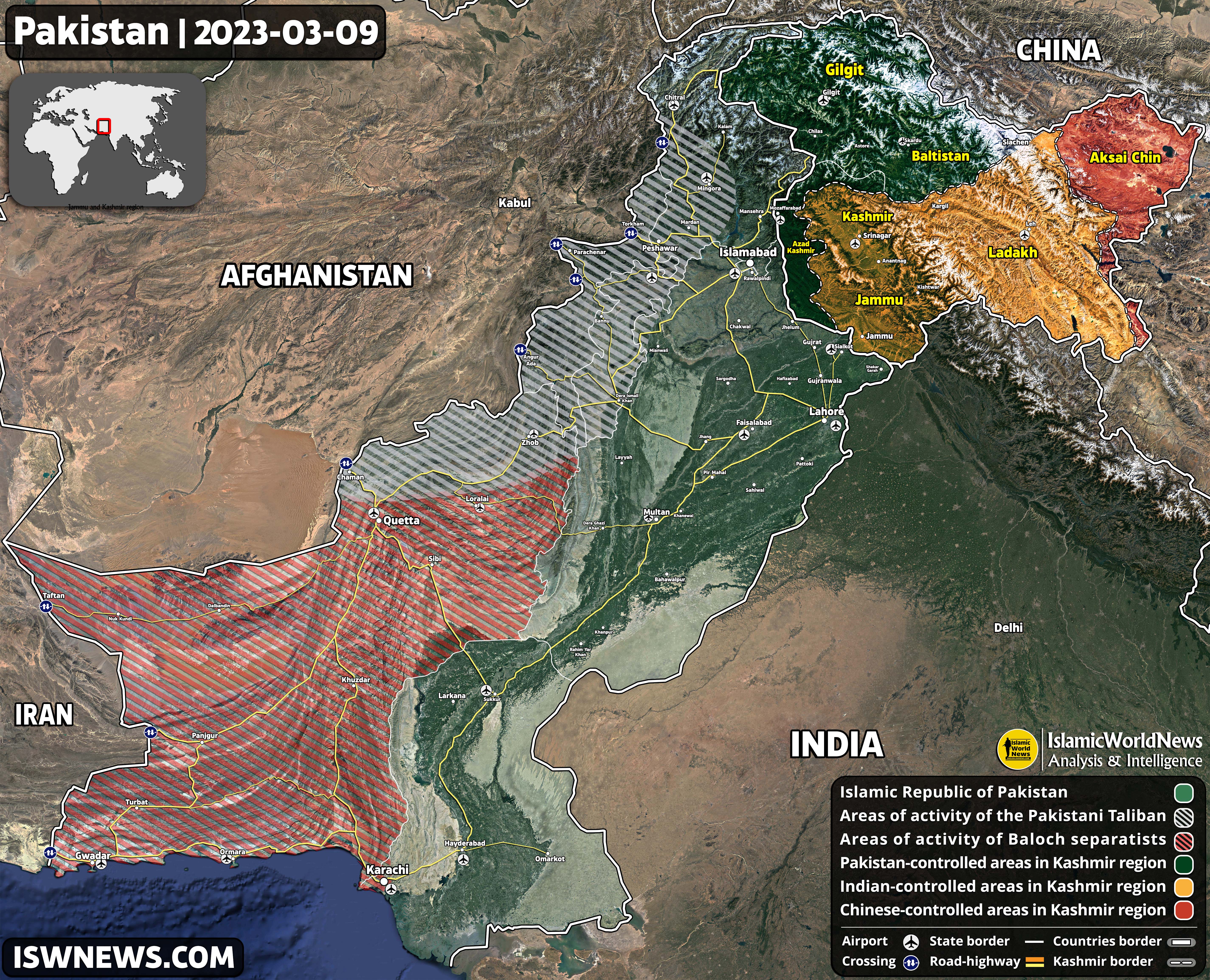
The location of the Taliban-Pakistan border conflict on the border of Khost province – click to view in full size
This is the sixteenth border clash between the Taliban and Pakistan since the inauguration of the group’s government in Afghanistan in August 2021. The previous clash occurred on January 20, 2024 at the border crossing of Afghanistan’s Kunar and Pakistan’s Bajaur.
Fire in Pakistan’s border areas on the border of Khost province
The main cause of most border clashes between the Taliban militants and the Pakistani border guards is related to the construction of military and security installations by Pakistani border forces along the border lines.
The Taliban authorities do not recognize the Afghanistan-Pakistan border known as the “Durand Line” and believe that this border was established in 1893 and 1919 by the leaders of the British-controlled Indian government (Taj) and Abdur Rahman Khan, the then Amir of Afghanistan, at a time when Pakistan did not exist to assert its views on border demarcation.
Therefore, the establishment of security and military installations is also a point of contention and Pakistan’s actions usually lead to armed confrontations and exchange of fire.
The Durand Line is a 2,430-kilometer border line that delineates the current border between Pakistan and Afghanistan. The name of this border line is derived from the British diplomat Henry Mortimer Durand who was the senior negotiator between the UK-controlled Indian government and the Afghan emir, Abdur Rahman Khan. The Durand Line divides Pashtun territories into two separate parts and has led to a significant amount of conflict and tension in the region.
Durand line, the border between Pakistan and Afghanistan
The exact cause of this tension is unclear, but local sources in Afghanistan claim that it started after a collision between an Iranian border guard and an Afghan worker, which led to the Taliban militants arriving at the scene and getting into a verbal quarrel with the Iranian border guards.
Some sources have also reported that the Taliban seized weapons from Iranian border guards.
Reports of armed conflict at this border crossing are not confirmed, and Iranian border guards have closed the entry point, with only the exit side being operational until late afternoon Saturday.
This border tension at the Islam Qala-Dogharoun crossing comes as the border guards in the Nehbandan county of South Khorasan province prevented members of a terrorist group from entering Iranian territory on Friday.
It should be noted that some members of a terrorist group intended to enter Iran to carry out destructive activities but were stopped by Iranian border guards on Friday.
During the confrontation between the terrorists and Iranian border guards, some of the terrorists were wounded and fled towards Afghan territory. The terrorists were found to have significant amounts of explosive equipment, including landmines, metal mines, various remote control transmitters and receivers, ammunition, night vision cameras, and other items.
Islam Qala-Dogharoun crossing – click to view in full size
According to the statement, fighters of the Islamic Resistance in Iraq, in the second phase of their operation against the Israeli regime, targeted an intelligence base in the occupied Golan Heights on March 7 with a drone attack with the goal of assisting and supporting the people of the Gaza Strip and in response to the crimes committed by the occupying regime against Palestinian civilians, including women, children, and elderly.
Prior to this attack, the Islamic Resistance in Iraq had also targeted the Israeli airports of Kiryat Shemona, Haifa, and Rosh Pina with drone attacks.
According to assessments of the IWN, this is the 28th attack by the Islamic Resistance in Iraq against positions of the Israeli regime following the start of the genocidal war in the Gaza Strip.
According to a statement by the Yemeni Armed Forces, in the first operation, the American vessel Propel Fortune was targeted with missiles in the Gulf of Aden, and in the second operation, some of the US military fleet’s warships in the Red Sea and the Gulf of Aden were targeted by 37 suicide drones.
Spokesperson for the Yemeni Armed Forces, Brigadier General Yahya Saree said that the armed forces send greetings to all the great people of Yemen for their two million-strong march in Sanaa and other provinces, and for their resolute support for the people of Palestine, the statement also mentioned.
The Yemeni people also stated that they will continue their military operations in the Red Sea and the Arabian Sea until the Israeli attacks stop and the siege on the people of Gaza is lifted, the statement added.
The US terrorist army’s Central Command (CENTCOM) also claimed in two statements regarding the recent engagement with the Ansar Allah movement that around 9:50 AM (local time in Sanaa) on March 8, CENTCOM forces carried out an airstrike against two anti-ship missiles of Ansar Allah movement in the Arab country. In another statement, CENTCOM claimed that around 3:55 PM (local time in Sanaa) on March 8, the Ansar Allah movement fired two ballistic anti-ship missiles from Yemen towards the Singapore-flagged ship Propel Fortune in the Gulf of Aden. These missiles did not hit the ship, and no casualties or damages have been reported. Additionally, between 4:00 AM and 6:30 AM (local time in Sanaa) on March 9, the US-UK coalition forces shot down 15 suicide drones in the Red Sea and the Gulf of Aden.
Propel Fortune ship
The American ship Propel Fortune is a bulk carrier that has been operating under the flag of Singapore since 2012. The ship was en route from an eastern Indian port to the Israeli-occupied ports of Palestine when it was targeted by two ballistic anti-ship missiles of the Yemeni army, approximately 50 nautical miles southeast of Aden.
The missile and drone operations by the Yemeni armed forces against the bulk carrier Propel Fortune and the US coalition military fleet are considered the 46th and 47th official missile and drone operations by the Yemeni armed forces against Israeli, American, British, and affiliated ships in the Red Sea and the Arabian Sea.
Baloch Republican Army (BRA): The Baloch Republican Army, as the military branch of the Baloch Republican Party (BRP), was founded in 2006. The BRP was established in Quetta city of Balochistan province, but the Pakistani government declared this party along with a group of other parties and organizations as illegal on October 24, 2012. Some sources also claim that the Baloch Republican Army (BRA) separated from the Jamhoori Watan Party (JWP), linked to Nawab Brahumdagh Bugti in 2008, which is related to his uncle, Talal Akbar Bugti.
Baloch Republican Army (BRA)
The Baloch Republican Army (BRA) is a quasi-military organization seeking ethnic-nationalist separation, fighting against the Pakistani government to create an independent Balochistan. Most BRA members belong to the Bugti tribe living in the eastern part of Balochistan, Pakistan. This organization opposes any foreign investment and foreign interference in Balochistan. BRA targets Pakistani security forces and manufacturing infrastructure, claiming to allocate Balochistan’s resources to the people of Balochistan. The Baloch Republican Army (BRA) also targets public transport of the Pakistani government and had previously threatened to continue its attacks against non-combatants if the Pakistani government did not withdraw its forces from the region.
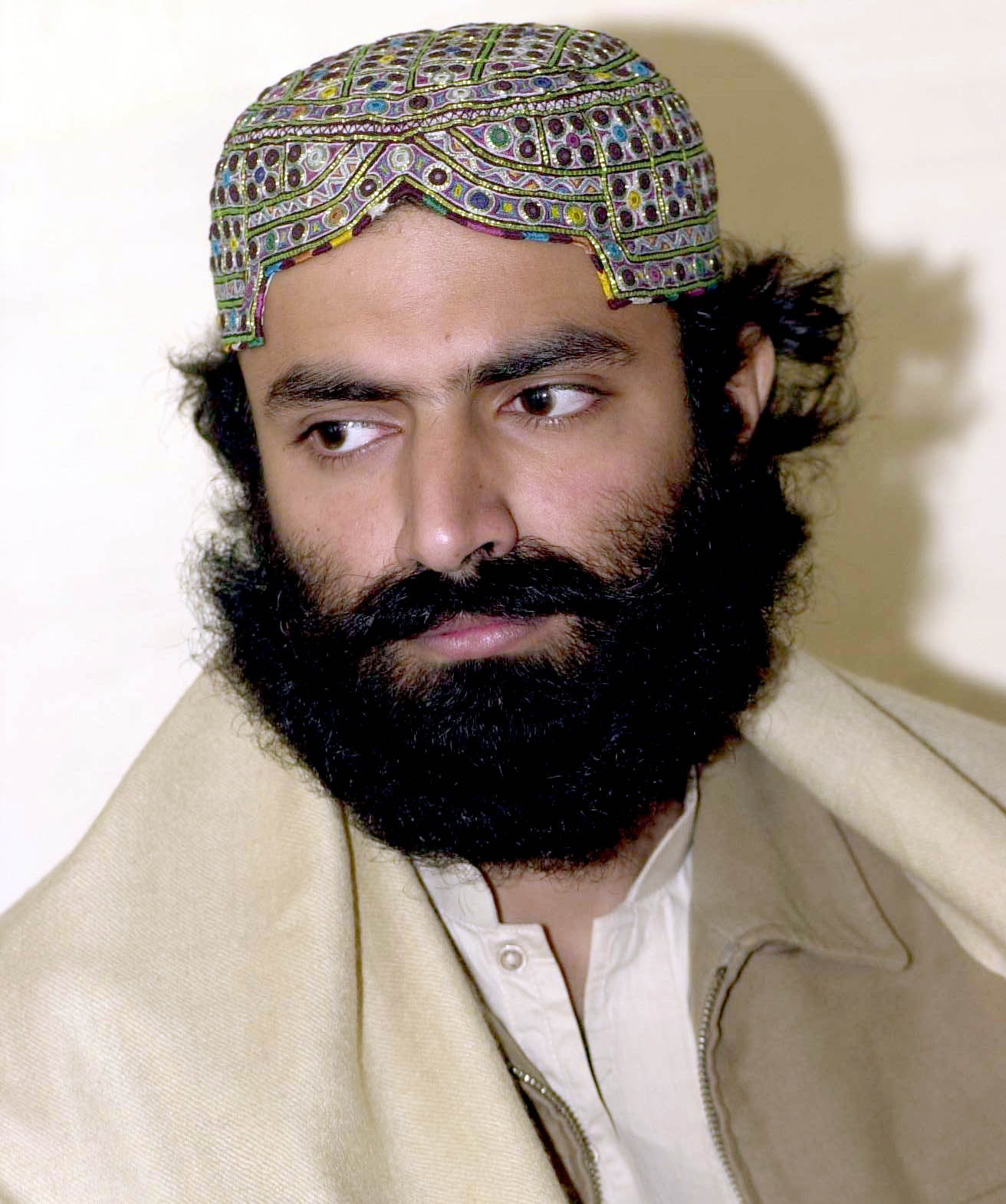
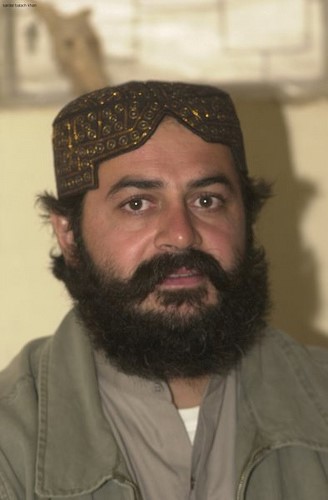
Brahumdagh Bugti
This group carried out its first operation on October 20, 2007, claiming responsibility for detonating a bomb against a bus in Dera Bugti district in eastern Balochistan province. As a result of this operation, 8 people were killed and 28 were injured. The Baloch Republican Army (BRA) does not disclose its leaders; however, the Pakistani government has claimed that Brahumdagh Bugti has been leading this group since its establishment. Bugti is also the leader of the Baloch Republican Party. Pakistani politicians have claimed that US and British intelligence agencies have supported Baloch insurgencies, especially most of BRA’s attacks in Balochistan province, while BRA has also carried out attacks in Punjab and Sindh provinces.
The Baloch Republican Army (BRA) uses mortar attacks, car bombings, handmade bombs, landmines, grenades, small arms attacks, conventional warfare, unconventional warfare, social media, and nationalist propaganda to achieve its goal of establishing an independent Baloch state. This group targets Pakistani security forces, police, public buses, railways, communication systems, gas pipelines, power pylons, checkpoints, and non-governmental offices.
Under the leadership of Gulzar Imam, a branch within this group, which has supporters in the Makran region, it joined the Baloch Raji Aajoi Sangar (BRAS) in 2019. This branch merged with the United Baloch Army (UBA) in January 2022 to form the Baloch National Army (BNA). (BRA) and (UBA) declared their dissolution after the formation of the Baloch National Army.
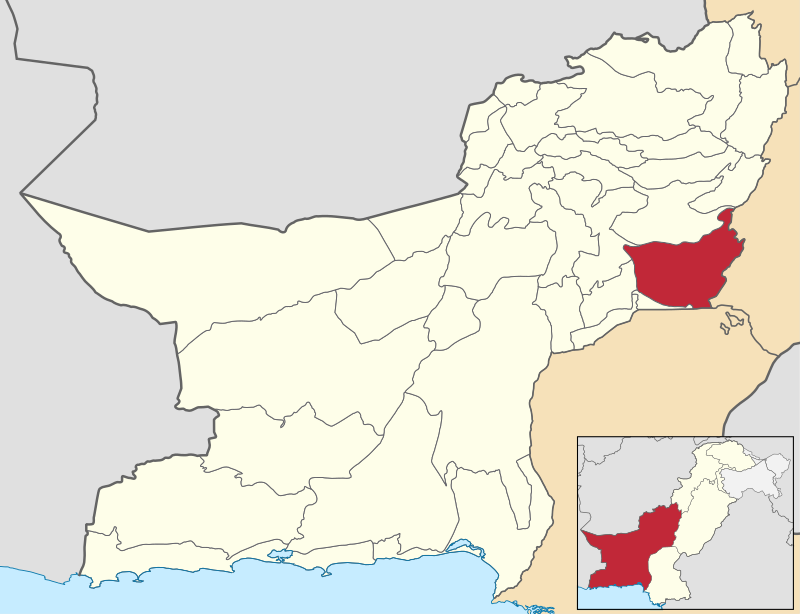
Bugti area in Balochistan province
Balochistan Liberation Army (BLA): The Balochistan Liberation Army is an ethnic-nationalist separatist organization consisting mostly of members of the Marri-Bugti Country tribes located in Afghanistan. The BLA is the oldest and most dangerous group among all active Baloch groups in Balochistan. Formed in summer 2000 in response to increasing dissatisfaction in Balochistan due to the government’s monopolization of natural resources and unequal allocation of jobs to Punjabis compared to native Baloch people, BLA elements targeted Pakistani soldiers and police by resorting to bombings in markets and railroads. Military facilities and Pakistani security forces were targeted with mortar shells during these raids. BLA’s first recorded activity in summer 2000 involved taking responsibility for a bomb blast in a market in Quetta city, Balochistan, resulting in 7 deaths and 25 injuries.
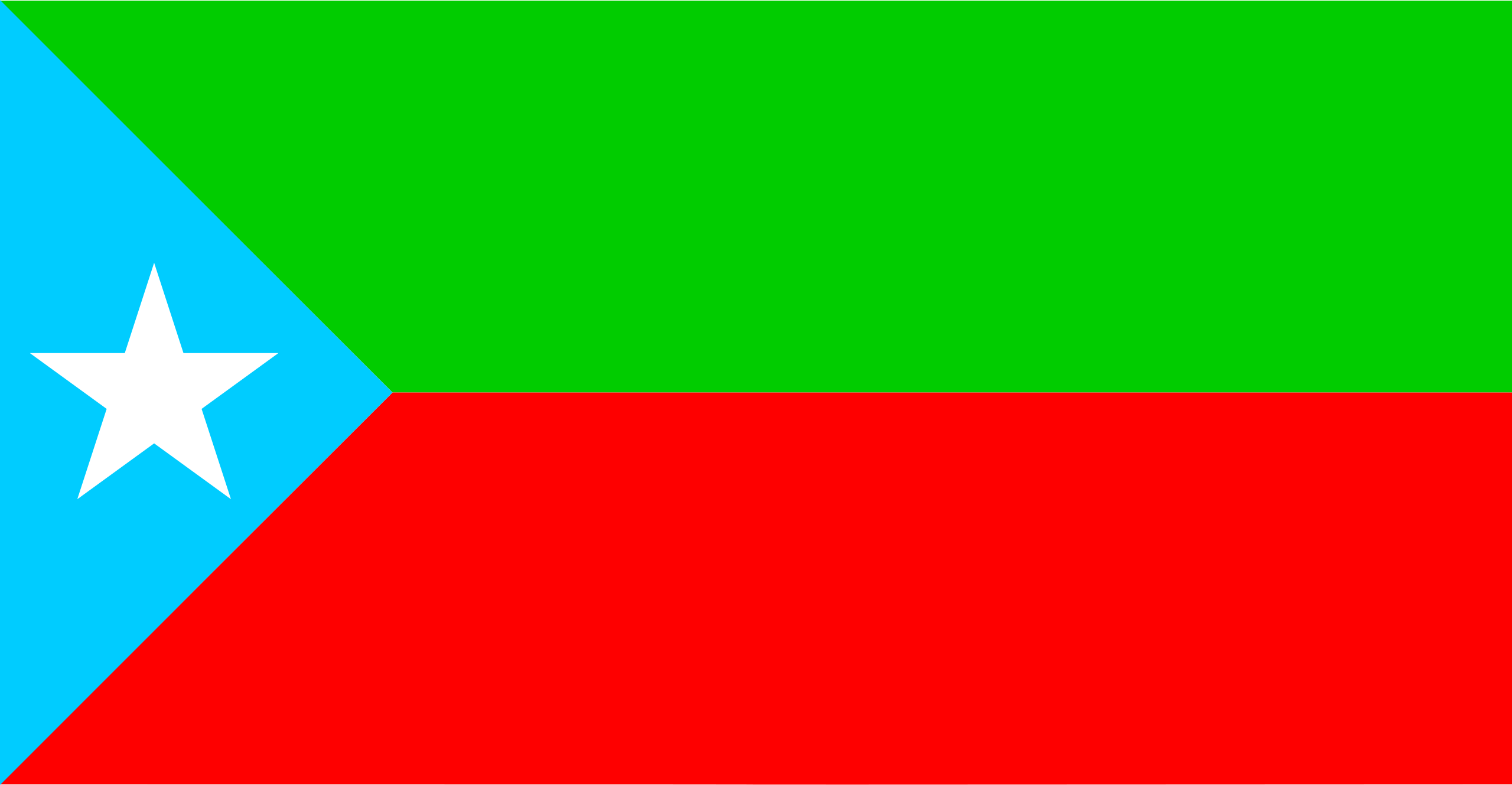
Balochistan Liberation Army flag
The Balochistan Liberation Army (BLA) is considered a terrorist organization by Pakistan, Britain, and the United States.
It is said that the BLA was founded in the year 2000, but some media outlets and analysts speculate that the group is a revival of the Baloch insurgency, particularly the Balochistan separatist movement from 1973 to 1977. In the year 2004, the BLA initiated violent struggles against Pakistan for determining the fate of the Baloch people and the separatism of Balochistan from Pakistan, beginning terrorist attacks against non-Baloch minorities in Balochistan province.
Pakistan designated the BLA as a terrorist organization on April 7, 2006, following repeated attacks by the group on security forces. On July 17, 2006, the British government labeled the BLA as an illegal group. Despite Pakistan’s objections, Britain granted asylum to the suspected BLA leader, Hyrbyair Marri, in the European country. The group’s actions were also described as terrorist activities by the United States Department of State, and the European Union also classified the BLA as a terrorist organization.
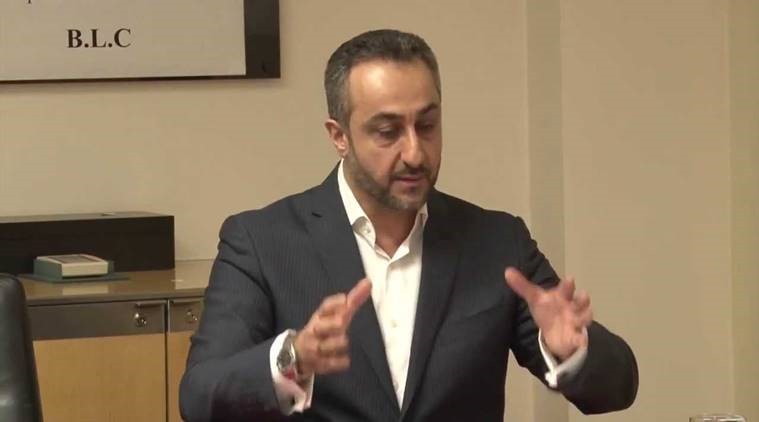
Hyrbyair Marri
Some Western analysts claim that India provides the BLA with funding. The group was led by Balach Marri from 2000 until he was killed in Afghanistan in 2007.
Balach Marri
The BLA most important operations history:
– After operations in 2000, the BLA launched a series of attacks in May 2003, targeting police and non-indigenous Baloch residents. The following year, the BLA attacked Chinese workers involved in large government-sponsored development projects. These attacks attracted the attention of the media.
– Despite the government’s military presence, BLA attacks continued throughout 2003 and into the summer of 2004 with car bombs and multiple attacks.
– In 2005, the group attacked the Kohlu camp, which at the time was hosting the then president of Pakistan, Pervez Musharraf. The Pakistani government considered the actions of the BLA as an attempt on the life of the president.
– On November 21, 2007, government forces killed Mir Balach Marri, the leader of the BLA. Around the same time, the Pakistani government leased Gwadar port in southern Baluchistan to China for 40 years. The BLA and many Baloch interpreted this issue as another attempt by the Pakistani government to colonize Baluchistan, and these groups, especially the BLA, began their military and propaganda operations against China.
– On April 15, 2009, during an interview, Brahumdagh Bugti, a Baloch dissident, asked the Baloch people to kill any non-indigenous resident of Balochistan, whether military or civilian. After these words, about 500 Punjabis were killed in Balochistan, and in the meantime, the finger of accusation was pointed towards BLA.
– In 2013, the BLA claimed responsibility for the attack on the National Heritage Site and historic summer home of Pakistan’s founder Muhammad Ali Jinnah.
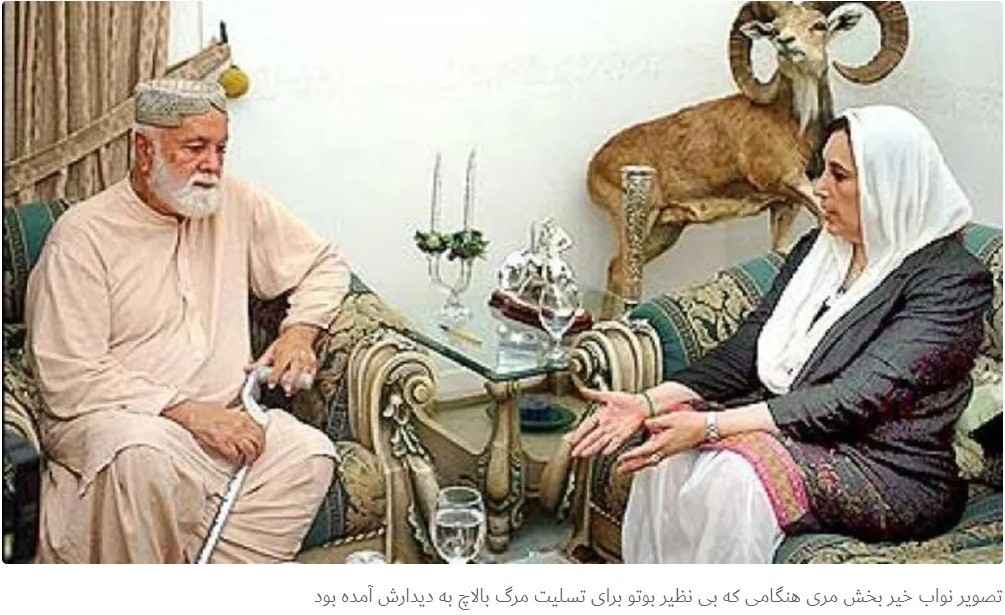
Benazir Bhutto’s meeting with Nawab Khair Bakhsh Marri to condole the death of his son Balach
In 2014, BLA leader Nawab Khair Bakhsh Marri died of natural causes. After his death, Marri’s six sons clashed over control of the BLA. Three of the boys are believed to have left the BLA to help form a splinter group called the United Baloch Army (UBA). In addition to its conflict with the UBA, the BLA has remained active in conducting attacks against the Pakistani government. In April 2017, 500 militants affiliated with various Baloch militant organizations, including the BLA, surrendered to Pakistani authorities.
In its 2022 report, the Balochistan Liberation Army terrorist group has considered two operations as the most prominent operations of 2022. These two operations include the Ganjal operation, which the Baloch Liberation Army claims killed 195 Pakistani soldiers in Nushki and Panjgur, and the suicide attack of Shari Baloch, a female suicide bomber affiliated with the Baloch Liberation Army, in which three Chinese nationals and a Pakistani driver were killed in Karachi.
This group has a strength of between 500 and 700 militants who operate in Quetta, Bolan, Kohlu, Nushki, Kalat, Khuzdar and Karachi. According to an anonymous Baloch human rights activist living in exile, the BLA is strongest in Marri tribal areas such as Mach, Harnai, Nasirabad, Jafarabad, Loralai, Quetta and Awaran in southern and eastern Balochistan.
The BLA Leaders:
Akbar Bugti, former chief minister of Balochistan and considered one of the founding fathers of the BLA. He was killed in a Pakistani security forces operation on August 26, 2006.
Akbar Bugti
Mir Balach Marri was a former member of the provincial parliament who apparently used his political influence to garner local community support for the BLA. He, who commanded the BLA, was ultimately killed in a Pakistani security forces operation on November 21, 2007.
Mir Balach Marri
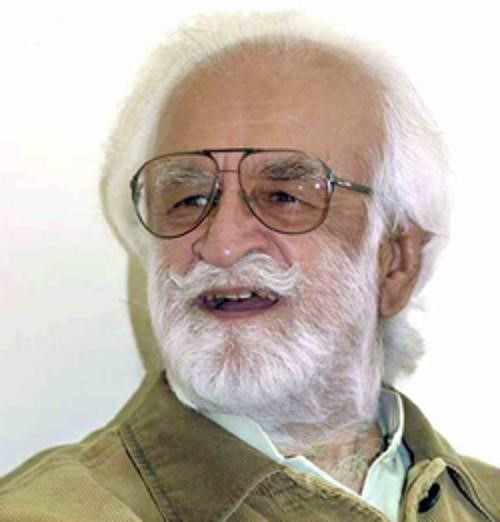
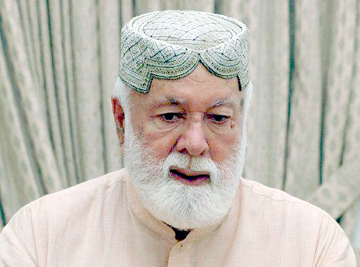
Khair Bakhsh Marri participated in the 1970s Balochistan uprisings. He was known as the “godfather” of the armed Baloch movement. He, the father of Balach Marri, was a key figure in the BLA until his natural death in June 2014.
Khair Bakhsh Marri
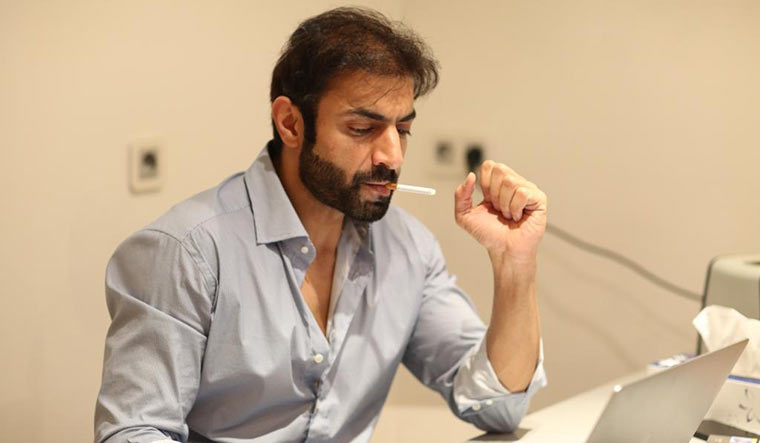
The Pakistani government claims that Brahmdagh Bugti is also among the leaders of the BLA. He gained fame for calling for the killing of all non-Baloch residents in Balochistan during a well-known live television interview. The Pakistani government alleges that Brahmdagh Bugti helped revive the Balochistan Liberation Front (BLF) after leaving the BLA.
Brahumdagh Bugti
Bijar Khan, another BLA leader, was killed in a government attack in July 2015.
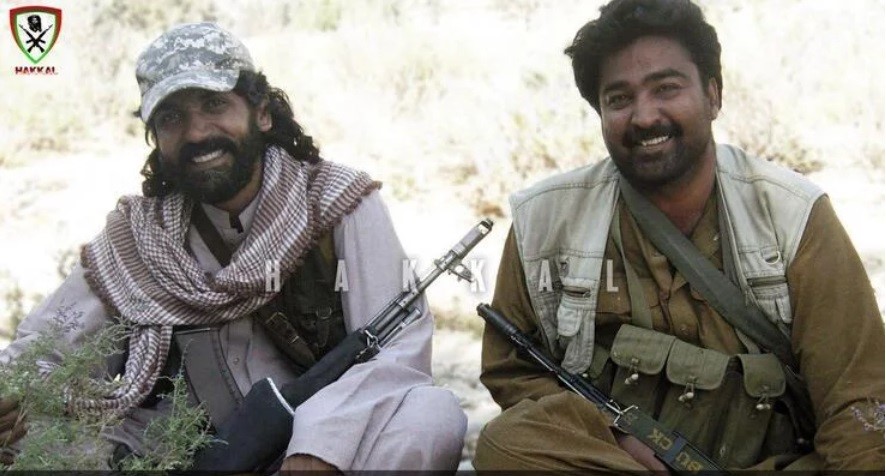
Aslam Baloch, known as “Achu,” was a commander of one of the BLA’s sub-groups. It is said that after a dispute with BLA officials abroad, he branched off and declared himself the commander of the BLA. He founded the Majeed Brigade and was in charge of the attack on the Chinese consulate in 2018. The BLA stated that Aslam Baloch was killed in a suicide attack in Quetta in December 2018. Bashir Zeb Baloch assumed command of the BLA after the death of Aslam Baloch. He was actually the commander of the Majeed Brigade, which conducted most of the BLA’s operations.
Aslam Baloch and Bashir Zeb Baloch
United Baloch Army (UBA): The United Baloch Army (UBA) was a semi-military group fighting for the separation of Balochistan from Pakistan, with headquarters in Kohlu, Kaghan, Bolan, Las Bela, and elsewhere. This group has been designated as a terrorist organization by the Pakistani government. Pakistan declared this group illegal on March 15, 2013. The Swiss government also classified this group as a terrorist organization.
United Baloch Army (UBA) emblem
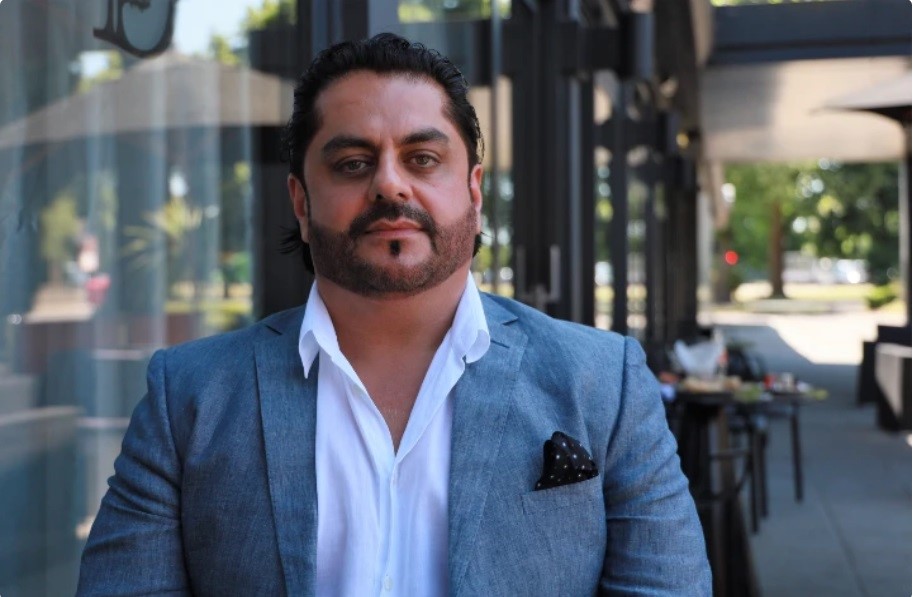
Mehran Marri led the United Baloch Army (UBA). Following internal disputes with his brother, Hyrbyair Marri, whom the Pakistani government considers the leader of the Balochistan Liberation Army (BLA), Mehran Marri left this group and founded the United Baloch Army (UBA).
Mehran Marri
The Balochistan Liberation Army (BLA) and the United Baloch Army (UBA) engaged in conflict with each other, with the deadliest confrontation between the two groups occurring in the Dera Bugti area, resulting in the deaths of 20 fighters from both sides.
United Baloch Army (UBA) militants attacked two buses in Mastung area on May 29, 2015. The militants emptied the buses and shot dead 22 Pashtuns. The United Baloch Army (UBA) also claimed responsibility for the April 8, 2014 attack on the Jafar Express train in Sebi. This attack killed 16 people and injured 44 people.
Mehran Marri was arrested on November 16, 2017, at Zurich Airport by Swiss immigration authorities. Mehran Marri was permanently banned from entering Switzerland. Swiss authorities issued an indictment stating that Mehran Marri is the leader of the United Baloch Army (UBA).
According to various reports, Sarfaraz Bangulzai, one of the commanders of UBA, created his own group with the same name in 2020 after a dispute with UBA leadership. He wanted to separate UBA from the BRAS umbrella organization. The Bangulzai faction of the United Baloch Army (UBA) merged with the Baloch Republican Army (BRA) in January 2022 to form the Baloch National Army (BNA), and after the establishment of the Baloch National Army, they announced their dissolution.
Baloch Nationalist Army (BNA): The Baloch Nationalist Army is a semi-military group fighting for the separation of Balochistan. The group was formed on January 11, 2022, through the merger of the Baloch Republican Army (BRA) and the United Baloch Army (UBA). The Baloch Republican Army and the United Baloch Army also announced their dissolution after the establishment of the Baloch Nationalist Army.
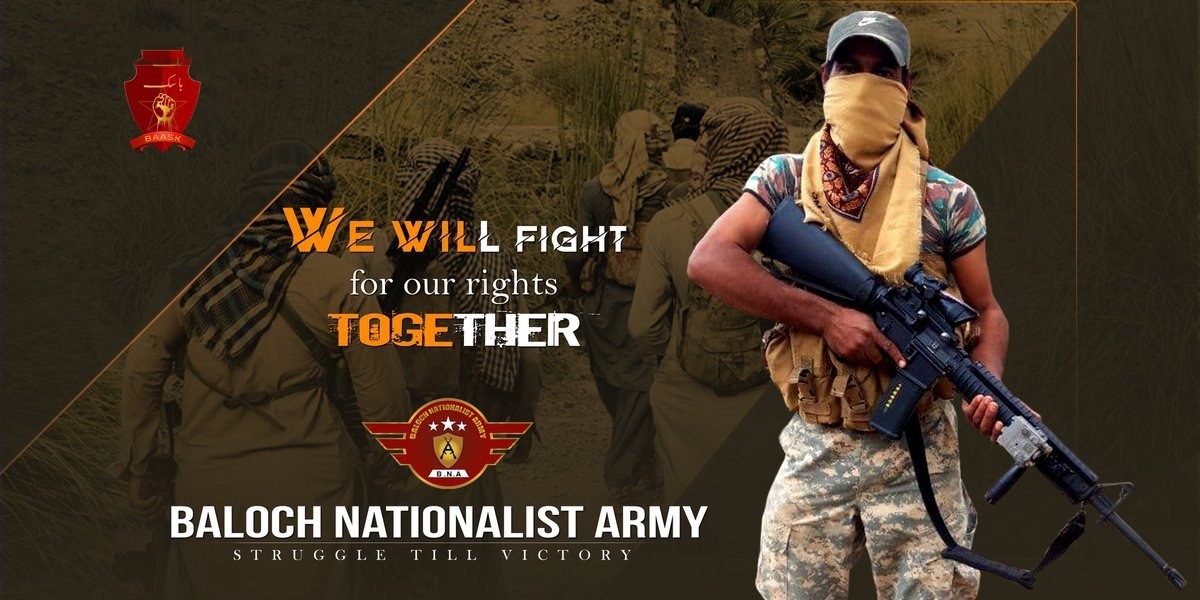
Baloch Nationalist Army (BNA) poster
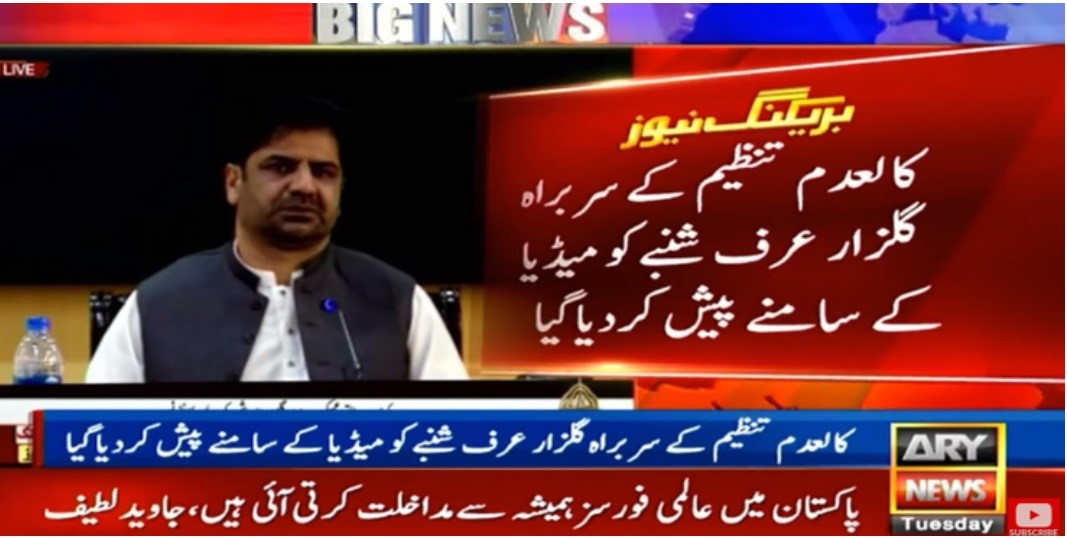
Gulzar Imam alias Shambay was the deputy of Brahmdagh Bugti, who in January 2022, through the merger of his group BNA and the United Baloch Army, formed the new group BRA. After sidelining Brahmdagh Bugti, he became a resident of Europe and was active with over 300 fighters in the regions of Khuzdar, Kech, and Nushki. It is said that in April 2023, Imam Shambay was arrested in an intelligence operation by Pakistan’s Inter-Services Intelligence (ISI) in Turkiye.
In May 2023, Imam Shambay, through Pakistani media, called on all active insurgents in the province to surrender and lead a peaceful life, stating that he had come to the conclusion while in captivity that only peaceful political struggle will resolve the issues of Balochistan. However, after the arrest of Imam Shambay, Sarfaraz Bangulzai, the leader of the UBA faction, introduced himself as the new head of the Baloch Nationalist Army (BNA) under the pseudonym Mureed Baloch.
Imam Shambay in Pakistani media
The BNA operations:
– On January 20, 2022, the Baloch Nationalist Army (BNA) killed at least three people and injured more than 20 people by exploding a bomb in Lahore, Punjab. This was while the Lahore explosion was strongly condemned by leaders of Baloch nationalist groups such as Mehran Marri and Brahumdagh Bugti.
– The Baloch Nationalist Army (BNA) is also said to have collaborated with the BLA in the 2022 Panjgur and Nushki attacks, an operation that attributed to the BRAS umbrella group.
Baloch Liberation Front (BLF): The Baloch Liberation Front is a paramilitary group that operates in the Balochistan province of Pakistan. The group was founded by Juma Khan in 1964 in Damascus and played a significant role in the 1968-1973 insurgencies in Sistan and Baluchestan province in Iran and the 1973-1977 insurgencies in Balochistan province of Pakistan with the support of Iraq. However, the insurgency of this group in Pakistan and Iran was defeated, and its members were driven to Afghanistan where they were supported by Kabul government and the Soviet Union.
Baloch Liberation Front (BLF)
The status of this group was unknown until 2004. The group resurfaced in 2004 after Allah Nazar Baloch took over the leadership of the group in 2003. Since then, this group has been responsible for various attacks on non-combatants, journalists, government officials, and Pakistani military personnel. The Indian newspaper Hindustan Times reported in 2015 that the Baloch Liberation Front (BLF) has expanded its ties with India.
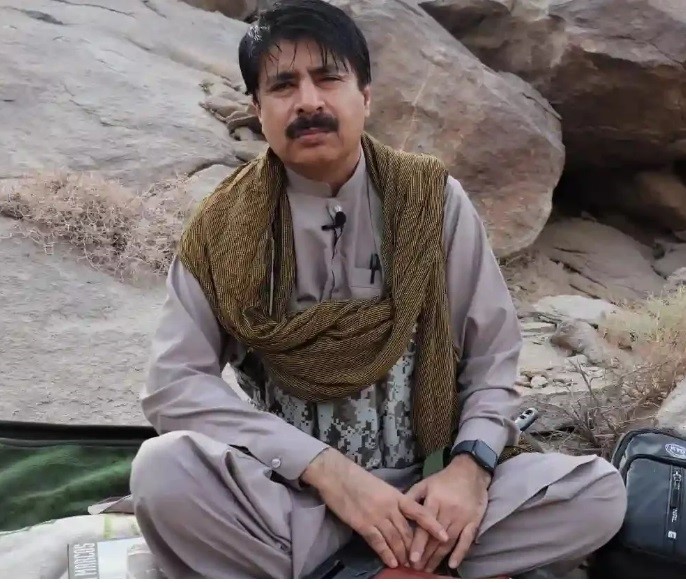
Allah Nazar Baloch
The BLF most important operations:
– Gunmen attacked a Pakistan Coast Guard checkpoint in Gwadar district early on July 27, 2013. This attack was carried out by 24 armed men, which resulted in the death of seven coast guards and the wounding of seven others. Two injured coast guard personnel were also kidnapped by the militants. The Baloch Liberation Front took responsibility for the attack on the Coast Guard post.
– On April 12, 2015, 20 construction workers from Punjab and Sindh were killed in Torbat by gunmen, which the BLF later claimed responsibility for the attack. After the attack, Balochistan Home Minister Sarfraz Bugti claimed that Indian intelligence agencies were involved in supporting the BLF in carrying out such attacks. The BLF claimed that the workers were members of the Pakistan Border Patrol.
– The bodies of 15 migrants were discovered on November 16, 2017, in the city of Torbet. Security officials say migrants have been abducted and then killed by gunmen while trying to cross the border. The BLF later claimed responsibility for the killing of 15 migrants. The mastermind of the attack, Younis Tawakoli, was killed by Pakistani security forces in November 2017. Younis Tawakoli was one of the eight senior commanders of the Baloch Liberation Front.
– On January 25, 2022, BLF elements captured a security forces outpost in the Ketch Plain area and claimed to have killed 17 Pakistani army personnel.
Lashkar-e-Balochistan (LeB): Lashkar-e-Balochistan was established in 2008 with the aim of preserving the position of the tribal chiefs of the Mengal tribe. The Lashkar-e-Balochistan operates from the Jhalawan region.
Lashkar-e-Balochistan (LeB)
Javed Mengal, apparently the leader of the Lashkar-e-Balochistan, is the son of Nawab Akbar Khan Mengal, the first chief minister of Balochistan in 1972. After the dismissal of Akbar Khan Mengal’s government, he was imprisoned and later went into exile. He returned to Balochistan in 1996 and established a political party called the Balochistan National Party. His other son, Akhtar Mengal, heads this political party who left the coalition government of Pakistan Tehreek-e-Insaf (PTI) in June 2020, over the issue of missing Baloch persons and other Baloch issues.
Like all armed Baloch organizations, LeB has not declared its leader, although Pakistan claims that Javed Mengal is the leader of this group and Lawang Khan is its spokesperson.
One of the group’s largest operations took place on September 25, 2020. Members of the Lashkar-e-Balochistan attacked a group of frontier corps in Khuzdar and killed several Pakistani security forces.
Baloch Republican Guards (BRG): The Baloch Republican Guards were formed in 2012 following the assassination of the wife and daughter of Bakhthiar Domki by unknown assailants. Bakhthiar Domki’s wife was the sister of Brahumdagh Bugti and several news reports suggest that this targeted assassination was a message to Brahumdagh Bugti as well.
Baloch Republican Guards (BRG)
The Baloch Republican Guards (BRG) also does not disclose the name of its leader, although Dostain Baloch has been introduced as its spokesperson.
According to Mehrab Baloch, a human rights activist, the Baloch Republican Guards is active in areas like Nasirabad, Bolan, Kech, and somewhere else.
This organization is also part of the Baloch Raji Aajoi Sangar (BRAS).
The Baloch Republican Guards’ elements, on February 10, 2022, fired a grenade at the city of Dera Murad Jamali, which resulted in one death and injuries to several people.
Baloch Raji Aajoi Sangar (BRAS): The Baloch Raji Aajoi Sangar (Baloch National Freedom Front) is an umbrella organization for the main nationalist insurgent groups in Balochistan province, with Baloch Khan as their chosen official spokesperson.
In a joint statement released by media outlets in November 2018, the armed organizations Baloch Liberation Front (BLF), Baloch Liberation Army (BLA), and Baloch Republican Guards (BRG) declared that they form an umbrella organization. Later, the Baloch Republican Army (BRA) also joined this umbrella. The name of this organization, Baloch Raji Aajoi Sangar, in the Balochi language means the Baloch National Freedom Front.
Joint statement released by BRAS
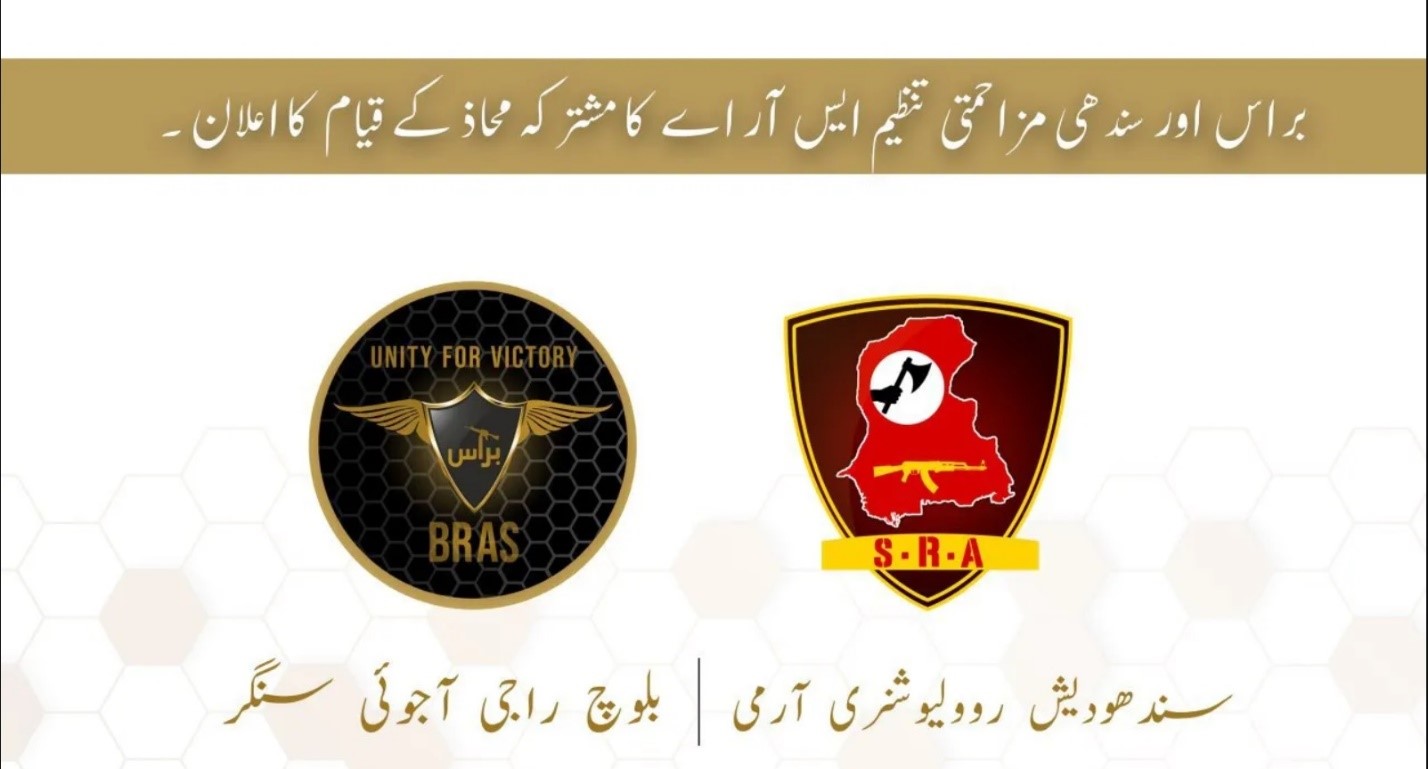
Shortly after, the Sindh Revolutionary Army (SRA) also joined this umbrella group to unite the separatist groups of Sindh province and Baloch separatist groups under one organization. The joining statement of the Sindh Revolutionary Army highlighted countering the China-Pakistan Economic Corridor (CPEC) as a top priority for this umbrella group.
The poster of joining Sindh Revolutionary Army to BRAS
Baloch Liberation Tigers (BLT): The Baloch Liberation Tigers (BLT), a covert organization that appears to have started their operations in 2011, mostly operates in the Dera Bugti area. Moreover, some operations have been reported in Quetta, Nasirabad, Turbat, Lahore, and Jafarabad as well. The news of the operations by this group, which usually engaged in attacks on railways, gas pipelines, assassinations, raids on security forces’ headquarters, and ambushing Pakistani forces, is announced by Miran Baloch, the spokesperson of the Baloch Liberation Tigers.
Baloch Liberation Tigers (BLT)
The Islamic State in Pakistan (Wilayat Pakistan): Under the name Wilayat Pakistan, ISIS has carried out various operations in Balochistan, Pakistan, including assassinations, suicide attacks, abductions and executions of individuals, using hand grenades, and attacking security forces’ headquarters.
One of the significant operations of ISIS in 2023 was a suicide attack by an ISIS member against a group of Pakistani police near Sibi city, killing over 10 of them in March 2023. Similar operations by ISIS in the same region a year prior to the 2023 attack resulted in the killing and injuring of 30 Pakistani security forces.
The kidnapping operation of several Hazara Shia workers in Mach near Quetta and the execution of all of them by ISIS elements in January 2021 also received a lot of coverage in the media.
Tehrik-i-Taliban Pakistan (TTP): Although the Tehrik-i-Taliban Pakistan is composed of a collection of primarily Pashto-speaking Islamist groups from the Pashtun-majority areas of northwestern Pakistan, it should not be overlooked that this group has influence in Balochistan province and is making efforts to increase its influence in this province of Pakistan.
It seems that Aslam Baloch Noshki, the leader of the Tehrik-i-Taliban in Balochistan, is an important figure. Additionally, the Mazar Baloch group is also an important Baloch group within the Tehrik-i-Taliban Pakistan. The new divisions within the Tehrik-i-Taliban Pakistan in Balochistan indicate an expansion of this group’s activities in Balochistan province.
Recently, in June 2023, the council of Tehrik-i-Taliban Pakistan decided, due to the expansion of activities in Balochistan, to elevate Makran and Kalat to provinces, and appoint Shahin Baloch as the leader of these provinces.
It is worth mentioning that in 2022, the Tehrik-i-Taliban Pakistan carried out 12 operations in the province of Balochistan. And in the first six months of 2023, they carried out 19 operations in Balochistan, indicating an increase in the movements of the Tehrik-i-Taliban Pakistan in that province.
Conclusion: Despite efforts to suppress armed movements in Balochistan province, in the ending years of the 20th century, these movements have intensified in the beginning of the 21st century. It seems that the situation in Afghanistan and the instability in northwestern Pakistan have also had an impact on the Balochistan region, which is a region that struggles to find its identity within Pakistan. In the meantime, Pakistan’s closer ties with China and the signing of the China-Pakistan Economic Corridor agreement between the two countries, where Balochistan will play a crucial role, have influenced the rise of armed movements by ethnic and non-ethnic terrorist groups in Balochistan, Pakistan.
It can be said that the Balochistan Liberation Army (BLA) and Baloch Liberation Front (BLF) are the most active armed groups in Balochistan, Pakistan, with other groups either branching out from these two, especially the Balochistan Liberation Army, or being associated with them. Among these, the Balochistan Liberation Army is the most active group in trying to unite other groups.
With the recent developments in Pakistan’s relations with China, rival countries of China, especially India, which have always had a close watch on Baloch groups, have now also paid attention to these groups. In the past decades, countries aligned with socialism like Iraq and Syria also supported separatist Baloch groups. Afghanistan, as a sanctuary for many of Pakistan’s Baloch opposition, is another country involved in Balochistan’s issues. Some analysts also see the footprint of Western powers in supporting separatist Baloch groups in Pakistan.
Due to the tribal structure of the Balochistan region in Pakistan, separatist armed groups are also considered to be linked to tribal groups, with Bugti and Marri tribes holding a special position. Since the origin of these groups is mainly in eastern Balochistan region, it seems that they have little connection with Baloch groups in Iran, and instead have established relationships with Sindhi ethnic groups in their east. Some separatist Baloch leaders, such as Hyrbyair Marri, consider their activities to span across all of Balochistan region, including regions in Iran and even Afghanistan, and some Iranian separatist media outlets also cover Hyrbyair’s activities.
Another issue is that the financial resources available to these separatist groups have led to financial corruption within the groups, with some external separatist leaders exploiting these financial resources for their own benefit. This has caused field commanders to increase their role in opposition to external leaders, a situation that seems to have manifested in the armed movements of these groups, with the military and security objectives of Pakistan coming more into focus for these groups than ever before.