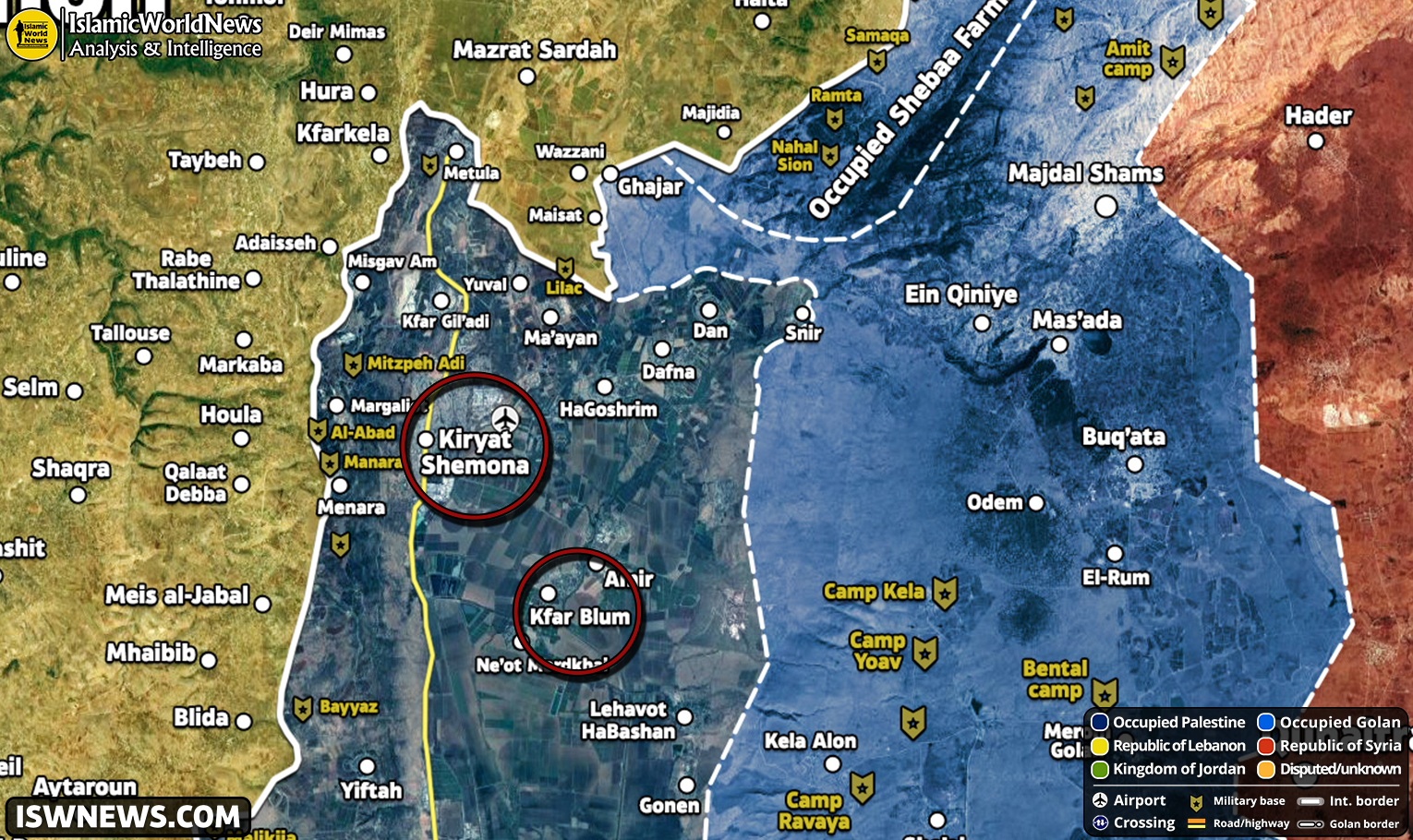
During these attacks, Hezbollah first targeted the headquarters of the 769th Eastern Regional Brigade in the Kiryat Shemona base. This attack occurred at 4:00 PM on Tuesday, which happened in two stages, and led to the sounding of sirens in the town of Kiryat Shemona and its surrounding areas.
The second attack took place at 9:40 PM Tuesday, during which dozens of Katyusha rockets were fired towards the town of Kfar Blum. Based on the videos released showing the moment of the attack, Israeli defense systems managed to intercept most of these rockets and repel the attack.
The third attack likely involved the firing of a guided anti-tank missile at a building in Kiryat Shemona, which successfully hit its target.
Hezbollah has stated in its statements that the two evening attacks on Tuesday were carried out in response to the Israeli regime’s attack on the town of Houla and the killing of three Lebanese civilians. The pressure of Hezbollah’s strikes on the northern Israeli-occupied Palestinian front and the escalation of conflicts have led the Israeli regime to resort to aerial attacks on civilian areas to retaliate for its losses and damages.
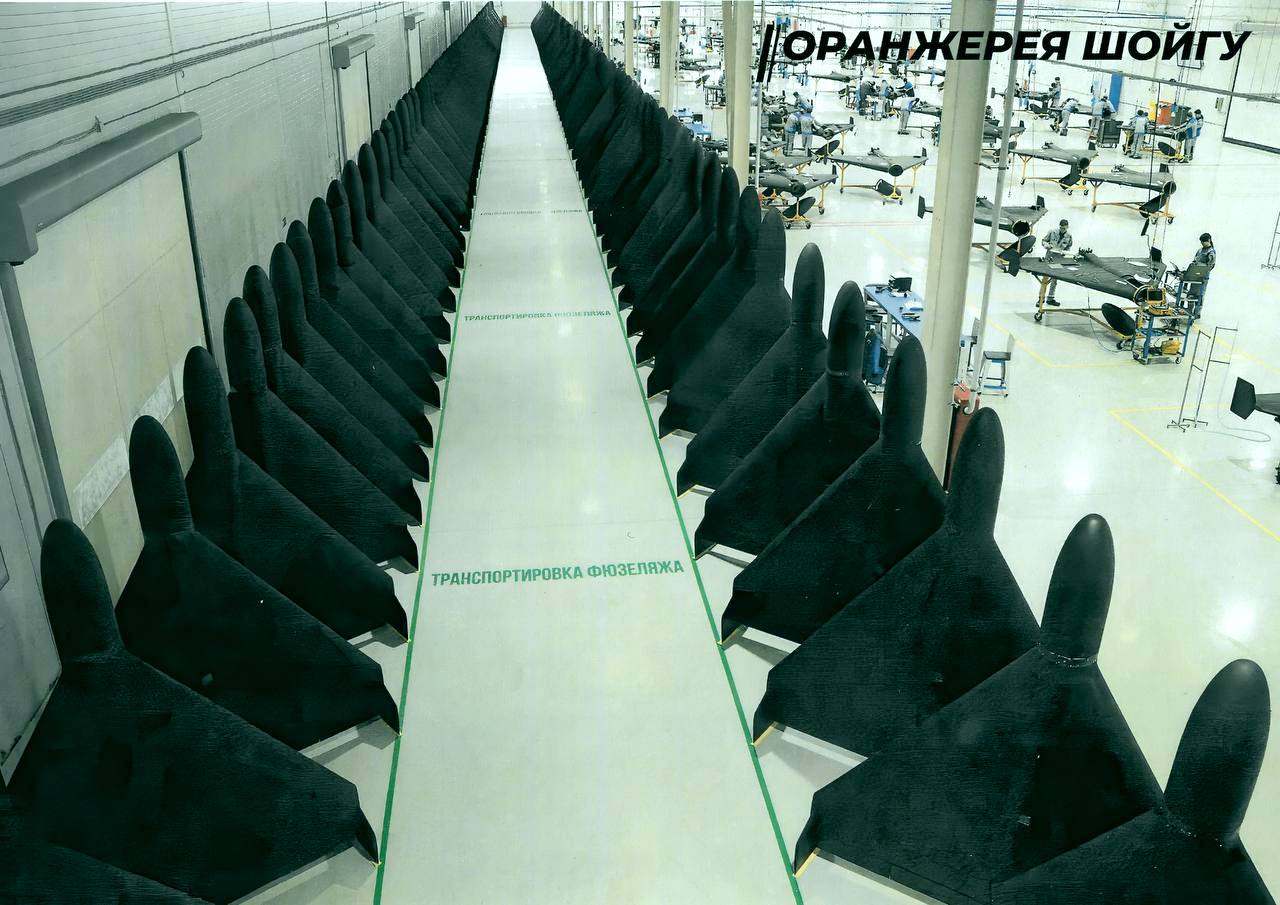
According to the video, hundreds of Geran drones have been assembled and they will be utilized against military targets in Ukraine in the near future. The factory’s capacity is reported to be production of dozens of drones per week.
Geran drones are one of the key emblems of Russia’s military operations in Ukraine, causing significant damage to enemy positions wherever they are deployed.
The Armed Forces of the Russian Federation uses these suicide drones to target Ukrainian defenses, logistics, and infrastructure. The entry of these drones into the Ukrainian conflict significantly shifted the balance in favor of Russia.
It is worth mentioning that, according to information provided by Iranian military officials, the production license for these drones was sold to the Russian army before the Russia-Ukraine war. Currently, Russia mass-produces the drones by launching the Geran production line on its soil.
These individuals were detained in a joint operation by the MIT and Istanbul police.
It is said that one of the detainees, Hamza Turhan Ayberk, a former employee and a prominent TV figure, had connections with a Mossad spy using the code name Victoria.
Ayberk formed a group with government employees who worked under his supervision and gathered information about individuals and companies operating in Turkiye from Western Asian countries.
In 2019, Ayberk was trained by Mossad in Belgrade, Serbia, for his missions and initially engaged in simple espionage tasks for the Israeli intelligence organization.
Brigadier General Yahya Saree, spokesperson for the Yemeni Armed Forces, stated in a declaration that the Yemeni Navy targeted the Israeli ship MSC SKY with several maritime missiles in the Arabian Sea, hitting the vessel precisely.
Brigadier Saree further mentioned that this operation followed another operation in the Red Sea, during which ballistic missiles and suicide drones were fired towards US military ships.
The Yemeni Armed Forces concluded the statement by emphasizing their commitment to continuing operations to prevent Israeli shipping as well as targeting Israeli-occupied ports to stop the regime’s attacks and alleviate the blockade of the Palestinian people in the Gaza Strip.
They declared that they will not hesitate to carry out further military operations in the Red Sea and the Arabian Sea against all hostile targets in defense of Yemen and in support of the people of Palestine.
MSC SKY container ship
MSC SKY is a container vessel that has been active under the flag of Liberia since 1999. According to information released by Western media outlets, the ship was en route from Singapore to the port of Abu Dhabi in the United Arab Emirates but was sighted near Aden Port before being targeted by Yemeni forces at a distance of 91 nautical miles (equivalent to 168.5 kilometers).
Based on assessments made by the IWN, the military operation against the Israeli ship MSC SKY marks the 42nd attack by the Ansar Allah movement against the US-UK coalition’s military fleet and the 43rd operation by Yemeni Armed Forces against Israeli, American, British, and affiliated vessels in the Red Sea and the Arabian Sea.
1- Israeli regime artillery shelled the southwest of Gaza, north and west of Khan Yunis, east of al-Maghazi camp, north of al-Nuseirat camp, east of Rafah city since this morning.
2- The Israeli army announced the assassination of one of the field commanders of Hamas named “Mahmoud Mohammad Abd Haz” in airstrikes on the Gaza Strip.
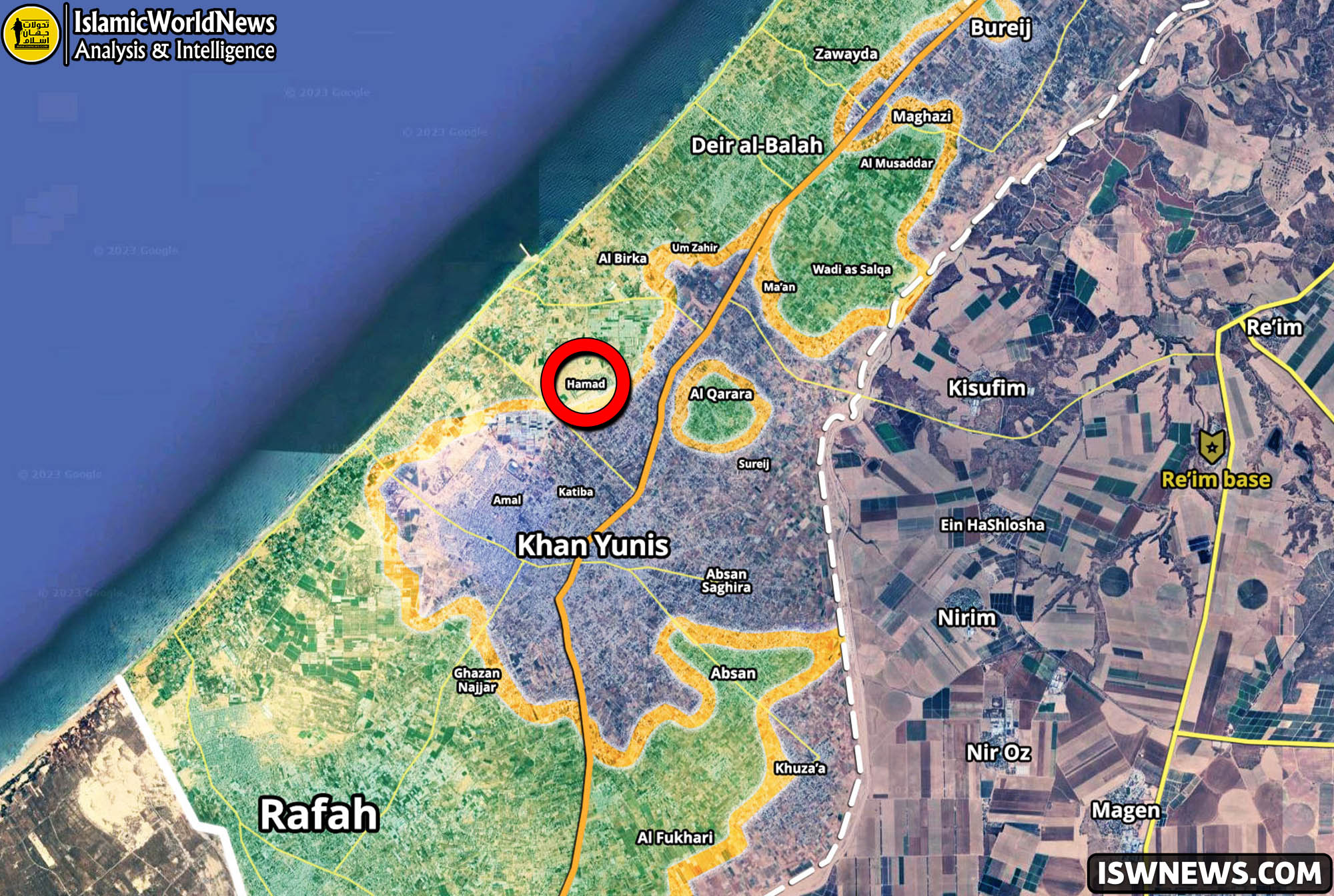
3- Since this morning, Israeli forces raided Hamad town in north of Khan Yunis and arrested dozens of Palestinians and forced several other Palestinians to leave the area. At the same time as the Israeli attack, Israeli artillery also shelled areas in Hamad town, during which several Palestinians were martyred and wounded.
4- Fighters of al-Qassam Brigades targeted 4 battle tanks and 2 bulldozers of the Israeli army in Amal neighborhood located in the west of Khan Yunis city. Al-Qassam forces also targeted the gathering place of Israeli soldiers with rockets.
5- Sderot and Niram areas located in the occupied territories were targeted by Saraya al-Quds rocket attack. In addition to this attack, the soldiers of Saraya al-Quds targeted the gathering place of the Israeli regime soldiers in the north of Gaza with a mortar attack.
6- Kataib al-Mujahideen also reported targeting the gathering place of Israeli army forces in the southeast of Gaza.
7- According to some reports, the Israeli regime soldiers have withdrawn from the areas in the al-Zaytoun neighborhood and some Palestinians have returned to their homes.
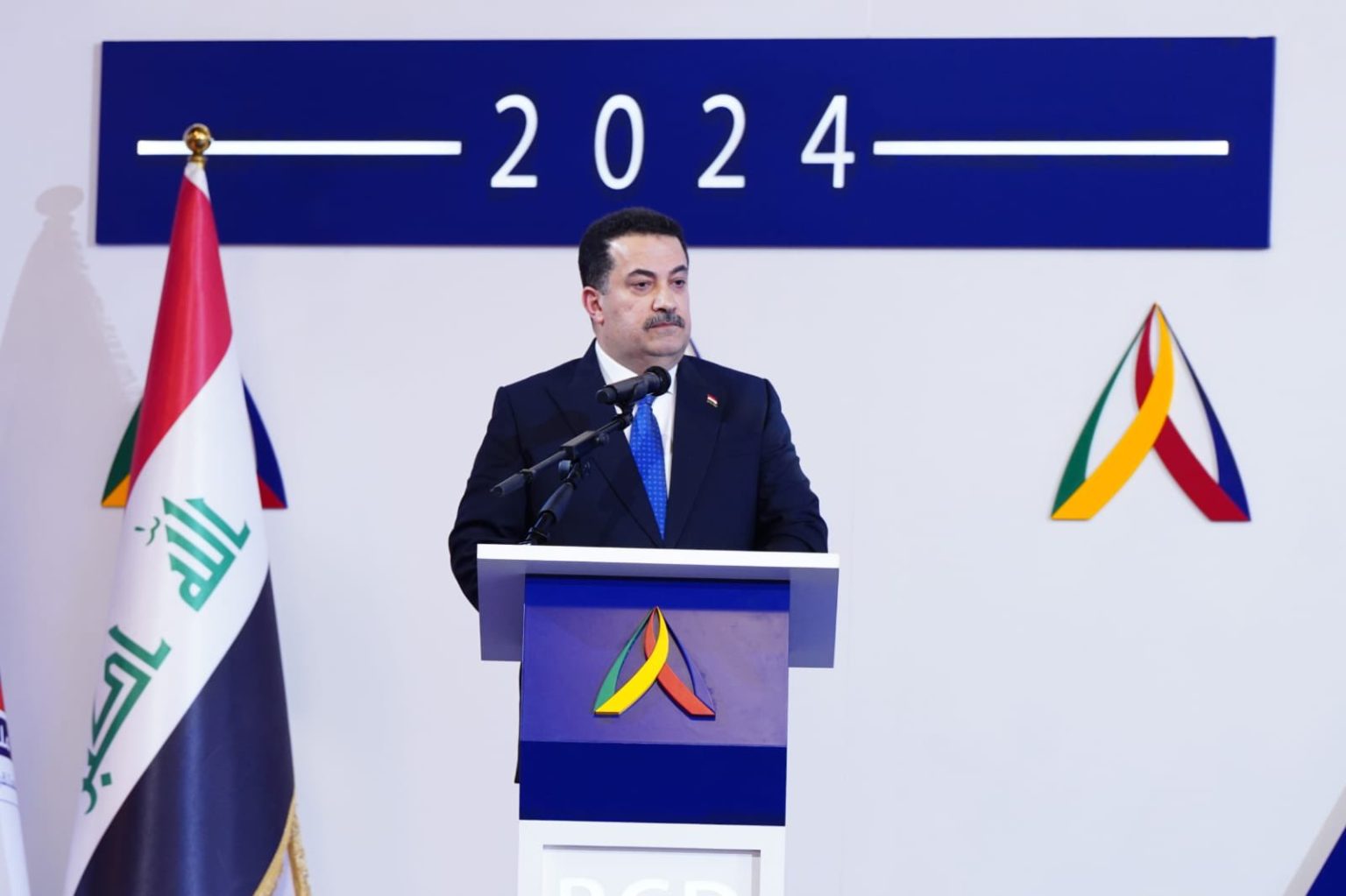
Mohammed Shia Al Sudani, Prime Minister of Iraq, attended the inauguration of the Al-Rafidain Center for Dialogue RCD in Baghdad, where he made remarks during the event.
The Prime Minister of Iraq reiterated that the United States is a strategic partner of Iraq and said that Iran is our neighboring country; we have religious and social commonalities, and the Islamic Republic stayed by our side in the fight against ISIS. ISIS poses no threat to Iraq’s security; so, Iraq continues its efforts to end the mission of the international coalition in the Arab country.
He further mentioned that the end of the international coalition’s presence does not mean cutting ties with coalition countries, and that the announcement of the end of the international coalition’s presence in Iraq depends on dialogue committees.
Hezbollah’s different statements regarding this clash are as follows:
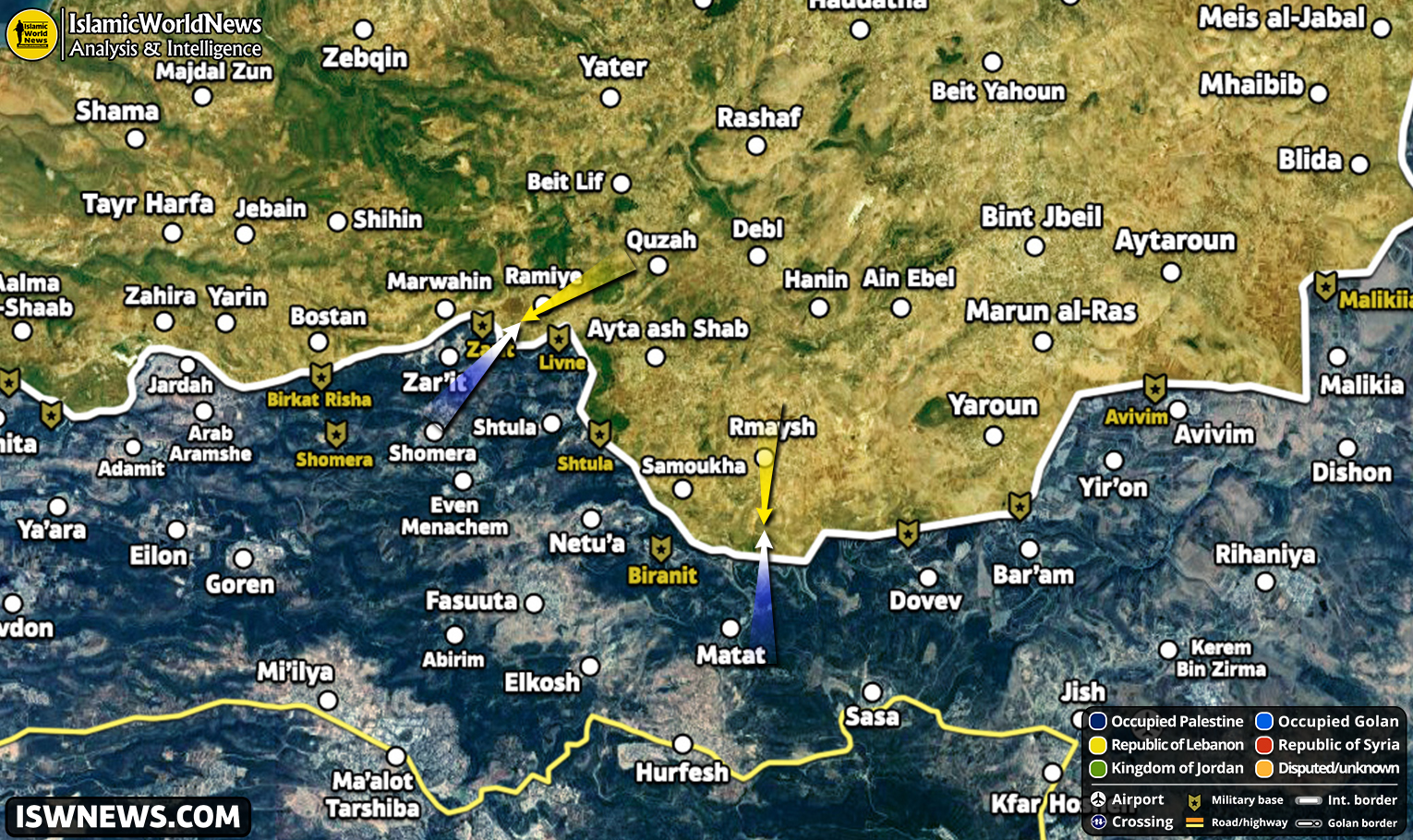
Hezbollah forces, at 11:45 PM last night (local time), launched a rocket attack on Israeli soldiers who were attempting to infiltrate the Rmaych area in Lebanese territory from the Wadi Qatmoun area.
Hezbollah forces, at 12:15 AM Monday, attacked Golani Brigade soldiers of the Israeli regime’s army by detonating a roadside bomb at the Khirbet Ziraat border across from the village of Ramieh, followed by artillery attacks against the Israelis.
Hezbollah forces, at 1:30 AM Monday, targeted the Ziraat base and its surroundings with artillery fire.
After the special forces of the Israeli army’s failed attempt to carry out a security operation in the town of Ayta ash Shab on January 16, last night’s clash is considered the second attempt by Israeli forces to infiltrate Lebanese territory.
Israeli authorities have repeatedly threatened that if Hezbollah does not withdraw from southern Lebanese areas, they will launch a ground attack on areas south of the Litani River.
The possibility of an Israeli ground attack on Lebanon has been raised as a threat since the 2006 war but has never taken place for various reasons.
Overall, the continuation of conflict and intensified Israeli attacks in the Gaza Strip and deep into Lebanese territory could escalate into a broader conflict on this front.
Directions of the ground conflict between Hezbollah and the Israeli army in the axis of Rmaysh and Ramieh – click to display in full size
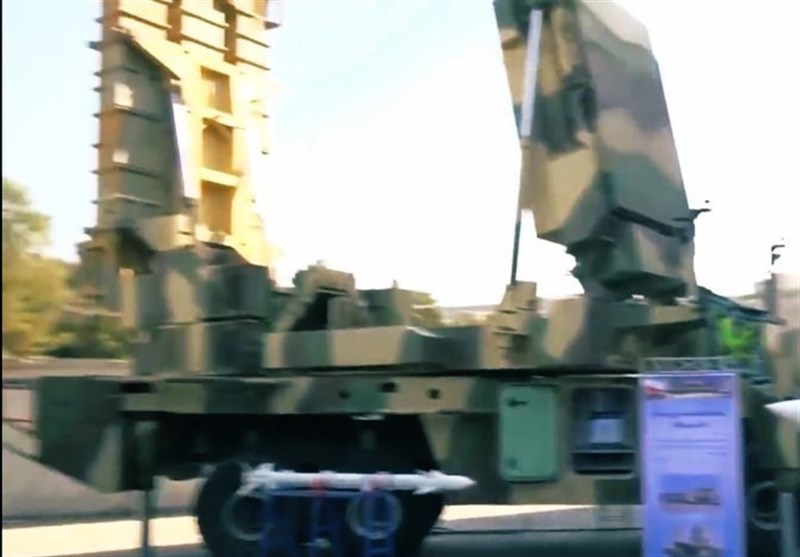
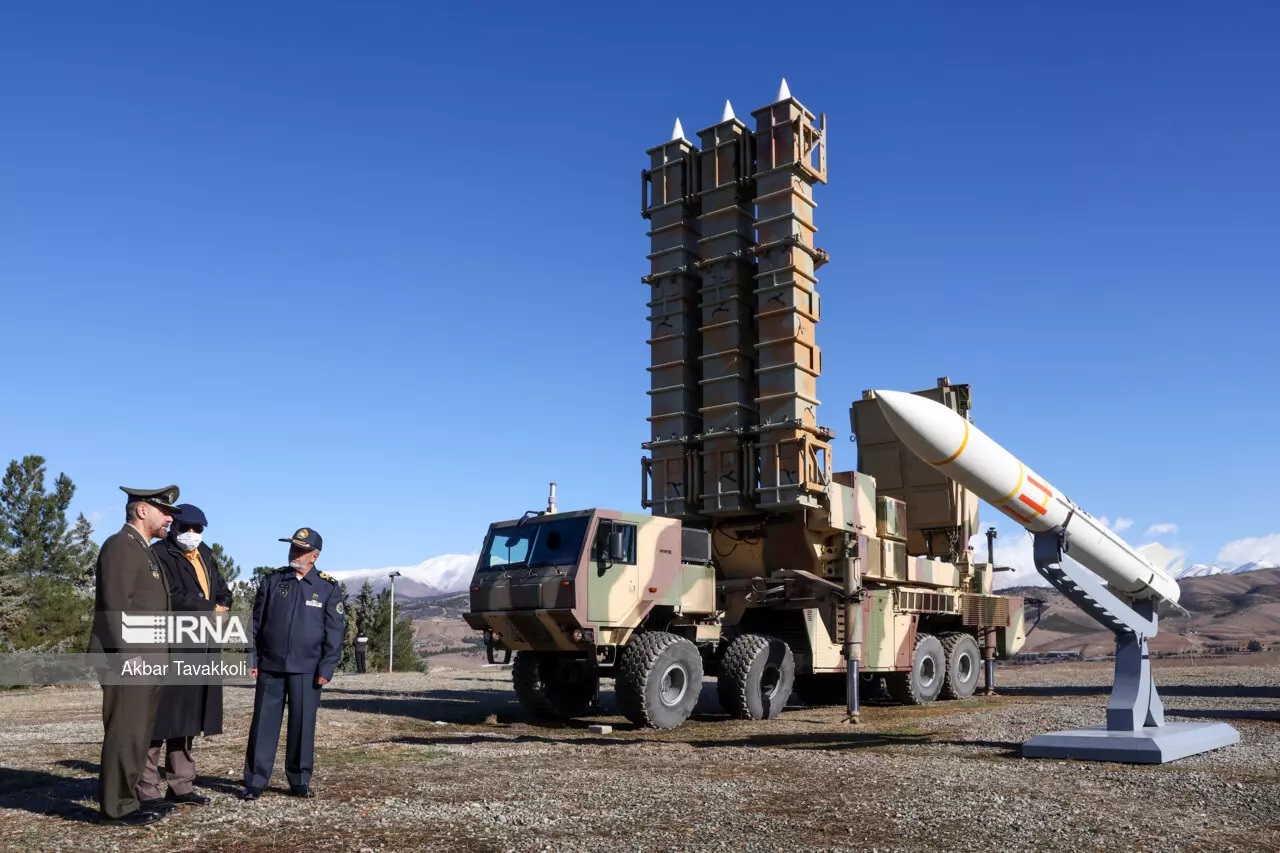
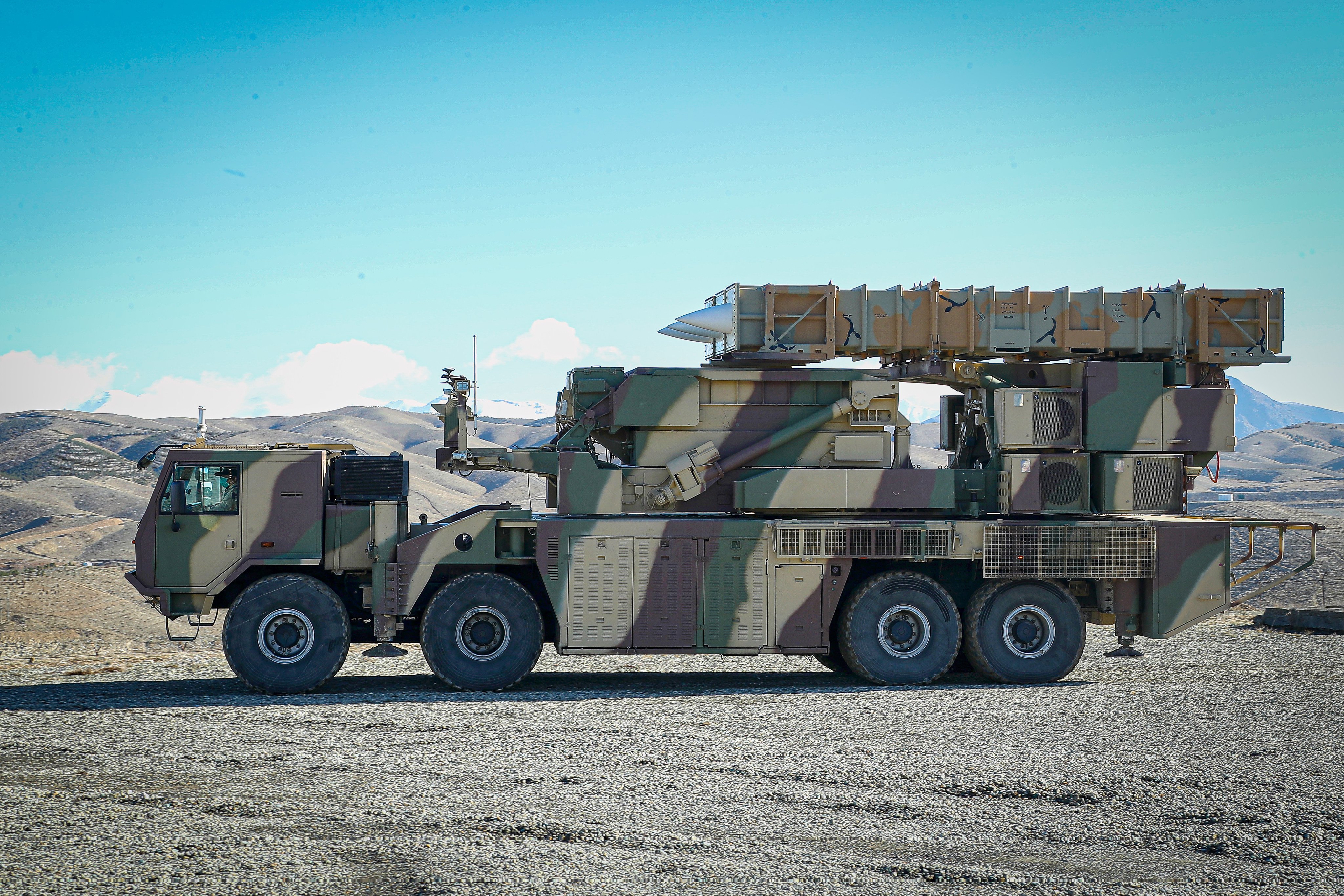
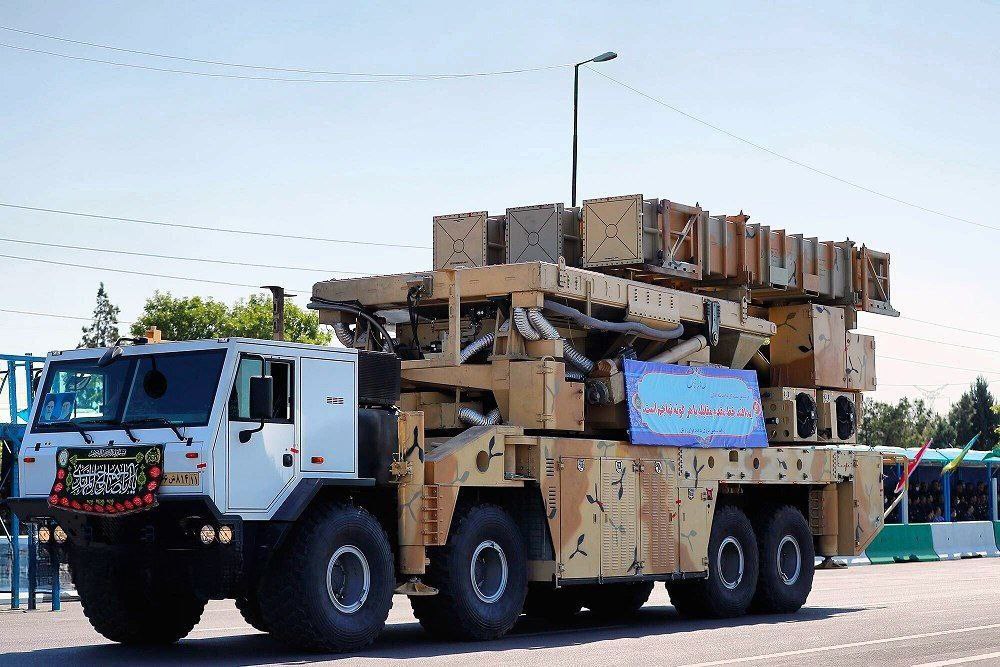
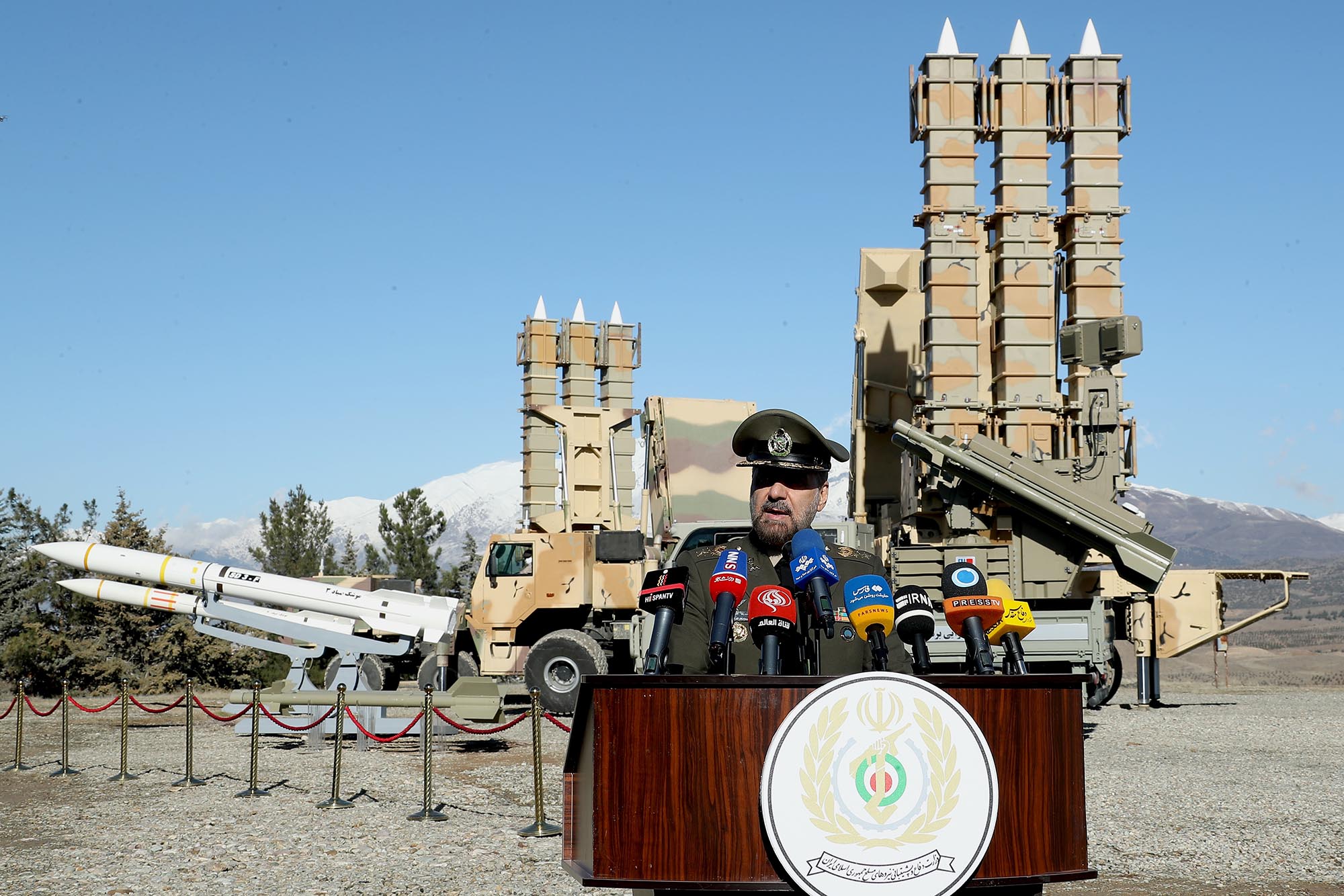
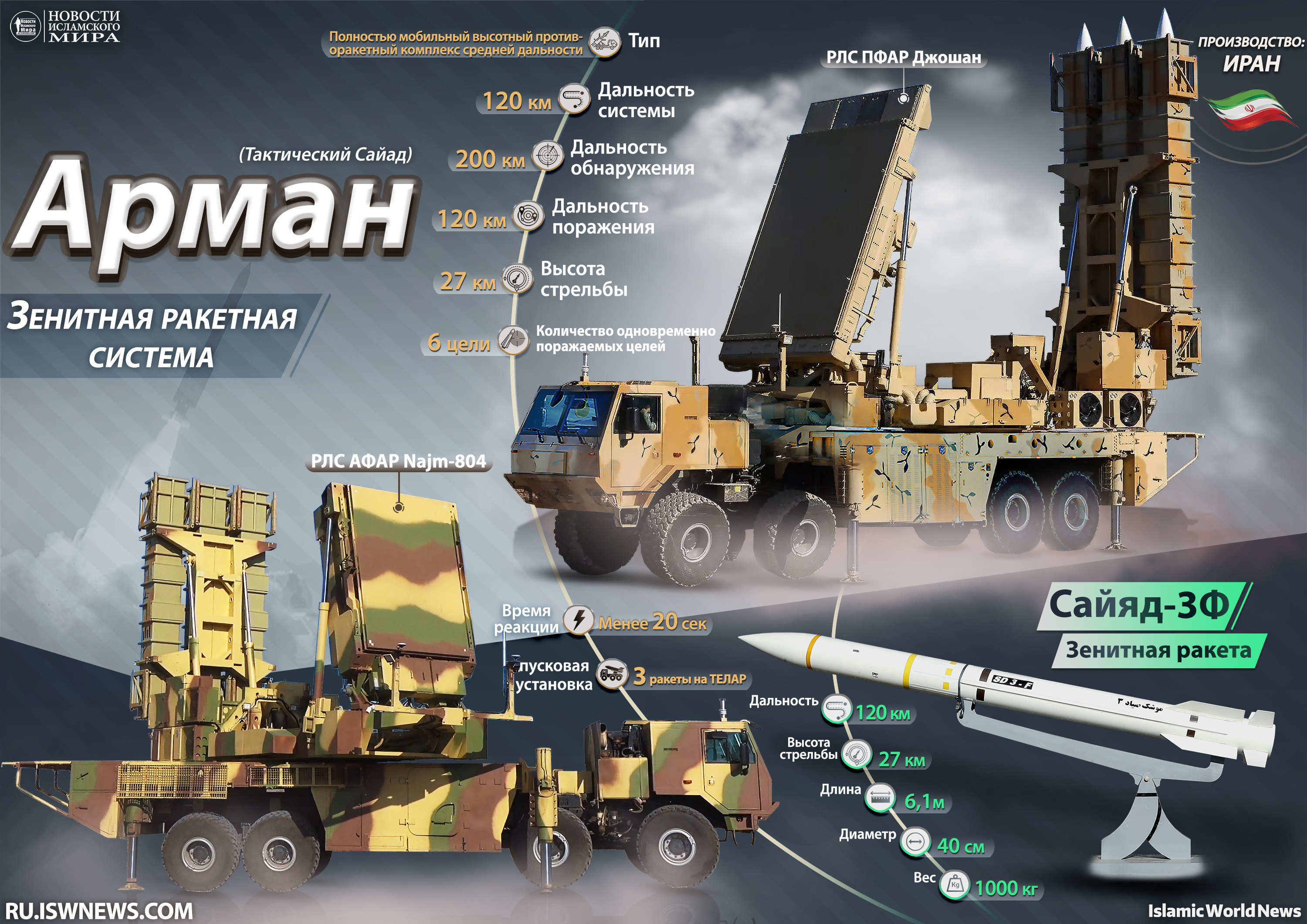
The Arman air defense system is a fully mobile air defense system, previously known as the Tactical Sayyad air defense system, observed during a military parade in April 2022. It’s worth noting that the export version of this system was showcased at the Russia’s ARMY-2023 Expo in capital Moscow under the name Tactical Sayyad air defense system.
This air defense system was renamed from Tactical Sayyad to Arman missile system to honor and preserve the memory of the martyr Arman Aliverdi.
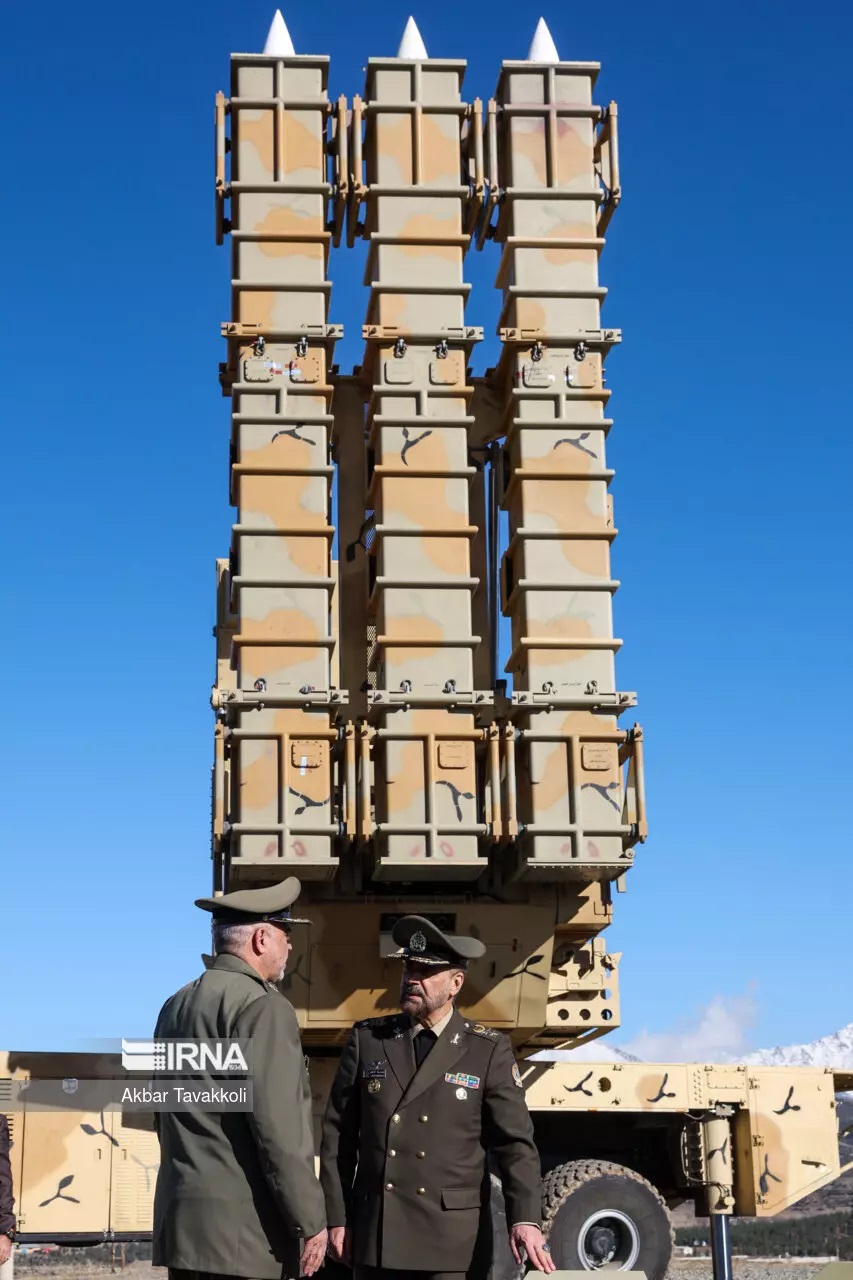
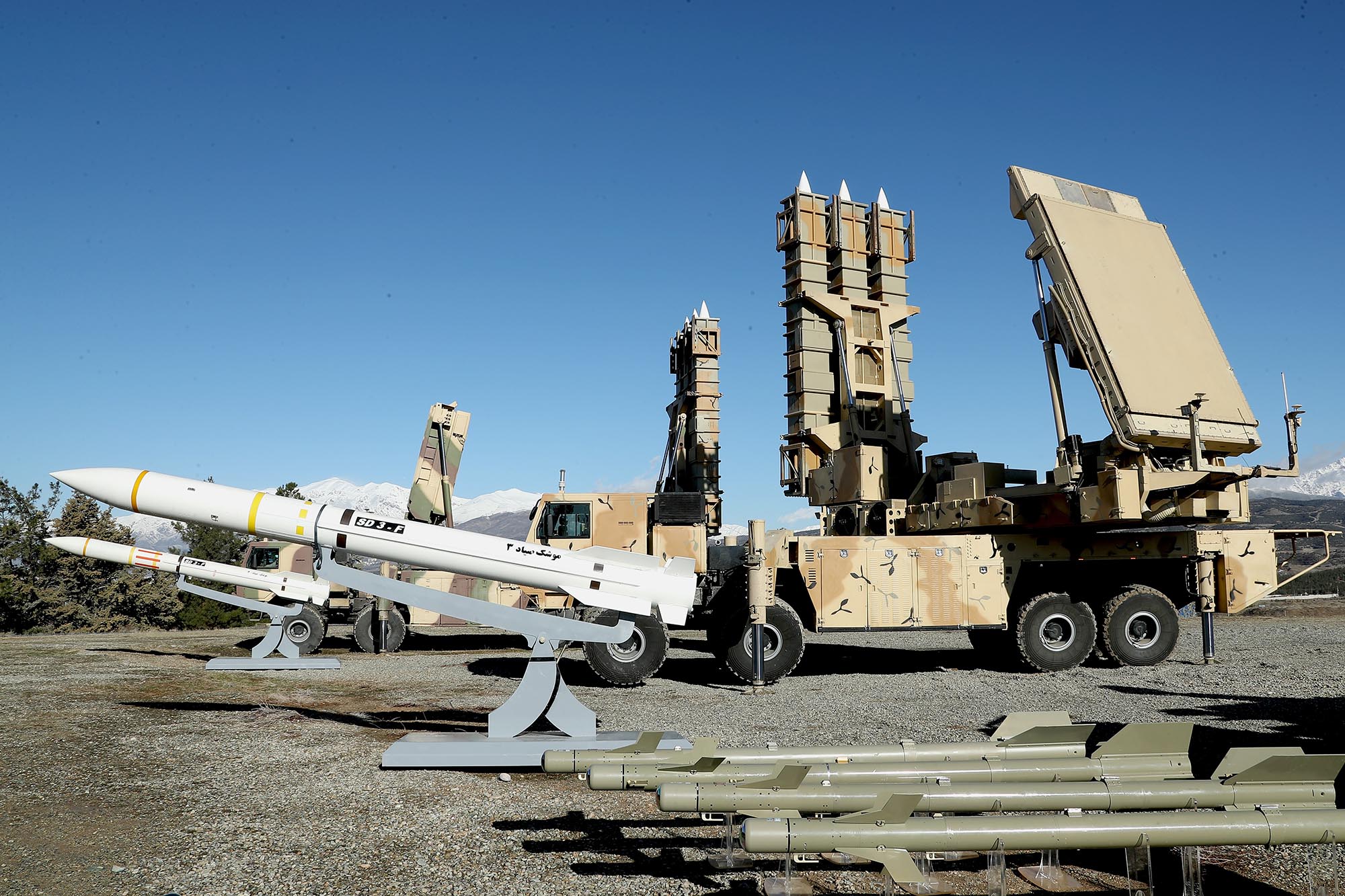
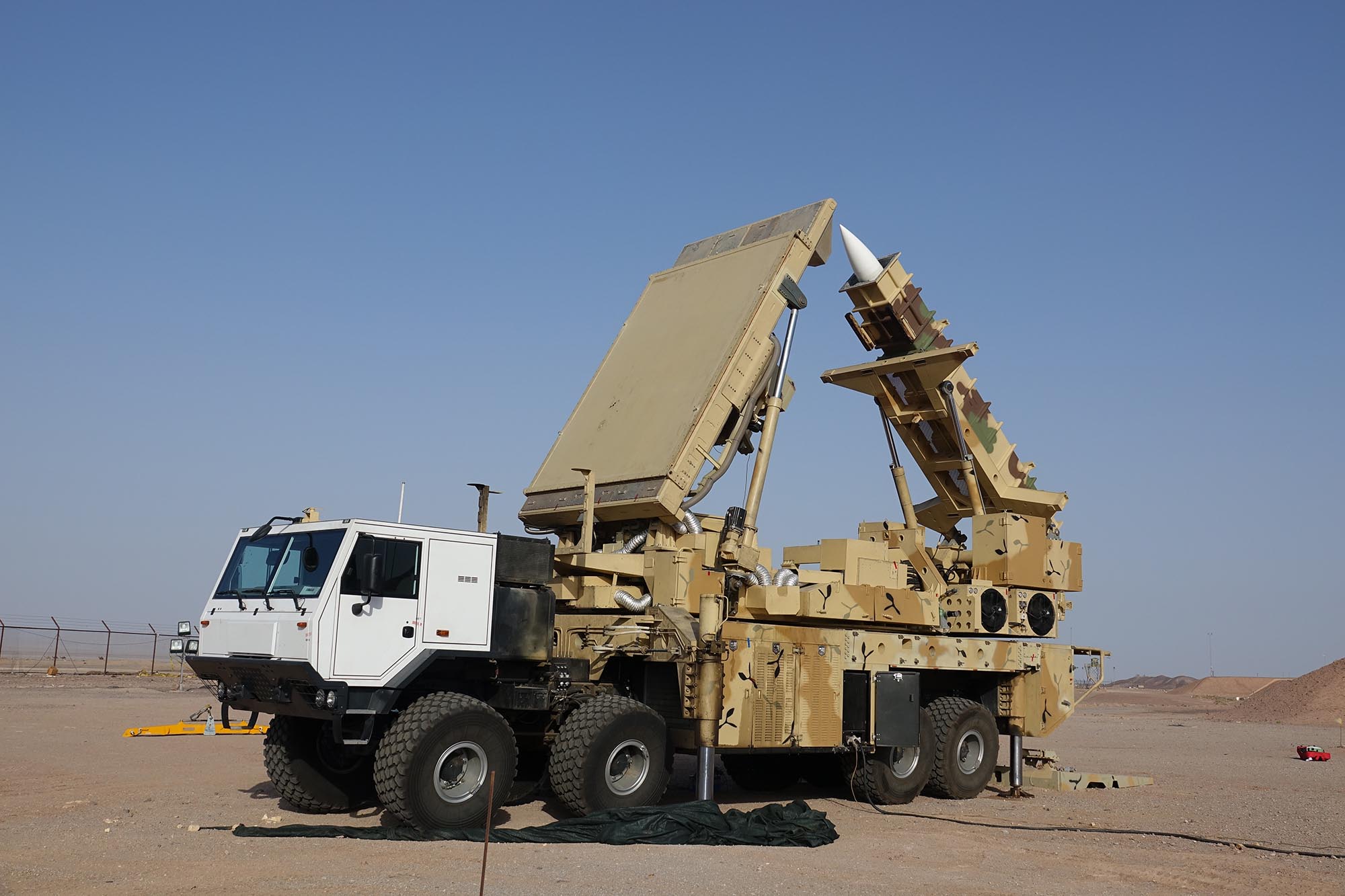
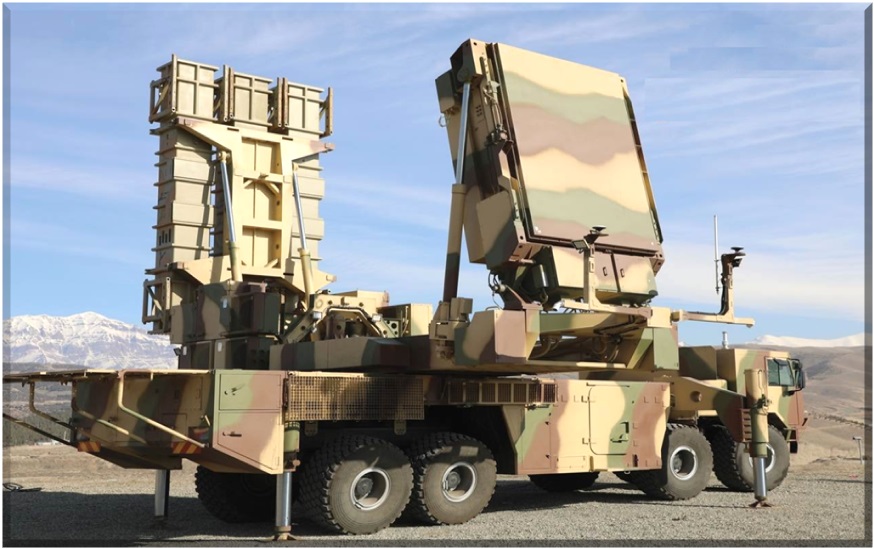
A key innovation in the design of the Arman air defense system is the integration of radar and missile launchers in a single vehicle. This design, known as Transporter Erector Launcher and Radar (TELAR), along with the 360-degree coverage angle, increases the overall system’s agility and enables a quicker response to emerging threats. As a result, one unit of the Arman air defense system consists of a radar-carrying vehicle and three vertical missile launchers.
This air defense system is available in two variants, equipped with an active electronically scanned array (AESA) radar for the Islamic Revolutionary Guard Corps (IRGC) Aerospace Force and a passive electronically scanned array (PESA) radar for the Islamic Republic of Iran Air Defense Force. The active phased array radar of this system belongs to the Najm-804 radar family, and the passive phased array radar seems to be of the Joshan radar system.
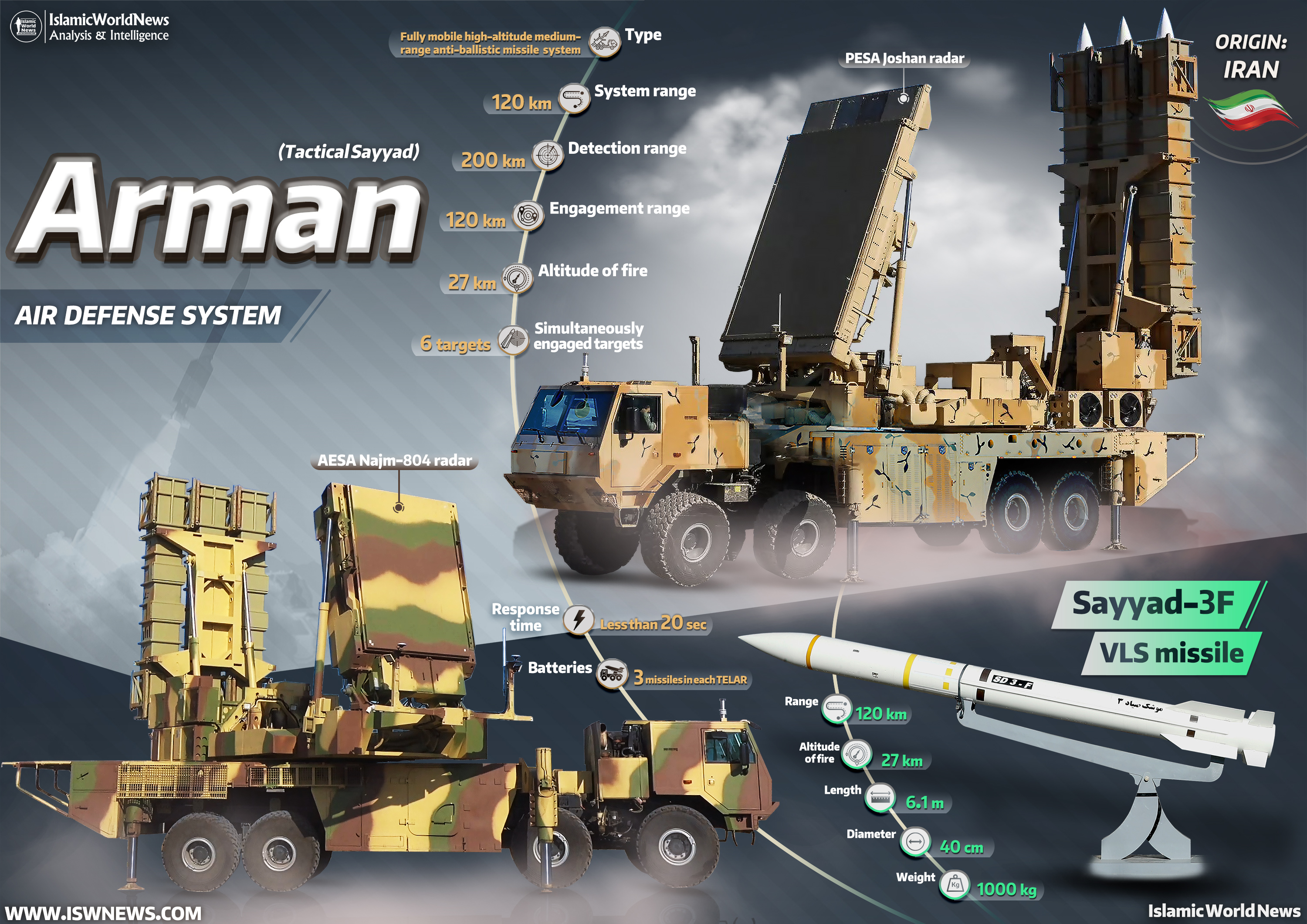
The Arman air defense system, with the mentioned radars, is capable of detecting 24 targets within a range of 180 to 200 kilometers. It intercepts targets at a range of 160 kilometers and engages with targets at a range of 120 kilometers. The maximum engagement altitude of this radar is 27 kilometers, and it has the capability to engage up to 6 targets simultaneously.
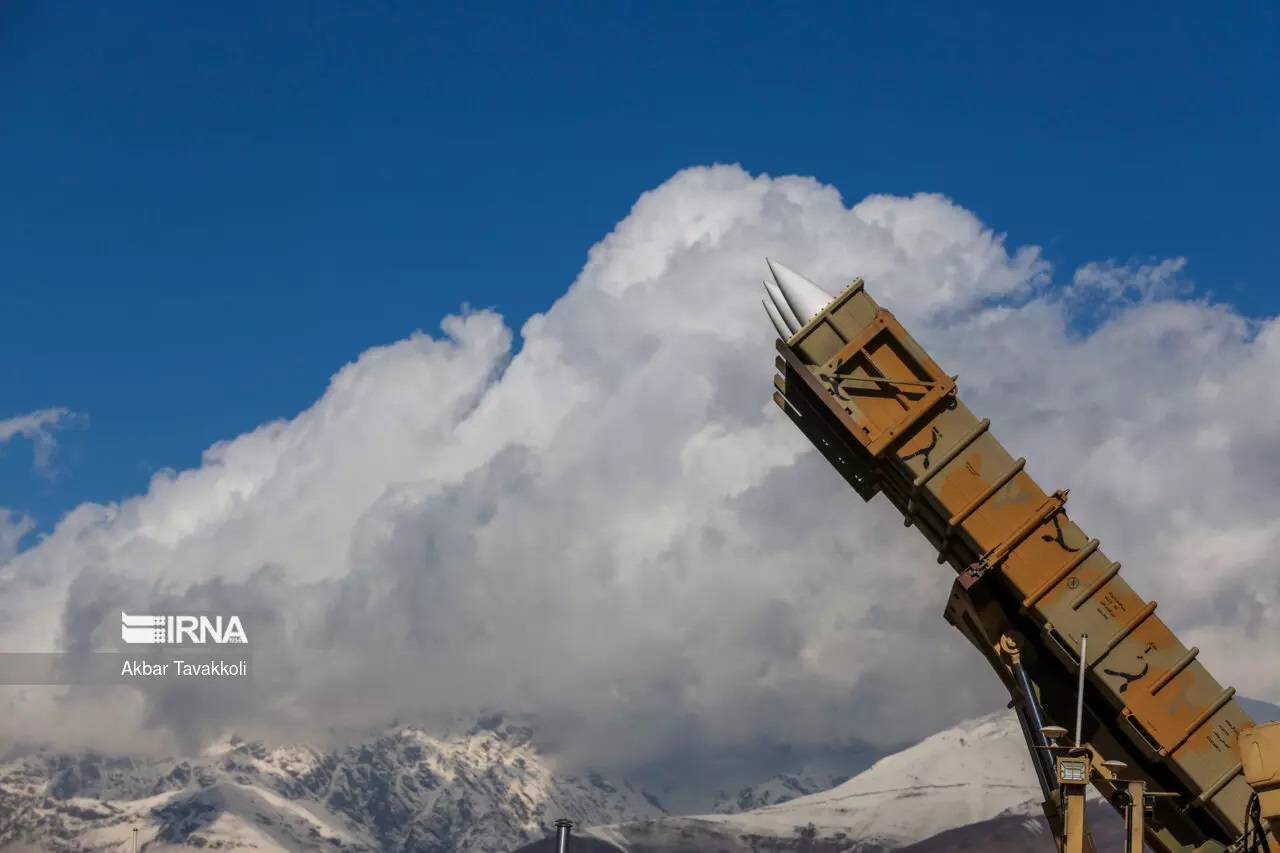
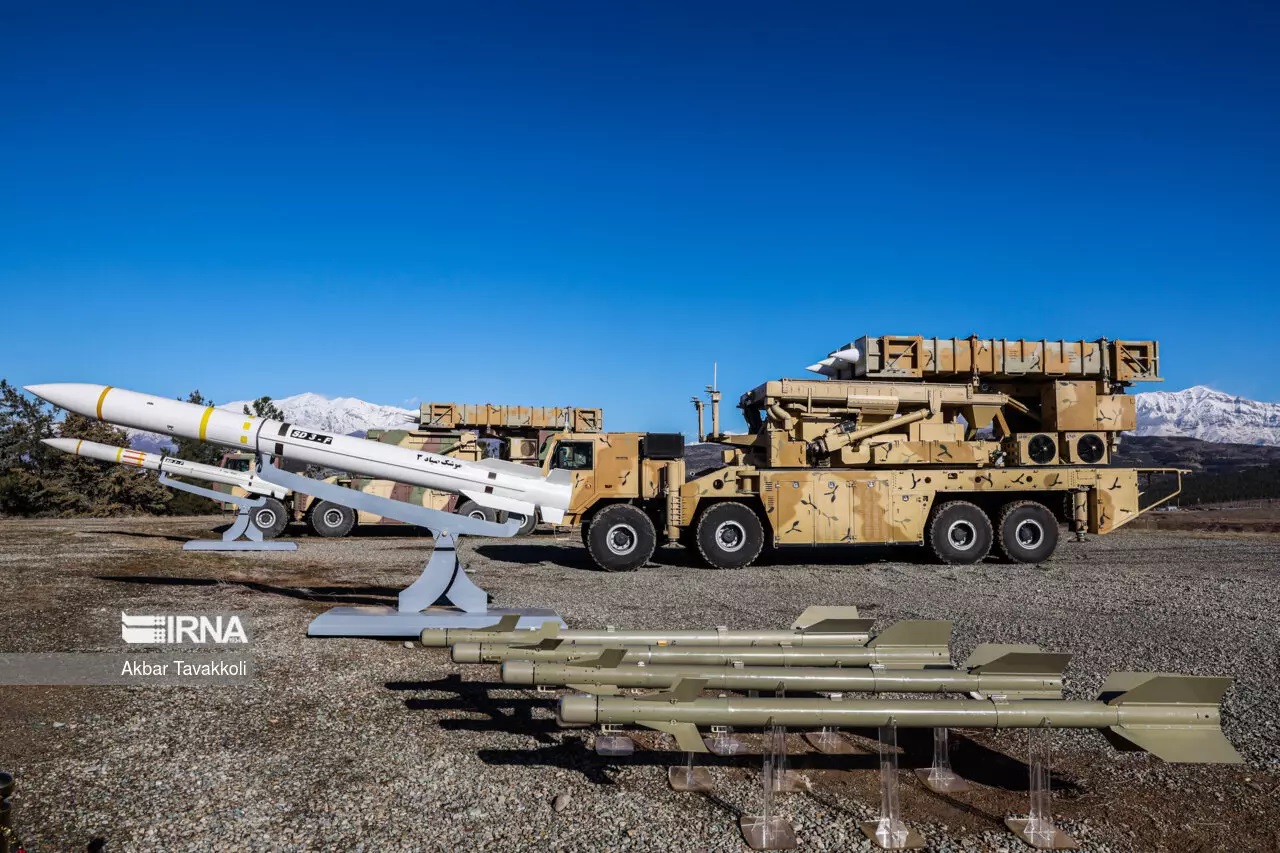
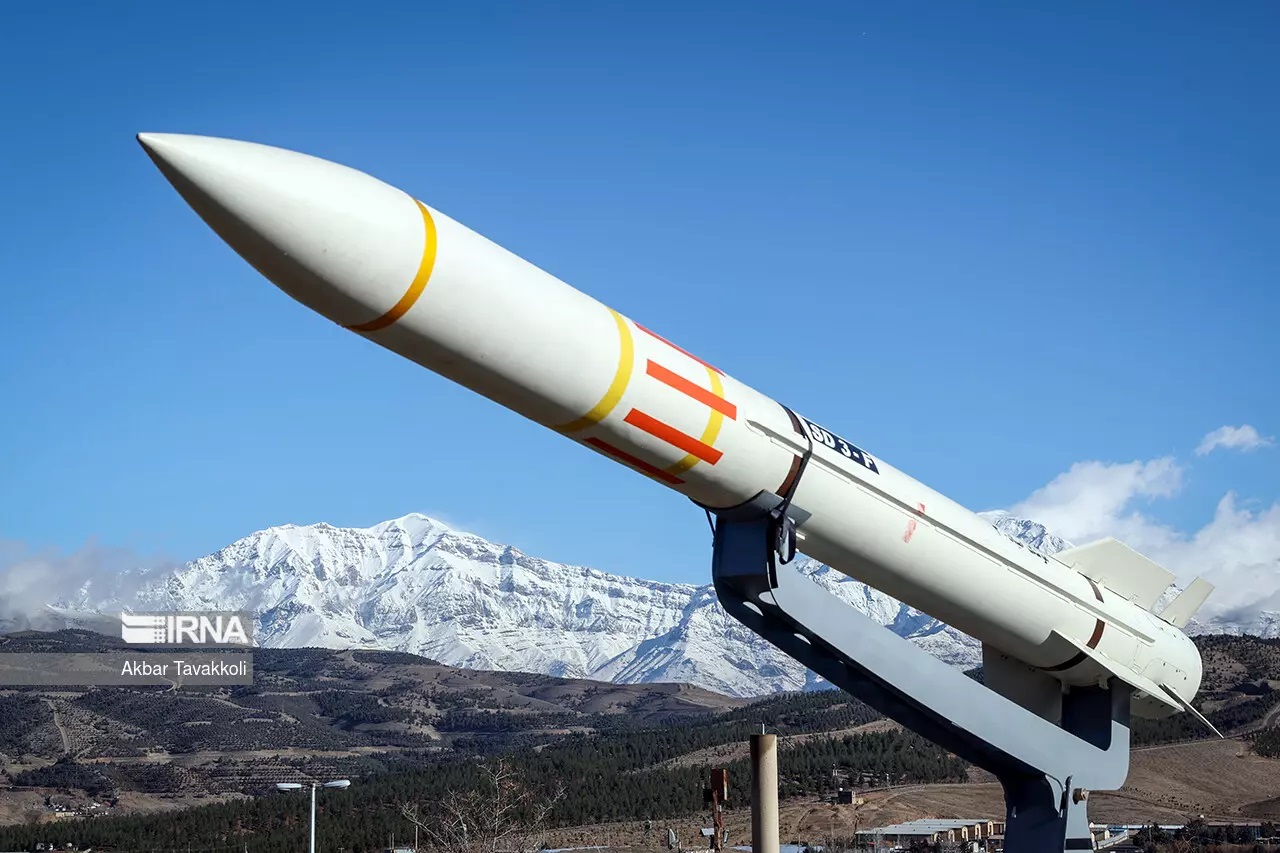
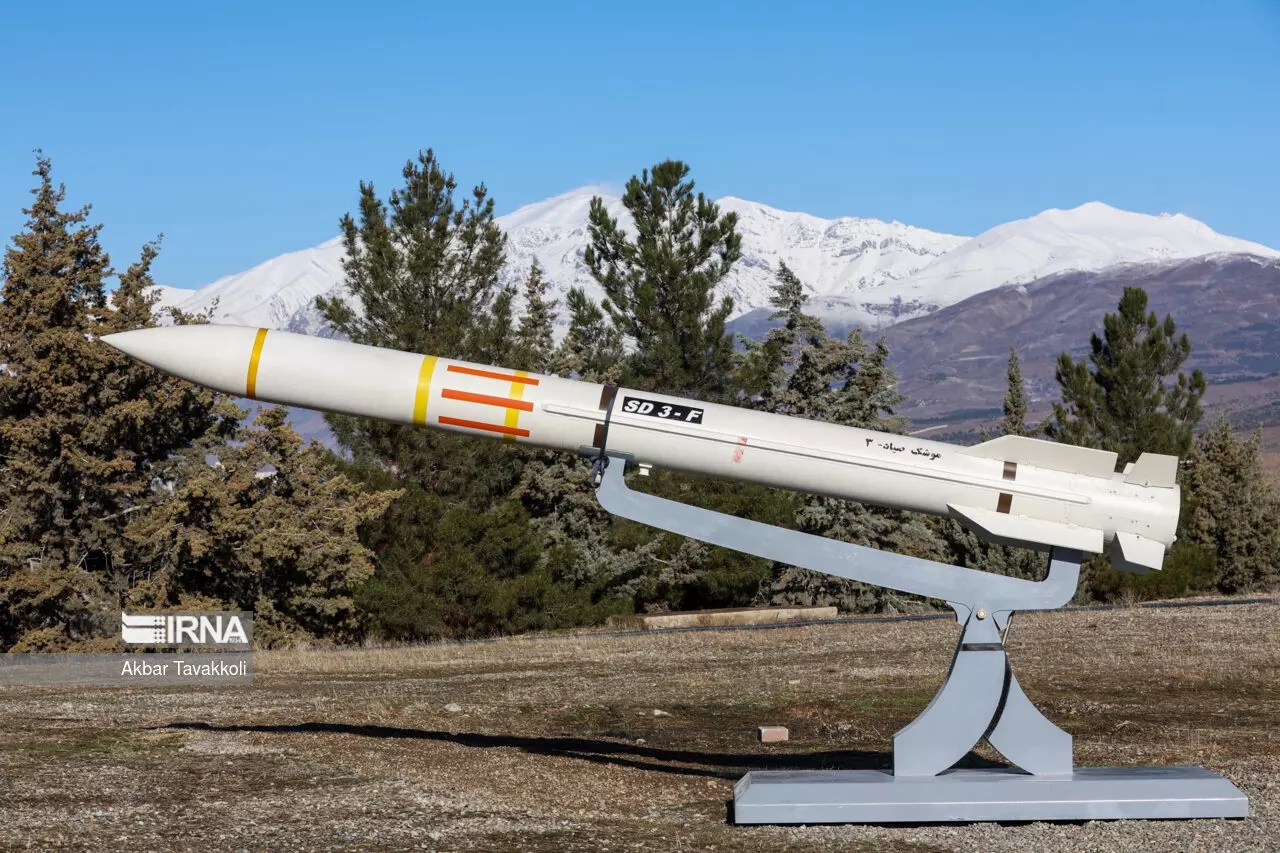
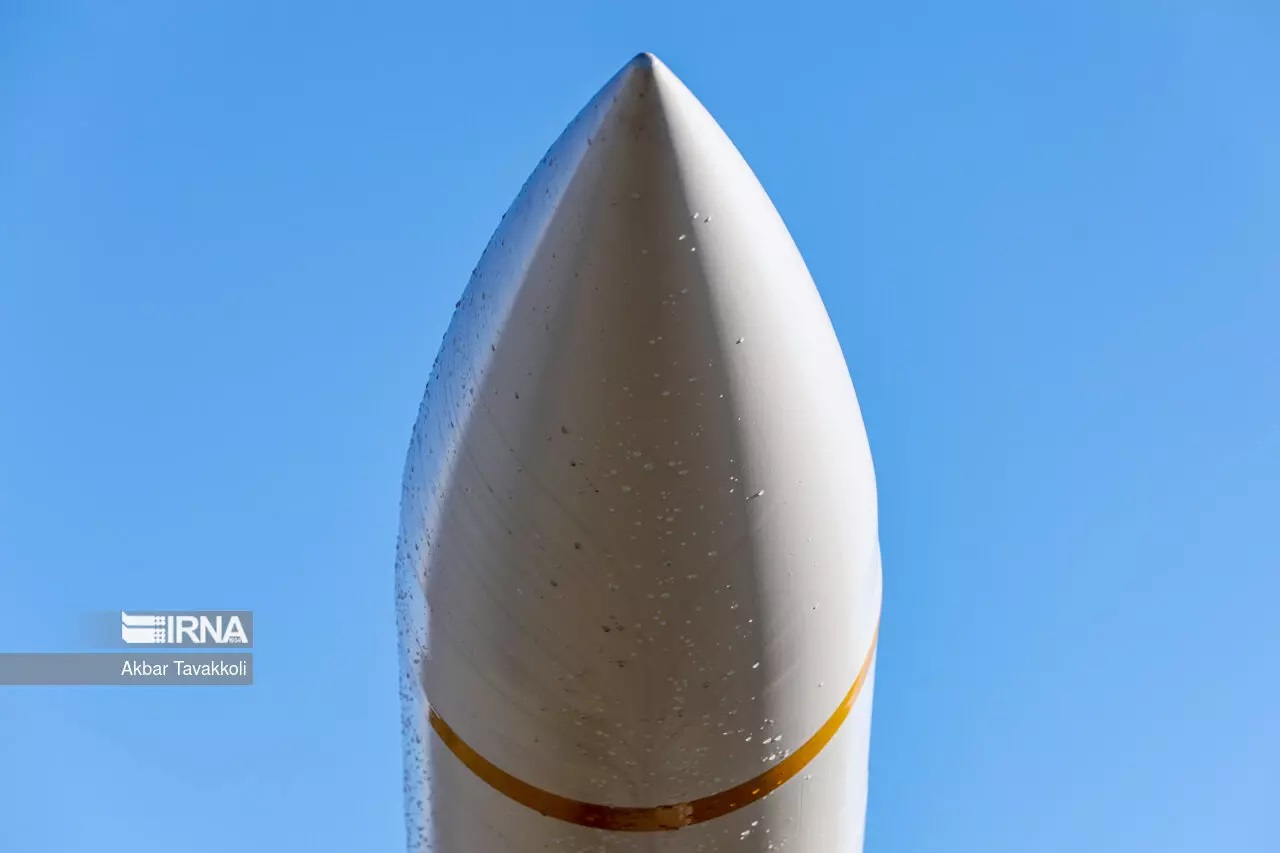
As evident from the images, the Arman air defense system uses a triple missile launcher. According to available information, the Arman air defense system utilizes Sayyad-3F missiles, which are the vertically launched variant of the Sayyad-3 missile. The length of the Sayyad-3F missile is 6.1 meters, its diameter is 40 centimeters, and it weighs approximately 1000 kilograms. This missile has a range of 120 kilometers and a maximum engagement altitude of 27 kilometers.
The vertical launch capability in this system allows it to fire missiles without the need to change the angle and rotate the launcher towards the target, significantly increasing the air defense system’s responsiveness to threats.
Additionally, the air defense system has the capability to increase the number of missiles. By default, one unit (TELAR) of the Arman air defense system is equipped with three vertical-launch missiles. However, the air defense system can be connected to one or two missile carrier vehicles without radar (TEL), equipped with 6 vertical-launch missiles.
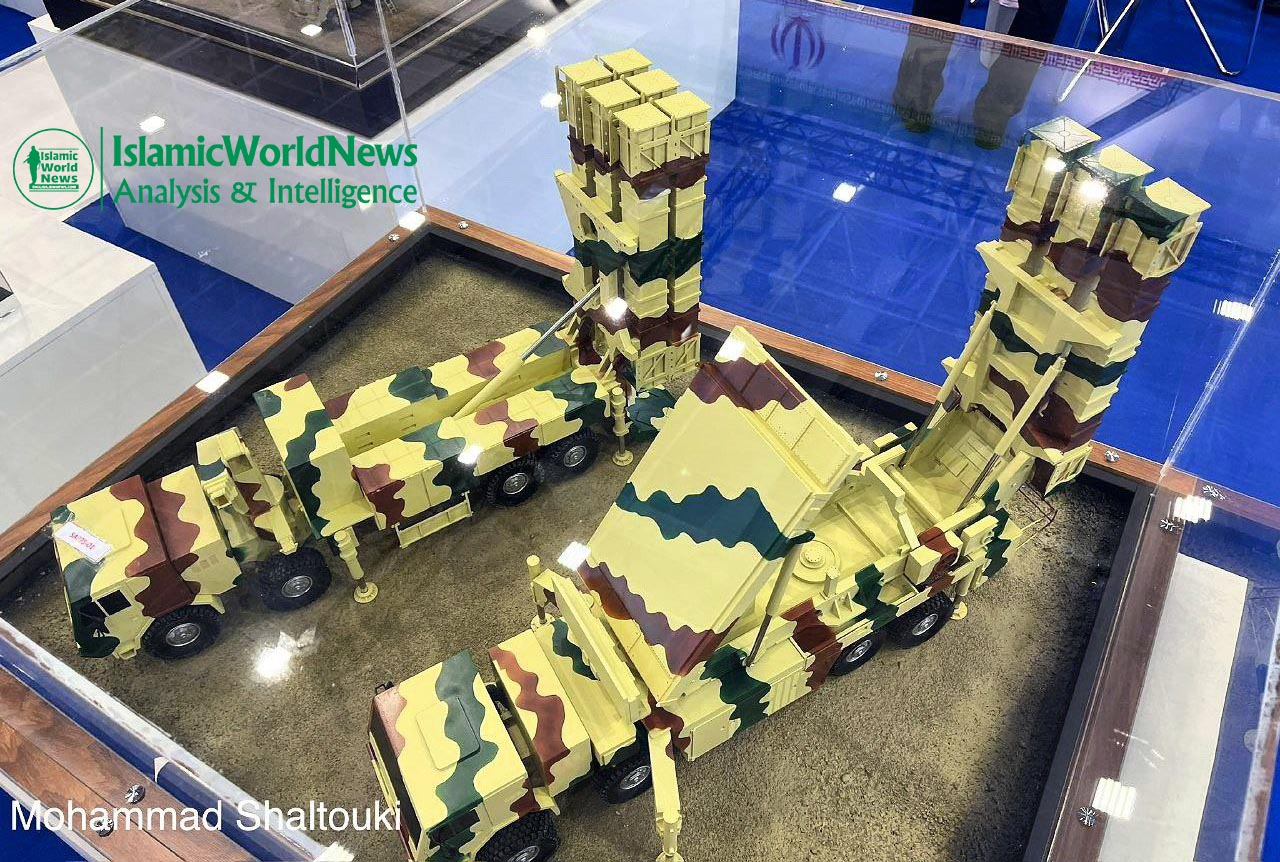
Replica of the Arman missile system (Tactical Sayyad) in two modes: TEL version with the capacity of carrying 6 missiles and TELAR version with the capacity of carrying 3 missiles
One notable feature of this air defense system is its “self-protection mechanism” against threats, which represents a significant advancement compared to previous air defense systems such as the Khordad-3 and Khordad-15 air defense systems. According to available information, the integrated protection in this air defense system allocates one of the canisters specifically for this purpose. In fact, the Arman air defense system is equipped with another short-range air defense system in one of its canisters, providing protection against low-altitude threats such as cruise missiles and air-launched bombs.
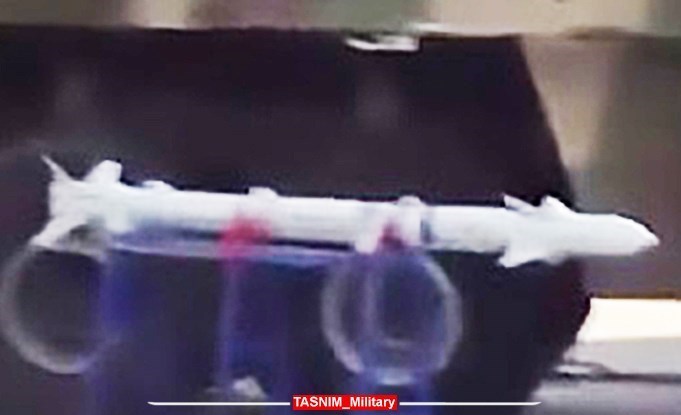
According to an estimation by the Tansim News Agency defense desk, the small and unidentified missile, which was observed alongside the Tactical Sayyad air defense system or the Arman air defense system at an exhibition in September 2022, is likely to be arranged in a quad-pack, meaning four missiles placed together in one of the canisters, providing the Arman air defense system with the ability to engage targets within a few kilometers range.
A possible missile for the self-defense system embedded in the Arman defense system
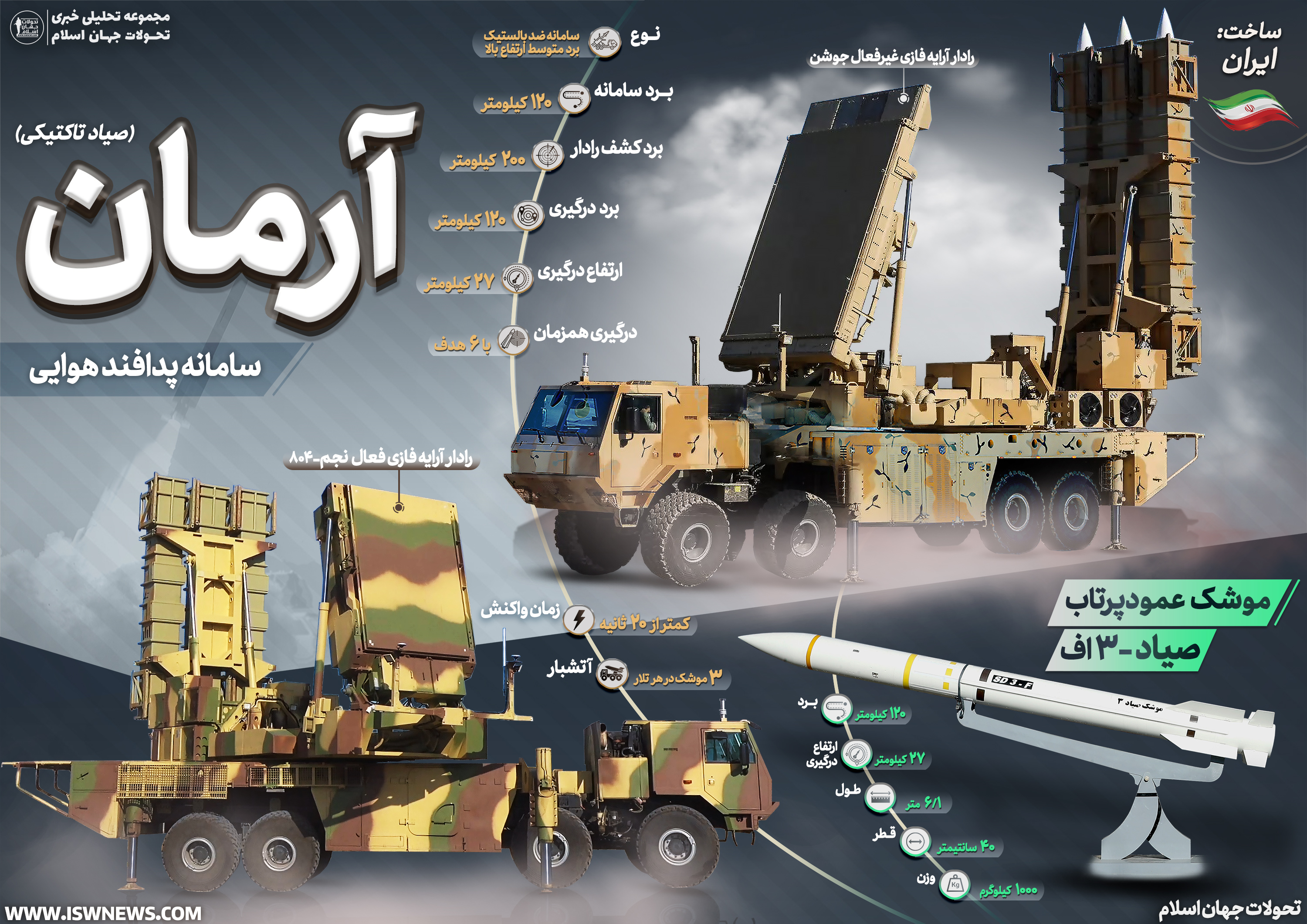
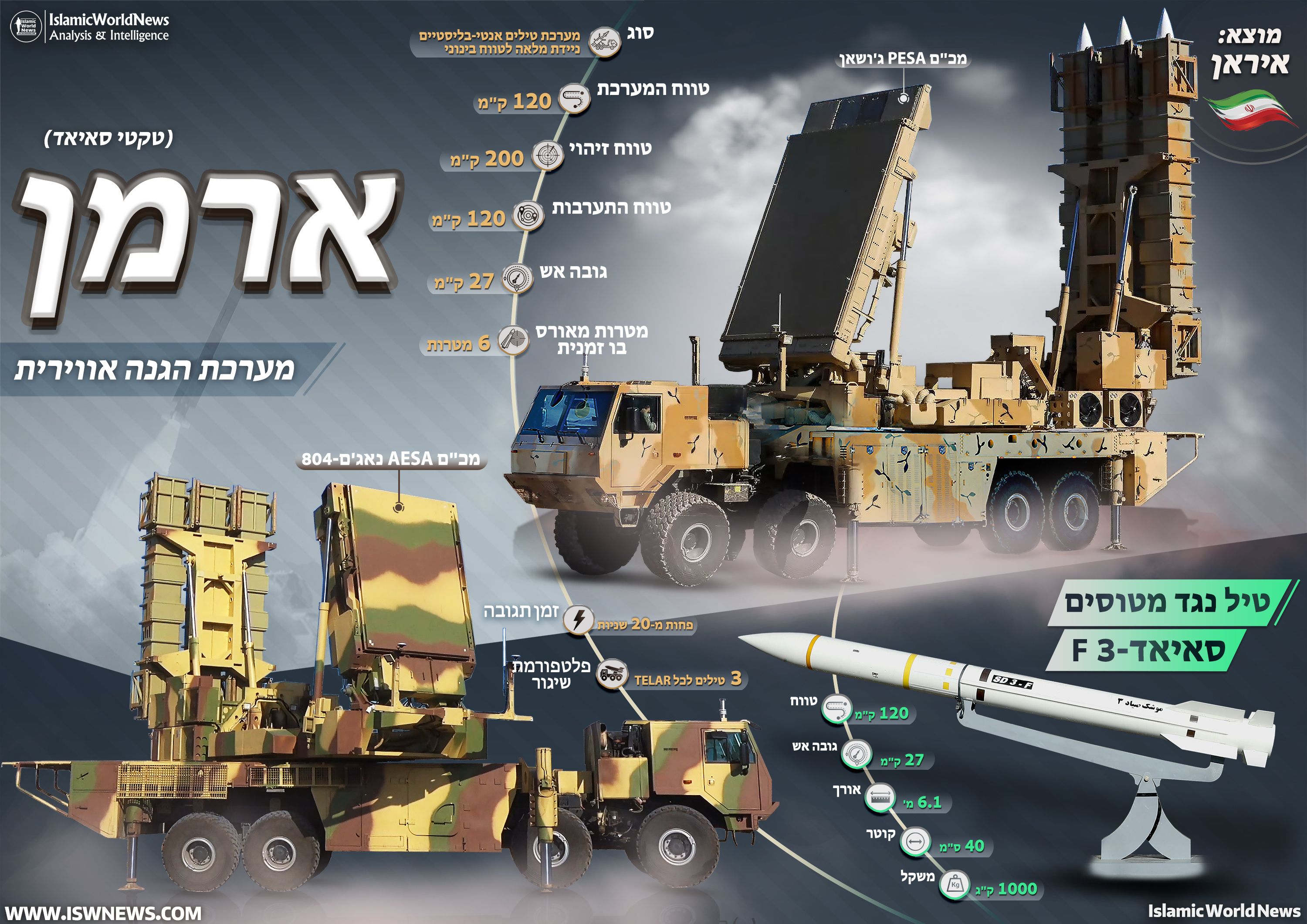
Specifications of Arman air defense system: Type: High-altitude medium-range anti-ballistic missile system Origin: Iran Producer: Aerospace Industries Organization (AIO) Unveiled: 17 February 2024 System range: 120 km Altitude of fire: 27 km
Radars: Najm-804 AESA radar and Joshan PESA radar Detection range: 200-180 km Interception range: 160 km Engagement range: 120 km Altitude of fire: 27 km Maximum target detection: up to 24 targets Number of simultaneously engaged target: 6 targets Reaction time: less than 20 seconds Batteries: 3 missiles on each TELAR (expandable to 6 in TEL version)
Missile: Sayad-3F (SD3-F) vertically launched missile Range: 120 km Altitude of fire: 27 km Length: 6.1 meters Diameter: 40 cm Weight: 1000 kg Speed: Mach 4.5 – 5.1
Arman Air Defense System – Click to view full sizeClick to view full size image
Infographics of Arman air defense system in Russian, Hebrew and Farsi:
1- Sa’dah: – On February 24, a civilian was injured due to the Saudi-led coalition forces’ shelling of the Hanbah area in the Qatabir district of the Sa’dah Governorate, Yemen. – On February 26, the Saudi-led coalition forces targeted border villages in the Razeh district of Sa’dah Governorate with artillery fire. – On February 28, the Saudi-led coalition fired several mortar rounds at the Al Sheikh area in the Munbah district of Sa’dah Governorate. – On March 1, the Saudi-led coalition attacked various areas in the Shada’a district with artillery. – On March 2, the border area of Al Sheikh in the Munbah district of Sa’dah Governorate was once again hit by Saudi-led coalition artillery.
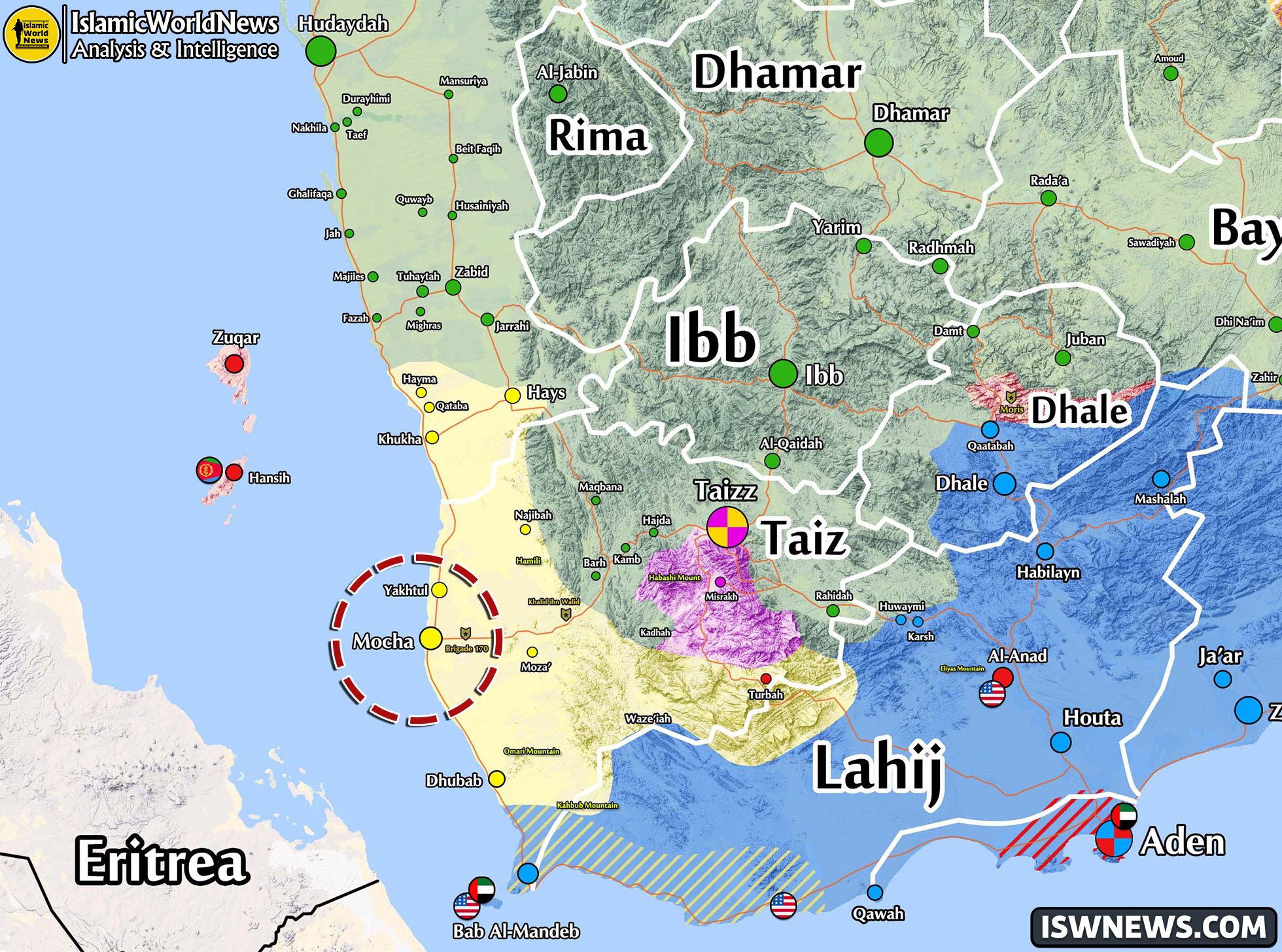
2- Taizz: – On February 25, as a result of a US-UK coalition fighter jet’s airstrike on the Shamir area in the Muqbana district of Taizz Governorate, one civilian was martyred, and six members of a family were injured. – On March 2, according to a statement from the Ministry of Fish Wealth (MFW), US-UK coalition forces carried out an aerial attack on Yemeni fishermen’s boats off the coast of Al-Mokha port. As a result of this reckless attack, two fishermen were killed, and several others were injured or went missing in the sea. The Ministry of Fish Wealth (MFW) warned about the dangers of the US-UK coalition presence in the Red Sea, considering them a threat to fishing and marine ecosystems. The Ministry of Fish Wealth also called on people worldwide to condemn the US-UK crimes against Yemeni fishermen.
Mocha port – Click to view full size
3- Al Hudaydah: – On February 26, US-UK coalition fighter jets conducted five airstrikes on the Ras Isa area in the As-Salif district, located in northern Al Hudaydah Governorate. – On February 27, the US-UK coalition fighter jets bombed the Labuan Island in the Al Lahiyyah district, also in northern Al Hudaydah Governorate, in two phases. – On March 1, the US-UK coalition fighter jets carried out two aerial attacks on the Al Jabbaneh area, situated in northern Al Hudaydah Governorate.
4- US Army statements regarding aerial attacks on Yemen: – The US Central Command (CENTCOM) claimed that between 4:45 PM and 11:45 PM (Sana’a time) on Monday, March 7th, American forces destroyed three unmanned surface vessels, two anti-ship cruise missiles, and a suicide drone. – CENTCOM stated that between 9:50 PM and 10:55 PM (Sana’a time) on Thursday (February 26), US fighter jets and a coalition warship shot down five suicide drones belonging to the Ansar Allah movement in the Red Sea. – According to CENTCOM, between 6:00 PM and 7:15 PM (Sana’a time) on Thursday (February 28), US Army forces carried out two attacks against six anti-ship cruise missiles that were prepared for launch towards the Red Sea. Additionally, on the same evening, a drone was identified and shot down in the southern Red Sea sky. – At 12:40 PM (Sana’a time) on Friday (March 1), US Army forces destroyed an Ansar Allah missile in a ground-to-air attack. Furthermore, at 10:46 PM, a ballistic anti-ship missile was launched from Yemen towards the Red Sea. According to CENTCOM, this attack did not result in casualties or damage. – CENTCOM confirmed the complete sinking of the British vessel Rubymar. According to their statement, the Rubymar sank in the Red Sea at 2:15 AM on Saturday (March 2). The ship was carrying 21,000 tons of ammonium sulfate fertilizer; so, the sinking of the vessel is posing an environmental threat in the Red Sea. Additionally, the sinking of the Rubymar poses also presents a subsurface impact risk to other ships transiting the busy shipping lanes of the waterway.
5- On February 28, the United Kingdom Maritime Trade Operations (UKMTO) reported an incident of a missile attack on a ship approximately 60 miles west of Al Hudaydah Governorate.
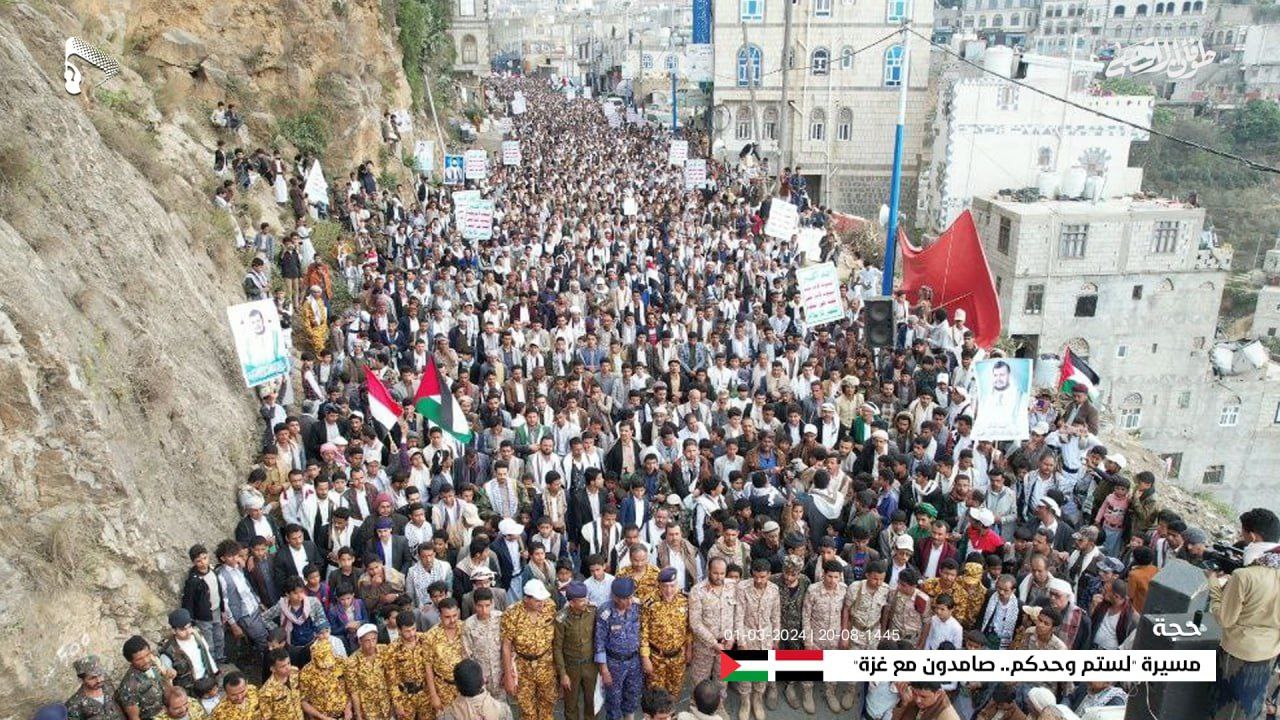
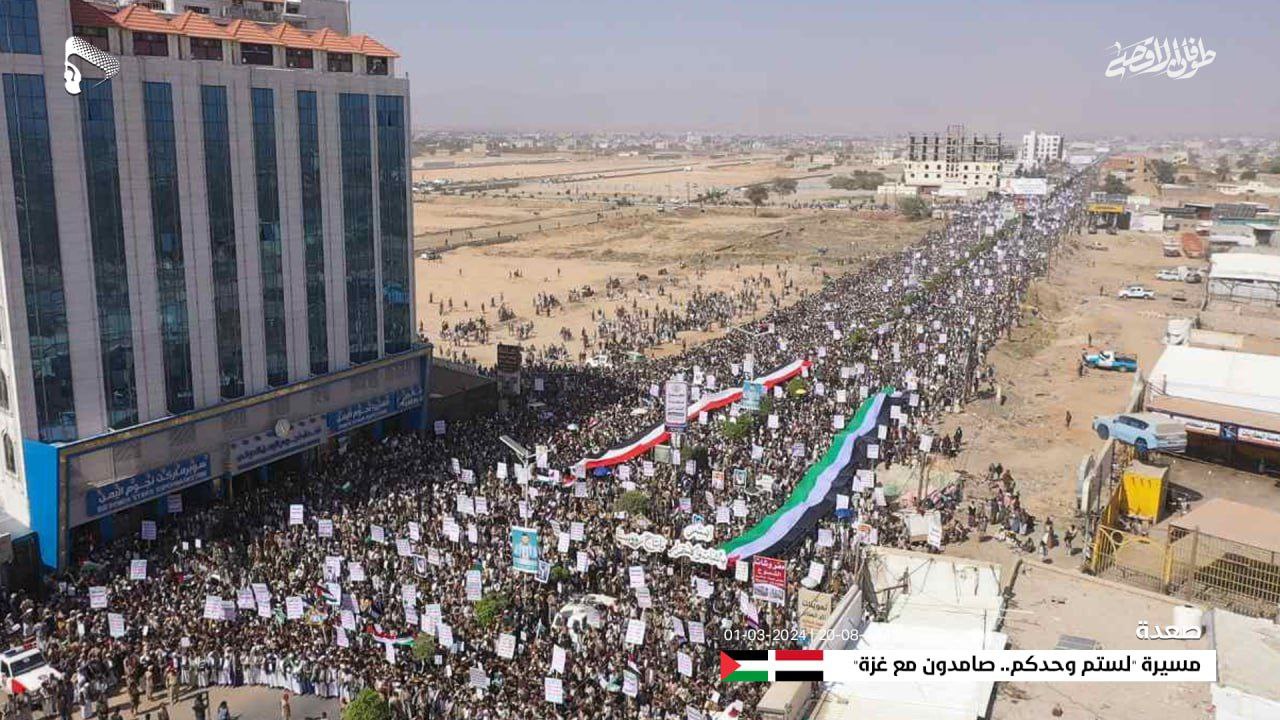
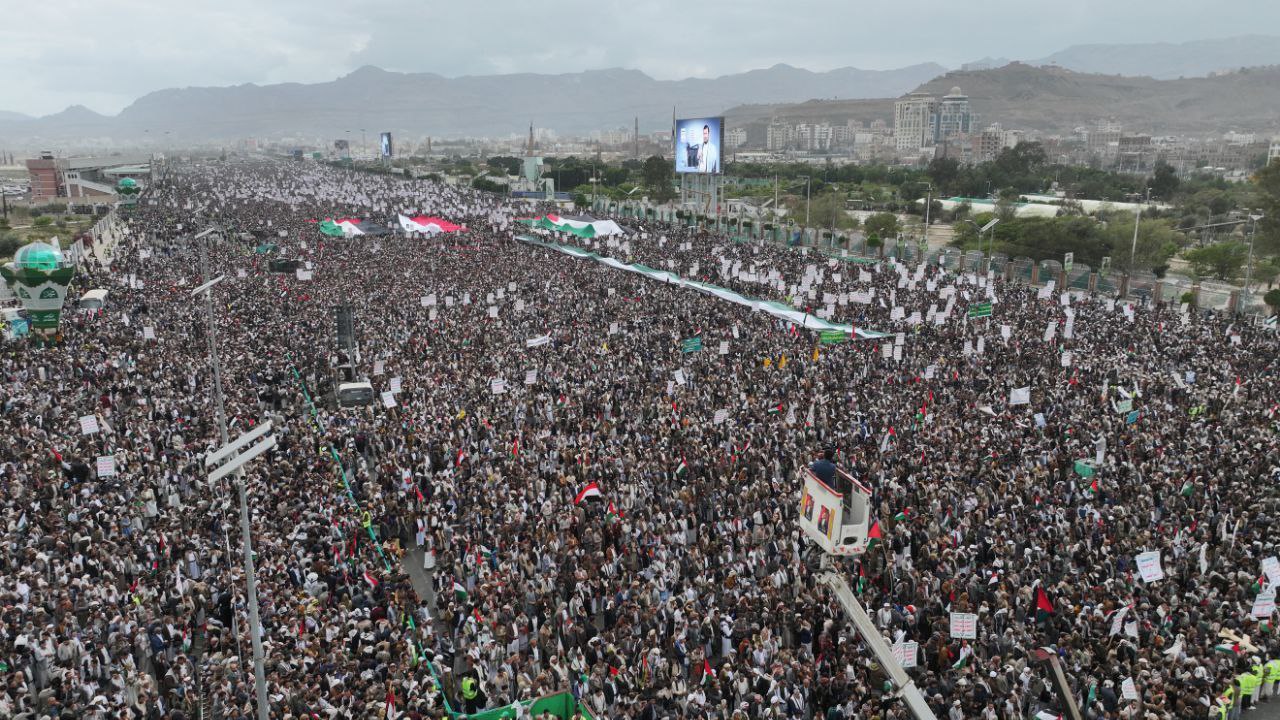
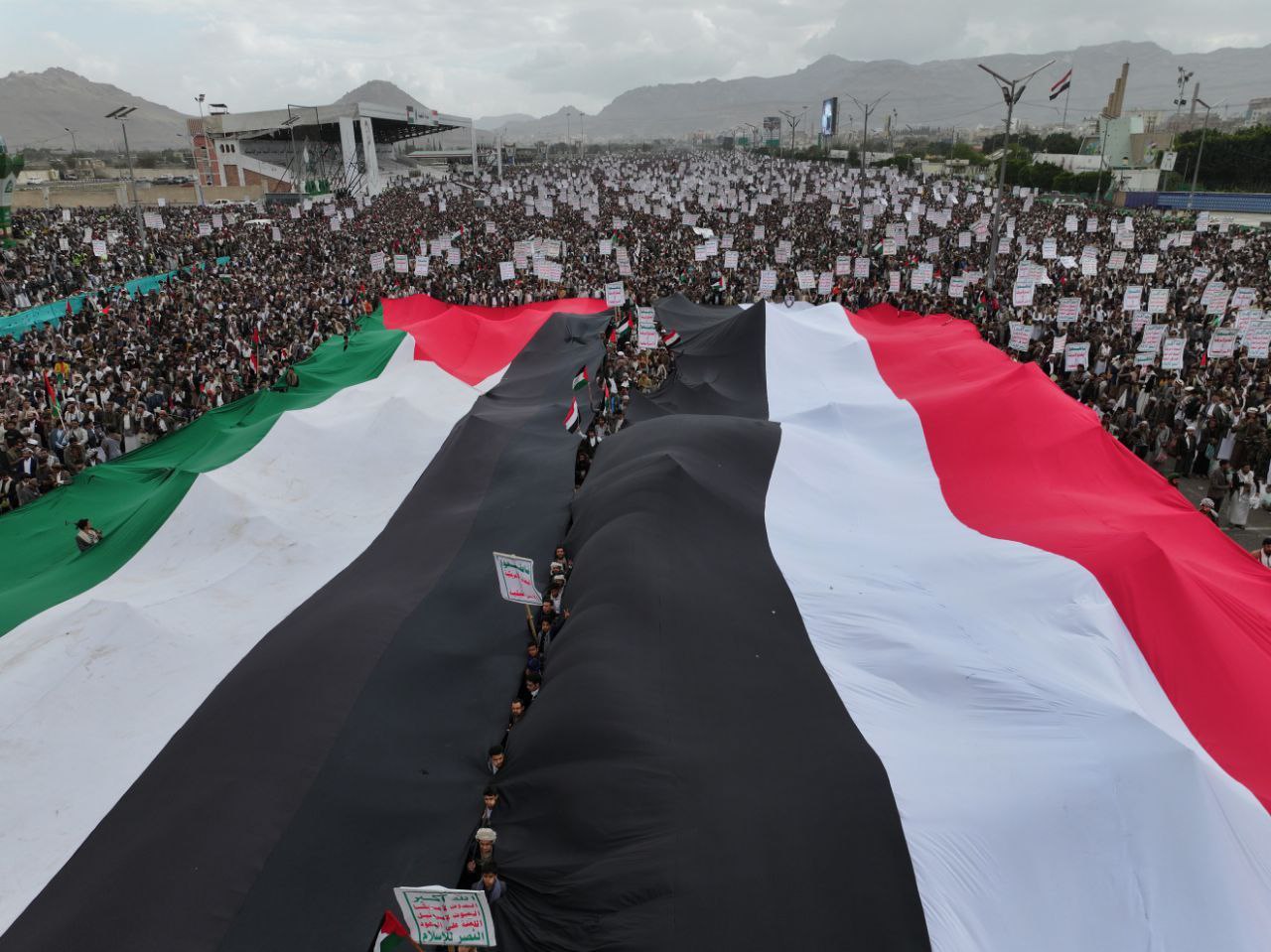
6- On March 1, people in Yemen, who are living in governorates under the control of the Ansar Allah movement, held the 22nd large rally in support of the Palestinian people and the resistance in Palestine, titled you are not alone, we remain steadfast in supporting Gaza.
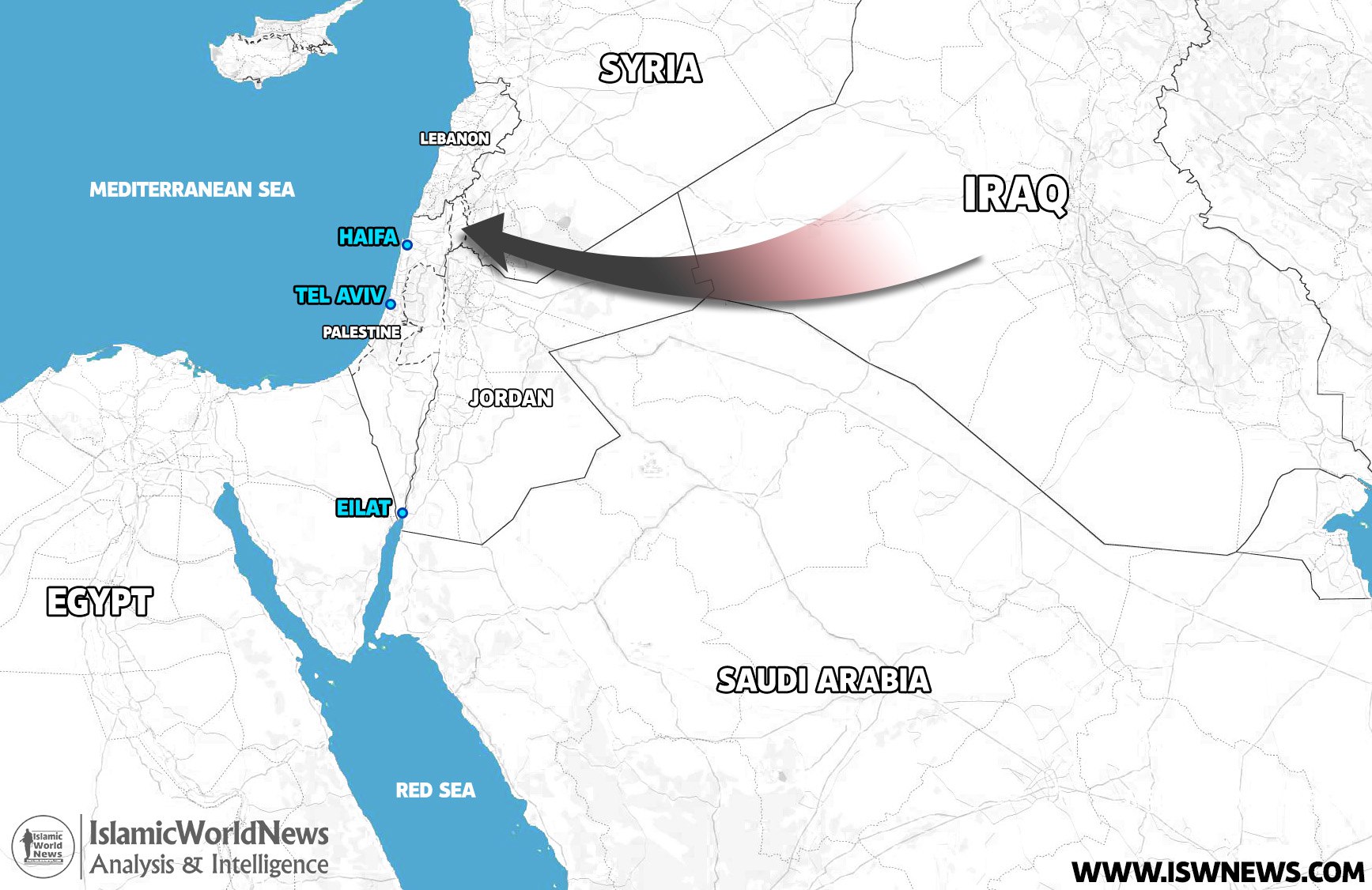
According to the statement, in support of and solidarity with the people of Gaza and in response to the atrocities committed by the oppressive regime against Palestinian civilians, including women, children, and the elderly, the fighters of the Islamic Resistance in Iraq targeted chemical facilities in the occupied city of Haifa on March 1.
According to the Islamic Resistance in Iraq, this attack was carried out using a drone. Further details have not been disclosed in this regard.
As per assessments made by the IWN, this marks the twenty-fourth attack by the Islamic Resistance in Iraq against the Israeli regime positions in the region following the onset of the conflict in the Gaza Strip.
Osama Hamdan, one of top officials of Hamas, said in an interview with Al-Arabiya news channel that the new round of negotiations will be held in Cairo today and tomorrow, and we hope for a desirable outcome for the Palestinian people.
Exact details of this round of negotiations have not been disclosed so far, but Arab media outlets speculate based on statements made by US officials that this round of negotiations is of great importance and there is a possibility of reaching an agreement in Cairo.
On Saturday, US media outlets, citing a senior official of President Joe Biden administration, claimed that the authorities of the Israeli regime have accepted the terms of a new proposed agreement, including a six-week ceasefire in the Gaza Strip, along with a prisoner swap and providing humanitarian aid to the Palestinians living in Gaza, and that they are waiting for a response from Hamas officials.
Previous rounds of ceasefire negotiations between the Israeli regime and Hamas, which were mediated by Egypt and the United States, did not reach a conclusion due to differences over the duration of the ceasefire and the number of prisoners who should be released.
Hamas demands a complete cessation of the war, a complete retreat of the Israeli regime’s army from the Gaza Strip, and the return of refugees to their homes in the besieged area, while the Israeli army considers these terms to be contrary to its objectives and the acceptance of their defeat in the face of Palestinian resistance.
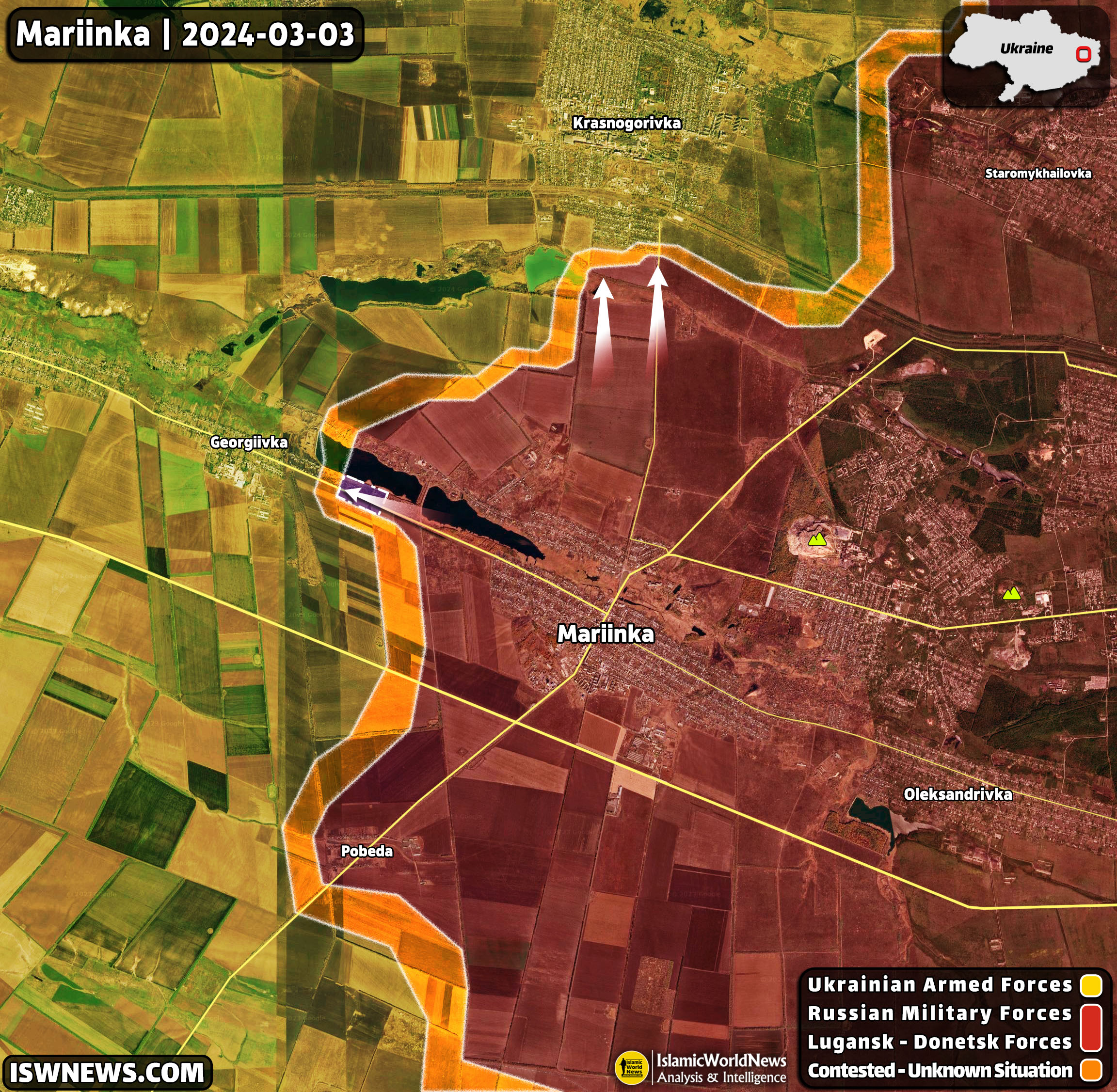
After about 10 days of fighting on the Mariinka-Georgiivka axis, the Russian army forces managed to advance a few hundred meters south of the Georgiivka reservoir. In this axis, the main parts of Georgiivka village are still under the control of the Ukrainian army.
Also, in the last week, Russian forces advanced in the northern fields of Mariinka, reached the south of Krasnogorivka and entered Shevchenka street. Krasnogorivka is considered as one of the most important defense fortifications of the Ukrainian army in the western axis of Donetsk city, and in recent years it has played an important role in feeding the Ukrainian lines in this axis.