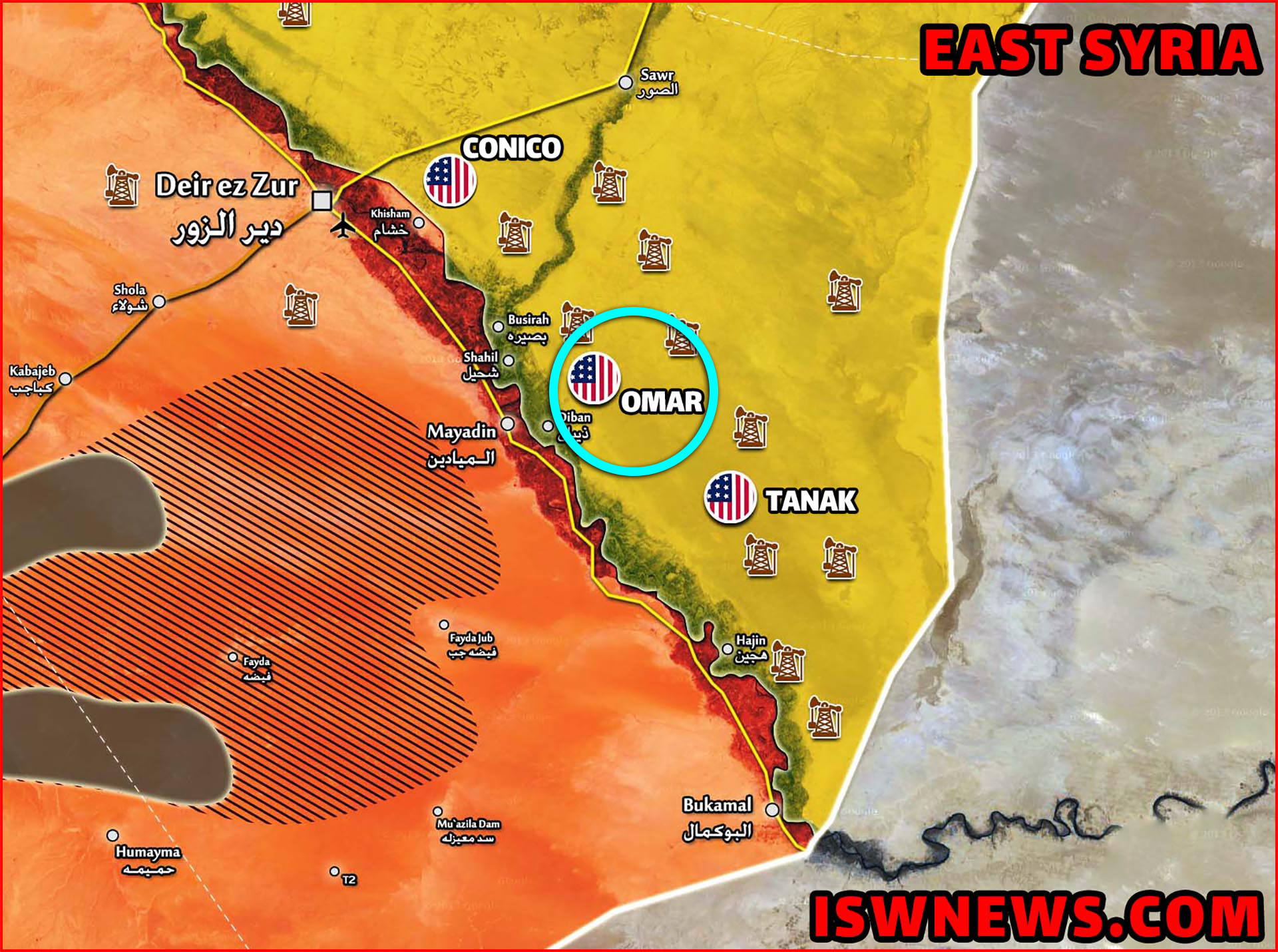
Local sources reported on that the Islamic resistance groups had targeted the positions of the US-led military coalition in the Al-Omar oil field in Deir ez-Zor Governorate, Syria, with drone and rocket strikes.
It is said that the fresh attack was carried out using a drone and five rockets. So far, no information has been released about the exact number of casualties and damages from this attack.
According to the analysis of the IWN, this is the 29th attack on US bases in the Al-Omar oil field following the beginning of the Israeli war on the Gaza Strip.
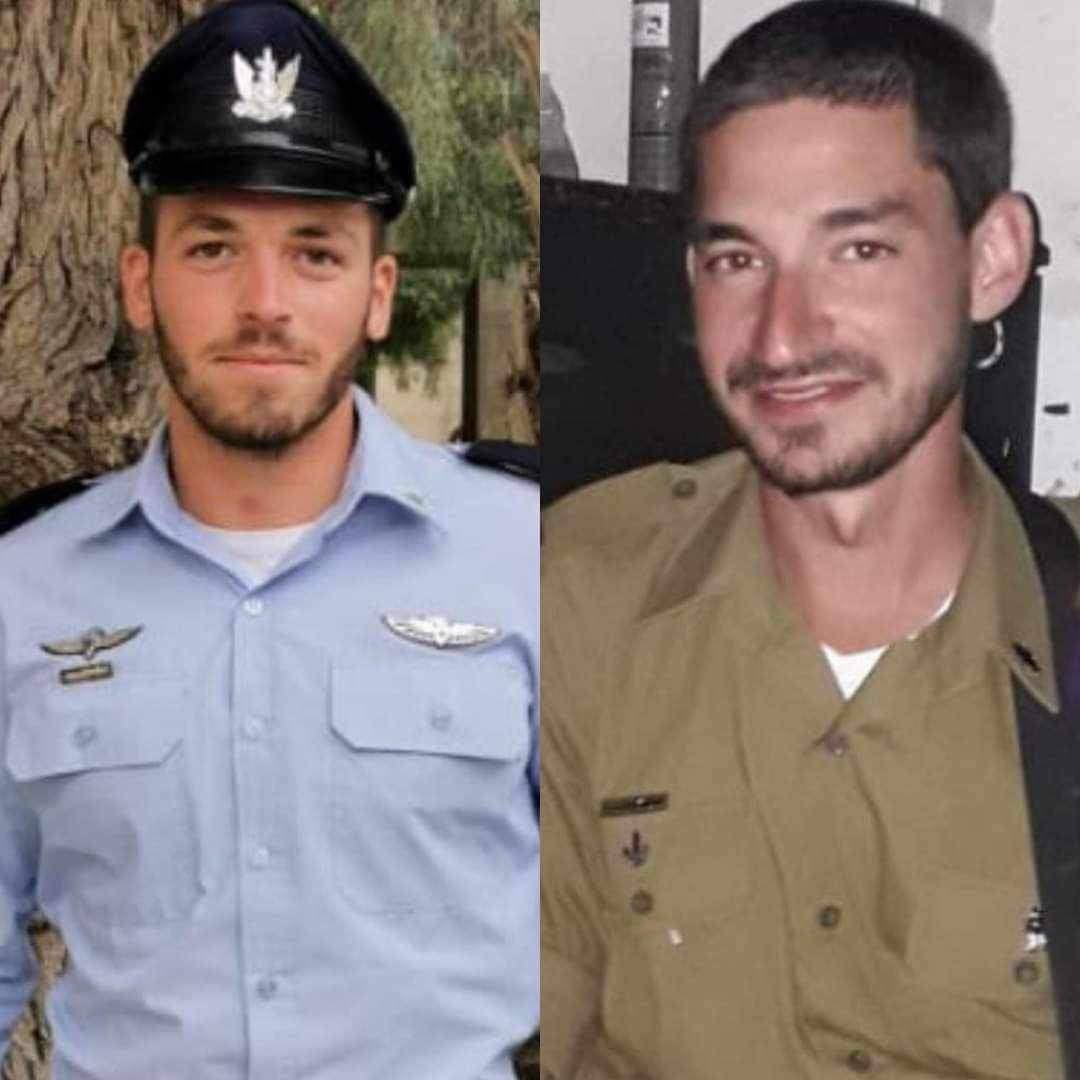
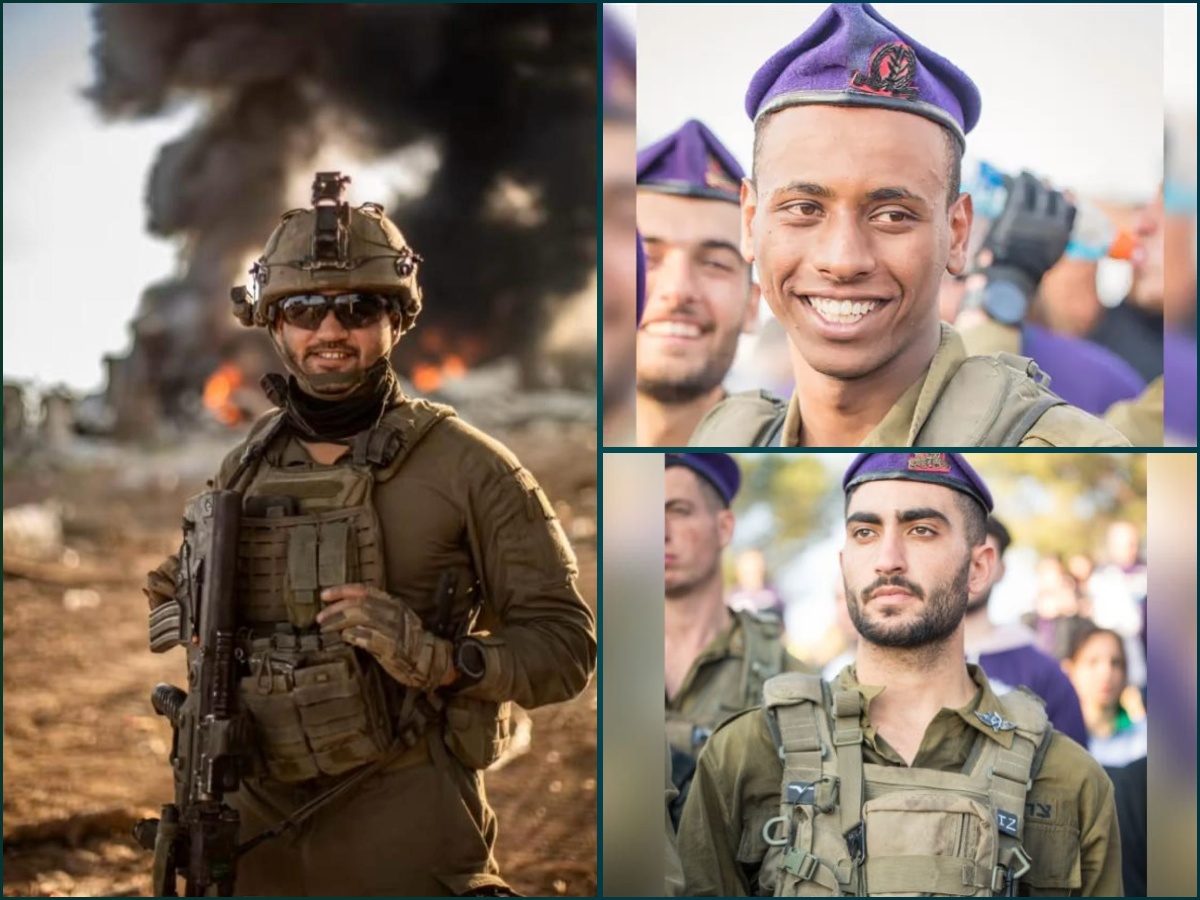
With the death of these three servicemen, the alleged death toll of the Israeli army since the launch of ground invasion of Gaza increased to 242 servicemen, And the alleged total number of “military” deaths since the October 7 reached 582 servicemen.
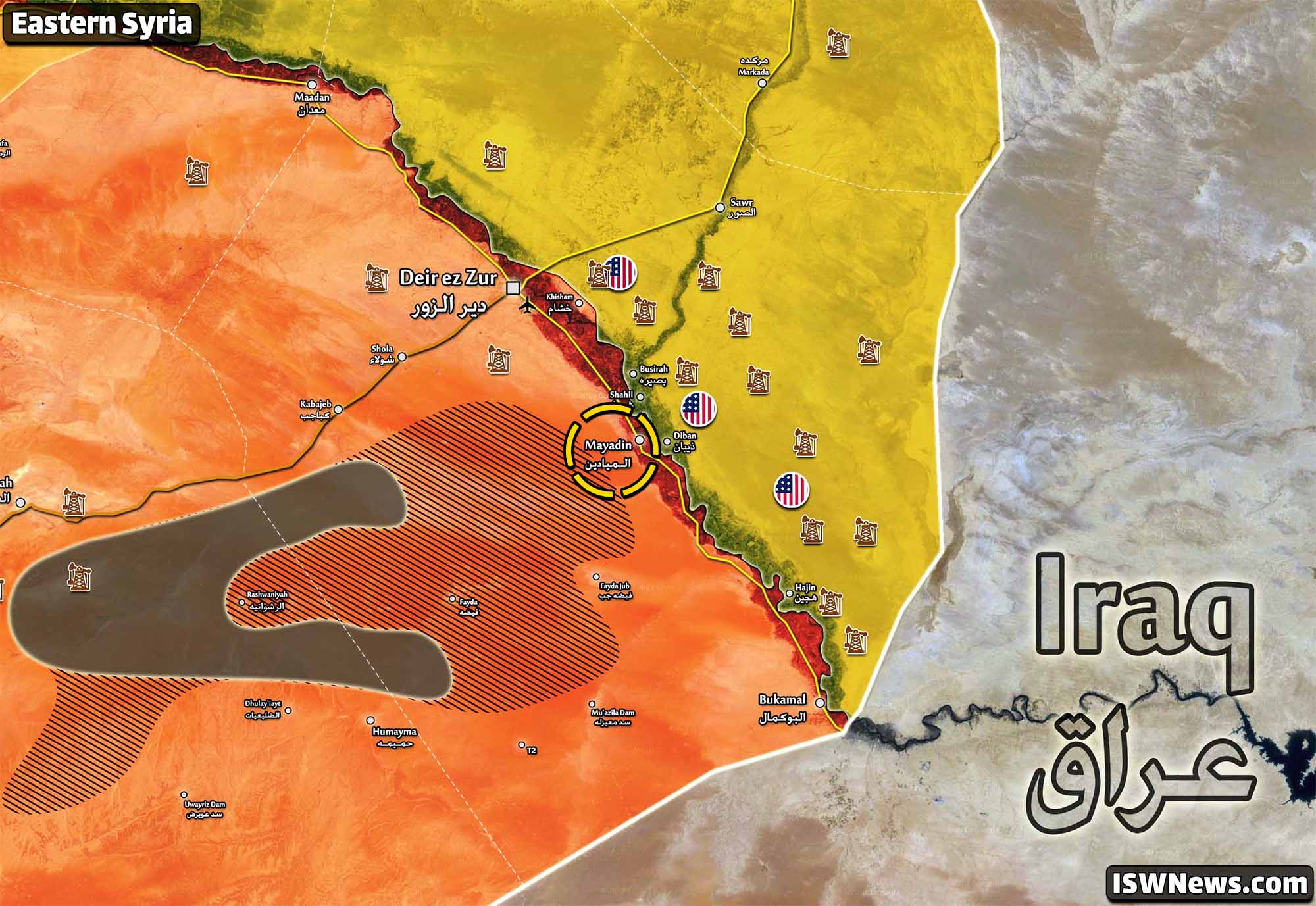
One civilian was martyred and 3 others were wounded after artillery shells were fired from the areas under the control of the Syrian Democratic Forces (SDF) to Al-Jaradiq area in the city of Al-Mayadeen in Deir Ez-Zor province.
It is said that this attack was carried out by the American coalition; And at the same time as this attack, an American drone was carrying out reconnaissance operations over Hawaij and Dhiban areas in the eastern suburbs of Al-Mayadeen. No further details have been released in this regard.
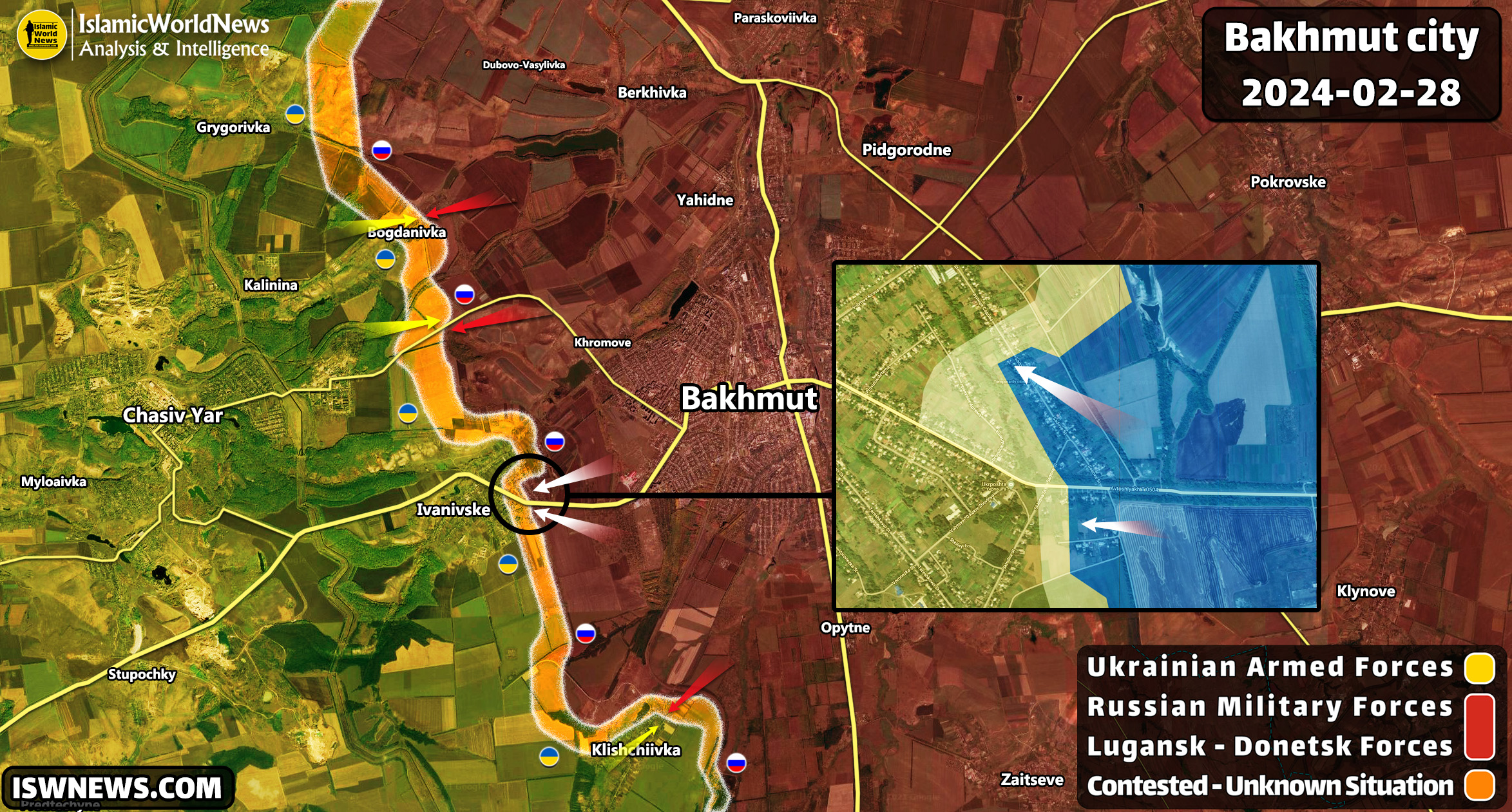
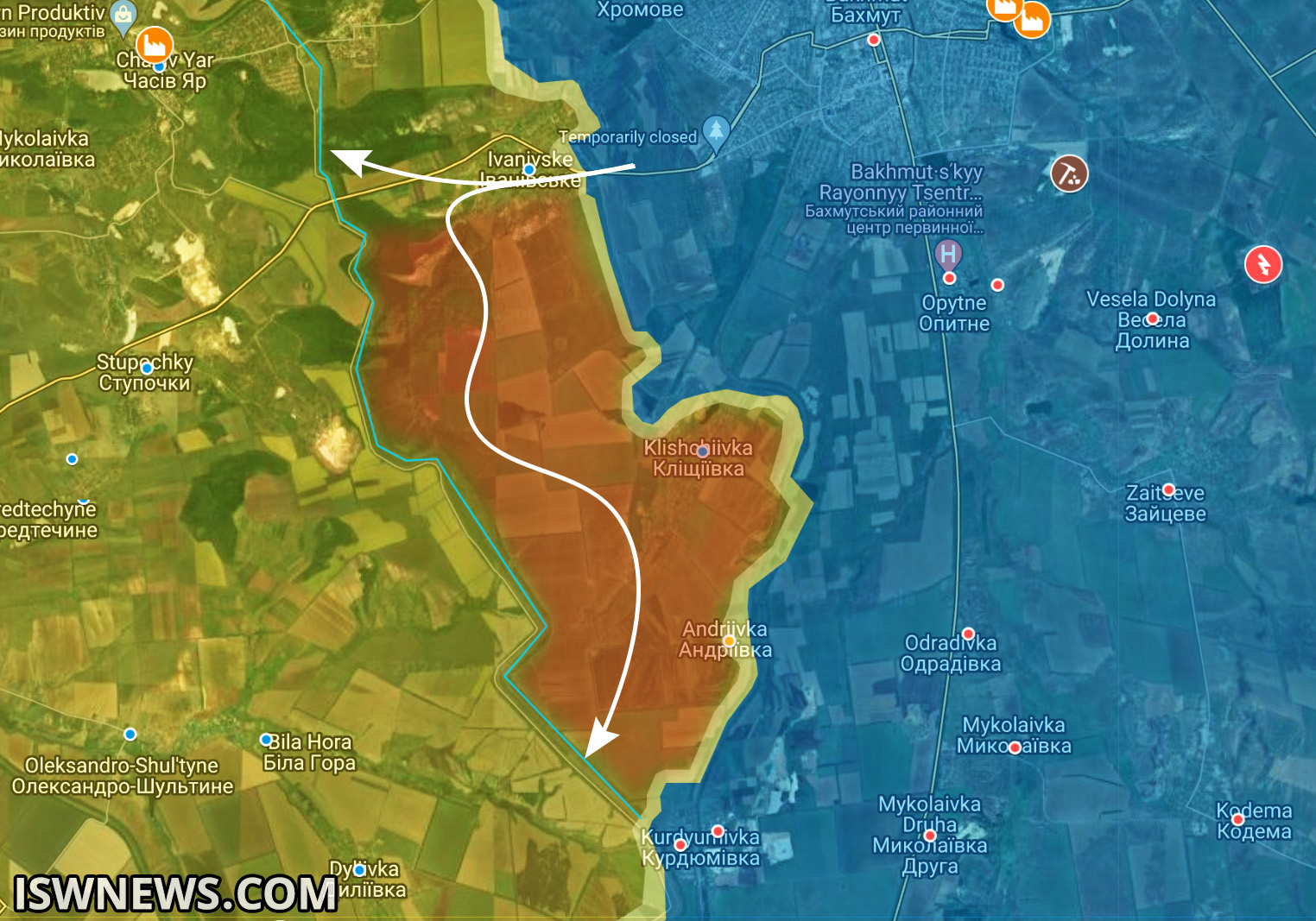
In the last week, Russian forces managed to reach the entrance of this village by advancing in the northern and eastern areas of Ivanivske; And gained a foothold in the Sadova Street. Now, clashes continue in the eastern parts of Ivanivske village.
Ivanivske plays a very important role in the stability of Ukrainian frontlines in the west of Bakhmut. Last year, by bypassing Ivanivske from the south, the Russian army even advanced to the vicinity of Chasov Yar from the south, but due to the Ukrainian army control over Ivanivske and the attacks they made against Russia from this axis, Russian forces were finally forced to retreat from the mentioned areas. But this year, the Russian army chose another plan to advance on this axis and has reached Ivanivske from the east and north. If the Russian army succeeds and captures Ivanivske, the Ukrainian forces will have to retreat to behind the “Siverskyi Donets canal” and the Russian forces, in addition to transfer the battle lines to near Chasov Yar, will be able to regain control over the southern areas of Ivanivske to Klishchiivka and Andriivka.
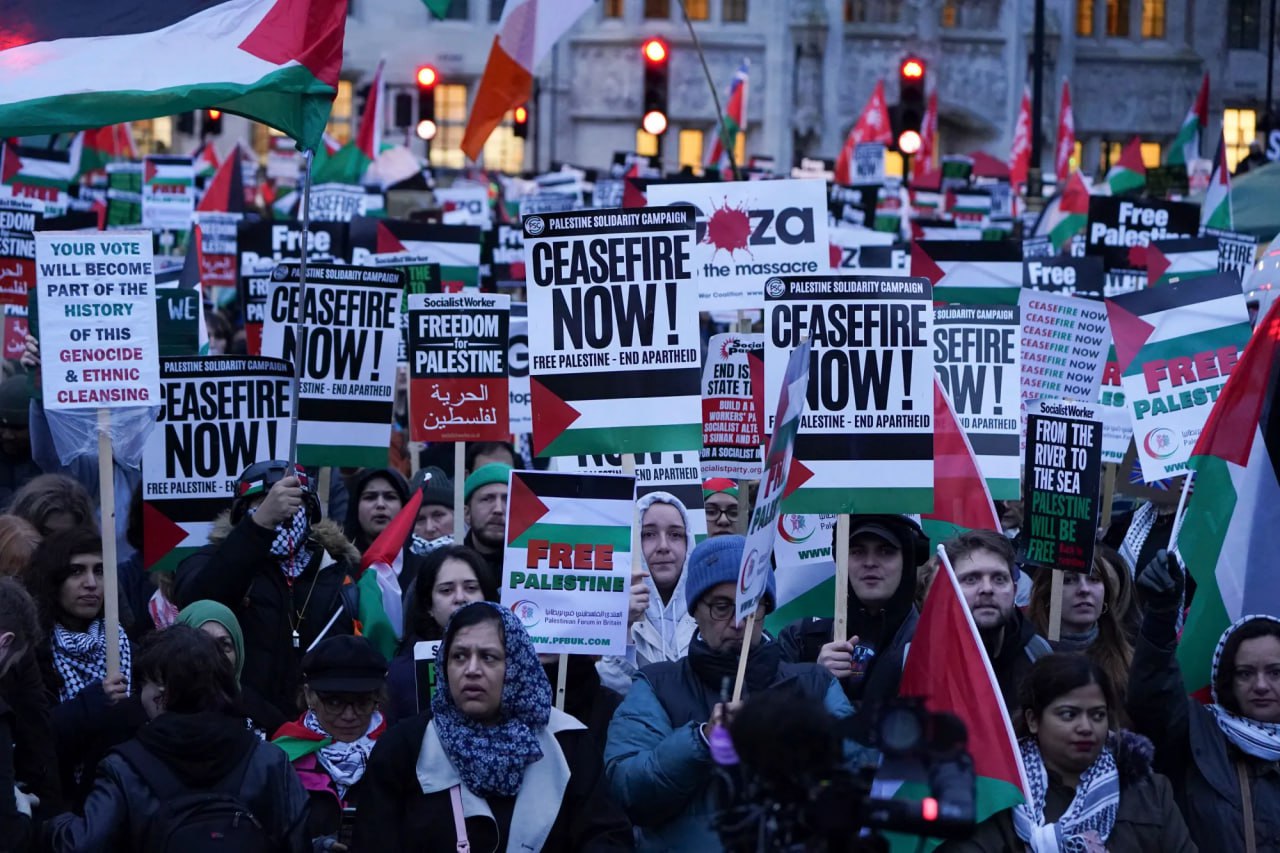
Based on this draft, all military operations will be stopped for 40 days and for every Zionist prisoner in Gaza, 10 Palestinian prisoners will be exchanged. Hospitals and bakeries are being repaired in Gaza.
Both parties stop their military operations completely.
Aerial reconnaissance operations over Gaza will stop for eight hours a day.
All Israeli hostages, including women, children under 19 years of age, the elderly aged 50 years and above, and the sick, must be released in exchange for a specific number of Palestinian prisoners according to the numbers listed below.
In exchange for the 40 hostages listed under the humanitarian category, approximately 400 Palestinian prisoners will be released, according to the ratio of 10 prisoners to one hostage.
Gradual return of all displaced civilians – except men of military service age – to the northern Gaza Strip.
After commencing the first phase, Israel will reposition its forces away from densely populated areas in the Gaza Strip.
Commitment to bring in 500 trucks per day of humanitarian aid.
Commitment to providing 200,000 tents and 60,000 caravans.
Allowing the rehabilitation of hospitals and bakeries in Gaza, including immediately allowing the entry of necessary equipment and providing shipments of fuel for these purposes, according to quantities to be agreed upon.
Israel agrees to the entry of heavy machinery and equipment to remove rubble and assist with other humanitarian purposes, with the provision of fuel shipments necessary for these purposes, according to quantities to be agreed upon, provided that they increase over time. Hamas pledges not to use these machines and equipment to threaten Israel.
It is understood that the arrangements agreed in the first phase will not apply to the second phase, which will be subject to subsequent separate negotiations.
In this regard, the American media Axios announced that the Hamas movement is discouraged from the new proposals to reach a ceasefire agreement and the exchange of prisoners in the current battle, and there are still wide differences between them and the Zionist regime. There is no room for optimism and at the current stage, it is difficult to imagine an agreement between Israel and Hamas before Ramadan.
It is worth mentioning that during the last four months, high-level talks were held between the American, Qatari and Israeli delegations to stop the war, but these meetings did not have any specific results; And so far, efforts to establish a ceasefire and exchange prisoners between Hamas and the Israeli regime have been unsuccessful.
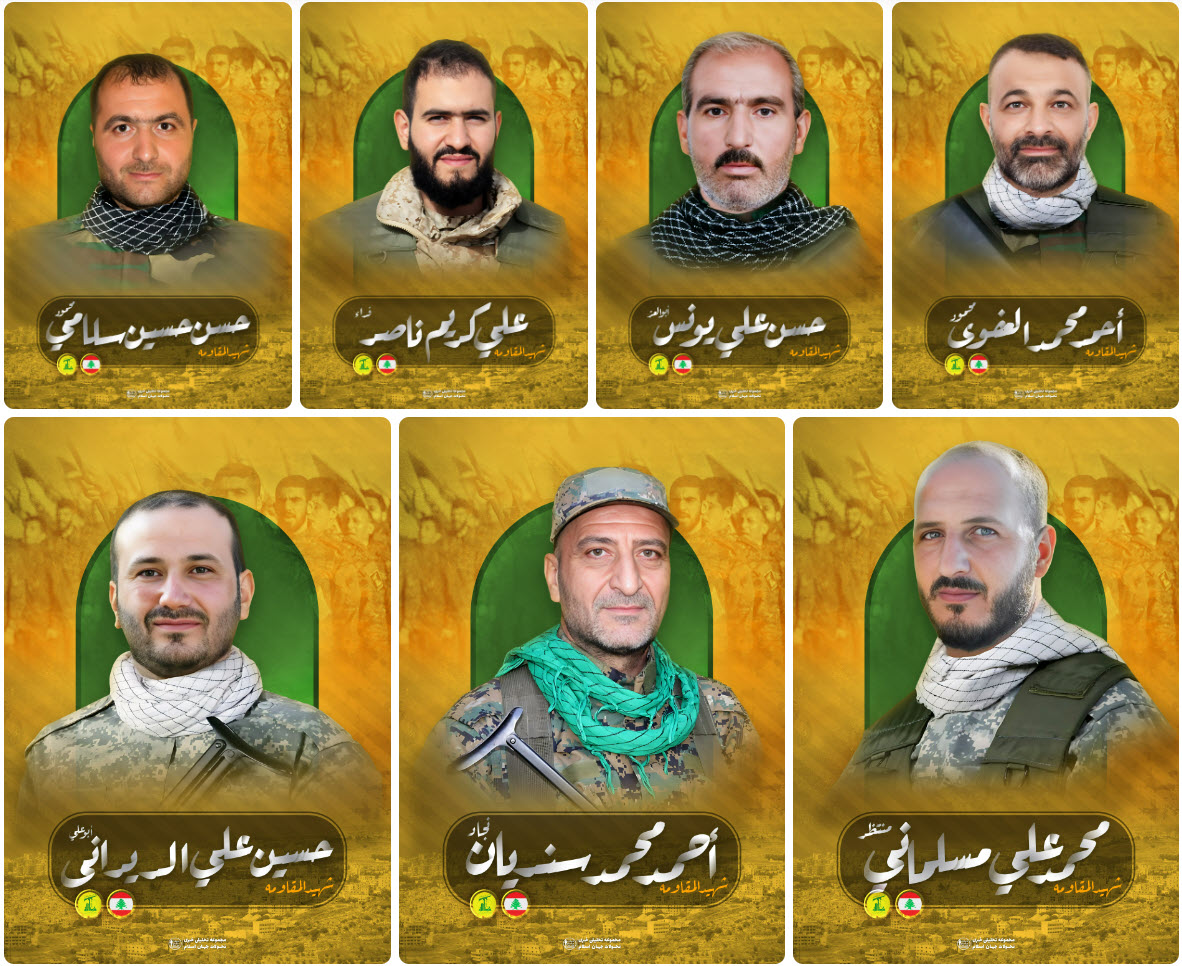
According to the statements, Ali Karim Nasser with the jihadi name “Fada”, Ahmad Muhammad Al-Afi with the jihadi name “Mahmoud”, Hossein Ali al-Deirani with the jihadi name “Abu Ali”, Hassan Ali Yunus with the jihadi name “Abu Al-Ezz”, Ahmad Mohammad Sandian With the jihadi name “Najad”, Hassan Hossein Salami with the jihadi name “Mahmoud” and Mohammad Ali Musalmani with the jihadi name “Muntazar” were martyred.
In this way, the number of martyrs of Hezbollah increased to 209 members since the beginning of the battles in the Gaza Strip.
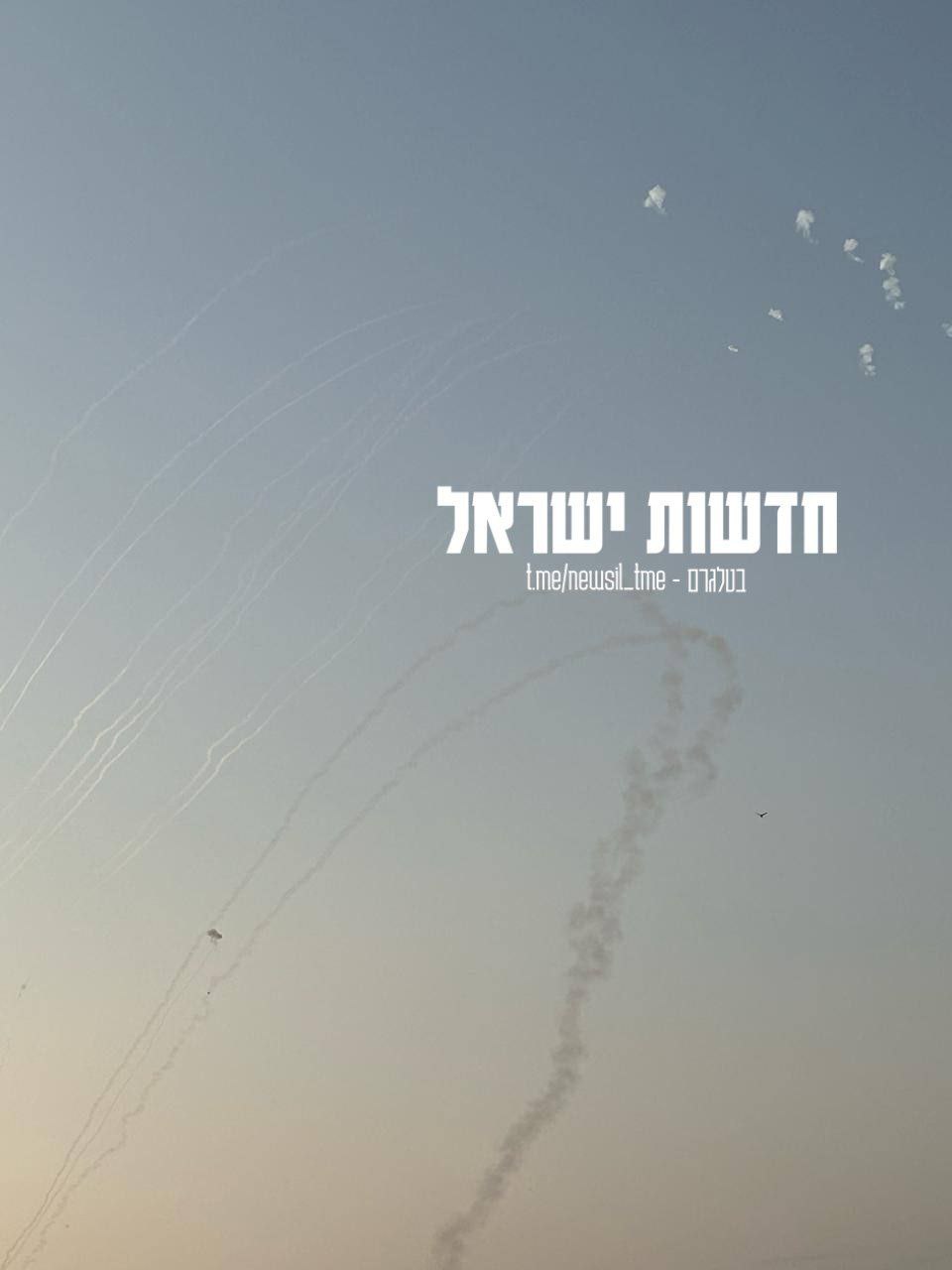
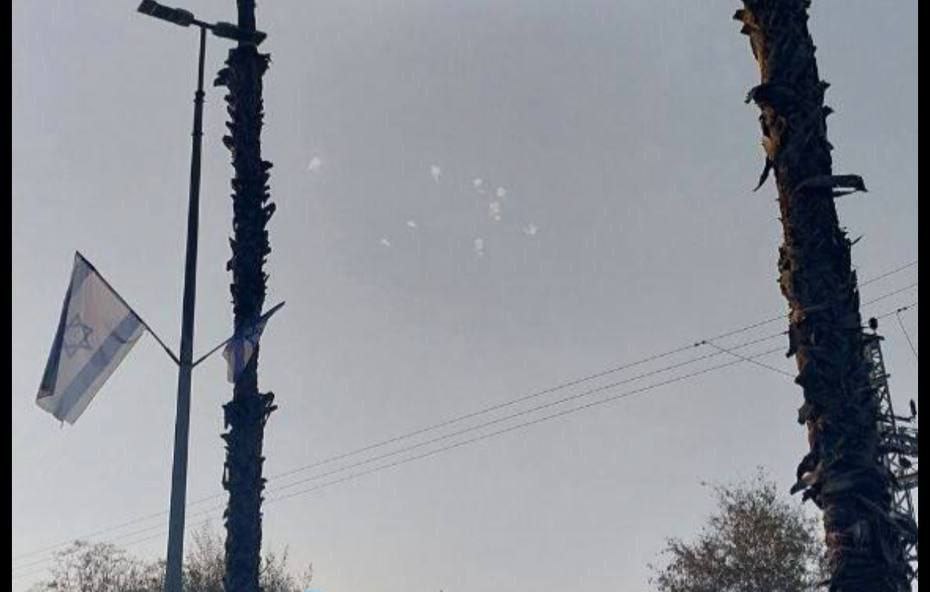
Following this rocket attack, sirens sounded in most of the northwestern Israeli-occupied settlements, including Arab al-Aramshe, Adamit, Goren, Shlomi, Matzuva, Abu Snan, and others. According to videos released of this attack, some of these rockets hit occupied territories, and others were intercepted by the air defense systems of the Israeli regime’s army.
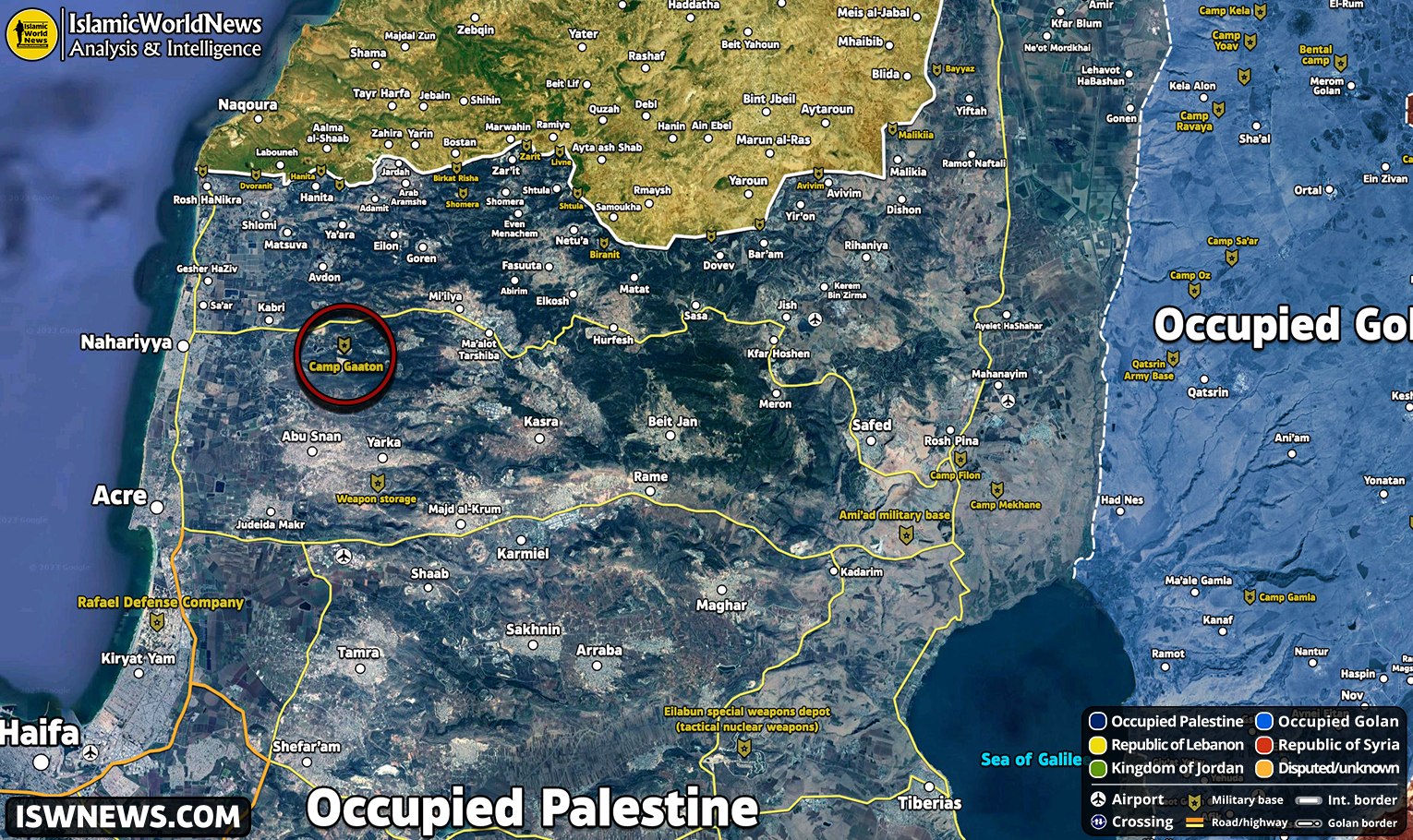
Map: The location of the Ga’aton base in the northwest of occupied Palestine – click to view in full size
The 146th Armor Division is one of the longstanding ground forces of the Israeli army in northern occupied Palestine, which has played an effective role in most wars of the Israeli regime and is stationed in the northwestern front of occupied Palestine.
The Ga’aton base is the field headquarters of the command center of the 146th Armor Division of the Israeli army and includes the operations command room, communications command, intelligence command, and logistics headquarters. This base was established 9 kilometers from the Lebanon border after the start of the Palestinian resistance operation dubbed Operation Al-Aqsa Storm and Hezbollah’s engagement in the conflict with the Israeli regime.
The 146th Armor Division includes infantry, armored, paratrooper, and artillery units, and their mission is to control the northwestern front and counter Hezbollah fighters’ attacks.
The Lebanese resistance movement’s attacks on the positions of the 146th Armor Division are effective in disrupting their gatherings and concentrations as well as inflicting effective security blows upon the Israeli settlements.
Images of Israeli defense systems confronting Hezbollah rockets in the sky of northwest occupied PalestineHezbollah rockets hit the northwestern areas of occupied Palestine
The commander stated in the interview: In 2006, Israeli soldiers abandoned their Spike missile and withdrew from their positions. The Hezbollah fighters seized this missile as a booty and transferred it to the Islamic Republic of Iran. This weapon is considered one of the most modern anti-armor weapons in the world.
Referring to the details of this missile, the field commander of Hezbollah said: This weapon is distinguished by several technical specifications, including the presence of a camera in the missile’s head. When people launch the missile, they can see what the missile sees and choose the target. The distinctive feature of this weapon is that it does not need to see a visible target in front of it. After firing the missile, a Hezbollah fighter can choose the target while being behind enemy lines and remaining invisible. We have a weapon that does not require direct visual of the target. The first time that this weapon was launched, it targeted and demolished a Merkava tank in the Al-Matla area. We used this weapon to attack several targets. The enemy is keeping this information hidden from his soldiers so that they do not become affected and abandon the battlefield.
When the Lebanese commander pointed to the possession of this missile and targeting Israeli tanks with the sophisticated missile, he meant the use of Iranian anti-tank missile called Almas (Dimond). As mentioned, the Almas anti-tank missiles are reverse-engineered from the Israeli Spike anti-tank missiles and are now in the possession of the fighters of the Lebanese resistance movement in Lebanon.
The Almas top attack anti-tank missile is a fire-and-forget anti-tank guided missile and anti-personnel missile with a tandem-charge high-explosive anti-tank warhead, which is an effective weapon for attacking armored targets, fortifications, and vehicles of enemies. This missile has been developed by the Ministry of Defense of the Islamic Republic of Iran in three classes named Almas-1, Almas-2, and Almas-3.
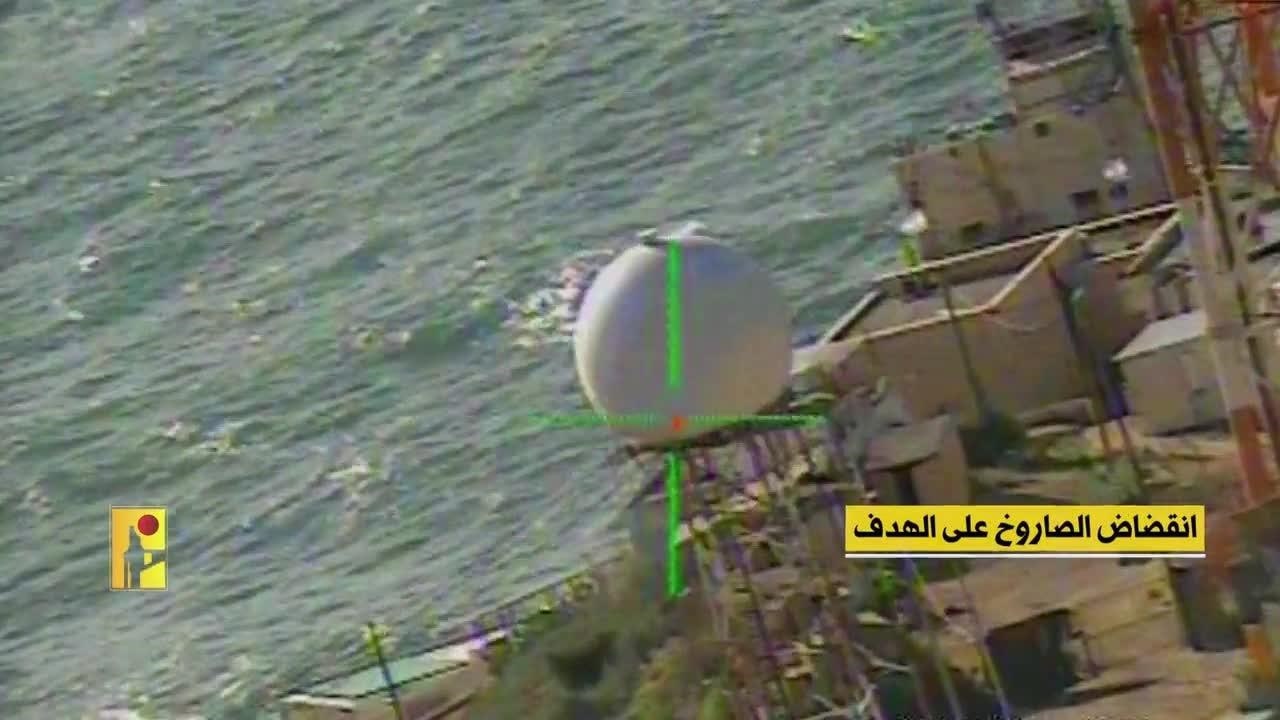
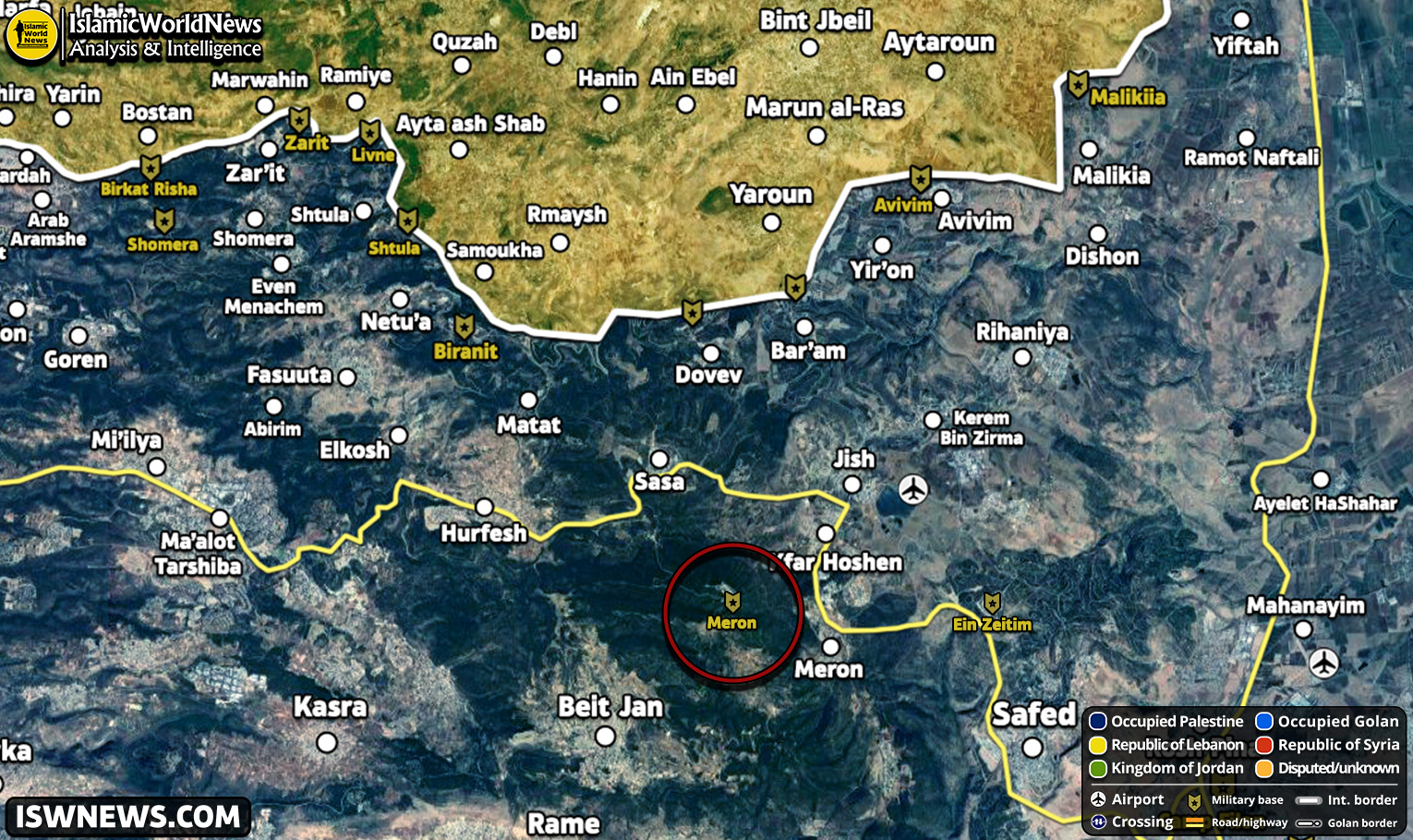
This is the fourth Hezbollah strike on the Israeli regime’s military positions in Mount Al-Jarmaq, in particular targeting the Meron Air Surveillance Base.
Simultaneously with this attack, the Israeli regime’s army once again bombed southern areas of Lebanon including Al- Jibshit, Al-Bisariya, Al Haniyah, areas near Majdal Zoun, and Al-Mansouri villages.
The Israeli regime’s airstrikes against Lebanon have intensified since Monday and for the first time since the beginning of the conflict, and the aggressions have even expanded to northern areas of the Arab country.
In response to threats from the Israeli regime’s officials regarding a broad war against Lebanon, Hezbollah has carried out strong attacks against the Neft Ka camp in occupied Golan Heights and the Meron Air Surveillance Base. These retaliatory actions demonstrate Hezbollah’s full readiness to confront the Israeli regime’s adventures on the southern Lebanon-northern Palestine front.
The moment Hezbollah rockets hit the Meron Base in the first wave of attack and Israel’s defense systems countered a number of rockets.The moment Hezbollah rockets hit the Meron Base in the first wave of attack and Israel’s defense systems countered a number of rockets.
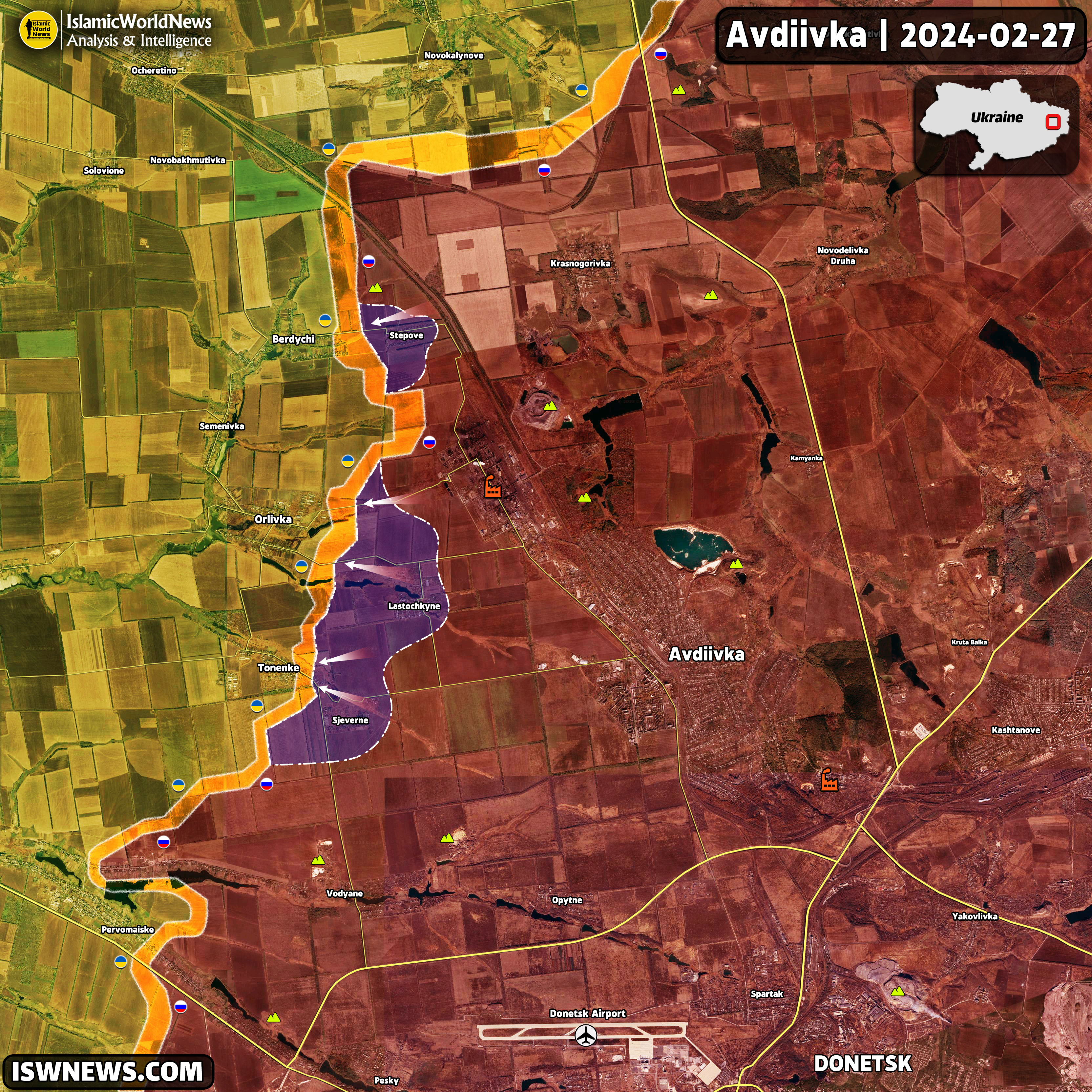
After the complete capture of Avdiivka town on 17th of February, the Russian army has continued its offensive process and continues to attack the villages and western areas of Avdiivka. During the last few days, Russian forces consolidated their control over the settlements of Sjeverne, Lastochkyne and Stepove in this axis.
Currently, the Russian army operation in this area is being pursued with the aim of capturing three other villages: after the capture of Stepove, the Russian forces have reached the outskirts of Berdychi; The capture of Lastochkyne and the advance from the west of Coke Plant have brought the Russian forces to the outskirts of Orlivka in two axes; And the capture of Sjeverne has paved the way for advancing towards Tonenke.
It should be noted that according to the latest information, Russian forces have entered the village of Tonenke.
Generally, after retreating from Avdiivka, Ukrainian forces have placed their main line of defense in Berdychi-Orlivka-Tonenke line. If this defense line is broken, the Ukrainian forces will have to retreat further to a depth of 5 to 10 kilometers to create a new defense line.
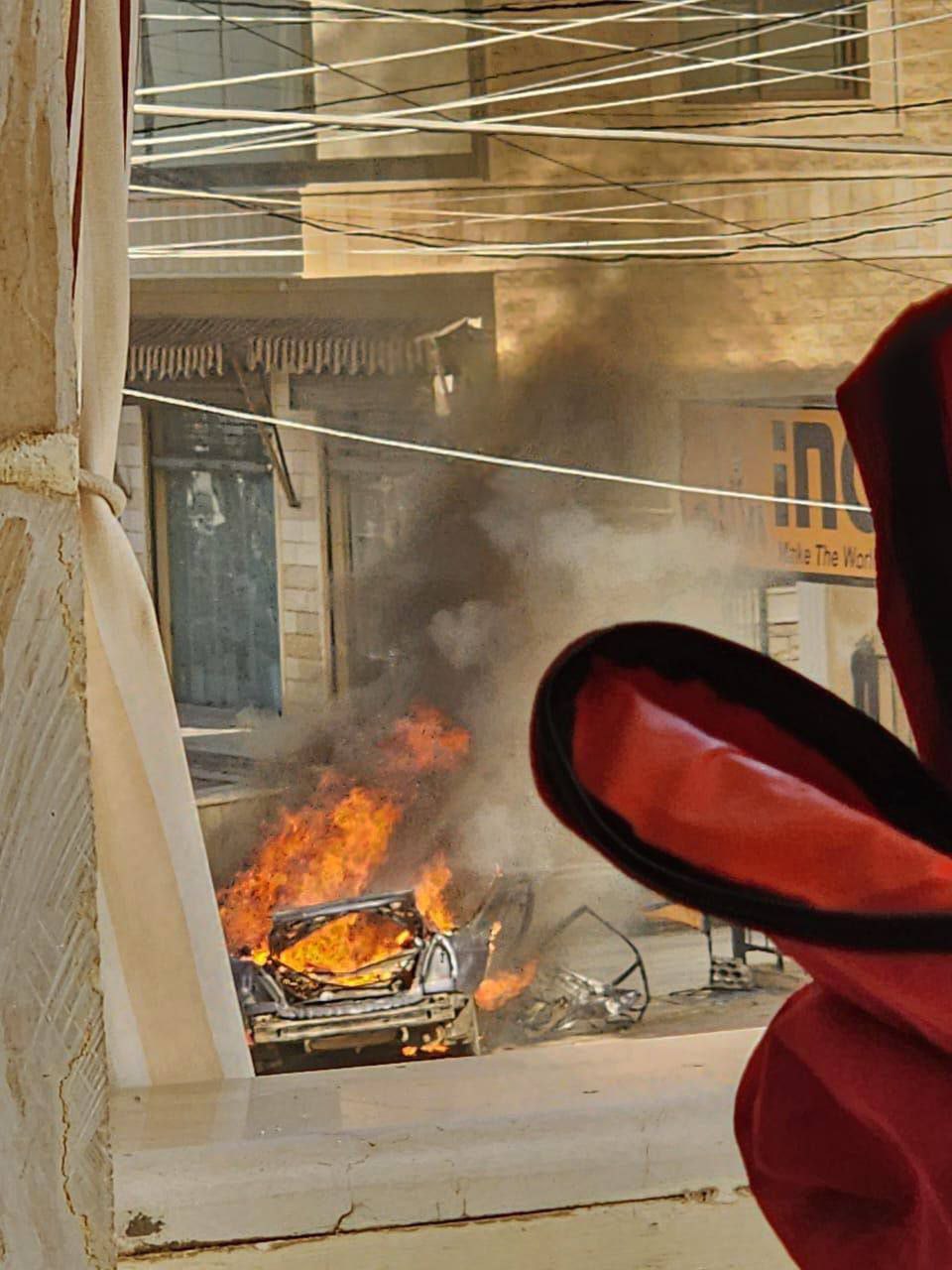
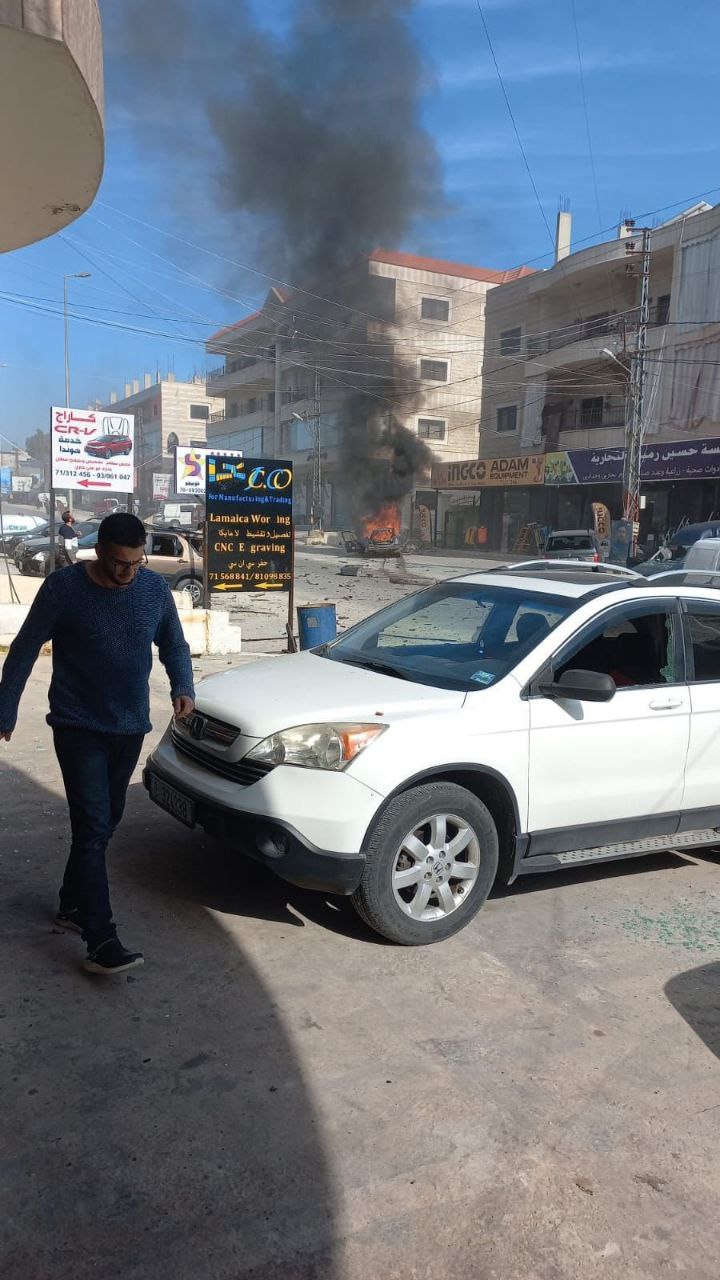
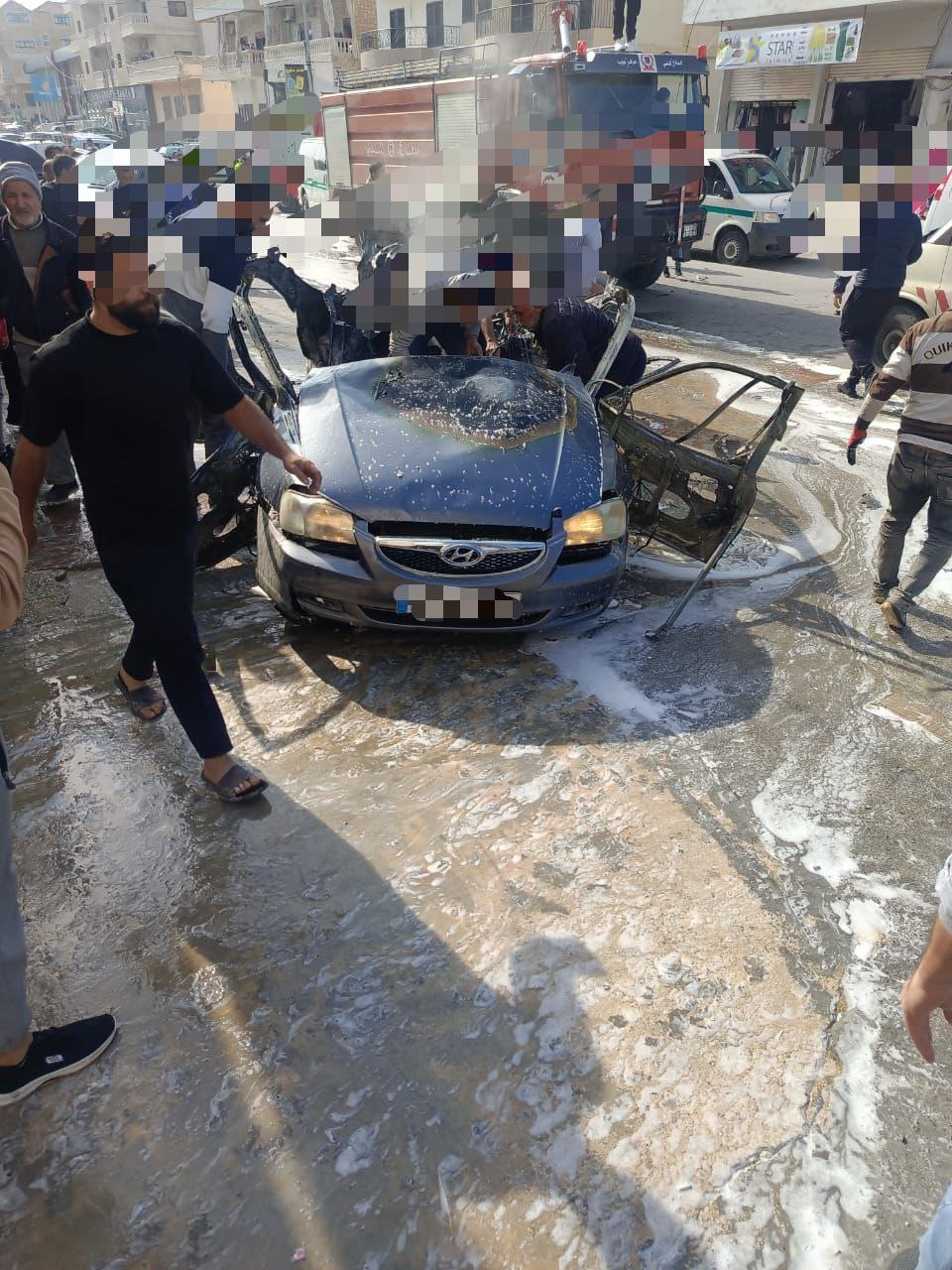
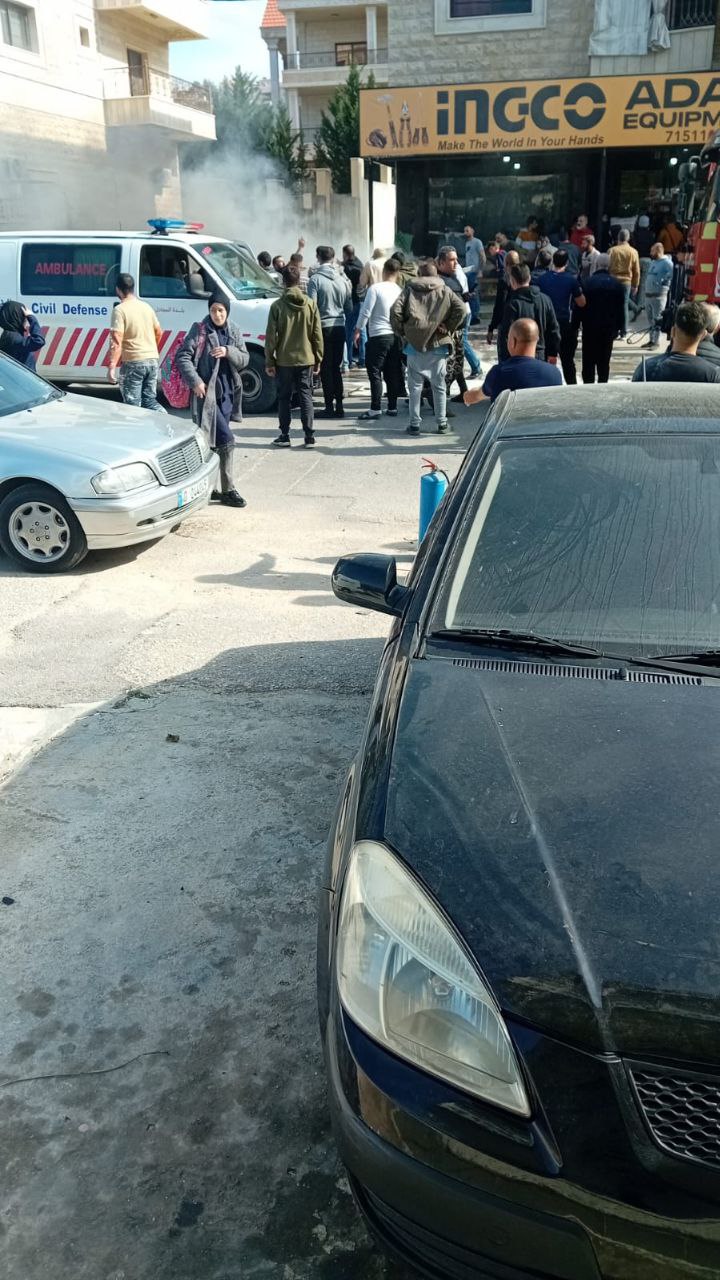
According to local sources, during this terrorist attack, two people, including Hassan Hossein Salami, the head of Hezbollah forces in al-Hujair front were martyred.
The Israeli army claims that Hassan Hossein Salami was a member of Hezbollah’s Nasser unit and was responsible for carrying out several operations, including ATGM attacks on the headquarters of the 769th Eastern Brigade in Kiryat Shemona.
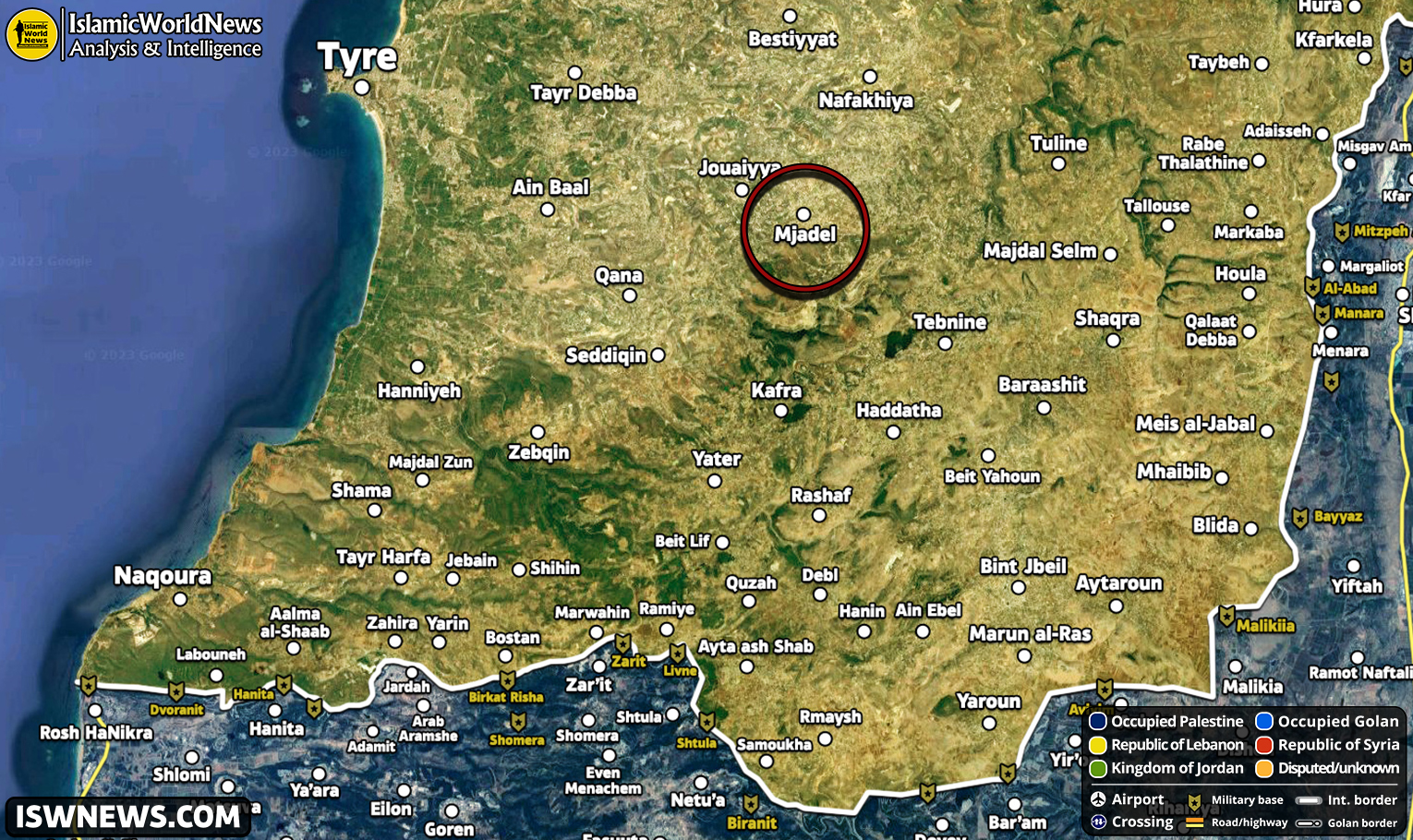
The location of the Israeli attack in al-Majadel town
Assassination of commanders and senior members of Hezbollah and other resistance groups is one of the main plans of the Israeli regime in Palestine, Lebanon and Syria. In this regard, several assassinations have been carried out against the military and political commanders of the resistance groups, including Saleh al-Arouri, Wissam Hassan Tavil, etc., and the resistance has not reacted to these assassinations except for a few heavy rocket and drone attacks in the north of occupied Palestine.
The Israeli army released the video of the moment of assassination in al-Majadثl town
With the death of these three servicemen, the alleged death toll of the Israeli army since the launch of ground invasion of Gaza increased to 240 servicemen, And the alleged total number of “military” deaths since the October 7 reached 580 servicemen.