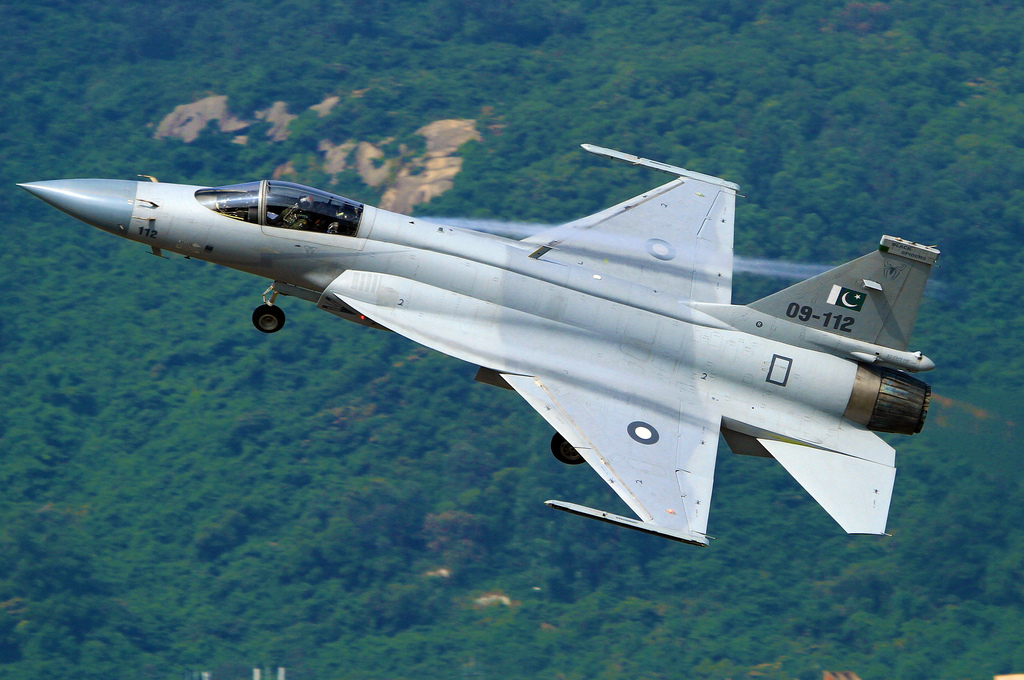
According to Pakistani media outlets, the Azerbaijani military has purchased JF-17 Thunder fighter jets (JF-17C Block-III) from Pakistan, along with training services and procuring armaments, in a contract worth $1.6 billion.
The Pakistan-Azerbaijan contract includes 18 JF-17 fighter jets, with an initial delivery of eight jets.
This deal, considered the largest military industry export of Pakistan, also involves the provision of spare parts, training courses, and arms packages to the government of Baku.
It’s worth noting that in previous years, the Pakistani military has also sold this type of fighter jets (Block 1 and 2) to the armies of Nigeria and Myanmar; so, Azerbaijan is the third customer of the JF-17 Thunder (Block 3) fighter jet.
The JF-17 Thunder is a single-engine multirole fighter jet produced by the Pakistan Aeronautical Complex (PAC) and the Chengdu Aircraft Industry Group (CAIG) of China. While it is considered inferior to its American and Russian counterparts, it has gained popularity in some African and Asian countries due to its lower cost and easier accessibility.
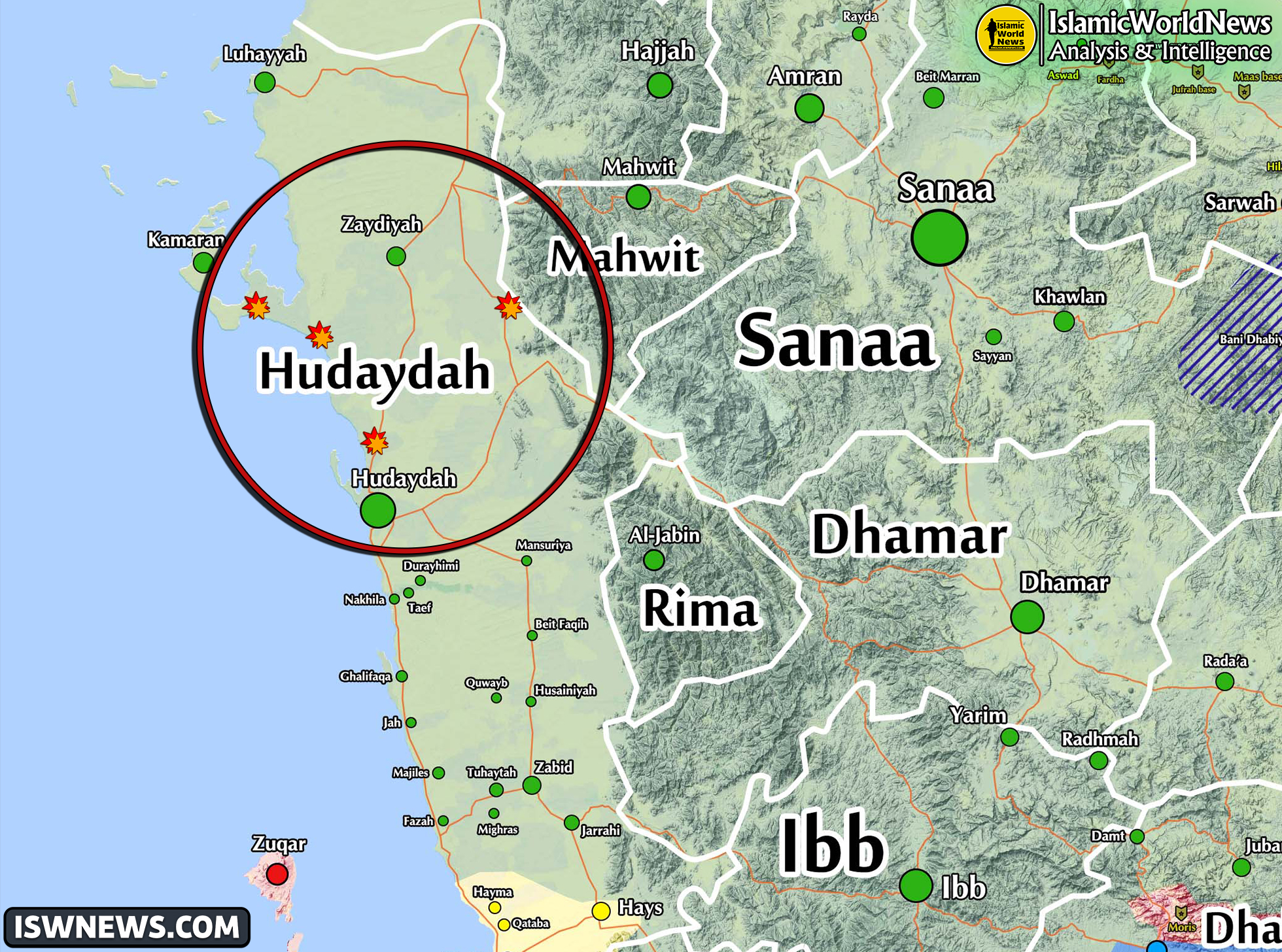
Al-Hudaydah: – On February 19, the US fighter jets attacked Al-Jabbanah area. – On February 20, the US fighter jets attacked Sardod farm in Al-Kadan area in Al-Dhaha administration. – On February 21, the US fighter jets attacked Al-Jabbanah, Al-Araj in the northwest of Hudaydah and Ras Issa area in Al-Salif administration.
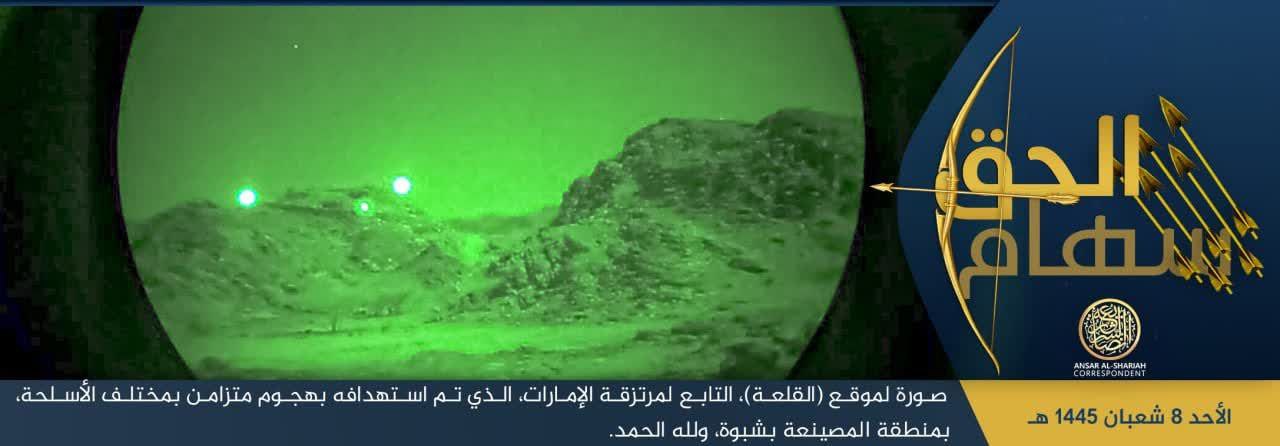
2- Shabwah: On February 18, elements of ‘Al-Qaeda in the Arabian Peninsula’ (AQAP), also known as ‘Ansar al-Sharia in Yemen’, attacked the Al-Qalaa area located in the suburbs of Al-Musayna’ah district in Shabwah province. Al-Qaeda news sources have not mentioned the results of this operation so far. It should be noted that Al-Qalaa area is under the control of the UAE-backed Southern Transitional Council (STC).
3- Saada: – On February 17, a Yemeni civilian was martyred due to the explosion of a bomb left over from the Saudi coalition attacks in Al-Shwaraq area in the administration of Razeh. – On February 20, a Yemeni civilian was injured as a result of the Saudi coalition artillery attack on Al Thabit area in Qatabar administration.
4- Statements of the US military about airstrikes in Yemen: – On February 17, between 15:00 and 20:00 (Sanaa time), the US forces carried out five attacks against three anti-ship cruise missiles, a suicide submarine and a USV. This is the first use of a suicide submarine by the Houthis (Ansar Allah) since the beginning of the conflict. – On February 21, between 12:45 and 18:45 (Sanaa time), CENTCOM forces conducted four airstrikes against seven anti-ship cruise missiles and one anti-ship ballistic missile launcher, which were prepared to be launched towards the Red Sea. In addition, a suicide drone has also been shot down.
5- Mohammad Ali al-Houthi, a member of the Supreme Political Council of Yemen, in response to the deployment of EU military forces to the Red Sea: “For Europeans, do not play with fire. Take a lesson from Britain. You do not need the support of the American devil to protect the occupying entity to exterminate the people of Gaza. International shipping is safe, and your presence increases the militarization of the sea, targets international shipping, and affects food supply chains for the stores of your countries. Any foolishness you commit will result in damage to your ships and navigation.”
6- Abdul Aziz Bin Habtoor, the Prime Minister of the Salvation Government of Yemen, in a television interview with Al-Mairah channel: “Until the aggression against Gaza ends, we will not negotiate and the operation in the Red Sea will not stop either. Bab al-Mandab is clearly Yemeni and our decision in this strait has legal, objective, moral and strategic grounds. We tell the world that today Yemen is the main actor. We are not in America, China and Russia, we are in our land and we are standing together with Gaza. The issue of Palestine has become the issue of all free nations and the axis of resistance has played an important role in this issue.”
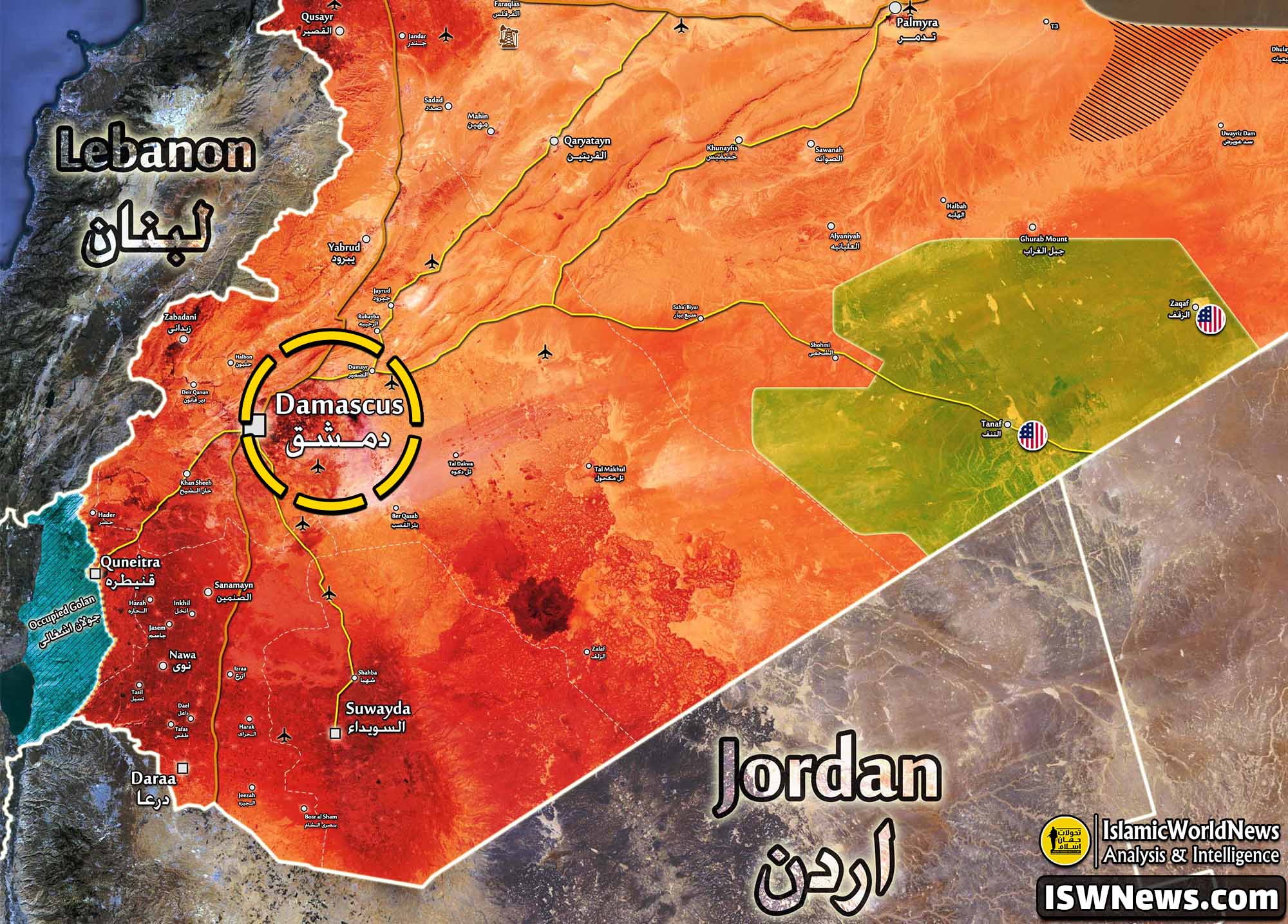
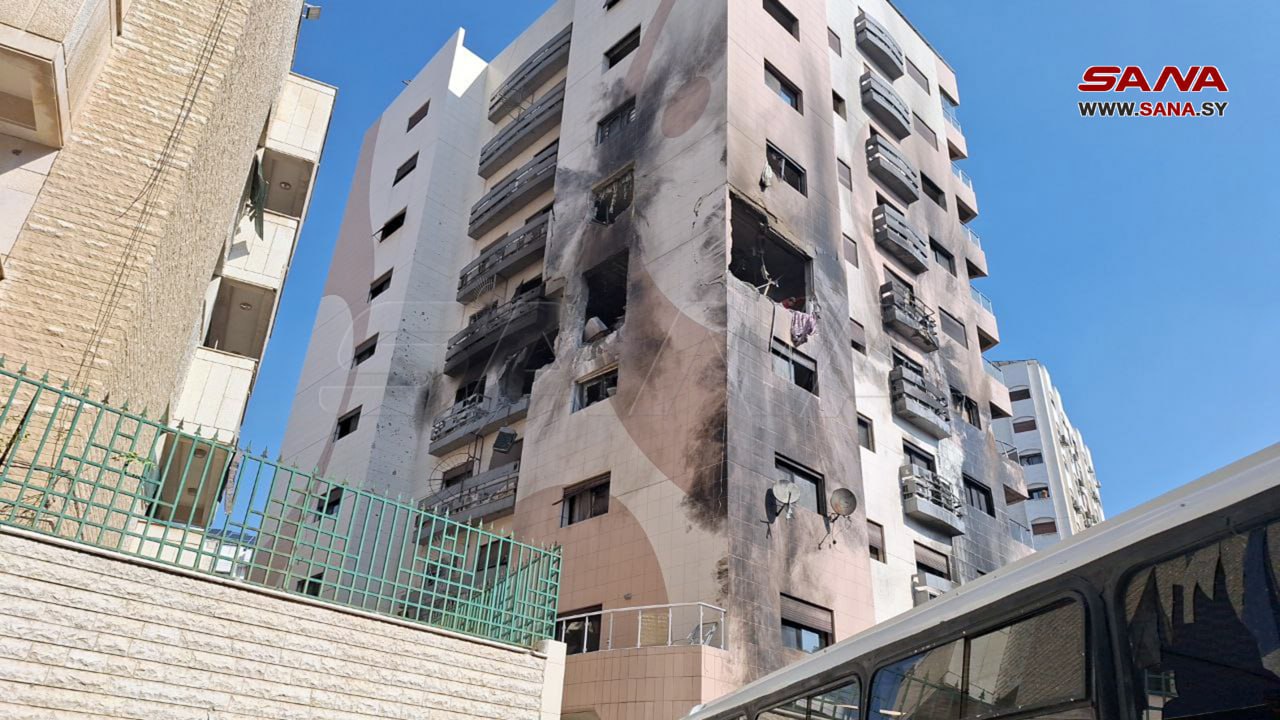
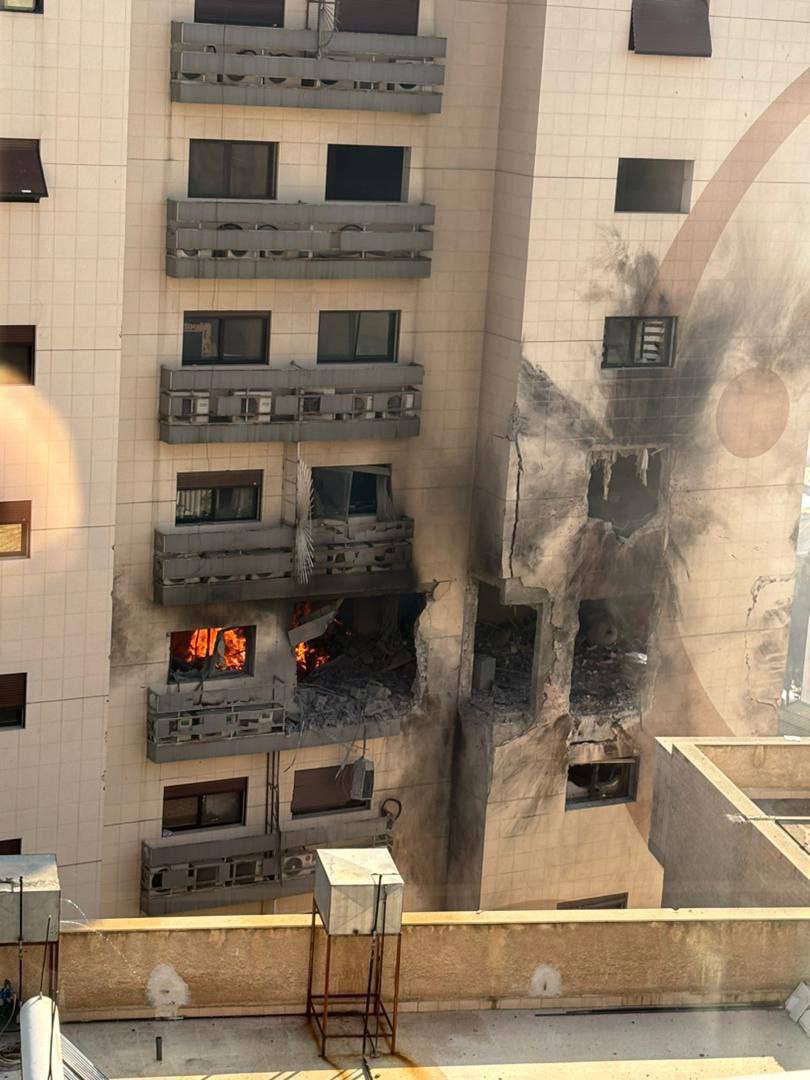
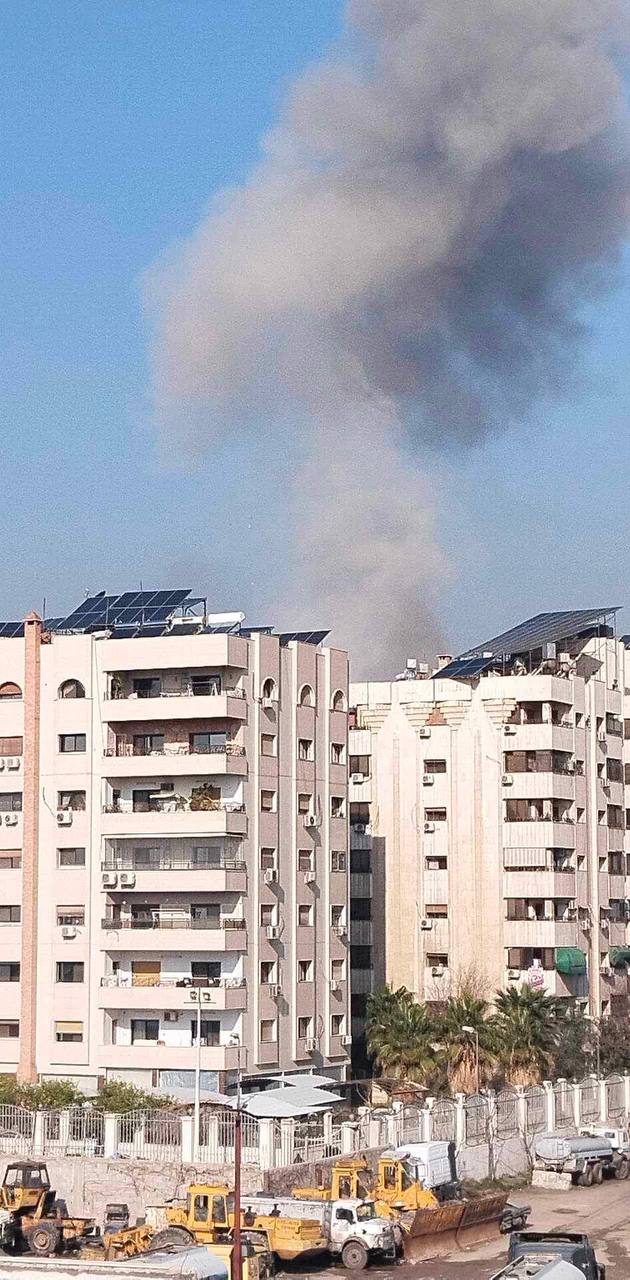
According to military sources, at around 09:40 local time on Wednesday, the Israeli regime targeted a residential building in the Kafar Souseh neighborhood of Damascus with an air strike from the occupied Golan Heights.
This attack resulted in the martyrdom of two people, the injury of another, and material damage.
Image from the scene of the incident
Minutes after the air strike, news sources reported the martyrdom of some Iranian advisors in Kafar Souseh, but as of the time of publication this news story, the martyrdom of Iranian advisors in this attack has not been confirmed.
Hours after the attack on Kafar Souseh, the Al-Dimas area of Damascus was also targeted by the Israeli regime’s army. It is said that a missile strike hit this area and several other missiles were tracked and destroyed by Syrian army air defense systems.
It is worth mentioning that the Israeli regime’s fighter jets had also attacked targets on the outskirts of Damascus on February 10.
Peter Stano, Lead Spokesperson for foreign affairs and security policy of the European Union, confirmed that the EU naval military mission in the Red Sea, under the name of Operation EUNAVFOR ASPIDES, has commenced.
He stated the aim of implementing this operation an attempt to restore security and maintain freedom of navigation in the Red Sea and the Persian Gulf. It was emphasized that the nature of this operation is purely defensive, and the EU forces will have the capability to destroy missiles targeting commercial ships.
According to the EU statement, the mission area of the EU forces encompasses the international waters of the Red Sea, the Gulf of Aden, the Arabian Sea, the Sea of Oman, and the Persian Gulf.
The commander of this operation is Commodore Vasilios Griparis, and the military forces are under the command of Rear Admiral Stefano Costantino. The headquarters of this operation are located in the city of Larissa, Greece, which hosts one of the largest air bases in Greece and the North Atlantic Treaty Organization (NATO).
The EU’s deployment of military forces to the Red Sea is seen as a response to the successful naval operations by Yemeni armed forces in support of Palestine and the unsuccessful US-led coalition efforts to deter attacks on ships associated with Israel, the United States, and the United Kingdom.
Analysts and critics in Europe believe that the EU’s operation in the international waters of the Red Sea to the Gulf of Persia will not have any particular impact, as the EU lacks the equipped military and naval capabilities that the US military possesses to effectively carry out such maritime operations in the Red Sea to achieve the aforementioned objectives.
History and development: After the First Persian Gulf War and Saddam’s use of the Al-Hussein missile against some neighboring countries such as Saudi Arabia, exposed the controversial performance the Patriot air defense system, And the production program of the anti-ballistic system was specially placed on the agenda of the Israeli regime.
The Arrow anti-ballistic system has been jointly funded and developed by Israel and the United States since 1986, and its production and development process has continued until today. According to the Israeli regime, this system is more effective than the American MIM-104 Patriot system to repel ballistic missile attacks.
Undertaken by the MALAM division of the Israel Aerospace Industries (IAI) and Boeing, it is overseen by the Israeli Ministry of Defense’s “Homa” administration and the U.S. Missile Defense Agency.
Israel initially produced the Arrow system domestically, but on February 11, 2003, IAI and Boeing signed an agreement, valued at over $25 million for fiscal years 2003–2004, to establish production facilities for the manufacture of components for the Arrow missile in the United States. In March 2004, IAI awarded a $78 million production contract to Boeing; the total contract value could exceed $225 million through second quarter 2008. As a result of successful implementation of this contract Boeing is responsible for production of about 35 percent of Arrow missile components, including the electronics section, booster motor case and missile canister, at its Huntsville, Alabama, facilities. IAI, the prime contractor of the Arrow system, is responsible for integration and the final assembly of the Arrow missile in Israel.
Boeing also coordinates the production of Arrow missile components manufactured by more than 150 American companies located in over 25 states.
Today, Boeing’s share in the production of the “Arrow 3” system has reached 40-50%.
The first launch of the Arrow interceptor took place on August 9, 1990, designed to test the missile’s control and guidance systems. This test was stopped after a few seconds due to a malfunction in the systems and the missile was destroyed in the sky. This missile had several unsuccessful tests in 1991. Although the missile was finally successful in 1992, and the missile design was changed to Arrow 2. Although Arrow 2 also encountered problems many times, after solving the problems in 1998, the Arrow 2 system was delivered to the army for testing.
On March 14, 2000, the first complete Arrow 2 battery was rolled out in a ceremony at Palmachim Airbase.
In June 2001 Arrow missiles were test-fired in the course of a joint American-Israeli-Turkish exercise code-named Anatolian Eagle, in the southeast of Turkey.
In October 2002 the second battery was declared operational.
In the continuation of the development of the Arrow anti-ballistic system, changes were made on the Arrow 2 missile, and each of these changes was placed in different blocks. The Arrow 2 block-2 missile entered the test phase in 2003. In 2007, Arrow 2 block-3 was also tested. In September 2008, a Blue Sparrow missile, capable of simulating “Scud-C/D” missiles was used to test the Arrow 2 block-4, but the test failed; The next test was repeated on April 7, 2009 and this time it was successful.
By August 2008 the United States and Israeli governments have initiated development of an upper-tier component to the Israeli Air Defense Command, known as Arrow 3. The development is based on an architecture definition study conducted in 2006–2007, determining the need for the upper-tier component to be integrated into Israel’s ballistic missile defense system. According to Arieh Herzog, the main element of this upper tier will be an exoatmospheric interceptor, to be jointly developed by IAI and Boeing. Arrow 3 was declared operational on January 18, 2017.
By April 2011 Israel’s Missile Defense Organization (IMDO) launched initial definition of a new block-5 upgrade to the complete Arrow system that will merge the lower-tier Arrow 2 and exoatmospheric Arrow 3 into a single national missile defense system. According to Arieh Herzog, the planned block-5 will include new ground- and airborne sensors, a command and control system, and a new target missile – the Silver Sparrow – to simulate potentially nuclear-capable delivery vehicles developed by Iran.[68] According to the U.S. Missile Defense Agency, block-5 is expected to be able to deal with “more stressing regional threats” by increasing total defended area by some 50 percent.
In 2017, the Arrow 4 system was defined and put on the agenda for future complex threats. These threats included hypersonic cruise missiles or any other supersonic aircraft. It should be noted that research on Arrow 4 has gained more speed after the unveiling of the Iranian Fattah hypersonic missile.
Until today, parts of Arrow anti-ballistic system, such as radar, have been exported to countries such as the Republic of Azerbaijan. But Arrow, as a complete system, serves only in the army of the Israeli regime. It should be noted that a contract for the full sale of the Arrow system has recently been concluded with Germany.
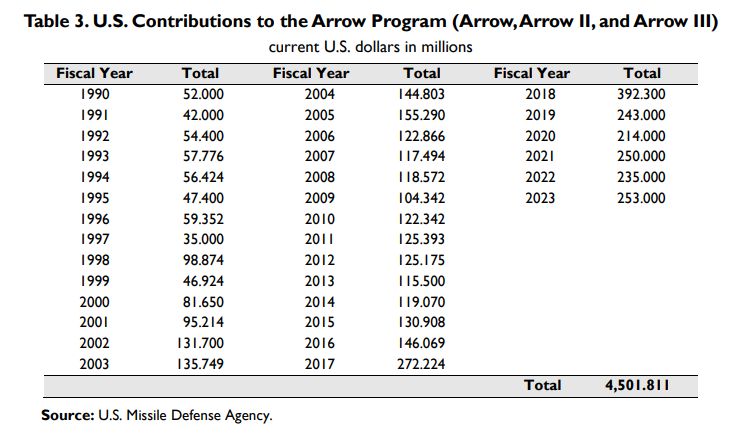
Financial sources of the project: From the beginning of the design of the Arrow anti-ballistic system, the United States has had a direct role in financing it. Estimated credits required for this project are 1.6 billion dollars and the price of each Arrow missile is estimated at 3 million dollars. However, according to the financial report of the Congressional Research Service (CRS) published in 2023, the total financial assistance of the United States to the Arrow anti-ballistic system reaches 4.5 billion dollars. Estimates of Israel’s spending on the Arrow program show that Israel has spent more than 60 million dollars annually for this project independently, which amounts to more than 2 billion dollars. As a result, the Arrow anti-ballistic system program has cost more than 6.5 billion dollars so far.
An image of the United States financial aid report to the Arrow program
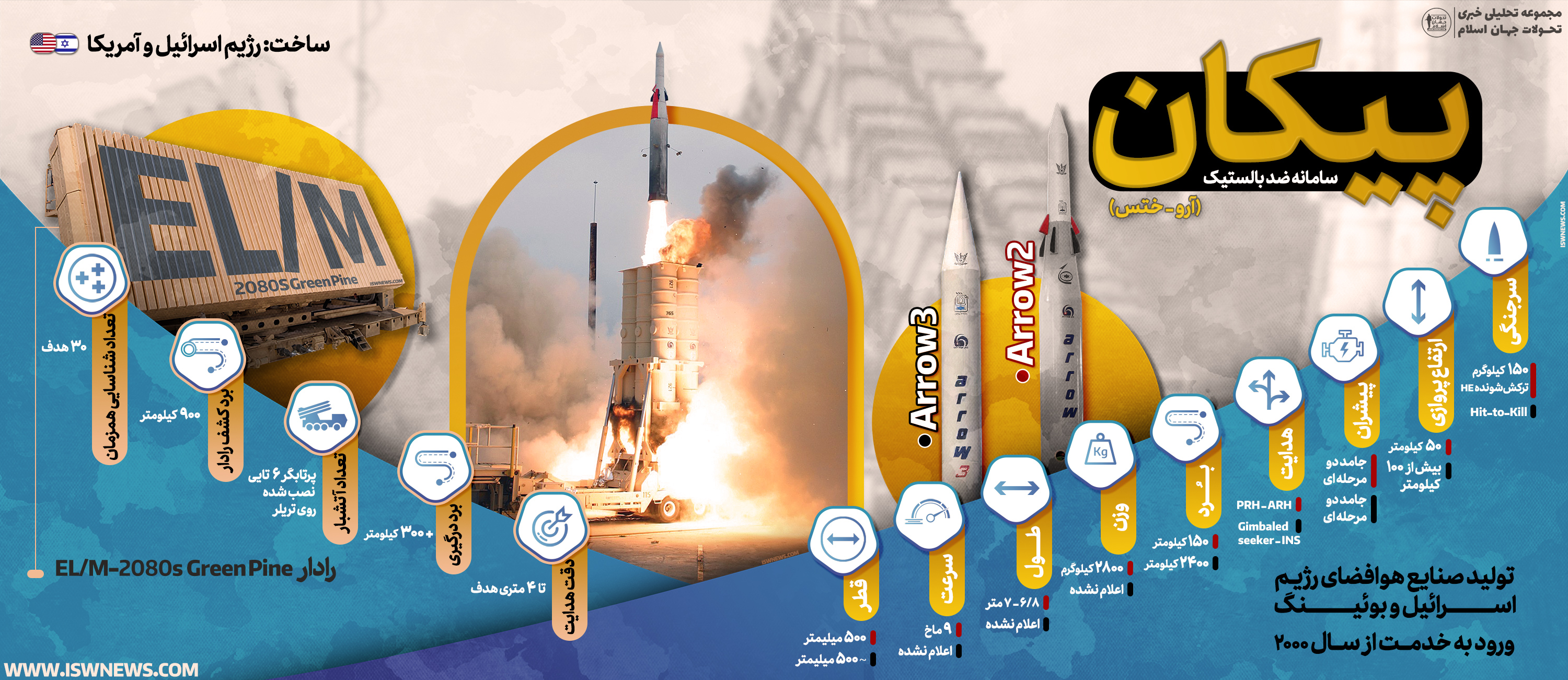
Design and parts: The Arrow system consists of the hypersonic Arrow anti-missile interceptors, Arrow 2 and Arrow 3, the Elta EL/M-2080 “Green Pine” and “Great Pine” early-warning AESA radars, the Elisra “Golden Citron” (“Citron Tree”) C3I center, and “Brown Hazelnut” (“Hazelnut Tree”) launch control center. The system is mobile and can be moved to other prepared sites.
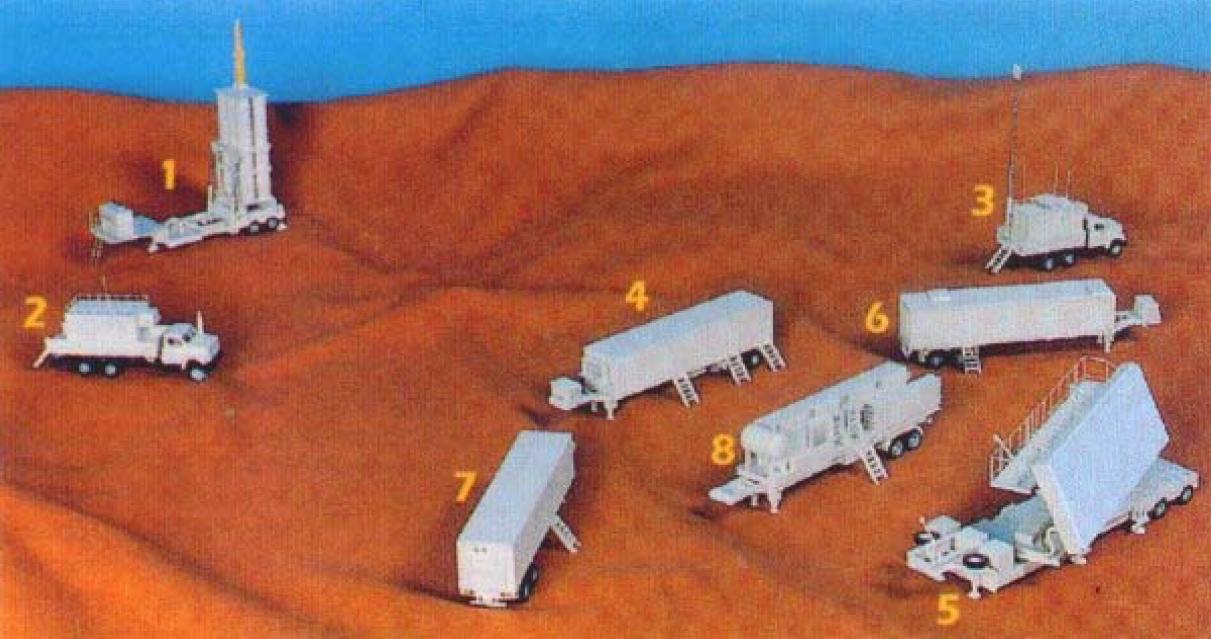
Each missile of the system is placed in a canister and all 6 of them are placed on a truck. Each Arrow anti-ballistic system battalion includes 4 to 8 mobile launchers (24 to 48 missiles), a mobile Green Pine early warning radar unit, a radar power supply unit truck, a radar cooling unit truck, a radar control unit truck, a Elisra Golden Citron control center, Brown Hazelnut mobile launch control center and mobile communications center, resulting in 11 to 15 trucks per battalion.
The model set that shows how to arrange the components of the arrow system. 1- Arrow missile launcher 2- Golden Citron control center 3- Communication center 4- Brown Hazelnut launch control center 5- Green Pine early warning radar antenna 6- Radar control center 7- Radar power unit 8- Radar cooling unit
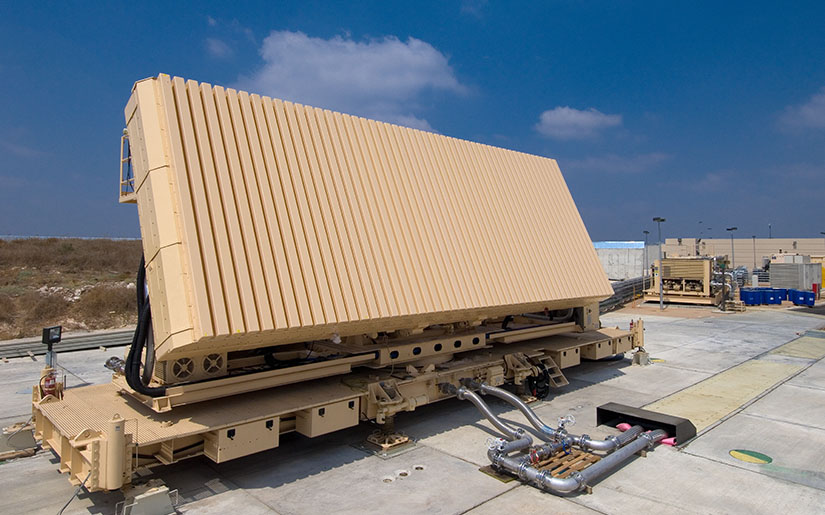
Green Pine early warning radar: The Green Pine early warning radar model EL/M-2080 has a range of 500 km and the Block-B Super Green Pine version or EL/M-2080s has a range of 900 km. This radar also has a Block-C version, the specifications of which have not been revealed yet.
The Green Pine radar is an active electronically scanned array (AESA) radar. This radar is active in the X-band and is capable of detecting 30 targets at a speed of 3000 meters per second (equivalent to Mach 8.8) in a maximum range of 500 to 900 km depending on the model. The accuracy of missile guidance by the green pine radar is up to 4 meters of the target, and after that the missile acquires the target and hits with its own radar.
The Green Pine early warning radar antenna has a width of 9 meters and a height of 3 meters. This radar system consists of an antenna, a power system (including a diesel generator and fuel tank), a cooling system and a radar control center, and it has 2000 to 2300 modules that send and receive waves and weighs 60 tons.
The Green Pine radar is mobile and can be moved using 4 trailers, but it is not possible to set it up anywhere. In general, it takes about 24 hours to set up a green pine in a new operational site.
Golden Citron control center The “Golden Citron” truck-mounted net-centric open systems architecture Battle Management Command, Control, Communication & Intelligence Center can control up to 14 intercepts simultaneously. The system provides fully automatic as well as Human-in-the-Loop options at every stage of battle operation management. It is also capable of interoperability with other theater missile defense systems and C3I systems. Notably Link 16, TADIL-J, communications were being altered to allow interoperability with Patriot fire control units. Assigned targets can be handed over to the Patriot’s AN/MPQ-53 fire control radar. The “Golden Citron” has three banks of operator consoles laid out in a U shape. All in all, the “Golden Citron” is manned by 7–10 operators.
Brown Hazelnut launch control: The “Brown Hazelnut” launch control center is located at the launch site, up to 300 km from the “Golden Citron” fire control center. It employs microwave and radio data and voice communications links to the “Green Pine” and “Golden Citron”. The launch method is a vertical hot launch from a sealed canister, providing all-azimuth coverage. “Brown Hazelnut” also has missile maintenance and diagnostic capabilities
Missiles (interceptors): The Arrow anti-ballistic system includes several missiles, including Arrow 1, Arrow 2 (including five models), Arrow 3 and Arrow 4.
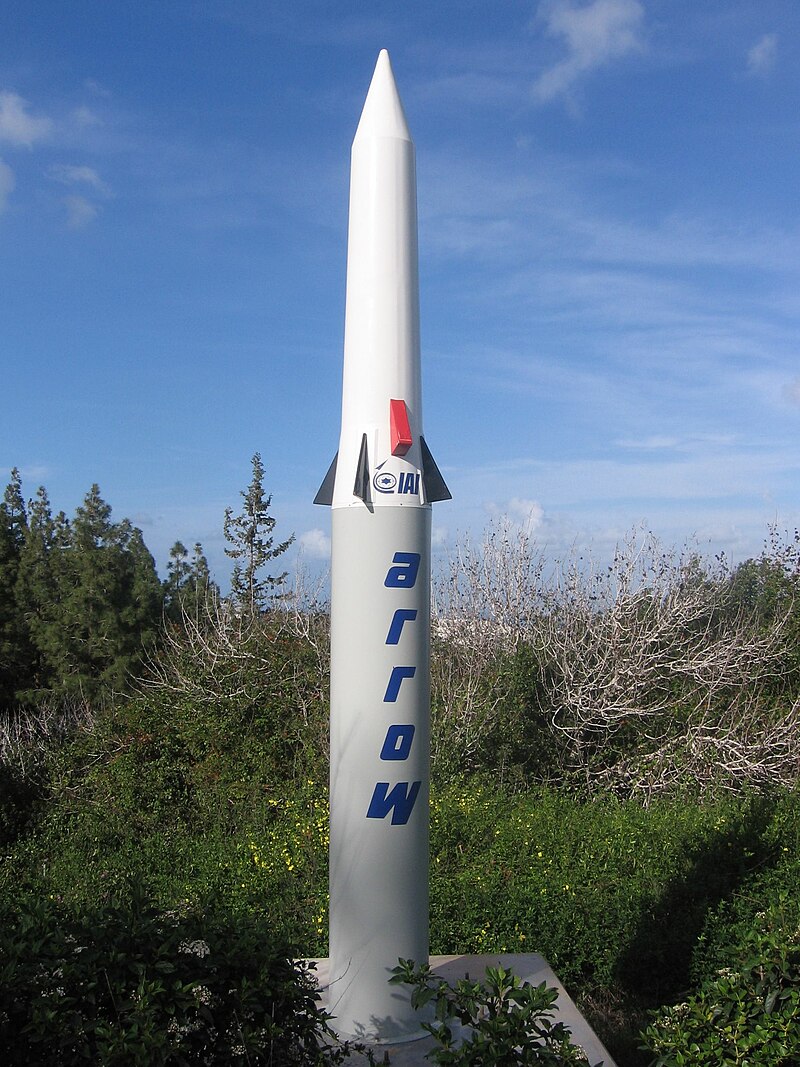
Arrow 1: The Arrow 1 was a two-stage solid propellant missile that was not put into service. The test of this missile failed on August 9, 1990. The ninth and last test of this missile, which was successful, was conducted on June 12, 1994, from a ship in the Mediterranean Sea. Although several tests of this missile failed and some of them were successful, but in the end this missile was not put into service; And the development of Arrow 1 ceased and further research continued with the “smaller, faster and more lethal” Arrow 2 missile.
This Arrow 1 had inertial and command update mid-course guidance, with a terminal infrared focal plane array. Also, the Arrow-1 interceptor had the capability of thrust vectoring in both stages. The exact specifications of the Arrow 1 missile have not been revealed, but its estimated specifications are available.
Specifications of Arrow 1: Length: 7.5 meters Body diameter: 1.2 meters Length of the second stage: 2.5 meters Weight: about 2000 kg
Arrow 1 missile replica
Arrow 2: The Arrow 2 missile project was developed to achieve a smaller but faster and more lethal missile. The development of this missile started in 1994 and it successfully passed its first tests on July 30, 1995. These experiments continued until 1998. On November 1, 1999, an Arrow 2 missile successfully intercepted and destroyed a Scud missile. After this success, the first battalion of this system was activated on March 14, 2000 during a ceremony at the Palmachim Air Base.
This two-stage missile is equipped with solid propellant booster and sustainer rocket motors. The Arrow-2 missile uses an initial burn to carry out a vertical hot launch from the container and a secondary burn to sustain the missile’s trajectory towards the target at a speed of Mach 9. Thrust vector control is used in the boost and sustainer phases of flight. At the ignition of the second stage sustainer motor, the first stage assembly separates. The Arrow missile is launched before the threat missile’s trajectory and intercept point are accurately known. As more trajectory data becomes available, the optimum intercept point is more precisely defined, towards which the missiles is then guided. The 500 kg kill vehicle section of the missile, containing the warhead, fusing and the terminal seeker, is equipped with four moving delta aerodynamic control fins to give low altitude interception capability. The dual mode missile seeker has a passive infrared seeker for the acquisition and tracking of tactical ballistic missiles and an active radar seeker used to home on air-breathing targets at low altitudes. The infrared seeker is an indium antimonide focal plane array.
The kill vehicle is designed to achieve a hit-to-kill interception, but if this is not achieved, the proximity fuze will direct the warhead fragments at the target shortly before reaching the closest point to the target. The high explosive directed blast fragmentation warhead is capable of destroying a target within a 40–50 m radius. In this manner, Arrow also differs from Patriot PAC-3, THAAD, and Standard Missile 3, which rely purely on hit-to-kill technology in which the kinetic force of a precise impact causes the destruction of the threat.
Video of the successful interception of a Yemeni missile outside the atmosphere by an Arrow-2 missile, May 2025Arrow 2 missile
Arrow 2 Block-2 missile: A successful test of the Arrow 2 block-2 took place on January 5, 2003. Four missiles were launched towards four simulated targets in order to examine the interceptor’s performance during special flight conditions as well as system performance during a sequence of launches. The test did not include actual interceptions. Another successful test held on December 16, 2003, examined the system’s ability to intercept and destroy incoming missiles at significantly high altitudes, around 60 km.
On July 29, 2004, Israel and the United States carried out a joint test at the Naval Air Station Point Mugu Missile Test Center in California, in which the Arrow interceptor was launched against a real “Scud-B” missile. The test was a success, with the interceptor destroying the “Scud” that flew a 300 km (190 mi) trajectory at an altitude of 40 km.
This system conducted another test on August 26, 2005. This test was aimed at examining the Arrow’s ability to detect a splitting warhead of a separating ballistic missile. During the test, despite the correct detection, it could not destroy it due to a technical defect.
In March–April 2005 the ability of “Green Pine” and “Golden Citron” to work with Patriot system elements operated by U.S. Army was successfully tested against simulated “Scud”-type targets during regular series of U.S.–Israeli biennial exercises code-named “Juniper Cobra”.
Actual testing of the complete Arrow system was resumed in December 2005, when the system successfully intercepted a target at an unspecified but reported record low altitude.
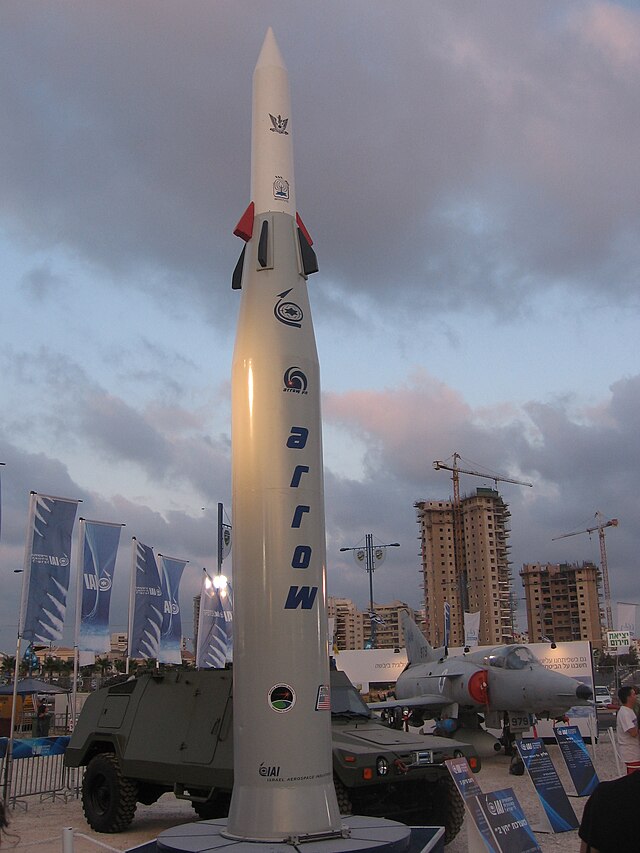
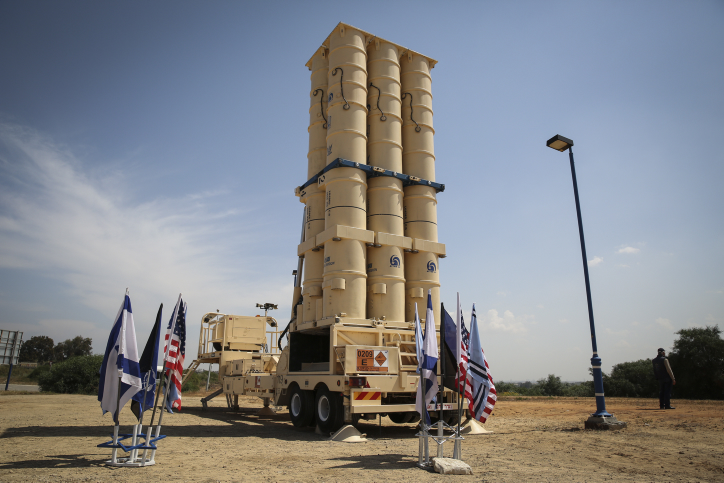
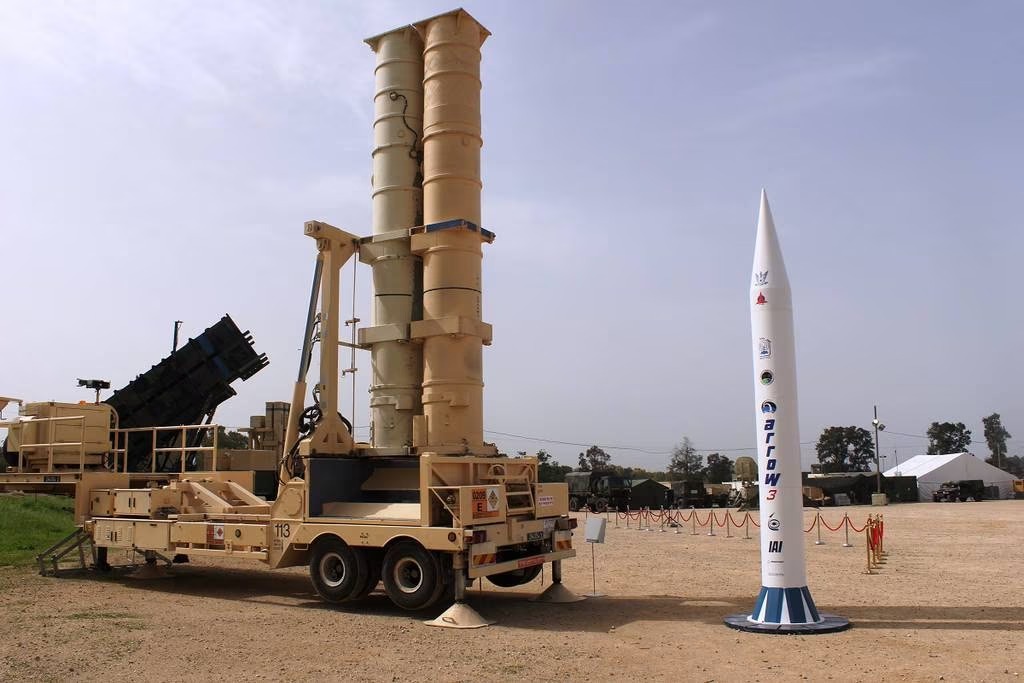
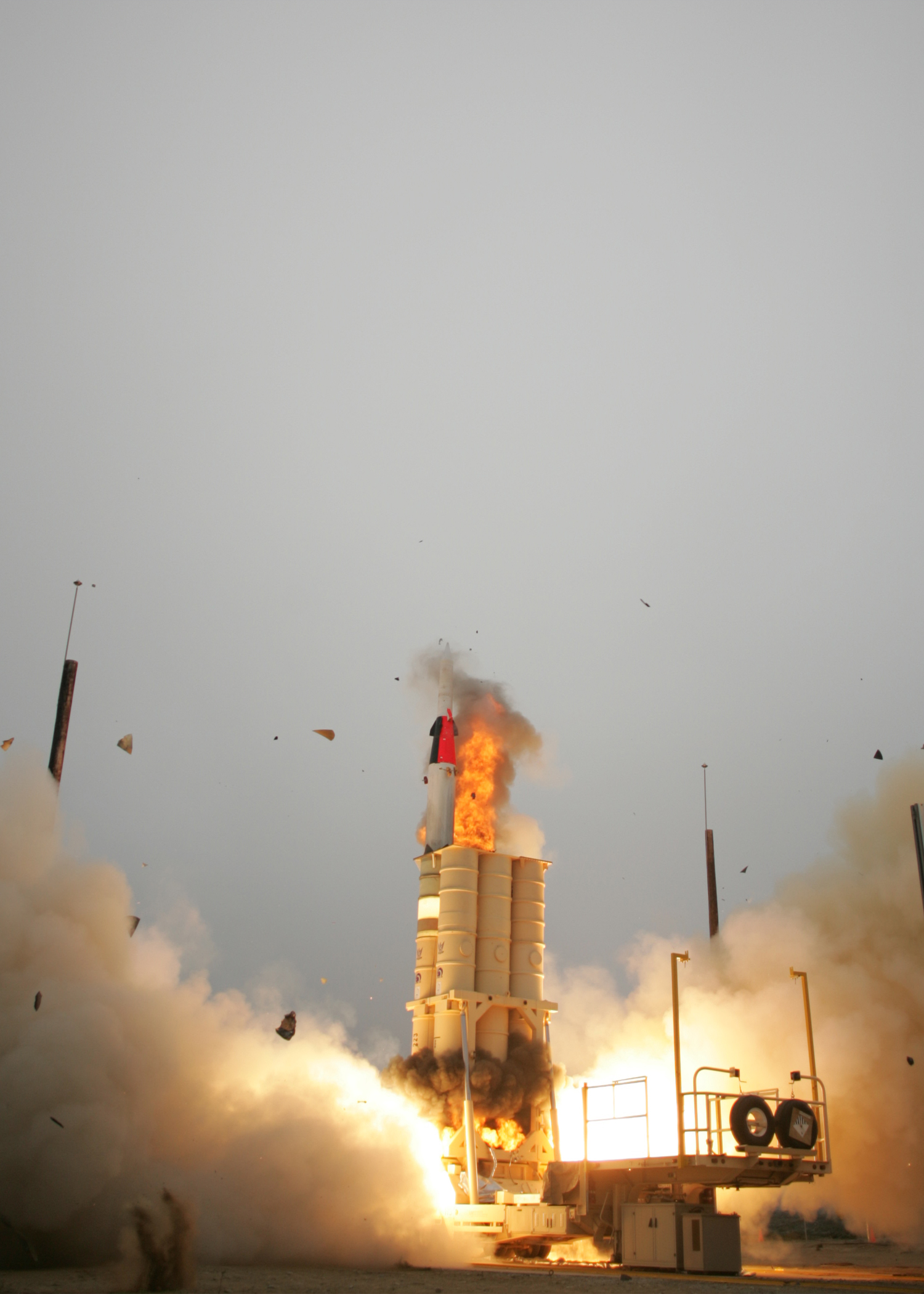
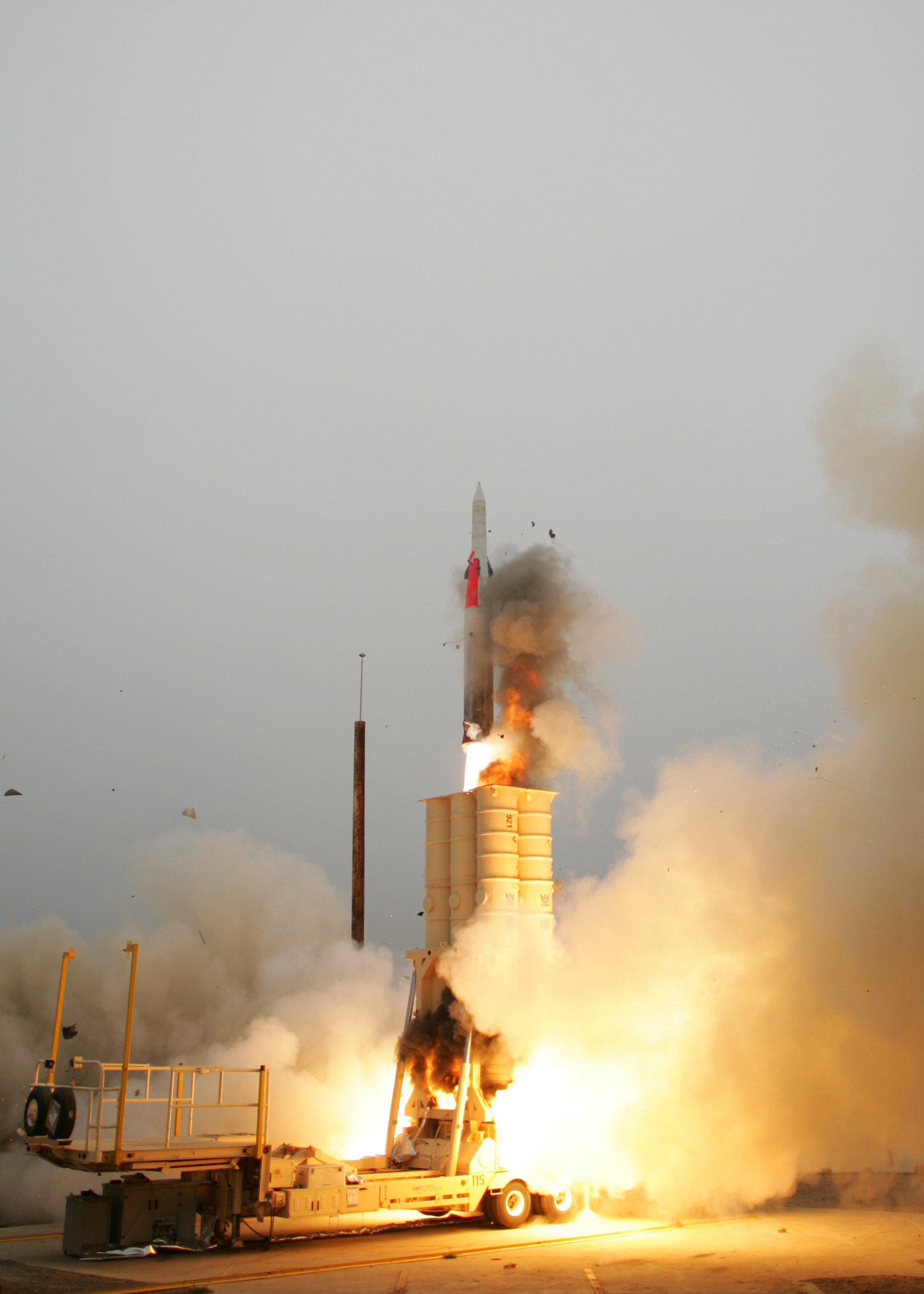
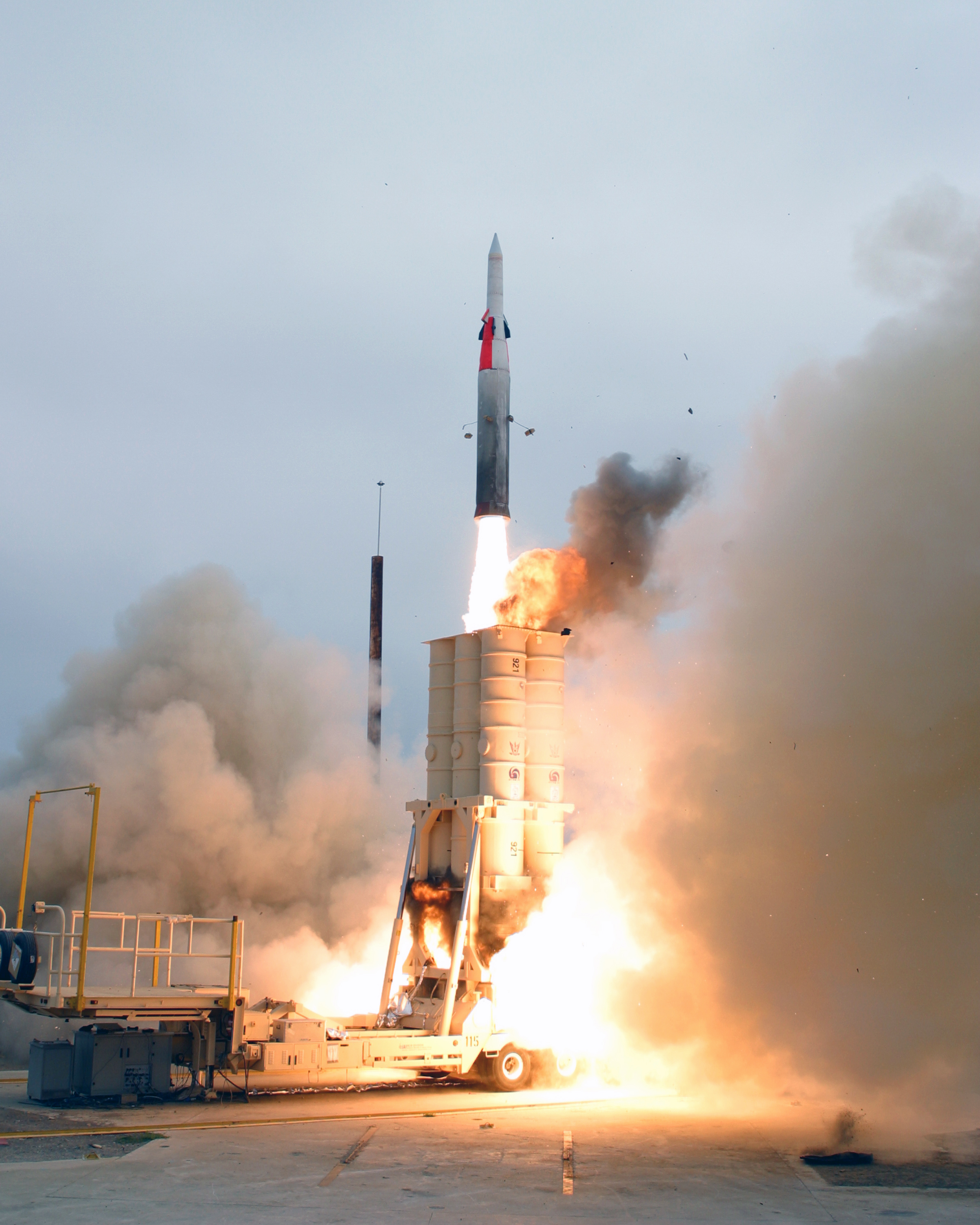
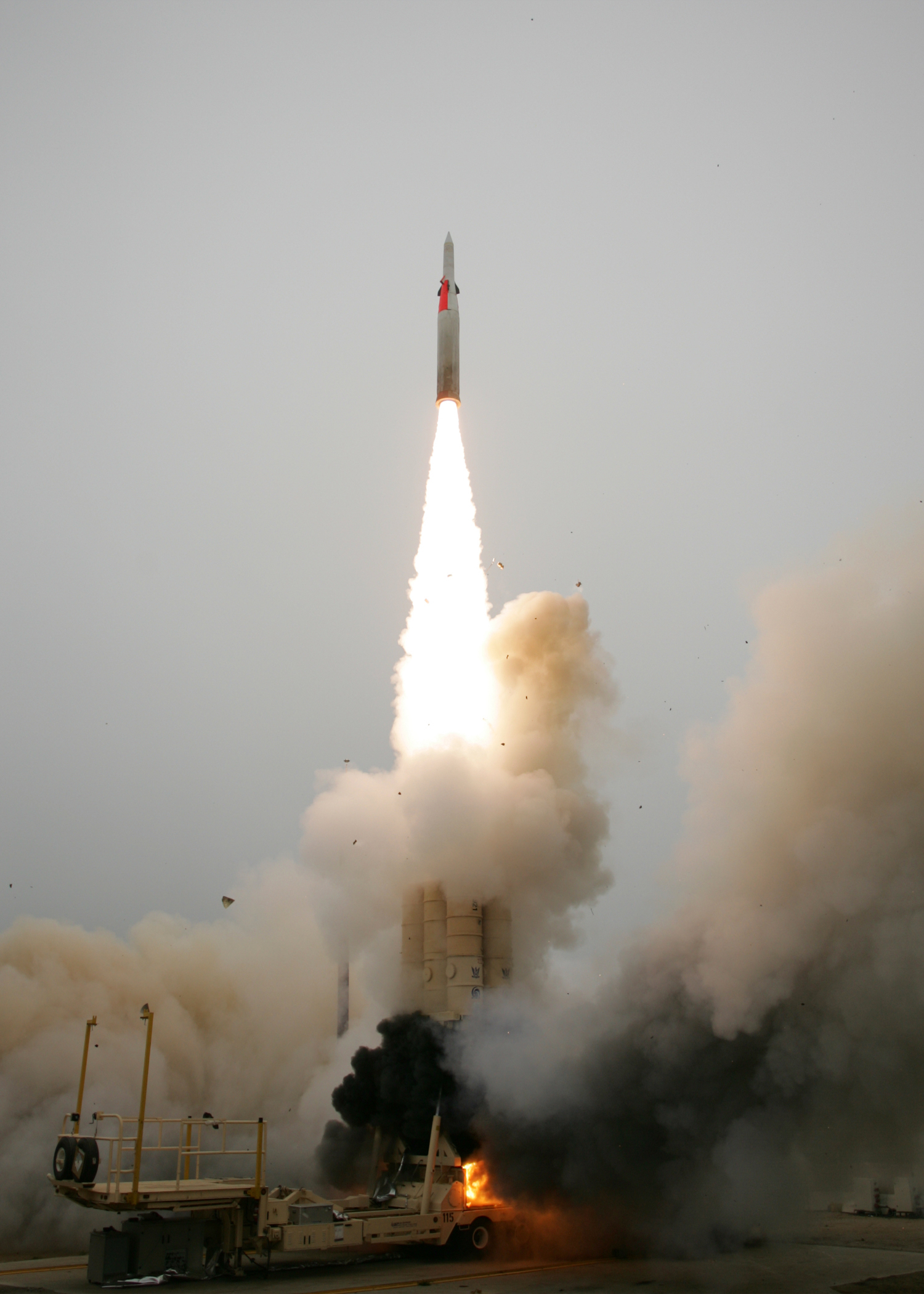
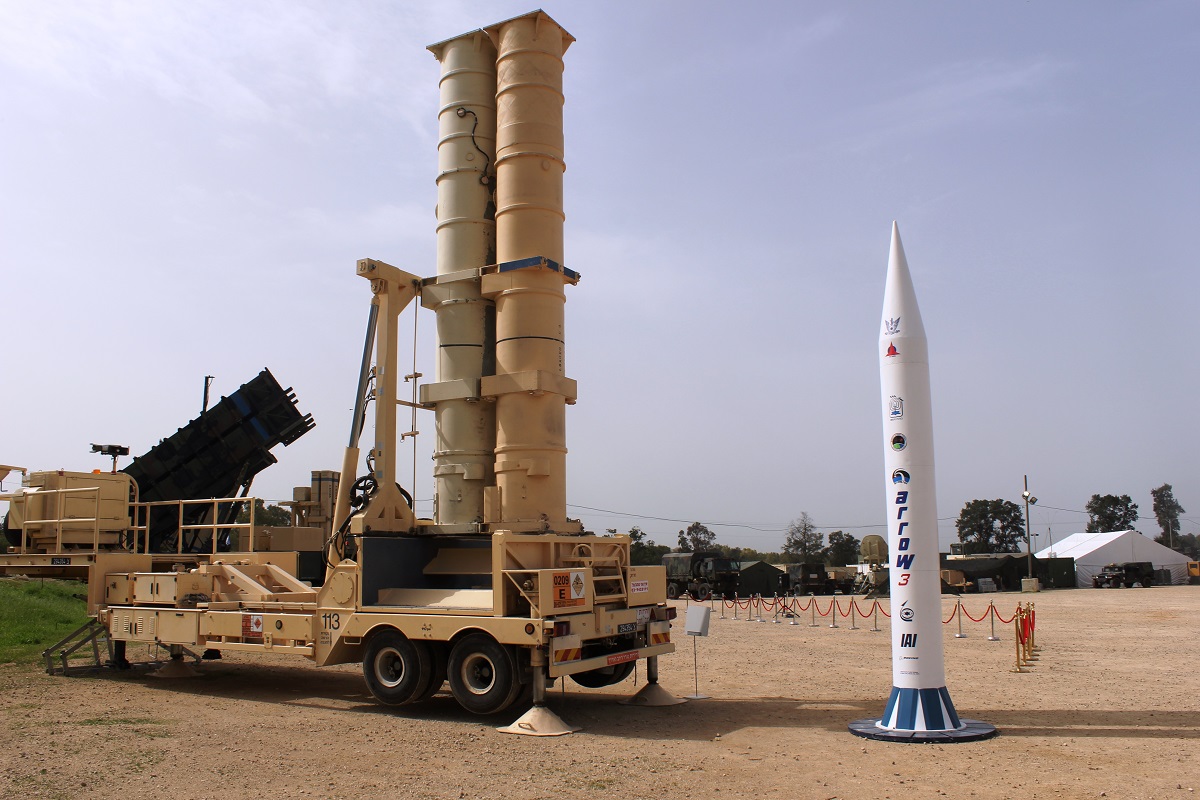
A picture of the Arrow system launcher, which is the same for all types of this system.
Arrow 2 Block-3 missile: On February 11, 2007, an Arrow 2 block-3 successfully intercepted and destroyed a “Black Sparrow” target missile simulating a ballistic missile at high altitude. It was the first so-called distributed weapon system test conducted in Israel, which required two Arrow units deployed some 100 km apart to share data on incoming threats and coordinate launching assignments. It was also the first time the Link 16 data distribution system was used to connect two Arrow units.
Arrow 2 Block-4 missile: On April 15, 2008, the Arrow system successfully detected and made a simulated intercept of a new target missile. During the test, a target missile was launched from an Israeli F-15 at a height of 27.5 km. The missile split into multiple warheads, making it harder to intercept it. Nevertheless, “Green Pine” tracked the warhead, simulating an intercept. In September 2008, another test attempted against the “Blue Sparrow” missile but the test failed. Eventually the Arrow 2 block-4 was successfully tested against the “Blue Sparrow” on April 7, 2009.
This missile was also tested on July 22, 2009 against an airborne missile with a range of 100 km fired from a C-17 Globemaster III transport aircraft, but the test was unsuccessful.
This missile successfully passed several other tests until 2015. These tests revealed the need to create a new Battle Management Center, launchers with high shooting availability, better communication with other missile systems and wider ranges of interceptions. Because the probability of success was not high and better launchers should have been used to protect the crew. Also, the control center was facing problems in transmission and correct detection of the firing position, which had to be solved.
Arrow 2 Block-5 missile: By April 2011 Israel’s Missile Defense Organization (IMDO) launched initial definition of a new block-5 upgrade to the complete Arrow system that will merge the lower-tier Arrow 2 and exoatmospheric Arrow 3 into a single national missile defense system. So, a new ground and airborne sensors, a command and control system, and a new target missile – the Silver Sparrow – to simulate potentially nuclear-capable delivery vehicles were defined for test.
The planned block-5 will optimize the existing Super Green Pine radar to operate with the AN/TPY-2 radar as well as with radars commanding anti-ballistic missiles aboard United States Navy destroyers. U.S. radars will be used to support closed-loop operations if Israel and U.S. targets in the region come under attack.
Arrow 3: By August 2008 the United States and Israel have initiated development of an upper-tier component to the Israeli Air Defense Command, known as Arrow 3. Arrow 3 missile was tested on January 23, 2012 and was declared operational on January 18, 2017.
Arrow 3 operates at greater speeds, greater range and at greater altitudes than Arrow 2, intercepting ballistic missiles during the space-flight portion of their trajectory.
Arrow 3 is a two-stage solid fueled missile. Unlike the Arrow 2 missile, this missile only uses “Hit-to-Kill” method to deal with ballistic missiles. The concept of Hit-to-Kill uses the effect of kinetic energy and direct impact to destroy the target instead of proximity fuze. These types of weapons are also called kinetic energy weapons.
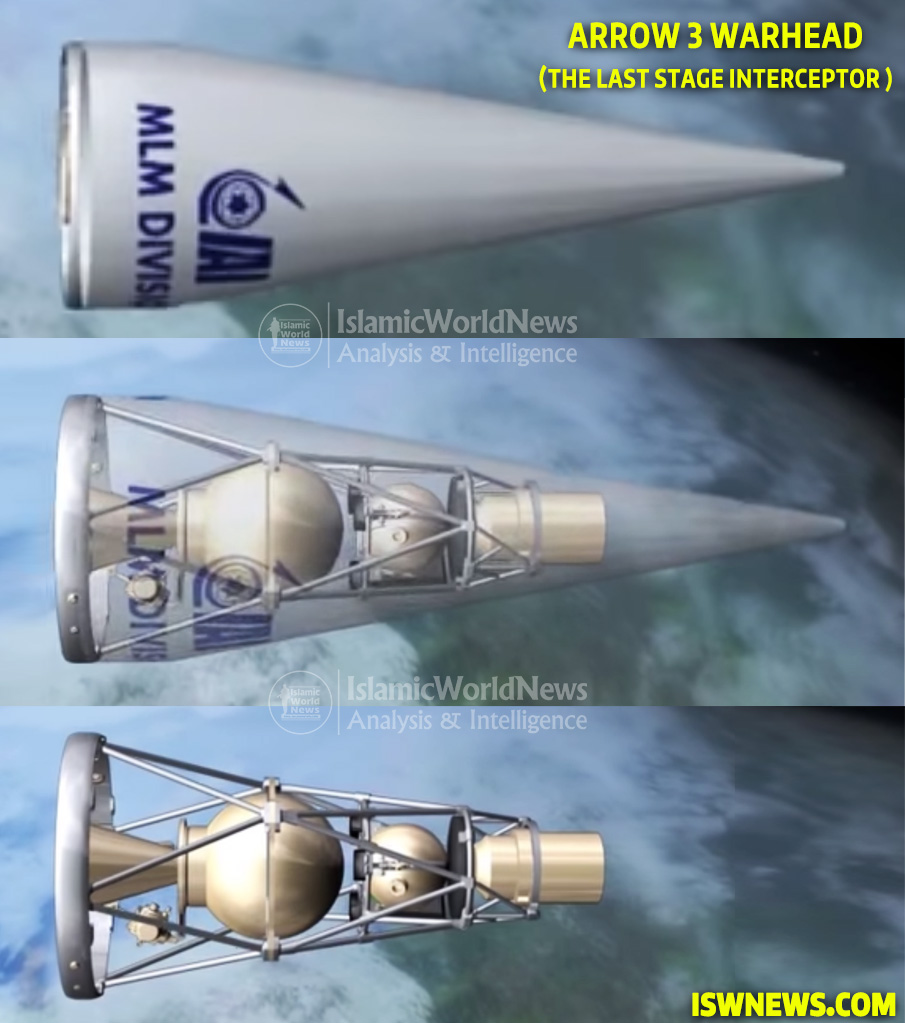
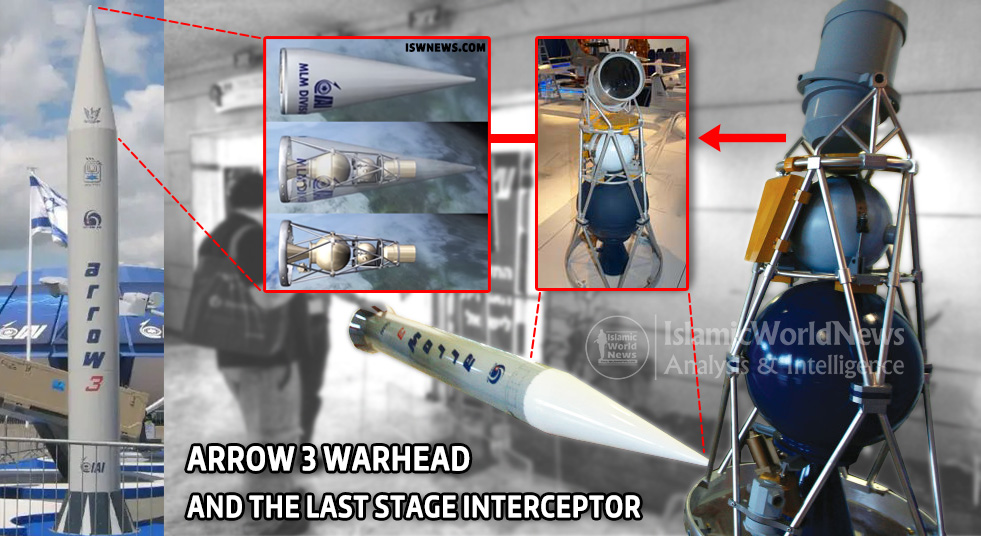
Arrow 3 – Interceptor section in the last stage
The interceptor part of the last stage of this missile consists of a solid fueled propellant with the ability a thrust vectoring, which is very reliable at the same time as simplicity and cheapness. At the tip of this section, there is an infrared seeker that tracks the target and provides the possibility of high accuracy.
The location of the ‘hit-to-kill’ part in the Arrow 3 missile
This missile and its system are designed to intercept targets at an altitude of more than 100 km and with longer ranges; Thus, the range of this missile reaches 2400 km.
The interception capability of this system has not been revealed, but the Arrow 3 system is expected to intercept 5 ballistic missiles within 30 seconds.
According to Isaac Ben Yisrael, the former chairman of the Israeli Space Agency, Arrow 3 may serve as an anti-satellite weapon, which would make Israel one of the world’s few countries capable of shooting down satellites.
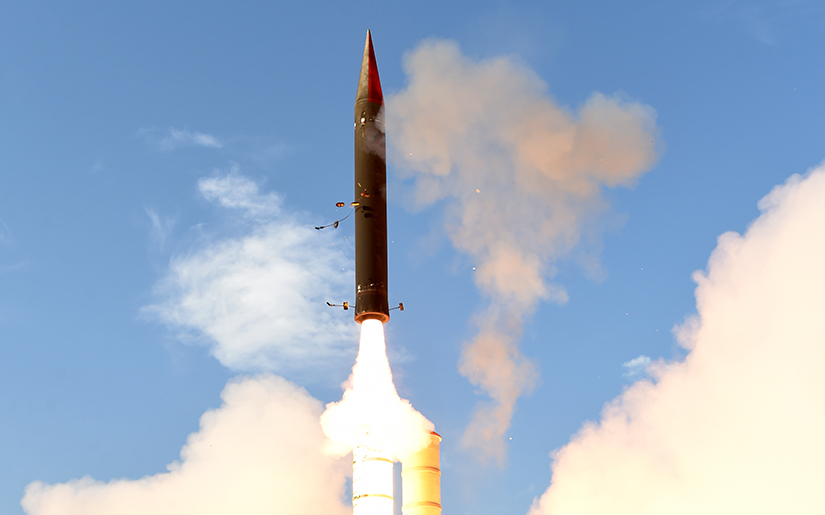
Arrow 3 missile and launcherVideo of how the Arrow 3 system worksVideo of the Israeli Ministry of Defense’s explanation of how the Arrow 3 system works
Arrow 4 missile: In 2017, after the Arrow 3 missile entered service, the Israeli Ministry of Defense set a new goal and plan for defense against future threats. The main goal was to deal with hypersonic missiles. These weapons, whether cruise or ballistic, were among the targets that could not be intercepted and engaged by the Arrow system. In the new program, the goal was to develop a new radar and a new control center and a new missile. In early 2021 Israel revealed that the development of the Arrow 4 interceptor was ongoing and that the system was targeting the interception of hypersonic threats such as hypersonic cruise missiles and hypersonic glide vehicles. Efforts to counter hypersonic threats took on new urgency following a November 2022 announcement by Iran that they had tested a hypersonic missile that could hit Israel in as little as four minutes.
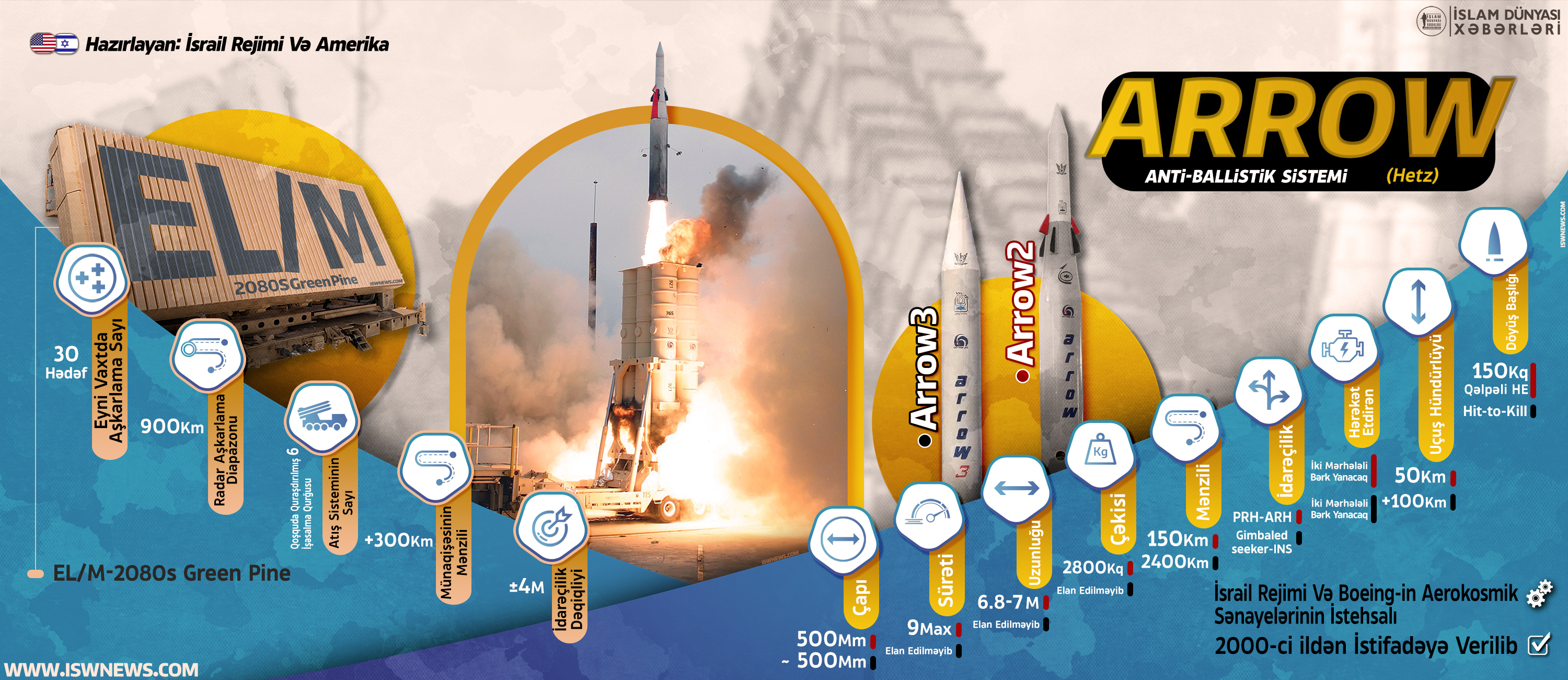
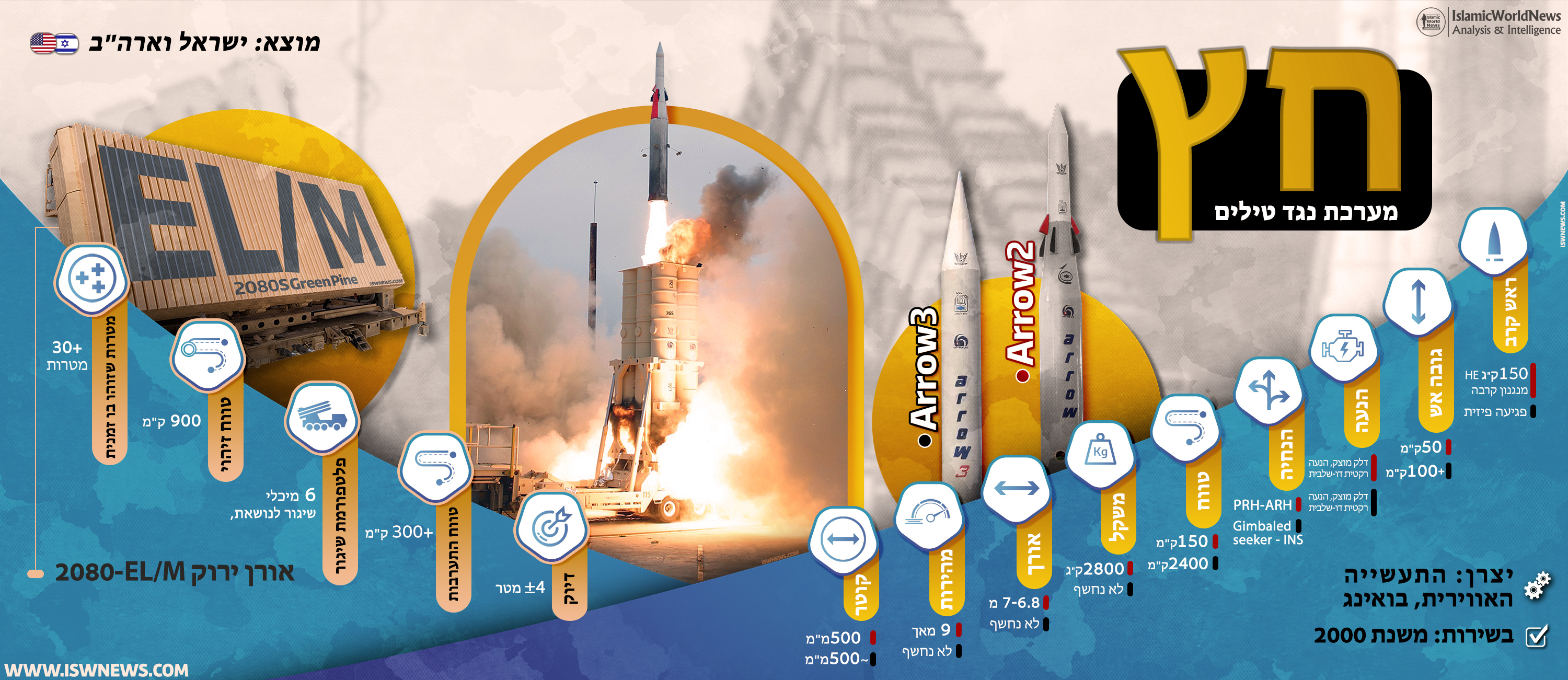
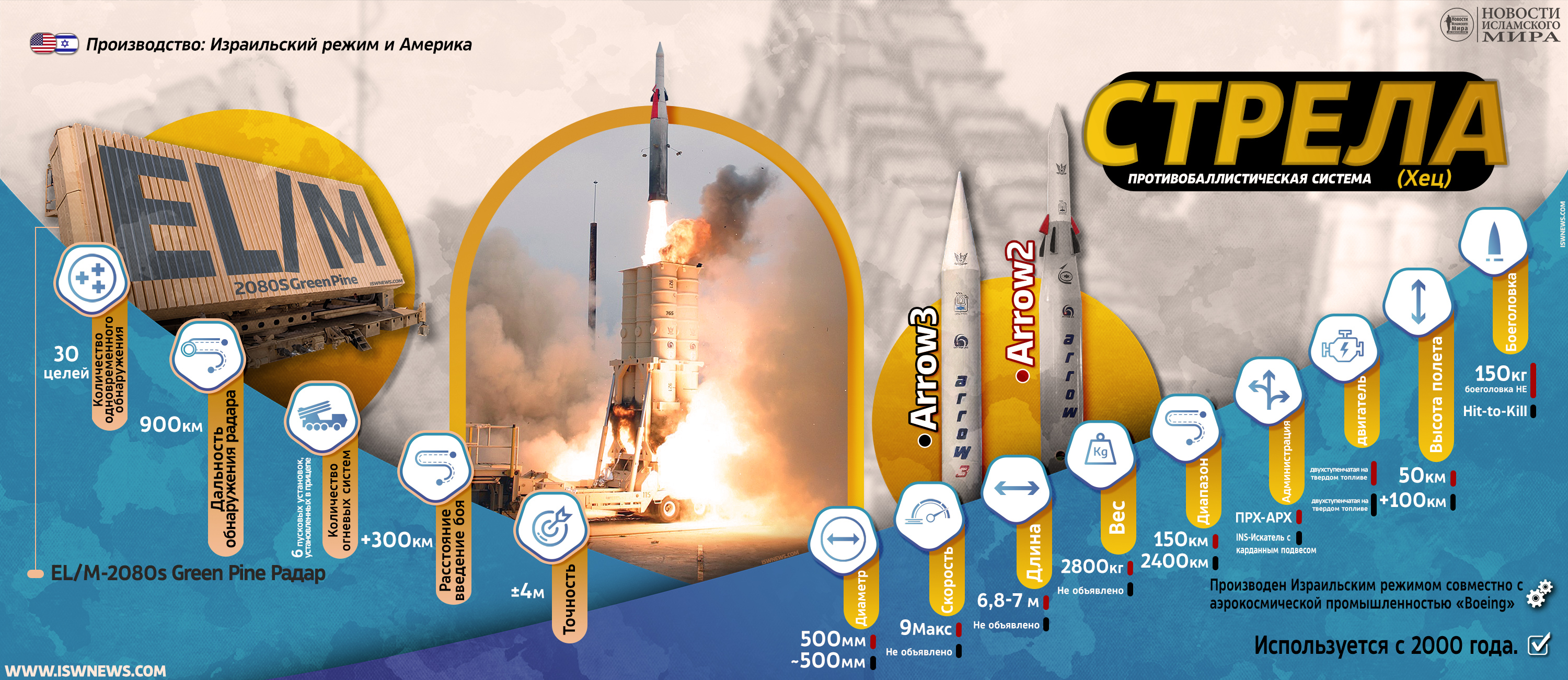
Specifications of Arrow anti-ballistic missile system: Type: Anti-Ballistic Missile Origin: Israeli and American regime Manufacturer: Israel Aerospace Industries and Boeing Defense, Space & Security (BDS) Entered service: since 2000
Arrow 2 missile: Range: 150 km Speed: Mach 9 Flight altitude: 50 km Length: 6.8 to 7 meters Diameter: 500 mm Weight: 2800 kg Warhead: 150 kg HE fragmentation Propulsion: two-stage solid propellant Guidance: PRH – ARH
Arrow 3 missile: Range: 2400 km Speed: Not disclosed Altitude of fire: more than 100 km Length: Not disclosed Diameter: about 0.5 meters Weight: Not disclosed Warhead: Hit-to-Kill Propulsion: two-stage solid propellant Guidance: INS – Gimbaled seeker
Radar: EL/M-2080 Green Pine Detection range: 500 km in EL/M-2080 – 900 km in EL/M-2080s Engagement range: 300 km at an altitude of 40 km against the Scud missile Number of simultaneously detected targets: 30 targets with a maximum speed of Mach 8.8 Number of simultaneously engaged targets: Not disclosed Reaction time: Not disclosed Batteries: 6 launchers mounted on a trailer
Arrow (Hetz) anti-ballistic system – click to view full size
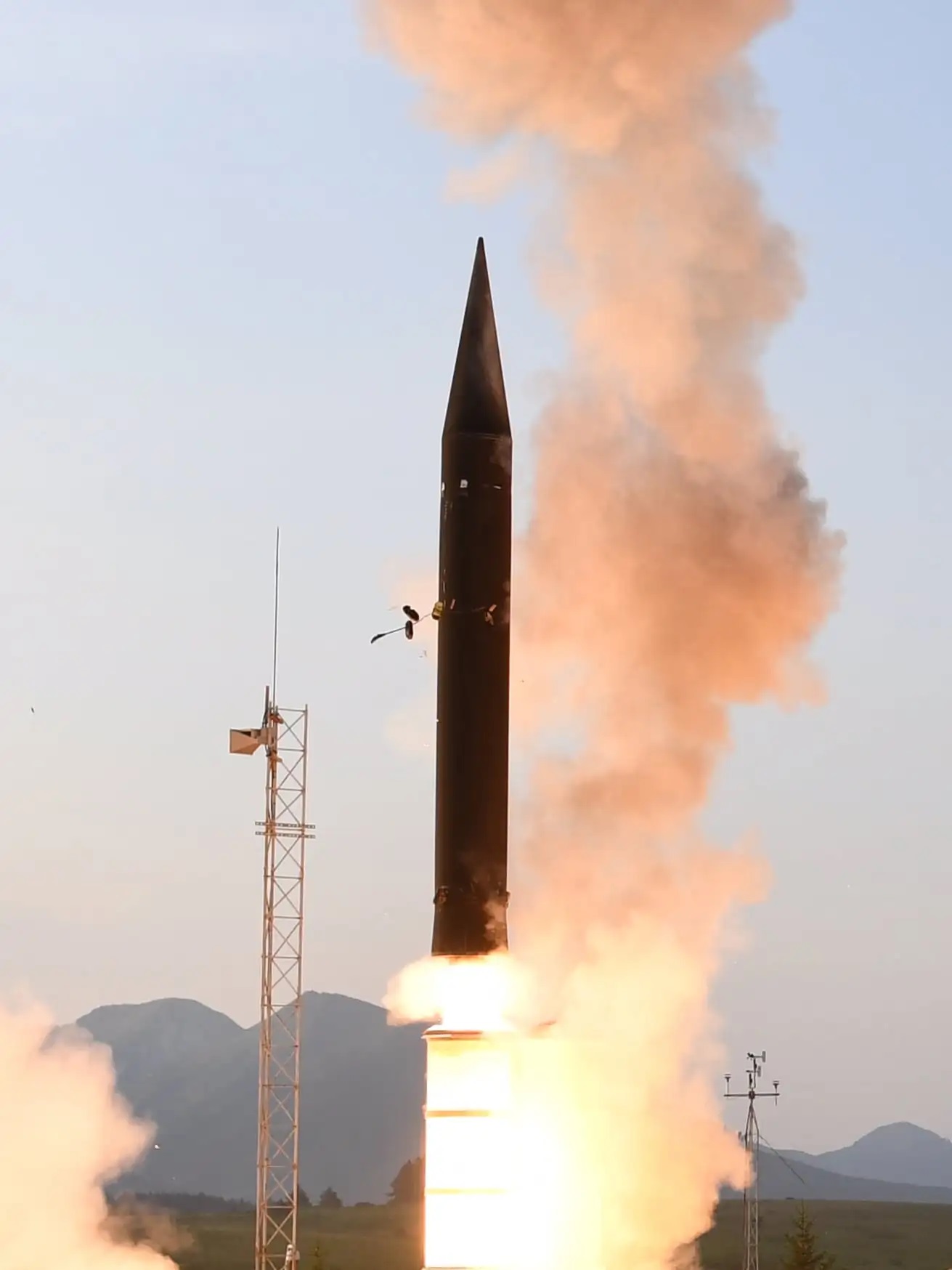
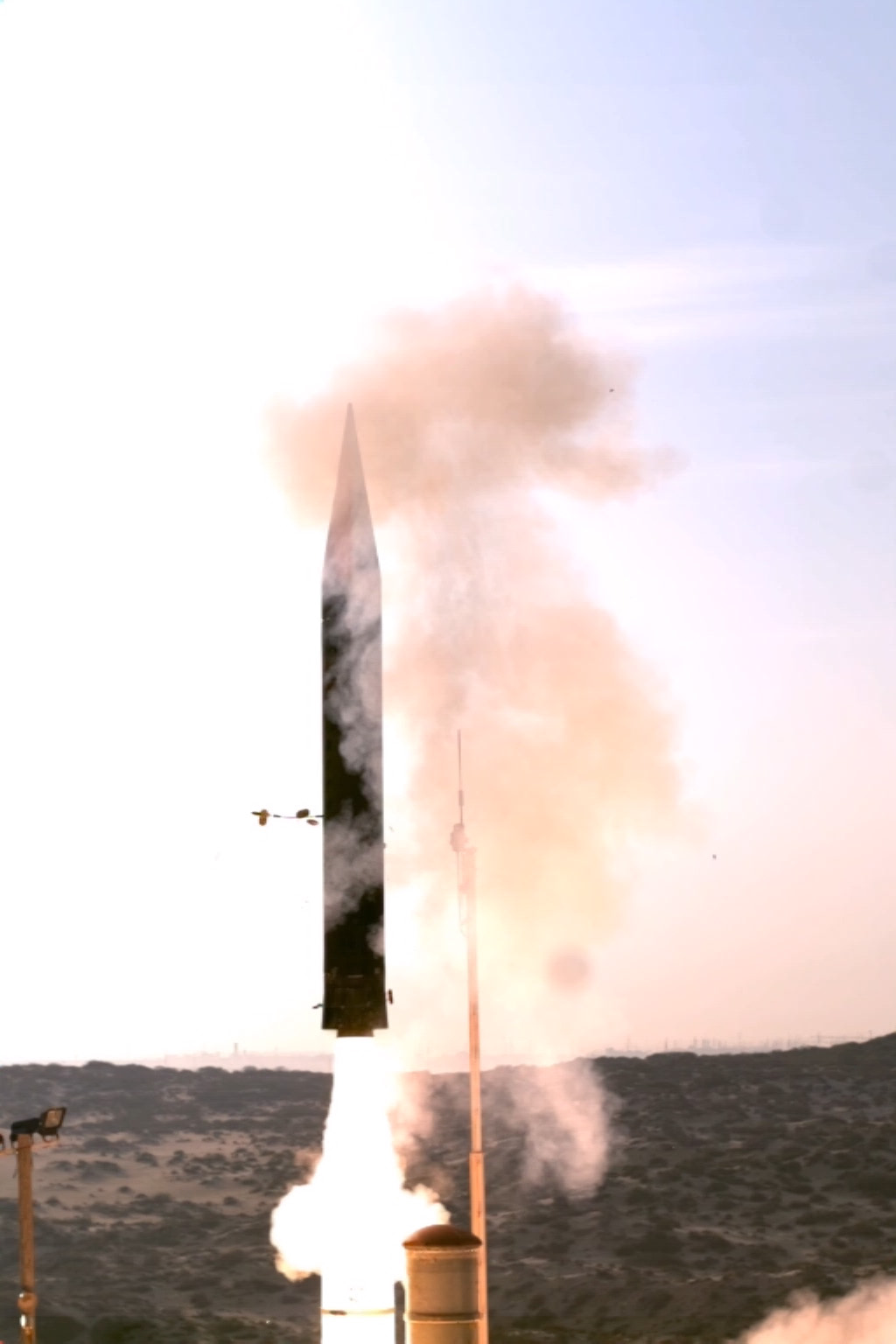
More images of Arrow system:
Click to view full size
Infographics of ‘Arrow anti-ballistic missile system’ in Farsi, Hebrew, Russian and Azeri:
With the death of these three servicemen, the alleged death toll of the Israeli army since the launch of ground invasion of Gaza increased to 237 servicemen, And the alleged total number of “military” deaths since the October 7 reached 576 servicemen.
Brigadier General Yahya Saree announced by publishing a statement:
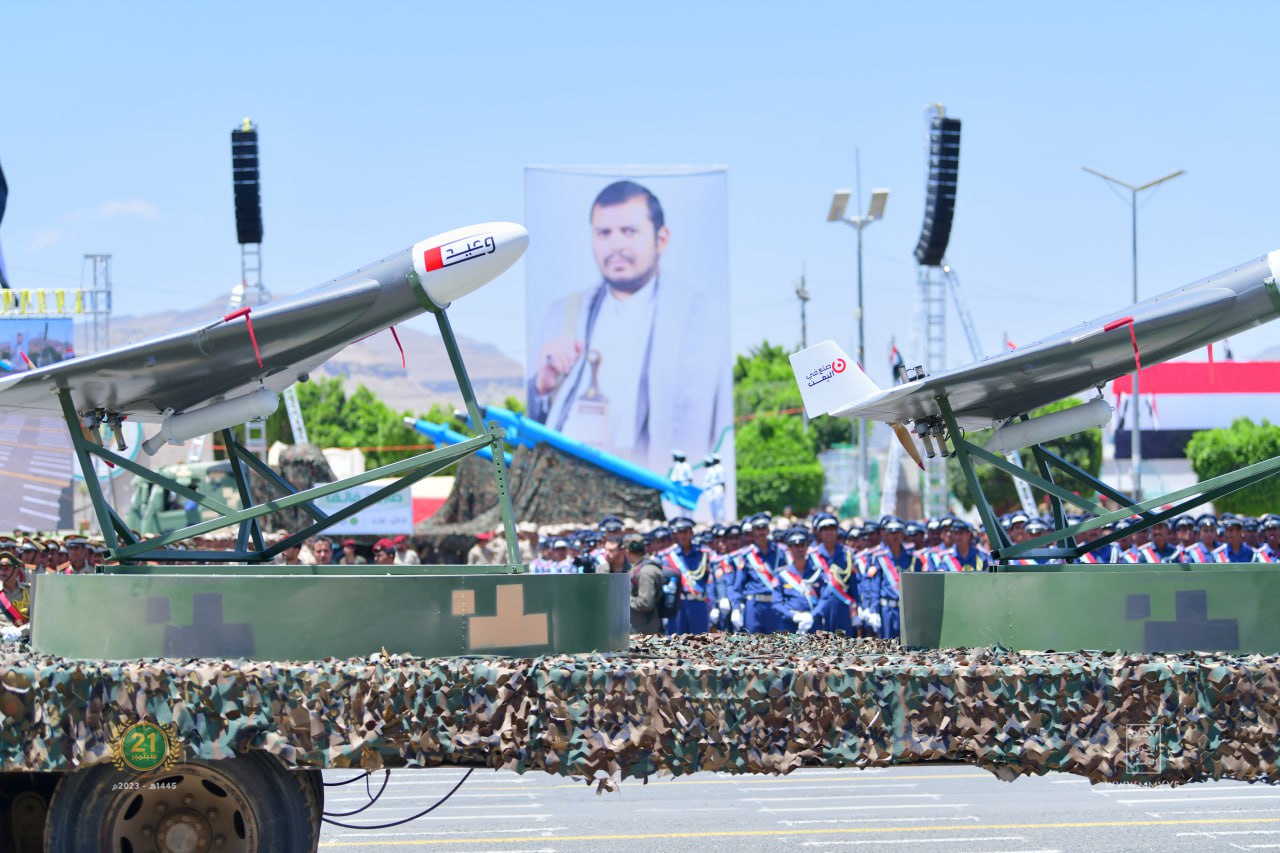
“The Yemeni Air Force carried out military operations with a number of suicide drones against a number of US enemy warships in the Red and Arabian seas. In addition, another operation was carried out to target the sensitive points of the Israeli enemy in the area of Um al-Rashrash (Eilat) in the south of occupied Palestine with a number of drones. Also, the Navy of the Yemeni Armed Forces has targeted an Israeli ship MSC SILVER in the Gulf of Aden with a number of naval missiles. This operation is a victory for the oppressed people of Palestine who are under attack and siege until this moment. These attacks are also a response to the US and British aggression in Yemen.”
According to IWN’s assessment, Ansar Allah’s operation against the MSC Silver ship is the 36th operation and the attack on the American coalition military fleet is the 37th operation by Yemeni forces against Israeli, American, British and vessels affiliated with them in the Red Sea and Arabian Sea. Also, the drone attack on Eilat is the 15th missile and drone operation of the Yemeni army against Israeli positions in the occupied Palestine.
So far, the US and British military aggression against Yemeni forces did not lead to the stated goal. On the contrary, it only escalated the tensions and the foreign intervention severed the situation in the Red Sea.
Now, the Yemeni army actually managed to block one of the main sea routes on the planet, And if the aggression of America and its allies in the Red Sea and the Gaza Strip does not end; there is no bright future for them in the southern waters…
Artillery attack on the southeast of Deir al-Balah.
Artillery attack to the east of Khan Yunis.
Artillery attack on Salah al-Din Street and around Shaafut area in al-Zaytoun neighborhood in Gaza City.
Airstrikes on al-Sabra neighborhood in the south of Gaza City.
Artillery attack on areas in the northeast of the Gaza Strip.
Artillery attack on areas in the north of the Gaza Strip.
Artillery attack on the east of Gaza City.
Airstrikes on the north of Nuseirat area.
Israeli army vessels target the Nuseirat camp.
Attacks by Palestinian resistance groups against Israeli army:
Fighters of al-Aqsa Martyrs’ Brigades, the military branch of the Fatah Movement, targeted the forces and military equipment of the Israeli occupiers in the eastern areas of Jabalia, located in the north of the Gaza Strip, with mortar and rocket attacks.
Abu Ali Mustafa Brigades, the military branch of the Popular Front for the Liberation of Palestine targeted the gathering place of Zionist soldiers in the east of Jabalia with mortar attacks.
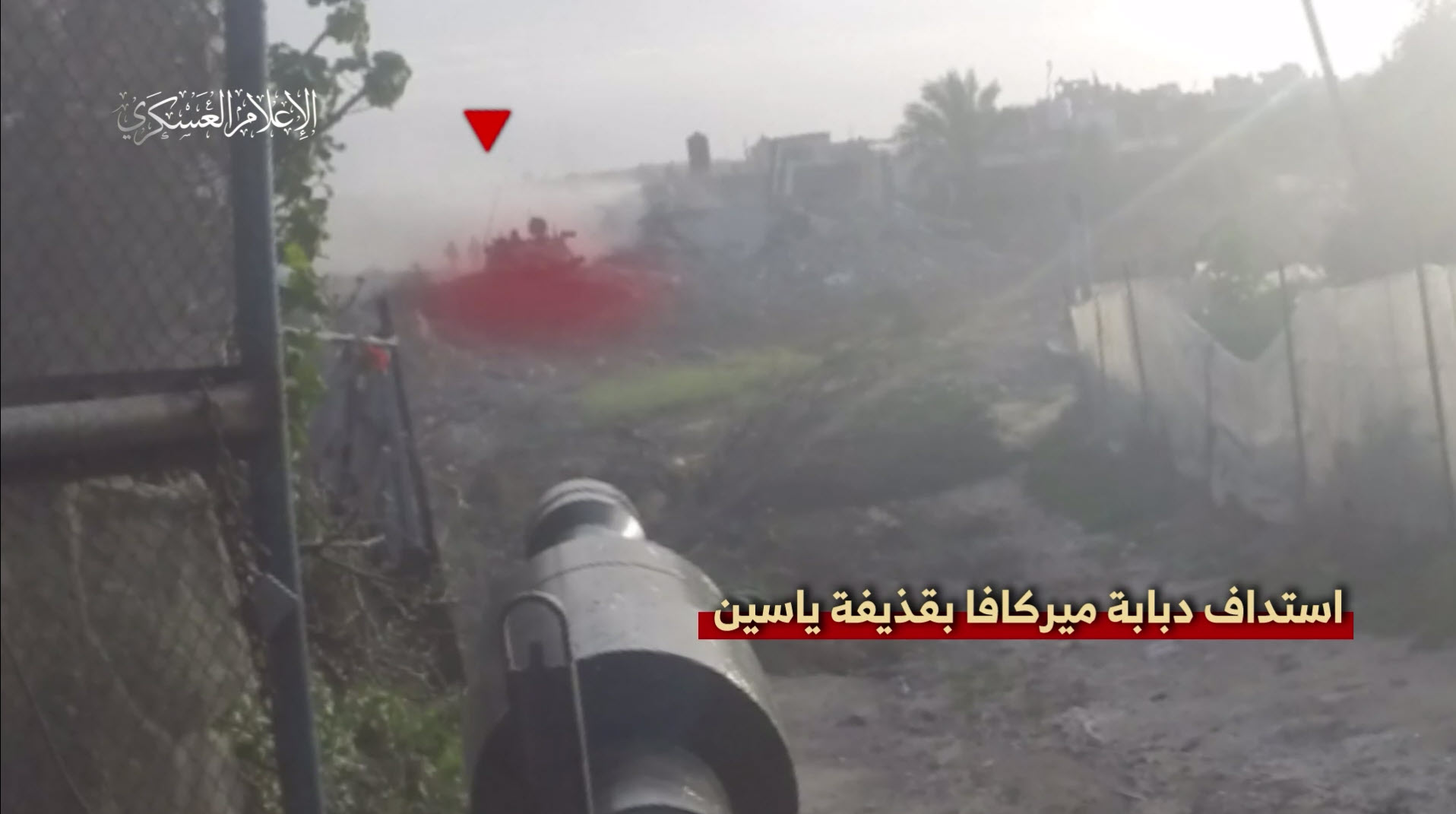
Fighters of al-Qassam Brigades targeted three Merkava tanks in the south of al-Zaytoun neighborhood using Al Yasin 105 rockets.
Fighters of al-Quds Brigades targeted the Israeli forcess stationed in a house west of Khan Yunis.
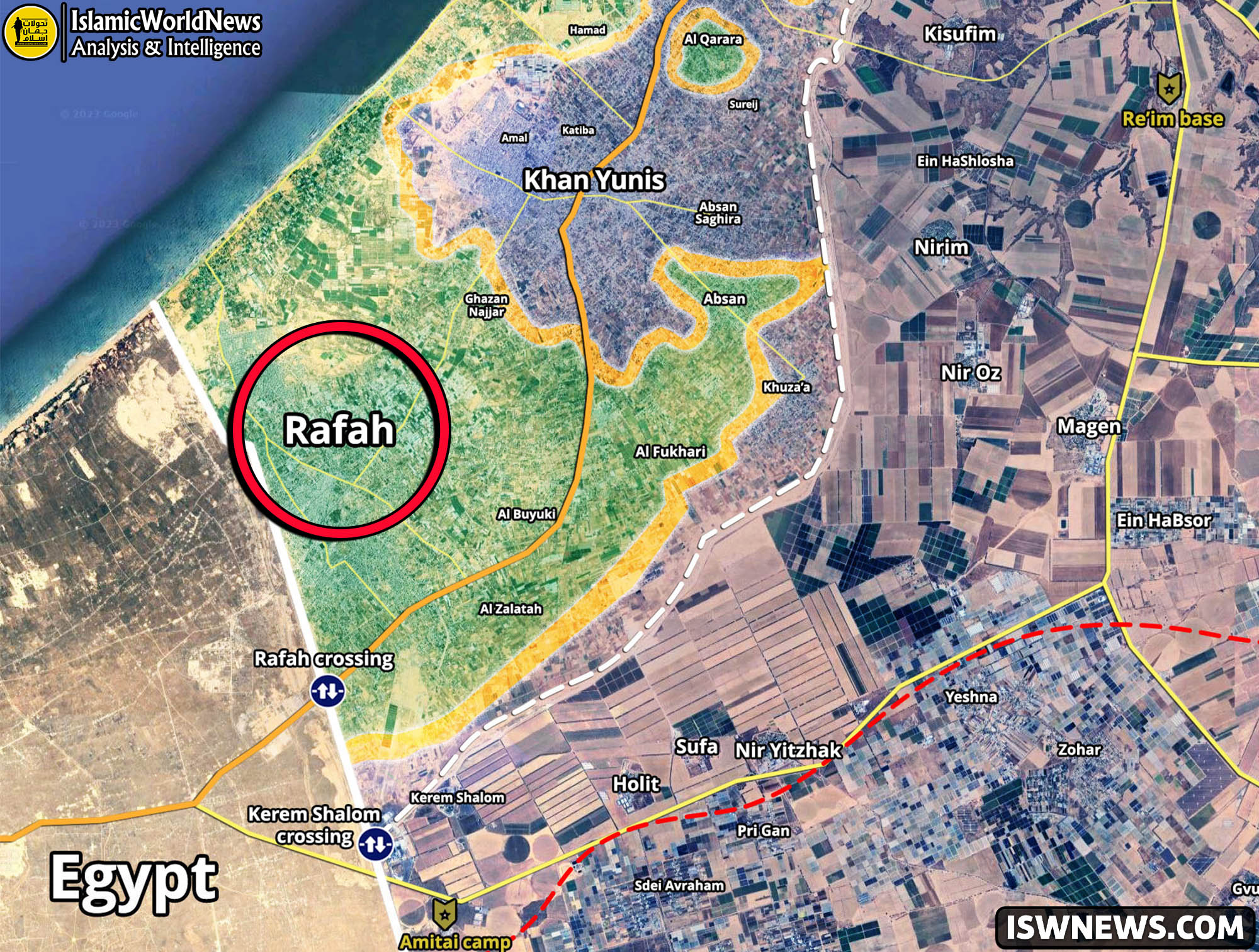
Recent statements by Israeli officials about a widespread attack on Rafah have drawn reactions from human rights organizations and countries within the international community. These statements were made while this region is hosting over one and a half million Palestinian refugees from the northern and central areas of the Gaza Strip.
After the Israeli regime’s plan to attack Rafah strengthened in recent days, the quality of Hezbollah’s attacks increased compared to its strikes in recent weeks. In addition to Lebanon’s Hezbollah, the Islamic Resistance in Iraq also carried out a new drone attack against Israeli military positions in the occupied Golan Heights after several days of cessation of strikes.
Given these actions, it seems that the plan for escalating battles in northern occupied Palestine and putting the Israeli officials in a state of uncertainty and anticipation, the Iraqi resistance’s attack on the occupied Golan, anti-Zionist operations in Kiryat Malakhi, and the direct operations of the Yemeni army against US and UK ships in the Red Sea are part of a warning from the resistance axis towards aggression against Rafah. The potential all-out Israeli attack on Rafah will also elevate the level of actions by members of the resistance axis.
The plan for an extensive attack on Rafah city was met with strong opposition from Israeli settlers until the release of two Israeli captives by the regime’s military somewhat shifted the balance in favor of Israeli Prime Minister Benjamin Netanyahu. This action to some extent reduced pressures on his cabinet regarding the achievements of the ongoing genocidal war on the Gaza Strip.
The release of prisoners provided Netanyahu and his allies with the opportunity to present Rafah as a key to achieving their goals by justifying the continuation of war and using it as a pressure tool on some members of Israel’s war cabinet, especially Cabinet Minister Benny Gantz. Furthermore, after the release of Israeli captives in Rafah city, unity within the regime’s war cabinet increased for an attack on Rafah to some extent.
Analyses indicate that the Israeli regime is buying time to prepare for an extensive attack on Rafah city, and if the regime carries out the project, considering the presence of a large number of Palestinian refugees, it will lead to a major humanitarian disaster. Taking these factors into account and overall assessments, it is necessary for the resistance axis to increase the quality and quantity of attacks against the Israeli regime with the aim of exerting pressure on Netanyahu’s cabinet so that these attacks have an impact on the decision-making process and future strategies of this regime regarding extensive strikes on Rafah city.
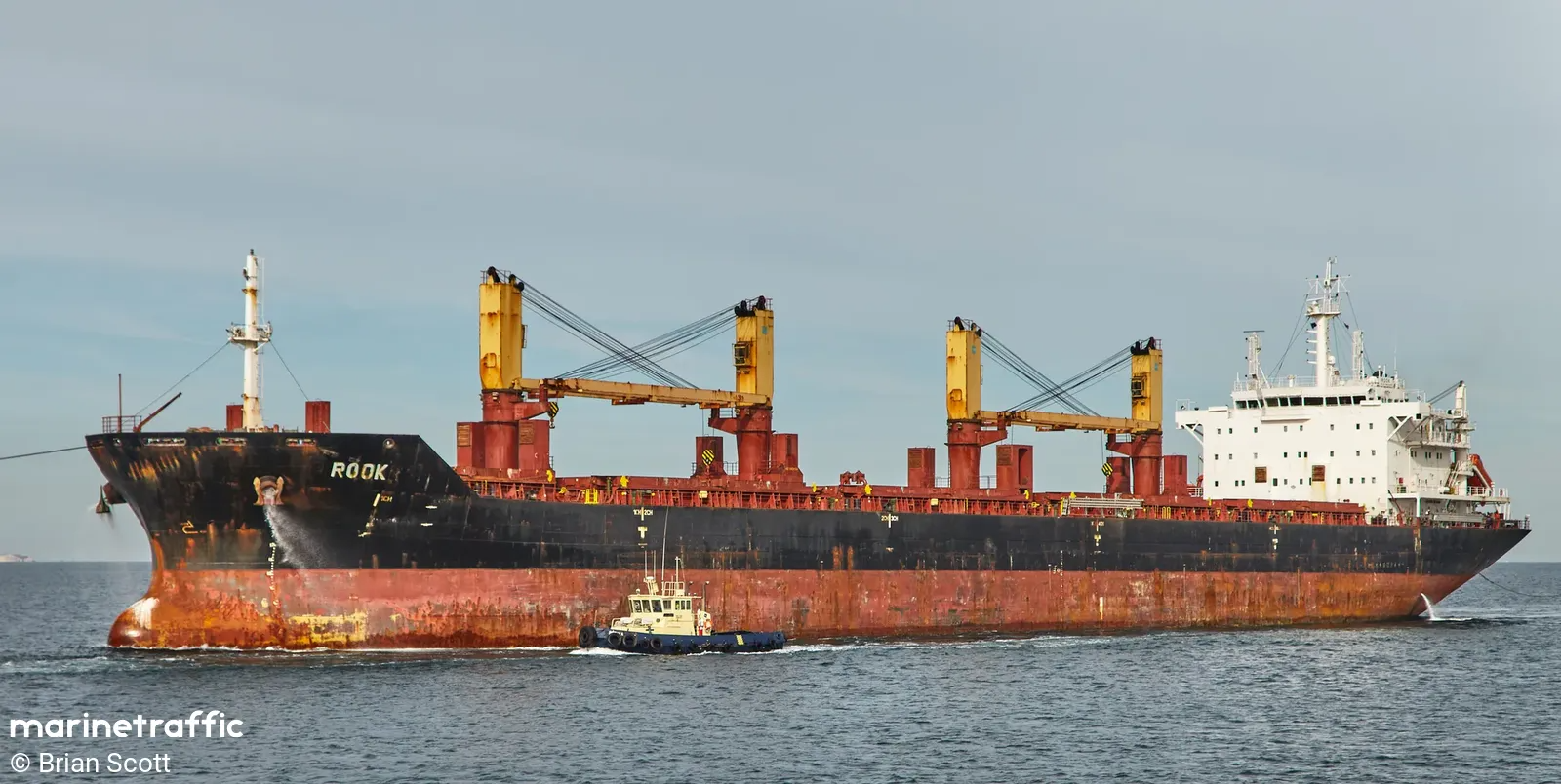
The US Central Command in West Asia (CENTCOM) stated in a brief statement about the Yemeni army’s missile attack on the Rubymar ship: Between 21:30 and 22:45 on February 18, two anti-ship ballistic missiles were launched from areas under the control of the Houthis [Ansar Allah movement] in Yemen towards the Rubymar vessel, a bulk carrier ship under the Belize flag and belonging to Britain. One of the missiles, which hit the vessel, caused damage.
CENTCOM confirmed the evacuation of the crew of the ship, and after issuing an emergency call by the ship’s crew, a US-UK coalition warship along with another commercial ship responded to help the crew of Rubymar. The crew was transferred by the commercial ship to a nearby port in Djibouti.
Currently, there is no official report by the ship’s owner about the fate of the Rubymar ship and its sinking, but Major General Yahya Saree, spokesman for the Armed Forces, in the latest statement of the Yemeni army emphasized that the UK-registered ship Rubymar sank shortly after the crew was evacuated.
The Djibouti Ports and Free Zones Authority (DPFZA) has also confirmed the transfer of the crew of the UK-registered ship Rubymar to this country and expressed unawareness regarding the fate of this ship.
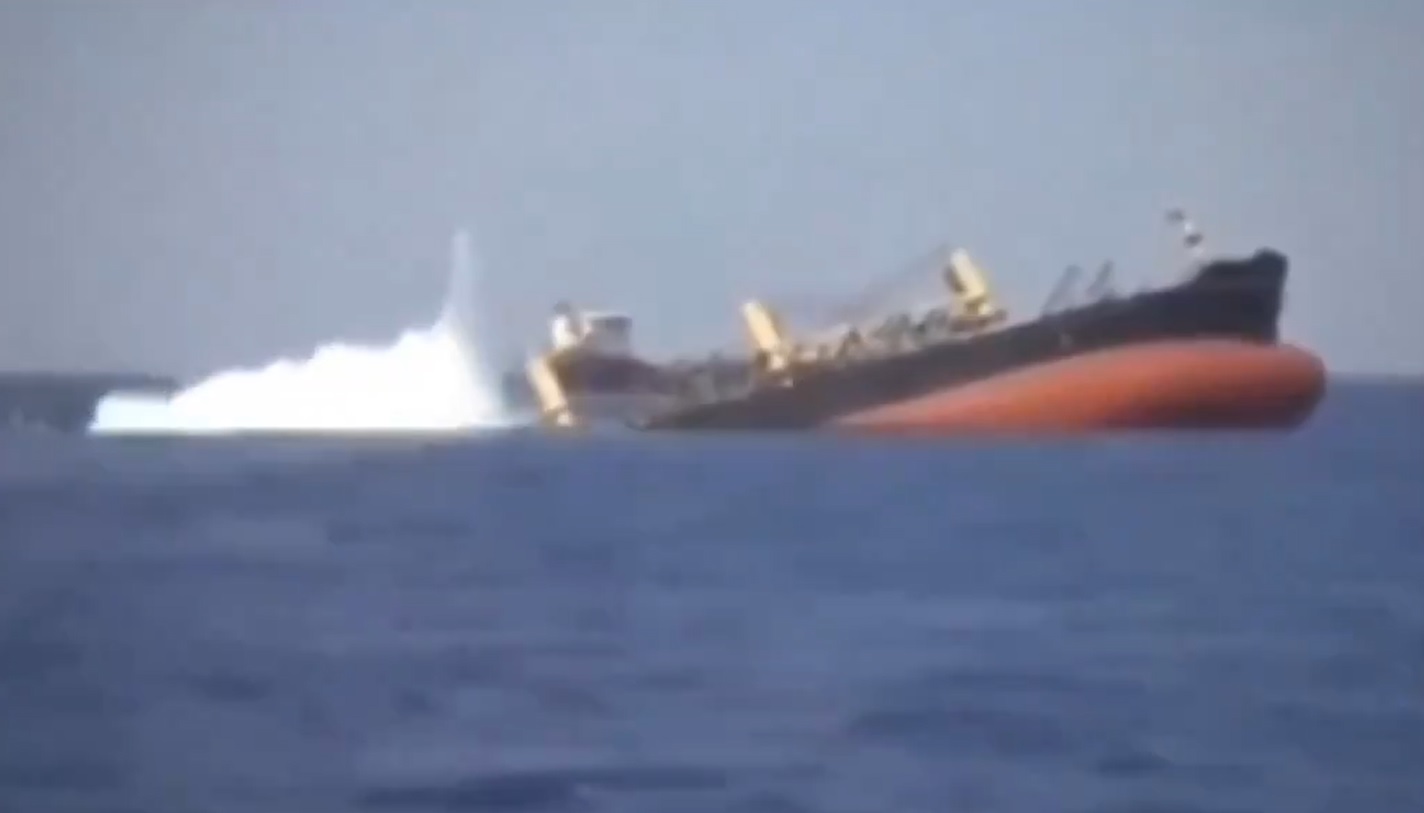
Furthermore, a video has been released showing the moment a ship was sinking, which matches the appearance of this UK-registered ship Rubymar.
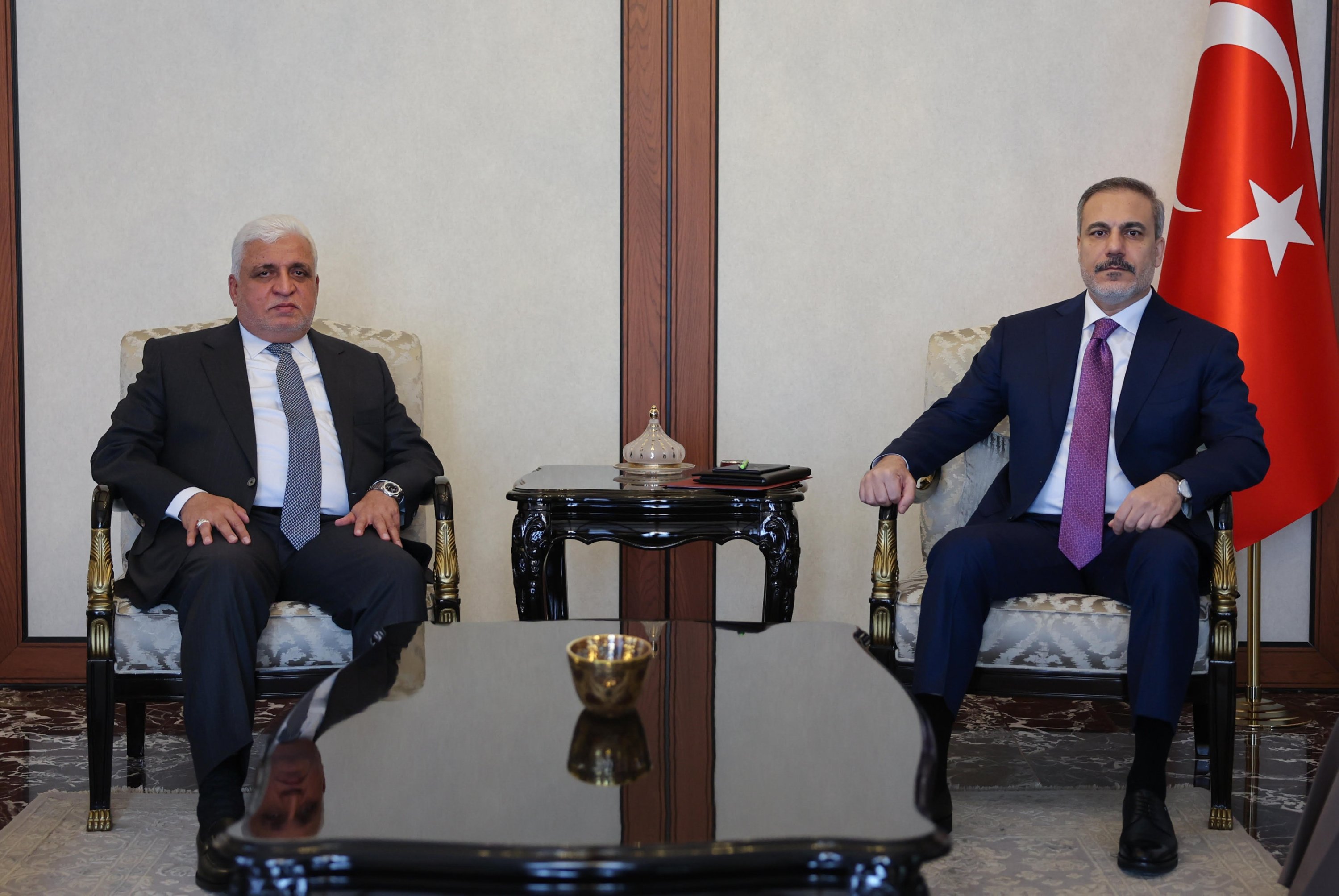
Falah Al-Fayaz, the head of Hashd al-Shaabi, met with Turkish Foreign Minister Hakan Fidan in Ankara on February 19.
There is no more information about this meeting, and the Turkish media have not published any details about the focus of the talks between the parties.
Brigadier General Yahya Saree, the spokesman for the Yemeni armed forces, announced in a statement that a total of four operations were carried out by the Yemeni armed forces in the past 24 hours. In the first operation, a British ship was targeted and completely sunk. In the second operation, an American MQ-9 drone was targeted in the skies over Al Hudaydah, and in the last two operations, two US ships were targeted.
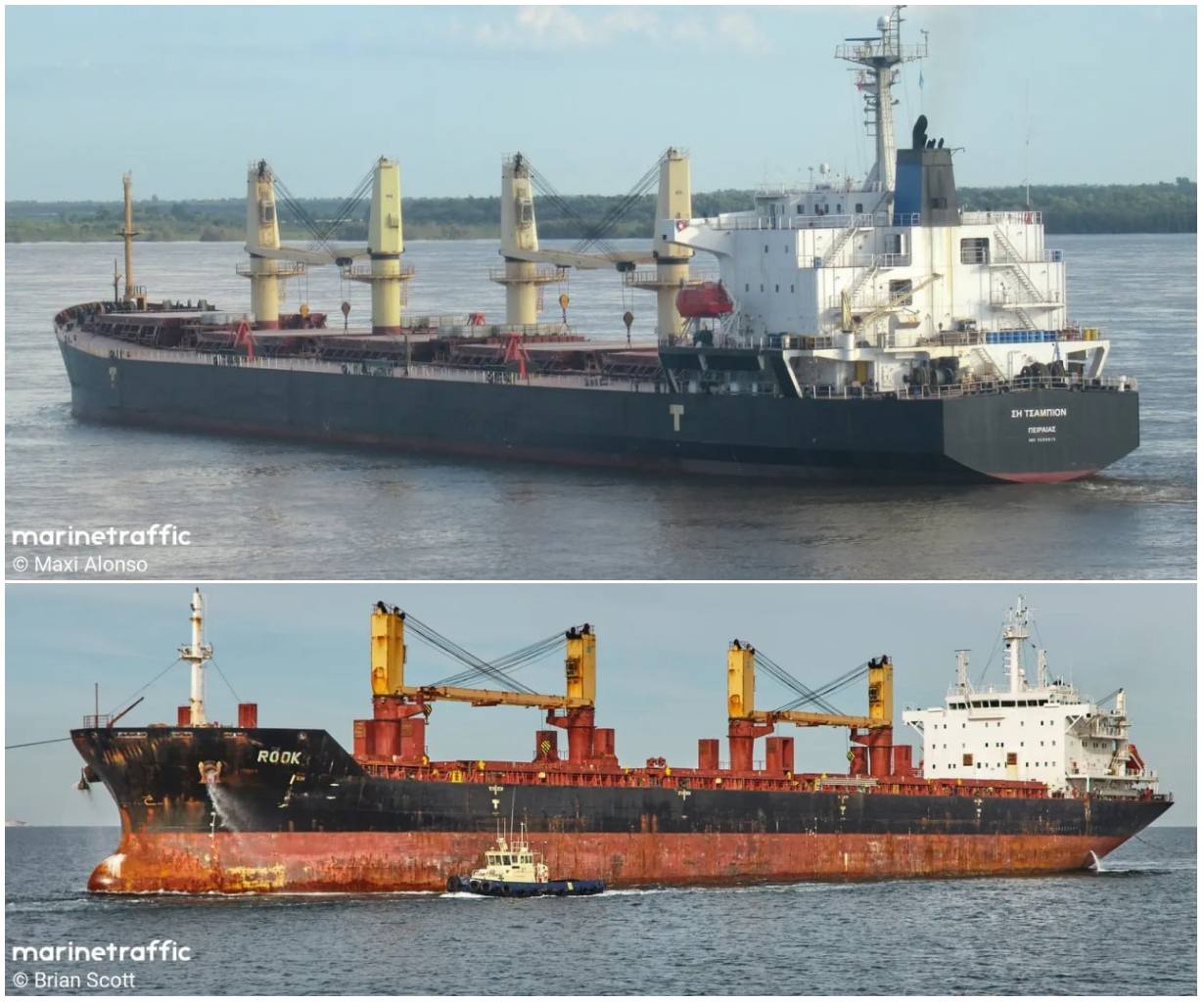
The Sea Champion vessel is a bulk carrier ship that has been operating under the Greek flag since 2005. The ship was en route from the port of Rosario in Argentina to the port of Aden in southern Yemen when it was attacked by Yemeni army missiles.
The Navis Fortuna vessel is also a bulk carrier ship that has been operating under the flag of the Marshall Islands since 2010. The ship’s origin was the port of Ennore in India, and it was heading towards the port of Ravenna in Italy.
Archive images of Navis Fortuna (left) and Sea Champion (right)
According to reports from the United Kingdom Maritime Trade Operations (UKMTO) and UK Maritime Security Company Ambrey Limited, these attacks took place 100 miles east of the port of Aden. Additionally, after the Ansar Allah movement’s missile attack, Sea Champion requested assistance from the US-UK naval coalition.
According to assessments of the IWN, the Ansar Allah movement’s operations against Sea Champion and Navis Fortuna are the 34th and 35th Yemeni operations against Israeli, American, British, and affiliated ships in the Red Sea and the Arabian Sea.