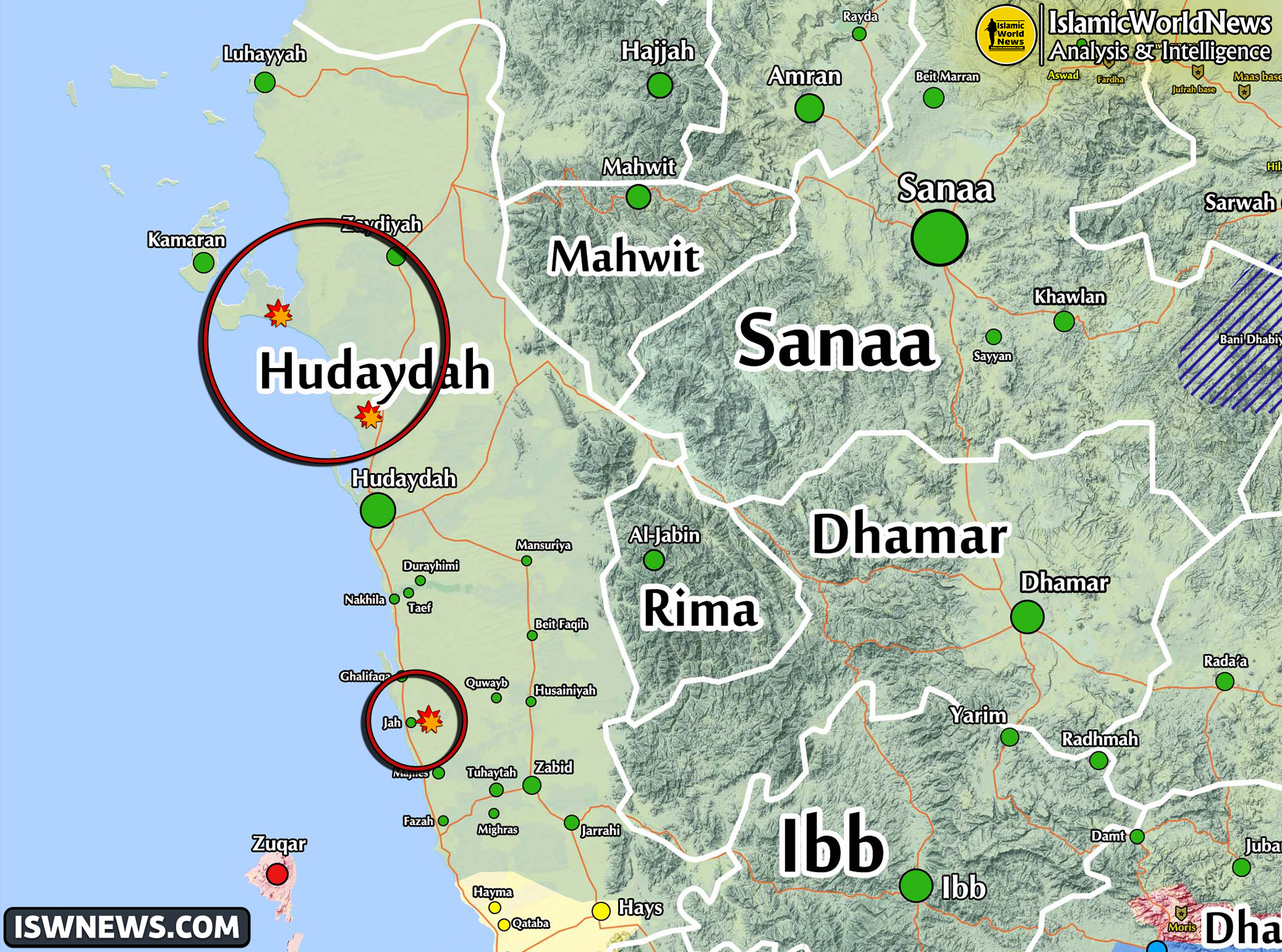
The US airstrikes have caused two explosions in Al-Jabbanah area in the north of Hudaydah city, three explosions in Ras Isa area in Al-Salif administration coast and two explosions in Al-Jah area in Beit al-Faqih administration.
The Yemeni Armed Forces have emphasized in its previous statements that military operations in the Red and Arab seas are only against Israeli, American and British ships, And as long as the war in Gaza does not stop, and as long as the United States and Britain continue to support Israel’s crimes, these operations will continue.
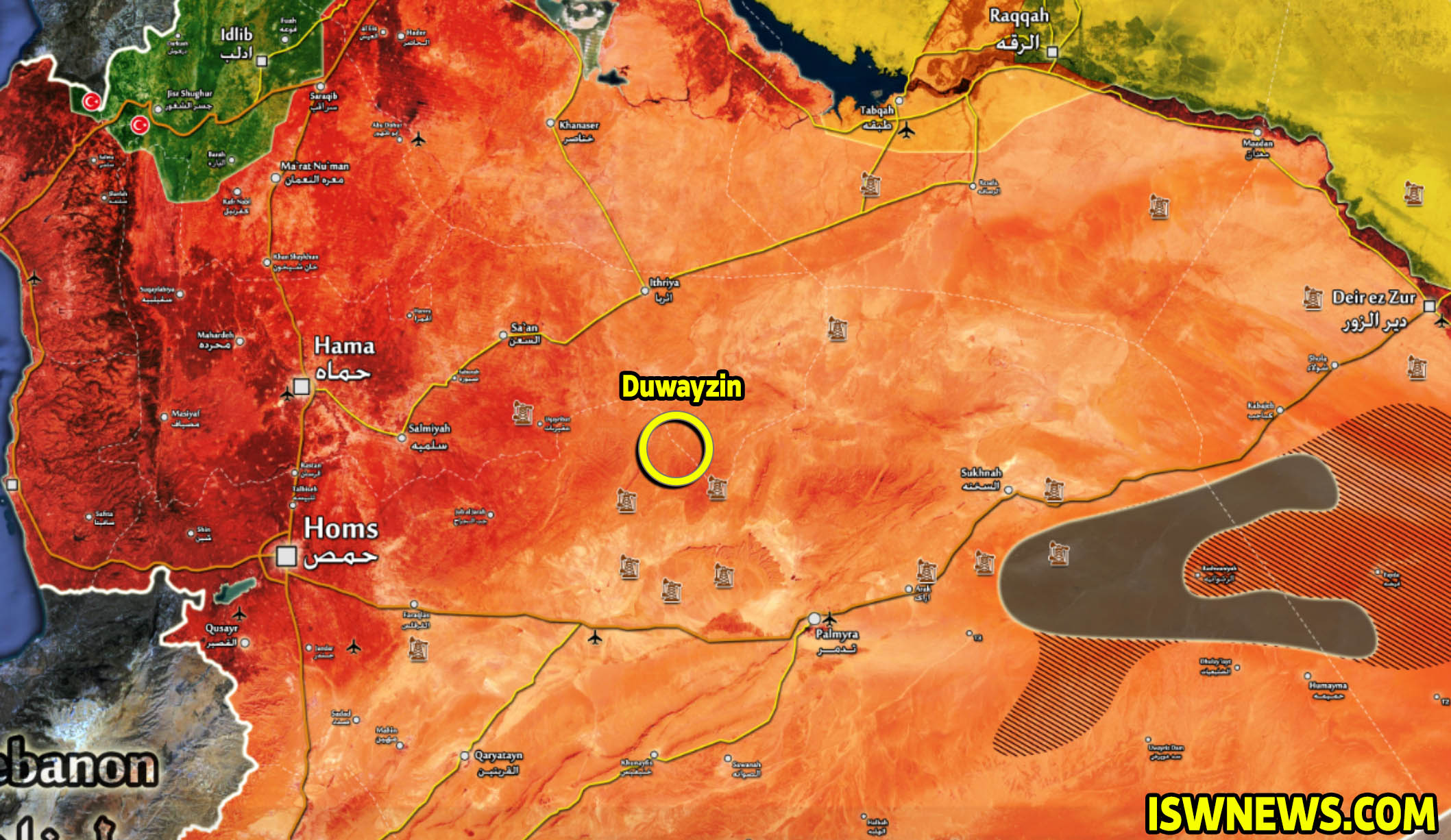
Unknown armed elements (probably ISIS terrorists) attacked the headquarters of the Syrian army in the Duwayzin area in the central desert of Syria, during which at least nine Syrian servicemen were martyred and four others were wounded.
So far, no group has claimed responsibility for this attack, but it seems that this attack was carried out by elements of the ISIS terrorist group. Such attacks are carried out by ISIS elements against the Syrian Army and its allies in the desert of Palmyra, the southeastern regions of Al-Sukhna, Jabal al-Bushri in the areas between the provinces of Homs and Deir Ez-Zor.
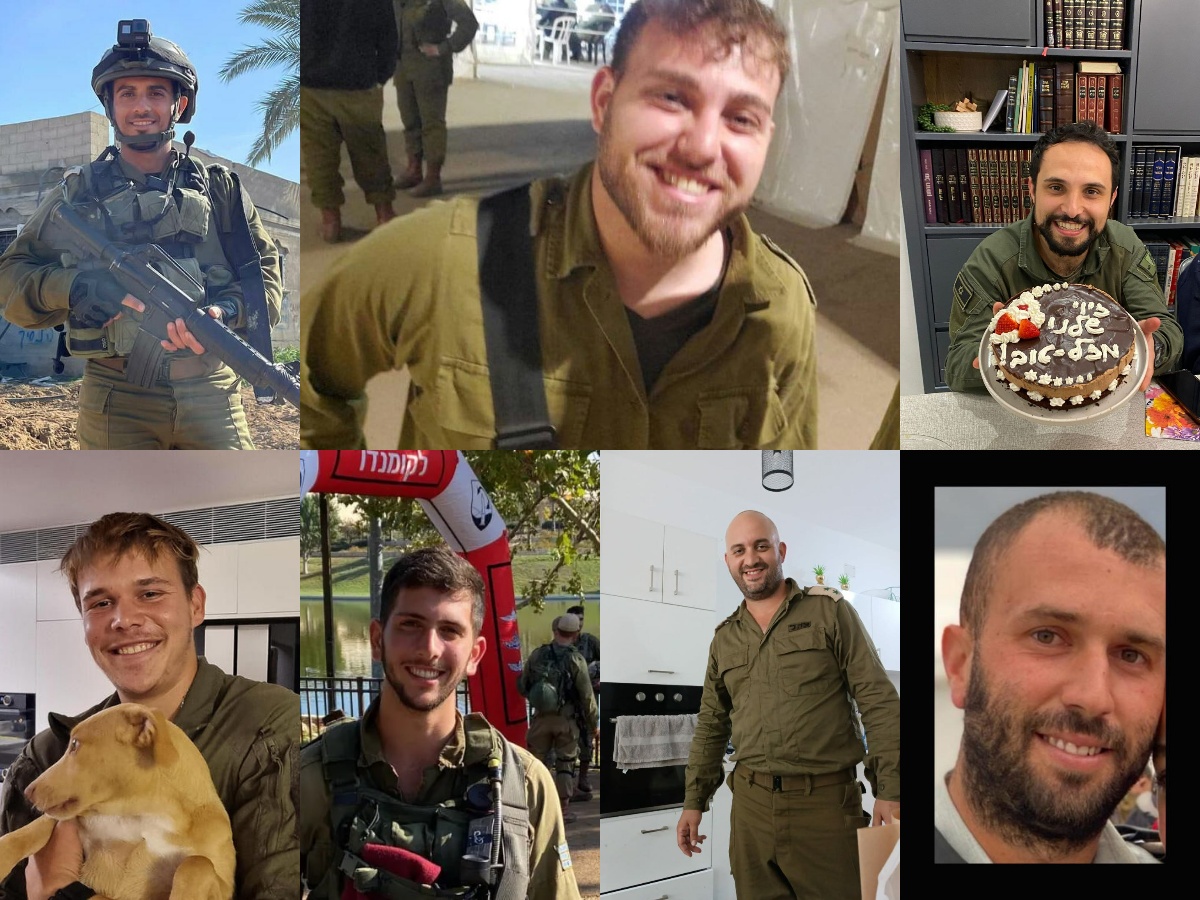
With the death of these seven servicemen, the alleged death toll of the Israeli army since the launch of ground invasion of Gaza increased to 232 servicemen, And the alleged total number of “military” deaths since the October 7 reached 569 servicemen.
On February 10, a video surfaced online showing a recent attack with FPV suicide drone by the SAA that targeted militants near the town of Taftanaz in the eastern Idlib countryside. Six to 12 militants from HTS and other groups were reportedly killed in the attack, which took place last month. Several vehicles were also destroyed.
The SAA began using FPV suicide drones last year. The Russian military reportedly provided technical support and training.
Another video that surfaced on February 11, showed recent precision artillery strikes by the SAA that targeted fortifications and posts in an unspecified part of Idlib. The strikes were likely carried out using Russian-made Krasnopol laser-guided artillery rounds.
HTS and its allies stepped up attacks in recent months in a blatant violation of the ceasefire in Greater Idlib which was brokered by Turkey and Russia more than three years ago.
The situation in Greater Idlib remains tense. However, the SAA and its allies will not likely launch a ground operation in the region any time soon as this could lead to a dangerous confrontation with Turkey who keeps large forces there.
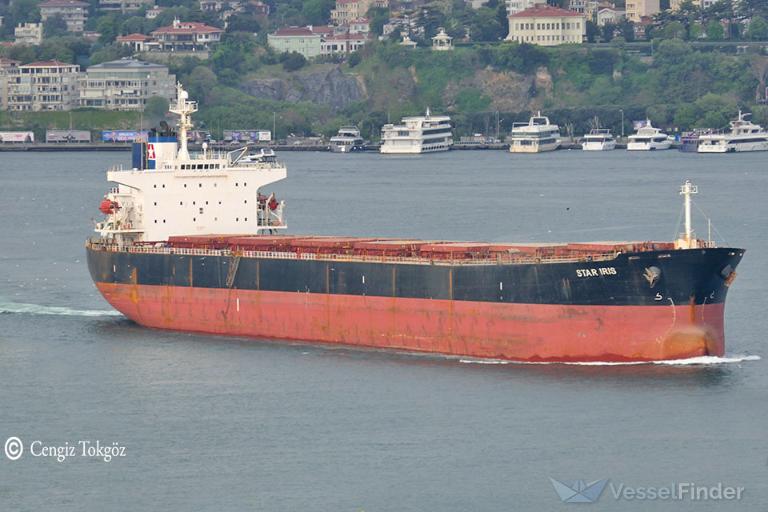
General Yahya Saree, the spokesperson for the Yemeni armed forces, announced the missile attack by the Yemeni navy on the American vessel, the Star Iris.
According to the statement, the Yemeni naval forces launched a precise attack on the American ship, Star Iris, with several naval missiles in the Red Sea.
In this regard, the United Kingdom Maritime Trade Operations agency had reported an incident 44 miles from the port of al-Mokha and near the Bab al-Mandb Strait early in the morning, confirming the missile attack by the Ansar Allah movement.
General Yahya Saree further added that the Yemeni armed forces, in line with their religious, ethical, and humanitarian duty, will continue to carry out military operations to prevent the navigation of Israeli ships or vessels sailing towards the occupied Palestinian ports in the Red Sea and the Arabian Sea until the end of the invasion and blockade of the Gaza Strip.
He also emphasized that the Yemeni forces will not hesitate to engage in further operations in response to the Israeli crimes against Palestinian brothers in the Gaza Strip as well as in response to the ongoing US-UK aggression against Yemen.
The Star Iris is a cargo ship that has been operating under the flag of the Marshall Islands since 2004. The details of the owner of this ship are not clear. The ship was en route from the port of Suez in Egypt to the Imam Khomeini Port in southwestern Iran when it was attacked by the Yemeni army in the Bab al-Mandb Strait.
According to IWN assessments, the Ansar Allah movement’s missile attack on the Star Iris vessel marks the 30th operation by the Yemenis against Israeli, American, British affiliated ships.
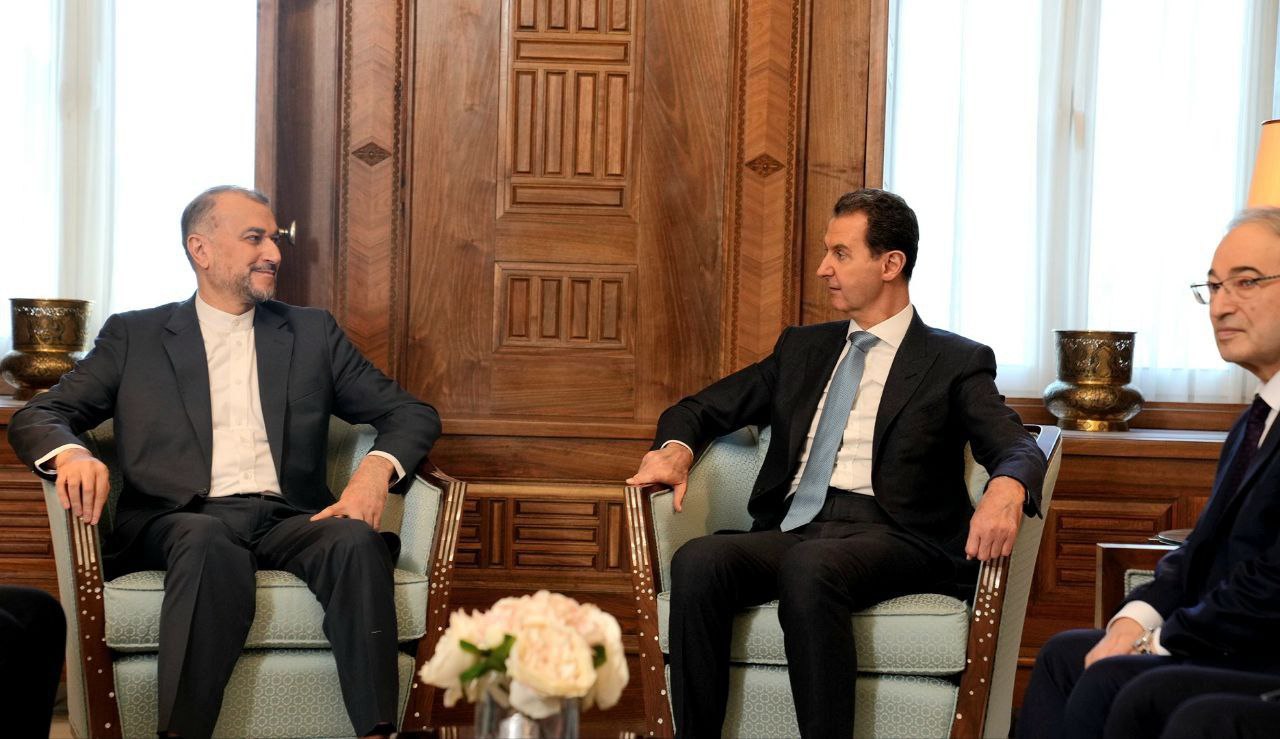
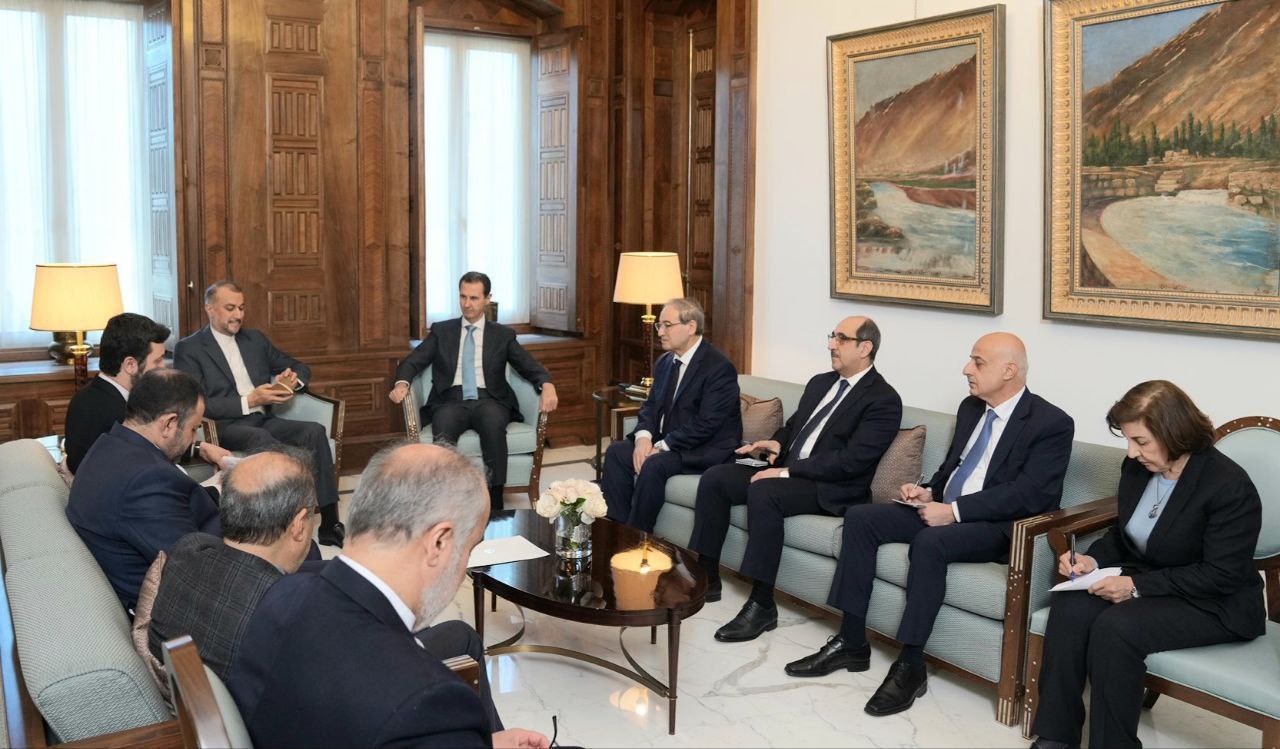
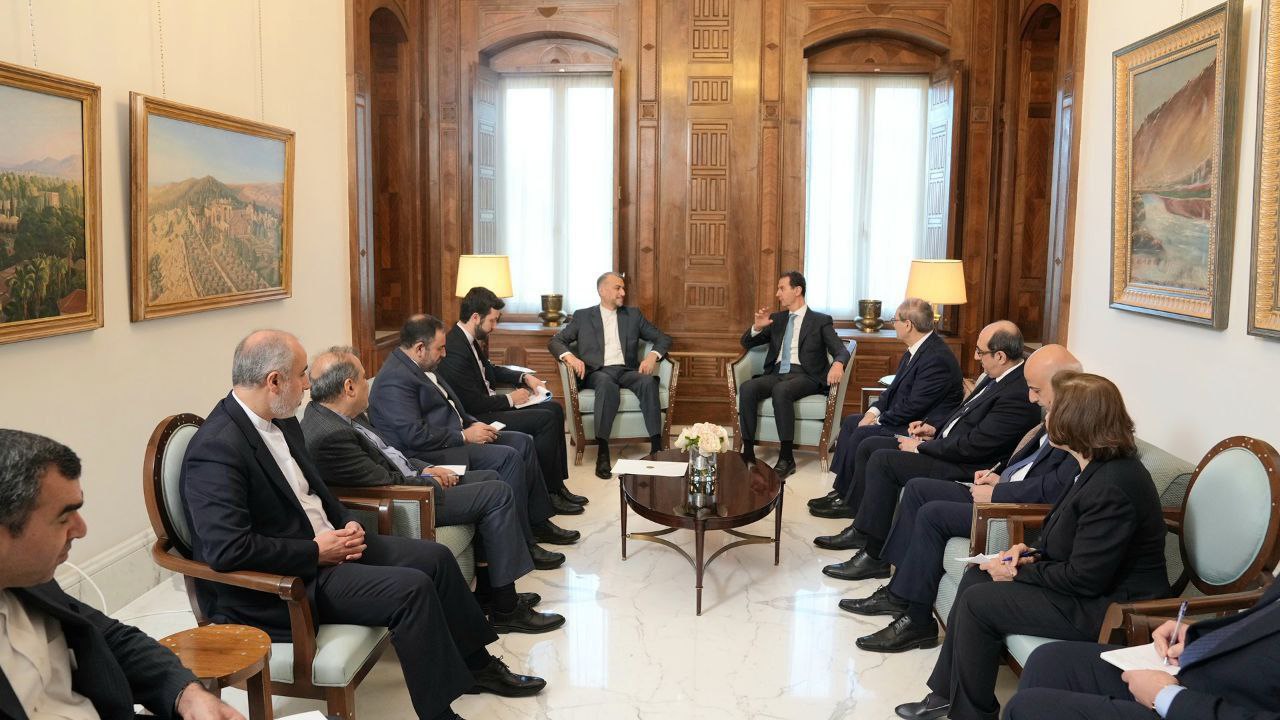
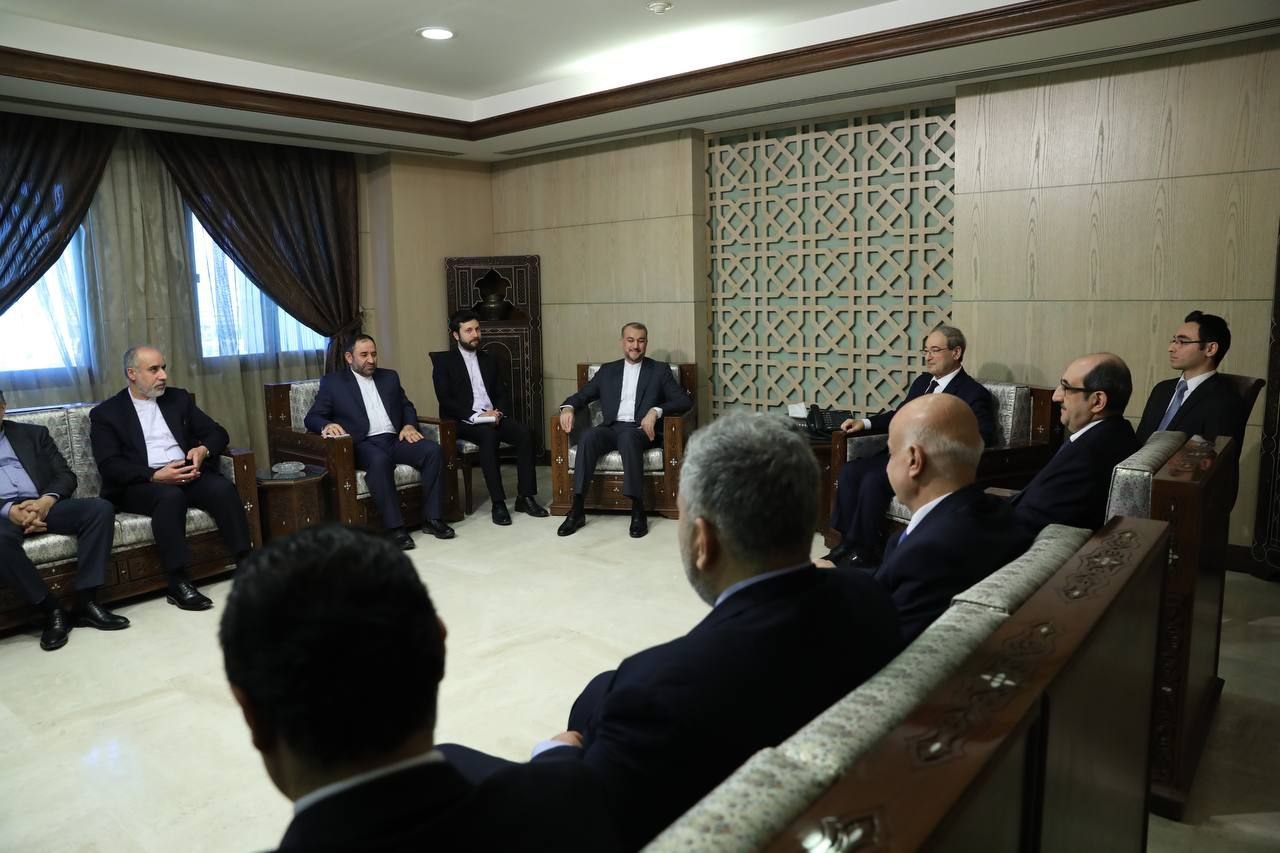
In this meeting, after conveying the greetings of the leader and president of Iran to the president of Syria, Amir Abdollahian handed over the official invitation of Ayatollah Raisi from Bashar Assad to visit Iran.
The Minister of Foreign Affairs of Iran declared Syria as one of the front lines of the axis of resistance, and by honoring the prominent role of Bashar al-Assad in Syria, the region and the Arab world, he considered Syria’s historical support for Palestine and the resistance to be worthy of praise and appreciation.
In this meeting, the President of Syria also congratulated the leadership, government and people of Iran on the anniversary of the victory of the Islamic Revolution. Expressing his satisfaction with the growing relations between Iran and Syria in various fields, he thanked Iran for supporting Syria and its stability and security, and added: “What the Islamic Republic of Iran has done in the past 4 months in support of Palestine, once again proved to the world that Iran does not just talk but also acts.”
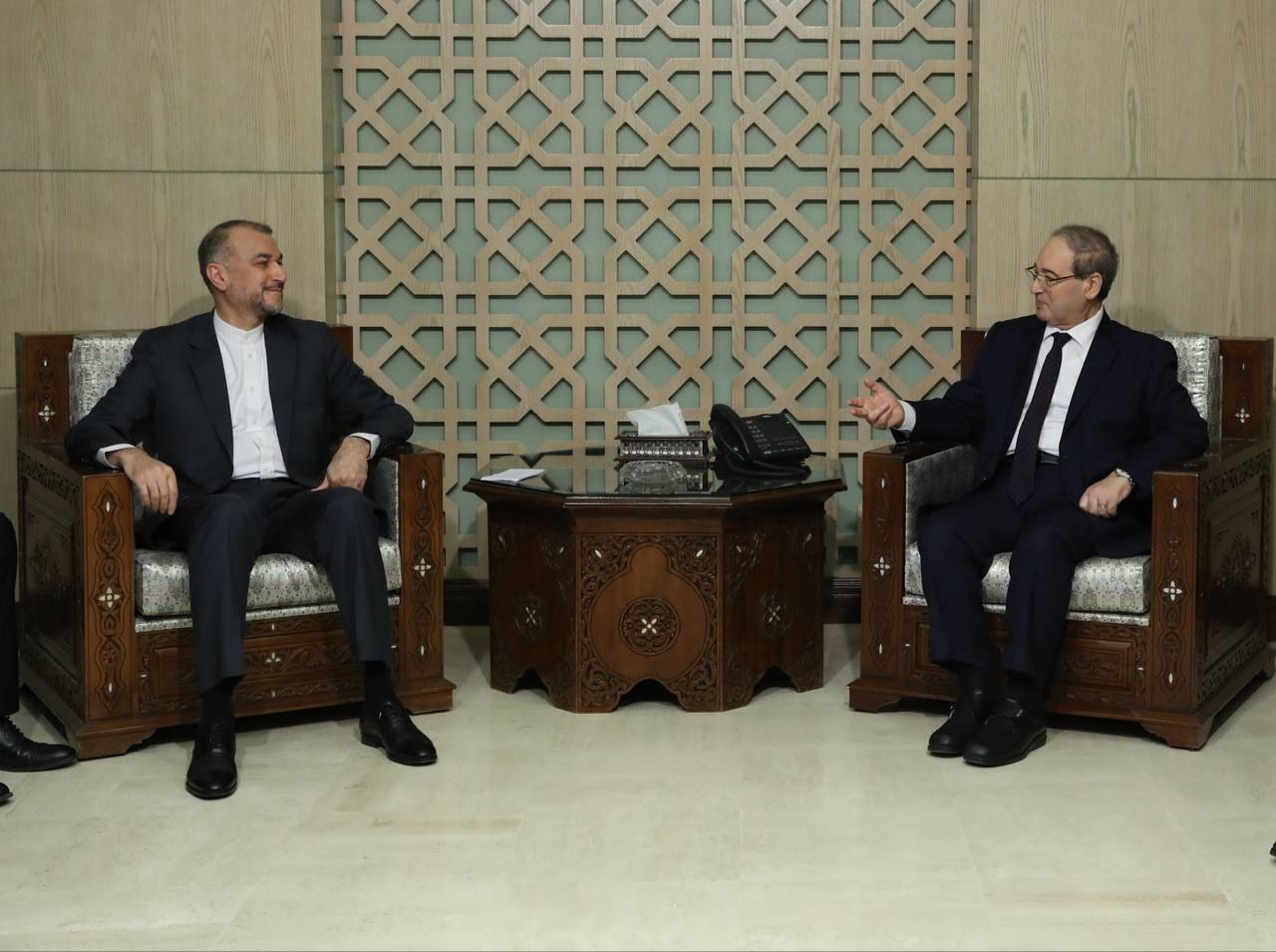
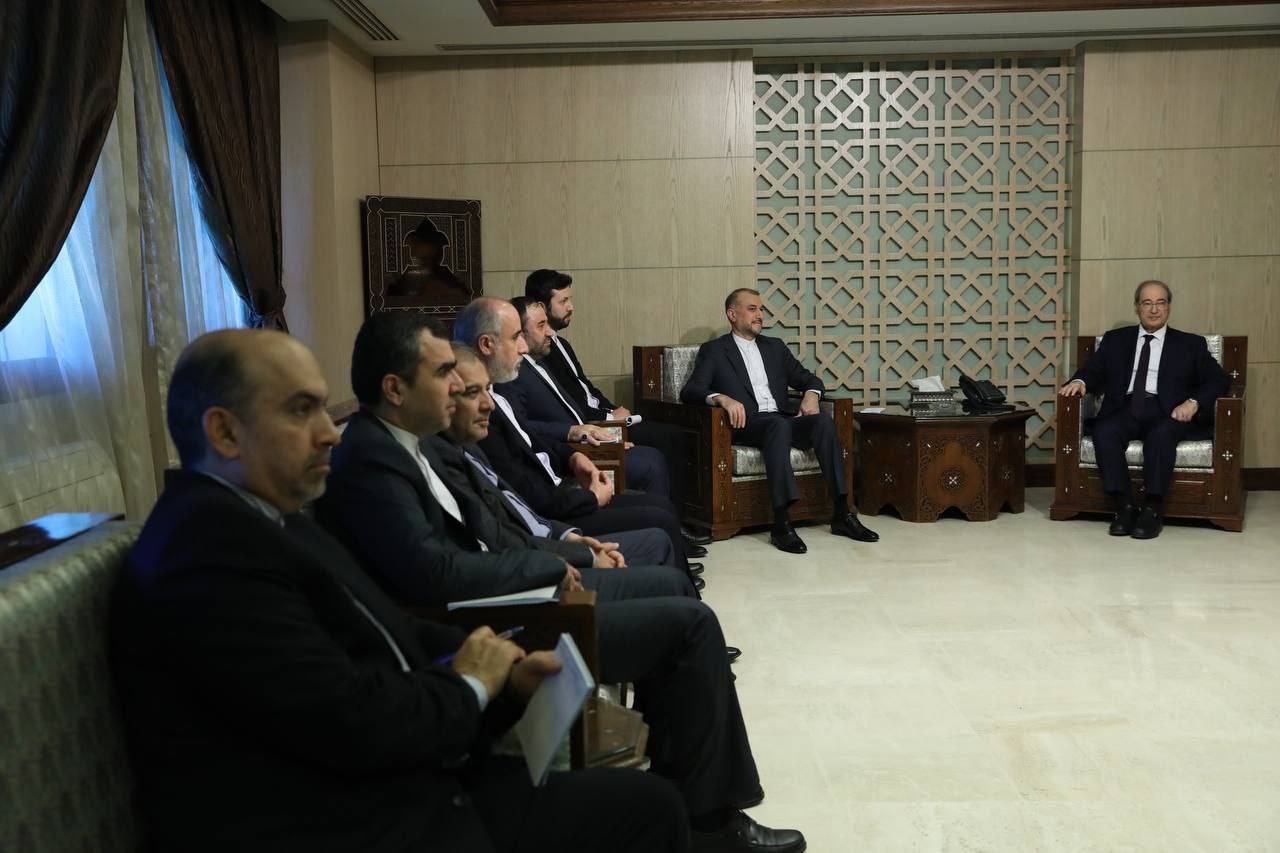
Iran’s Foreign Minister also met and discussed with Syrian Foreign Minister Faisal al-Mekdad during his visit to Damascus. While expressing his satisfaction with this meeting, Amir Abdollahian called joint consultations on bilateral and regional issues important and emphasized the importance of joint follow-ups to realize and implement the agreements of the two presidents and the documents signed between the two countries during Ayatollah Raisi’s previous visit to Syria. .
Syrian Foreign Minister Faisal Mekdad, called Amir Abdullahian’s visit to Damascus important at this time, referring to regional conditions, emphasized the importance of joint consultations for the two countries.
The Syrian Foreign Minister stated: “The developments of the last four months have shown the true and criminal face of the Israeli regime to the whole world.”
Faisal Al-Mekdad also appreciated Iran’s standing by Syria and added: “Coordination between Iran and Syria on important regional and international issues will continue strongly.”
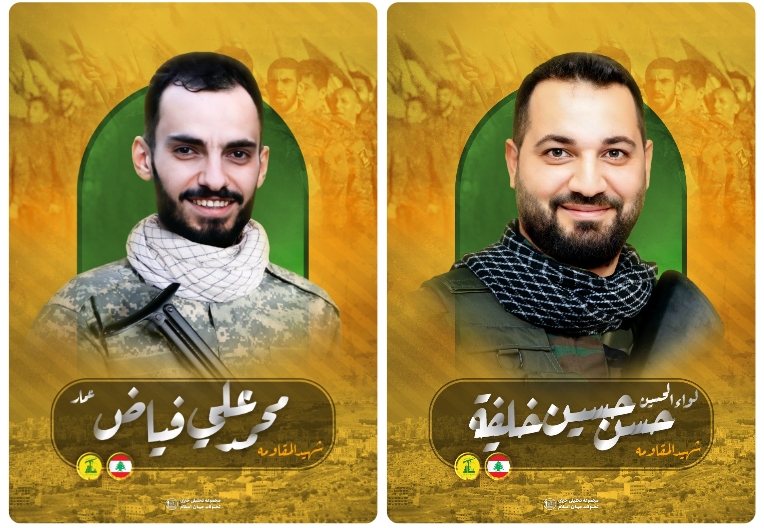
On December 31 and January 14, the Ansar Allah movement also announced the names of 16 Yemeni martyrs who were killed in the US-UK coalition attacks on Yemen. Therefore, 29 fighters from the Yemeni armed forces have been martyred in the battle against the US-UK coalition so far.
Images of Yemeni martyrs in the previous attacks of the US-British coalition against Yemen
The armed forces of Yemen began their operations in support of Palestine against the Israeli regime since October 19 and have carried out 14 missile and drone attacks against the Israeli regime’s positions in occupied territories of Palestine.
These operations entered into the phase of maritime operation in the Arabian Sea and the Red Sea with the seizure of the Israeli ship “Galaxy Leader” on November 19. So far, they have executed drone and missile attacks against 29 American, British, and Israeli military and commercial ships and their affiliated vessels.
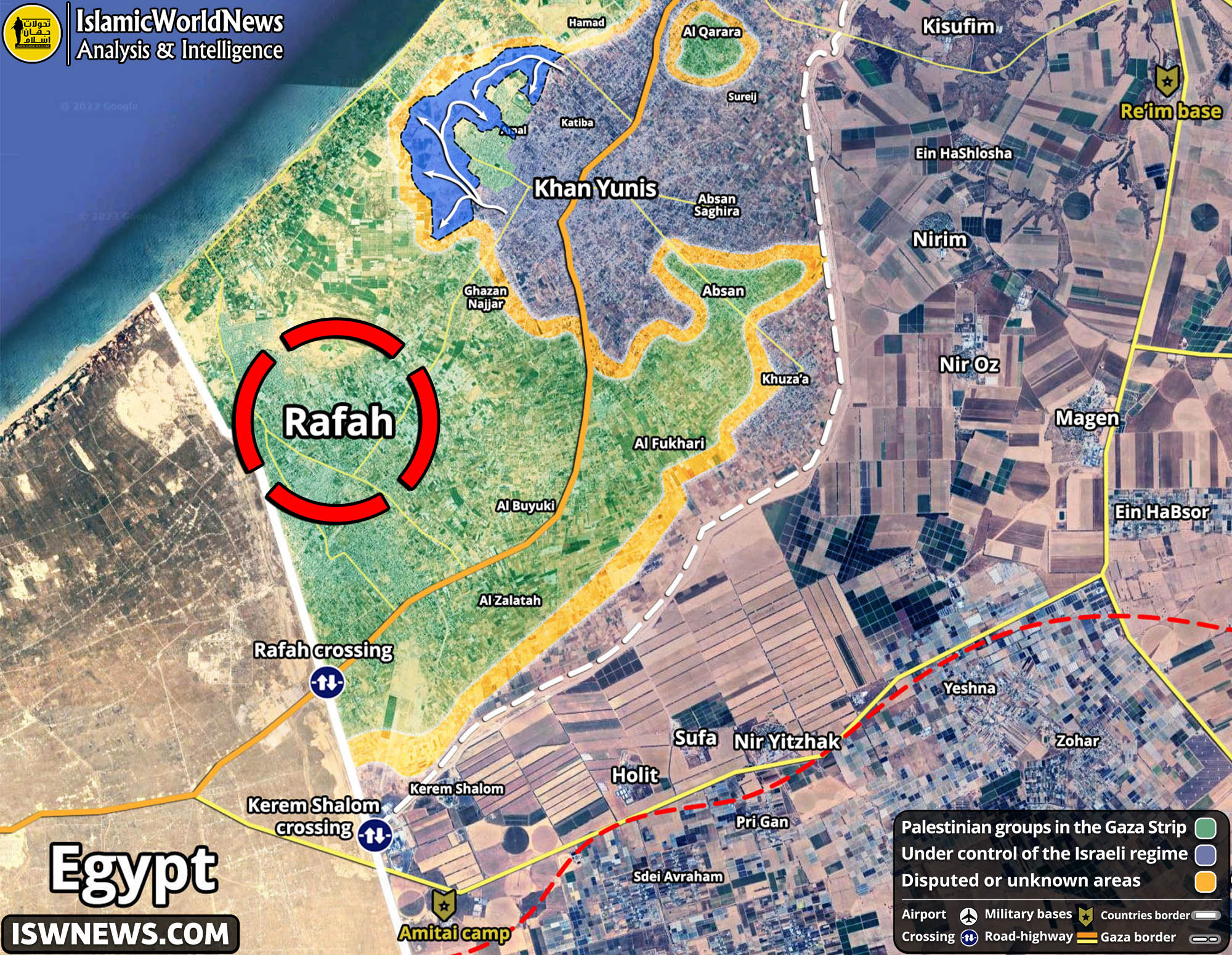
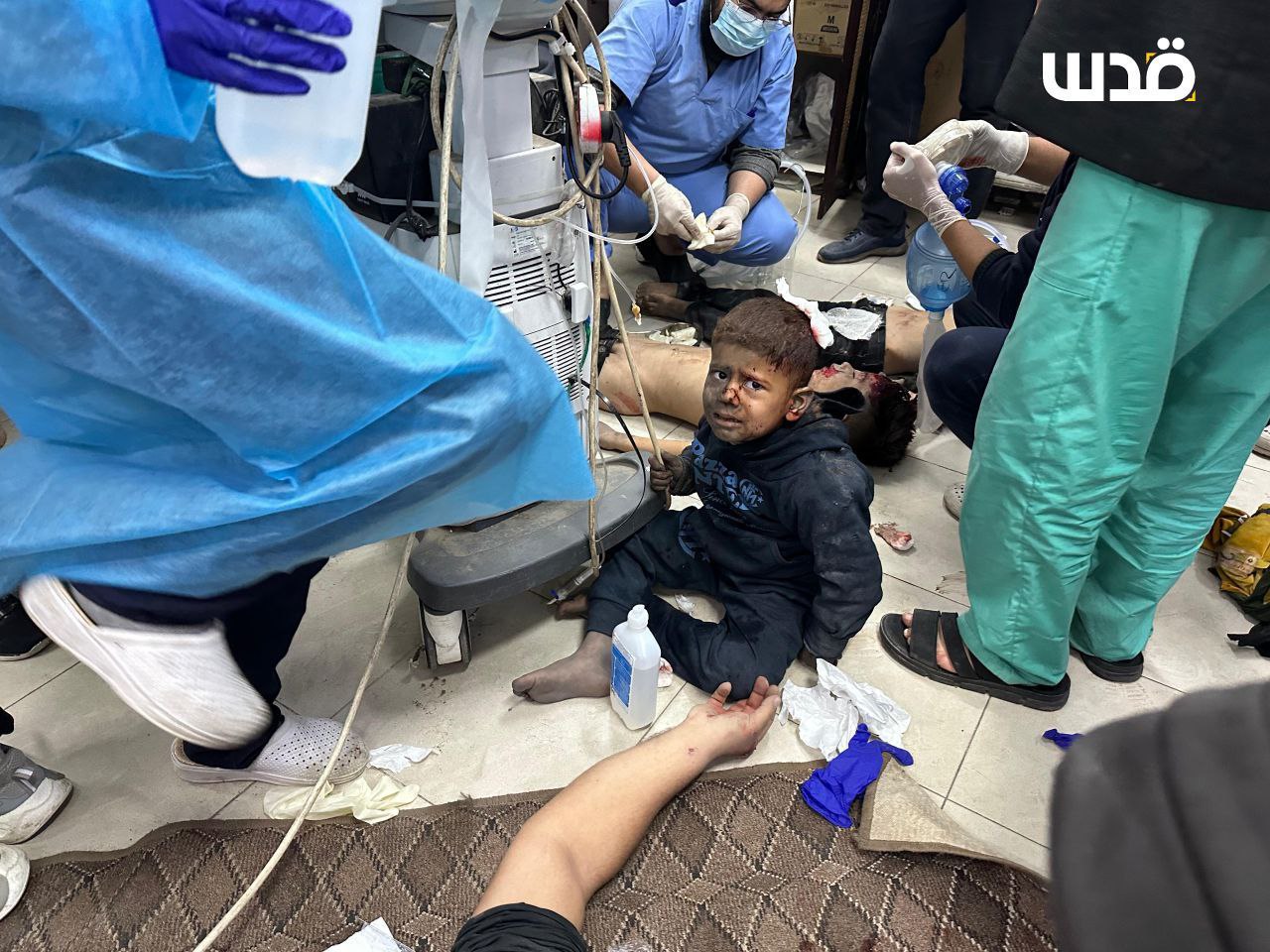
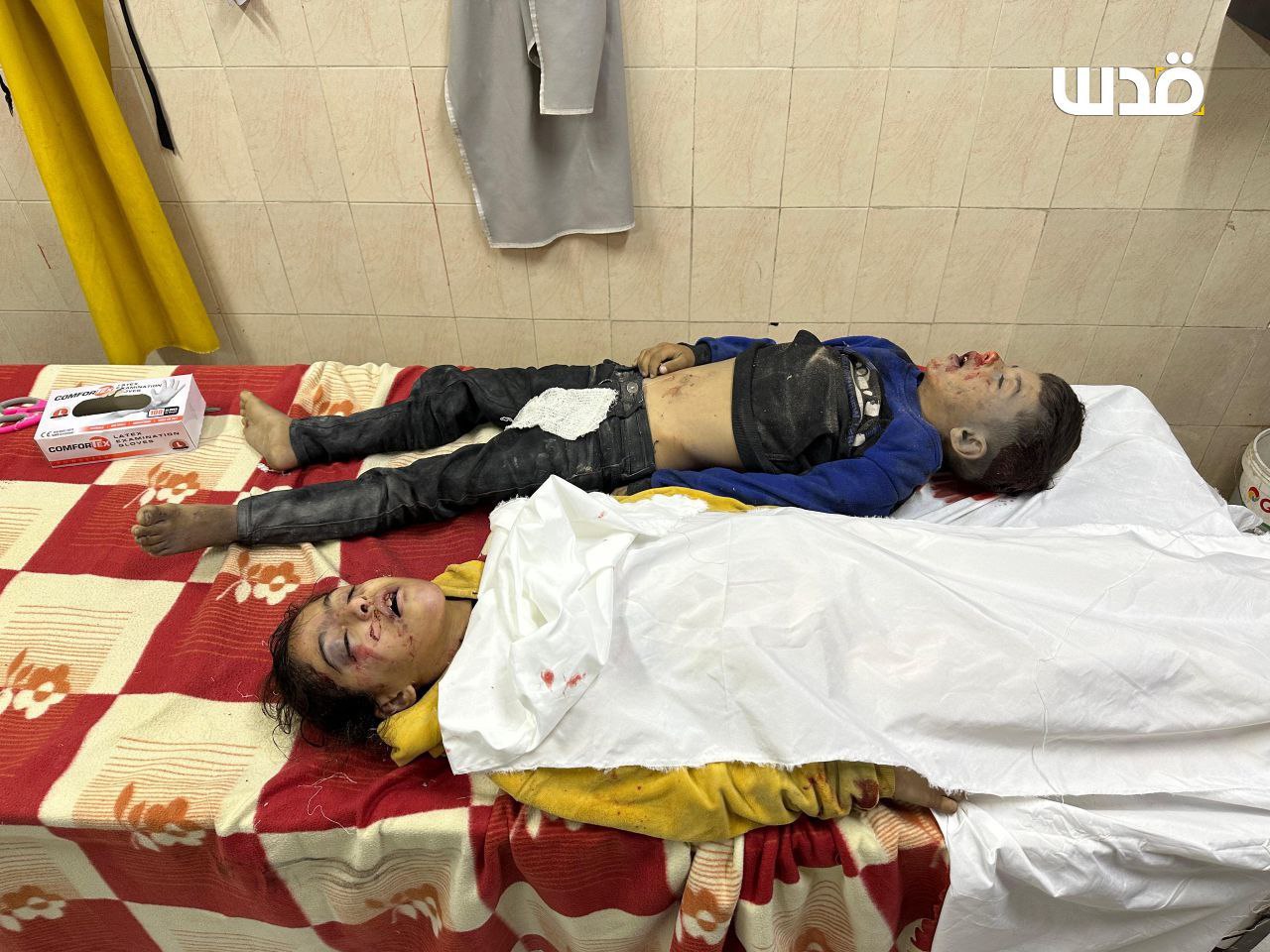
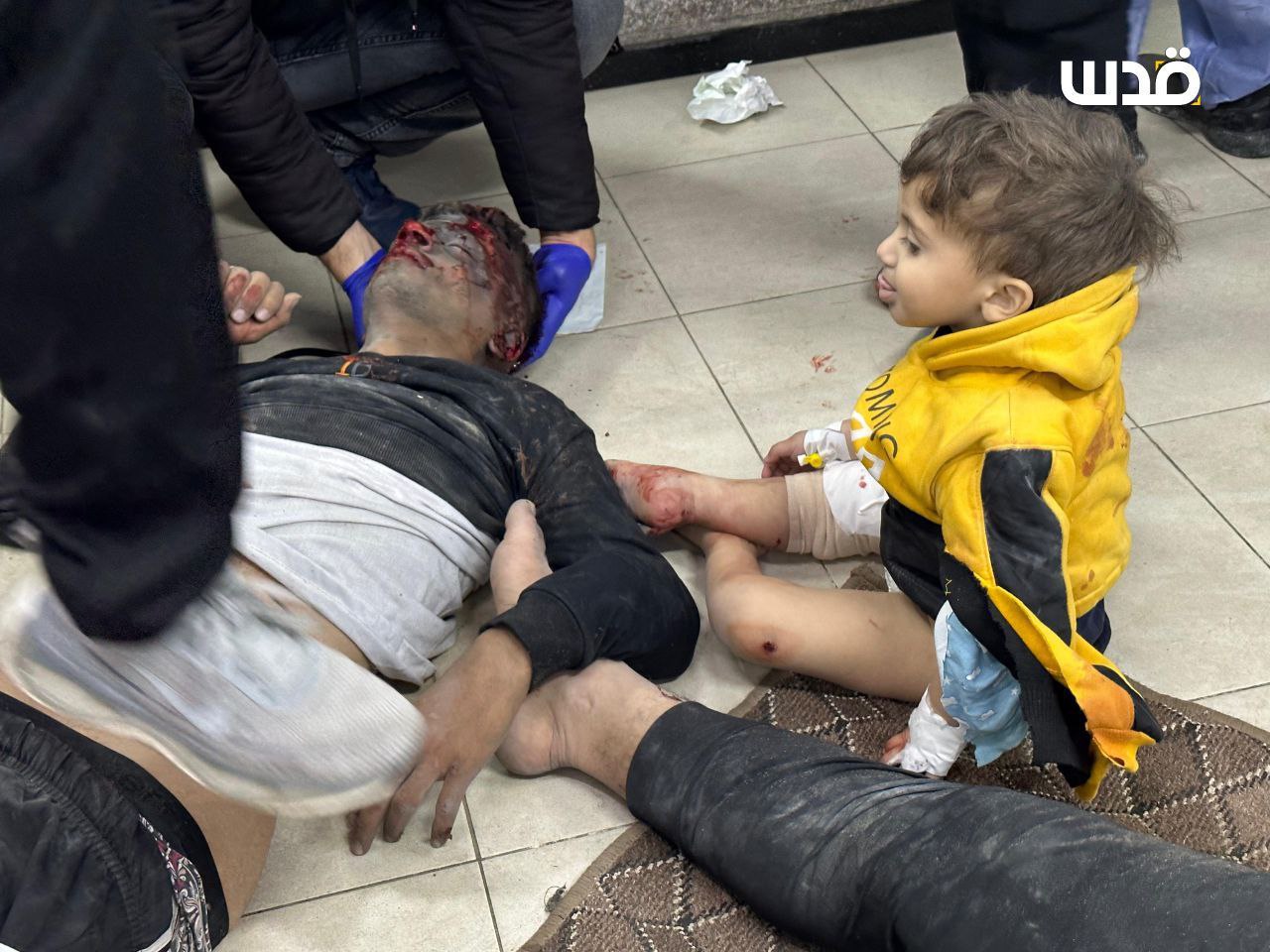
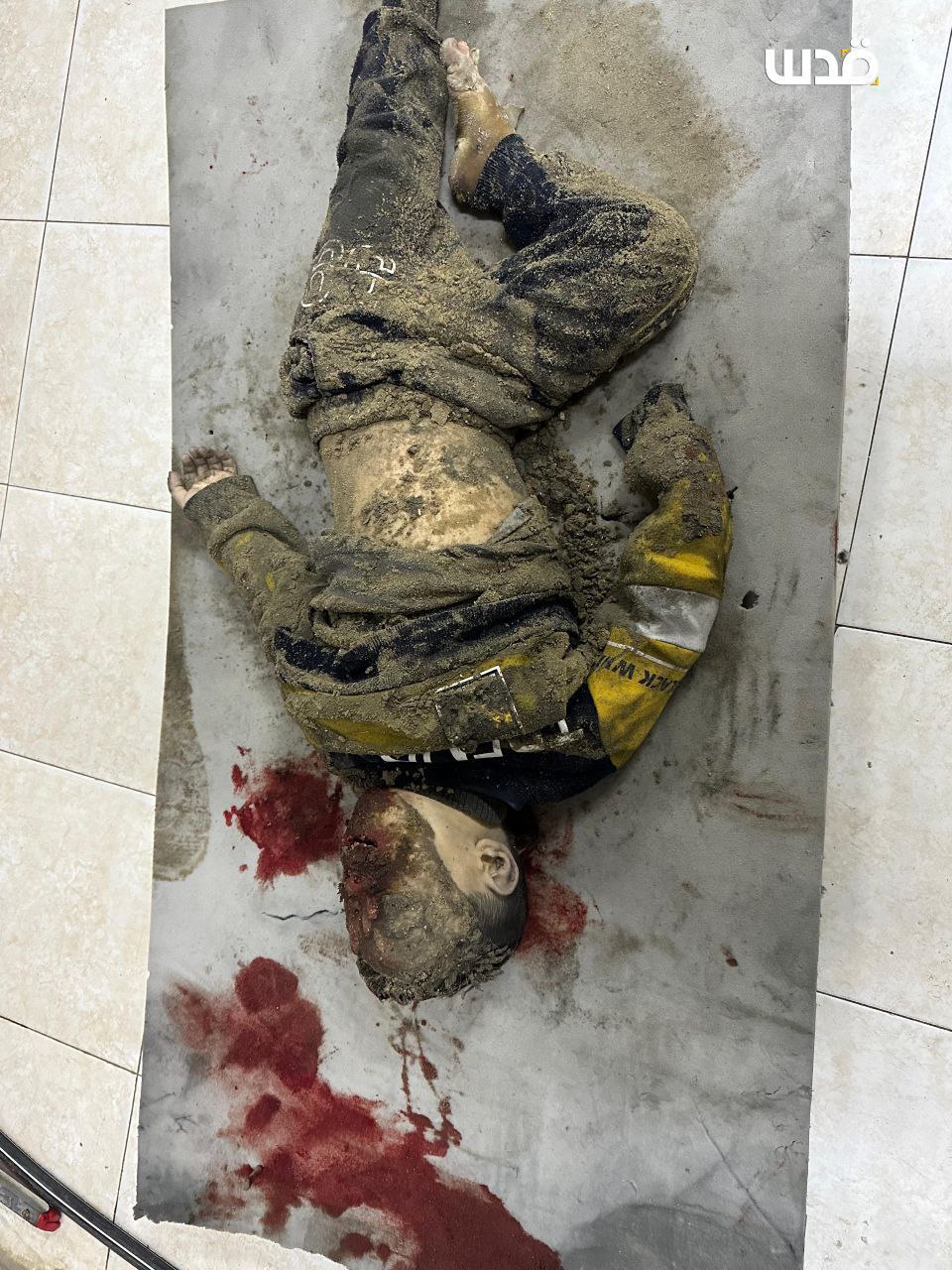
On February 12, the Zionist army organized a series of strikes against areas near the city of Rafah in the south of Gaza and close to Egypt border, during which hundreds of Palestinians were martyred and wounded.
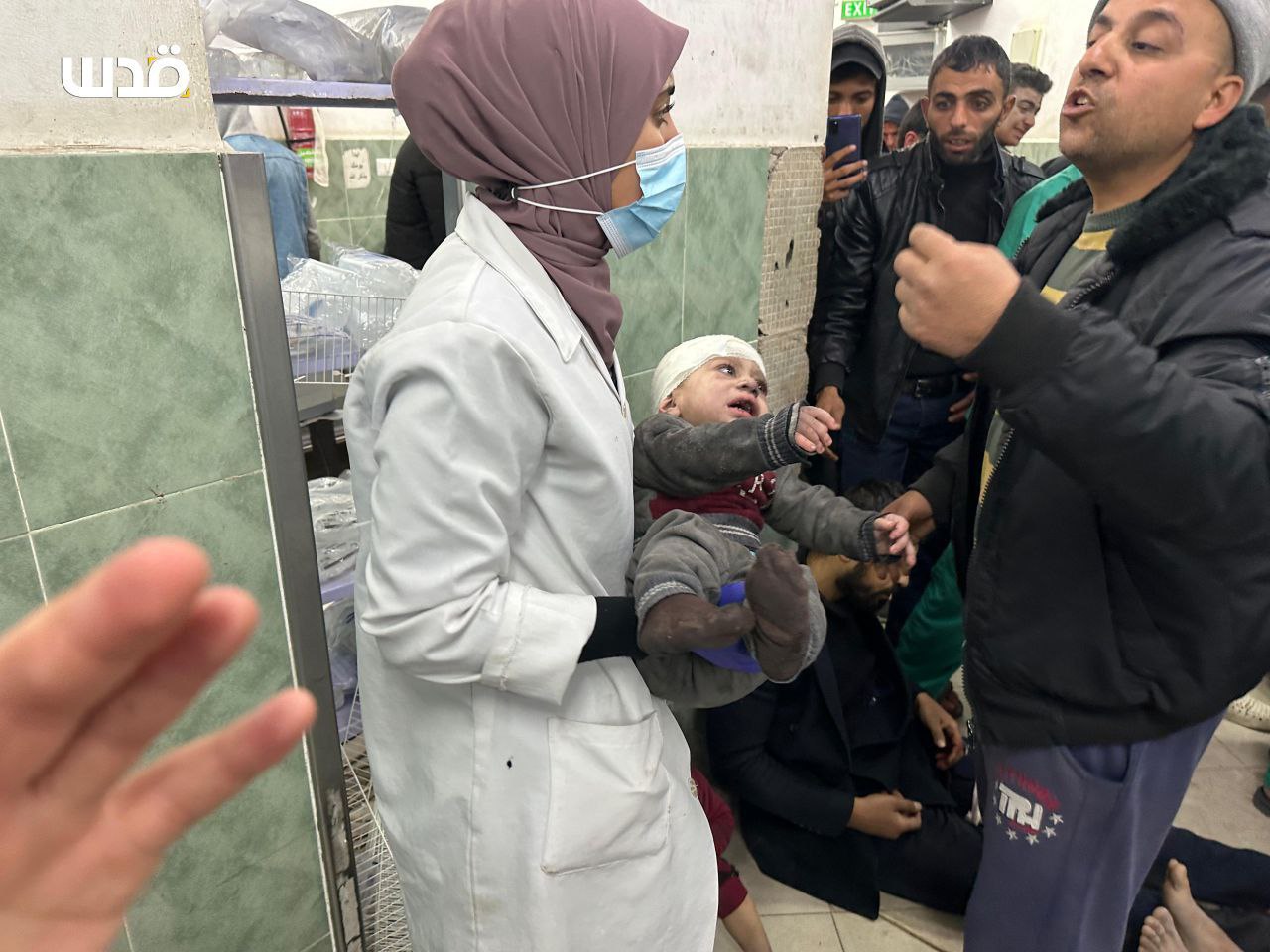
Images of the martyrs and the injured (WARNING: disturbing scenes)
It is said that Israeli army targeted at least 14 houses, 3 mosques and several streets and other areas in Rafah where Palestinian refugees stationed.
According to preliminary information, as a result of today’s Israeli crimes in Rafah, more than 100 people were martyred and about 230 others were wounded. Dozens of children were killed and injured in these attacks and dozens of people are still under the rubble.
A video of the martyrdom of Palestinian children in Rafah by the Israeli regime (WARNING: disturbing scenes)
It is worth mentioning that the attacks of the Zionist regime on Rafah took place while more than 1.5 million Palestinian refugees have taken refuge in Rafah from the northern and central areas of Gaza. Some time ago, the Israeli regime declared Rafah as one of the safe areas for Palestinian refugees, and for this reason Rafah area became a gathering place for Palestinian refugees. However, in recent days, the Israeli authorities announced that they will attack Rafah as well, which was met with strong protests from the international community. But this regime continues its crimes regardless of protests and does not adhere to any law or morality.
The moment of the bombing of Rafah by the Israeli armyThe place where a Palestinian child was martyred in Rafah (WARNING: disturbing scenes)Transporting the wounded to the hospital (WARNING: disturbing scenes)
History: The D9 bulldozer has been produced by the Caterpillar company in America since 1954. This bulldozer uses one blade in the front and several splitting blades in the back. Caterpillar does not produce any armored version of this bulldozer. The D9 bulldozer was first used by the United States to clear forests during the Vietnam War. This bulldozer in the commercial version is continuously upgraded and different versions of it have been presented till date.
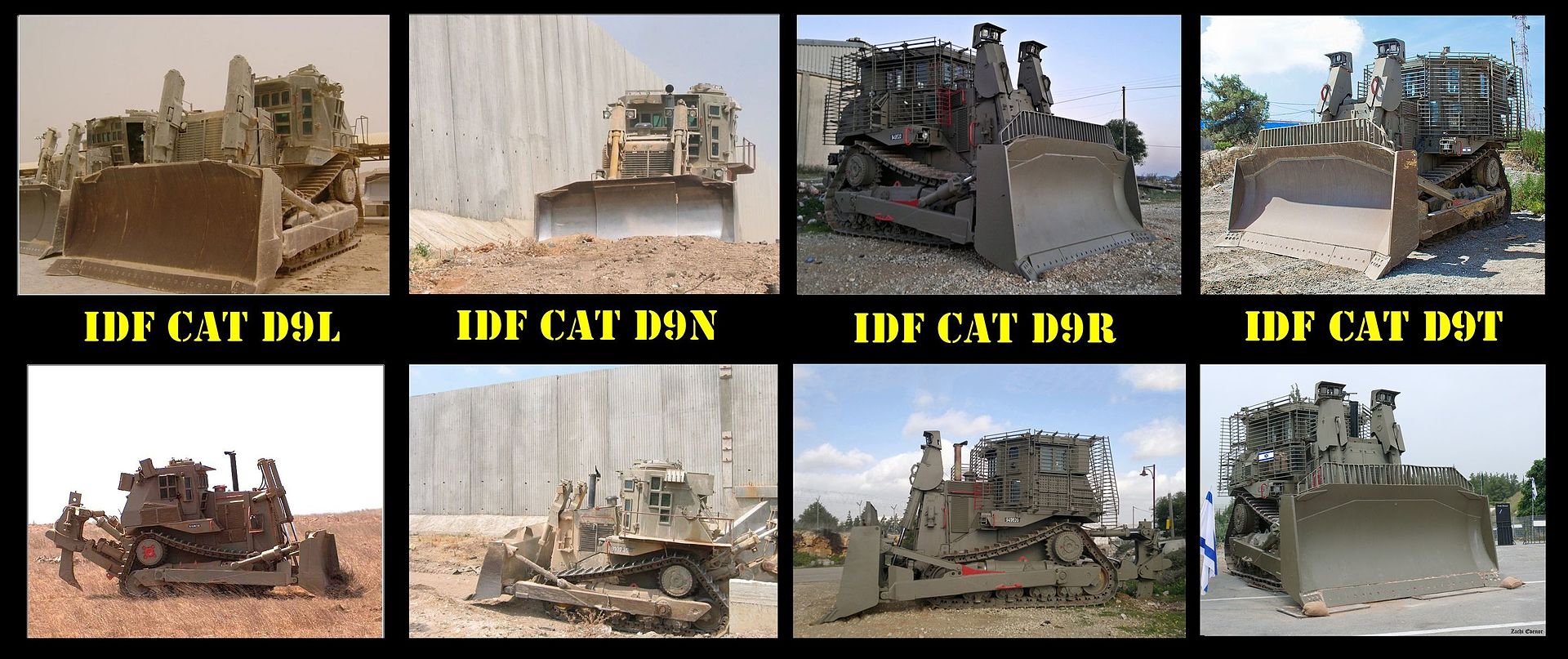
The D-9 bulldozer received many upgrades in the IDF and participated in the Sinai War (1956), the Six Day War (1967), the Yom Kippur War (1973) and Operation Peace for Galilee (1982). In 1980, according to previous war experiences, armor was installed on the D9L bulldozer, and in 1990, an improved version of the armor was installed on the D9N, in the service of the apartheid regime of Israel.
Since 2000, a new version of the D9R was purchased from the American company and entered service after being equipped with a reinforced armor. In 2005, another new armor was introduced and installed for the D9R, which was upgraded according to new threats. Most of these experiences were obtained as a result of the terrorist attacks of the Israeli apartheid regime on the residential areas of the Palestinian people.
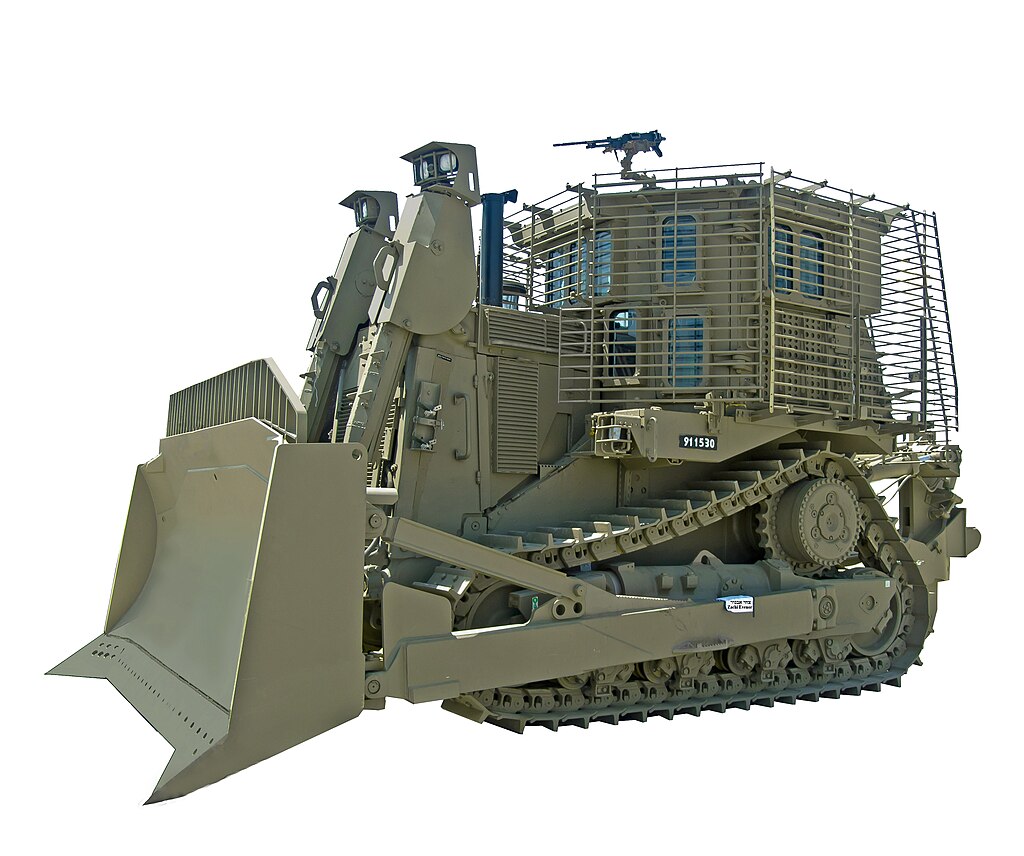
Design: The main modification carried out by the Israeli regime on this bulldozer includes the installation of an armor package in its various parts such as mechanical systems and the crew cabin, bulletproof glass for the cabin and adding shelf armor especially to the cabin to create maximum protection.
The CAT D9 bulldozer was heavily modified by the Israeli military and aerospace industries to withstand heavy attacks.
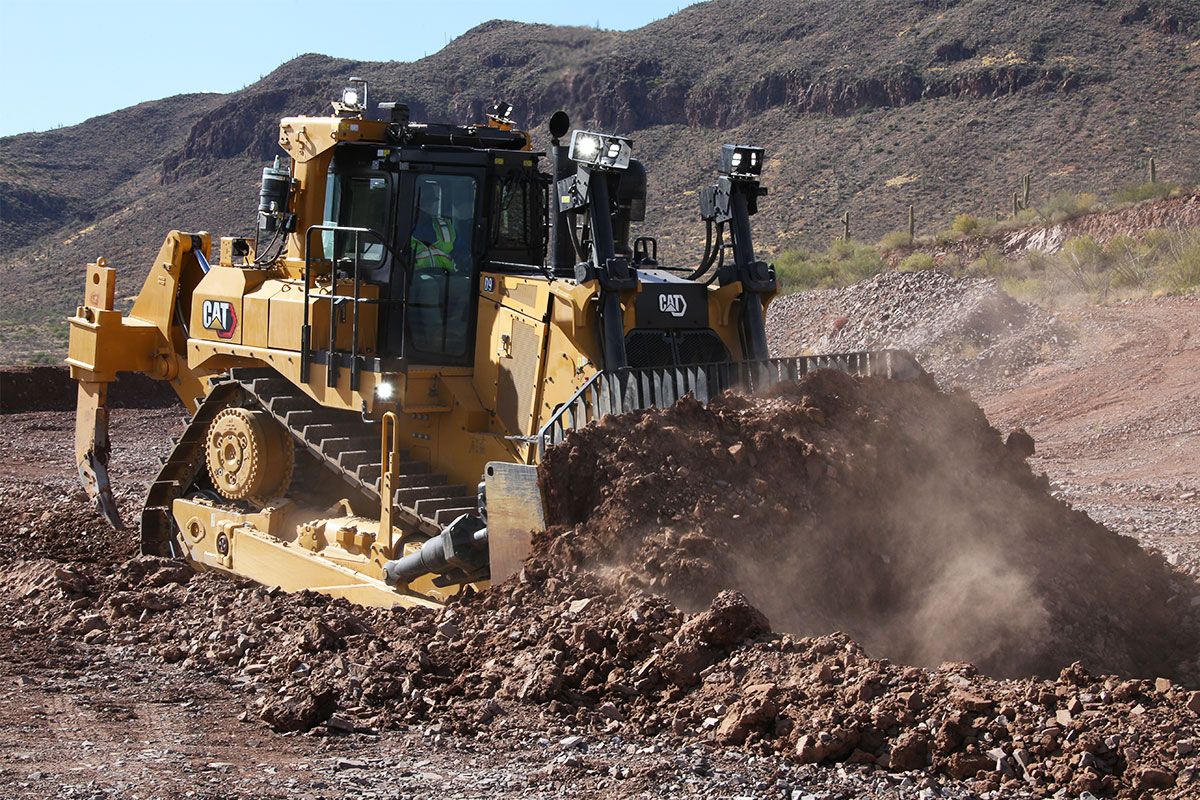
In commercial mode, the D9 uses a 360-degree camera, which is available as an option. This camera is also equipped with a display inside the cabin. There is also an optional electric ladder that facilitates the movement of the bulldozer crew.
Commercial version of Caterpillar D9 bulldozer
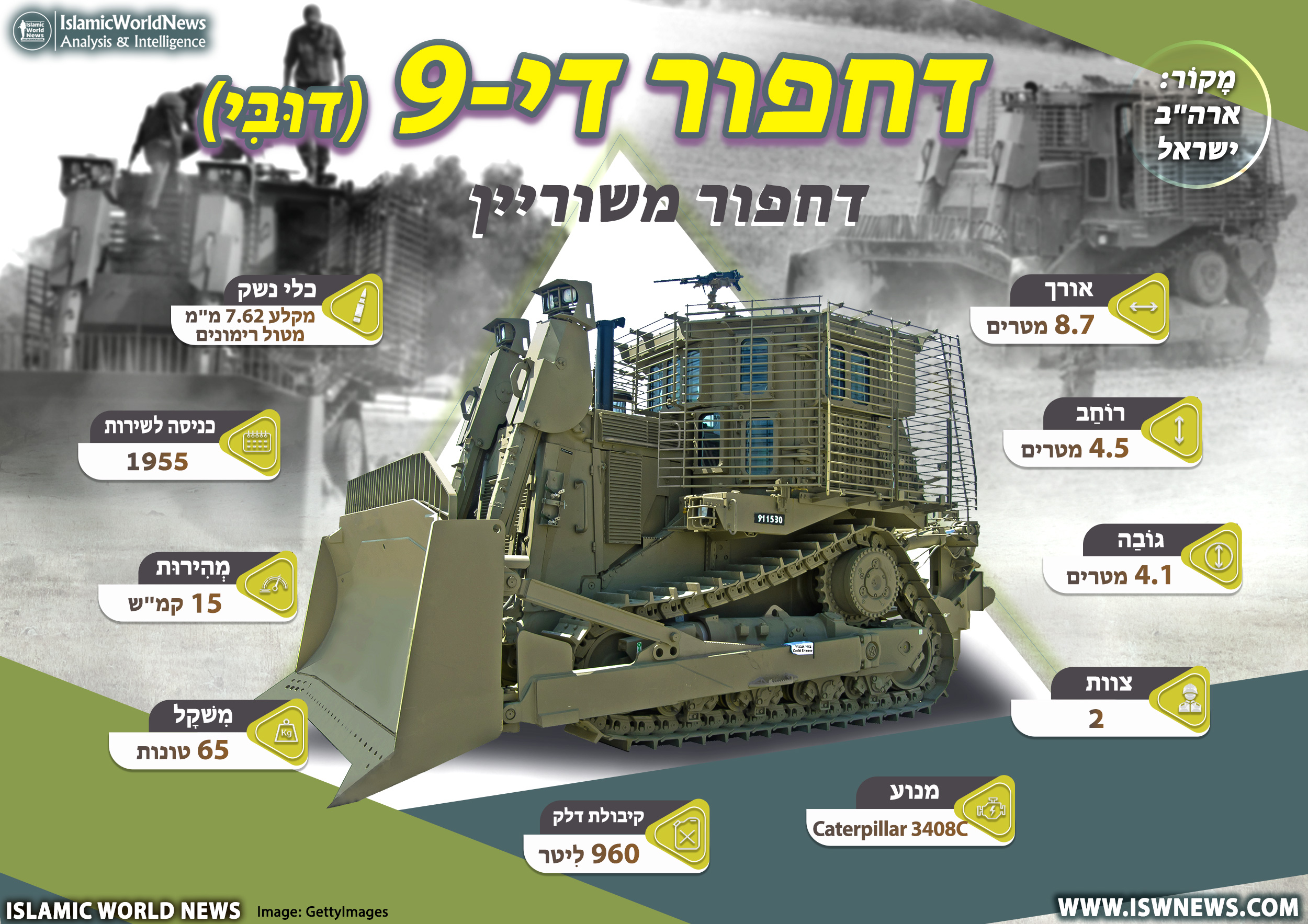
The D9R bulldozer, the latest variant of Caterpillar D9 bulldozers in the service of the Israeli army, uses an 18-liter turbocharged 3408C diesel engine with a power of 474 horsepower and a drawbar pull of 71.6 metric tons (about 702 kilonewtons), and has three front gears and three reverse gear.
The cabin and armored sections have the ability to protect the crew against bombs, standard and medium bullets. Also, new additional armor provides the possibility of resistance against rocket-propelled grenades (RPG). It is also possible to install a gun on the roof or a grenade launcher on it. This military version has two crew members including the driver and commander. A hatch is installed in the roof for the commander, which allows the use of a 7.62 mm machine gun.
Bulldozer D9 (Doobi) fully armored, which a 7.62 mm machine gunis mounted on the roof of a the Bulldozer
Armored equipment added to the bulldozer adds approximately 15 tons to its weight, bringing the weight to 65 tons. Due to the D9’s durable construction and added armor, this bulldozer is able to withstand landmines, IEDs, and roadside bombs. This armored bulldozer can tow armored vehicles weighing up to 70 tons.
The Doobi armored bulldozer is used for a wide range of combat engineering tasks such as digging trenches, building fortifications, creating roads, rescuing overturned or damaged armored vehicles, clearing minefields, detonating various types of explosive traps, clearing ground obstacles for ground forces.
Israeli regime also operates armored remote-controlled D9N bulldozers, called “Raam HaShachar”. The remote-controlled bulldozer is used when there is a great risk for human life, mainly when opening dangerous routes and detonating explosive charges.
Armored D9R and D9N bulldozers played important role in the Second Lebanon War (2006) and Operation Cast Lead (2008–2009). Both bulldozer types were involved in opening routes, clearing explosives and IEDs, building sand mounds to protect AFVs and infantry camps, and demolishing structures such as rigged buildings, HQs, warehouses, outposts, bunkers and tunnels.
Different versions of D9 bulldozers that have been made to date.
In 2014, the Doobi bulldozer was recorded in the Guinness Book of Records as the world’s most armored bulldozer.
In 2018, a version of the D9 armored bulldozer named “Panda” from the Caterpillar D9T series was introduced, which is the remote control version of this bulldozer. Also in 2019, Elbit Systems won the IMOD contract to install the Iron Fist active protection system on the Israeli army’s D9 armored bulldozers to protect them from anti-tank missiles. There is no information about the fate of installing the Iron Fist defense system on this bulldozer.
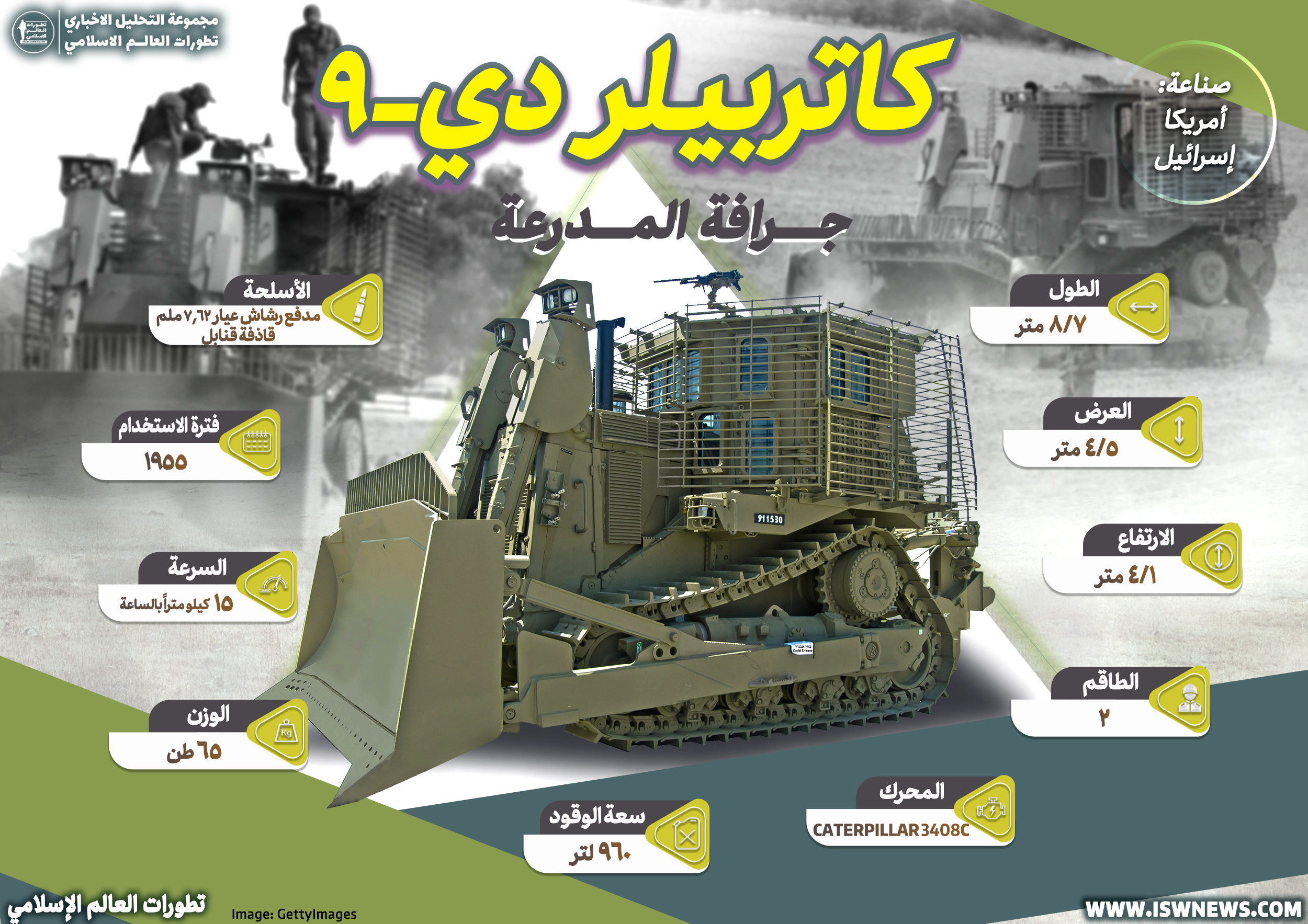
Specifications of D9 armored bulldozer (Doobi): Type: Armored bulldozer Manufacturer: Caterpillar and Israel Defense Industries Year of manufacture: since 1954 Entry into service: since 1955 Crew: two (commander and driver) Length: 8.7 meters Width: 4.5 meters Height: 4.1 meters Engine: Caterpillar 3408C diesel with 474 horsepower Fuel capacity: 960 liters Speed: 15 km/h Weight: 65 tons (fully armor) Weapons: 7.62 mm machine gun and grenade launcher
D9 Armored Bulldozer – click to view full size
D9 armored bulldozer posters in Russian, Arabic, Farsi and Hebrew languages:
The UAE Ministry of Defense on Saturday (February 10), issued a statement, declaring the killing of three Emirati soldiers and one Bahraini soldier, as well as the injury of two others in Somalia.
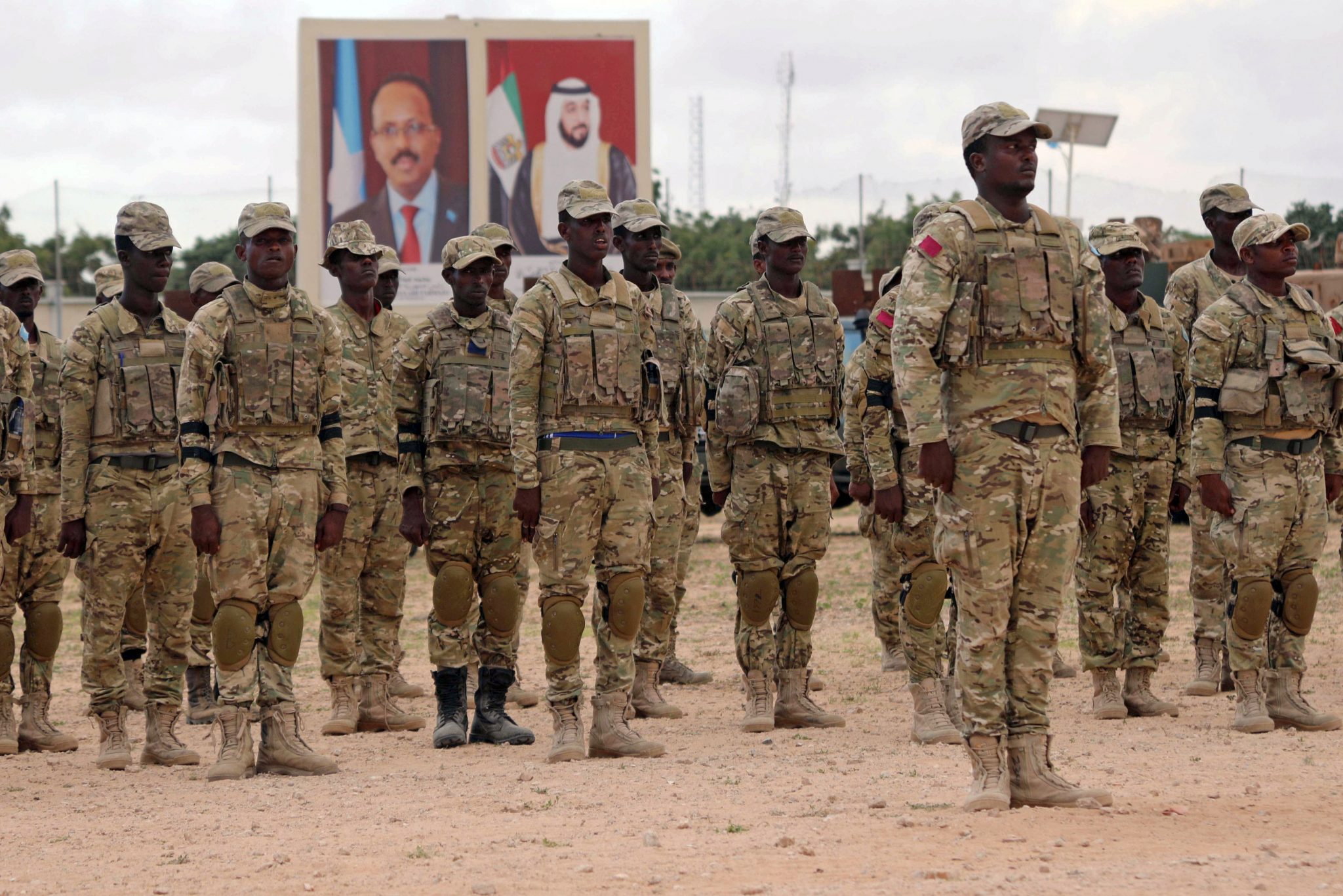
The attack by unidentified armed individuals on these soldiers occurred while they were training Somali armed forces at General Gordon Camp in capital Mogadishu.
According to the statement, the Emirati and Bahraini soldiers had gone to Somalia under a bilateral military cooperation agreement to train Somali army personnel.
Hassan Sheikh Mohamud, President of Somalia, condemned the attack and expressed sympathy and visited the injured Emirati soldiers, calling for an immediate investigation into the incident.
Since 2004, the Somali government has been fighting against its opposing groups, including the al-Shabaab militant group.