Following the STC’s takeover of Hadhramaut’s administrative center and surrounding areas, STC representatives and Hadhramaut tribal leaders reached an agreement through the mediation of a Saudi security‑military delegation. The talks focused on safeguarding oil fields and negotiating toward a comprehensive settlement.
Under the deal, military tensions between the sides will cease starting Thursday morning, with a ceasefire in place until the mediation committee concludes its work and a full agreement is reached. All fighters under the Saudi‑led coalition must withdraw at least one kilometer from oil facilities, allowing personnel and security forces free movement. Once withdrawals are implemented, meetings between al‑Khanbashi and Amr bin Habreesh will be held to finalize the settlement under mediator supervision.
The Hadhramaut confrontation appeared to end with the Southern Transitional Council expanding its influence in occupied Yemeni territories, Saudi interests secured in the oil‑rich areas, and tribal leaders brought under control. Yet it left behind important lessons.
The first was the defeat of the Islah Party in Hadhramaut, which showed that Saudi Arabia places little value on them, limiting cooperation to countering Ansarallah and holding populous, religiously sensitive cities such as Marib and Taiz. The second was the strengthening of STC military power, now equipped with new weapons including drones and micro‑drones, aligned with UAE objectives.
Behind the STC’s success in Wadi Hadhramaut lay support from Tariq Saleh’s forces, the Giants Brigades, and Shabwa Defense units, which allowed southern forces to fully concentrate on northern Hadhramaut while these allies managed other areas until the clashes ended. This scenario could also be replicated against Ansarallah positions, potentially delivering significant blows to the central government’s authority in Sanaa.
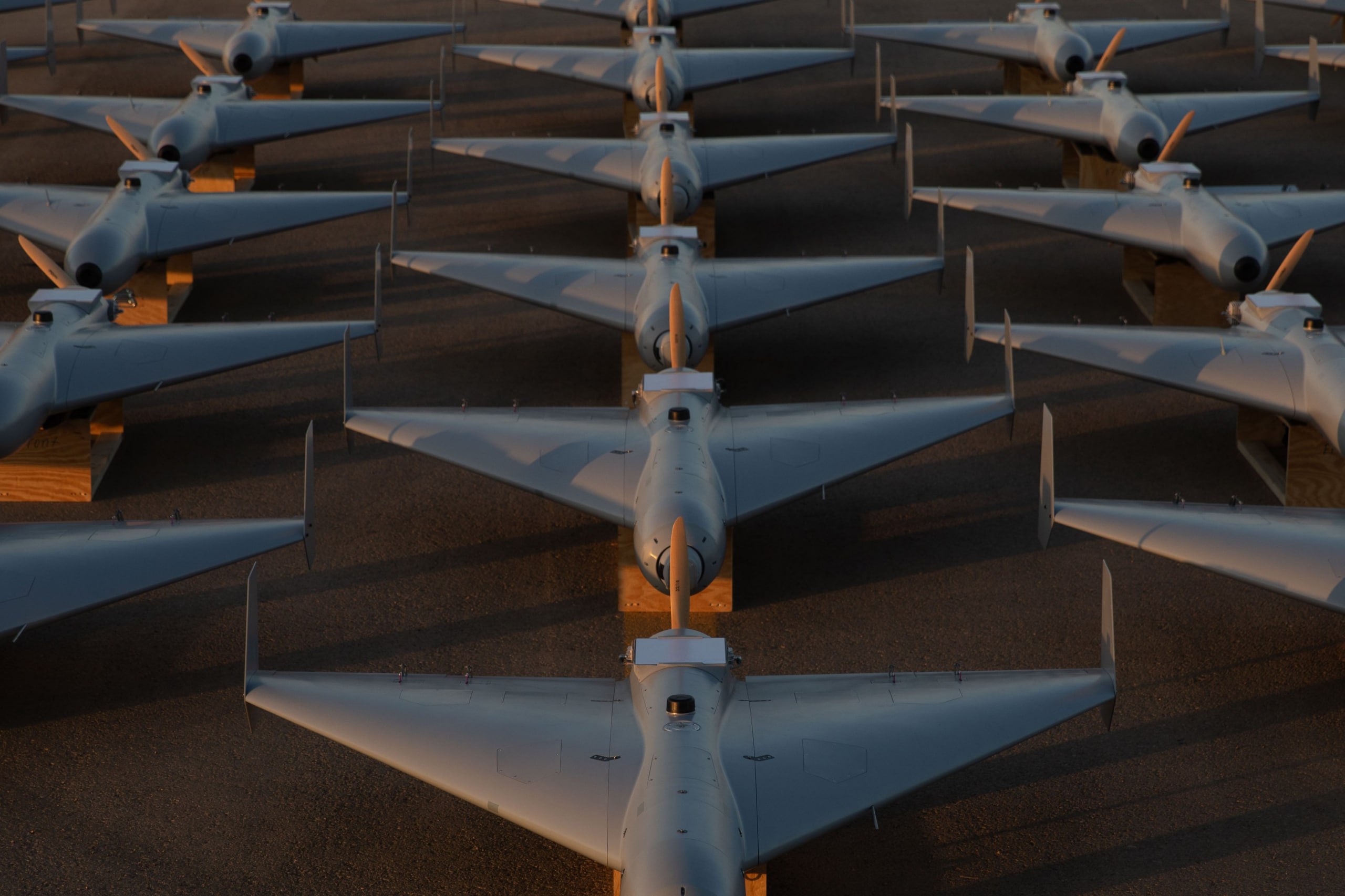
According to CENTCOM’s commander, the purpose of TFSS is to provide American forces with affordable and effective drone capabilities as a deterrent against “bad actors” in the region. Obviously, by bad actors he means first Iran and then other components of the resistance axis.
We had previously warned that given America’s access to all active battle fronts around the world including Iran, combined with mass production of these suicide drones, could pose serious risks if used directly by U.S. forces or its allies against adversaries. This concern is now openly acknowledged by U.S. officials and military experts.
As reported by The War Zone, a U.S. official described the establishment of TFSS as a “major development”, calling it a way to reverse the game against Iran. He stated: “We’ve reached the point where not only are we mass‑producing these drones, but for the first time we’ve deployed them in the Middle East. In effect, we’ve turned the tables on Iran.”
He added: “We’ve seen what Russia has done in Ukraine, how Iran destabilized the region with drone technology, their 12‑day war threats against Israel, and how partners had to spend vast resources to defend against such attacks. Now we’re taking a page from their playbook and turning it back on them. Iran gained an advantage through sheer volume of drone strikes, which are difficult to defend against at scale.”
He continued: “We are strengthening our defenses, and sometimes a strong defense can also be a good offense. We’re adding offensive firepower that has already proven effective—especially now that the country which once wreaked havoc with this technology has become vulnerable itself.”*
The official further noted: “We have no problem targeting Iran‑backed Houthis in Yemen and can use this capability against them as well. With the Houthis, the challenge is finding targets, unlike Iran where there are plenty of targets available!”
As seen, U.S. officials explicitly speak of using these drones against Iran in future war scenarios. Over the past year, Washington has heavily invested in this category of low‑cost suicide drones, with mass production underway. Experiences from recent conflicts—such as the war in Ukraine and the 12‑day war—have demonstrated how these simple systems can decisively alter the course of battle. During the 12‑day war and the True Promise operations (1 and 2), the U.S. and its allies spent enormous resources and deployed vast aerial assets to effectively neutralize Iranian drone attacks on Israel. Yet, unlike America and its partners, Iran lacks comparable large‑scale aerial and defensive assets, which poses a significant challenge. Iran, however, retains asymmetric options for deterrence, as seen in the Aramco attack. At this stage, the U.S. has not yet tested these drones in real combat, but future use against Yemen is considered likely.
The concept of creating a very‑long‑range air‑to‑air missile in Russia dates back to the early 1990s. Development began under the project name “Izdeliye‑172” by the Novator Design Bureau, with mock‑ups displayed at exhibitions starting in 1993. Due to funding shortages, the program was halted during the 1990s, but in the early 2000s it was revived with new investments and export negotiations (including talks with India). This led to the introduction of updated variants such as 172S‑1, K‑100, and eventually KS‑172.
Throughout its development, the core objective remained unchanged: to destroy or disable enemy airborne strategic platforms such as AWACS and aerial refueling tankers. Engineering efforts focused on extending range, improving seekers, and enabling strikes from beyond enemy defensive lines.
Reports suggest the program was suspended until the early 2010s, but by the mid‑2020s speculation emerged about its return to service, potentially deployed on MiG‑31s or upgraded Sukhoi fighters.
KS‑172 Body Structure, Dimensions, and Aerodynamics
The body design of the KS‑172 shows similarities to certain surface‑to‑air missile configurations. According to available specifications, the missile’s fuselage length ranges from 6.0 to 7.5 meters depending on the version and whether a booster is attached. Its approximate body diameter is 0.4 meters, with the detachable booster capable of increasing both the overall length and diameter.
The fins vary across different designs, typically measuring between 0.6 and 0.75 meters, reflecting the missile’s aerodynamic optimization for long‑range interception missions.
KS-172 missile
The missile’s reported weight falls within the range of 700–750 kilograms, reflecting the presence of a substantial warhead, a large guidance system, and a powerful propulsion unit.
Its aerodynamic design is optimized for high‑altitude flight with minimal range loss. Exhibition models have displayed different tail configurations and variations in control surfaces, highlighting ongoing refinements to maximize performance and adaptability across versions.
Internal Components of the KS‑172 Missile
1) Guidance and Navigation System The KS‑172 employs inertial navigation (INS) during the initial and mid‑course phases, combined with the ability to receive trajectory corrections via data/radio link until approaching the target. In the terminal phase, a large active radar homing (ARH) seeker with significant lock‑on range takes over to secure final tracking of airborne targets. The seeker is designed to detect medium‑ to large‑radar‑cross‑section aircraft at long distances. Reports mention the use of advanced Russian radar seeker variants with resistance to electronic countermeasures (ECM) and strong active performance. This combination—INS with radio correction and final ARH lock—is essential for achieving very long ranges and high hit accuracy.
2) Propulsion System and Booster Reported versions of the KS‑172 primarily use solid‑fuel propulsion. To achieve extreme ranges, a tandem propulsion system is employed: a powerful initial booster (solid rocket or jet) accelerates the missile to cruise speed, followed by a second solid‑fuel motor sustaining range or enabling extended cruise/glide profiles. Some models reportedly feature boosters with thrust vector control (TVC) for improved maneuverability and extended reach. The presence or absence of a booster directly affects range—non‑booster versions are cited at ~300 km, while booster‑equipped variants reach up to ~400 km.
3) Warhead The missile carries a high‑explosive fragmentation warhead, designed to create a wide damage zone and maximize effectiveness against large airborne platforms. Sources indicate a warhead weight of around 50 kg, sufficient to disable or destroy bulky aircraft such as AWACS or tankers. The fuze system likely combines radar/proximity and impact fuzes, ensuring effectiveness against maneuvering airborne targets.
4) Control System and Aerodynamic Surfaces Early KS‑172 prototypes used fins and control surfaces similar to surface‑to‑air missiles. Later versions introduced modifications to better suit aircraft carriage aerodynamics and allow multiple missiles to be mounted under wings or on centerline pylons. The control surfaces and body design enable stable release at high altitude and speed, ensuring reliable long‑range flight performance.
5) Electronics, Signal Processing, and ECM Resistance A major focus of the project has been the development of robust signal processors and ECCM (Electronic Counter‑Countermeasures) algorithms. Russian manufacturers claim that advanced seeker versions can detect and track targets even in heavily jammed environments, though independent field data and analysis remain limited.
Variants of the KS‑172 Missile
Over the years, multiple names and configurations have been associated with this missile family. The most notable include:
Izdeliye‑172 / KS‑172 / AAM‑L (Prototype): The original design by Novator, with a mock‑up first displayed in 1993.
172S‑1 / K‑100 / K‑100‑1: Modified versions developed in the early to mid‑2000s, featuring changes in body structure and booster design. These variants were showcased at MAKS air shows, with the names often used interchangeably in different sources.
Long‑range and Export Versions: Reports suggest the preparation of models with ranges around 300 km for export markets, and booster‑equipped versions capable of reaching up to ~400 km.
The transformation of the KS‑172 missile throughout its development process is clearly illustrated in this comparison. Top image, the initial prototype displayed at exhibitions in 1993, representing the early design phase, and the bottom image, a more advanced version showcased in subsequent years, reflecting modifications in body structure, booster configuration, and aerodynamic surfaces introduced during the 2000s.
Export Market, Operators, and Latest Developments of the KS‑172 Missile
The KS‑172 has been offered commercially several times, with negotiations involving India and other potential partners. In the early 2000s, India was reported to have invested or participated in the project to develop a variant for its Su‑30MKI fighters. However, the details of production agreements and final development remain unclear in public records.
By the mid‑2010s through the early 2020s, reports suggested that the program had been halted or discontinued. Yet, in the mid‑2020s, new claims emerged pointing to a revival of the project.
The latest updates, attributed to military analysts citing Russia’s United Aircraft Corporation (UAC), indicate that in 2025 a final version of the missile—boasting a range of 400 km or more—was introduced into service with Russian MiG‑31s. Still, official confirmation and transparent government documentation remain limited.
Different sources report varying range figures, from 300 km to over 400 km, with discrepancies likely tied to how “range” is defined and the missile’s launch profile—whether direct line‑of‑sight, extended glide trajectory, or booster‑assisted flight.
KS-172 missile
Many sources have described the KS‑172 as an “export‑focused project”, intended to market reduced‑range variants to international buyers. However, there is little evidence of widespread, confirmed operational use by foreign customers.
Exhibition displays, mock‑ups, and promotional efforts indicate that India and other markets were targeted through marketing campaigns and negotiations. Yet, the details of final contracts or production agreements have not been made publicly transparent, leaving the export track record of the KS‑172 largely uncertain.
Summary and Key Features
The KS‑172 represents a symbolic effort to develop an ultra‑long‑range air‑to‑air missile, specifically designed to neutralize high‑value airborne platforms of the enemy.
Key highlights include:
Very long range capability enabling engagement far beyond frontline defenses
Hybrid guidance system: inertial navigation with mid‑course data‑link corrections, followed by active radar homing in the terminal phase
Weight and warhead size optimized to inflict serious damage on large airborne targets such as AWACS and tankers
Tandem propulsion arrangement (booster + solid rocket motor) to achieve extended flight profiles and ranges
The project’s history—marked by repeated halts, export negotiations, and speculation about operational deployment on specific aircraft—illustrates the technical, financial, and political challenges of building such advanced weaponry.
If a proven version of the KS‑172 with a range exceeding 300 km enters service, it would represent a significant shift in long‑range aerial combat capabilities, with strategic implications for the protection of AWACS, refueling tankers, and other critical airborne assets in modern air warfare.
KS-172 missile specifications:
Type: Long-range air-to-air missile Origin: Russia Manufacturer: Novator Design: 1991 Length: 7.4 m Diameter of the first stage: 51 cm Diameter of the body: 40 cm Propellant: Tandem rocket booster, Solid fuel Range: 400 km Speed: Mach 3.3 (4000 km/h) Weight: 750 kg Warhead: 50 kg HE-frag Flight altitude: 30 km Guidance: INS – ARH Launch platforms: MiG-31, Sukhoi 27/30/35/57 fighters
KS-172 long-range air-to-air missile – click to view larger image
In a joint statement, the committee expressed support for the naval forces of the Saudi-backed Yemeni government and confirmed its commitment to strengthening the Coast Guard’s maritime security, particularly in intercepting arms and narcotics shipments.
The formation of this committee follows the September 16 meeting in Riyadh, where these states, along with representatives from China, Australia and Persian Gulf countries convened. At that earlier session, Saudi Arabia and the UK sought to secure China’s and other nations’ backing for long‑term security commitments and capacity‑building of Yemen’s Coast Guard.
However, the second meeting revealed that only certain regional and Western allies joined the program. These are the same parties whose shipping and economies have suffered heavy losses due to Yemeni armed forces’ naval operations against Israel.
UAE and the Middle Corridor The Middle Corridor, largely composed of Turkic‑speaking states, is part of China’s Belt and Road Initiative. Since the war in Ukraine, its importance has multiplied, as the northern route through Russia and Belarus faces security challenges. Arab investments, especially by the UAE, are now directed toward this corridor. For instance, within Dubai’s Silk Road project, the UAE successfully integrated Uzbekistan and Kazakhstan into the Global Logistics Passport scheme, aiming to expand trade links across Latin America, Asia, the Middle East, and Africa.
Diversifying its financial portfolio is a key driver of UAE interest in Central Asia, but its ambitions go beyond investment. Relations with Kazakhstan and Turkmenistan highlight the role of DP World in building ports not only on the Caspian Sea but also in Russia’s Arctic, reflecting Abu Dhabi’s aspiration to become a global maritime logistics power.
Abu Dhabi’s foreign policy underscores the growing importance of these states in its strategic agenda. Competition with regional and global powers in Central Asia’s economic and energy sectors, combined with its strategic presence in the Middle East and North Africa, reveals the multifaceted nature of UAE engagement. By leveraging financial resources, the Gulf state strengthens its influence and acts as a major player in regional economic growth.
Initial cooperation between Central Asian countries and the UAE focused on trade and investment, but long‑term agreements have expanded into petrochemicals, energy, transport and logistics, agriculture, and aerospace. To deepen ties with the Caspian region, Abu Dhabi invested in port access as part of a global hub system, including DP World’s purchase of two special economic zones in Kazakhstan.
Economic Agreements The UAE’s Masdar has launched renewable energy projects in Kazakhstan and Uzbekistan, with electricity exported to Europe via undersea cables across the Caspian and Black Seas. Other Emirati firms, such as Abu Dhabi National Energy Company, have built wind power facilities in Central Asia with capacities ranging from tens to hundreds of megawatts.
Abu Dhabi National Oil Company (ADNOC) is also active in petrochemicals in Kazakhstan and Turkmenistan’s offshore fields, creating value‑added industries that enable refined exports. The establishment of the Astana International Financial Center in Dubai could turn Kazakhstan into a major financial hub for Central Asia within the Belt and Road framework.
For example, in May this year, the UAE and Kazakhstan signed 20 agreements worth $5 billion, mostly in energy, transit, and logistics. More recently, ADNOC subsidiary XRG signed a preliminary deal with Azerbaijan’s Southern Gas Corridor (SGC) company, which plays a key role in delivering Azerbaijani gas to Europe.
These agreements show Abu Dhabi’s intent to expand economic influence in Kazakhstan and Azerbaijan—two pivotal states in the Middle Corridor—while also serving broader political and security objectives.
Security–Economic Objectives The UAE’s investments in the Middle Corridor cannot be reduced to economic figures alone; they conceal strategic motives aligned with Israeli and Western agendas.
Former Israeli communications minister Ayoob Kara emphasized the need to connect the Middle Corridor via Turkey and the Mediterranean to Israel and then to Gulf Arab states: “If the Middle Corridor is built, we Israelis can connect to it. Stronger links between Turkic republics, Israel, and the Arab world will help counter Iran. We can connect via Turkey by ship, then by rail from Israel to Jordan, Saudi Arabia, and onward to the UAE. This will expand trade between China, the Turkic republics, Israel, and Arab countries.”
Thus, Emirati (and potentially Saudi) support for the Middle Corridor can be seen as part of a broader Israeli plan to encircle Iran’s transit routes.
Strategic Goals of the UAE in the Middle Corridor:
Rare minerals in Central Asia — vital for defense and technology industries. The West, heavily dependent on China, seeks alternative supplies. Recent agreements with Kazakhstan highlight the corridor’s strategic role in transferring these resources westward.
Energy diversification via the Zangezur Corridor — supported by the UAE and Saudi Arabia. Europe, reducing reliance on Russian energy post‑Ukraine war, looks to Central Asia and the Caucasus. Turkmenistan, with the world’s fourth‑largest gas reserves, and Azerbaijan, aiming to double gas exports to Europe by 2027, require foreign investment. Projects like the proposed Trans‑Caspian pipeline could become feasible through Middle Corridor development.
Countering Iran’s transit routes — by aligning with Israeli and Western strategies. As corridor competition shapes the new global order, the West seeks to reinforce Israeli economic hegemony in West Asia. Iran’s geography poses the main challenge, so rival corridors like the Middle Corridor are being strengthened with Emirati support.
In the first incident, a vehicle‑ramming attack occurred in northern Hebron, injuring a female Israeli soldier. Israeli media reported that troops from the army’s 202nd Battalion pursued and shot the attacker, resulting in his death.
Hours later, another Palestinian armed with a knife attacked a group of Israeli soldiers near the Atiret settlement close to Ramallah, wounding two of them. The assailant was subsequently shot and killed by Israeli forces.
These two incidents come amid rising tensions in the West Bank, particularly in recent days, as various areas have witnessed intensified security operations and widespread arrests of Palestinians carried out by Israeli forces.
About Skana Robotics: The company was officially registered on June 21, 2023 as a private Israeli firm. Its headquarters are located in Or Akiva, near the Mediterranean coast, providing direct access to sea trials. Founded by veterans of naval special operations and robotics experts, Skana combines real mission experience with advanced technology to bridge operational needs and innovation. Beyond vehicles, it develops a complete ecosystem of hardware and software to deliver scalable responses to maritime threats. Potential customers include states around the Mediterranean, Black Sea, and Red Sea.
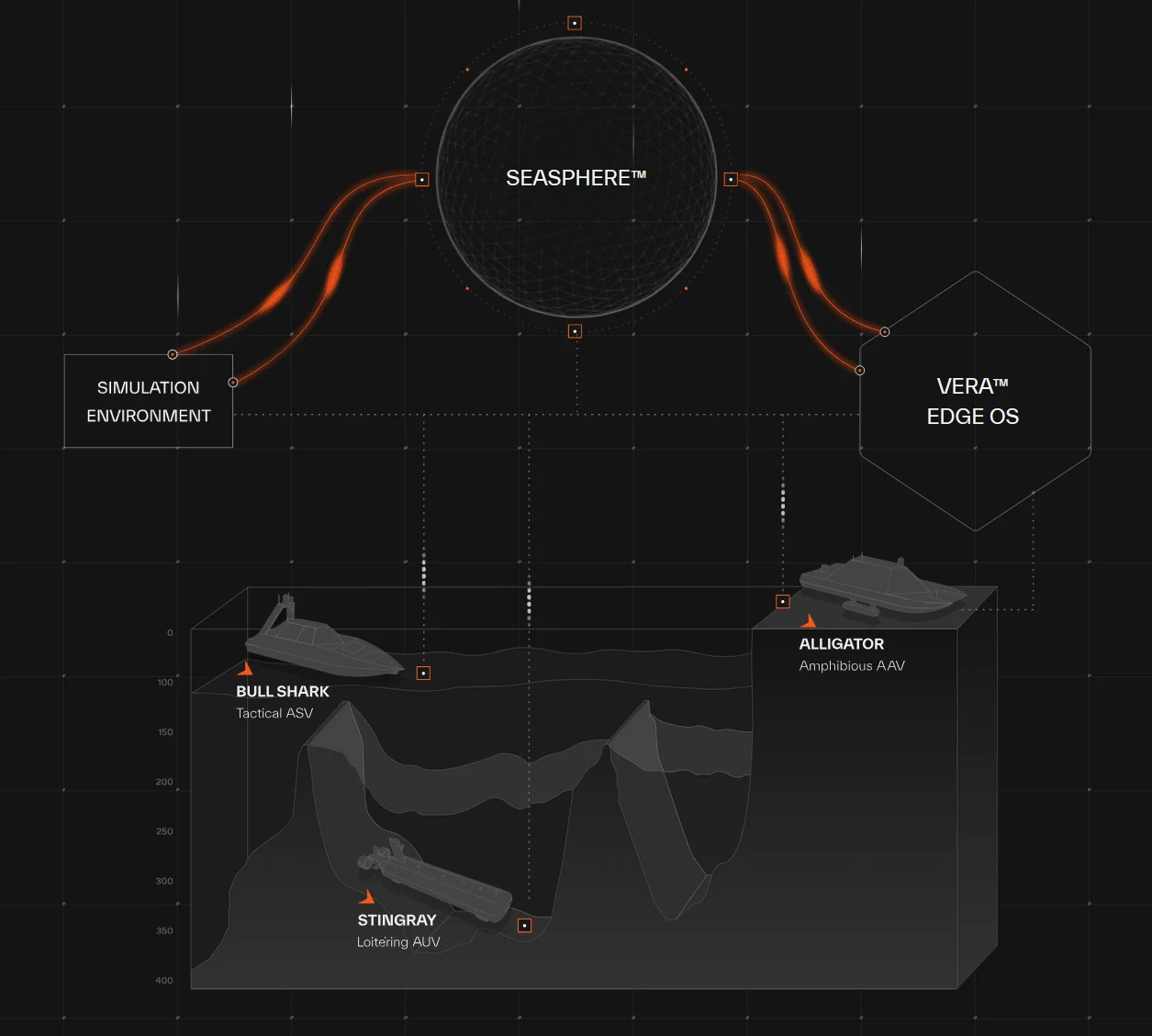
Product Behavior and Integration: Skana’s portfolio consists of autonomous maritime platforms integrated with SeaSphere software, enabling mission planning and distributed, network‑centric execution. These missions typically cover surveillance, reconnaissance, and combat operations. The company’s offerings are built on a unified maritime autonomy system, with three flagship platforms: Bull Shark (autonomous surface vessel), Stingray (autonomous underwater vehicle), and Alligator (autonomous amphibious craft).
All products are seamlessly connected to two core software systems: SeaSphere and Vera Edge.
SeaSphere functions as the command‑and‑control hub, handling resource allocation, mission planning, high‑level objectives, and platform coordination.
Vera Edge, built on ROS2, acts as the adaptive execution core, translating high‑level commands into local actions and ensuring resilience against environmental changes.
Both systems are hardware‑agnostic, meaning they can enhance performance without requiring modifications to the physical platforms. This design provides scalability, flexibility, and long‑term adaptability across Skana’s autonomous naval ecosystem.
Skana Robotics, SeaSphere, and Vera Edge products
Technical Specifications of Skana Robotics Products:
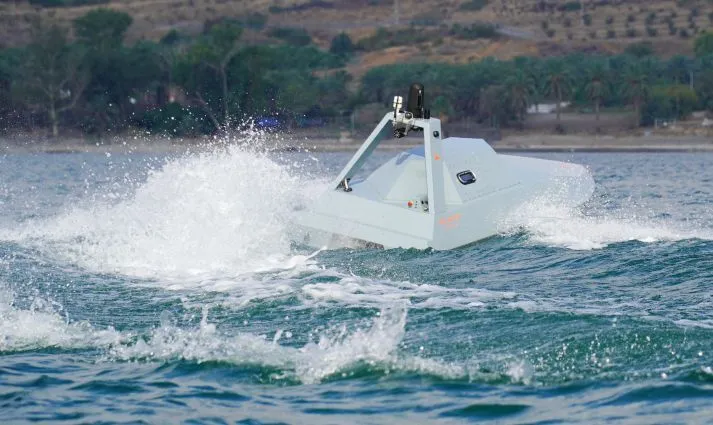
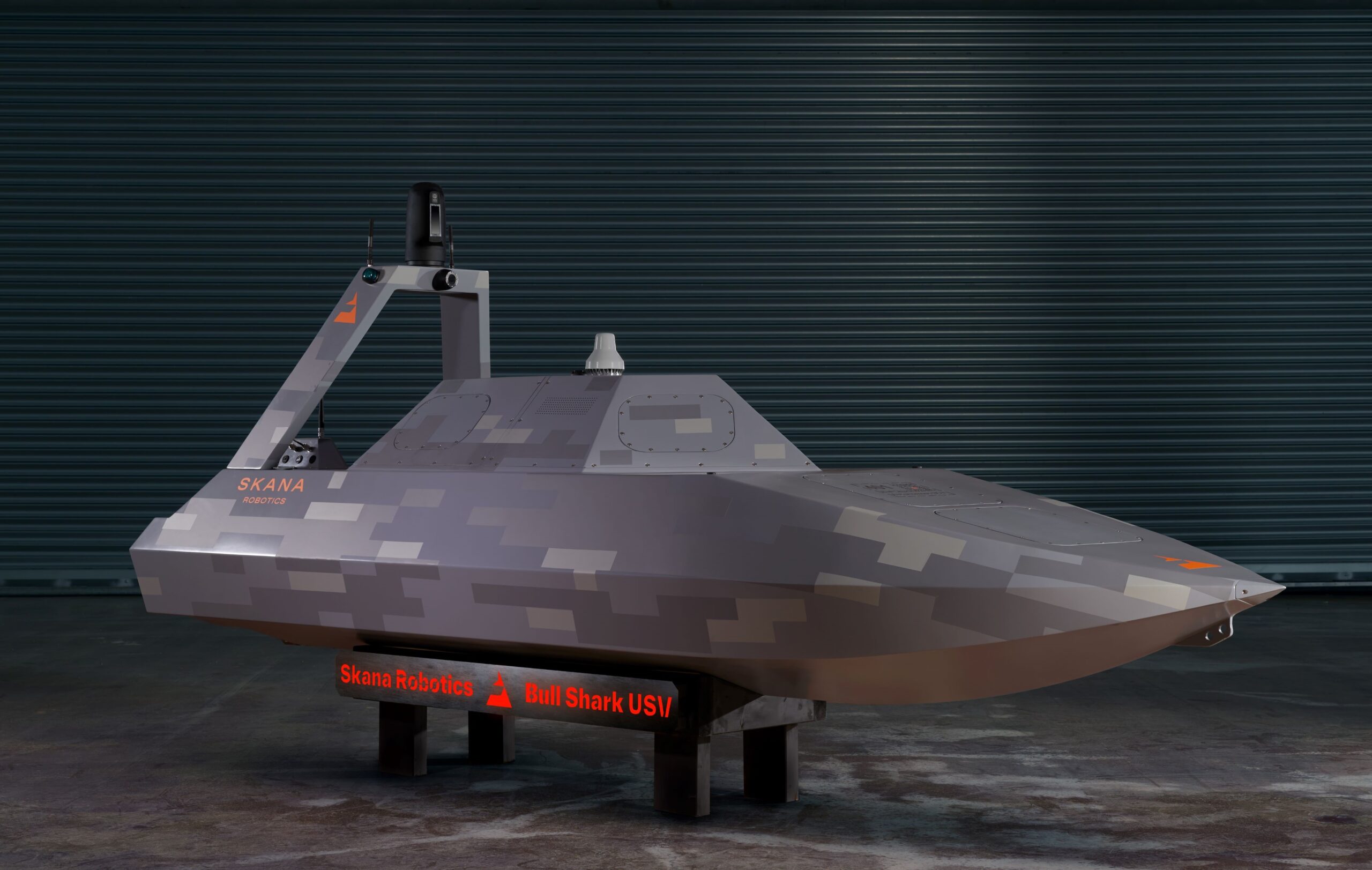
The Bull Shark platform (meaning “shark”) is a tactical Autonomous Surface Vehicle (ASV) designed for group operations, reconnaissance, and rapid strike missions. It can be launched from docks, shorelines, or a mothership, and is equipped with advanced tracking, long‑endurance patrol capability, and kamikaze attack options.
Its maximum speed is 50 knots (≈93 km/h), with an operational range of 120 nautical miles and a payload capacity of 150 kg—sufficient to carry drones or communication equipment.
According to the manufacturer, Bull Shark can function as a communication hub, coordinating both surface and subsurface assets. Its modular design allows quick reconfiguration, while low operating costs make it suitable for mass production. At present, the platform lacks secondary weapon systems (such as surface‑to‑air or anti‑ship missiles, torpedoes, or mines). However, future variants are expected to incorporate these capabilities.
Bull Shark USV
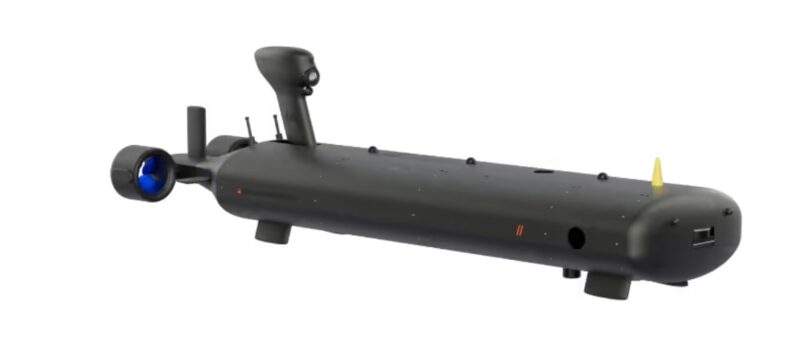
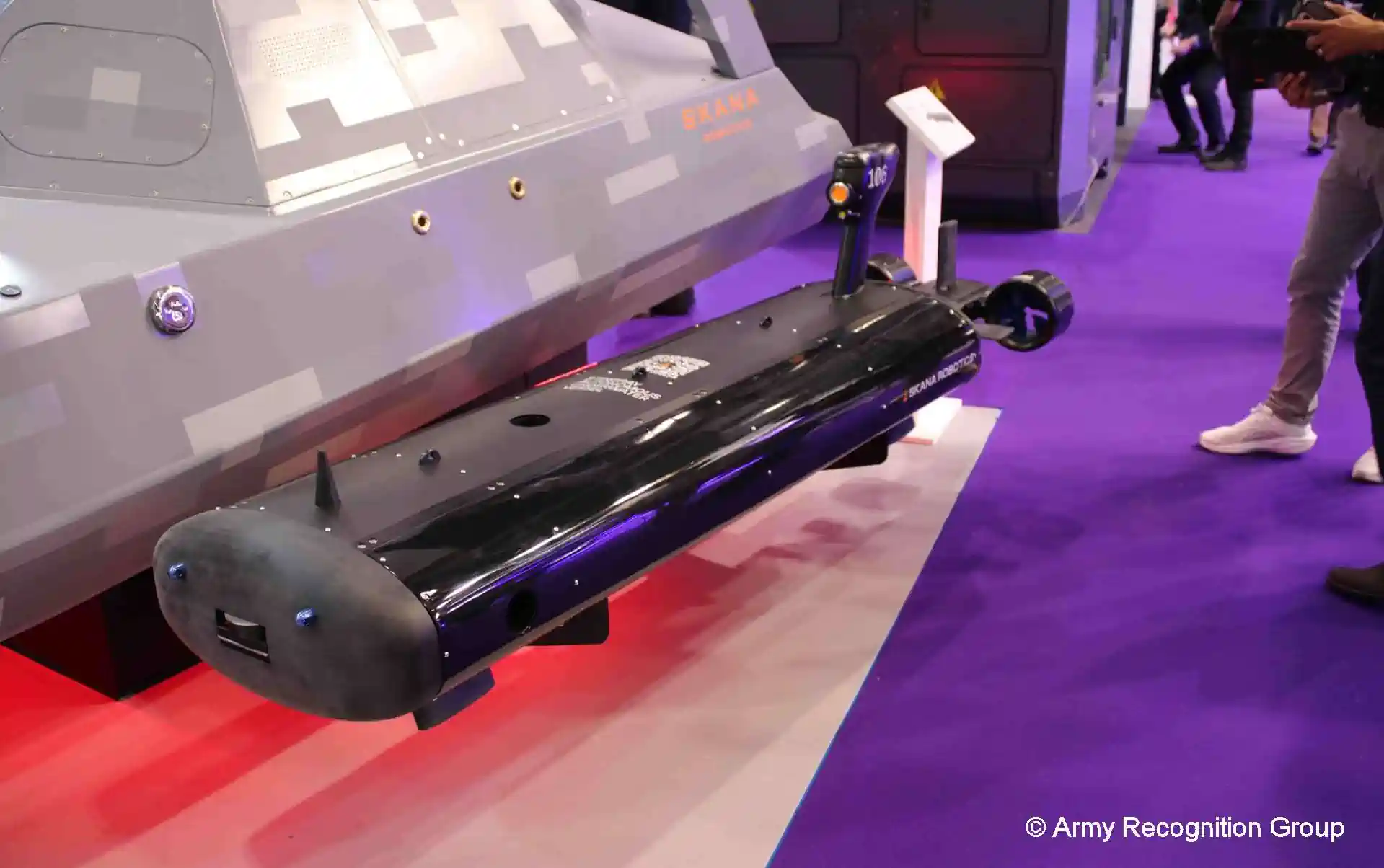
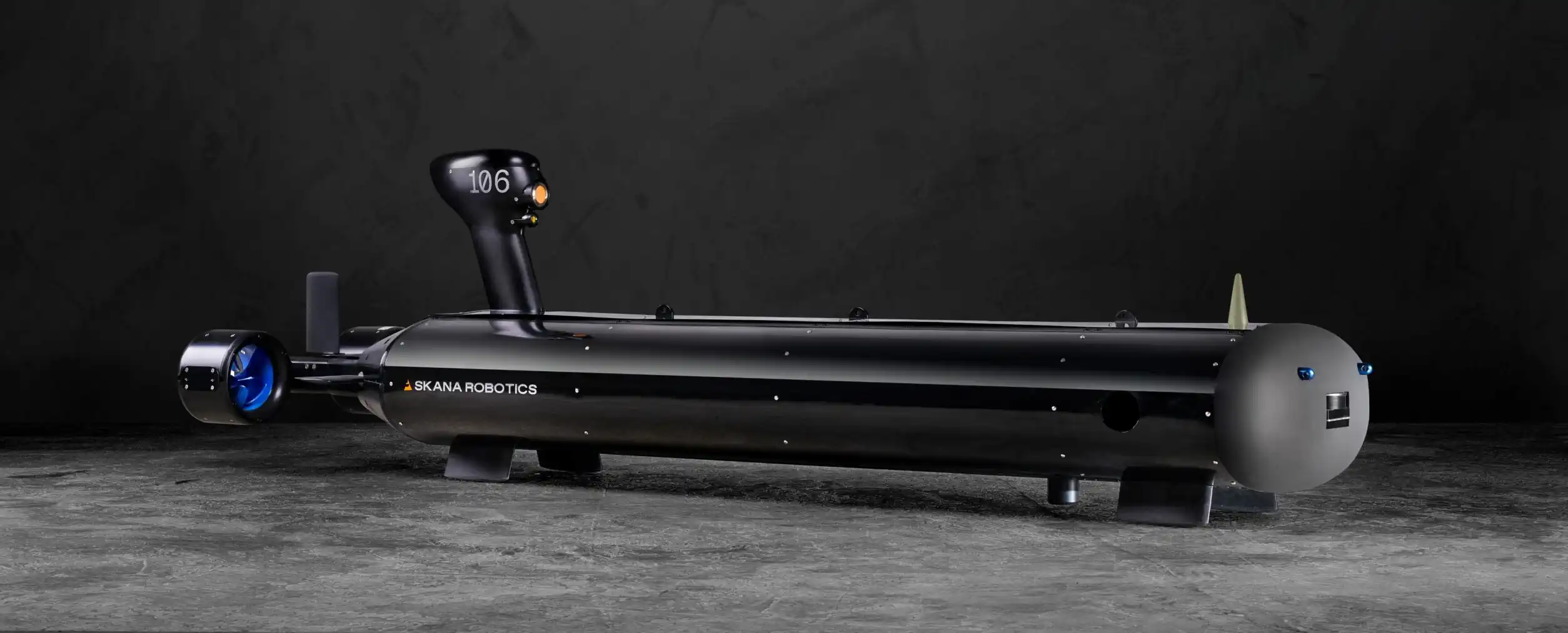
The Stingray is an Autonomous Underwater Vehicle (AUV) designed for extended presence in underwater environments. It has been developed for reconnaissance missions, anti‑submarine warfare, and the protection of critical subsea infrastructure such as communication cables, internet lines, and gas pipelines. Key features include fully autonomous navigation, seabed stationing, and underwater recharging.
Its operational depth reaches up to 300 meters, with a range of 45 nautical miles, a speed of 12 knots, and a payload capacity of 15 kg. Battery endurance is 24 hours in standard mode, extendable to 48 hours with an additional module.
The modular sensor suite includes sonar, ELINT sensors, mapping systems, and potentially offensive payloads. Stingray can be launched from submarines, ports, ships, or patrol boats, and thanks to its very low acoustic and thermal signature, it is ideally suited for covert missions.
Stingray UUV
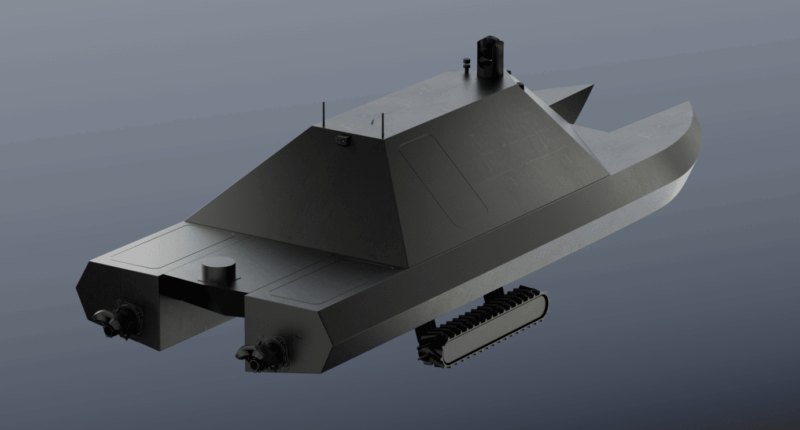
The Alligator is an Autonomous Amphibious Vehicle (AAV) designed for sea‑to‑shore missions. Scheduled to enter production in the first quarter of 2026, it is capable of carrying and deploying secondary platforms such as the Stingray, and can function as a central system for equipment collection and recovery.
Its specifications include a top speed of 40 knots, an operational range of 300 nautical miles, and a payload capacity of 1,500 kg—sufficient for transporting logistics, sensors, or even personnel.
The vehicle operates seamlessly between water and land without requiring coastal infrastructure, making it highly suitable for contested zones. Fully integrated with Skana’s software network, Alligator enables real‑time control and coordination. Its stealth design further enhances its effectiveness in missions such as coastal surveillance or amphibious assaults.
Alligator is an Autonomous Amphibious Vehicle
Future Outlook: Skana emphasizes open architecture to ensure interoperability with foreign systems. Its simulation environment supports operator training and combat analysis, enhancing trust in autonomous systems. While competing with giants like Boeing and Rafael, Skana’s focus on cost efficiency may provide strategic advantages and attract partnerships with larger firms or non‑state actors.
In the regional context, Skana’s emergence could draw investment from Arab states, particularly the UAE and Saudi Arabia, amid normalization efforts with Israel. Persian Gulf countries show strong interest in affordable, low‑risk advanced systems to counter Iran’s growing capabilities. Their recent investments in drones highlight a broader shift toward future‑oriented, cost‑effective defense technologies.
According to CENTCOM, the operation involved a series of airstrikes and controlled ground demolitions. Among the destroyed stockpiles were more than 130 mortars and rockets, several small arms and machine guns, anti‑armor mines, and materials used for improvised explosive devices.
The elimination of these ISIS ammunition depots by CENTCOM and Syrian authorities comes only weeks after the al‑Joulani government joined the U.S. coalition, carrying a clear political message. Washington seeks to demonstrate that this alignment is not merely symbolic but has already led to joint field operations—aimed at consolidating Syria’s new security framework and reinforcing the legitimacy of the transitional government in partnership with the United States.
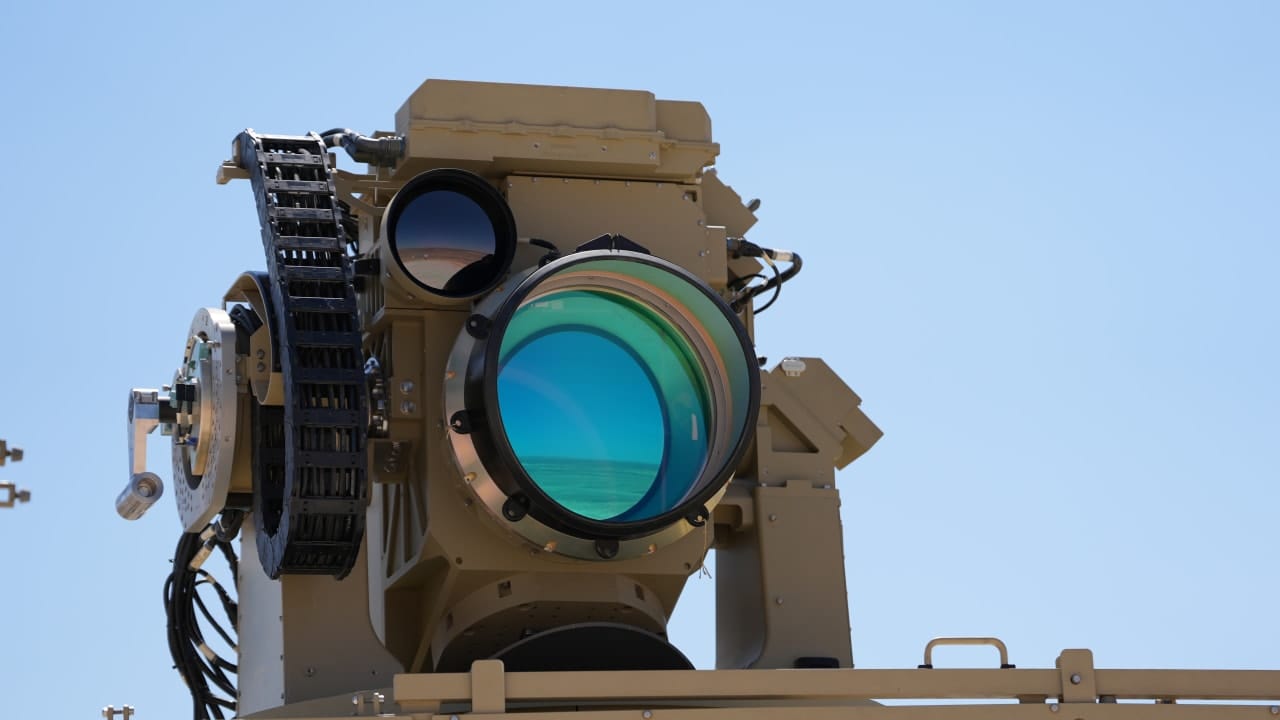
According to Israeli claims, Iron Beam can fundamentally alter battlefield dynamics, while work on next‑generation laser interceptors has already begun. The system has been in development for over a decade, and in recent months its prototype was used to down Hezbollah drones launched from Lebanon.
Iron Beam is part of Israel’s effort to strengthen layered air defenses. Laser technology offers far cheaper shots compared to missile interceptors, reducing the financial burden of prolonged conflicts.
Despite these claims, laser systems still face limitations such as dependence on weather, need for direct line of sight, and difficulty against fast or multiple targets. Iron Beam will serve as a complement to existing defenses, though its operational constraints may pose challenges in wartime.
This move aims to prevent a possible offensive by Southern Transitional Council (STC) forces against the Hadhramaut desert and the province’s oil-rich regions.
Al-Dara’ Al-Watan (Shield of the Nation) militias were formed in late November 2022 with Saudi backing and the involvement of Sagheer bin Aziz and Tariq Saleh. They were assembled from Hadhramaut tribal fighters, Yemen Al-Saeed forces (aligned with Sagheer bin Aziz), and elements of Tariq Saleh’s units in western Lahj province. Saudi Arabia has equipped these forces to counter the STC and secure control over Hadhramaut’s oil fields and ports.
Tensions between Hadhramaut tribes and STC factions stationed along the province’s southern coast are escalating as both sides mobilize reinforcements from other regions to gain dominance over oil resources. Despite their alliance against Ansar Allah, Saudi-backed proxy groups are locked in fierce competition to divide the wealth and resources of Yemen’s occupied territories.
American drones targeted a motorcycle near the Bin Mu’ili station in the al-Husoun area of Wadi district, east of Marib, on the evening of December 8. The strike killed Munir Bajali al-Ahdal, also known as Abu al-Hijaa al-Hadidi, a field commander of al-Qaeda, along with one of his companions. The assassination occurred shortly after al-Ahdal left the home of Mabkhout bin Aboud al-Sharif, head of the Islah Party organization in Marib.
According to Western media statistics, over the past two decades the U.S. military has carried out more than 385 air operations against al-Qaeda members across Yemen.
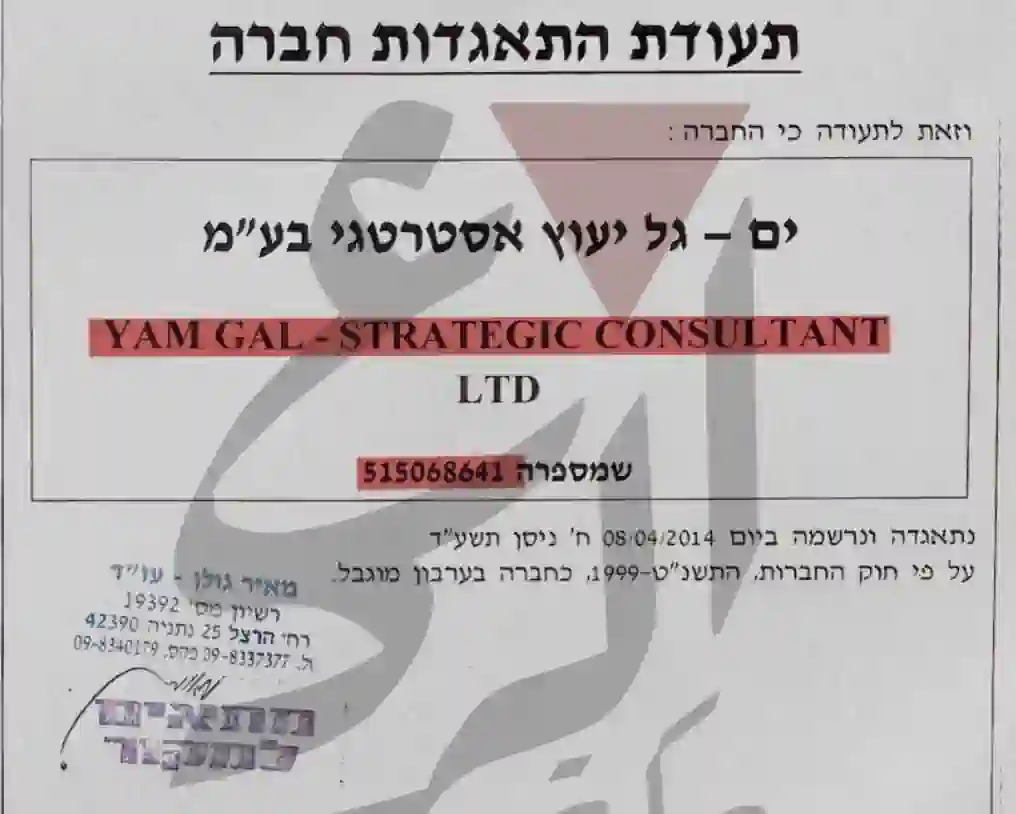
The documents identify Haim Tomer as the intermediary and contractor for the deal — a figure said to have a long background in Israel’s security and intelligence institutions.
According to the group’s disclosures, the purpose of acquiring these systems was surveillance of opponents and monitoring domestic and regional activities. The leaks once again draw attention to Tel Aviv’s expanding role in exporting cyber weapons and surveillance tools to Middle Eastern countries, as well as Saudi Arabia’s covert collaboration with entities such as Mossad.