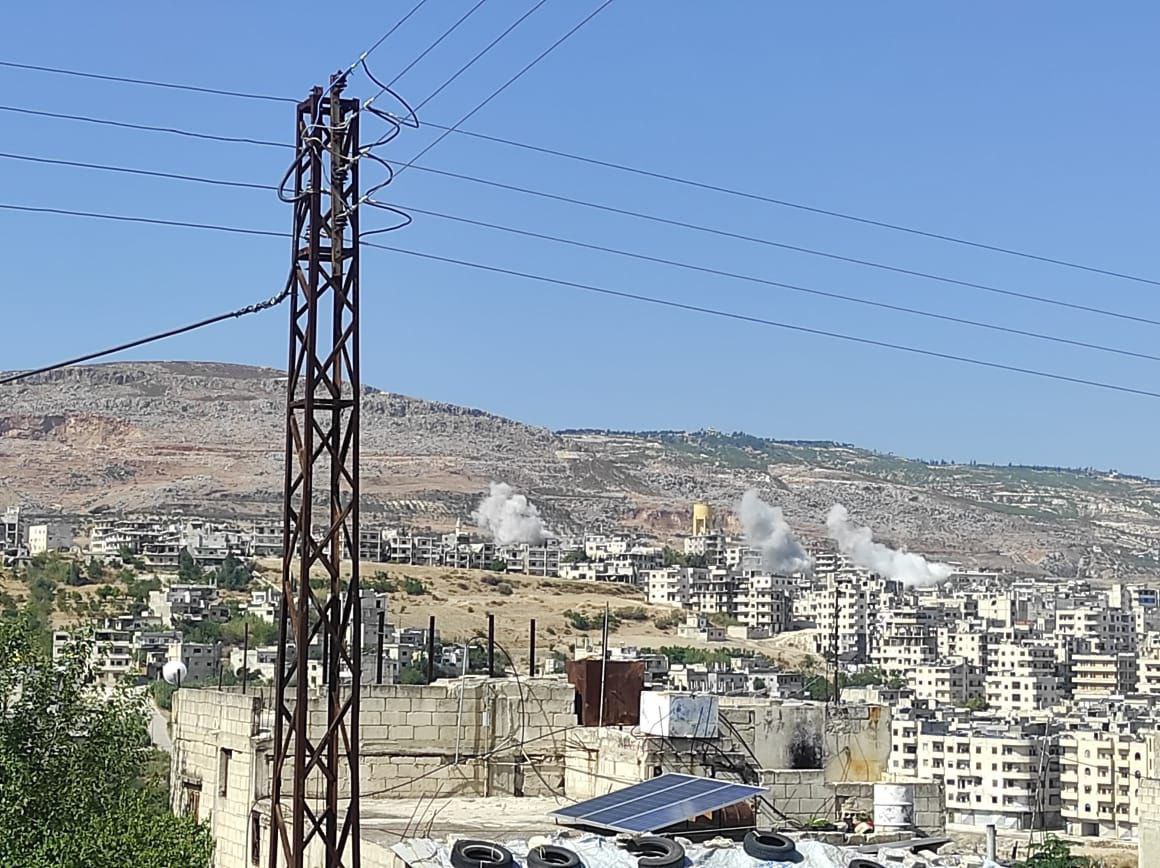
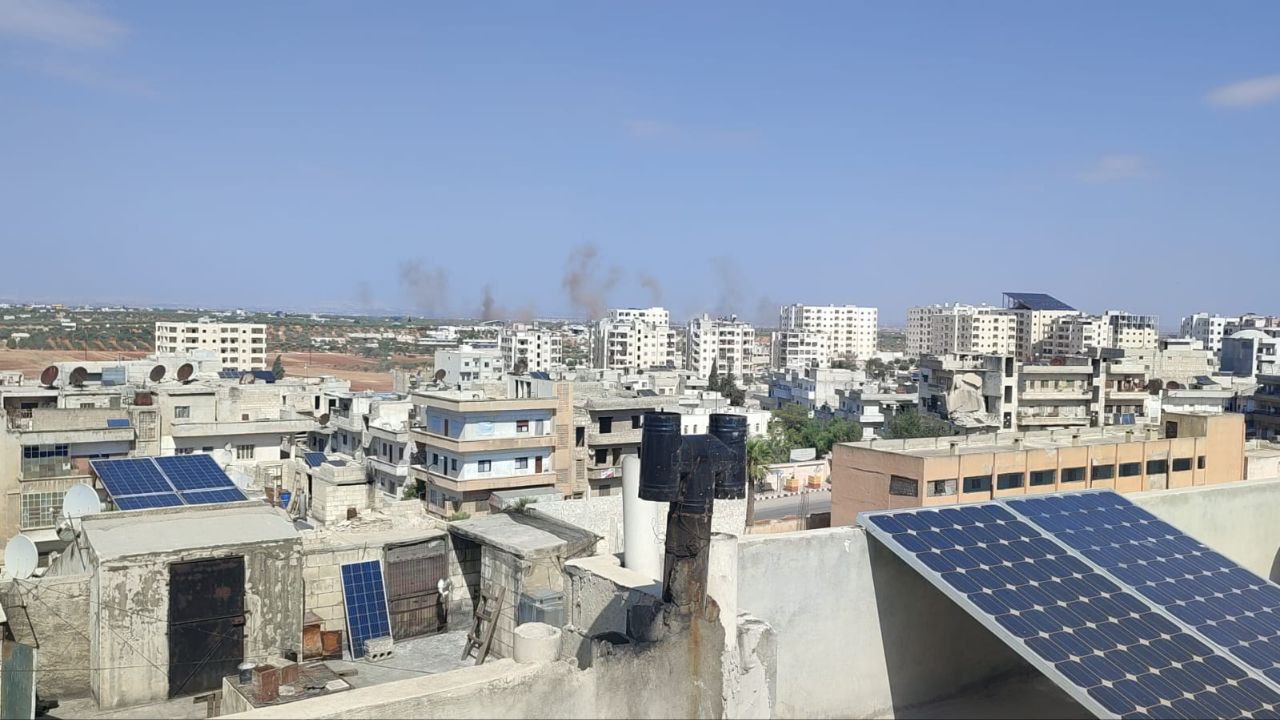
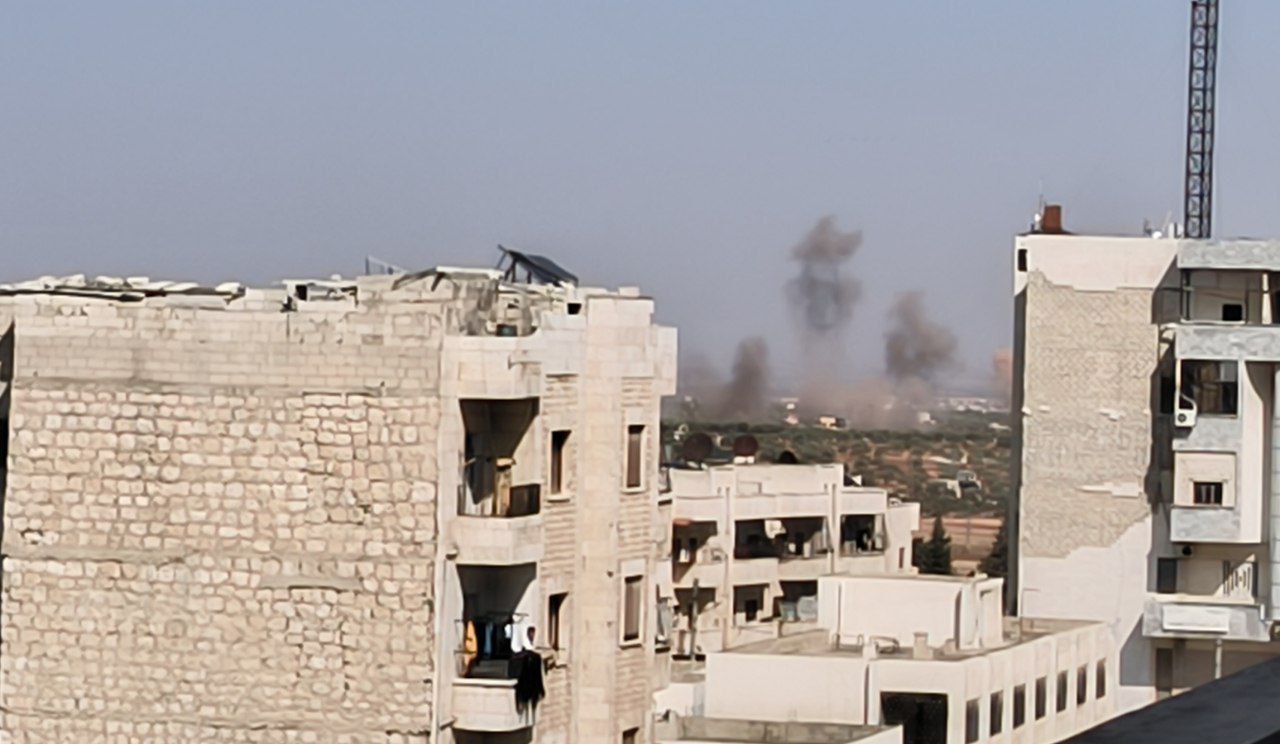
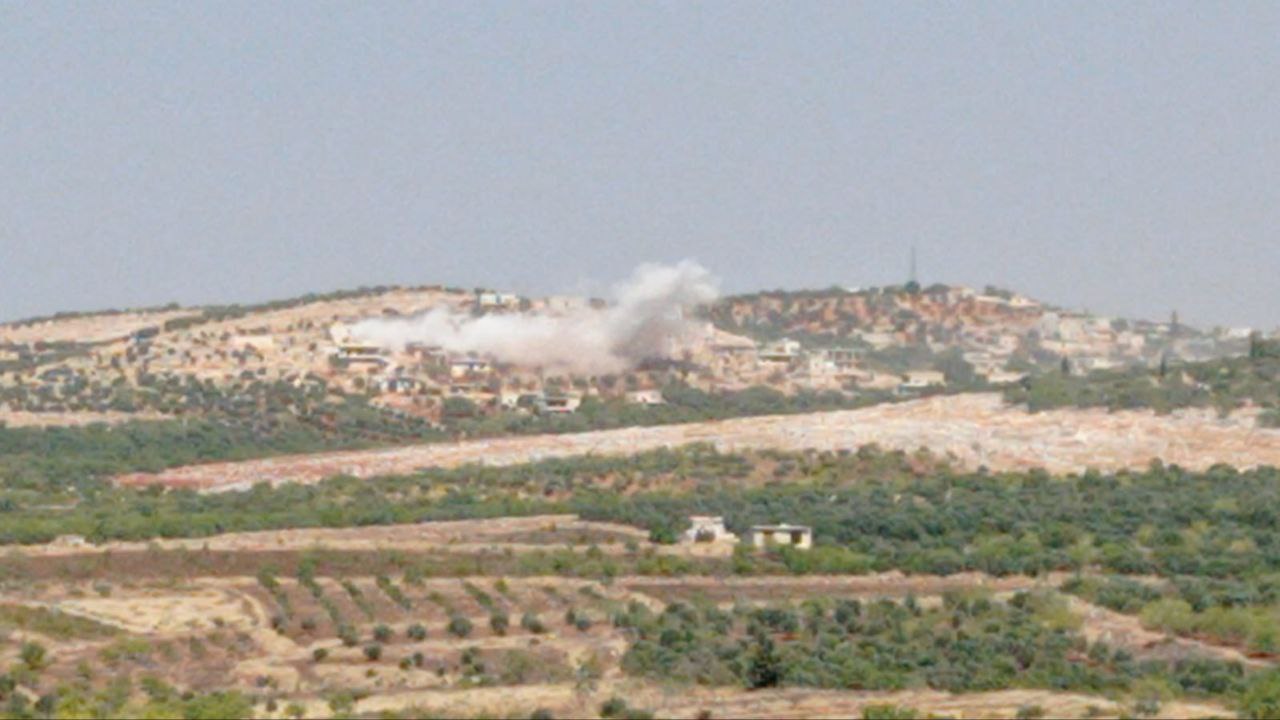
In response to the drone attack on the Homs Military Academy, which killed 89 people and wounded 277 people, the Syrian army launched retaliatory attacks against the positions of terrorist groups in Idlib and Aleppo provinces.
A video of the Syrian army’s attacks on terrorist positions in Idlib
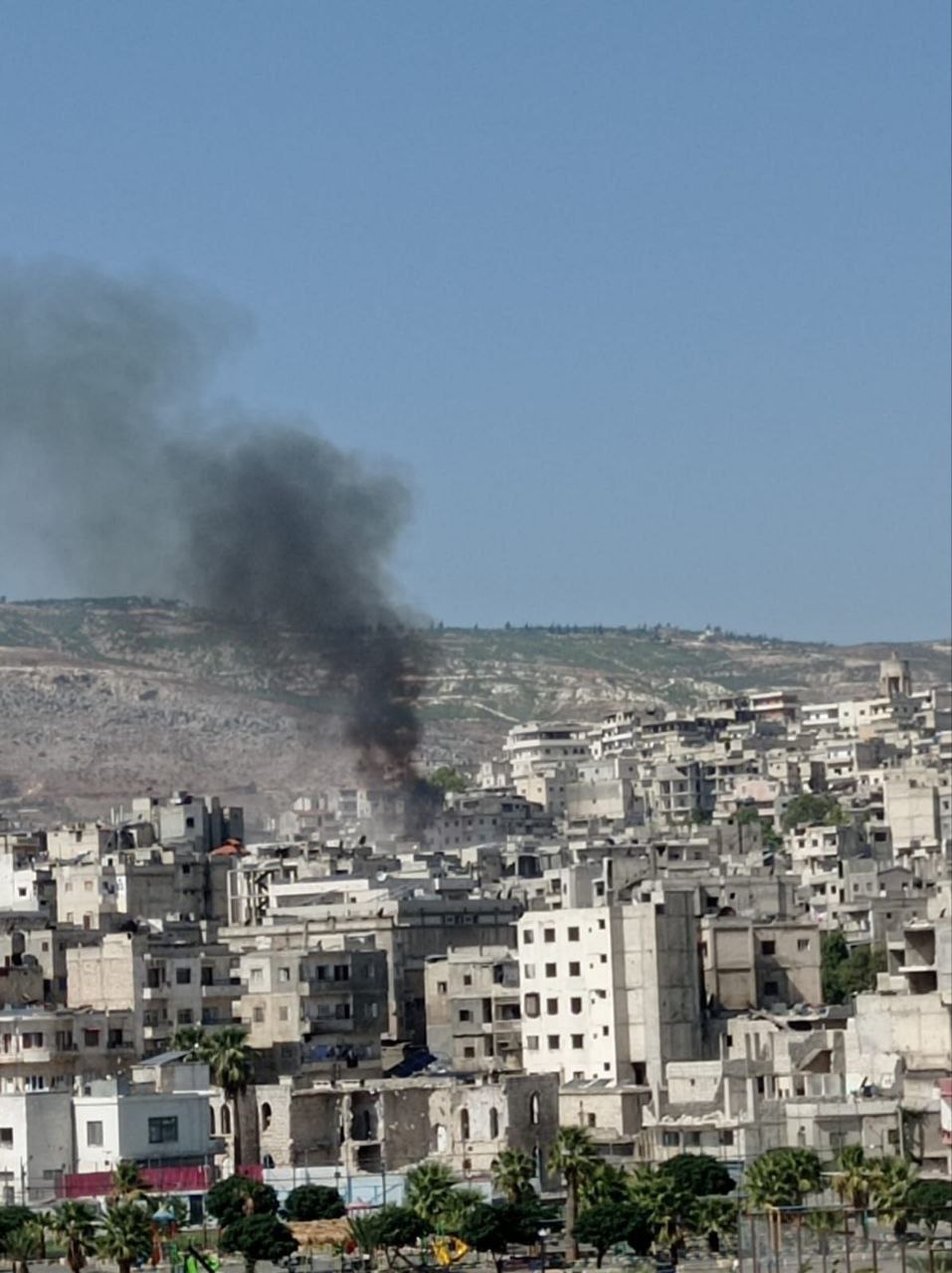
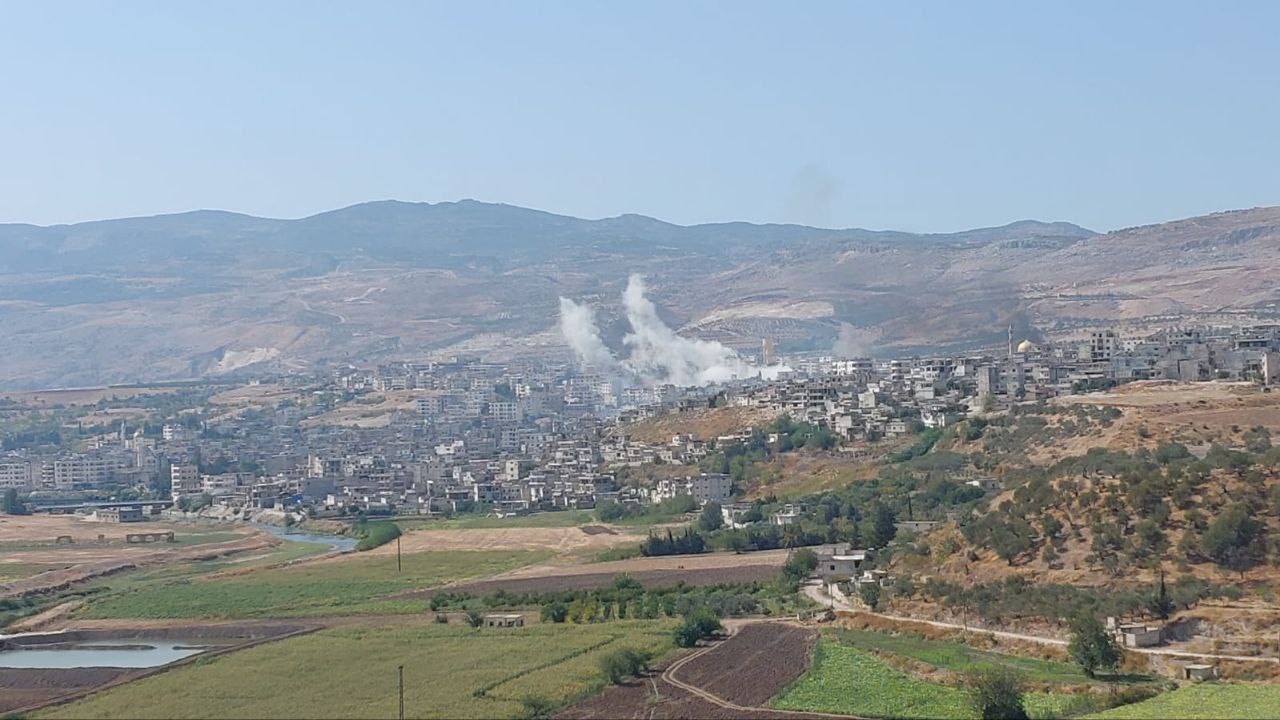
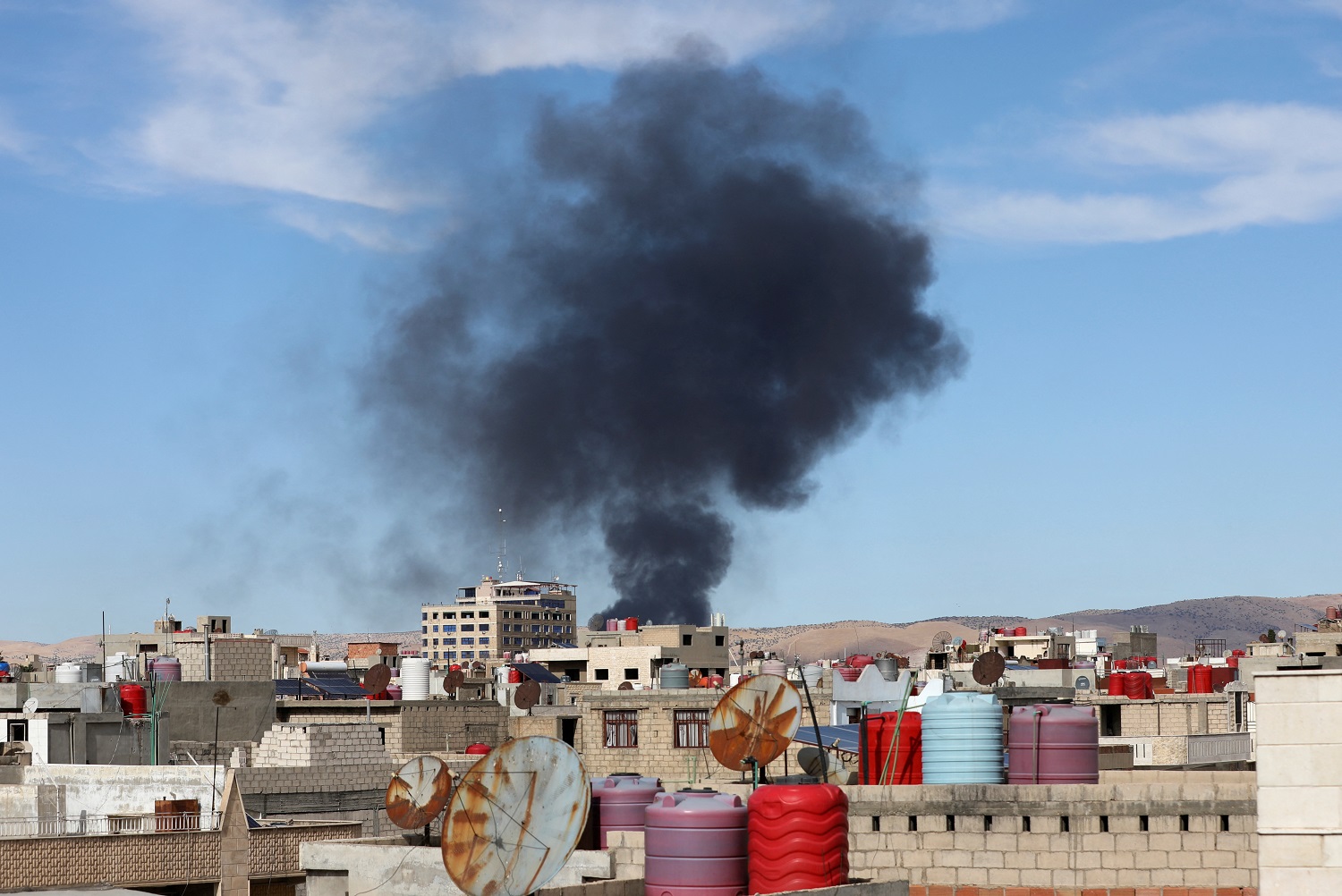
According to local sources, until now the regions of Idlib, Jasr al-Shoghur, Benin, Al-Fatirah, Ma’rablit, Al-Hambushiyah, Deir Sonbal, Al-Ruwayha, Al-Bara, Afes, Al-Muwazirah, Sarmin, Majdaliya, Kafarlateh and Badama, as well as Darah Izza and some other areas In the west of Aleppo, has been targeted by artillery and air strikes of the Syrian army.
A video of the Syrian army’s attacks on terrorist positions in Idlib
According to the claims of the media close to the militants, as a result of these attacks, 13 people were killed and 62 others were injured.
In continuation of these attacks, the Russian fighter jets also organized attacks against the headquarters of the militants in different areas of Idlib province, so far the details and the number of casualties of the militants have not been published.
Images of Syrian army attacks on militants positions in Idlib
On October 6, some Syrian local sources reported the activation of the air defense systems in the outskirts of Homs. It is said that these systems have been activated to intercept and destroy the attacking drones in the western suburbs of Homs. No further details have been released in this regard.
It is worth mentioning that this is the second drone attack on the city of Homs in the last 48 hours. Yesterday, the Homs Military College was targeted by drone attacks, during which at least 89 people were martyred and 277 others were injured.
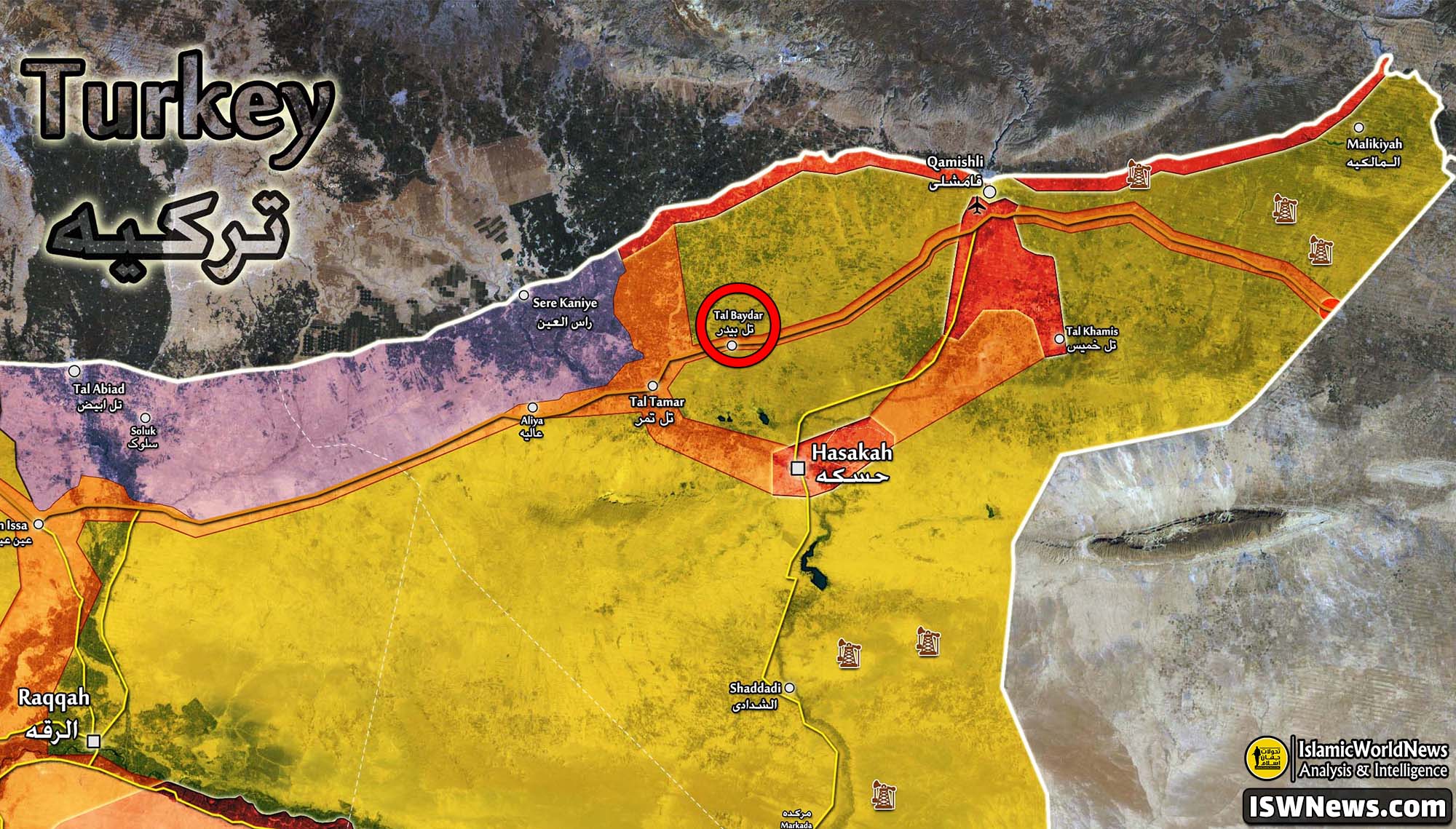
Some media outlets close to militants reported that a US-led coalition shot down a drone belonging to the Turkish army as it approached the airspace of the coalition base in Tell Beydar on October 5.
It should be noted that this is the first action taken by the US-led coalition against Turkish drones in northern Syria in recent years.
Turkish drone attacks on positions held by Syrian Democratic Forces (SDF) in northern Syria have increased in recent days, especially after the recent terrorist attack by PKK agents against the Turkish Ministry of Foreign Affairs in Ankara.
ISWNews Analysis Group – Turkish army drones targeted infrastructure and service facilities, oil installations, and headquarters of the Syrian Democratic Forces (SDF) in several stages on October 5.
According to local media reports, the targeted areas so far include Ayn al-Arab (Kobani), Al-Qahtaniyah, Amuda, Hasakah, and Mishirfah al-Hamah. According to media close to the SDF, the number of Turkish army drone attacks in northern Syria has reached 16 strikes in recent hours.
It is worth mentioning that Turkish army drone attacks on the positions of the Syrian Democratic Forces (SDF) in northern Syria have increased in the past days, especially after the terrorist attack by PKK elements in front of the Turkish Ministry of Foreign Affairs in Ankara.
Prior to the attacks, Minister of Foreign Affairs of Turkiye Hakan Fidan stated that from now on, all positions of the PKK terrorist group in Iraq and Syria are considered legitimate targets for the armed forces of Turkiye.
On October 5, the military academy in Homs was targeted by militants in a drone attack, during which at least 81 military personnel and mostly civilians attending the graduation ceremony of students were killed.
In the early minutes after the terrorist attack, some media outlets reported the martyrdom of the Syrian defense minister, but informed sources announced that the minister had left the military academy approximately 20 minutes before the drone attack.
According to the Syrian Ministry of Health, at least 81 people including 31 women and 5 children were martyred and 239 others were wounded.
The Syrian Ministry of Defense issued a statement, announcing that terrorist groups supported by international parties targeted the graduation ceremony of military academy students in Homs with explosive-laden drones.
The terrorist attack resulted in the martyrdom of several non-military and military personnel and left dozens of civilians injured, the ministry underlined.
The statement emphasized that targeting the graduation ceremony in Homs is an unprecedented terrorist act, and we will respond to these terrorist groups with all our might. We emphasize that the planners and executors of this criminal act will be held accountable and will face severe consequences.
It seems that today’s drone attack on the military academy in Homs was carried out with the cooperation and support of states that are aiding and abetting terrorist groups in Syria.
Given the fact that the Syrian Defense Minister took part in the military academy, when the terrorist attack occurred, it is likely that the act of terror conveys an important message for the Syrian government.
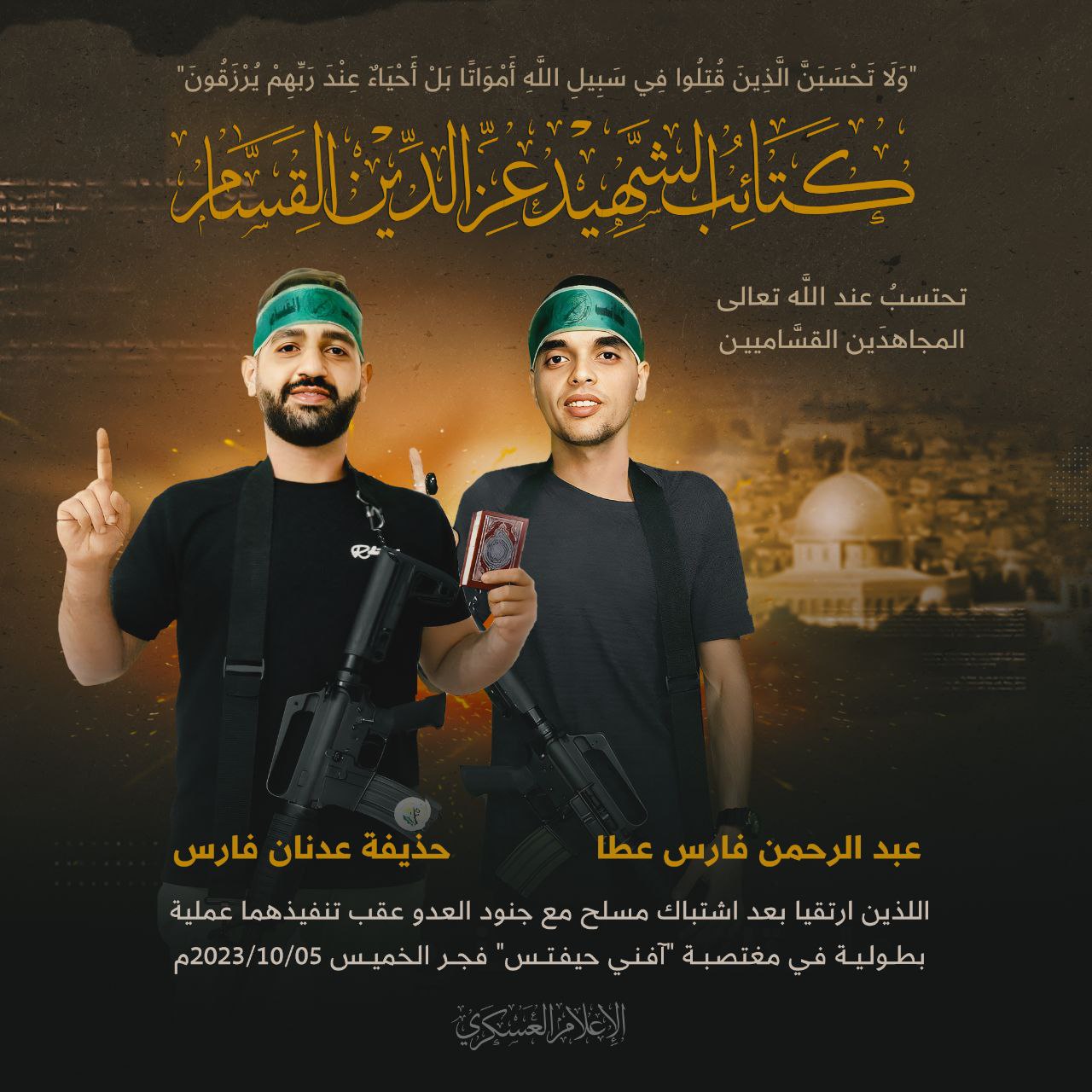
ISWNews Analysis Group – The Israeli regime’s army raided the Tulkarm camp on October 5, leading to intense armed clashes between them and Palestinian resistance forces.
According to the Palestinian Ministry of Health, during the clashes near Tulkarm, two Palestinians named Abdulrahman Fares Mohammad Atta, 23 years old, and Hudhaifa Adnan Mohammed Fares, 27 years old, were martyred.
Several Israeli soldiers were also injured during the Thursday clashes.
Local sources reported that at least 5 Israeli soldiers were injured as a result of an ambush by resistance fighters against Zionist occupiers in the Al-Balouneh neighborhood on the outskirts of Tulkarm city.
The Israeli army admitted that 5 Israeli soldiers were injured in armed clashes in Tulkarm, and that three of whom are in critical condition.
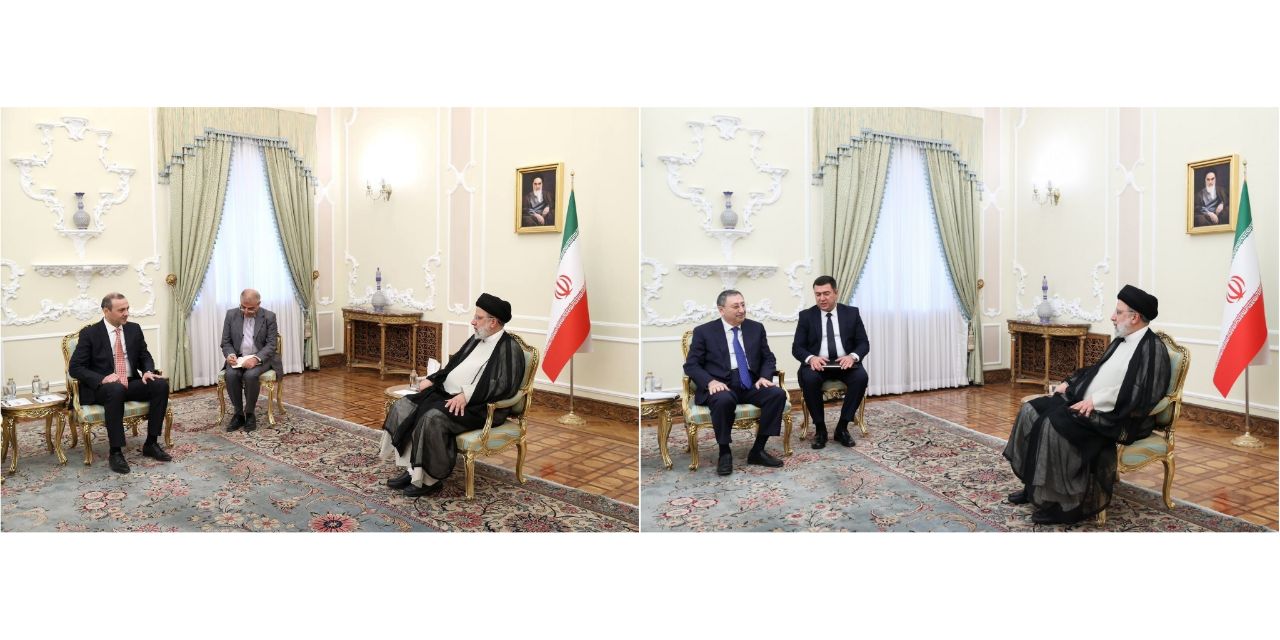
ISWNews Analysis Group – President Raisi held talks with assistant of Azerbaijani President Ilham Aliyev in special affairs Khalaf Khalaf and secretary of the Security Council of Armenia Armen Grigoryan, when the president and the two representatives discussed developments in the Caucasus region.
In the meetings, the Iranian president stressed the need to enhance relations between these northern neighbors and Iran with the aim of countering plots that aim to create divisions and disrupt the bilateral relations between Armenia and Azerbaijan.
Raisi went on to say that the Islamic Republic of Iran, as a powerful neighbor of both Azerbaijan and Armenia, is fully prepared to help resolve the two countries’ disputes and problems.
Emphasizing the importance of maintaining border lines and the existing geopolitical structure of the region, the president stated that Iran welcomes regional dialogues in the form of 3+3 or any other format that can contribute to resolving issues and opening up avenues for cooperation between Azerbaijan and Armenia.
He further noted that the countries in the region have the capacity to resolve regional problems and that the engagement of foreign countries into the region, under any pretext, is not in the best interest of any of the regional states.
Mohammad Jamshidi, the Iranian president’s deputy chief of staff for political affairs, said that in both meetings, the President emphasized that the Zangezur Corridor serves as a platform for NATO’s presence in the region and poses a threat to national security, which the Islamic Republic of Iran strongly opposes.
Simultaneously with these meetings, Chief of Staff of the Armed Forces of Iran General Mohammad Bagheri announced the readiness to send observers to the borders of Armenia and the Republic of Azerbaijan.
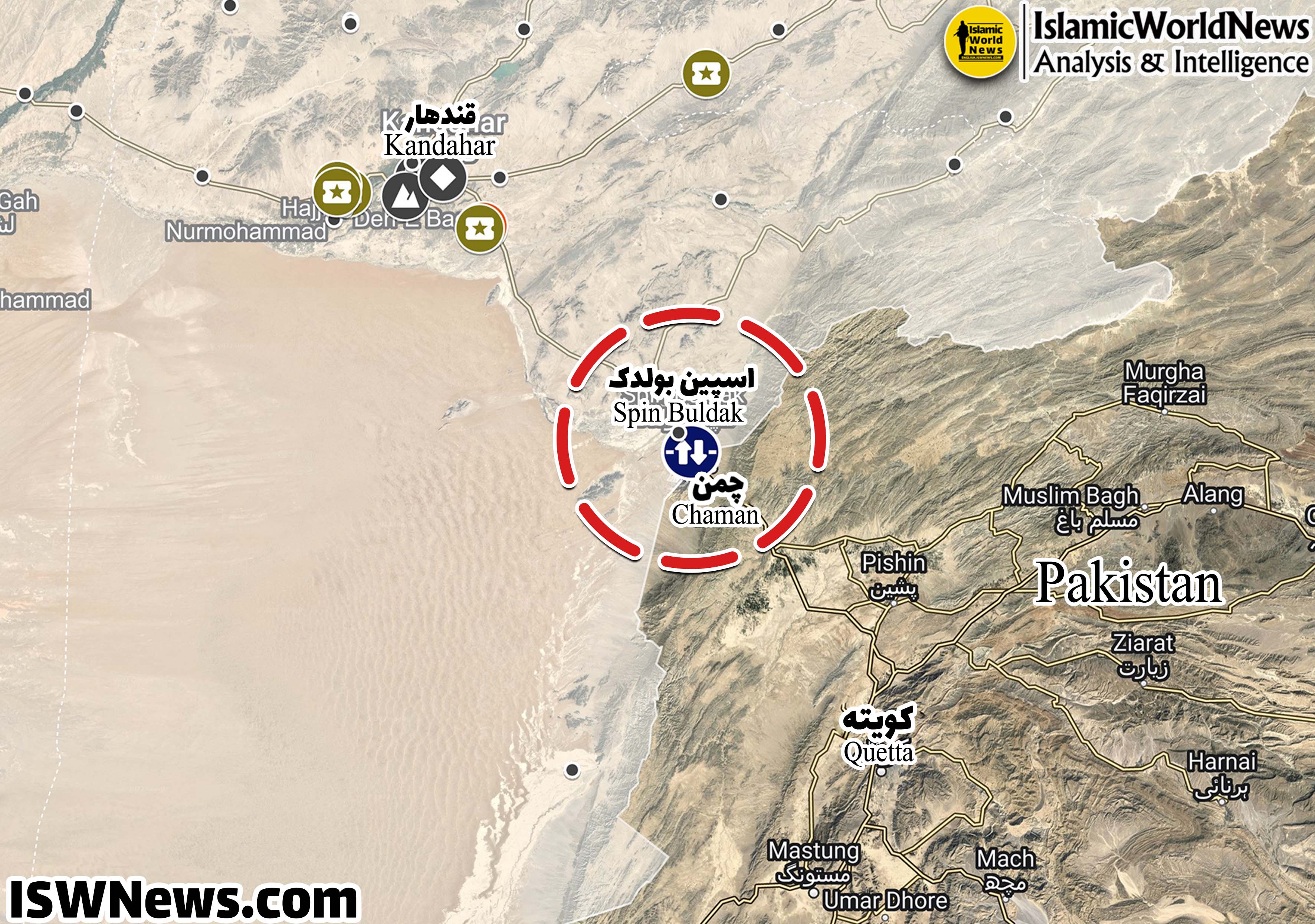
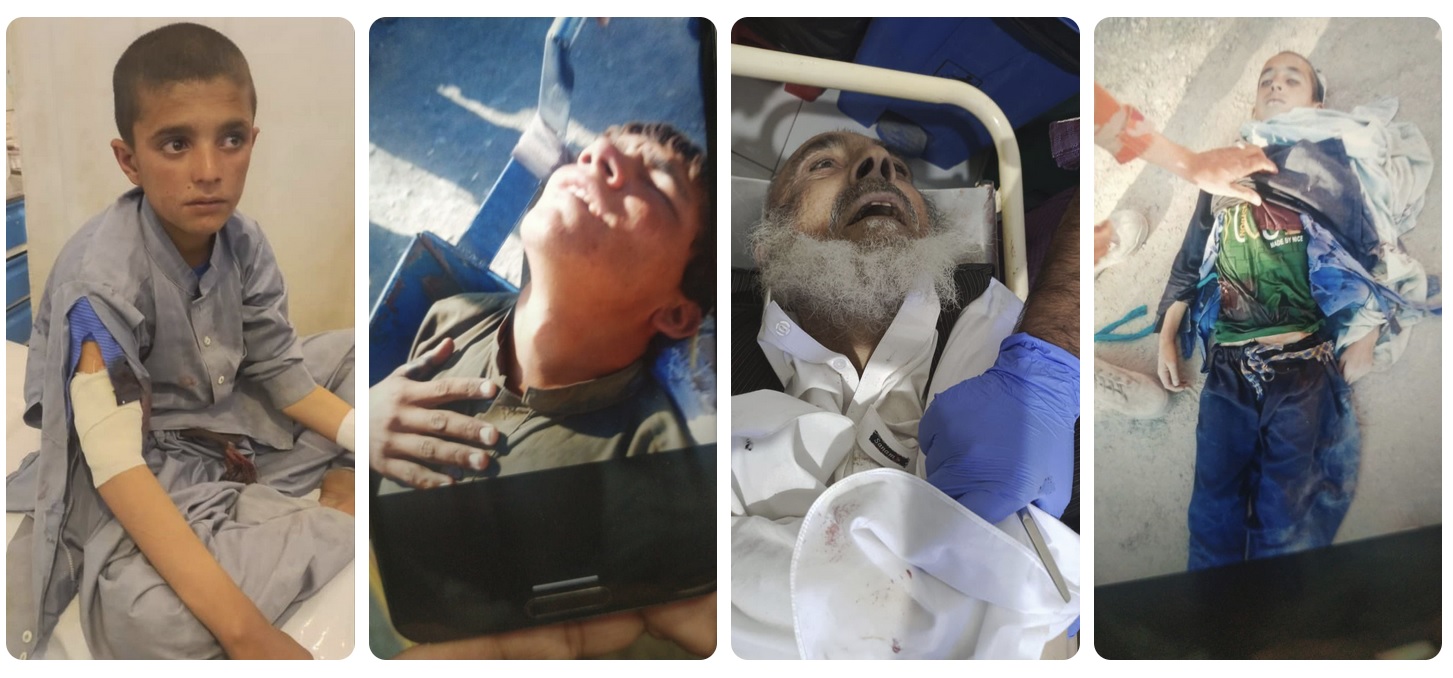
As a result of the clash between Taliban militants and Pakistani army forces at the Spin Boldak-Chaman border crossing in Kandahar province, two Pakistani civilians were killed and four others, including a Pakistani soldier and two Afghan children, were injured.
This is the fourteenth border clash between Taliban and Pakistan since the group came to power in Afghanistan.
The previous clash took place at the Torkham border crossing in Nangarhar province, which led to the closure of this border crossing by Pakistan.
Casualties of the Taliban-Pakistan border conflict
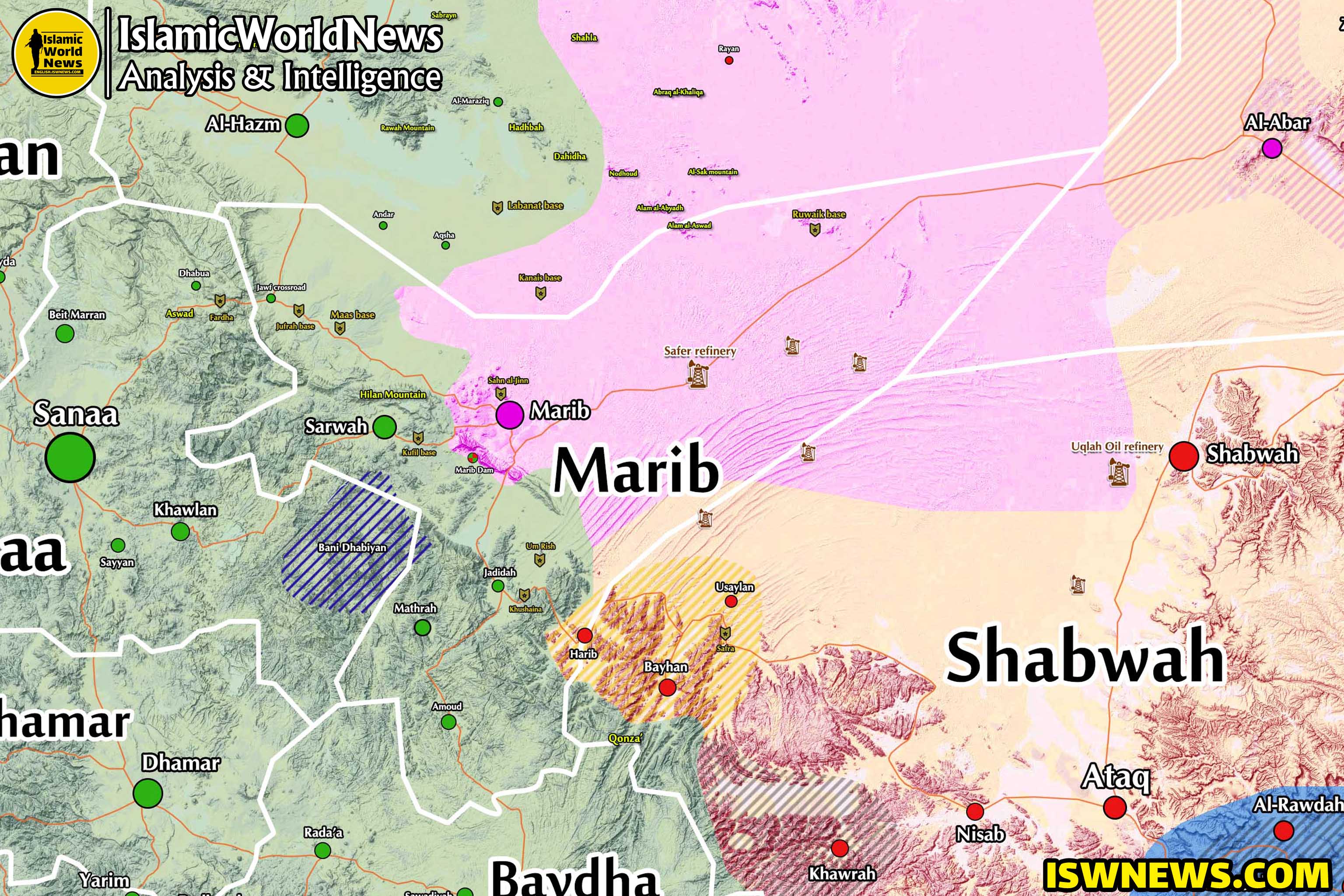
The move was taken in response to the deployment of armed members of the Al Islah (Reform) Party (affiliated with the resigned government) and the blockade of the Safer oil field by order of Saudi Arabia.
Tension between the Al-Damashqah tribe and the Yemeni resigned government forces over financial and other issues continued for the second consecutive week.
The armed members of the Al-Damashqah tribe are preventing the entry or exit of oil and gas tankers to and from the Safer region.
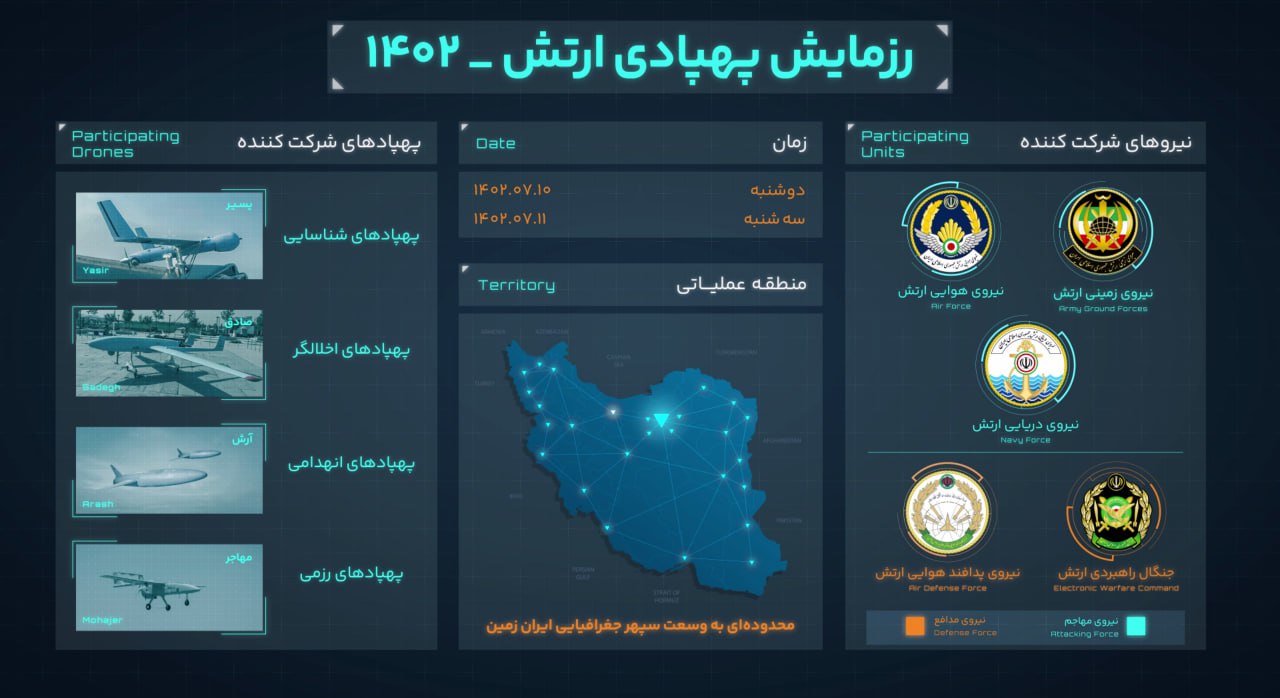
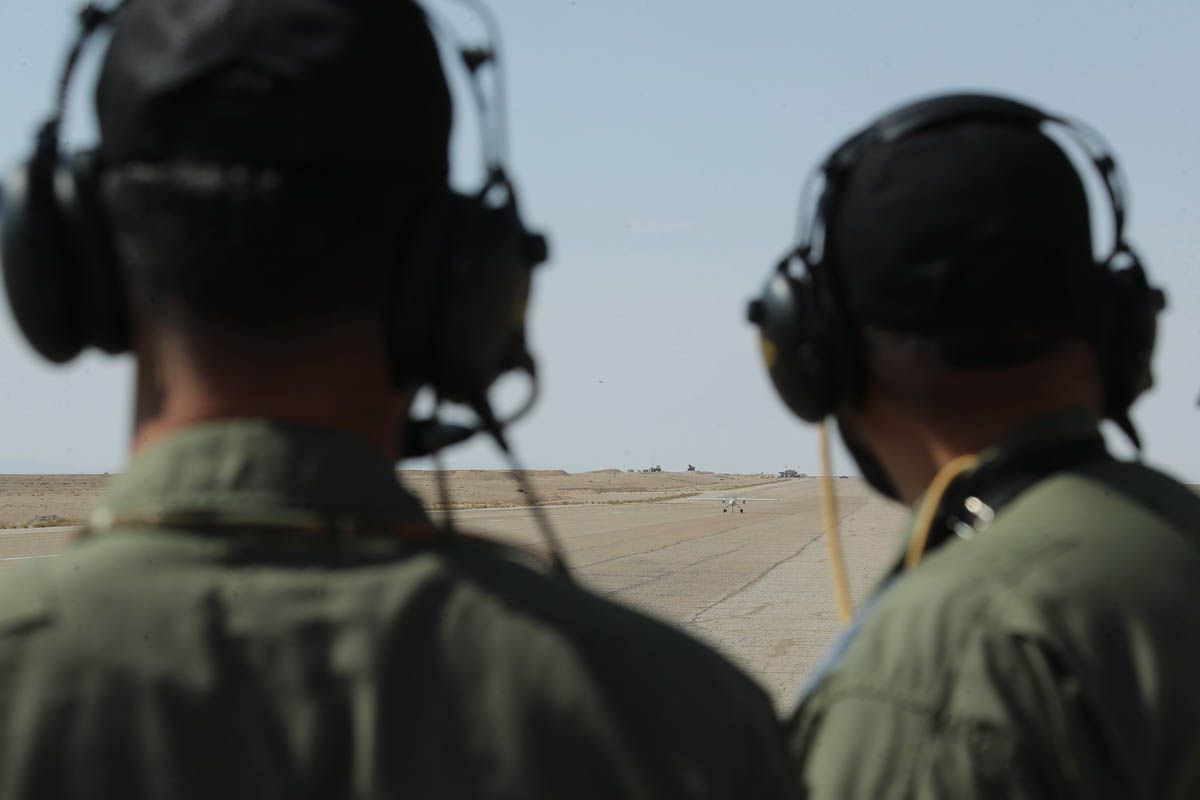
Deputy Chief of the Iranian Army for Coordination Rear Admiral Habibollah Sayyari, who is in charge of the command of the 1402 Joint Drone Exercise, said that the joint drone drills of the army started on Tuesday morning with the participation of nearly 200 types of drones from selected units of the four branches of armed forces of the Islamic Republic of Iran, extending from the Persian Gulf and the Oman Sea in the south to the eastern, western, northern and central regions of the country.
The rear admiral went on to say that surveillance and reconnaissance drones from the army’s four branches successfully carried out border monitoring operations, identification of targets, and observing of the exercise area in the early hours of the joint military exercise.
In this phase of the military exercise, various types of drones such as Chamrosh, Yasir, Sadeq, Pelican, Ababil 3, Ababil 4, Ababil 5, Kaman 12, Yazdan, Mohajer 2, and Mohajer 6 flew from various drone bases of the Islamic Republic of Iran Army to observe and identify targets, as well as to monitor and patrol the desired areas along land, air, and sea borders, as well as international waters.
In the drill, Iran used an Ababil-5 UAV to monitor a US Navy destroyer. The drone successfully tracked an Arleigh Burke-class destroyer in the Indian Ocean for approximately a day.
Observation of the American Arleigh Burke-class destroyer by the Ababil 5 drone
Rear Admiral Syyari also emphasized that maintaining and enhancing combat readiness is an essential principle of the Islamic country’s army, and the implementation of these exercises throughout the year is aimed at conducting practical training regarding scientific know-how in the exercise environment and field, as well as carrying out assigned missions.
Brigadier General Alireza Sheikh, the spokesperson for the 1402 Joint Drone Exercise of the Army, said that in the operational phase of the joint drone exercise of the Iranian Army, various combat drones from the army’s four branches hit set targets in the exercise area using weapons with precision and pinpoint accuracy.
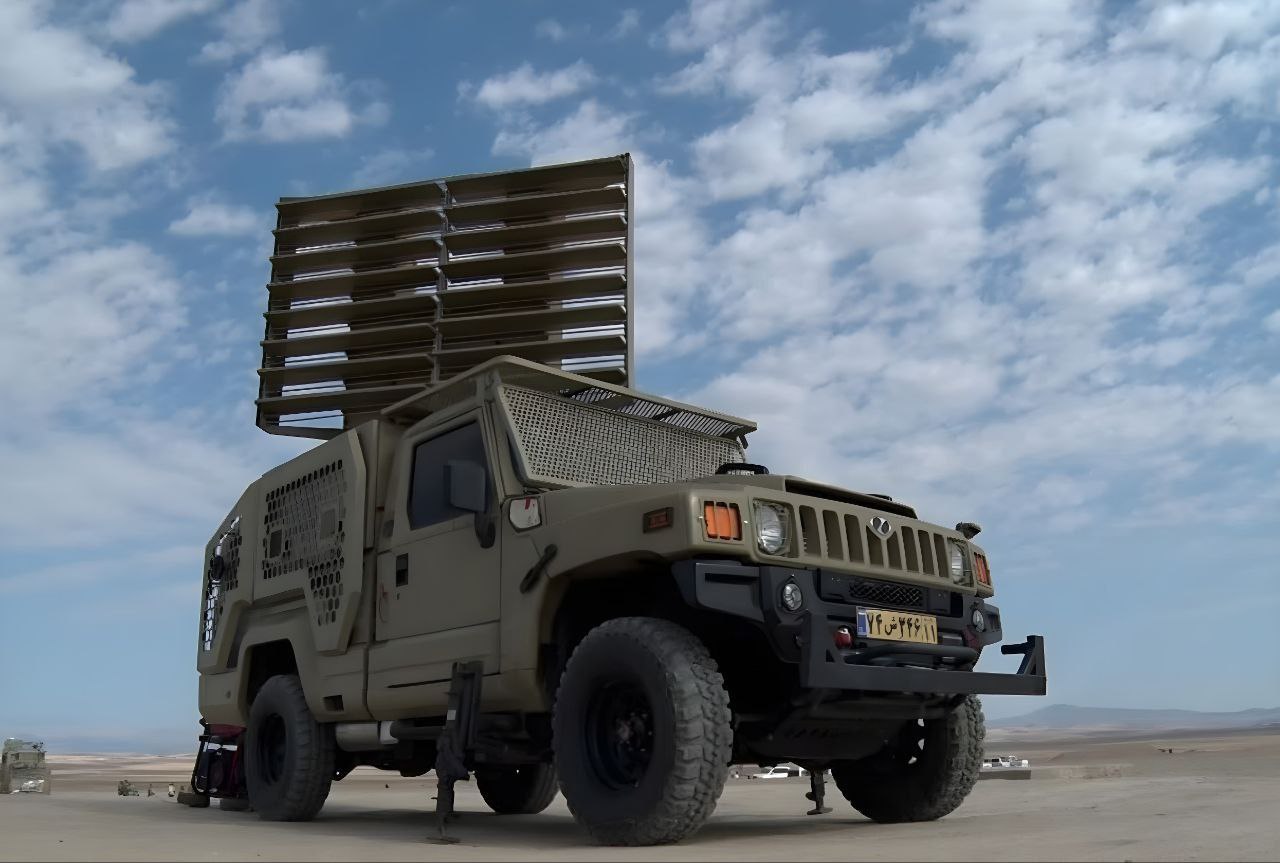
Shahid Jalilvand radar system
On the other hand, Deputy for Operation of Air Defense Force of the Islamic Republic of Iran Army Brigadier General Reza Khajeh said on the sidelines of the 1402 Joint Drone Exercise that we were able to identify and monitor the aircraft moving towards the area using our domestically manufactured radars, especially the Shahid (Martyr) Jalilvand Radar System, which became operational and it was used for the first time in this exercise. The Shahid Jalilvand Radar System, which was designed and produced to increase the air defense detection capability in medium-range, is considered one of the phased array radars and is capable of detecting and identifying low cross-section micro air vehicle targets.
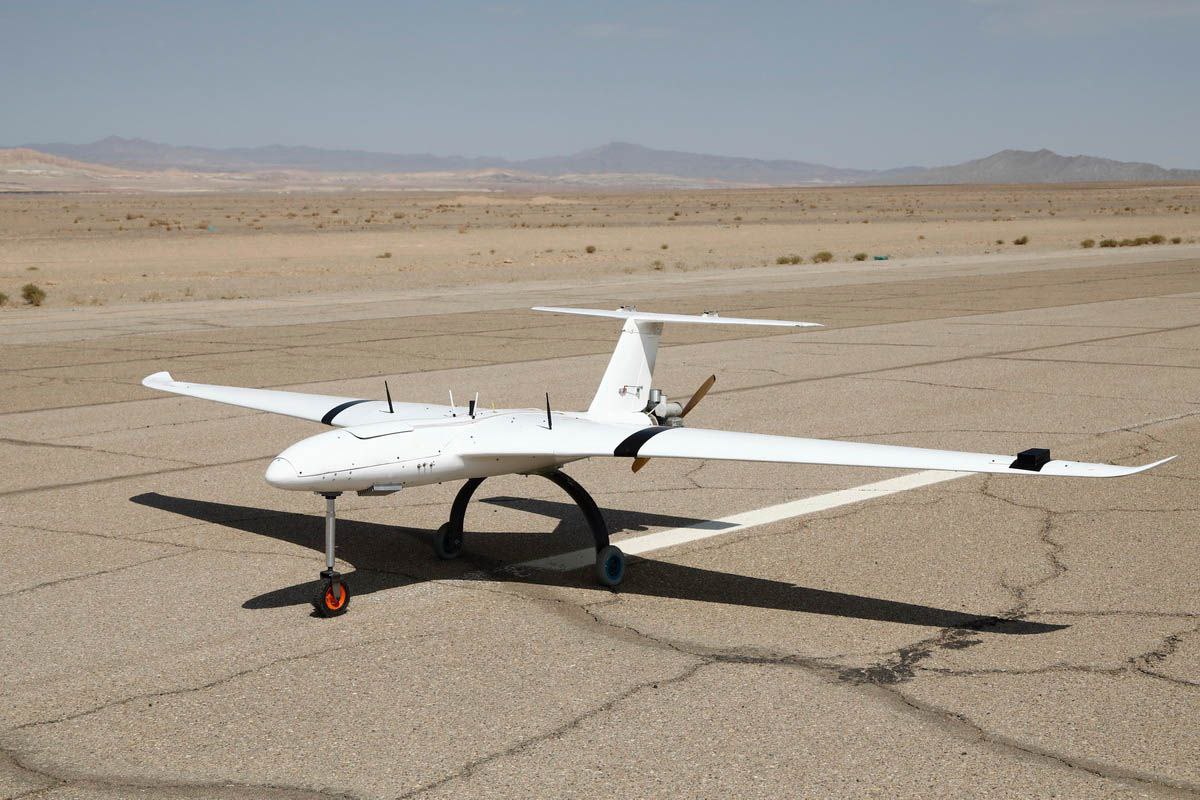
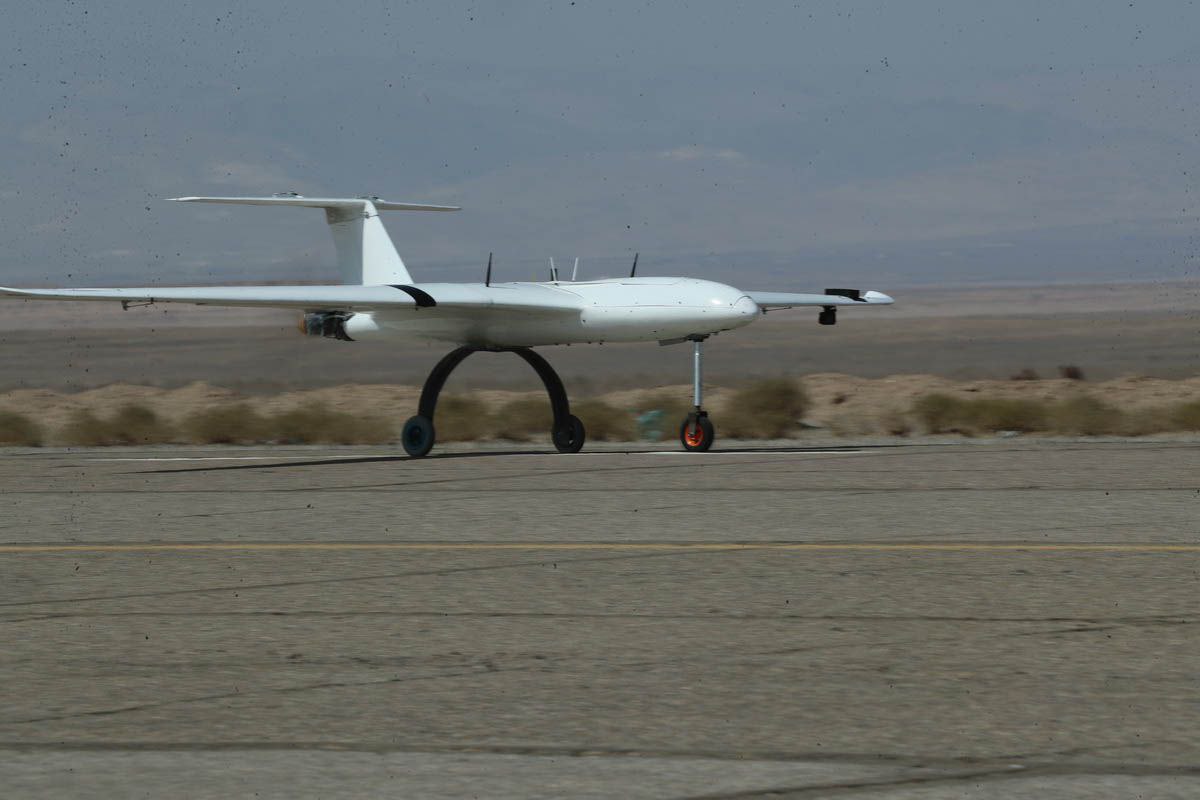
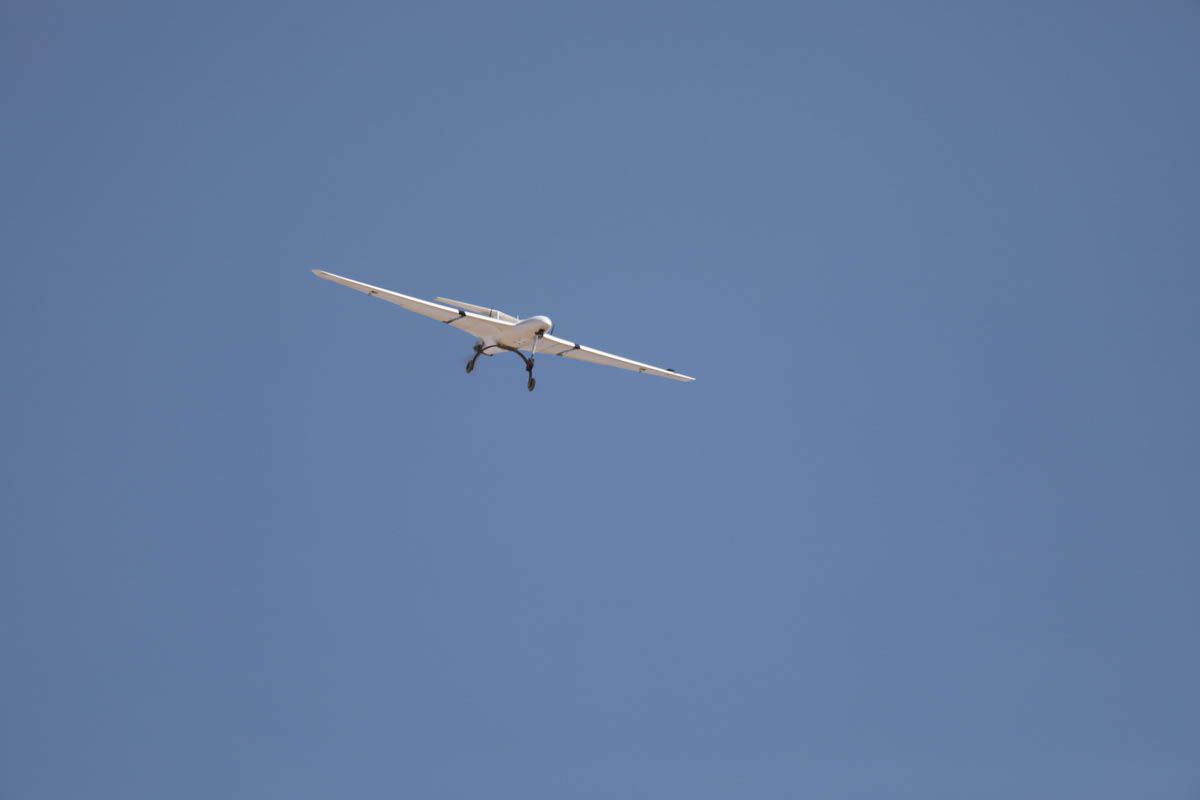
According to the images released from this military exercise, the Kaman 19 drone carried out its first operational flight in the army’s 1402 Joint Drone Exercise. This drone, with a continuous flight endurance of 24 hours, can be used in electronic warfare.
A report of the 1402 joint drone exercise of the Islamic Republic of Iran Army
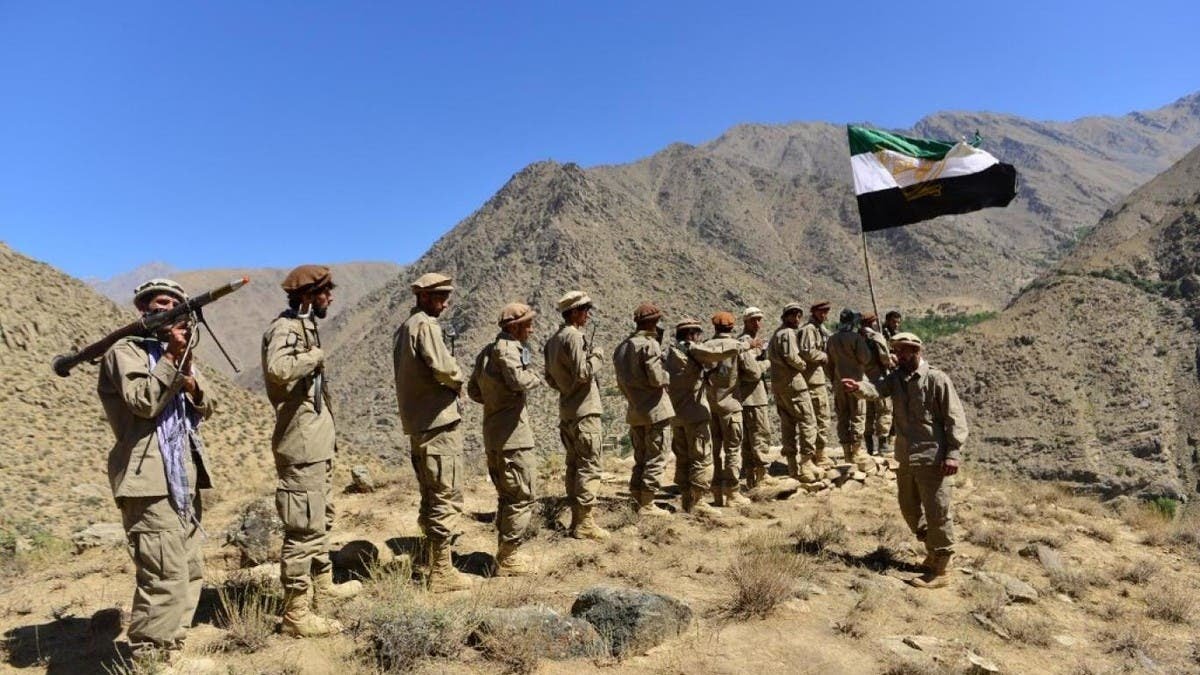
The group consists of special forces of the army and the intelligence agency of the former Afghan government, and is under the command of a military figure named Fazl Rabi Rahmani, who was one of the former special forces commanders of the Afghanistan army.
The group announced that it is under the command of Ahmad Massoud and operates in the provinces of Helmand, Kandahar, Zabul, and Maidan Wardak.
The Guerrilla of the Resistance Front is the first armed group led by Ahmad Massoud, which announced guerrilla operation in the southern provinces of Afghanistan.