Author: Mirza

  • Shooting Attack in Occupied Jerusalem Leaves Multiple Casualties (Video)

    Shooting Attack in Occupied Jerusalem Leaves Multiple Casualties (Video)

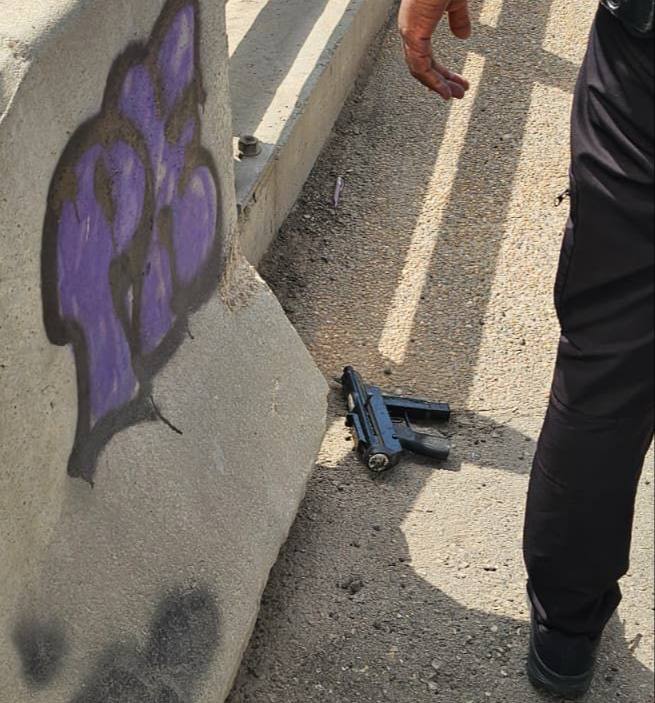
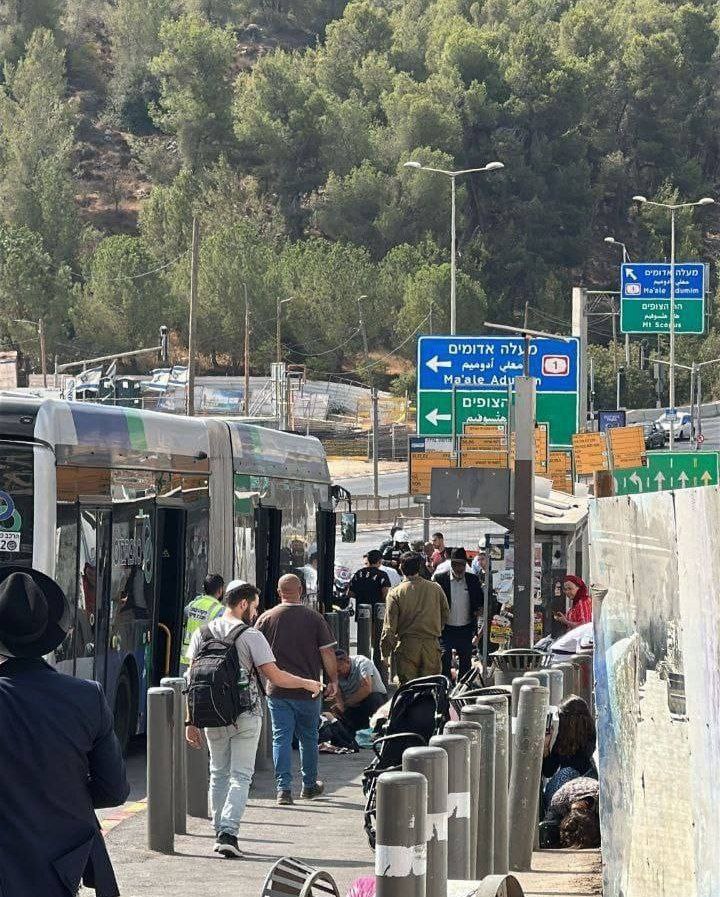
    According to local sources, the assailants waited for the bus to stop before boarding and opening fire on passengers. Eyewitness footage and images from the scene show that the attackers used locally manufactured Carlo submachine guns.

    Both gunmen were killed during the operation, although initial reports confirm that one of the assailants was martyred at the scene.

    Security forces have since cordoned off Ramot Junction and begun an investigation into the incident. Israeli forces are surrounding several Palestinian villages near Ramallah. The two Palestinians are believed to have departed from the villages of Al-Qubeiba and Qatanna, located west of the junction and beyond the Green Line.

    This operation comes amid rising tensions across the region, following recent Israeli regime strikes in Gaza that have resulted in thousands of casualties. The attack in Jerusalem is being viewed as a retaliatory act in response to ongoing violence against Palestinians.

  • Israeli Regime Strikes Gaza, Dozens Dead Including Children (Video)

    Israeli Regime Strikes Gaza, Dozens Dead Including Children (Video)

    According to local sources, the bombardment focused on neighborhoods such as Sheikh Radwan in northern Gaza, Khan Younis in the south, Ramzoun, Al-Shalehat in western Gaza, Tel al-Hawa, Tel al-Nasr, and the outskirts of Gaza City. In a particularly alarming development, Israeli forces reportedly deployed bomb-laden robots to demolish residential homes in Sheikh Radwan.

    Israeli strikes killed civilians, children in the Gaza Strip
    Israeli strikes in the Gaza Strip

    Eyewitnesses described scenes of devastation, with families trapped under rubble and emergency responders overwhelmed by the scale of destruction.

    The latest attacks follow a deadly day of violence in Gaza, where at least 87 Palestinians were killed and 409 injured in Israeli strikes, according to health officials. These figures bring the total death toll in the Gaza Strip to over 64,368, with more than 162,776 wounded since the escalation began.

    Human rights organizations have condemned the strikes, calling for international accountability and urgent humanitarian intervention. Activists and observers have labeled the Israeli government’s actions as state terrorism, urging global powers to take immediate steps to halt the violence.

    “This is not warfare—it’s a systematic assault on civilians,” said one local aid worker. “Children are dying in their homes. The world cannot remain silent.”

    Israeli strikes killed civilians, children in the Gaza Strip
    Israeli strikes killed civilians, children in the Gaza Strip
  • Yemeni Armed Forces Launch Major Drone Offensive Against Israel

    Yemeni Armed Forces Launch Major Drone Offensive Against Israel

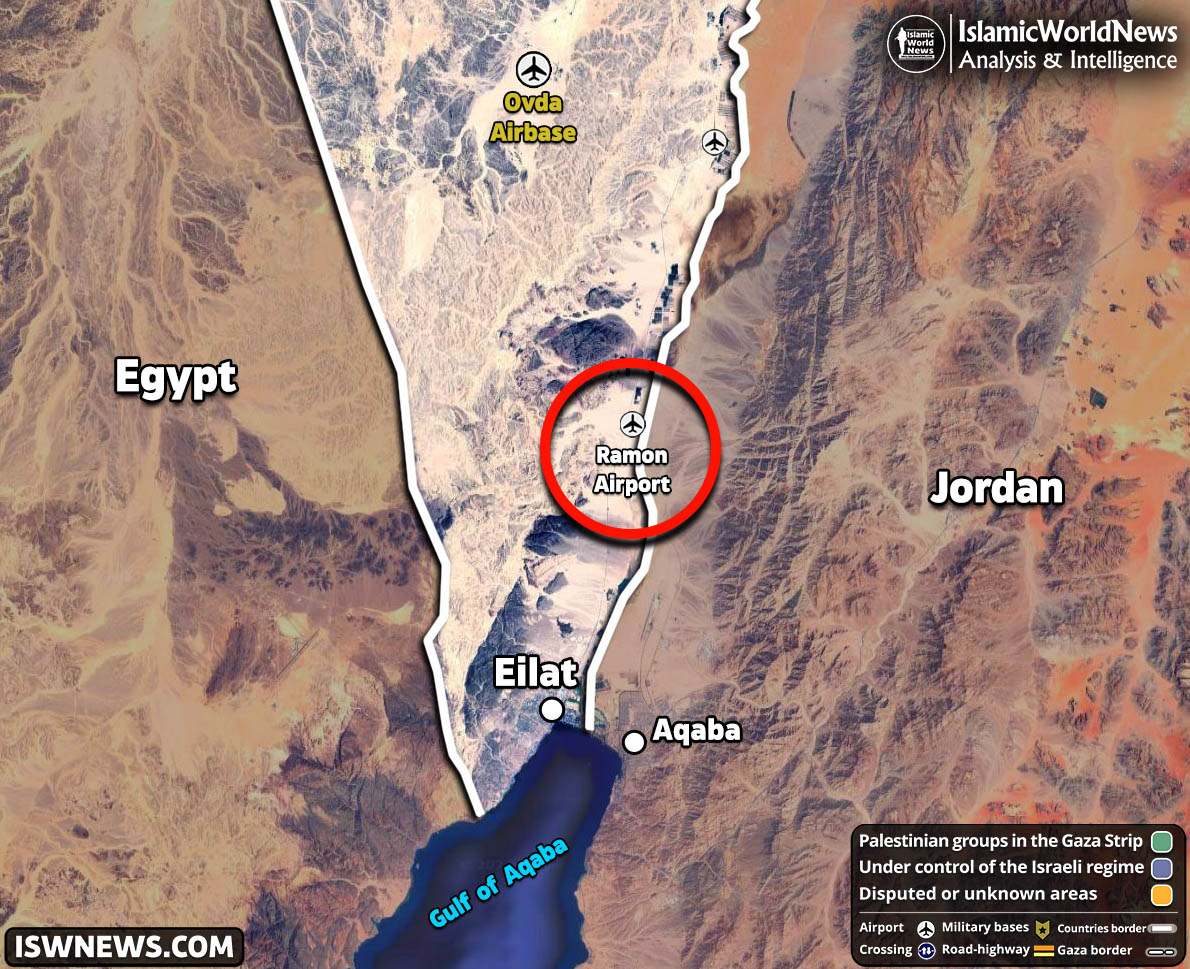
    According to the official statement, the assault involved eight suicide drones aimed at high-value targets in Negev, Eilat (Umm al-Rashrash), Ashkelon, Ashdod, Tel Aviv, and Ben Gurion Airport. The most notable strike hit Ramon Airport, causing a temporary shutdown of air traffic operations.

    Ramon airport south of the occupied territories

    Breakdown of the attacks:

    • Ramon Airport: One drone strike led to suspension of flights.
    • Negev Region: Three drones targeted two sensitive military installations.
    • Ashkelon: A drone was launched at a vital infrastructure site.
    • Ben Gurion Airport: One drone aimed at the main international gateway.
    • Ashdod: Two drones targeted a critical facility.

    Brigadier General Saree claimed the operation was successful, stating that Israeli and American air defense systems failed to intercept the drones. He warned that Yemeni forces possess advanced capabilities to strike sensitive the Zionists infrastructure and vowed continued military escalation in support of Gaza.

    “Our armed forces will prove to you that your foolish leadership is deceiving you,” Saree declared. “We have tools to strike your security systems and vital targets, and in the coming days, this will become clear.”

    The Yemeni military emphasized that airports in occupied Palestinian territories are no longer safe, and pledged to intensify operations while developing more effective weaponry.

    According to data compiled by the IWN, this marks the 190th aerial operation by Yemen’s forces against the Israeli regime’s positions in occupied Palestine. With eight drones deployed, it is considered the largest drone strike by Yemen to date.

  • Drone Strike Hits Ramon Airport in Southern Palestine (Video)

    Drone Strike Hits Ramon Airport in Southern Palestine (Video)

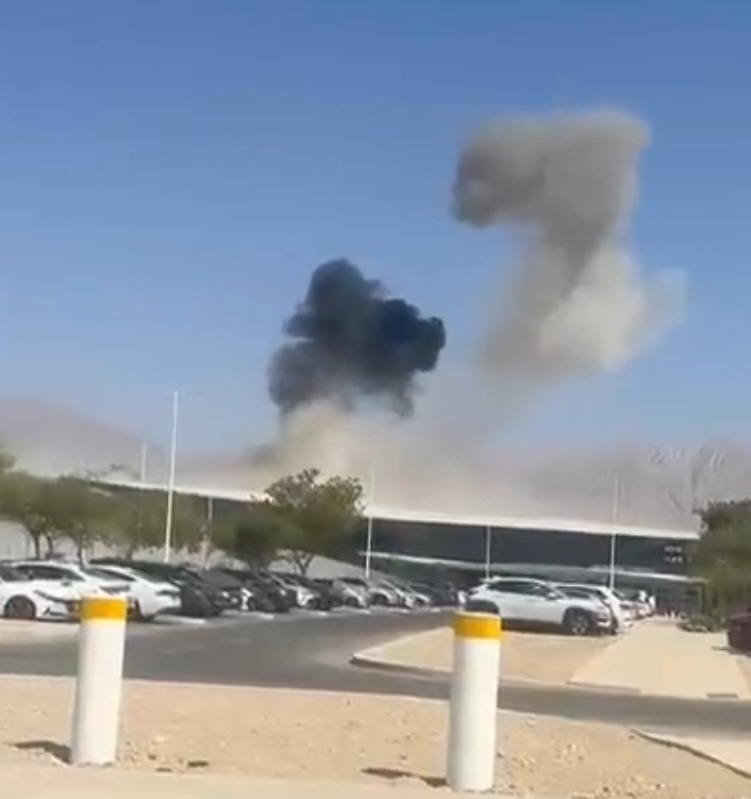
    The attack occurred shortly after Israeli authorities claimed to have intercepted and downed three drones launched from Yemen over the Sinai Peninsula. However, the drone that hit the airport appears to be separate from those previously intercepted.

    Drone Strike Hits Ramon Airport
    Drone Strike Hits Ramon Airport

    The impact caused damage to the terminal building. According to the Israeli military, no warning sirens were triggered prior to the strike in Ramon airport, and an investigation is underway to determine why the drone was not detected before entering Israeli airspace.

    In the past, the Yemeni military has utilized the Sinai Peninsula’s airspace and adjacent Red Sea corridor to launch successful drone and missile strikes against Zionist targets. These operations intensified following the escalation of the Gaza conflict in 2023. These attacks were part of a broader campaign of solidarity with Palestinians, as the Houthis declared their intent to target Israeli interests in response to the war in Gaza.

  • Israeli Regime “Gideon’s Chariots 2” Operation; Focus on Hamas Infrastructure and Population Displacement in Gaza

    Israeli Regime “Gideon’s Chariots 2” Operation; Focus on Hamas Infrastructure and Population Displacement in Gaza

    In the initial stages, targeted airstrikes were carried out on high-rise buildings in central Gaza, which, according to the Israeli army, are used by Hamas for surveillance and military activities. Military officials emphasized that the main goal is not direct confrontation with Hamas forces, but rather the dismantling of their remaining infrastructure.

    Another objective of the operation is widespread destruction in central Gaza. The Israeli military appears to be using this filthy tactic to forcibly push civilians toward the southern part of the Gaza Strip.

    Given the complexity of the tunnel network and the possibility of Israeli hostages being held there, it is anticipated that “Gideon’s Chariots 2” could last for months. Some Israeli analysts speculate that the operation’s name might be changed in the future to present it as a new phase of conflict—potentially masking the failure of the current campaign.

    Although the Israeli military claims the operation aims to minimize harm to civilians, field realities show extensive destruction of residential areas, displacement of thousands, and psychological pressure on the civilian population—clear examples of war crimes and crimes against humanity with severe consequences for Gaza’s residents. The establishment of refugee camps in southern Gaza, while seemingly humanitarian, could in practice lead to demographic shifts and increased instability. Moreover, the Israeli regime has shown that even these camps and tents are not spared from airstrikes.

    Politically, such operations not only fail to weaken Hamas but may also strengthen the spirit of resistance and increase public support for the group. Ultimately, without a comprehensive political solution, the continuation of such operations will only exacerbate the humanitarian crisis and deepen regional divisions.

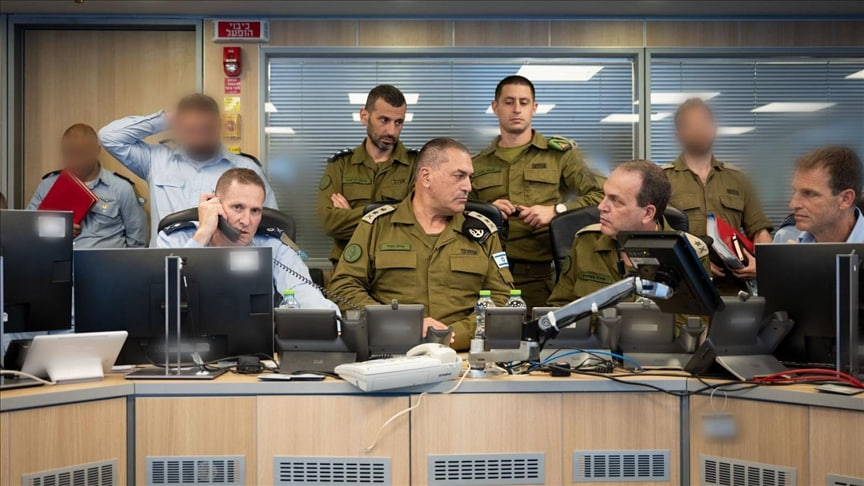
  • CENTCOM Chief Visits Tel Aviv to Bolster Security Ties with Israel

    CENTCOM Chief Visits Tel Aviv to Bolster Security Ties with Israel

    During the meeting, Cooper reaffirmed Washington’s unwavering commitment to Israel’s security, stating, “The United States remains firmly dedicated to strengthening regional stability and mutual defense.”

    Cooper’s visit underscores America’s strategic push to reinforce joint deterrence against emerging threats in the region. His presence in Tel Aviv carries not only military weight but also a clear political signal to Washington’s Arab allies: safeguarding Israel remains a cornerstone of U.S. policy in West Asia. This message may influence diplomatic dynamics and the normalization process between Tel Aviv and certain Arab countries.

  • 23,000 American Soldiers Serving in the Israeli Military

    23,000 American Soldiers Serving in the Israeli Military

    Furthermore, Republican lawmakers in the U.S. House of Representatives have proposed legislation aimed at revising civilian aid policies. The goal is to extend benefits—similar to those received by American troops!—to Jewish-Americans serving in the Israeli military.

    The eightfold increase in Jewish-American enlistment in the Israeli army reflects the growing influence of pro-Israel lobbying organizations, such as the American Israel Public Affairs Committee (AIPAC), on U.S. policy and their strong presence within the American Jewish community.

    These groups also play a key role in fundraising efforts to support the Israeli genocidal army, often through organizations like “Friends of the Israel Defense Forces,” with donations typically granted tax-exempt status.

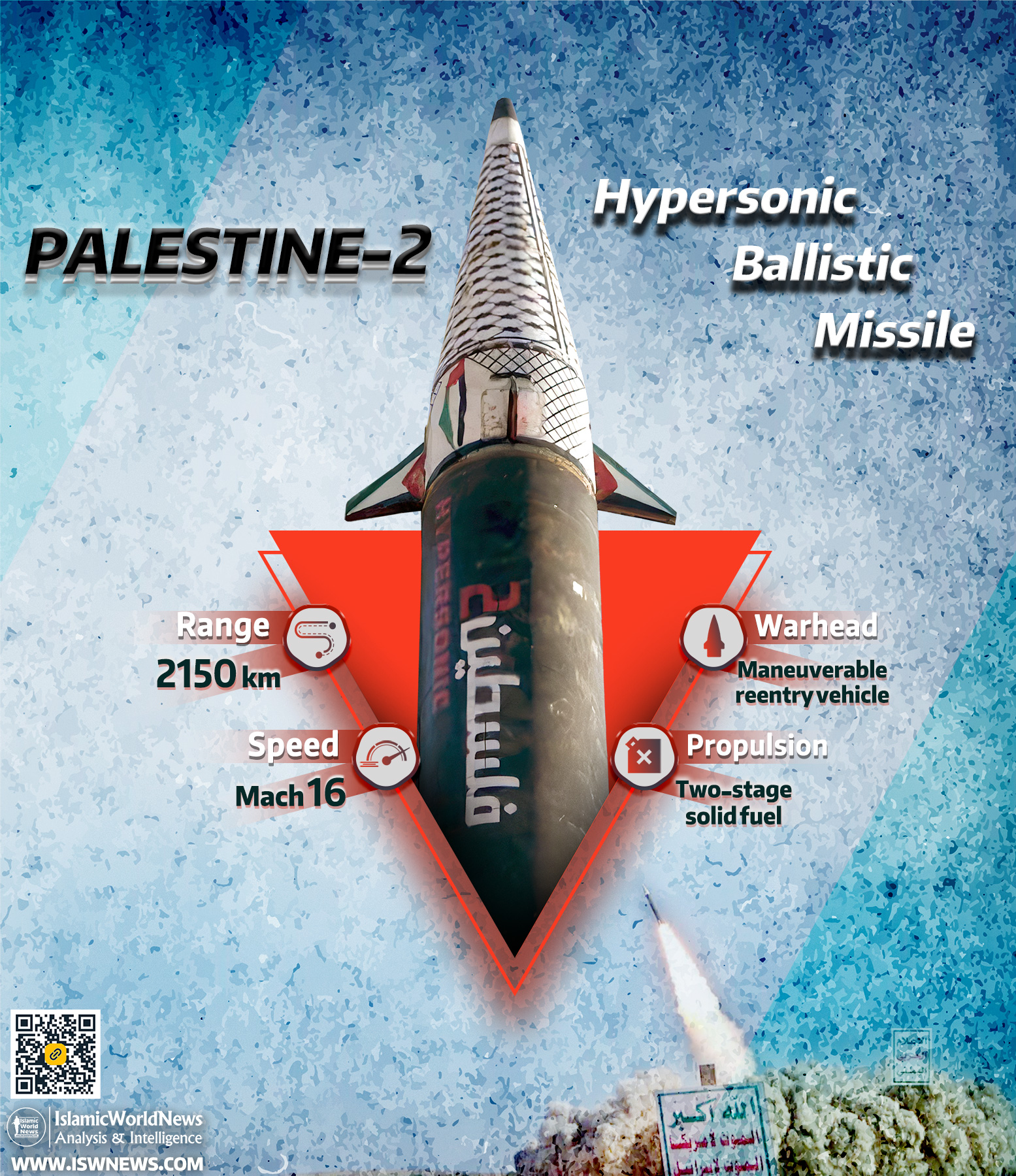
  • Yemen intensifies missile and drone strikes against Israel

    Yemen intensifies missile and drone strikes against Israel

    One of the cluster warheads reportedly caused a fire near Ben Gurion Airport. The attacks triggered mass panic, forcing thousands of Israeli settlers into shelters and disrupting flights at the airport.

    One of the cluster warheads reportedly caused a fire near Ben Gurion Airport

    According to data compiled by the Islamic World News, Yemen has carried out 188 missile and drone operations against Israel since the beginning of Israel’s military aggression on Gaza.

    Yemen’s military has repeatedly stated that its attacks will continue until the Israeli regime halts its aggression against the oppressed people of Gaza.

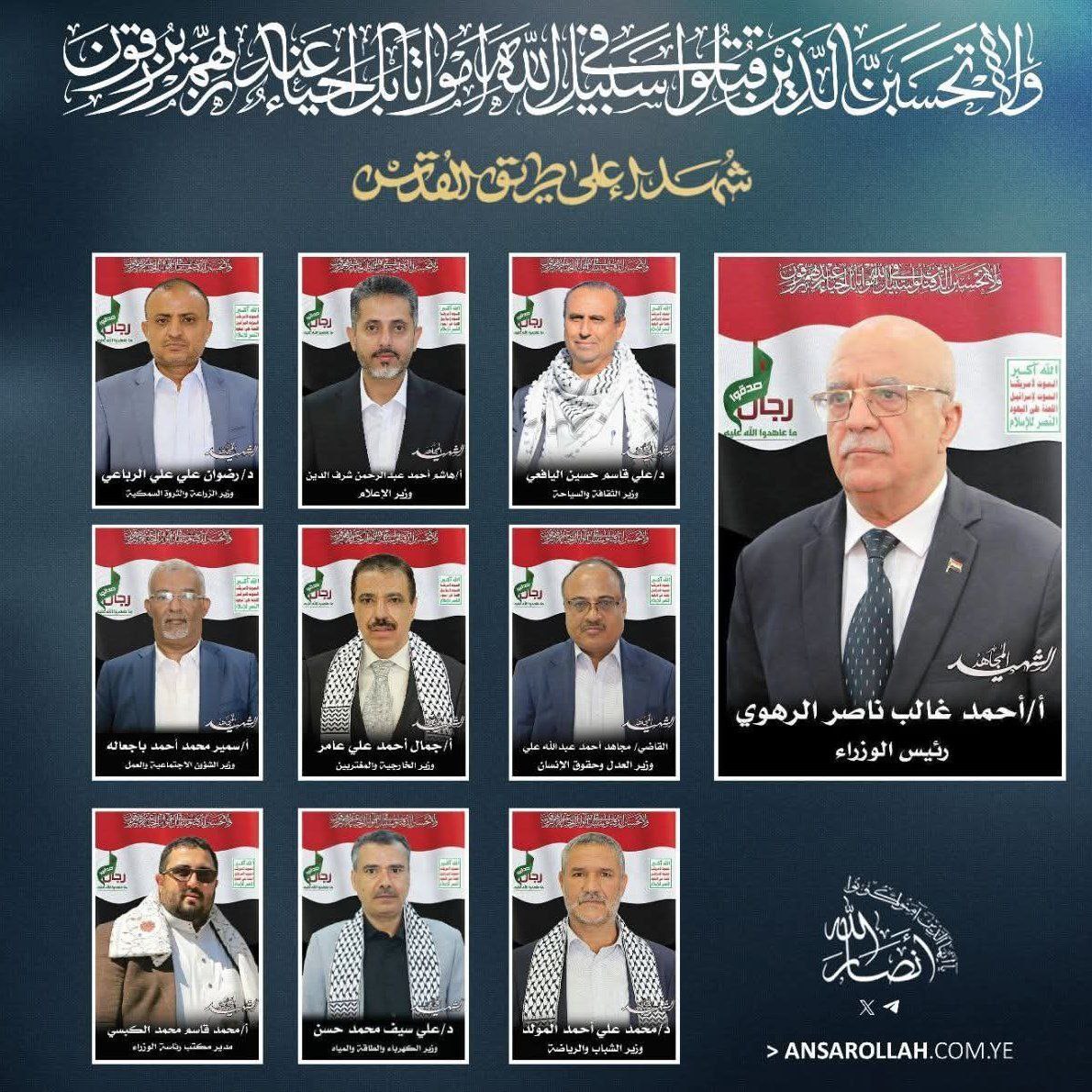
  • Ansar Allah Releases Names of Fallen Yemeni Government Officials

    Ansar Allah Releases Names of Fallen Yemeni Government Officials

    Among those named were key figures in Yemen’s political leadership, including Prime Minister Ahmed Ghalib Nasser Al-Rahwi, whose death marks a significant loss for the government’s executive branch. The list also includes several cabinet ministers across vital sectors:

    • Jamal Amer, Minister of Foreign Affairs
    • Hashim Sharafuddin, Minister of Information
    • Ahmed Abdullah Ali, Minister of Justice
    • Muhammad Al-Mawlid, Minister of Sports and Youth
    • Ali Saif Muhammad, Minister of Electricity and Energy
    • Ali Al-Yafei, Minister of Culture and Tourism
    • Radwan Ali Al-Riba’i, Minister of Agriculture and Fisheries
    • Samir Bajaala, Minister of Social Affairs and Labor
    • Muhammad Al-Kabsi, Chief of Staff to the Prime Minister

    The Israeli airstrike, carried out on Thursday, August 28, targeted senior military commanders and political leaders in Yemen. Although the attempt to assassinate the Chief of Staff and the Defense Minister was unsuccessful, the attack resulted in the deaths of the Prime Minister and several cabinet members. This operation marks the beginning of a broader intelligence and security campaign by Israeli agencies Mossad and Aman in Yemen, aimed at murdering key figures in the Yemeni government and the Ansar Allah movement.

    Military sources in Yemen told the Lebanese newspaper Al-Akhbar that the Yemeni response to the attack on the civilian government meeting will not be driven by emotion, as some might expect. Instead, they emphasized that the operation being prepared by forces in Sana’a will be precise and highly impactful. The sources added that Israeli government offices will not be spared from the firepower of Yemen’s armed forces.

  • Israeli-Linked Tanker Hit by Missile Near Yanbu Off the Saudi Coast

    Israeli-Linked Tanker Hit by Missile Near Yanbu Off the Saudi Coast

    The attack occurred last night, and the ship’s crew reported the incident to UK Maritime Trade Operations (UKMTO). The report states the assault took place 40 nautical miles southwest of Yanbu, in western Saudi Arabia. The captain described an explosion and an unidentified projectile hitting near the ship, causing water splashes, but the crew remains unharmed, and the ship continues its course.

    The Yemeni Armed Forces emphasized support for Palestinians, banning shipping to occupied Palestinian ports and targeting Israeli military sites until hostilities cease and the Gaza siege is lifted.

    This marks their 215th operation against vessels linked to Israel, the U.S., and the U.K.

    The Scarlet Ray, an Israeli oil tanker under the Liberian flag, was en route from Yanbu to occupied ports. This incident highlights ongoing cooperation between Saudi Arabia and Israel over energy transfers. Countries like Turkey, Egypt, and Saudi Arabia are working to bypass the maritime blockade imposed by Yemen on the Zionist regime.

    Yemen #Israel

  • Ceasefire in Name Only: Southern Lebanon Under Fire

    Ceasefire in Name Only: Southern Lebanon Under Fire

    This attack comes despite the ceasefire agreement reached in Nov 2024, under which Israel was obligated to halt all military operations and withdraw from southern Lebanon. However, since the ceasefire took effect, Israel has repeatedly violated it over 3,700 times, including through airstrikes, artillery shelling, and the occupation of border positions.

    International organizations and human rights groups have repeatedly warned about Israel’s continued strikes on civilian areas, the destruction of vital infrastructure such as water facilities, and the obstruction of displaced Lebanese citizens returning to their homes. These actions have not only undermined the ceasefire but have also worsened the humanitarian crisis in southern Lebanon.

  • Gallant Warns of Renewed Conflict: Israel Prepares for Second War with Iran

    Gallant Warns of Renewed Conflict: Israel Prepares for Second War with Iran

    In an interview with Israel’s Channel 12, Gallant criticized the Israeli intelligence agency Mossad’s earlier plans to counter Iran’s nuclear ambitions, calling them “ineffective and impractical.” He disclosed that the plans were officially scrapped in December 2024 after internal reviews concluded they lacked sufficient lethality, were too complex to execute, and failed to match the pace of Iran’s nuclear development.

    To reassess Israel’s strategy, Gallant formed a “Red Team” led by former Defense Minister Shaul Mofaz and a group of retired military commanders. Their conclusion: a full rejection of Mossad’s approach. Gallant now advocates for a large-scale aerial campaign, stating, “Hundreds of aircraft must drop tens of thousands of bombs over Iran to establish air dominance.”

    He also warned that any future strike must anticipate Hezbollah’s immediate involvement. However, Israel faces a critical ammunition shortage, exacerbated by the transfer of artillery shells to Ukraine.

    Gallant outlined four key outcomes of the recent Israeli military operation against Iran:

    • Collapse of Iran’s regional network: Hezbollah, Hamas, and affiliated forces in Syria were severely weakened, dismantling infrastructure built over four decades.
    • Destruction of air defense systems: Iran’s missile shield was neutralized, with uncertain prospects for recovery.
    • Damage to missile capabilities: Explosive production centers, over 200 launchers, and a significant portion of Iran’s missile stockpile were destroyed.
    • Strikes on nuclear facilities: The Isfahan site was nearly obliterated, Natanz suffered major damage, and the U.S. targeted Fordow with bunker-busting bombs.

    Gallant claimed that Israel’s deep intelligence penetration into Iran has unnerved Iranian officials and may be accelerating their pursuit of nuclear weapons. “We must remain on alert,” he said, “because the next round of war is coming.”

    When asked about targeting Iran’s Supreme Leader, Gallant admitted that such an operation was attempted during the initial strike but failed. He suggested it should remain part of future plans, whether against the current leader or his successor.

    He concluded with a warning to Tehran: “If Iran seeks revenge, it would be a grave mistake. We are now stronger, and they are weaker. The next round will be different—and we will have the upper hand.”

    Despite the assertive tone, Gallant’s remarks also reflect an acknowledgment of Israel’s limited deterrence. His admission that Iran could rebuild its missile, air defense, and nuclear infrastructure points to the temporary nature of recent military gains. Analysts suggest this could escalate regional tensions and prompt Iran to expand its own deterrence strategies.

    The former minister’s comments underscore a growing consensus in Tel Aviv: the conflict with Iran is far from over, and a second phase may be imminent.