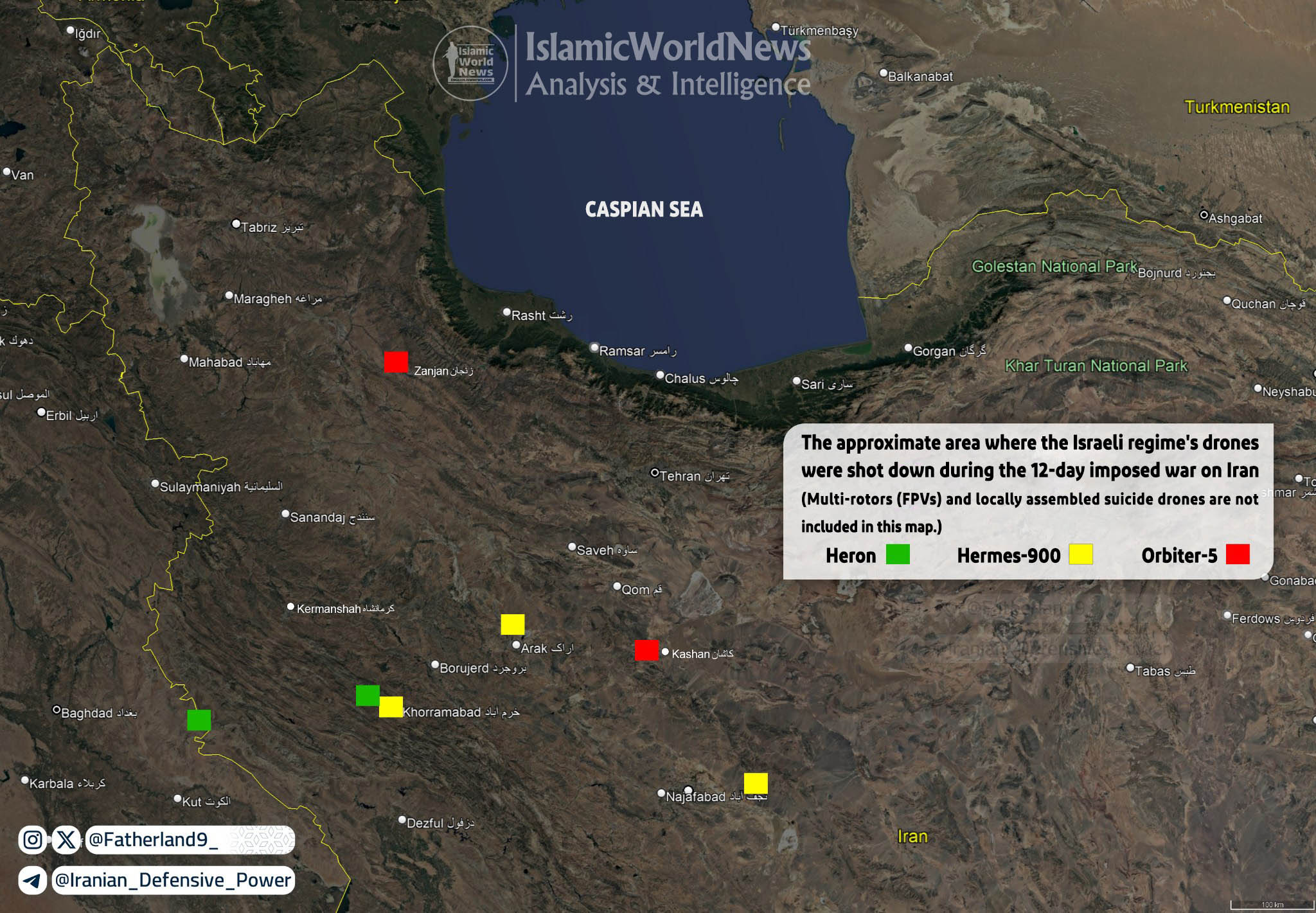
A Hermes 900 drone was downed on June 18 near Isfahan city
Heron drone with serial number 298 was downed on June 19 near Iran’s western borders in Ilam province. It was destroyed by the short-range Majid air defense system. Analysis of the wreckage and archival images revealed that this Heron lacked a satellite communication antenna and had to be guided by ground stations, giving it a range of about 300 km. This suggests it was likely operated from a ground station in Iraqi Kurdistan or a U.S. base in Iraq.
Destruction of a Heron drone on the country’s western borders in Ilam provinceThe Heron drone with serial number 298 was shot down on the western borders of the country in Ilam province.
Another Heron drone with serial number 248 was shot down on June 19 in the mountainous areas of Lorestan province. Visual evidence shows this drone was equipped with a satellite antenna.
Destruction of a Heron drone in the heights of Lorestan provinceHeron drone with serial number 248 that was shot down in Lorestan province
An Orbiter-5 drone with serial number 8312 was downed on June 21 in Kashan.
An Orbiter-5 drone with serial number 8312 downed on June 21 in Kashan
A Hermes 900 drone with serial number 939 was shot down on June 22 in Markazi province.
Images of a Hermes 900 drone with serial number 939 downed on June 22 in Markazi province
Another Hermes 900 was downed on June 23 in Khorramabad, Lorestan province.
The moment a Hermes 900 drone was targeted and downed over Lorestan provinceWreckage of Hermes 900 drone downed on June 23 in Khorramabad. The Rotax 914 engine is visible in the footage.
An Orbiter-5 drone with serial number 8373 was shot down on June 24 in Zanjan. Interestingly, this drone featured a satellite communication antenna—something not previously seen in Orbiter-5 models. Drones of this class, due to their size and weight, are typically used as tactical drones on the front lines. However, the Orbiter-5 downed in Iran had extended capabilities thanks to its satellite link, overcoming the usual 100 km range limitation of ground control stations. This enhancement gave it a role beyond that of a tactical drone, allowing Israel to extend its surveillance deeper into Iranian territory.
The video released by the IRGC regarding the shot down of a Orbiter-5 drone in Zanjan provinceAn Orbiter-5 drone with serial number 8373 downed on June 24 in Zanjan
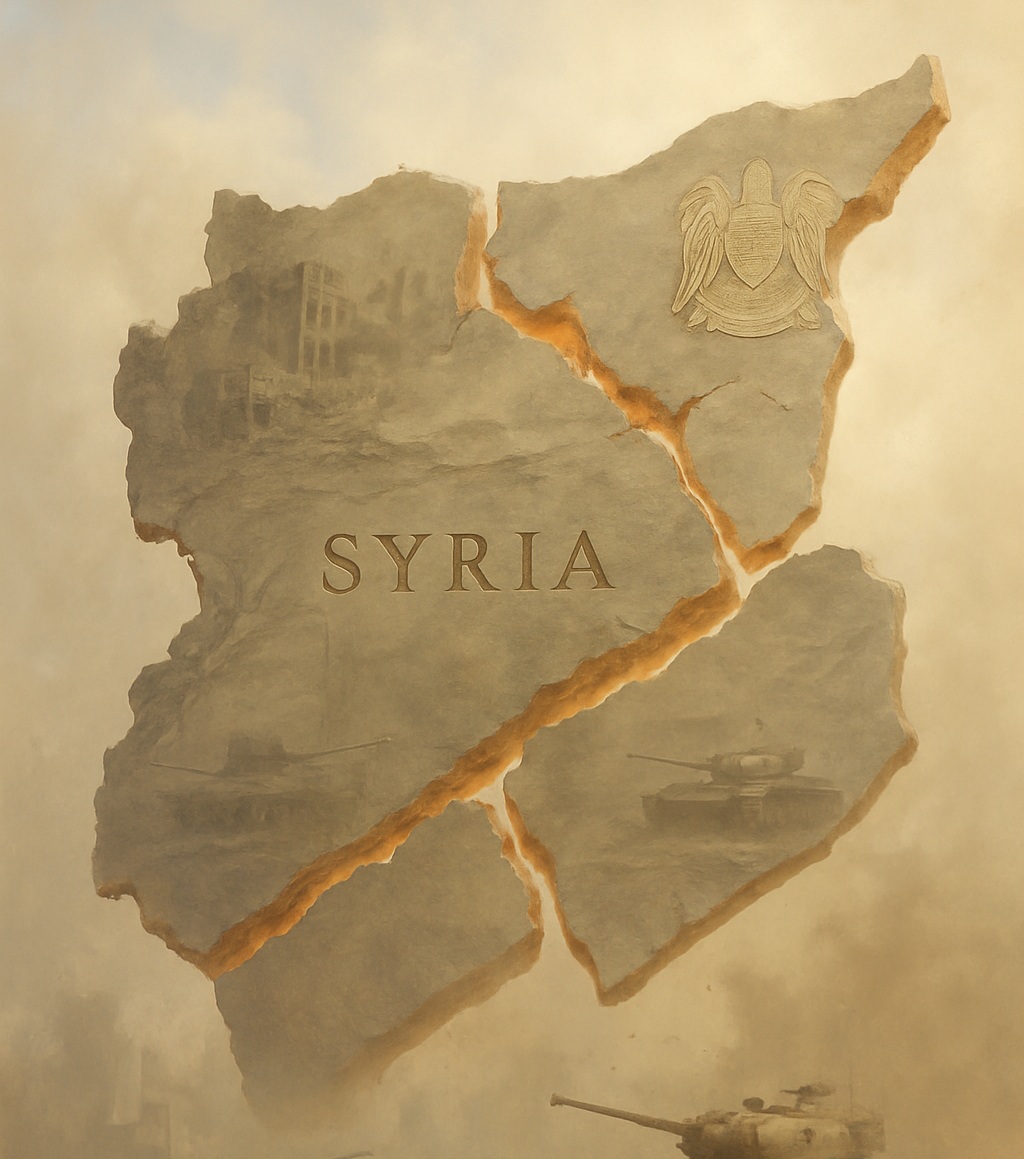
The “mini-state” model has emerged in several post-Ottoman Arab countries. Yemen, Libya, Lebanon (especially before the recent war), and to a large extent Sudan and Somalia, have all experienced this form of governance. The Trucial States (now the UAE, Qatar, and Bahrain) prior to 1971, and the territory of present-day Saudi Arabia before King Abdulaziz’s wars and the founding of the third Saudi state, are other examples. A diluted version of this model can be seen in present-day Iraq, though it has weakened since the first post-Saddam decade. Syria itself experienced a similar situation between 1946 and 1963.
Preconditions for Mini-State Formation
This situation arises when three conditions are met:
The central government lacks sufficient hegemony.
Nation-building efforts are severely disrupted, leading citizens to prioritize other identity factors over national identity.
Economic resources are no longer monopolized by the state, forcing it to rely on influential actors for funding and security.
If the central government is either in the “state-building phase” or has a system where political competition is institutionalized—especially if public opinion plays a role—this fragmentation intensifies. It’s crucial to distinguish between the legal structure of power and its actual distribution. None of the examples mentioned earlier are legally federal systems.
Key Groups Likely to Form Mini-States
This section identifies powerful domestic actors that may evolve into influential entities, forcing the central government to engage with them. In Arabic political discourse, such groups are said to form a “mini-state” (a state within a state).
A) Kurds They are the most likely to establish a mini-state, possibly limited to northeastern Syria or areas like northern Hasakah and Ain al-Arab (Kobani). All four conditions mentioned earlier apply strongly to the Kurdish context.
B) Druze The Druze are the second most likely group to form a mini-state. In broader governance comparisons, the Syrian Democratic Forces (SDF) are pursuing semi-secession, and one of the main Druze factions recently reached an agreement with the central government. Under this deal, the Interior and Justice Ministries in Suwayda province will be staffed exclusively by locals, while Druze groups will retain their weapons. This arrangement lays the groundwork for a mini-state in Suwayda.
C) Alawites The coastal Alawite community has a moderate chance of forming a mini-state. Despite widespread sensitivity toward this group, internal cohesion, restrained ambitions, effective foreign support, and smart strategy could enable them to establish control over coastal areas.
D) Free Syrian Army (Jaysh Suriya al-Hurra) This group, formed under direct U.S. guidance in the al-Tanf region, now controls territory from al-Tanf to Qaryatayn and Palmyra. Their strengths include foreign backing and a dual identity—Arab opposition to Assad with some advantages similar to the SDF. Their semi-autonomous presence within the Syrian army structure positions them as a potential mini-state.
E) Daraa Daraa also has high potential for mini-state formation, but internal divisions among southern factions pose a major challenge. The population is split into four or five groups with serious rivalries, and at least half look to external powers for support. These internal fractures reduce the likelihood of a unified mini-state.
F) Others Beyond these five, other regions also show potential for mini-state emergence. Due to space constraints, only their names are listed:
Arab tribes of Deir ez-Zor
Arab tribes of Raqqa
Turkmens of northern Aleppo
Salafists of Idlib
Smaller minorities
Signs of This Scenario Emerging
What are the indicators of this scenario unfolding in Syria? Both political and security developments offer clues. The clearest sign is Damascus’s concession to Suwayda’s Druze elders, allowing them to control the Interior and Justice Ministries—an arrangement even more extensive than the SDF-Damascus agreement. Another sign is the central government’s efforts to alter the situation in Afrin, which may lead to demographic changes.
On the security front, armed groups in many areas refuse to surrender their weapons or integrate into a unified national army. Continued activity by pro-Assad militias (known as “Shabiha”), casualties inflicted by Tahrir al-Sham, and Damascus’s lack of control over all Syrian territory—effectively dividing the country into three or four zones—are further indicators.
Politically, the most telling signs are how local elites influence governance. In provinces like Daraa and Suwayda, governors are chosen based on local power brokers’ preferences. In Daraa, Deir ez-Zor, Hama, and Aleppo, senior military commanders are appointed by external forces, not the president. Suwayda still lacks a military commander, and in coastal provinces, competition between official ministries and the newly formed “National Reconciliation Committee” is intensifying. In eastern Euphrates regions, no governors or military commanders have been appointed at all.
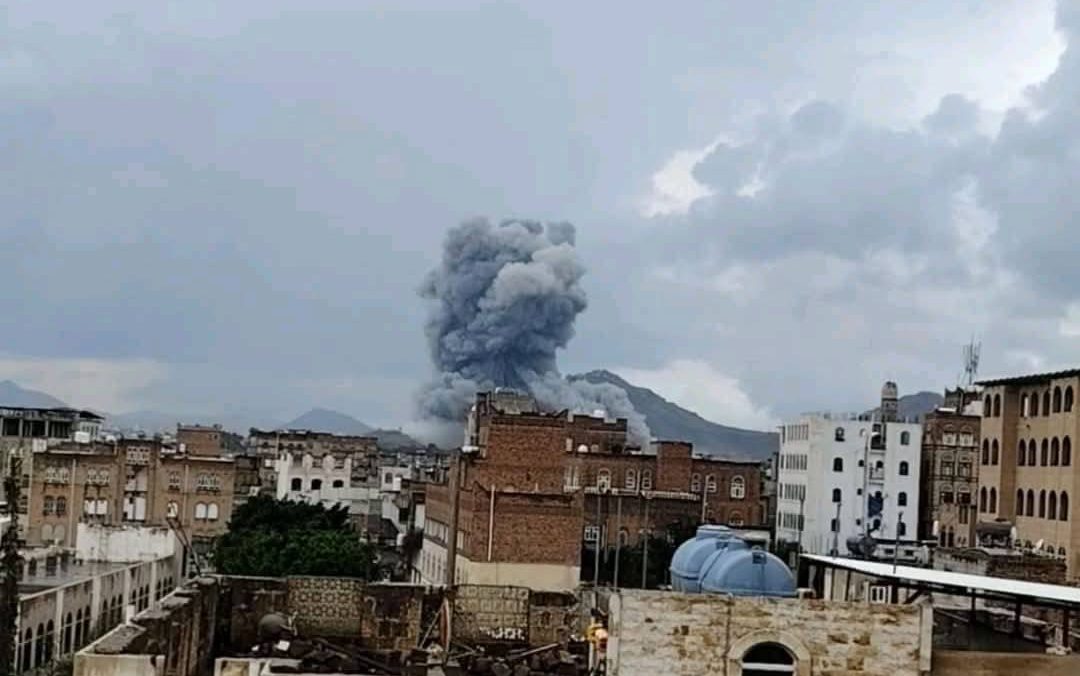
The strikes hit multiple sites including the presidential palace, the Haziz power station in Sanhan district, a facility referred to as the Assar power station (not identified in Yemeni sources), and a fuel depot. So far, six fatalities have been reported, with 86 others injured.
Simultaneously, Yemeni air defense forces engaged the Israeli aircraft, launching interceptor missiles that successfully repelled some jets and disrupted the operation.
According to Israeli statements, the airstrikes were a retaliatory measure against ongoing missile and drone attacks by Yemeni forces. The Israeli regime claims the targeted sites were being used militarily by Ansar Allah.
The attack drew widespread condemnation from regional actors, including the Yemeni Foreign Ministry, the Political Bureau of the Ansar Allah Movement, Iran’s Foreign Ministry, Oman, Hezbollah in Lebanon, and various Palestinian resistance groups, all of whom issued statements denouncing Israel’s actions.
Israeli Airstrike on Yemen’s Capital
This marks the 15th aerial assault by the Zionist regime on Yemen since the escalation of hostilities.
Analysts suggest that by targeting civilian infrastructure and energy facilities, Israel aims to weaken Yemeni military pressure and shift focus away from internal challenges. The Israeli security apparatus is allegedly prioritizing the elimination of key figures within the Yemeni armed forces and the Ansar Allah political leadership, though these efforts have failed. Meanwhile, the U.S. Navy and Air Force are actively working to intercept Yemeni missile and drone attacks, utilizing regional airspace, including that of Saudi Arabia, to prevent strikes from reaching Israeli territory.
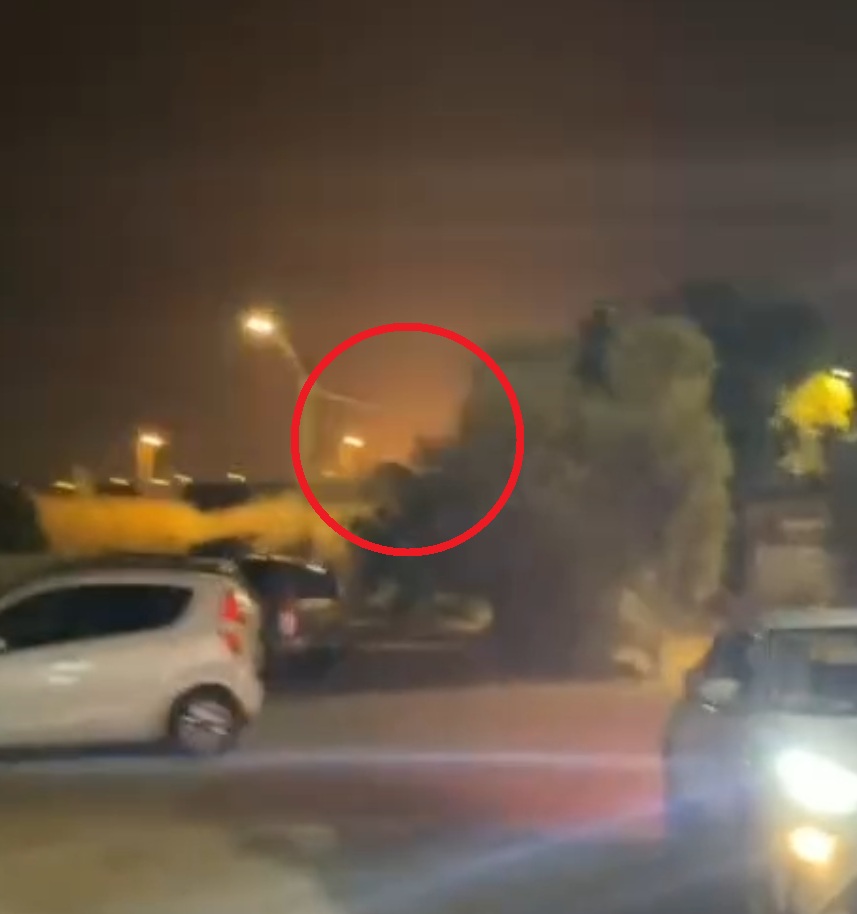
The Yemeni Armed Forces launched an attack on Israeli positions in Tel Aviv and Ashkelon using one hypersonic missile and two suicide drones. A video from the occupied territories captured the moment of impact.
As part of their continued support for the Palestinian people and resistance, the Yemeni Armed Forces targeted Lod Airport (Ben Gurion) near Tel Aviv with a hypersonic ballistic missile named “Palestine 2.” Israel’s missile defense systems failed to stop the missile, and the operation reportedly hit its target successfully. The strike caused millions of Israelis to flee to shelters and suspended airport operations.
Yemeni missile impact in occupied territories
The Yemeni Air Force also carried out two military operations using suicide drones against critical Israeli military targets in Tel Aviv and Ashkelon. According to Brigadier General Yahya Saree, both missions successfully reached their objectives.
In his statement, Brigadier General Yahya Saree expressed Yemen’s deep appreciation for the heroism and sacrifices of the steadfast Palestinian fighters in Gaza. He described them as the embodiment of resistance against the enemies of the Muslim nation, selflessness in the path of God, and defenders of the dignity of the Ummah. He affirmed that Yemen—with its loyal people, devoted army, and faithful leadership—will stand by them until the aggression ends and the blockade is lifted.
According to Islamic World News statistics, these operations mark the 178th to 180th aerial strikes by the Yemeni Armed Forces against Israeli positions in occupied Palestine.
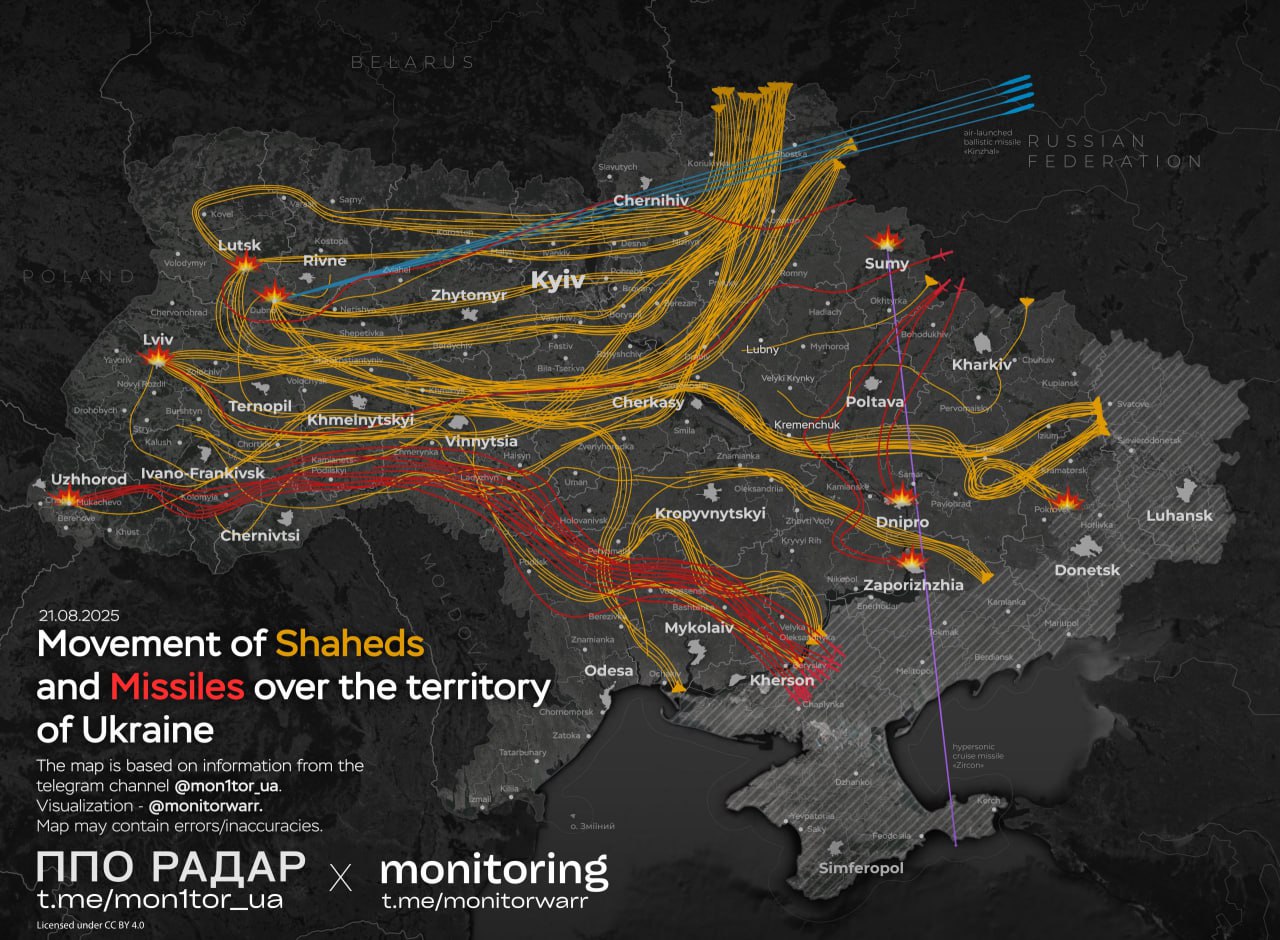
◽️The scale of this attack was unprecedented. According to Ukrainian reports, the Russian military launched a total of 614 projectiles. Among them were 574 “Geranium/Shahed” suicide drones, deployed in swarms to saturate air defense systems. Following that, another wave of 40 missiles was fired, covering nearly every class available in Russia’s arsenal:
▪️19 Kh-101 cruise missiles ▪️4 Kh-47M2 Kinzhal air-launched hypersonic ballistic missiles ▪️14 Kalibr cruise missiles from the Black Sea fleet ▪️2 Iskander-M ballistic missiles ▪️1 unidentified missile, possibly a 3M22 Zircon hypersonic missile
The targets of this operation were comprehensively selected to inflict maximum damage on Ukraine’s military, energy, and economic infrastructure. Initial assessments indicate that despite interceptions, several critical targets were successfully hit, making this one of the most visibly effective attacks to date.
Critical Energy Infrastructure Targeted
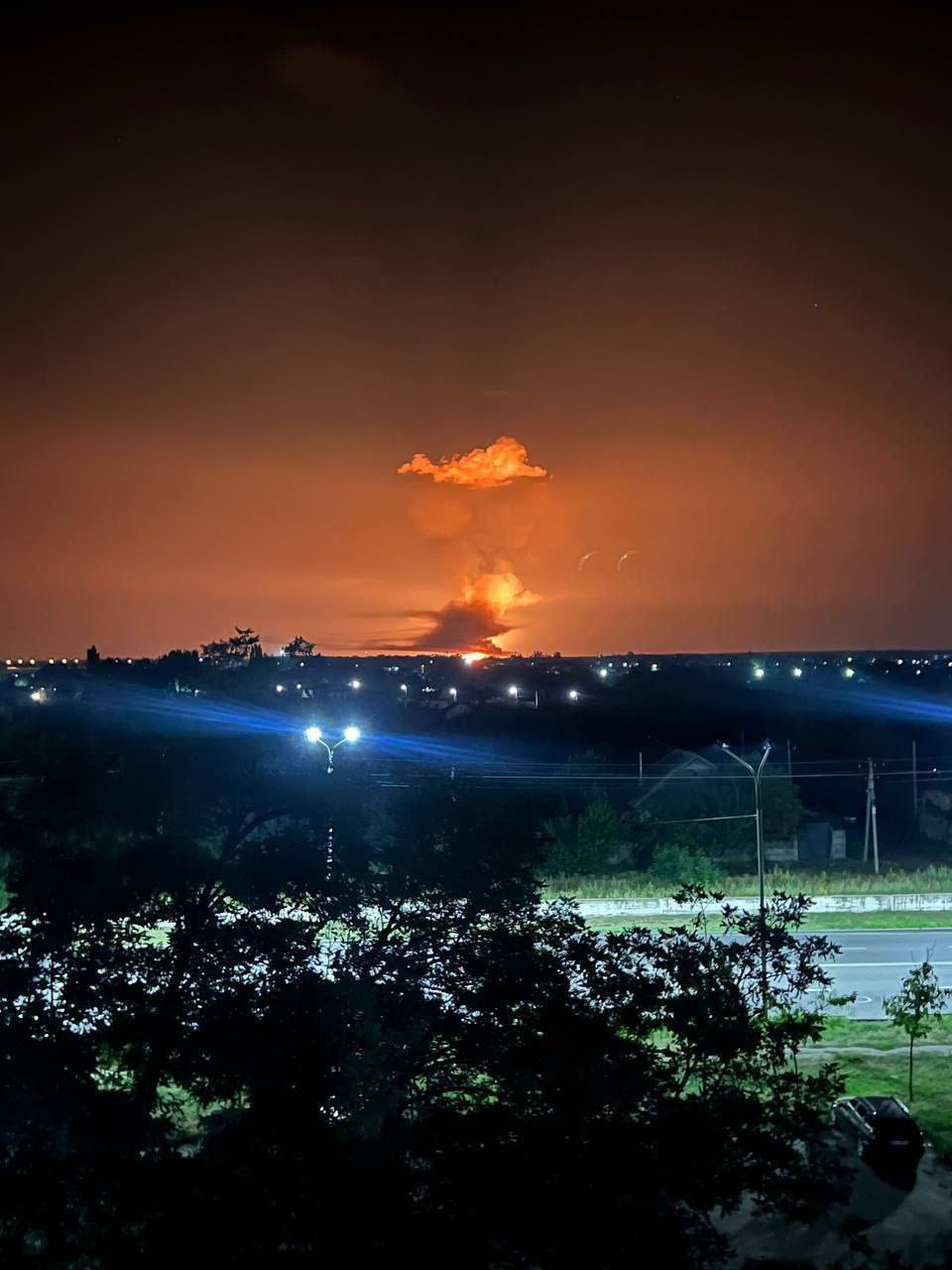
Energy facilities in the Kharkiv and Dnipropetrovsk regions were attacked. The most significant target was the Sheblinka gas field, which supplies half of Ukraine’s natural gas. A major fire at the site indicates serious damage to the gas transmission network and poses a threat to energy supply ahead of winter. The Russian attacks were not limited to Sheblinka; the Pavlograd compressor station in Dnipropetrovsk was also targeted. Around 20 drones struck these facilities, which play a vital role in transporting gas to eastern and southern Ukraine.
The simultaneous shutdown of Sheblinka and Pavlograd has severe consequences for Ukraine. Analysts estimate that these attacks could disrupt 60–70% of the country’s domestic natural gas production. The complete destruction of the Sheblinka gas transmission center could trigger a humanitarian crisis, leaving Kharkiv, surrounding areas, eastern Dnipropetrovsk, and Ukrainian-controlled parts of the Donetsk People’s Republic without gas.
Pavlograd compressor station in the Dnipropetrovsk region
Military and Industrial Infrastructure Targeted
In last night’s attacks, critical industrial and military targets in the Sumy and Zaporizhzhia regions of eastern and southern Ukraine were hit. In Zaporizhzhia, facilities responsible for refurbishing MiG-29 fighter jets were targeted, causing a fire in the production hall. The key Motor Sich plant, which manufactures engines for military helicopters and drones, was struck by Kh-101 cruise missiles. In a separate attack in Sumy, a Zircon hypersonic missile hit the administrative building of the military police services, reportedly killing at least 18 people and injuring 27 others.
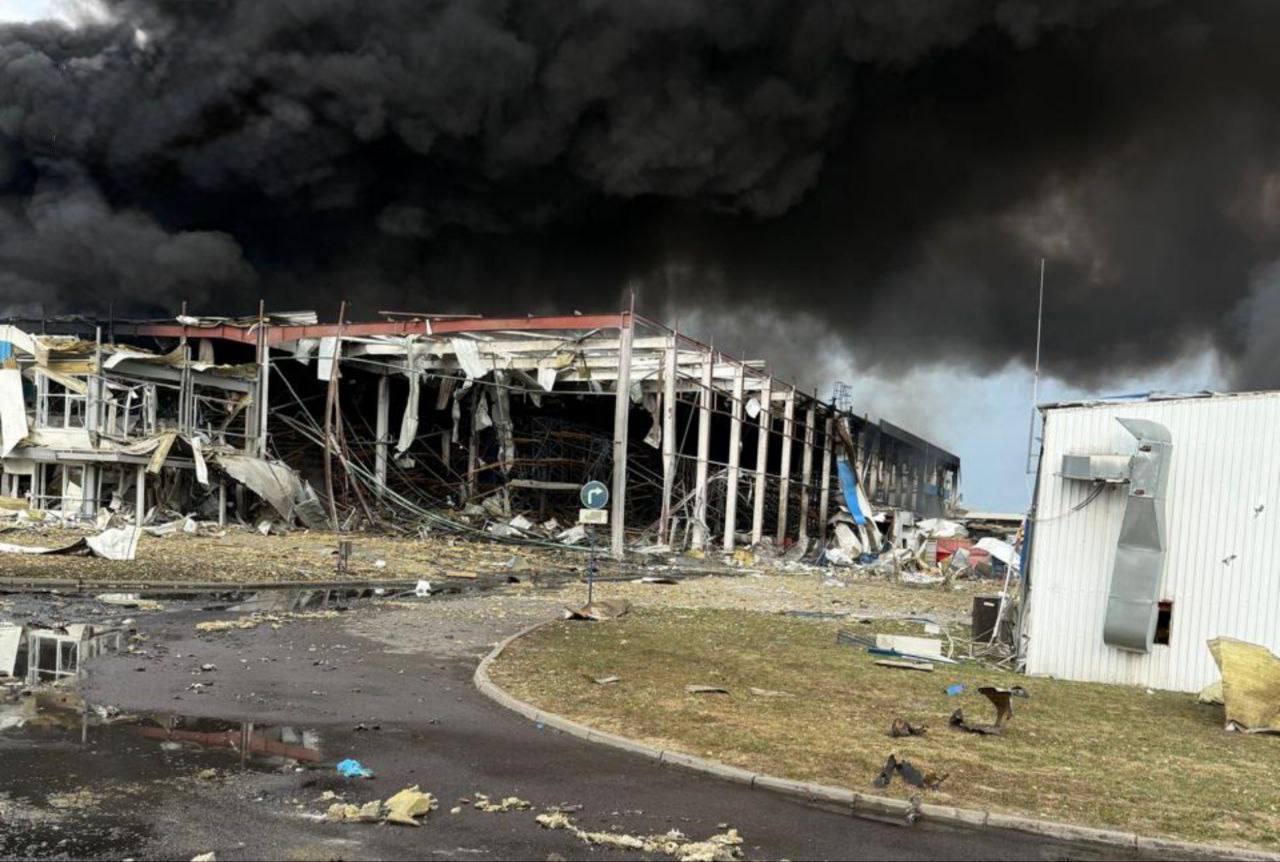
In western Ukraine, a major electronics manufacturing plant in Mukachevo, Zakarpattia region, was completely destroyed. Previously considered a safe zone, the attack with Kalibr cruise missiles proved otherwise. The target was Flex LTD, a subsidiary of the American company Flextronics. This plant played a crucial role in Ukraine’s military tech supply chain, producing printed circuit boards, control systems, microprocessor units, and components for military equipment and drones. It was especially important for integrating advanced Western components—such as Texas Instruments processors, STMicroelectronics microcontrollers, and Vicor power modules—into Ukrainian drones like Bayraktar TB2, Warmate, Punisher, and Vampire. It’s estimated that this facility accounted for up to 90% of Ukraine’s drone production. Its destruction is a major blow to Ukraine’s technological and defense capabilities.
Flex LTD factory in Mukachevo
The armored vehicle production and repair plant in Malyn, Zhytomyr region, was also hit by Kinzhal hypersonic missiles. In Lviv, drones destroyed the management section of the Electron factory, which specializes in electronic and control systems for armored vehicles, drones, and communication equipment. Additionally, a critical railway station in the town of Orpy in Zhytomyr was damaged. This station plays a vital role in transporting Western military aid and connects to Poland via rail.
Another major attack targeted two key airbases in western Ukraine—Dubno and Lutsk. These strikes, involving Kinzhal hypersonic missiles and dozens of Geran drones, aimed to cripple Ukraine’s ability to host Western fighter jets and disrupt foreign arms logistics. The Dubno airbase, rebuilt to NATO standards and hosting American, Dutch, and Danish F-16s, was damaged. Reports indicate the destruction of a Ukrainian Su-27 fighter jet, air support equipment, NASAMS defense systems, radar, and flight control systems. Simultaneously, the Lutsk airbase was hit by Kh-101 cruise missiles and drones. Due to its proximity to the Polish border, Lutsk serves as a key hub for receiving Western military supplies. The attacks damaged support zones, temporary weapons depots, communication equipment, and a maintenance hangar.
In retaliation, Yemen has targeted the Absher platform, which is affiliated with the Saudi Ministry of Interior. This platform connects all Saudi government departments electronically and serves 21 million users, offering 200 electronic services, including online services for passports, traffic, and civil affairs.
The cyber attacks on Yemeni sites suggests that Israel has organized a comprehensive operation involving air, cyber, intelligence, security, and economic strategies to strike Yemen. Following the failure of a US military naval operation in Yemen, it appears that Israeli officials now recognize that disabling the Yemeni front will require a large-scale, coordinated effort over an extended period.
In a statement from Daniel Beck, Program Manager at Griffon Aerospace, the Arrowhead is described as a highly versatile platform tailored to meet a wide range of mission requirements. Beck emphasized that, beyond its role as a high-performance target drone, the Arrowhead can be configured as a one-way attack system (i.e., a suicide drone), capable of delivering decisive impact during critical operations.
Griffon claims the drone features a modular payload bay capable of carrying up to 45 kilograms, allowing for the integration of various sensors or warheads depending on mission needs. However, no further technical specifications have been disclosed.
MQM-172 Arrowhead suicide drone
Despite its striking resemblance to the Shahed-136, Griffon insists the MQM-172 was “designed, tested, and manufactured in-house,” drawing on the company’s experience producing over 12,000 drones!!!
The move comes after the Iranian Shahed-136 demonstrated notable battlefield success in West Asia—particularly in Yemen—and its Russian-assembled variant, known as Geran, made headlines in Ukraine. These operational achievements appear to have prompted the U.S. military to explore similar capabilities, leading its contractors to develop and deploy comparable systems.
Given America’s global reach and access to nearly every active conflict zone, the mass production and deployment of such loitering munitions—either directly or through allied forces—could pose serious strategic challenges. One possible scenario: Ukrainian forces might begin using American-made Shahed-style drones to target Russian energy and military infrastructure, mirroring Russia’s own tactics with Geran drones!
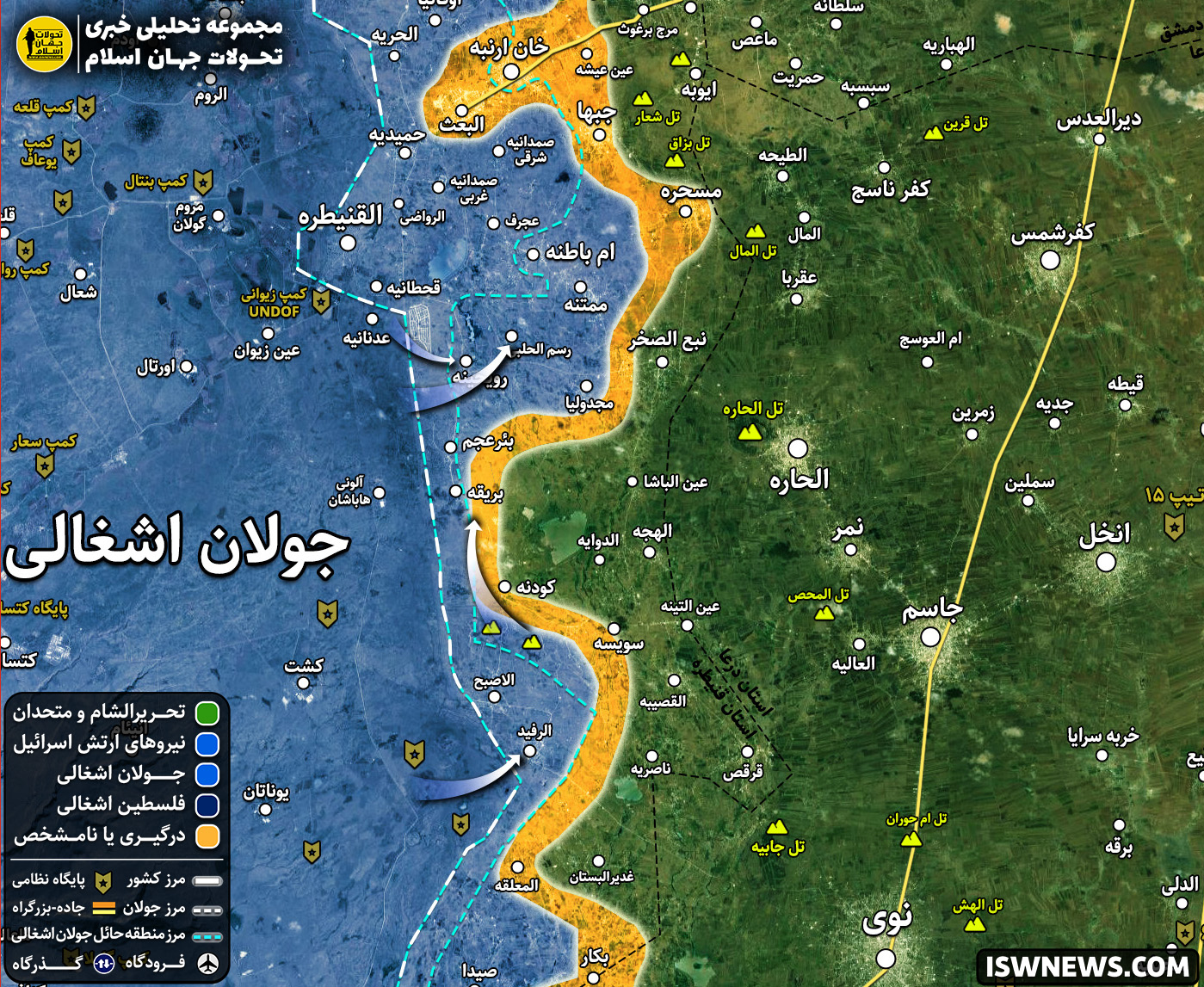
In the latest movements, 10 Israeli military vehicles departed from Tel Ahmar and headed toward the Bariga-Kudna road, establishing a checkpoint there. Additionally, another convoy of 10 vehicles entered Ruwaiheena village before proceeding toward Rasm al-Halabi in central Quneitra. Five Israeli vehicles also entered Rafid village. An Israeli patrol, supported by two tanks, moved from Adnaniyeh to Ruwaiheena, with the tanks positioning themselves on the village outskirts.
It appears that the regime’s movements in southern Syria are now directly influenced by ongoing Syrian-Israeli-American negotiations, and until the parties’ agreements are clarified, significant changes in frontlines are unlikely.
The United States facilitated the meeting. The talks focused on reducing tensions and preventing Israeli interference in Syria’s internal affairs(!), monitoring the ceasefire in Sweida province, and implementing the 1974 agreement.
The goal is to foster regional understanding to enhance security along Syria’s southern borders and prevent conflicts in areas under Julani government control.
Additionally, on August 21, 2025, during a visit to Amman, the Syrian Foreign Minister met with Jordanian Foreign Minister Ayman Al-Safadi and US Special Envoy Thomas Barak to discuss trilateral cooperation aimed at stabilizing Syria.
This meeting occurred amid Hamas’s recent announcement of a ceasefire proposal! If an agreement is finalized to release hostages and establish a ceasefire, the plan to attack Gaza City might be canceled.
Hours after the meeting, Hebrew media reported that Yisrael Katz approved Operation Gideon’s Chariots B plan on Wednesday. The plan was approved after Eyal Zamir and senior commanders presented operational details to Katz.
The goal is to fully capture Gaza City, continuing Israel’s efforts to pressure Palestinian resistance groups into negotiating a prisoner exchange.
As part of this plan, the Israeli army is calling up 60,000 reservists. Additionally, the defense minister approved relocating about one million Palestinian civilians from Gaza City to the southern parts of the strip.
This new phase of Operation “Gideon’s Chariots” underscores Israel’s resolve to diminish Hamas’s military influence in Gaza. With the large reserve call-up and focus on controlling Gaza City, Israel seems intent on shifting the battlefield dynamics. Future developments, including diplomatic efforts and military actions by Palestinian resistance groups, will significantly influence the outcome of this military operation.
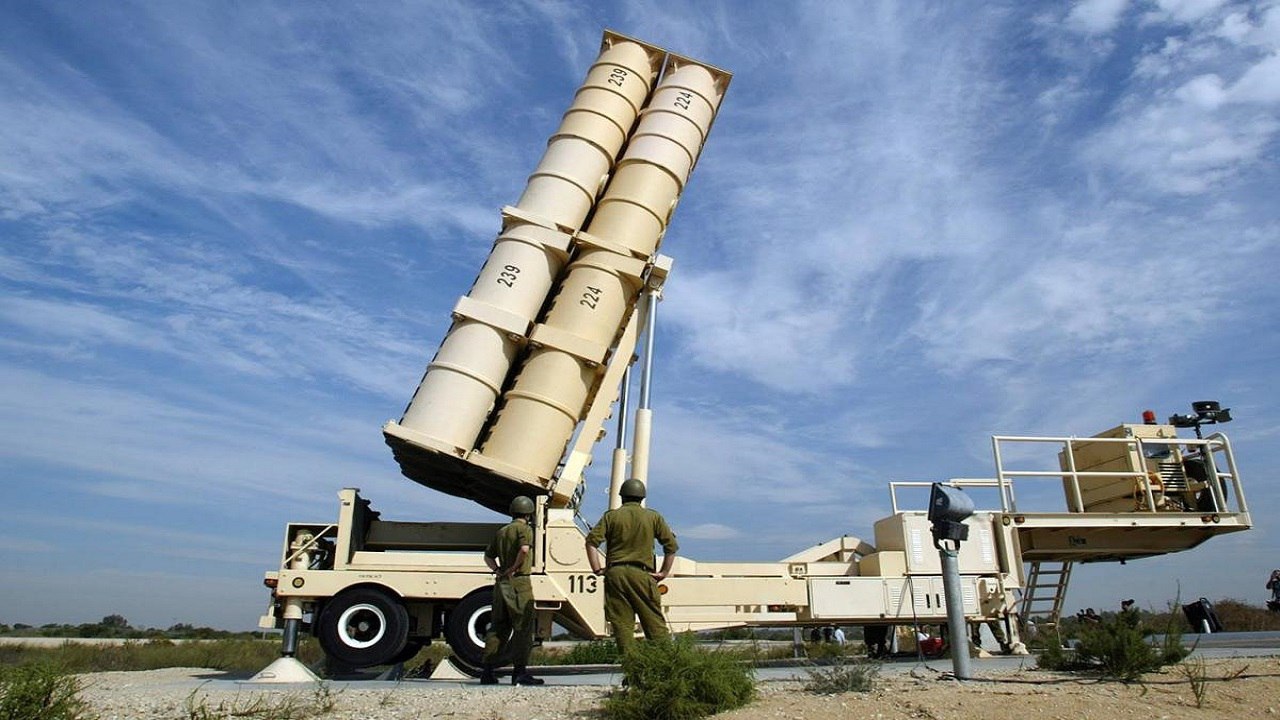
This strategy includes new laser and radar technologies, along with classified systems. The Iron Dome protects against short-range rockets and drones; David’s Sling intercepts cruise and tactical ballistic missiles; Arrow 2 and Arrow 3 handle long-range and extra-atmospheric missiles, with Arrow 4 still under development for advanced missile threats inside and outside the atmosphere.
Last month, Israel’s Defense Ministry agreed to ramp up Arrow missile production. These steps follow the recent 12-day conflict between Tel Aviv and Tehran, during which, according to Israeli claims, Iran launched over 500 ballistic missiles and 1,100 suicide drones, damaging residential areas, killing 29, and injuring over 3,000. Yemen’s Ansar Allah has also increased missile and drone attacks on occupied Palestine since March 18, with nearly 70 ballistic missiles and 20 drones fired.
Meanwhile, IDF Chief Eyal Zamir warned that Israel might carry out new strikes against Iran if needed.
The accelerated military buildup highlights Israel’s growing concern over its deterrent capacity against Iran and resistance groups, especially after recent attacks that exposed weaknesses in its defense systems, creating political and psychological pressure.
Furthermore, the significant investment in layered defenses suggests preparation for a prolonged, multi-front regional conflict. The active presence of Yemen’s Ansar Allah fighting Israel and potential involvement of other resistance axis members indicate Israel aims to establish a broad defense umbrella against threats from Iran, Yemen, Lebanon, and Iraq, signaling that the region may be nearing a new round of conflicts.
During this meeting, senior Yemeni commanders discussed the military readiness of the Sixth Region forces, security and intelligence matters, the training process, and popular mobilization efforts in support of Palestine. They also addressed the organization of the annual ceremony commemorating the birth of the Prophet Muhammad (PBUH).
The Yemeni Armed Forces anticipate the possibility of the enemy launching ground or air attacks on the northern or northwestern fronts, particularly in the Al-Jawf and Sa’ada regions. In response, they have prepared themselves for all potential scenarios involving the United States and Israel against Yemen.