According to the statement, a number of ministers were also injured in the attack and are currently receiving treatment at a hospital in Sanaa. Yemeni media reports confirm the deaths of Foreign Minister Jamal Amer, Information Minister Hashem Sharaf al-Din, Justice Minister Ahmed Abdullah Ali, Youth and Sports Minister Mohammed al-Mawled, and Electricity and Energy Minister Ali Saif Mohammed.
Ahmed al-Rahawi had been appointed Prime Minister on August 23, 2024, by Mahdi al-Mashat, head of Yemen’s Supreme Political Council. His administration, operating under the slogan “Change and Construction,” had made notable progress over the past year in addressing economic hardships and managing the fallout from the ongoing conflict with Israel.
Following the assassination, Deputy Prime Minister Mohammed Ahmed Moftah has been appointed to lead the government.
The Israeli airstrike, carried out on Thursday, August 28, targeted senior military commanders and political leaders in Yemen. Although the attempt to assassinate the Chief of Staff and the Defense Minister was unsuccessful, the attack resulted in the deaths of the Prime Minister and several cabinet members. This operation marks the beginning of a broader intelligence and security campaign by Israeli agencies Mossad and Aman in Yemen, aimed at murdering key figures in the Yemeni government and the Ansar Allah movement.
Ahmed is the eldest son of Ali Abdullah Saleh, the founder of the Yemeni People’s Congress Party. Ali Abdullah Saleh fled to the UAE following his attempted coup against the leaders of the Yemeni revolution and the Ansar Allah movement in 2017, after which he ceased his activities in Yemen. However, the Central Committee of the People’s Congress Party appointed Ahmed as deputy to Sadiq Amin Abu Ras, the new leader of the party.
Ahmed’s dismissal stems from his recent attempts to reenter the political arena in Yemen and his efforts to create a rift between the People’s Congress Party and the Ansar Allah movement. His actions are reportedly aligned with an Israeli security plan that involves the participation of the UAE in the city of Marib. The Islah Party has opposed the rise of Ali Abdullah Saleh’s supporters in Marib, considering it their most significant base of operations, which has escalated tensions between the factions in the occupied areas of Yemen.
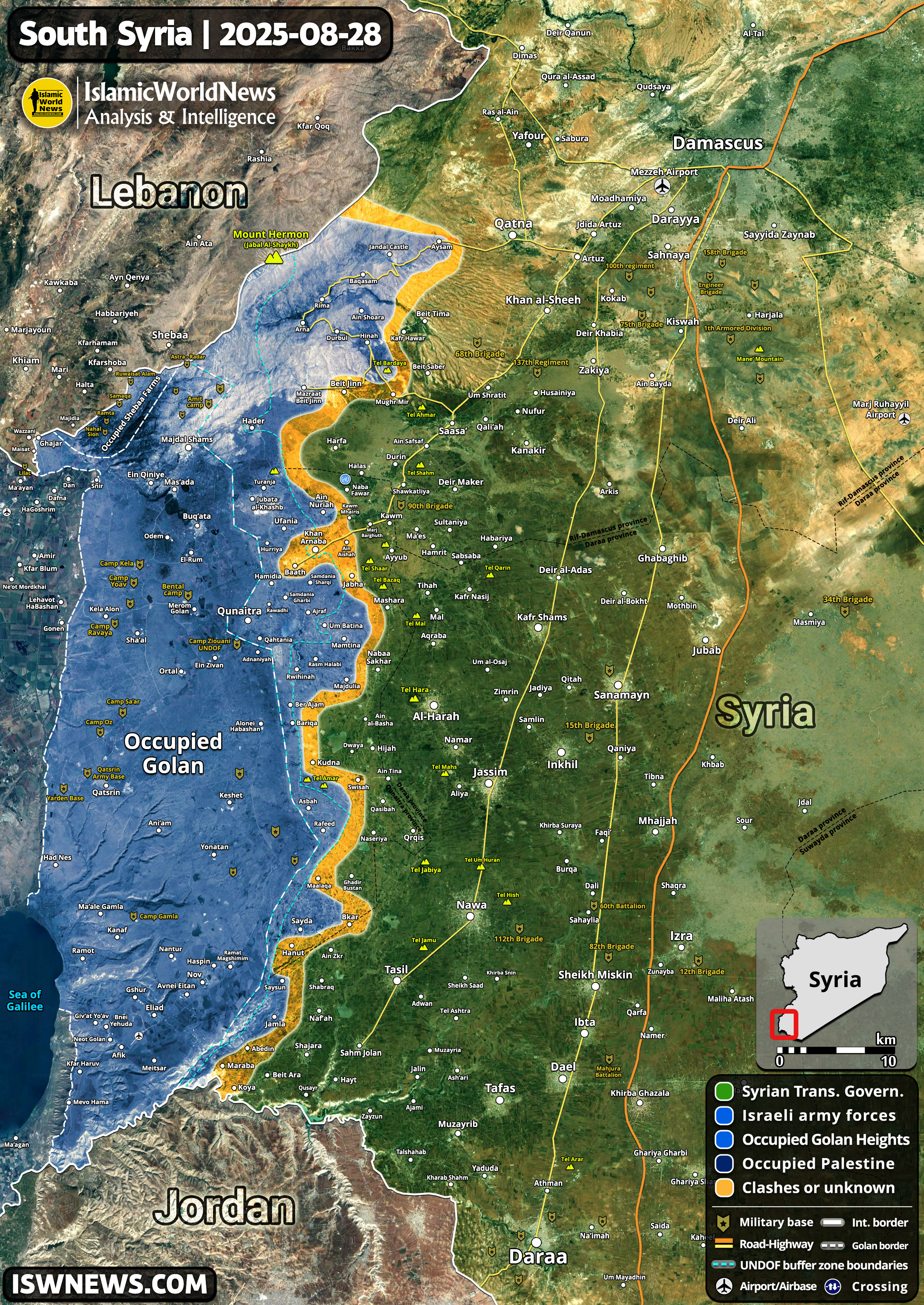
According to the latest data gathered by Islamic World News, the most recent Israeli military movements in southern Syria are as follows:
August 24: Five Israeli military vehicles entered the village of Bariqa in Quneitra province. Troops stationed themselves in front of the Public Security building and set up a temporary checkpoint, inspecting passing vehicles.
August 25: A convoy of 11 military vehicles and over 60 Israeli soldiers entered the Beit Jinn area in the Damascus countryside, detaining six local residents. Simultaneously, Israeli forces took control of Bat al-Warda hill on the slopes of Mount Hermon.
August 25: Israeli military activity intensified in the Al-Rafid area of Quneitra. After deploying on Al-Jamous hill, troops entered the village of Al-Hiran, while another group patrolled Ayn Zivan. The village of Ayn al-Abd also witnessed an Israeli raid.
August 26: An Israeli attack on a residential home in the village of Tarnajah, north of Quneitra, resulted in the death of a Syrian youth named Rami Ghanem.
August 27: Israeli forces entered the village of Western Samadaniyah in Quneitra province, conducted patrols, and then withdrew.
August 28: Israeli troops appeared at the Abu Ghara junction east of Al-Rafid and continued scattered patrols in Beit Jinn.
The physical presence of Israeli forces on Syrian soil—regardless of its immediate outcomes—sends a clear regional message: Israel is willing to enter a new operational phase to prevent the establishment of intelligence or military infrastructure near its borders. These recent actions reflect Tel Aviv’s effort to solidify a security belt beyond the ceasefire lines.
Moreover, field developments suggest that Tel Aviv aims to secure its desired geographic clauses in security agreements not through negotiation, but via direct military pressure. This strategy indicates Israel’s intent to impose its security equations on the Golan governance through a combination of iron and fire.
On August 26, Syrian security forces discovered and seized advanced Israeli surveillance and espionage equipment near Jabal al-Manea and the 1st Armored Division. While attempting to transfer the equipment to the division’s headquarters, they were struck by Israeli airstrikes, resulting in casualties among Syrian soldiers. The strikes continued for 24 hours to prevent reinforcements from reaching the area. Despite the strikes, some Syrian forces managed to destroy parts of the equipment and evacuate the bodies of the fallen.
Continuing the events, Israeli aircraft again targeted the Al-Kiswah and Jabal al-Mane’ areas multiple times last night and conducted a heliborne operation at the 1st Armored Division base. According to local sources, at least four Israeli helicopters participated. Israeli forces remained in the area for over two hours, though no direct clashes with Syrian troops were reported.
While details of the operation’s objectives remain undisclosed, it’s believed the recovered surveillance equipment was significant enough to prompt Israel to launch a retrieval mission. Of course, that’s not the whole story; the strategic importance of the military installations in Al-Kiswah and especially Jabal al-Mane suggests broader goals. The sequence of airstrikes, troop deployment, and extended presence indicates Israel is pursuing more than a limited strike.
The execution of combined operations involving airstrikes, drones, and heliborne assaults deep inside Syrian territory signals a qualitative shift in the Israeli army’s operational tactics. This style of operation was previously carried out in Masyaf during the final phase of Bashar al-Assad’s rule, during which important documents were stolen and part of an underground base was destroyed.
Overall, the Israeli regime seeks to demilitarize southern Syria and establish a large buffer zone adjacent to the occupied Golan Heights. The fall of the previous government and the rise of a fledgling and weak regime in Damascus presents the best opportunity for Israel to pursue this goal. Through repeated airstrikes and physical occupation of parts of southern Syria, the Zionist regime aims to neutralize the Syrian army’s capabilities and maintain permanent control over potential threats. Although talks between Damascus and Tel Aviv regarding normalization of relations or peaceful coexistence are ongoing, it must be understood that Israel holds the upper hand and considers itself above the need to engage with Syria. Therefore, the regime continues its attacks and efforts to neutralize the Syrian government while simultaneously participating in negotiations, viewing them as an opportunity to extract more concessions and apply greater political pressure.
While Zionism has achieved nothing in their attempt to crush the Palestinian resistance, there is still talk of forced resettlement. According to sources from Libya, the country is allegedly going to accept hundreds of thousands of Palestinians in exchange for economic support from the United States.
This behavior of the self-proclaimed government in Tripoli is not surprising, since it is worth remembering how those who call themselves “allies of Palestine” held Hamas members in their prisons for 7 years. This was a clear indication from the “Libyan Democrats” of their pro-Zionist tendencies.
Another story happened a couple of years ago, when there was a scandal in connection with the meeting of the then foreign ministers of Libya and Israel. Therefore, the story of the resettlement of Palestinians from the Gaza Strip is absolutely unsurprising.
To be fair, it is worth noting that on the opposite side of Libya, the Haftar dictatorship has been actively cooperating with the Zionists all this time, and of course there have been talks about the forced resettlement of Palestinians between the parties.
Libya’s current problems are largely related to the confrontation between regional powers in the country, but the fact that there is no solidarity with the Palestinians cannot be denied. Back in 2013, the then head of Hamas, Khaled Mishaal, harbored illusions about the emergence of Libya as an alternative to Iran and Syria in terms of arms supplies to the Gaza Strip. The shahids Muhammad Deif, Ismail Haniyeh, Yahya Sinwar and many others have sharply spoken out against such a utopian idea. Today we see how deeply Mishaal was mistaken in his calculations. Not only was the Government of National Salvation not going to supply weapons to Hamas, they even organized the far-fetched arrest of members of the leading Palestinian resistance organization.
Mishaal proceeded from the simple logic that the Libyan Muslim-Brotherhood (MB, Ikhwans), who were close to Hamas, could become an important ally of Palestine for ideological reasons, but why did the former head of Hamas decide that the Ikhwans in Libya had authority at all?
Moreover, those who are commonly referred to as the main curators of the brotherhood in the person of the Turks and Qatar did not want to see the MB or another moderate Islamic political party at the helm in Tripoli. For example, I would like to point out the words of the late Iranian cleric Hadi Khosroshahi, who was in close contact with the Egyptian Brotherhood and was engaged in research on the international network of ikhwans. Khosroshahi noted that during his tour of the Arab Spring countries (Egypt, Libya, Tunisia), Erdogan insisted that Libya have a secular constitution.
The conclusion is that the Qatari-Turkish alliance never wanted not only the liberation of Palestine, but also considered the Muslim-Brotherhood only as a temporary useful tool.
As for some Hamas leaders, it turned out that those whom they saw as “strategic allies” turned out to be real enemies, because the proposal to resettle Palestinians in their country and arrest members of the Palestinian resistance are the best gifts to Zionism. Today we see that those who bet on an alliance with the axis of conformism in the person of Turkey and Qatar have completely lost and remained in the dustbin of history. While the supporters of the pro-Iranian line inside Hamas continue their glorious battle as part of the Axis of Resistance, but more importantly, the new generation of Palestinians will undoubtedly develop the line of the legendary tandem of martyrs Sinwar – Deif until the complete liberation of Palestine.
As for the Libyans, to this day they do not have an organized pro-Palestinian organization that could help the Palestinians, not by word, but by deed. All pro-Palestinian activity in western Libya is limited to rallies and quotes from the Chief Mufti.
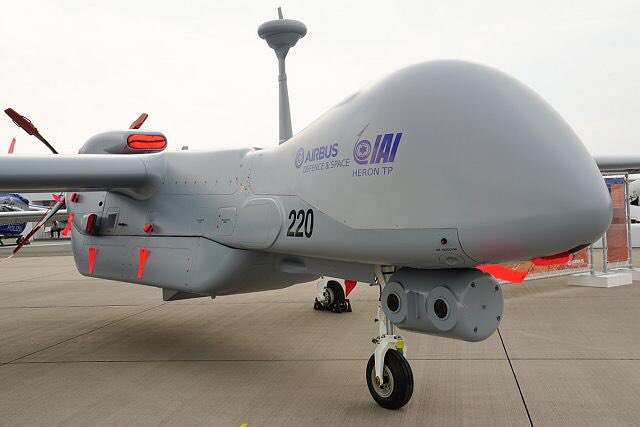
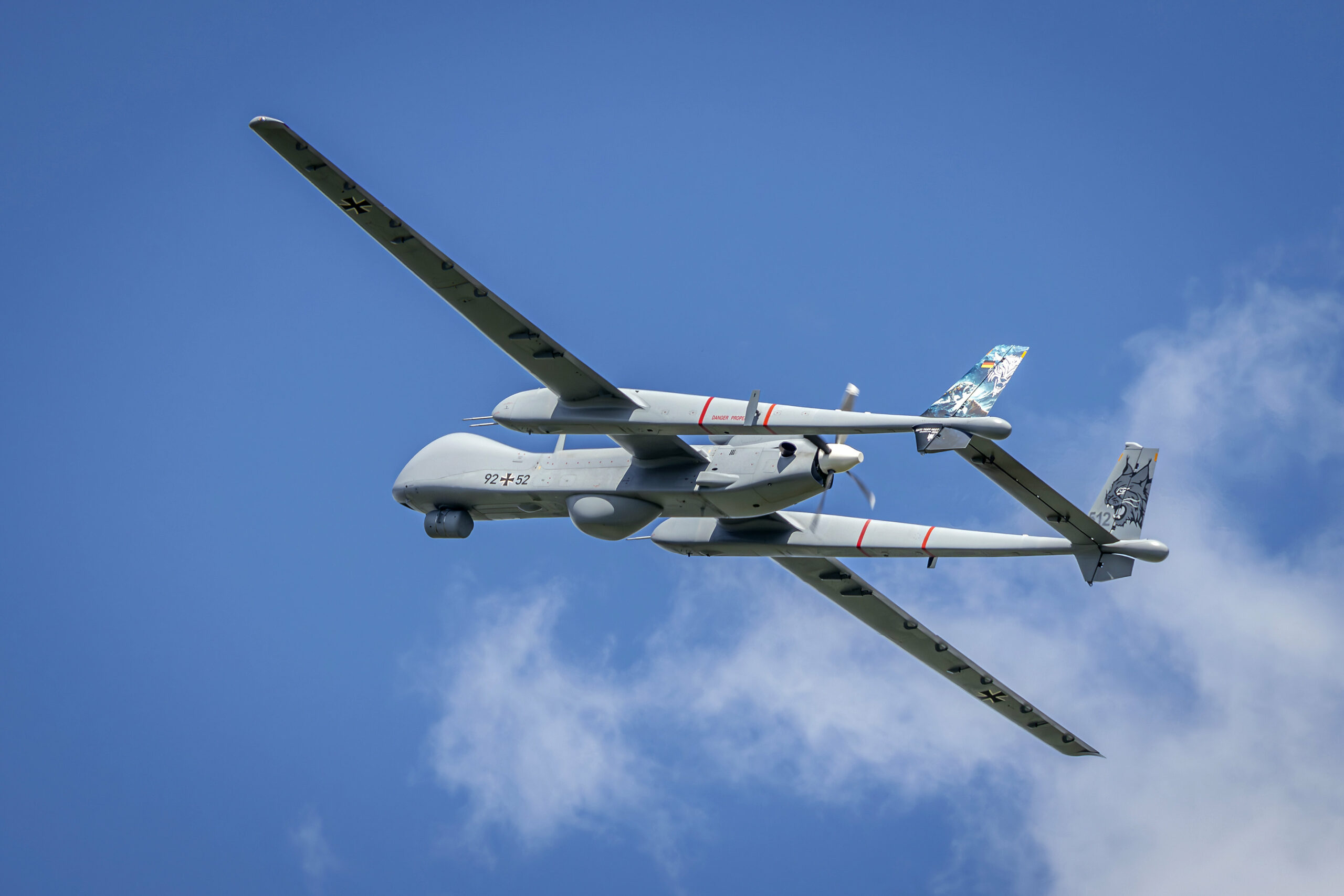
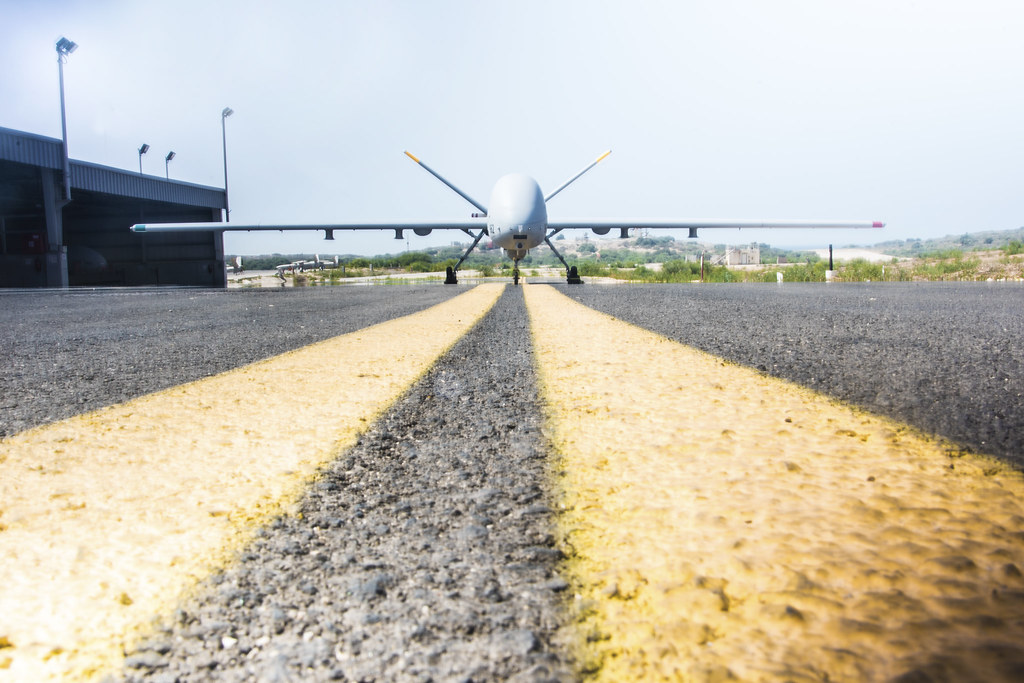
The Eitan UAV is rooted in Israel’s legacy of innovation in unmanned aerial systems. The primary driver behind the development of advanced drones in Israel was the intelligence failures during the 1973 Yom Kippur War—an experience that underscored the urgent need for real-time, persistent situational awareness for ground and air forces, without risking pilot lives. Today, UAVs account for nearly 80% of the Israeli Air Force’s total operational flight hours, highlighting their central role in modern military strategy.
Israel Aerospace Industries (IAI), originally founded in 1953 under the name Bedek Aviation, evolved from a modest aircraft repair facility into a leading aerospace and defense manufacturer. It took on the mission of bridging the intelligence gap exposed by past conflicts.
The predecessor to the Eitan—marketed as Heron TP—is the highly successful Heron-1, also known as Shoval or Machatz-1, which first flew in 1994. Heron became the backbone of Israel’s drone fleet, logging hundreds of thousands of operational flight hours both domestically and with over 13 international clients. It played a critical role in strategic and tactical ISR (Intelligence, Surveillance, Reconnaissance) missions, including operations in Gaza and Lebanon. Heron’s design philosophy centered on three pillars: long endurance, multi-role flexibility, and high levels of automation—principles that later formed the foundation for the more advanced Eitan platform.
The Heron-1 has the following specifications: its wingspan is 16.6 meters and its length is 8.5 meters long. The drone is capable of climbing to an altitude of 10,000 meters (30,000 feet) and has an endurance of more than 50 hours. The Heron-1 has a maximum takeoff weight of about 1,150 kilograms and can carry up to 250 kilograms of surveillance and combat payload under the wings.
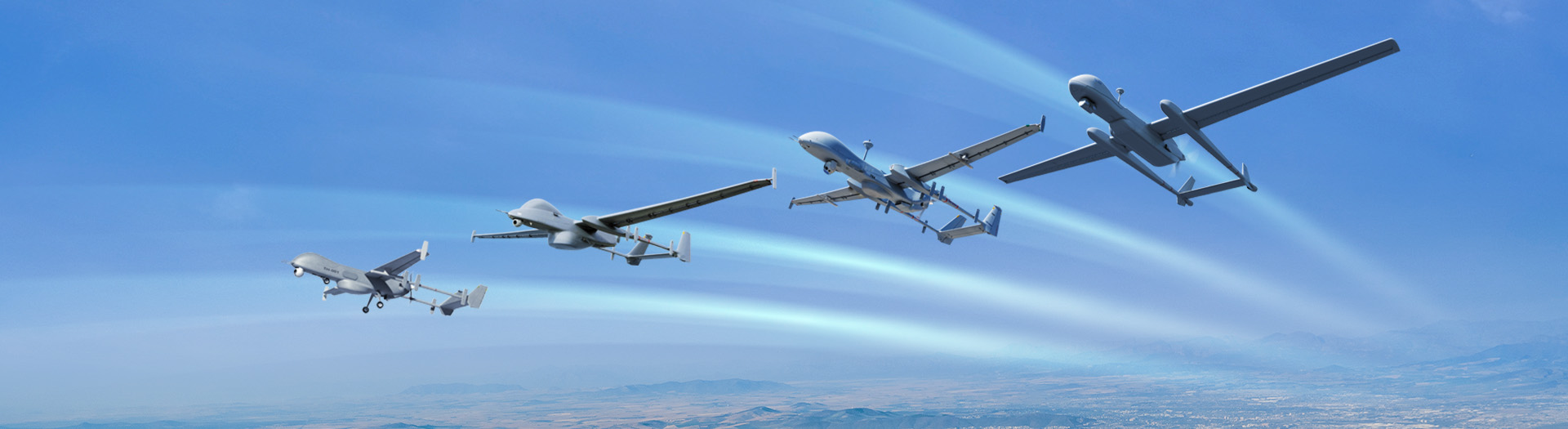
The evolution of the Heron series drones to the Eitan (Heron TP)
Strategic Shift and Operational Demands
In the early 2000s, Israel’s strategic threat landscape underwent significant transformation. The Israeli regime faced a complex network of non-state actors equipped with advanced technologies, as well as hostile state adversaries located beyond its immediate borders. These evolving threats exposed the limitations of existing UAVs like the Heron, particularly in terms of altitude, range, and payload capacity.
This shift created an urgent operational need for a High-Altitude Long-Endurance (HALE) platform capable of multi-role intelligence gathering across vast geographic areas. The new UAV had to sustain flight for over 24 hours, carry heavy payloads—including advanced radar systems, optical sensors, and signal intelligence equipment—and operate at altitudes that would place it beyond the reach of most air defense systems.
More than just an intelligence-gathering tool, this platform was designed to support the entire operational cycle, including joint missions with fighter aircraft. Its role was to reinforce Israel’s proactive military doctrine known as the “campaign between wars,” aimed at neutralizing threats before they escalate into full-scale conflict.
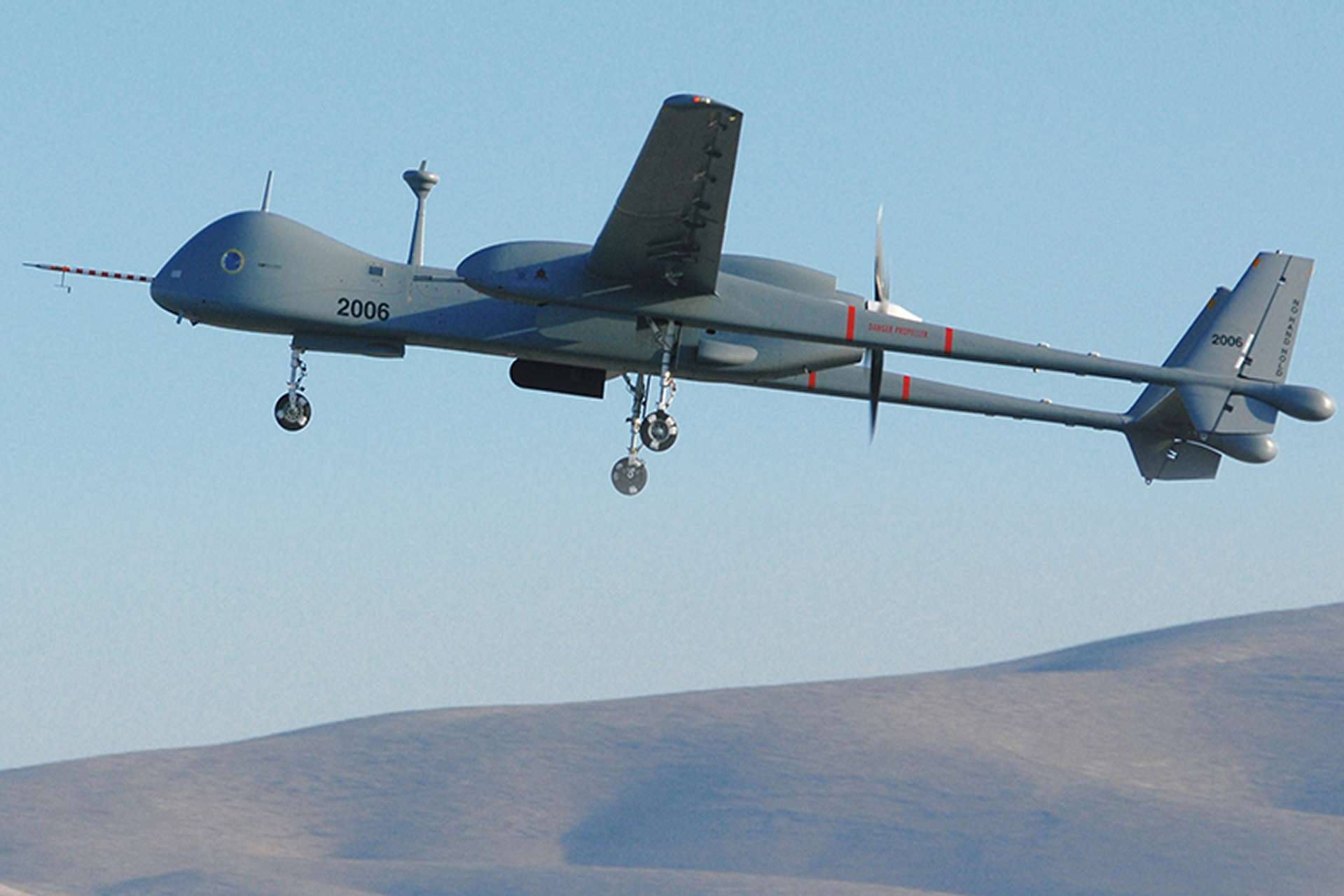
The Heron drone, the drone on which Eitan (Heron TP) was developed.
Israel’s “Campaign Between Wars” strategy is built on the premise that the country periodically faces short but significant military confrontations. The core objective of this doctrine is to delay the onset of future conflicts while simultaneously strengthening Israel’s strategic posture—ensuring that the quasi-state regime is well-prepared for the next round of tensions.
The development path of the Eitan UAV reflects Israel’s distinctive model of defense innovation, which prioritizes rapid advancement and operational feedback over linear, incremental progress. The program was first publicly acknowledged in April 2004 by the Israeli Air Force magazine, which reported the flight of two prototype units. In March 2005, a brief collaboration was initiated with the U.S.-based Aurora Flight Sciences to develop a platform named “Orion,” though the effort did not yield results. Conflicting reports about Eitan’s maiden flight—citing both July 2006 and January 2007—suggest a development process marked by continuous testing and iterative refinement.
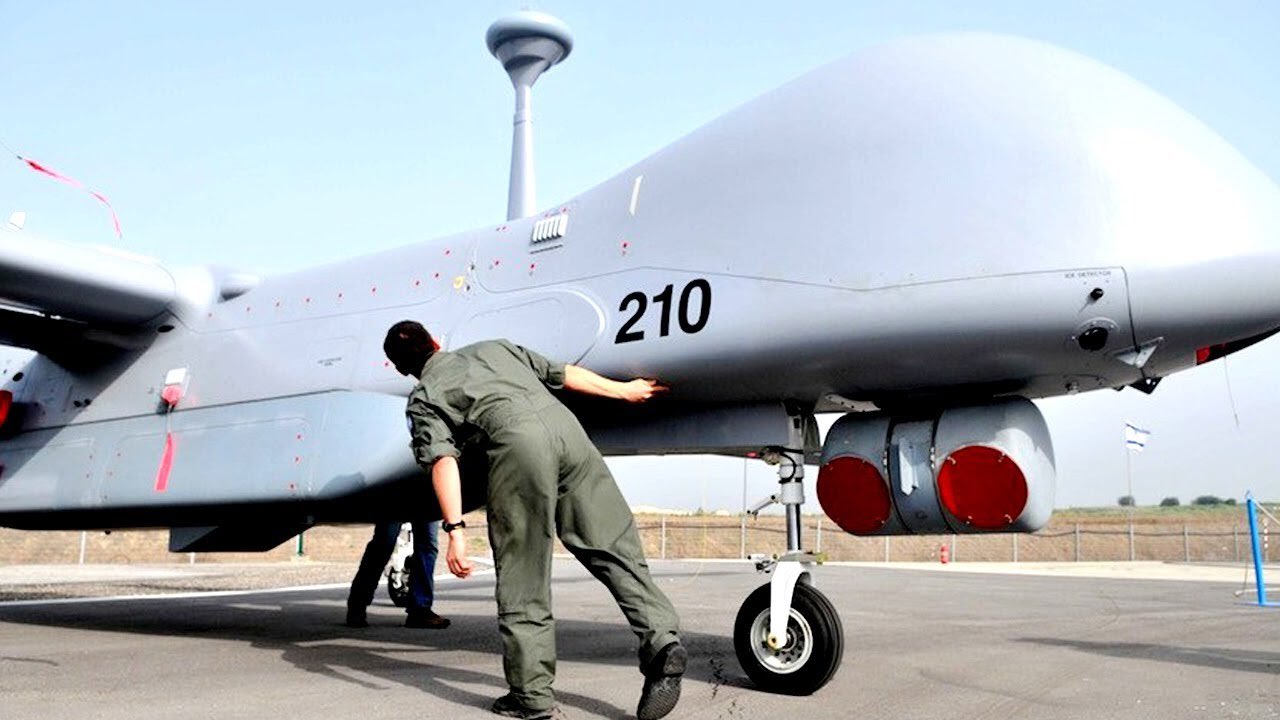
The drone was officially unveiled on October 8, 2007, at Tel Nof Airbase. The showcased configuration featured a large Synthetic Aperture Radar (SAR) pod mounted beneath the fuselage, a multispectral electro-optical sensor suite, and signal intelligence (SIGINT) arrays—confirming its role as a versatile, multi-mission platform.
Notably, Eitan was reportedly deployed during Operation Cast Lead in Gaza (2008–2009), prior to its formal induction into the Israeli Air Force’s 210th “White Eagle” Squadron in December 2010. This pattern of combat deployment before official service entry exemplifies Israel’s “spiral” development approach, where systems are battle-tested before public rollout—a critical advantage in the competitive global defense market.
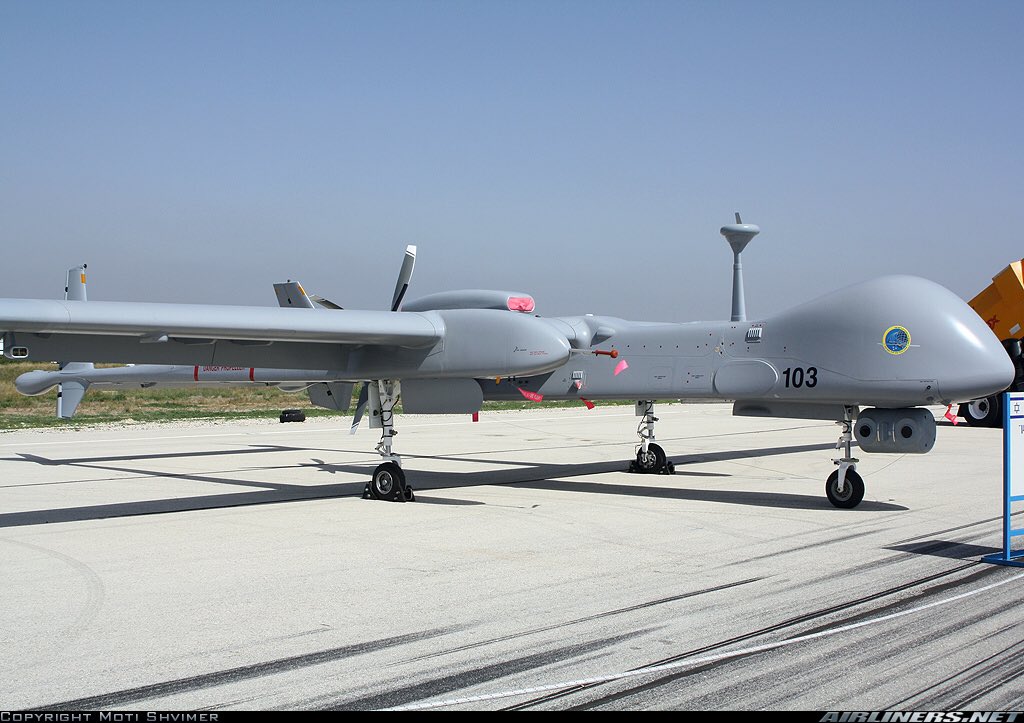
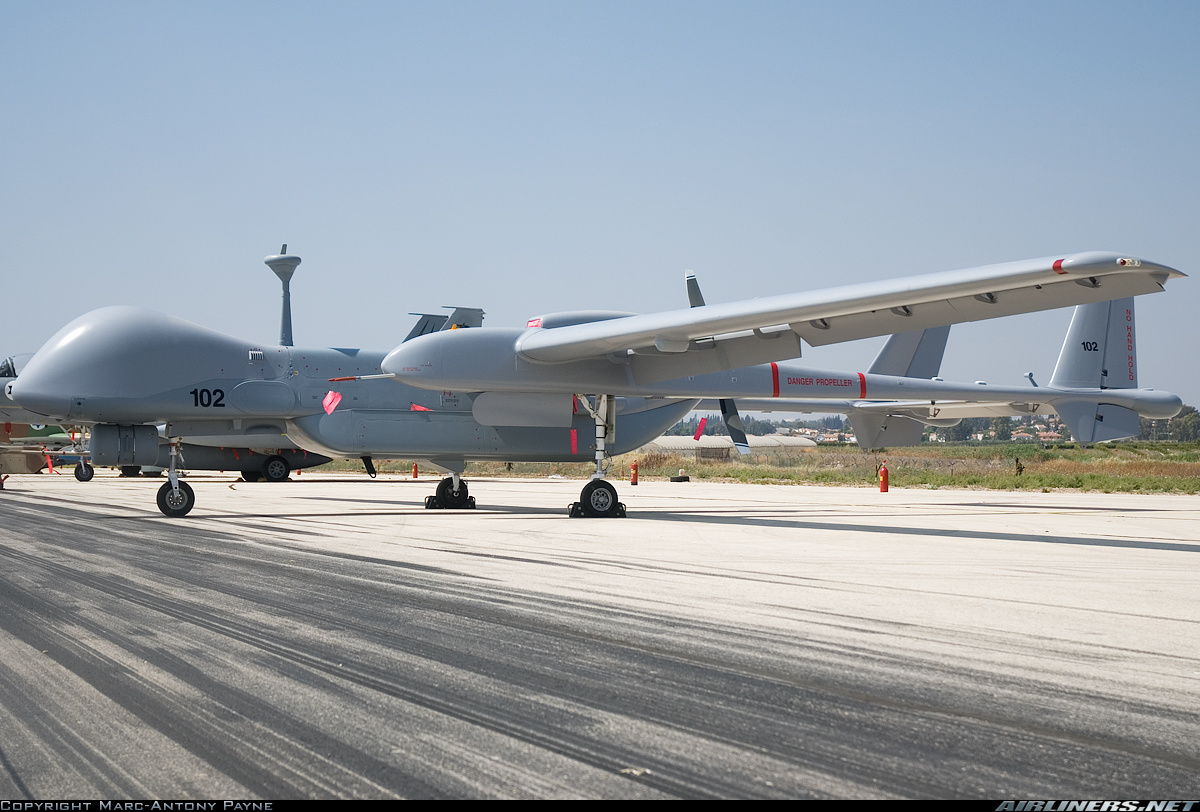
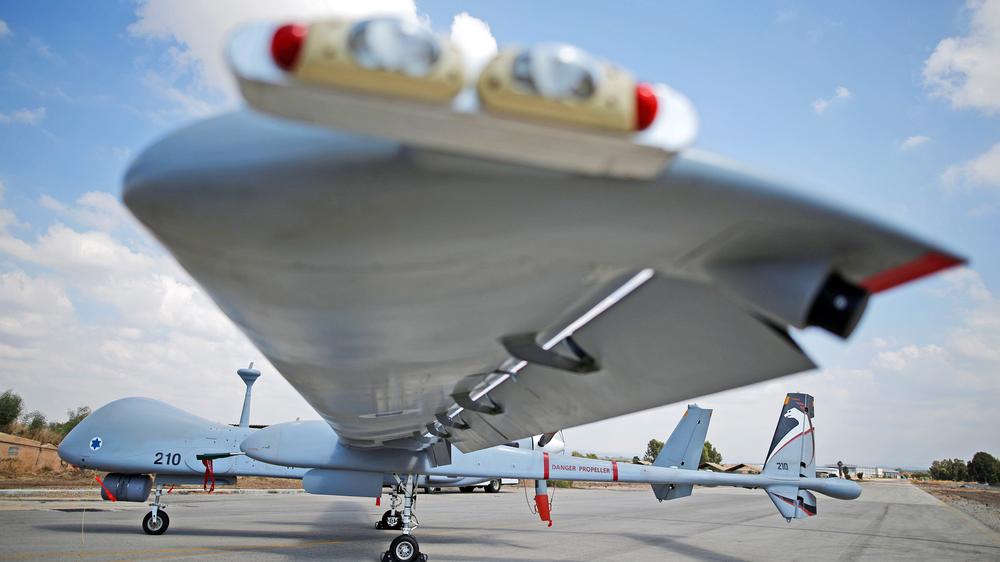
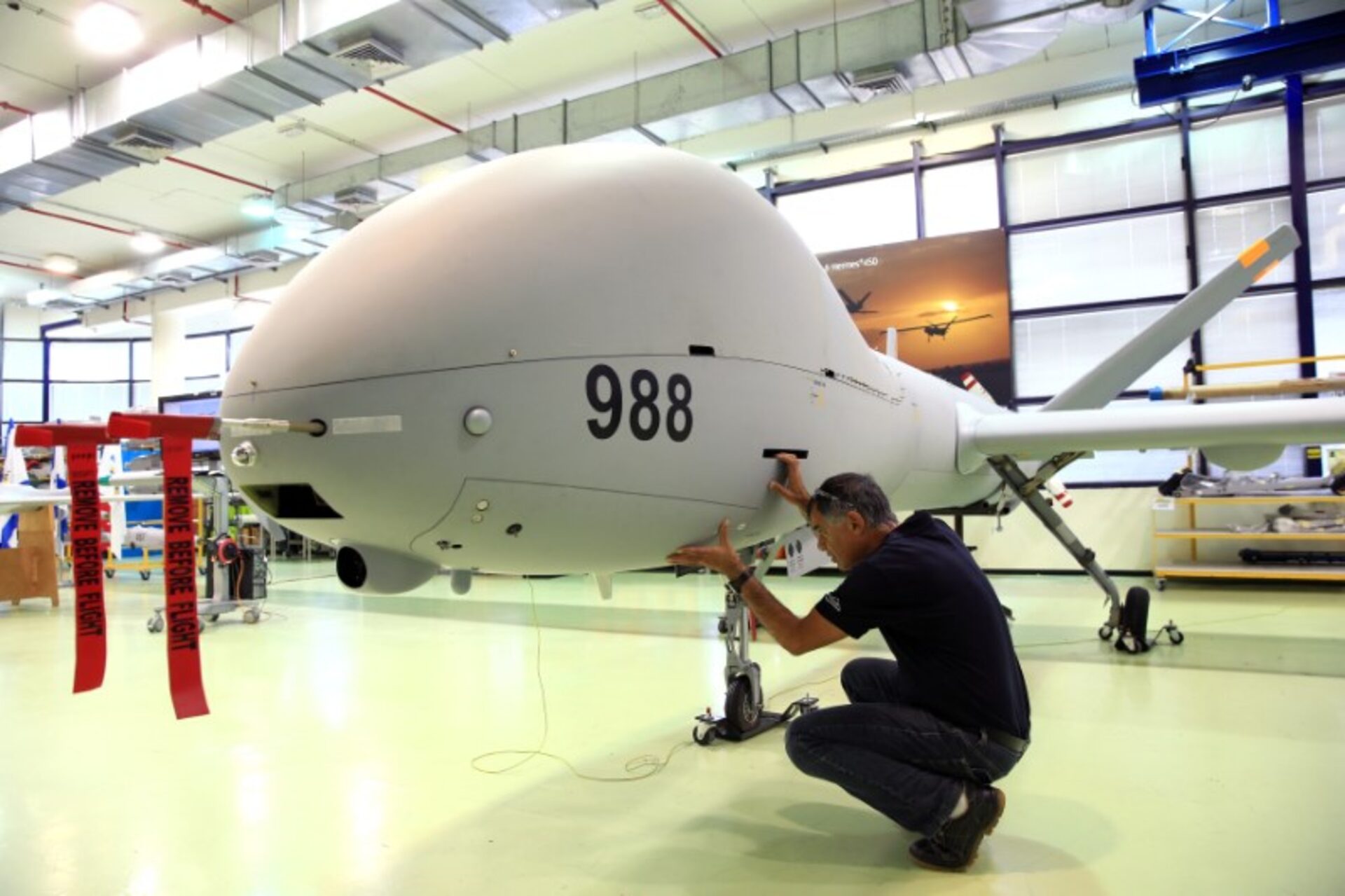
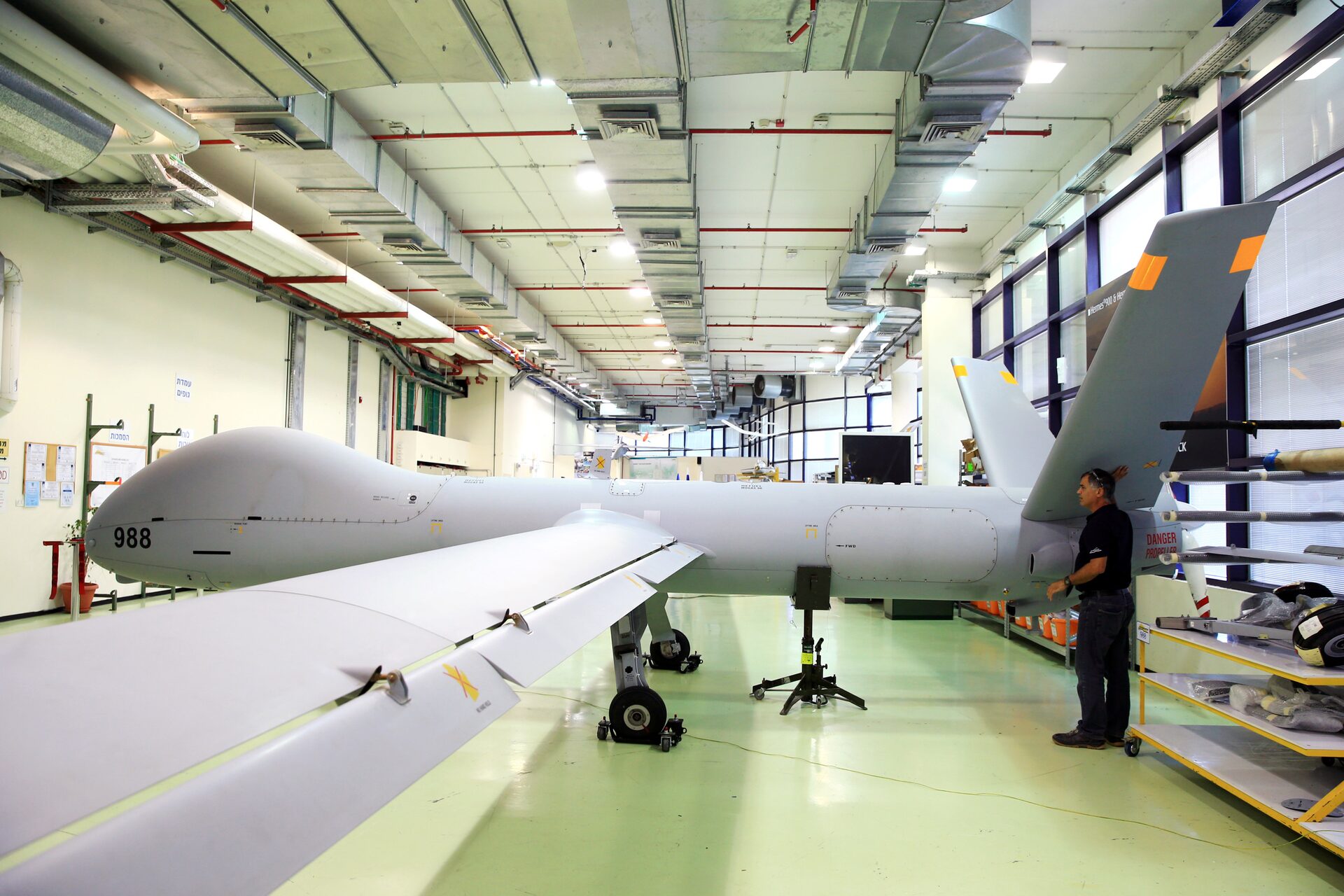
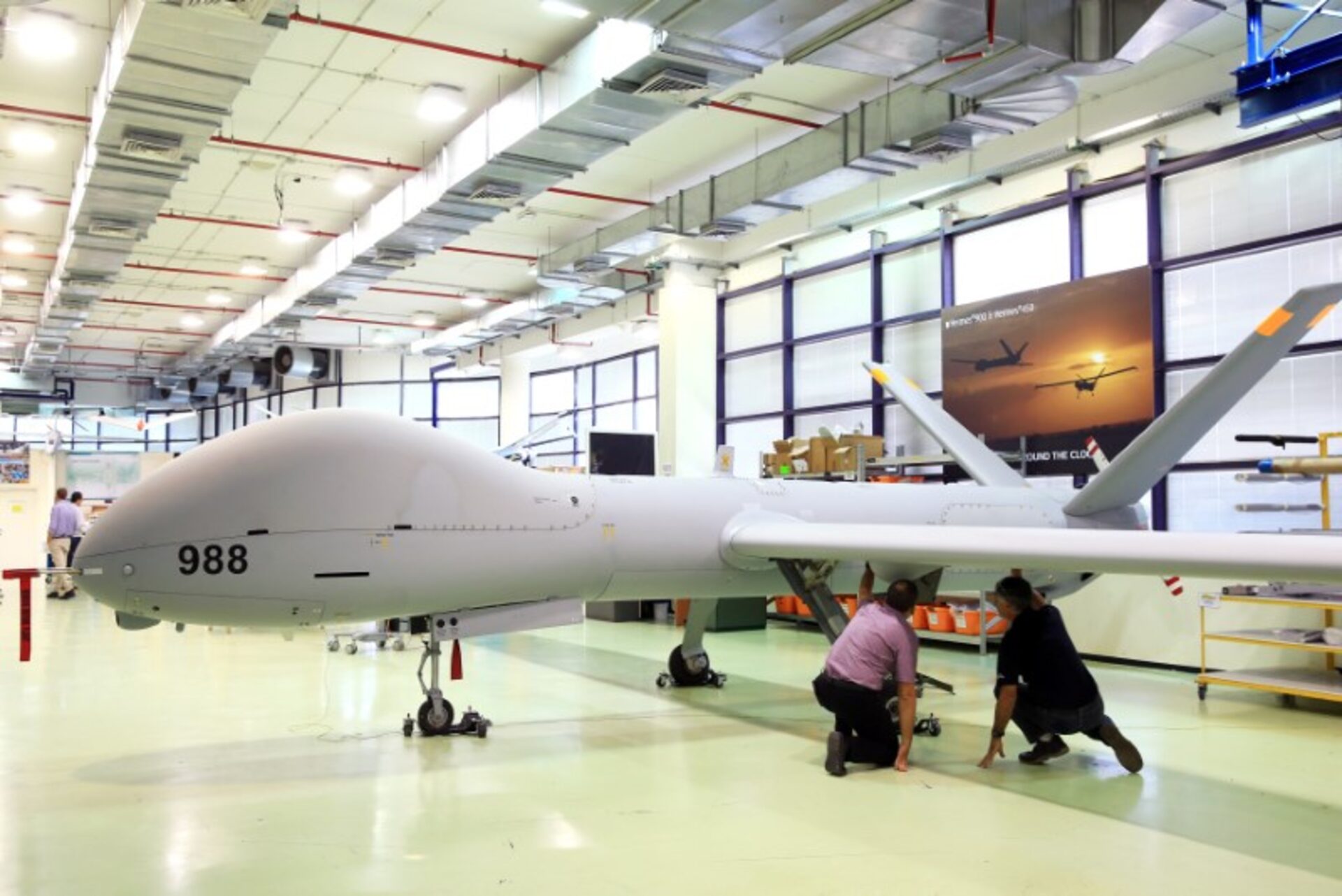
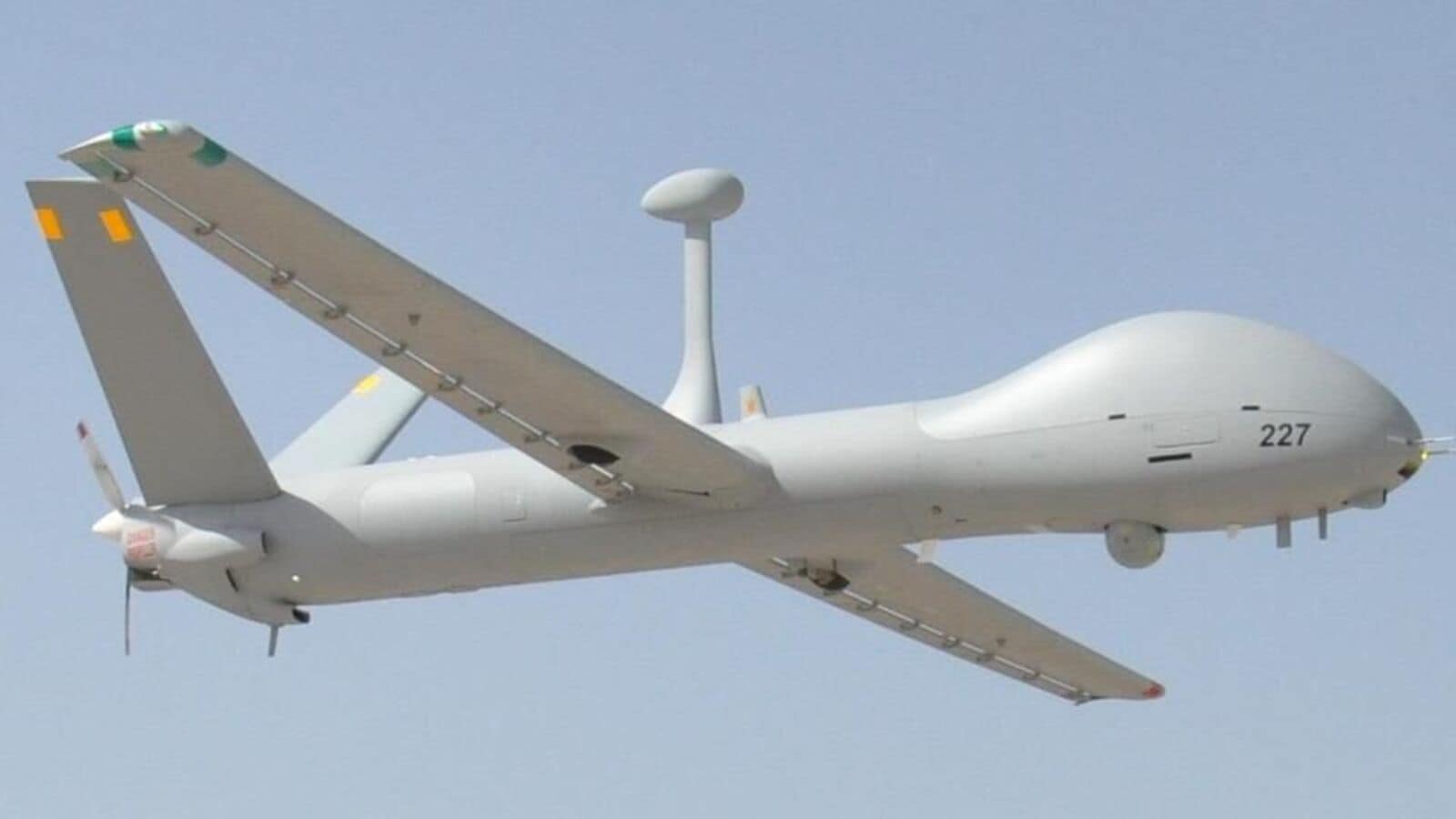
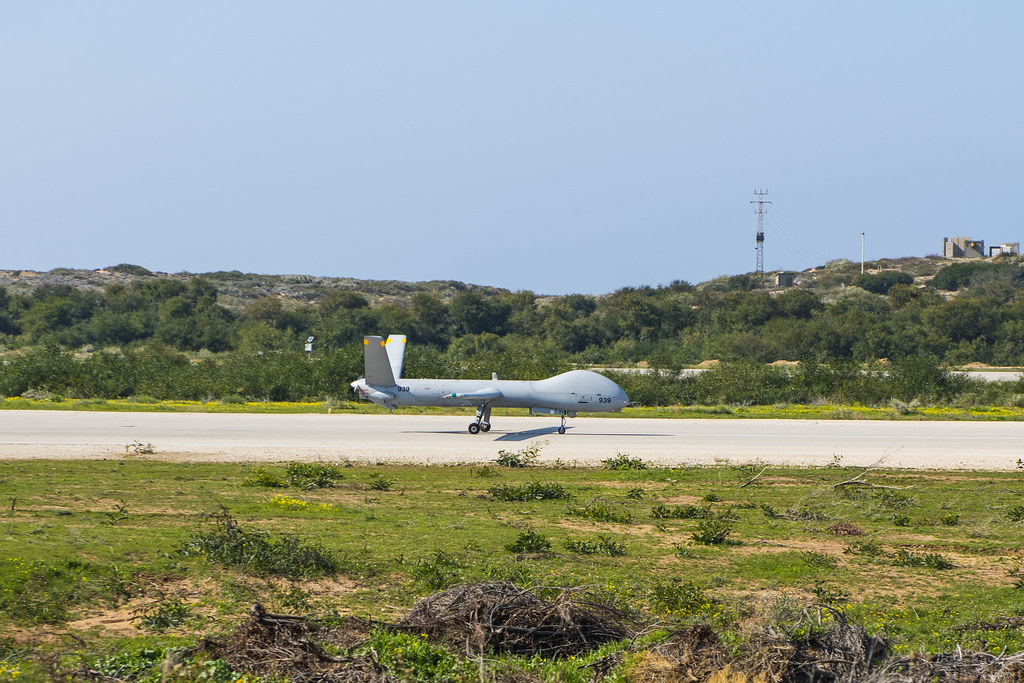
Heron TP drone – Eitan
Technical Specifications and Design Features of the Eitan UAV
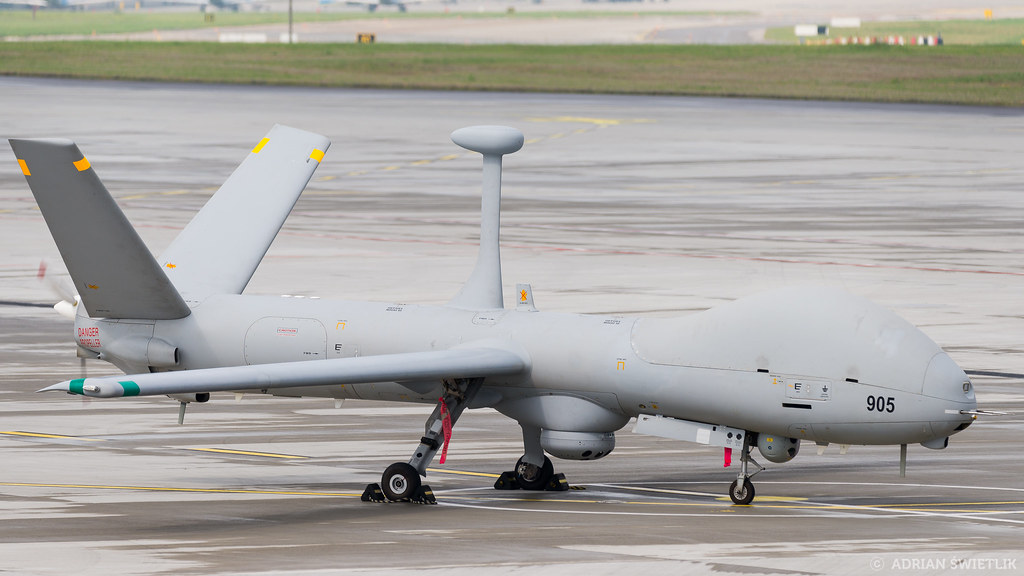
The Eitan is a large unmanned aerial vehicle, measuring 14 meters in length with a wingspan of 26 meters—comparable to that of a Boeing 737 passenger jet. These dimensions are essential for generating sufficient lift to support long-endurance, high-altitude missions.
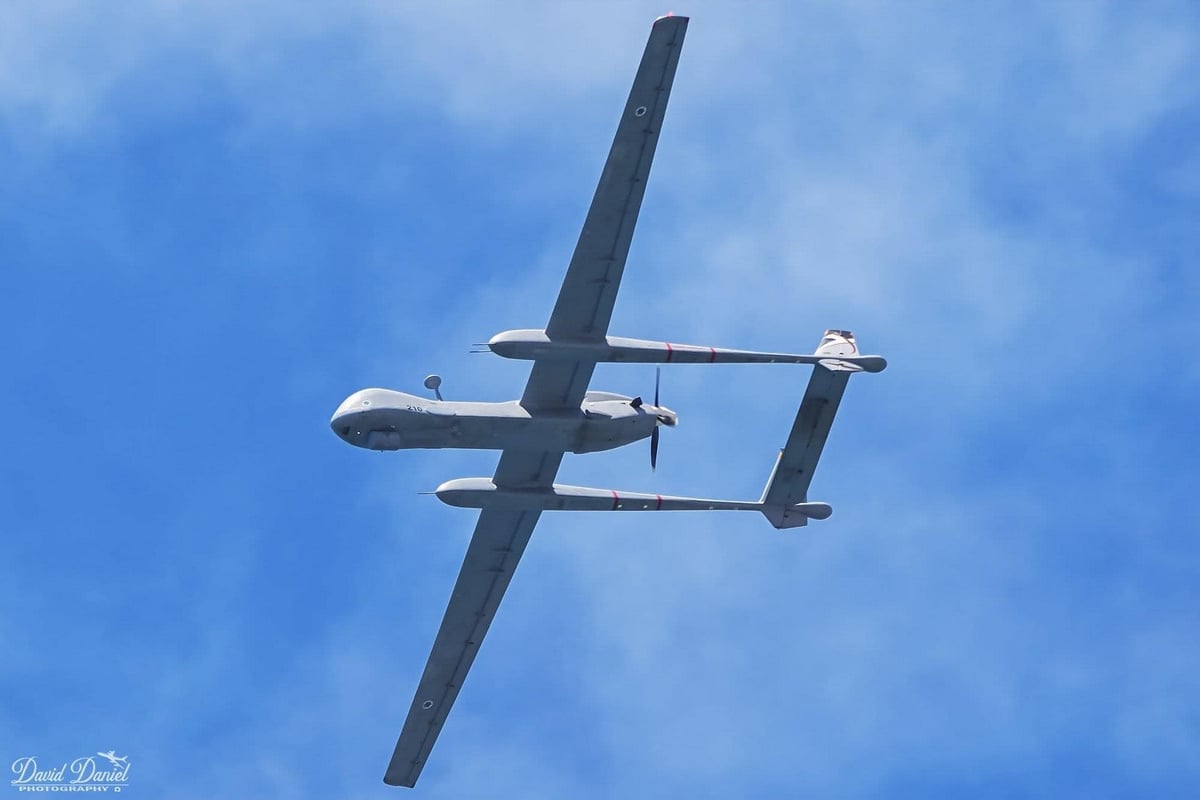
Its airframe is constructed entirely from lightweight composite materials, offering a high strength-to-weight ratio that enhances both performance and durability. The aerodynamic design features a cantilever wing structure and a twin-boom tail configuration. This layout not only provides excellent flight stability but also preserves unobstructed space beneath the fuselage, allowing for the integration of large payloads such as advanced sensors and radar systems.
Heron TP drone – Eitan
The Eitan UAV is powered by a Pratt & Whitney Canada PT6A-67A turboprop engine, delivering 1,200 horsepower. This robust propulsion system enables the drone to reach altitudes exceeding 45,000 feet (approximately 14,000 meters)—well above commercial air traffic and beyond the effective range of most short-range air defense systems.
With a top speed of 407 kilometers per hour, Eitan offers sufficient velocity for tactical responsiveness, allowing it to adapt quickly to dynamic mission requirements while maintaining high-altitude endurance.
Pratt & Whitney Canada PT6A-67A turboprop engine
Estimates regarding the Eitan UAV’s range and endurance vary across sources. Typically, its flight endurance is reported between 30 and approximately 70 hours, with a maximum range exceeding 7,400 kilometers. Its operational Beyond-Line-of-Sight (BLOS) range surpasses 1,000 kilometers, though this is primarily constrained by command-and-control limitations rather than fuel capacity.
In armed missions carrying heavier payloads, endurance naturally decreases. The drone’s maximum takeoff weight is reported to range between 4,650 and 5,670 kilograms, while its standard payload capacity is around 1,000 kilograms—sufficient for a wide array of surveillance and combat equipment.
For export purposes, the Heron TP-XP variant has been introduced with a reduced payload capacity of 450 kilograms to comply with the Missile Technology Control Regime (MTCR) restrictions. This ensures the platform remains within international arms control guidelines while still offering robust ISR capabilities to foreign clients.
Avionics, Autonomy, and Data Link Systems of the Eitan UAV
The Eitan UAV is equipped with a triple-redundant avionics architecture, ensuring that the failure of a single subsystem does not compromise the integrity or control of the platform. This robust design enhances mission reliability and survivability in contested environments.
Eitan is capable of fully autonomous operation—from takeoff to landing—thanks to its advanced Automatic Takeoff and Landing (ATOL) systems. These allow the drone to follow pre-programmed flight profiles with minimal operator intervention, significantly reducing workload and enabling safe return in the event of communication loss.
The platform is also equipped with de-icing systems and is engineered to operate in harsh weather conditions, expanding its mission envelope across diverse climates.
To counter electronic warfare threats, Eitan integrates advanced anti-jamming GNSS and communication systems, including IAI’s proprietary ADA system. These technologies ensure resilient positioning, navigation, and secure data transmission even under electronic attack.
As a Multi-INT platform, Eitan can simultaneously carry and operate multiple high-end sensors. Its modular design allows flexible sensor integration tailored to specific mission requirements. Key payloads include:
Electro-Optical/Infrared (EO/IR): Featuring multi-sensor suites such as the Tamam M-19HD and AMPS systems, equipped with HD cameras, laser rangefinders, and laser designators for precision targeting and surveillance.
Electro-optical and infrared sensors of the Eitan drone
• Radar Systems: Eitan is equipped with a high-resolution Synthetic Aperture Radar (SAR), enabling detailed imaging in all weather conditions and across day-night cycles. It also features Ground Moving Target Indicator (GMTI) functionality for tracking mobile ground targets in real time. Additionally, the platform includes a maritime patrol radar with Identification Friend or Foe (IFF) and Automatic Identification System (AIS) capabilities, allowing it to monitor and classify naval traffic with precision.
• Signal and Electronic Intelligence (SIGINT/ELINT): The UAV carries advanced antenna arrays designed for intercepting and analyzing radar emissions and radio communications. These systems enable Eitan to perform strategic electronic surveillance, contributing to situational awareness and threat assessment across multiple domains.
Antenna arrays for analyzing radar and radio communications activities
Collected data is transmitted in real time to the command center via direct Line-of-Sight (LOS) links and satellite communications (SATCOM). Israel’s collaboration with Western partners such as Thales has enabled NATO-compatible data links (STANAG 7085) for export users like Germany. Additionally, advanced Software-Defined Radios (SDRs), such as the ARC-840 ELTA, ensure interoperability among various forces.
Combat and Strike Capabilities of the Eitan UAV
Although the Israeli military maintains a policy of ambiguity regarding the arming of its drones, various reports and analyses describe Eitan as a potent strike platform. It is believed to be capable of carrying a range of Israeli-made guided munitions, including missiles from the Spike family.
Germany’s decision to arm its Heron TP fleet—following extensive political debate—further validates the drone’s weaponization potential. This confirms that Eitan’s role extends well beyond intelligence gathering.
Mission Profile and Operational Roles
Eitan serves as a persistent Intelligence, Surveillance, and Reconnaissance (ISR) platform. Its primary function is to act as an “ever-watchful eye in the sky,” delivering a continuous, real-time stream of high-precision data to battlefield commanders. This capability underpins nearly all modern military operations. With its extended flight endurance, Eitan can loiter over target areas for days, enabling intelligence analysts to build detailed assessments of enemy movement patterns and behavioral profiles—tasks that are impractical for manned aircraft with limited flight durations.
Beyond ISR, Eitan excels in target acquisition. Using advanced EO/IR sensors and laser designators, it can precisely locate and mark targets for engagement by other assets such as artillery, attack helicopters, or fighter jets. After a strike, it performs Battle Damage Assessment (BDA), using its sensors to provide immediate feedback on the effectiveness of the attack.
Eitan also functions as a critical airborne node for Command, Control, Communications, Computers, and Intelligence (C4I). Its altitude and endurance allow it to serve as a stable relay, connecting ground forces, naval units, and other aircraft that may be beyond each other’s line of sight. This capability is foundational to network-centric warfare, ensuring a shared operational picture across all levels of the combat force.
Electronic Warfare (EW) and Cyber Support
Eitan is a powerful electronic warfare platform. It can map the enemy’s electromagnetic spectrum, identifying command nodes, communication links, and radar frequencies. This intelligence can then be used to jam or deceive enemy systems, effectively blinding and silencing them at critical moments during operations.
Eitan’s versatility extends to the maritime domain, where it is deployed for patrol missions within Israel’s Exclusive Economic Zone (EEZ) and for monitoring offshore infrastructure. Its long-range sensors and endurance make it ideal for persistent surveillance over vast oceanic areas.
Operational History
Gaza: Eitan, alongside the broader Heron family, has been a cornerstone of Israeli operations in Gaza for over a decade. It played key roles in major campaigns such as Operation Cast Lead (2008–09), Operation Protective Edge (2014), and Operation Iron Swords (2023). In densely populated urban environments, its ability to provide 24/7 surveillance has been critical. During Operation Iron Swords, which began on October 7, 2023, Heron and Eitan drones were among the first assets deployed. With ground command posts caught off guard by Hamas’s initial assault, these UAVs became the primary source of real-time intelligence for higher command levels.
Northern Front (Syria and Lebanon): Eitan is routinely used for surveillance along the Lebanese border and for deep reconnaissance and strike missions inside Syria. These missions often target weapons shipments and military infrastructure linked to Iranian interests. Its high altitude and long range allow it to monitor vast territories and engage fleeting targets with precision.
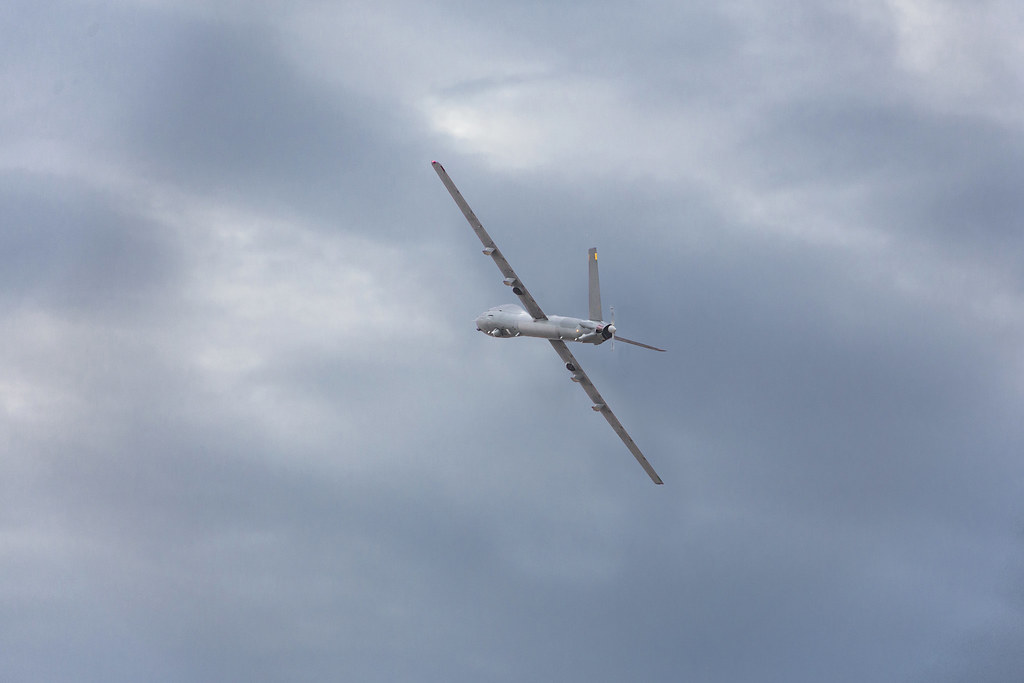
Eitan’s flight over Lebanon
Export and International Operators of the Eitan UAV
Germany: The acquisition of Heron TP drones by Germany marked a significant milestone in defense cooperation between Tel Aviv and Berlin. For Germany, the platform serves as a critical interim solution to bridge operational capability gaps in the HALE UAV domain until the joint European “Eurodrone” becomes operational. The 2022 Russian invasion of Ukraine acted as a key geopolitical catalyst, accelerating political decisions to arm the fleet.
India: India operates a large fleet of Heron-1 drones and has procured the more advanced Heron TP variant—referred to as Heron Mk2—to enhance its surveillance and strike capabilities along its tense borders with China and Pakistan.
Greece: Amid rising tensions with Turkey, the Hellenic Air Force has temporarily leased the Heron TP in a maritime configuration, using it for coastal surveillance and strategic monitoring in the Aegean region.
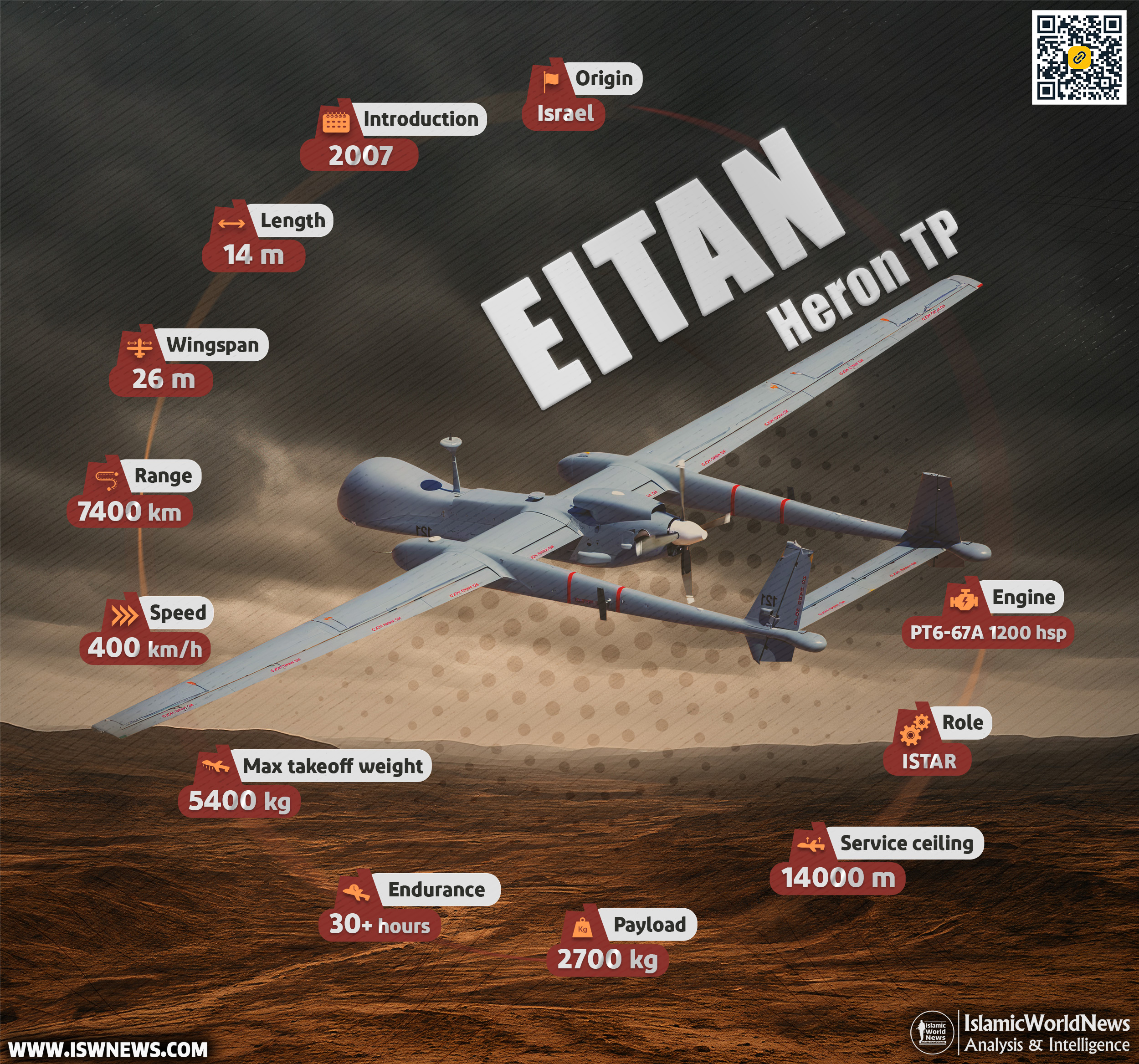
Eitan (Heron TP) drone specifications:
Type: Surveillance and reconnaissance (and possibly combat) Origin: Israel Manufacturer: Israel Aerospace Industries First flight: 2004 Unveiled: 2007 Length: 14 m Wingspan: 26 m Engine: PT6-67A, 1,200 hp Range: 7,400 km Speed: 400 km/h Service ceiling: 14,000 m (46,000 ft) Endurance: +30 hours Maximum takeoff weight: 5,400 kg Payload weight: 2,700 kg
Eitan Drone – Heron TP / Click to view in full size
The backlash came after Barrack’s controversial remarks during a press conference, where he told Lebanese journalists to “act civilized” and “don’t be animals,” sparking outrage.
In response, residents of Khiam staged a protest early this morning, writing slogans like “America is the Great Satan” and “Barrack is an animal” on the ground, effectively blocking his visit.
This incident adds tension to an already fragile ceasefire between Hezbollah and Israel, especially as Barrack plays a key role in U.S. efforts to influence Lebanon’s security and political landscape.
A Syrian Defense Ministry official confirmed that the strike hit positions of the Syrian Army’s 44th Division.
Since the fall of Bashar al-Assad’s regime, Israel has carried out hundreds of air and drone strikes across Syria, targeting military sites and infrastructure. Tel Aviv claims these operations are part of a broader strategy to curb the influence of Iran-backed groups and Hezbollah in the region. Damascus, however, views them as blatant violations of its sovereignty.
The repeated Israeli strikes reflect a sustained pressure campaign against Syria’s transitional government. This strategy not only weakens Syria’s defensive capabilities but also sends a message to regional actors about Israel’s determination to prevent the deployment of forces aligned with Iran.
Beyond military casualties, the continuation of these attacks risks escalating humanitarian and security crises along Syria’s borders. The strikes could destabilize the transitional government and delay efforts to rebuild Syria’s security infrastructure—an outcome with serious implications for the broader West Asian security landscape. Notably, these attacks coincide with both public and behind-the-scenes negotiations between Syrian and Israeli officials.
In this context, various armed Druze groups, despite their internal differences, formed a National Guard led by Sheikh Hikmat al-Hijri. Al-Hijri stated that organizational structures similar to a local government had appeared in Sweida province. He also described the establishment of the National Guard as a military force and the creation of a legal committee as progress toward that objective.
Al-Hijri stated: “We call on all free people of the world to stand with us and support us as an independent community in southern Syria. We seek a separate region that guarantees our security and future permanently.”
These remarks come after months of tension and conflict in Sweida province, where clashes between Druze groups and armed Arab tribal elements—backed by security forces affiliated with the al-Jolani government—have resulted in hundreds of casualties.
Despite al-Hijri’s controversial statements, some analysts believe he does not fully represent the stance of the entire Druze community. Syrian Druze are generally guided by three spiritual leaders: Hammoud al-Hanawi, Yousef Jarbouh, and Hikmat al-Hijri. While al-Hijri has repeatedly sought support from the Israeli regime in recent months and even expressed gratitude to Tel Aviv, Jarbouh and al-Hanawi have firmly opposed any ties with Israel.
In previous statements by these two leaders, national unity, central government sovereignty, and opposition to separatism have been declared as non-negotiable principles. These internal divisions within the Druze community may signal further complexity in the future developments of southern Syria.
Hikmat al-Hijri’s call for a Druze autonomous region aligns with federal or quasi-federal models seen in the Middle East. However, given Syria’s current challenges—including political legitimacy crises, ethnic separatism, and foreign military presence—such a demand is viewed less as a realizable goal and more as a bargaining chip in political negotiations.
According to local sources, the ambush occurred early this morning as Emirati forces were traveling in three vehicles from Al-Samda and were attacked with light and semi-heavy weapons by unknown assailants.
It is still unclear who carried out the attack or which group was responsible. However, the city of Marib is the main stronghold of the Islah Party, the Yemeni branch of the Muslim Brotherhood. Emirati-affiliated forces have been planning to bring back remnants of the Saleh family’s political movement—especially Ahmed Abdullah Saleh, the eldest son of Ali Abdullah Saleh—to the city. This move is seen as undermining the Islah Party’s dominance in Marib. Therefore, such attacks by the Islah Party are considered a natural response and reflect the covert rivalry between the UAE and Islah over influence and control in Marib.
Key Highlights from Hezbollah’s secretary-general, Sheikh Naim Qassem’s Speech:
▪️ “Fajr al-Juroud” Battle was a joint operation between the Lebanese Army and the Islamic Resistance, resulting in a major victory through liberation. The battle targeted Takfiri groups and ISIS, and was carried out under the decisive and courageous leadership of President Michel Aoun, despite American pressure opposing cooperation between the army and the resistance.
▪️ The Army Commander at the time, General Joseph Aoun, fully cooperated with us. This battle exemplifies a defensive strategy, with the resistance acting as a support force for the Lebanese Army in liberating the region.
▪️ Where are the Arabs? Where is the free world and the Muslim community to stand alongside the people of Gaza?
▪️ Lebanon must reclaim sovereignty over its land. All the problems we face stem from the enemy, occupation, and American support for these forces.
▪️The government today is responsible for drafting a plan to achieve sovereignty; without sovereignty, stability and progress are not possible. I invite the government to hold intensive sessions to discuss how to reclaim sovereignty through diplomacy, equipping the army, a defensive strategy, and anything else that helps.
▪️We ask the Lebanese government to reclaim national sovereignty, and we must work under this slogan for at least one week and tell the government that we stand with them in achieving sovereignty.
▪️Some still do not understand what resistance is and what it does. Resistance is defense and freedom; resistance is for the people, family, faith, and will; resistance is homeland and dignity; resistance is Gaza and steadfastness; resistance opposes humiliation, surrender, and enemy domination.
▪️Resistance is not the army of a country but a supporter of the army. It is not a substitute for the army but supports and helps it. This army must be armed and entrusted with the responsibility of defense, and resistance plays a supporting role. Resistance does not stop enemy aggression but confronts it, disrupts the enemy’s goals, and defeats it.
▪️Resistance in Lebanon is great and successful because it has truly deterred Israel from 2006 to 2024. What is the alternative to resistance? Surrendering to Israel and abandoning Lebanon’s capabilities, resources, and power?
▪️You must know that Israel may occupy, destroy, and kill, but we will confront it with defense and sacrifice, and this is our strength and it continues. If there were no resistance, Israel would have reached Beirut just as it reached Damascus and occupied 600 kilometers of Syria.
▪️Resistance will remain a strong barrier to prevent the realization of Israel’s goals. Israel is neither capable of staying in Lebanon nor of achieving its expansionist project through Lebanon.
▪️The Lebanese government made a mistaken decision regarding the disarmament of the resistance and the people during Israel’s aggression and its expansionist intentions under the supervision of the evil America. This government decision is illegal and was made under Israeli pressure. If this government continues in this way, it is not a trustee of Lebanon’s sovereignty. Retreating from this decision would be a virtue for the government.
▪️The American movement we see is aimed at destroying Lebanon and inciting sedition. America still imposes sanctions on Lebanon and prevents reconstruction and the arrival of aid to Lebanon. America has banned the weapons that protect our homeland. Netanyahu wants a “Greater Israel” that includes Lebanon, Syria, Iraq, Egypt, Jordan, and Palestine.
▪️Do not strip Lebanon of weapons and do not confront those who sacrificed 10,000 fighters—men, women, and children—with the leaders and commanders of the resistance at the forefront. You want to confront those who liberated Lebanon. Instead of seeking help from them and considering them supporters of the army, you want to disarm them.
▪️We will not abandon the weapon that has given us dignity, and we will not abandon the weapon that protects us from our enemy. The weapon is the soul, honor, land, dignity, and the future of our children.
▪️There is only one roadmap: expel the enemy from our land, stop the aggression, free the prisoners, and begin reconstruction. Then we will discuss the defensive strategy. There is no step-by-step plan; they must first implement the agreement and then we will talk about the defensive strategy. O government, adhere to what we have agreed upon and compel Israel to do so, and we will adhere to what you have entrusted to us. Be brave and stand up to the pressures, and we will stand with you in this position.
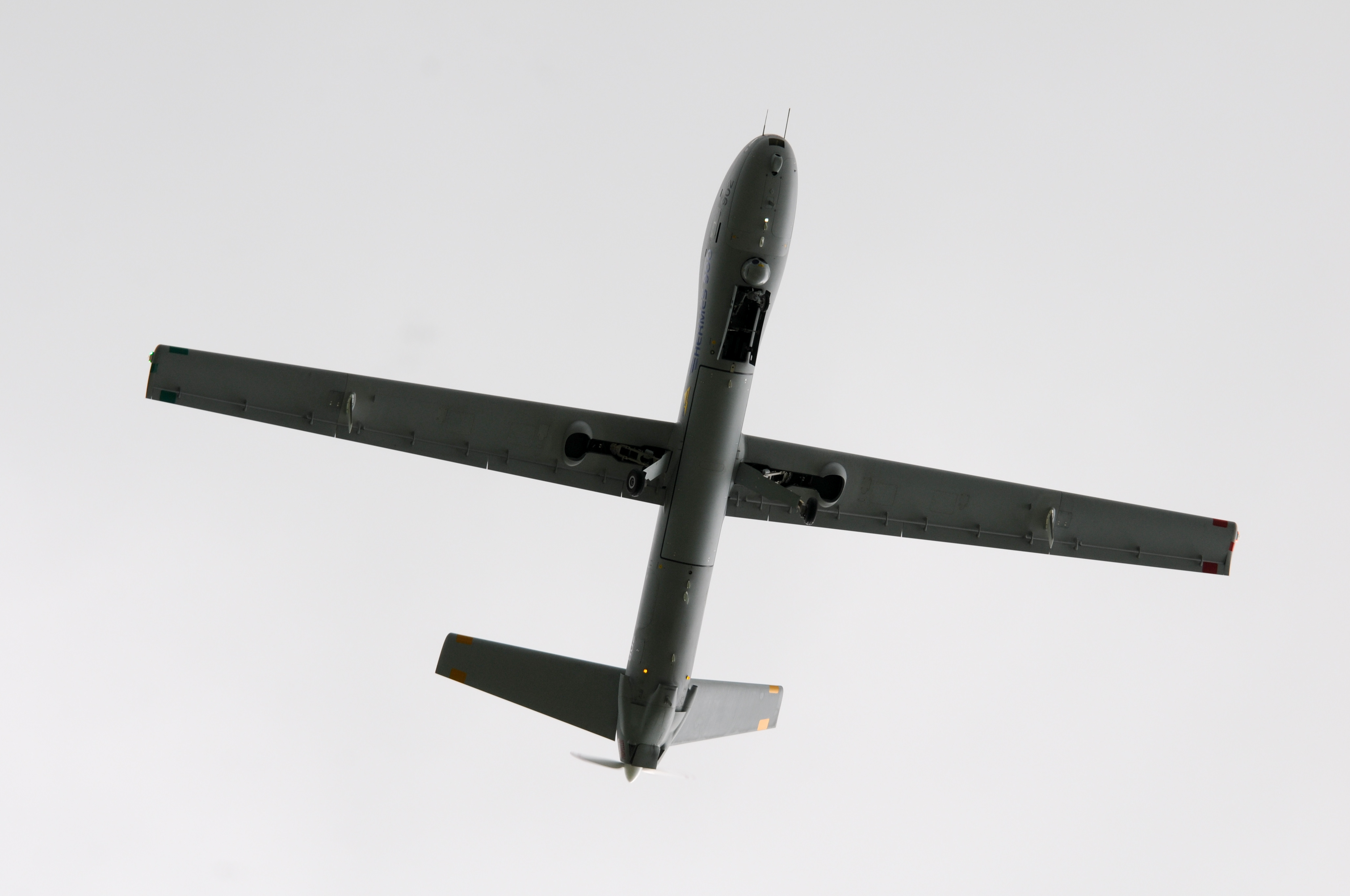
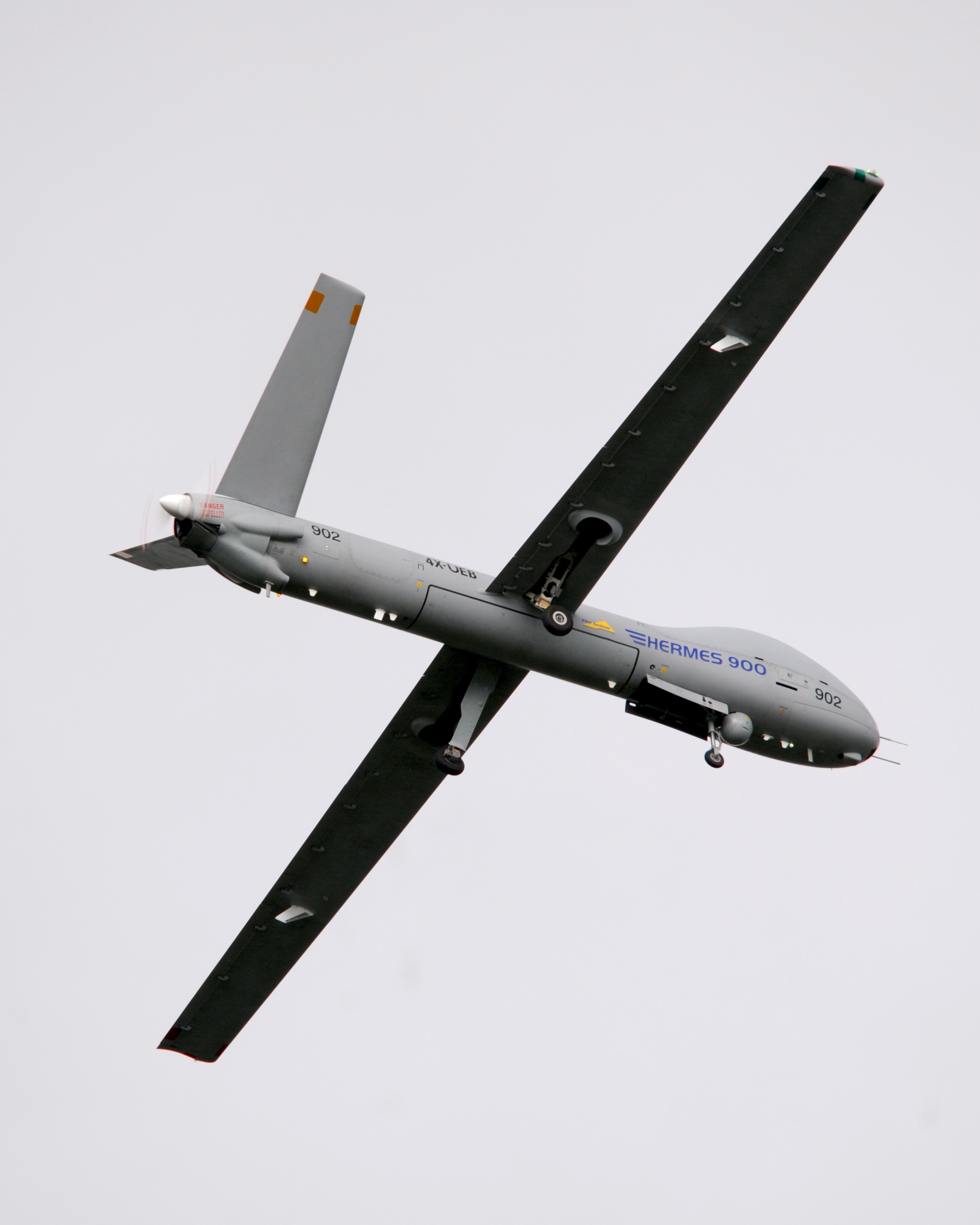
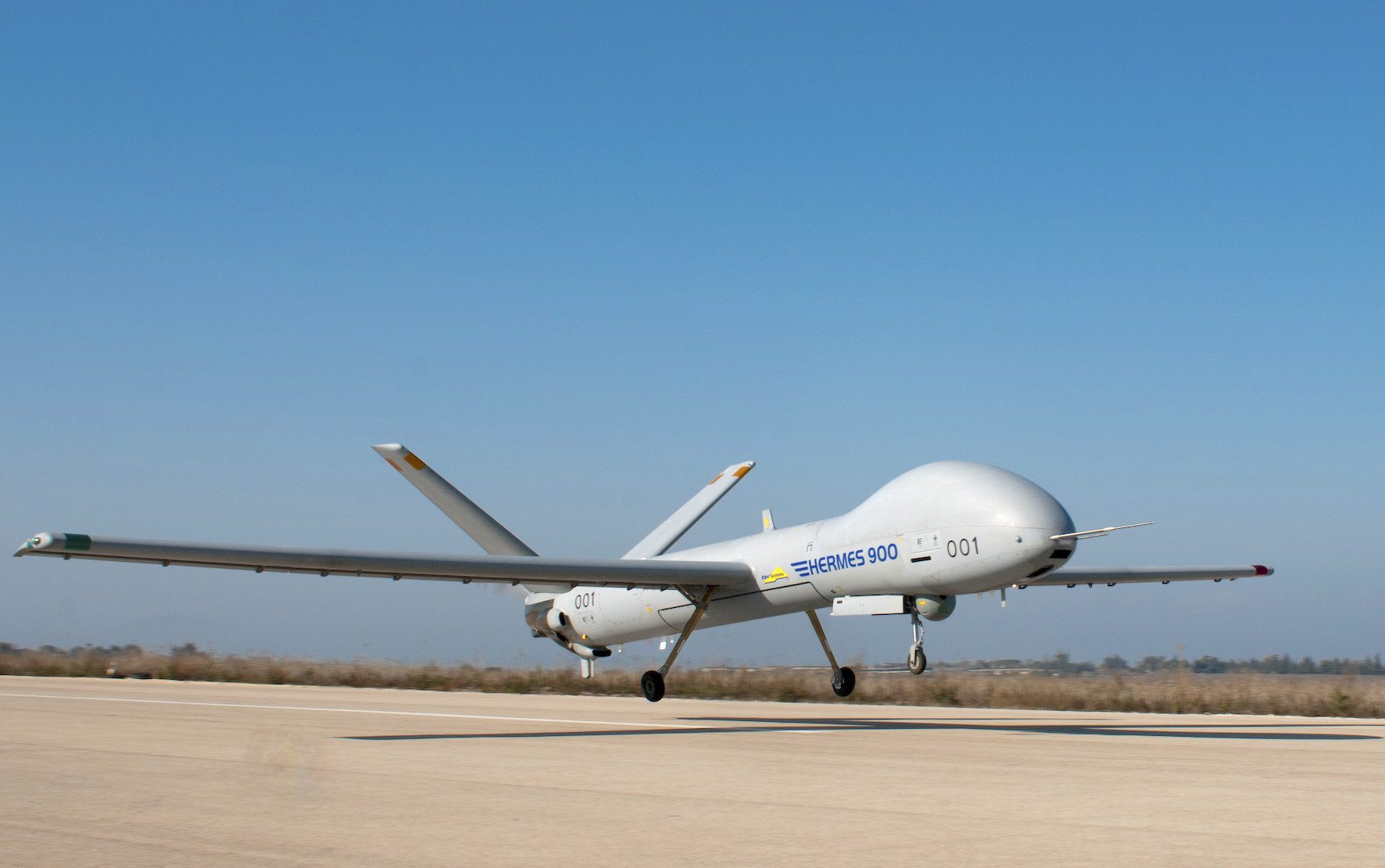
Introduction: Getting to Know the Hermes 900 Drone
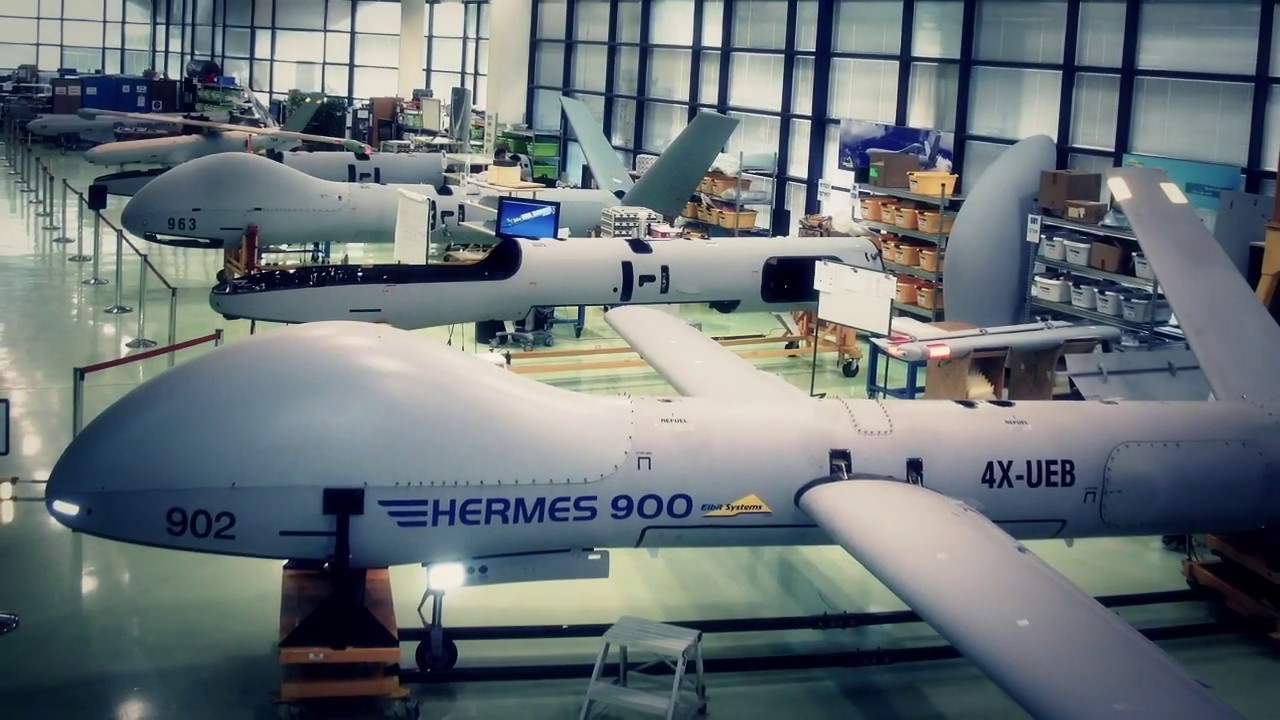
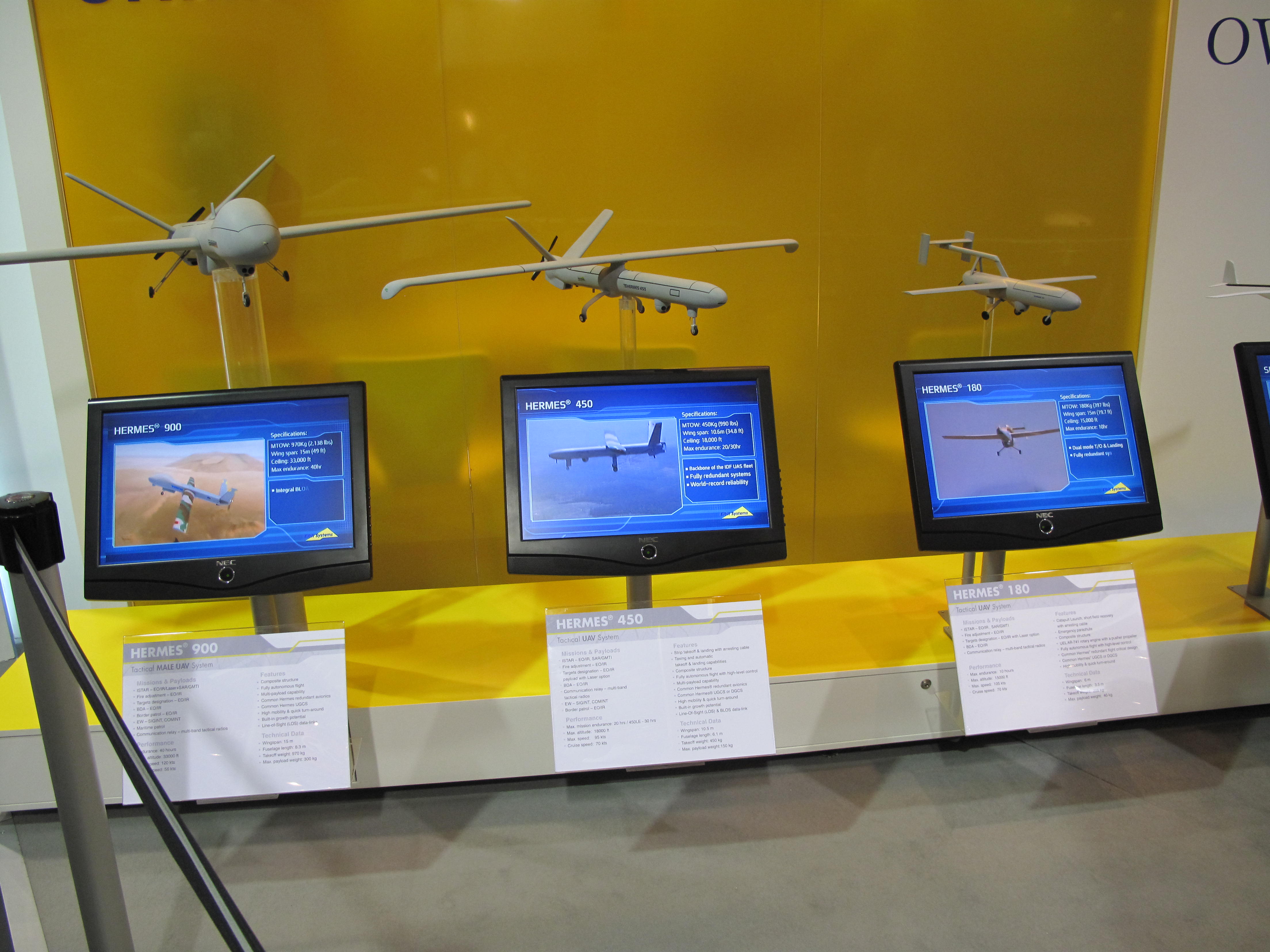
The Hermes 900 drone was designed and developed as the direct successor—and essentially the “big brother”—of the highly successful Hermes 450. Its development was shaped by field experience and operational lessons learned from the extensive deployment of the Hermes 450 in conflict zones. These insights highlighted the need for greater flight endurance, a higher operational ceiling, and increased payload capacity.
Elbit Systems’ design philosophy for this project was clearly rooted in evolution, not revolutionary change. The goal was to create a platform that would perform twice as well as the Hermes 450, while maintaining maximum compatibility with existing operational infrastructure. As a result, operators familiar with the Hermes 450 could transition to the Hermes 900 with minimal additional training.
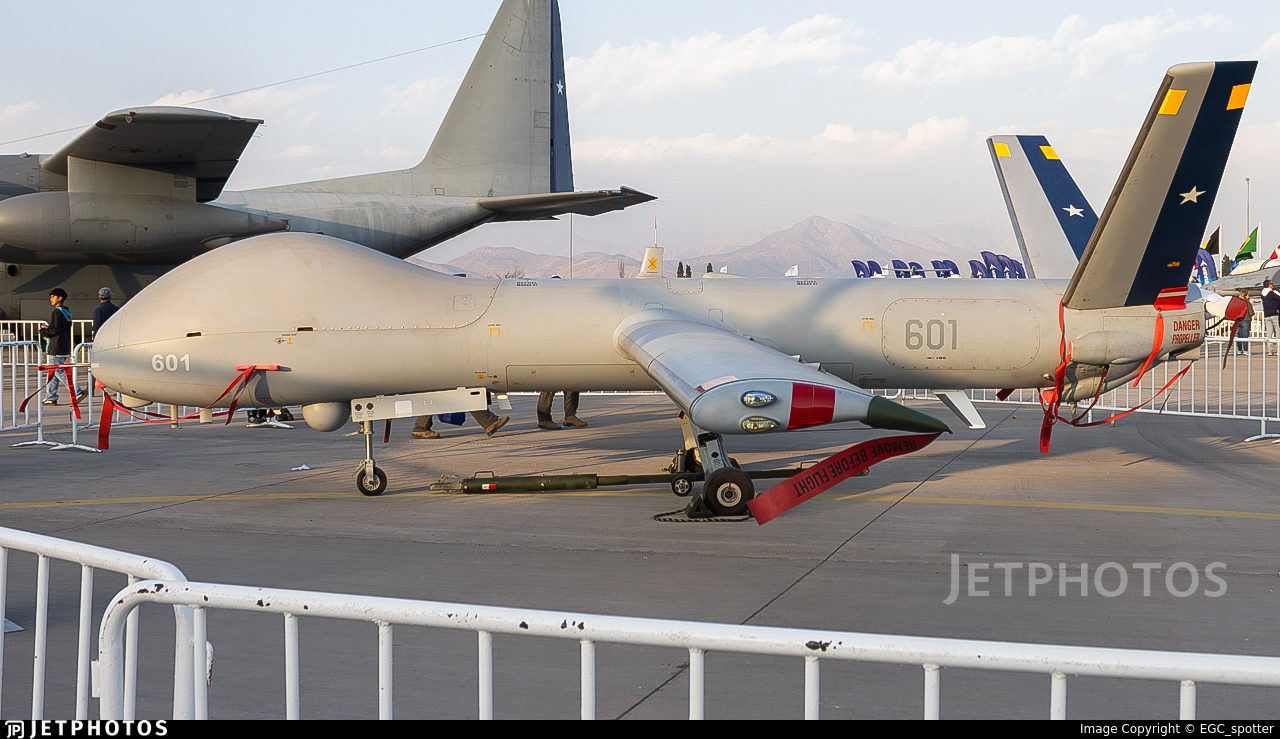
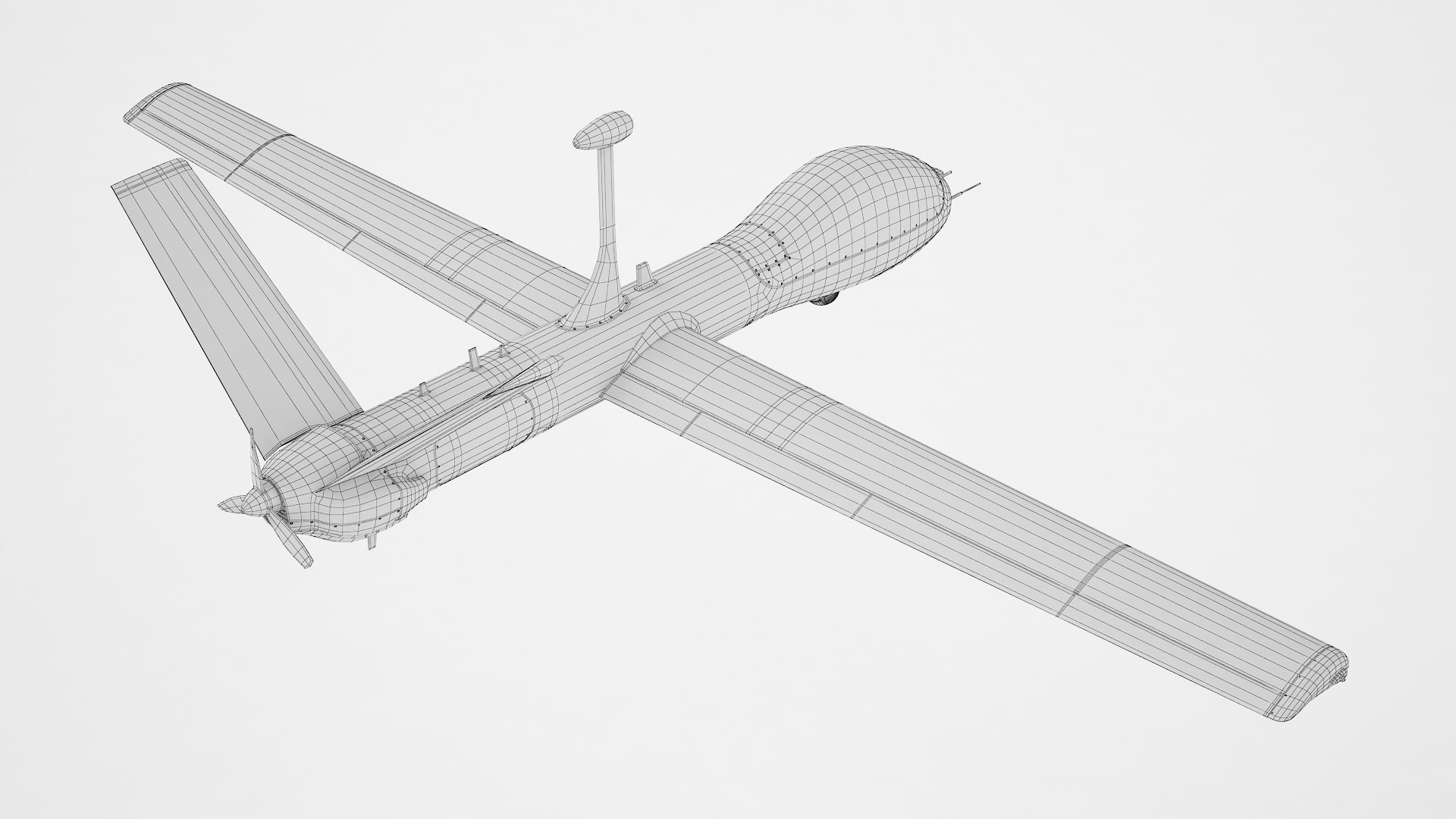
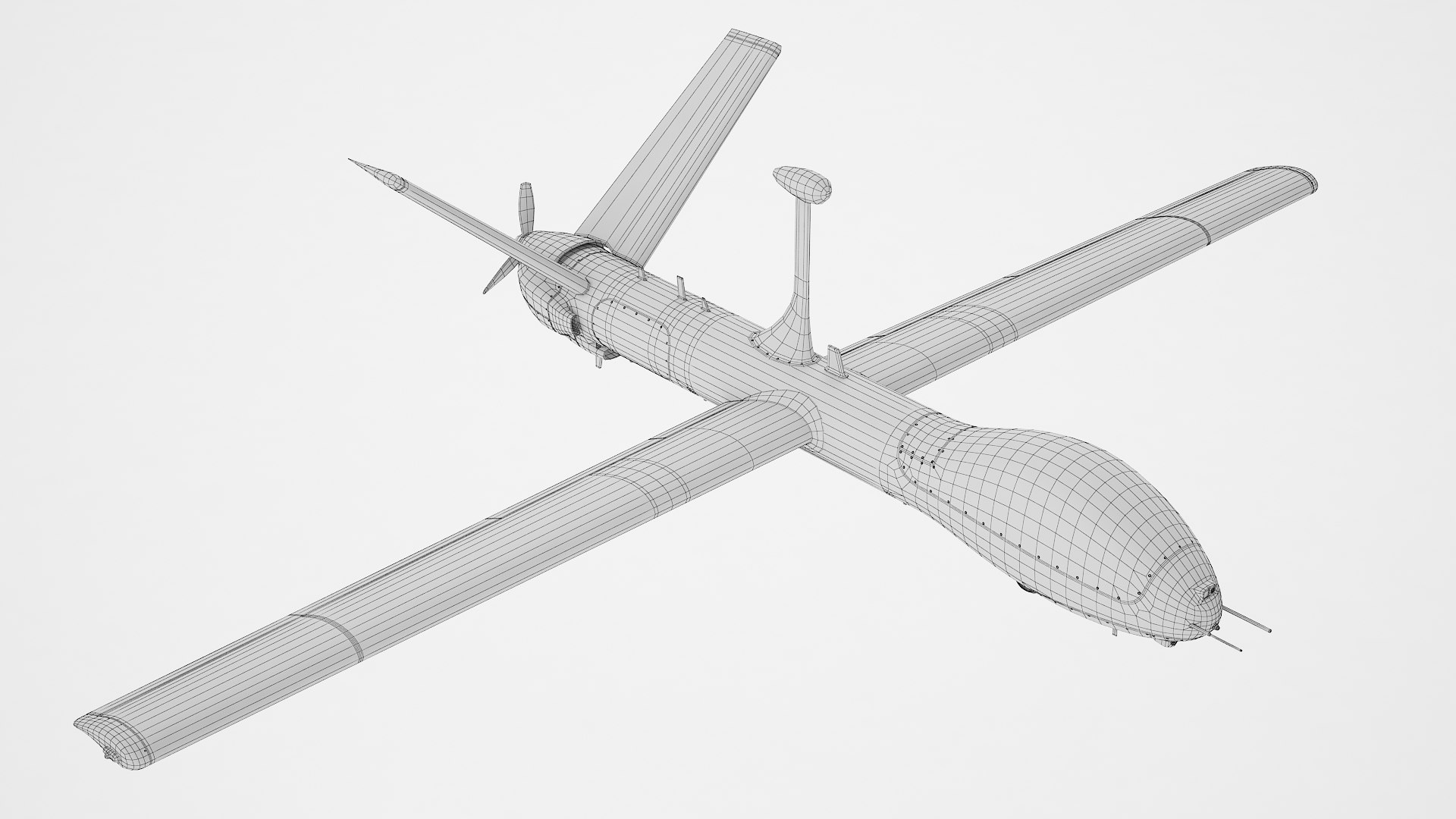
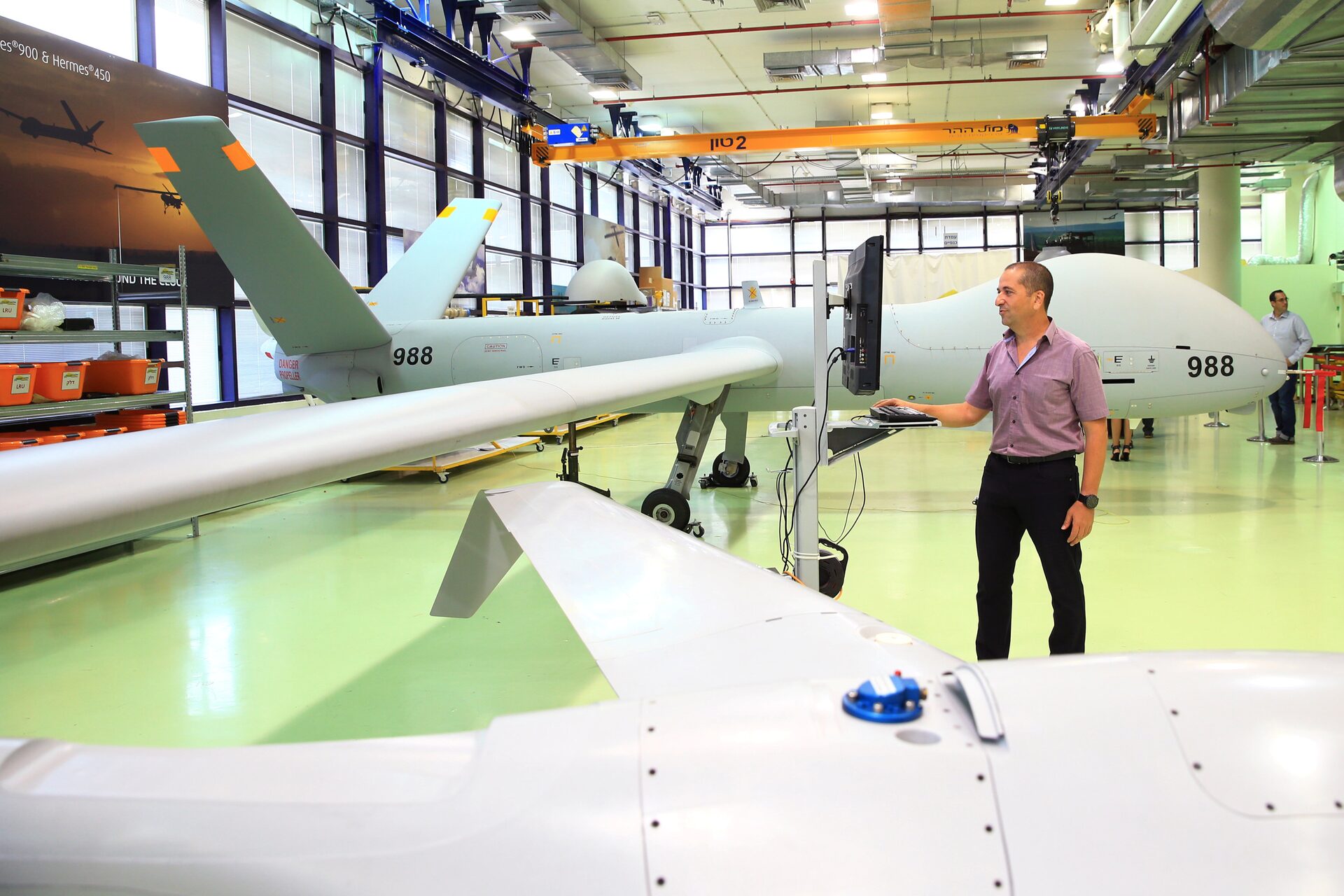
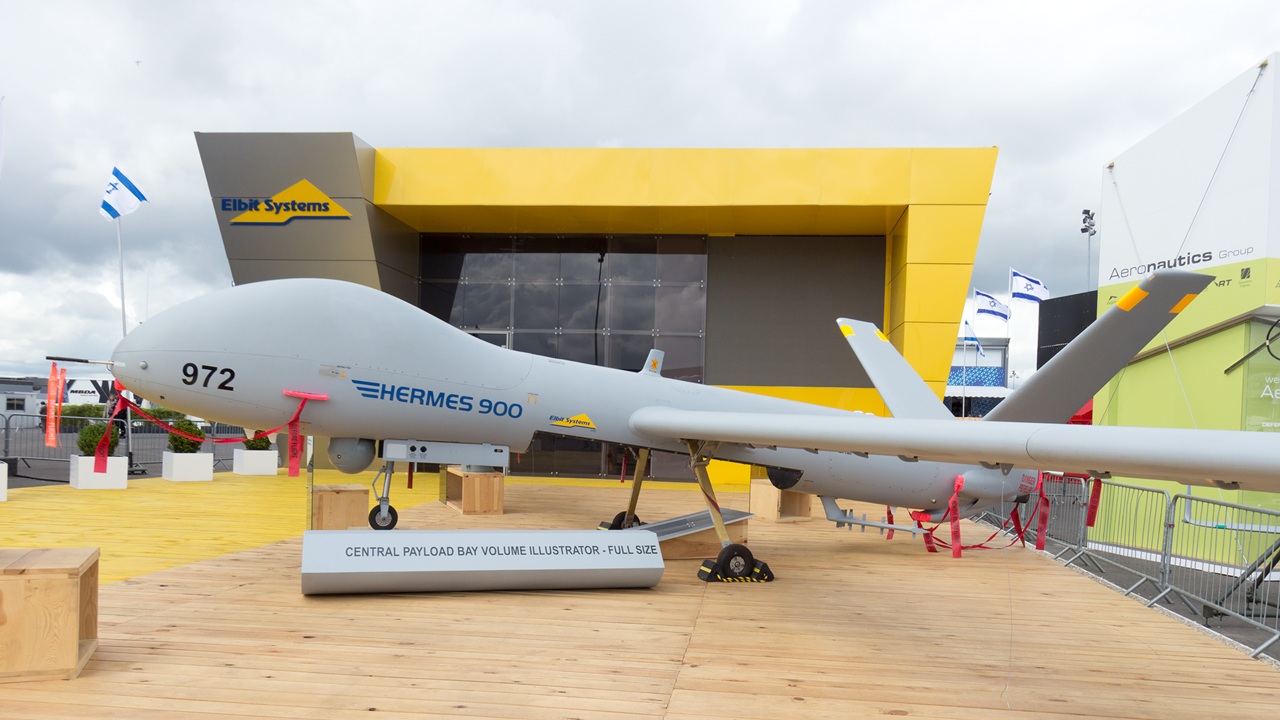
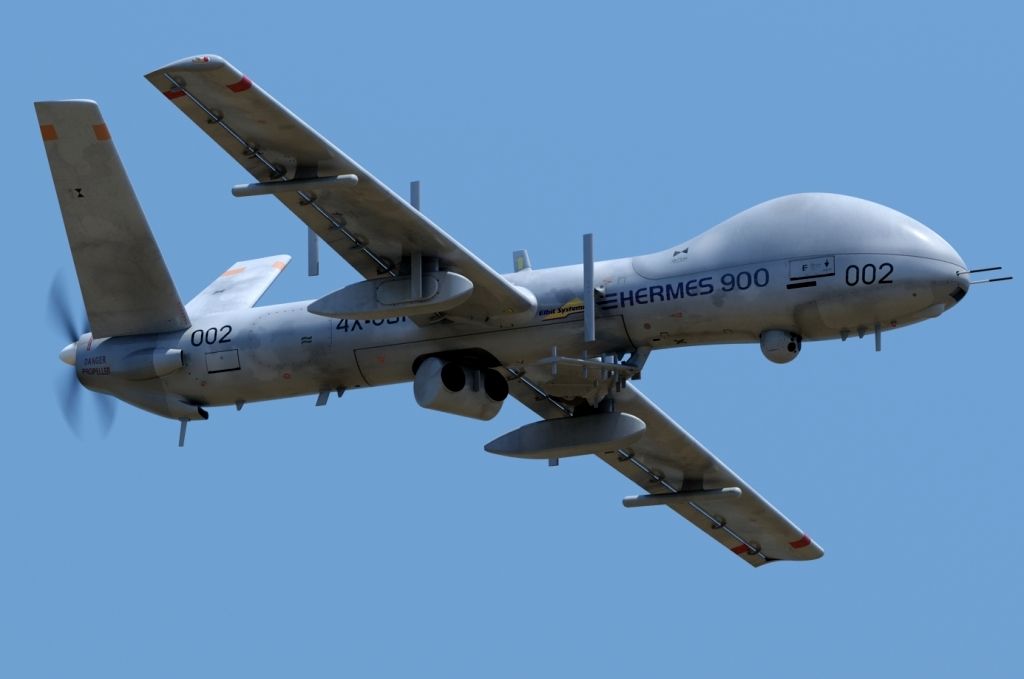
Hermes 900 drone
The Hermes 900 successfully completed its maiden flight on December 9, 2009. Between 2010 and 2012, it was introduced to the global market, with its first export contract signed in July 2011 with Chile. Although full operational deployment was initially scheduled for the end of 2015, urgent needs led to its emergency use during Operation Protective Edge in Gaza in July 2014.
The drone officially entered service with the Israeli Air Force on November 11, 2015. As of 2024, the Israeli Air Force has established Squadron 147, named Ram, at Palmachim Airbase specifically for Hermes 900 operations. Additionally, Squadron 166 has also adopted the drone for its missions.
Hermes family drones
Technical Specifications and Design Features of the Hermes 900 Drone:
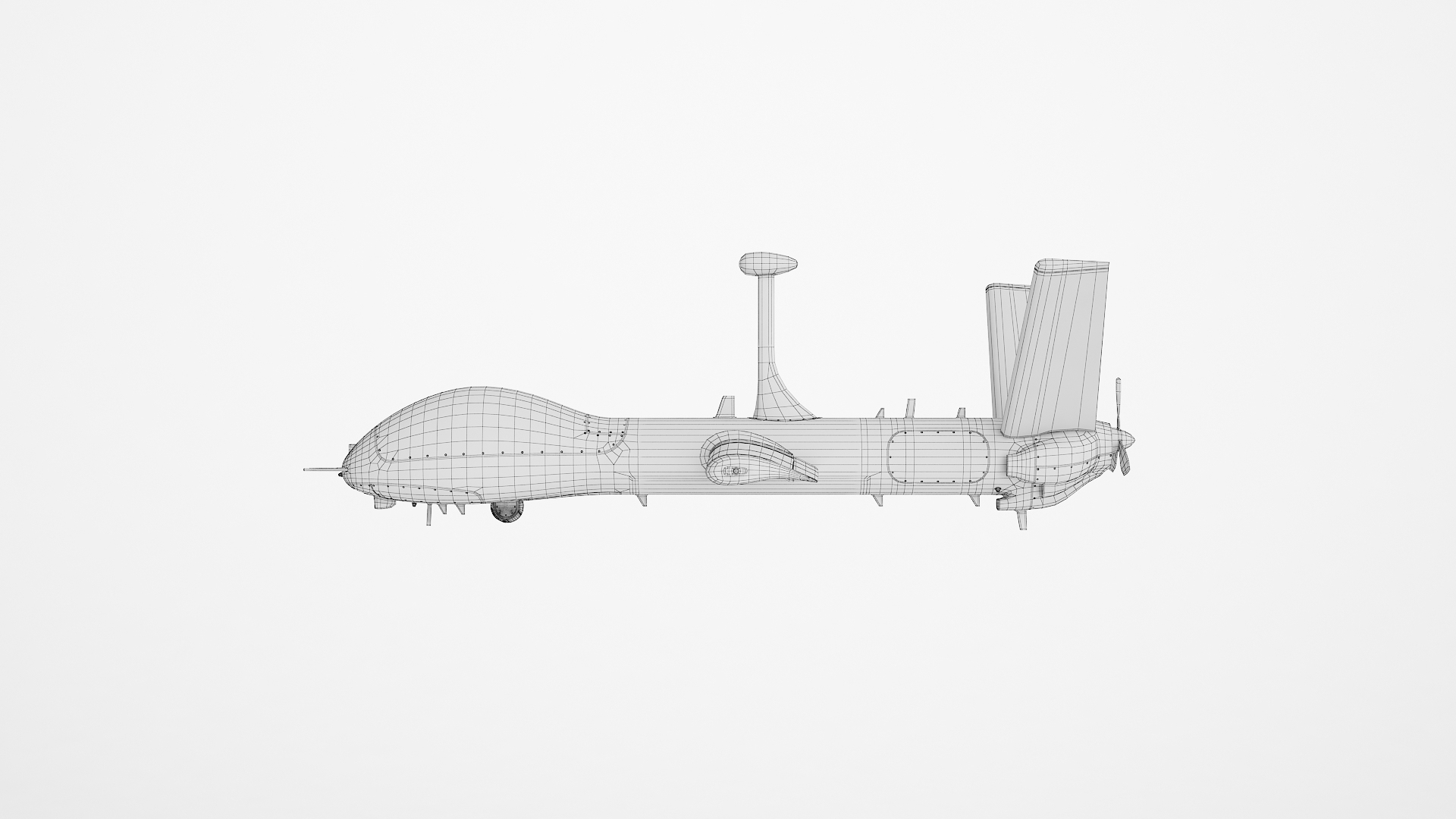
Aerodynamics: In terms of design, the Hermes 900 has a conventional structure for MALE-class drones. This design includes a cylindrical fuselage, high-aspect-ratio wings to achieve greater aerodynamic efficiency and long flight endurance, and a V-shaped tail configuration. Prominent aerodynamic features include retractable landing gear to reduce drag, and full-length flaperons that optimize wing performance under various flight conditions. This indicates that the Hermes 900 sacrifices high-speed flight capability in favor of long-endurance performance.
Aerodynamics of the Hermes 900
Structure and Airframe: The main body structure of the Hermes 900 is primarily composed of lightweight composite materials. Kanfit Ltd, half-owned by Rafael, is recognized as the certified supplier of composite components and structural assemblies for the Hermes 900.
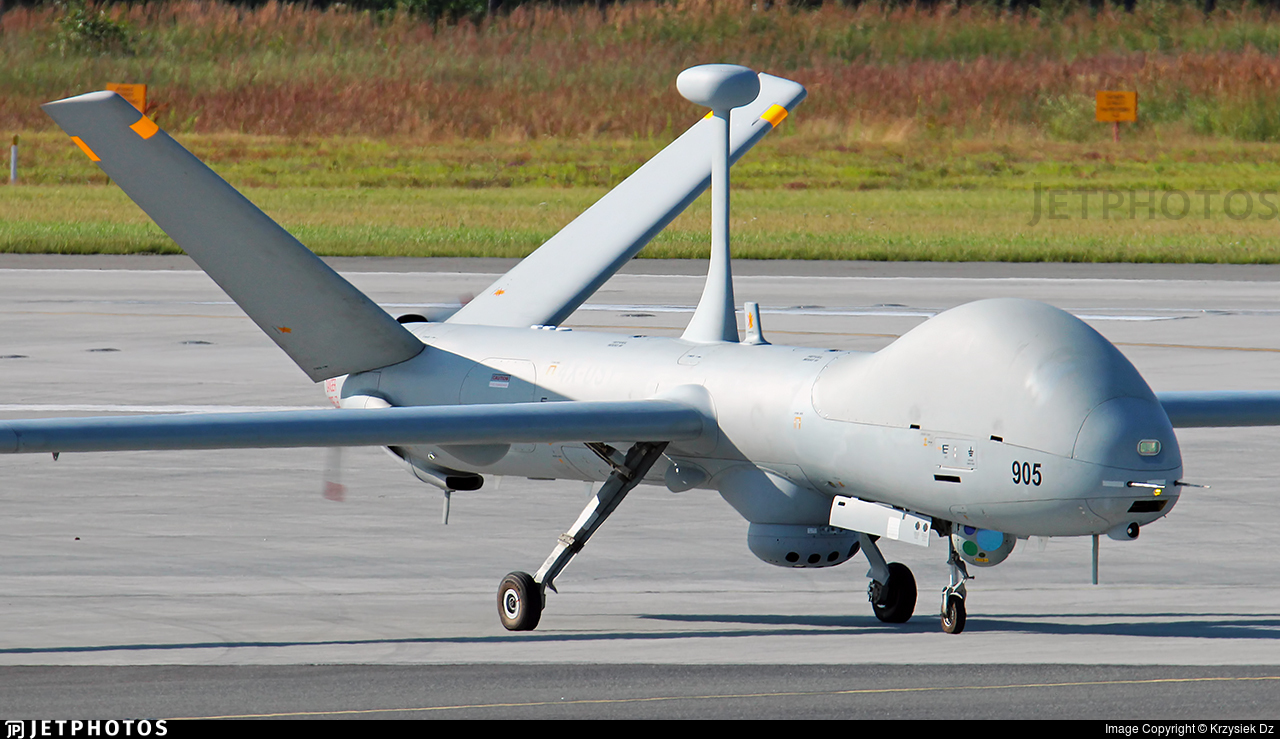
Hermes 900
Propulsion: The base model of the Hermes 900 is equipped with a four-cylinder turbocharged Rotax 914 engine, delivering an output of approximately 74.6 kilowatts (equivalent to 100 to 115 horsepower). Upgraded variants, such as the Hermes 900 StarLiner, are fitted with more powerful engines. Some sources mention the Rotax 916 engine with 160 kilowatts of power and the Rotax 915 iS engine with a maximum continuous output of 114 kilowatts, likely used for heavier models like the StarLiner.
Performance Specifications: In various sources, differences can be observed regarding the physical specifications of the Hermes 900 drone. These discrepancies are primarily due to the existence of multiple versions (including the base model, maritime variant, and StarLiner), as well as custom modifications tailored for purchasing countries.
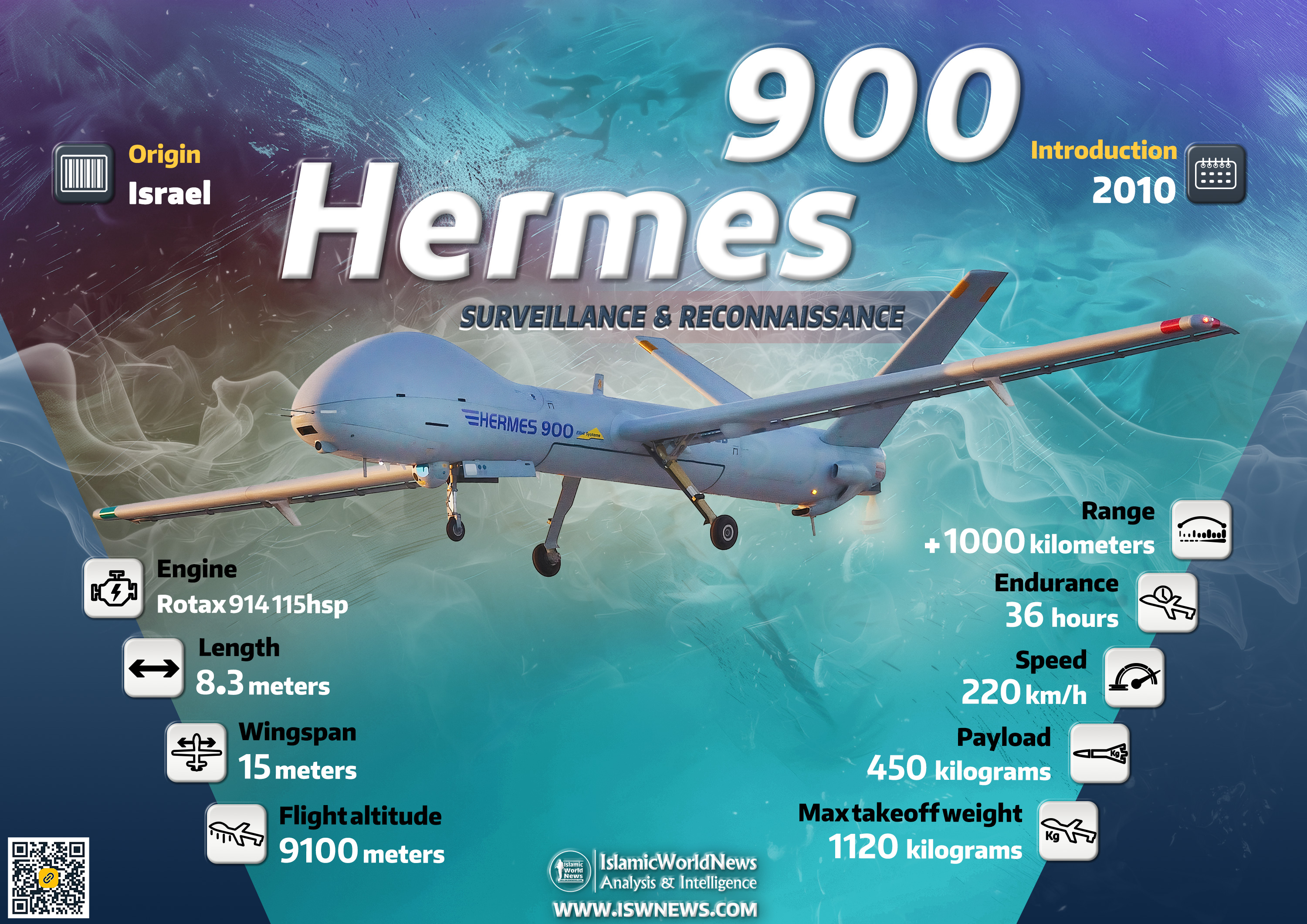
The base model of the Hermes 900 has a fuselage length of approximately 8.3 meters and a wingspan of 15 meters. Its maximum takeoff weight is reported to range between 970 and 1,180 kilograms. In advanced versions such as the StarLiner or the maritime patrol model, the fuselage length remains unchanged, but the wingspan is extended to 17 meters to enhance aerodynamic performance and flight endurance. Meanwhile, the maximum takeoff weight in upgraded variants like the Hermes 900 StarLiner and the Indian export version, Adani Drishti StarLiner, has increased to around 1,600 kilograms.
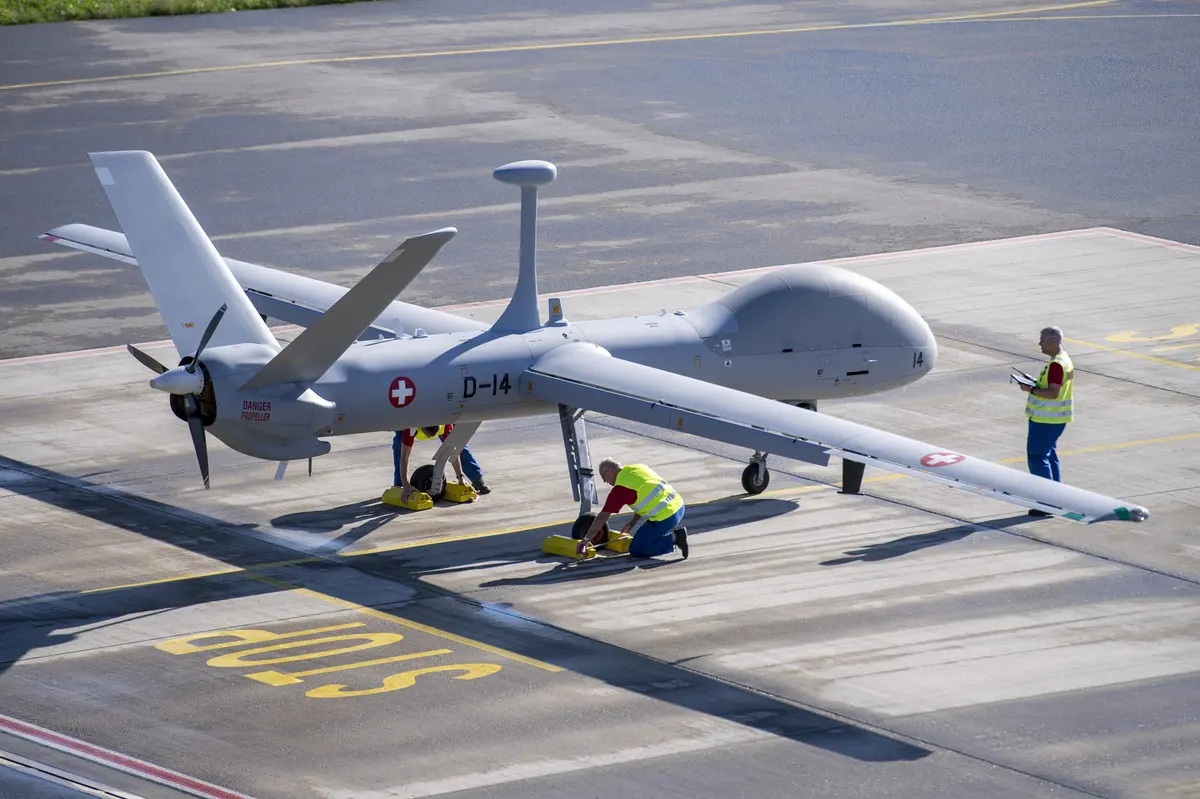
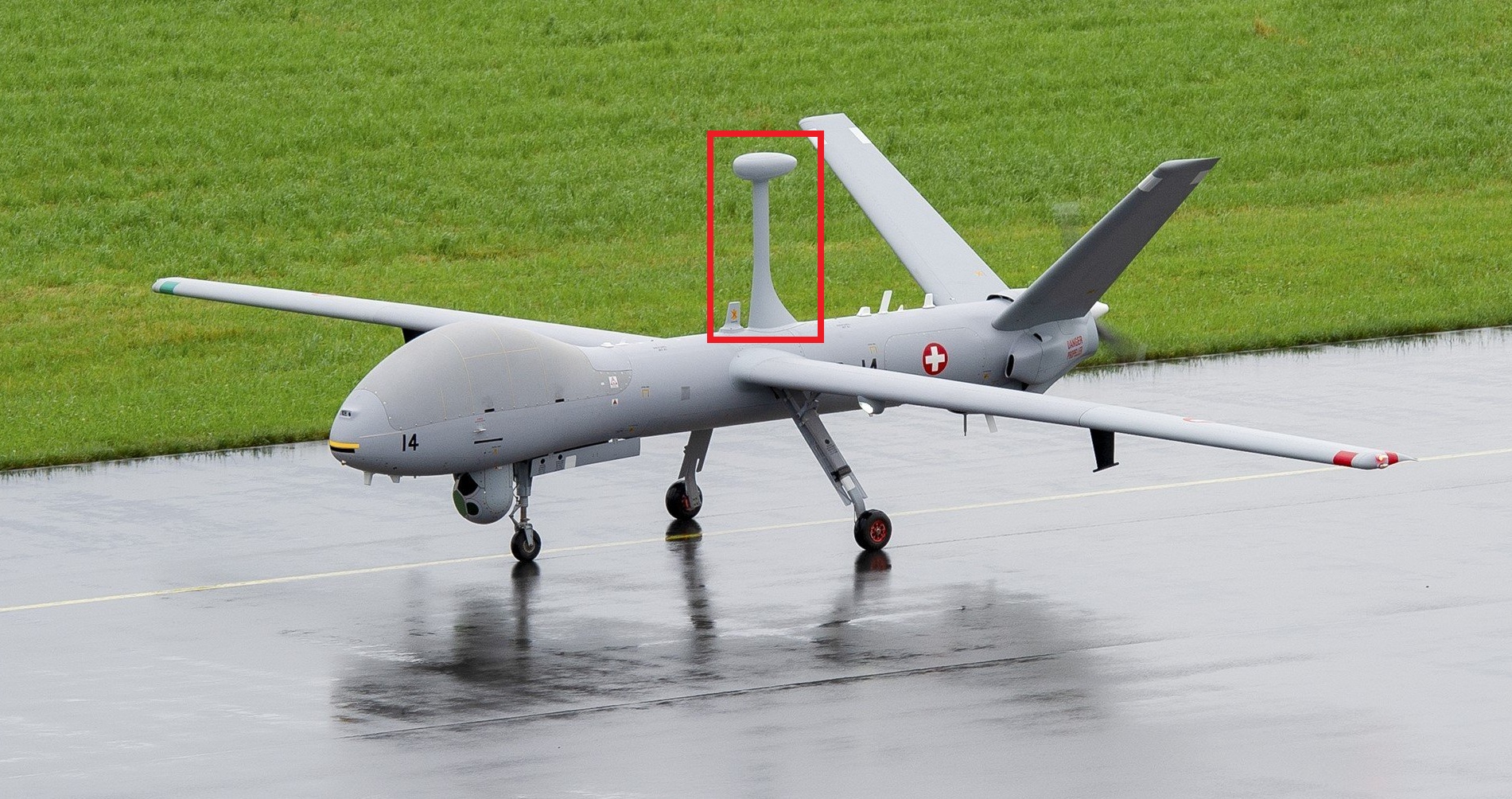
Adani Drishti Starliner drone in service with IndiaHermes 900 Starliner drone in service with SwitzerlandHermes 900 export variants
Payload Capacity and Operational Ceiling: The payload capacity of the Hermes 900 varies depending on the version. The base model is capable of carrying between 300 to 350 kilograms, while heavier variants can support up to 450 kilograms. The drone’s maximum operational altitude is typically reported to be 30,000 feet (9,100 meters).
Flight Endurance and Operational Range: The flight endurance of the Hermes 900 varies depending on the payload and version, and is typically reported to exceed 30 hours. Maximum endurance is often cited as up to 36 hours, with some sources even suggesting a figure of 40 hours.
The Hermes 900 has a top speed ranging between 220 to 222 kilometers per hour. Its cruising speed generally falls within the range of 103 to 112 kilometers per hour.
The drone’s operational range is largely tied to its endurance. Utilizing satellite communications (SATCOM), the Hermes 900 is capable of operating at distances exceeding 1,000 kilometers from its ground control station.
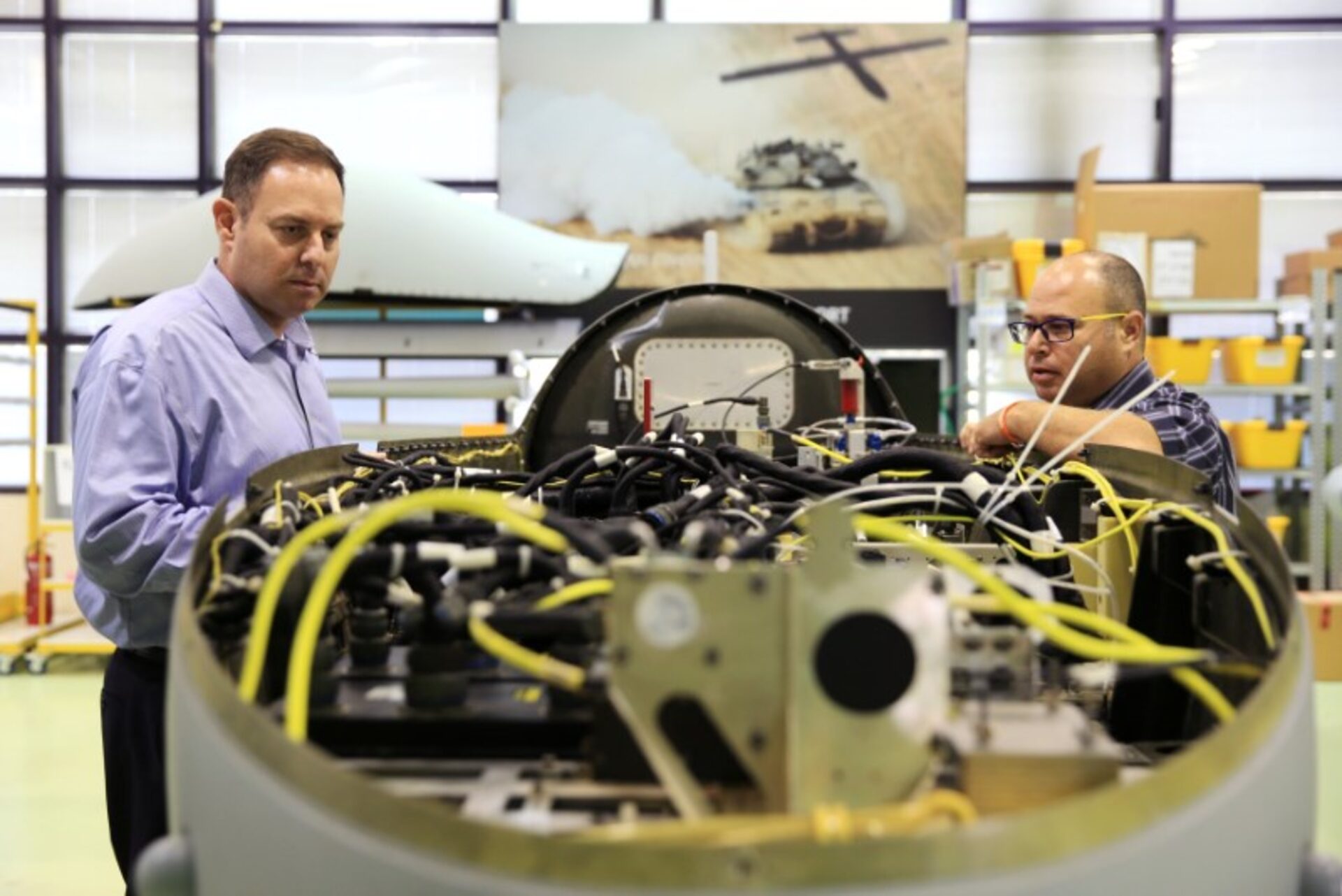
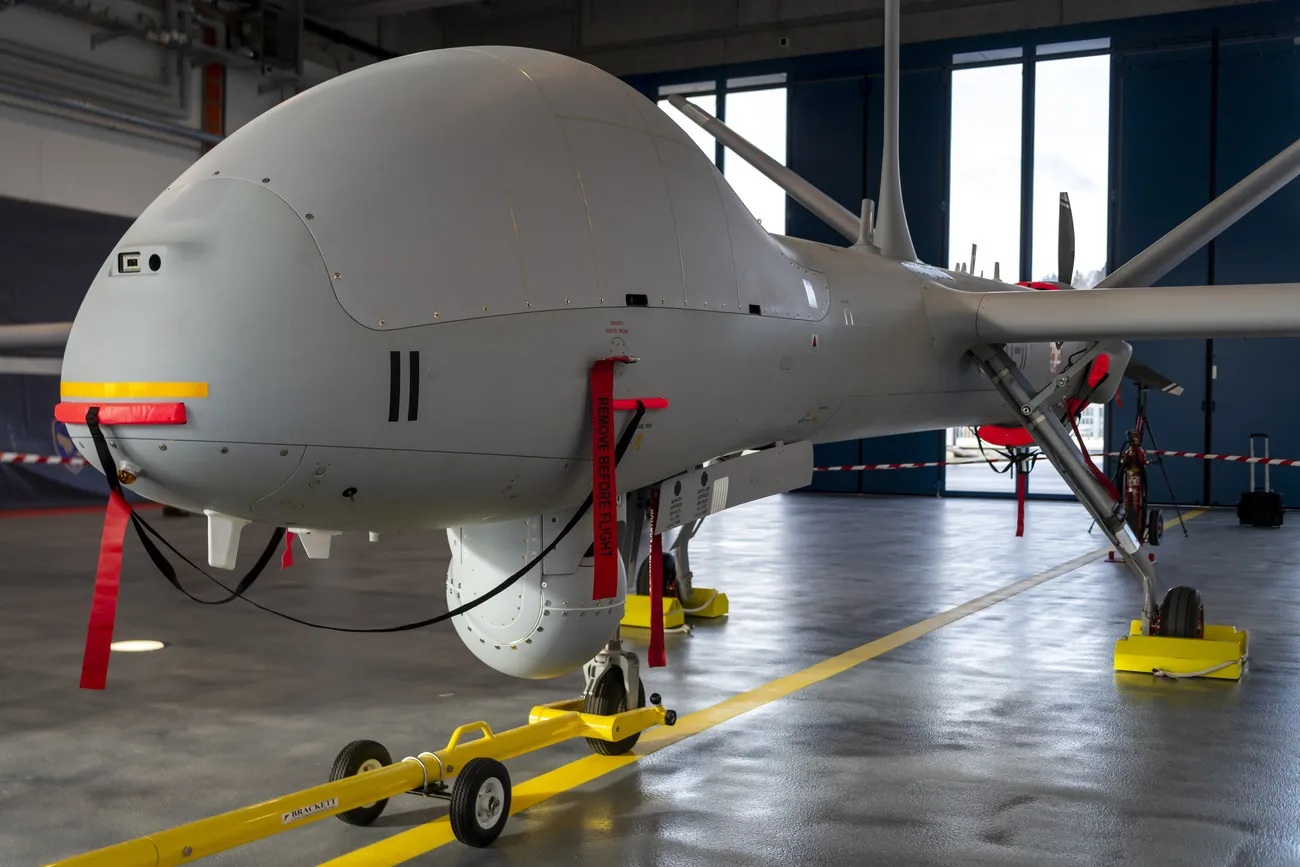
A view of the electro-optical payload and the location of satellite communications equipment in the dome-shaped nose of the drone.
Avionics, Autonomy, and Data Link Review: The Hermes 900 features a high level of autonomy and is capable of performing all flight phases—from takeoff to landing—completely automatically. It is equipped with an advanced flight control system that includes the Integrated Autonomous Takeoff and Landing (IATOL) system, enabling precise landings even on runways lacking ground-based equipment.
Additionally, the drone incorporates an Automatic Launch and Recovery (ALR) system. This system ensures safe landing in the event of communication loss with the ground control station, preventing potential accidents. To further enhance safety, the Hermes 900 is equipped with internal autonomous emergency procedures.
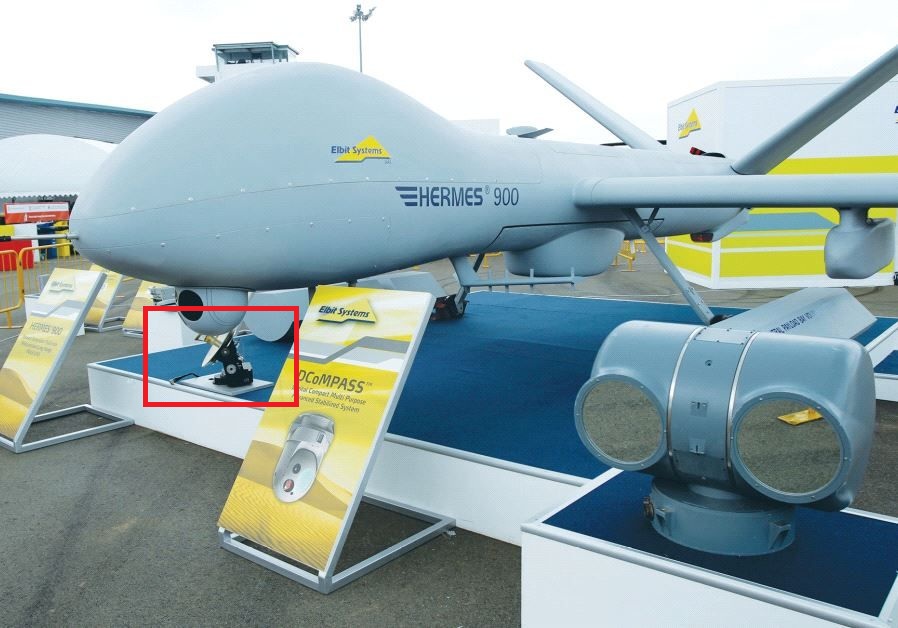
The Hermes 900 drone is equipped with a dual communication architecture that enables connectivity in both Line-of-Sight (LOS) and Beyond-Line-of-Sight (BLOS) modes.
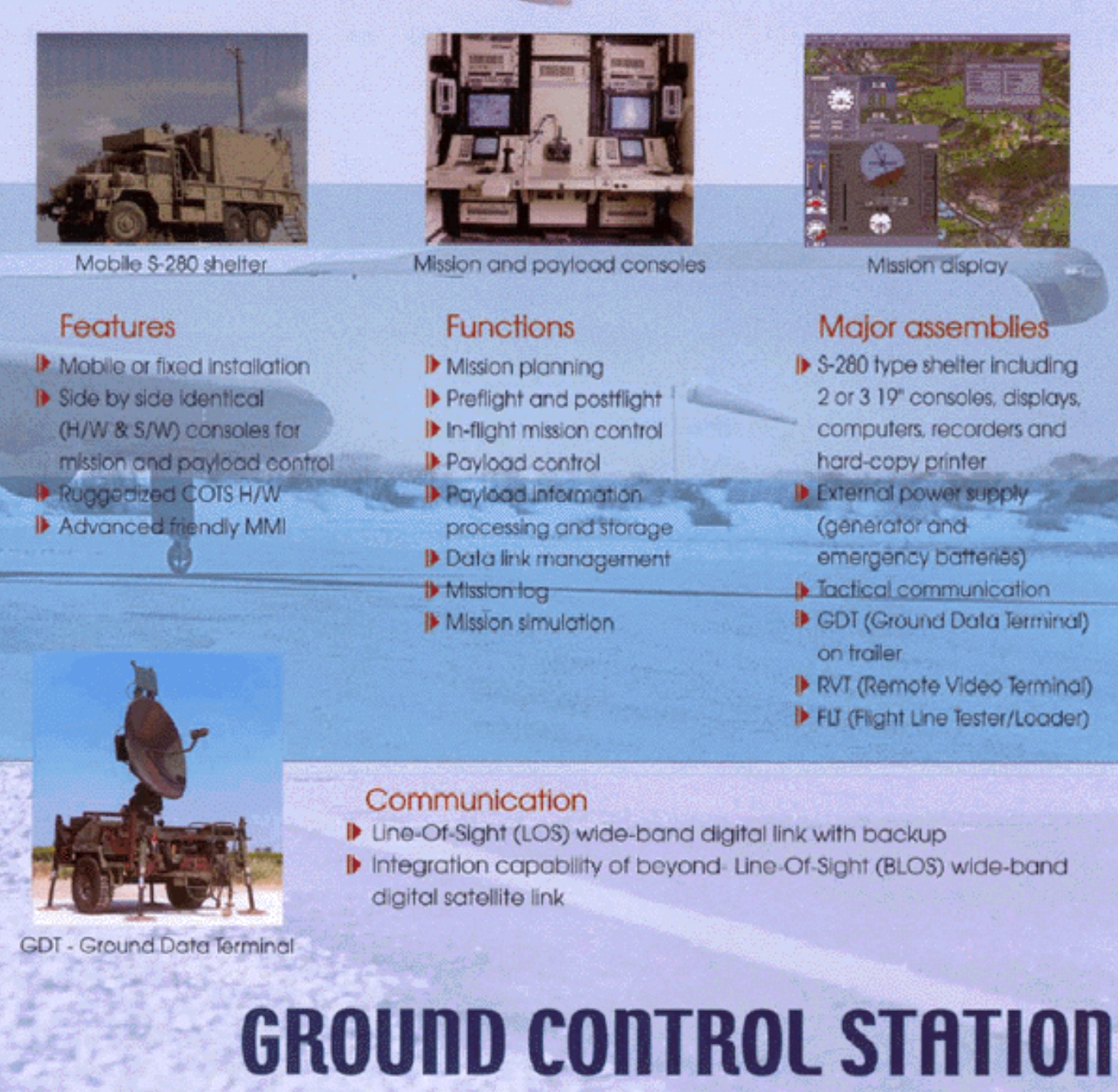
In line-of-sight (LOS) mode, a broadband digital data link is used, which communicates via a Ground Data Terminal (GDT). For beyond-line-of-sight (BLOS) flights, the Hermes 900 utilizes an integrated satellite communication terminal, typically housed in the drone’s dome-shaped nose. This system enables control and data transmission over distances exceeding 1,000 kilometers.
The Hermes 900 drone is operated via Elbit Systems’ ground control station known as UGCS—a system designed for unified control of the entire Hermes UAV family, including the H450 and H900. The UGCS station can be deployed either as a fixed installation or in a mobile configuration, such as within a standard S-280 military shelter. A single UGCS unit is capable of simultaneously managing two independent UAV missions using two separate data links. Optionally, the UGCS station supports NATO’s STANAG 4586 standard.
Elbit Systems Ground Control StationHermes 900 satellite communication antennaHermes 900 Line-of-Sight AntennaClick to view full size image
Combat and Offensive Capabilities of the Hermes 900 Drone:
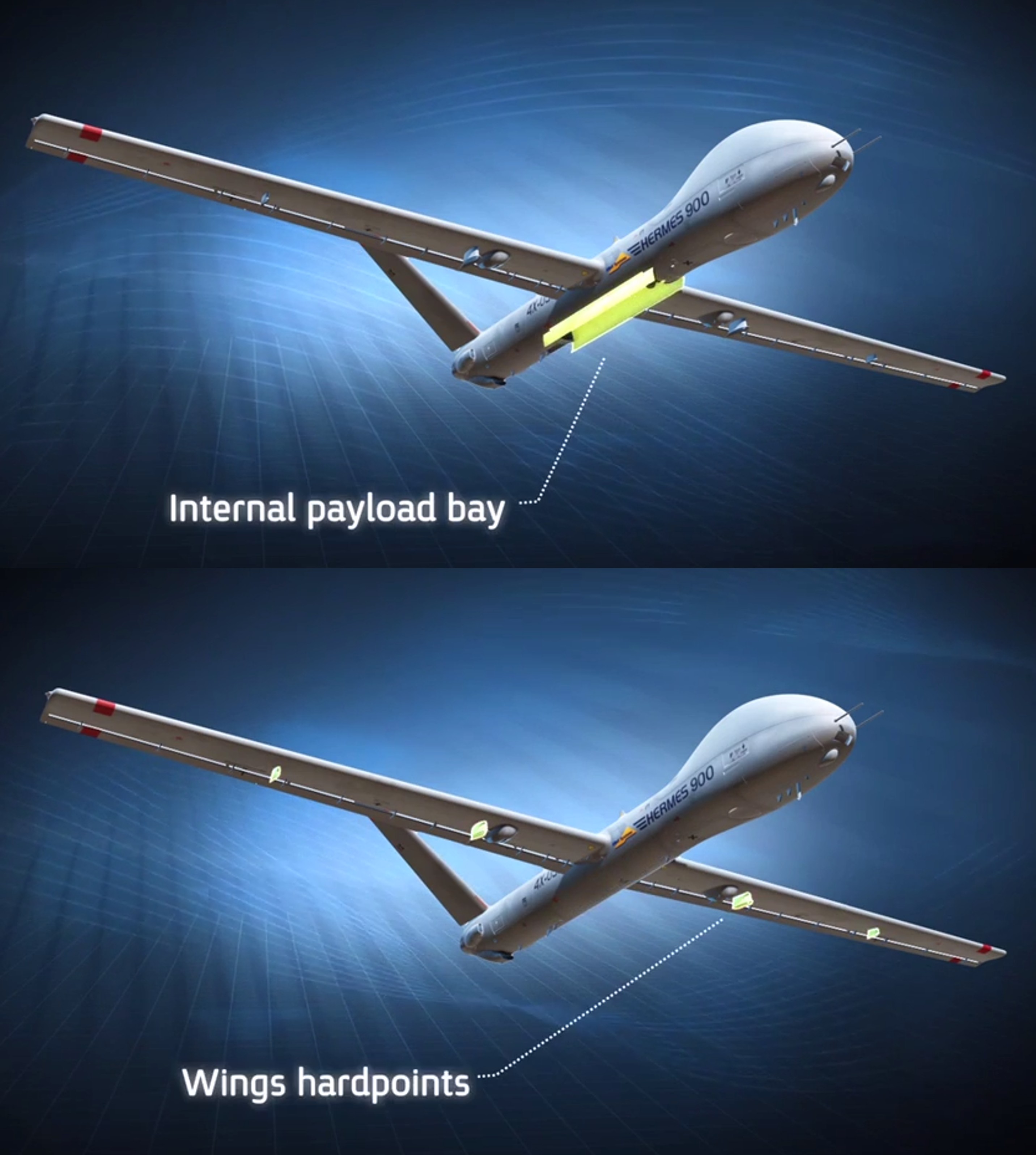
One of the most significant strengths of the Hermes 900 is its ability to carry a wide range of multi-purpose combat and reconnaissance payloads. The drone features a large internal payload bay measuring 2.5 meters in length, capable of accommodating up to 250 kilograms of sensor equipment. This space allows for the installation of complex and advanced sensor arrays.
The drone’s nose houses two fixed forward-looking cameras. Beneath the nose and at the rear of the fuselage, two dedicated mounts are provided for electro-optical systems. In addition to the internal bay, the Hermes 900 is equipped with four hardpoints under its wings, enabling it to carry additional payloads such as sensor pods or guided munitions.
Internal cargo compartment and hardpoints in Hermes 900
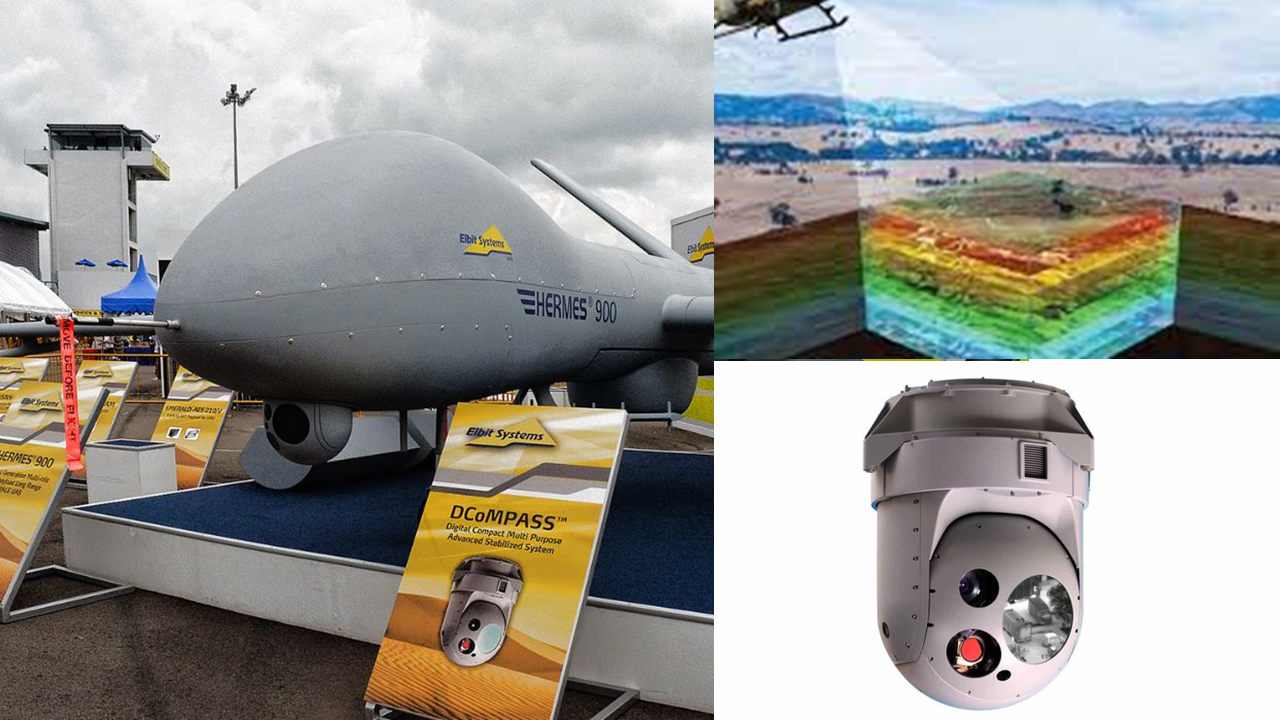
Electro-Optical / Infrared Systems of Hermes 900: The main sensor of this drone is the DCoMPASS, manufactured by Elbit Systems. This 39-kilogram sensor with a diameter of 370 mm includes a high-definition color TV camera, a large-format thermal imager (FLIR), a laser rangefinder, and a laser designator/illuminator for guiding semi-active laser munitions. This system also features an internal inertial measurement unit (IMU), advanced image processing for fog penetration or resolution enhancement, and automatic target tracking capability.
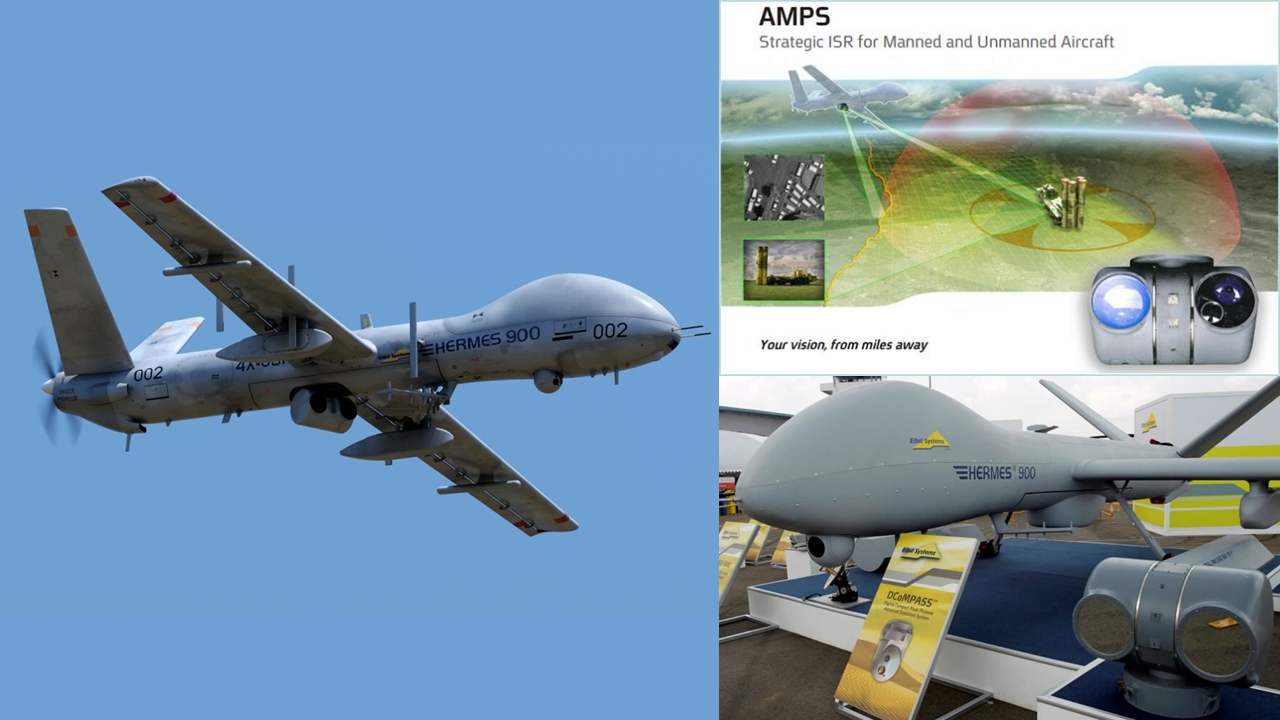
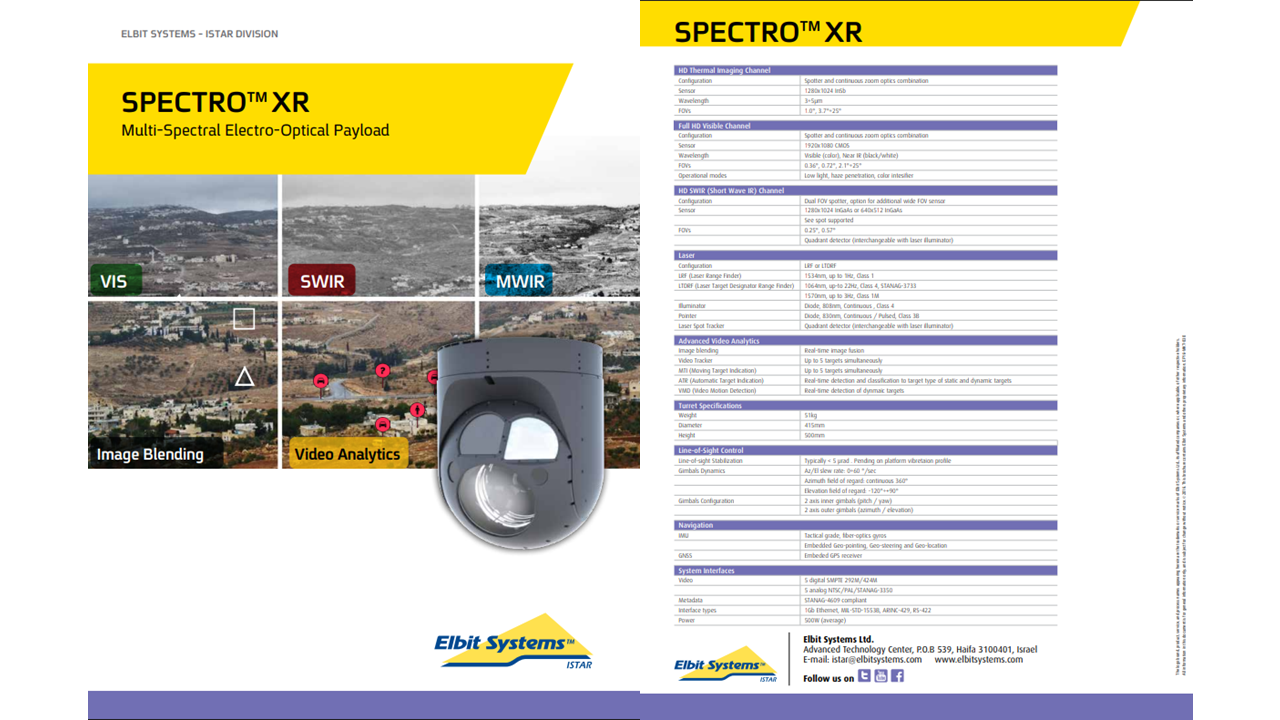
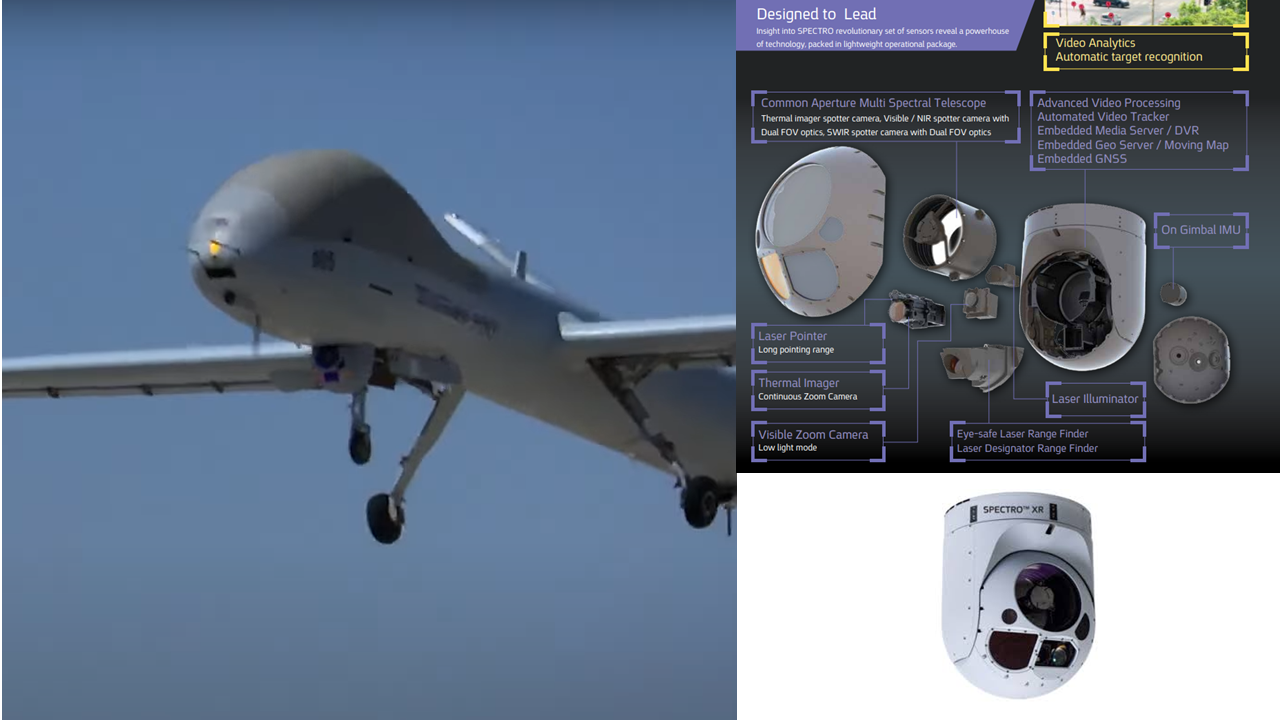
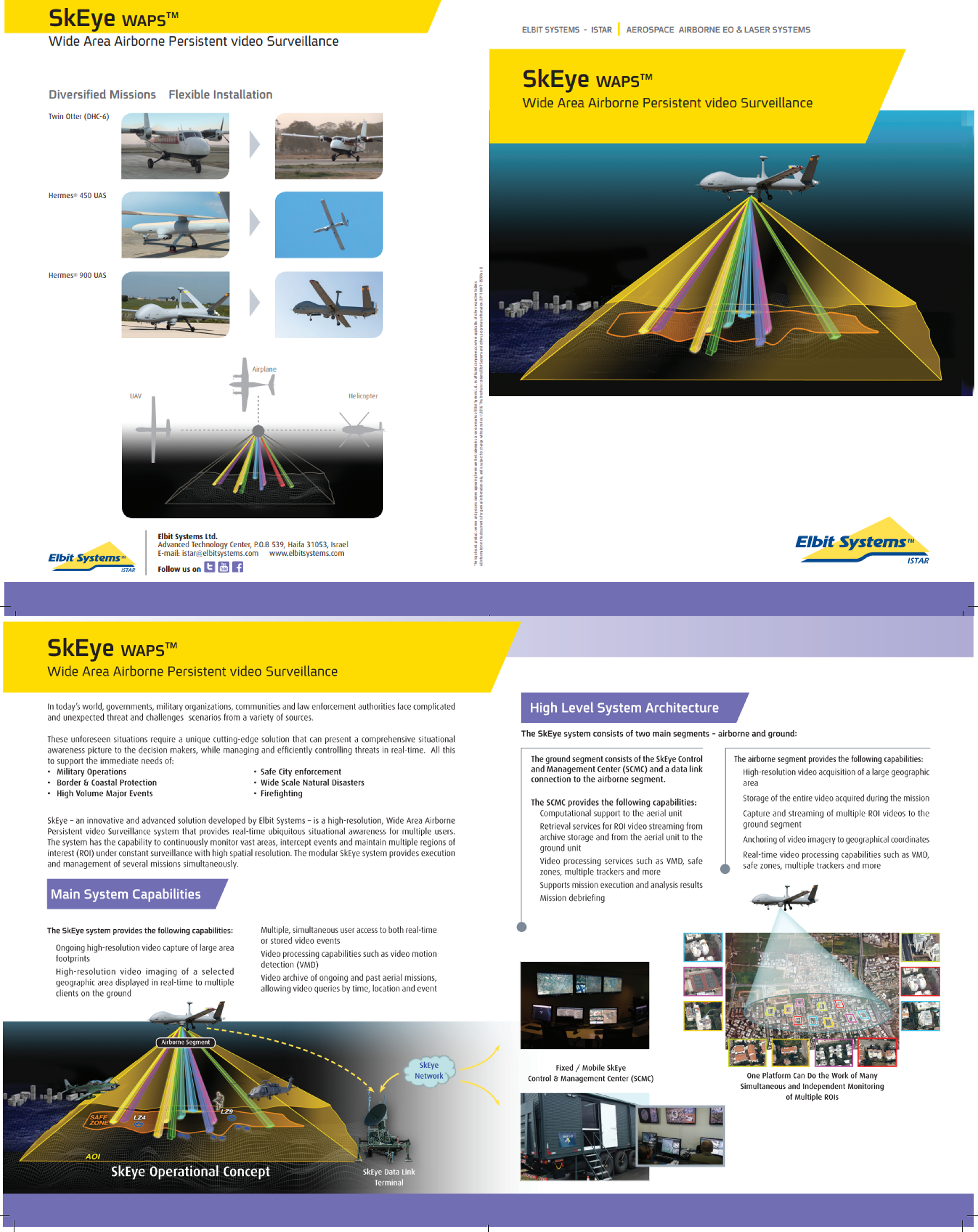
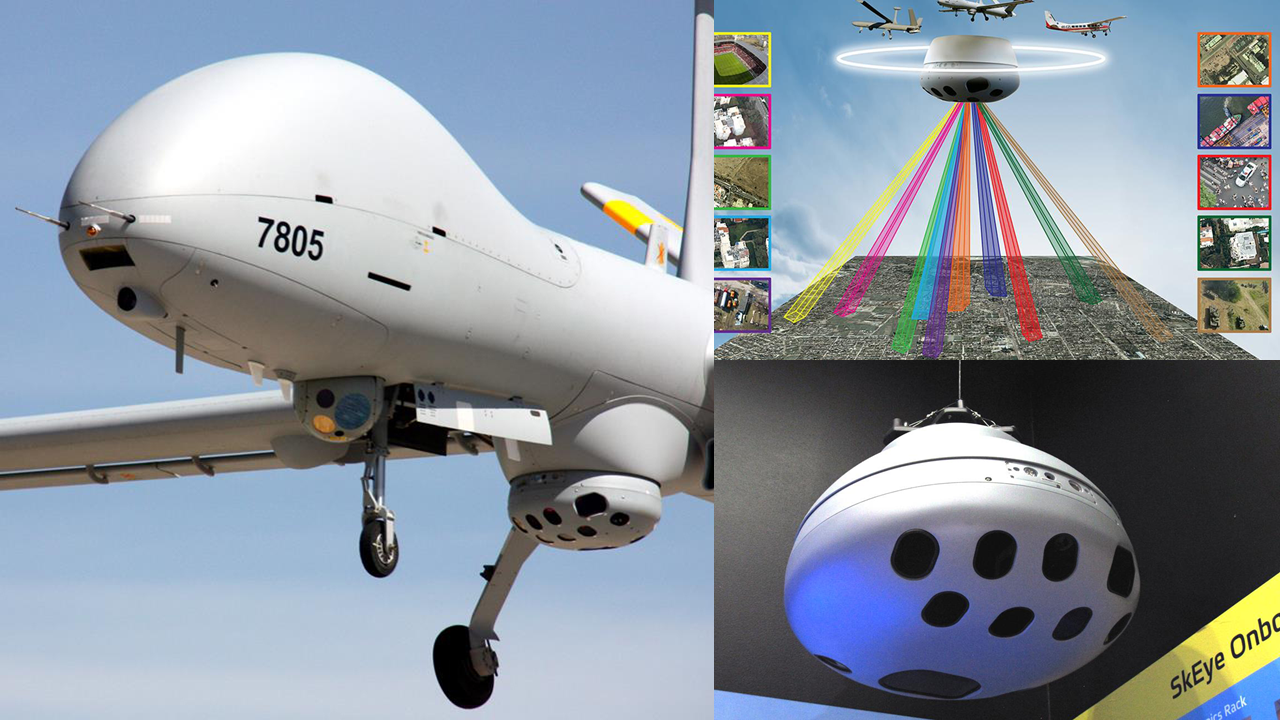
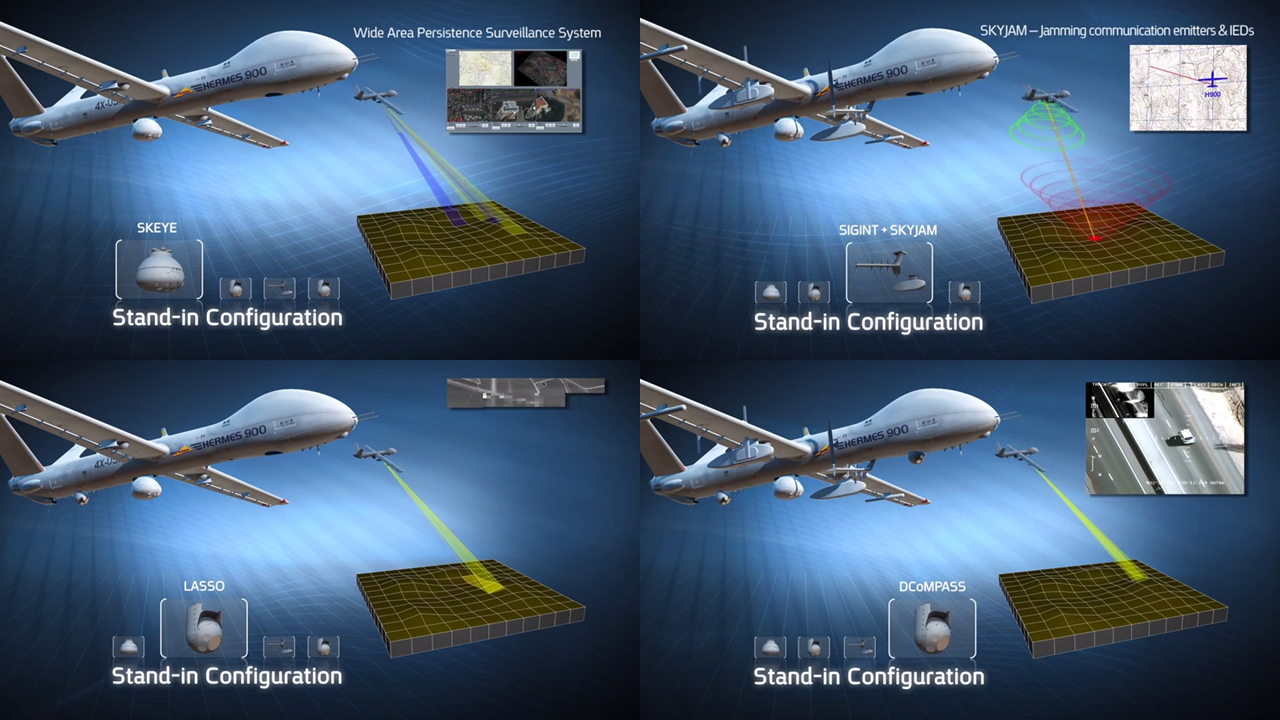
Alongside DCoMPASS, the Hermes 900 can also be equipped with other optical systems such as SPECTRO XR, SkEye, and AMPS.
DCoMPASS sensor specificationsDCoMPASSELOP AMPS sensor specificationsELOP AMPS sensorSPECTRO XR Sensor SpecificationsSPECTRO XR sensorSkEye WAPS Sensor SpecificationsSkEye WAPS Sensor Configuration of Hermes 900 sensorsHermes 900 electro-optical systems and sensors
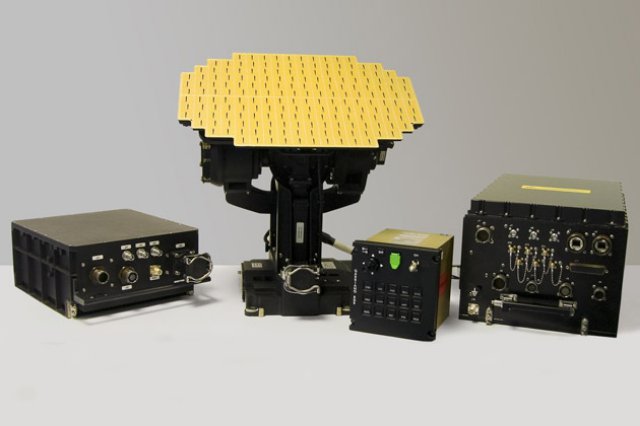
Radar Systems: The Hermes 900 drone supports a variety of advanced radar systems for different mission profiles. One commonly used option is the Synthetic Aperture Radar (SAR) with Ground Moving Target Indicator (GMTI) capability, designed for detecting moving targets, generating high-resolution ground imagery, and conducting round-the-clock surveillance in all weather conditions.
For maritime missions, the drone is typically equipped with the Gabbiano T-200 maritime patrol radar, manufactured by Leonardo.
Gabbiano T-20 radar
Electronic Warfare and Signals Intelligence:
ELINT System: The primary ELINT system onboard this drone is the AES-210V Emerald, developed by Elbit/Elisra. It is designed to intercept, classify, and locate radar emissions from ground, sea, and air sources. Its advanced version, the AES-212, covers a broader frequency range from 0.1 to 40 GHz and is capable of identifying over 10,000 transmitters.
Communications Intelligence (COMINT): The Skyfix system is designed for intercepting and locating communication signals, covering a range between 30 MHz and 3 GHz. It can monitor advanced low-probability-of-intercept (LPI) communications such as frequency-hopping systems. Versions of this system are also available for intercepting mobile (GSM) and satellite communications.
Communications Jamming (COMJAM): Alongside Skyfix, the Skyjam system is used for conducting communication jamming operations. It can operate automatically or manually across multiple sub-frequency bands to disrupt enemy communications during electronic warfare missions.
Skyjam system
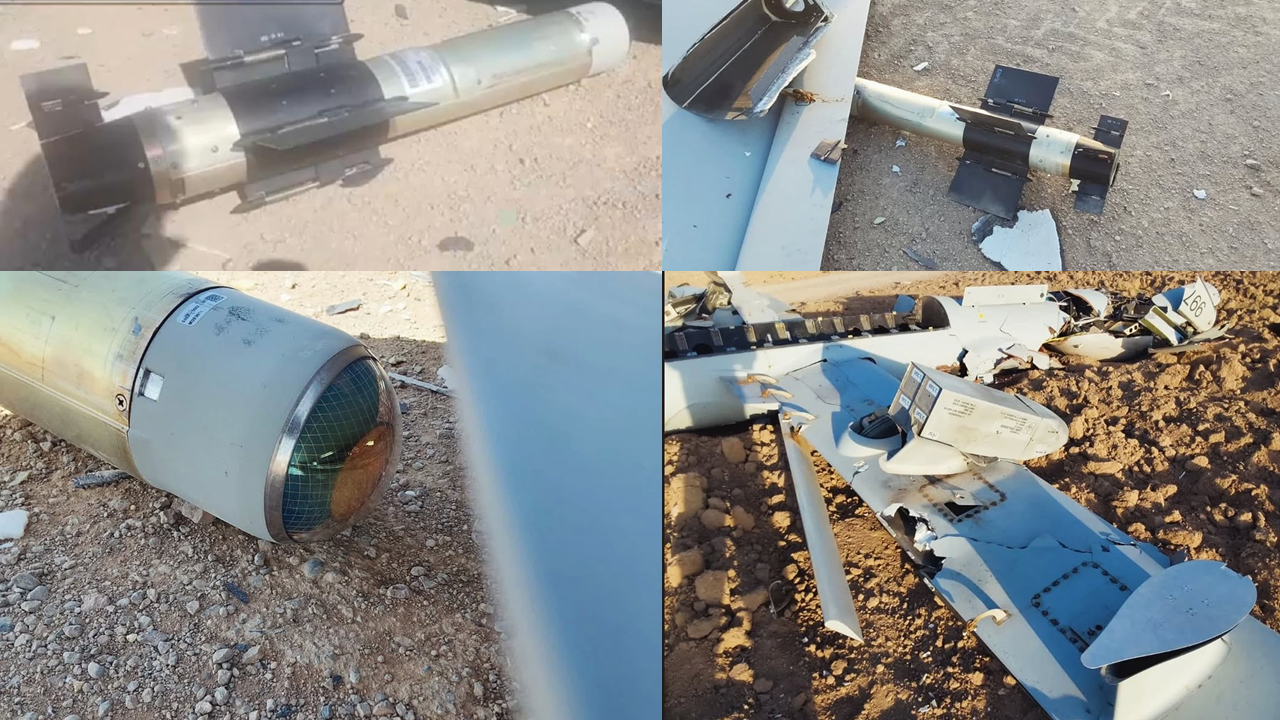
Armaments: In its combat missions, the Hermes 900 is capable of carrying twin or quad pods of a type of air-dropped bomb. This capability has been documented and confirmed following the downing of several drones in Iran. However, no official information regarding this specific payload has been publicly released.
The wreckage of an Israeli Hermes 900 drone that was shot down over Iran, along with evidence of the weapons it carried
Operational History of the Hermes 900:
The Hermes 900 drone made its combat debut during Operation “Protective Edge” in Gaza in 2014. In this operation, it was deployed for intelligence gathering, reconnaissance, targeting, and surveillance roles, as well as for precision strikes against high-value targets.
In the Nagorno-Karabakh conflict, Azerbaijan confirmed ownership of 15 Hermes 900 drones by 2018 and used them during the 2020 clashes against Armenia. Although Armenia claimed to have shot down one of these drones, Azerbaijan denied the claim. The use of Israeli drones—especially the Hermes 900—is considered one of the key factors behind Azerbaijan’s military successes in that conflict.
A satellite image (March 2023) of the military base in Baku at the Yevlakh airport shows at least one Hermes 450 and three Hermes 900 drones stationed there, located approximately 125 kilometers from the Iranian border. It is believed that Azerbaijan may have supported Israel during the 12-day war against Iran.
During the conflicts in Lebanon throughout 2024 and 2025, as well as cross-border and reconnaissance operations over Iranian territory, the Hermes 900 UAV was extensively deployed for surveillance missions and precision strikes targeting Hezbollah and other strategic assets.
At least three of these drones were shot down by Hezbollah forces, while another three were intercepted and destroyed by Iranian air defenses.
Operators and Export History of the Hermes 900 UAV
Israel As the launch customer, the Israeli Air Force introduced the Hermes 900 under the official name Kochav (meaning “Star”). Operational deployment began in 2014, with both standard and maritime patrol variants in service. The exact number of active units remains undisclosed.
Azerbaijan The Azerbaijani Armed Forces have acquired up to 15 Hermes 900 drones. Their official operational use was confirmed in 2018, and the country operates the standard variant.
Brazil The Brazilian Air Force maintains a mixed fleet of Hermes 450 and Hermes 900 UAVs.
Canada Transport Canada purchased a single Hermes 900 StarLiner for Arctic surveillance missions.
Chile Chile became the first export customer in 2011, acquiring three units for its Air Force.
Colombia The Colombian Air Force also operates a combined fleet of Hermes 450 and Hermes 900 drones.
European Union The European Maritime Safety Agency (EMSA) employs the Hermes 900 for maritime patrol and border security. The number of units in use has not been publicly disclosed.
Iceland Iceland’s Coast Guard uses the maritime patrol version of the Hermes 900 to monitor its Exclusive Economic Zone (EEZ). Operational quantities are unknown.
India India’s Navy and Army have inducted at least four Drishti-10 StarLiner drones, a customized version developed in partnership with Adani. These are tailored for maritime surveillance and reconnaissance.
Mexico Mexico’s Federal Police acquired at least two standard Hermes 900 UAVs under a $50 million contract signed in 2012.
Philippines The Philippine Air Force operates nine standard Hermes 900 drones as part of a $175 million defense procurement deal.
Switzerland The Swiss Air Force ordered six Hermes 900 StarLiner (HFE) units. However, full delivery has been delayed due to technical issues and regulatory requirements.
Thailand In 2022, the Royal Thai Navy signed a $120 million contract for the maritime patrol version of the Hermes 900. Details on the number of units have not been released.
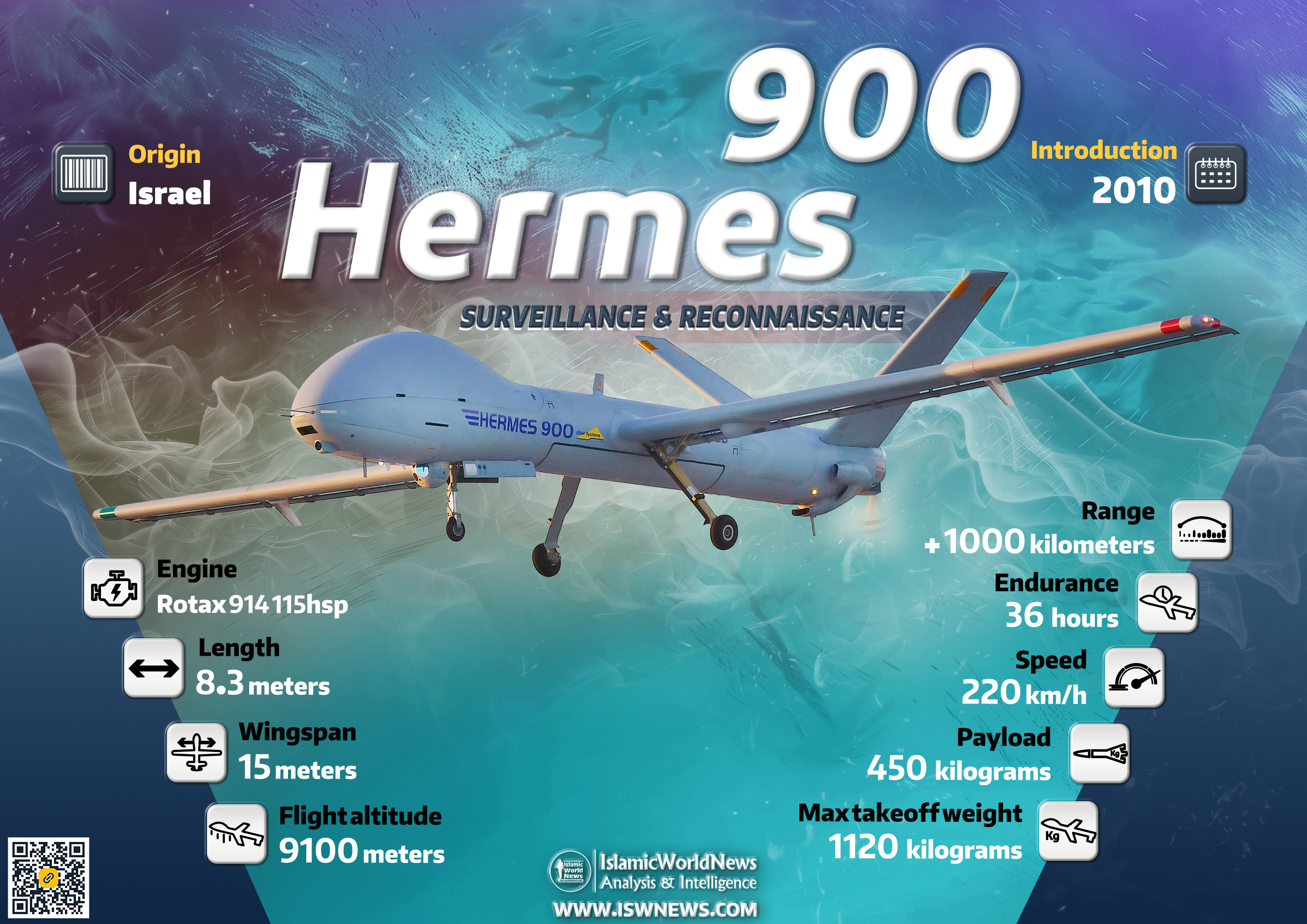
Hermes 900 UAV specifications:
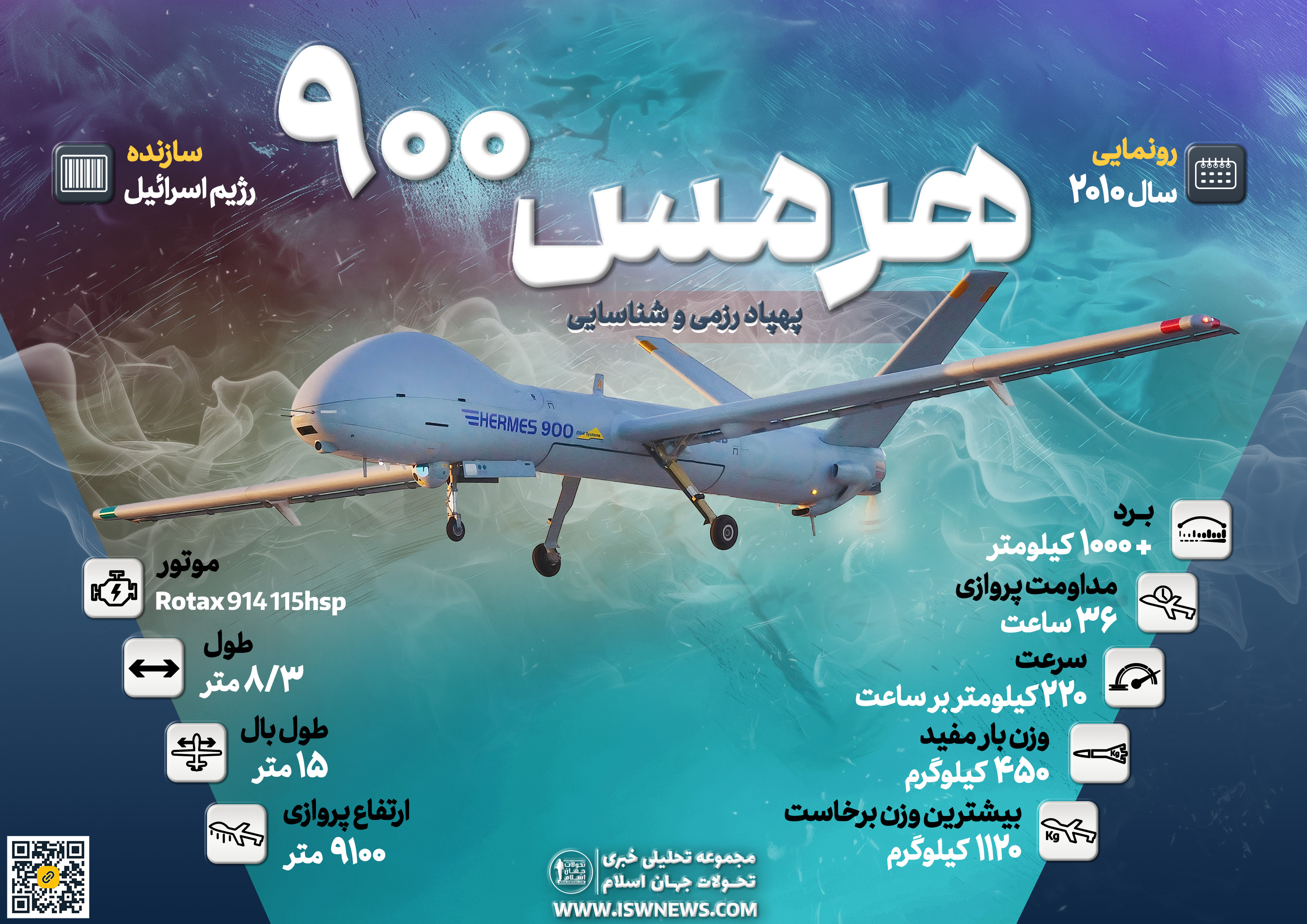
Type: Combat and reconnaissance Origin: Israeli regime Manufacturer: Elbit Systems First Flight: 2009 Unveiled: 2010 Length: 8.3 meters Wingspan: 15 meters Engine: Rotax 914, 115 horsepower Range: Over 1,000 kilometers Cruising Speed: 220 km/h Operational Altitude: 9,100 meters (30,000 feet) Endurance: Up to 36 hours Maximum Takeoff Weight: 1,120 kilograms Payload Capacity: 450 kilograms