On Wednesday morning, May 28, Israeli warplanes targeted Sanaa airport and Yemeni passenger planes in an operation called “Golden Jewels.” According to Yemeni media, the air force carried out four strikes on the airport runway and a Yemeni passenger aircraft.
Zionist media reported that more than ten warplanes participated in the operation. As a result of this attack, the last functioning Yemeni passenger plane operating between Jordan and Yemen was destroyed.
Khaled Al-Shayef, Director General of Sanaa International Airport, stated, “The Zionist enemy targeted the last Yemeni airline plane operating at Sanaa International Airport and completely destroyed it.”
According to data collected by IWN, this attack marks the ninth airstrike by the Israeli regime against Yemen. In these attacks, Israeli warplanes have targeted Sanaa airport, the western ports of Yemen, and power plants, aiming to exert economic pressure to hinder Yemeni support operations for the Palestinian resistance.
A look at the USS Harry S. Truman aircraft carrier:
This vessel is named to honor Harry S. Truman, the 33rd President of the United States. Truman guided the nation through pivotal events such as World War II and the early Cold War, playing a crucial role in shaping global political dynamics.
The construction of this ship commenced on November 29, 1993, at Newport News Shipyard in Virginia. Its naming ceremony took place on September 7, 1996; shortly thereafter, on September 13 of that same year, the ship was launched. The final construction phase wrapped up on July 25, 1998, and she was officially commissioned into active duty during a ceremony at Norfolk Naval Base in Virginia, featuring a speech by then-President Bill Clinton.
The construction process of the USS Harry S. Truman at the Newport News Shipyard in Virginia.
In the context of US military doctrine, the Harry S. Truman aircraft carrier is crucial for projecting naval power. Its capability to swiftly deploy a large carrier group anywhere globally makes it essential for quick crisis responses and safeguarding US interests.
The carrier group is comprised of a varied assortment of air superiority fighters, attack planes, electronic warfare systems, and anti-submarine platforms, establishing the ship as a formidable and self-sufficient combat unit.
Thanks to its nuclear propulsion, the ship can remain at sea for extended durations without needing to refuel, enhancing its strategic value and operational reach. Additionally, the recent design trend for this class of ships, which focuses on boosting anti-submarine capabilities, exemplifies the adaptability of US naval doctrine in response to emerging geopolitical challenges.
We will explore the capabilities of this ship in greater detail below.
General view of the aircraft carrier USS Harry S. Truman
Physical specifications of the USS Harry S. Truman:
The ship measures 332.85 meters in length, although some sources round this figure to approximately 333 meters. This significant length facilitates extensive flight operations. The flight deck’s width at its widest point is 76.8 meters, while the hull’s width at the waterline is 40.84 meters. This variation in width helps maintain the ship’s balance and provides ample space for air operations.
The ship’s draft, which is the vertical distance from the waterline to the lowest point of the hull, is about 11.3 meters, with a maximum navigation draft of 12.5 meters. When fully loaded, the ship’s total weight is reported to be around 104,600 tons, indicating its substantial capacity to carry aircraft, ammunition, fuel, and crew members.
Nimitz-class aircraft carrier configuration
The ship’s flight deck covers an area of approximately 18,215 square meters. This large surface is perfectly suited for continuous takeoff and landing of aircraft. The angled design of this deck, with a 9-degree deviation from the longitudinal axis of the ship, allows simultaneous takeoff and landing.
USS Harry S. Truman Command Island
The command island, situated on the starboard side of the deck, serves as the flight control center and is outfitted with various communication and radar systems. Within the ship, there are three spacious aircraft maintenance hangars, divided by robust steel doors to inhibit the spread of fire or explosion. Four large elevators, each approximately 360 square meters in size, facilitate the movement of aircraft between the hangars and the deck.
Large elevators on Nimitz-class aircraft carriers
The maintenance department features advanced facilities, such as an Aviation Intermediate Repair Department (AIMD) for specialized aircraft repairs and an engine rewinding shop dedicated to electrical systems upkeep, both essential for maintaining the ship’s operational capability.
USS Harry S. Truman’s propulsion and power distribution system:
The USS Harry S. Truman achieves its remarkable operational capabilities through a nuclear propulsion system. Central to this system are two Westinghouse A4W pressurized water reactors, utilizing 93.5% pure highly enriched uranium (HEU) to produce heat via a controlled nuclear fission reaction. Each reactor generates approximately 550 megawatts of thermal power, supplying high-pressure steam that drives four steam turbines. These turbines deliver propulsion power to four propeller shafts, each linked to a five-blade propeller with a diameter of 7.62 meters. This formidable setup enables the ship to reach speeds exceeding 56 km/h (30 knots), with an estimated total power output of around 194 megawatts (260,000 horsepower).
A key strategic benefit of this nuclear propulsion is its long-term operational stability, permitting the carrier to execute combat missions for 20 to 25 years without the need for refueling, which is vital for sustaining a constant presence in remote global regions.
Alongside the propulsion system, the vessel incorporates a sophisticated power distribution network that supplies electricity to thousands of internal systems. While specific details on its structure and combat damage resilience are not elucidated in the sources, reports of electrical failures suggest that a robust, multi-layered design is essential for this component.
Moreover, the steam generated by the reactors also powers four C-13 steam launchers, which are instrumental in accelerating aircraft during takeoff, thus playing a critical role in the ship’s air operations capabilities. In contrast, the newer Ford-class vessels are outfitted with the Electromagnetic Launch System (EMALS).
USS Harry S. Truman combat and defense systems:
The USS Harry S. Truman is equipped with a comprehensive suite of combat systems designed to counter a variety of threats. While aircraft carriers typically rely on other vessels, particularly destroyers, for long-range air defense, this does not mean that Truman is defenseless. It is equipped with medium- and short-range air defense systems located on islands around its hull.
For medium-range air defense, the ship utilizes the Evolved Sea Sparrow Missile (ESSM), which is a medium-range, semi-actively guided missile. These missiles are mounted on eight Mk 29 launchers or Mk 57 vertical launch systems. The ESSM provides effective protection against fast, low-altitude anti-ship cruise missiles and other aerial threats.
RIM-162 missile being fired from an MK-29 launcherRIM-162 missileClick to view full-size image
For closer-range defense, the ship is equipped with two Mk 49 guided missile launchers carrying RIM-116 Rolling Airframe (RAM) missiles, each capable of hosting 21 missiles. The lightweight, infrared-guided RAM missile is designed to engage anti-ship missiles and asymmetric threats at short ranges.
RIM-116 Rolling Airframe Missile and Mk 49 launcher
Ultimately, the ship features three Mk 15 Phalanx CIWS systems as an additional layer of defense. These systems consist of radar-guided, automatic Gatling guns designed to engage incoming missiles and aircraft at extremely close ranges.
Phalanx Close-In Weapon System (CIWS)
The AN/SLQ-32(V)4 system equips the ship with electronic warfare capabilities, enabling passive detection, comprehensive analysis, and active jamming of enemy radar systems. Additionally, the Mk 53 Nulka decoy launch system is employed; this active decoy missile generates a false radar signature, drawing anti-ship missiles away. Furthermore, the ship employs passive systems like chaff, which consists of metal projectiles that increase the radar cross-section, and flare, which are high-temperature flares designed to mislead heat-seeking missiles.
AN/SLQ-32(V)4 radar
It is important to highlight that the ship, as a part of a Carrier Strike Group, reaps the advantages of coordination and synergy with AEGIS-equipped vessels, such as interceptors and destroyers. The AEGIS system ensures comprehensive air and missile defense for the entire group, as detailed in earlier discussions.
Read more: Aegis Missile Defense System
The ship’s main sensor array features the AN/SPQ-9B radar, an X-band pulse-Doppler radar that delivers accurate fire control for both air and surface targets. For extended air search capabilities, the AN/SPS-49(V)5 radar is employed, offering a range of up to 475 km.
AN/SPQ-9B radarAN/SPS-49(V)5 radarClick to view full-size image
Aircraft landings are conducted with the AN/SPN-46 Precision Approach and Landing System (PALS), offering pilots comprehensive guidance regardless of weather conditions. Air traffic control is managed by the AN/SPN-43C radar, which monitors and directs aircraft surrounding the ship.
AN/SPN-43C radarANSPN-46(V) radarClick to view full-size image
Furthermore, the ship features advanced navigation radars and uses 3D systems, likely the AN/SPS-48E radar, to transmit essential information to other task force ships through data links like Link 16 and potentially CEC.
AN/SPS-48E radarSensor array on the USS Harry S. TrumanRadar complex on Command Island of the USS Harry S. TrumanClick to view full-size image
USS Harry S. Truman’s aviation capabilities:
Aircraft carriers are specifically built to transport various types of aircraft, including those from the United States Navy, Marine Corps, and Air Force. The USS Harry S. Truman typically accommodates around 75 aircraft, with the number potentially rising to 85 or 90 depending on the mission.
The air wing onboard the USS Harry S. Truman mainly features:
The central strike and fighter planes comprise the single-seat F/A-18E Super Hornet and the dual-seat F/A-18F. Usually, four fighter-attack squadrons (VFA) operate on Nimitz-class carriers. Moreover, both the F-35C and F-35B stealth jets (the Marine variant) are capable of being launched from these carriers.
For electronic warfare activities, the Electronic Warfare Squadron (VAQ) employs EA-18G Growler, which play a crucial role in electronic jamming and countermeasures.
The Airborne Warning Squadron (VAW) handles airborne early warning and control, utilizing approximately four to five E-2D Advanced Hawkeye aircraft.
Additional air units include the Reconnaissance Air Support Squadron (VRM), Helicopter Sea Combat Squadron (HSC), and Helicopter Sea Strike Squadron (HSM), which perform anti-submarine warfare, search and rescue, and logistical support operations with MH-60S and MH-60R Seahawks, respectively.
F-18EF-18FEA18G GrowlerF-35CF-35BE2D Advanced HawkeyeMH-60SMH-60R SeahawksClick to view full-size image
Flight operations on the ship are facilitated by four C-13 steam catapults and four arrestor wires, which allow for rapid launch and recovery of aircraft. An Optical Landing System (OLS) equipped with a Fresnel lens assists pilots during landing and provides a visual sightline for the landing.
Arrestor system that helps stop the fighter jet after landing on the ship.
Under operational stress, the carrier can achieve high sortie rates, with Nimitz-class carriers reportedly reaching up to 125 attack sorties daily. The Aviation Maintenance Department (AIMD) on board supports air wing maintenance by conducting mid-level aircraft system repairs.
Equipment and ammunition are securely managed in designated ammunition stores.
It’s important to note that a carrier may operate with various Carrier Air Wings (CVW) at different times, depending on the readiness levels of the air squadrons. During its most recent deployment, the carrier was paired with the 1st Aviation Wing, which includes the following squadrons: VFA-11, VFA-143, VFA-81, VFA-136, VAQ-144, VAW-126, HSC-11, HSM-72, and VRM-40.
Command, Control, Communications, Computers, and Intelligence (C4I):
The Combat Information Center (CIC) on the USS Harry S. Truman aircraft carrier functions as the core of command and control, where tactical data is gathered, analyzed, and relayed to the ship’s command to support operational decisions. This center is a component of the Navy’s integrated C4ISR framework, utilizing secure satellite communications to ensure stable and reliable connectivity across long distances. Truman employs the Joint Tactical Radio System (JTRS) and the Integrated and Floating Enterprise Network, referred to as CANES, to improve its communication capabilities. This sophisticated communications framework enables simultaneous connections to joint and coalition networks through Link 16 and the CEC Information Exchange System, facilitating real-time coordination of combat operations. Furthermore, the ship is likely linked to the Navy Integrated Fire Control System (NIFC-CA), which enhances the ability to track and engage airborne threats over extensive distances using a network of sensors and firing systems, significantly bolstering the task force’s air defense capabilities.
Crew and operational history:
The Nimitz-class generally accommodates around 3,200 personnel on board and roughly 2,480 aircrew members. The crew is divided into various departments, such as operations, engineering, navigation, weapons, medical, and logistics. The class features multiple facilities, including mess halls, gymnasiums, a media center, and medical and dental clinics. In-house logistical needs are fulfilled as well, with capabilities like desalination to produce drinking water and waste management.
The Truman has a rich history and has been deployed to the Middle East multiple times, notably in the Persian Gulf and Red Sea as part of Operations Iraqi Freedom, Enduring Freedom, and Inherent Resolve. It has also played a significant role in NATO exercises in the Mediterranean and has responded to regional developments. Additionally, its operational record includes missions in the Indian Ocean.
With an anticipated operational lifespan of about 50 years from its commissioning in 1998, and considering the execution of the Renovation and Overhaul (RCOH) program, the ship is projected to remain a key component of U.S. naval power into the 2040s. Ultimately, the USS Harry S. Truman will be succeeded by the next generation of Gerald R. Ford-class carriers.
Specifications of USS Harry S. Trumanaircraft carrier:
Type: Nimitz-class aircraft carrier Origin: United States Manufacturer: Newport News Shipyard Commissioned: 1998 Length: 332.8 m Breadth: 76.8 m Draft: 11.3 m Propulsion: Two A4W nuclear reactors, 260,000 hp Range: Unlimited Speed: 30 knots (56 km/h) Weight: 105,600 tons Armament: 2 × Mk 57 launcher RIM-162 missile 2 × Mk 49 launcher RIM-116 missile 3 × Phalanx close-in weapon systems Aircraft carried: 90 fixed-wing and helicopters
USS Harry S. Trumanaircraft carrier
More images of the aircraft carrier USS Harry S. Truman:
— “The Houthis (AnsarAllah) have targeted key Israeli aviation hubs. Although Israel can protect its skies, it struggles to secure its airspace completely.”
— “As a result of the missile launches from Yemen, insurance companies have categorized Israel as a high-risk area.”
— “Israel should not leave airlines to fend for themselves against Yemeni missiles, especially since there is no effective countermeasure in place.”
— “The Houthis do not need to capture Ben Gurion Airport; their objective could simply be to disrupt its operations.”
👉 The most significant effect of the Yemeni missile attacks on Israeli airports is that continuous missile threats can have severe implications, even if the missiles themselves don’t reach their designated targets. This strategy explains the Yemenis’ ongoing and small-scale attacks, aimed at halting or significantly impacting Israeli aviation.
The CSG25 Fleet includes the aircraft carrier HMS Prince of Wales, the destroyer HMS Dauntless, the frigate HMS Richmond, and the support vessel RFA Tide Spring. It also comprises warships from Norway, Spain, and Canada, as well as several attack and support aircraft, including F-35 fighter jets.
The fleet departed from Portsmouth in southern England on April 22 and is set to continue its mission in the Indian and Pacific Oceans. After recently passing through the Suez Canal, the fleet plans to navigate the Bab el-Mandeb Strait to reach the Indian Ocean.
Given that the recent US-Yemen agreement does not involve British ships, there is a possibility that the fleet may encounter Yemeni armed forces in the Red Sea. Consequently, the European fleet has devised plans to respond to any potential Yemeni attacks; if conflict arises, they are prepared to target positions in Yemen using F-35 fighter jets.
The Yemeni armed forces have previously attacked British-affiliated commercial ships in response to the involvement of British forces and aircraft in the air campaign against Yemen, as well as the UK’s support for Israel’s conflicts in Gaza and Lebanon. Despite a ceasefire agreement brokered by representatives of Trump and Ansar Allah in Oman, tensions remain high. A recent joint British-American military operation against Yemen has gone unanswered by the Yemeni army, heightening the likelihood of a retaliatory response.
What’s particularly noteworthy about this situation is that Trump’s policies appear to be most detrimental to his allies. The ceasefire agreement with Yemen largely prioritizes American interests, leaving European and Israeli ships vulnerable to attacks from Ansar Allah.
Brigadier General Yahya Saree stated that the missile force struck Lod (Ben Gurion) Airport, located in the outskirts of Tel Aviv, on the morning of May 25. The missile successfully reached its target, forcing the occupiers to seek shelter. The attack triggered air raid sirens in various areas of central occupied Palestine and disrupted multiple flights at the airport.
The Israeli army reported that it intercepted one Yemeni missile in the skies over occupied Palestine. According to Israeli media, Yemen has fired 41 ballistic missiles at occupied Palestine since March 18.
Data collected by IWN shows that this attack against Ben Gurion Airport represents the 124th strike carried out by the Yemeni armed forces on Israeli positions in occupied Palestine.
These sources indicate that both an air base and a naval base will be constructed by the Turkish army in Syria. Furthermore, the Turkish army will support Syrian authorities in organizing the military and security forces.
Previously, it was announced that Turkish forces and aircraft would be deployed at various air bases in Syria, including Hama Airport, Palmyra Airport, and T4 Air Base, under the guise of combating the ISIS terrorist group and the Syrian Democratic Forces (SDF).
Yesterday marked Al-Jolani’s third trip to Turkey since he became the Syrian President. During the discussion with Erdogan, they covered multiple topics including security and military collaboration.
In recent weeks, Ankara has implemented significant steps to bolster its military footprint in Syria. This involves a series of meetings among military leaders and political figures from both Turkey and Syria, along with the initiation of talks between Ankara and Tel Aviv aimed at enhancing coordination within Syria.
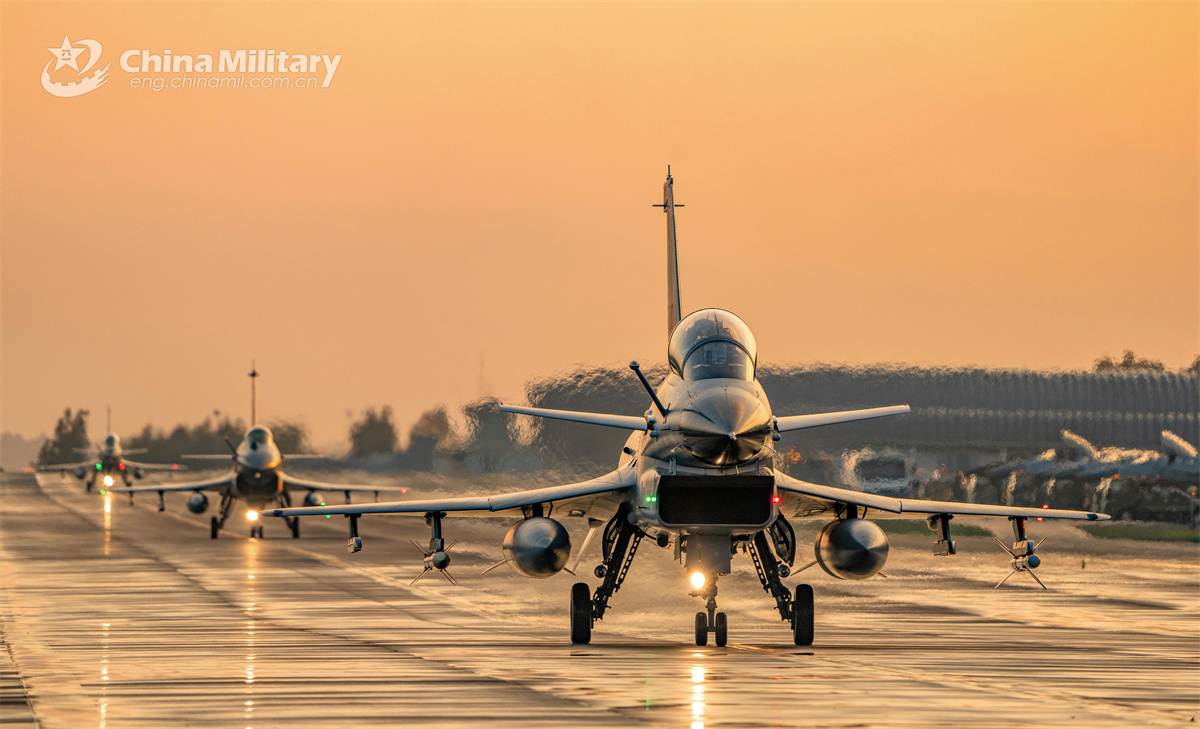
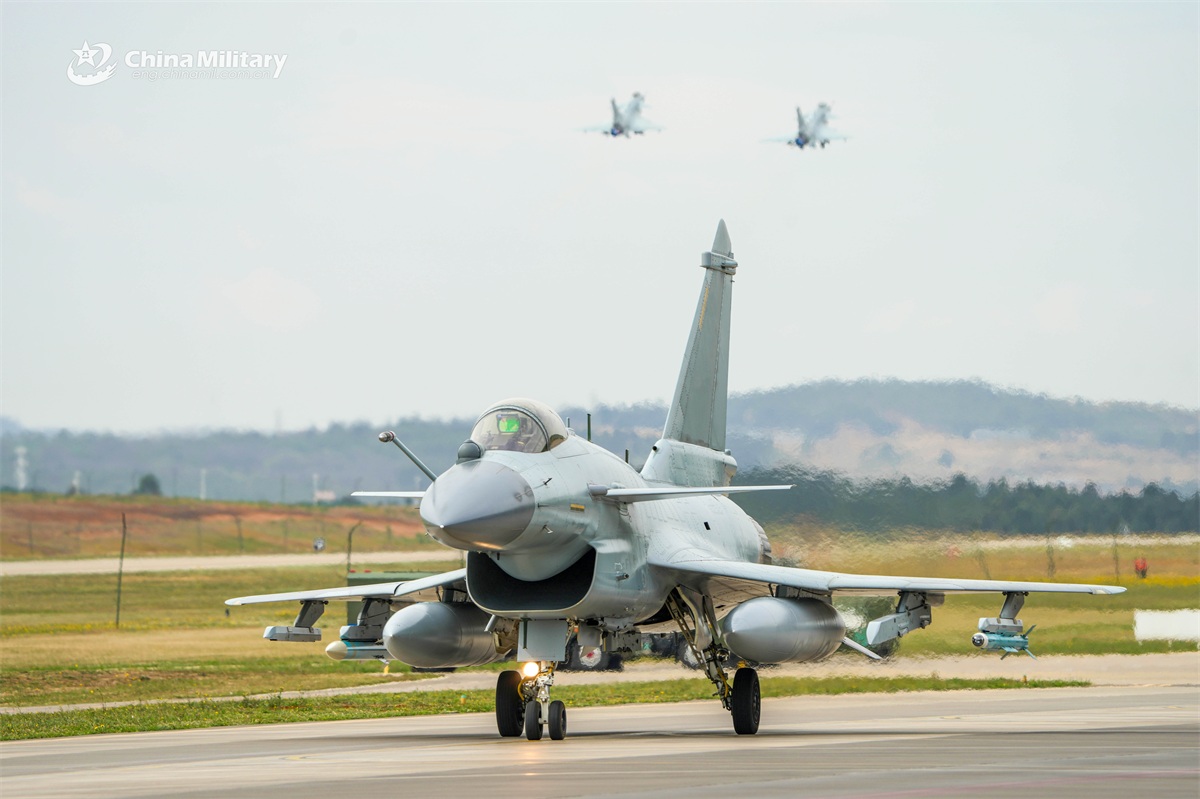
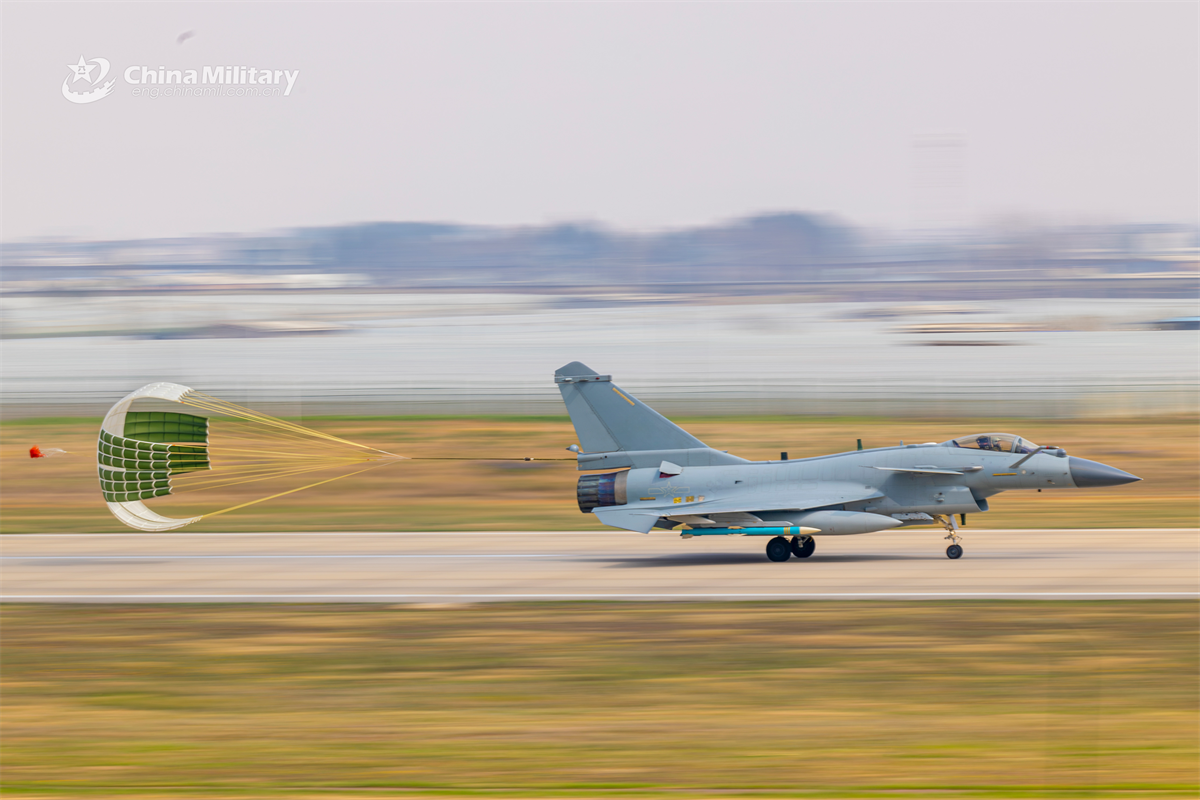
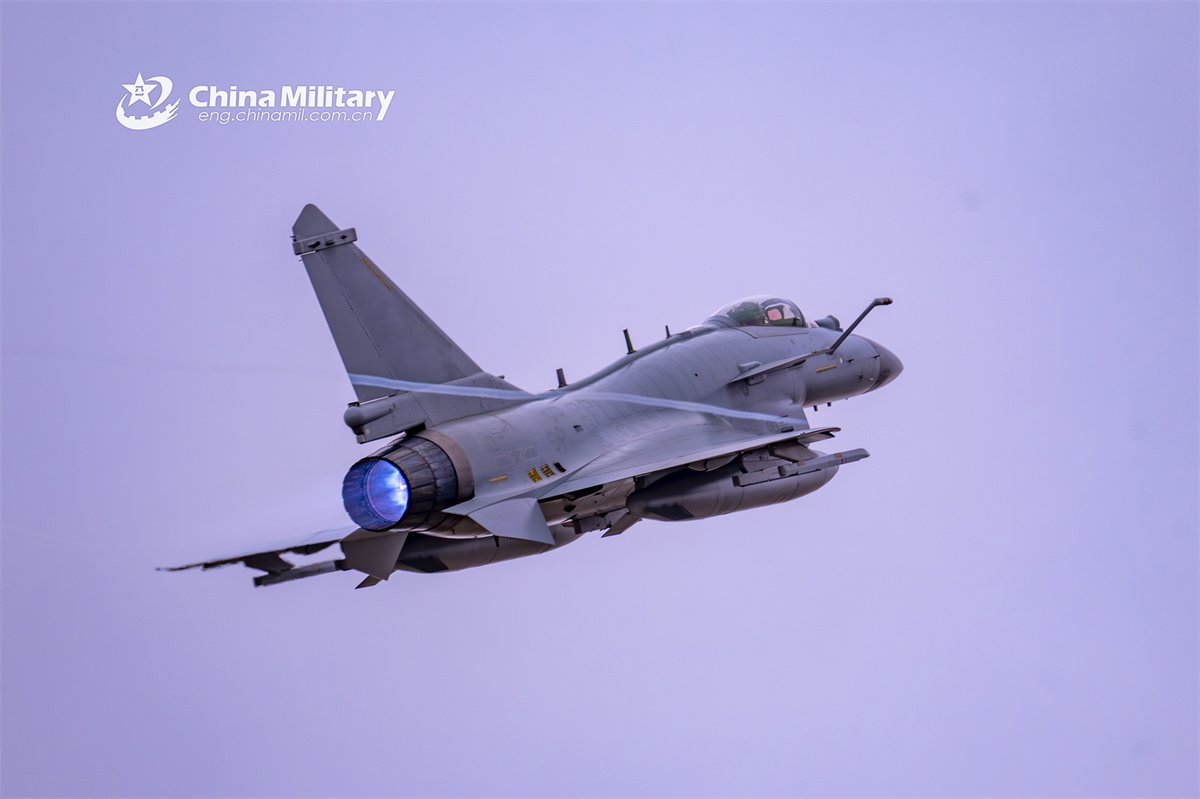
The development of the J-10 fighter program started in the mid-1980s, initially referred to as Project 8610. It was originally designed as a high-performance air superiority fighter to face emerging fourth-generation aircraft, including the F-16 and MiG-29. However, with the Cold War’s conclusion and evolving requirements, the focus shifted towards creating a multi-role fighter suitable for both air-to-air and ground attack missions. Ultimately, the J-10 serves as a successor to the older Chinese J-7 and Q-5 fighters.
The development of the J-10 benefited from the canceled Israeli Lavi lightweight fighter project, which itself is similar to and derived from the American F-16.
The J-10 was originally intended to be powered by a Western jet engine, but the arms embargo imposed on China by the United States and the European Union in 1989 forced China to seek assistance from Russia. As a result, the J-10’s airframe underwent modifications to accommodate the larger Russian Saturn AL-31F engine.
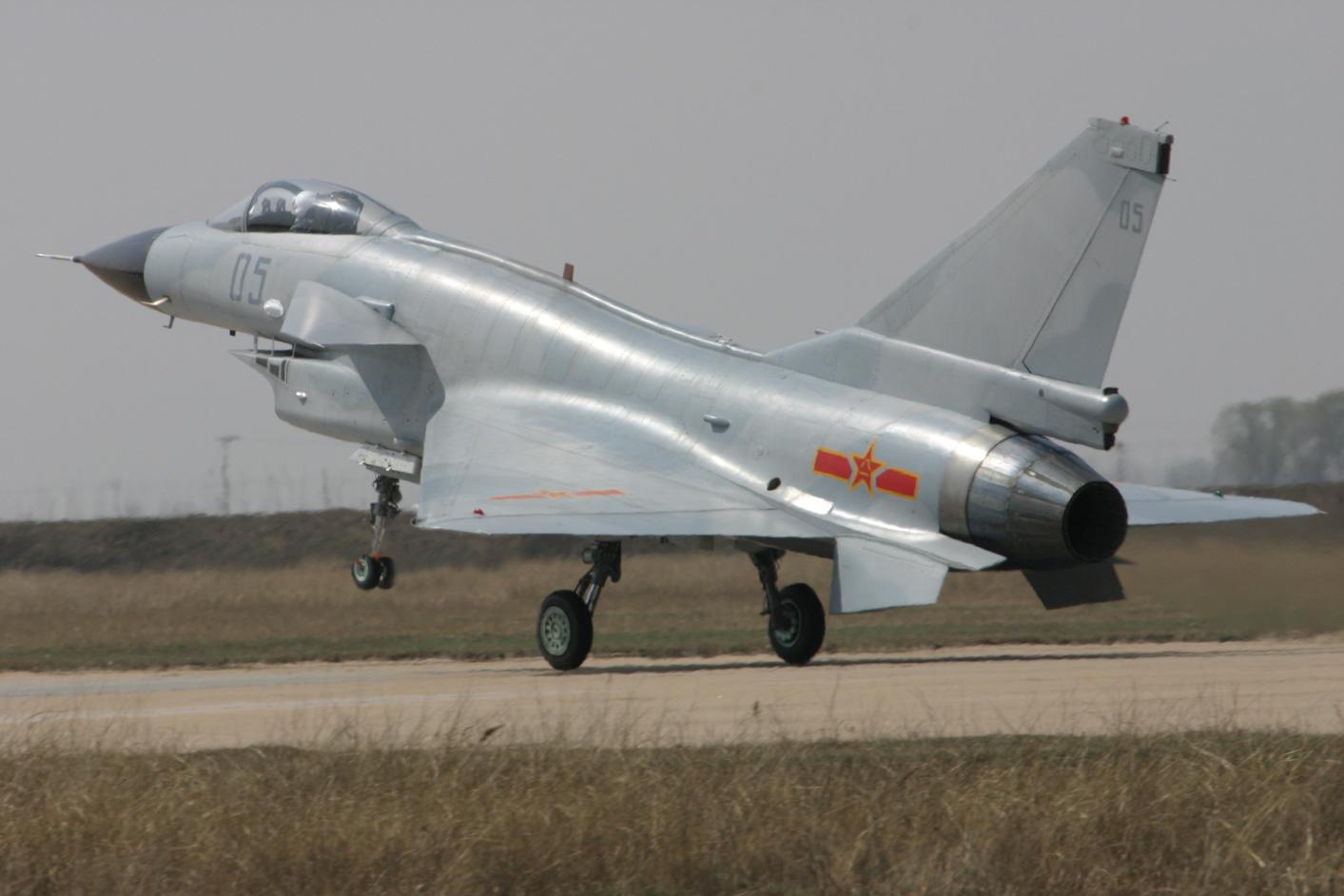
J-10A fighter jet with Russian AL-31 engine
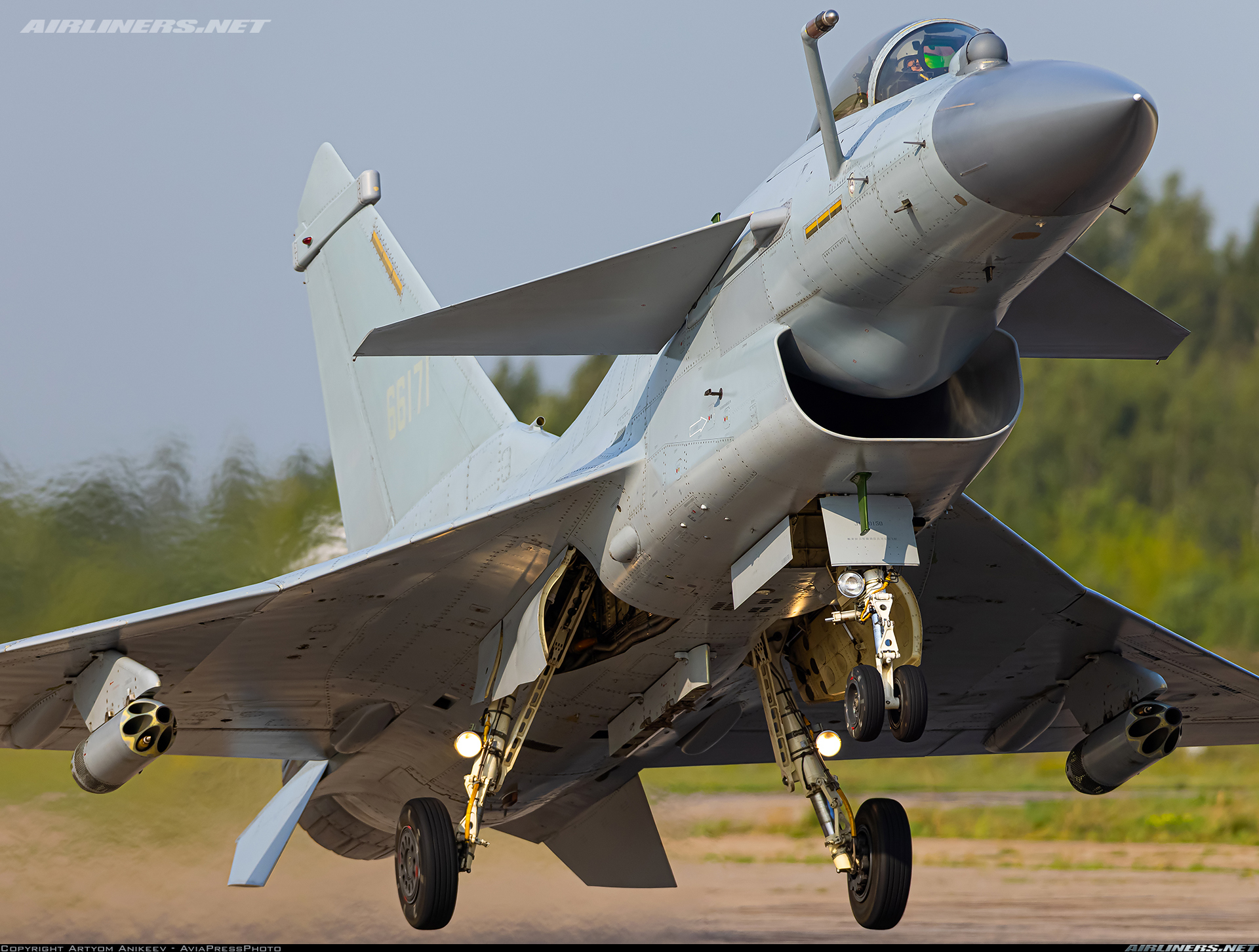
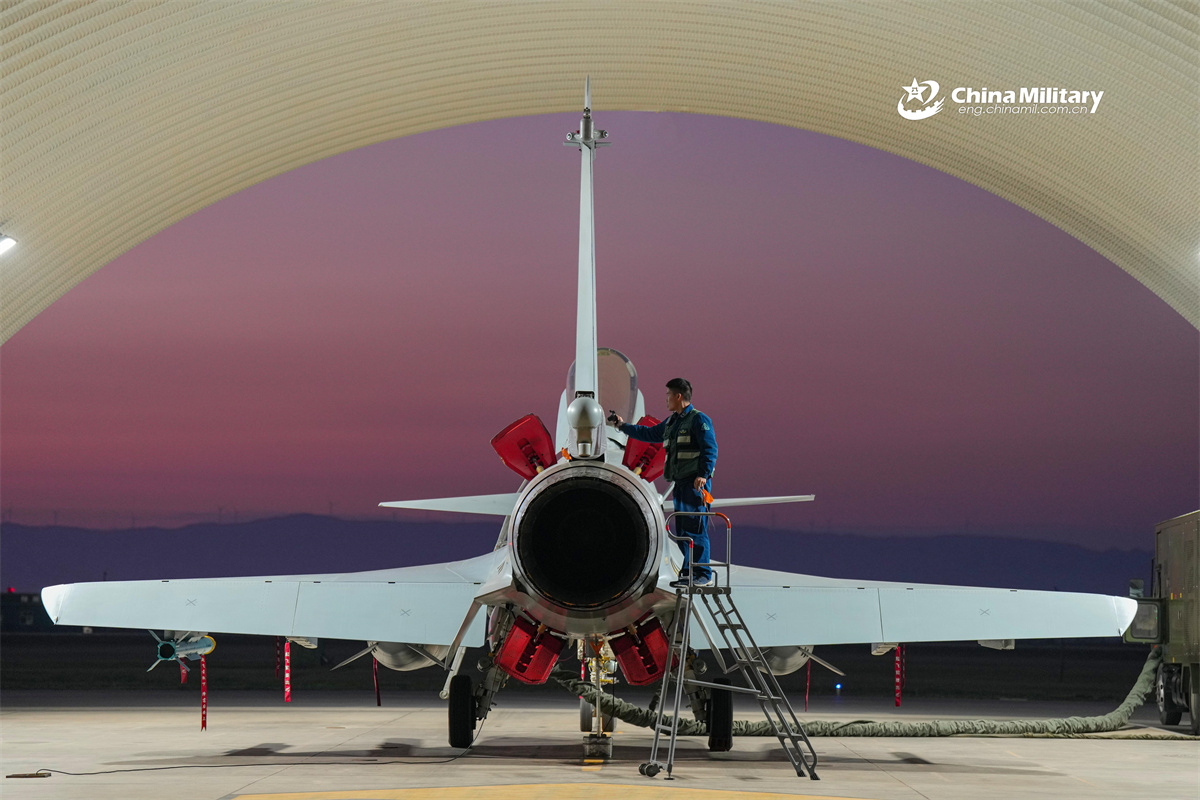
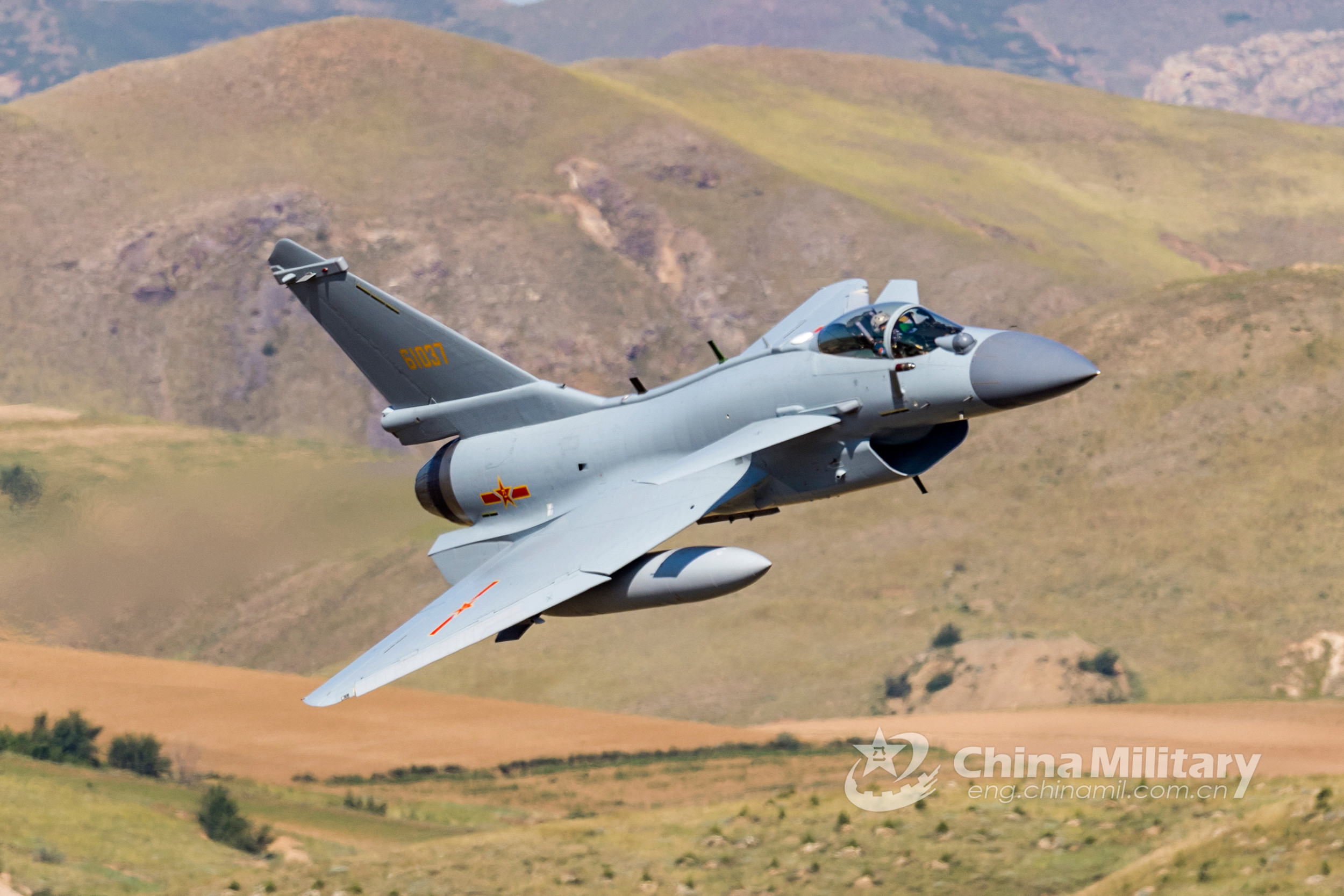
The design of the J-10 features a tailless delta wing, incorporating a vertical rudder and two fixed inverted ventral fins located on the underside of the fuselage near the tail (engine). Additionally, it has two canards positioned at the nose.
The J-10 fighter made its inaugural flight on March 22, 1998, and began operational service with the People’s Liberation Army in 2003. Between 2004 and 2006, an initial batch of 100 units in both single-seat and two-seat variants was delivered to the PLA Air Force (PLAAF).
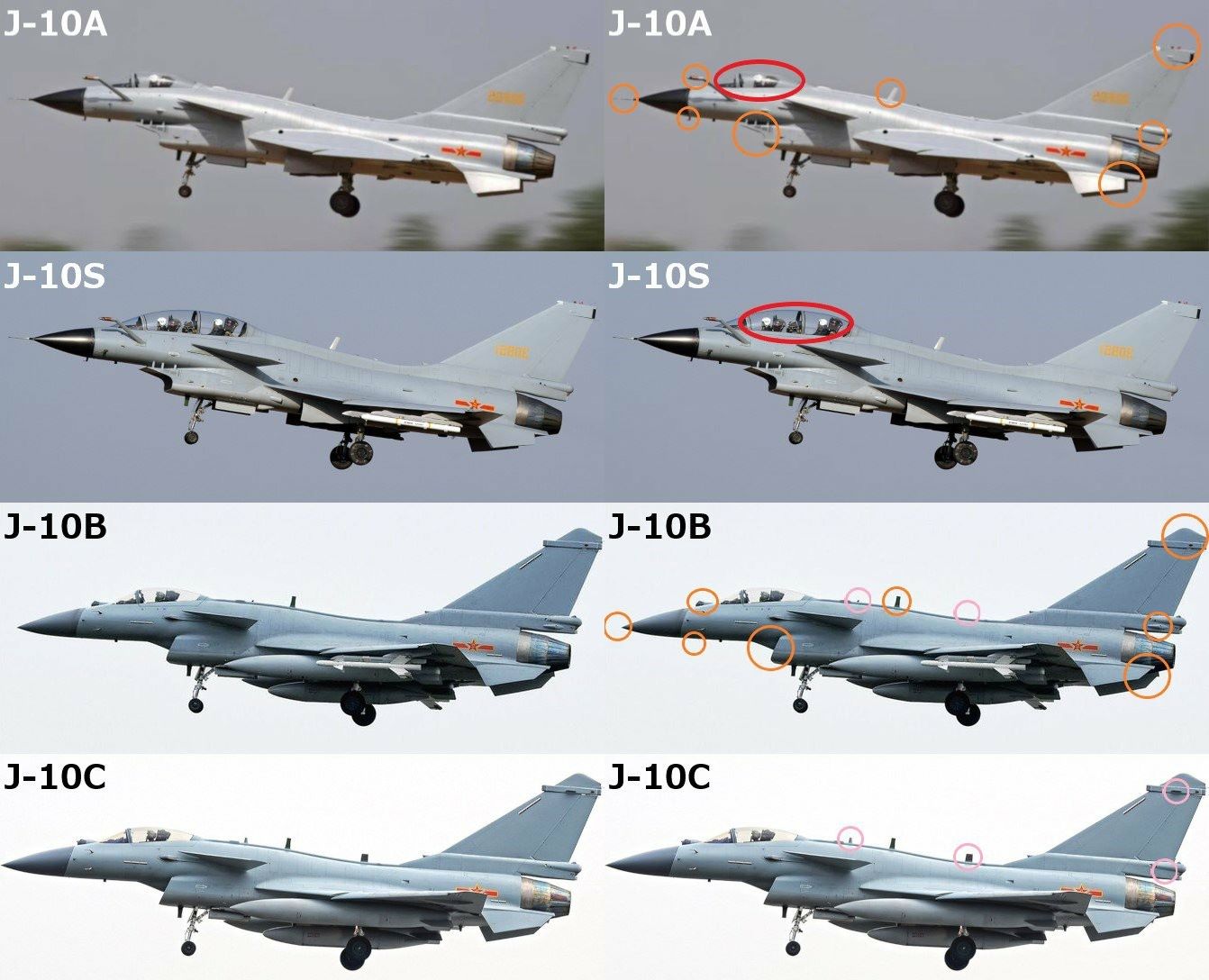
The Chengdu J-10 has been developed into four variants, designated with the suffixes A, S, B, and C, each featuring slight differences in appearance.
Appearance differences in different models of the J-10 fighter jet
J-10A: The J-10A is the first variant introduced in the J-10 family. It is reported that approximately 300 units of this model are currently in service, although production has now ceased. The J-10A is equipped with a domestic Type 1473 pulse-Doppler radar, which can track up to 10 targets simultaneously and engage 2 targets with semi-active radar-guided PL-11 air-to-air missiles, or 4 targets using active radar-guided PL-12 (SD-10) air-to-air missiles. The Type 1473 radar is recognized as China’s first successful and operational pulse-Doppler radar system. The J-10A fighter is powered by a Russian Saturn AL-31FN turbofan engine, providing 79.43 kN of thrust in dry mode and 122.58 kN with afterburner. The naval variant of this model is known as the J-10AH.
J-10A
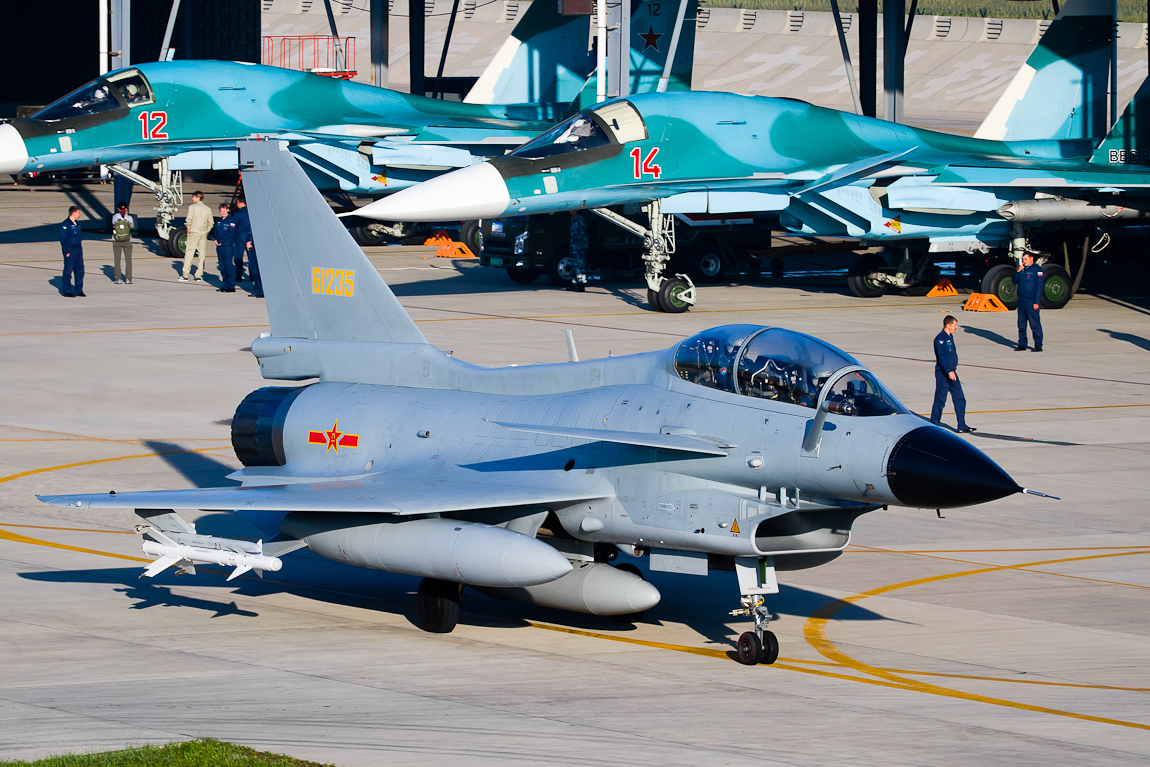
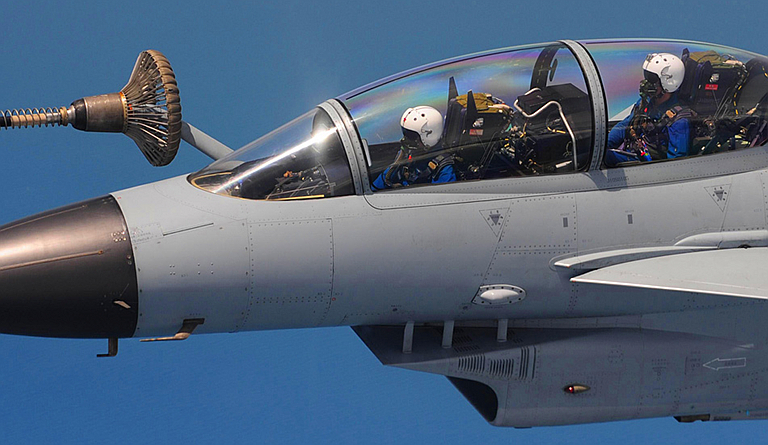
J-10S: A two-seat, trainer version of the J-10, which matches the performance and avionics of the J-10A. It features an extended front fuselage to fit an additional pilot seat. This aircraft serves both pilot training and standard fighter roles. The two-seat naval version is commonly referred to as the J-10SH.
J-10S two-seat fighter jet participating in a military exercise in RussiaJ-10S fighter jet undergoing aerial refueling
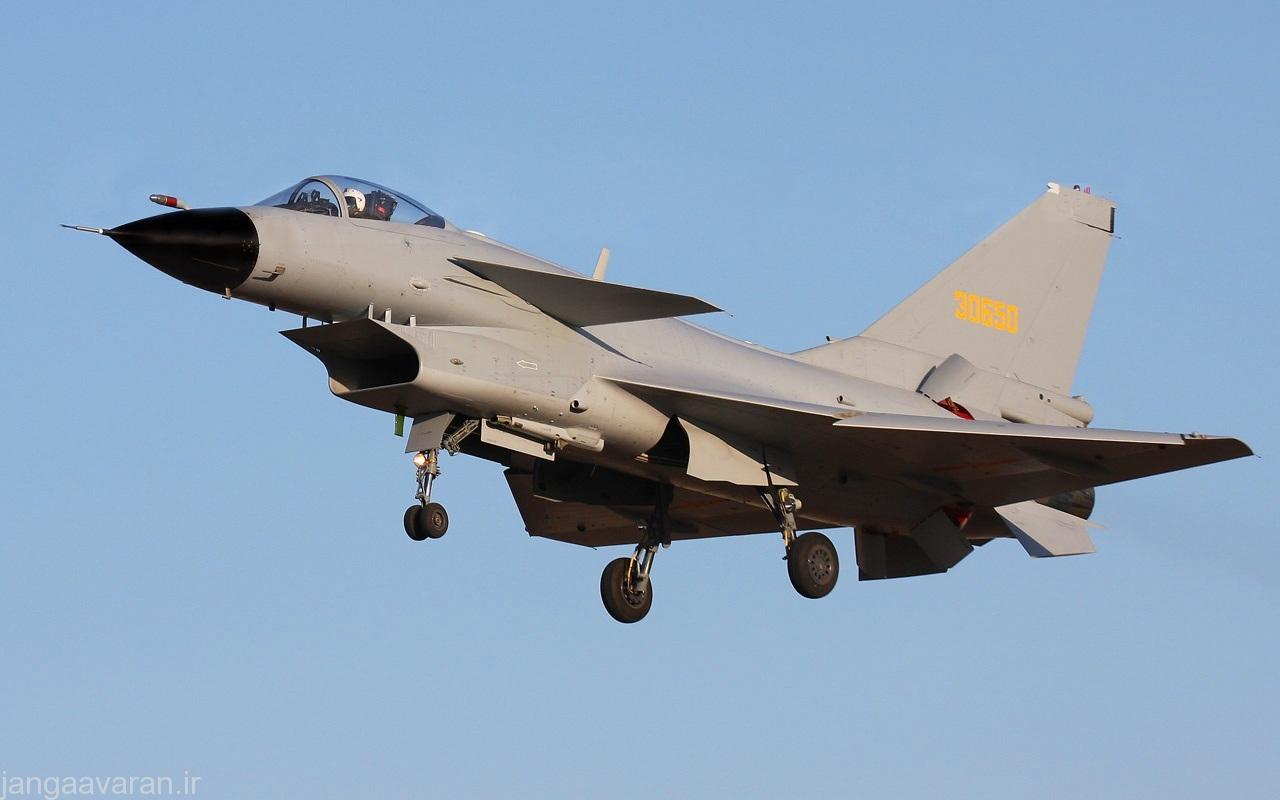
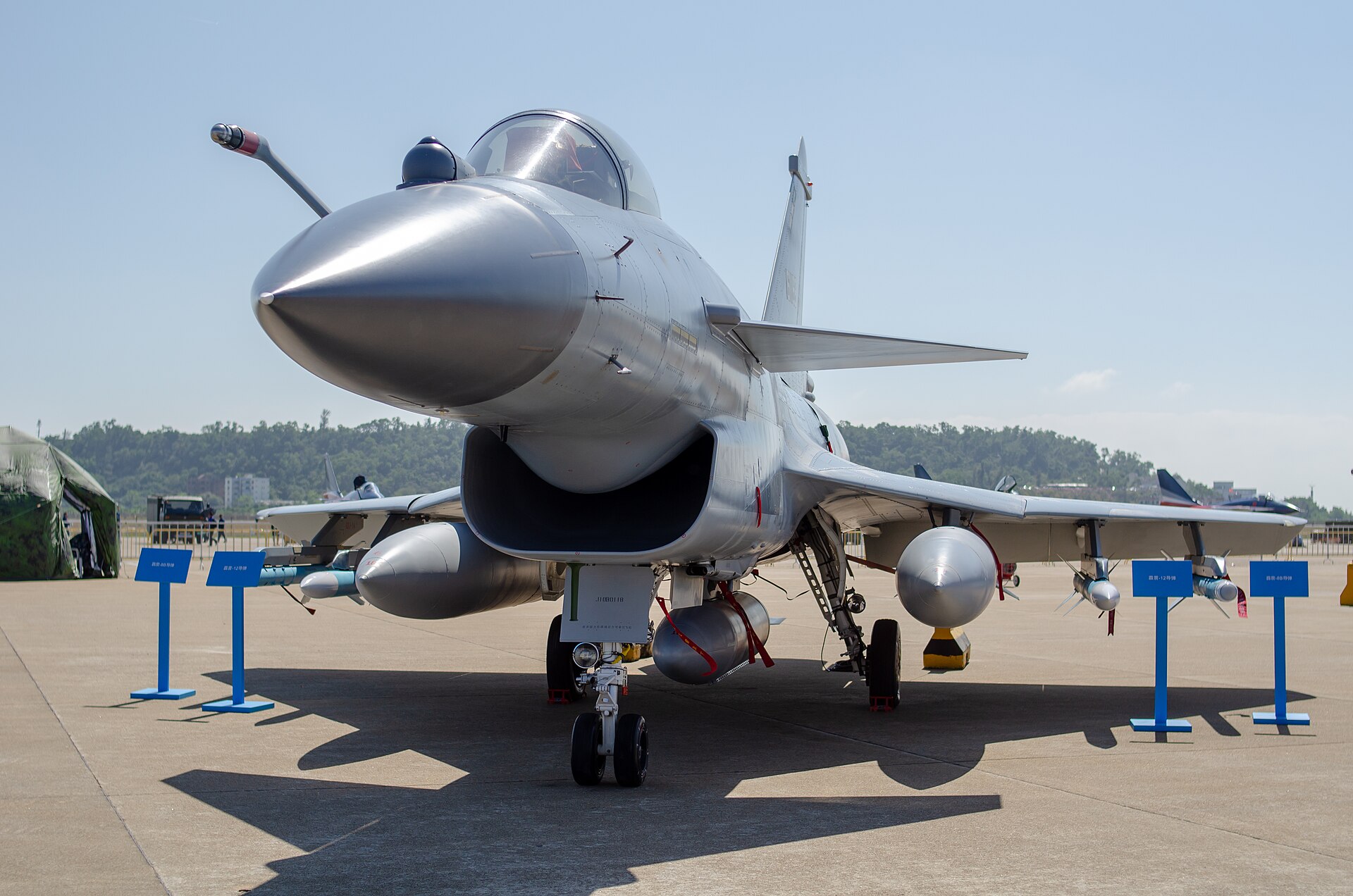
J-10B: An enhanced iteration of the J-10A, publicly unveiled in 2016. This model features a larger radome designed to accommodate the active electronically scanned array (AESA) radar system and infrared search/tracking suite (IRST) in the nose. It incorporates an electronic-optical targeting system (EOTS) and a redesigned air intake compared to the earlier version. Additionally, the aircraft boasts an upgraded avionics suite, which includes an indigenous passive electronic array (PESA) fire control radar capable of engaging four targets at once. Beyond standard armaments, the J-10B can deploy the new PL-10 infrared-guided and PL-15 active radar-guided missiles. Although the J-10B typically uses the AL31 engine, some variants are reportedly equipped with the WS-10.
J-10B
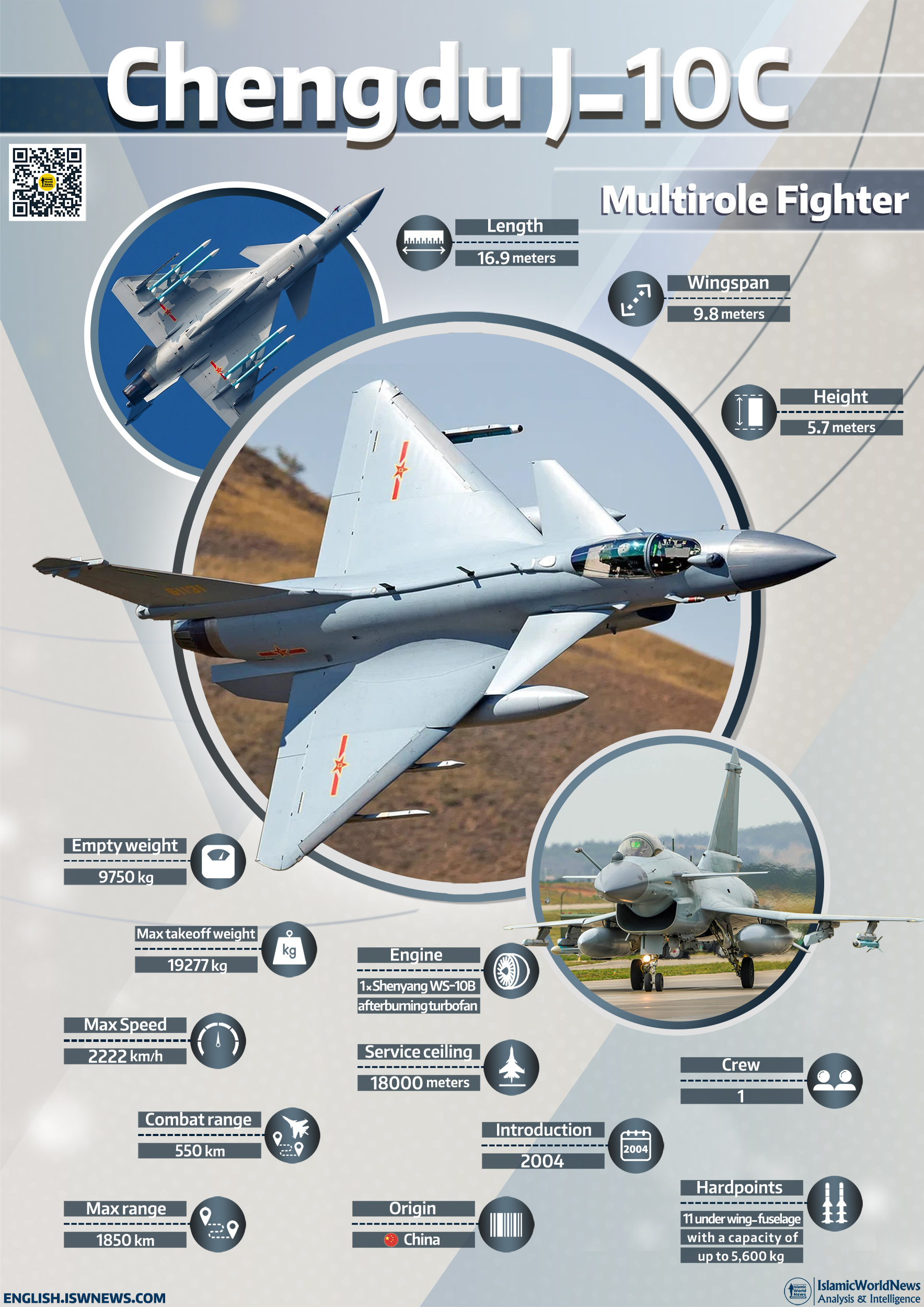
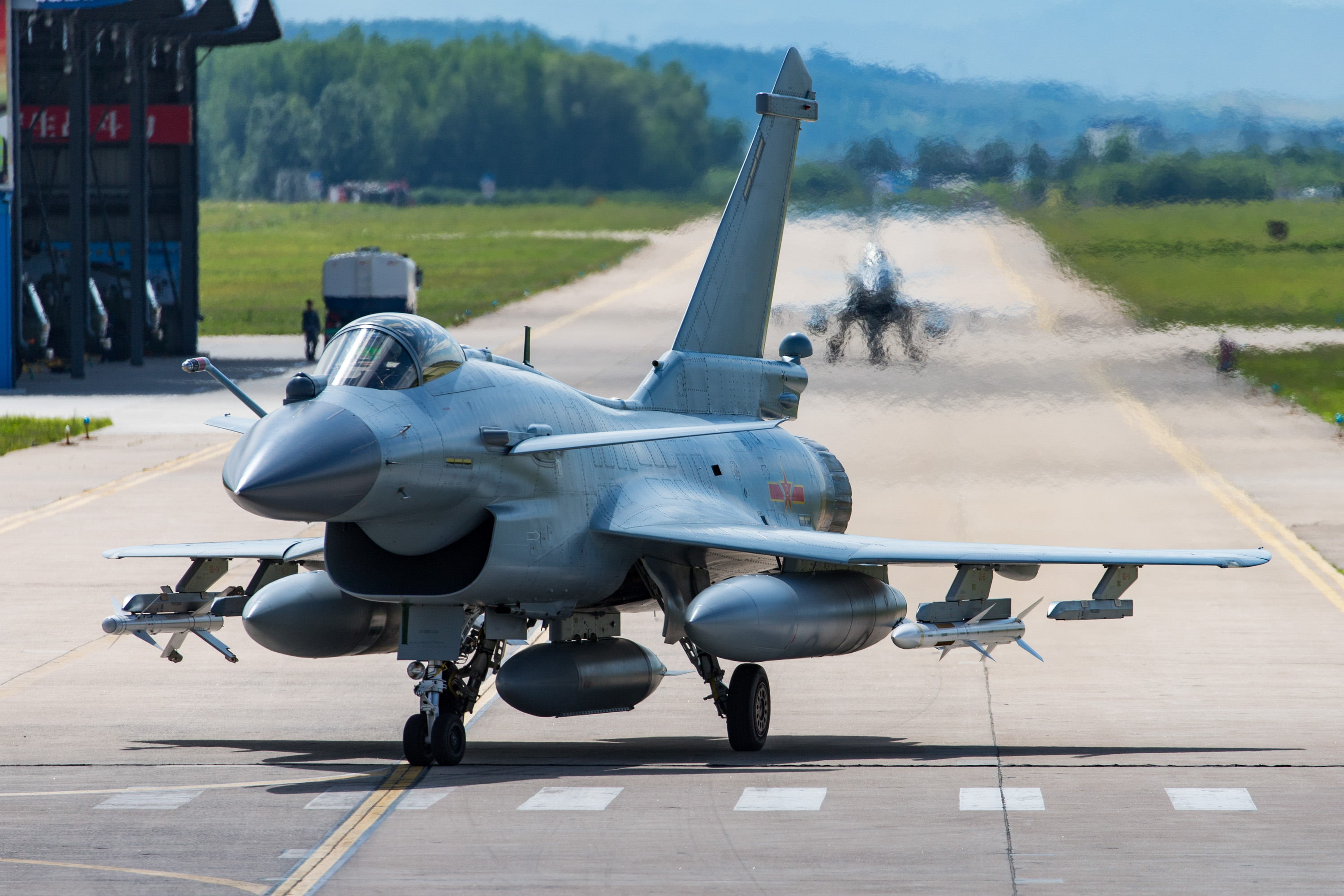
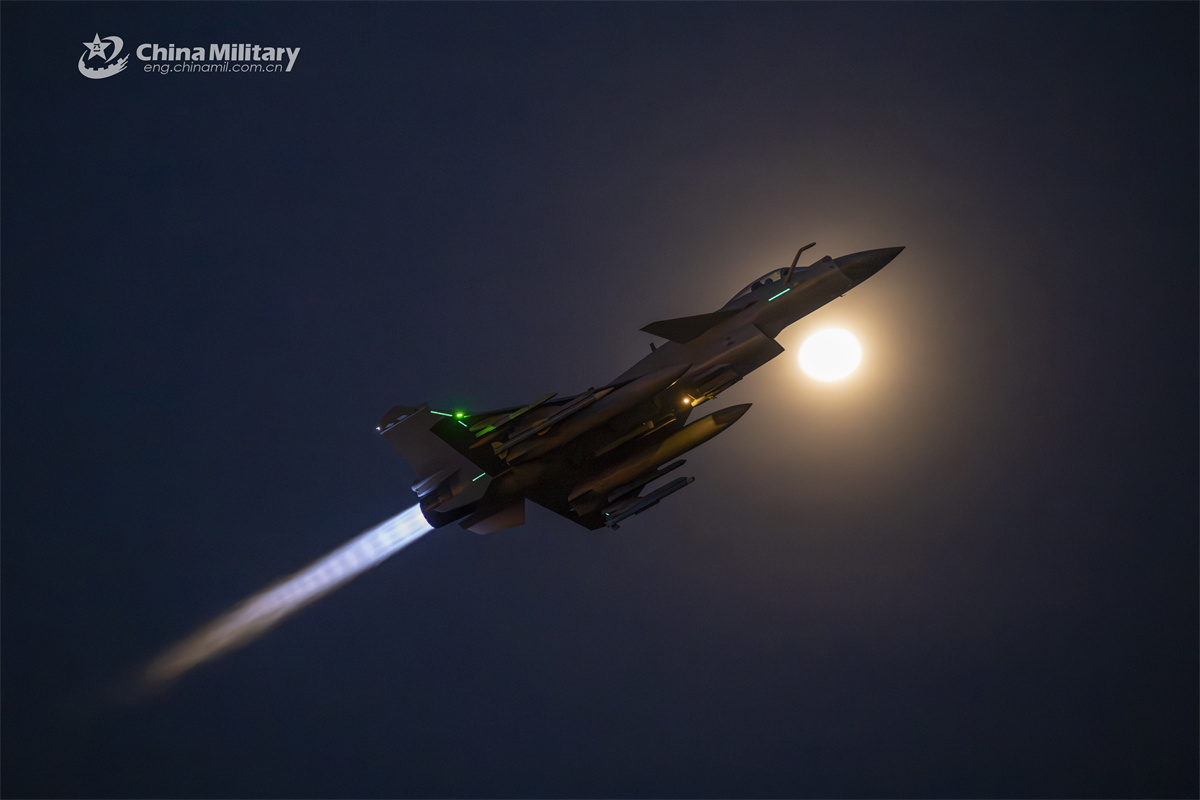
J-10C: This is the newest model in the J-10 series, which first flew in December 2013 and was introduced into service with the People’s Liberation Army Air Force (PLAAF) in 2018. Visually, it closely resembles the B model. Essentially, as an upgraded variant of the J-10B, this fighter incorporates all its predecessors’ capabilities in a more efficient and optimized manner. The J-10C features the Chinese Shenyang WS-10B engine and the domestically developed active electronically scanned array (AESA) fire control radar designated KLJ-10. This advanced radar can identify small targets with a radar cross-section (RCS) of 5 square meters from over 200 km away. Additionally, the J-10C is armed with short-range PL-10 air-to-air missiles featuring infrared guidance and long-range PL-15 air-to-air missiles with active radar guidance. The J-10C is characterized as a Chinese 4.5th generation fighter.
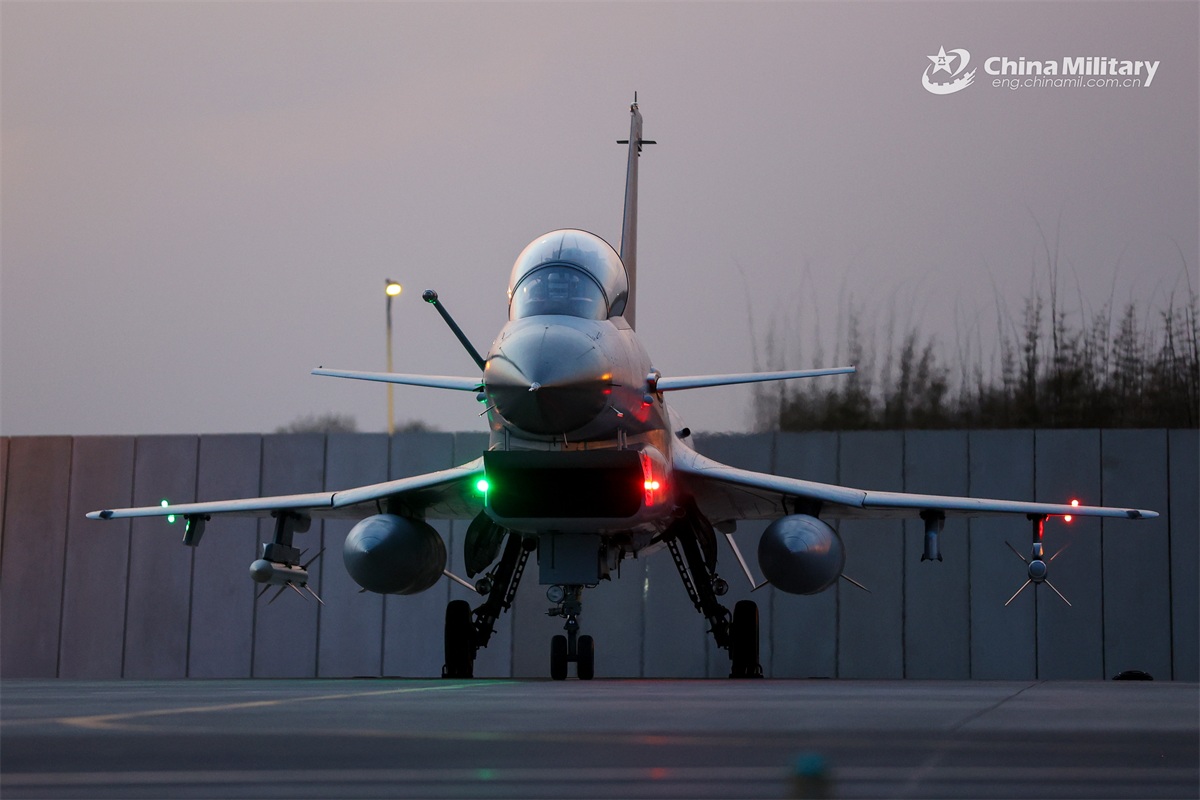
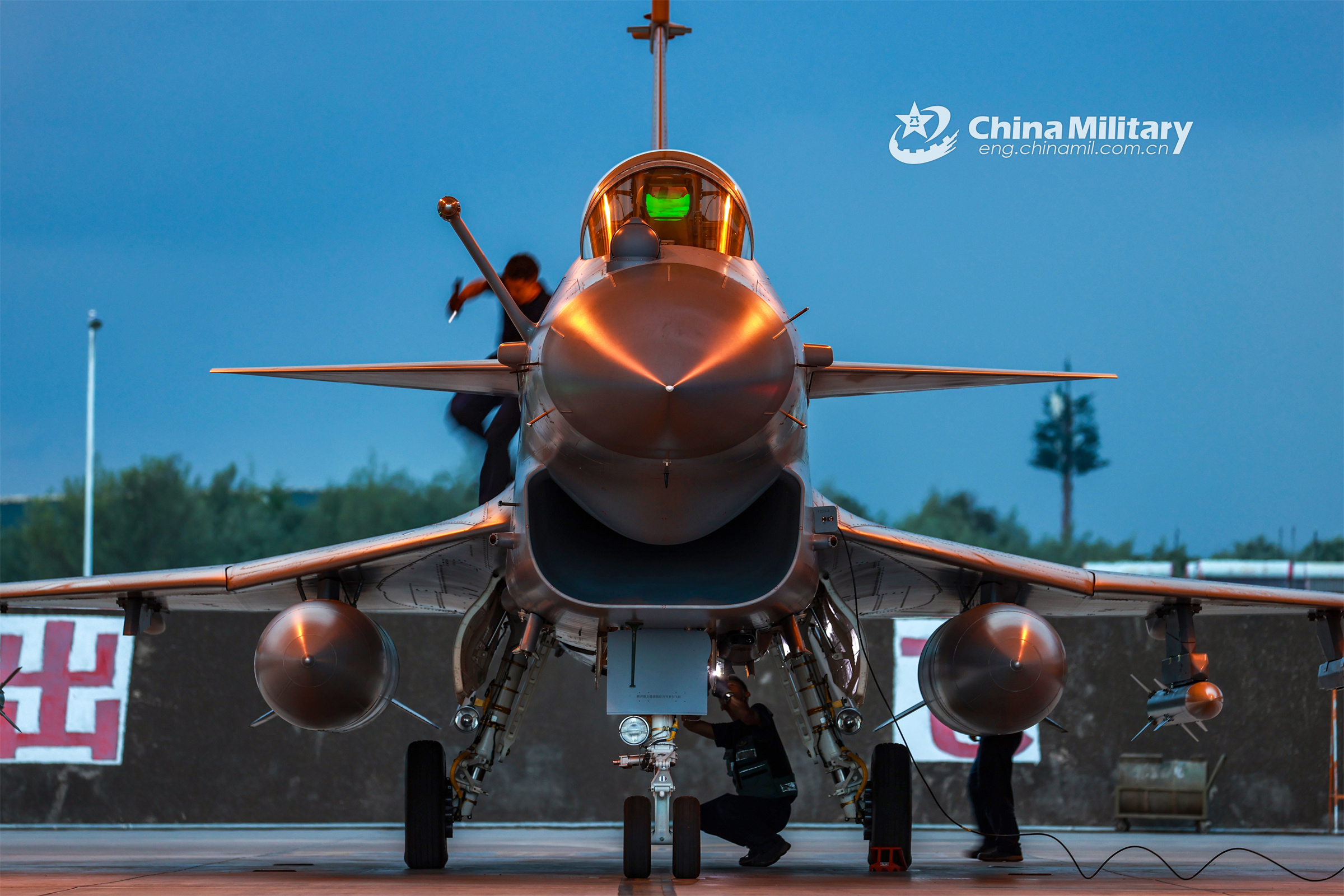
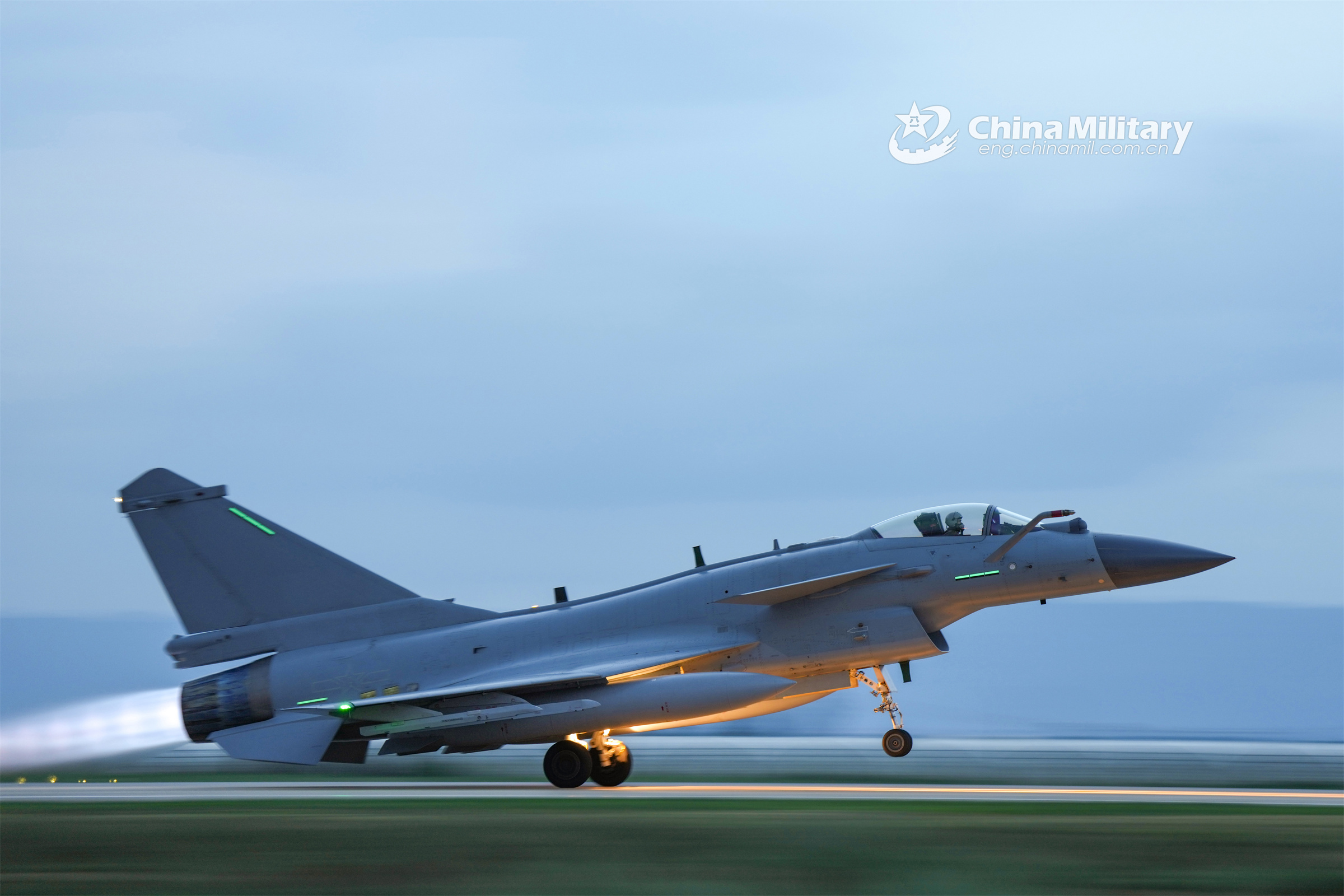
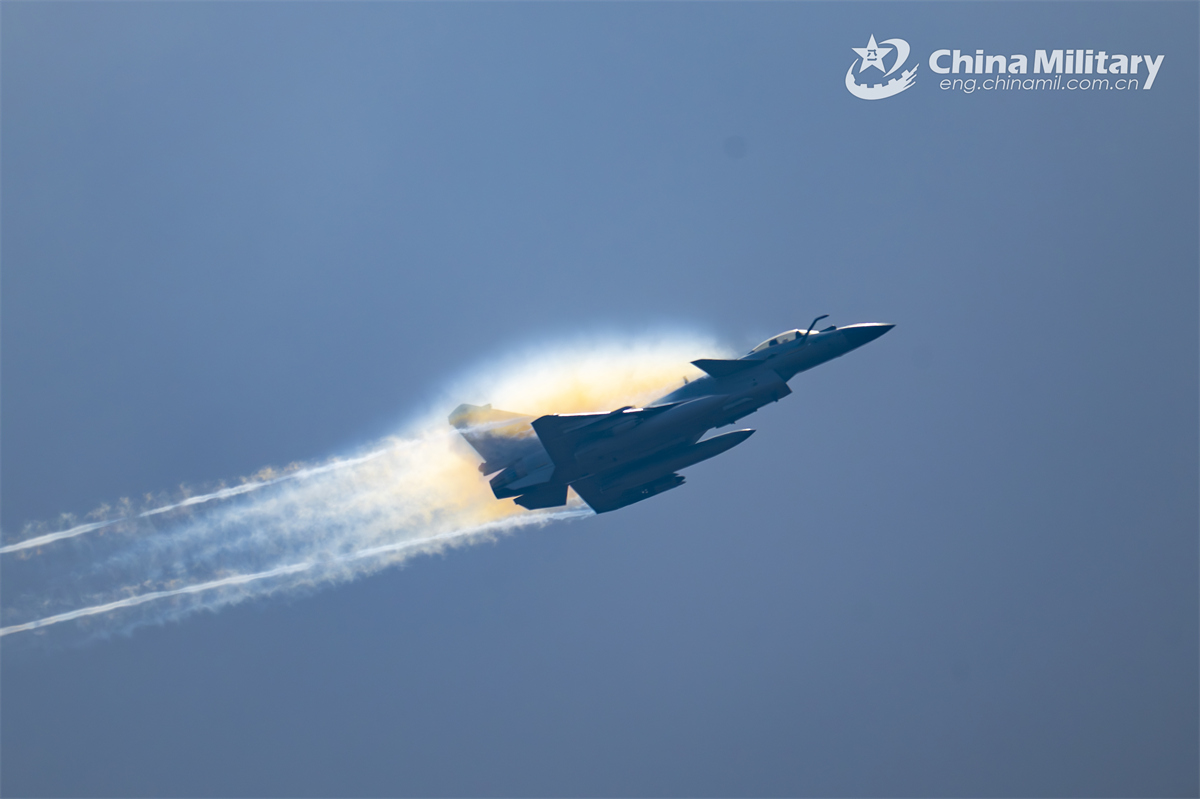
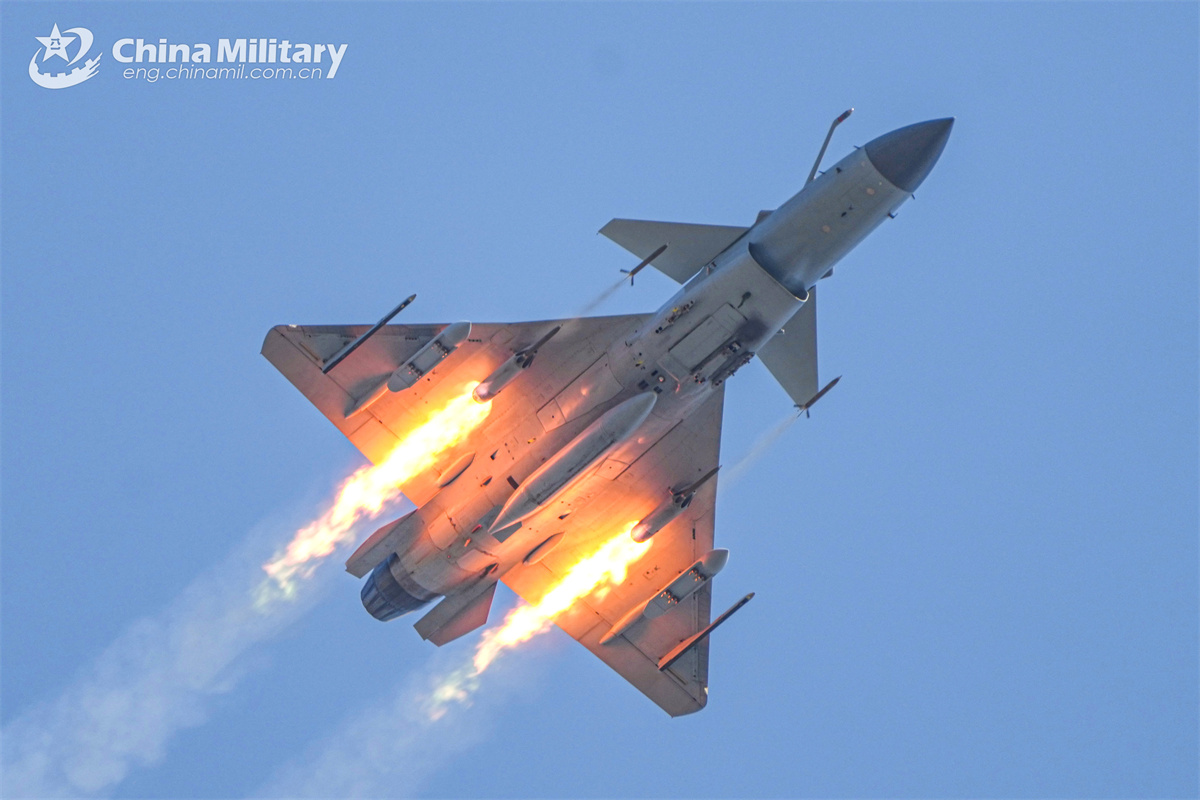
Chinese Air Force J-10C fighter jet
The article further discusses additional details and features of the J-10 fighter, which include:
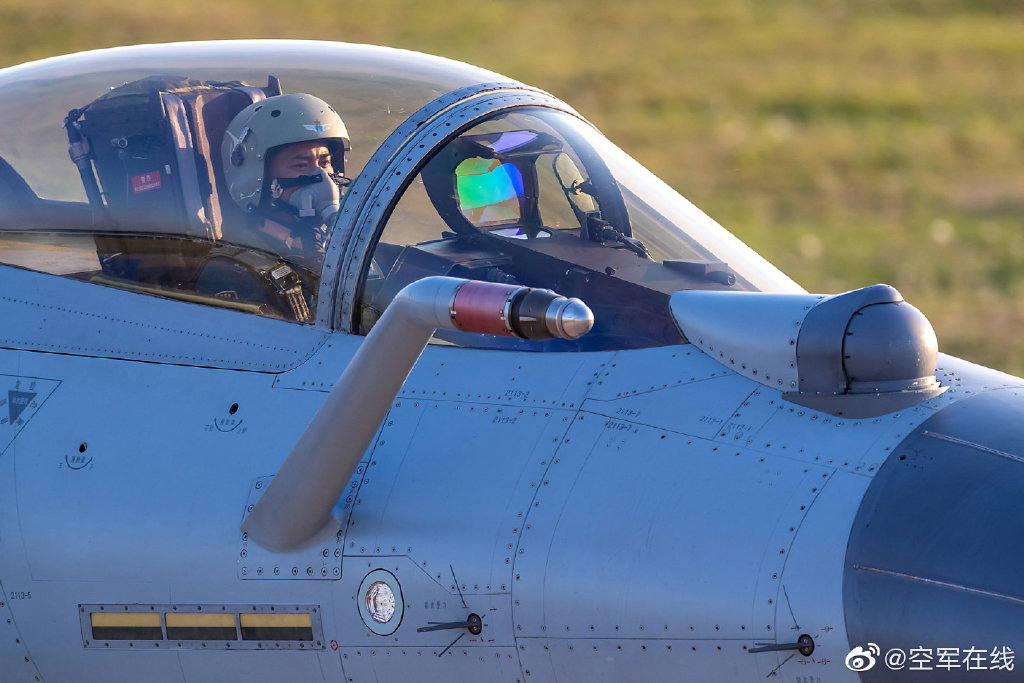
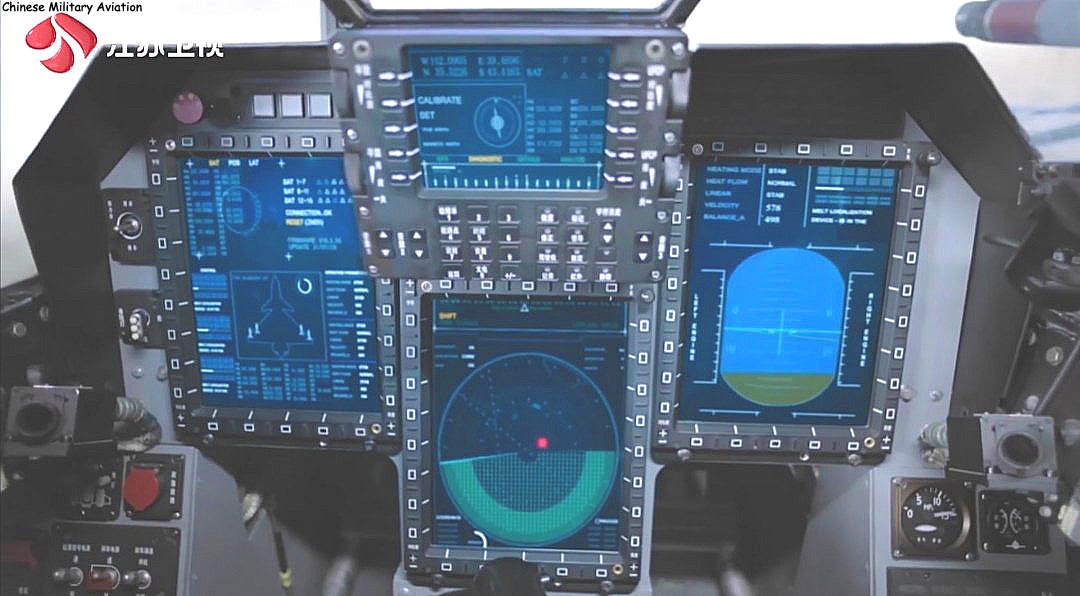
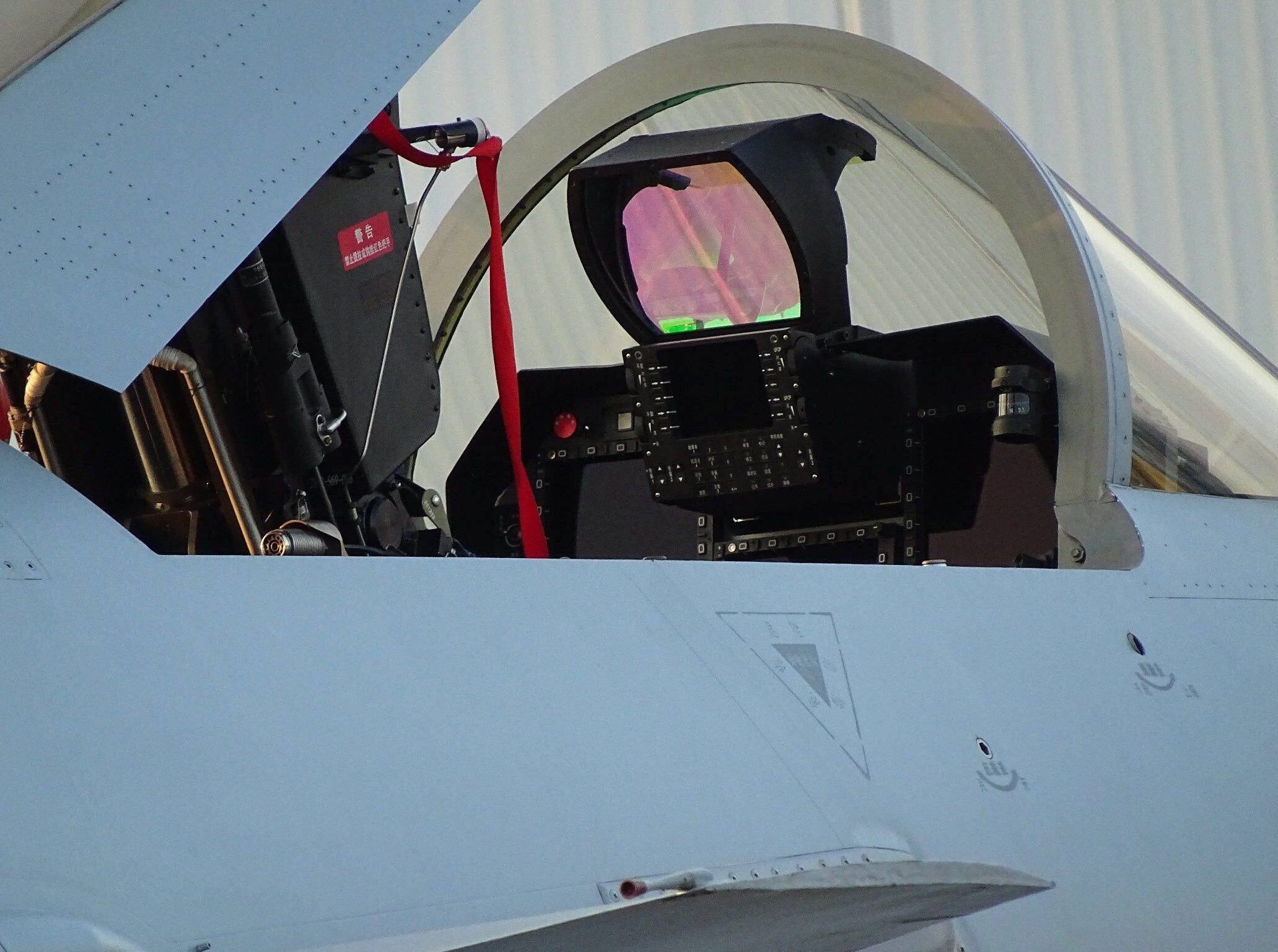
The J-10 cockpit incorporates “hands on throttle and stick” (HOTAS) controls, enabling operation of weapon systems without leaving the aircraft’s essential controls. It includes one color and two monochrome liquid crystal multifunction displays (MFDs), along with a holographic heads-up display (HUD) that provides a wide field of view. Additionally, the aircraft is equipped with the domestically developed Helmet Mounted Site (HMS).
Images of cockpit displays, head-up display, and cabin overview
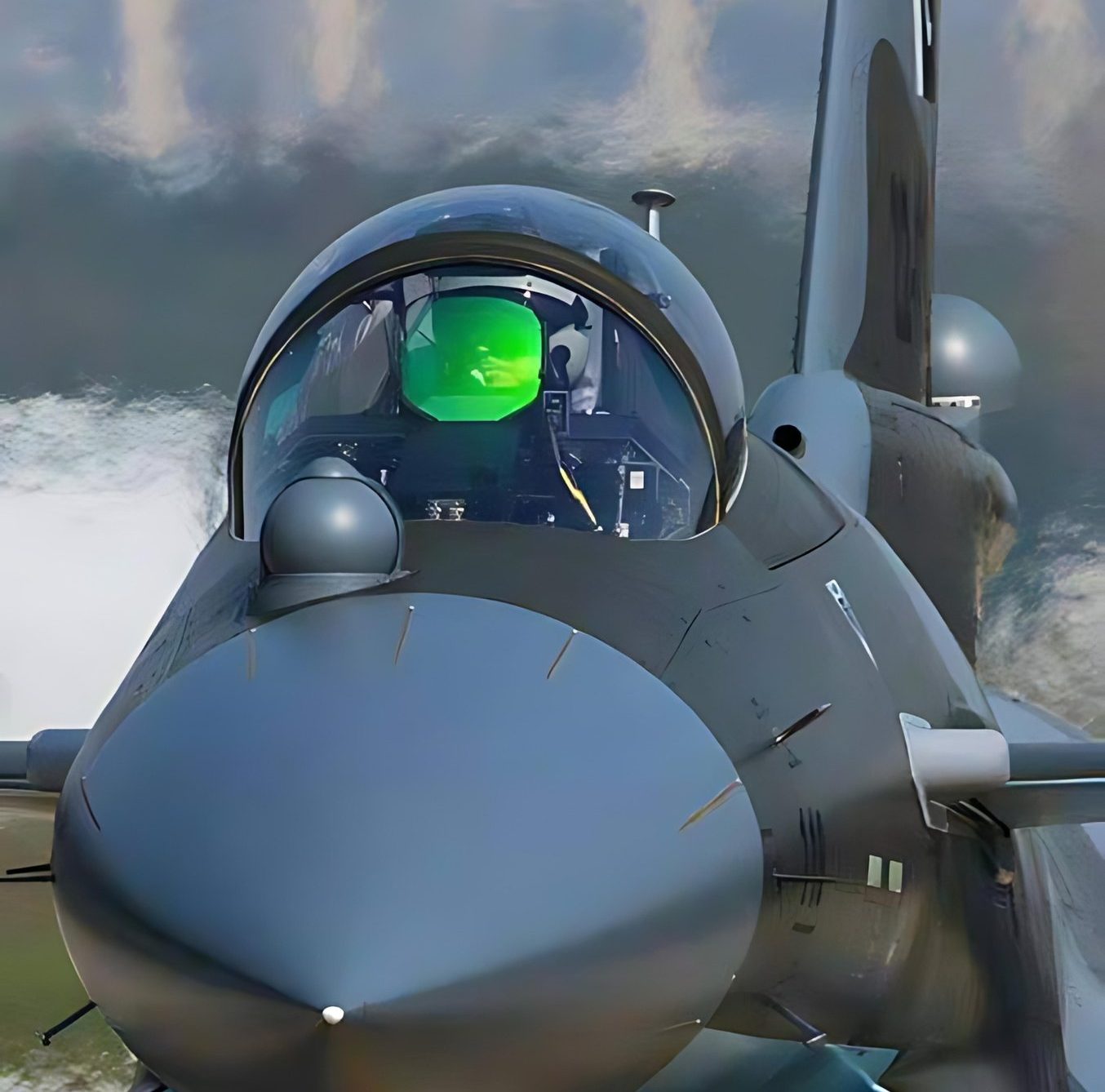
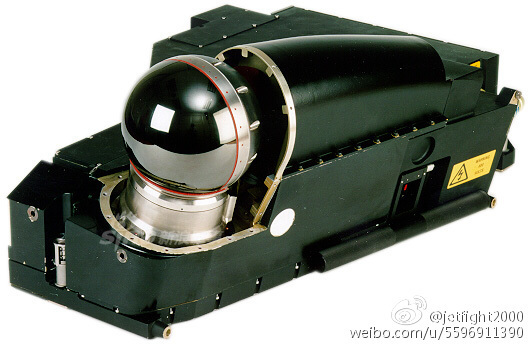
The J-10 B and C fighters feature an electronic-optical targeting system (EOTS) positioned on the right side in front of the cockpit. This system comprises an infrared search and track (IRST) sensor along with a laser rangefinder (LR), enabling passive target identification without activating the fire control radar, thus minimizing the chances of the aircraft being detected.
Electro-optical targeting system in front of the cockpit of a Pakistani J-10C fighter jetIRST/LRClick to view larger size
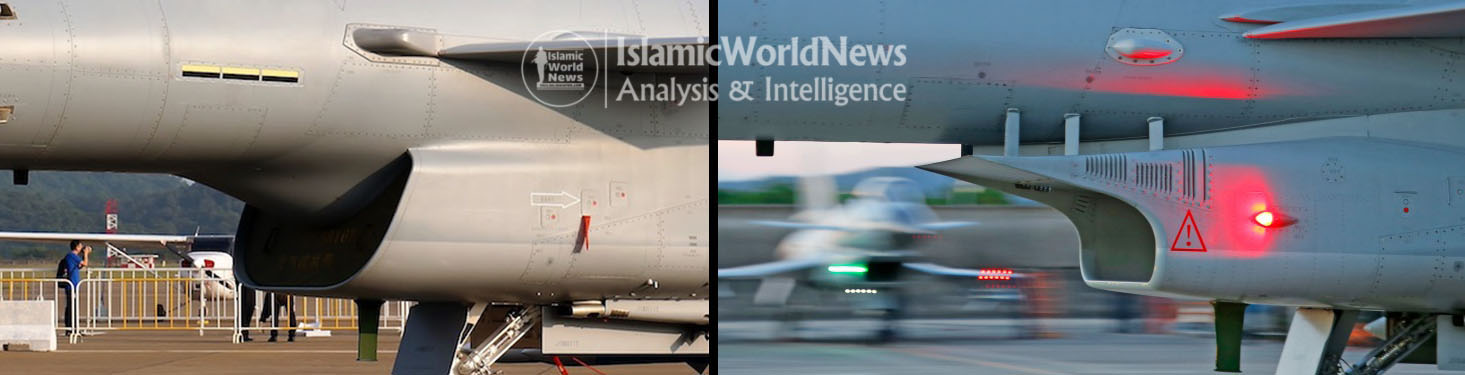
The J-10B and J-10C models feature a diverterless supersonic inlet (DSI). This design removes all moving components from the air inlet, thereby decreasing the overall weight and minimizing the aircraft’s radar signature.
The difference in air intake between the J-10A (right image) and the J-10B/C (left image) is visible.
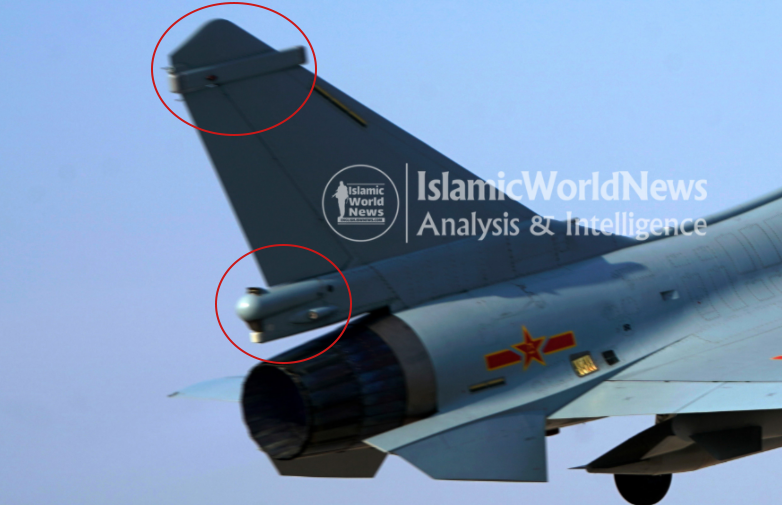
The J-10B and J-10C feature a curved upper edge on the tail, contrasting with the flat tail of the J-10A. Additionally, a significant lip has been introduced at the tail’s tip to house electronic warfare and electronic countermeasures (EW/ECM) systems. The fuselage is equipped with four black ECM antenna arrays: a larger one positioned on each side of the cockpit and a smaller one on each side of the rear fuselage close to the engine nozzle.
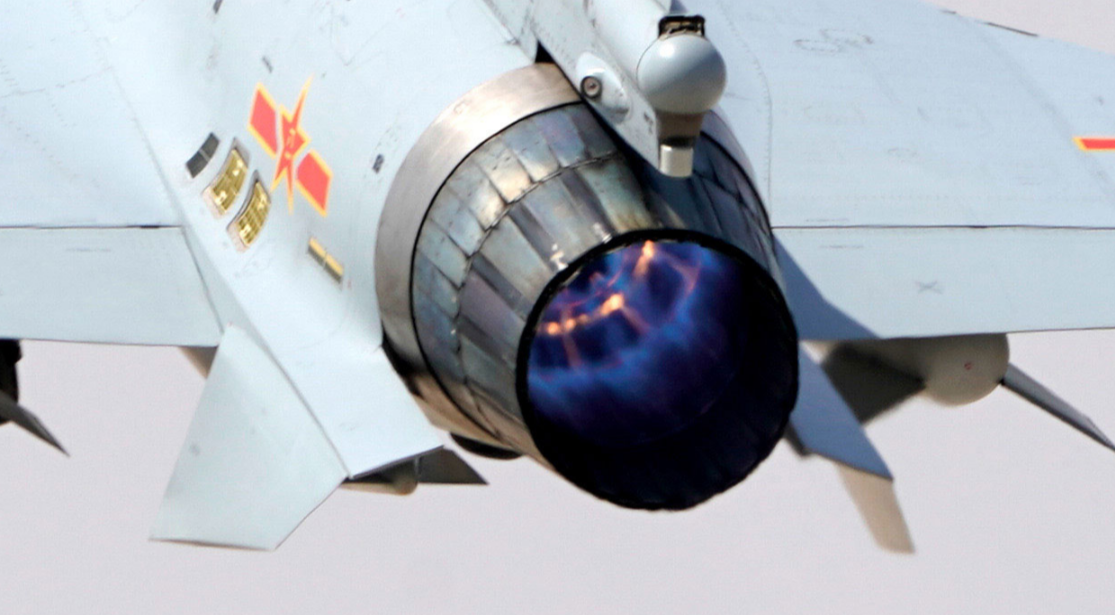
The EW/ECM equipment in the tail section of the J-10B fighter
The fighter jet is equipped with a Type 23-3 twin-barreled 23mm cannon, which is a reverse-engineered Russian GSh-23L cannon, and is mounted on the left side of the front landing gear.
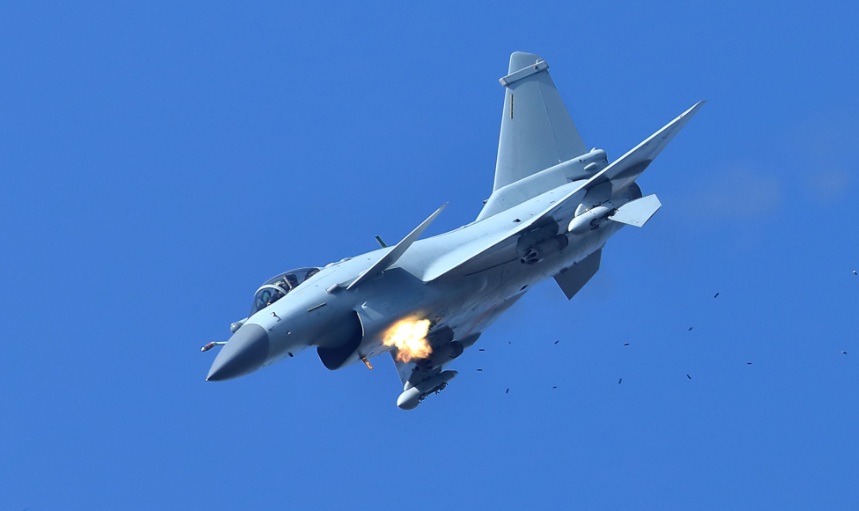
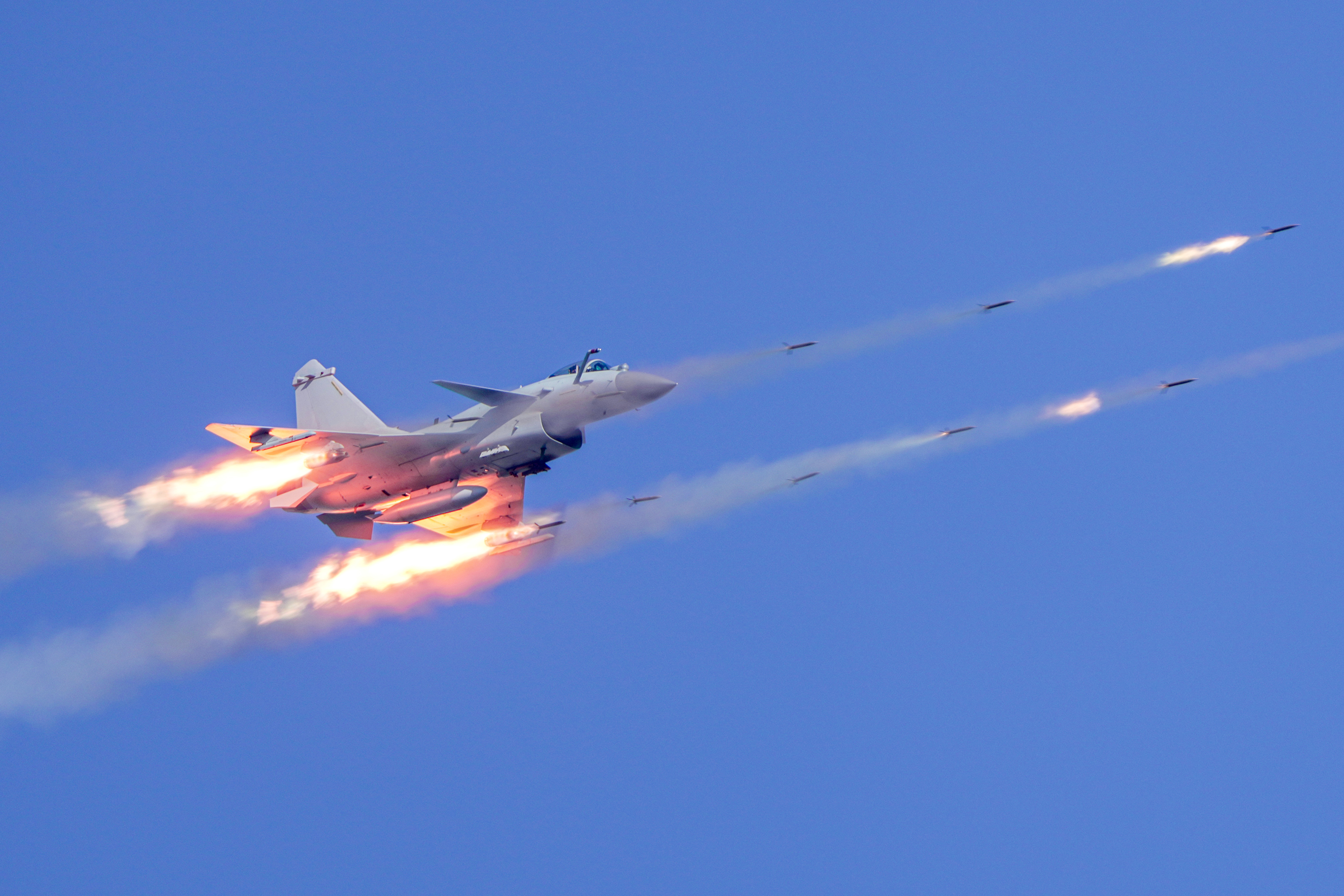
J-10B fighter jet firing with a 23mm cannon
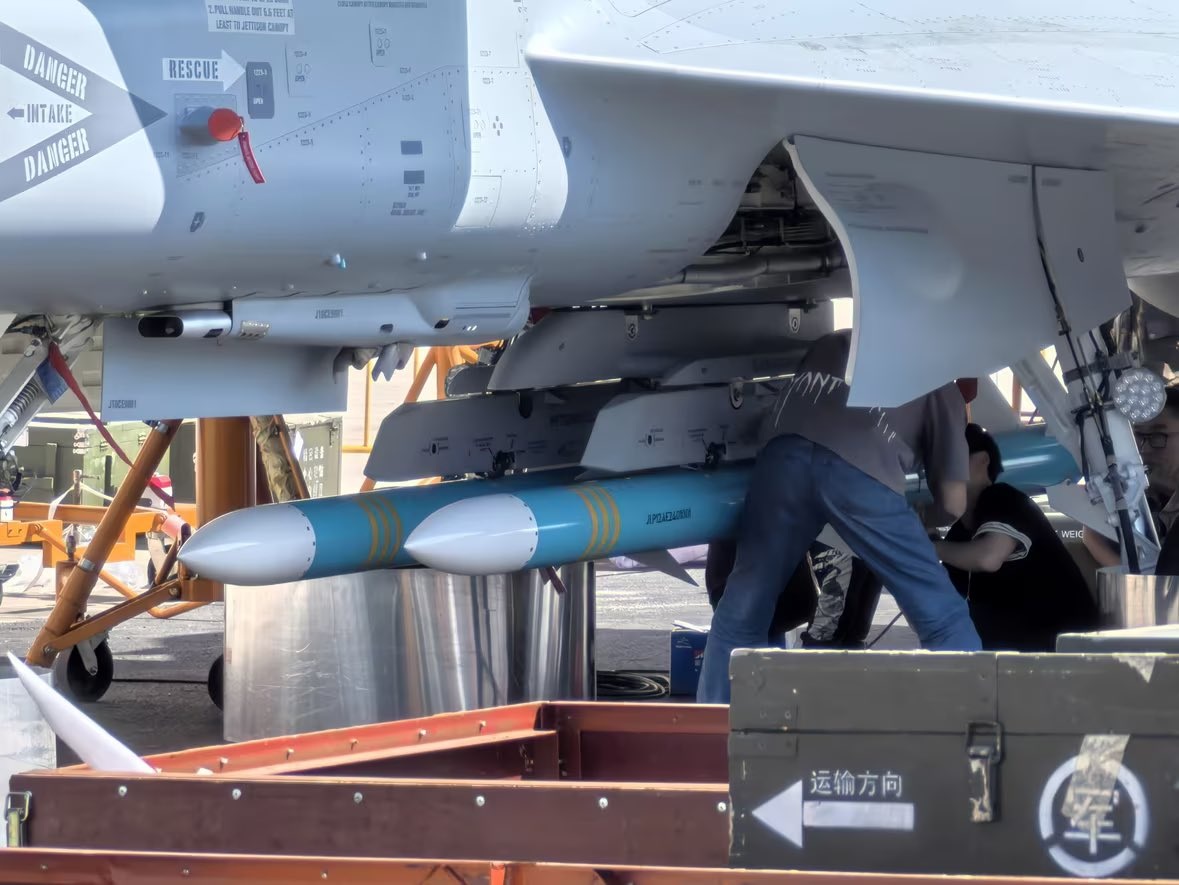
The fighter is equipped with 11 external weapons bays: six located under the wings, two beneath the air intakes, and three under the fuselage. Its primary air-to-air armaments consist of the PL-15 long-range missile, the PL-11 semi-active radar-guided medium-range missile, the PL-12 (SD-10) active radar-guided medium-range missile, and the PL-8 short-range infrared missile.
The J-10C can carry the Russian Vympel R-73 (AA-11 Archer) or R-77 (AA-12 Adder) missiles, as well as the KH-31P anti-radar missile.
For ground attack missions, the aircraft can carry conventional low-drag bombs weighing up to 250 kg or laser-guided bombs. A laser targeting pod can also be carried under the fuselage for target designation. More complete information on the weapons is provided at the end of the article in the fighter specifications section.
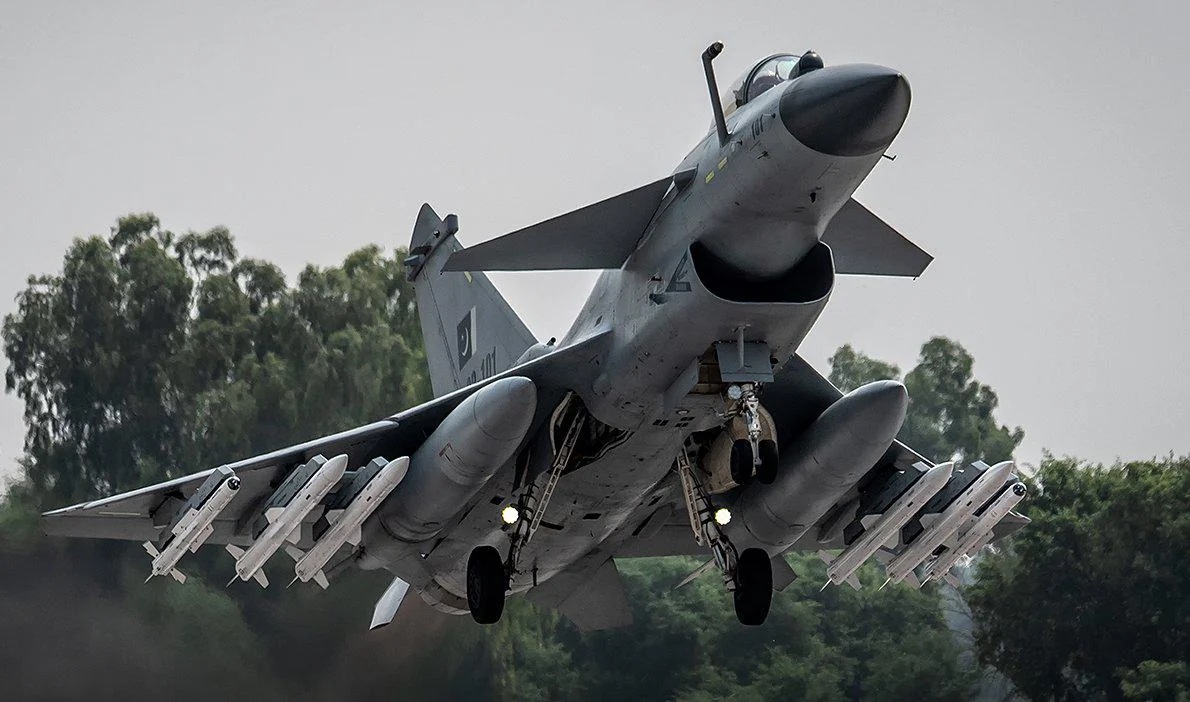
Pakistani J-10C fighter equipped with PL-15E and PL-10E missiles and additional fuel tank
The J-10C has an empty weight of approximately 9,750 kg and weighs 14,000 kg in a normal air-to-air combat configuration. In its maximum takeoff configuration, it weighs 19,277 kg. The aircraft has an internal fuel capacity of 4,950 kg and can carry a maximum external weapons load of 5,600 kg. It is capable of reaching a maximum speed of Mach 1.8 at high altitude and Mach 1.2 at sea level.
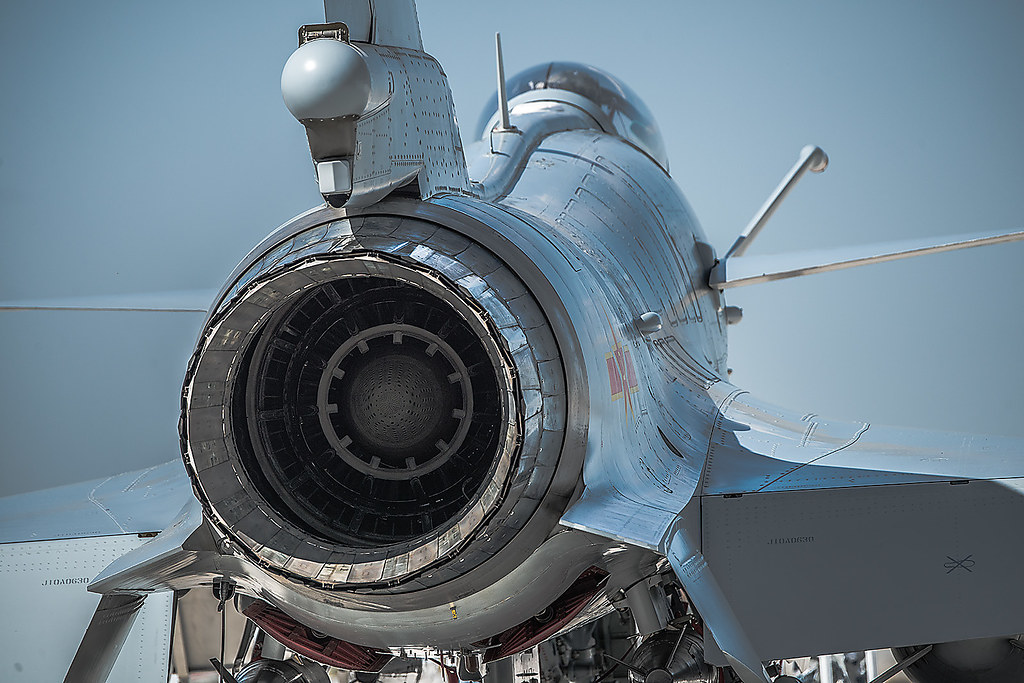
Regarding its engine, the J-10C is powered by the domestically produced Shenyang WS-10B engine, which provides a thrust of 144 kN (32,000 lbf). This engine has a service life of 1,500 hours. A newer variant, the WS-10B-3, features a thrust vectoring nozzle (TVC) and was showcased at the 2018 Zhuhai Air Show in China.
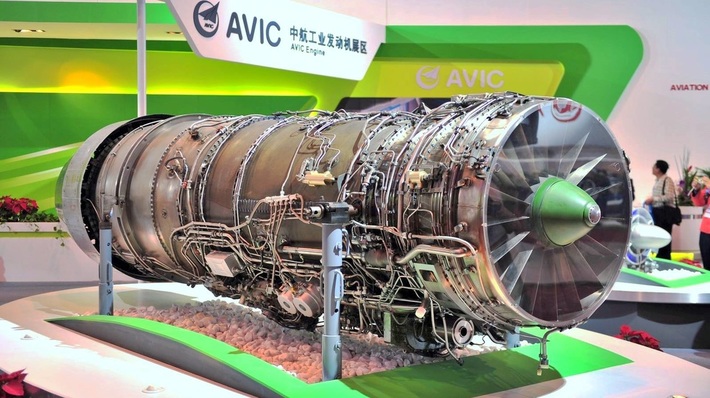
Overall, the WS-10 engine, developed from the Russian AL-31 engine, has multiple versions used to power various Chinese fighter jets, including the J-10, J-11, J-15, J-16, and the J-20.
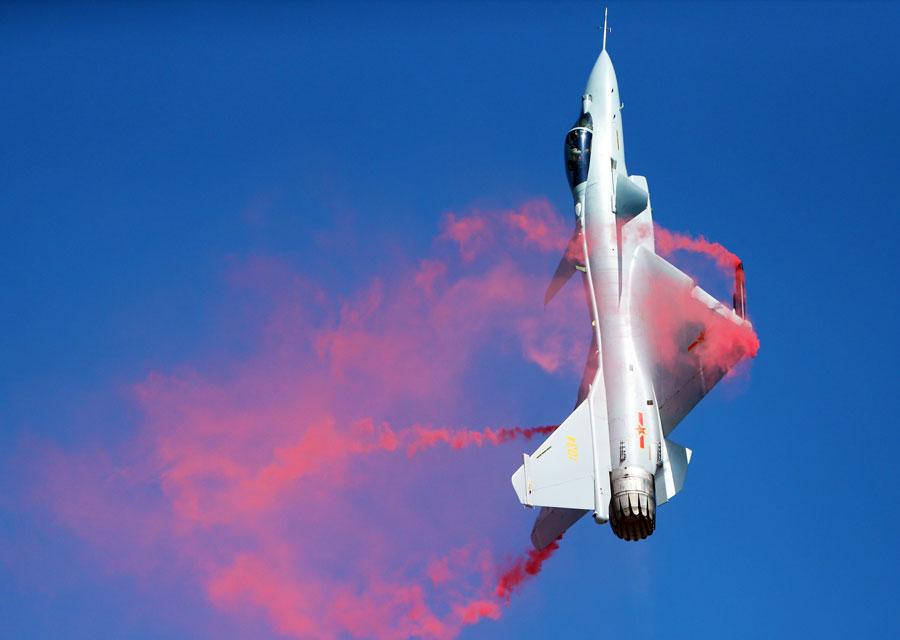
WS-10 engineA Chinese J-10B fighter jet equipped with a WS-10B-3 engine performs the “Pugachev Cobra” maneuver at the 2018 Zhuhai Air Show [Photo by ZHOU GUOQIANG/FOR CHINA DAILY]
Pakistan is the only country other than China to operate J-10 warplanes. The Pakistan Air Force operates 20 J-10CEs, with another 16 in the process of production and delivery.
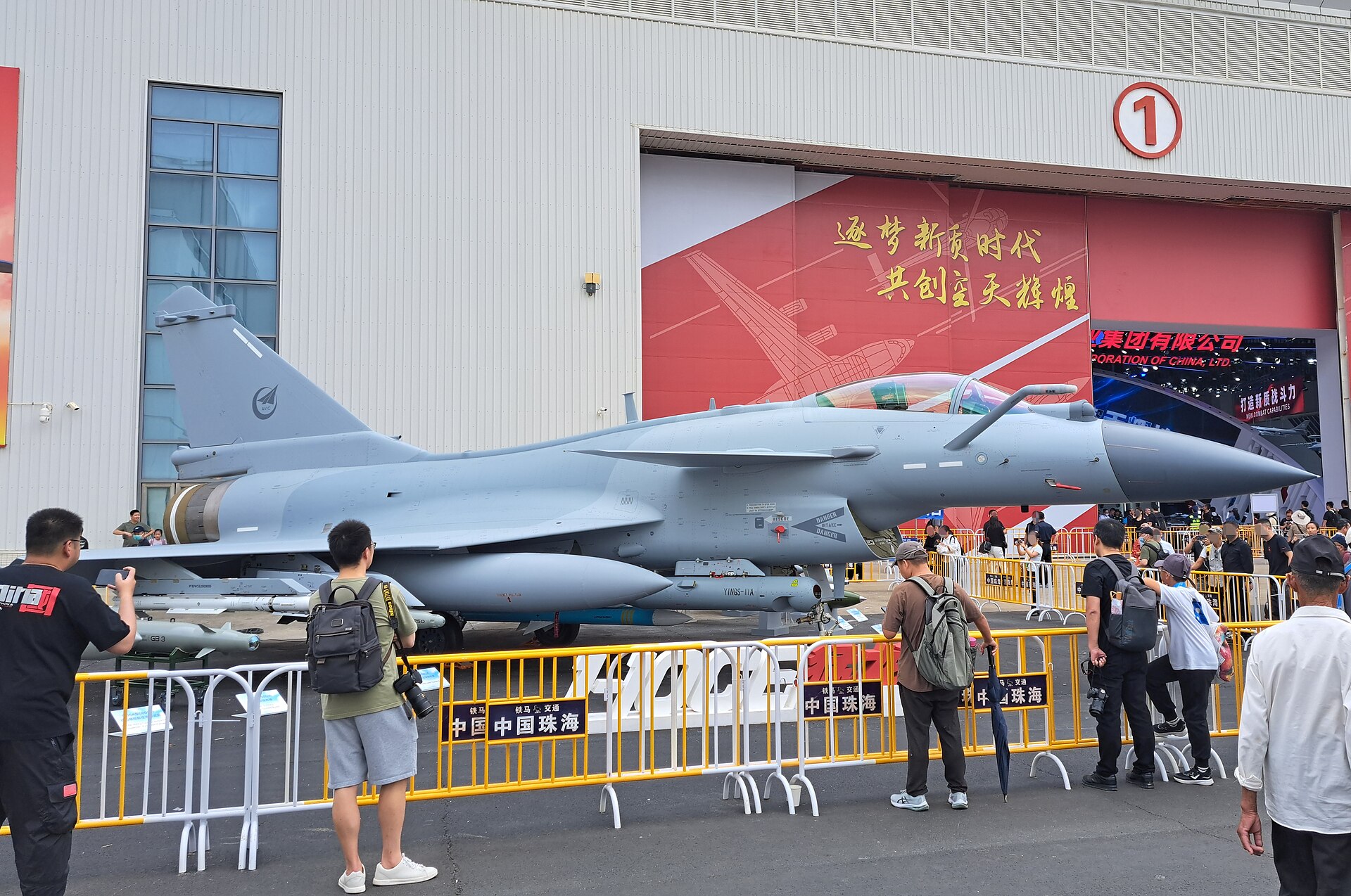
J-10CE fighter jet for export at the 2024 Zhuhai Air Show
In May 2025, during the Indo-Pakistan air-to-air combat, the Pakistan Air Force’s J-10Cs successfully shot down at least four aircraft from the Indian Air Force, which were of French and Russian origin, using PL-15E missiles. This operation marked a significant milestone for the J-10C fighter jets.
The PL-15 missile poses a considerable threat to American forces, as it can easily place fighter jets equipped with AIM-120 in a vulnerable position in the Pacific region. The Chinese version of the PL-15 has a range of 200–300 km, while its export variant, the PL-15E, utilized by the Pakistan Air Force, has an effective range of about 145 km. This missile is powered by a dual-pulse solid-fuel rocket motor, enabling it to reach speeds exceeding Mach 5. It is also equipped with an active electronically scanned array (AESA) radar seeker and a mid-flight datalink for enhanced targeting capabilities.
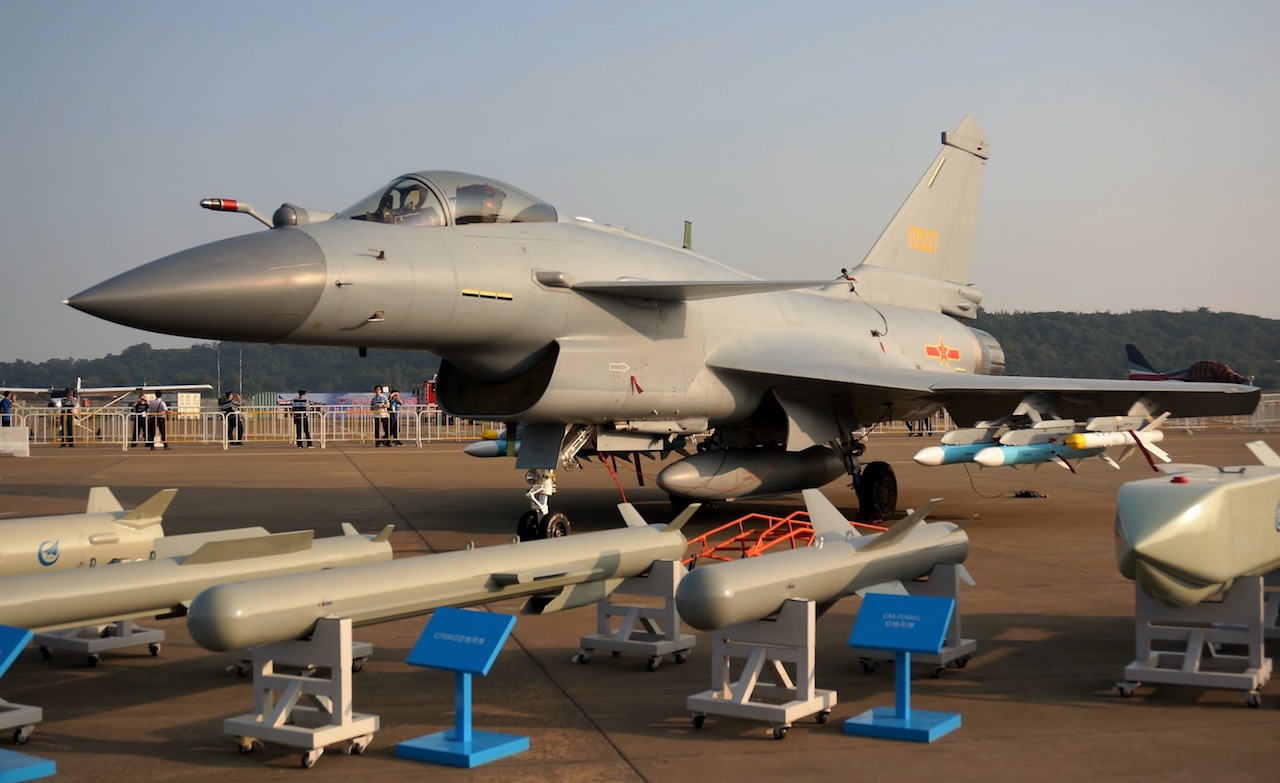
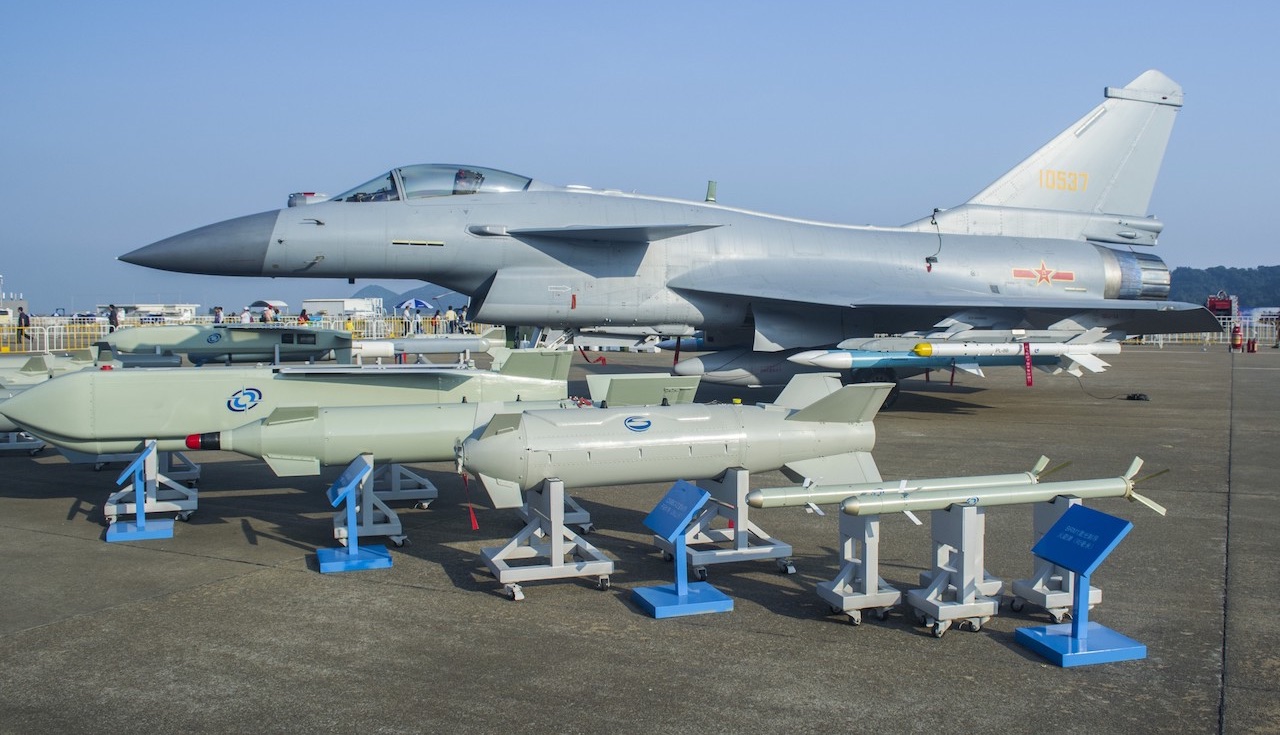
Images of the J-10’s weapons at the 2018 Zhuhai Air Show
The J-10C can be viewed as an alternative to the American F-16 and the Swedish Gripen. As a technologically updated and relatively affordable option, the J-10C is ideal for customers looking to enhance their fleet with advanced air defense systems, especially if they prefer to avoid political complications associated with Western fighter jets.
This lightweight fighter boasts high maneuverability, a powerful engine, and an advanced radar system with a range exceeding 200 km. It is also compatible with long-range missiles and features an updated cockpit. In terms of ammunition capacity, the J-10C is comparable to the Gripen but has a smaller overall capacity than the F-16. To mitigate this limitation, China has equipped the J-10C with a dual missile pylon that can hold either two additional short-range missiles or two beyond-visual-range (BVR) missiles, thereby enhancing the fighter’s payload and operational range.
J-10C with dual weapons pylon at the 2024 Zhuhai Air Show equipped with two PL-15 missiles
J-10C specifications:
Type: Multirole fighter jet Country of manufacture: China Manufacturer: Chengdu Aircraft Corporation (CAC) Crew: 1 (2 on J-10S) Length: 16.9 m Wingspan: 9.8 m Height: 5.7 m Wing area: 37 m2 Empty weight: 9,750 kg Gross weight: 14,000 kg Maximum takeoff weight: 19,277 kg Fuel capacity: 4950 L (3860 kg) internal. 4000 L (3120 kg) external with 3 drop tanks (2 × 1600L + 1 × 800L) Engine: 1× Shenyang WS-10 turbofan with afterburner (AL-31 on J10-A/B) Top speed: 2,222 km/h (Mach 1.8) Range: 1,850 km (without external fuel tanks) Combat range: 550 km Ferry range: 4,600 km Ceiling: 18,000 m (59,000 ft) Armament: – 11 hardpoints with a capacity of 5,600 kg of external fuel and ammunition – One 23 mm Gryazev-Shipunov GSh-23 cannon – 90 mm rocket pod – PL-8, PL-10 (J-10C), PL-11, PL-12, PL-15 (J-10C) air-to-air missiles – KD-88 and YJ-91 air-to-surface missiles – LT-2 and LS-500J laser-guided bombs – LS-6, GB3, GB2A, GB3A air-to-air bombs – FT-1 satellite-guided bombs – 250 and 500 kg free-fall bombs External pods: K/JDC01A targeting pod (on J-10A) Hongguang-I infrared search and tracking pod (on J-10A) CM-802AKG targeting pod for KD-88 and YJ-91 (on J-10C) KG600 electronic warfare pod Blue Sky navigation and attack pod
Introduction and Development History of the GBU-57 MOP:
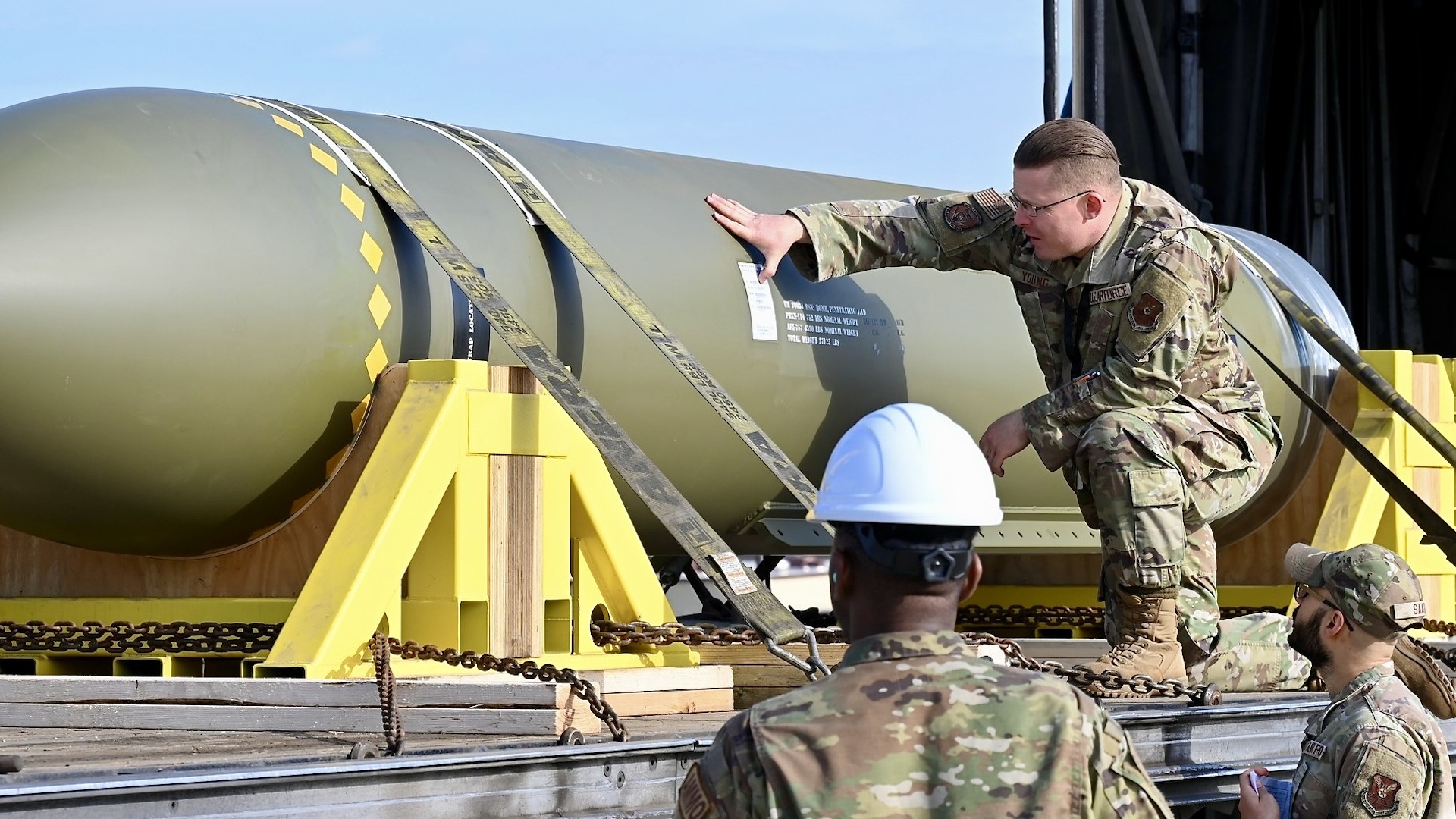
As a heavy-duty penetrator bomb, the GBU-57 MOP (Massive Ordnance Penetrator) can target and destroy heavily fortified underground facilities like bunkers, command centers, and weapons depots. Designed for daytime or nighttime attacks on targets deep underground, as well as for deterring enemies with buried infrastructure, the bomb is built for planned strikes.
The GBU-57 MOP project started in the early 2000s, a joint effort by Northrop Grumman and Lockheed Martin. However, due to financial and technical hurdles, the initial attempt was halted. After the US invasion of Iraq in 2003, an analysis of bunker-busting bombs used showed they lacked the penetration power to take out fortified targets.
This sparked renewed interest in developing a larger bunker-busting bomb, and the MOP project was launched by the Defense Threat Reduction Agency (DTRA) to meet a long-standing Air Force need. The concept of “Big BLU” – large penetrating and explosive bombs like MOP and MOAB – was also proposed. In the end, Boeing won the contract to design and produce the bomb.
Boeing and US Army weapons specialists stand in front of a mock-up of the MOP bomb at Whiteman Air Force Base
The first static detonation test of the bomb was conducted in 2007 at the White Sands Missile Range. Flight tests of the weapon were conducted from 2008 to 2010, including launches from B-52 and B-2 bombers. In February 2010, the project was transferred to the Air Force, and the first deliveries of operational units of the bomb began in September 2011.
MOP test by B-2 bomberMOP test by B-52 bomberGBU-57 MOP bomb testB-2 bomber releases and tests GBU-57 MOP bomb
The estimated weight of the GBU-57 Massive Ordnance Penetrator (MOP) is between 12,300 and 13,600 kilograms, depending on various sources. The bomb measures approximately 6.2 meters in length and about 0.8 meters in diameter. To put this into perspective, its weight is comparable to that of two adult African elephants, highlighting its significant scale.
The warhead of this bomb is composed of a mixture of AFX-757 and PBXN-114 explosives. The total weight of the warhead ranges from 2,400 to 2,600 kilograms, which includes around 2,080 kilograms of AFX-757 and 341 kilograms of PBXN-114. The body of the warhead is made from a high-performance steel alloy, designed to maintain its integrity upon impact. This construction enables the bomb to deliver a substantial explosive payload while preserving the penetrator’s structure during impact. The bomb’s considerable weight and specialized alloy are crucial to its penetration capability, much like driving a steel nail into rock. Most of the bomb’s weight resides in its body.
The GBU-57 MOP is estimated to penetrate approximately 60 meters of reinforced concrete with a strength of 5,000 PSI. It can also penetrate about 40 meters of relatively hard rock and around 8 meters of reinforced concrete with a strength of 10,000 PSI. It is important to note that the reported penetration capabilities of 60 meters are based on preliminary information and prototypes of the bomb, and there is currently no precise information available regarding the ultimate penetration capacity of the latest model.
Comparison of penetration of the MOP bomb (possibly a prototype) with the BLU-109 and GBU-28 bombs
The GBU-57 Massive Ordnance Penetrator (MOP) is a precision-guided munition that utilizes a GPS/INS (Global Positioning System/Inertial Navigation System) for enhanced targeting accuracy, achieving precision within a few meters. The bomb features four fixed trapezoidal wings along its midsection and four lattice fins at its tail, which help adjust its trajectory during flight.
Equipped with a smart fuze (LPSF), the GBU-57 MOP can modify its detonation timing based on the depth and configuration of the underground target. It incorporates void-sensing fuzes that trigger detonation if a large cavity is detected within the bunker. Additionally, the weapon includes a delay fuse, allowing the warhead to survive the initial impact upon penetrating the target before it detonates.
In comparison to BLU-109, the MOP bomb possesses over ten times the explosive power and significantly greater penetration capabilities. The BLU-109 weighs only 910 kg and has a much shallower penetration depth.
Comparison of penetration of the MOP bomb (probably a prototype) with the BLU-109 and GBU-28 bombs
Variants of GBU-57:
The GBU-57 has undergone numerous upgrades and modifications over the years, resulting in a variety of variants. These upgrades have included improvements to the fuze system, advanced guidance systems, and increased penetration capabilities, currently spanning seven generations. Common variants of this bomb use the BLU-127A/B, BLU-127B/B, and BLU-127C/B warheads, respectively.
GBU-57/B: This version is equipped with the BLU-127/B warhead. The United States Air Force has addressed an integration issue that existed with the original version of the bomb on the B-2 Spirit stealth bomber. A new smart fuse has also been tested to enhance its effectiveness in situations where the depth or precise location of a buried target is uncertain.
GBU-57A/B: This version uses the BLU-127A/B warhead.
GBU-57B/B: This model is equipped with the BLU-127B/B warhead.
GBU-57C/B: The specific upgrades made by Boeing to this version are not detailed in the available sources.
GBU-57D/B: Information about the modifications made by Boeing to this version is also unclear, but it is believed that its fuse and primer have been upgraded.
GBU-57E/B: This version has been part of the operational inventory since at least 2016 and is equipped with the BLU-127C/B warhead. It has improved capabilities for penetrating concrete structures compared to earlier models. It can be reasonably assumed to have greater penetration power than the 2007 models, which could penetrate to a depth of 60 meters. The BLU-127C/B warhead features a booster in its front section, although its exact function remains unknown. Currently, the US Air Force does not have a newer version of the GBU-57E/B in operational use.
GBU-57F/B: This model is described as the latest version, but little is known about its exact capabilities.
GBU-57 MOP bomb
Overall, the US is working to boost the effectiveness of this bomb by continually upgrading it. As noted, the 60-meter penetration power is from the early models, and there’s no information available on the bomb’s penetration after receiving later upgrades. Additionally, the US is reportedly developing a version of this bomb with similar characteristics to the GBU-57, but lighter in weight, to enable its use in fighter jets.
Production numbers and costs of the GBU-57:
Developing the GBU-57 MOP weapon is expected to cost around $400 to $500 million. Each unit’s production cost is estimated to be roughly $3.5 million, with upgraded versions likely to be even more expensive. Although the exact number of MOP bombs produced is classified, estimates suggest a relatively small stockpile – about 20 by 2015, with potential for increased production.
GBU-57 MOP specifications:
Type: bunker buster bomb Origin: U.S. Manufacturer: Boeing Length: 6.2 m Diameter: 80 cm Total bomb weight: around 12.5 tons Warhead weight: around 2.5 tons Penetration: 61 m Guidance: GPS/INS
Noting that Israel is increasingly hated by other nations, he stated that a normal country does not wage war against civilians, does not kill children for amusement, and does not aim to expel residents from its territory. He criticized the current government for being filled with individuals driven by a spirit of revenge, lacking in morality, and incapable of effectively managing the country’s affairs, ultimately posing a threat to Israel’s existence.
Golan’s remarks have sparked various reactions from officials in the Israeli regime. Former Prime Minister Ehud Barak called Yair Golan a brave man for his statements. In contrast, Benjamin Netanyahu accused Golan of treason and acting in service of the enemy, arguing that anyone in Israeli military uniform who compares the army to the Nazis and claims the regime kills children for fun has descended to the lowest level.
During his visit to Gaza, Zamir stated that Hamas would face the consequences of its stubbornness, and Israel would respond with intensive and widespread attacks.
He declared that the ground operations would be expanded, resulting in the occupation of more areas in Gaza. According to Zamir, Hamas has only one option: the release of Israeli prisoners.
In response to comments made by Yair Golan, the leader of the Democratic Party in the occupied territories, who clarified the Israeli army of killing children in Gaza for sport, Zamir insisted that the Israeli army always operates in accordance with protocols, laws, and international regulations!
Zamir references adherence to international laws; however, the majority of the casualties and injuries in Gaza are Palestinian children and women. It remains unclear which protocols and laws he is referring to in this context!
Brigadier General Yahya Saree, spokesman for the Yemeni Armed Forces, has warned all companies whose ships are currently in or heading to Haifa port that this port has been added to the target list following this announcement. Companies must take this statement and its implications into account.
The Yemeni Armed Forces also stated that all operations and decisions made by these forces against Israel, including the prohibition of air and sea navigation, will cease once the attacks on Gaza end and the siege is lifted.
The blockade of Haifa port means that any shipping company that violates the Israeli shipping ban will be added to the Yemeni sanctions list, prohibiting its naval fleet from passing through the Red Sea and the Indian Ocean. Moreover, Yemeni ballistic missiles, which have recently increased in range, could target port facilities, creating a state of insecurity at the port.
The Yemeni Armed Forces’ decision to blockade Haifa port is seen as a courageous and strategic move by the resistance axis, stemming from a series of successful actions by the Yemenis in the recent conflict against Israel and the United States.
During the commemoration of the late Iranian President Ebrahim Raisi in Tehran, Imam Khamenei addressed the nuclear discussions:
“I want to issue a warning to the other side. The American side that is entering these indirect talks should try not to talk nonsense! Claiming that we will not permit Iran to enrich uranium is a big (nonsense) mistake! Nobody is waiting for permission regarding this or that issue. The Islamic Republic has a policy; it has a method and pursues its own policy.”
He also discussed the future of negotiations with the United States in other parts of his address:
“We do not believe that talks with the United States will come to a conclusion, and we are uncertain about what the future holds…”
Imam Khamenei addressing the nuclear talks
These comments emerged following the fourth round of indirect negotiations between the Islamic Republic of Iran and the United States, which took place earlier this year in Muscat, Oman, facilitated by Omani mediation. Throughout these discussions, Washington has persistently demanded a “complete cessation” of Iran’s uranium enrichment activities, characterizing any level of enrichment as a “red line” that must not be crossed.
In contrast, Tehran has staunchly rejected this stance, reaffirming its commitment to continue its enrichment program irrespective of the negotiations’ progress or outcomes. Iranian officials have repeatedly emphasized the peaceful nature of their nuclear initiatives, a claim that has been validated by numerous inspections conducted by the International Atomic Energy Agency (IAEA). Additionally, this position is bolstered by a fatwa (religious decree) from the Supreme Leader, which categorically prohibits the development of nuclear weapons.
The Islamic Republic asserts that any discussions must prioritize the lifting of what it terms the US’s illegal sanctions against Iran, which have had a significant impact on the country’s economy and international relations. Furthermore, Tehran insists that negotiations should not encroach upon its defensive capabilities, maintaining that national security is paramount and must remain independent of the nuclear discourse.