According to a statement of spokesman for the Yemeni Armed Forces Brigadier General Yahya Saree, the Groton vessel was targeted by missiles and drones of the Yemeni army in the Gulf of Aden.
The Groton is a container ship, which has been operating under the Liberian flag since 2002. As in the previous incident, the vessel announced its sailing information from Djibouti in East Africa to the UAE port of Fujairah.
According to information from the United Kingdom Maritime Trade Operations (UKMTO), the Yemeni Armed Forces pounded the ship 130 nautical miles east of the Yemeni city of Aden, with two missiles.
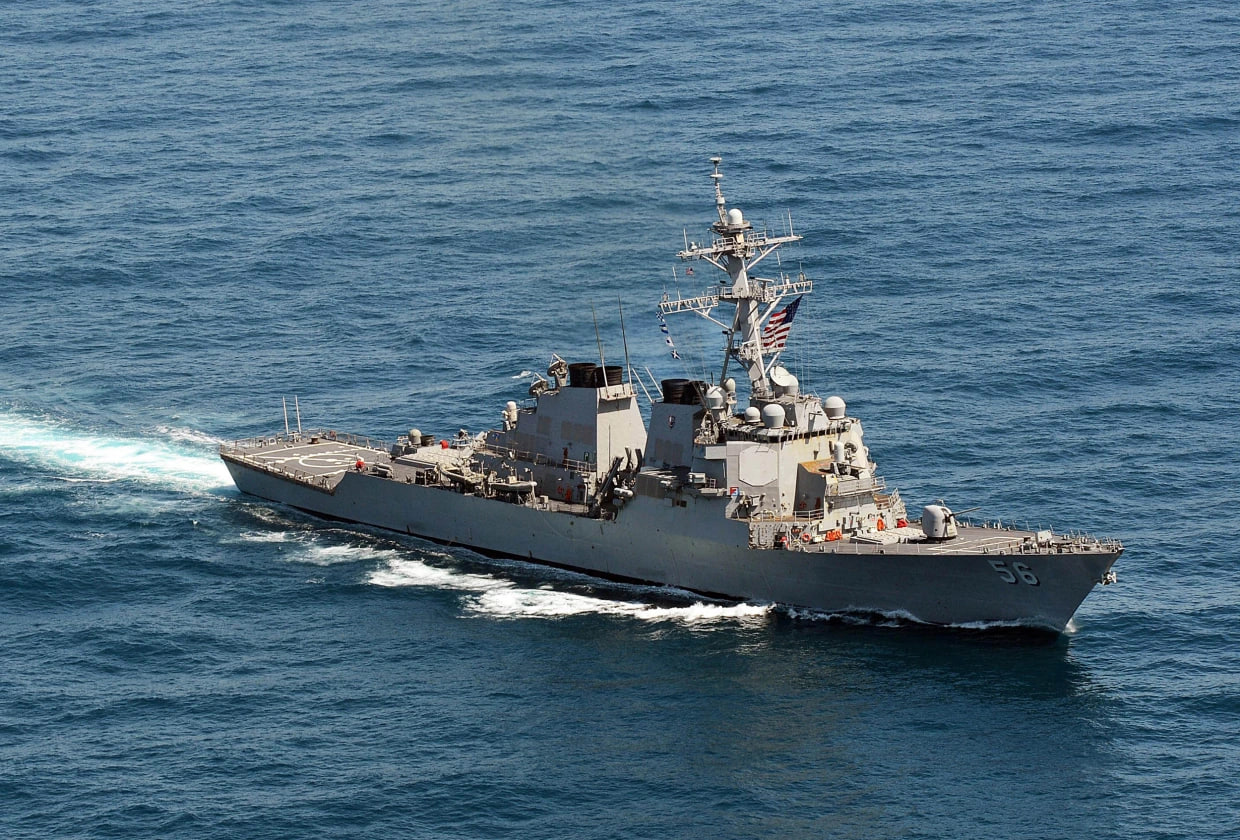
In accordance with American media reports, Commander Cameron Yaste has been dismissed of his duties as commander of the USS John S. McCain, which is currently operating in the Gulf of Oman. It has been also reported that Captain Allison N. Christy, deputy commander of Destroyer Squadron 21, has also taken over Yaste’s job for the time being.
Captain Yaste took command of the destroyer USS John S. McCain in October 2023 and was fired on August 30. The American commander will soon return to Naval Station Everett (NSE) in Washington for administrative paperwork.
Rear Admiral Christopher Alexander, who leads the USS Theodore Roosevelt Carrier Strike Group, blamed the “loss of confidence” to command the guided-missile destroyer on Captain Yaste. This is an ambiguous reason that is often uttered in the United States’ military when it comes to elaborating the motive why a military person is discharged.
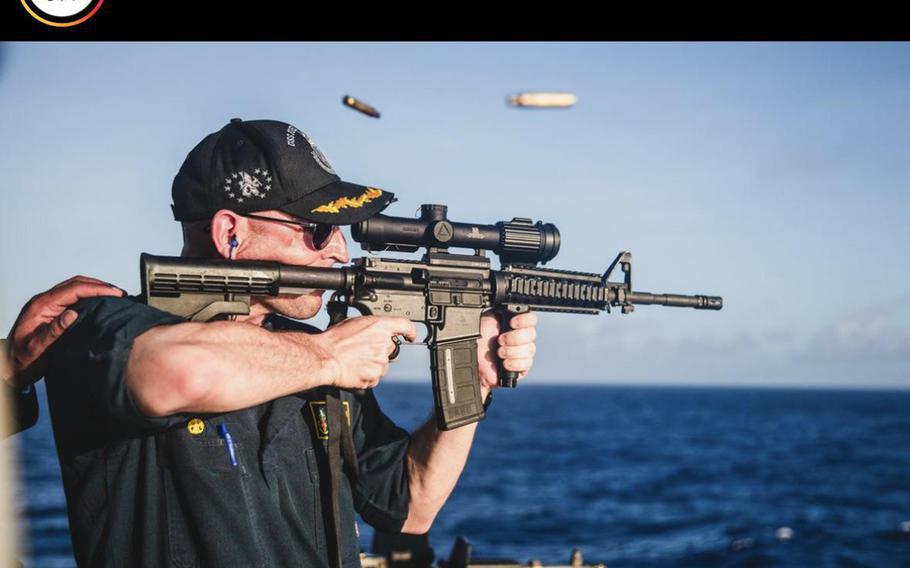
Cameron Yaste, commander of the USS John S. McCain (left, Yaste is shooting with a gun with the scope mounted backward!)
Given the lack of transparency on the reason behind the removal of the commander of the destroyer USS John S. McCain, as well as the mission of the US-UK coalition military fleet in West Asian waters, in particular against Yemen, it seems likely that this US commander was sacked due to his failure to confront the Yemeni Armed Forces’ missile and drone strikes.
In the military operations of the Yemeni Armed Forces against Israeli ships as well as vessels affiliated with this regime, US destroyers repeatedly confronted Yemeni missiles, drones, and unmanned surface vessels (USVs), which made the Yemeni army angry; therefore, the Yemenis attacked the US naval forces again.
Such Yemeni attacks have also inflicted some casualties and damages upon the American naval units, the exact extent of which has not yet been announced. The killing of two US marines in the Gulf of Aden and the attack of a suicide drone on the destroyer USS Gravely (DDG-107) are two examples of such stories that have been disclosed so far.
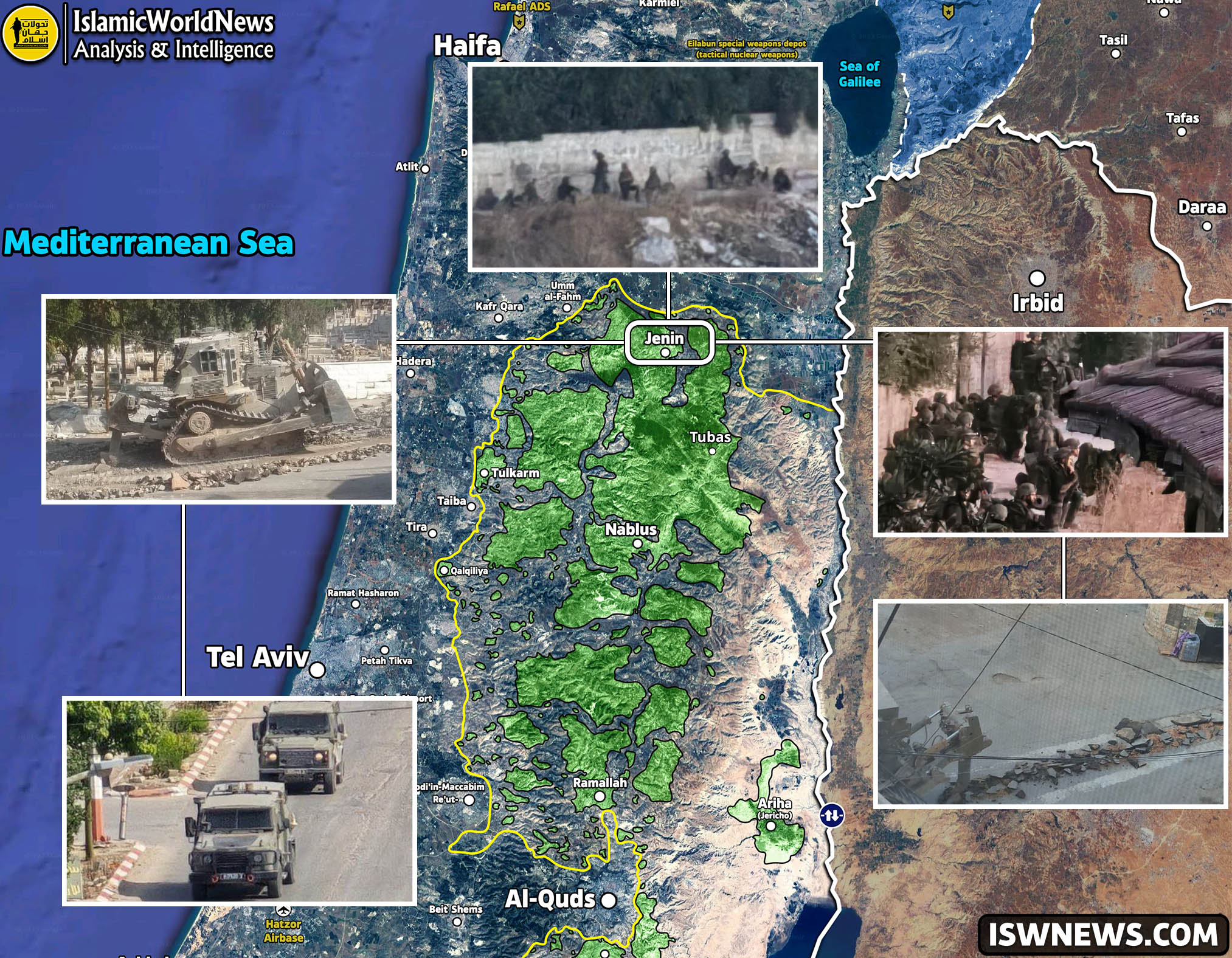
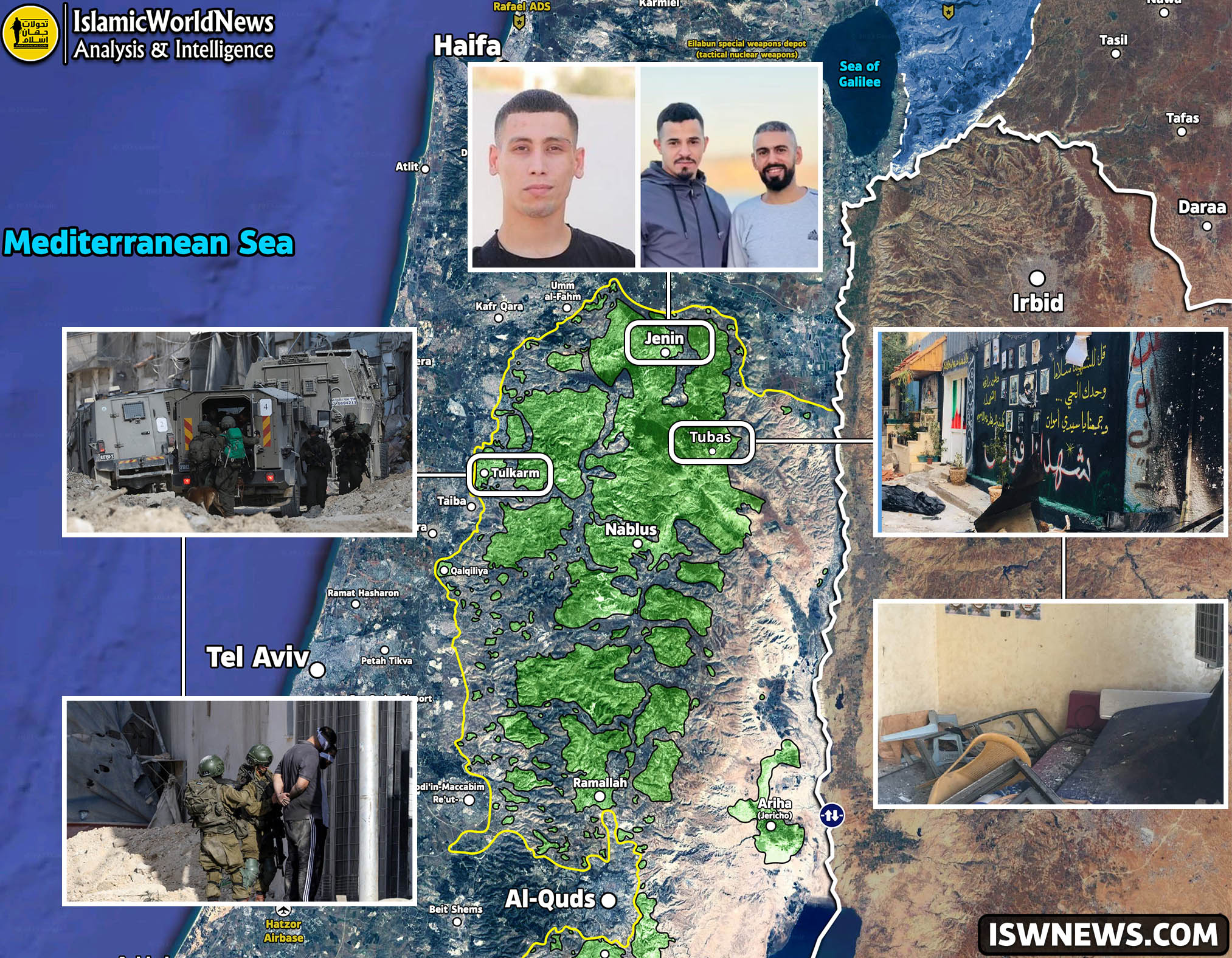
The Tel Aviv regime’s military carried out a series of strikes in and around Jenin for the fourth consecutive day, which led to confrontations with Palestinian resistance fighters.
The Izz al-Din al-Qassam Brigades (IQB), the military wing of the Palestinian resistance movement Hamas, announced that the group’s fighters engaged in fierce confrontations with the Israeli occupying forces in the village of Kafr Dan, situated in the west of Jenin.
In addition to the Al-Qassam Brigades, the Al-Aqsa Martyrs Brigades (AMB), a coalition of Palestinian resistance groups in the West Bank, also declared that a group of infantry forces of the regime’s army were entrapped in the Al-Damj neighborhood in the Jenin city during a fierce ambush, in which a number of Zionist troops were killed and injured.
In this respect, Hebrew-language media outlets announced that an Israeli trooper was killed and several others were injured in clashes with the Palestinian resistance fighters in the Al-Jabriyat neighborhood of the Jenin city.
At the same time as the exchange of fire intensified, local Palestinian sources said that resistance fighters clashed again with the Israeli occupying forces and that people heard blasts in the Al-Damj neighborhood in Jenin. Some Hebrew-language media outlets also reported that Palestinian resistance fighters inflicted a severe security blow upon the Israeli forces in the same city.
In an interview with Al Jazeera TV network, one of the commanders of the Al-Qassam Brigades emphasized that the ambush of the Palestinian resistance fighters against the occupying forces in the Al-Damj neighborhood is a message to the Israeli enemy that the strike on Jenin city will have severe repercussions. The Al-Qassam commander went on to say that we assure our nation that the Islamic resistance, with all its segments in the West Bank, is in the best situation of collaboration and coordination.
Presently, the confrontations in Jenin are still going on, and the warplanes of the regime’s army are flying over the city and its surrounding districts. It has been said that the injured Zionist troops were transported by helicopters to medical centers of the regime.
A Palestinian entered the Zionist settlement “Karmei Tzur” in north of Hebron with his car and ran over the security guard of the settlement upon arrival. He then got out of the car and started shooting, and finally he was killed by Israeli soldiers.
According to Hebrew sources, his car was filled with explosives, but the perpetrators of this operation failed to detonate it.
In the second operation, a young Palestinian entered the Gush Etzion settlement south of Jerusalem and Bethlehem with a car. He managed to detonate his car next to a gas station. It is reported at least 4 Zionists were wounded in this explosion, including one the commander of the Etzion Brigade with the rank of major general.
Video from the scene of the accident and explosion of the vehicle
The perpetrator was shot dead by Israeli security forces.
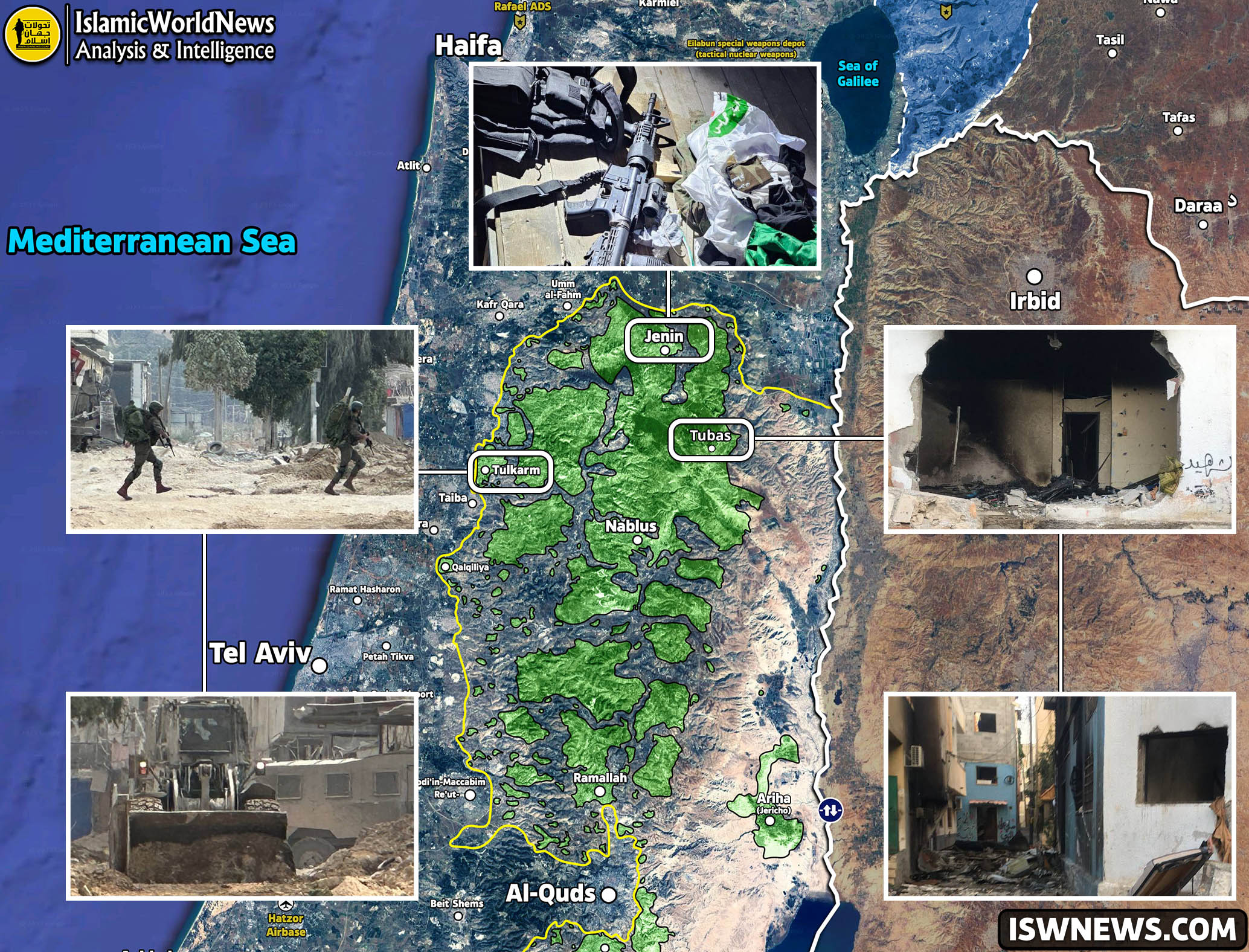
Tensions in the West Bank are increasing while the Israeli aggression in the north of the West Bank has entered the fourth day. The number of Palestinian martyrs following the Israeli operation has risen to 20 people, 11 of whom have been martyred in Jenin, 5 in Tubas, and 4 in Tulkarm so far.
The regime’s army targeted a car in the town of Al-Zababdeh, south of Jenin, on Wednesday. Local sources reported that the Israeli forces abducted the bodies of the martyrs in this assault.
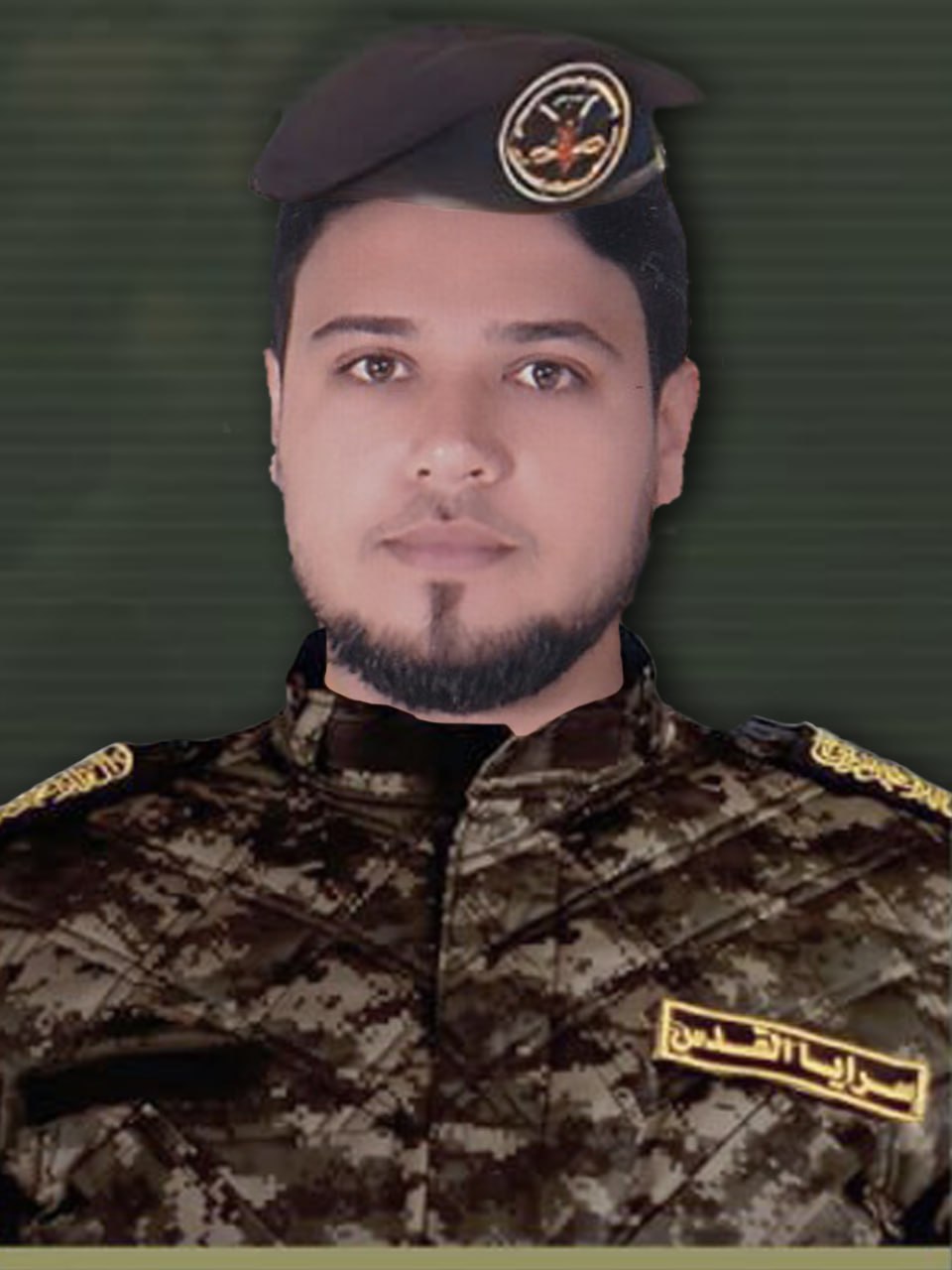
Following the Israeli regime’s military operation in the city of Jenin, two resistance fighters and the commander of the Izz al-Din Al-Qassam Brigades, the military wing of the Palestinian resistance movement Hamas, were martyred in this city.
A video released by the regime’s army shows Wissam Hazem, commander of the Al-Qassam Brigades in Jenin, and another fighter exchanging fire with occupying infantry forces, when both two Palestinian fighters were eventually targeted in a drone strike and lost their lives.
The Israeli military also targeted a besieged house in the town with a rocket-propelled grenade (RPG). Minutes after this confrontation, the Palestinian Red Crescent Society (PRCS) declared that the Israeli forces had not allowed PRCS teams to enter the camp to provide relief to the wounded Palestinians.
As clashes continued, a fierce exchange of fire between the Palestinian resistance fighters and the Israeli occupation forces took place in the town and in the Al-Damj neighborhood in Jenin. The fighters of Al-Quds Brigades, the armed wing of Islamic Jihad (PIJ), targeted an Israeli military bulldozer of the D9 type in the Al-Madaj neighborhood of the Jenin refugee camp with a powerful bomb, inflicting significant casualties on the Israeli occupying forces.
It has been reported that the Israeli regime army accomplished its military operations in other areas of the West Bank. The occupation forces pulled out from this region after 48 hours of military operations against the Nur Shams camp east of Tulkarm, which led to the widespread destruction of the camp.
Likewise, following 30 hours of fierce battle with Palestinian resistance fighters, the Israeli army announced the conclusion of the operation in the Al-Far’a camp in the Tubas governorate in the northwestern West Bank.
The number of Palestinian martyrs following the Israeli regime’s recent assaults on various regions of the occupied West Bank has risen to 20 people, 11 of whom have been martyred in Jenin, 5 in Tubas, and 4 in Tulkarm so far.
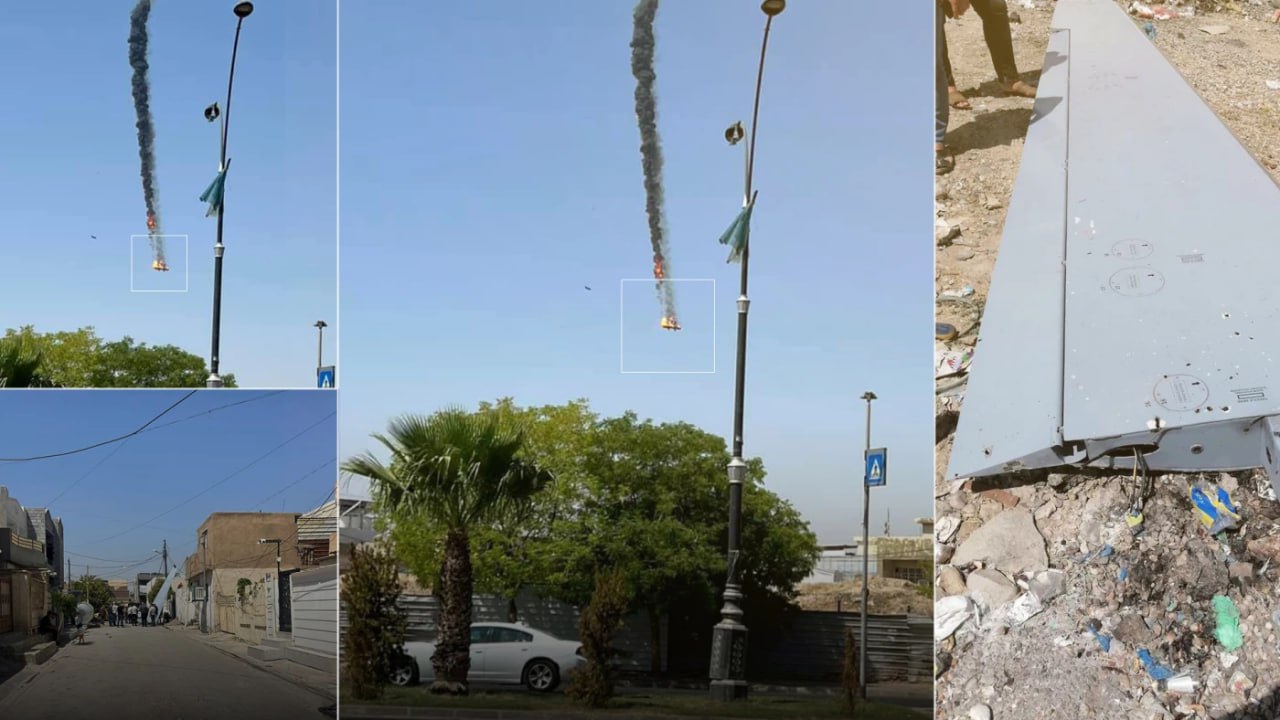
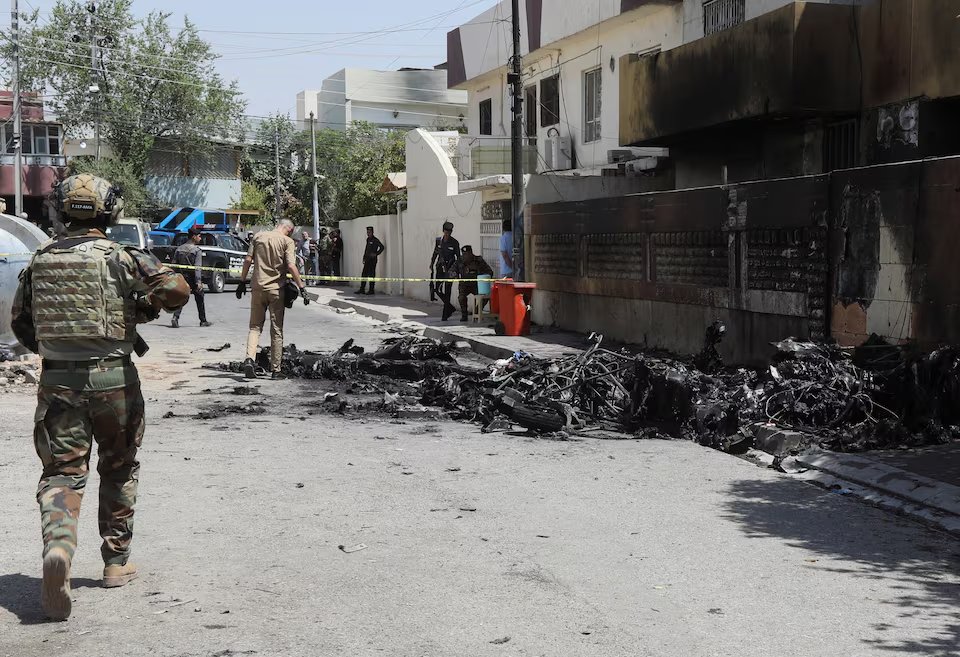
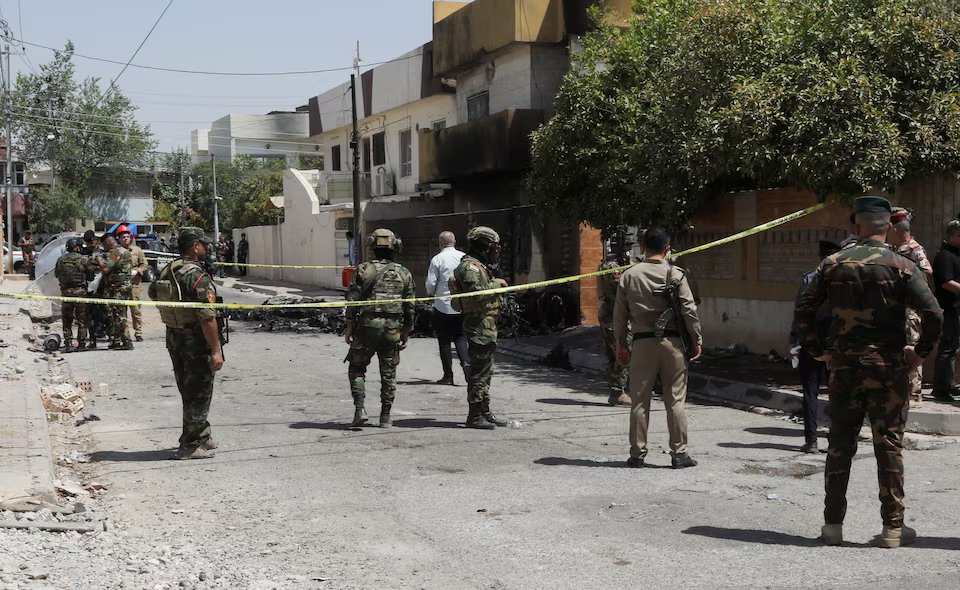
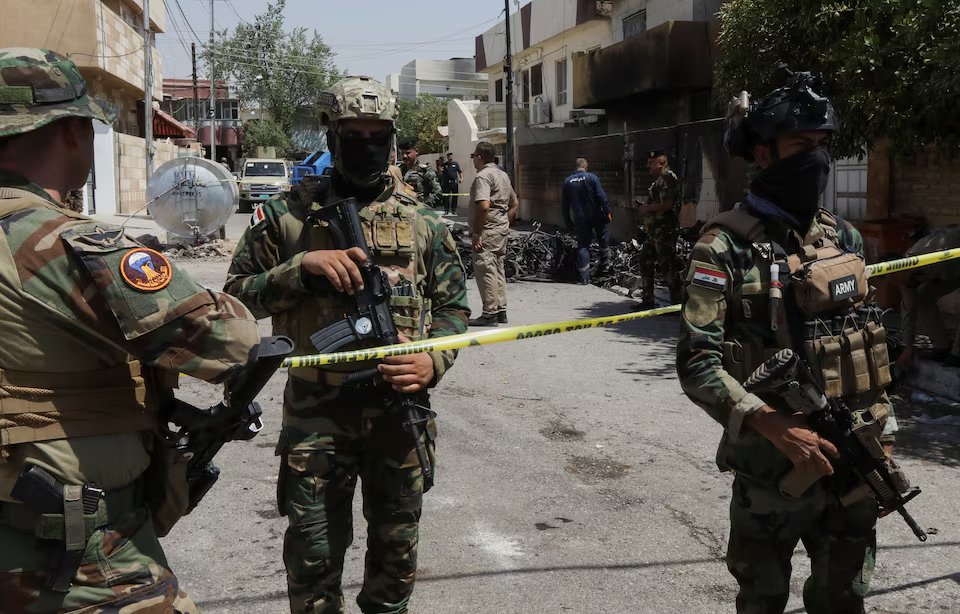
On August 29, the Iraqi Army announced that its defense system had shot down a Turkish military drone over the northern city of Kirkuk, which is located 238 kilometers north of Baghdad.
Brigadier General Abdul Salam Ramadan, Deputy Commander of Air Defense in the Northern Region, said at a press conference that a Turkish army UAV, which had penetrated Iraqi airspace was shot down. The drone flew from Sulaimaniyah city in the east of the Kurdistan Region towards Kirkuk.
The examination of the photos published from the scene of the downing of the drone shows that this UAV was of the Aksungur class drone. This UAV belongs to the Turkish Aerospace Industries, which is one of the largest drones that is being utilized by the Turkish army.
The place where the drone crashed
The Aksungur combat drone was first used in the Turkish Armed Forces in 2021. The UAV has a range of 6,500 km and a payload capacity of 750 kg, which is used in the arenas of surveillance, reconnaissance, and strike missions.
The Aksungur drone is said to have been shot down over Kirkuk city by a missile launched from a Russian-made Pantsir-S short-range air defense system.
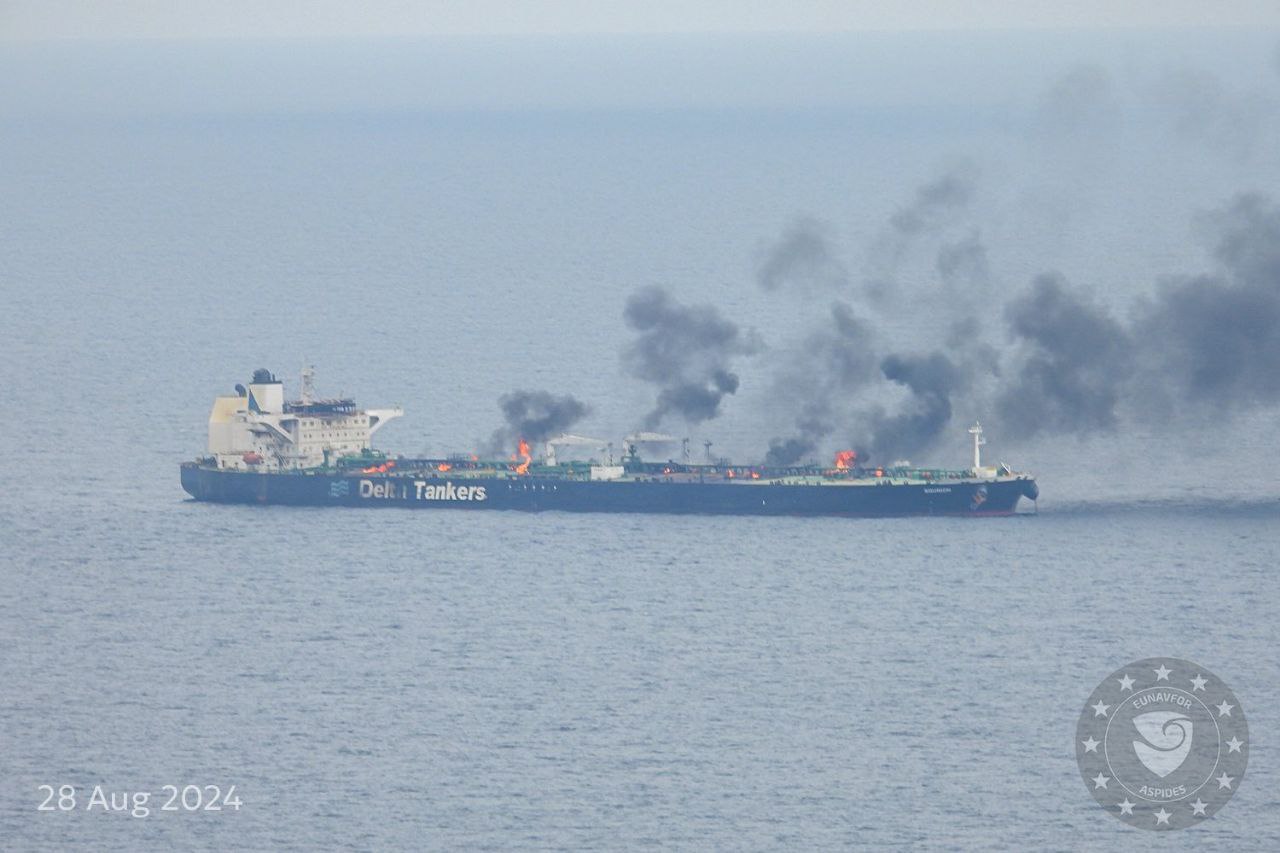
The Yemeni Ansar Allah movement’s spokesman Mohammed Abdul Salam, who is also in charge of the Yemeni government’s negotiations, issued a statement, announcing that the Yemeni authorities have agreed to allow towing of the Greek-flagged oil tanker Sounion, which was recently targeted by the Yemeni Armed Forces in the Red Sea.
Abdul Salam further elaborated that after various international entities, especially the Europeans, contacted and called on Yemen to prevent an environmental catastrophe in the Red Sea, the permission to tow the Sounion vessel has been issued. Abdul Salam also went on to say that the setting fire of the tanker indicates Yemen’s seriousness and determination to impose the announced embargos against the Zionist enemy.
At the end of his statement, the spokesman of the Ansar Allah movement pointed to the decision to prevent the sailing of vessels towards the ports of occupied Palestine, underlining that the objective of the operation by the Yemeni Armed Forces is to put pressure on the Israeli regime to stop the atrocities against the oppressed Palestinians residing in the Gaza Strip, and that the ships of companies affiliated with the regime will not be safe from the strikes of the Yemeni army until this purpose is achieved.
Sounion vessel in the Red Sea
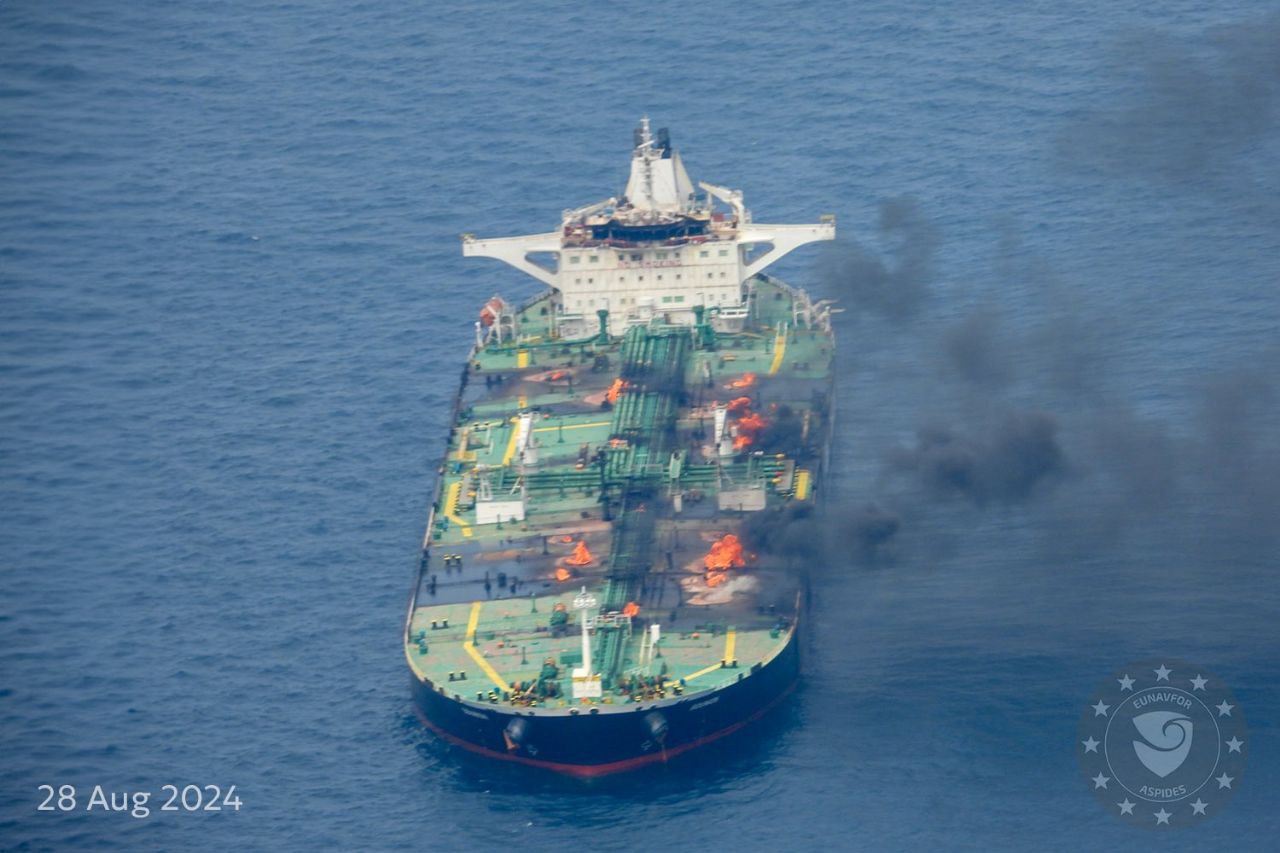
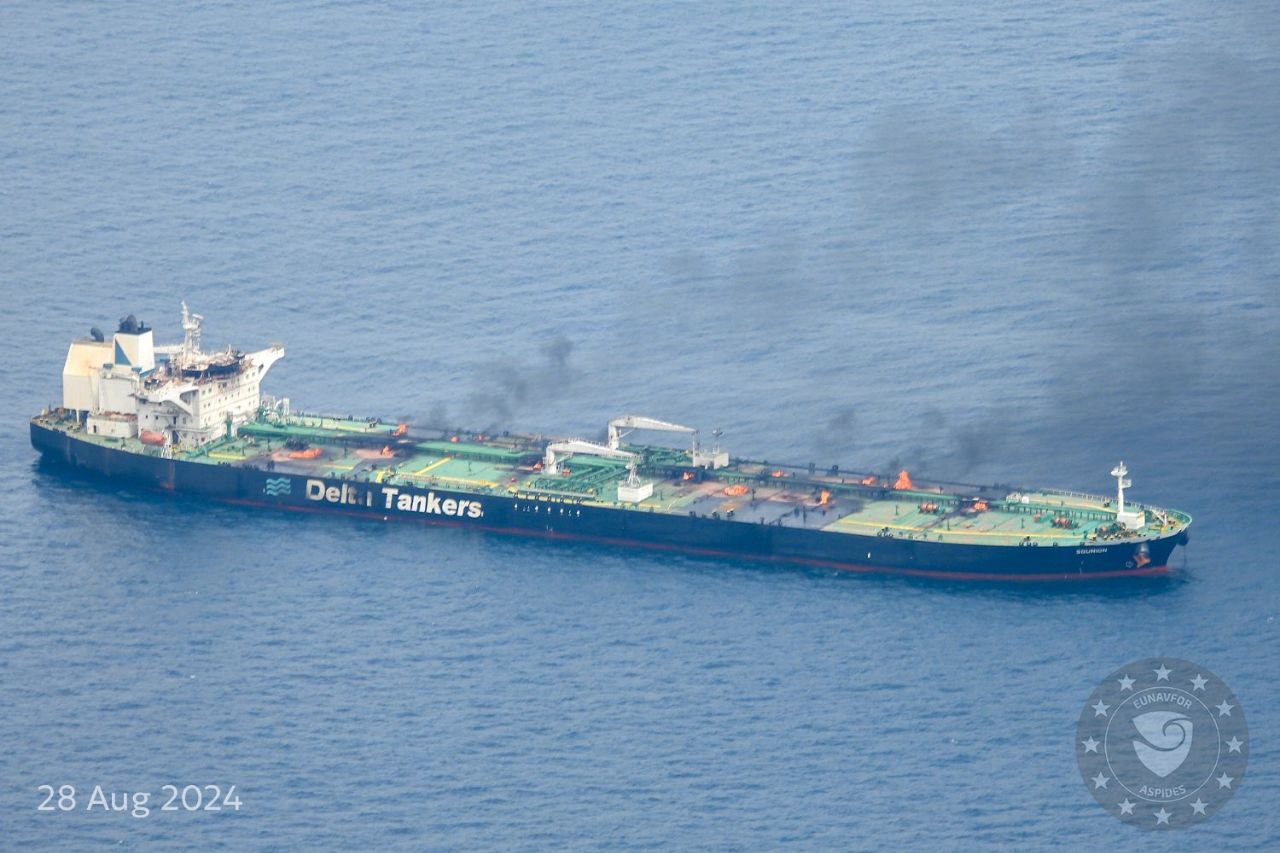
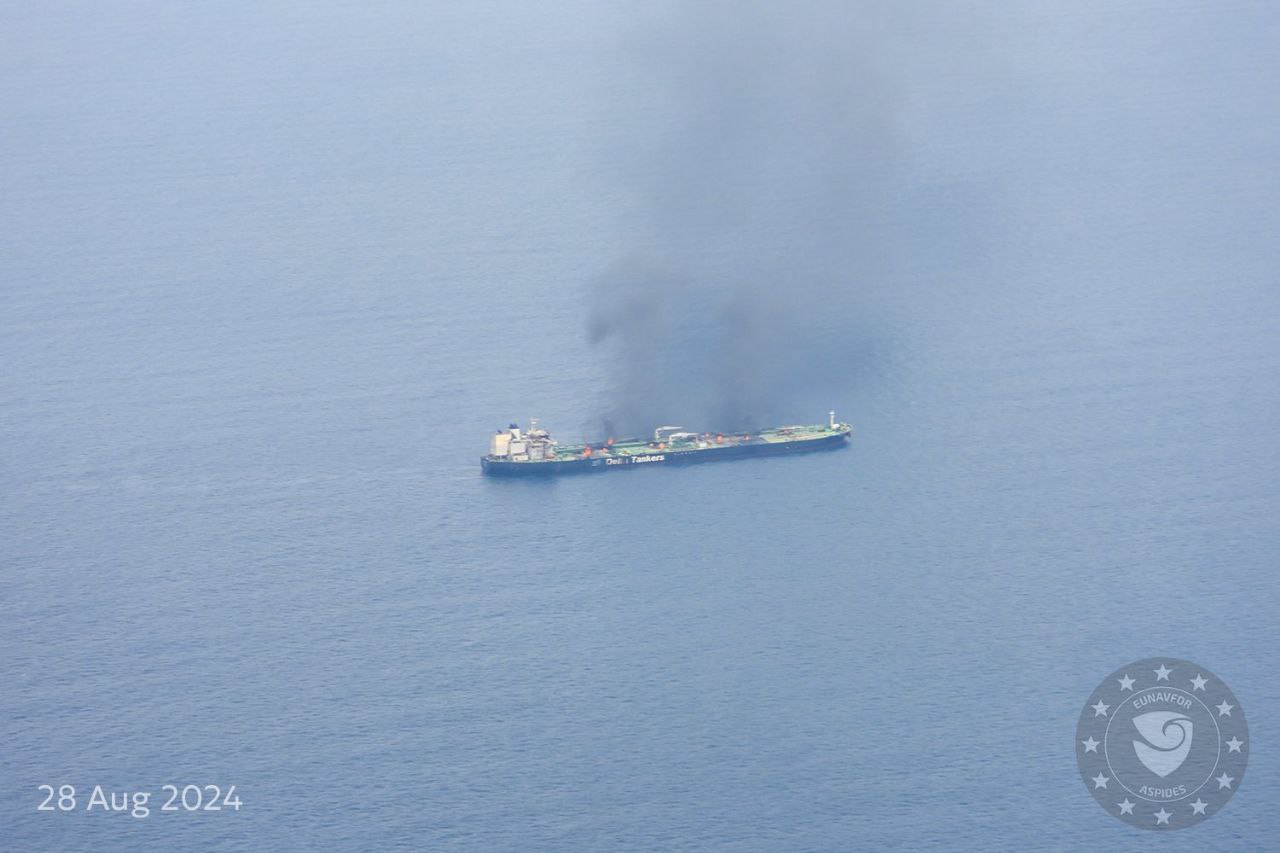
According to the latest reports, Operation Aspides, also known as EUNAVFOR Aspides, which is an EU military operation in response to Ansar Allah engagements with international shipping in the Red Sea, the Greek-flagged tanker Sounion, which was recently targeted by the Yemeni army’s missile and unmanned surface vehicle (USV), is still burning.
New images prove that the fire is still burning in several parts on the deck of the tanker, and there are no oil spills around the ship’s location. The EU fleet has also cautioned all vessels sailing through this area to be extremely vigilant, as the Sounion is in grave danger and its freight is at risk of contaminating waters in this area. Until Wednesday, the Yemeni naval forces prohibited ships and tugs from approaching the location where Sounion has been stopped.
The Turkish intelligence agency succeeded in killing one of the leaders of the Kurdistan Workers’ Party (PKK) in a special military operation in the north of Iraq.
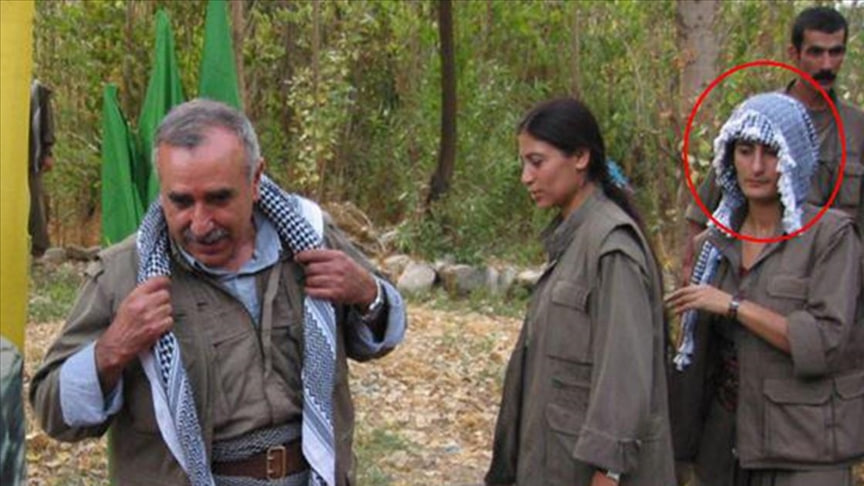
According to Turkish media outlets, the Turkish intelligence apparatus assassinated Gulistan Tekik, nicknamed Pelin Batman, in the city of Sulaimaniyah, in the east of the Kurdistan Region of Iraq, during an operation. She joined the Kurdistan Workers’ Party in 1998.
Tekik was reportedly a significant member of the PKK in that area. She engaged in propaganda and disinformation missions, aided by the Patriotic Union of Kurdistan (PUK), and was also involved in recruitment section of the group.
It is worth mentioning that the northern regions of Iraq experience assassinations by Turkiye’s intelligence forces from time to time. Most of these killings take place in Iraq’s Sulaimaniyah.
After surrounding a house in the Nur Shams camp located in Tulkarm city, the Israeli army engaged in an armed confrontation with the Palestinian resistance fighters.
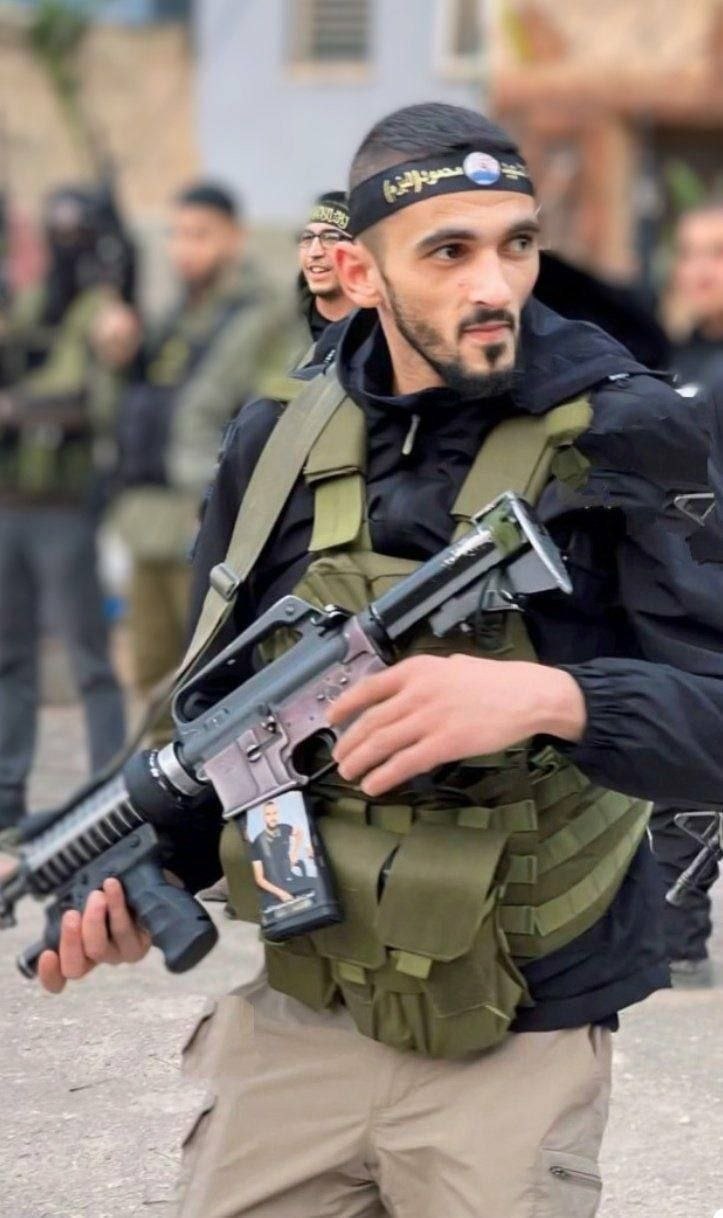
During this confrontation, the Israeli troops targeted a gathering of the resistance fighters with rockets, leading to the martyrdom of five Palestinians, including Muhammad Samer Jaber, known by his nom de guerre Abu Shujaa, the commander of the Tulkarm Brigade of the Islamic Jihad movement. Therefore, the number of Palestinian martyrs from the Israeli army’s strike on the West Bank has climbed to 17.
Muhammad Samer Jaber, known as Abu Shujaa
It is reported that in the clash, Israeli forces abducted Muhammad Qasas, a resistance fighter wanted by the Israeli regime, in Tulkarm city and there is no information on his situation.
In addition to Tulkarm city, the al-Jabriyat neighborhood in Jenin city and the al-Far’a refugee camp in southern Tubas city have also experienced raids and criminal acts by the Israeli forces in recent hours. Israeli military forces stormed the al-Asir mosque in Jenin and destroyed roads and infrastructure in the al-Far’a camp.
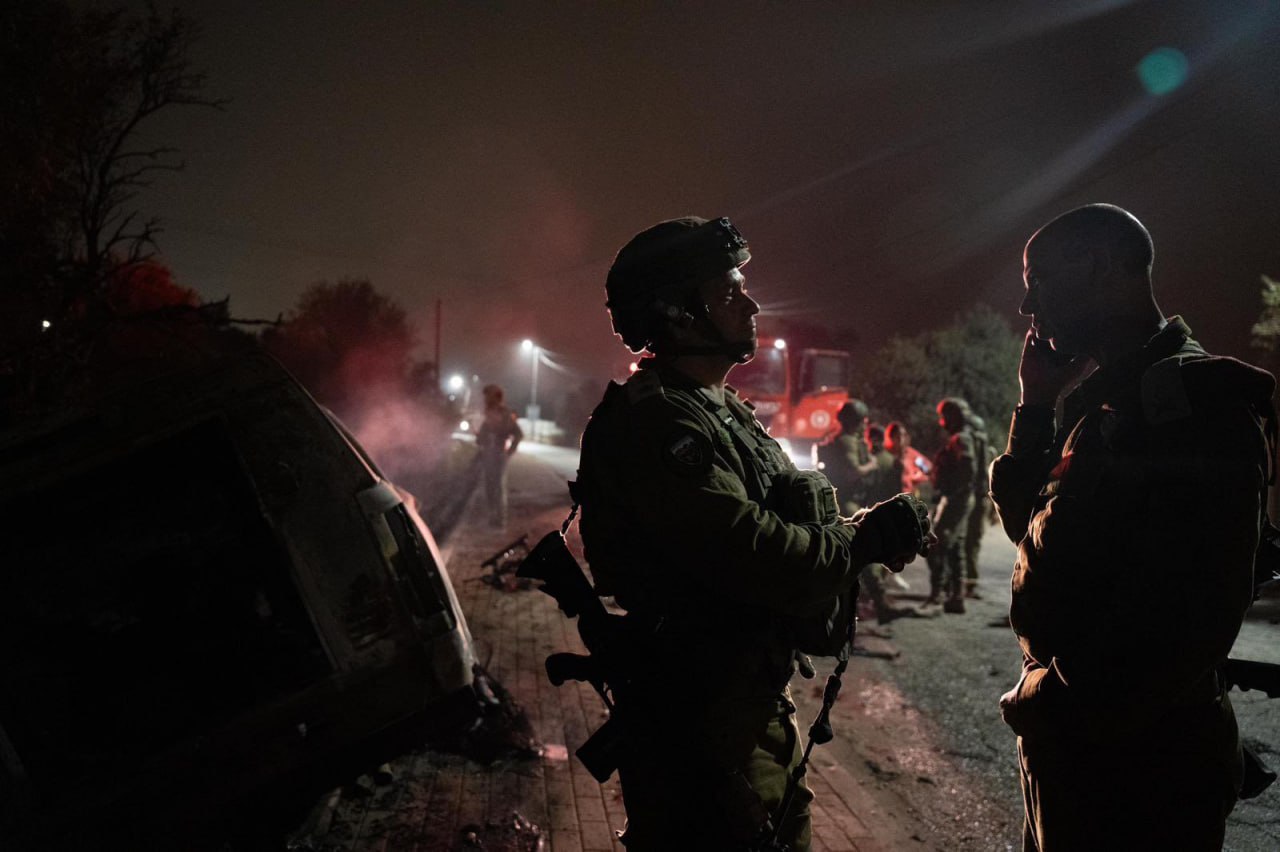
Confrontations between Israeli troops and Palestinian resistance fighters are still underway in different areas of the occupied West Bank, and resistance fighters have been standing against the occupying forces by resorting to tactics such as roadside bomb blasts targeting Israeli military convoys. So far, no accurate statistics on the casualties of the Israeli forces have been published, but local sources have reported that at least one Israeli trooper has been injured in the recent hours.
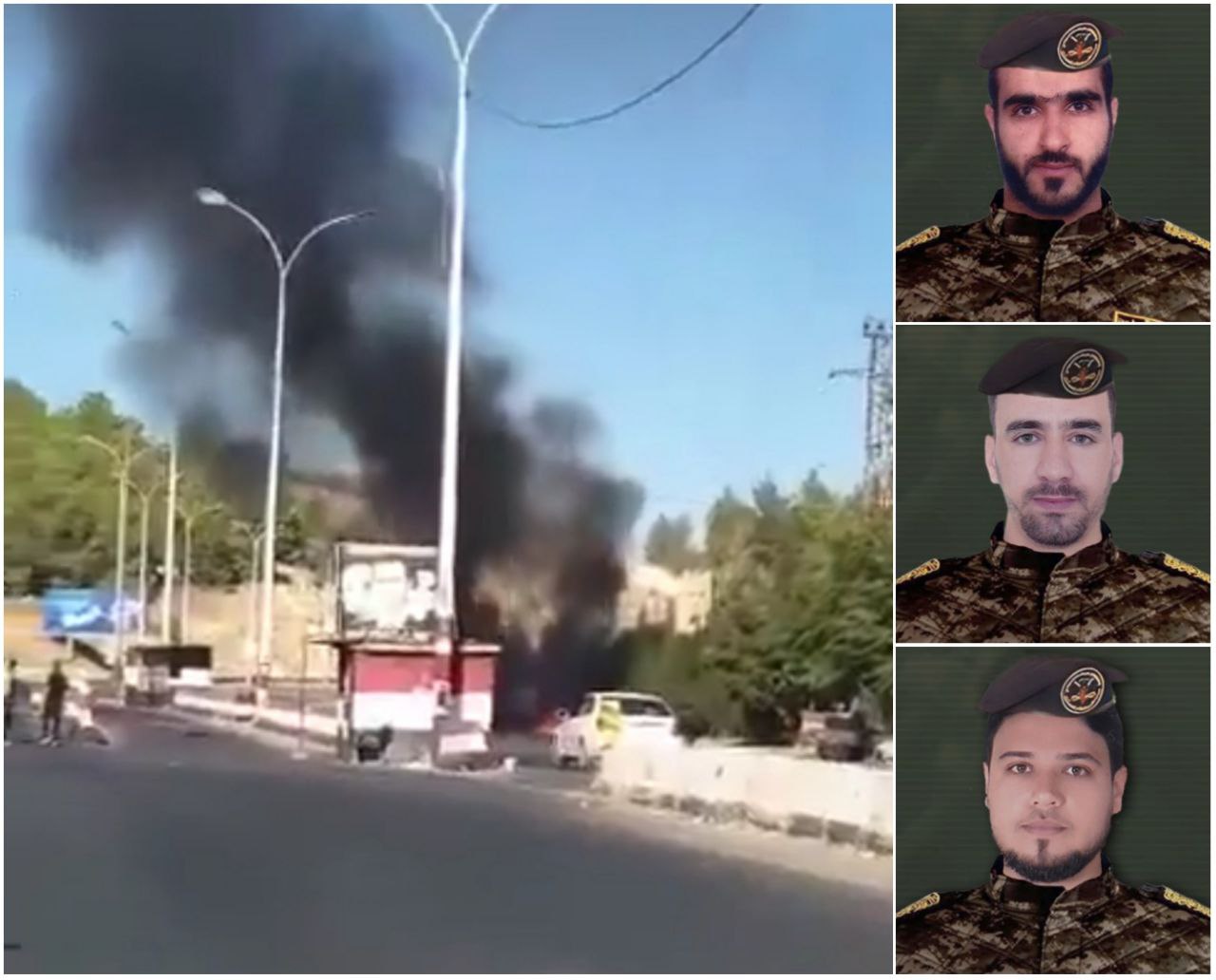
According to reports by local media outlets, a passenger vehicle was pounded by the Israeli regime army after passing through a Syrian army checkpoint in the al-Zabadani town, which was leading to the Lebanese border.
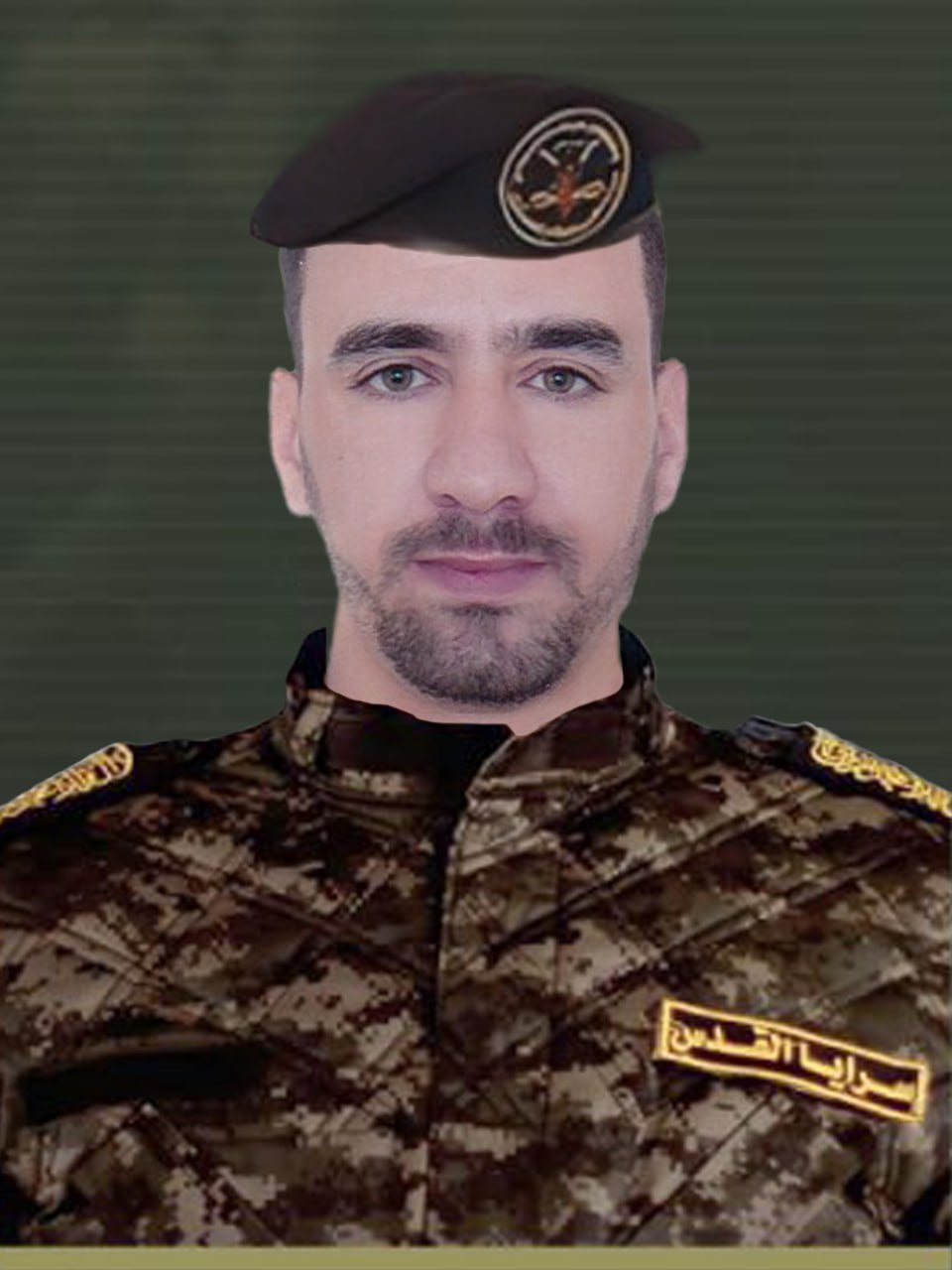
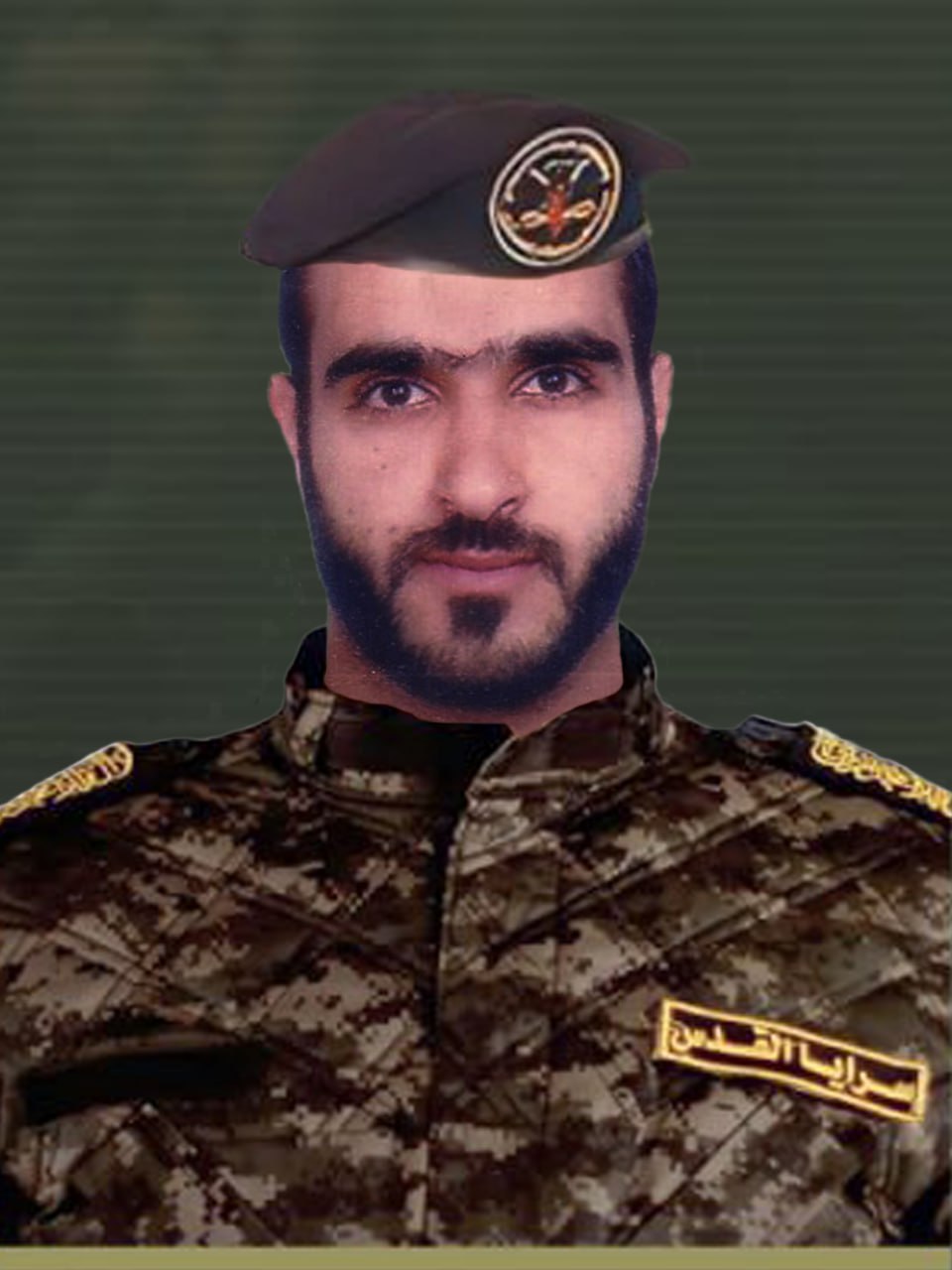
Three members of the Palestinian Islamic Jihad (PIJ), named Osama Muwaffaq Arisha, Firas Hussein Qassem and Hussam Ziyad Arisha, as well as a member of the Lebanese resistance movement Hezbollah, were martyred in the air strike. The Israeli regime claims that one of the people on-board the vehicle was a member of the Central Council of the Palestinian Islamic Jihad.
It is worth mentioning that Hezbollah has not yet issued any statement in this respect.
Since the onset of the genocidal war on the Gaza Strip, the Israeli regime has significantly focused on the movements of the Islamic resistance groups in Syria, Lebanon, the Gaza Strip and the West Bank. The regime has carried out numerous terrorist strikes against these groups.
Martyrs of Islamic Jihad in Israel’s terrorist attack on the Syria-Lebanon border
These assaults have led to the martyrdom and wounding of dozens of resistance fighters, which have been responded by Iran and Hezbollah; however, the Syrian government has avoided responding to such aggressions for different reasons.
It should be noted that Israel’s terrorist air strikes in Syria and Lebanon take place thanks to the aerial surveillance and field intelligence provided by constant flights of US and UK UAVs and spy aircraft over the Mediterranean Sea as well as in the skies of Lebanon and Syria.
Israeli airstrike in ZabadaniIsraeli airstrike in Zabadani
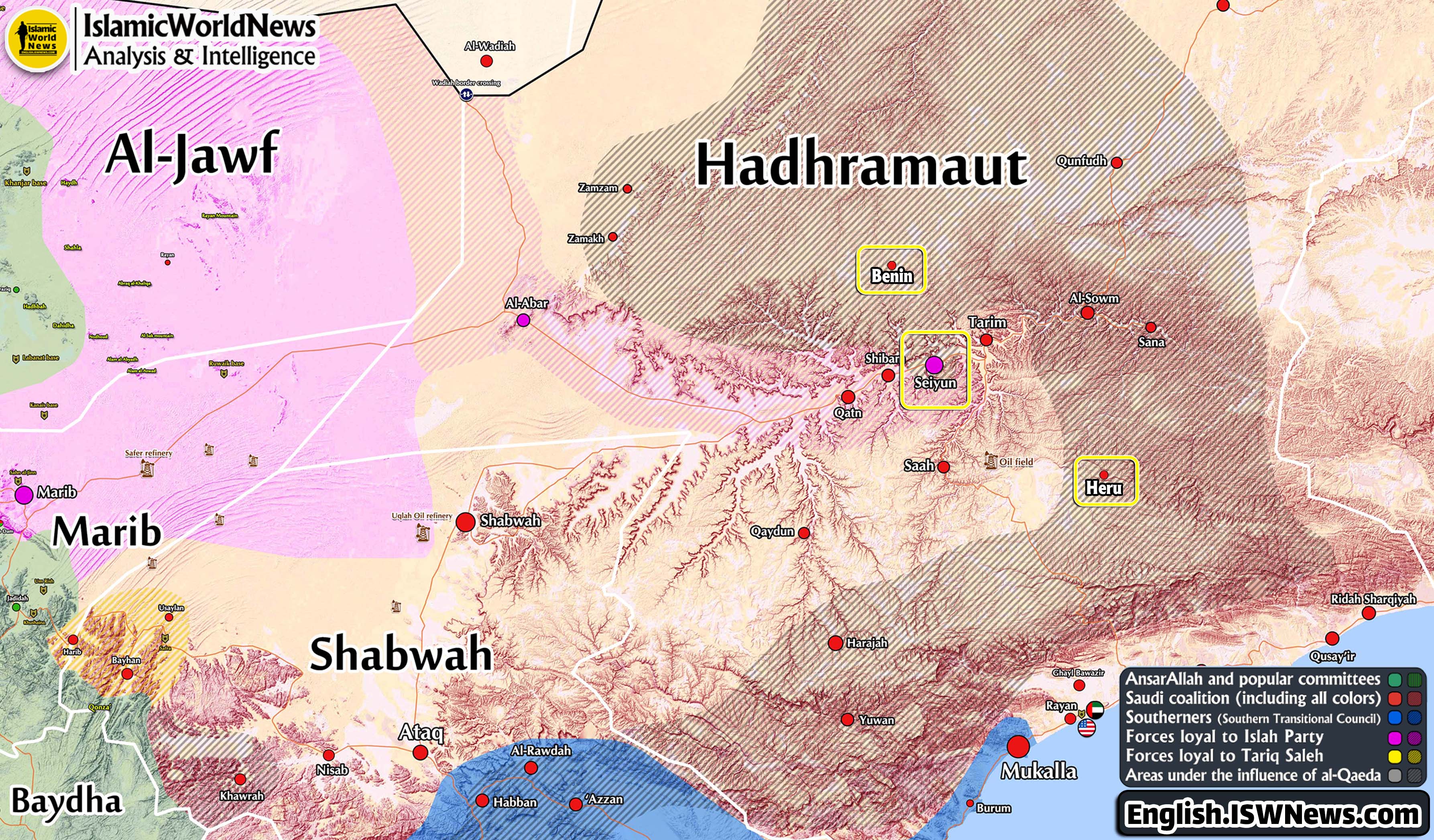
In this respect, a few days after the technical visit and the preparation of a plan to control the oil fields in the largest Yemeni governorate, the Saudi command room in Hadhramaut dispatched a logistical convoy to the facilities of the Petrosilah Company in the mountainous areas of the eastern governorate with the intervention of the Saudi-backed Al-Dara’ Al-Watan (Shield of the Homeland) militants.
This Saudi move coincided with the completion of the process of handing over control of the Al-Wadiah border crossing to the Al-Dara’ Al-Watan forces as well as the pull-out of the forces of the 141st Infantry Brigade of the Islah Party (the Yemeni Congregation for Reform) from the border area, indicating that the Saudis are seeking to consolidate their grasp over the east of the war-torn country.
The forces of the Al-Daraa Al-Watan (Shield of the Homeland) are militias that were formed in November 2022 with the support of the Saudi kingdom and the role of Saghir bin Aziz, Chief of the General Staff and Commander of Joint Operations, as well as Brigadier General Tareq Mohammed Abdullah Saleh, a Yemeni military commander and the nephew of the late President Ali Abdullah Saleh. The Al-Daraa Al-Watan militants were consisted of pro-Saudi tribes in Hadhramaut Governorate, the Yemen al-Saeed forces (subordinate to Saghir bin Aziz) as well as a division of the pro-Tariq Saleh forces in western Lahj Governorate.
Saudi Arabia’s objectives in deploying Al-Dara Al-Watan militants in Hadhramaut Governorate can be summarized in two sections: 1- Confronting the Southern Transitional Council, and 2- Controlling the oil fields and ports of Hadhramaut Governorate, all of which are in line with challenging the intensification of the United Arab Emirates’ influence in the occupied regions of Yemen. Despite the Saudi-UAE alliance against the Ansar Allah movement, the Saudi kingdom and the UAE are fiercely competing with each other in usurping resources and looting the wealth of Yemen’s southern and eastern areas.
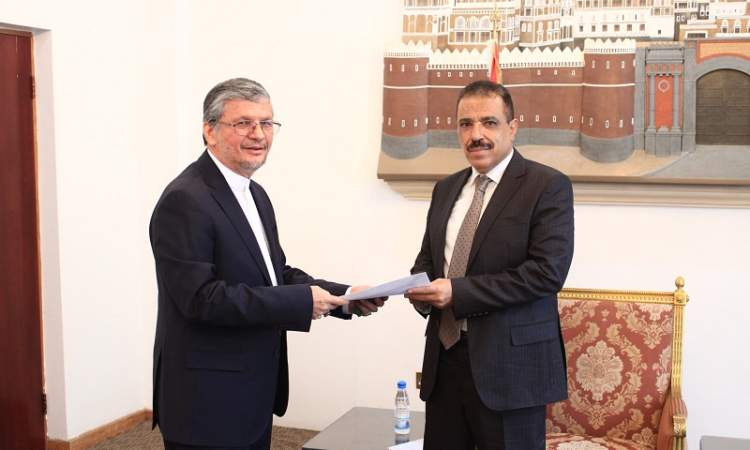
In the official meeting, the Yemeni foreign minister welcomed Rezaei’s presence in the Yemeni capital city of Sana’a and wished him success in carrying out his diplomatic mission.
FM Amer admired the special level of bilateral ties between the two states and underlined the importance of efforts made by both sides to reinforce the mutual relationship in line with the prospects pursued by the two amicable and brotherly nations.
The Iranian envoy also voiced his satisfaction with the ceremony of the submission of a copy of his credentials, emphasizing his all-out efforts to strengthen mutual ties between Tehran and Sanaa.
Rezaei is an experienced diplomat in the Ministry of Foreign Affairs of the Islamic Republic of Iran who has been appointed in recent months to replace the former Iranian ambassador to Yemen Hassan Irloo. Martyr Irloo arrived in Sana’a on October 17, 2020, or his diplomatic mission was publicized on this date. The martyr’s diplomatic mission continued for a year after that date and came to an end with his martyrdom on December 21, 2021.