Al‑Houthi stressed that the Islamic Ummah must respond to such actions, warning that negligence would allow Israeli plots to succeed.
He further cautioned that any Israeli presence in Somalia constitutes a threat to Somalia itself, Yemen, and regional security. Accordingly, he declared that Israeli forces in Somaliland or Puntland would be considered legitimate military targets for Yemen’s armed forces.
The message represents a direct and serious warning to both Somaliland authorities and Israel, signaling that in any future conflict, Israeli deployments in the region could become targets of Yemeni missile and drone strikes.
Witnesses say the attackers used live ammunition and melee weapons, with many of the wounded rushed to medical centers. Local sources warn that tensions are escalating and the security situation remains unstable.
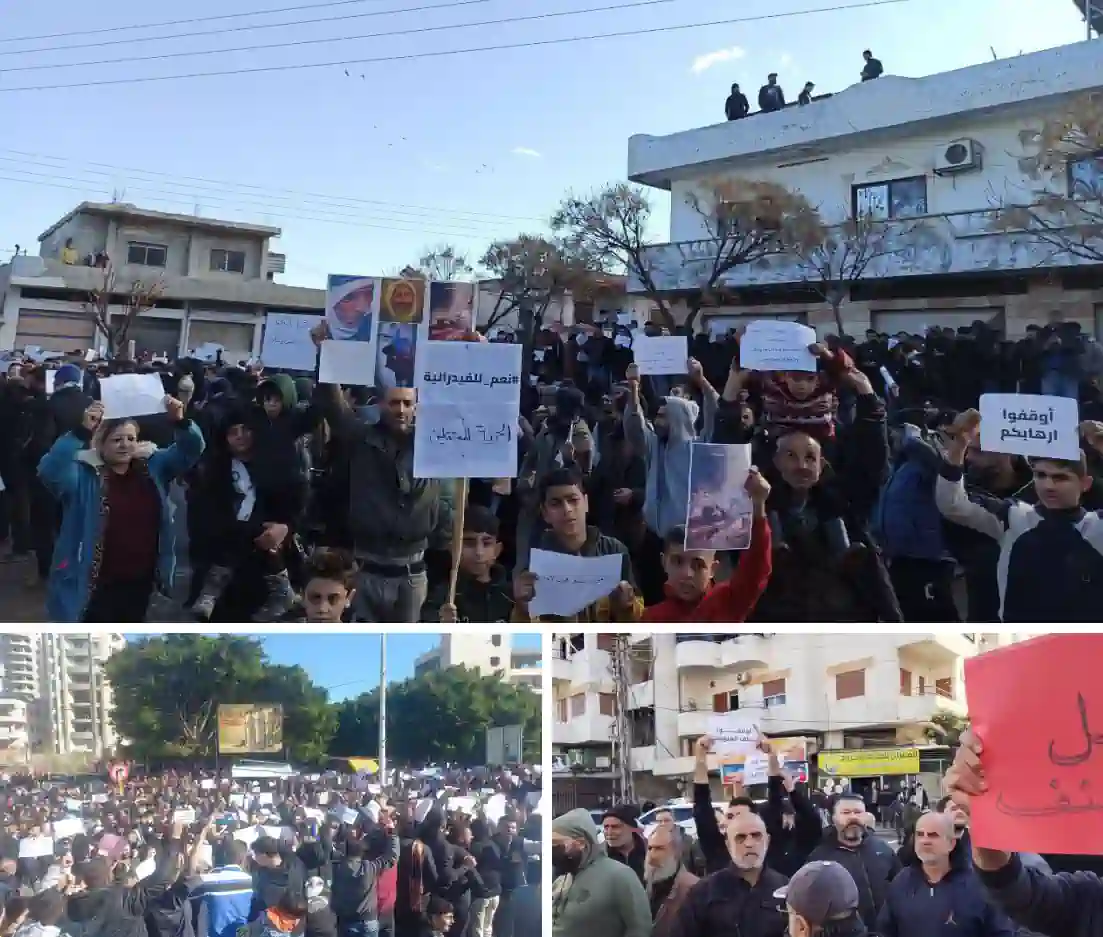
Clashes between Alawite protesters and al‑Joulani’s forces have spread sporadically across Hama, Homs, Tartus, and Latakia provinces. Armored vehicles have been deployed in central Latakia to contain gatherings.
The protests began yesterday following a call by Sheikh Ghazal, with demonstrators denouncing repression, discrimination, and denial of civil rights. Rallies were held in Jableh and al‑Qardaha (Latakia), al‑Daliyeh and Salhab (Hama), Tartus, Safita, Banias, and al‑Sheikh Badr (Tartus). While protesters declared the gatherings peaceful, footage shows violent clashes and assaults by al‑Joulani’s forces.
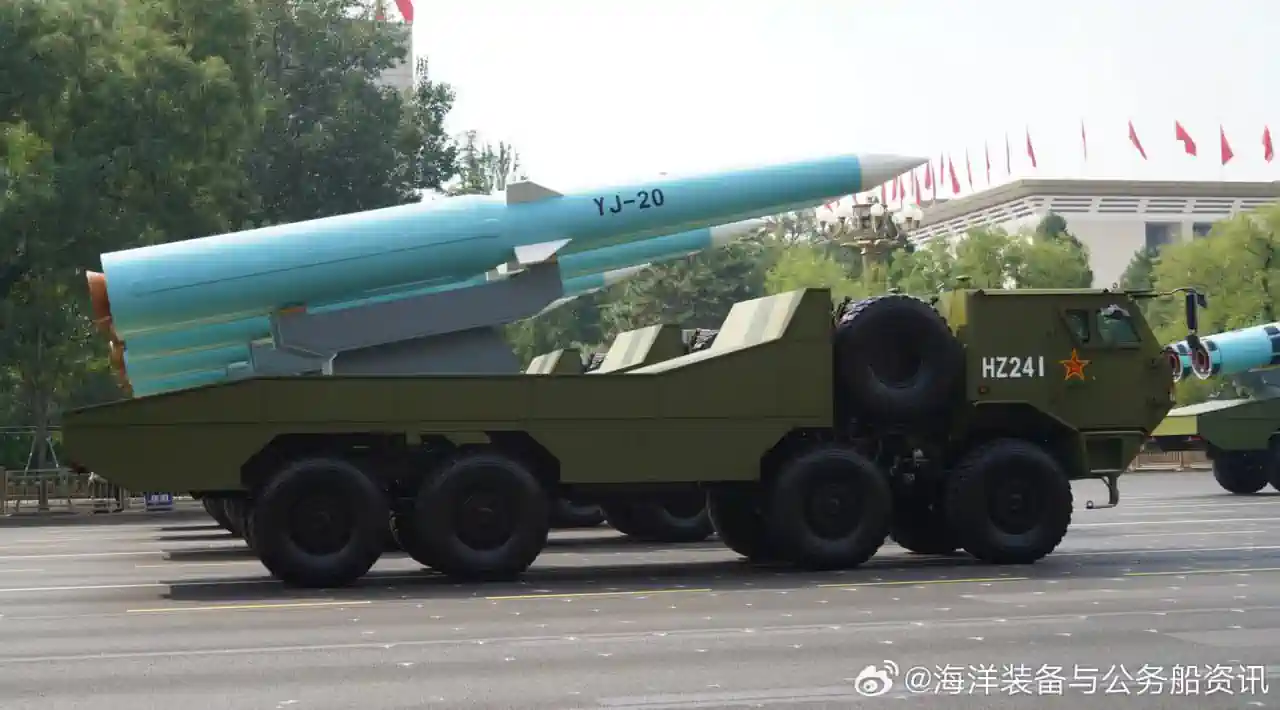
Reports indicate the missile has a range of about 1500 km, carries a warhead of nearly 400 kg, reaches an average speed close to Mach 10 along its ballistic trajectory, and approaches its target at around Mach 8 in the terminal phase.
Back in 2022, China’s navy tested an unidentified hypersonic missile from a Type‑055 destroyer. At the time, it was believed to be the naval version of the YJ‑21. However, with the unveiling of the new YJ‑20 in 2025—whose design closely resembles that earlier missile—analysts now believe China has been pursuing two separate missile projects simultaneously.
The deployment of YJ‑20 hypersonic missiles combined with the offensive capabilities of Chinese aircraft carriers, poses a serious challenge to U.S. strategic assets in the Pacific. China has heavily invested in hypersonic missile technology in recent years.
According to the schedule, the rocket will lift off at 16:38 Iran time from Vostochny’s launch pad. The Soyuz‑2.1b will carry three Iranian satellites—Tolou‑3, Zafar‑2, and Kosar‑1.5—alongside 49 other payloads, including research, commercial, and university satellites, all deployed together in a combined mission to Earth orbit.
This launch is part of the broader space cooperation between Iran and Russia. Once in orbit, the satellites are expected to enhance telecommunications, remote sensing, and research capabilities. The participation of numerous international satellites in this mission also reflects Iran’s growing role in joint and commercial space endeavors.
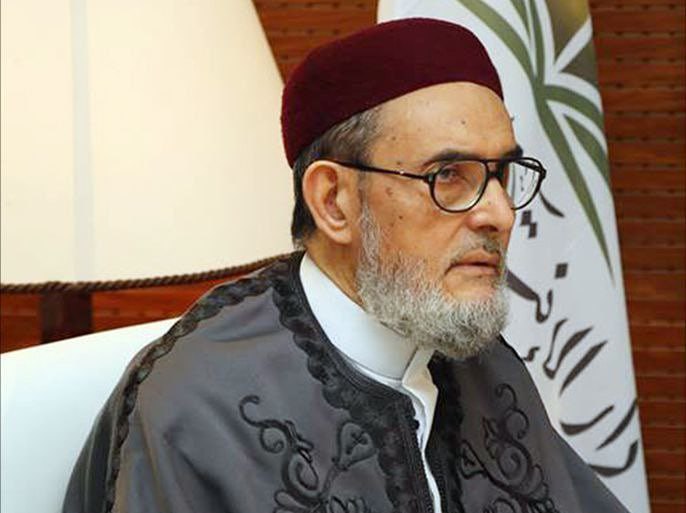
Al‑Ghariani stressed that Pakistan, as one of the largest Muslim nations, is fully aware these weapons will be used to kill civilians and fuel wars in Libya and Sudan. He urged Libya’s Government of National Unity (GNU) to summon Pakistan’s ambassador and reprimand him for violating the UN arms embargo and supplying weapons to Haftar.
The Grand Mufti’s criticism comes as the deal could strengthen Pakistan’s position as a major player in the global arms market. At the same time, given Pakistan’s economic pressures and shortage of foreign currency, the agreement represents a significant source of revenue for Islamabad.
Sheikh Ghazal stressed that what is happening now amounts to an organized genocide against the Alawites, carried out openly before the eyes of the world. He clarified that the Alawites are not seeking “civil war,” but rather demand political federalism within Syria.
In response to this call, residents of Jableh and al‑Qardaha (Latakia province), al‑Daliyeh and Salhab (Hama province), Tartus, Safita, Banias, and al‑Sheikh Badr (Tartus province) took to the streets. Videos circulating on social media show that security forces of the al‑Joulani government opened fire on protesters in some areas, injuring several people who were later transferred to Tishreen Hospital in Latakia.
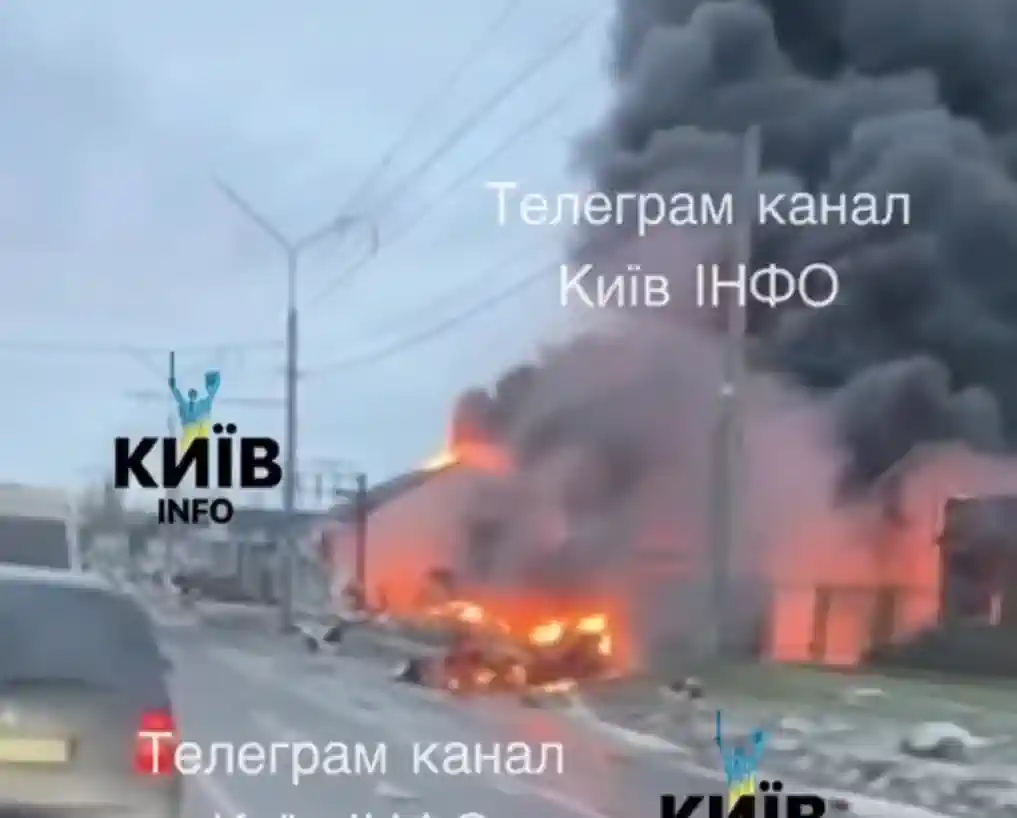
As a result, urban infrastructure and energy facilities in Kyiv were struck. The TPP‑6 thermal power plant was damaged, leaving parts of the city without electricity and water. The large Tripilska power station, the most powerful in the Kyiv region, was hit again, while explosions were reported in Brovary, Vyshhorod, Boryspil, Bila Tserkva, and Bucha.
Russian Geran-2 suicide drone strike on the Bila Tserkva in the Kiev region
Beyond these, Zhytomyr, Poltava, Cherkasy, Chernihiv, Odesa, and Sumy were also targeted.
Reports indicate that Russia, through the combined use of long‑range missiles, suicide drones, and successive air raids, carried out one of its most extensive recent waves of attacks against Ukraine’s critical infrastructure and sensitive facilities.
The funeral for Maj. Gen. Zakaria Abdullah Yahya Hajar (Abu Yahya), Brig. Gen. Abdullah Yahya Abdullah Hajar, Brig. Gen. Hussein Yahya Abdullah al‑Hashimi, Brig. Gen. Ahmed Abdullah Yahya Ahmed Hajar, and Mohammed Khaled Yahya Ahmed al‑Haifi will be held at Al‑Shaab Mosque in Sana’a, attended by senior officials of Yemen’s government and military.
Official Yemeni media have not yet released detailed information on their roles or circumstances of martyrdom. However, according to unofficial reports, Maj. Gen. Zakaria Hajar was a specialist in missile and drone systems within Yemen’s Armed Forces and played a role in Yemen’s support operations for Palestine.
He and his men were martyred in a U.S. airstrike in March 2025 targeting the Al‑Jiraf area north of Saada city. Zakaria Hajar’s name, due to his ties with Iran and involvement in Yemen’s missile‑drone program, appears on the alleged terrorist and sanctions lists of Saudi Arabia and the Saudi-backed Yemeni government.
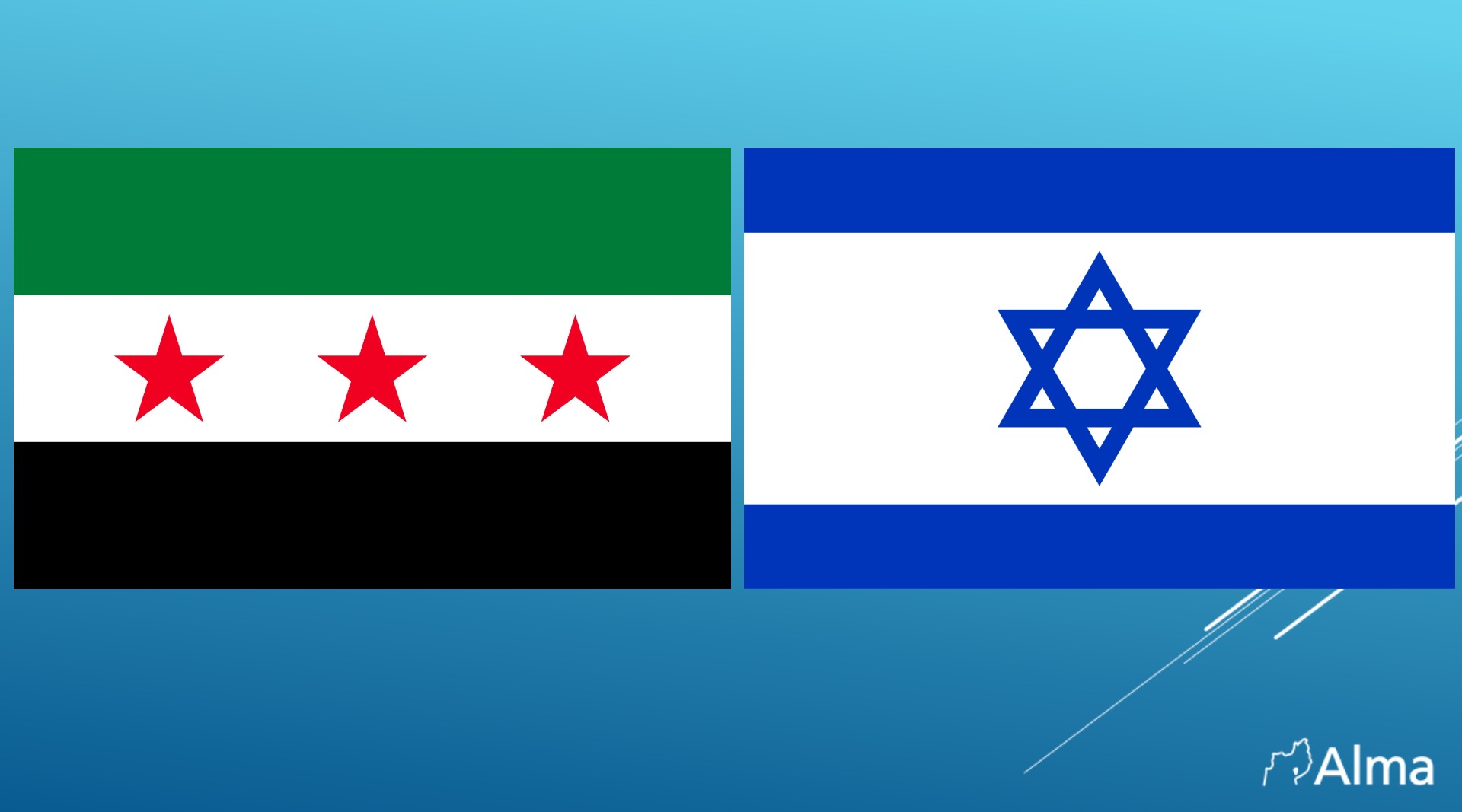
These sources even suggested the possibility of a direct signing between Syrian President Abu Mohammed al‑Jolani and Israeli Prime Minister Benjamin Netanyahu.
The core of the agreement would be based on the 1974 ceasefire accord between Syria and Israel, but with new amendments and without the creation of additional buffer zones along the lines of contact.
However, Israeli officials stressed that any withdrawal from occupied Syrian territories would depend on achieving a comprehensive peace agreement, and that signing a security deal alone would not lead to the pullout of Israeli forces.
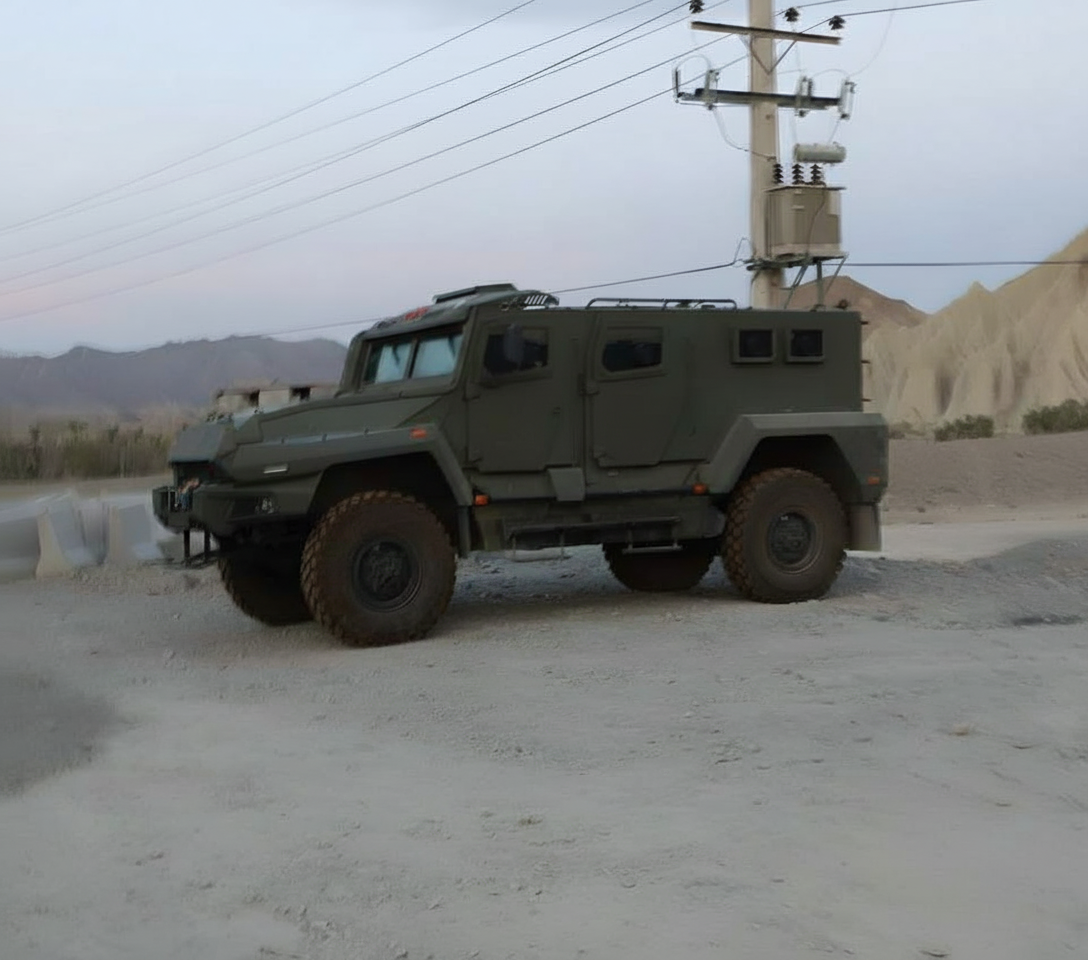
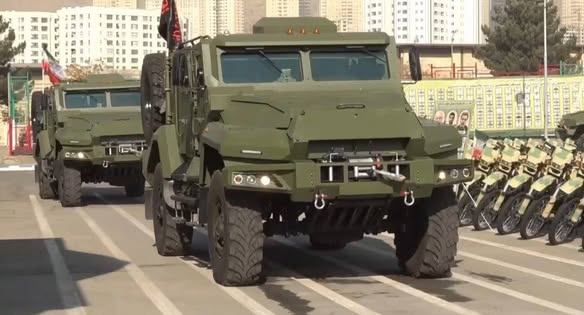
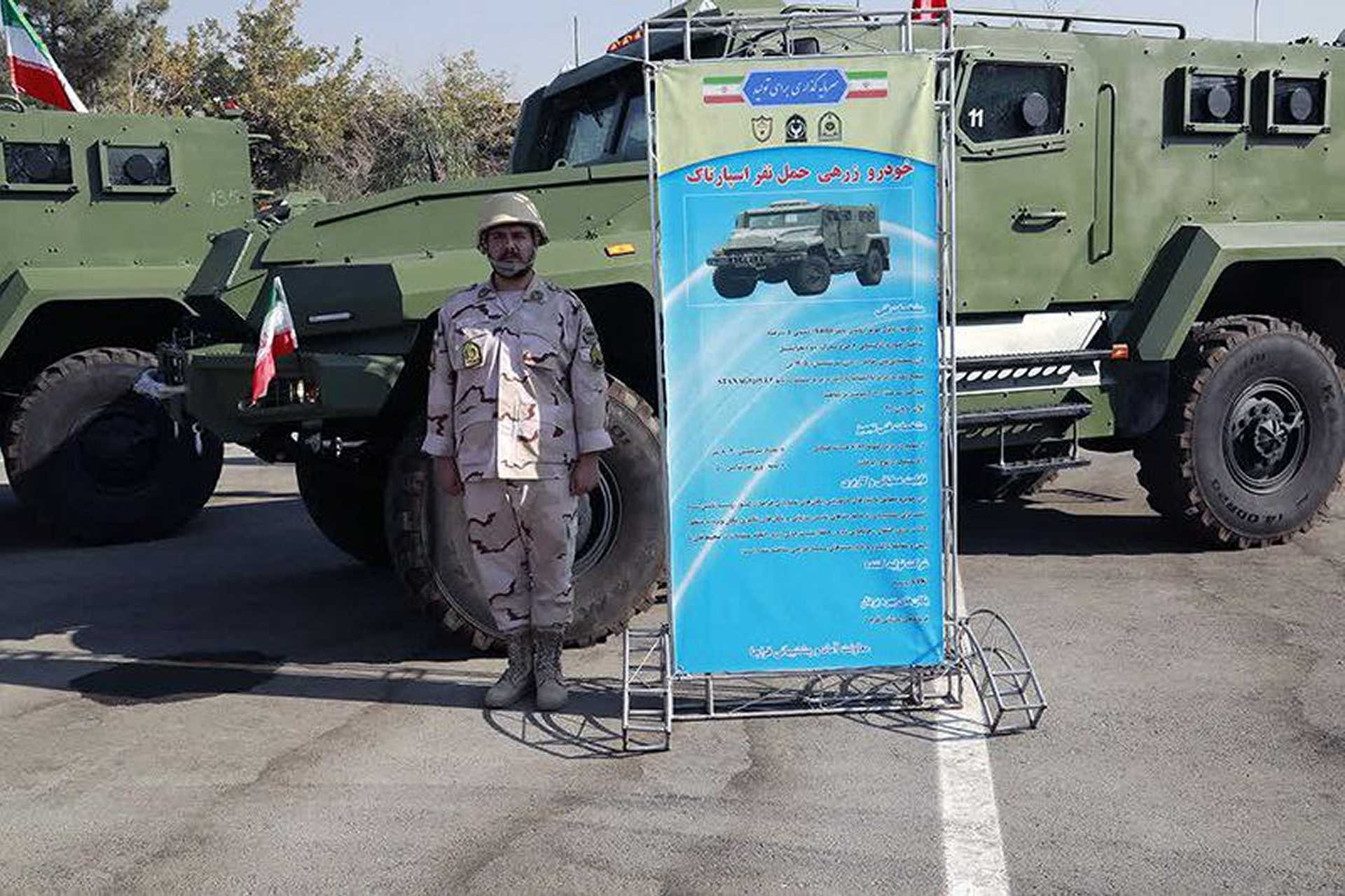
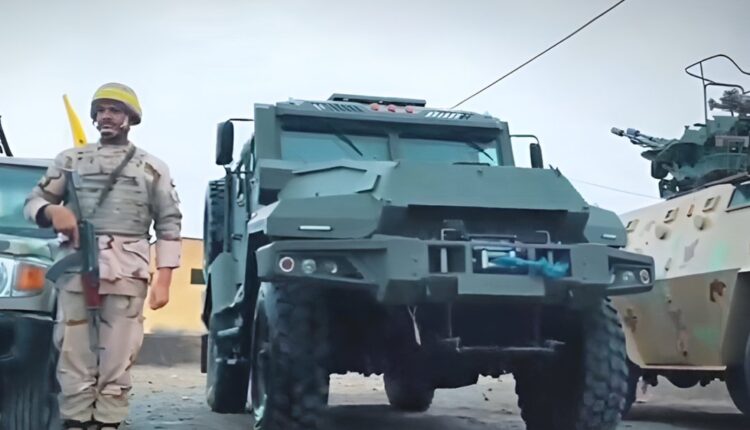
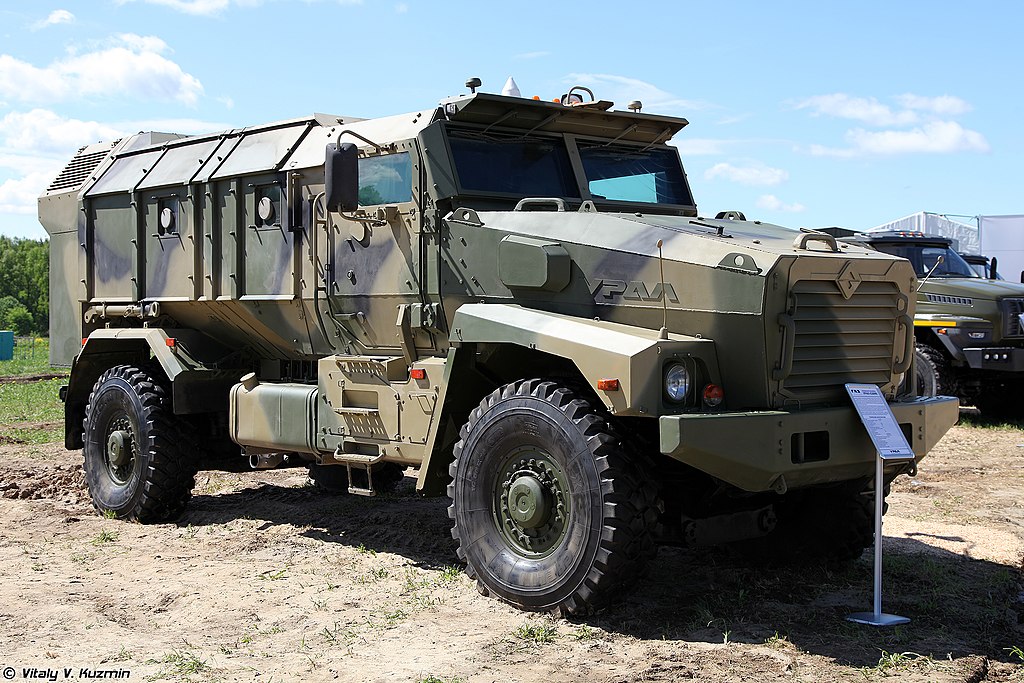
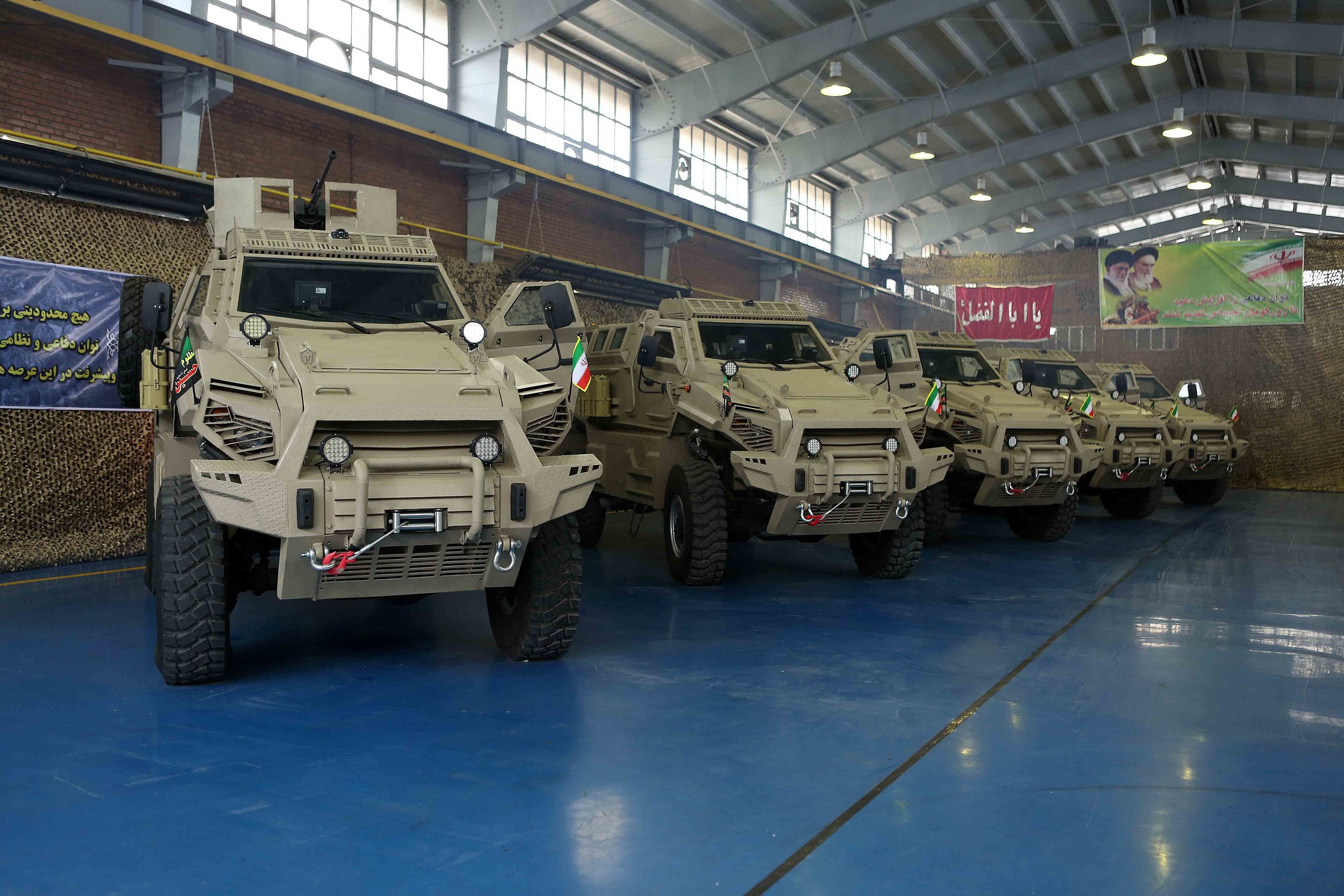
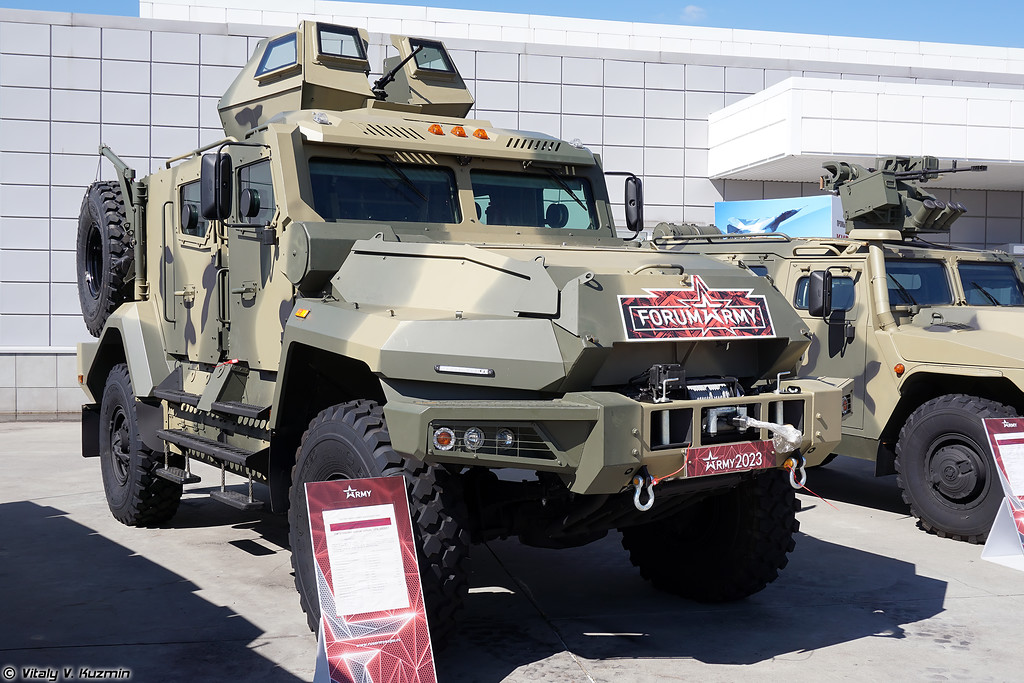
During a ceremony in December 2025 marking the addition of new ground and aerial equipment to FARAJA’s Border Guard Command, a new type of armored vehicle of non-Iranian origin was formally introduced. Further examination revealed that these vehicles are in fact Russian-built Spartak MRAPs.
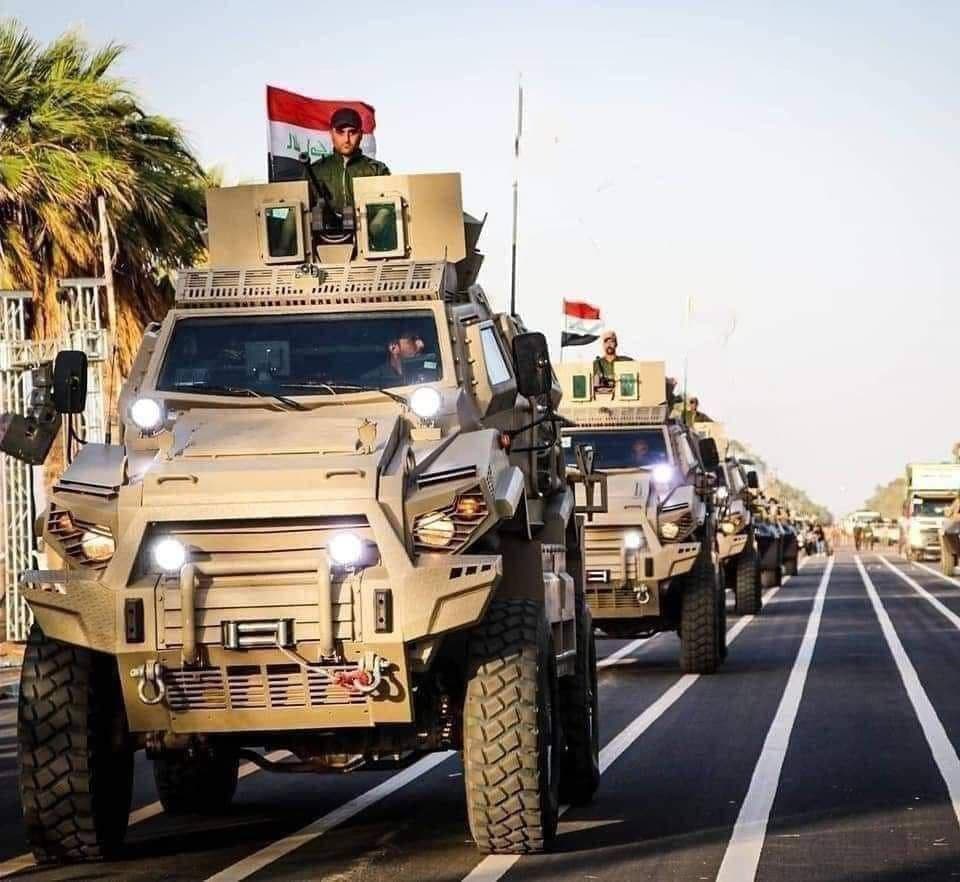
Speculation suggests that around 20 units of the Spartak MRAP were delivered in the initial phase to FARAJA’s Border Guard, with the possibility of additional vehicles being supplied both to the Border Guard Command and the Army Ground Forces in the future.
Spartak Mine-Resistant Ambush-Protected (MRAP) vehicle in Iran
Introduction to the Spartak Mine-Resistant Armored Vehicle
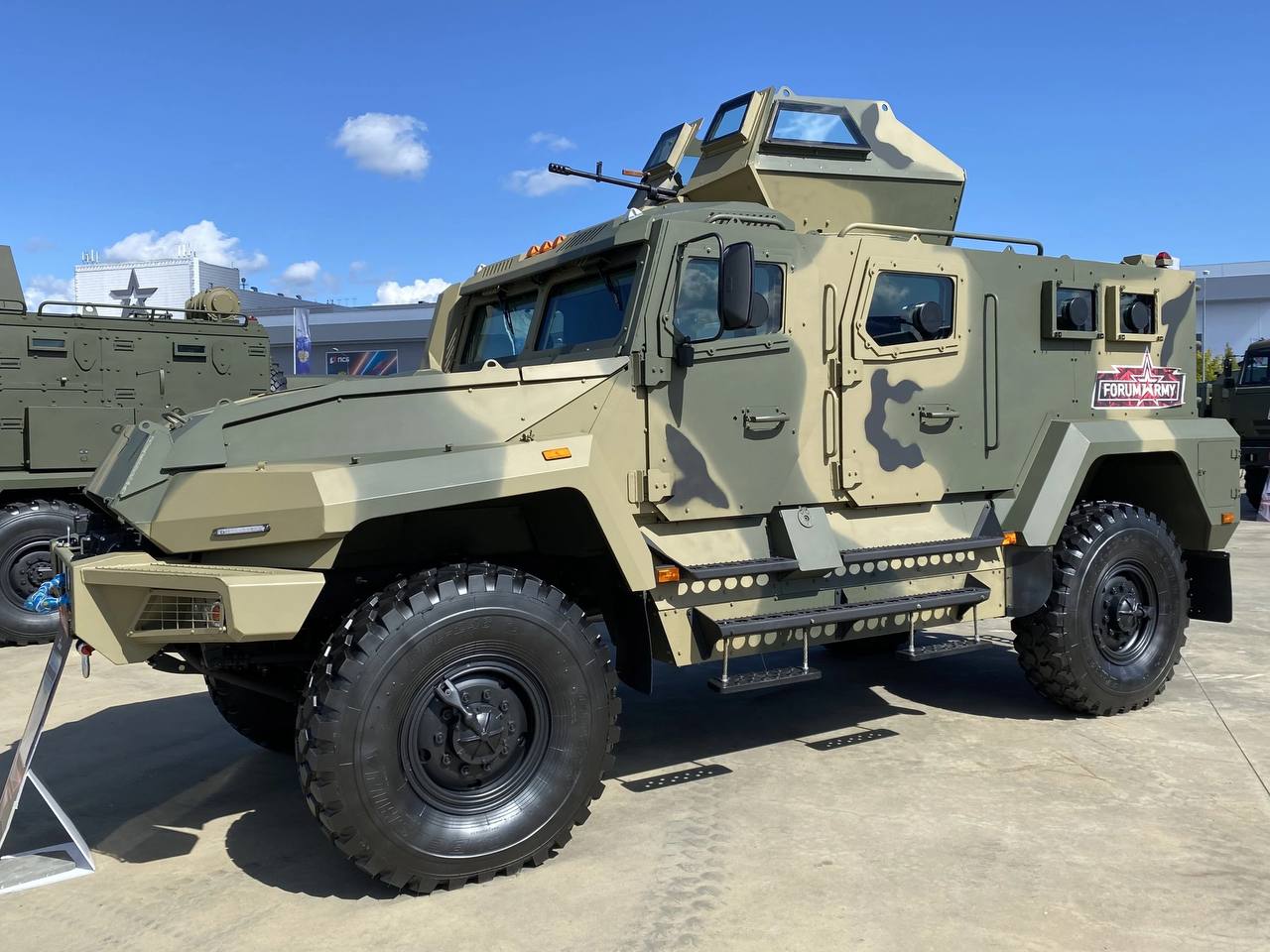
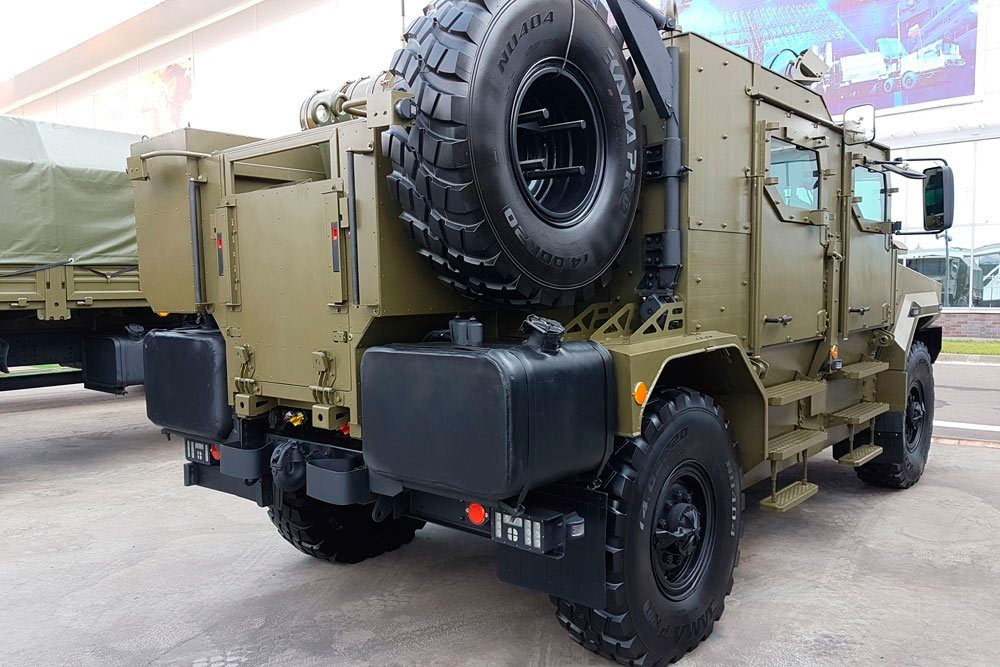
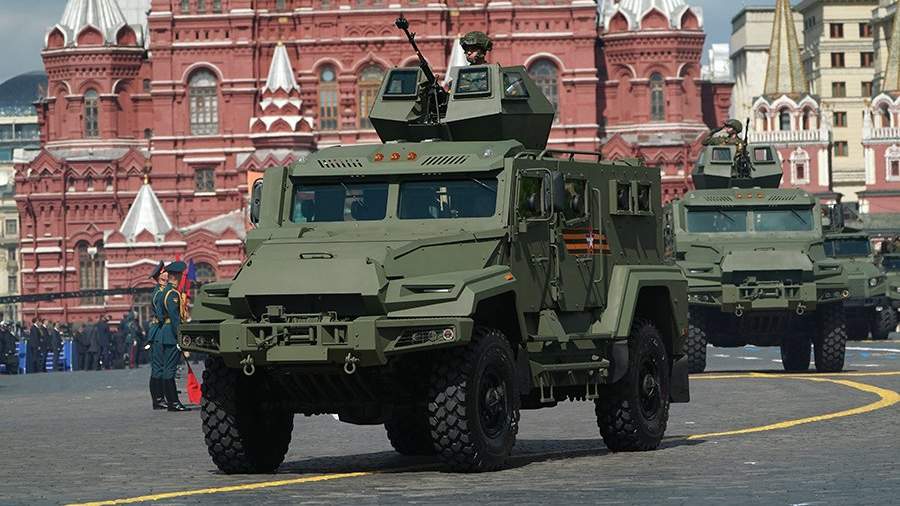
The Spartak, also known as AMN-590951, VPK-Ural, or SBM-59095S, is a Russian 4×4 armored vehicle developed by the Military Industrial Company (VPK). It was first unveiled at the Army-2019 exhibition.
Designed according to MRAP principles, the Spartak features a welded monocoque hull with a V-shaped floor, capable of withstanding blasts equivalent to 6–8 kg of TNT. Its armor includes reinforced frontal and roof sections, able to resist 12.7mm rounds, and with optional add-on armor plates, protection can be increased against 14.5mm rounds
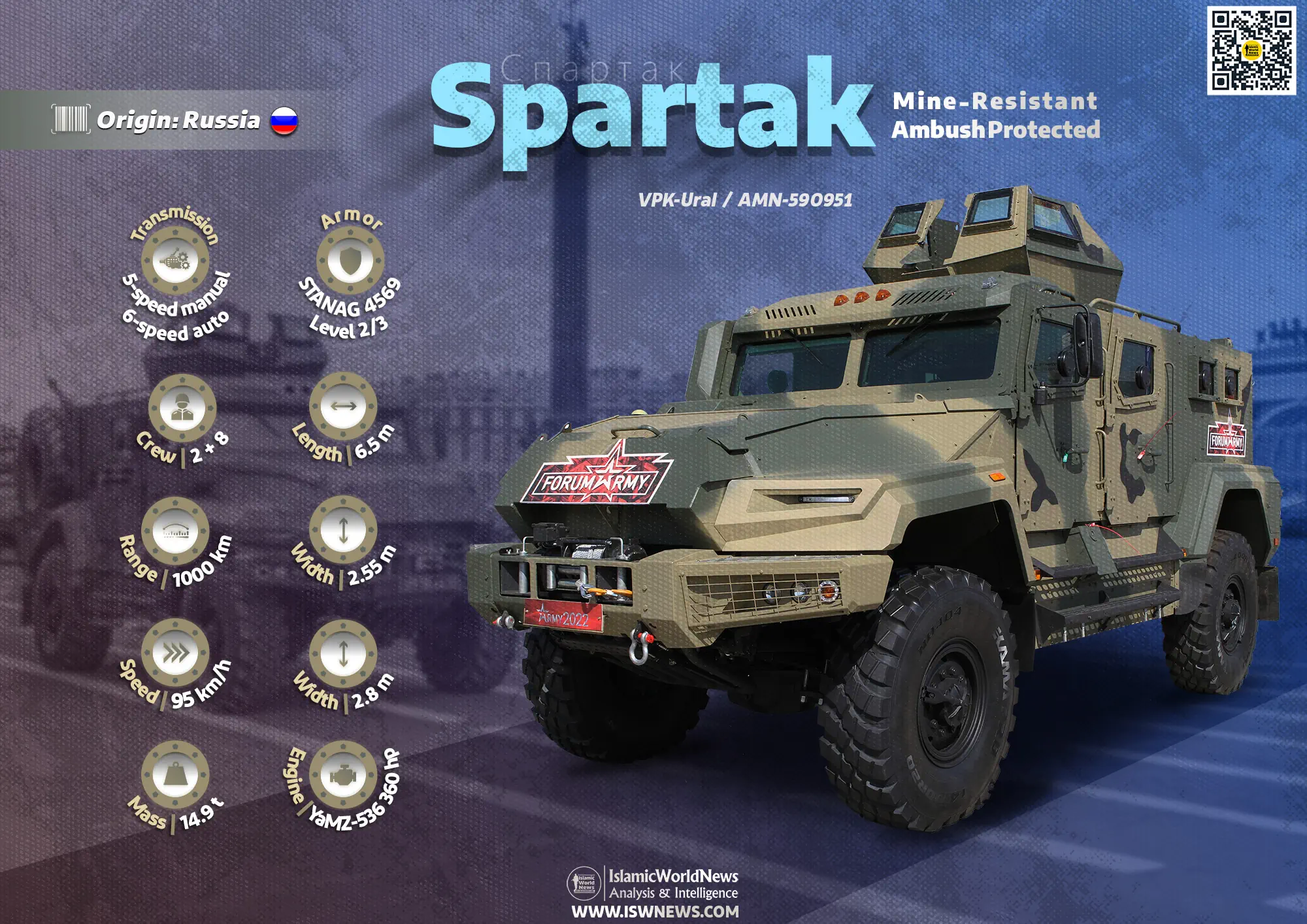
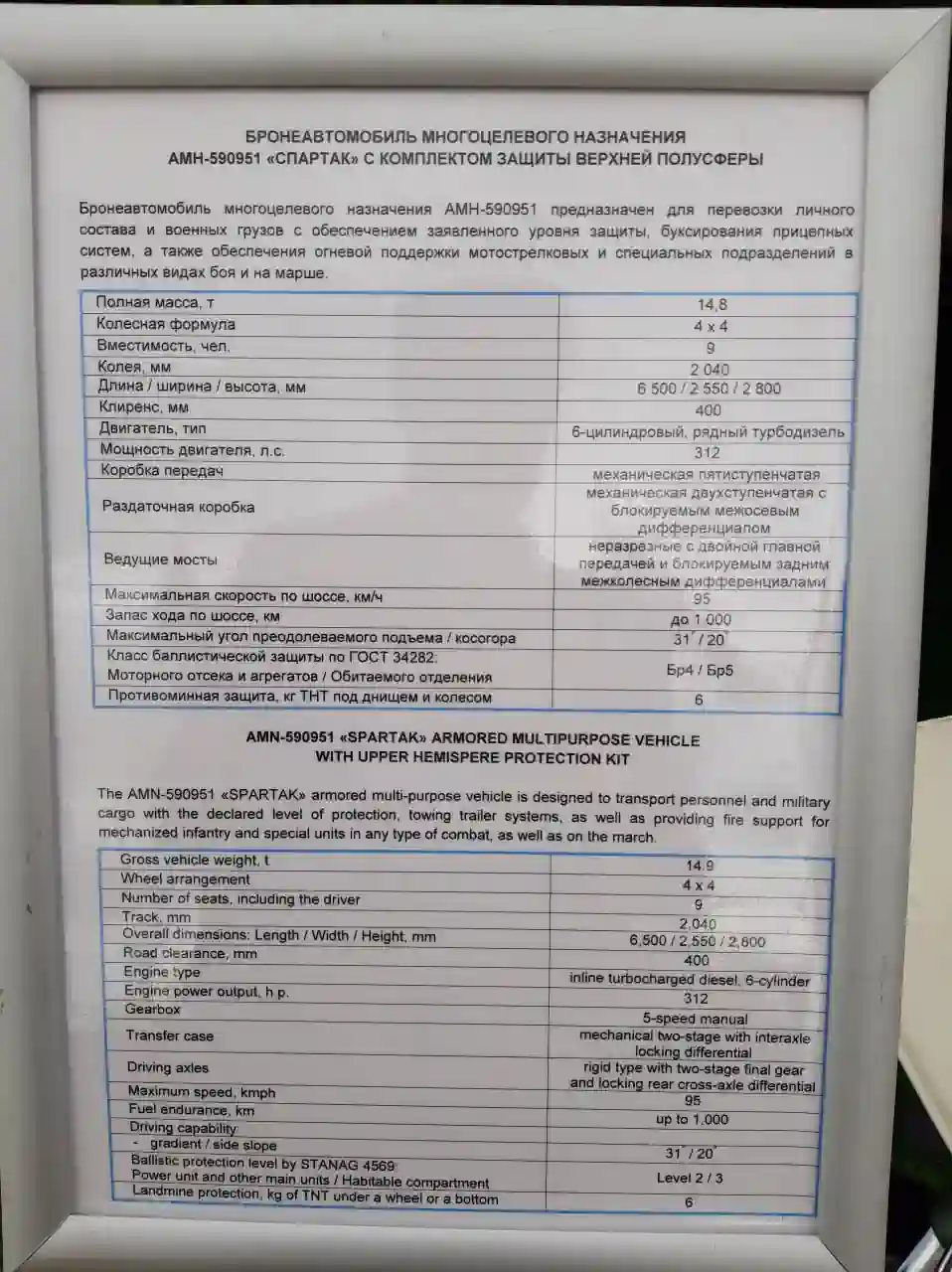
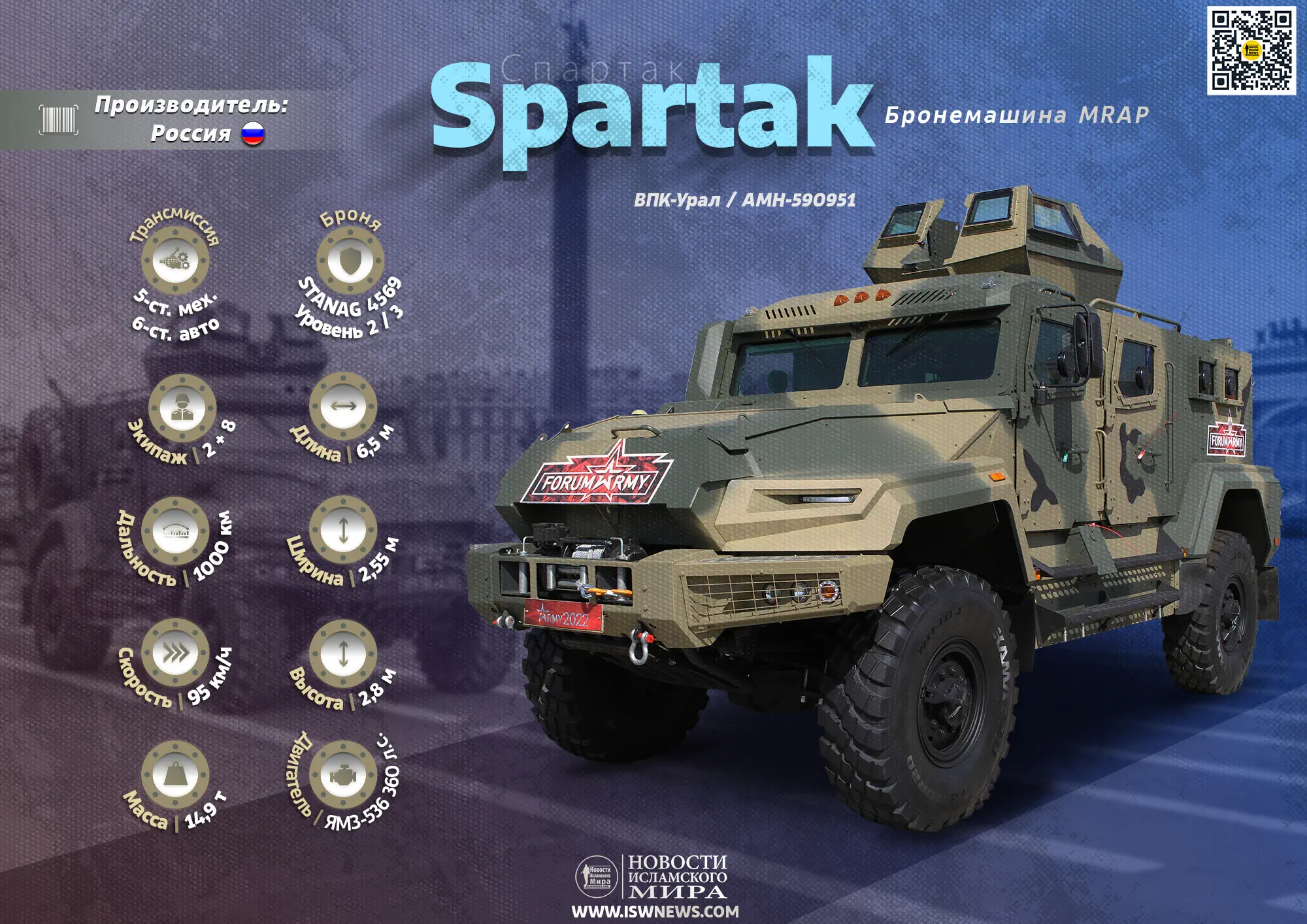
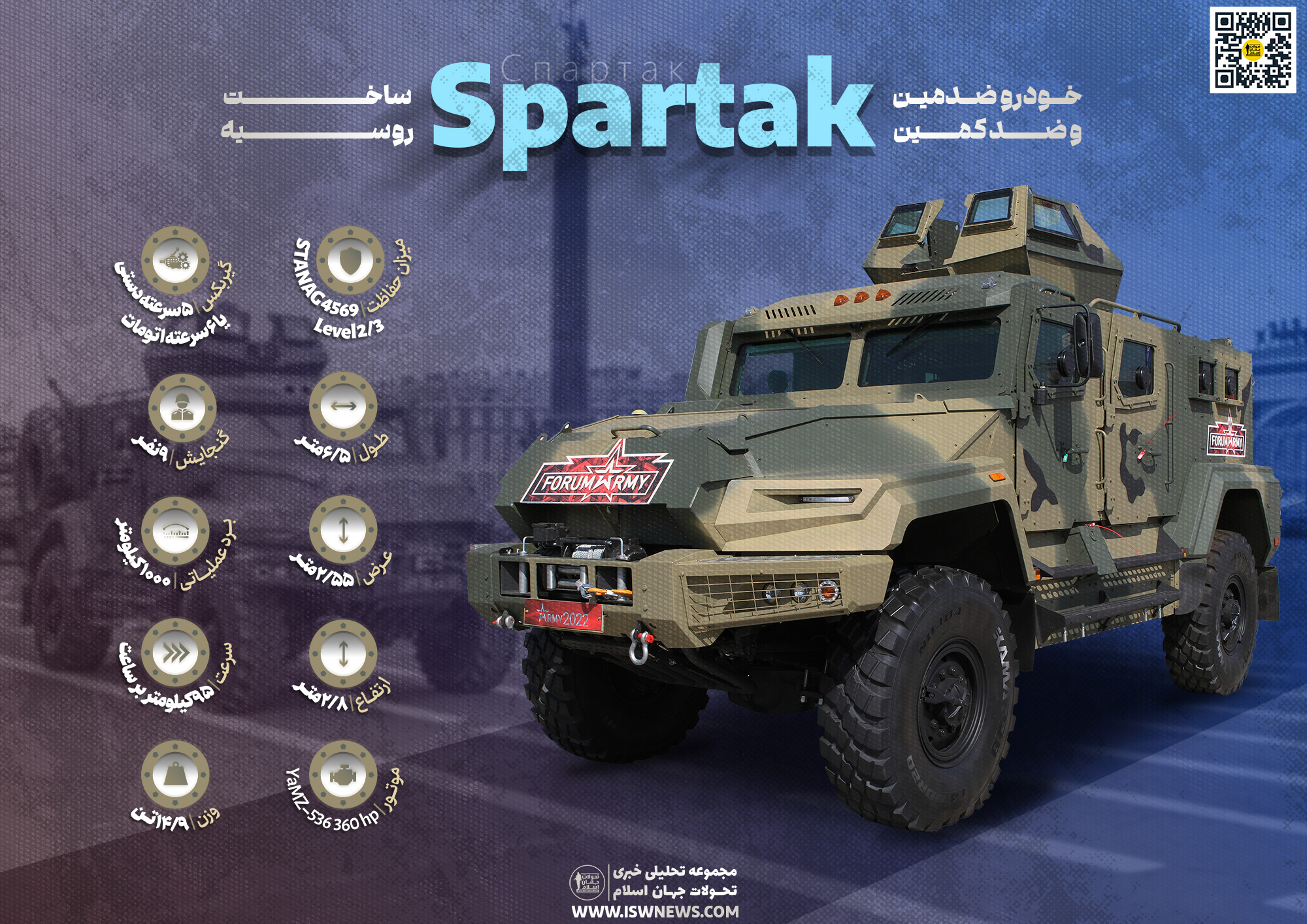
Spartak specifications
The Spartak platform can be considered a modern redesign of older Russian armored vehicles first introduced in the 2000s. In fact, the Spartak is built on the two-axle Ural-53099 truck chassis, incorporating field-tested components and mass-produced parts from Ural’s multipurpose military vehicles.
This approach significantly reduces the final production cost and operational expenses, while improving maintainability and ease of servicing. Internally, the Spartak is presented as a joint product of the Military-Industrial Company and Ural Industries, positioned to compete with KAMAZ products, such as the Typhoon MRAP.
Ural-53099 Typhoon
The Spartak is powered by a YaMZ-536 six-cylinder turbocharged diesel engine producing approximately 360 horsepower, paired with either a five-speed manual or a six-speed automatic transmission.
This configuration enables the vehicle to reach road speeds of about 80–100 km/h depending on terrain, and off-road speeds of 40–60 km/h. Its operational range extends to roughly 1,000 kilometers, providing long-distance endurance for missions in diverse environments.
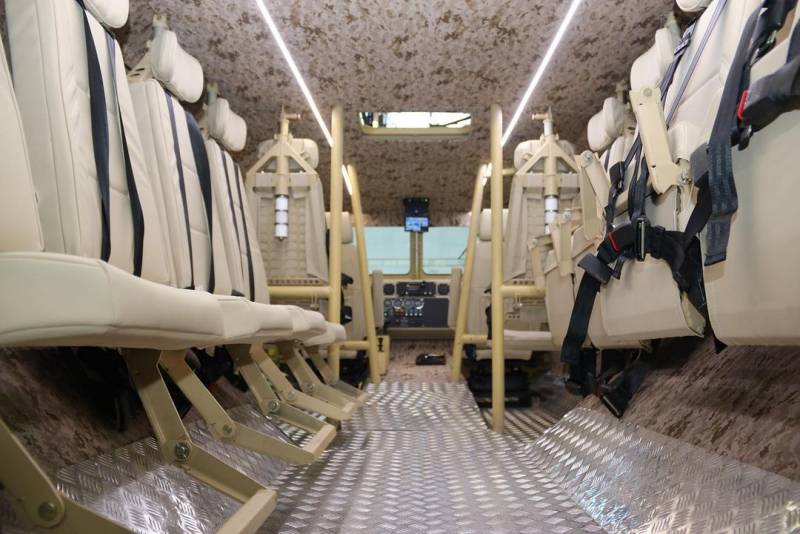
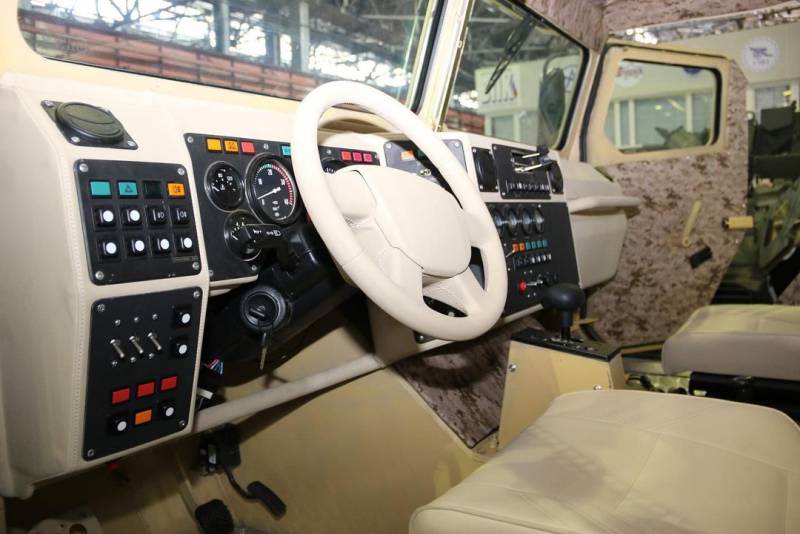
Interior view of Spartak
Depending on its internal configuration, the Spartak accommodates two crew members plus up to ten additional personnel. The compartment is fitted with firing ports, bullet-resistant windows, and side and rear access doors.
The roof typically hosts an open armored turret, which can be armed with a 12.7mm heavy machine gun, PK or PKP machine guns, or automatic grenade launchers such as the 17AGS, 30AGS, or 40AGS.
Additionally, the manufacturer has announced compatibility with remote-controlled weapon stations (RCWS), allowing the Spartak to integrate modern fire-control solutions.
Spartak MRAP
Survivability Standards and Export Outlook of the Spartak
The key factor in the Spartak’s survivability and its potential for export markets lies in its compliance with NATO standards.
Ballistic Protection: The vehicle’s monocoque armored hull provides STANAG 4569 Level 3 ballistic protection. This level ensures resistance against 7.62mm assault rifle fire and, more importantly, against 12.7mm heavy machine gun rounds. Such capability is critical for operations in environments exposed to intense machine gun fire.
Mine Protection: The hull design incorporates a V-shaped geometry, intended to deflect and disperse blast energy from beneath the vehicle. This configuration achieves STANAG 4569 Level 2a protection (blast under wheel) and Level 2b protection (blast under hull), withstanding explosions equivalent to up to 6 kg of TNT.
Comparison of Spartak with Similar Iranian Models
The list of Iranian-produced Mine-Resistant Ambush-Protected (MRAP) vehicles is limited to just two models: Raad and Toofan. These MRAPs are deployed in relatively small numbers across military units. According to available information, the Raad MRAP has only recently been introduced into the combat organization of Iran’s armed forces, marking its entry into active service.
The Toofan MRAP is a 4×4 armored vehicle built on a monocoque V-shaped chassis and powered by a KAMAZ diesel engine delivering 360 horsepower from an eight-cylinder, 3,600 cc configuration. With an empty weight of 12 tons and a combat weight of 14 tons, it measures 7 meters in length, 2.5 meters in width, and 3.1 meters in height. Its protection meets STANAG 4569 Level 3 standards, enabling resistance against 6–8 kg TNT blasts under the hull or wheels, 7.62mm tungsten-core rounds at 30 meters, and 155mm artillery fragments at 60 meters. The vehicle accommodates 10 personnel (two crew and eight troops), reaches a maximum speed of 100 km/h, and offers an operational range of 1,100 km. Mobility features include fording water up to 1.5 meters deep, climbing gradients of 60 percent, and traveling up to 50 km on punctured tires thanks to its run-flat capability.
In comparison with the Russian Spartak, both vehicles share a 4×4 chassis design focused on protection and mobility, yet they differ in several aspects of layout and performance. The Spartak is heavier but more compact, making it better suited for urban maneuvering, while the Toofan, with its 7‑meter length, offers greater interior space. In terms of protection, Spartak’s ballistic rating of Br5/Br6A (resistant to 12.7–14.5mm rounds in key areas) appears slightly superior to Toofan’s STANAG 4569 Level 3, though both platforms are designed to withstand 6–8 kg TNT blasts. Their engines are broadly similar, but Toofan delivers higher torque (1,470 Nm) enabling steeper climbs (60% gradient versus Spartak’s 31°). Operational range is nearly identical, with Toofan holding a small edge in water fording capability at 1.5 meters, compared to 1.2 meters for Spartak.
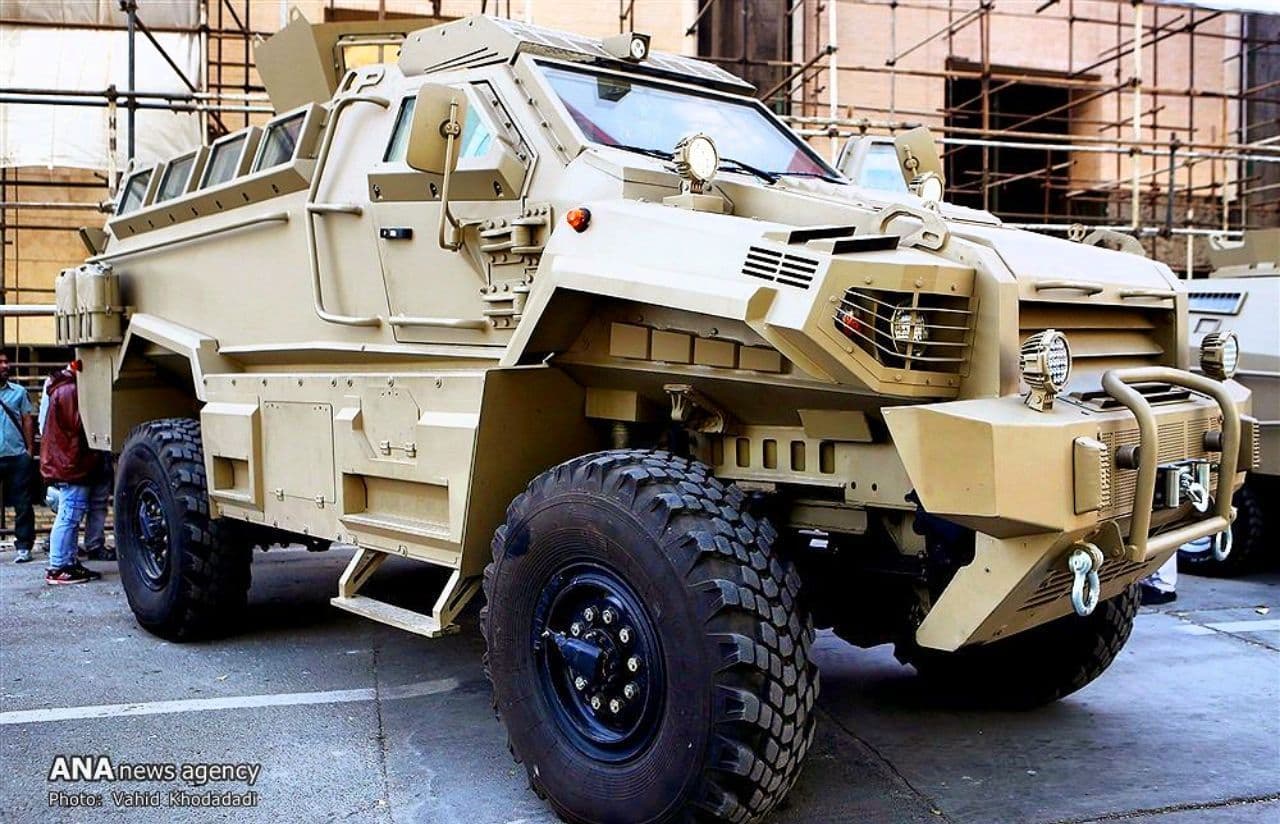
Spartak MRAP
Despite the high degree of similarity between the two platforms, it can be inferred that the domestic assembly of the Toofan MRAP has faced challenges due to reliance on certain components sourced from Turkey and Russia, as well as its dependence on a Canadian-Emirati Streit Group design. These factors appear to have complicated the process of mass production. Consequently, the armed forces opted to procure a similar platform with fewer logistical and supply chain difficulties, ensuring smoother integration into service.
Spartak MRAP specifications:
Origin: Russia Manufacturer: Military Industrial Company (VPK) Crew: 10 people Length: 6.5 m Width: 2.55 m Height: 2.8 m Engine: YaMZ-536 360 hp Transmission: 5-speed manual or 6-speed automatic Operational range: 1,000 km Speed: 95 km/h Weight: 14.9 tons Protection level: STANAG 4569 Level 2 / 3
Spartak armored vehicle – click to view images in full size
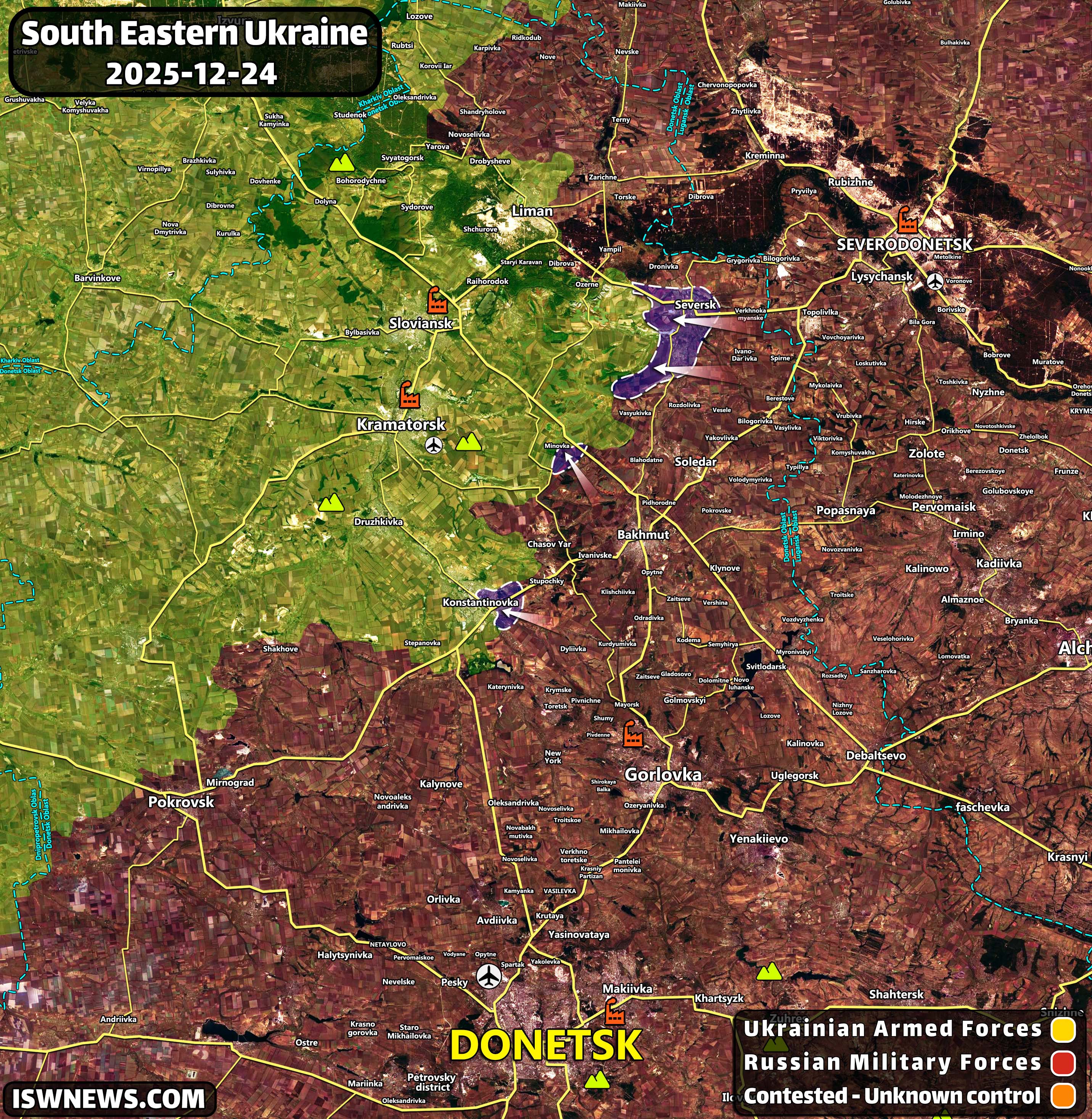
— On the Kostiantynivka axis, Russian troops advanced near Lake Klyban‑Byk and west of Pleshcheyevka, with reports of gains inside Kostiantynivka city. — On the Seversk axis, Russian forces pushed forward between Svyato‑Pokrovske and Pazeno. — On the Sumy axis, Russian units advanced west of Yunakivka. — On the Dnipro region axis, Russian forces secured Andriivka and Zarechnoye, advanced in northern and central Huliaipole, and reportedly moved west of Gerasymiivka. — On the Vovchansk axis, Russian troops took control of Prylypka west of Vovchansk and the village of Vilcha south of Vovchansk. — On the Chasiv Yar axis, Russian forces entered Minkivka village.
Russian airstrikes against Ukraine’s critical infrastructure continue. A series of large‑scale attacks targeted energy facilities and Ukrainian positions across multiple provinces, including: a power station and oil terminal in Odesa; positions in Vasylkivka, Kryvyi Rih, and Pavlohrad in Dnipropetrovsk; warehouses and temporary bases in Sloviansk; the Burshtyn thermal plant in Ivano‑Frankivsk; the Ladyzhyn thermal plant in Vinnytsia; the Kaniiv hydroelectric plant in Cherkasy; and energy facilities in Lviv and Khmelnytskyi provinces.
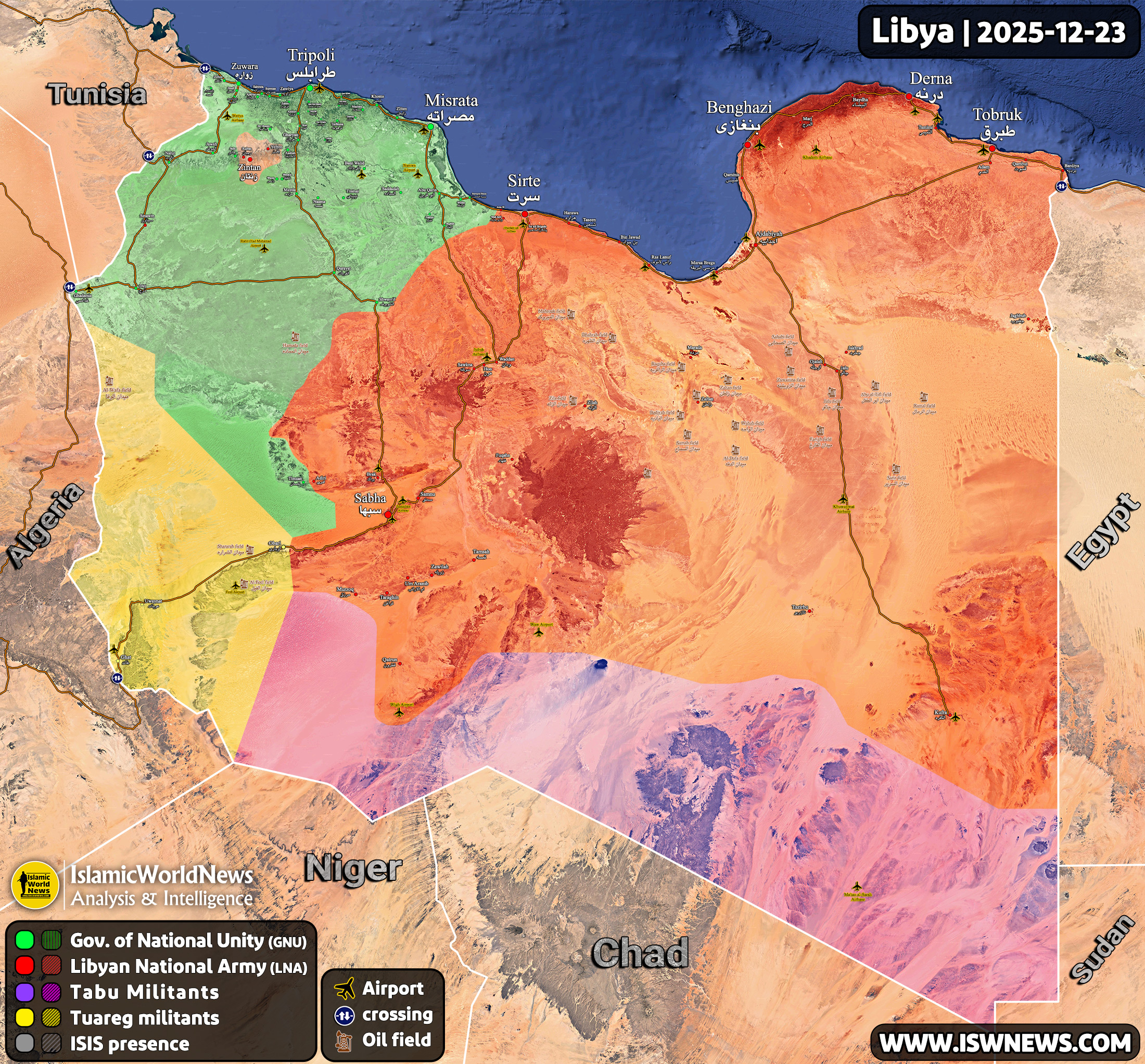
Prior to 2021, Tripoli’s authorities were known as the Government of National Accord (GNA). However, the Libyan House of Representatives dissolved the GNA to foster unity and counter the rival Tobruk‑based government. As a result, the GNU was established, with Mohamed al‑Menfi appointed as President of the Presidential Council and Abdel Hamid al‑Dbeibah as Prime Minister.
Years after the fall of Muammar Gaddafi and the bloody clashes between the GNA and LNA, Libya remains mired in internal strife and fragmentation, with no clear outlook for its future.
Military map of Libya as of December 23th – click to view full size image