Category: Central Asia – Pacific

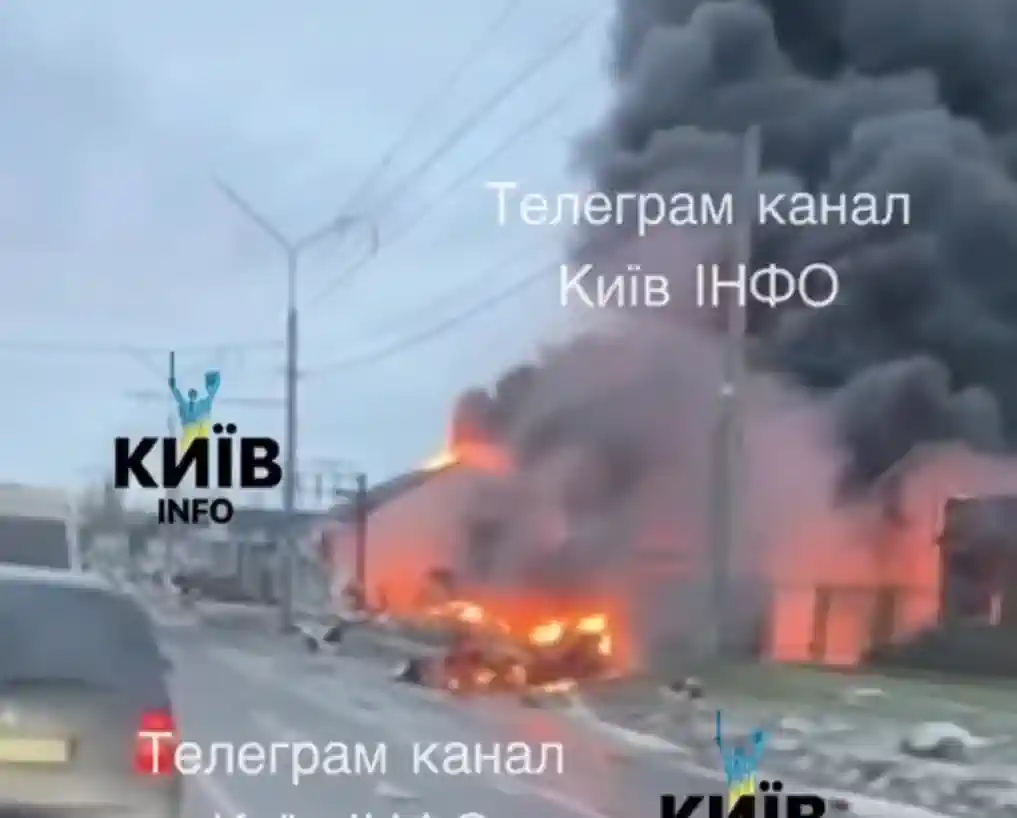
  • A Hard Day and Night for Ukraine; Kyiv Engulfed in Flames! (Video)

    A Hard Day and Night for Ukraine; Kyiv Engulfed in Flames! (Video)

    As a result, urban infrastructure and energy facilities in Kyiv were struck. The TPP‑6 thermal power plant was damaged, leaving parts of the city without electricity and water. The large Tripilska power station, the most powerful in the Kyiv region, was hit again, while explosions were reported in Brovary, Vyshhorod, Boryspil, Bila Tserkva, and Bucha.

    Russian Geran-2 suicide drone strike on the Bila Tserkva in the Kiev region

    Beyond these, Zhytomyr, Poltava, Cherkasy, Chernihiv, Odesa, and Sumy were also targeted.

    Reports indicate that Russia, through the combined use of long‑range missiles, suicide drones, and successive air raids, carried out one of its most extensive recent waves of attacks against Ukraine’s critical infrastructure and sensitive facilities.

  • Update on the Latest Battlefield Developments in Ukraine – December 24, 2025

    Update on the Latest Battlefield Developments in Ukraine – December 24, 2025

    Key battlefield updates in the last 24 hours:

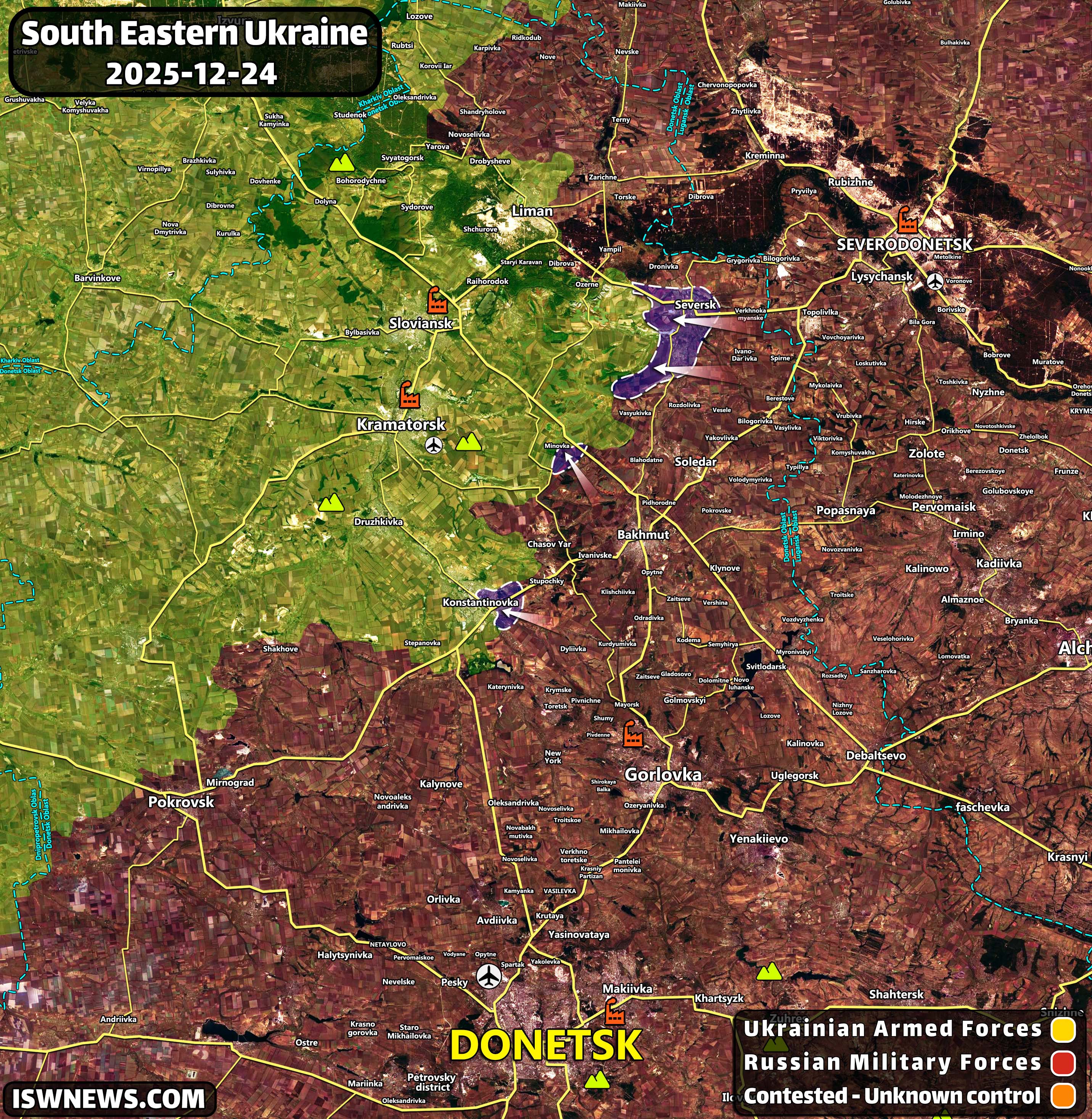
    — On the Kostiantynivka axis, Russian troops advanced near Lake Klyban‑Byk and west of Pleshcheyevka, with reports of gains inside Kostiantynivka city.
    — On the Seversk axis, Russian forces pushed forward between Svyato‑Pokrovske and Pazeno.
    — On the Sumy axis, Russian units advanced west of Yunakivka.
    — On the Dnipro region axis, Russian forces secured Andriivka and Zarechnoye, advanced in northern and central Huliaipole, and reportedly moved west of Gerasymiivka.
    — On the Vovchansk axis, Russian troops took control of Prylypka west of Vovchansk and the village of Vilcha south of Vovchansk.
    — On the Chasiv Yar axis, Russian forces entered Minkivka village.

    Russian airstrikes against Ukraine’s critical infrastructure continue. A series of large‑scale attacks targeted energy facilities and Ukrainian positions across multiple provinces, including: a power station and oil terminal in Odesa; positions in Vasylkivka, Kryvyi Rih, and Pavlohrad in Dnipropetrovsk; warehouses and temporary bases in Sloviansk; the Burshtyn thermal plant in Ivano‑Frankivsk; the Ladyzhyn thermal plant in Vinnytsia; the Kaniiv hydroelectric plant in Cherkasy; and energy facilities in Lviv and Khmelnytskyi provinces.

    Click to view the map in larger size
  • National Resistance Front of Afghanistan Claimed Attacks on Taliban

    National Resistance Front of Afghanistan Claimed Attacks on Taliban

    In response, Saifuddin Laton, spokesperson for the Panjshir governor, denied the report, making the unusual claim that no anti‑security incidents have been recorded in Panjshir over the past three years, and that the province has instead become a tourism destination.

    The conflicting narratives—opposition forces claiming heavy Taliban losses and local Taliban officials issuing sweeping denials—suggest both sides are attempting to amplify or downplay the incident. Panjshir, a mountainous and hard‑to‑access region under full Taliban control, remains a place where obtaining accurate information about events is virtually impossible.

  • Update on the Latest Battlefield Developments in Ukraine – December 10, 2025 (Map)

    Update on the Latest Battlefield Developments in Ukraine – December 10, 2025 (Map)

    On the northern Pokrovsk front, Russian troops captured the villages of Dorozhnoye, Ivanivka, and Novo Shakhove. They also seized Sukhetske and Sofiivka.

    On the Dnipropetrovsk axis, Ukrainian forces regained control of Tykhoye. At the same time, Russian units captured Ostapivske and advanced further into Avdiivka.

    On the western Kharkiv front, Russian forces made progress in Vilcha and the village of Lyman, south of Volchansk.

    On the Liman axis, Russian troops entered the village of Zakotnoye.

    Russian airstrikes against Ukraine’s critical infrastructure remain ongoing. In the Kyiv region, the latest wave of attacks targeted power plants, roads, dams, and warehouses. Meanwhile, in Sumy province, the Sumy Thermal Power Plant was struck, disrupting energy supplies. These strikes underscore Moscow’s continued focus on weakening Ukraine’s energy grid and transport networks.

  • Joint Meeting of Iran, Saudi Arabia, and China Held in Tehran

    Joint Meeting of Iran, Saudi Arabia, and China Held in Tehran

    Following a preliminary meeting of experts and diplomats from the three countries, a trilateral session was held to review progress on implementing the Beijing Agreement signed in March 2023. The meeting was attended by Saudi Deputy Foreign Minister Waleed Al-Khereiji, Chinese Deputy Foreign Minister Miao Diao, and Iran’s Deputy Foreign Minister Majid Takht-Ravanchi.

    In their final statement, the three countries welcomed the continued improvement in Iran–Saudi relations, called for an end to Israeli attacks on Palestine, Lebanon, and Syria, condemned violations of Iran’s sovereignty and territorial integrity, highlighted advances in consular cooperation—especially regarding the Hajj—and reaffirmed support for an inclusive political solution in Yemen based on recognized international principles and under UN supervision.

  • Russian Army Takes Control of Pokrovsk (Map)

    Russian Army Takes Control of Pokrovsk (Map)

    Pokrovsk, formerly known by its Russian name Krasnoarmiisk until 2016, is the administrative center of Pokrovsk Raion. The European route E50, a major continental highway, runs through the city, making it both a key hub of Ukraine’s coal industry and an important transport junction in the Donbas. Before 2020, Pokrovsk had a population of about 60,127, but due to the war, by late July 2025 the number had fallen to fewer than 1,500 residents.

    Alongside Konstantinovka, Kramatorsk, and Sloviansk, Pokrovsk served as one of the main logistical and supply centers for Ukraine’s military in Donetsk Oblast.

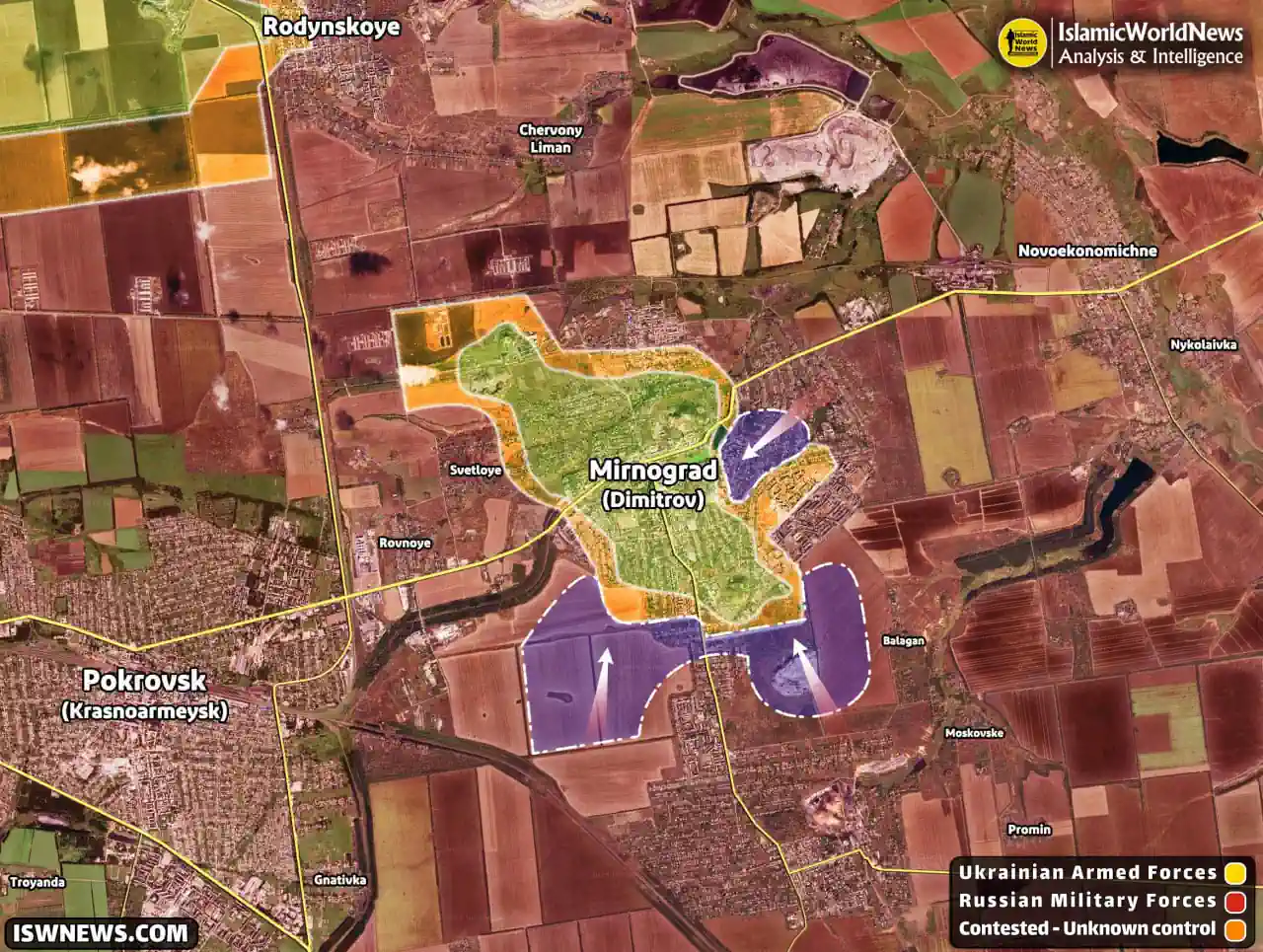
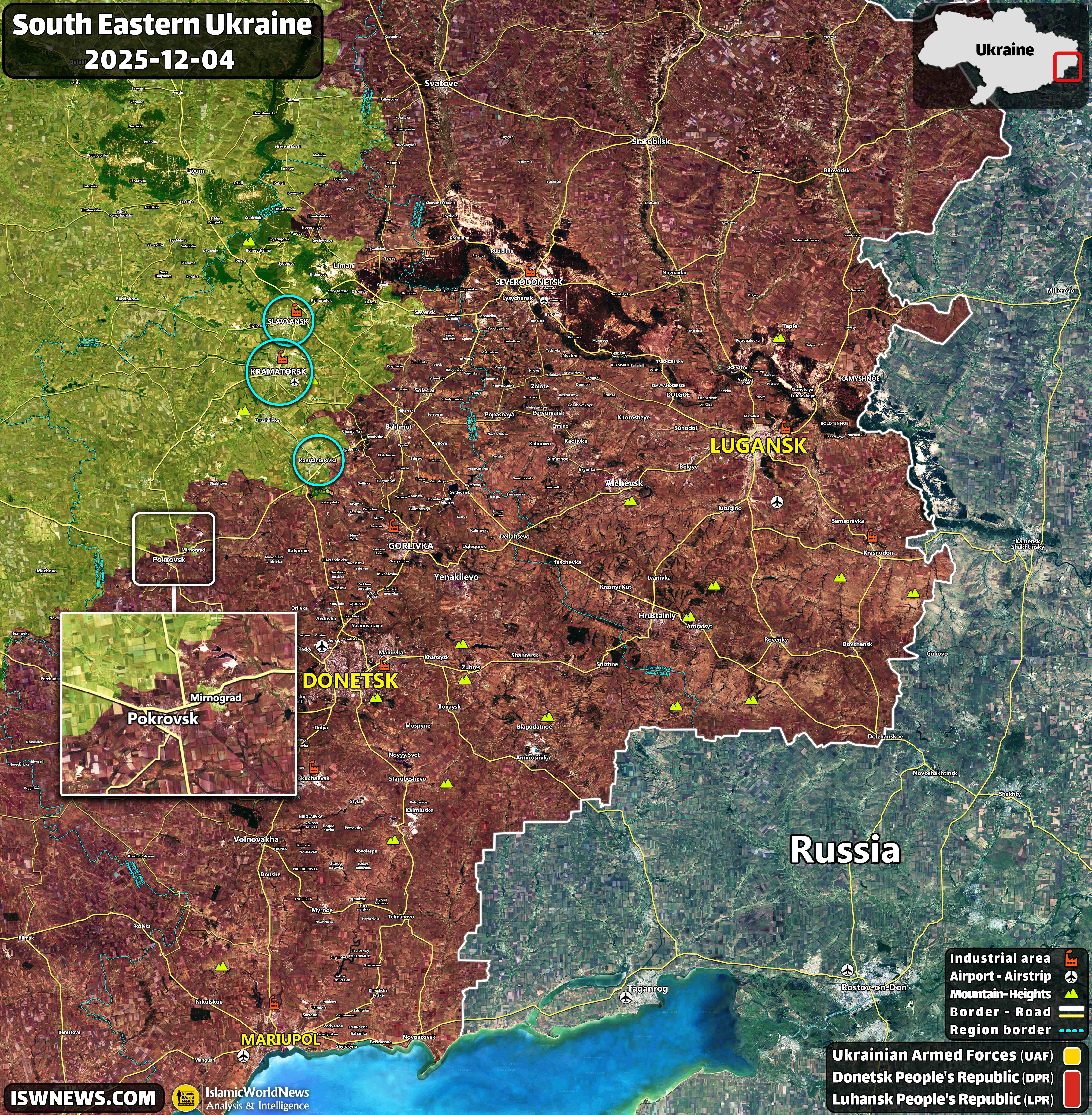
    To capture Pokrovsk, Russian forces effectively cut off Ukrainian supply lines, leading to a much quicker fall compared to other cities that had required months of heavy fighting. In the same sector, the town of Mirnograd is now encircled by Russian troops. Following the fall of Pokrovsk, only Konstantinovka, Kramatorsk, and Sloviansk (marked in turquoise circles) remain under Ukrainian control in Donetsk. Once these are taken, Ukraine’s position in the Donbas will effectively collapse.

    Donbas map and the Russian takeover of Pokrovsk
  • SIGAR Report on U.S. Spending in Afghanistan

    SIGAR Report on U.S. Spending in Afghanistan

    Despite this massive investment, Afghanistan’s security structures collapsed against the Taliban, and much of the equipment fell into Taliban hands after the fall of Ashraf Ghani’s government in 2021.

    SIGAR’s mission is to provide accurate statistical data, and its figures closely reflect realities on the ground. These findings have had a significant impact on shaping U.S. policy, pushing leaders to avoid large‑scale military entanglements and instead pursue cheaper, less costly strategies in future conflicts.

  • Death of 10 Civilians in Airstrikes on Afghanistan; Pakistan Denies Involvement

    Death of 10 Civilians in Airstrikes on Afghanistan; Pakistan Denies Involvement

    On the other hand, Pakistan has firmly rejected the Taliban’s claims of conducting airstrikes, calling them “baseless propaganda.” Islamabad stressed that it has not carried out any such operations, suggesting that the reported explosions were likely the result of internal Afghan conflicts or staged incidents. The Director General of ISPR also voiced concerns about possible involvement of Indian-backed infiltrators in spreading false narratives.

    These developments come at a time when the fragile ceasefire between the two countries is barely holding, with each side blaming the other for the deadlock in negotiations.

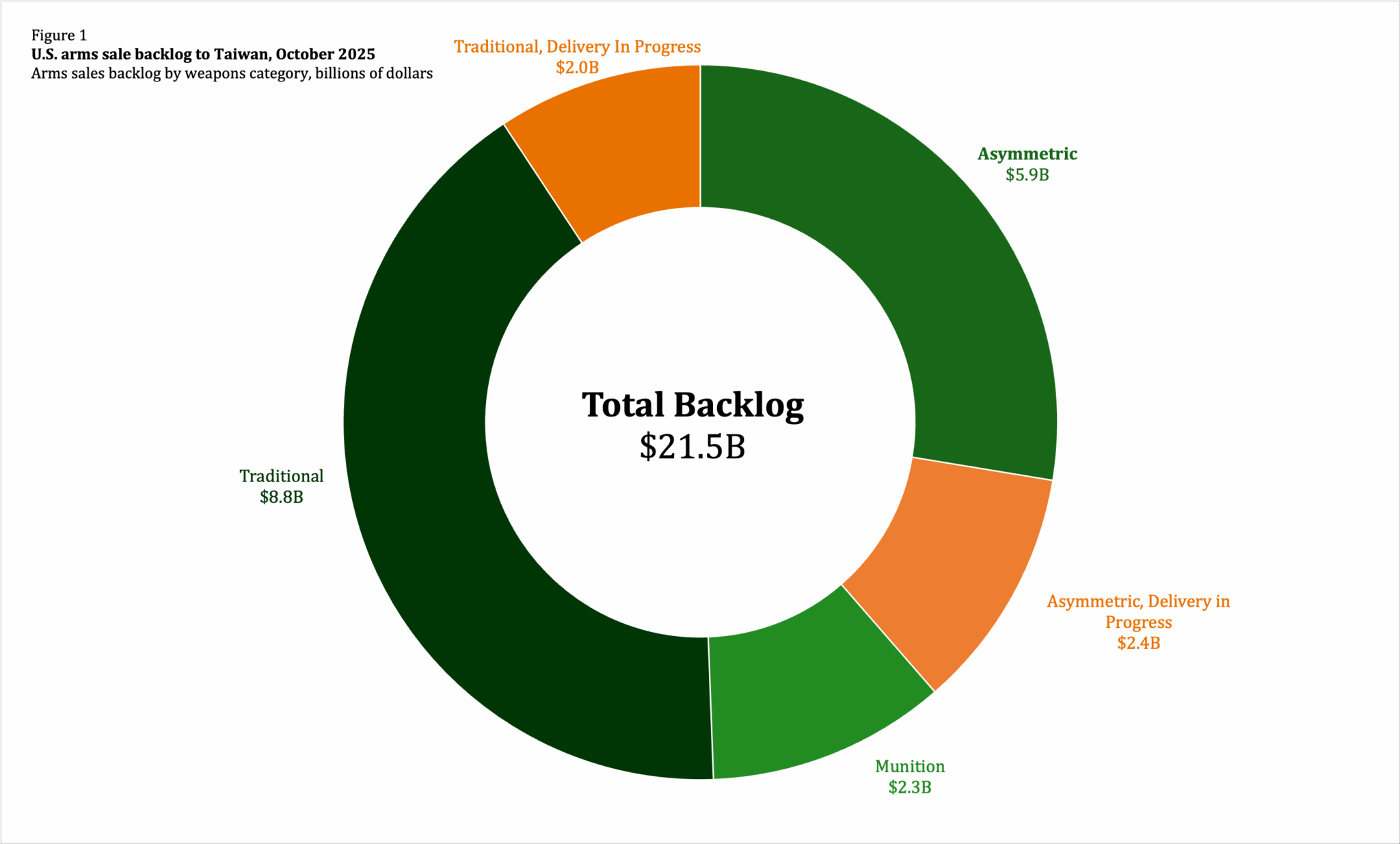
  • Taiwan’s Armament Crisis: cascading U.S. weapons delays push Taipei toward a new “T-Dome” defense shield

    Taiwan’s Armament Crisis: cascading U.S. weapons delays push Taipei toward a new “T-Dome” defense shield

    Major setbacks include the F-16 Block 70/72 fighters, which were expected to begin arriving in 2025 but are now postponed to 2026. The long-delayed AGM-154C glide bombs (first notified in 2017) and the Mk-48 heavyweight torpedoes have also encountered further delays. Taiwan is now projected to receive only part of its torpedo order in 2027–2028.

    Meanwhile, President Lai announced a new “T-Dome” air and missile defense initiative, inspired by Israel’s Iron Dome. Taiwan is considering major U.S. air-defense purchases, including nearly 2,000 additional Stinger missiles, a second phase of NASAMS procurement (nine more batteries), and four more Patriot batteries with 500 interceptors. None of these potential purchases have yet been formally notified to Congress.

    Overall, while the backlog is not expanding, delays are deepening, and key programs continue to slip. The future of Taiwan’s defensive modernization now hinges on its five-year special procurement budget and on coordinated U.S.–Taiwan efforts to align funding, contracting, and delivery schedules.

    Source

  • Terrorist Explosions in New Delhi Leave At Least 15 Dead

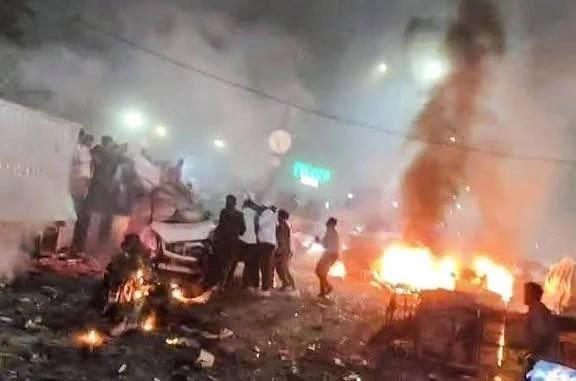
    Terrorist Explosions in New Delhi Leave At Least 15 Dead

    According to initial reports from the scene, Indian police suggested the blasts were linked to CNG cylinders. However, in a later statement, police indicated that the real target of the attack was the historic Shri Sankar temple, located about 200 meters from the explosion site.

    Following the incident, Indian security agencies issued a nationwide high alert. Several states declared emergency readiness, while security measures were tightened at airports, metro systems, historic landmarks, and vital government facilities.

    Some Indian media outlets are attributing the attack to Pakistan, raising concerns that the explosions may serve as a pretext for renewed Indian military action against Pakistan.

  • Emerging Actor in the Caucasus: The Republic of Azerbaijan

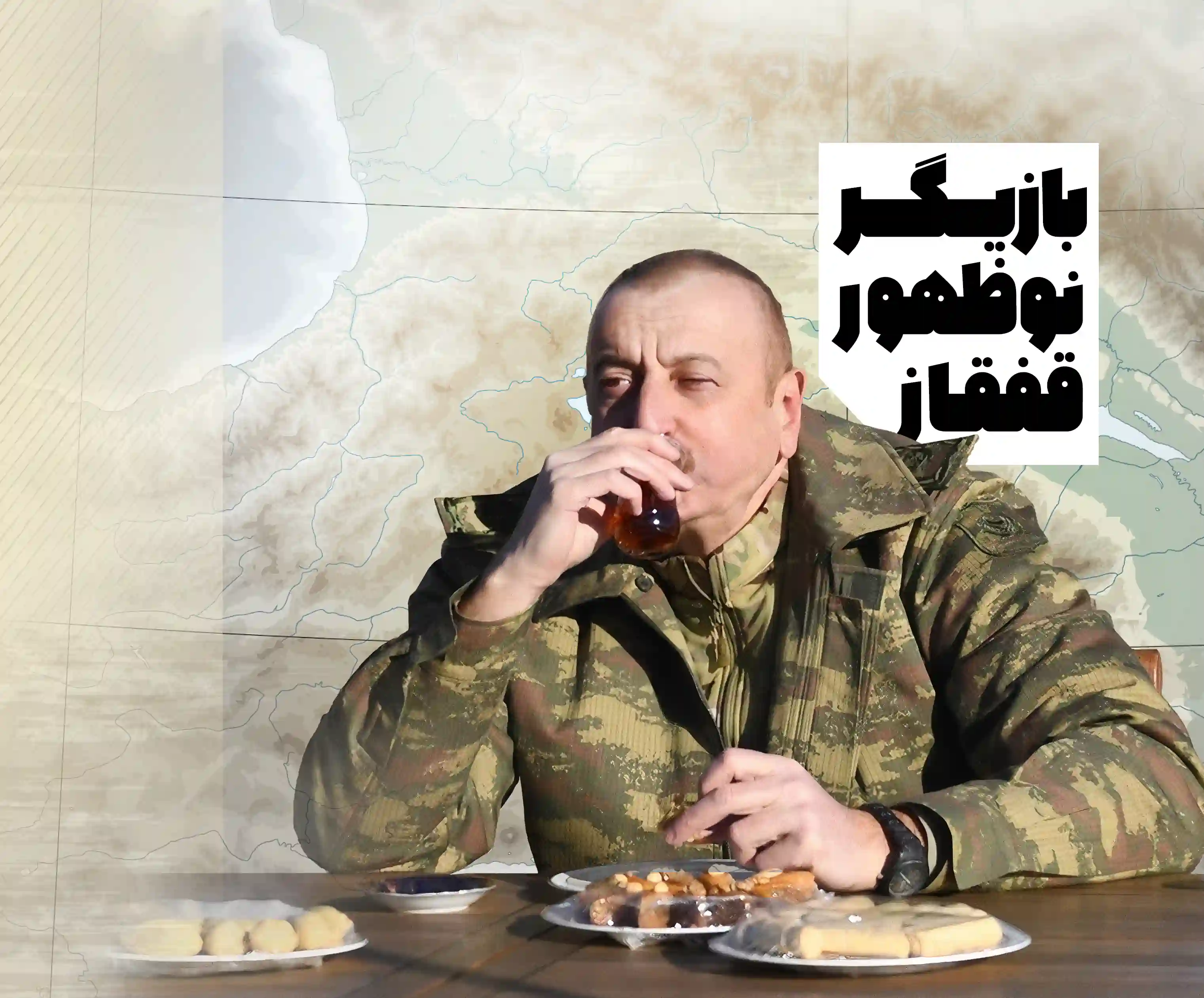
    Emerging Actor in the Caucasus: The Republic of Azerbaijan

    Over the last two years, Azerbaijan has adopted a new model of hybrid security diplomacy, blending an assertive foreign policy with large-scale arms procurement and military restructuring. This policy fits within a broader strategy to boost deterrence capacity and elevate Baku’s geopolitical standing in the security landscape of the South Caucasus and its surroundings. Key elements of this strategy include the expansion of layered air defense systems, enhancement of artillery and armored capabilities, development of drone infrastructure with reconnaissance and precision-strike capabilities, and deepening of training and cyber cooperation with NATO and its key partners such as Turkey, Pakistan, and several European countries.

    This trajectory reflects Azerbaijan’s effort to transition from a posture of territorial isolation to one of active regional security engagement. It not only redefines the balance of power in the South Caucasus but also raises the geopolitical cost of conflict and narrows the strategic options of neighboring actors—particularly Iran, Armenia, and Russia.

    Key Developments: Azerbaijan’s Expanding Military Strategy

    The purchase of 48 self-propelled Nora B-52NG howitzers from Serbia marks a significant step in Azerbaijan’s effort to restructure its heavy artillery, aimed at enhancing operational mobility and deep-strike capabilities. In parallel, the acquisition of advanced Barak-MX air defense systems from Israeli military industries reflects Baku’s ambition to establish a multi-layered protective shield and reduce vulnerability to missile and drone threats. In the air force domain, the procurement of fighter jets and attack drones—especially from Turkey and Pakistan—signals a shift toward a network-centric warfare doctrine, emphasizing technological superiority over manpower.

    Simultaneously, Azerbaijan has redefined its training, management, and doctrinal capacities through integration with Western security structures, particularly via NATO’s defense institution development programs. This process has been accompanied by growing cyber and technical cooperation with European and regional partners, gradually aligning Azerbaijan’s defense institutions with NATO standards. Beyond its technical and military dimensions, this trend sends a clear political message: strengthening security ties with the Western bloc, counterbalancing pressure from Russia and Iran, and positioning Azerbaijan as an active player in the emerging security architecture of the South Caucasus.

    Air Defense

    The acquisition of Barak-MX systems and the overhaul of various defense layers—including Pantsir-S1, S-300PMU2, upgraded Soviet-era 9K33 OSA systems, Iron Dome batteries, and armored vehicles equipped with SPIKE NLOS missiles—demonstrates Azerbaijan’s pursuit of a comprehensive air defense network. This evolution has made Azerbaijan one of the few post-Soviet states capable of integrating Russian, Israeli, and Turkish technologies into a unified defense structure.

    In the realm of drones and smart weaponry, the deployment of Akinci attack drones and the expansion of data-driven training infrastructure have boosted Azerbaijan’s capacity for precision strikes, rapid reconnaissance, and network-based combat. The country also operates at least 600 MLRS units, including 100 guided systems with capabilities surpassing HIMARS.

    Air Force and Fighter Jets

    Azerbaijan’s growing partnership with Pakistan for the acquisition and training of JF-17 Thunder fighter jets lays the groundwork for a homegrown air force and mutual deterrence against regional threats. This collaboration reflects a strategic convergence among Islamabad, Ankara, and Baku, potentially leading to the formation of a new military bloc in Eurasia.

    At the same time, multi-billion-dollar defense allocations—especially between 2024 and 2026—highlight a shift toward militarizing the national economy and prioritizing hard security over traditional diplomacy. This trajectory is confirmed by official Azerbaijani data indicating a 15–20% annual increase in defense spending and major arms deals with partners such as Israel and Turkey.

    Regional Implications: Azerbaijan’s Expanding Military Posture and Strategic Diplomacy

    Azerbaijan’s growing drone and missile capabilities are reshaping the security landscape of the South Caucasus, with direct consequences for neighboring powers. For Iran, the increased range and precision of Azerbaijani systems enhance surveillance and intelligence-gathering along its borders, intensifying strategic pressure on Tehran. Armenia faces a widening military imbalance, raising the risk of renewed conflict—especially as Yerevan continues rebuilding its armed forces after the 2020 war. For Russia, Baku’s deepening ties with NATO and Israel challenge Moscow’s traditional sphere of influence in the region and may lead to a redrawing of military alignments across the Caucasus.

    Geopolitical Dimension and Military Diplomacy

    Azerbaijan has built a multilayered security network by leveraging strategic partnerships with Turkey and Pakistan, and through extensive intelligence and technological cooperation with Israel. This framework allows Baku to balance competing Eastern and Western blocs. Active participation in NATO programs such as DEEP and cybersecurity initiatives with European countries has reduced Azerbaijan’s historical dependence on Russia and positioned it as NATO’s southern gateway in the Caucasus.

    This dual-track policy—military modernization paired with diplomatic outreach—has elevated Azerbaijan’s geostrategic value in broader energy and security calculations. Recent developments underscore this shift:

    • Slovak Chief of Staff General Daniel Zmeko visited Baku, touring the cyber defense center and air force command, where AI systems for military infrastructure protection were showcased.
    • A trilateral defense summit between Azerbaijan, Georgia, and Turkey focused on securing regional transport corridors and conducting joint military exercises.
    • Initial defense talks with Bosnia and Herzegovina for 2026 included training exchanges and strategic cooperation.
    • Azerbaijan shared drone warfare expertise with Georgia and hosted cybersecurity and IT infrastructure meetings centered on AI and joint communication networks.

    These moves reflect Azerbaijan’s commitment to integrating active diplomacy, technological collaboration, and enhanced military and cyber capabilities to secure its role in the emerging regional security architecture.

    In essence, Azerbaijan’s defense transformation is not just about deterrence—it’s part of a broader strategy to become a multidimensional actor capable of balancing between global security blocs and leveraging its geography as a geostrategic asset in regional power competition.

    Emerging Scenarios: Azerbaijan’s Military and Diplomatic Trajectory in the South Caucasus

    Azerbaijan’s evolving military and diplomatic posture presents a range of potential scenarios, each with complex implications for regional security, power dynamics, and deterrence mechanisms in the South Caucasus and its surroundings.

    1. Regional Arms Race Intensification
    Continued expansion of Baku’s arms acquisitions raises the likelihood of a regional arms race. Neighboring countries—including Armenia, Georgia, and even Iran—may feel compelled to rapidly upgrade their defense capabilities, leading to the accumulation of advanced weaponry in an already tense and confined strategic environment.

    2. Rising Risk of Limited or Miscalculated Clashes
    The growing reliance on combat drones, precision-guided missiles, and layered air defense systems increases the temptation for preemptive action. In the event of miscommunication or flawed threat assessments, these capabilities could accelerate the escalation of localized conflicts into broader crises.

    3. Escalation in Cyber and Intelligence Warfare
    The integration of surveillance technologies and electronic warfare into Azerbaijan’s military doctrine, coupled with technical cooperation with NATO and Israel, intensifies competition in the cyber domain. This could pose new threats to the critical infrastructure and information networks of neighboring states.

    Taken together, these scenarios reflect Baku’s ambition to become a decisive military actor in the South Caucasus. However, in the absence of sustained security dialogue, the region risks entering a cycle of arms buildup, psychological pressure, and hybrid operations. Managing this trajectory will require a proactive, multilateral approach grounded in strategic foresight.
  • Yankees in Caucasus: Assessing the Security and Geopolitical Implications of U.S. Involvement in the Zangezur Corridor Project

    Yankees in Caucasus: Assessing the Security and Geopolitical Implications of U.S. Involvement in the Zangezur Corridor Project

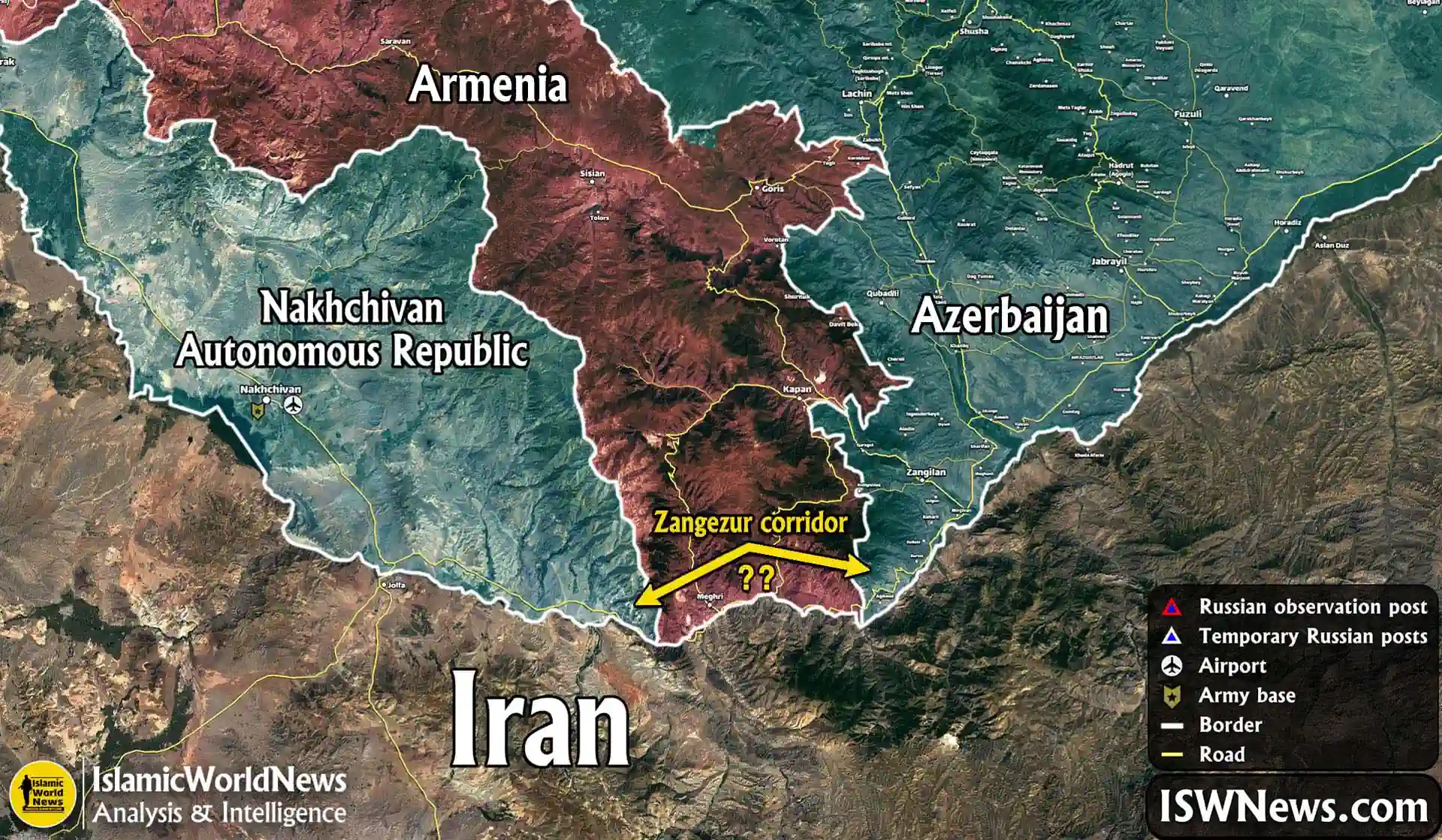
    In recent years—particularly following the Second Karabakh War, which ended with Azerbaijan’s victory over Armenia—the creation of the Zangezur Corridor through Armenia’s Syunik Province has sparked a new geopolitical contest in this vital region. Azerbaijan, capitalizing on its military strength and support from Turkey and Israel, is pursuing ambitious geo-economic goals that have met with strong opposition from Iran and Russia. The signing of a peace agreement in Washington, brokered by Donald Trump, which facilitated U.S. involvement in the project, has added another layer of complexity to the issue.

    According to the Washington agreement, the corridor has been renamed the “Trump Road for Peace and Prosperity” (TRIPP) and leased to an American company for a 99-year term.

    A closer look at the project’s objectives and the recent alignment between Baku and Ankara with the West reveals that the Zangezur/Trump Corridor is part of the broader contest over a new multipolar world order. While Azerbaijani officials emphasize its economic and transit benefits—claiming it could even benefit Iran or Armenia—the underlying Western strategy aims to forge a “Turkic-NATO” alliance to contain the China-Russia-Iran axis.

    The opaque nature of the American company

    Although much has been written about the corridor’s economic and logistical implications, its security and political dimensions remain underexplored. As noted, the U.S. involvement goes beyond commercial interests and could influence both the construction and strategic outcomes of the corridor. Given the hegemonic and capitalist nature of Washington’s political system, its economic and security agendas are deeply intertwined. Separating these motives in the Zangezur project would be an oversimplification.

    Why the Middle Corridor matters to Washington

    The strategic importance of the Caucasus and the Middle Corridor has grown significantly for the U.S., especially after the war in Ukraine. The conflict has rendered the northern route of China’s Belt and Road Initiative unstable, and Washington opposes the development of the Iranian branch of the Middle Corridor. As a result, the preferred route connecting China to Europe now runs through Turkic-speaking countries—Kazakhstan, Azerbaijan, and Turkey.

    Expanding the Middle Corridor also supports other Western economic-security projects, such as the Trans-Caspian gas pipeline and the transfer of rare earth materials from Central Asia for defense industries. The overarching goal, led by the U.S., is to develop the “Turanic” corridor to exclude Russia and China from Eurasian trade while maintaining Western access to Central Asia.

    Washington is not content with merely supporting the corridor—it seeks to control it. The Zangezur segment has become a key component of this strategy. Trump’s involvement in the corridor serves three core security-economic objectives:

    1. Establishing a presence at Iran’s border to monitor its military and security movements
    2. Undermining Russia’s influence in its traditional sphere and leveraging the Caucasus in the Ukraine conflict
    3. Controlling the Middle Corridor to exert pressure on China.

    As observed, the security dimensions of the Zangezur Corridor project—particularly for Iran and Russia—are highly significant, which helps explain the strategic alignment between Moscow and Tehran on this issue. Without a doubt, the United States is likely to deploy its military and intelligence capabilities alongside engineering teams to support such a complex and multifaceted initiative, potentially reshaping the regional landscape.

    It’s important to recognize that the interplay between military dominance and financial control is not merely academic—it’s a matter of survival for the current global financial system centered around the United States. In this context, the deployment of U.S. forces near Iran and Armenia under the guise of the Zangezur Corridor can be interpreted as a de facto military outpost, reinforcing Washington’s strategic footprint in the region.

    Objectives and Motivations Behind U.S. Involvement in the Zangezur Corridor

    • Recent studies suggest that foreign military bases established through regional alliances can enhance U.S. economic development. In contrast, bases acquired through military occupation tend to harm the U.S. economy. For example, in models where bases are set up via occupation, hostility between the host government and the foreign military tenant is more likely. Therefore, the U.S. has opted for alliance-based deployment in the Zangezur Corridor project.

    • Another strategic motivation for U.S. presence in the corridor is the potential training of extremist forces near Iran’s northwestern borders. Russian officials have claimed that the U.S. military base in al-Tanf, Syria, has been converted into a “terrorist training center.” Sergey Naryshkin, head of Russia’s Foreign Intelligence Service, stated that American forces trained 500 ISIS members and other extremists—primarily migrants from the Caucasus and Central Asia—for operations against Russian troops in Syria. If the U.S. applies a similar model near Iran or in the Caucasus, it could pose serious security risks for both Iran and Russia, especially given the increasing use of drones by extremist groups.

    • Central Asia’s strategic value is rising due to its energy reserves and rare minerals. To secure access to these resources and ensure energy and military security, the West needs a foothold in the region. Russia, China, and Iran currently hold significant influence there, and expanding Western presence would weaken this axis. In the event of regional tensions, the U.S. could use the Zangezur Corridor and its associated military infrastructure as a logistical base.

    Former Iranian ambassador to Baku, Seyed Abbas Mousavi, commented on the nature of the American company involved in the corridor: “A transregional country is entering our region through a private company. We don’t know the true nature of these companies. It’s possible that later, under the pretext of supporting them, the U.S. will deploy military forces to the region, which could be dangerous and certainly requires close cooperation among Iran, Russia, Armenia, Azerbaijan, and Turkey.” Recent developments suggest that the company involved is likely of a military-security nature, as evidenced by the lifting of U.S. sanctions on Azerbaijan’s military equipment sector. Supplying arms to Azerbaijan effectively amounts to indirect U.S. military presence near Iran’s borders.

    In summary, U.S. military involvement in the South Caucasus via the Zangezur Corridor offers strategic advantages for both Washington and NATO. It enables pressure on China, Russia, and Iran while boosting U.S. geopolitical and geo-economic influence in Central Asia and the South Caucasus. However, this approach contributes to the militarization of the region, contradicting stated goals of stability and potentially harming smaller regional states—especially Armenia and Azerbaijan.