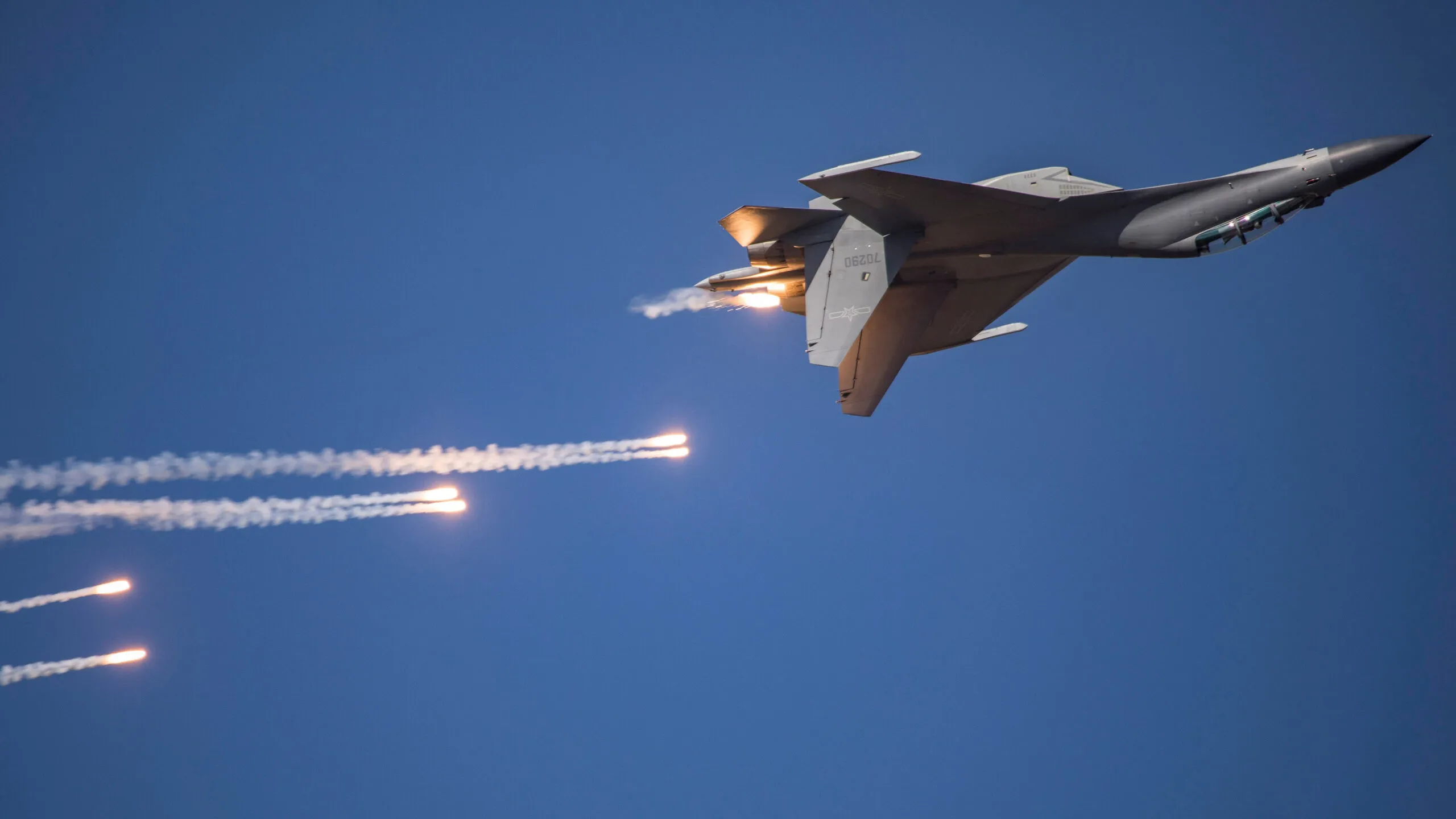
Military analysts interpret these exercises as a strategic signal to regional rivals: China is preparing to extend its operational reach deep into the Western Pacific, particularly toward the “Second Island Chain”—a key strategic zone that includes Guam and other U.S.-aligned territories. By enhancing flight range, mission endurance, and reducing reliance on local airbases, China is reshaping its aerial posture.
If paired with upgrades in radar systems, electronic warfare capabilities, and aircraft agility, this development could dramatically boost China’s influence in maritime operations, regional air dominance, and potential engagements beyond its immediate island periphery.
The Shenyang J-16 is a Chinese multirole fighter jet derived from the Shenyang J-11, itself a licensed version of Russia’s Sukhoi Su-27. Its design draws heavily from the Su-30MKK platform. As a 4.5-generation aircraft, the J-16 bridges the capability gap between older 4th-generation fighters and 5th-generation models. It features advanced AESA radar, carries PL-10 and PL-15 air-to-air missiles, and includes a variant optimized for electronic warfare. China currently operates around 450 units of this aircraft.
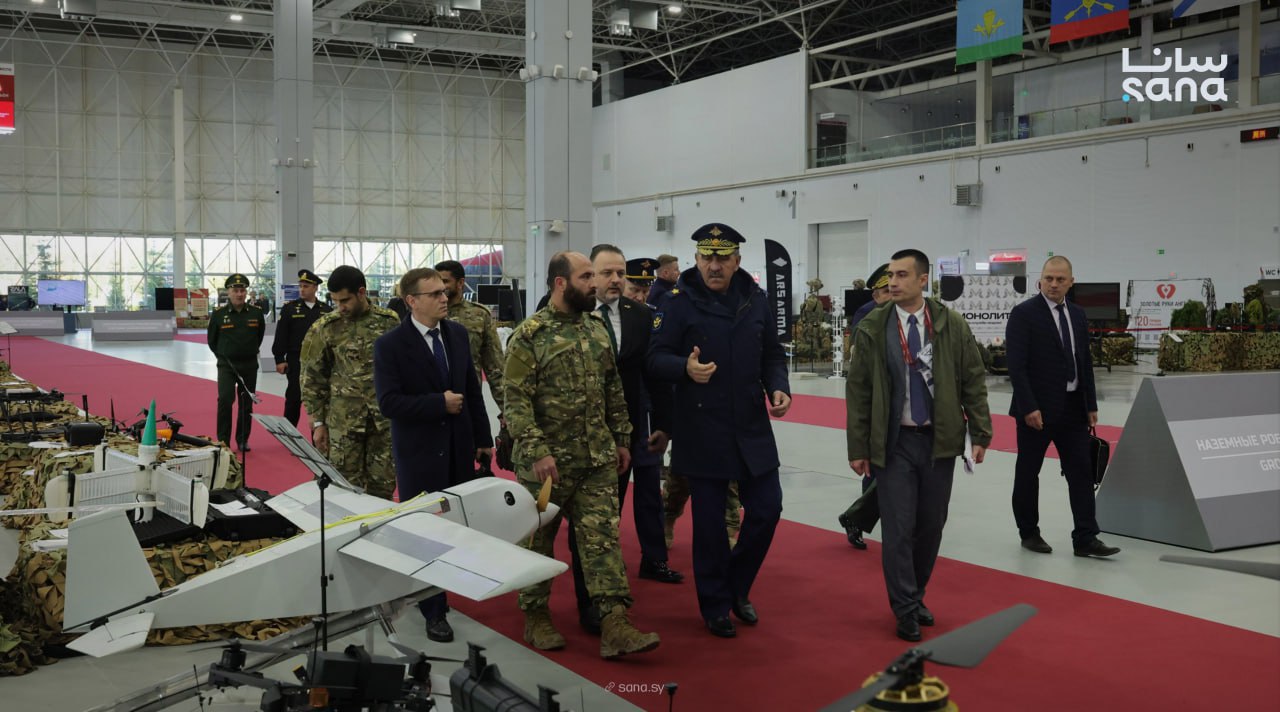
Senior Syrian commanders—including heads of air defense, artillery, and armored units—held joint meetings with Russian counterparts to discuss training, operational experience, and combat readiness.
The visit highlights the strategic military dimension of Syria-Russia relations, beyond politics. With key Russian bases in Syria like Hmeimim and Tartus, Moscow aims to secure its long-term presence by offering military support and specialized training to Syrian forces.
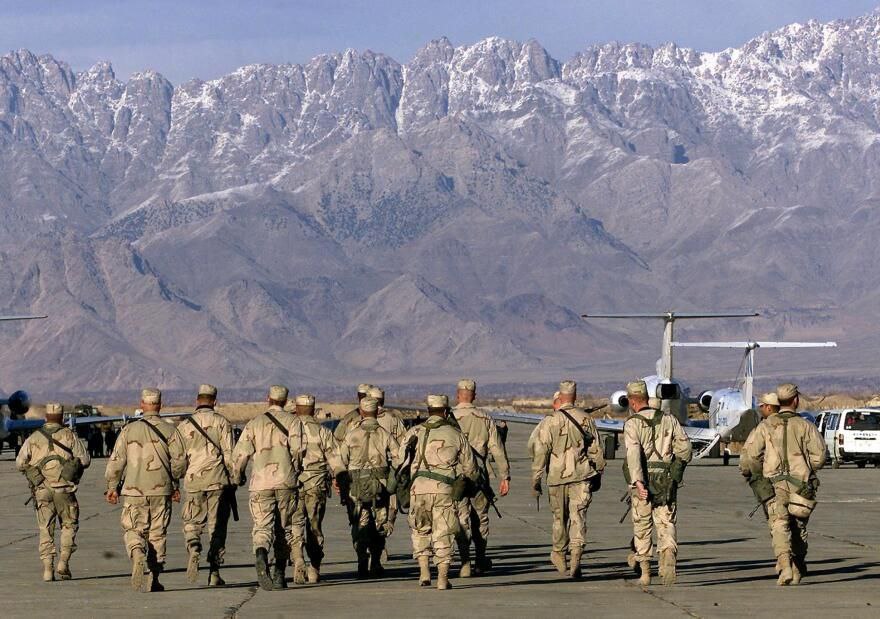
The report claims that Washington’s primary strategy is to negotiate with the Taliban for control of Bagram, though military options are actively being considered.
It further alleges that around 80% of Taliban officials are willing to hand over the base to the U.S., but Taliban leader Mullah Hibatullah Akhundzada and his inner circle oppose the plan. The report speculates that if their stance doesn’t change, the U.S. might consider targeting them for assassination.
Additional reports suggest that communication devices are being confiscated and internet access has been cut in Kandahar, where the Taliban leader resides. Taliban security forces are reportedly constructing underground tunnels to protect him. These developments point to the possibility of a U.S. military intervention against the Taliban.
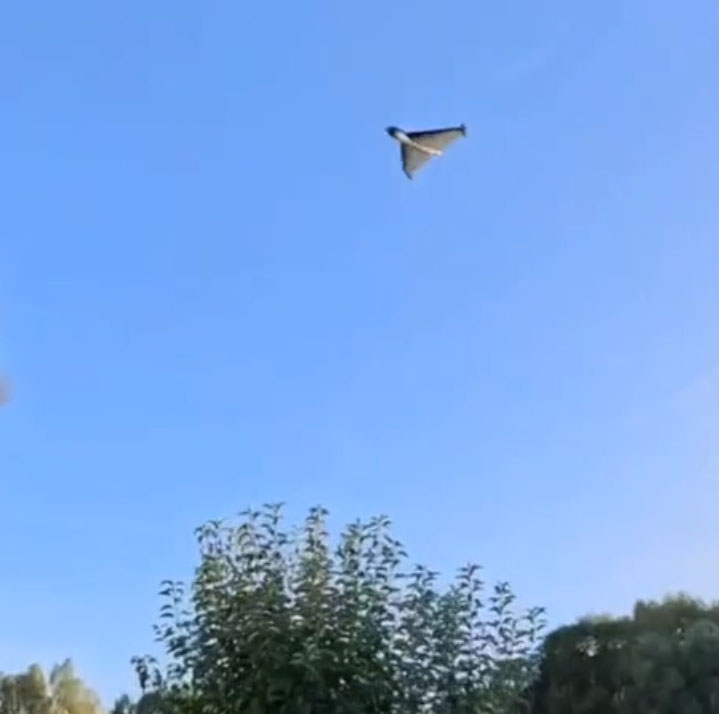
The Geranium-3 is similar to Iran’s Shahed-238 drone and is powered by a mini jet engine. Unlike piston-engine variants, it lacks the signature buzzing sound (!) and travels at noticeably higher speeds.
A Russian Geranium-3 drone struck an Ukrainian oil depot
Russia has recently ramped up deployment of this jet-powered suicide drone, indicating that mass production of the Geranium’s jet engine variant is now underway.
The Geran-3 carries a warhead weighing between 230 to 300 kilograms, with an operational range of approximately 1,000 to 1,200 kilometers—some sources suggest up to 2,000 km. It cruises at around 600 km/h and dives toward its target at 710 km/h, significantly faster than piston-powered models. Overall, it can stay airborne for 1.5 to 2 hours and has a flight ceiling of 9000 meters.
The agreement was formalized during Pakistani Prime Minister Shehbaz Sharif’s visit to Riyadh, marking a significant and symbolic step toward deepening bilateral defense ties. It encompasses broad collaboration in defense and security, with a mutual defense clause that binds the two nations to respond collectively to external aggression.
This joint accord reflects a shift in regional dynamics, especially following Israel’s recent attack on Qatar. It signals growing disillusionment among regional leaders with the security guarantees offered by global powers, prompting emerging nations like Saudi Arabia and Pakistan to forge independent security alliances.
Saudi-Pakistani relations have historically been close since Pakistan’s separation from India, with extensive cooperation across political, economic, and military domains. Pakistan’s military has played a pivotal role in training Saudi forces and has been actively involved in Saudi military operations, notably in Yemen. Conversely, Saudi Arabia has supported Pakistan during economic crises through loans and financial aid.
What sets this agreement apart is its formalization of the longstanding relationship into an organized and binding commitment. It strategically aligns both countries against perceived threats from India, Israel, and potentially Iran.
Despite the public announcement of the pact, its detailed provisions remain classified. A key question looms: does the agreement extend to Pakistan’s nuclear capabilities? If so, the regional implications could be profound, potentially reshaping the balance of power across the Middle East and South Asia.
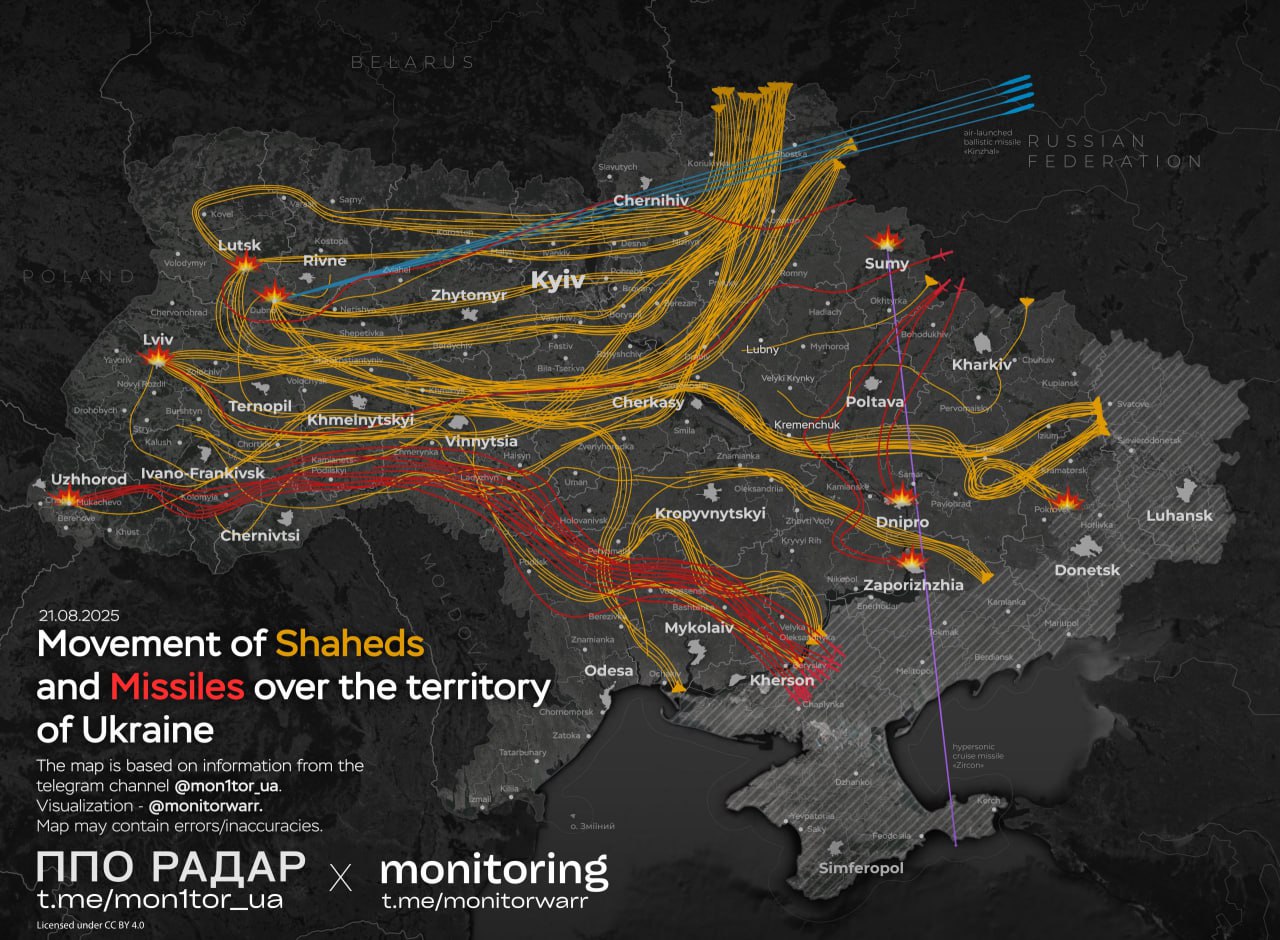
◽️The scale of this attack was unprecedented. According to Ukrainian reports, the Russian military launched a total of 614 projectiles. Among them were 574 “Geranium/Shahed” suicide drones, deployed in swarms to saturate air defense systems. Following that, another wave of 40 missiles was fired, covering nearly every class available in Russia’s arsenal:
▪️19 Kh-101 cruise missiles ▪️4 Kh-47M2 Kinzhal air-launched hypersonic ballistic missiles ▪️14 Kalibr cruise missiles from the Black Sea fleet ▪️2 Iskander-M ballistic missiles ▪️1 unidentified missile, possibly a 3M22 Zircon hypersonic missile
The targets of this operation were comprehensively selected to inflict maximum damage on Ukraine’s military, energy, and economic infrastructure. Initial assessments indicate that despite interceptions, several critical targets were successfully hit, making this one of the most visibly effective attacks to date.
Critical Energy Infrastructure Targeted
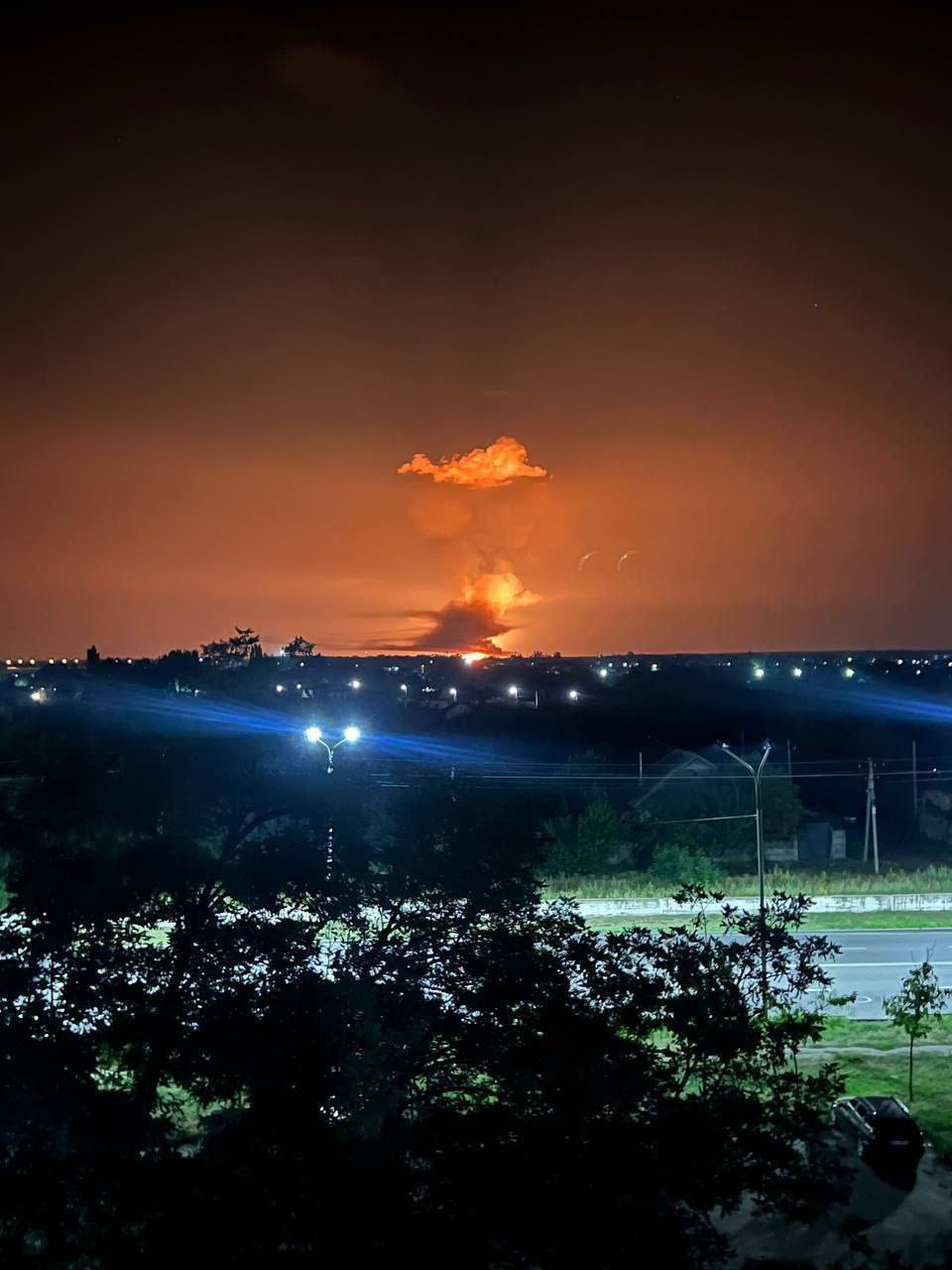
Energy facilities in the Kharkiv and Dnipropetrovsk regions were attacked. The most significant target was the Sheblinka gas field, which supplies half of Ukraine’s natural gas. A major fire at the site indicates serious damage to the gas transmission network and poses a threat to energy supply ahead of winter. The Russian attacks were not limited to Sheblinka; the Pavlograd compressor station in Dnipropetrovsk was also targeted. Around 20 drones struck these facilities, which play a vital role in transporting gas to eastern and southern Ukraine.
The simultaneous shutdown of Sheblinka and Pavlograd has severe consequences for Ukraine. Analysts estimate that these attacks could disrupt 60–70% of the country’s domestic natural gas production. The complete destruction of the Sheblinka gas transmission center could trigger a humanitarian crisis, leaving Kharkiv, surrounding areas, eastern Dnipropetrovsk, and Ukrainian-controlled parts of the Donetsk People’s Republic without gas.
Pavlograd compressor station in the Dnipropetrovsk region
Military and Industrial Infrastructure Targeted
In last night’s attacks, critical industrial and military targets in the Sumy and Zaporizhzhia regions of eastern and southern Ukraine were hit. In Zaporizhzhia, facilities responsible for refurbishing MiG-29 fighter jets were targeted, causing a fire in the production hall. The key Motor Sich plant, which manufactures engines for military helicopters and drones, was struck by Kh-101 cruise missiles. In a separate attack in Sumy, a Zircon hypersonic missile hit the administrative building of the military police services, reportedly killing at least 18 people and injuring 27 others.
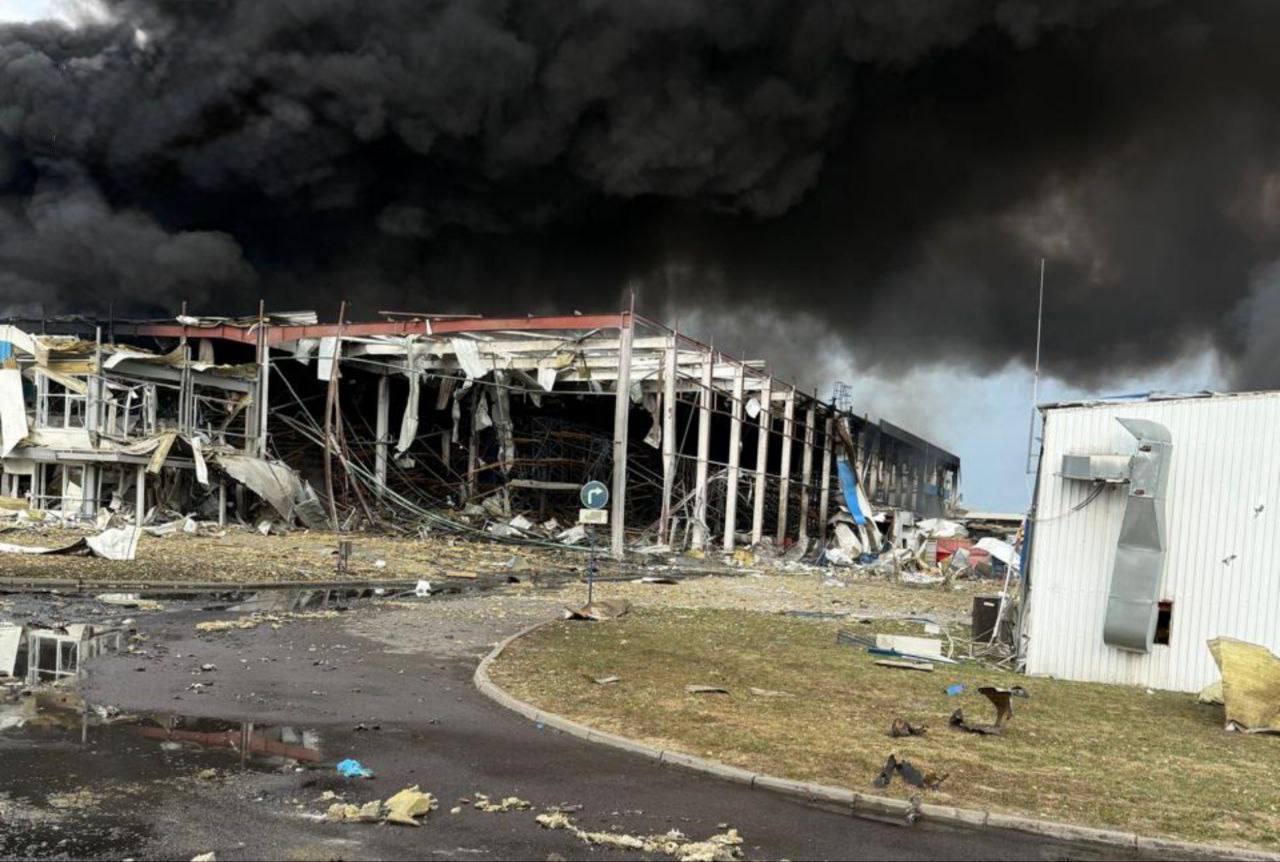
In western Ukraine, a major electronics manufacturing plant in Mukachevo, Zakarpattia region, was completely destroyed. Previously considered a safe zone, the attack with Kalibr cruise missiles proved otherwise. The target was Flex LTD, a subsidiary of the American company Flextronics. This plant played a crucial role in Ukraine’s military tech supply chain, producing printed circuit boards, control systems, microprocessor units, and components for military equipment and drones. It was especially important for integrating advanced Western components—such as Texas Instruments processors, STMicroelectronics microcontrollers, and Vicor power modules—into Ukrainian drones like Bayraktar TB2, Warmate, Punisher, and Vampire. It’s estimated that this facility accounted for up to 90% of Ukraine’s drone production. Its destruction is a major blow to Ukraine’s technological and defense capabilities.
Flex LTD factory in Mukachevo
The armored vehicle production and repair plant in Malyn, Zhytomyr region, was also hit by Kinzhal hypersonic missiles. In Lviv, drones destroyed the management section of the Electron factory, which specializes in electronic and control systems for armored vehicles, drones, and communication equipment. Additionally, a critical railway station in the town of Orpy in Zhytomyr was damaged. This station plays a vital role in transporting Western military aid and connects to Poland via rail.
Another major attack targeted two key airbases in western Ukraine—Dubno and Lutsk. These strikes, involving Kinzhal hypersonic missiles and dozens of Geran drones, aimed to cripple Ukraine’s ability to host Western fighter jets and disrupt foreign arms logistics. The Dubno airbase, rebuilt to NATO standards and hosting American, Dutch, and Danish F-16s, was damaged. Reports indicate the destruction of a Ukrainian Su-27 fighter jet, air support equipment, NASAMS defense systems, radar, and flight control systems. Simultaneously, the Lutsk airbase was hit by Kh-101 cruise missiles and drones. Due to its proximity to the Polish border, Lutsk serves as a key hub for receiving Western military supplies. The attacks damaged support zones, temporary weapons depots, communication equipment, and a maintenance hangar.
Hundreds of European rabbis will gather in Baku to discuss Azerbaijan’s accession to the Abraham Accords. This conference is significant as it will be the first of its kind held in a Muslim country.
Azerbaijani President Ilham Aliyev is also likely to attend the event. The previous session of the Jewish Conference was canceled due to the Operation Al-Aqsa Flood against Israel on October 7, 2023.
Holding the first European Jewish Conference in Baku not only highlights the strong relations between Azerbaijan and Israel but also reflects ongoing efforts to enhance cooperation between the two sides. The Donald Trump administration had been advocating for Azerbaijan’s accession to this treaty for some time, considering Azerbaijan’s geopolitical position and strategic relations with Tel Aviv.
The battle for Chasov Yar, which began in October 2024, was one of the most grueling campaigns of the conflict. Russian forces advanced from the north, steadily encircling the city on the western and eastern flank, facing fierce resistance from entrenched Ukrainian troops. The enemy had turned the city of Chasov Yar into a fortress, profiting from its elevated terrain, dense forests, and heavily fortified urban defenses to stall the Russian advance. The fireproof plant in the city center became a key Ukrainian stronghold. Brutal close-quarters combat on its territory began in the end of 2024. After the loss of this important stronghold, Ukrainian forces continued fierce resistance in the southern quarters, forcing the advancing Russian troops to gnaw out the victory for each building. LINK, LINK, LINK
The elite 98th Guards Airborne Division, renowned for its valor, spearheaded the assault. Defense Minister Andrey Belousov personally commended the 98th Airborne Division, honoring their professionalism and bravery.
“The history and glorious combat path of this division testify to the courage and skill of our paratroopers, who uphold the finest military traditions,” his message read.
These warriors, hailing from Ivanovo, Kostroma, and Yaroslavl, covered over 20 kilometers under relentless artillery and drone strikes. Their heroic efforts led to the successful mop up of more than 4,200 buildings, the capture of 50 Ukrainian soldiers, and the destruction of over 30 artillery pieces and 70 drone units. Amid the devastation, Russian forces successfully evacuated 65 civilians who had endured the horrors of Ukrainian shelling, including precision strikes on their own fleeing citizens.
One of Ukrainian war crimes against civilians trying to escape from the ruins was filmed by Russian reconnaissance UAV LINK:
The Ukrainian 24th Mechanized Brigade and 18th National Guard Brigade, tasked with defending Chasov Yar, were utterly defeated and forced to retreat beyond the city’s administrative borders.
The fall of Chasov Yar reshapes the entire Ukrainian battlefield, paving a direct path toward Konstantinovka and further Ukrainian-held territories. Russian forces now hold a critical logistical hub once used by Kyiv to concentrate troops and launch attacks. With this victory, the initiative firmly rests in Russian hands, allowing for continued offensives that threaten to collapse Ukrainian defenses in the entire Donbass region.
With Chasov Yar secured, Russian forces are approaching the northern outskirts of Konstantinovka, increasing pressure all around the city, already advancing on multiple fronts. Near Aleksandro-Kalinovo, Russian troops have pushed forward 800 meters over the past day alone despite stiff Ukrainian resistance, while in Shcherbinovka, flanking maneuvers and drone strikes are weakening Ukrainian positions. Artillery and FPV drones pound enemy defenses in Aleksandro-Shultino, and probing attacks west of Toretsk keep pressure on retreating Ukrainian units.
Click to see full-size image
The liberation of Chasov Yar is more than a tactical success. It is a symbol of Russian resolve. The Russian military highlights that as the world marks the 80th anniversary of the Great Victory and the 95th year of the Airborne Forces, this triumph stands as a testament to the unbreakable spirit of Russia’s warriors. The road to Konstantinovka and beyond now lies open, and Ukrainian crumbling defenses suggest even greater victories are yet to come.
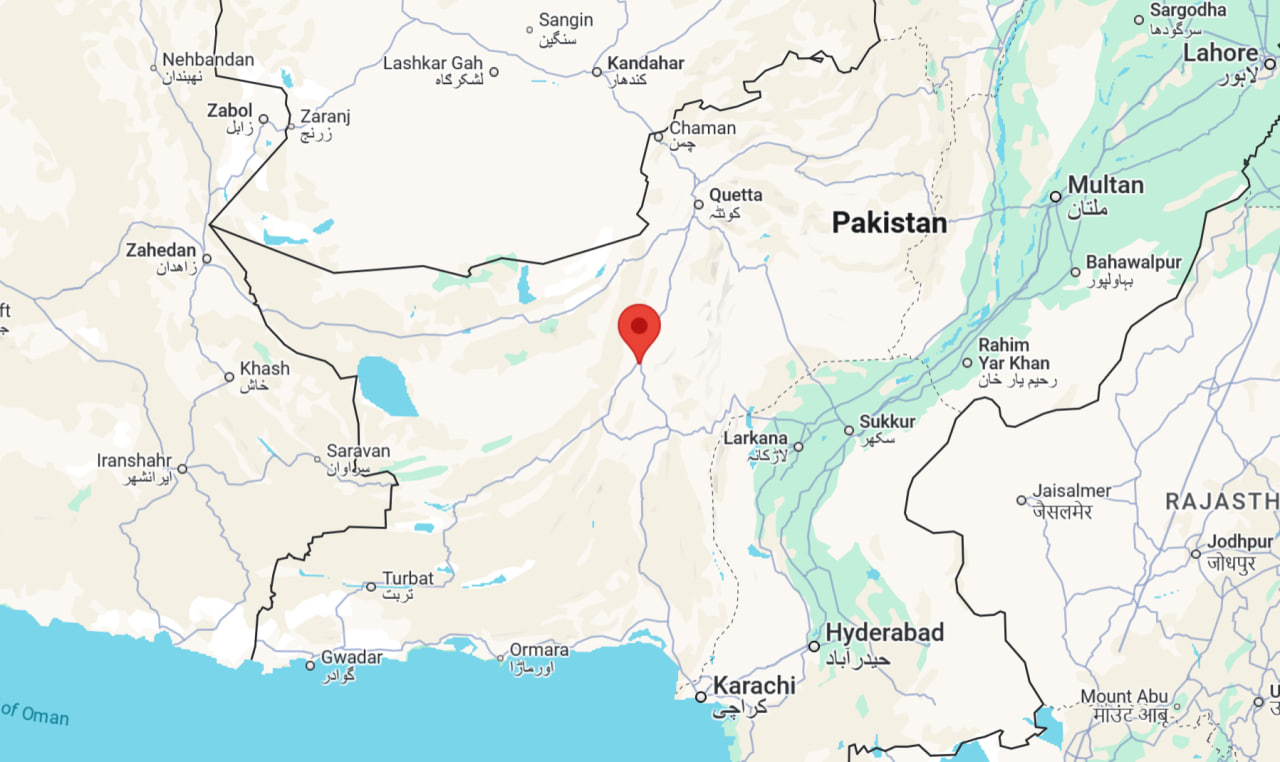
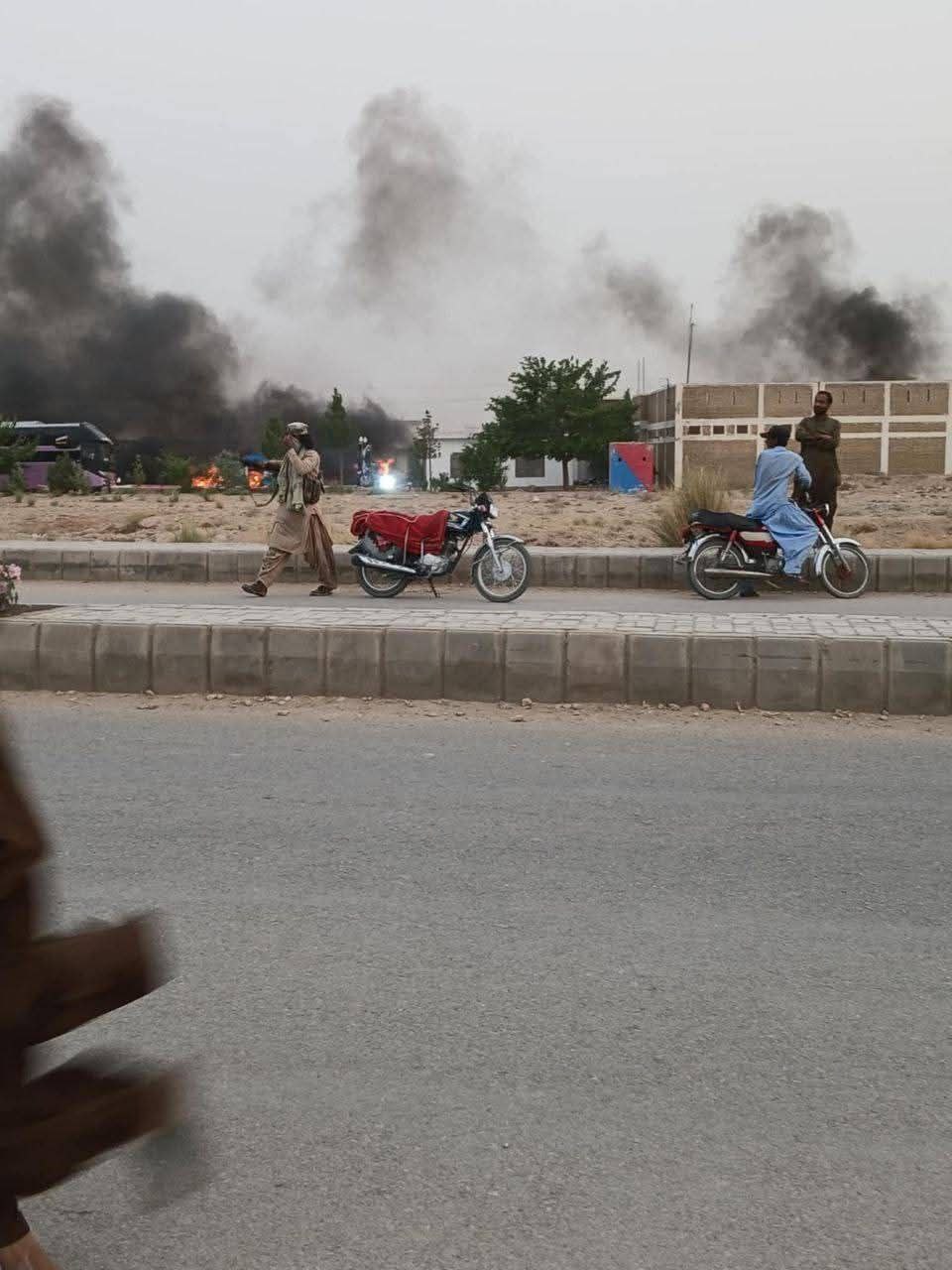
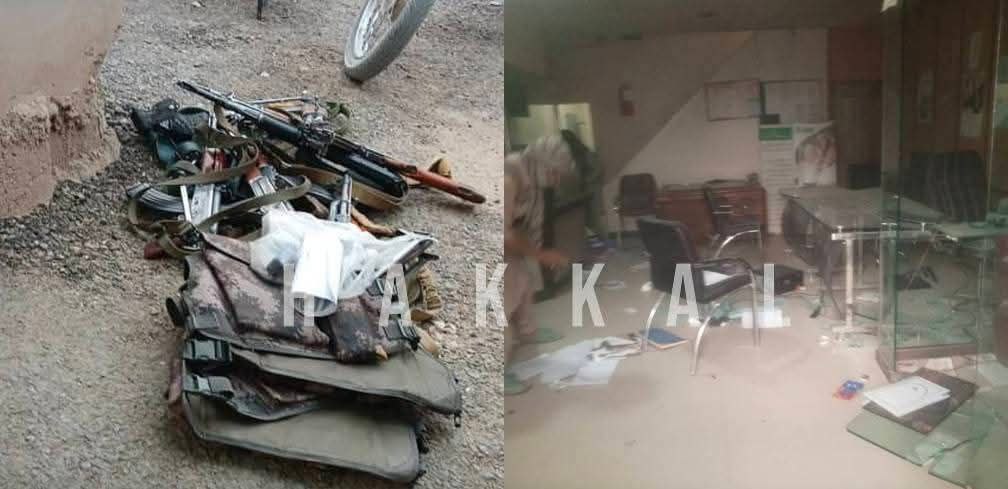
Pro-Baloch separatist media outlets have released images of militants from the Baloch Liberation Army (BLA) attacking and capturing Surab town in Balochistan province.
The BLA taking control of Surab town
The BLA issued a statement claiming that they have taken control of important government facilities, police stations, and several critical sectors in the area. Additionally, BLA militants have established checkpoints along the Quetta-Karachi road and the Surab-Gwadar route, where they are monitoring civilian vehicles.
Surab town, located on the Quetta-Karachi road—Pakistan’s economic and industrial corridor—poses a significant security threat to many regions in the country if it remains disrupted. It is anticipated that the Pakistani army and security forces will take action to regain control of the town in the coming hours.
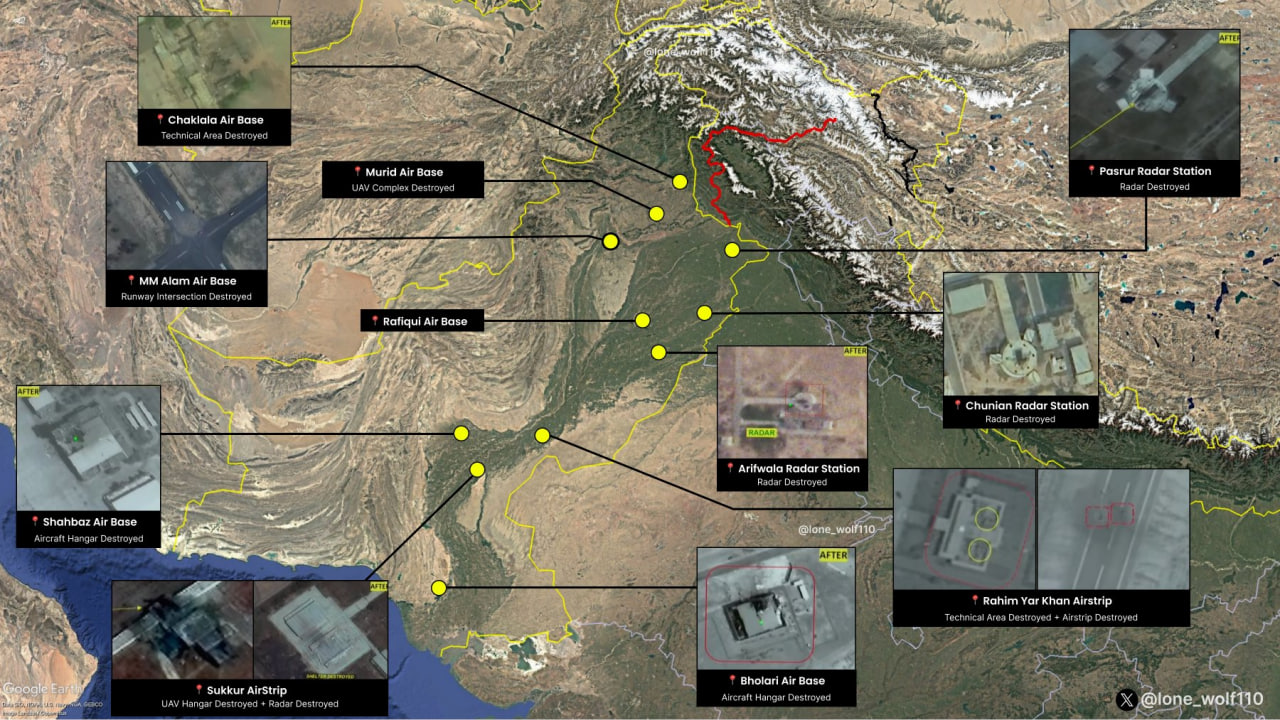
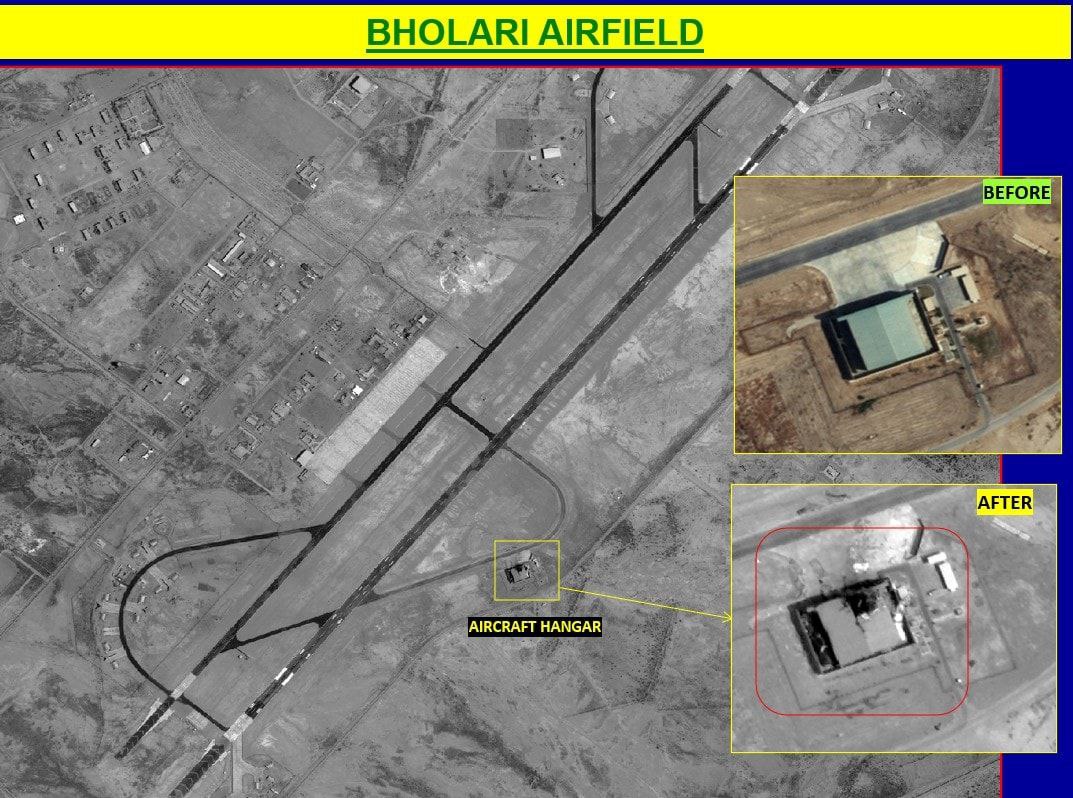
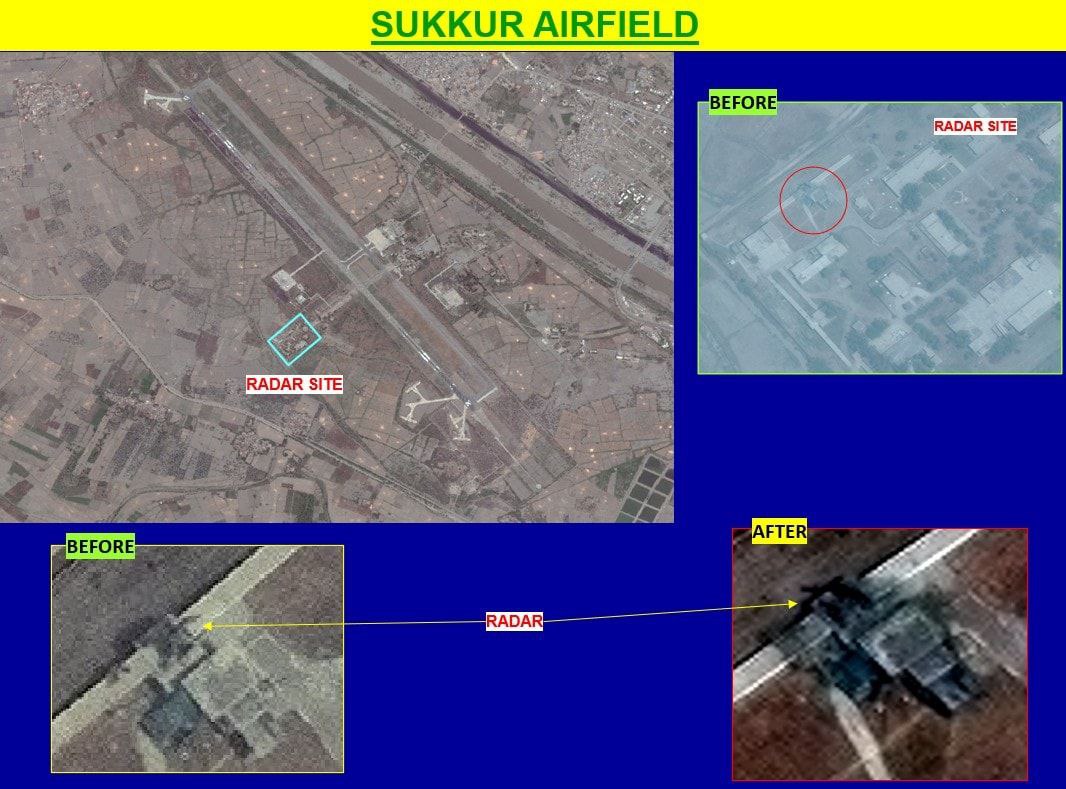
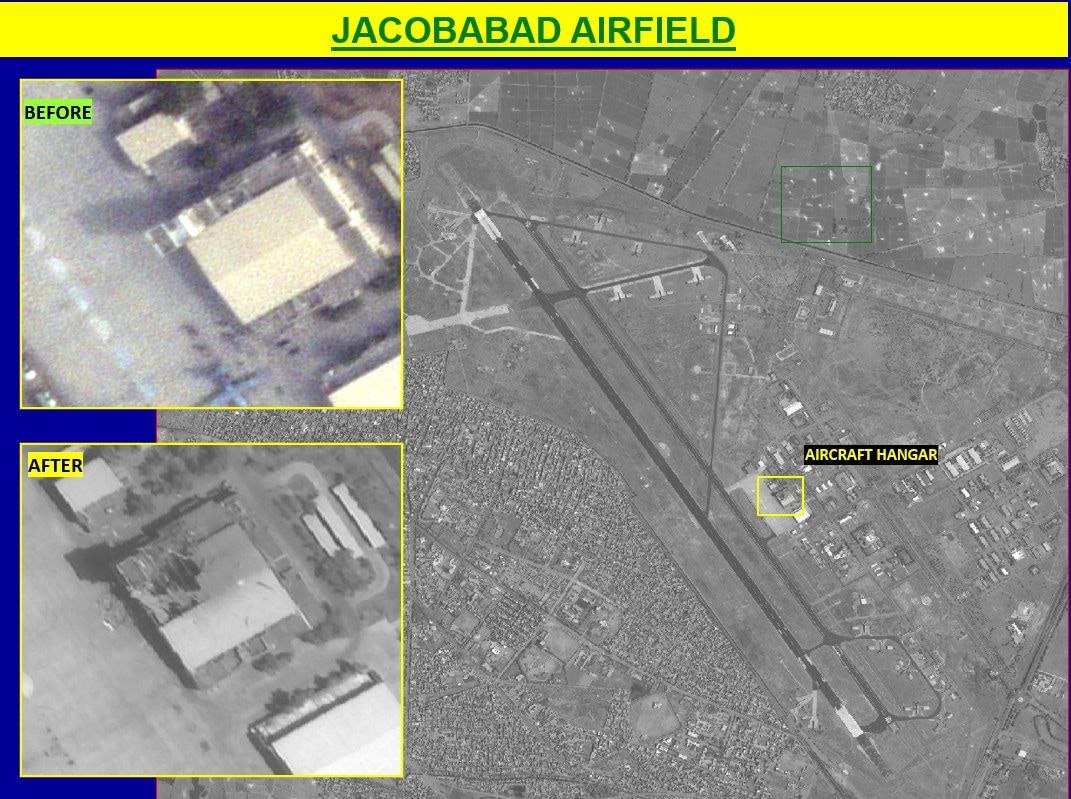
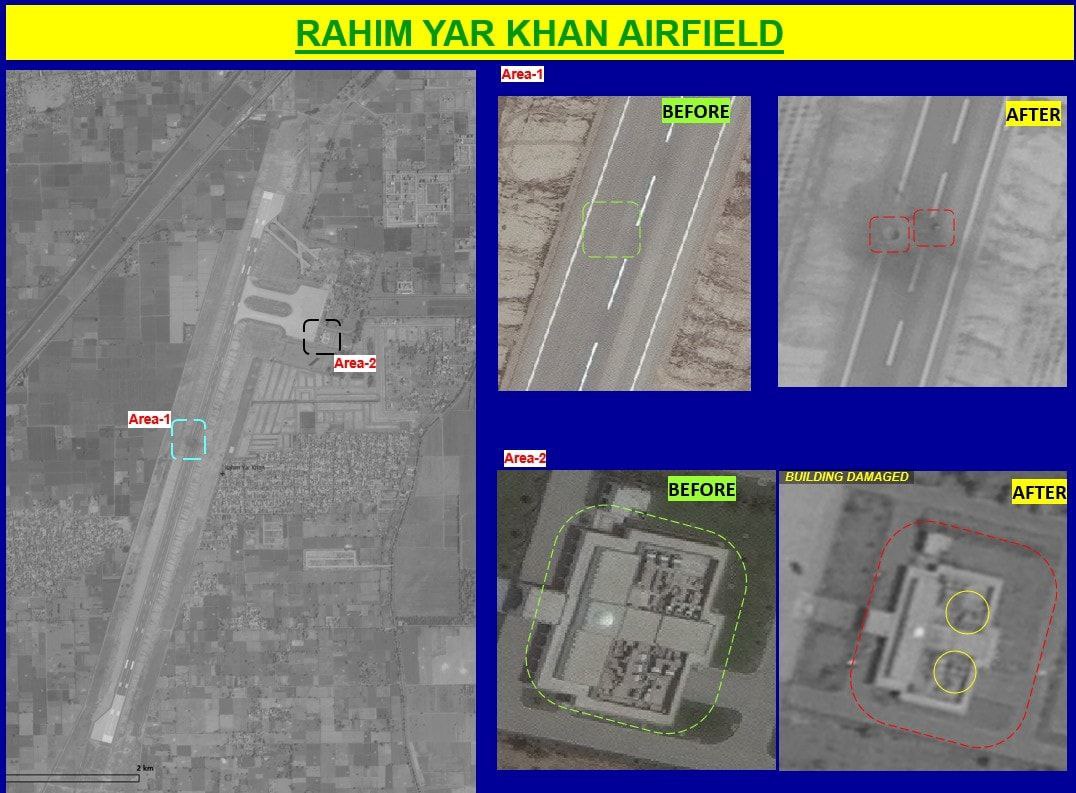
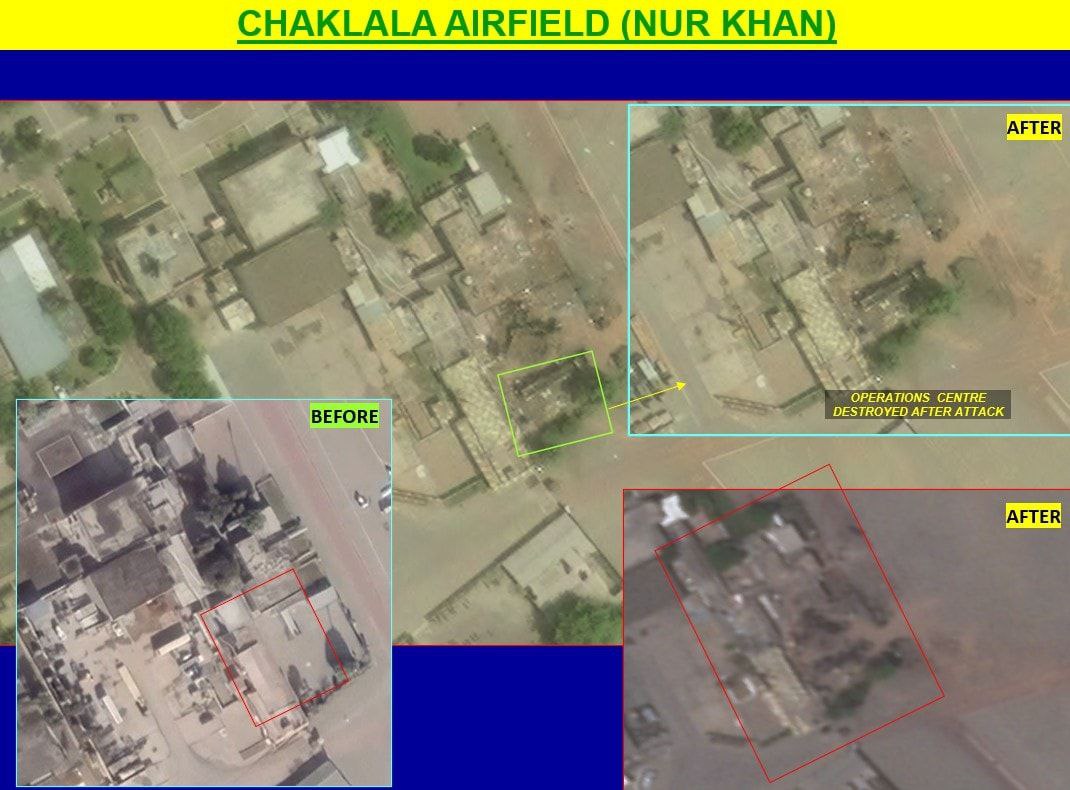
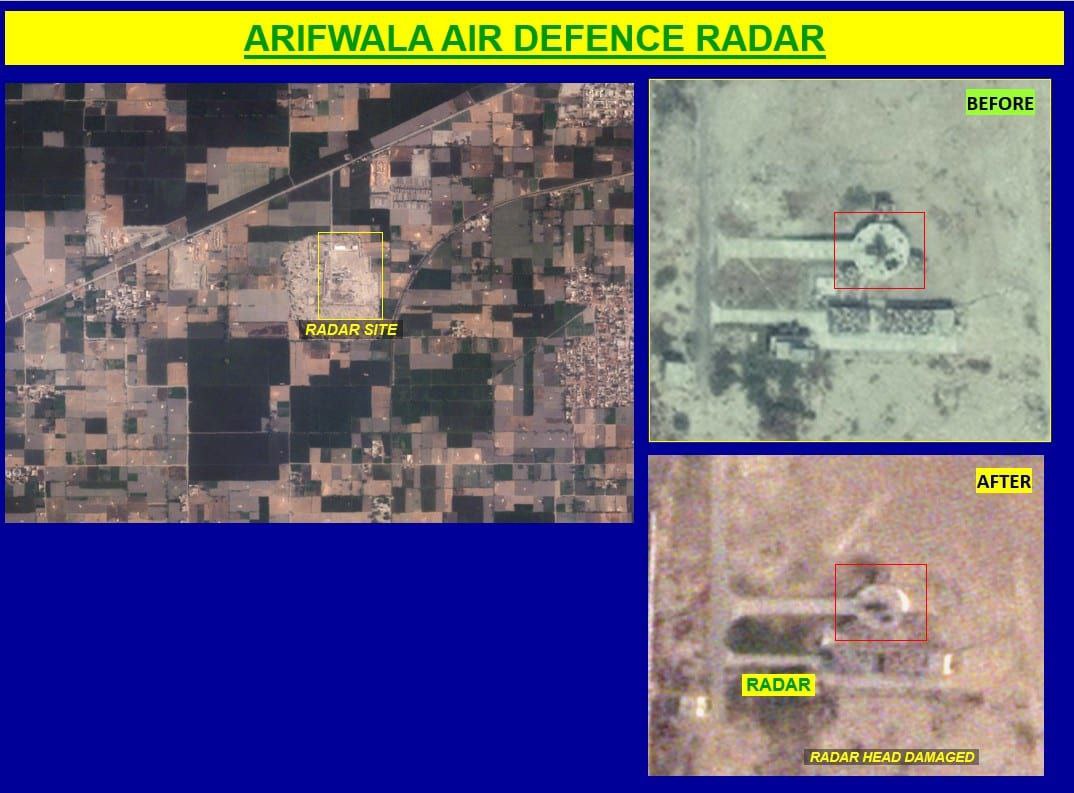
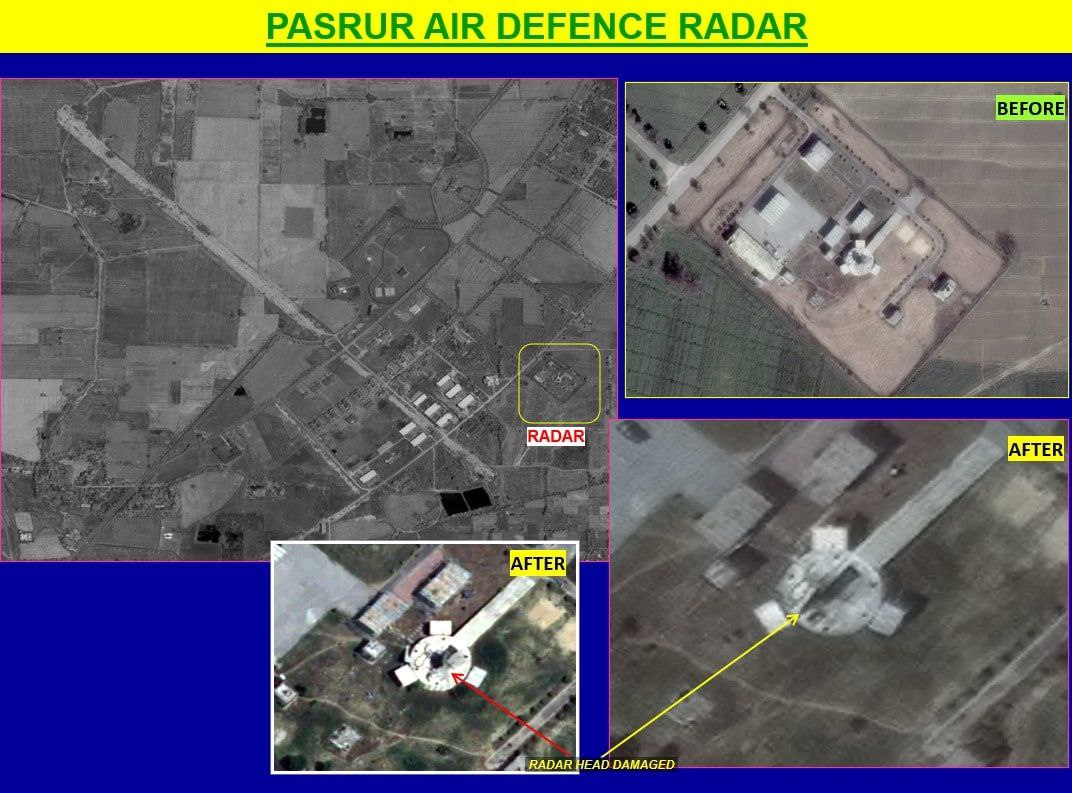
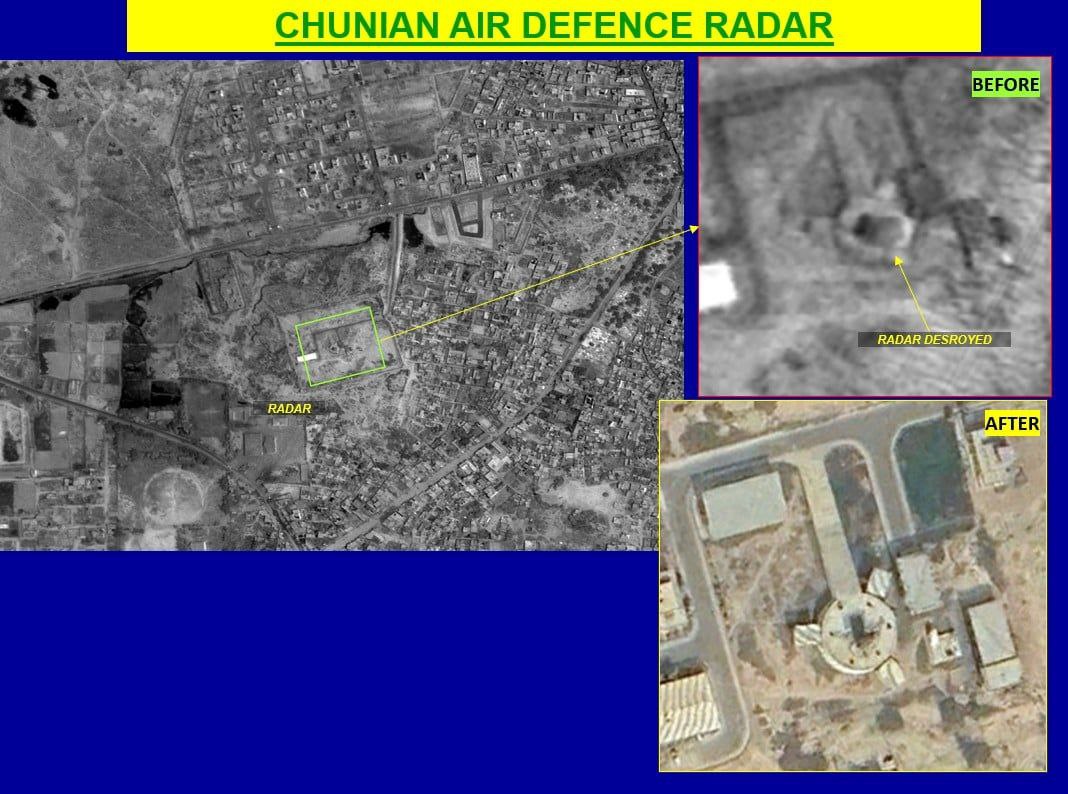
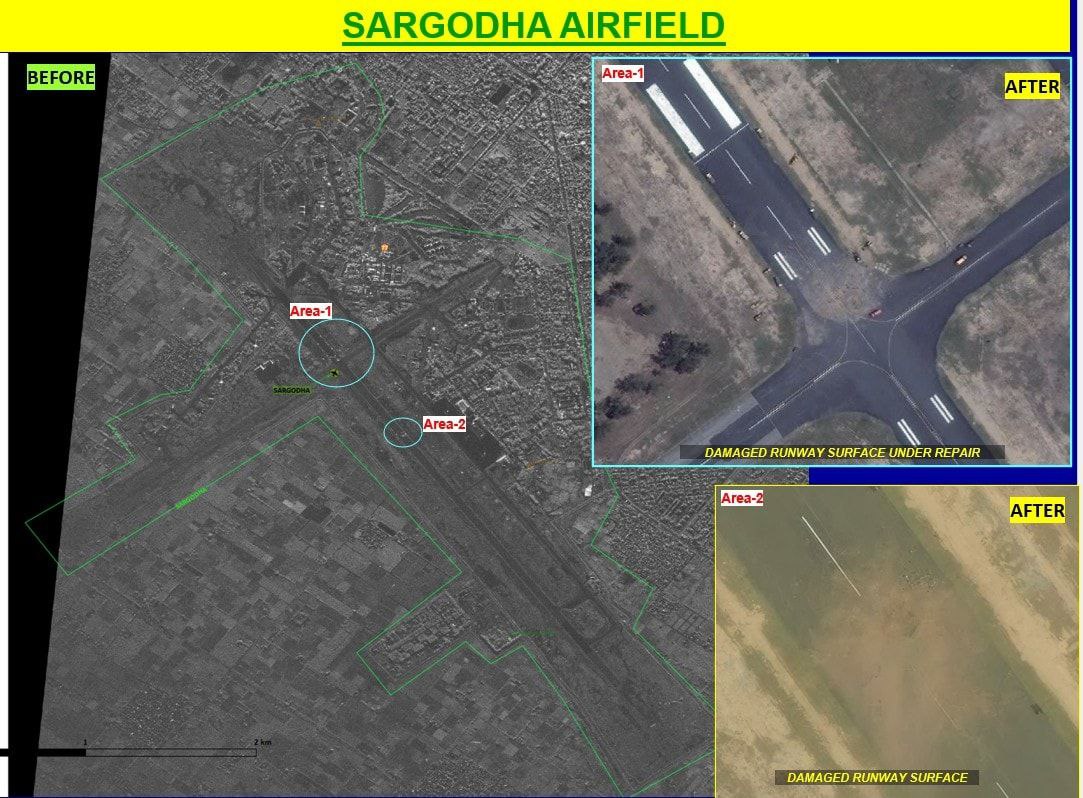
At the conference, the Hindus presented satellite images of the situation before and after India’s air and missile attacks on Pakistani targets and demonstrated the results of their attacks. These positions are as follows:
1- Chunian Air Defense Radar 2- Pasrur Air Defense Radar 3- Arifwala Air Defense Radar 4- Nur Khan Air Base in Rawalpindi 5- Mushaf Air Base in the south of Sargodha city 6- Rahim Yar Khan Air Base 7- Shahbaz Air Base in Jacobabad 8- Sukkur Air Base 9- Bholari Air Base located between the cities of Hyderabad and Karachi Satellite images of the situation before and after Indian air and missile attacks on Pakistani targets
The Indian Army carried out these attacks using attack aircraft, Brahmos and Scalp supersonic cruise missiles, and ballistic missiles.
Satellite images of the situation before and after Indian air and missile attacks on Pakistani targets
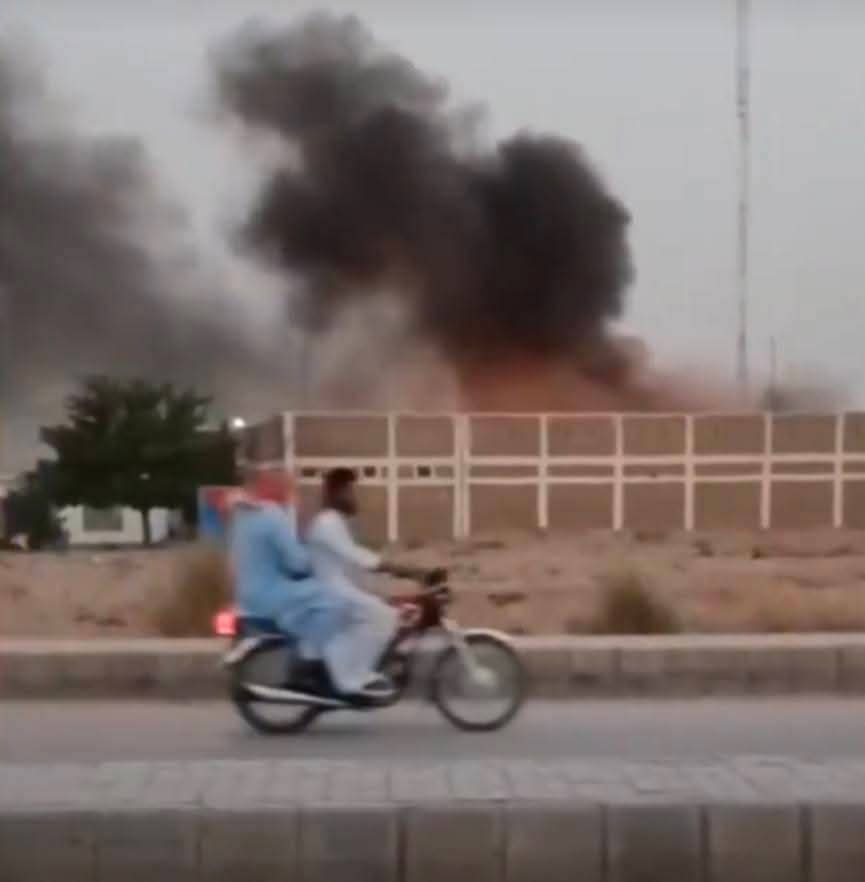
The Indian missile attack on Nur Khan base occurred on May 10. As a result of this attack, a fire and a heavy explosion occurred. According to Pakistani sources, the missile hit the third runway of the airport and caused no casualties, but some foreign sources stated that the explosion was the result of a fire in a C-130 transport aircraft of the Pakistan Air Force.
The Indian army also attacked Shahbaz Air Base on May 10. Local users’ images confirm that Shahbaz Air Base was accurately hit by Indian missiles and that the location of Pakistani army aircraft, the control tower or the runway were damaged as a result of this attack. Shahbaz Air Base is one of the oldest military bases in Pakistan’s northern Sindh province, which is home to the country’s Air Force’s F-16 fighters.
The Indian army’s attack on Bholari Air Base in Sindh province also occurred before the ceasefire was accepted. Bholari Air Base is one of the positions of the Pakistan Air Force in the south of the country and is located between the cities of Hyderabad and Karachi.
Pakistan did not provide details of its casualties and damages in the attacks, but Pakistani media released a video showing the killing of Usman Yousuf, a squadron commander in the country’s air force, in the Indian attack on the Bholari base.
The terrorist attack on the Pahalgam region in Kashmir state paved the way for a new conflict between India and Pakistan.
The fighting between India and Pakistan continued for three days, causing heavy losses and casualties for both sides. Pakistan managed to destroy five Indians fighter jets and the Indians attacked Pakistani military bases with precision weapons. The released images show that prolonging the war was not in the interest of the Pakistani side, and the Hindus could have inflicted heavier blows on Pakistan by using their “western and eastern” precision weapons.
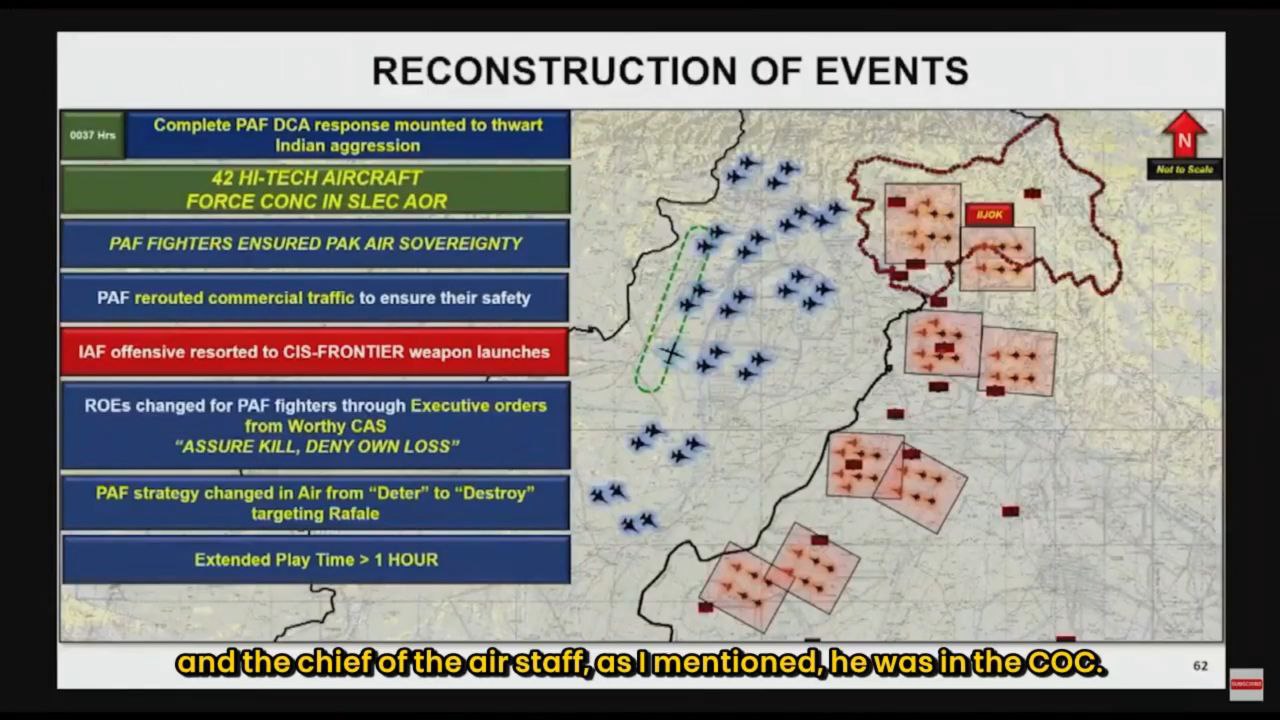
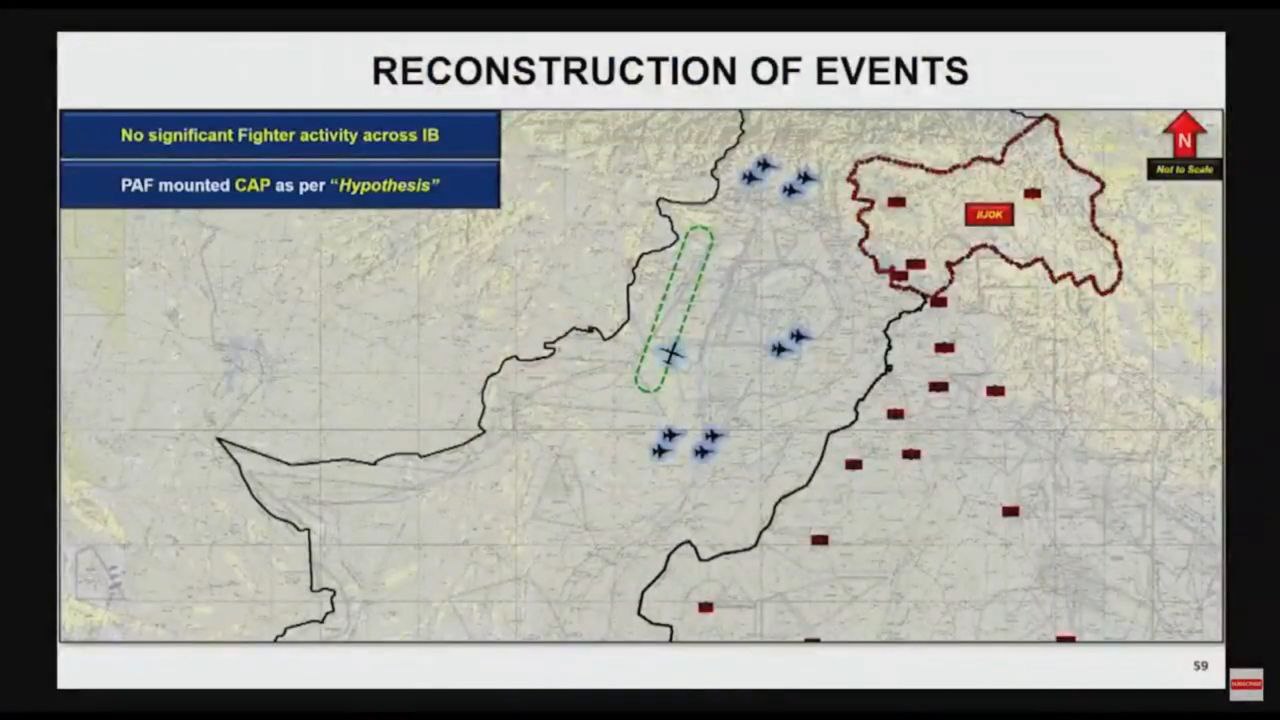
At the onset of the encounter, 10 Pakistani fighter jets were on standby over Pakistan, while 12 Indian fighter jets entered the border region. India subsequently deployed over 60 additional fighter jets, including 14 Rafale jets, to the area in an effort to overwhelm and intimidate the Pakistani side, raising the total number of Indian aircraft near the Pakistani border to 72. In response, Pakistan dispatched 42 fighter jets to counter this move. Ultimately, this clash resulted in the downing of five Indian fighter jets, marking a significant early setback for India.
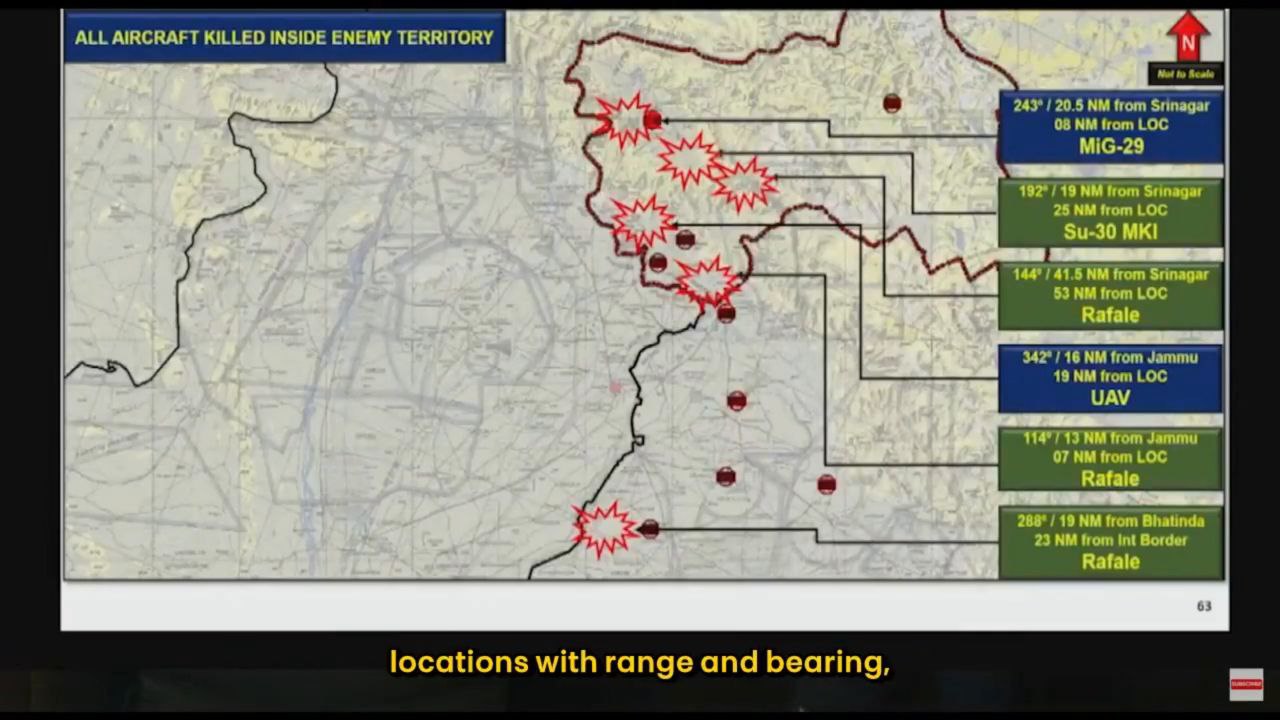
Infographics presented by the spokesperson of the Pakistan Air Force
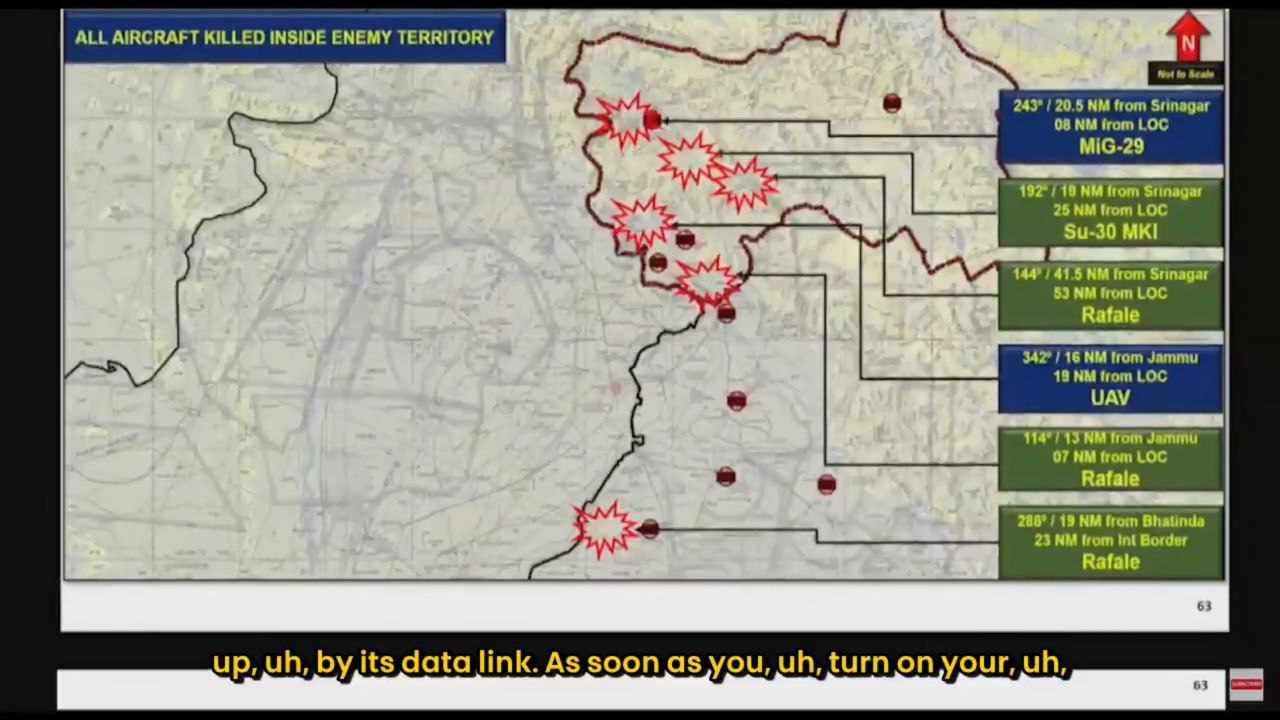
In this conflict, Pakistan managed to shoot down five Indian fighter jets, which included three French Rafale fighters, one Sukhoi Su-30, and one MiG-29 fighter jet within the border region.
A critical takeaway from this brief air battle was the seemingly careless and possibly overconfident approach of the Indian Air Force. By flying their jets close to the Pakistani border, India effectively placed them in considerable jeopardy. Conversely, the Pakistani forces, recognizing their limitations compared to India’s capabilities, strategically maintained a safe distance for most of their fighters over Pakistani airspace and skillfully employed PL-15E beyond-visual-range missiles to engage various Indian aircraft. Additionally, Pakistani AWACS made a significant contribution to this air victory for Pakistan.
During the assault, four gunmen entered the Baisaran Valley meadow, situated approximately 7 km from Pahalgam town. They killed 26 tourists, including one foreign national from Nepal, and wounded 12 others.
This attack is one of the rare instances of violence against Indian tourists and is the most significant terrorist incident in the state of Jammu and Kashmir since the bombing outside the state assembly in October 2001 which killed 35 people.
The attack was claimed by a group known as the Resistance Front (TRF), which India describes as a splinter group of the Pakistan-based Lashkar-e-Taiba terrorist organization and alleges is supported by Pakistan. The issue of “support for terrorism” is a significant point of contention between the two countries. This has been a recurring theme in the statements made by officials from both nations regarding militant groups operating in Pakistan’s Balochistan province and Jammu and Kashmir.
Following the armed attack, Indian Prime Minister Narendra Modi abruptly ended his trip to Saudi Arabia and returned to New Delhi. The Indian government convened a security meeting, and the Foreign Ministry issued a statement advising citizens to refrain from traveling to Pakistan while urging Indian nationals to leave the country as quickly as possible. Moreover, India has intensified tensions with Pakistan and announced the suspension of their longstanding water treaty, which has been in effect since 1960 and during prior conflicts, including the wars of 1965 and 1971.
The Indus Waters Treaty governs the use of water from the Indus River and its five main tributaries: the Jhelum, Chenab, Ravi, Beas, and Sutlej. This agreement, mediated by the World Bank, is crucial for the water supply of both India and Pakistan, with Pakistan’s economy and agriculture heavily reliant on it.
In response to Indian accusations, Pakistani officials have denied any wrongdoing and have accused India of supporting attacks on Pakistani consulates in Afghanistan. They have threatened to respond appropriately to any actions taken by India.
As a result, Pakistan has suspended trade relations with India and has given Indian diplomats until the end of April to leave the country. Additionally, Pakistan has closed its airspace to Indian aircraft and declared that any violations of rights concerning the Indus River will be considered an act of war.
Kashmir is a region in Central Asia that has long been a point of contention among Pakistan, India, and China since World War II and the withdrawal of the British from India. In this context, India and Pakistan have fought several wars over control of the region, and both countries have bolstered their pro-independence movements to claim it.