Category: Central Asia – Pacific

  • Russian Delegation Visits Damascus, Begins Ties with New Syrian Government

    Russian Delegation Visits Damascus, Begins Ties with New Syrian Government

    The delegation, led by Mikhail Bogdanov, Deputy Foreign Minister of Russia, and Alexander Lavrentiev, Putin’s special envoy for Syria, met with Abu Muhammad al-Julani, the leader of Hayat Tahrir al-Sham in Damascus on January 28.

    During the meeting, Al-Julani requested that the Russian delegation restore the lost trust by paying compensation and participating in the reconstruction of Syria.

    For many years, Russia has been considered a supporter and partner in the leadership of Syria during the Assad family’s rule. During the Syrian war, Russia, along with Iran, played a significant role in changing the battle’s equation in favor of the central government. Russian airstrikes were a key factor in the militants’ defeat, and Russian military support inflicted significant losses on the militants. It appears that the new Syrian government has come to terms with Russia’s past support for Bashar al-Assad and attacks on militants, recognizing Moscow’s international influence and role in addressing future challenges.

    Simultaneously with the presence of the high-ranking Russian delegation in Damascus, the Russian newspaper Tass, citing the Turkish newspaper Sabah, considered five possible scenarios for Syria’s future:

    • The creation of the Syrian Democratic Republic by a coalition of opposition parties with ideological differences.
    • The creation of the Islamic Republic of Syria by Hayat Tahrir al-Sham (formerly Jabhat al-Nusra) and other terrorist groups.
    • The creation of an anti-Shiite state under the support and control of the Zionist regime.
    • The creation of a federal Syrian republic with regional and state governments under US supervision.
    • The division and disintegration of Syria.

    Syria is currently facing numerous intra-group and ideological differences, as well as economic, social, and security problems. The new Syrian government has not reached an agreement with the Syrian Democratic Forces, and the areas under SDF control remain outside the Damascus government’s control. Areas in southern Syria are also occupied by the Israeli army, and no specific time for the Zionist withdrawal from these areas has been announced, putting Syria at risk of disintegration.

    While none of the above scenarios can be definitively predicted for Syria’s future, it is evident that Al-Julani is seeking to form a seemingly Islamic government with a strong presence of Tahrir al-Sham elements. This possibility has become stronger given recent appointments and actions.

  • Explosion and Fire on a Chinese Ship in the Red Sea

    Explosion and Fire on a Chinese Ship in the Red Sea

    The 1,930-TEU vessel, built in 2022 and owned by Shanghai-based Asean Seas Line, was en route from Jebel Ali to the Suez Canal with Aqaba as its final destination, scheduled to call at Jeddah port on January 29th.

    The all-Chinese crew was safely rescued by a nearby vessel with no injuries reported.

    The incident occurred approximately 226 kilometers northwest of Hudaydah, Yemen, in open waters. Diaplous Maritime Services warned the drifting vessel poses a navigational hazard, while Ambrey suggested the fire might have been caused by hazardous cargo. Thick smoke was seen emanating from the forward section of the ship.

    The ASL Bauhinia remains adrift, with investigations ongoing. The possibility of a Yemeni army attack is ruled out, given the cessation of military operations in the Red Sea and Gulf of Aden in line with the Gaza ceasefire agreement. The US and Israel might portray Yemeni waters as unsafe to justify actions against Yemen, including adding the Ansar Allah movement to the terrorist list.

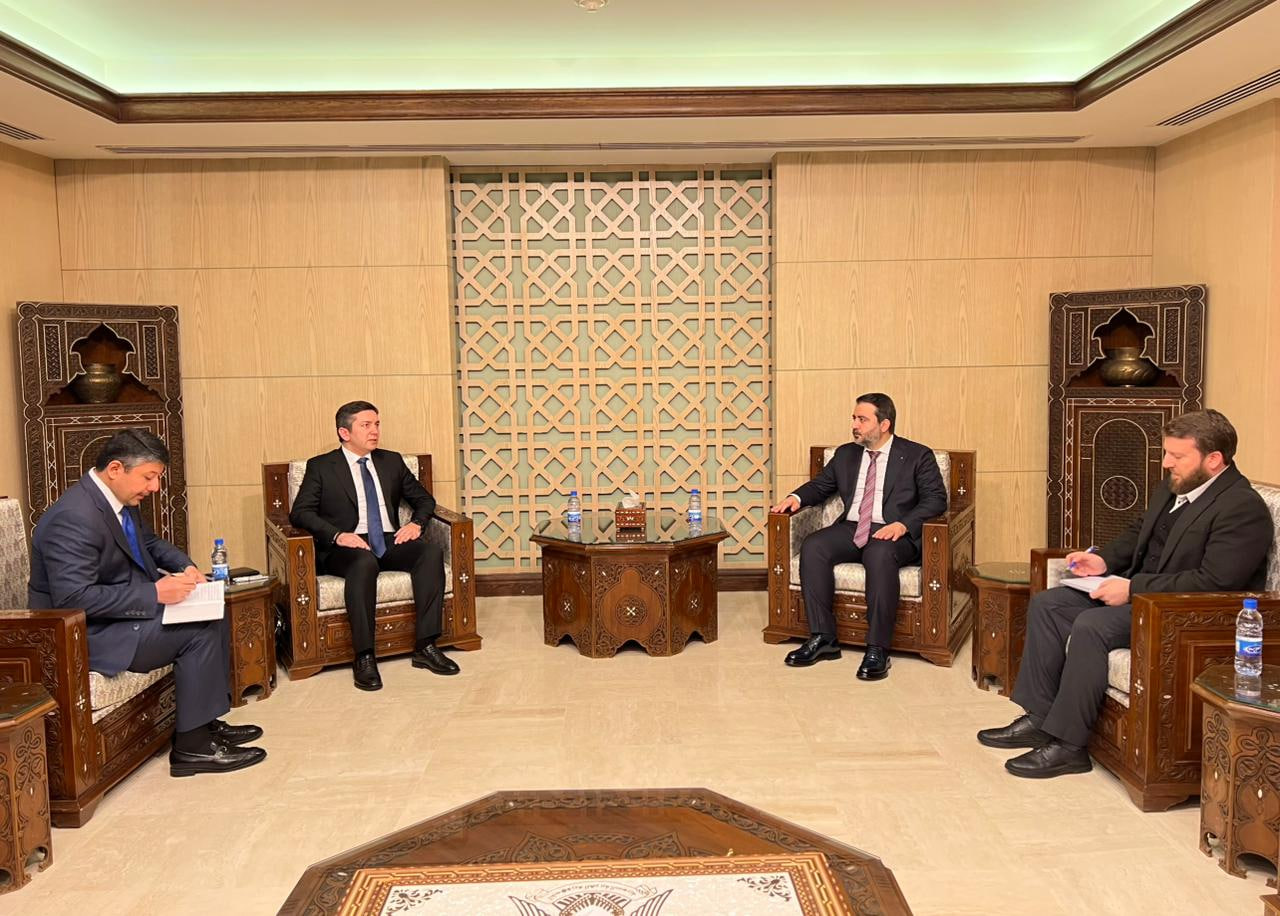
  • Azerbaijan and Syrian Transitional Government Establish Relations; Aid from Ilham Aliyev En Route to Damascus!

    Azerbaijan and Syrian Transitional Government Establish Relations; Aid from Ilham Aliyev En Route to Damascus!

    During the meeting, both sides agreed to begin a new chapter in long-term relations between Azerbaijan and Syria, focusing on friendship and cooperation. The Azerbaijani Foreign Ministry issued a statement: “Together with Turkey, this country stands by Syria at this important stage and will support the reconstruction process.”

    One key issue raised was the reopening of Azerbaijan’s embassy in Damascus after 12 years.

    A convoy of 10 trucks carrying 200 tons of food has departed from Baku, Azerbaijan’s capital, bound for Syria. The convoy will enter Idlib via Georgia and Turkey, with aid provided through the Turkish Disaster and Emergency Management Agency (AFAD).

    Turkey, a main supporter of Tahrir al-Sham and the Syrian interim government, maintains close relations with Baku in all matters. With Turkey’s active support, relations between Baku and Damascus are expected to increase significantly in various fields in the coming months.

    After the start of the Gaza war, tensions between Turkey and the Israeli regime escalated due to verbal disputes between Erdogan and Netanyahu. Baku, with its extensive economic, political, and military ties to both the Turkish government and the Israeli regime, can act as an effective mediator and facilitator between Ankara and Tel Aviv. Thus, one of Baku’s main reasons for seeking to reduce tensions in Syria is to promote cooperation and alignment between Israel and Turkey.

  • Taliban Retaliates Against Pakistani Airstrikes

    Taliban Retaliates Against Pakistani Airstrikes

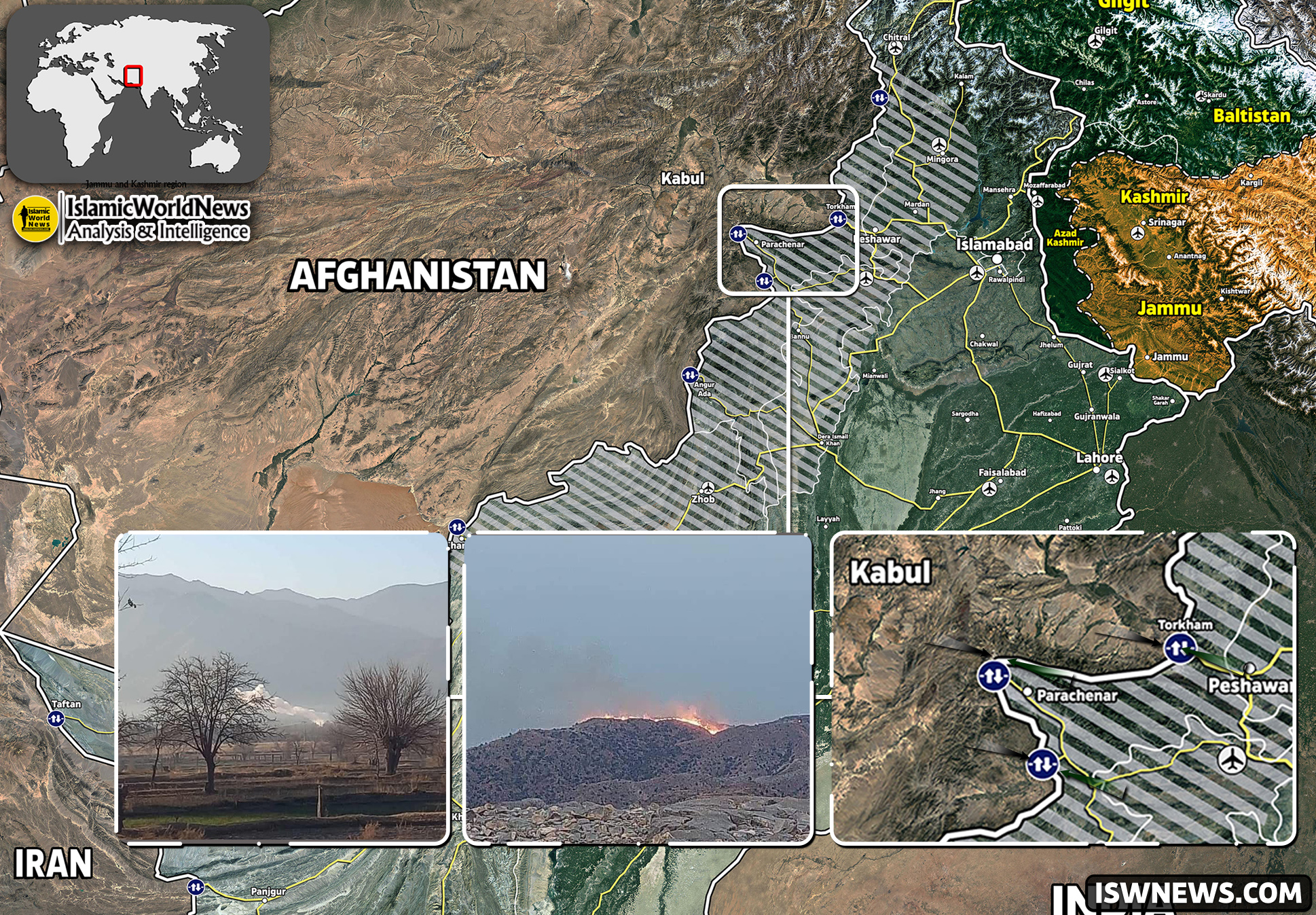
    Afghan Taliban militants targeted four locations in Barmal city of Paktika province, near the Dand Wa Patan, Tri Mangal, and Torkham border crossings in Paktia and Khost provinces, in response to the Pakistani army’s airstrikes.

    The fighting concluded after Pakistani army artillery attacks on border areas in eastern Afghanistan, leading to the retreat of Taliban militants.

    The Taliban’s defense ministry stated that Taliban forces had attacked the bases and hideouts of ISIS and their supporters (Pakistan) in the southeast, which were the sources of the attacks on Afghanistan, without providing details of the attacks on Pakistani territory.

    Clashes on the border areas

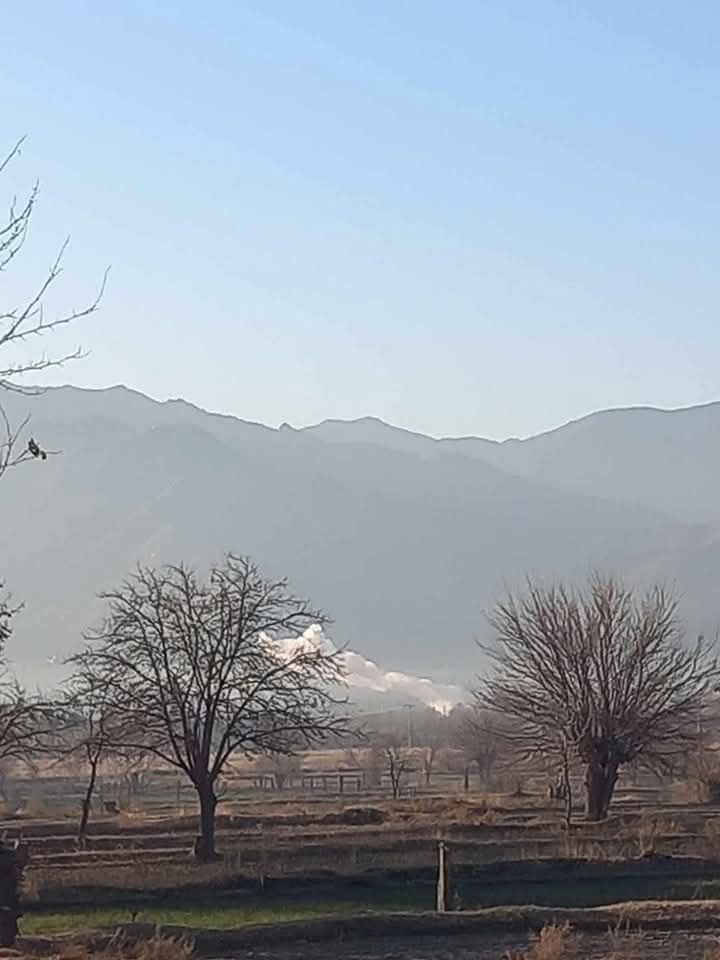
    Afghan media reported that 19 Pakistani soldiers and three Afghan civilians were killed in the clashes, and two border checkpoints were captured by the Afghan Taliban. The Taliban set fire to Pakistani border guard equipment and left the area after capturing the checkpoints.

    The videos and images released by Taliban media are old and unrelated to today’s attacks.

    Pakistani media denied these reports, stating that one border guard was killed and seven were wounded. They also claimed that five Taliban militants were killed in an artillery attack by the Pakistani army on Dandpatan town in Paktia province.

    Pakistani artillery attack on Dand Wa Patan area

    These clashes continue the political tension between the Pakistani government and the Afghan Taliban over the Afghan Taliban’s support for the Tehreek-e-Taliban Pakistan (TTP) and the Taliban’s counterclaims of Pakistan’s support for ISIS. The Taliban claim to have carried out the attacks in response to a Pakistani army airstrike on Barmal in Paktika province on January 5, which killed at least 46 people in Afghanistan and sparked a strong reaction from the Taliban. Pakistan claims to have assassinated senior commanders of the Pakistani Taliban, including Shir Zaman (Mukhlis Yar), Abu Hamza, and Akhtar Mohammad, and destroyed the group’s media center, Omar Media.

  • A Brief Essay Regarding The Russian Federation View On Syrian Downfall

    A Brief Essay Regarding The Russian Federation View On Syrian Downfall

    Observers note that the Kremlin is a little irritated by Assad’s intransigence in relation to Erdogan’s “conciliatory tone,” which suggests that perhaps one of the Kremlin’s influential towers simply played along with Turkey in order to force Assad to engage in dialogue.

    Can we believe that the Russians are really tired of Assad and that they are actually indifferent to the fate of Syria? The answer is yes. The Russian-Ukrainian conflict is not the only reason why Moscow realizes the futility of its presence in Syria. The Kremlin has long understood that “the Assad regime is hopeless economically and has a crumbling army.”

    Moreover, all the key figures of the Russian military group in Syria no longer have any influence. Shoigu was thrown out of the Kremlin elite, the Wagner PMC was declared an enemy of Putin, the generals who led the first successes of the Syrian army have now been retired or are in Ukraine. Today, Russians are simply not interested in Syria and they sincerely do not understand what they should do there. Times have changed.

    As an argument in defense of the Russian-Syrian alliance, many may recall the words of Hakan Fidan that “the Russians have not shown interest in reconciliation between Ankara and Damascus”, to which I will answer that the Turkish authorities in the dialogue with the Russians could simply not know who they are talking to.

    After all, inside the Kremlin there is a wild struggle between two groups, one is headed by Putin’s comrade-in-arms from his work in the GDR – Chemezov, against whom the former head of the FSB – Patrushev speaks out. In the confrontation between the two Kremlin towers there are no liberals or “Western agents”, it is something like different views on the development of their country and the future of the country, both Kremlin towers have the same view on Ukraine and Syria, and the difference is only in the details. Both sides consider it necessary to end the two conflicts.

    Thus, the diverse Syrian opposition may have caught Assad’s army by surprise, but for the Russians this moment certainly did not come as a shock. Are there any areas of collusion? It is difficult to give a categorical answer now. However, it was strange for many to discover that Jabhat Nusra sees Russia as a potential partner in post-Assad Syria. There is clearly something to think about here.

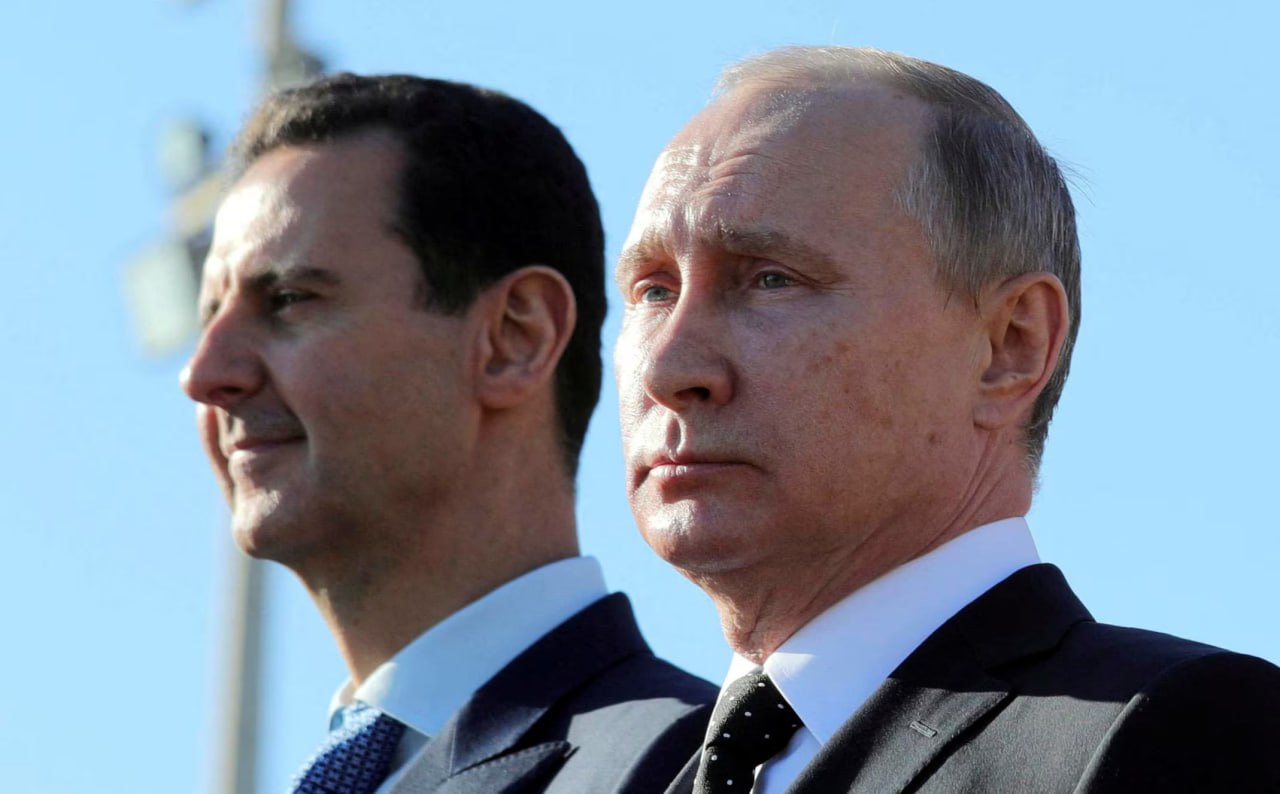
    In conclusion, I will recall Putin’s phrase regarding Assad, at a meeting with Erdogan in 2017 – “Erdogan, don’t get me wrong. I am not Assad’s defender, I am not his lawyer.” Such an attitude of the head of the Russian Federation already in those years demonstrated a decent gap between the Russian Federation and the Baath government in Syria.

  • Russia Enhances Military Presence Near Israeli-Occupied Golan Heights

    Russia Enhances Military Presence Near Israeli-Occupied Golan Heights

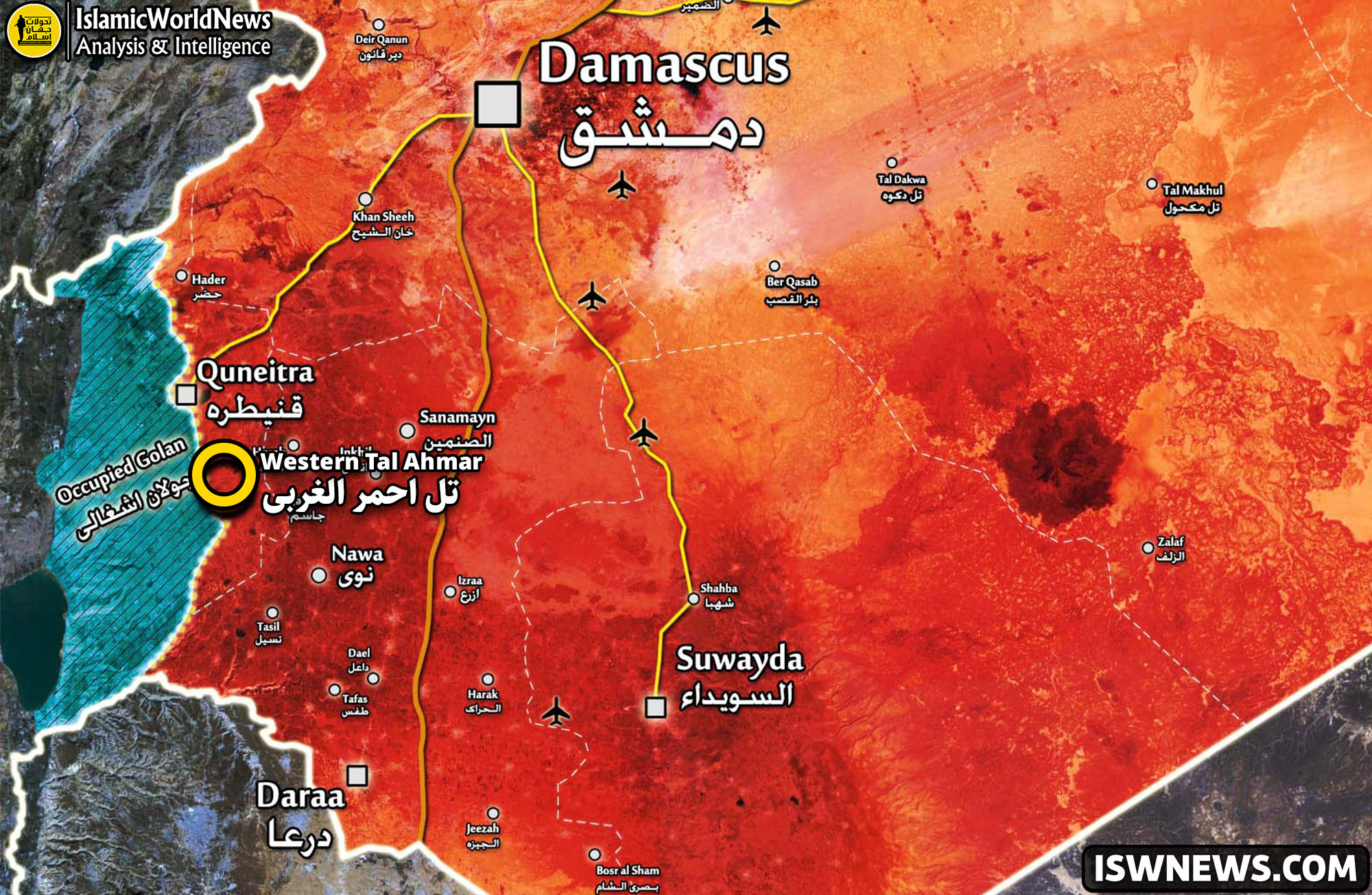
    First Deputy Commander of the Russian forces in Syria Colonel General Alexander Dvornikov said in an interview with the Russian media outlet Sputnik that they created a point belonging to Russian forces in the Al-Quneitra Governorate in southern Syria on Sunday (November 10).

    According to the Russian commander, this watch tower was established as part of agreements aimed at preventing violations of the buffer zone.

    The Russian watch tower is located in the Tal al-Ahmar al-Gharbi, south of the town of Kudnah in Al-Quneitra Governorate. This marks the eighth base established by the Russian army in the buffer zone between Syria and the Israel regime.

    It is worth noting that the buffer zone, also known as the demilitarized zone, was established in 1974 in the occupied Golan Heights following the end of the October War in 1973 (the Yom Kippur War or the fourth of the Arab-Israeli wars). The establishment of the buffer zone was decided by the United Nations.

  • Pakistan, Iran Armies Conduct Joint Anti-Terror Operation In Balochistan Border

    Pakistan, Iran Armies Conduct Joint Anti-Terror Operation In Balochistan Border

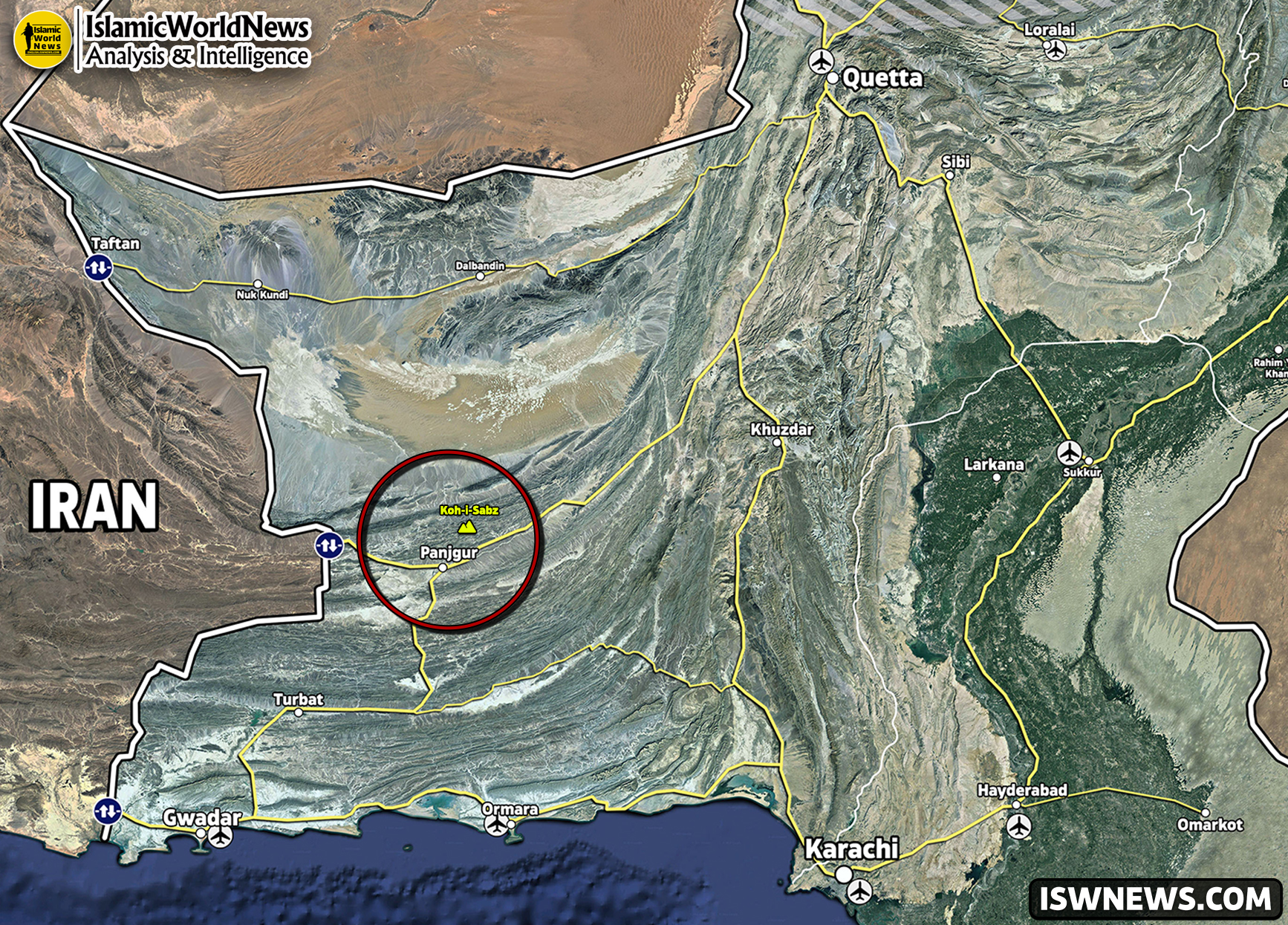
    This military operation was agreed upon and designed following negotiations between Iran and Pakistan to address the border security challenges of previous years in May 2024, and it took place after the recent visit of Iran’s Foreign Minister Abbas Araghchi to the Pakistani capital Islamabad, where he met with political and military officials.

    According to local sources, Pakistani fighter jets have bombed vast areas of the Koh-i-Sabz Mountain and the regions of Naker, Prom, and Gar. Additionally, Iranian armed forces have conducted extensive operations in the border areas using drone and rocket attacks.

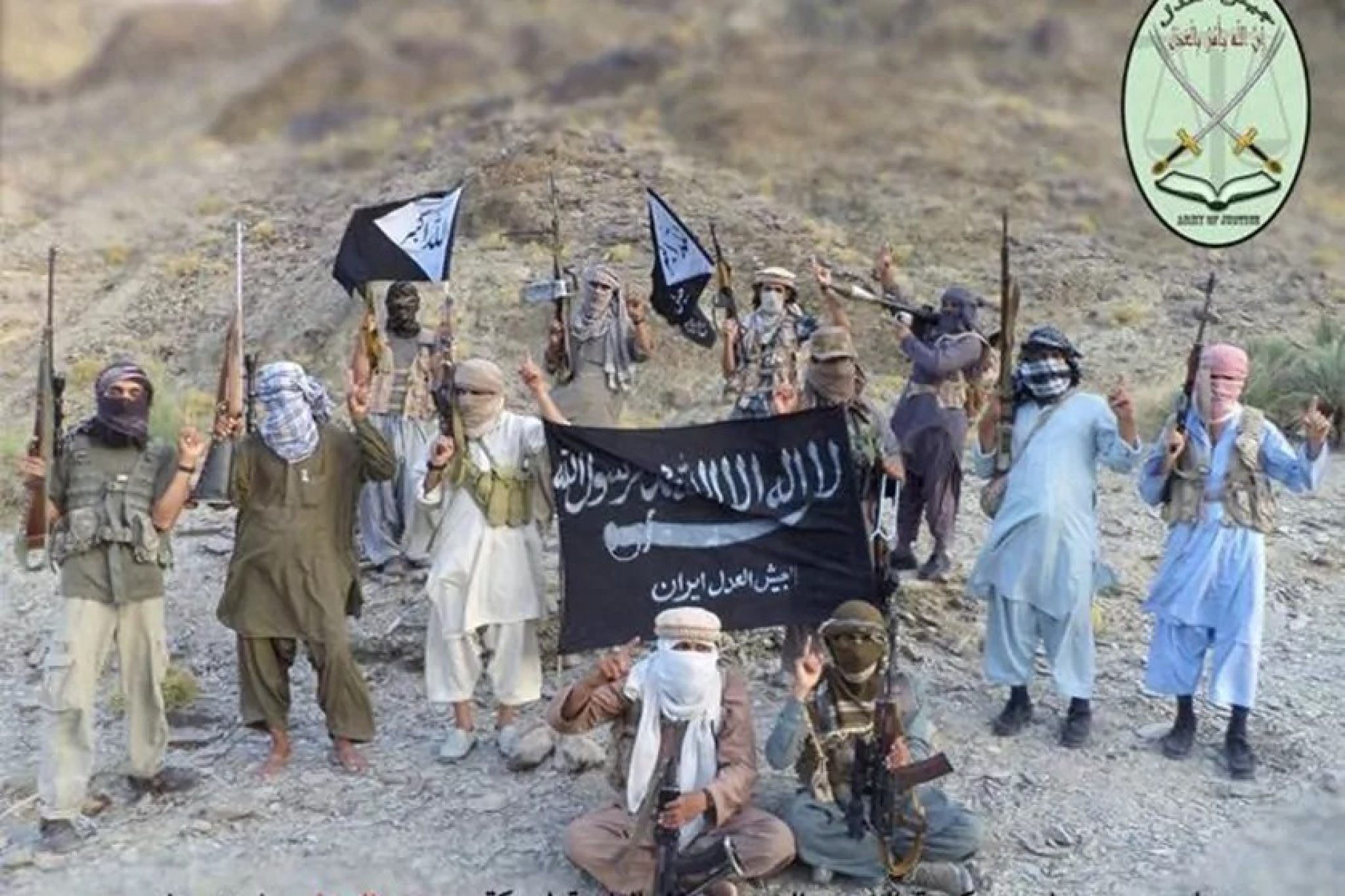
    These areas are known to be the gathering and deployment sites for members of terrorist groups known as Jaish-ul-Adl and separatist groups from Balochistan province in Pakistan. So far, official sources from both sides have not released further details about this operation.

    Click to view full size

    In a statement, Jaysh al-Adl admitted to elimination of 12 of its members, including “Molavi Hafez Ibrahim Sabkazai” alias Hafiz Hasan and “Faqir Mohammad Mohammad Zahi” alias Amir Omar, one of the senior officials of this terrorist group.

    Jaish al-Adl also announced that four other members of this terrorist group were wounded.

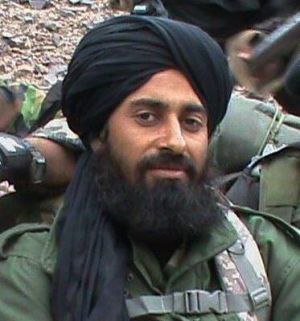
    Some sources have reported the death of Salahuddin Farooqi, the leader of Jaish al-Adl. This news cannot be confirmed at this time. The official sources of the Pakistani army and the Iranian armed forces have not made a statement regarding the operation against terrorist groups in Balochistan.

    Salahuddin Farooqi

    It is worth mentioning that the Quds Force of the Islamic Revolution Guards Corps (IRGC) and anti-terrorism units of the Iranian police recently conducted a security operation in Sistan and Baluchestan province located in the southeast Iran, resulting in the arrest of 14 terrorists and the killing of 8 of them. These individuals played significant roles in multiple attacks by the Takfiri terrorist group and separatists against police stations.

    The terrorist group known as Jaish al-Adl and elements affiliated with US security organizations and the Israeli regime have engaged in extensive activities and numerous terrorist attacks in Sistan and Baluchestan province during the past year of conflict in Palestine, aligning with the Tel Aviv regime’s actions against Iran, which has led to insecurity and the martyrdom of dozens of police forces and civilians in Iran.

    Iran, Pakistan Plan To Sign Security Agreement

    These actions prompted the governments of Iran and Pakistan to execute a military operation in the border areas of both countries under a security agreement, aiming to thwart Western plots to expand the activities of terrorist groups in southeastern Iran.

  • Ukraine Tries To Open New Front Against Russia In Syria!

    Ukraine Tries To Open New Front Against Russia In Syria!

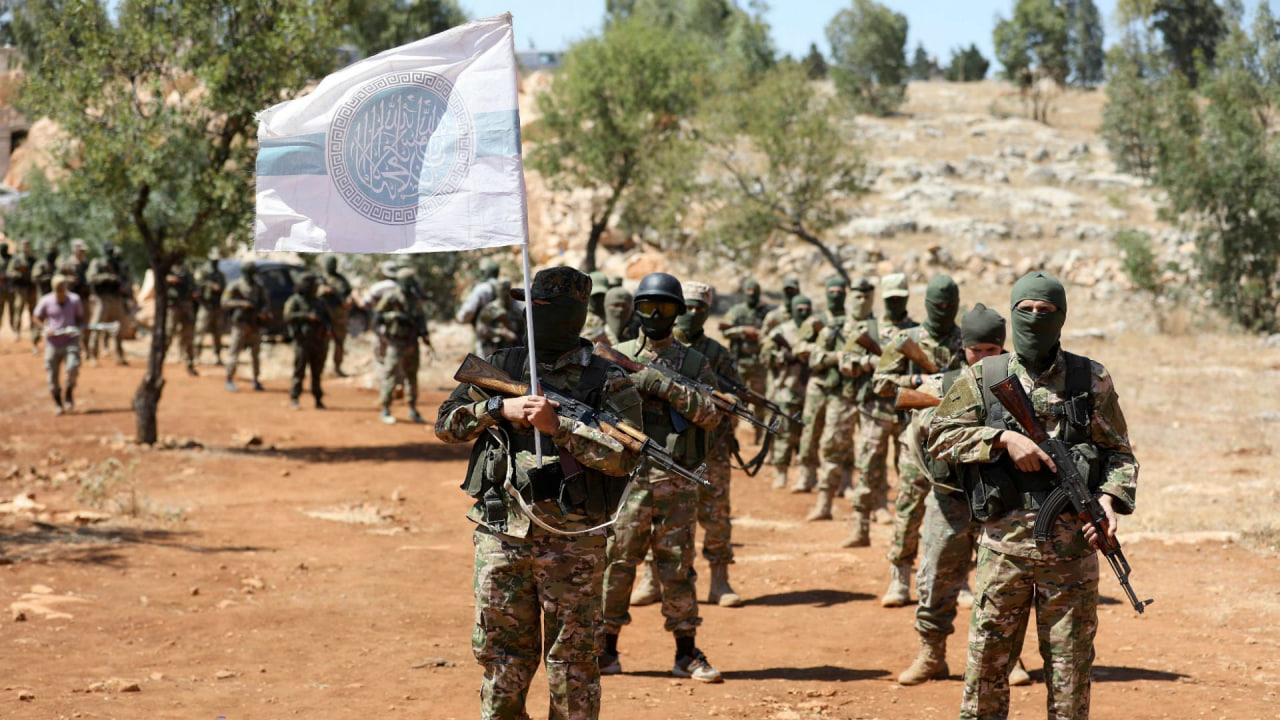
    Russia’s state-owned news agency RIA Novosti published a report indicating that Ukraine is coordinating with the United States in order to undertake special measures to equip and train the terrorist group Hay’at Tahrir al-Sham (HTS) with the aim of launching new operations against Russian forces in the Arab country.

    The Russian media outlet highlighted that Ukrainian military trainers have entered Syria’s Idlib Governorate and kicked off manufacturing drones and quadcopters as well as training, and equipping terrorist elements. The Russian news sources also claimed that at least 250 suicide drones have been delivered to the Idlib Governorate for usage against Russian forces.

    Moreover, Ukrainian sources recently released a footage claiming that Ukraine’s military forces targeted a Russian drone base in southern Aleppo Governorate, Syria.

    According to their Ukrainians, the strike was carried out by the Khimik group from Ukraine’s Intelligence Special Operations Forces (GUR) and that the targeted base was engaged in drone production, as well as a place for stockpiling weaponry and explosives. However, it is obvious that this footage was recorded by armed insurgents and the strike was executed the same militants, not Ukrainian forces.

    The video of attack on a Russian base in Syria by the alleged GUR agents

    It is worth mentioning that the creation of a new front and the implementation of such strikes against Russian forces in Syria are in line with the interests of certain Western states, in particular the United States.

    Given the fact that there are close relations between Washington, Kyiv, and certain terrorist groups in Syria, it is not astonishing that drone and even ground assaults against Russian military forces could be carried out under the supervision of Ukraine’s security and military entities, when they are funding such terrorist groups.

    Therefore, there is no need for significant field presence from Ukrainian intelligence and military forces in Syria; however, with the escalation of such attacks, the presence of field officers for coordination will probably become necessary.

  • Russia Launches Massive Missile, Drone Strikes In Ukraine

    Russia Launches Massive Missile, Drone Strikes In Ukraine

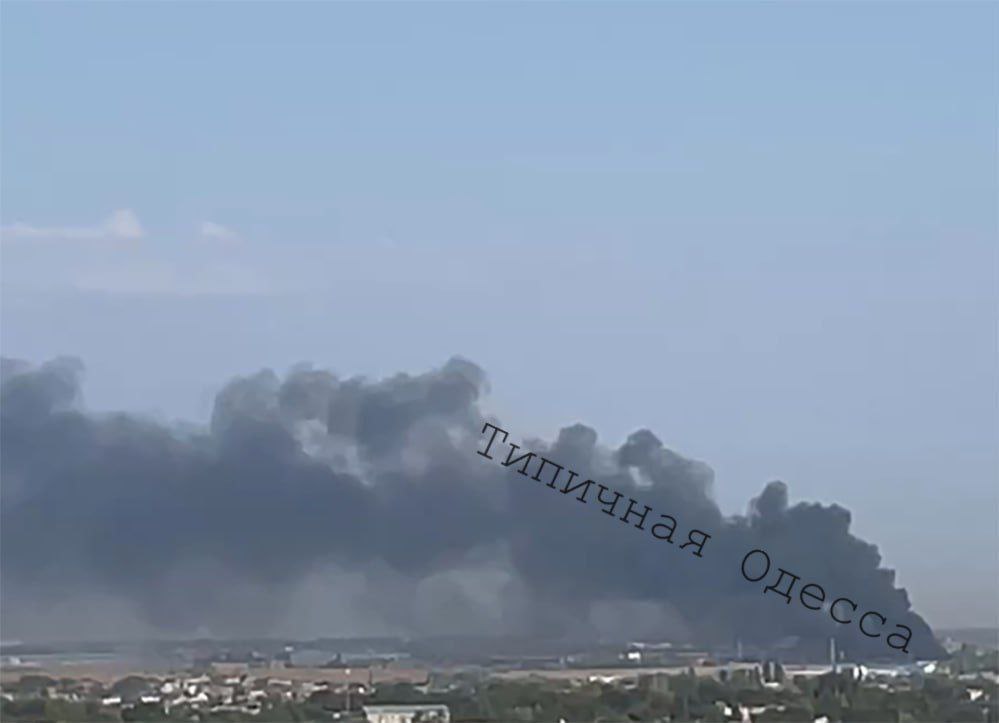
    On August 26, Russian forces launched several waves of devastating strikes within a few hours and suicide drones and missiles pounded Ukrainian military and industrial infrastructure across the country.

    According to estimations, more than 60 missiles and 100 UAVs were launched in the morning. Dozens of Ukrainian cities were covered with smoke as a result of large explosions.

    The targeted areas and cities are as follow: Lviv, Ivano-Frankivsk, Lutsk, Rivne, Ternopil, Khmelnitsky, Vinnytsia, Zhytomyr, Kiev, Kirovograd, Odessa, Krivyi Rih, Zaporozhye, Dnipro, Kremenchug, Mirgorod, Chernihiv, Poltava, Kharkiv, Mykolaiv.

  • Jaish Al-Adl Terror Group Kill Afghan Former Military Personnel

    Jaish Al-Adl Terror Group Kill Afghan Former Military Personnel

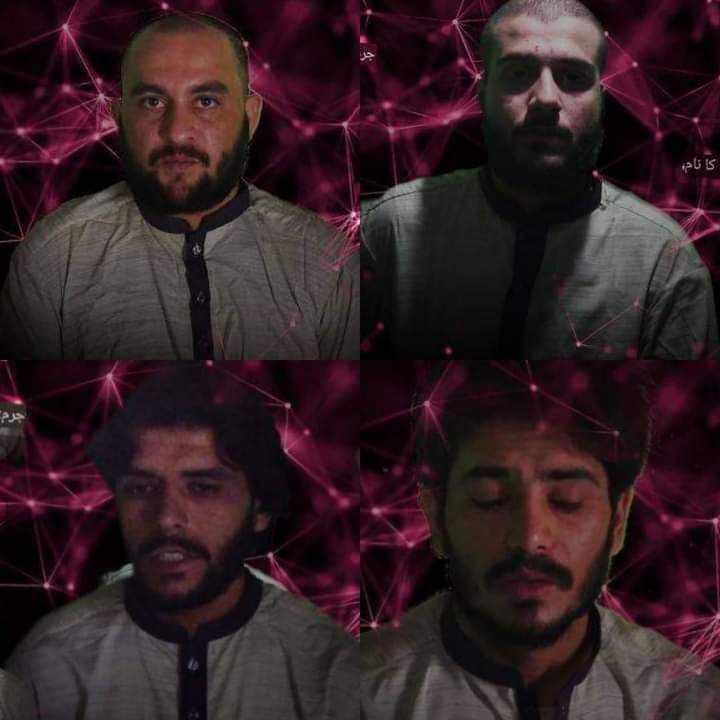
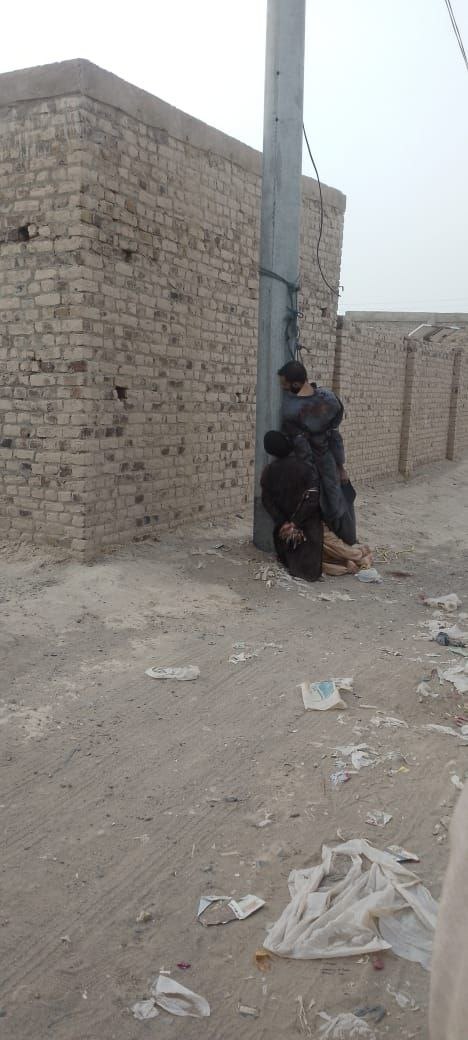
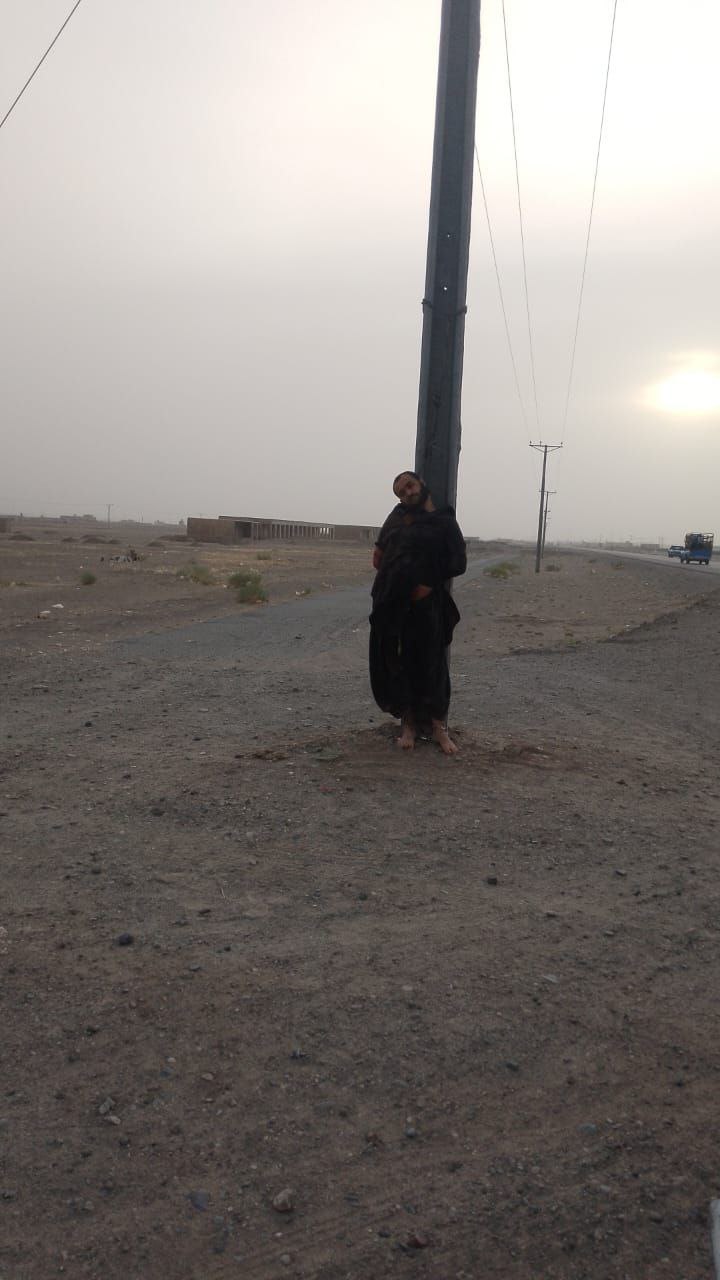
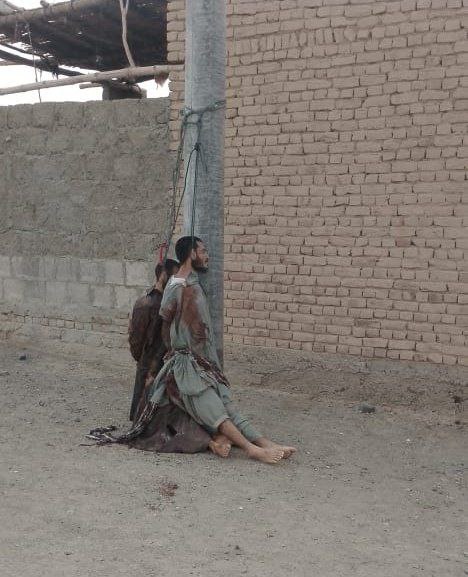
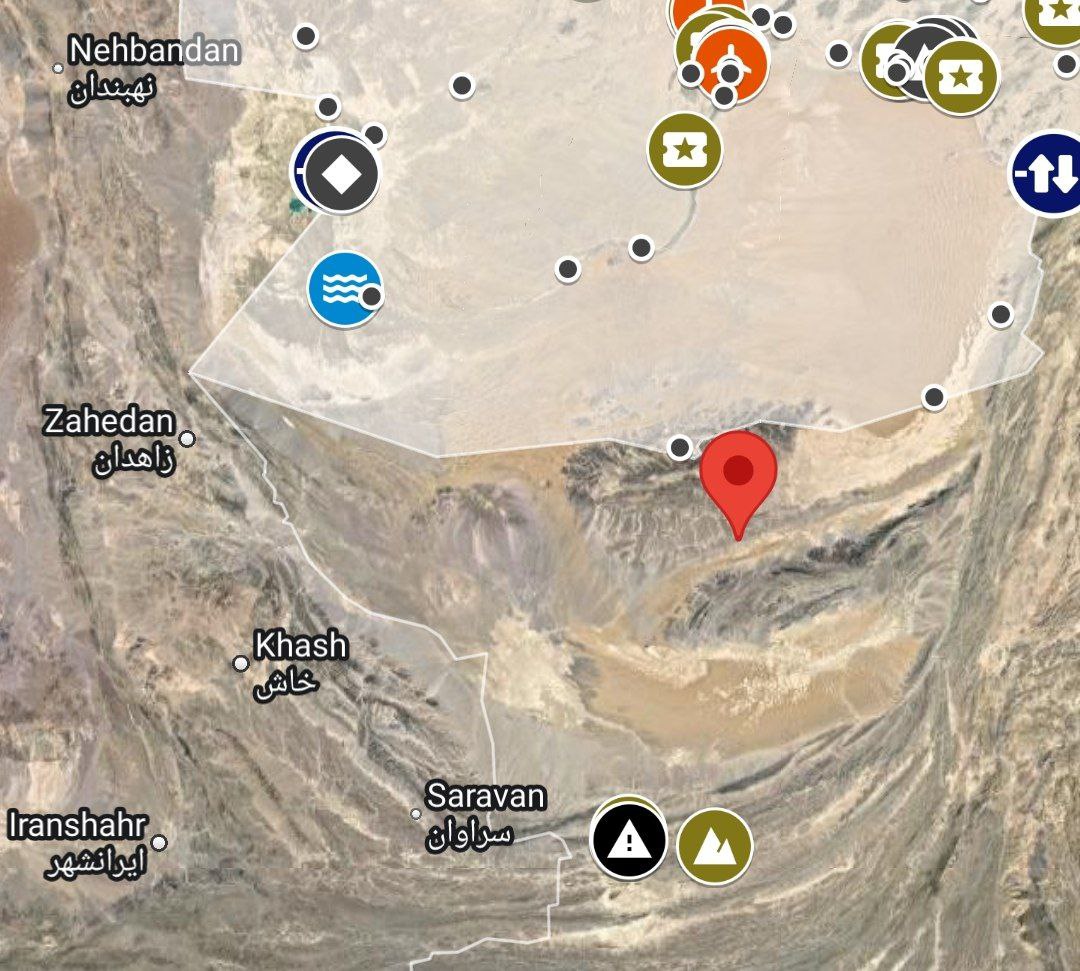
    The terrorists affiliated with Jaish al-Adl group claimed that these individuals were spying for Iran’s Ministry of Intelligence and that the group punished them for cooperating with the Islamic Republic.

    Local sources in Afghanistan have named these murdered individuals as Rozi Khan, Samiullah, Sangari, Ishaqzai and Rahmatullah, who were residing in Chah-e Mirza village in the vicinity of Nad Ali city in Helmand province, and said that these people were military staff of the former Afghan national government, who migrated to Pakistan after the Taliban group came to power in Afghanistan in August 2021.

    ⚠️ Warning: Images contain heartbreaking scenes.

  • Iran Leader Meets With Tajik President, Armenian Prime Minister

    Iran Leader Meets With Tajik President, Armenian Prime Minister

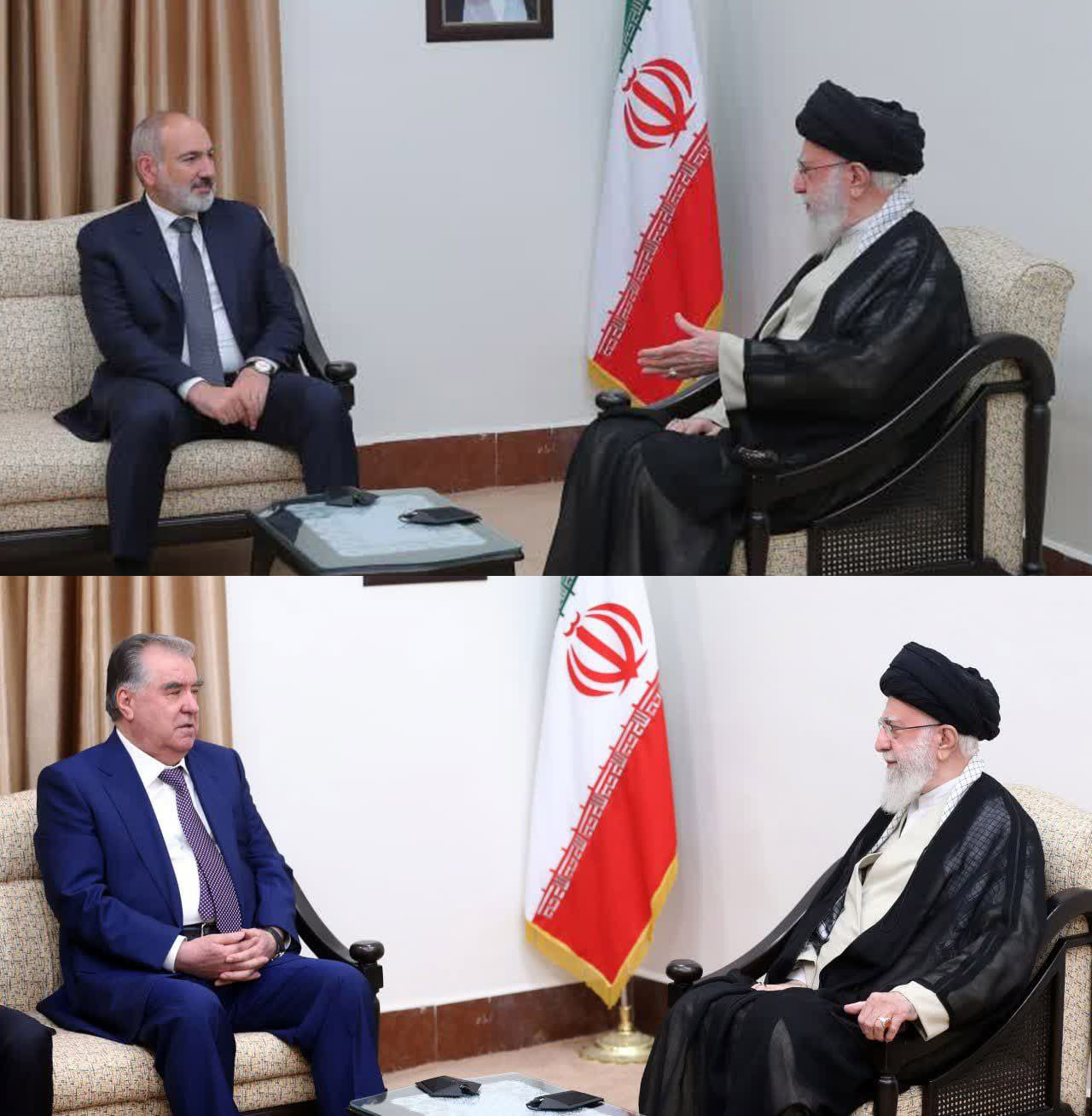
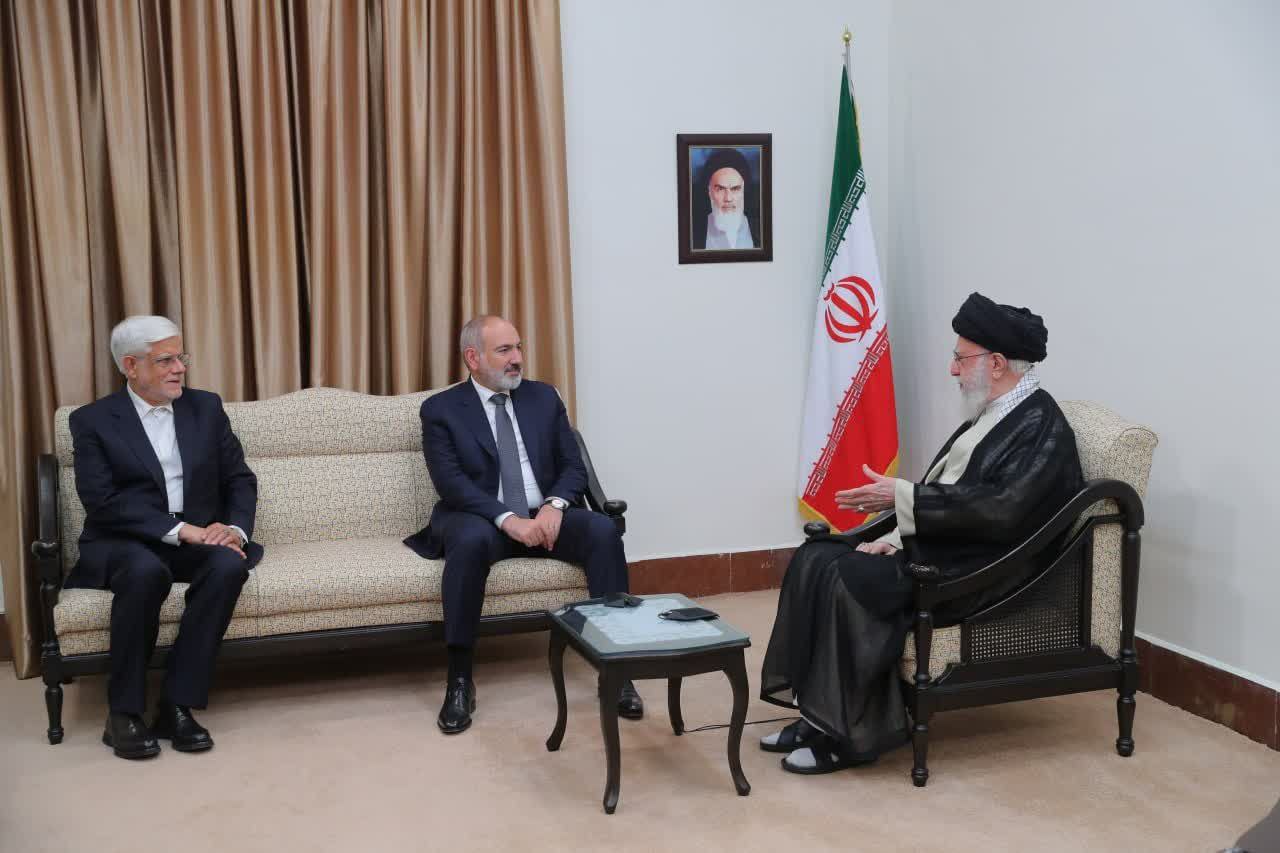
    In a meeting on Tuesday with Armenian Prime Minister Nikol Pashinyan and his accompanying delegation, the Supreme Leader of the Islamic Revolution emphasized that the Islamic Republic of Iran’s definitive and consistent policy is to expand relations with its neighbors, especially Armenia.

    Imam Khamenei also called for the development of relations and cooperation between the two countries based on defined interests of both nations and regardless of the policies of other states.

    Armenian Prime Minister Nikol Pashinyan met with Supreme Leader of the Islamic Revolution

    The Leader of the Islamic Revolution went on to say that the Islamic Republic of Iran considers the Zangezur corridor – a concept for a transport corridor which, if implemented, would give Azerbaijan unimpeded access to Nakhchivan Autonomous Republic – to be to the detriment of Armenia; therefore, Iran continues to stand by this position.

    Foreigners should not place restrictions on the relations of countries with their neighbors, the Leader stated, arguing that what ensures the security and well-being of countries is reliance on themselves and their close allies, and the actions of some states who come from far away and interfere in the affairs of other nations are to their detriment.

    The Armenian Prime Minister, for his part, emphasized that he has repeatedly stated that he does not accept any extra-regional route within his country, describing the relations between the Islamic Republic of Iran and the Republic of Armenia as strategic. The Armenian premier also expressed satisfaction with the expansion and diversification of ties with Iran, underscoring that he gives importance to the continuation of this process.

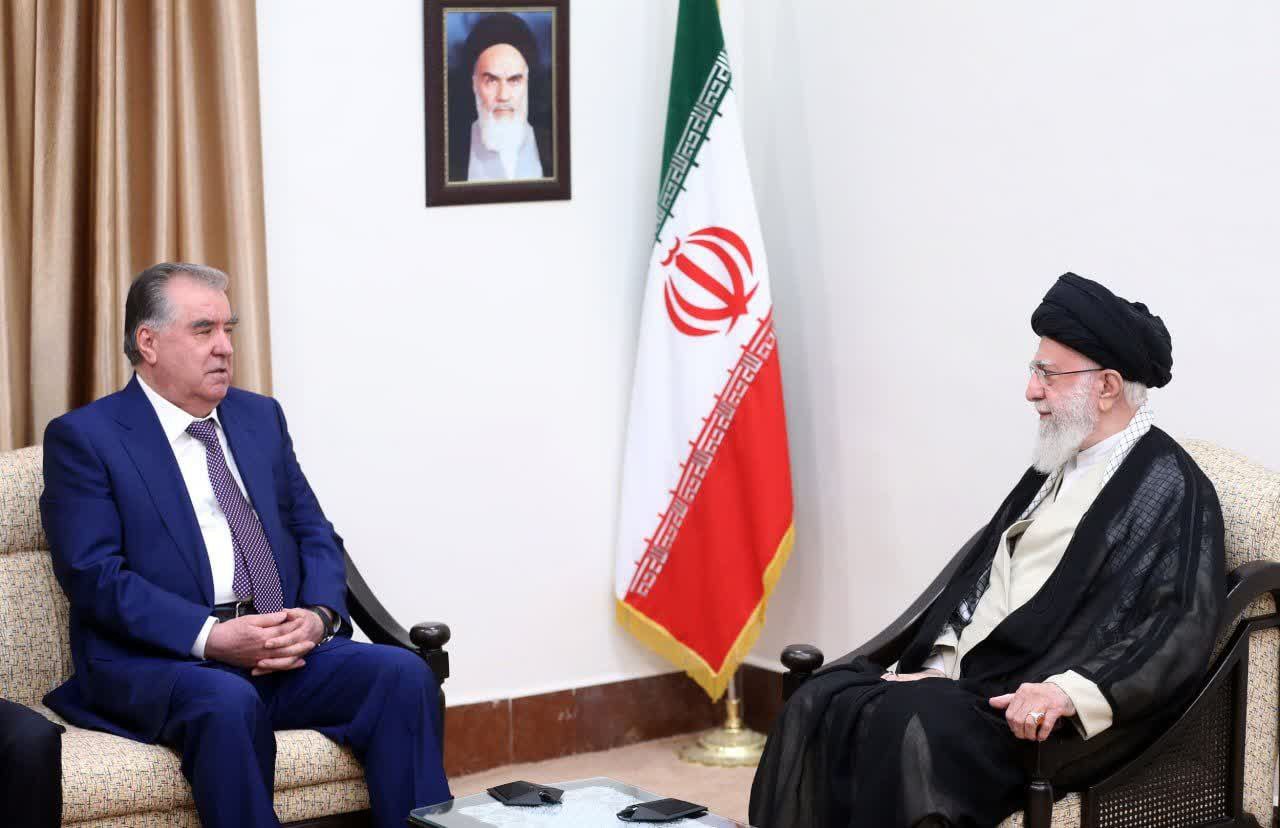
    In another meeting on Tuesday morning, Imam Khamenei received Tajik President Emomali Rahmon and his accompanying delegation.

    Tajikistan President Emomali Rahmon met with Supreme Leader of the Islamic Revolution

    The Supreme Leader said that Iran’s main policy and priority is to expand relations with the countries of the region, especially states with the same language and common culture, history and religion.

    Ayatollah Khamenei further emphasized: The Islamic Republic of Iran is ready to cooperate sincerely with Tajikistan in various fields, as in the past.

    The Leader of the Islamic Revolution also called the official visits by authorities of the two nations a basis for the expansion of cooperation and said: The Persian language is one of the important commonalities between Iran, Tajikistan and Afghanistan, and more cooperation should be made to preserve and expand this language and prevent some attempts to isolate the shared language.

    The Leader of the Islamic Revolution also noted: There are some opponents who disagree the expansion of relations between Iran and Tajikistan; thus, there must be a plan to confront them.

    The President of Tajikistan, for his turn, said: As you said a few years ago, the two countries are linked and we want to expand relations and use the experiences and advances of the Islamic Republic of Iran in the fields of science, health and industry.

    The top officials of Armenia and Tajikistan along with their accompanying delegations arrived in Tehran on Tuesday morning in order to take part in the inauguration ceremony of Masoud Pezeshkian, the ninth President of the Islamic Republic of Iran, on Tuesday (July 30) at the Iranian parliament. More than 70 foreign delegations and 600 domestic and foreign journalists attended the inauguration ceremony at 6 p.m. local time.

  • Takfiri Groups Attack Shia Communities In Pakistan’s Parachinar

    Takfiri Groups Attack Shia Communities In Pakistan’s Parachinar

    In the past week, Takfiri armed groups restarted attacking the Shia-populated city of Parachinar in western Pakistan from several directions.

    During these attacks, six Shia Muslims, including two children and one the Pakistani holy shrine defenders (a member of the Zainabiyoun Brigade), were martyred and more than 50 people, including several children, were wounded.

    The death toll of Takfiri militants has also been mentioned as more than 20 individuals, including several Afghan nationals. It is said that some hardline factions of the Afghan Taliban organization have also participated in the violence.

    Pakistani armed forces have transferred the bodies of the dead Takfiri militants from the Bushehra area south of Parachinar to Sunni areas.

    Pakistani Shia scholars, including Allama Raja Nasir Abbas Jafri, a member of Majlis Wahdat-e-Muslimeen of Pakistan, have warned the Pakistani government to prevent attacks by Takfiri groups against the Shia communities of Parachinar, and threatened the government to hold a “Million-Man Peace March” from Islamabad to Parachinar.

    After this conflict, the elders of the Sunni-populated areas gathered in the village of Bushehreh and asked the Shia elders of Parachinar to resolve their differences by holding a peace jirga (peace meeting).

    The interference and violence of Pakistani-Afghan Takfiri armed groups in the territorial and religious disputes of the Kurram Agency region has always been the cause of armed clashes between the Shia community of Parachinar and the Sunni factions of this region.