Category: Central Asia – Pacific

  • Bagram: The Achilles’ Heel for China and Iran

    Bagram: The Achilles’ Heel for China and Iran

    In recent weeks, U.S. officials have repeatedly stressed that the Afghan government must allow American access to Bagram Air Base. Otherwise, the use of military force to seize the base remains a top priority. This insistence has led analysts to question why Washington is so determined to regain control of this facility. The urgency becomes clearer when viewed through the lens of the 2022 U.S. National Security Strategy, which outlines a broad withdrawal of American forces from West Asia. Notably, Donald Trump’s campaign promises included pulling troops out of the region. Yet, despite previous drawdowns, Afghanistan is once again emerging as a key military destination for the United States.

    Understanding the U.S. Regional Presence Strategy
    Decoding America’s current posture requires close attention to its 2022 national security blueprint, which mandates minimizing troop numbers in West Asia while maximizing effectiveness through elite units, rapid response capabilities, and air superiority. The targeted killings of Osama bin Laden and Abu Bakr al-Baghdadi exemplify this approach: special forces, backed by air support, enter, execute missions, and exit swiftly.

    Strategists behind this doctrine have ensured that the new security model doesn’t compromise U.S. national interests. While the approach may seem paradoxical, its core lies in air-based regional presence. In this framework, air power—coordinated with special operations—drives mission success. To maintain this capability, the U.S. must control or build bases in key strategic zones across West Asia.

    Unlike the heavy deployments of 2001, the U.S. now avoids mass troop presence, recognizing that regional adversaries are also heavily armed, and larger deployments increase casualty risks. Instead, the U.S. seeks a flexible, mobile, and resilient footprint, relying on multi-purpose military bases supported by air and special forces to maintain influence without overexposure.

    Key Characteristics of Strategic Zones for U.S. Military Presence
    • The primary feature of these zones is their location at the intersection of multiple national borders. The more neighboring countries a base is near, the greater its strategic value.
    • The second feature is the ability to provide rapid and sustained access for U.S. air forces to the borders of national security threats—namely Russia, China, and Iran.

    Afghanistan’s Role in U.S. Regional Strategy
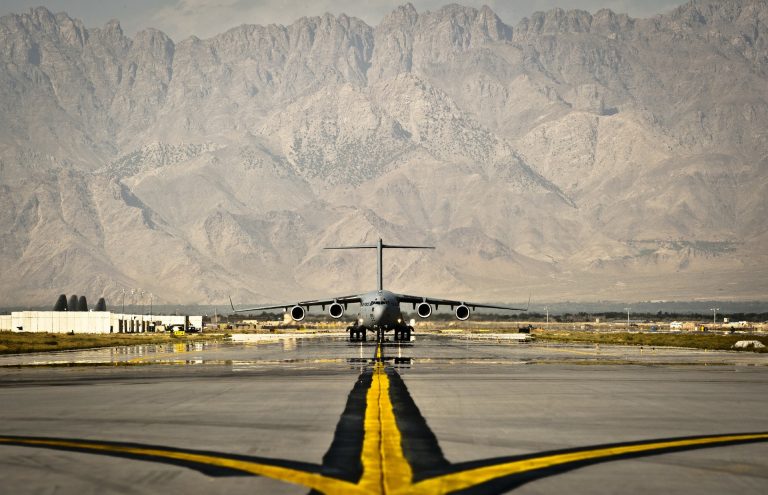
    Bagram Air Base in Afghanistan embodies both strategic criteria sought by the United States for regional dominance in West Asia. It is a unique facility that enables permanent, rapid, and uninterrupted air force deployment by the U.S. and NATO to the borders of Russia, China, and Iran. America’s presence in Afghanistan resembles applying pressure to the core of a diamond—aiming to fracture it. While other border zones like Jordan, Saudi Arabia, Iraq, and Syria (especially near Al-Qa’im) hold strategic importance, Bagram stands out as the most critical geostrategic location for the U.S. globally.

    Bagram is the only site that offers simultaneous access to the borders of Iran, Russia, China, and even India, Pakistan, and all Central Asian nations. The U.S. military seeks the ability to deploy to the edge of these borders at will, with minimal delay, and to penetrate deep into their territories. This strategy envisions a seamless aerial corridor from the western and eastern edges of U.S. territory to the frontiers of China and Russia, without any barriers to fighter jet operations.

    Moreover, U.S. air dominance over Afghanistan allows it to maintain a lasting balance in relations among Pakistan, India, and Central Asia. This balance could reshape the design of regional and global corridors, making it nearly impossible to establish any route outside U.S. influence. Such corridors would serve to contain the economies of Iran, China, and Russia, and simplify efforts to undermine them.

    Israel’s Role in U.S. Regional Strategy: The “Flat Terrain” Doctrine
    Israel effectively functions as an advanced outpost for the United States and NATO in West Asia and North Africa. The security, military, and intelligence strategies of both parties are designed and executed as complementary and overlapping frameworks. Deep, multi-layered cooperation between Washington and Tel Aviv has turned Israel into a regional arm of U.S. geostrategic ambitions, with little divergence in their strategic orientations.

    From a geopolitical standpoint, the territorial position of Israel is highly strategic, offering direct access to the borders of Jordan, Syria, Lebanon, Egypt, and Saudi Arabia, and through the Red Sea, a gateway to northern and eastern Africa. Thus, Washington’s unwavering support for Israel is not merely ideological or political—it is a cornerstone of its broader strategy to maintain geographic and military superiority in the heart of the Middle East.

    According to the author, Israel is pursuing a “flat terrain” strategy—an aerial version of the scorched-earth doctrine. Its central aim is to eliminate any obstacle to continuous air force presence across West Asia, extending to the borders of China and Russia. The initial phase of this strategy is already visible in Israel’s persistent aerial presence over Lebanon and its readiness to conduct military operations anywhere, anytime.

    Under this doctrine, all infrastructure capable of resisting or obstructing U.S. and Israeli air forces in West Asia must be dismantled—starting with Gaza, spreading to Lebanon, and culminating in the destruction of Syria’s military infrastructure near Iran’s borders. Israel’s attacks on Syria’s defense systems and the elimination of any serious resistance are part of this plan, which has effectively granted Israel full control over Syrian airspace.

    The Position of Iran and Other Regional States in the U.S.–Israeli Strategic Framework
    The presence of large or small countries in West Asia poses no challenge to the U.S.–Israeli regional strategy as long as they do not obstruct its implementation. Therefore, regional states must either align with U.S. policies—like the Arab states and Central Asian countries after the collapse of the Soviet Union—or be consumed by internal crises, unrest, and economic hardship—like Iraq and Syria—rendering them incapable of resisting the strategic agenda. Within this framework, the U.S. Departments of Defense and State are tasked with advancing instability, disruption, and even fragmentation in nations that oppose foreign domination, using both soft and hard power.

    During the 12-day war, we witnessed the implementation of a no-fly zone and restricted access along Iran’s western border—a rehearsal for expanding the U.S. regional presence and Israel’s “flat terrain” strategy. The current goal is to extend this tactic to the borders of China and Russia. If successful, the U.S. would consider its strategic objectives fulfilled, and with the combined aerial capabilities of the U.S., Israel, and NATO, dominance over the entire region up to China and Russia would be solidified. However, Iran’s symbolic role in the Middle East—especially at this critical juncture as the world approaches a new global order—remains a major obstacle to the ambitions of Washington and Tel Aviv. Iran today is not only the bastion of resistance in West Asia but also a defensive stronghold against U.S. global hegemony, complicating American access to the borders of China and Russia.

    Post–October 7 Military and Security Doctrine Shift
    In the past two years, Israel’s strategic approach has blurred the lines between military and intelligence operations. Its air force now possesses the capability to launch air-dropped ballistic munitions with pinpoint accuracy at targets up to 1,000 kilometers away in under 20 minutes. This means specific targets can be struck at precise times with unprecedented speed. The significance of this new operational model becomes clearer when considering that striking a target 1,000 kilometers from Iran, China, or Russia’s borders equates to penetrating deep into their territorial space. This doctrine marks a turning point in the history of warfare, where emerging technologies like artificial intelligence, electronic surveillance, and advanced aerial munitions not only disrupt but erase traditional security and military boundaries.

    Previously, a successful assassination or sabotage mission under the security paradigm required years of intelligence gathering, planning, surveillance, espionage, and ultimately bombings or targeted killings—with a high risk of failure. Today, similar operations can be executed under a military paradigm with extraordinary speed and precision. Notable examples include the assassinations of Iranian military and political leaders during the 12-day war, as well as Hezbollah commanders in Beirut and Hamas leaders in Doha, carried out using military assets.

    French author Nicholas Blanford, in his book Warriors of God: Inside Hezbollah’s Thirty-Year Struggle Against Israel, recounts a failed Israeli commando assassination attempt in the village of Ansariyeh in southern Lebanon. The operation was thwarted by Hezbollah’s vigilance, resulting in the complete destruction of the Israeli unit. This episode illustrates the difficulty of past intelligence operations—now made significantly easier through modern military technologies.

    Cunclusion
    The United States’ regional strategy in West Asia is centered on minimizing casualties and costs by avoiding large-scale military deployments and direct wars. Instead, it emphasizes a sustained and rapid presence through strategically located air bases, enabling swift access to the borders of Iran, China, and Russia. This approach aligns closely with Israel’s regional doctrine.

    The overarching goal is to dismantle any resistance to U.S. aerial dominance and geopolitical hegemony extending to the frontiers of these rival powers. In the post–October 7 world—where the boundaries between military and intelligence operations have blurred—such an air-centric posture allows the U.S. to penetrate deep into adversarial territories and conduct high-precision targeted operations in under an hour. This marks a significant evolution in modern warfare and reflects a broader ambition to reshape the regional balance of power.
  • Senior TTP Leader Mufti Muzahim Killed in Bajaur Strike

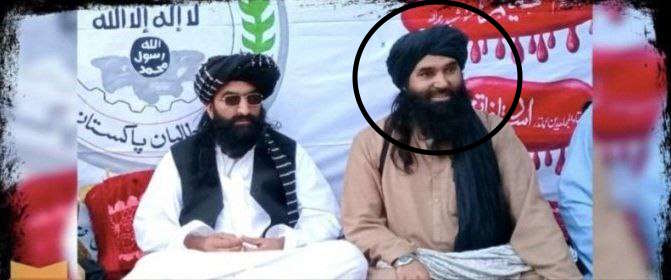
    Senior TTP Leader Mufti Muzahim Killed in Bajaur Strike

    Qari Amjad was a high-ranking member and former deputy leader of the TTP. In November 2022, he was added to the U.S. terrorist list due to his involvement in attacks across Khyber Pakhtunkhwa.

    The Pakistani military claims he had been operating from Afghanistan to destabilize Pakistan and had placed a bounty of 5 million rupees on his head.

  • Annual European Rabbis Conference in Baku Canceled Over Security Concerns!

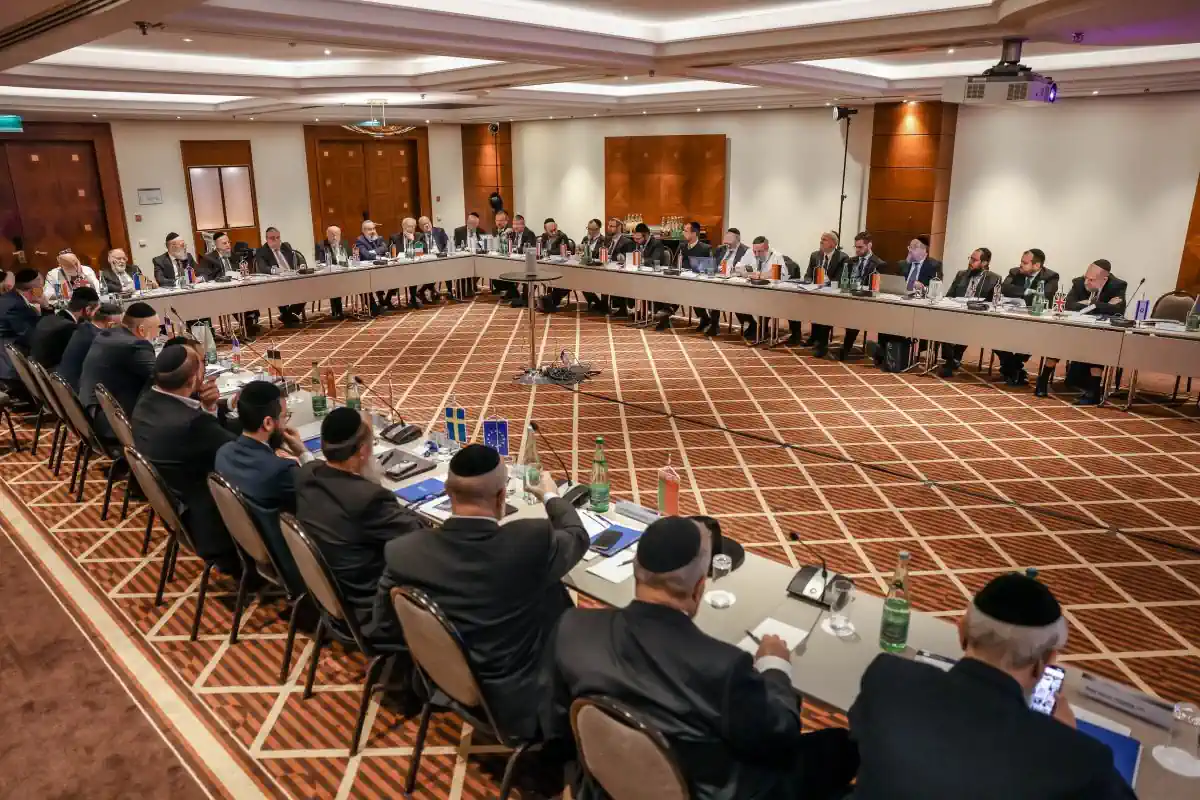
    Annual European Rabbis Conference in Baku Canceled Over Security Concerns!

    Organized at the invitation of the Azerbaijani government and backed by European Jewish organizations, this was set to be the first major gathering of European rabbis in a Muslim-majority country—predominantly Shiite. Notably, a previous Jewish conference planned in Baku was also canceled in 2023 following the Al-Aqsa Storm operation against Israel.

    The cancellation appears to stem from a combination of security, political, and social factors. It likely reflects regional political pressures, public backlash over Baku’s ties with Tel Aviv, and potential threats targeting Israeli-linked figures in the city.

    The abrupt decision to cancel the high-profile event, despite significant investment, signals the Aliyev government’s strategic calculation regarding the risks and regional implications involved.

  • Test of Russia’s New Nuclear Cruise Missile: A Message of Defiance to the West

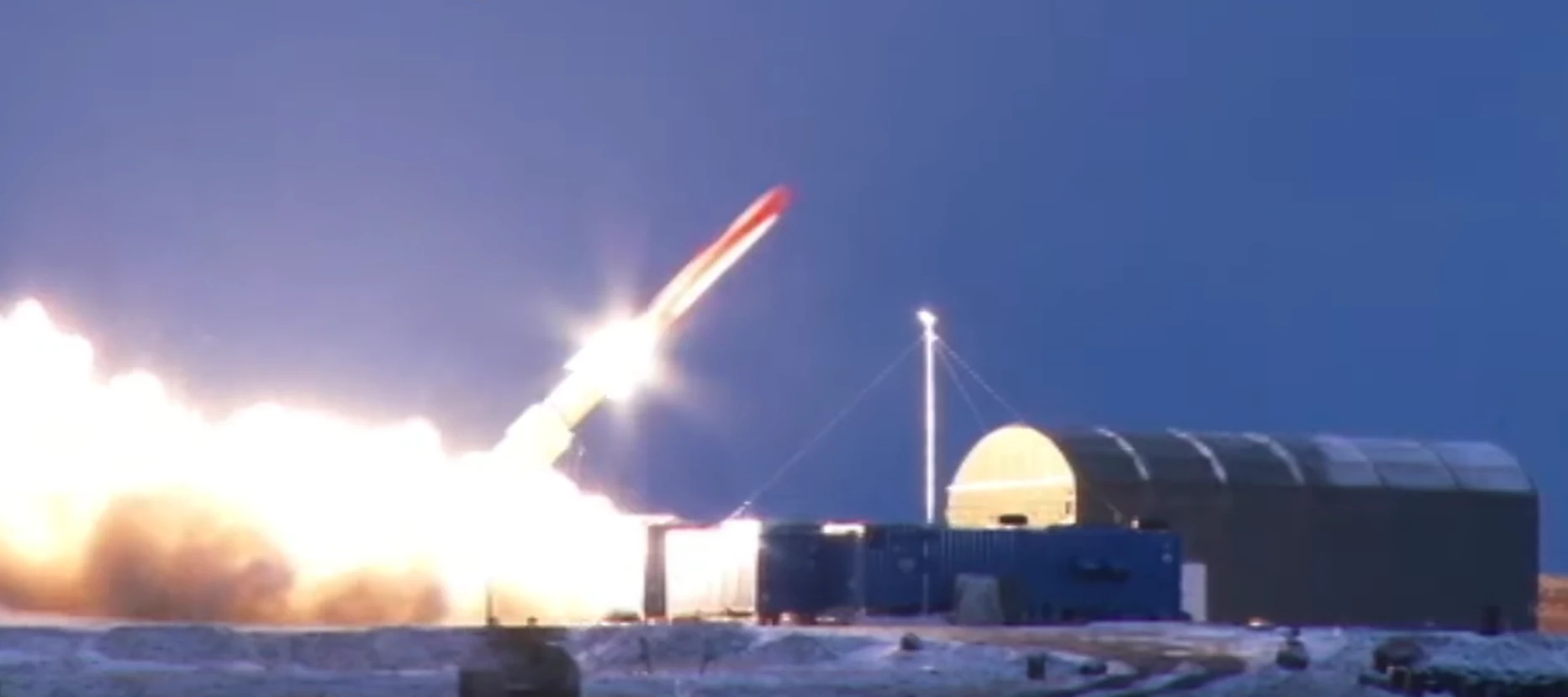
    Test of Russia’s New Nuclear Cruise Missile: A Message of Defiance to the West

    Putin described the missile as “unique” and “immune to existing defense systems,” adding that the test, conducted alongside recent nuclear drills, sends a clear message: “Russia will never yield to Western pressure over the Ukraine war.”

    Valery Gerasimov, Chief of the General Staff of Russian Armed Forces reported to Putin that the Burevestnik missile flew approximately 14,000 km and remained airborne for 15 hrs during its Oct. 21 test. Known by NATO as SSC-X-9 Skyfall, the missile is powered by a nuclear propulsion system and can carry a nuclear warhead.

    The test comes amid peak tensions between Russia and the West over the conflict in Ukraine. In response, Trump stated, “We don’t play games with Russia, and they don’t play games with us,” hinting at the possibility of new sanctions against Moscow.

  • Taliban’s Economic Chief Meets with Saudi Executive and Zalmay Khalilzad Over Gas Pipeline Project

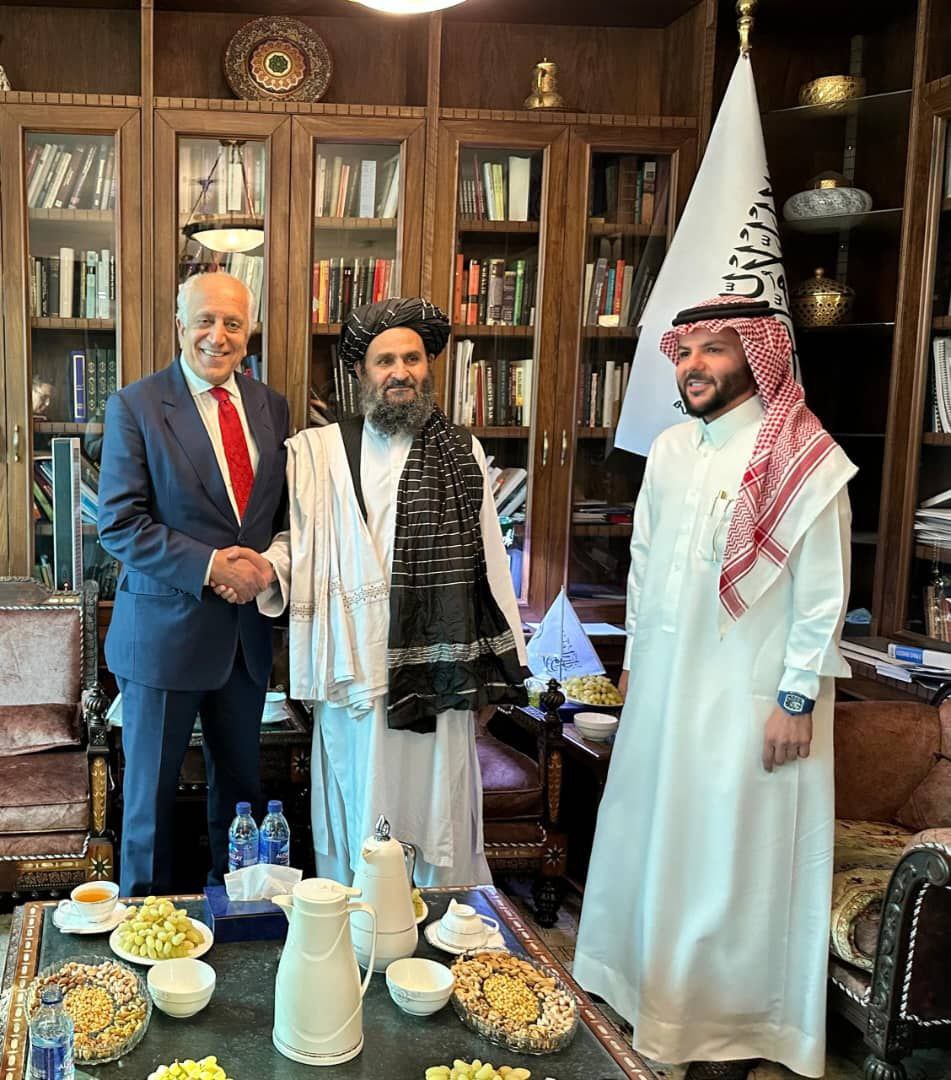
    Taliban’s Economic Chief Meets with Saudi Executive and Zalmay Khalilzad Over Gas Pipeline Project

    The meeting focused on cooperation in gas exploration, extraction, and pipeline development across Afghanistan. Al-Taqi expressed strong interest in investing in the country’s energy sector.

    As negotiations over American prisoner exchanges progress, Khalilzad’s role in shaping Afghanistan’s future has become increasingly prominent. With backing from the Trump administration and Saudi firms, Khalilzad is leveraging Taliban interests—such as gas development—to advance U.S. strategic goals in the region.

    While his exact objectives remain unclear, speculation includes potential military and intelligence use of Bagram Airbase. The evolving cooperation between the Taliban and the U.S., with Khalilzad as a key facilitator, appears to be gaining momentum.

  • Aidarus al-Zoubaidi Meets Russian Officials During Moscow Visit

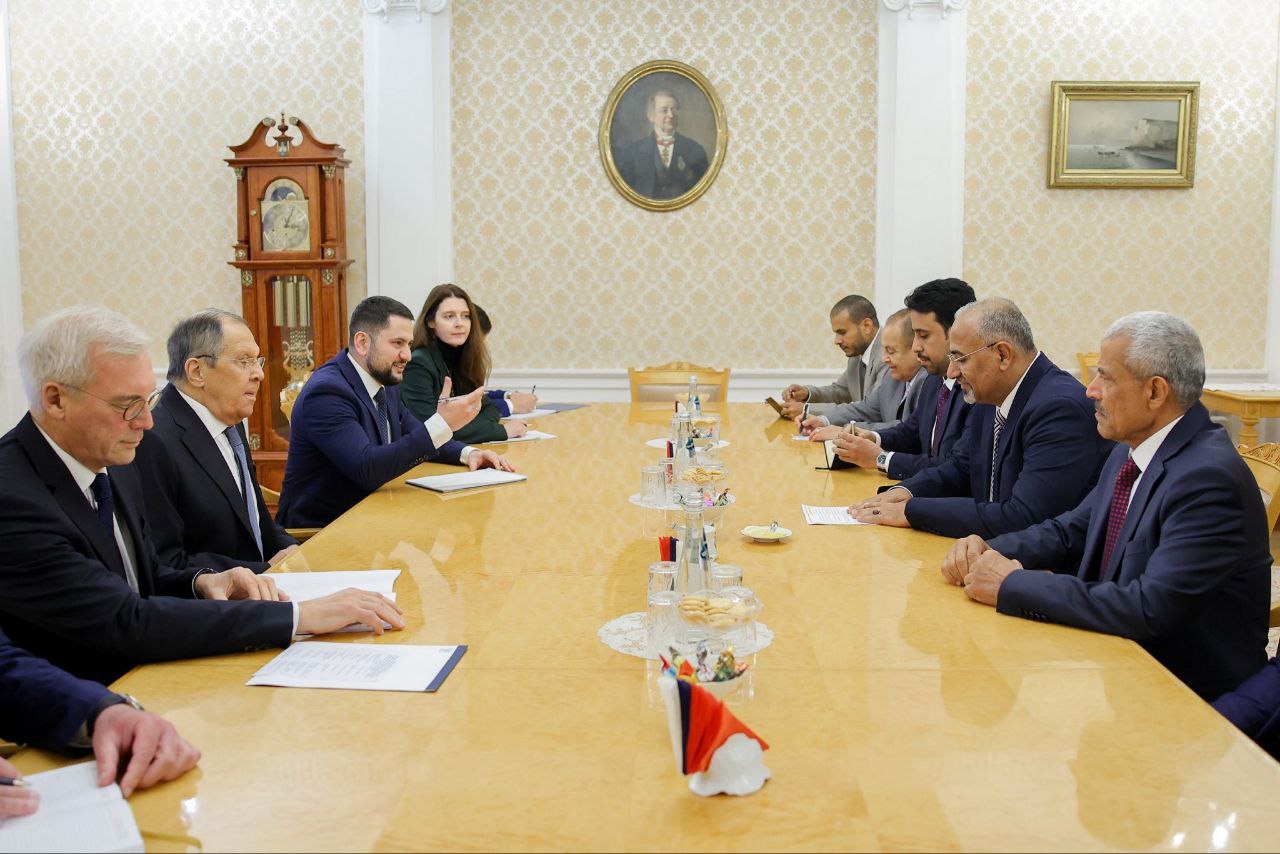
    Aidarus al-Zoubaidi Meets Russian Officials During Moscow Visit

    In his social media posts, al-Zoubaidi made no reference to his formal role within Yemen’s internationally recognized government. Instead, he emphasized the historical ties between Russia and the people of southern Yemen, noting that the meetings focused on shared interests and potential cooperation in political and economic fields. He highlighted Yemen’s promising investment opportunities in sectors such as energy, mining, agriculture, and fisheries.

    This visit is widely interpreted as part of al-Zoubaidi’s broader separatist agenda. While Rashad al-Alimi, chairman of the Saudi-backed Presidential Leadership Council, had previously visited Russia and met with President Putin, southern factions believe that strengthening ties with Moscow could help advance their goal of re-establishing an independent South Yemen.

  • Afghanistan–Pakistan Ceasefire Agreement Brokered by Qatar and Turkey

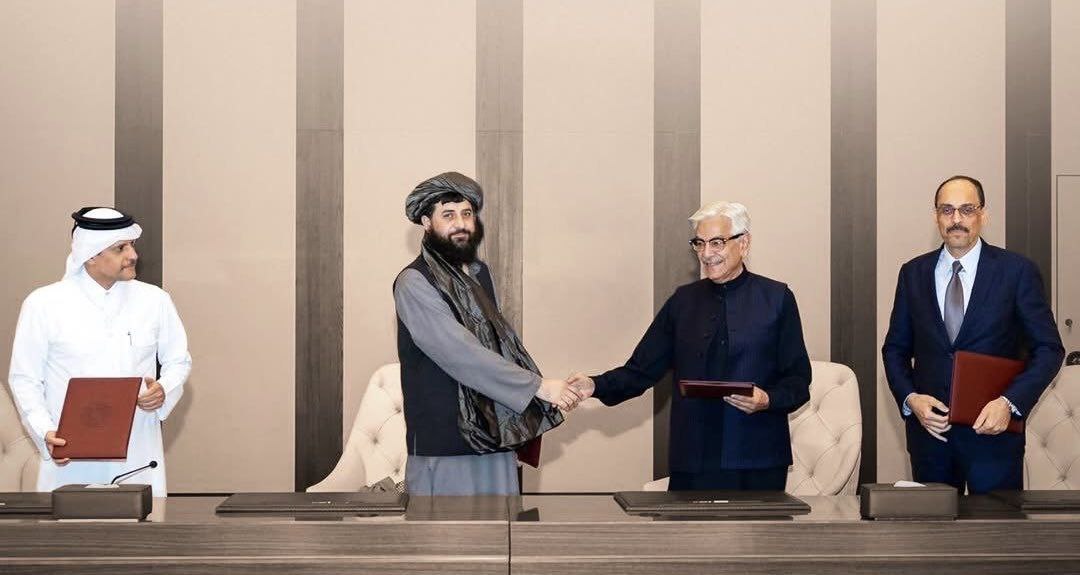
    Afghanistan–Pakistan Ceasefire Agreement Brokered by Qatar and Turkey

    Talks were led by Mullah Mohammad Yaqoob Mujahid and Abdul Haq Wasiq for the Taliban, and Khawaja Muhammad Asif and General Asim Malik for Pakistan. Both sides agreed to cease hostilities, commit to peaceful neighborly relations, and resolve remaining disputes through dialogue.

    To ensure the ceasefire holds, both parties pledged to hold regular meetings. A follow-up session is scheduled for October 25 in Istanbul to discuss the agreement’s details.

    According to Taliban spokesperson Zabihullah Mujahid, both sides agreed not to support groups attacking one another and committed to avoiding harm to security forces, civilians, or infrastructure.

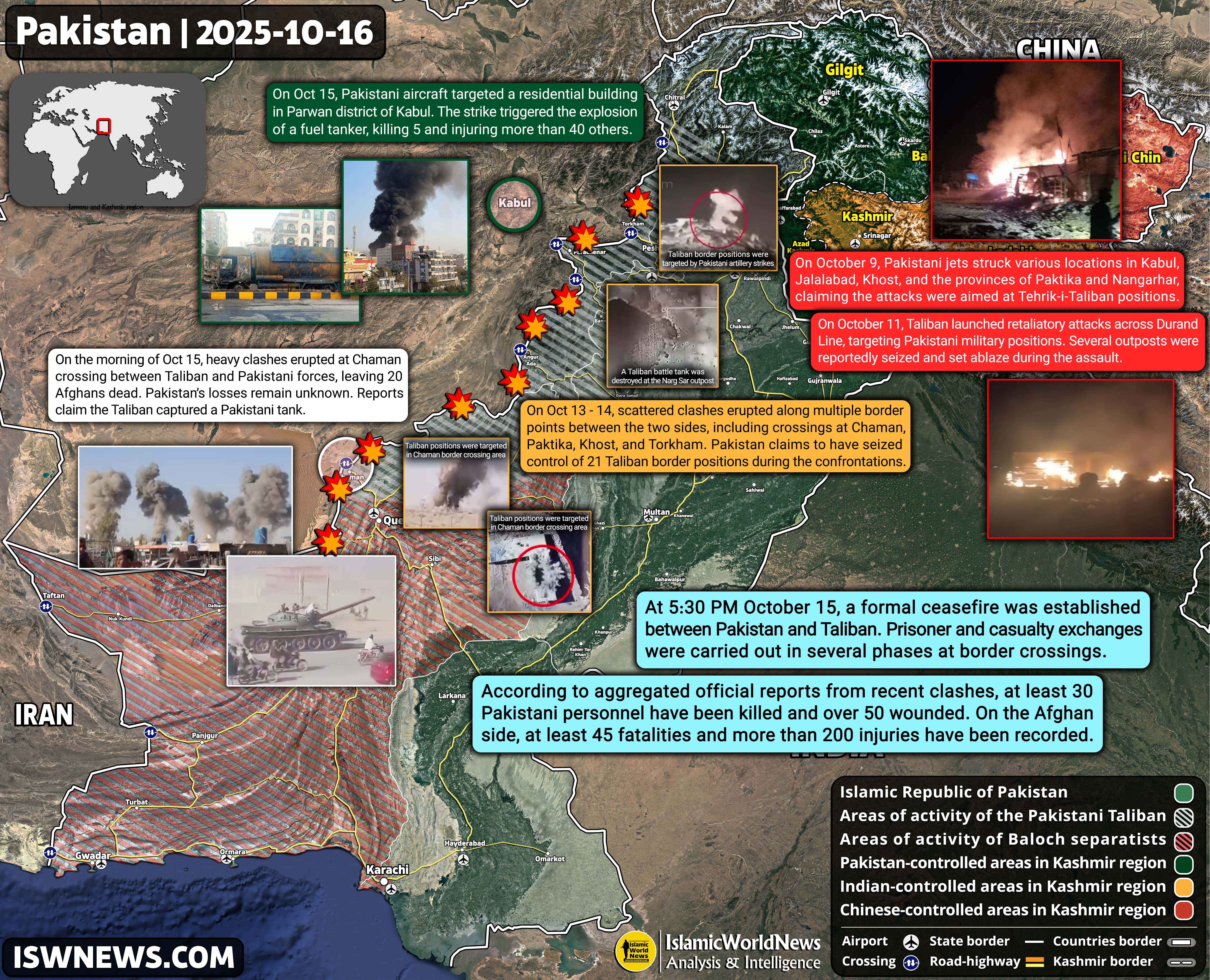
    The ceasefire agreement between the Pakistani military and the Afghan Taliban comes after weeks of clashes along the Durand Line, which began on October 9 amid mutual accusations of supporting terrorism. This conflict, one of the most futile in recent regional history, resulted in the deaths and injuries of hundreds of soldiers and civilians, bringing nothing but destruction and suffering to innocent people.

  • From Airstrikes to Ceasefire: A Summary of the Latest Afghanistan–Pakistan Border Tensions

    From Airstrikes to Ceasefire: A Summary of the Latest Afghanistan–Pakistan Border Tensions

    According to official figures, at least 30 Pakistanis were killed and over 50 wounded. On the Afghan side, at least 45 fatalities and more than 200 injuries were reported. In response to the escalation, Pakistan suspended all trade with Afghanistan, and border crossings are now open only for returning Afghan migrants expelled from Pakistan.

    A partial ceasefire was established on the evening of October 15, with both sides exchanging prisoners and the bodies of the deceased at various border points.

    Pakistan claims the conflict stems from the Taliban’s alleged support for Tehrik-i-Taliban Pakistan (TTP) fighters based in eastern Afghanistan. The Taliban, in turn, accuses Pakistan’s intelligence services of training ISIS-affiliated groups and deploying them for terrorist operations in Afghanistan and across the region, including Russia and Iran. While many disputes exist between the two sides, the central issue driving the conflict is mutual accusations of supporting terrorism.

    Click to view full-size image
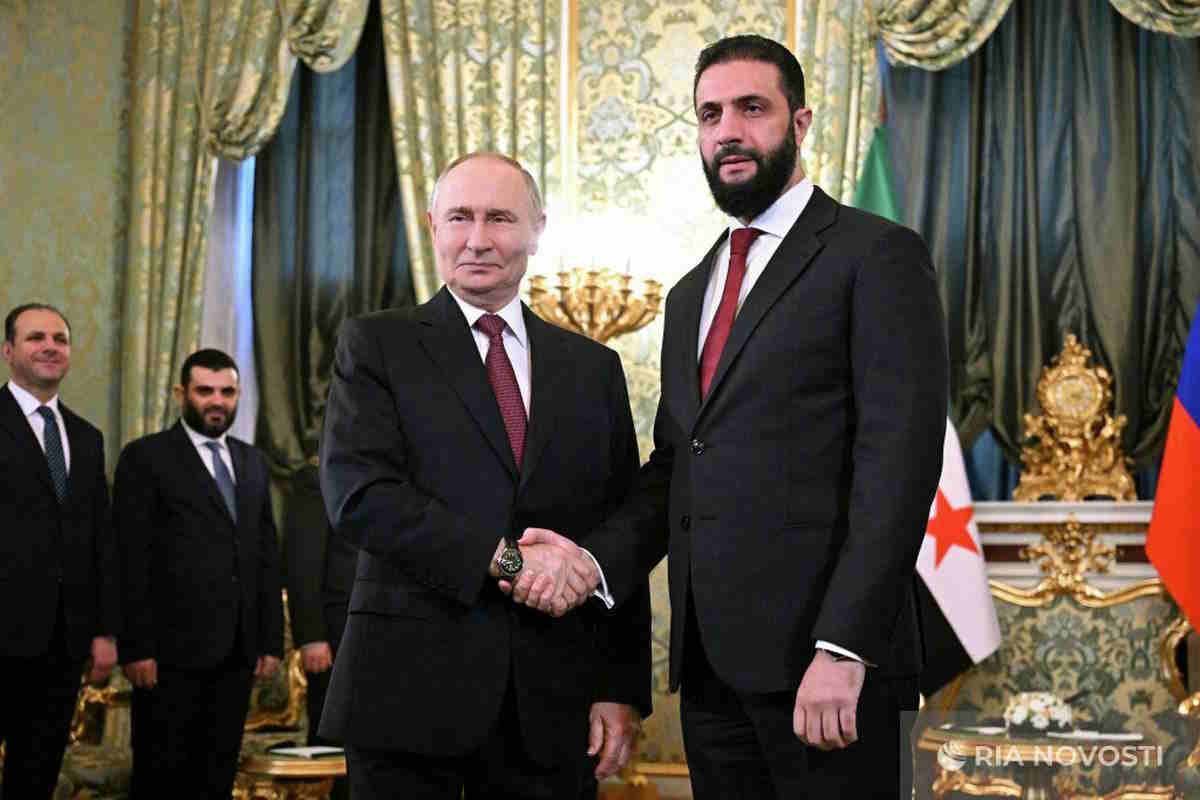
  • Meeting Between Al-Sharaa and Putin in Moscow

    Meeting Between Al-Sharaa and Putin in Moscow

    Ahmed Al-Sharaa, head of Syria’s interim government, stated:
    “Today, we are in a new Syria, and we are rebuilding our relations with all nations, especially the Russian Federation. We honor all past agreements and this great history, and we strive to redefine and present the nature of these ties in a renewed way. We respect our shared history, and our goal is to strengthen relations based on Syria’s sovereignty, unity, and stability.”

    The Kremlin meeting between Putin and Ahmed Al-Sharaa (Abu Mohammad Al-Jolani) marks a clear effort by Moscow to preserve and redefine its role in Syria’s political landscape following the fall of Bashar al-Assad’s government. Having supported Assad as a strategic ally for years, Russia now seeks to maintain its traditional influence within Syria’s new power structure through pragmatic diplomacy. The revival of the joint cooperation committee signals Russia’s intent to secure long-term economic and security presence in Syria.

    Putin also stressed joint economic projects, food supply support for Syria, and collaboration in energy and infrastructure. This shift indicates Russia’s strategy to transition from direct military involvement to sustainable economic engagement—leveraging its political influence for strategic gains without incurring the costs of past military operations.

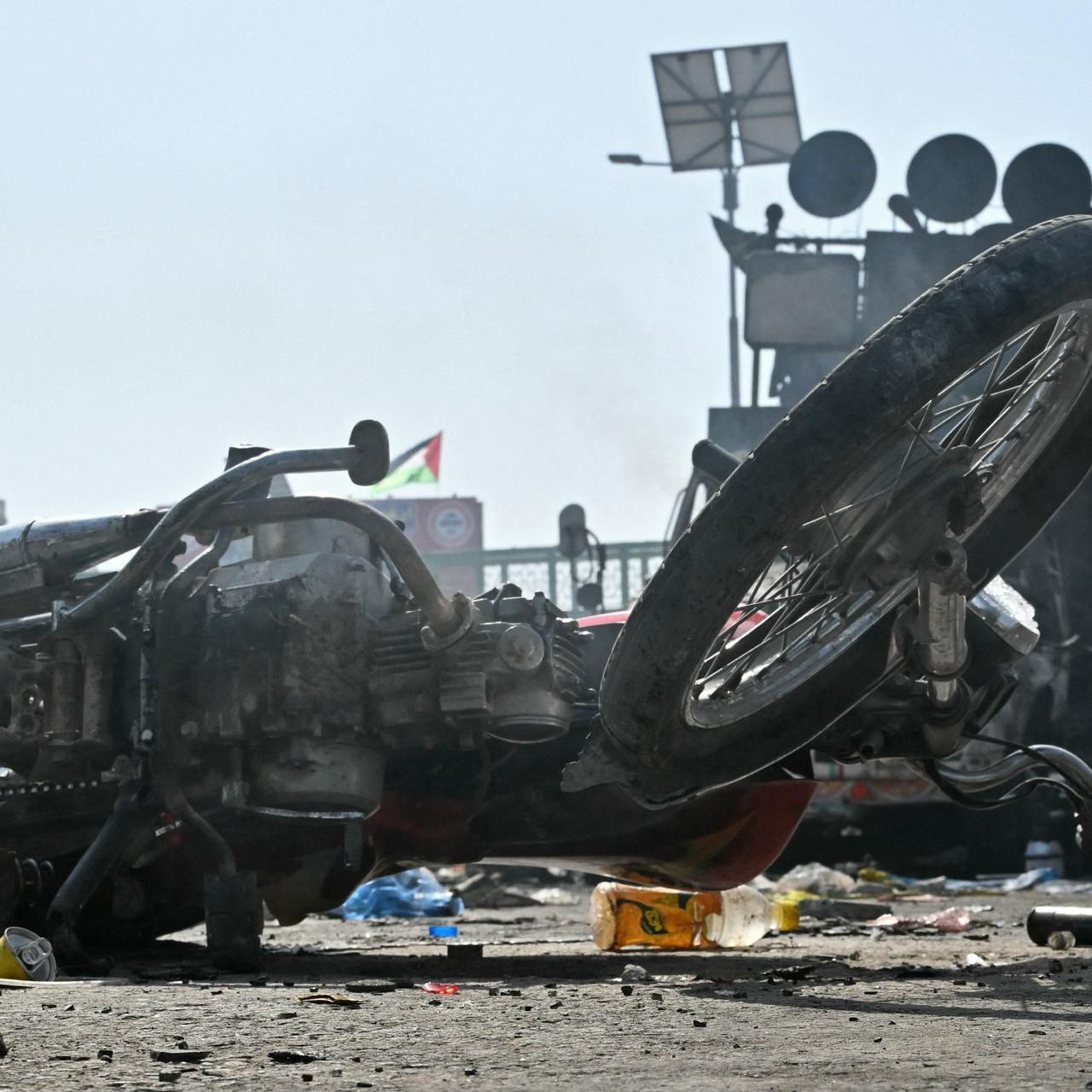
  • Muridke Turns Violent Amid TLP’s Protest

    Muridke Turns Violent Amid TLP’s Protest

    The confrontation resulted in five deaths—three TLP supporters, one police officer, and a passerby—while 108 others were injured. Additionally, 40 government and private vehicles were either damaged or set ablaze during the violence.

    Muridke Turns Violent Amid TLP’s Protest

    Simultaneous protests erupted in Rawalpindi and several other cities across Pakistan, drawing thousands of TLP supporters into the streets.

    Tehreek-e-Labbaik Pakistan is a religious-political group aligned with the Barelvi Sunni tradition. Founded in 2015 by Khadim Hussain Rizvi, the group is now led by his son, Saad Hussain Rizvi. Known for its hardline religious stance and mass street demonstrations, TLP holds Islamist views but remains ideologically opposed to both the Taliban and Shia Islam.

  • A Pause in Hostilities: Inside the Latest Taliban–Pakistan Clash

    A Pause in Hostilities: Inside the Latest Taliban–Pakistan Clash

    Pakistani media have released multiple videos of their strikes on Taliban positions, while Taliban-affiliated outlets have only shared images of fallen Pakistani soldiers, without providing further details.

    Overall, last night’s clashes between the Taliban and the Pakistani army were part of a border skirmish, with both sides suffering significant casualties and damage. As such, their one-sided claims appear to be more propaganda-driven. In essence, the Taliban carried out guerrilla-style raids on border outposts, while the Pakistani army responded using conventional military force against Taliban positions along the frontier.

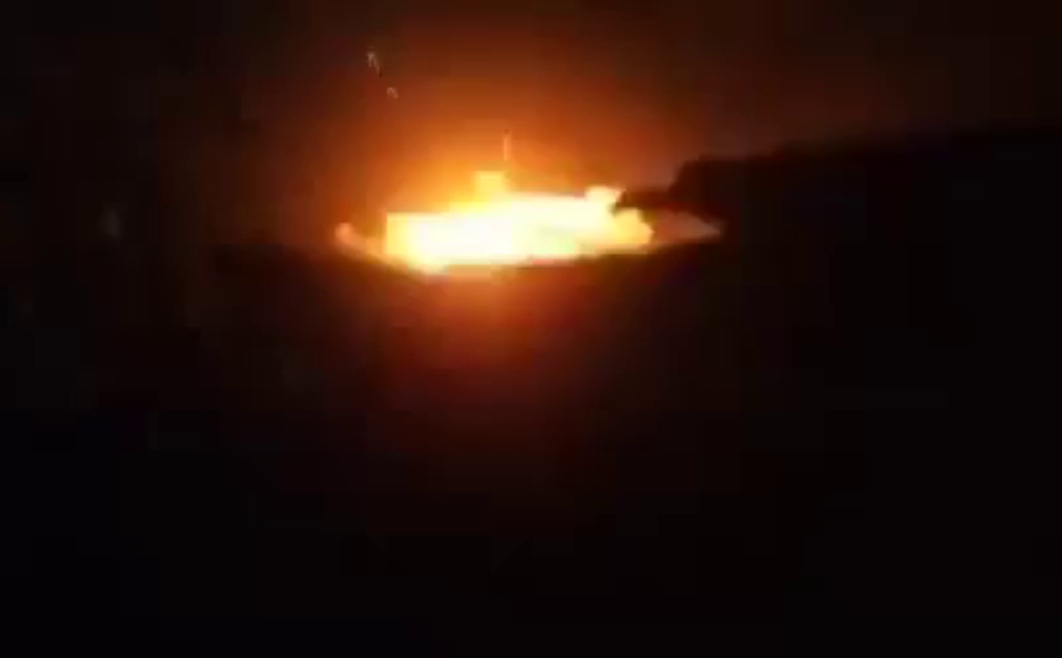
    Moment of Pakistani artillery shelling on Taliban border posts
    Moment of Pakistani artillery shelling on Taliban border posts
  • Taliban Launch Cross-Border Attacks After Pakistan’s Kabul Airstrike

    Taliban Launch Cross-Border Attacks After Pakistan’s Kabul Airstrike

    Reports suggest that several Pakistani border posts along the Zabul and Helmand frontiers have been seized by Taliban forces. According to unofficial sources, at least seven Pakistani soldiers have been killed in these attacks.

    On the night of Thursday, October 9, Pakistani fighter jets carried out airstrikes targeting various locations in Kabul, Jalalabad, Khost, and the Bermal district of Paktika province.

    This marked Pakistan’s first-ever airstrike on Afghanistan’s capital, Kabul. According to Pakistani media reports, the target was a vehicle carrying senior members of Tehrik-i-Taliban Pakistan (TTP). The intended assassination target was allegedly Noor Wali Mehsud, the leader of TTP. However, Taliban-affiliated media later released an audio recording attributed to Mehsud, denying the claims and asserting that he survived the attack.

    Hours after the Kabul strike, Pakistani jets reportedly bombed additional targets in Paktika, Khost, and Nangarhar provinces. These attacks resulted in the destruction of numerous shops in Bermal’s poultry market and damaged several buildings in Khost and Jalalabad.

    There is growing anticipation that Pakistan’s military may soon launch more extensive air operations against Taliban positions. The Kabul airstrike has significantly escalated tensions, and without swift mediation from regional powers like China or Iran, a prolonged and intense conflict between Pakistan and the Taliban could be imminent.