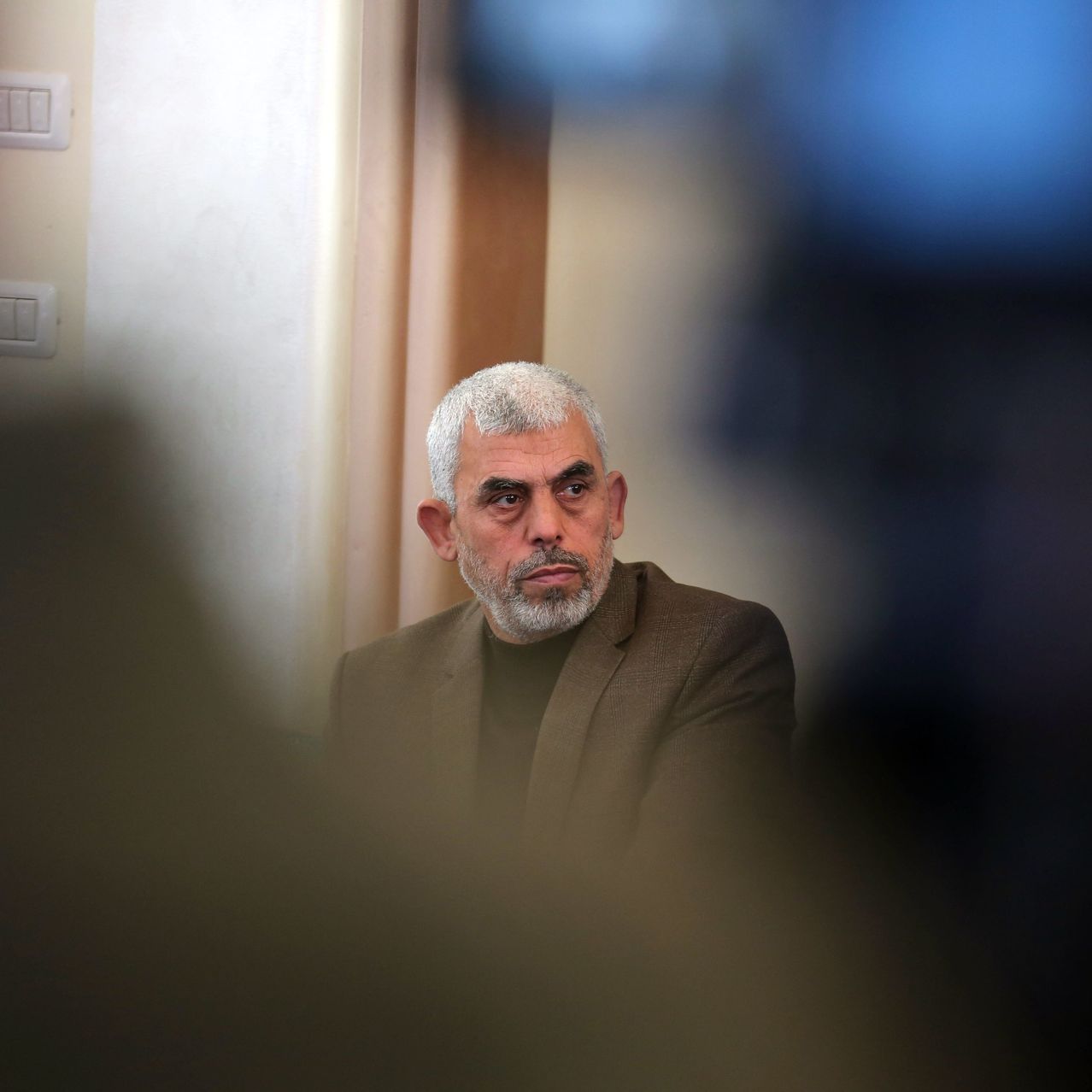
According to Palestinian media reports, Sinwar stated in this letter that during the ground operations against the Israeli regime’s army, the Izz ad-Din Al-Qassam Brigades targeted about five thousand Israeli soldiers, of whom one-third were killed, one-third were severely injured, and one-third suffered permanent disabilities. In addition, some 750 military vehicles were completely or partially destroyed.
In this letter, while appreciating the Palestinian resistance and sacrifices of the people in the Gaza Strip, Sinwar emphasized that the Israeli regime’s army has been severely beaten and the Palestinian resistance’s hard strikes continue, and they will not yield to their conditions.
Yahya Sinwar’s letter to Hamas leaders was sent simultaneously with the proposed ceasefire by the United States and the Israeli regime, through Egyptian and Qatari mediators. The statement indicates that the current goal of Palestinian resistance movement is a complete cessation of war and the withdrawal of the Israeli regime from the Gaza Strip.
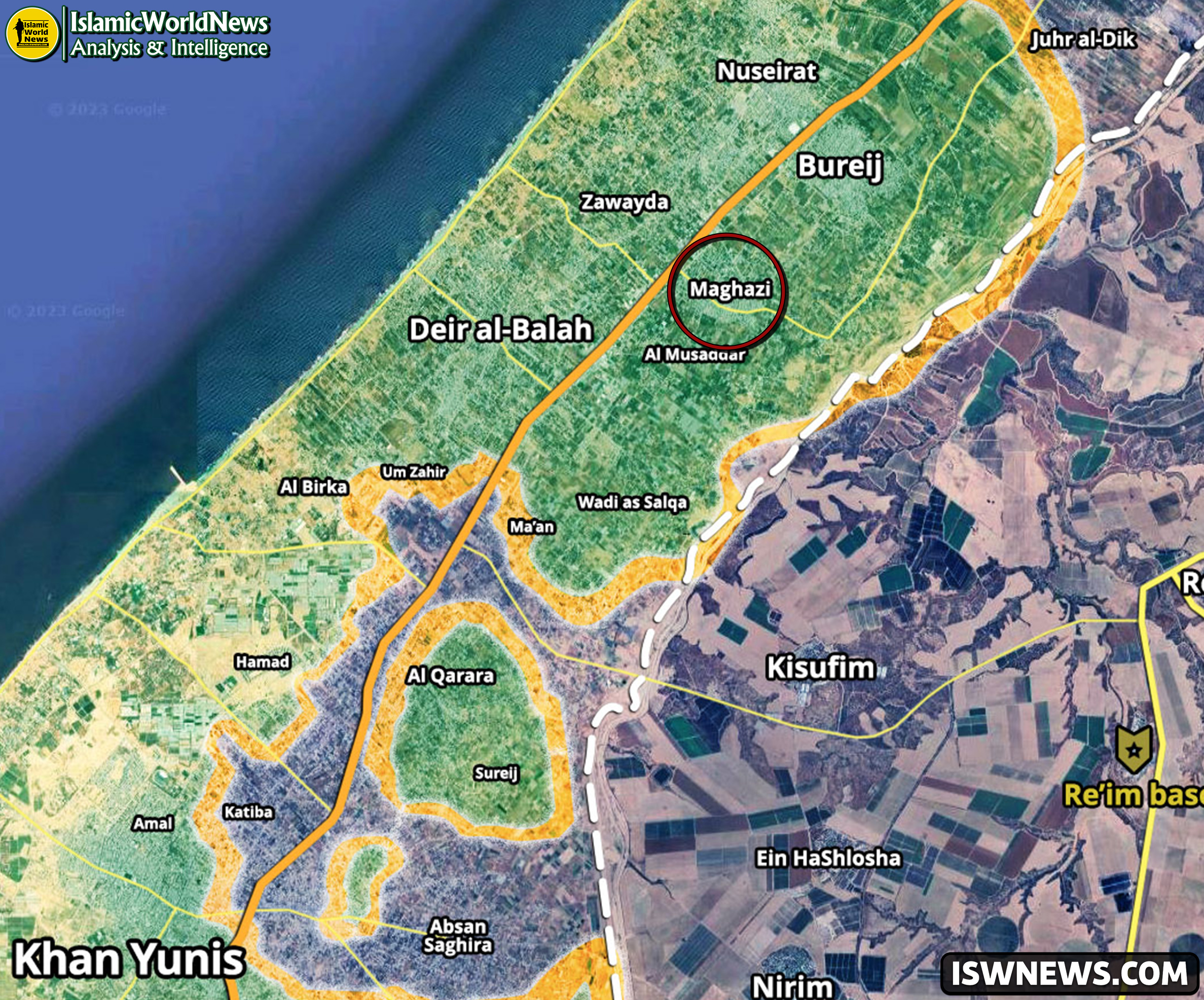
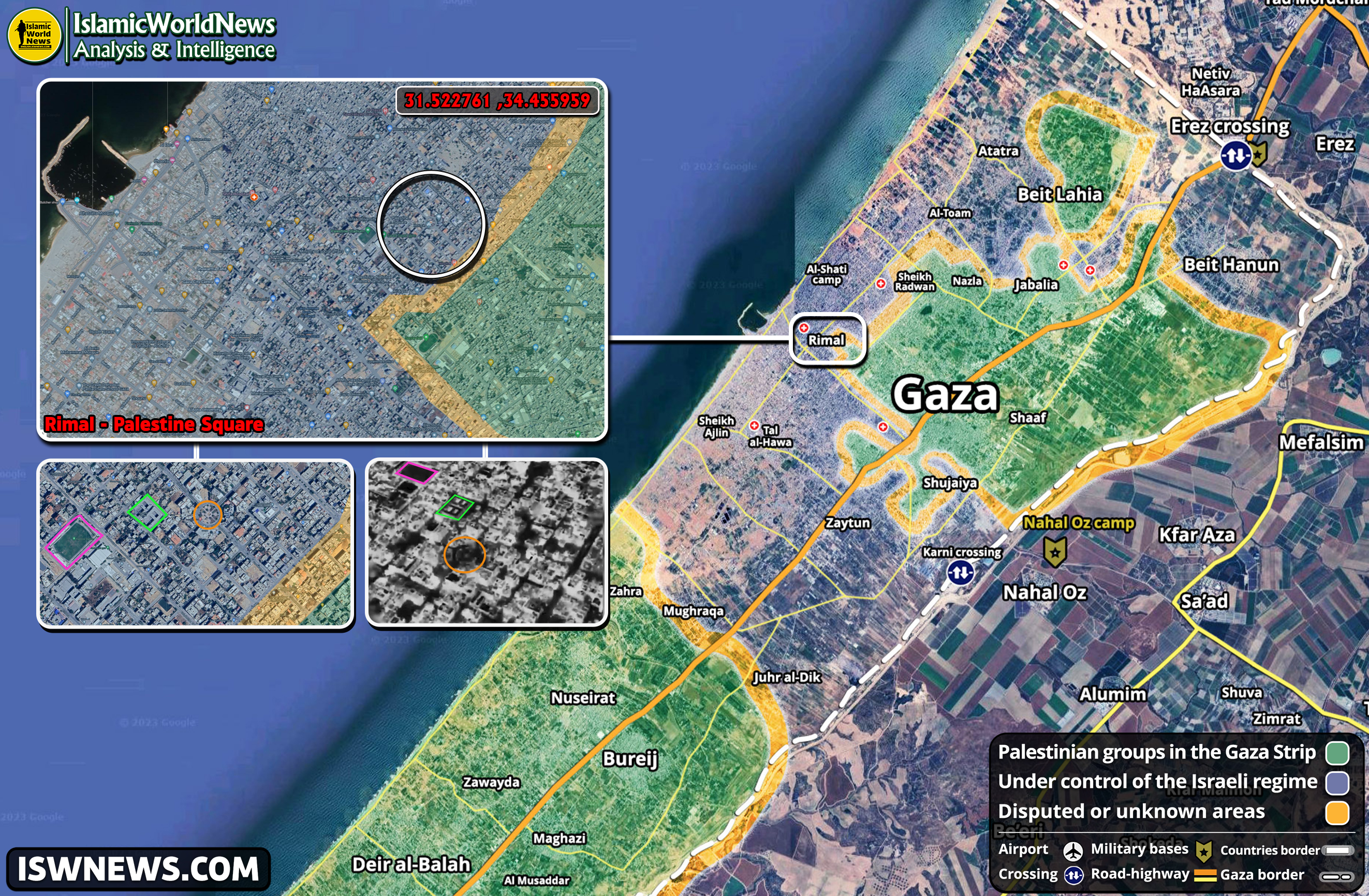
Ashraf al-Qidra, the spokesperson for the Palestinian Ministry of Health in the Gaza Strip, announced that as a result of the grave crime committed by the Israeli army in the Al-Maghazi refugee camp, an entire residential block was completely destroyed and dozens of civilian individuals were martyred or injured.
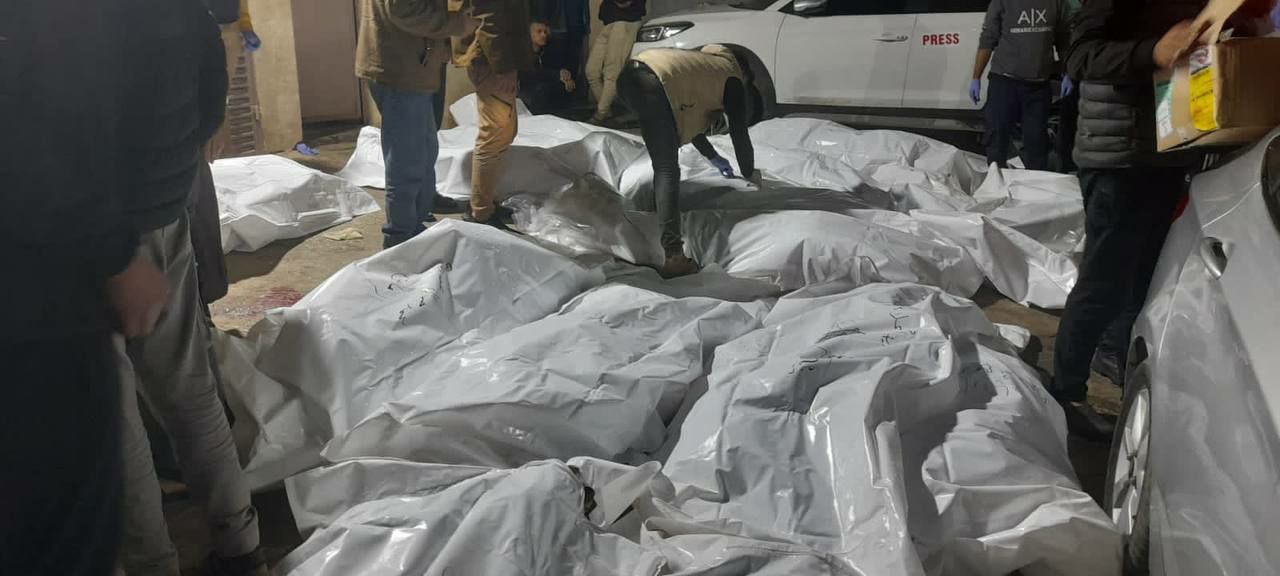
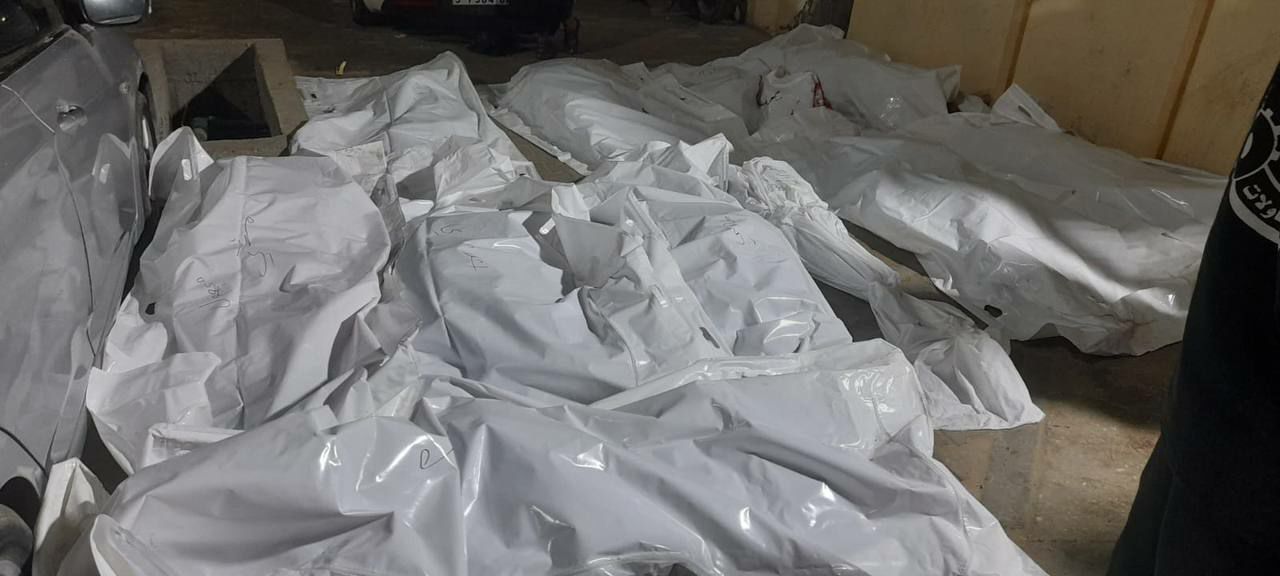
According to the latest statistics released by local sources in the Gaza Strip, over 70 Palestinians have been martyred in this Israeli crime, and tens of others injured and trapped under the rubble.
Palestinian resistance movement Hamas, in a statement, condemned this grave crime as part of the ongoing genocide and mass killing of Palestinian children and other civilians in the Gaza Strip, considering it an attempt to boost the morale of the defeated Israeli army.
Al-Maghazi campThe innocent infant who was martyred during the brutal bombing of Al-Maghazi campPictures of the bodies of some of the martyrs of the Zionist crimes in Al-Maghazi camp
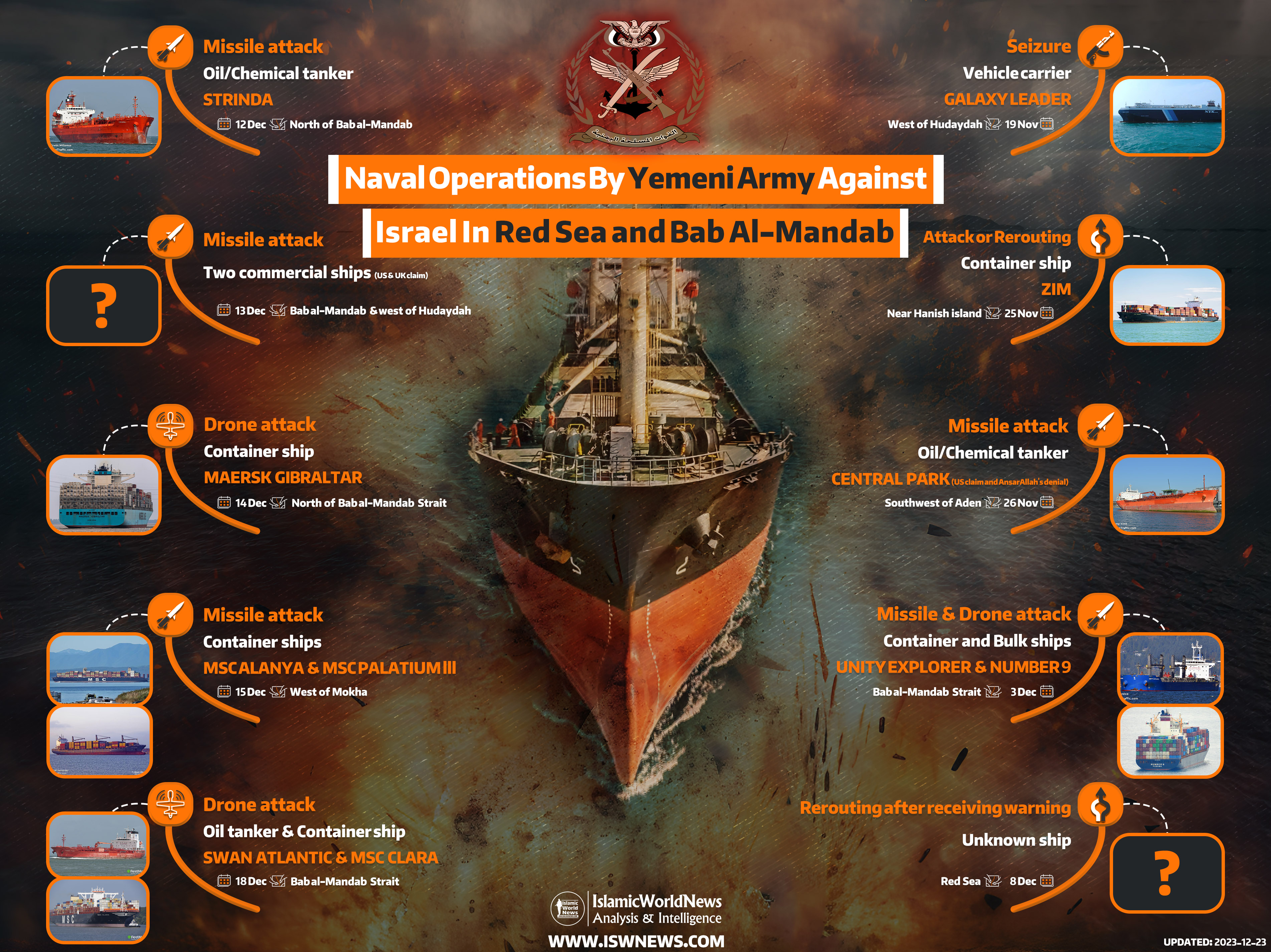
The statistics and details of the naval operations by the Yemeni armed forces against Israeli interests in the Red Sea and the Bab al-Mandab Strait are as follows:
1- Seizure of GALAXY LEADER vehicle carrier – November 19 – west of Hudaydah 2- Attack or rerouting of a ZIM container ship – November 25 – near Hanish Island 3- Missile attack on CENTRAL PARK oil tanker (US claim and Ansar Allah’s denial) – November 26 – Southwest of Aden 4- Missile attack on UNITY EXPLORER bulk carrier and drone attack on NUMBER 9 container ship – December 3 – Bab al-Mandab strait 5- Rerouting of two unknown ships after receiving warnings – December 8 – Red Sea 6- Missile attack on Norwegian STRINDA oil tanker – December 12 – north of Bab al-Mandab 7- Missile attack on two unknown commercial ships (claimed by the US and Britain) – December 13 – Bab al-Mandab Strait and west of Hudaydah 8- Drone attack on MAERSK GIBRALTAR container ship – December 14 – north of Bab al-Mandab 9- Missile attack on MSC ALANYA and MSC PALATIUM III container ships – December 15 – west of Al-Mukha 10- Drone attack on SWAN ATLANTIC oil tanker and MSC CLARA container ship – December 18 – Bab Al-Mandab Strait
Among the outcomes of these operations against Israeli shipping, there are significant financial losses inflicted on Israeli companies and economic ministries, a reduction in the activity of Israeli ports, and the halt of Israeli ships’ passage through the Red Sea, among many other consequences. These attacks have also led to the suspension of cooperation with the Israeli regime by at least seven major shipping companies, which is of great importance.
The Bab al-Mandab Strait and the Red Sea are vital economic arteries, which the Ansar Allah movement and the Yemeni army have managed to control through their resistance and precise attacks. Yemen’s role in the resistance axis against the Israeli regime and its Western allies has become prominent to a certain extent, to the point where Western media have claimed that US officials have proposed halting the Yemeni forces’ attacks in exchange for achieving a ceasefire in the Gaza Strip and sending humanitarian aid through mediating countries.
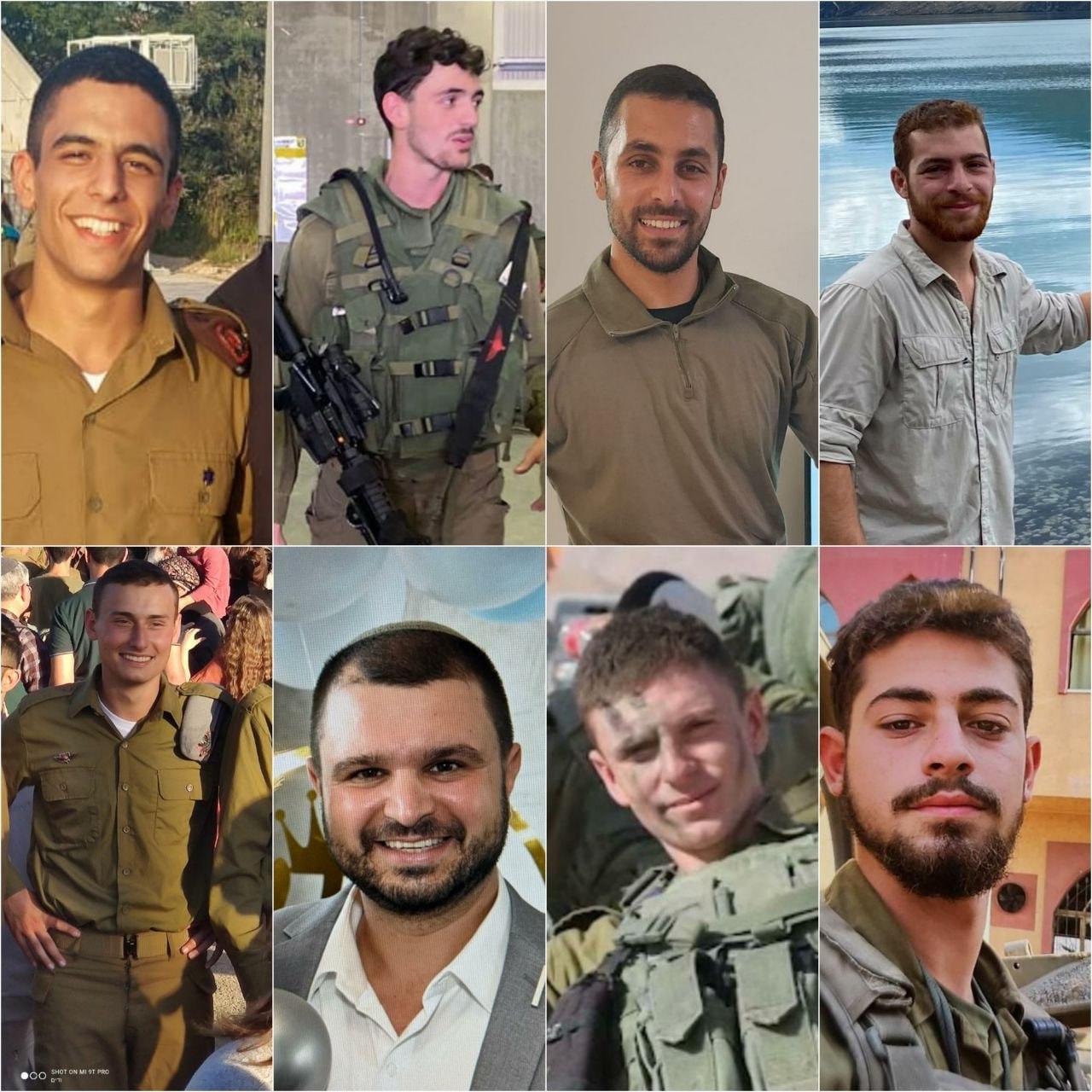
It is said that four of these servicemen were killed by an ATGM missile hitting an armored personnel carrier in the south of the Gaza Strip, two of them were killed in a rigged house in the center of the Gaza Strip, and two others were killed by an attack on a Hummer in the center of the Gaza Strip.
With the death of these three servicemen, according to the official announcement, the alleged death toll of the Israeli army since the launch of ground invasion of Gaza has increased to 152 servicemen, And the alleged total number of “military” deaths since the October 7 reached 485 servicemen.
In recent days, the casualties of the Israeli regime have increased dramatically. The increase in casualties of the Israeli regime affects the possibility of ending the war in Gaza. In general, Israelis do not tolerate casualties, and if these casualties continue, the pressure of public opinion in the occupied territories will lead to changes in the decision-making process of Israel’s military leaders.
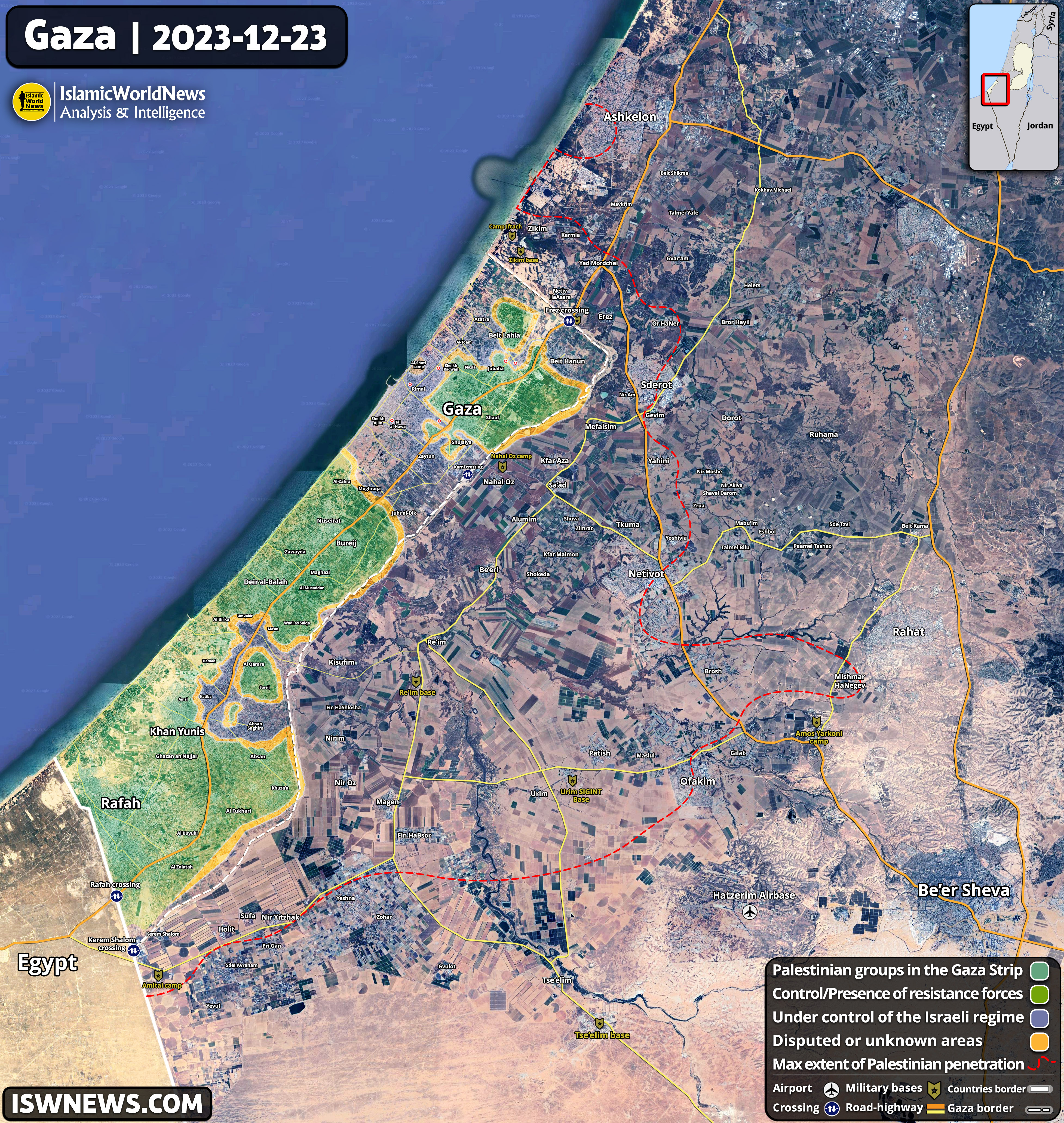
In the northern areas of the Gaza strip, scattered clashes continued along the axes of the Jabalia camp as well as around Al-Jalaa Street and Yarmouk Street. Also, Israeli forces carried out attacks against the areas of Al-Tuffah and Al-Daraj on Saturday.
Based on field information, it appears that Israeli forces have withdrawn from some points in the Gaza City. This withdrawal does not mean a complete withdrawal from the city; rather, the Israeli troops moved between several areas, several lines, or several streets. Generally, the Israeli regime’s army has established several points in the city as its main command center and from these areas, it advances or moves its forces to maintain control over the occupied areas.
It seems that the evacuation of some areas by the Israeli regime has been done for three reasons; first, the Israeli regime has achieved some of its goals, such as controlling key areas of the city of Gaza and destroying some of the most important tunnels and sections, both through aerial bombardment and through bombing and destruction. The second reason is that the prolongation of the war and the significant increase in casualties in recent days have forced them to make these withdrawals. The Israeli regime is forced to restrict or reduce the battlefronts in the Gaza City to prevent further casualties. And the third reason is that for now, the Israeli regime’s army has confined itself to its current conquests in the Gaza City and is now seeking to occupy the central and southern parts of the Gaza Strip.
Another important incident, which happened on Saturday, was the bombing of the Al-Shati refugee camp. After the initial advances of the Israeli regime’s forces in the Gaza City, the Al-Shati area was one of the first areas to be cut off from other parts of the city, and since then, no news has been reported from this area. However, the bombing of the Al-Shati refugee camp showed that the Israeli regime does not have complete control over this area. Also, an Israeli media outlet revealed for the first time on Saturday that over the course of the recent advances by the Israeli regime’s army, its forces did not fully enter Al-Shati refugee camp due to fear of heavy casualties and instead besieged this area.
In the middle of the Gaza Strip, clashes have intensified. According to field information, the Israeli regime’s military forces have launched new operations from Al-Mughraqa town, Al-Zahra, and Juhor ad-Dik village, and they are trying to advance towards Al-Bureij and Al-Nuseirat refugee camp. At this time, intense clashes are taking place in the Al-Mughraqa area. The Israeli regime’s warplanes are also heavily bombing the central areas of the Gaza Strip. So far, the Israeli regime’s military forces have not succeeded in making significant advances in this axis.
In the south of the Gaza Strip, scattered clashes continue in Khan Yunis city, and there has been no significant change in the control lines of this city.
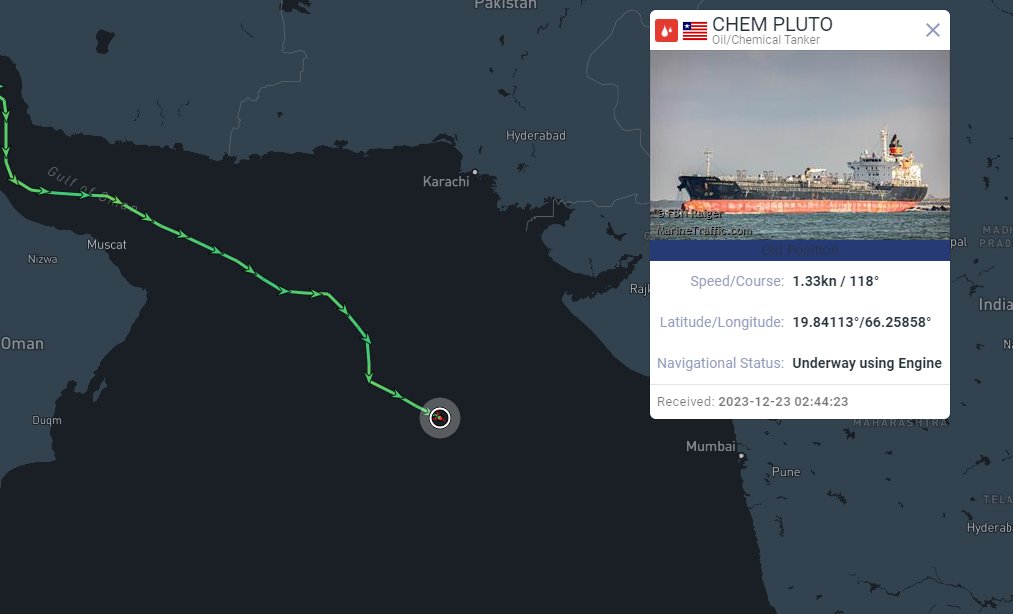
The United Kingdom Maritime Trade Operations (UKMTO) claimed that a commercial ship has experienced a security incident 200 miles southwest of the Indian city of Veraval.
The British maritime security company Ambrey Limited also stated that the targeted ship caught fire after being hit by a suicide drone. Currently, the fire has been extinguished, and there have been no reported casualties as a result of this attack.
It is said that the name of this ship, MV Chem Pluto, indicates its capability to transport petroleum and chemical materials. It operates under the flag of Liberia, and it is owned by Idan Ofer, an Israeli investor and businessman.
This is the second Israeli ship to come under drone attack in the waters of the Indian Ocean during the Palestine-Israel conflict. Previously, on November 25, the container ship CMA CGM SYMI was also targeted by Shahed drones.
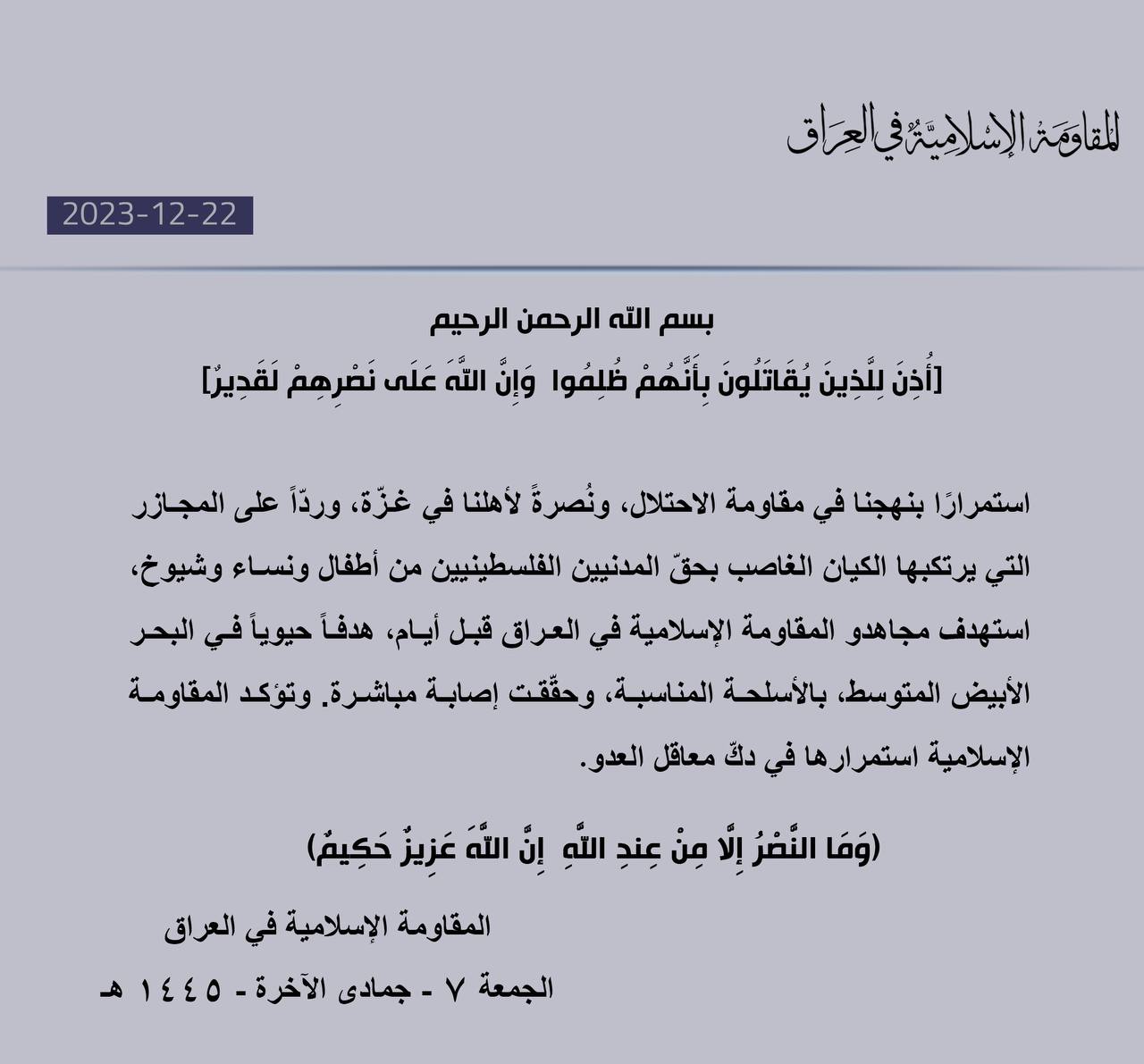
In the statement released on December 22, the Islamic Resistance in Iraq declared that in recent days, it has struck an important target in the Mediterranean Sea.
The statement reads: “In support of the people of the Gaza Strip and in response to the crimes committed by the usurping regime against Palestinian civilians, including women, children, and the elderly, the Islamic Resistance in Iraq hit an important target in the Mediterranean Sea a few days ago with the use of appropriate weapons.“
The statement released by the Islamic Resistance in Iraq
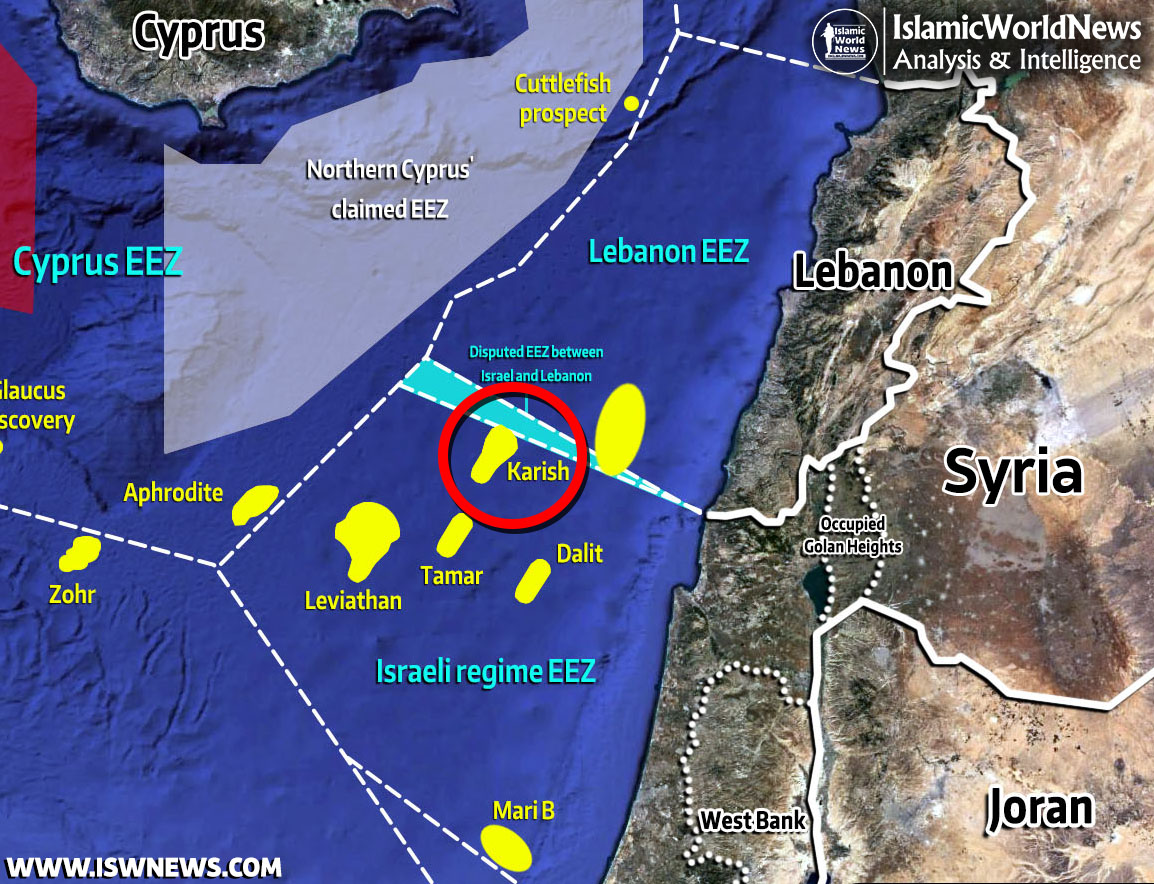
Following the release of this statement, some sources close to the Iraqi resistance announced that this attack was carried out against the Karish gas rig located in the Mediterranean Sea. Further details have not been disclosed so far.
According to an analysis by the IWN, this is the first attack by the Islamic Resistance in Iraq on the positions of the Israeli regime in the Mediterranean Sea. It can be said that the Islamic Resistance in Iraq has initiated a new phase of attacks against the Israeli regime with this sort of military operation. However, given the reports about the deployment of some Iraqi resistance forces in Syria in recent weeks, it is possible that this attack was carried out from Syrian territory.
It is worth mentioning that in recent years, there have been border disputes between Lebanon and the Israeli regime over ownership of maritime areas in the Mediterranean Sea, as well as the exploration of natural gas and oil in parts of these areas, including the Karish gas field.
The Lebanese resistance movement Hezbollah has repeatedly warned about the aggressive actions of the Israeli regime in this regard.
The Emirati plane carried a group of Israeli military advisors and Emirati intelligence officers. After landing, the Israeli and Emirati advisors went to the new Emirati military base on the Socotra Island.
This move follows the publication of reports by some Israeli media outlets about the entry and deployment of the Sa’ar 6-class corvette on the Socotra Island. The Sa’ar 6-class corvette was recently deployed to the Red Sea for the first time.
No information has been released about the mission of this small warship and the Israeli advisors in Socotra Island, but given the defensive nature of the Sa’ar 6-class corvette, it is likely that the Israeli regime intends to establish a naval base on this island with the help of the UAE and its other allies, and Sa’ar 6-class corvette is tasked with protecting the base.
Socotra is the most important and largest island in Yemen’s territorial waters in the Gulf of Aden, which plays a crucial role in controlling the waters of southern Yemen. This island had been previously used as a naval and military base by Britain and Portugal and has recently been handed back and forth between Emirati and Saudi mercenaries.
The Israeli army claims that this action was taken after the discovery of set of Hamas tunnels and buildings.
This area was a civilian block where there was a hospital, a mosque, and several educational, medical, and service institutions, including the Gaza Civil Registry Office. The complete and indiscriminate destruction of residential areas and extensive bombings by Israel is a clear example of a war crime, but the international communities are silent about these crimes.
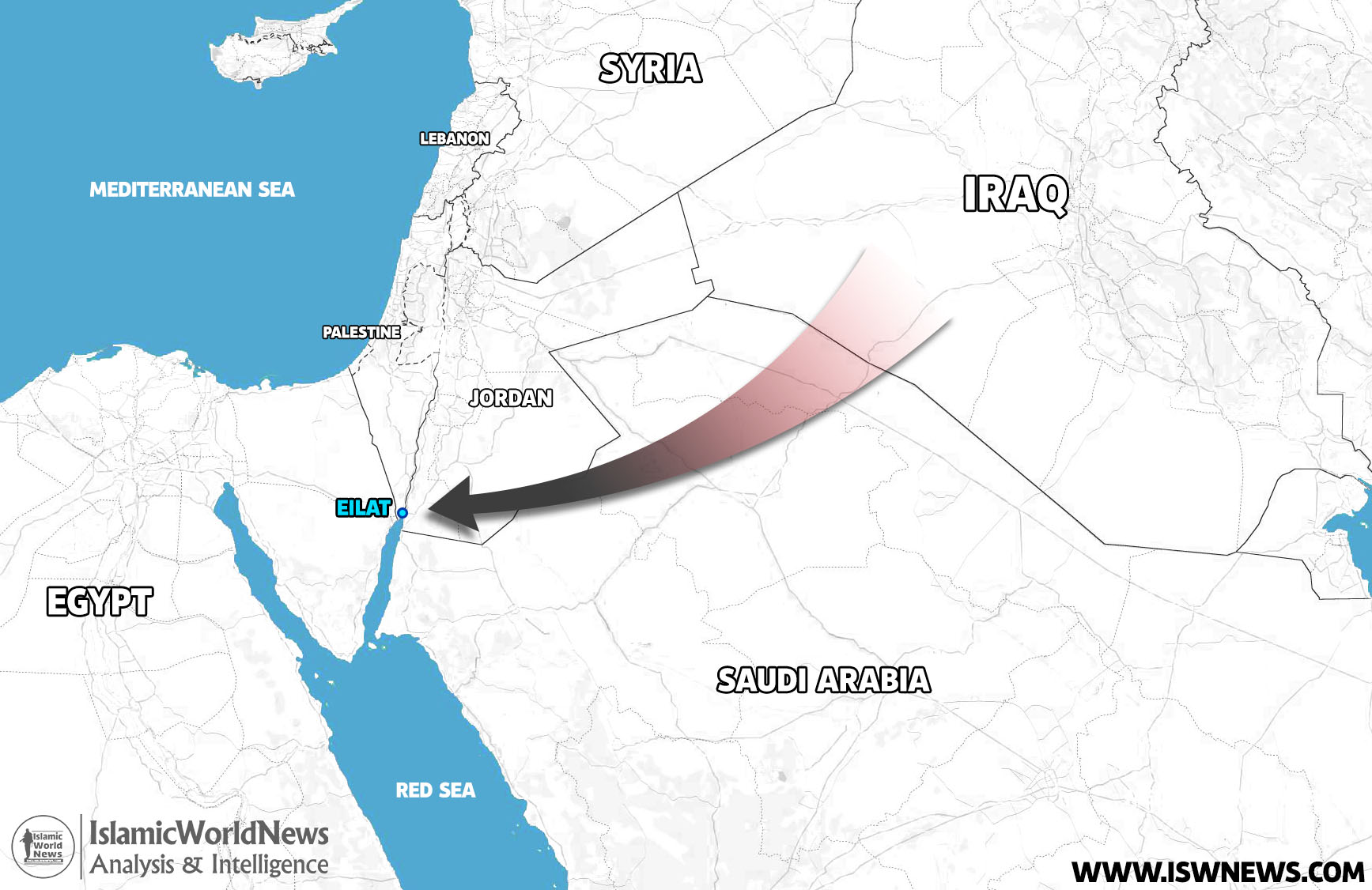
This is the fifth attack of ‘Islamic Resistance in Iraq’ group on the occupied territories in recent weeks.
In this statement, it is stated: In order to help and support the people of Gaza and in response to the crimes committed by the usurping regime against Palestinian civilians, including women, children, and the elderly, the fighters of the Islamic resistance of Iraq, with appropriate weapons, attacked a target in the occupied Umm al-Rashrash ‘Eilat’.
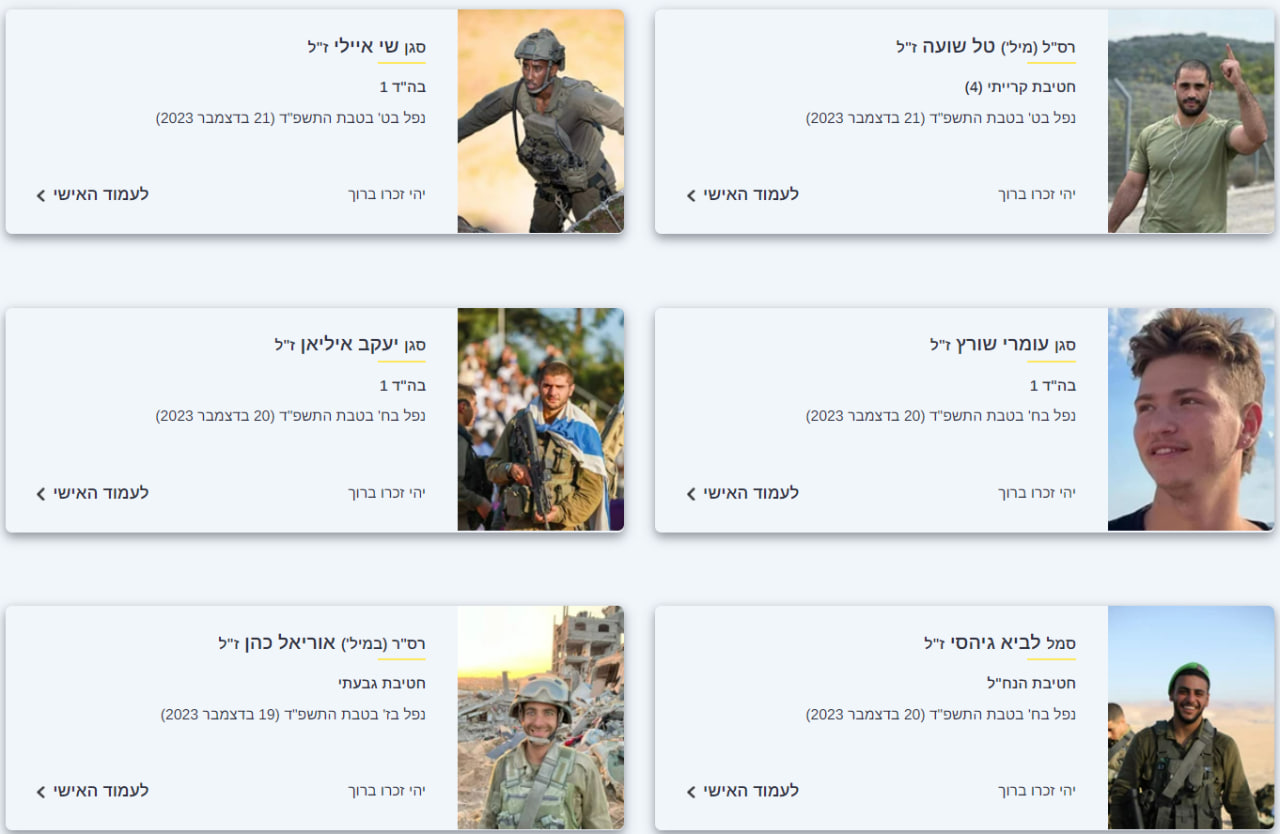
The names are Lt. Shai Ayeli a cadet in the Bahad 1 officers’ school’s Gefen Battalion, Sgt. First Class (res.) Tal Shua from the Combat Engineering Corps’ 7071st Battalion, Sgt. Lavi Ghasi from the Nahal Brigade’s 931st Battalion, Lt. Yaacov Elian a cadet in the Bahad 1 officers’ school’s Gefen Battalion, Lt. Omri Shwartz, a cadet in the Bahad 1 officers’ school’s Gefen Battalion, Master Sgt. (res.) Uriel Cohen, a logistics commander in the Givati Brigade.
With the death of these seven servicemen, according to the official announcement, the alleged death toll of the Israeli army since the launch of ground invasion of Gaza has increased to 139 servicemen, And the alleged total number of “military” deaths since the October 7 reached 471 servicemen.
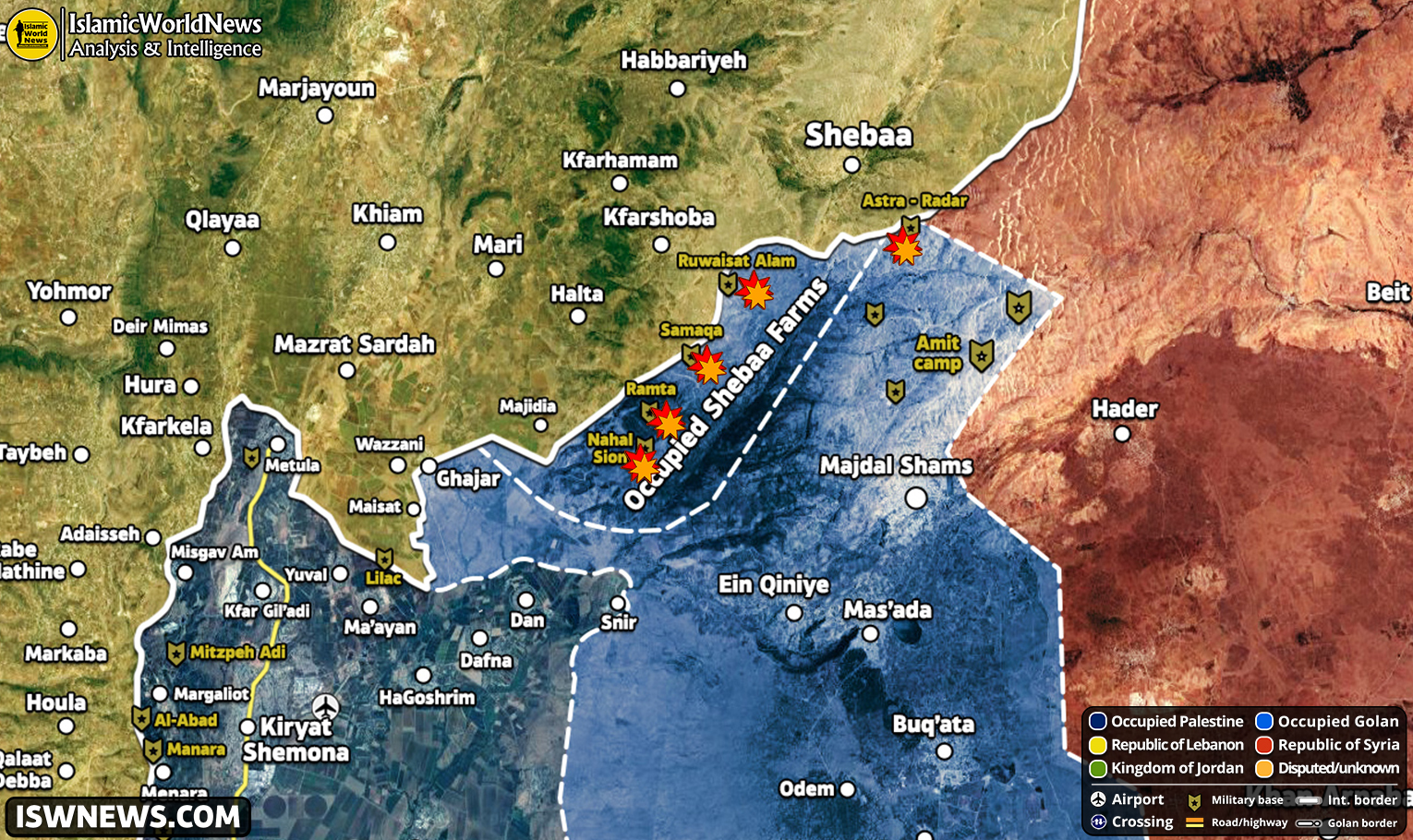
According to the statements of the Lebanese Hezbollah movement, the resistance forces attacked Israeli soldiers’ gatherings in Shebaa Farms with several rockets this afternoon.
Minutes after this attack, three suicide drones targeted and crushed Israeli military gatherings in the same areas. Details of the casualties and damages of these attacks have not been published.
This is the eighth time that Hezbollah has used suicide drones in a conflict with the Israeli army. Most of these attacks have been successful and Hezbollah drones have hit their targets precisely. In these attacks, Hezbollah uses the Mersad suicide drone (Ababil 2), which is considered one of Iran’s simplest drone weapons.