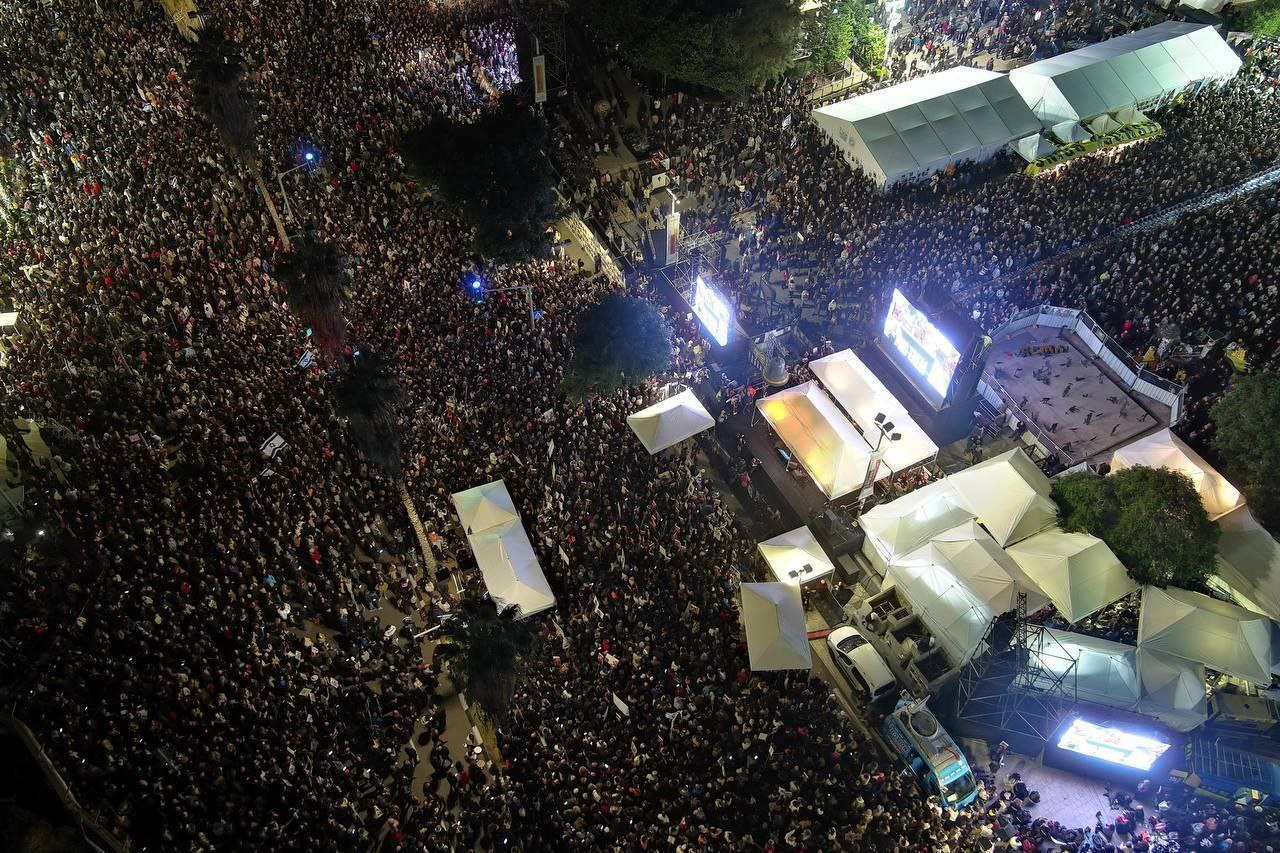
Thousands of Israelis protested on January 13 against the Israeli regime’s cabinet and officials’ indifference to the lives of captives. Protesters demanded immediate action from the Israeli regime to return the captives from the Gaza Strip.
Demonstrators chanted slogans against the policies of Netanyahu’s government and declared that the protestors’ demand to change the government is a real and moral demand.
During this demonstration, Benny Gantz, a member of the Israeli war cabinet, and Gadi Eisenkot, Israel’s former Chief of Staff, appeared in the Tel Aviv demonstration immediately after the end of the war cabinet meeting and demanded the release of Israeli prisoners in Gaza after 100 days of captivity.
It is worth mentioning that in recent weeks, thousands of settlers residing in occupied territories of Palestine also protested and demanded the resignation of the Israeli regime’s Prime Minister Benjamin Netanyahu.
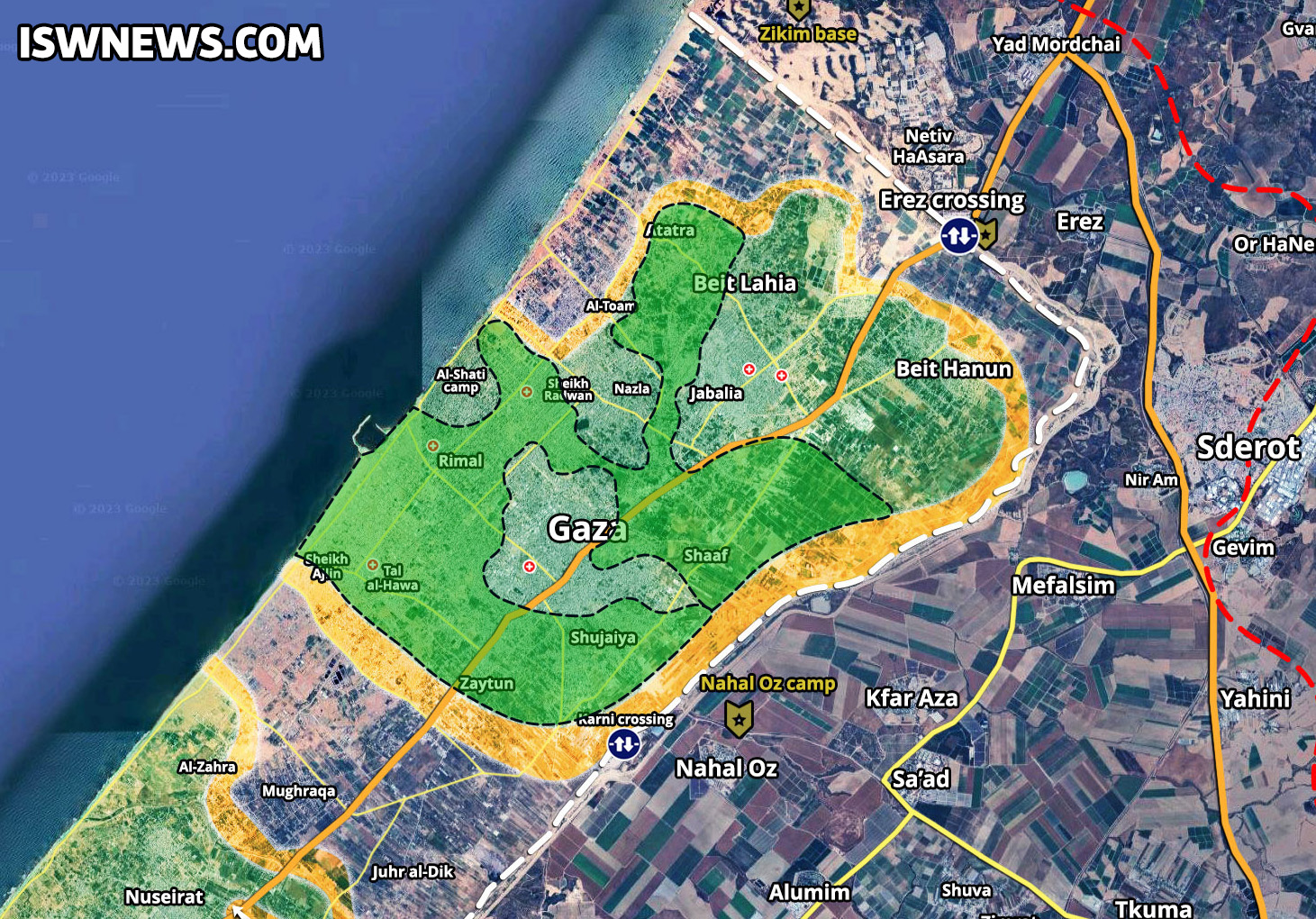
In recent days, conflicting maps have been published regarding the situation on the ground in the northern Gaza Strip.
Some believe that the Israeli regime’s forces have completely withdrawn, while others do not accept the Israeli army’s withdrawal and they highlight Israel’s presence in the Gaza city based on the United States think tanks’ maps or pro-Israeli viewpoints. Some consider the Palestinian resistance movement Hamas to be completely victorious, while others consider the Israeli regime to be triumphant.
However, all these differences of opinion, preferences, oppositions, and biased gestures have no effect on the reality of what is actually happening in the northern Gaza Strip.
For instance, when there are dozens of videos and reports confirming that Israeli forces have left Beit Hanoun city and taken positions on the outskirts of the city, what difference does it make if some pro-Israeli cartographers or the US think tank show Beit Hanoun as completely under Israeli control? Well, they can do that, but the reality does not change; time will show everything…
Some question why the Israeli regime withdrew from the occupied areas in Gaza City? The answer to this question is that although the Israeli regime has withdrawn from many areas in northern Gaza, it has not withdrawn from northern Gaza and has even achieved some of its objectives. The main goal of Israel’s attack on Gaza was to destroy the Palestinian resistance Hamas. However, the destruction and elimination of Gaza and its infrastructure is another ambition of the regime, or according to some experts, the main goal of the regime’s attack on Gaza, because they themselves know well that Hamas and the Palestinian resistance, which is actually a fundamental ideology, will not be eliminated by military operations in this way.
Therefore, Firstly, due to the very dense urban population and the presence of a vast network of undiscovered tunnels, establishing stable control over the city or, in other words, gaining complete military control over northern Gaza is not possible, and Israeli forces will be trapped in daily skirmishes with Palestinian fighters; so, they will suffer casualties. Secondly, the cost of war in Gaza is staggering, and Israelis prefer to avoid war costs as much as possible in their current economic situation. Thirdly, the Israeli regime’s army prefers to withdraw from this area, recover, and send forces to other active fronts in the middle and south of the Gaza Strip, rather than engaging in endless urban warfare in Gaza City and the northern Gaza Strip.
Therefore, considering all the above issue, the Israeli regime has concluded that the best course of action is to withdraw from the urban areas of northern Gaza. This also applies to the middle and southern parts of the Gaza Strip, and the Israelis will eventually withdraw after the destruction and massacre.
Now the question is that, has the Israeli regime destroyed the Palestinian resistance groups in Gaza City, or will it destroy them throughout the Gaza Strip? No, it cannot. But it has succeeded in maximum destruction of infrastructure and complete devastation of the Gaza Strip. Whether you perceive this reality as a victory or a defeat depends on your perspective and way of thinking!
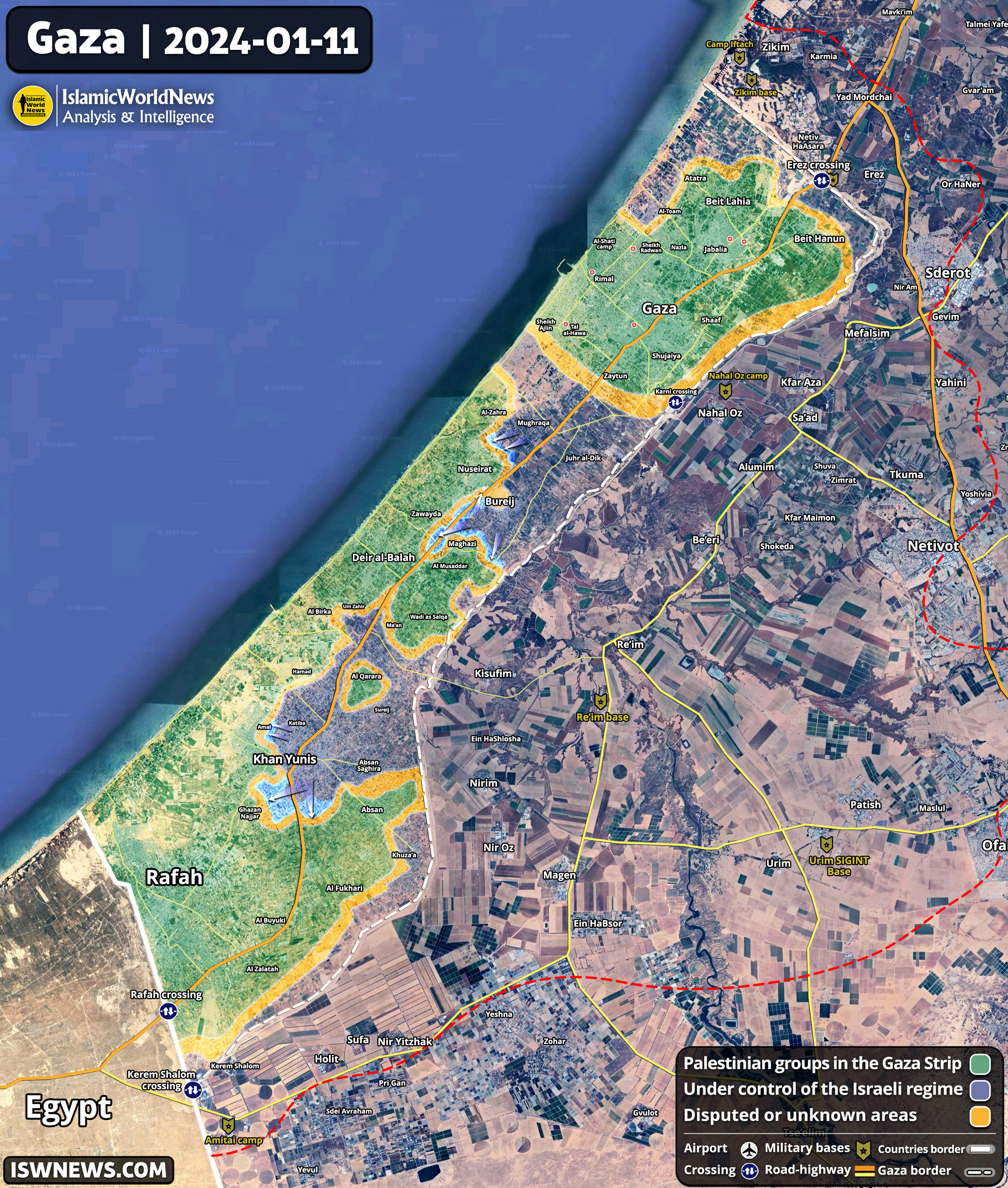
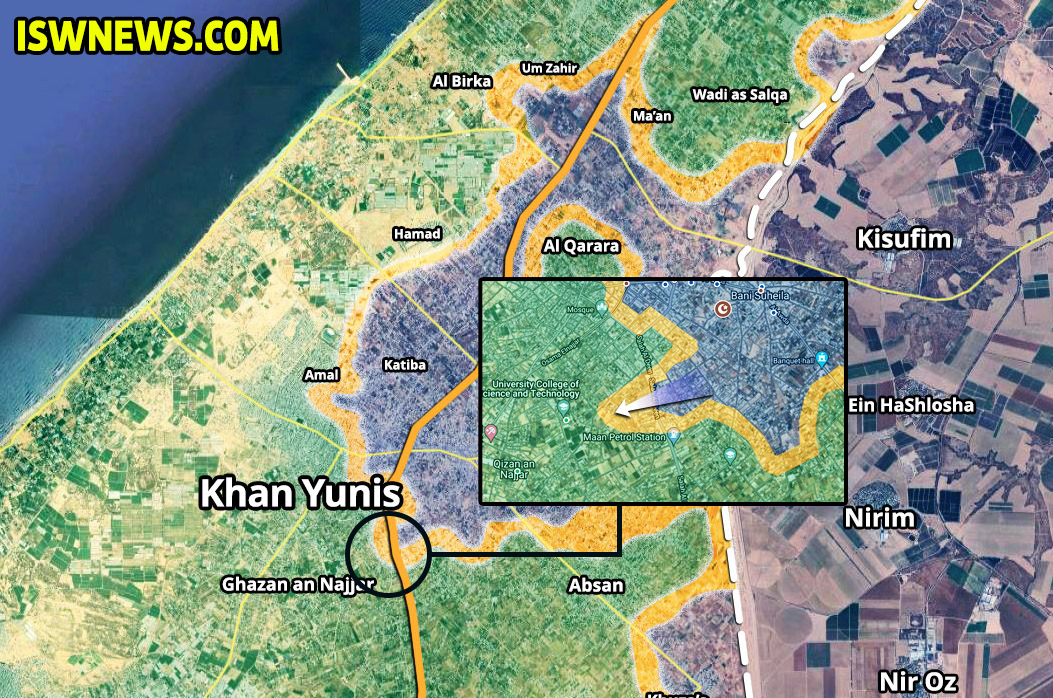
In the south of the Gaza Strip, during the last four days, Israeli forces increased the extent of their advances in the south and southwest of the city of Khan Yunis. In this axis, Israeli forces have reached Ghazan al-Najjar and clashes continue around this village. By advancing on this axis, the Israeli army plans to encircle the city of Khan Yunis from the south and cut off the roads leading to Rafah. Clashes continue in the north of Khan Yunis. The Israeli forces have made advances in this direction in the last few days, but due to the urban context and the fierce resistance by the Palestinian fighters, the amount of advances is limited.
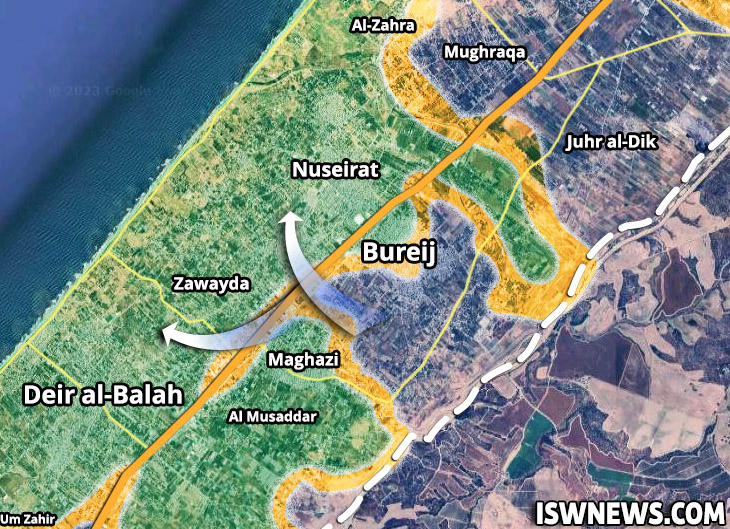
In the middle of the Gaza Strip, Israeli forces are advancing slowly but steadily. On the Nuseirat front, Israeli forces slightly advanced in west of al-Maghraqa. On the al-Bureij front, Israeli forces have almost surrounded the al-Bureij camp and the fall of al-Bureij seems certain. On the al-Maghazi front, Israeli forces have advanced in the north and south of al-Maghazi and have bypassed this camp and are advancing on Salah al-Din road and its surrounding areas. The Juhr al-Dik front has obviously come under the control of the Israeli army after the recent advances of the Israeli army around al-Bureij and Nuseirat.
In the north of the Gaza Strip, after the withdrawal of Israeli forces from inside the Gaza City to the outskirts of the city, there is no specific clashes in the north of the Gaza Strip. Only some sporadic clashes were reported in the outskirts of the city.
Prince Khalid bin Bandar Al Sultan made the remarks in an interview with the BBC, claiming that the two countries were on the verge of an agreement before the seventh of October war; and despite the Undesirable Number of casualties in Gaza, Saudi Arabia still believes in establishing relations with Israel, but this should not be at the expense of the people of Palestine and needs to think about integrating Hamas into the future government of Palestine; so, one of these two (Palestine and Israel) will not be without the other. The order and method of managing it is what needs to be negotiated.
It should be noted that the so-called normalization talks between Saudi Arabia and the Israeli regime were suspended by the Saudis seven days after the onset of the Gaza war on October 14, 2023.
The so-called normalization talks between the Israeli regime and Arab countries began after the Abraham Accords were proposed by the then US President Donald Trump’s administration in 2020. These agreements led to the normalization of relations between the United Arab Emirates (UAE) and Bahrain with the Israeli regime after several months of negotiations, and then Morocco and Sudan joined this process. However, Saudi Arabia avoided announcing a normalization agreement with Israel for various reasons. Antony Blinken, the US Secretary of State, traveled to Riyadh yesterday to resume these talks, but Mohammed bin Salman’s response to this media request has not been announced.
Saudi officials have previously stated that they are seeking peace and the formation of a country for the Palestinians in these negotiations. They initially said that normalizing relations with the Israeli regime was impossible without the formation of a Palestinian state, but Khalid bin Bandar speaks of reducing this condition to determining a roadmap and practical strategy for its formation and solving Hamas in Palestine or in other words, removing Hamas. Overall, the Saudis are trying to squeeze concession from the Israeli reimage by using the Palestinian card, and it remains to be seen how far their pressure against the United States and the regime will continue and what the Saudis will trade for the Palestinian cause!
Currently, the central and southern areas of the Gaza Strip are the most active fronts in the Gaza Strip.
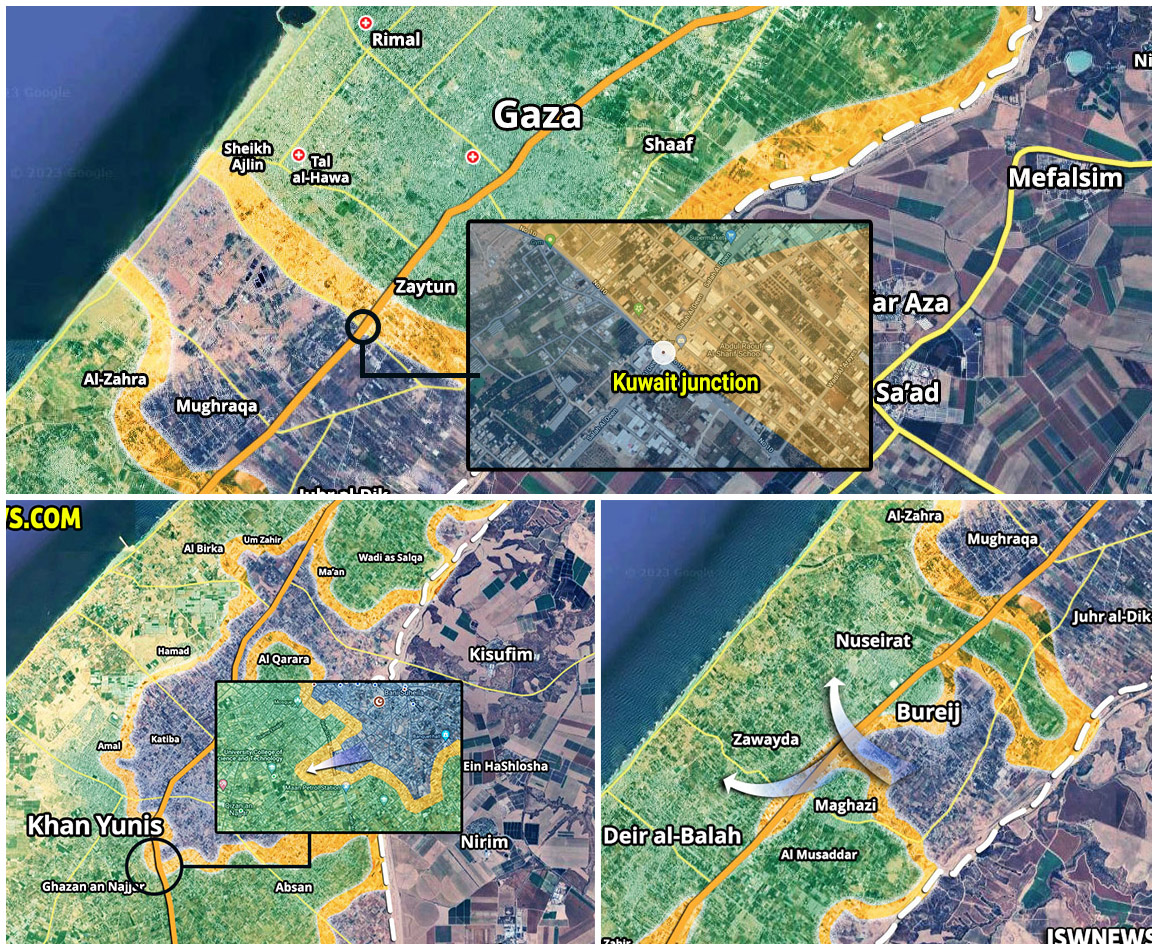
In the south of the Gaza Strip, clashes continued in the center and south of the city of Khan Yunis. According to field information, the Zionist occupying forces have destroyed the agricultural lands and the houses of the citizens in front of the Khan Younis Faculty of Science and Technology. This shows that the Israeli forces are advancing in the southwest of Khan Yunis city.
The military situation in the south of the Gaza Strip and Khan Yunis
In the middle of the Gaza Strip, clashes continued in Al-Bureij and Al-Maghazi and around Nuseirat as well as at the entrance of Al-Zawayda. Israeli artillery and fighter jets are severely targeting Al-Zawayda area. By putting pressure on Al-Zawayda and advancing on this axis, the Israeli regime plans to surround Nuseirat and approach Deir al-Balah.
The military situation in the center of the Gaza Strip
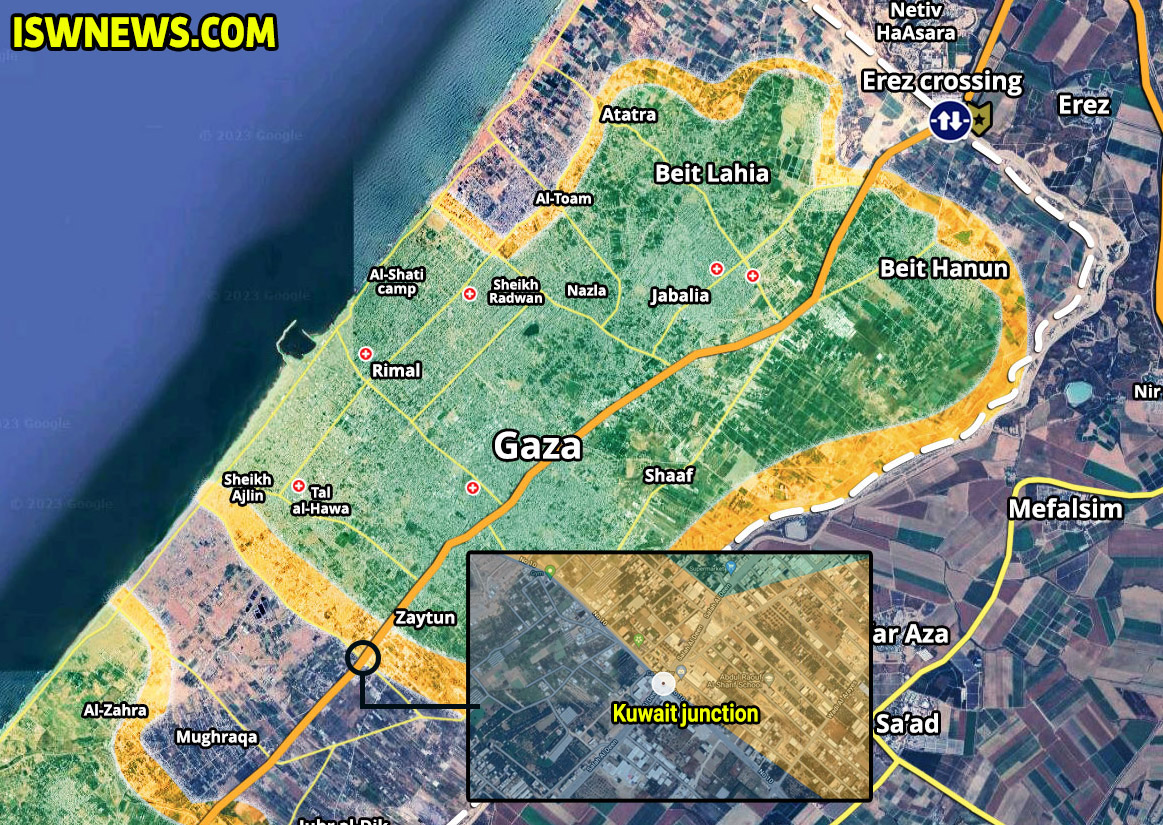
In the north of the Gaza Strip, after the withdrawal of Israeli forces from the inner areas of the city, there is no specific ground conflict in Gaza City and the Israeli regime has turned to airstrikes again. However, today clashes were reported near Kuwait junction in the southern suburbs of Al-Zaytoun neighborhood. Kuwait junction is located on the 10th street in the contact line between the Israeli and Palestinian forces. Earlier we announced that the Israeli forces have retreated to behind the 10th street in south of Gaza City. In fact, clashes around Kuwait junction once again confirms the correctness of the IWN map regarding the withdrawal of Israeli forces from the north of the Gaza Strip.
It is also said that the Israeli regime has completed its withdrawal from the northern areas of the Gaza Strip. If this claim is true, the few remaining areas in the north of Gaza should also be cleared of the Zionists.
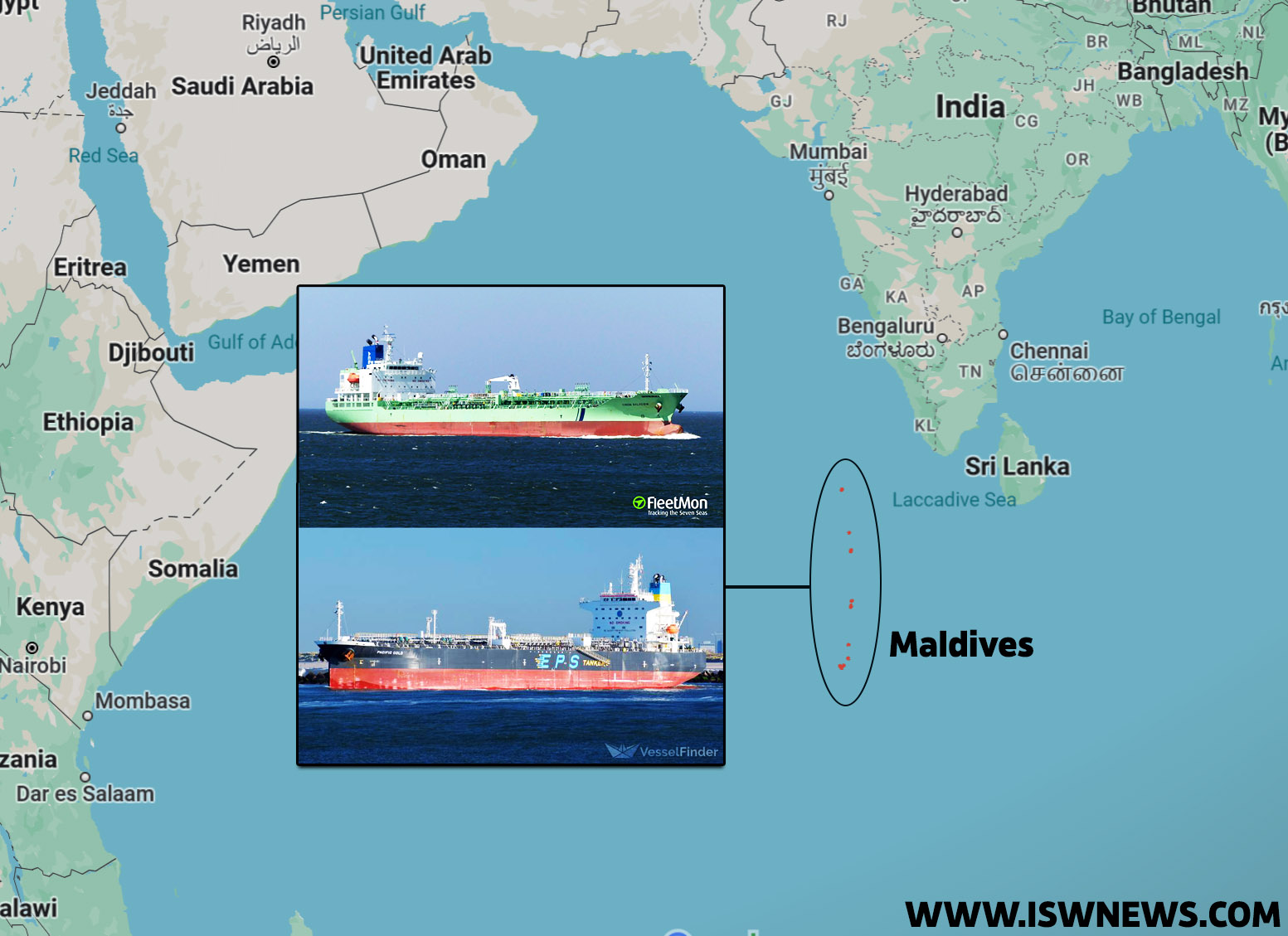
Sources told the Lebanese network Al-Mayadeen that last Thursday two “Israeli or Israeli-related oil tankers” were attacked in the Indian Ocean. According to this report, a Liberian-flagged tanker CHEM SILICON was attacked in the northwest of Maldives. This ship belongs to Dutch “ACE Tankers” company. According to these sources, the second ship is also a Liberian-flagged tanker named PACIFIC GOLD which belongs to “Eastern” company.
As we said, this news is related to the drone attack last week, January 4, that happened near the Maldives islands. Some news sources claimed that this attack was carried out from Yemen, but the distance between Ansar Allah’s positions and the Maldives is more than 3,000 kilometers. So, it is possible that maybe this attack was carried out by the Iranian Armed Forces.
It should be noted that the drone fleet of the Iranian Navy is capable of carrying out various operations with all types of offensive, suicide and reconnaissance drones in the Arabian Sea and the Indian Ocean.
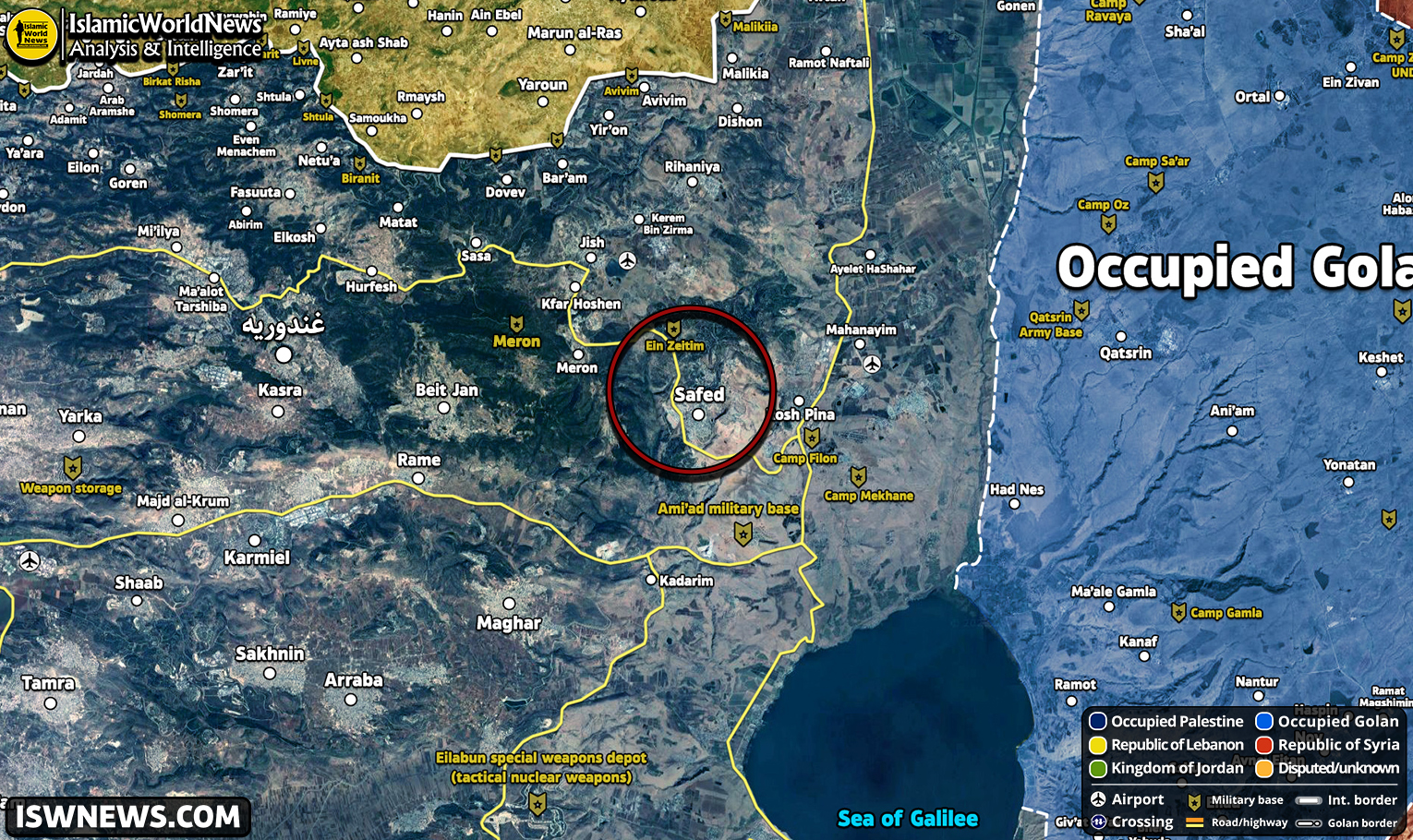
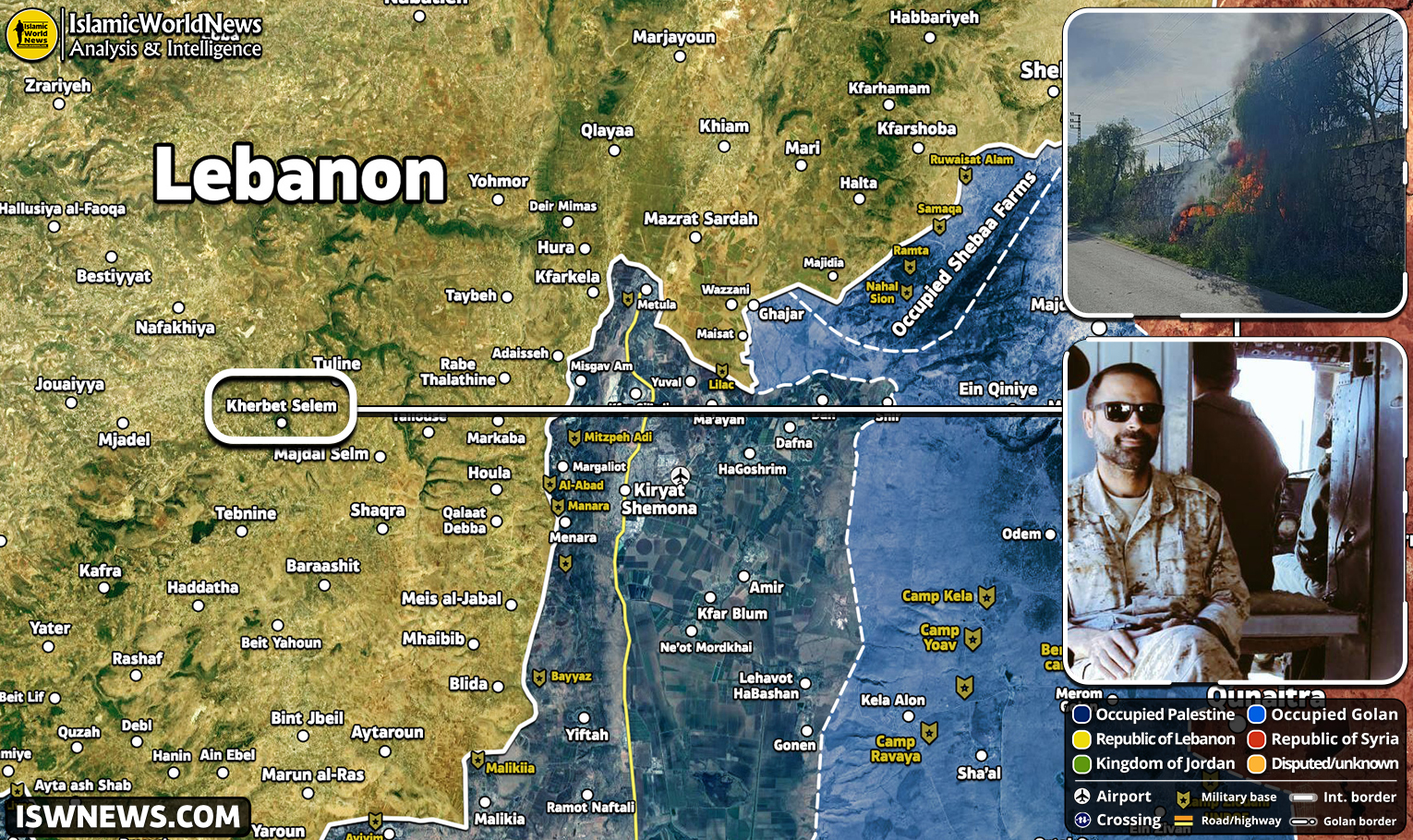
Lebanon’s Hezbollah announced in a statement that in response to the assassination of Sheikh Saleh al-Arouri and his martyred Mujahid brothers in the southern suburbs of Beirut, as well as the assassination of Wissam Tawil (Haj Javad), one of the field commanders of the resistance in Lebanon, attacked the headquarters of the Israeli army in Safed with several suicide drones.
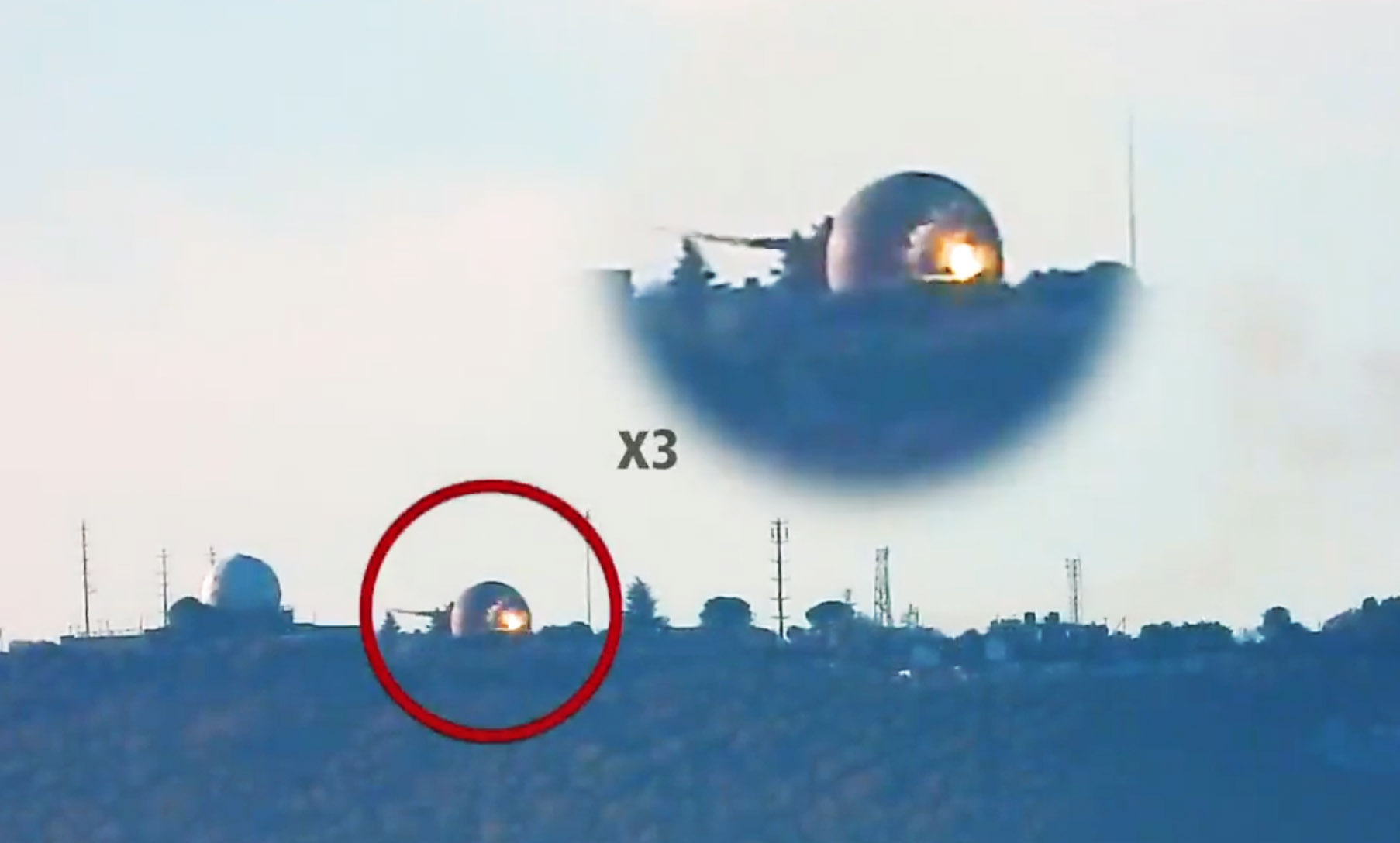
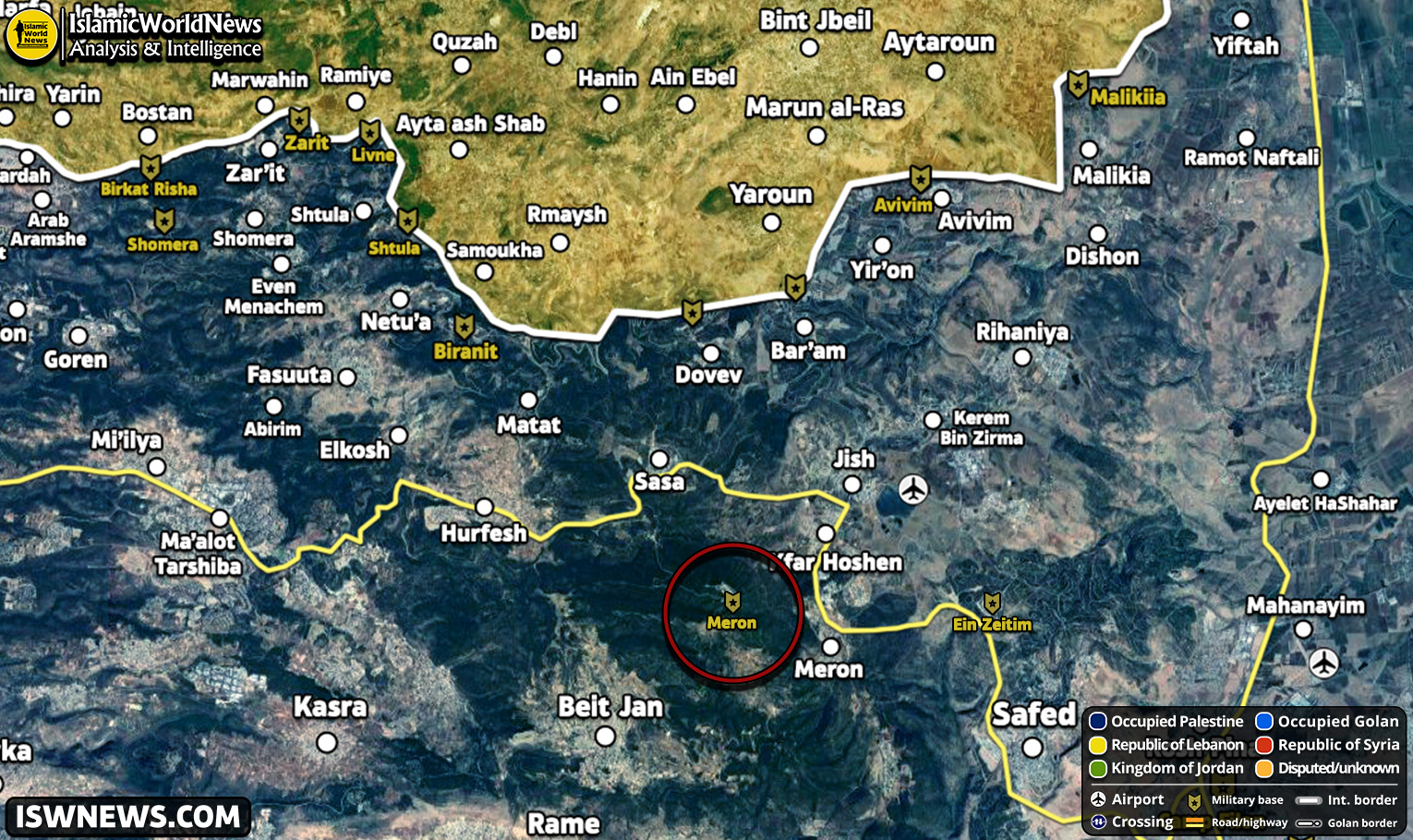
This is the fourth attack by Hezbollah deep into the positions of the Israeli army in the north of occupied Palestine. Previously, Hezbollah attacked Ain Zetim base, Israeli army headquarters in Ayelet HaShahar, and Meron air control base with rockets, drones and anti-armor missiles.
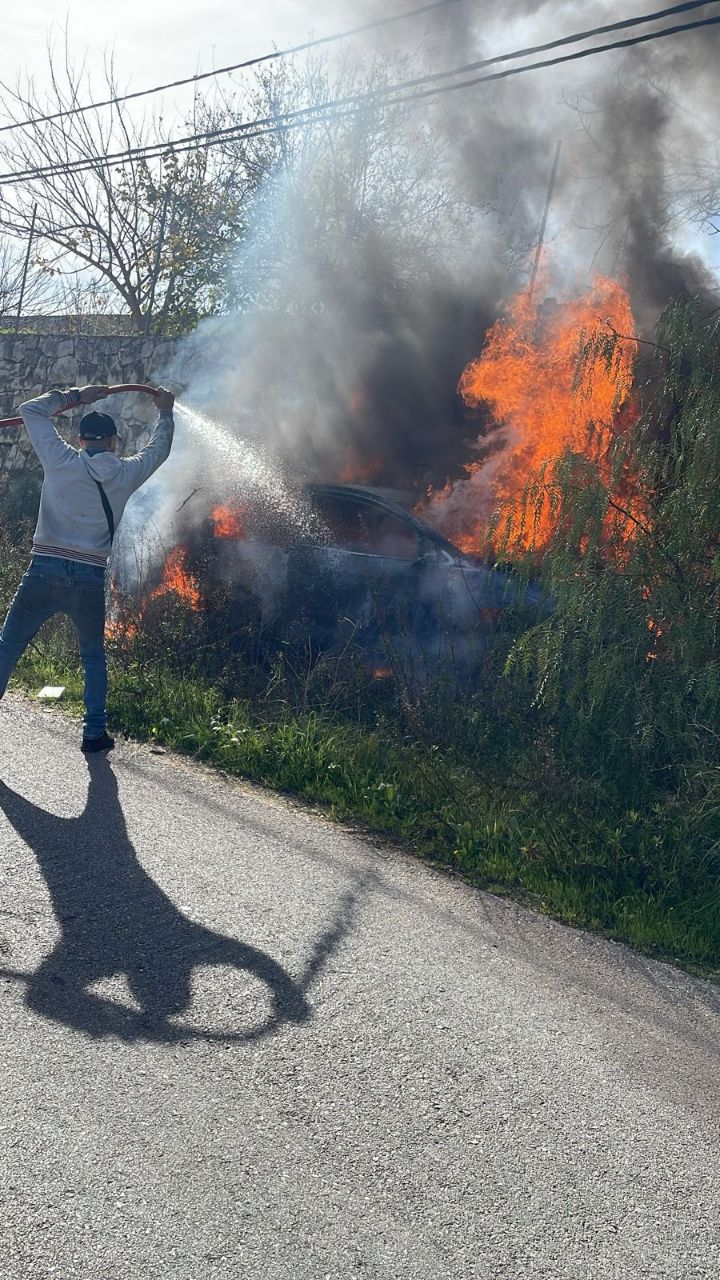
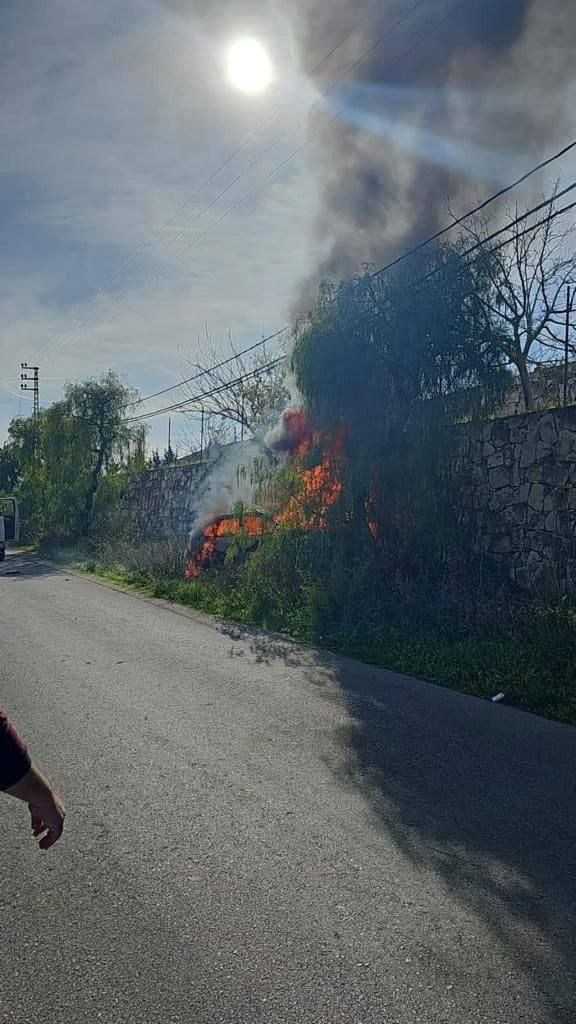
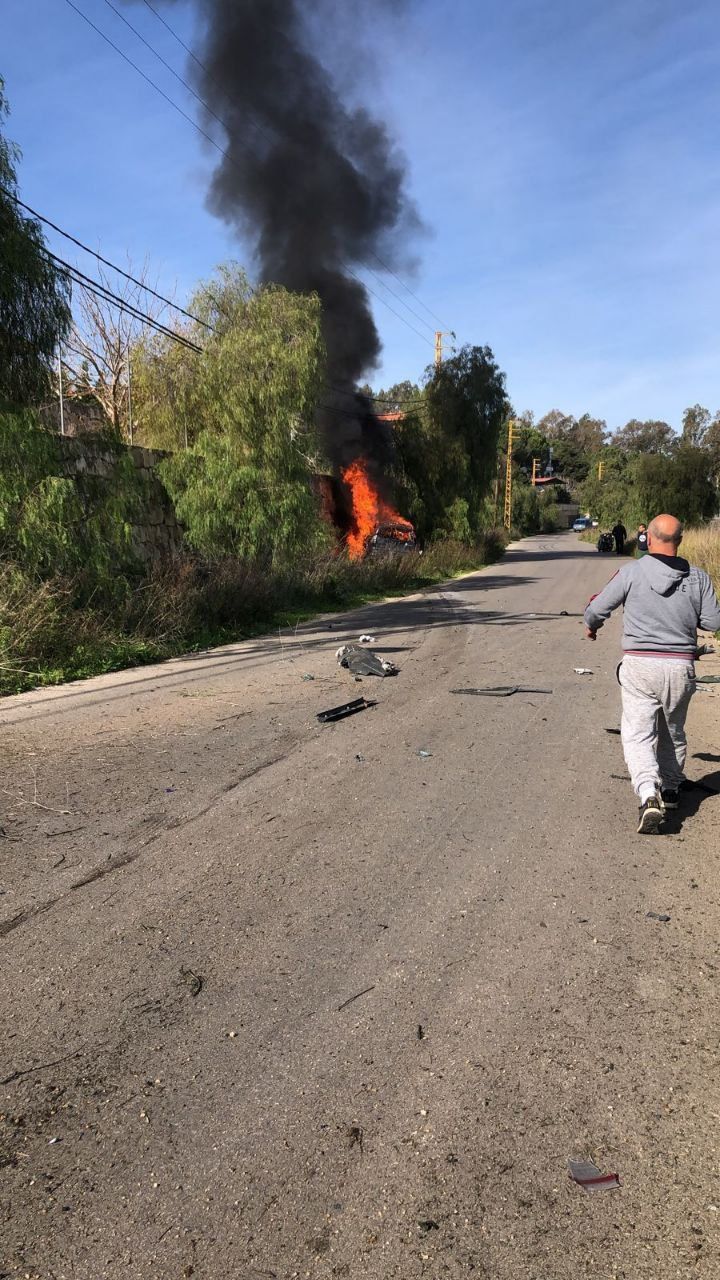
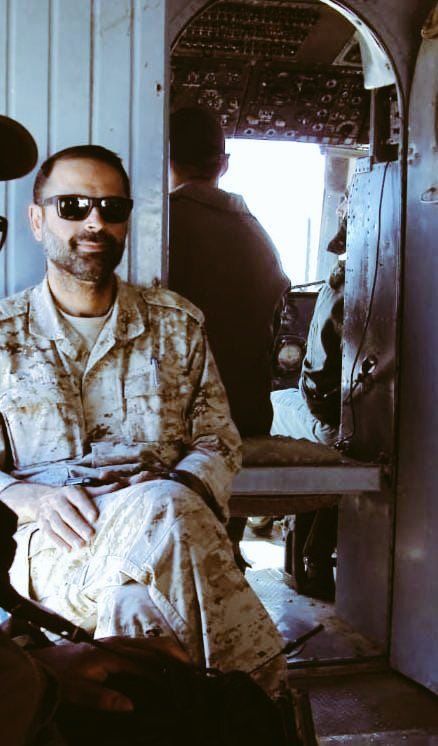
Local media earlier reported the injury of two individuals in this attack prior to announcing the martyrdom of this Lebanese commander. These sources also referred to Hajj Jawad as one of the commanders of Al-Ridwan Brigade, also known as Al-Ridwan Special Forces (Hezbollah’s special forces).
The assassination of field commanders and key figures of resistance groups in Lebanon, Syria, Iraq, and Palestine remains at the forefront of the joint plans of the United States and the Israeli regime.
It should be noted that the skies of Arab countries and the Mediterranean Sea are filled day and night with the US, Israeli, and British spy planes and drones, and all the movements of resistance forces on the ground are under the surveillance of the United States and the Tel Aviv regime.
The execution of these assassinations is a top priority in the third stage of the Israeli army’s operations, and its implementation is pursued under the supervision of American and European military advisors.
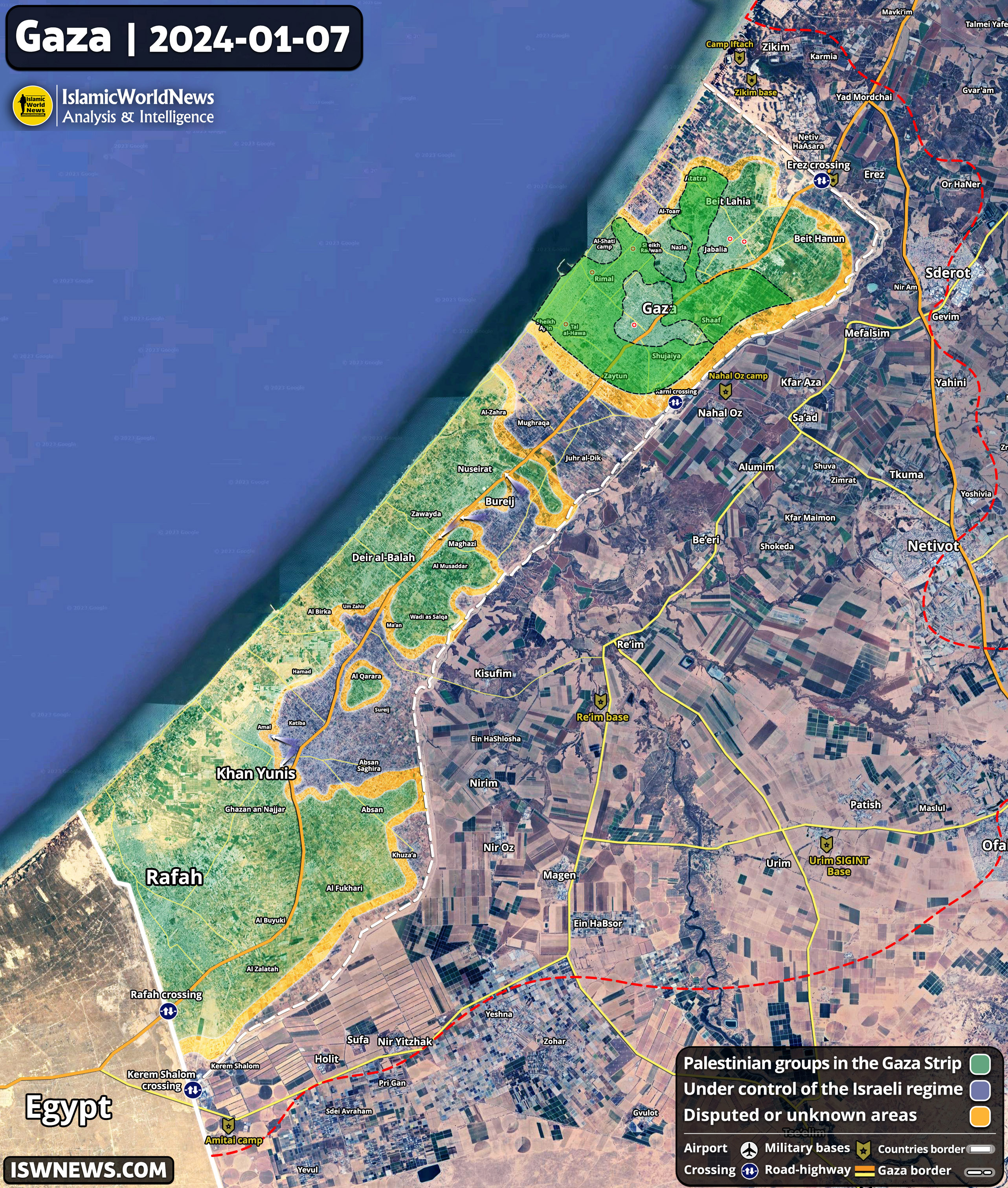
As the IWN reported yesterday that the Israeli regime has been retreating from more areas in the northern Gaza Strip; this issue has been confirmed today following the publication of videos and images of battlefields from northern Gaza. Also, senior member of the Palestinian resistance movement Hamas Osama Hamdan emphasized this afternoon (Jan 7) that the Israeli regime has retreated from the northern Gaza Strip.
However, it is necessary to mention that Israeli army forces are present in small parts of western areas of Beit Lahia city and western Al-Tawam Street, but they will probably also retreat soon. Israeli forces entered the northern Gaza Strip during the first days of the war and will now leave those areas in the final stage of their retreat.
In the south of Gaza City, according to available information, the tenth street has been determined as the last line of retreat for the Israeli regime’s army forces. In other words, the Israeli regime’s military forces have retreated from neighborhoods such as Al-Zeitoun, Tel Al-Hawa, Al-Sheikh Ijlin, and so on, to behind the tenth street. It seems that these areas will remain under Israeli occupation until the end of the Israeli regime’s operation in the center of the Gaza Strip.
So, what did the Israeli regime achieve in the northern Gaza Strip?
Yesterday (Jan 6), the spokesperson for the Israeli regime’s army claimed that Israeli armed forces have completed dismantling Hamas’s military structure in the northern Gaza Strip! And that the Israeli regime’s military forces have done so many efforts and that how many commanders and fighters they have killed and how many tunnel networks we have destroyed, etc., and now the focus of the Israeli regime’s army is on operations in the center and south of the Gaza Strip.
However, contrary to the Israeli regime’s claim, the fact is that the Israeli regime did not even come close to achieve its main goal of destroying the Palestinian resistance movement Hamas even for a moment during the Gaza war and its only achievement in the northern Gaza Strip was destruction of buildings and mass murder. It is certain that the Israeli regime will not succeed in achieving its goal in the center and south of the Gaza Strip either.
On the other hand, it is true that so far, international observers have witnessed unprecedented destruction in northern Gaza and some Palestinian resistance commanders and fighters have been martyred, and a network of tunnels has been destroyed, but all of these can be replaced and repaired. Tunnels and buildings will be rebuilt, and forces will be replaced. The very important point is that during these three months, the Israeli regime never managed to take full control of the northern Gaza Strip, and now after the withdrawal of occupying forces from this region, Palestinian fighters are still present in Gaza and have control over the areas.
In the center of the Gaza Strip, clashes continue in Al-Bureij and Al-Mughazi refugee camps as well as around Al-Nuseirat refugee camp. The Israeli regime’s armed forces have made partial advances in the Juhr al-Dik area. Also, the Israeli regime’s military forces have advanced between Al-Bureij and Al-Mughazi refugee camps and have reached Salah al-Din Road, the main highway that runs through the strip from north to south and connects all of its towns. Given that the Israeli regime’s forces have been dispatched from the northern Gaza Strip to the central and southern axes of the Gaza Strip, ground battles in this axis are truly unequal, and Palestinian resistance fighters face a difficult task of preserving these areas.
In the south of the Gaza Strip, clashes continue in the central neighborhoods of Khan Yunis city, and the Israeli regime’s army is struggling to make progress in this area. The steadfastness and resilience of Palestinian resistance fighters in Khan Yunis are exemplary. According to the latest field information, the Israeli regime’s armed forces have advanced several blocks along Jamal Abdul Naser Street and Osama Al-Najjar Street.
Khan Yunis, like other areas, has witnessed a lot of destruction. After advancing in each area, the Israeli regime’s occupying forces explode and destroy buildings and homes as much as possible. Large parts of eastern Khan Yunis have been completely destroyed so far.
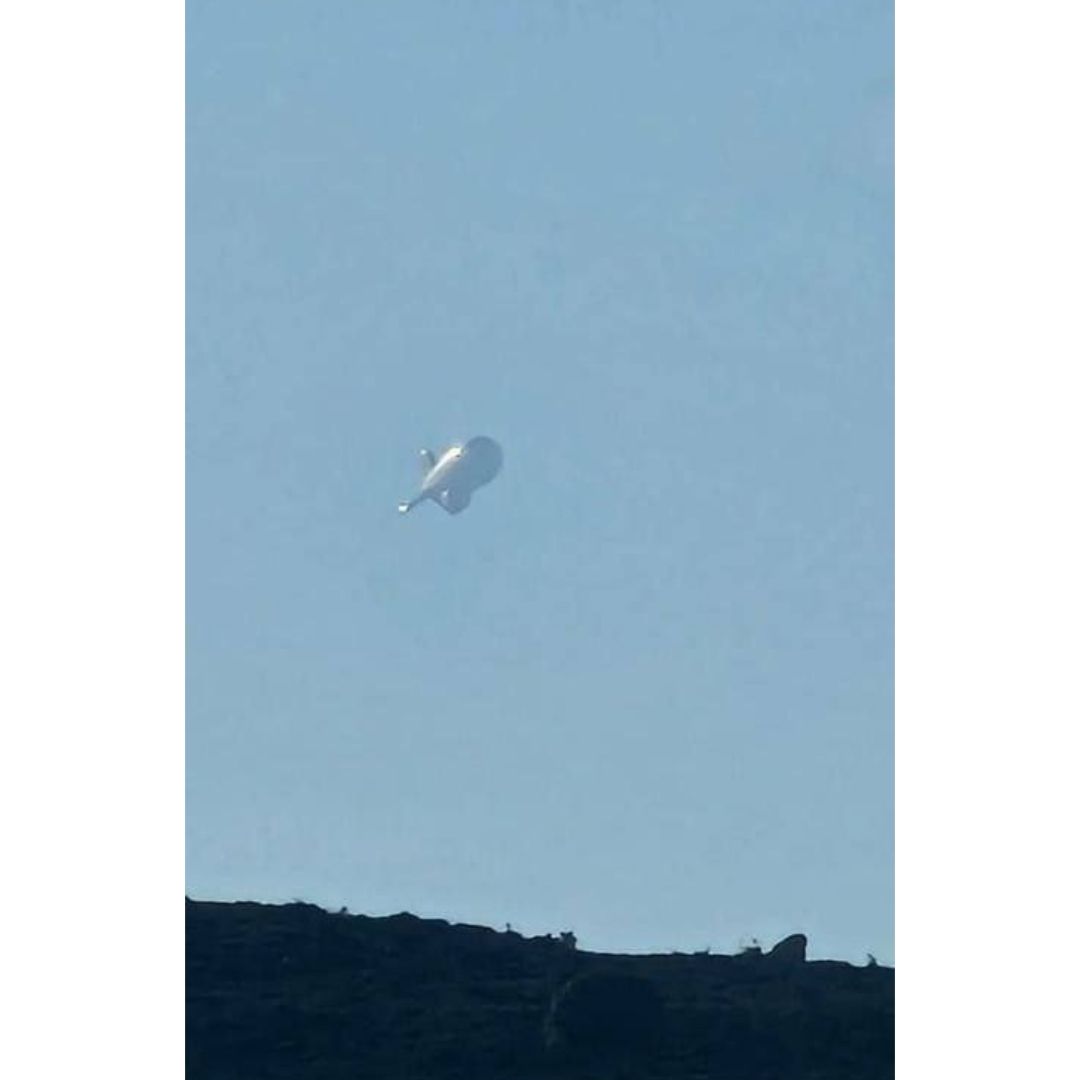
On January 6th, Lebanese media reported the sighting of a balloon in the sky over occupied territories of northern Palestine, in front of the Bint Jbeil town in the Nabatiye Governorate in Southern Lebanon.
The intention of the Israeli regime in deploying this spy balloon is to identify and monitor various threats from southern Lebanese areas, including drone attacks, cruise missiles, and ballistic missiles. This balloon was built in the United States upon the request of the Israeli army and assembled by an American team at military bases of the Israeli regime.
According to the Israeli regime’s media outlets, which cited the Israeli Air Force, this balloon is considered the largest of its kind in the world and is equipped with dozens of specialized cameras, small computers, and large data processors. The balloon also measures 117 meters in length and weighs several tons.
The process of transportation and deployment was not a simple task, and it required one of the most complex logistical operations for this purpose. The transfer of this balloon was carried out in separate parts inside containers, which were then assembled and stationed by specialized American teams.
The deployment of this balloon indicates serious US support for the Israeli regime and their commitment to enhancing the aerial surveillance capabilities of Israeli armed forces against the threats of the resistance axis. This spy balloon serves as an additional defensive layer for the Tel Aviv regime, as its deployment in a strategic location will enable the monitoring of threats from Lebanon, Syria, and Jordan.
According to the published video, Hezbollah probably used Iranian Fajr-1 rockets and Dehlavieh-3 anti-armor guided missiles (Iranian version of the Russian 9m133M-2 missile) in this attack, which is considered the longest-range ground-based anti-armor missile in the world.
Hizbollah’s video of rocket and ATGM attack on Meron base
Meron Air Surveillance Base is located approximately 7 to 8 kilometers from the Lebanese border, and accurate hitting with Dehlavieh3 ATGM missiles at a distance of 8,000 meters is a very important issue!
All in all, Hezbollah’s attack on Meron was carried out with enough amount of munitions and high accuracy, and the Israeli defense systems were unable to counter it. In this distance, the use of Mersad suicide drones (Ababil 2) can also be effective, but Hezbollah currently prefers to carry out its attacks with short-range rockets and anti-armor missiles and strike at a shallower depth.
Disabling the Meron base through repeated attacks will multiply the costs and problems of the Israeli regime in the northern regions.
The summit of Mount Carmel is the highest mountain peak in northern occupied Palestine and the Meron Air Surveillance Base in this summit serves as a crucial center for administration, monitoring and air control in the northern areas. It should be noted that this base is one of the two main surveillance bases of Israel, along with the Mitzpeh Ramon base in the south of the occupied territories.
The distance between Hezbollah positions in southern Lebanon and this base is about 10 kilometers. Therefore, Hezbollah can also use Mersad suicide drones (Ababil 2) to carry out attacks with more precision.
Hezbollah declared that the attack on Meron base is a preliminary response to the assassination of Saleh Al-Arouri, the Deputy Head of the Political Bureau of Hamas in Beirut.
The moment when a number of Hezbollah cruise missiles or rockets hit the Meron base on the summit of Mount Carmel