Al-Qassam spokesman Abu Obaidah also announced that the artillery units supported the attacks of Palestinian forces in Sderot today with more than 100 rockets.

Al-Qassam spokesman Abu Obaidah also announced that the artillery units supported the attacks of Palestinian forces in Sderot today with more than 100 rockets.
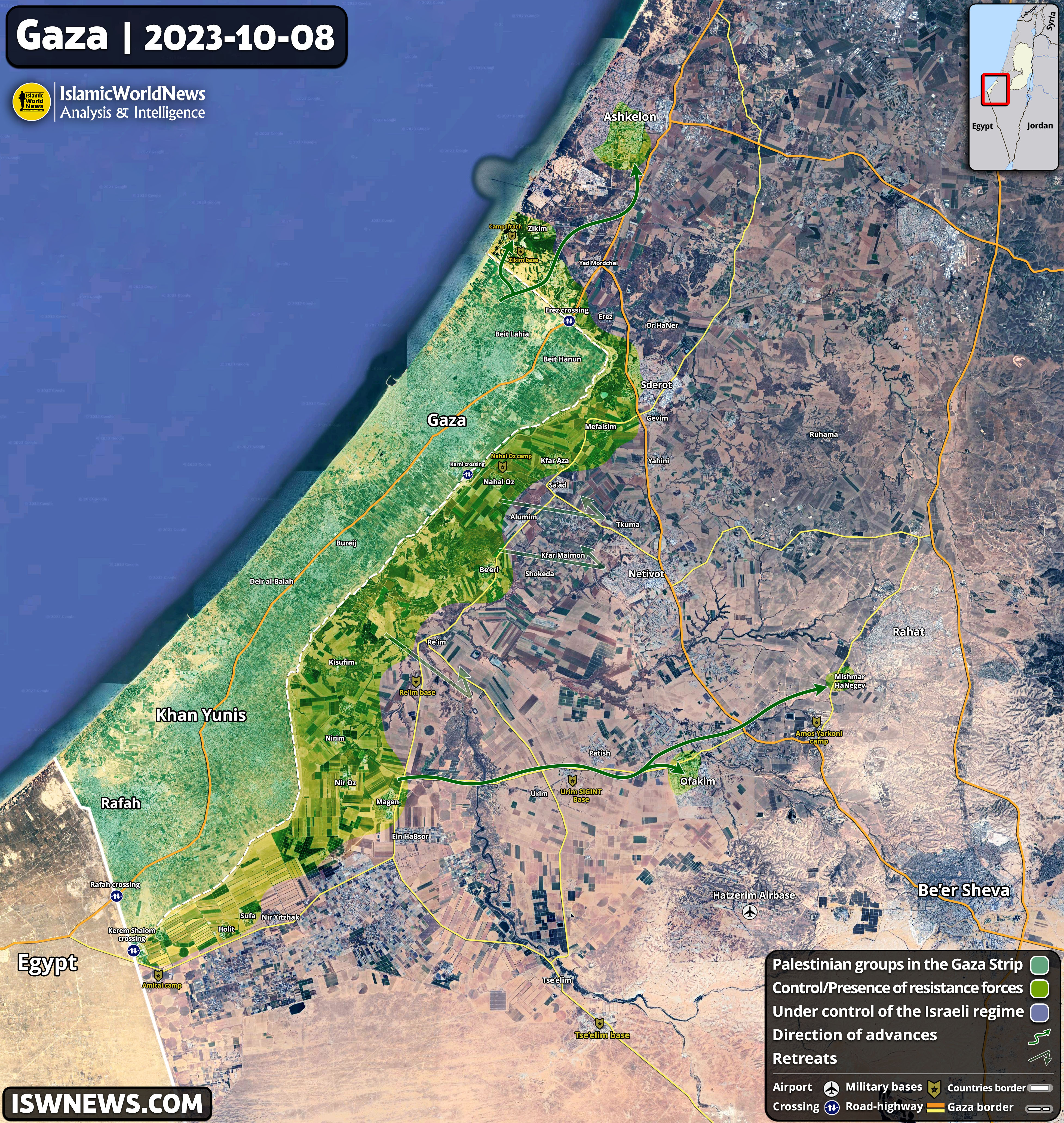
After the start of Operation Al-Aqsa Storm and the unexpected advances made by the resistance fighters deep into the occupied Palestinian territories, many areas around the Gaza Strip came under the control of the resistance fighters.
However, due to the counter-attacks by the Israeli regime’s army and following the de-escalation of clashes, the resistance fighters tactically retreated from some positions. Therefore, it is now possible to draw map of the battlefields and ongoing engagements with greater accuracy.
According to the latest available information, following the deadly attacks by the resistance fighters on the Re’im base and inflicting heavy damages on the Israeli regime’s army, the resistance fighters retreated from Re’im area and its military base.
Read more: Infographic: Operation Al-Aqsa Storm, Day 1
Similarly, in the Netivot axis, the resistance fighters tactically retreated towards Kfar Aza and Nahal Oz following the Israeli army’s counter-attack.
However, despite some retreats, an unknown number of resistance fighters are still present in the areas of Ofakim, Mishmar HaNegev, and even in Ashkelon.
Armed conflicts between the resistance fighters and the Israeli regime’s army continue in other battlefronts, including the city of Sderot, the surrounding areas of Zikim, Kfar Aza, Nahal Oz, Be’eri, and Magen.
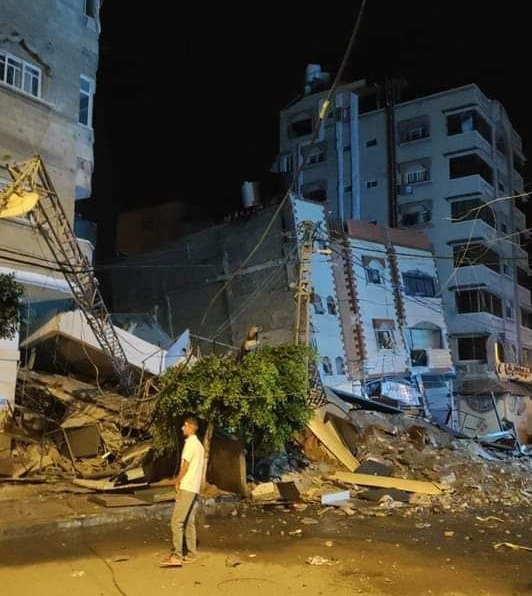
Benjamin Netanyahu, the prime minister of Israel, has stated that he will destroy the Gaza Strip in response to the heavy damage caused to Israel by the Palestinian Operation Al-Aqsa Storm.
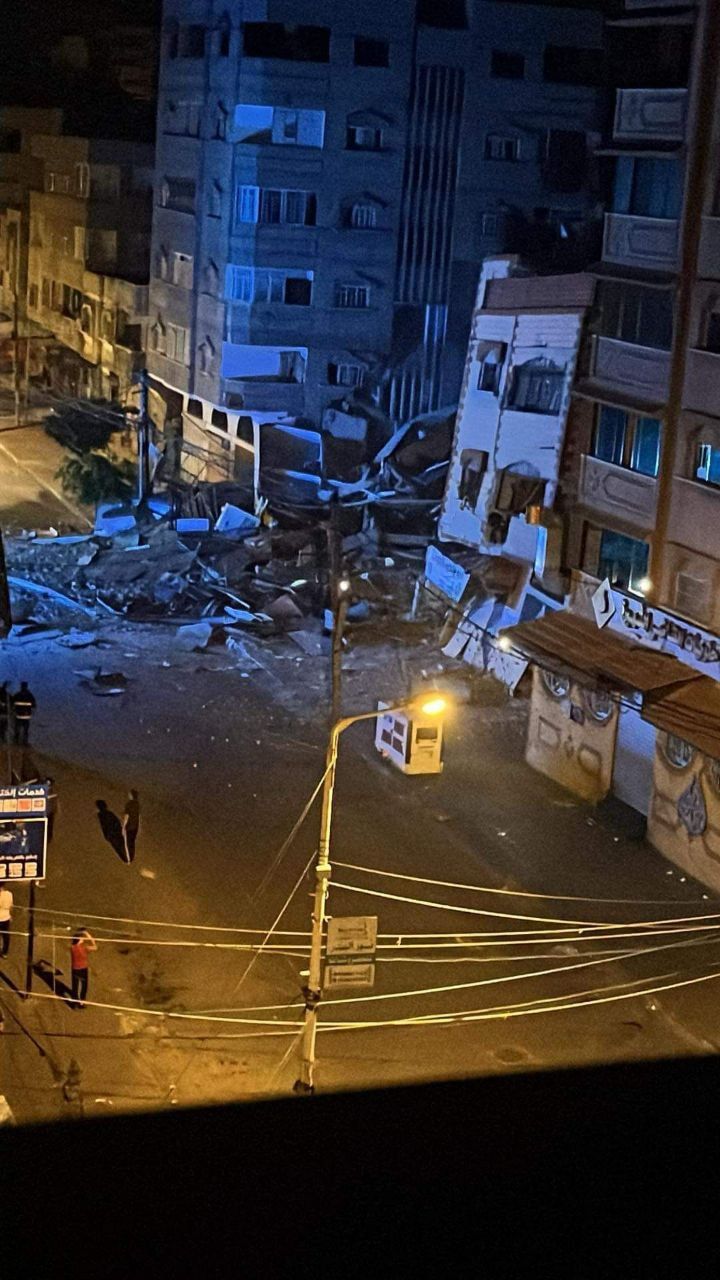
In this regard, several towers, a mosque, an ambulance and other residential buildings were bombarded by Israeli warplanes since this morning. According to the statistics announced by the Palestinian Ministry of Health, the number of Palestinian martyrs has reached 256 martyrs and 1788 wounded.
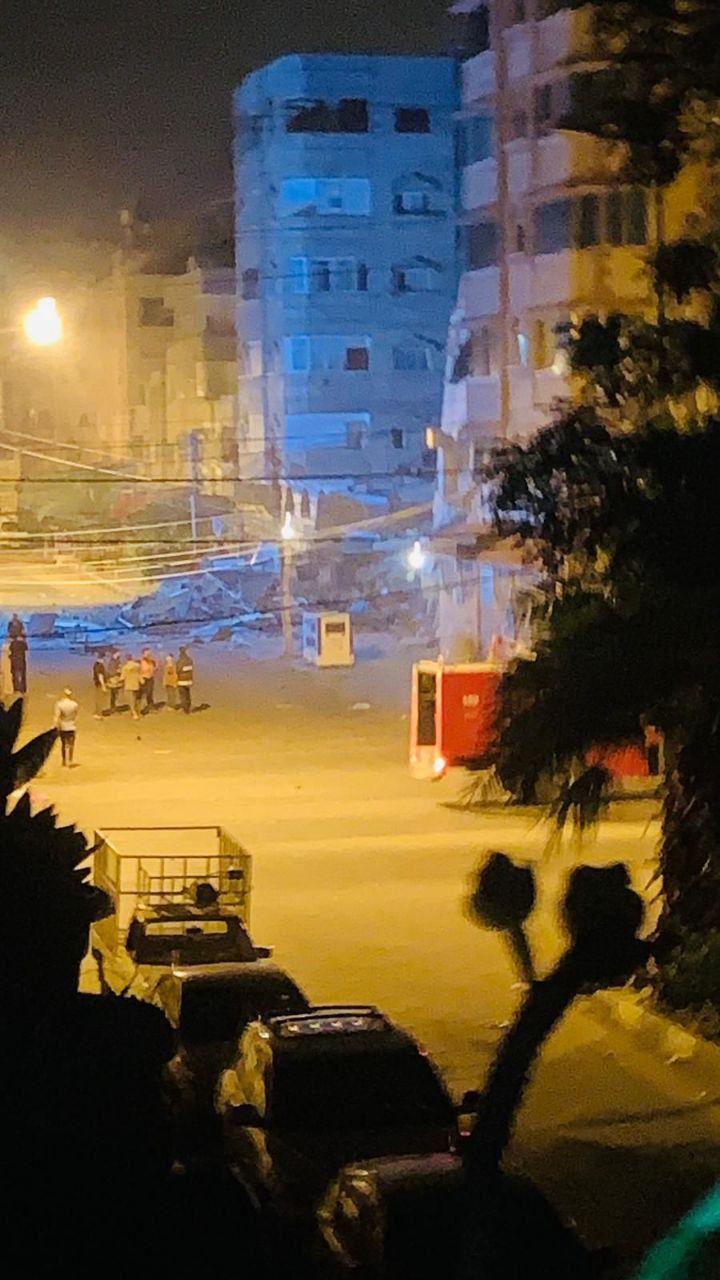
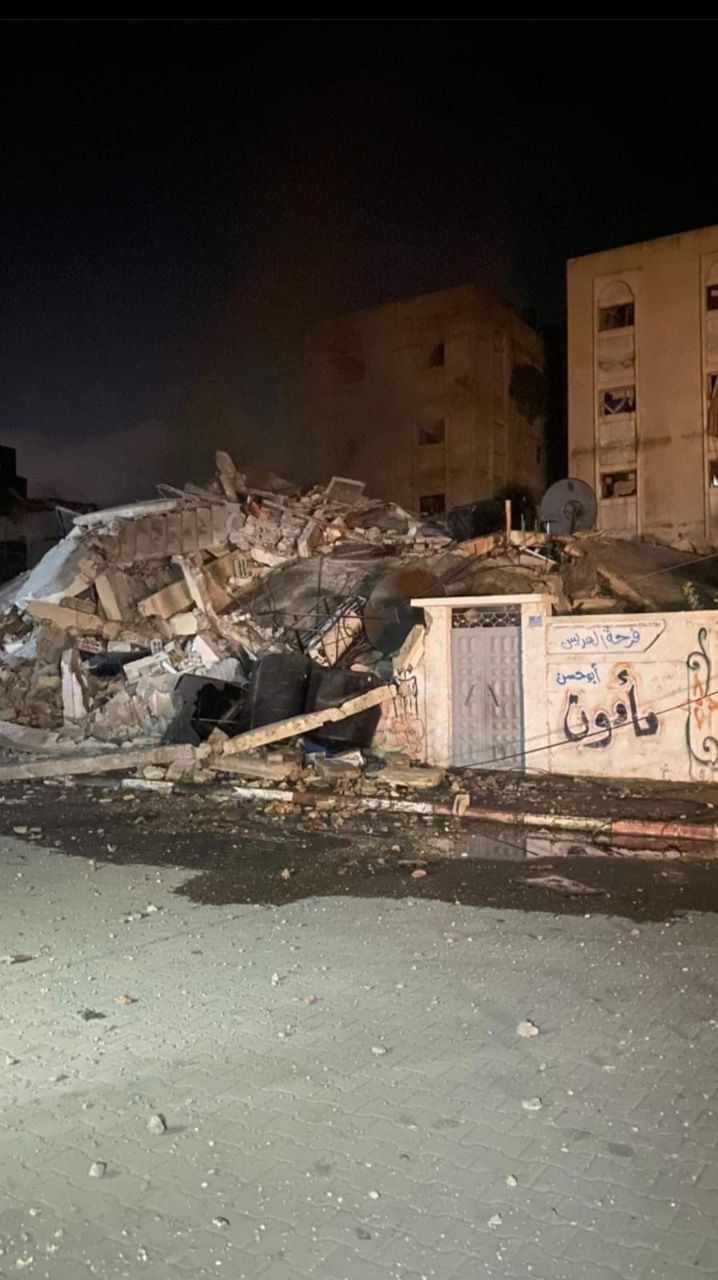
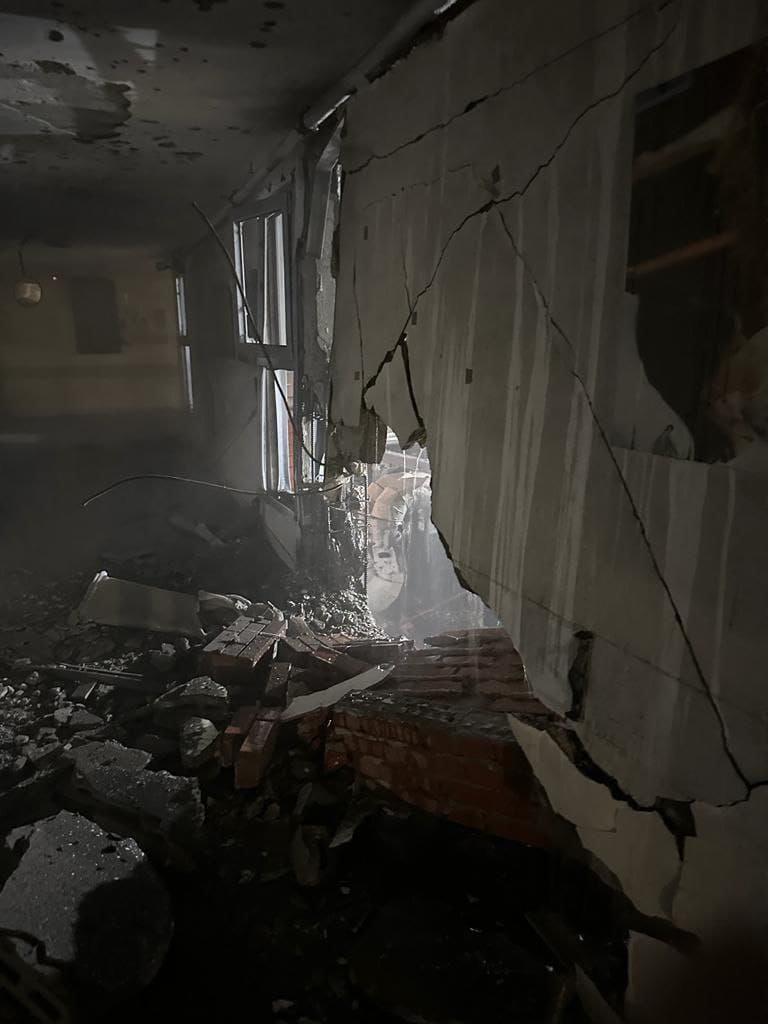

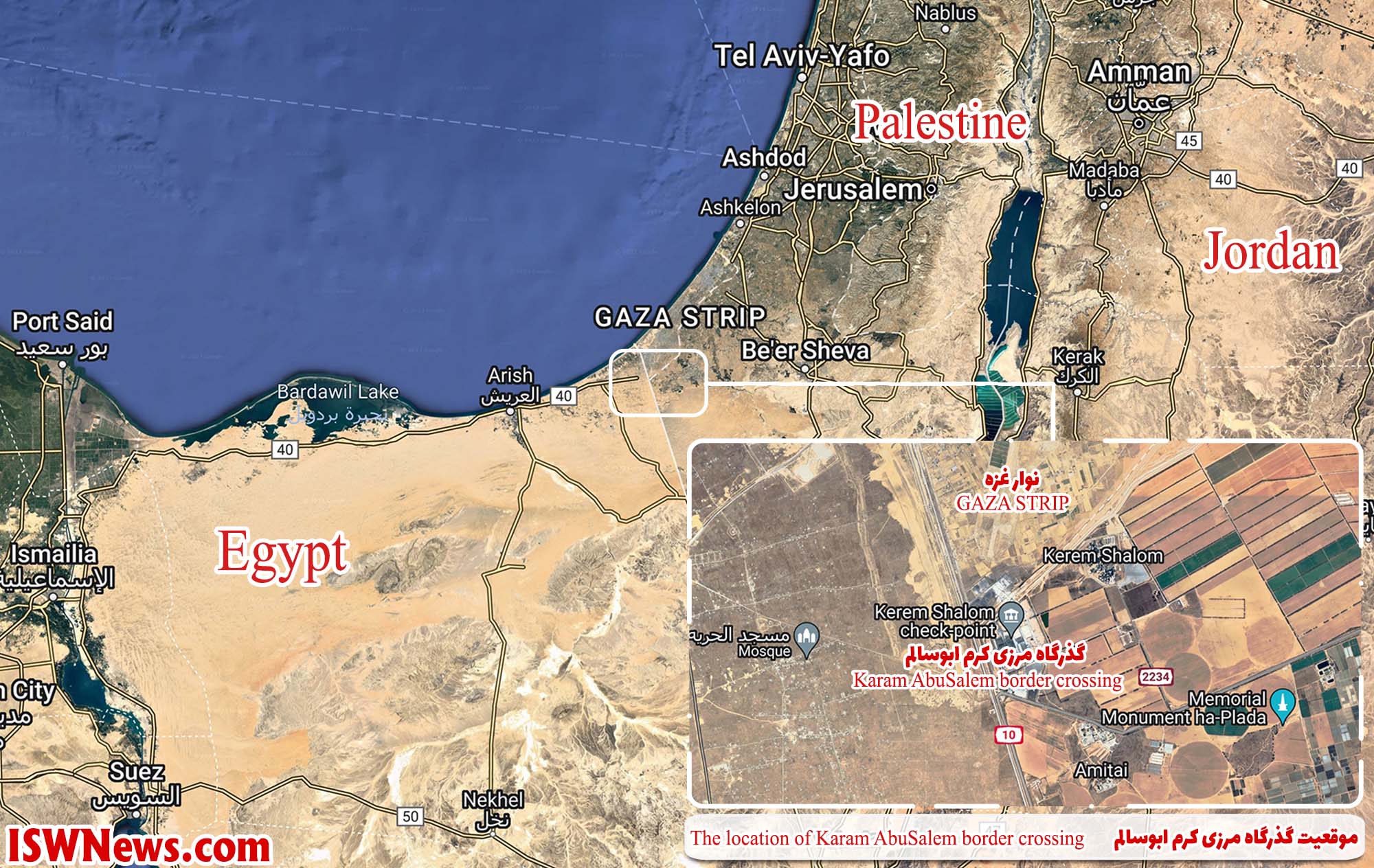
The resistance groups also freed the Karam Abu Salem (Kerem Shalom) border crossing in the south of the Gaza Strip from the occupation of the Zionist army.
Palestinian resistance groups fired more than 5,000 rockets at the occupied territories.
Currently, the clashes continue in the settlements of Sderot, Ashkelon, Nirim and other occupied settlements in the outskirts of the Gaza Strip. It should be noted that Al-Qassam Brigades, the military branch of Hamas, announced that it has attacked more than 50 bases of the Zionist regime’s army inside the occupied territories, and its fighters are still confronting the occupiers in 25 pints inside the occupied territories.
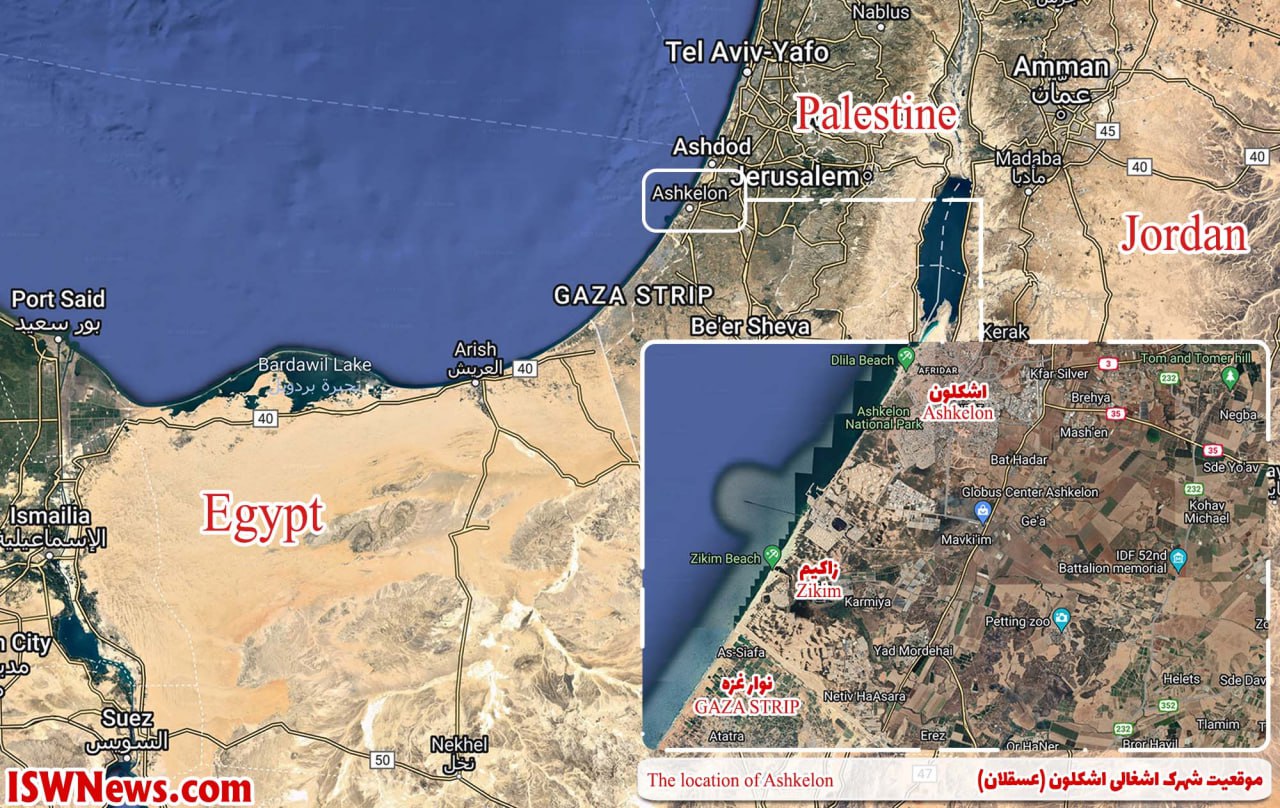
According to the report of Israel’s TV Channel 12, the ground attacks of the Palestinian resistance forces in the northern direction of the Gaza Strip passed through the Zikim area and reached the occupied town of Ashkelon.
During these clashes, a number of Israeli soldiers have been injured and the efforts of Israeli forces to repel these attacks are still ongoing.
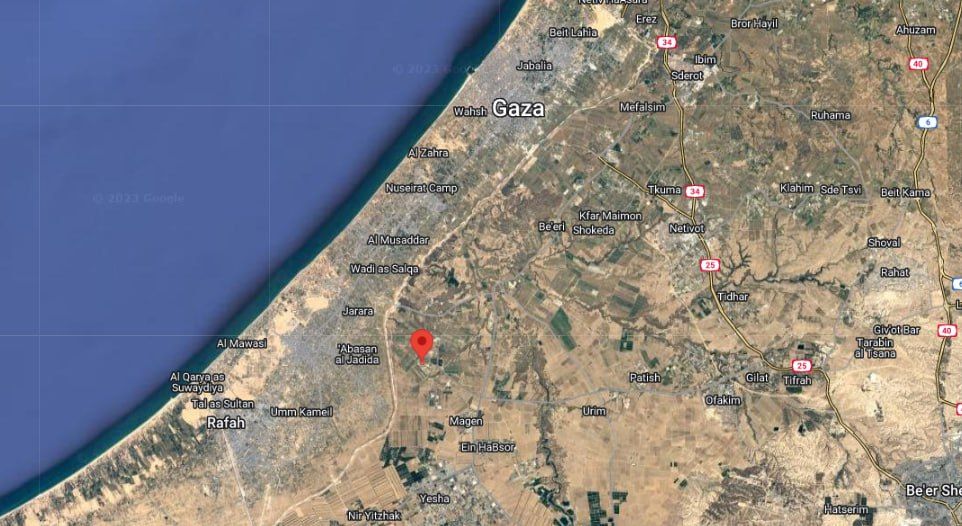
Also, a number of settlements are still under the control of the Palestinian resistance forces, and the security forces and the Israeli army have not succeeded in repelling the Palestinian attack on these areas.
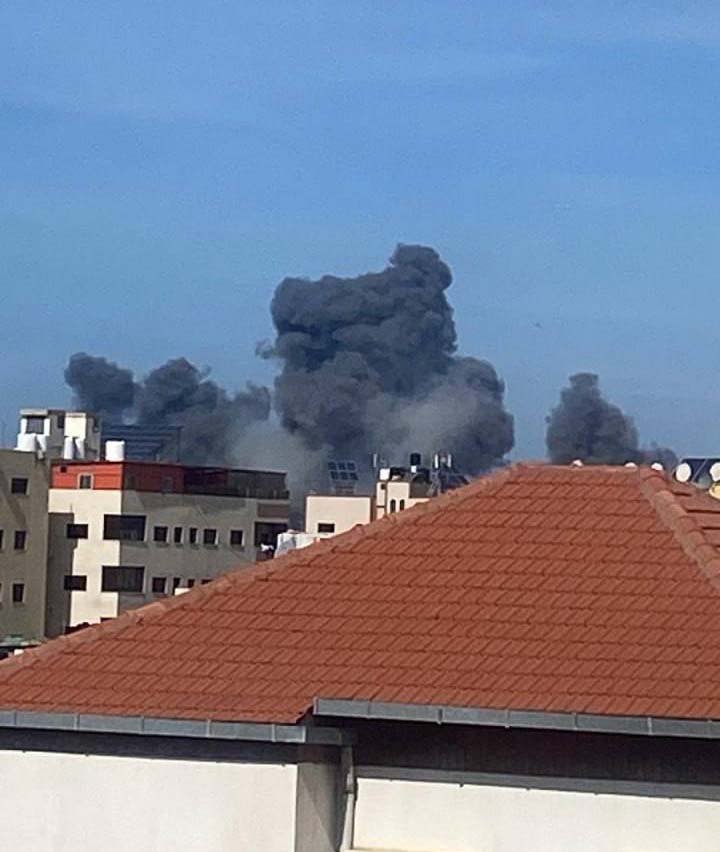
According to the Israeli army, more than 2,500 rockets have been fired from the Gaza Strip towards the occupied territories in recent hours.
At least 161 Palestinians have been martyred and 939 others have been injured since the start of the Palestinian ‘Al-Aqsa Storm Operation’ and Israel’s Operation Iron Swords. There is no accurate information on Israeli casualties, but based on the published images, the death of about 100 Israelis can be estimated and confirmed.
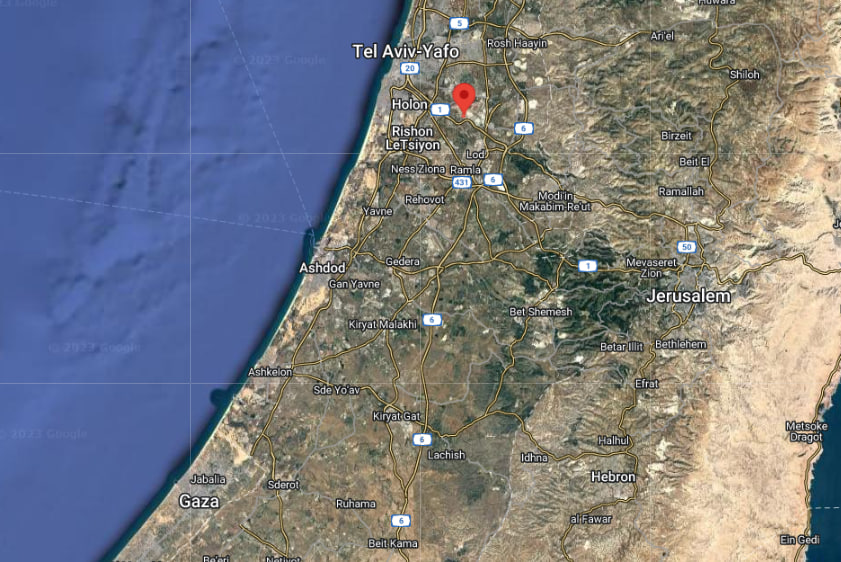
The new round of rocket attacks by the Palestinian resistance groups on the occupied territories continues.
Hebrew sources announced that Palestinian resistance fighters have taken a number of Israelis hostage in the “Afikim” area in the south of occupied Palestine. Also, Channel 14 of the Zionist regime announced that the police commander of this regime in the city of Sderot was shot and wounded by resistance fighters.
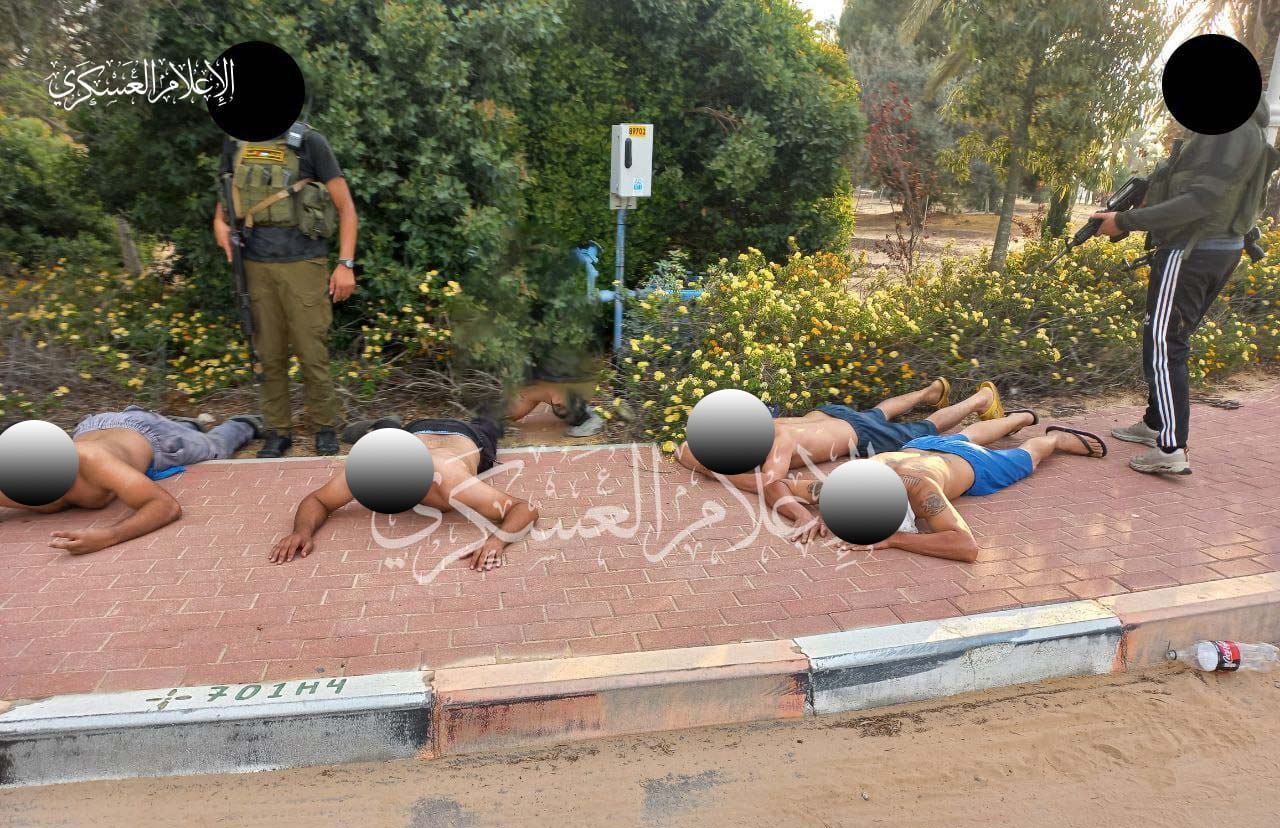
The Kan Hebrew channel reported that fighters of Kataib al-Qassam, the military wing of Hamas movement, infiltrated one of the police stations of the Zionist regime in the occupied city of Sderot, killing and wounding a number of Zionists.
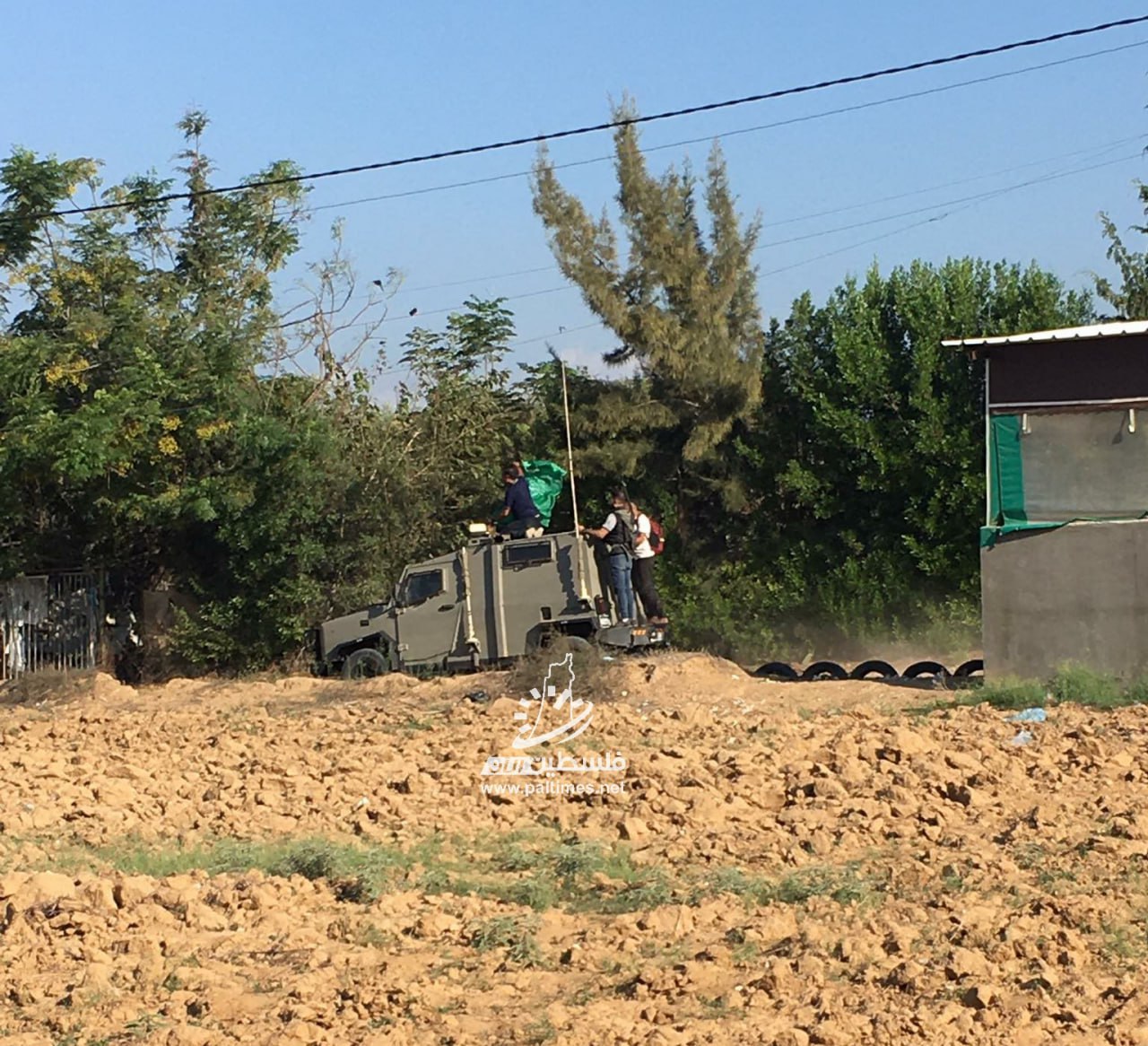
According to the published images, the Palestinian resistance forces returned to Gaza with the looted equipment after infiltrating the bases of the Zionist regime and capturing the Zionist soldiers and were welcomed by the Palestinians.
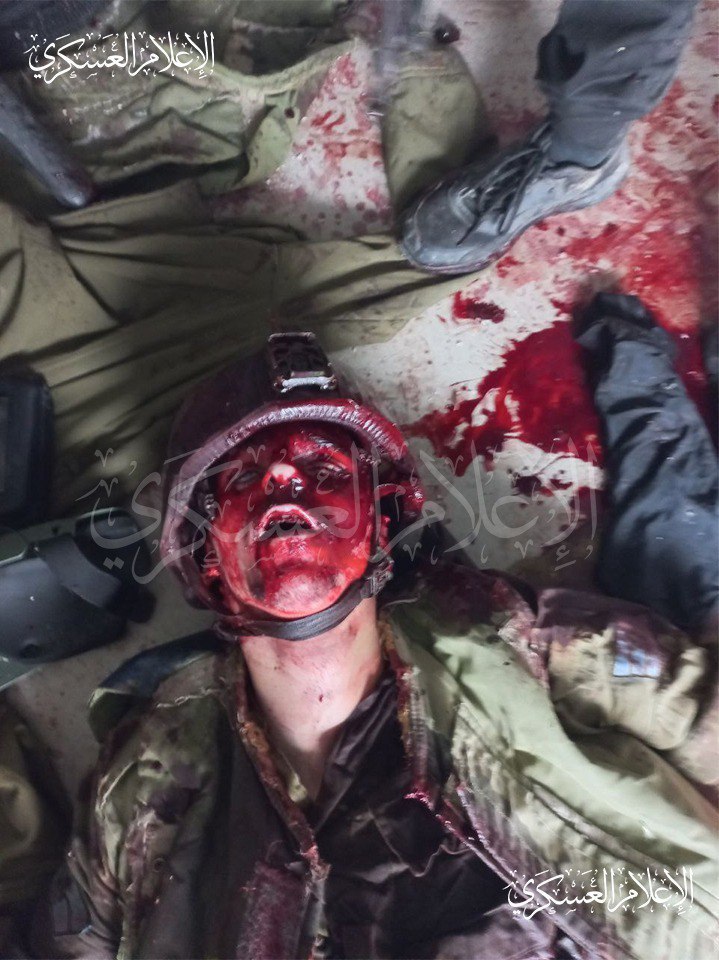
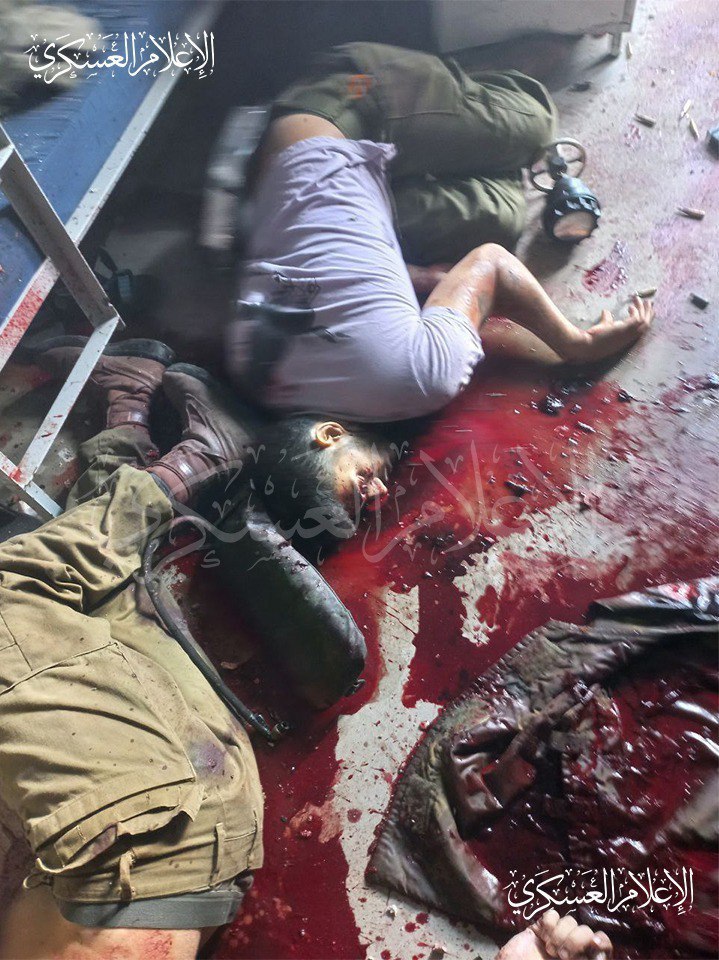
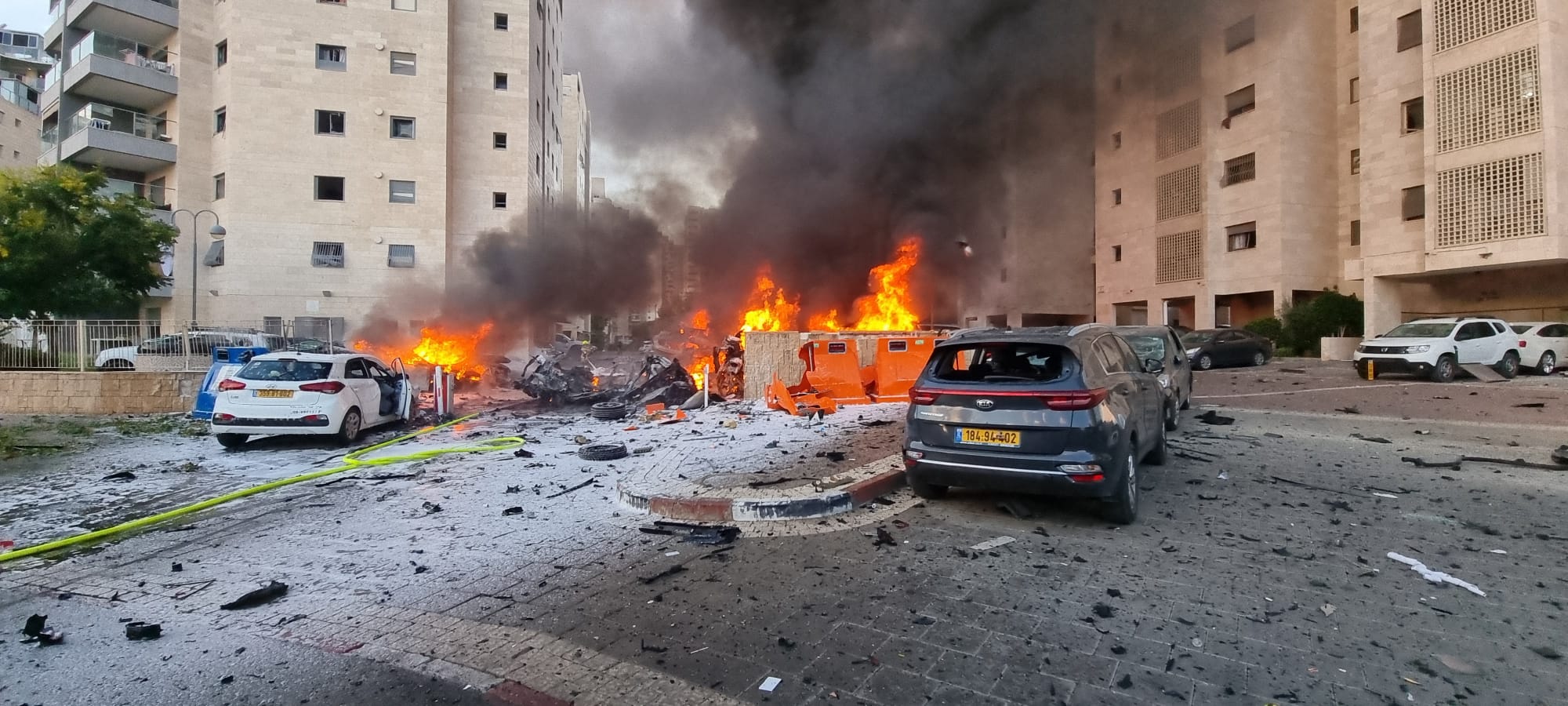
On the morning of October 7, Palestinian resistance fighters, in response to recent Zionist aggressions against the Palestinian people and the desecration of Al-Aqsa Mosque, launched an operation called “Operation Al-Aqsa Storm” against the Israelis.
During the military operation, Palestinian resistance fighters quickly crossed the military barriers of the Zionist regime and entered the settlements around Gaza Strip as well as Israeli military bases, resulting in the death of several Israeli soldiers and the capture of others by the fighters of Izz ad-Din Al-Qassam Brigades.
While Palestinian resistance commanders had been planning and preparing their forces for some time to respond to the Zionist regime’s brutal actions and atrocities against the Palestinian people, Israeli intelligence agencies were unaware of these plans and movements of the Palestinian resistance.
Despite claims by Israeli media and commanders about 24-hour surveillance of resistance commanders and 100% supervision over Palestinian groups, Israeli military institutions failed to confront these attacks.
The military reaction of the Zionists, the number of Israelis killed, the speed of advancement of resistance forces, and their movements in settlements and Israeli military bases show that Israeli soldiers were completely caught off guard.
One of the main reasons for the success of the hybrid attacks by Palestinian resistance fighters against the Zionist regime was the flawless execution of missions by the security and protection forces of the resistance movement.
Of course, one reason for this success was the transfer of experiences in terms of security and protection fields from the battle of Thar Al-Ahrar Operation to the ongoing conflict of Operation Al-Aqsa Storm, indicating an upgrade in strategic cooperation between Hamas and the Islamic Jihad movement in Palestine.