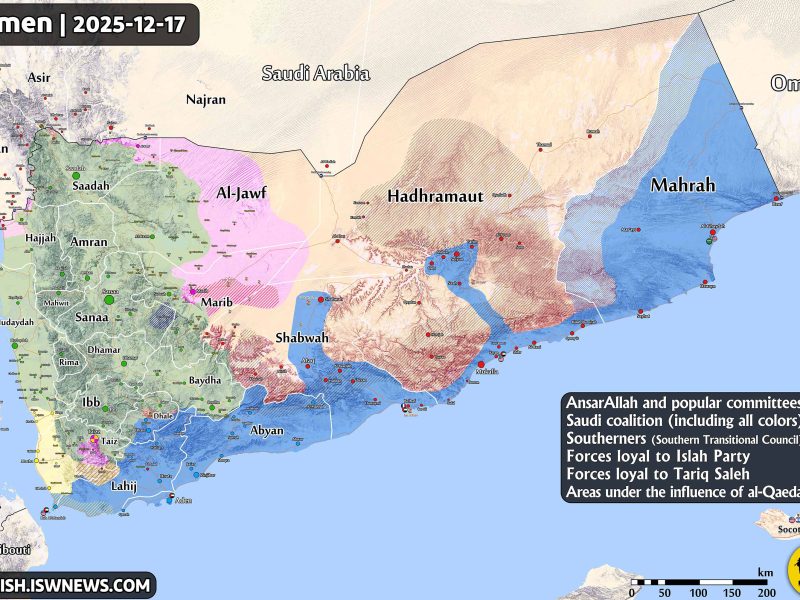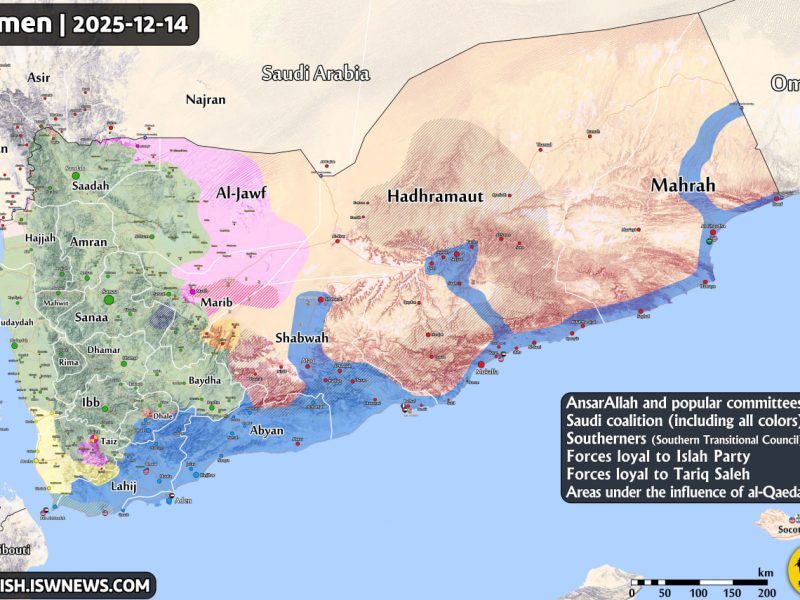
After clashes subsided in Hadhramaut and Shabwa provinces, the Southern Transitional Council (STC) shifted its operations to Abyan province, aiming to clear areas under al‑Qaeda influence. Movements by southern fighters in Mudiyah and al‑Mahfad are expected to begin soon.
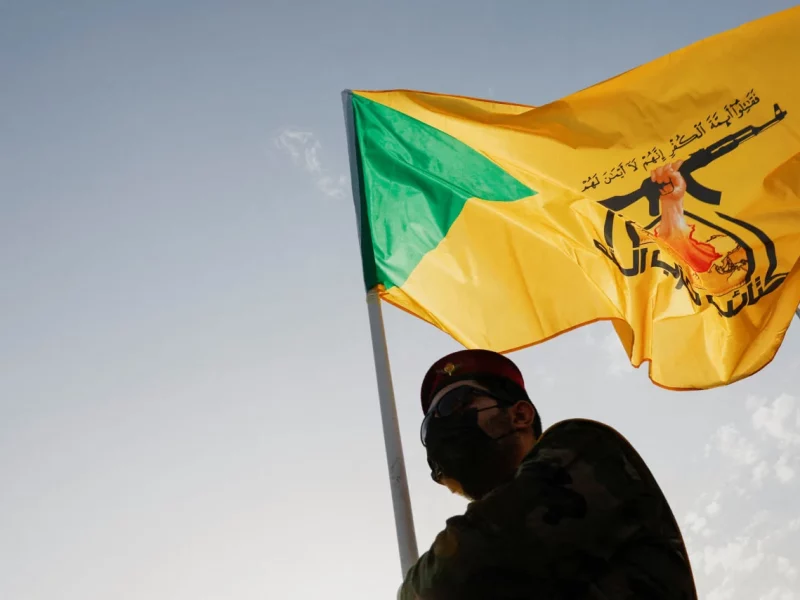
Abu Ali al‑Askari, security chief of Kataib Hezbollah in Iraq, issued a harsh statement warning Iraqi politicians and public figures against any contact with Mark Savaya, Trump’s envoy to Iraq. He declared that anyone engaging with Savaya would be considered a traitor to Iraq.
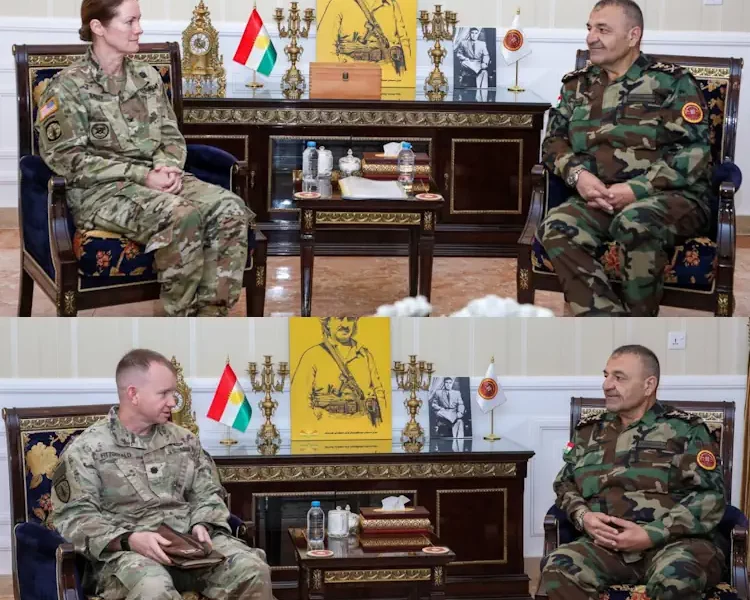
During the recent days, Lt. Gen. Sihad Barzani, Commander of the Peshmerga 1st Support Forces Command, met with Colonel Stephanie Bagley, the US Senior Defense Official, and Colonel Fitzgerald, the Acting Commander of the Coalition Forces in the Kurdistan Region. Reports indicate that American and Kurdish commanders discussed the possible deployment of the 101st Division, 82nd Division, and the 75th Airborne Regiment of the U.S. Army in northern Iraq.
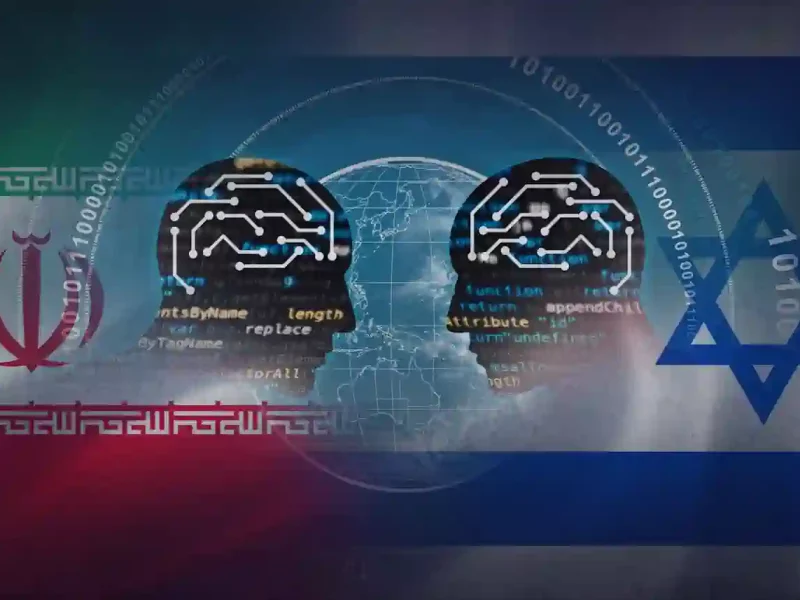
A Hebrew daily reported that Israel has concluded the damage inflicted on Iran’s ballistic missile program during the 12‑day war was far less than initially estimated, with Tehran’s missile capability essentially preserved.
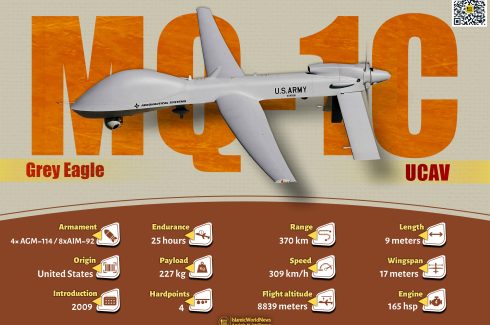
A British combat drone and a U.S. spy plane were spotted on unusual flights over Syria, in another sign of the emerging partnership between the country’s Islamist-led Interim Government and the United States-led coalition.
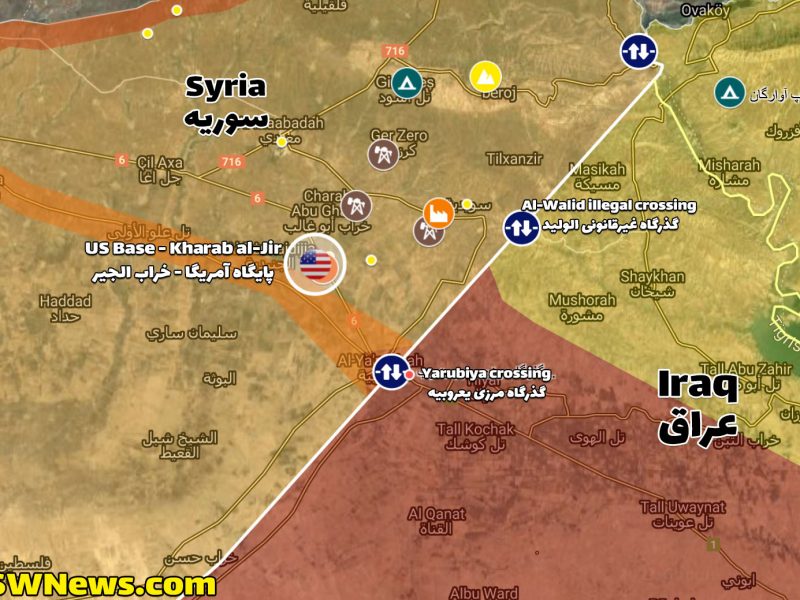
During yesterday’s attack on a joint U.S.–Syrian military convoy near Palmyra, two American soldiers and one American interpreter were killed, while several others—including Syrian personnel—were wounded.
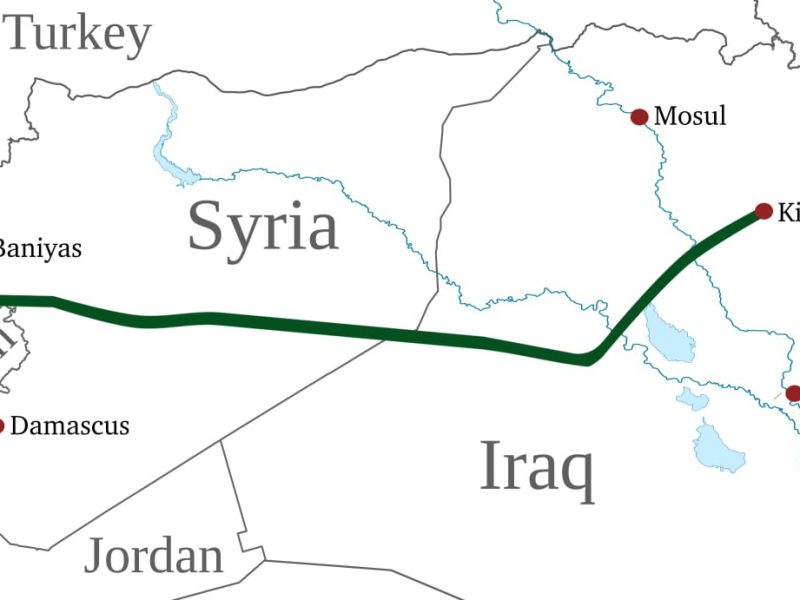
The recent water and energy accord between Turkey and Iraq—beginning with the financing mechanism for water projects signed in early 2024 and expanded into combined oil–water packages in November 2025—marks a strategic shift in managing the Tigris–Euphrates basin. In practice, Ankara has strengthened its ability to regulate water flow, quality, and allocation into Iraq through legal, technical, and financial frameworks, the entry of Turkish companies, and project financing. Baghdad, instead of exercising full sovereignty over shared resources, is gradually ceding long‑term access and decision‑making to foreign partners, particularly Turkey and its international allies. This situation carries serious legal, economic, environmental, and security implications for Iraq’s internal stability, agricultural productivity, food security, and strategic independence.
The National Resistance Front of Afghanistan has claimed responsibility for the recent explosion in Darah district of Panjshir province, asserting that 17 Taliban members—including the commander of a special forces base—were killed and five others wounded.
Russian forces have continued their offensive in the besieged city of Mirnograd, pushing deeper into the eastern sectors and reaching the city center. Additional gains have reportedly been made in the southern neighborhoods and nearby farmland.
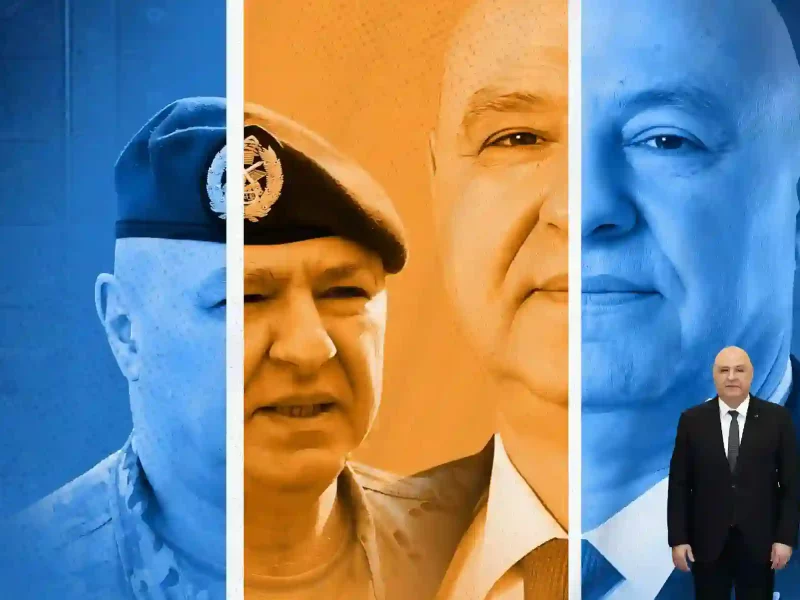
Recent developments show that escalating Israeli attacks in southern Lebanon, coupled with the ineffectiveness of Lebanon’s change in representation level at the ceasefire committee, have further complicated the political and security landscape.
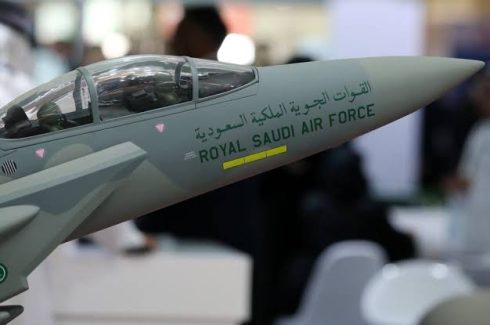
Following a warning message from Saudi authorities to the Southern Transitional Council and the flight of Saudi army Apache helicopters over the northern desert of Hadhramaut province, southern fighters pulled back from the al‑Abr–Khasha road and the al‑Khasha area, handing these positions over to Al‑Dara‘ al‑Watan forces.