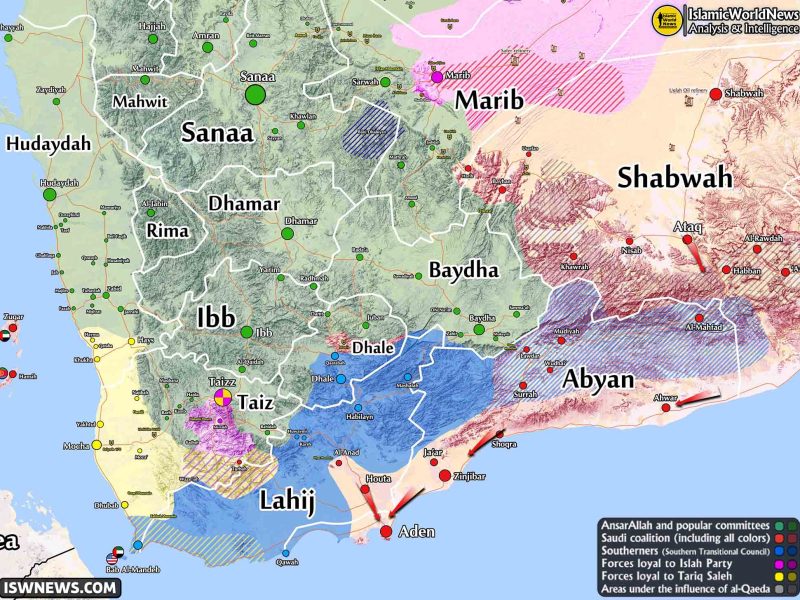
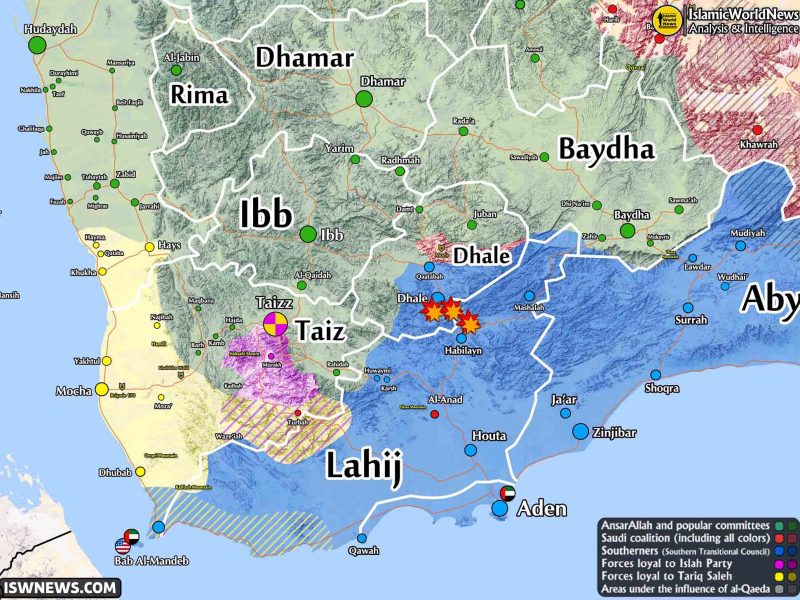
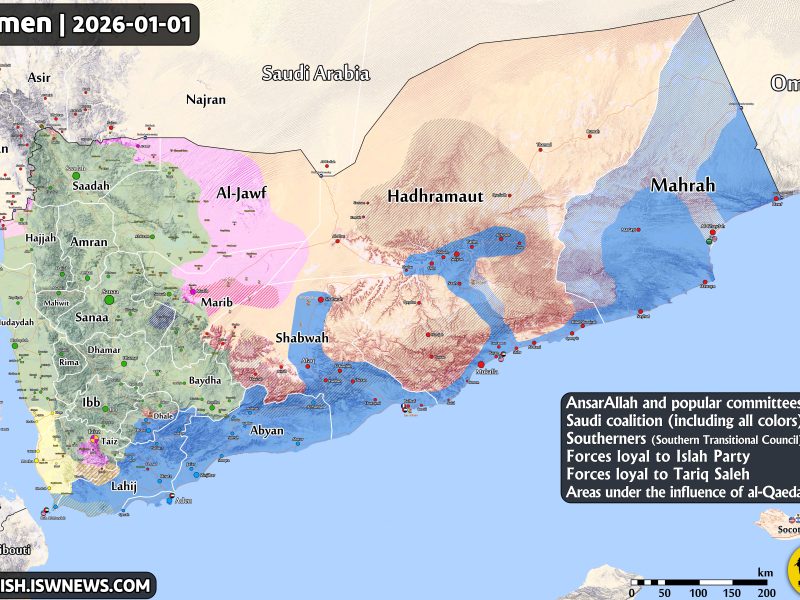
Last night, Saudi warplanes carried out airstrikes on Jabal Radfan in Lahij Province, the city of Al-Dhale, the Zand base, and areas around the village of Zubeid in Al-Dhale Province. The bombings resulted in casualties among Southern fighters and also civilians.
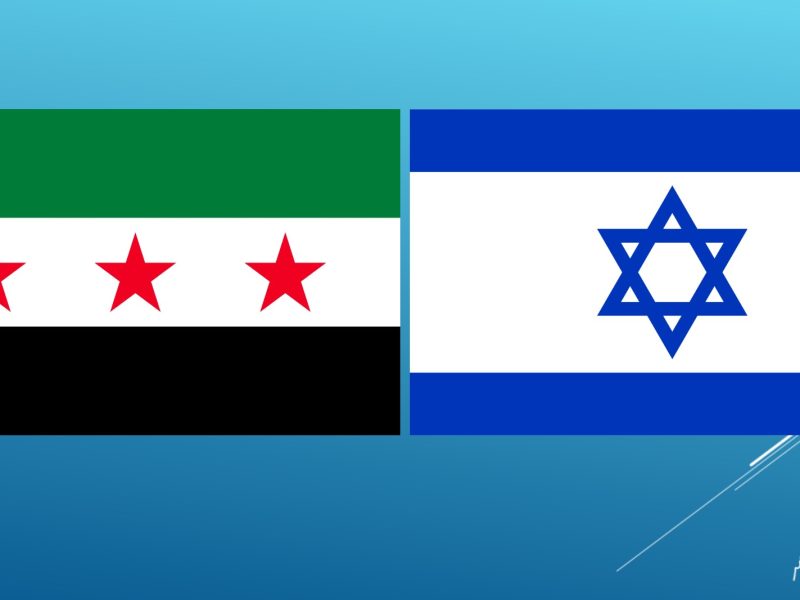
Senior Syrian and Israeli officials met in Paris on Monday to restart negotiations aimed at reaching a new security agreement. According to Axios, citing an Israeli official and a knowledgeable source, the talks will last for two days.
Judge Beni Shagai, head of the Beersheba District Court, died in a road accident in southern Israel. He was 54 years old and had held the position for only about a year. According to police, a car entering the highway from a side road collided with his motorcycle. The driver was found responsible due to reckless driving and drug use.
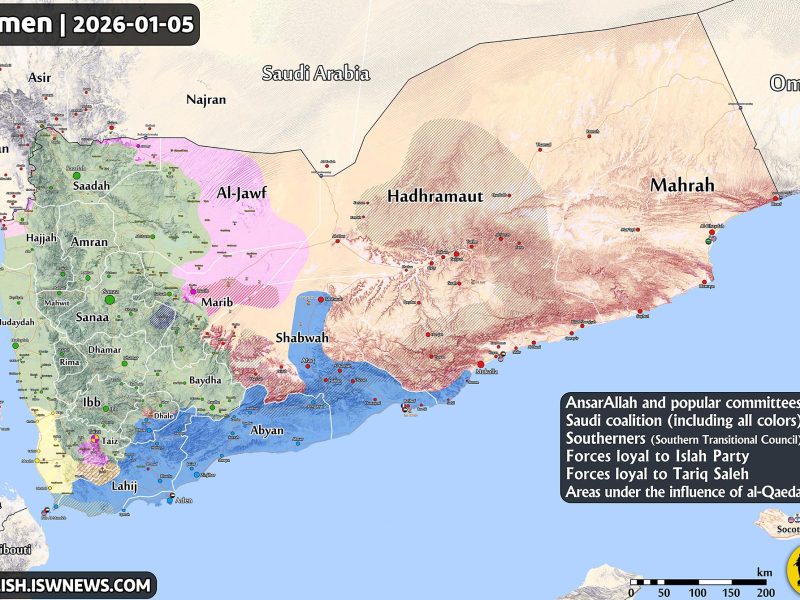
With the support of Saudi air power, the forces of Yemen’s government-in-exile regained control of Hadhramaut and Al-Mahra provinces, taking them back from the Southern Transitional Council.
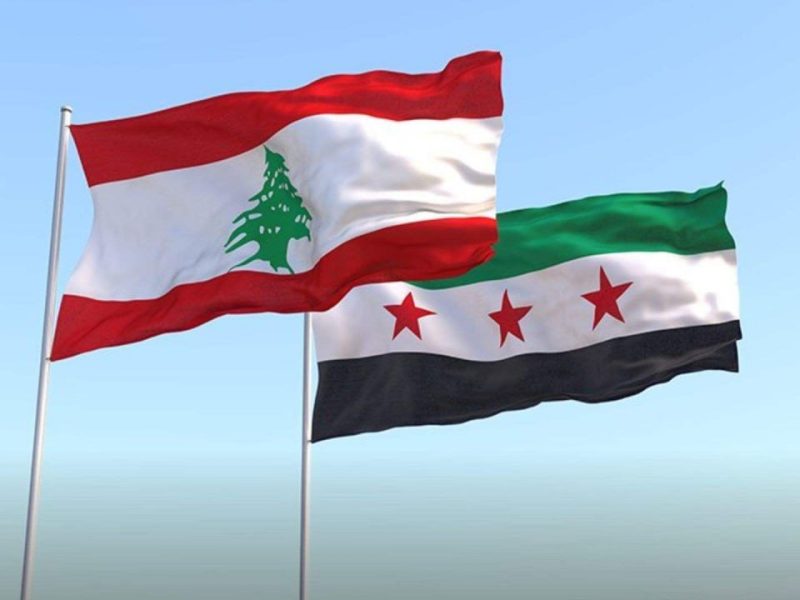
Lebanese security forces have begun a large-scale operation to ensure that senior figures and officers of Syria’s former regime are not present on Lebanese soil, aiming to prevent the country from becoming a platform for threats against Syria’s security and stability. The case is being overseen directly by Tarek Mitri, Lebanon’s Deputy Prime Minister, who is responsible for managing Lebanon–Syria relations. Mitri seeks to reassure Damascus of Beirut’s respect for its neighbor’s sovereignty and stability through security and political measures.
Flight data reveals that a heavy transport aircraft, Antonov‑124 with registration UR‑ZYD, made three consecutive trips from Isa Air Base in Bahrain to Nevatim Air Base in occupied Palestine.
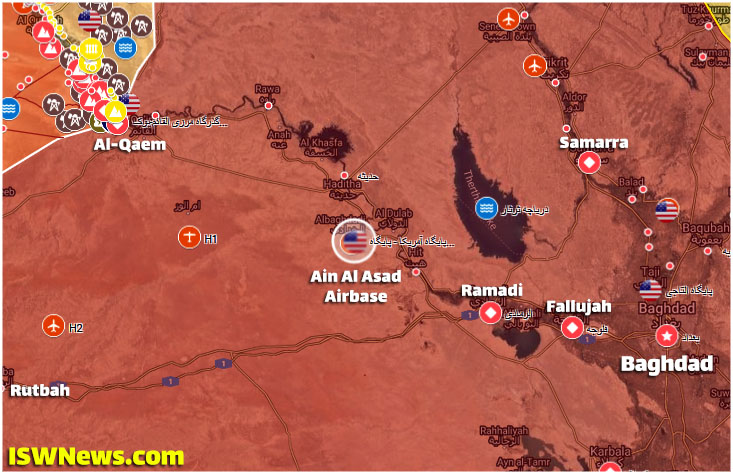
Qais al-Muhammadi, deputy commander of Iraq’s Joint Operations Command announced that the Ain al-Asad base will be fully handed over to Iraqi security forces next week, following the withdrawal of coalition troops. He stressed that the agreement ending the coalition’s mission was finalized three months ago, and that no coalition personnel are currently present within Iraq’s Joint Operations Command.
The UAE’s exit from Yemen as the second key member of the Saudi-led coalition signals the failure of the coalition’s military strategy and a further shift in the balance of power toward Ansar Allah. This move weakens the exiled government and intensifies internal clashes between the Southern Transitional Council (STC) and Saudi-backed factions in southern and eastern Yemen — and could push southern groups toward declaring secession and courting new foreign sponsors.
The UAE Ministry of Defense, in a statement responding to the Yemeni government’s announcement of ending cooperation, declared the voluntary withdrawal of its remaining counter‑terrorism teams from Yemen.
We continue to witness a struggle between projects for the future of the Middle East. Currently, Zionism, as it believes, has entered the second phase of its struggle against the Silk Road. While “Israel” failed to break the Axis of Resistance in the first phase, limiting itself to genocide in the Gaza Strip, the assassination of Hezbollah leaders, aerial aggression against Iran and northern Yemen, and the overthrow of the Assad government, now the criminal Netanyahu and his gang, with the help of their allies under the IMEC project, are planning to begin the process of “reorganizing” the entire region.
This report examines the aggressive and expansionist policies of the United Arab Emirates in recent decades, particularly under the leadership of Mohammed bin Zayed. Leveraging economic strength, vast financial resources, and U.S. support, the UAE has extended its influence from the Persian Gulf to the Horn of Africa. Hostility toward political Islam and strategic alignment with Washington form the pillars of Abu Dhabi’s foreign policy. The country’s unique demographic structure—dominated by migrant labor—has shaped a distinctive approach to regional power‑building. The report highlights how the UAE has exploited political instability in African states and Yemen to become a decisive player in regional geopolitics.