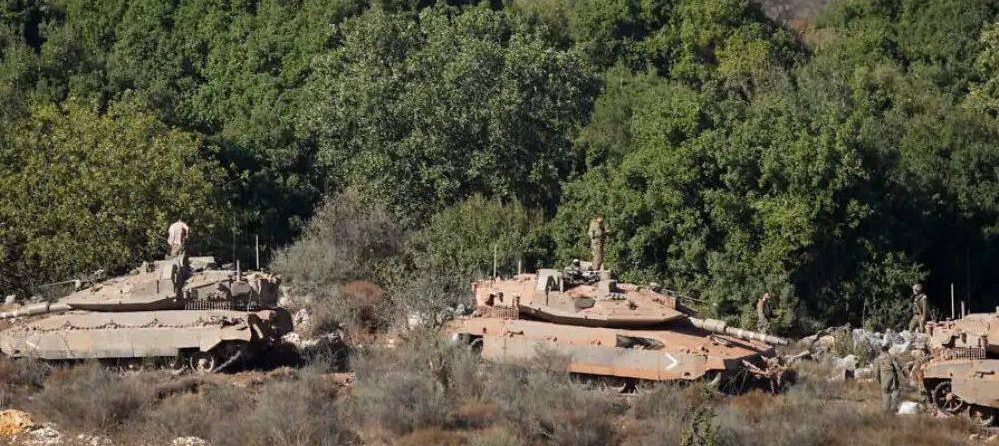
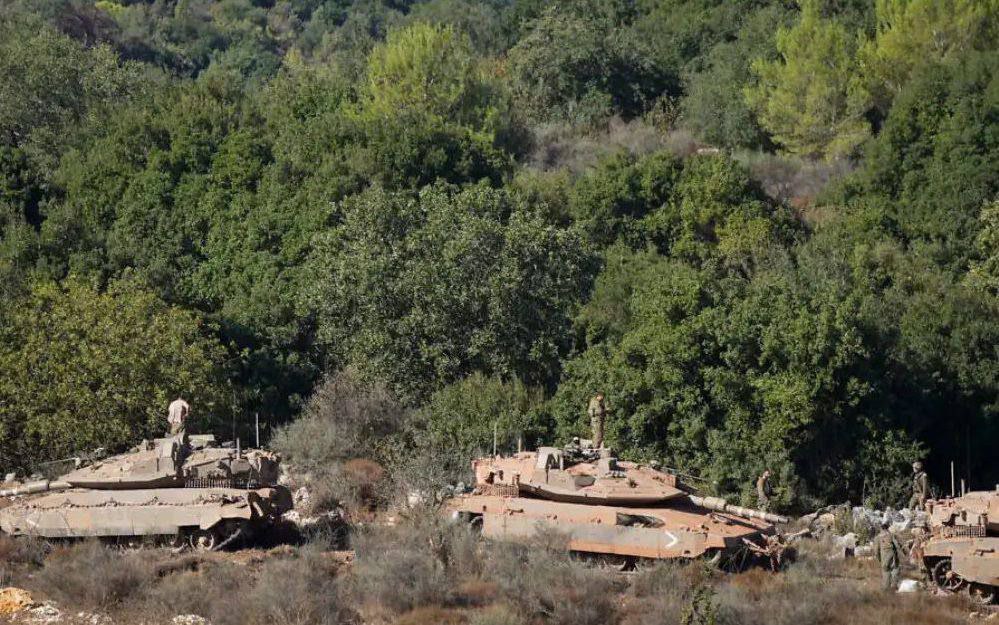
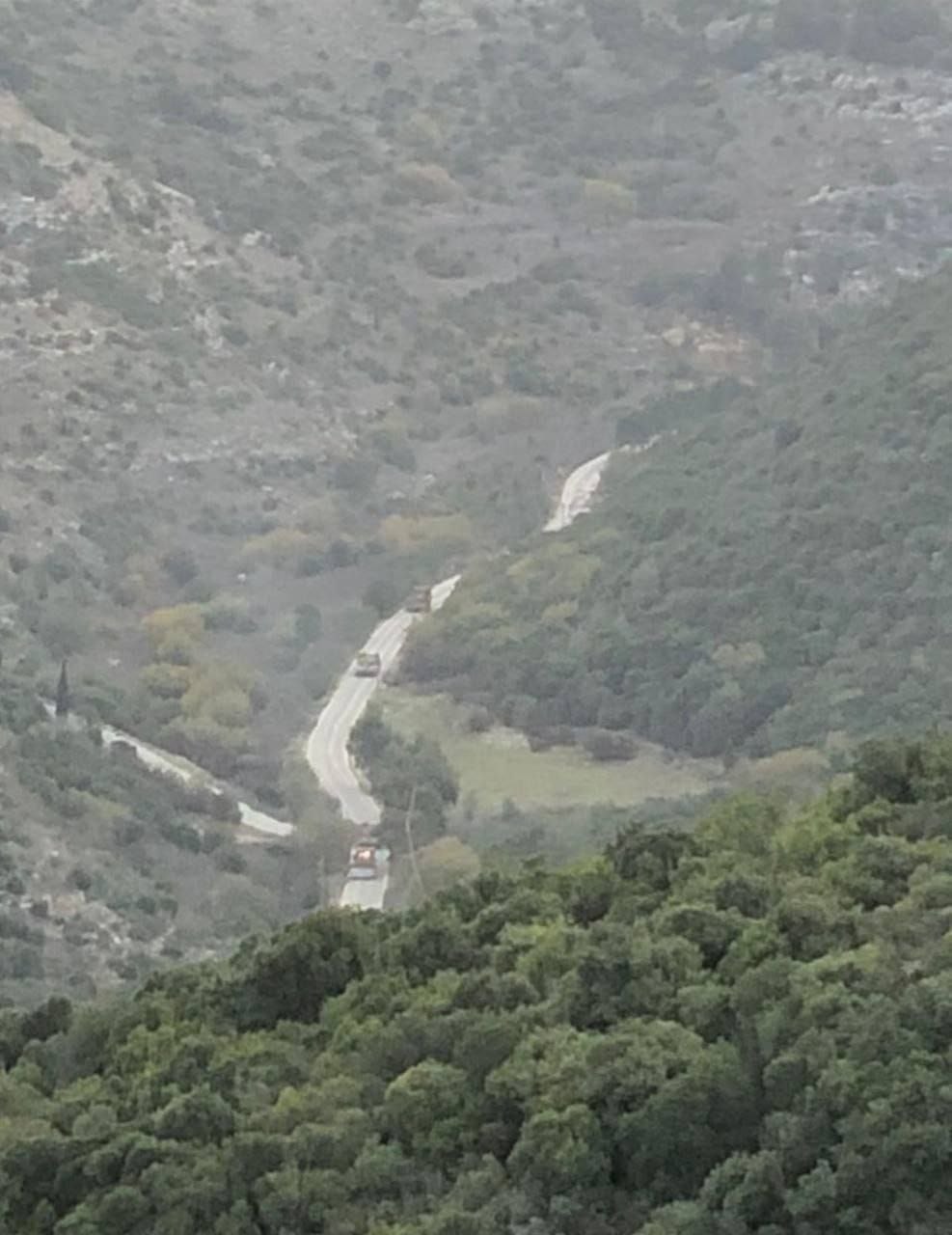
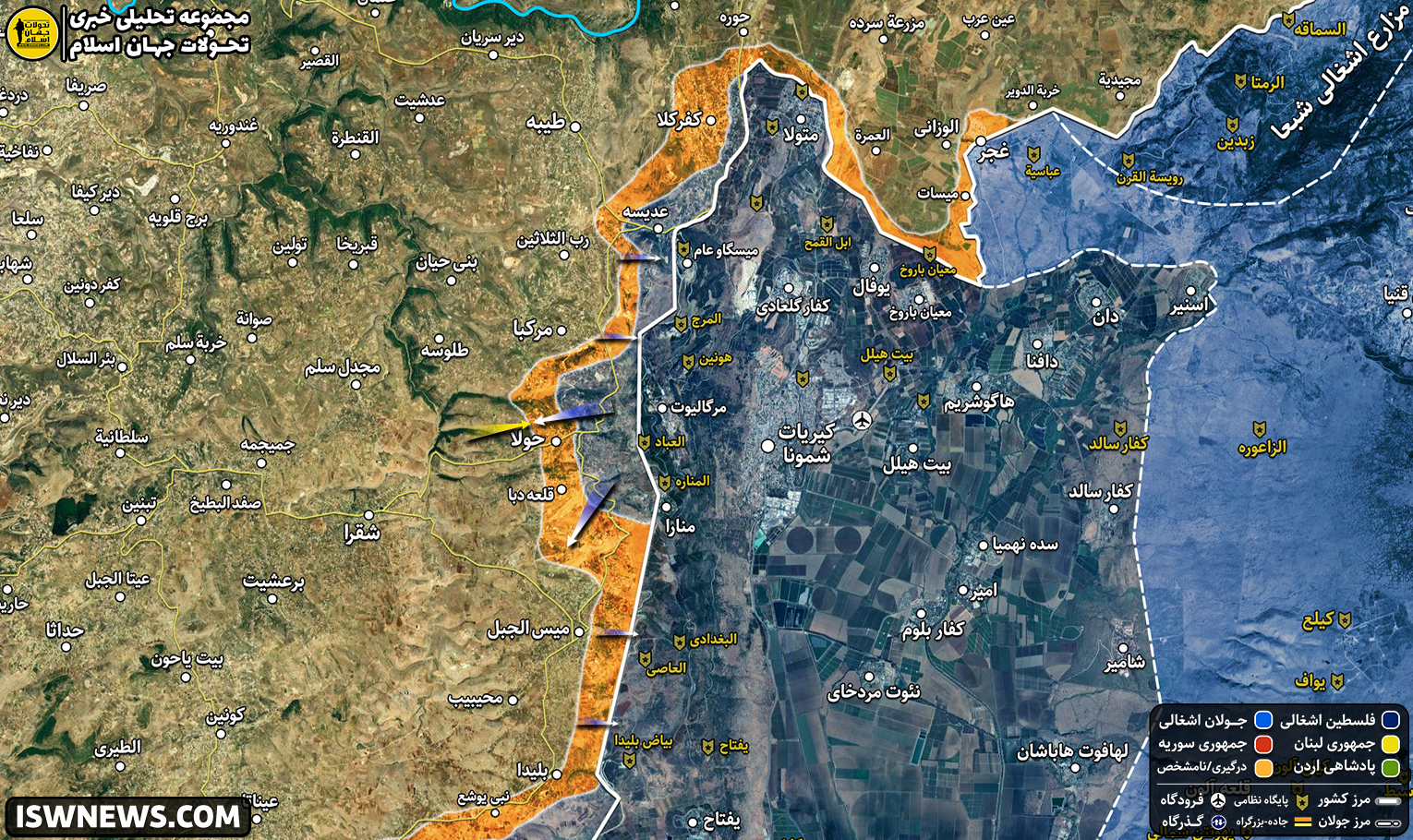
This action represents the most significant violation of the ceasefire and the deepest incursion by the Israeli army into southern Lebanon since the ceasefire was established. Hezbollah has remained silent, and the Lebanese government is unable to take any practical action in response.
Israeli army entering Qantara, Adshit al-Qusayr, and Wadi al-Hujeir
It appears that this Israeli move aims to identify Hezbollah positions in Wadi al-Hujeir, a location where Israel suffered heavy losses and retreated during the 33-day war.
These actions are another indication of Israel’s intention to reignite the conflict in southern Lebanon.
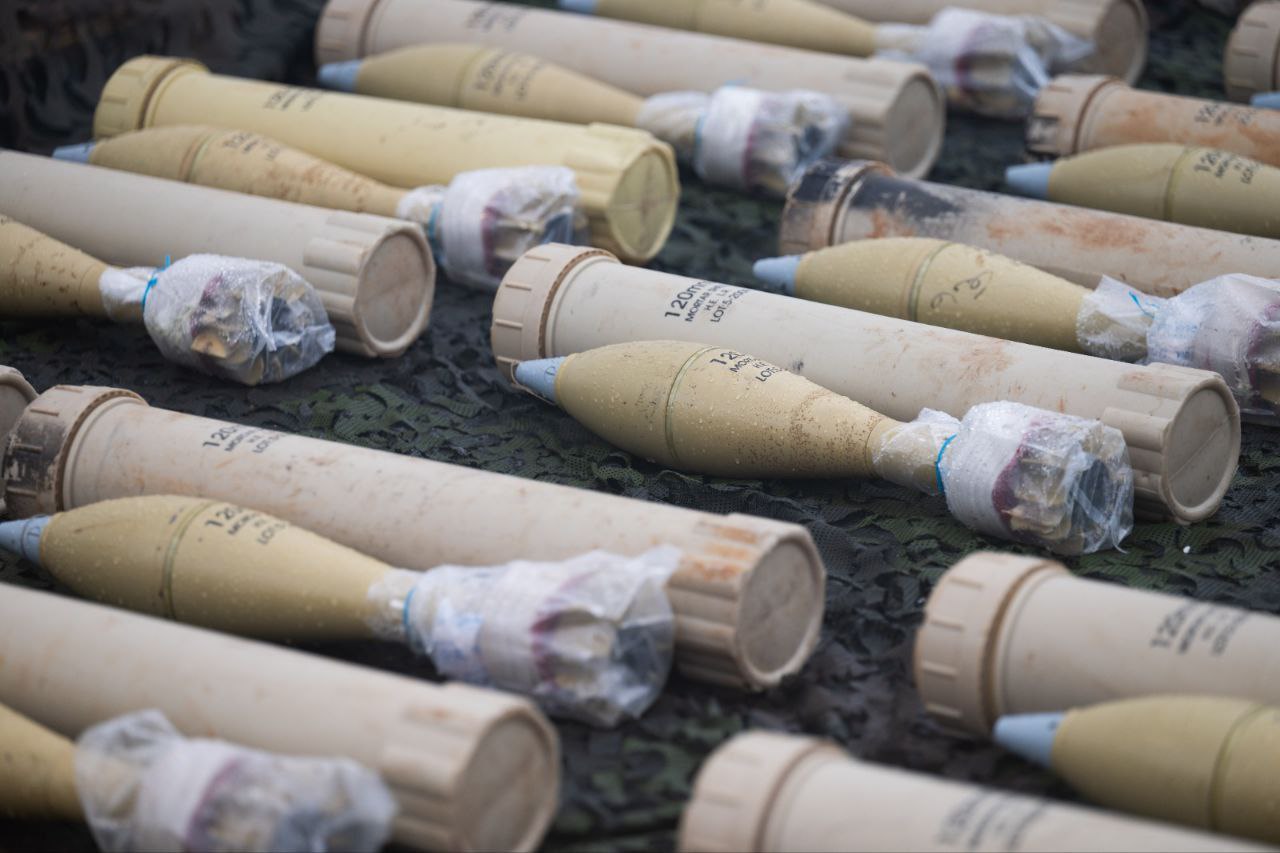
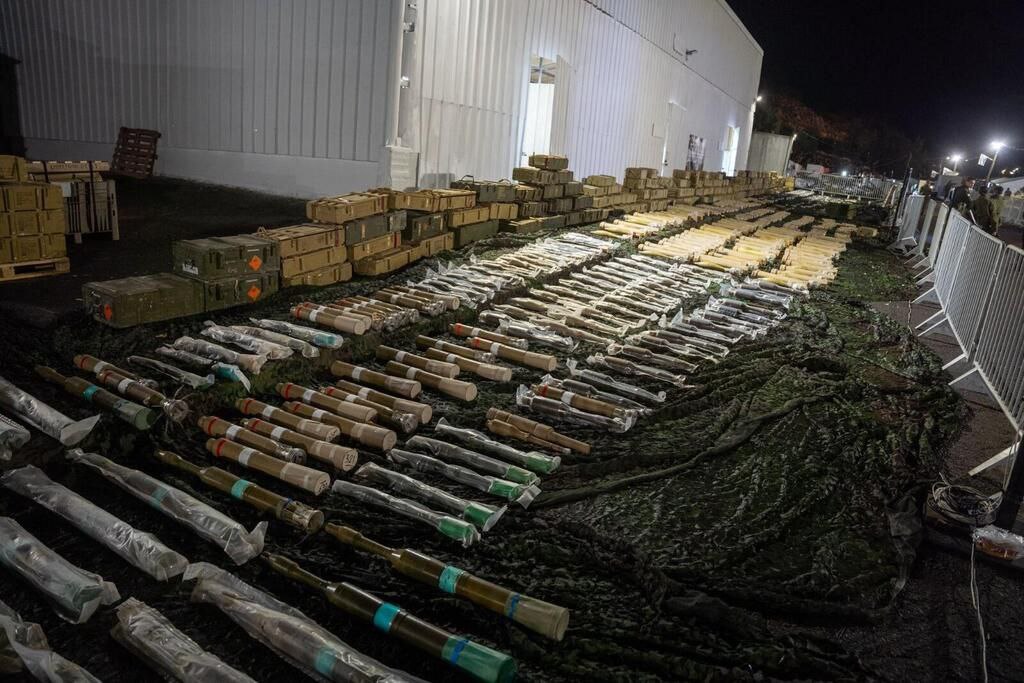
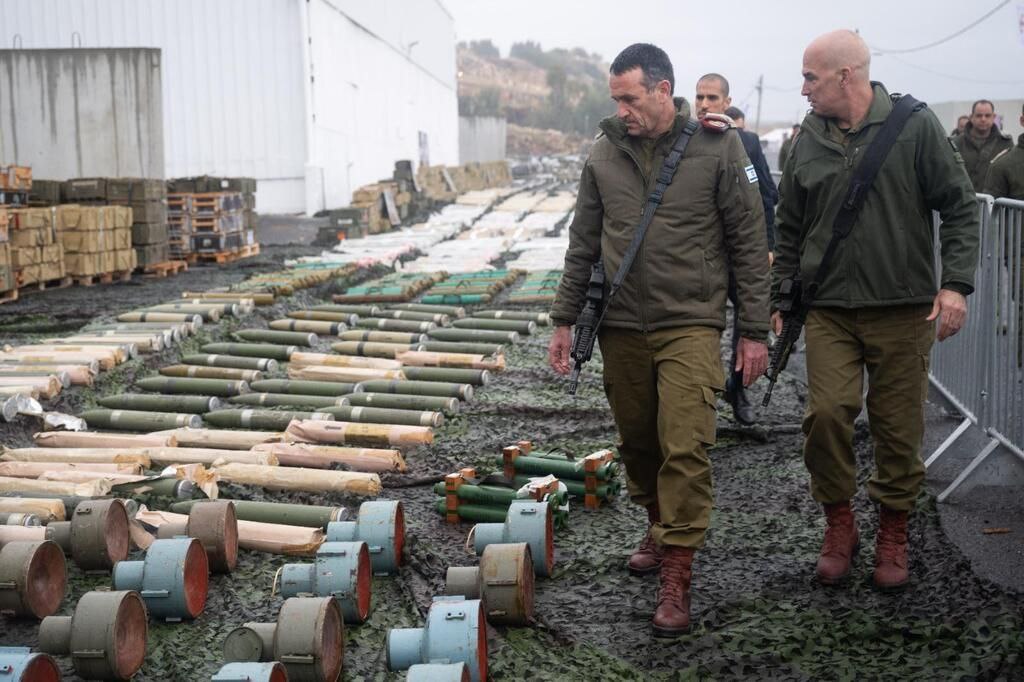
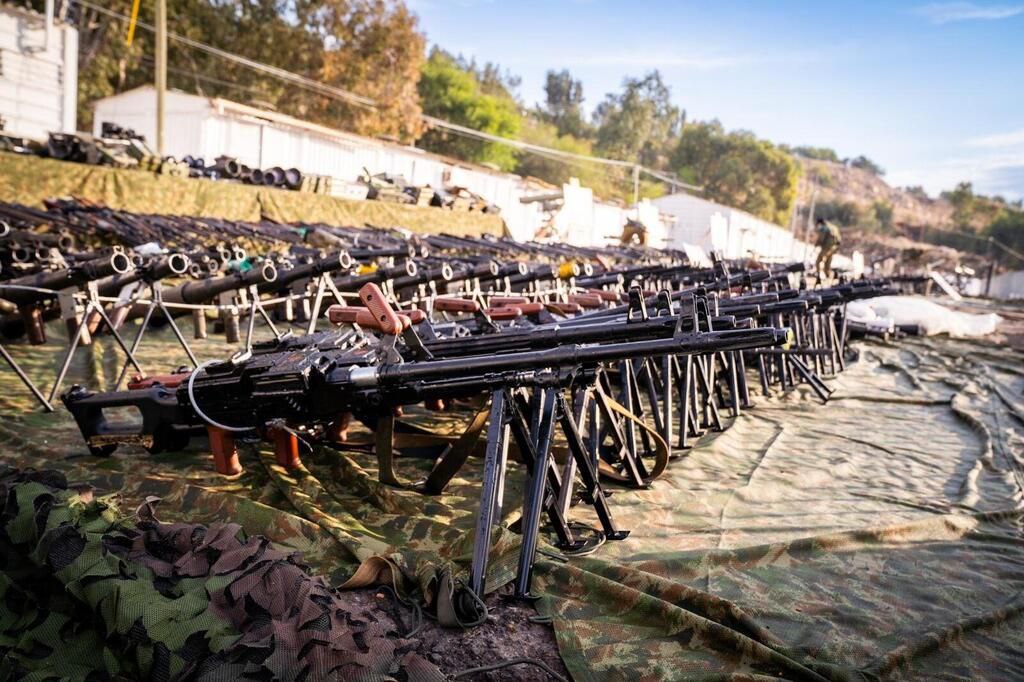
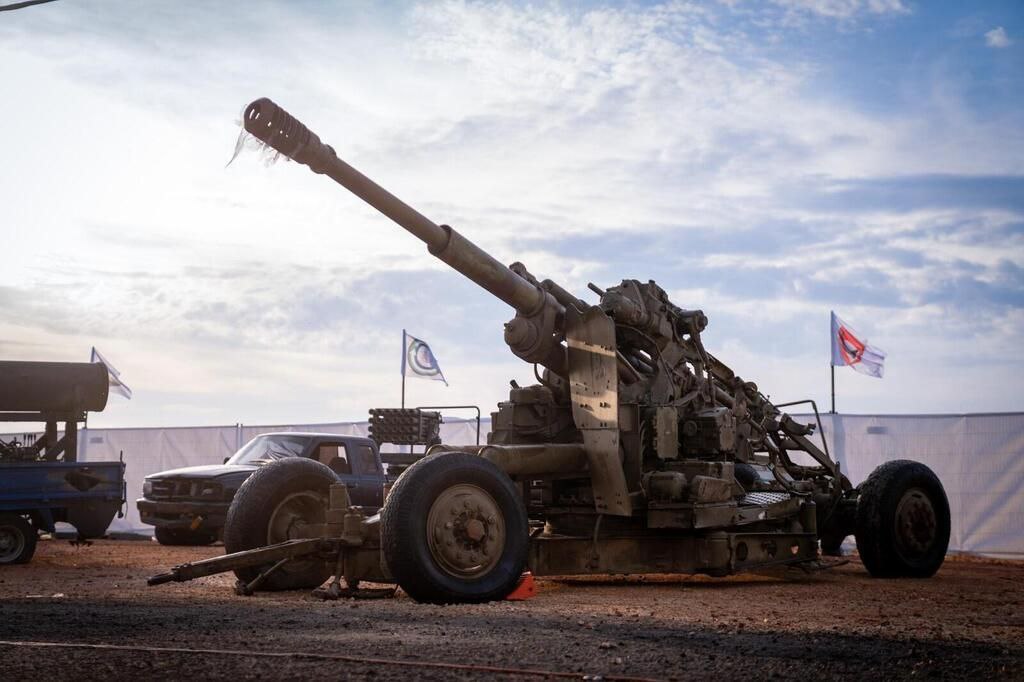
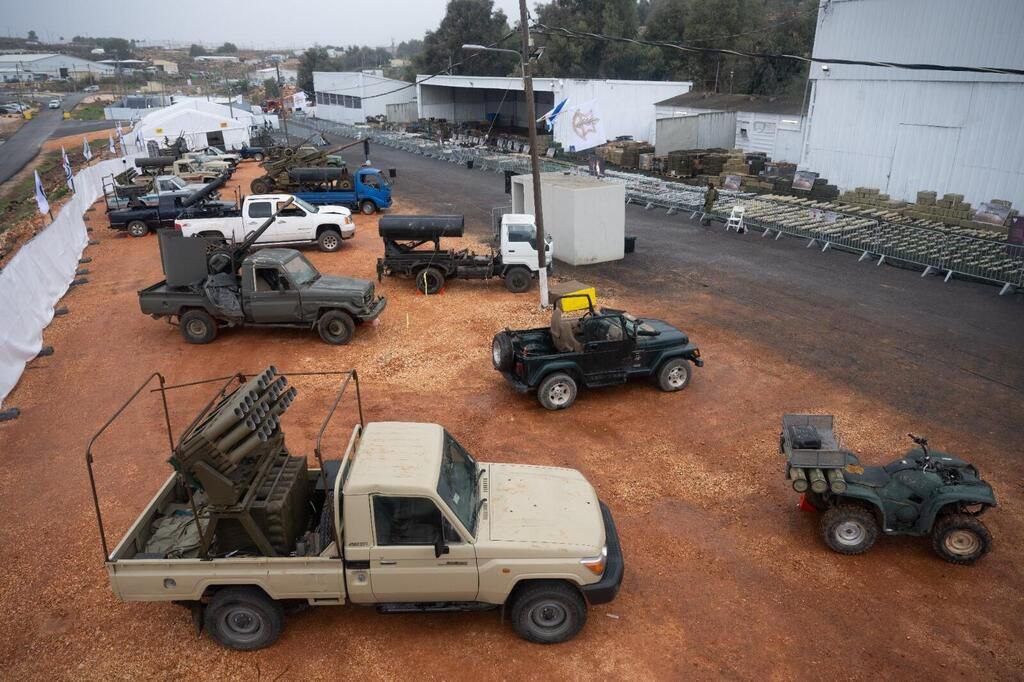
Israel claims to have discovered and seized 85,000 different weapons during this battle, though the report’s details cast doubt on this large number.
The alleged seized weapons include: 6,840 RPGs, 340 Kornet ATGMs, 9,000 IEDs and hand grenades, 2,250 rockets and mortars, 2,700 Kalashnikovs, 2,860 other weapons including sniper rifles, 60 anti-aircraft missiles, 60,800 pieces of electronic equipment, communication devices, computers, and 300 pieces of surveillance equipment such as binoculars.
The seized weapons in southern Lebanon
While this amount of military equipment is significant for an organization like Hezbollah, the Israeli army’s presentation of the numbers appears exaggerated. This issue is even more crucial considering the replacement of these weapons. In previous years, Hezbollah could procure its needs through the Syrian supply line, but that option is no longer available.
Despite the ceasefire agreement, the Israeli army continues to target and destroy civilian homes in the border villages of southern Lebanon. So far, the Monitoring Committee and the Lebanese government have not taken any effective measures to prevent it.
Yarun is one of the oldest villages in southern Lebanon, located south of Bint Jubeil. Israel made considerable efforts to capture this village at the start of the ground operation but was thwarted by Hezbollah’s resistance. However, after the ceasefire was established, Israeli forces entered the village and destroyed its religious and historical sites.
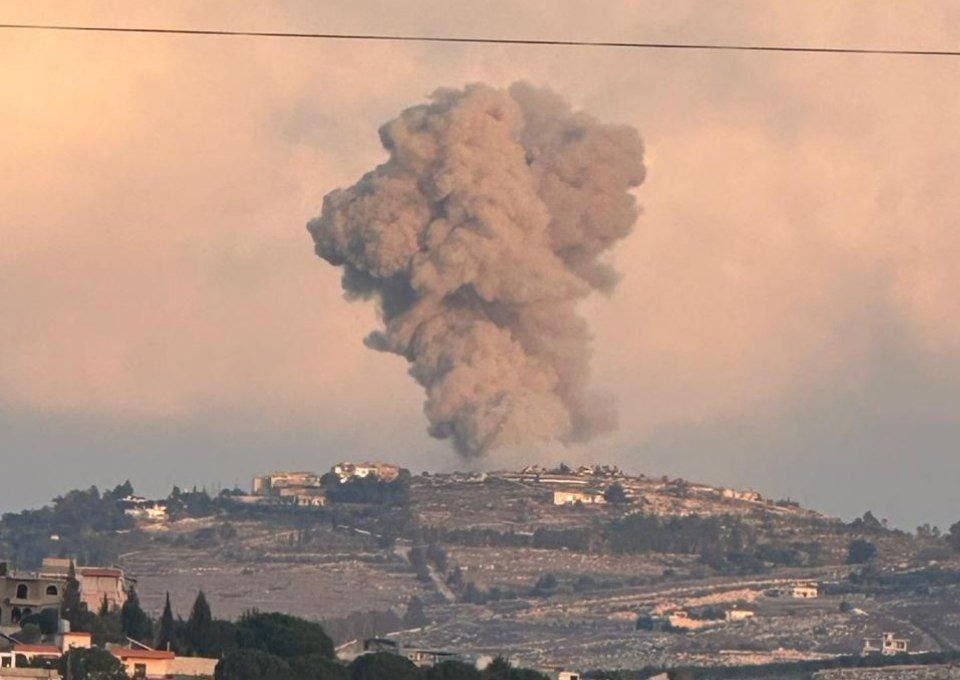
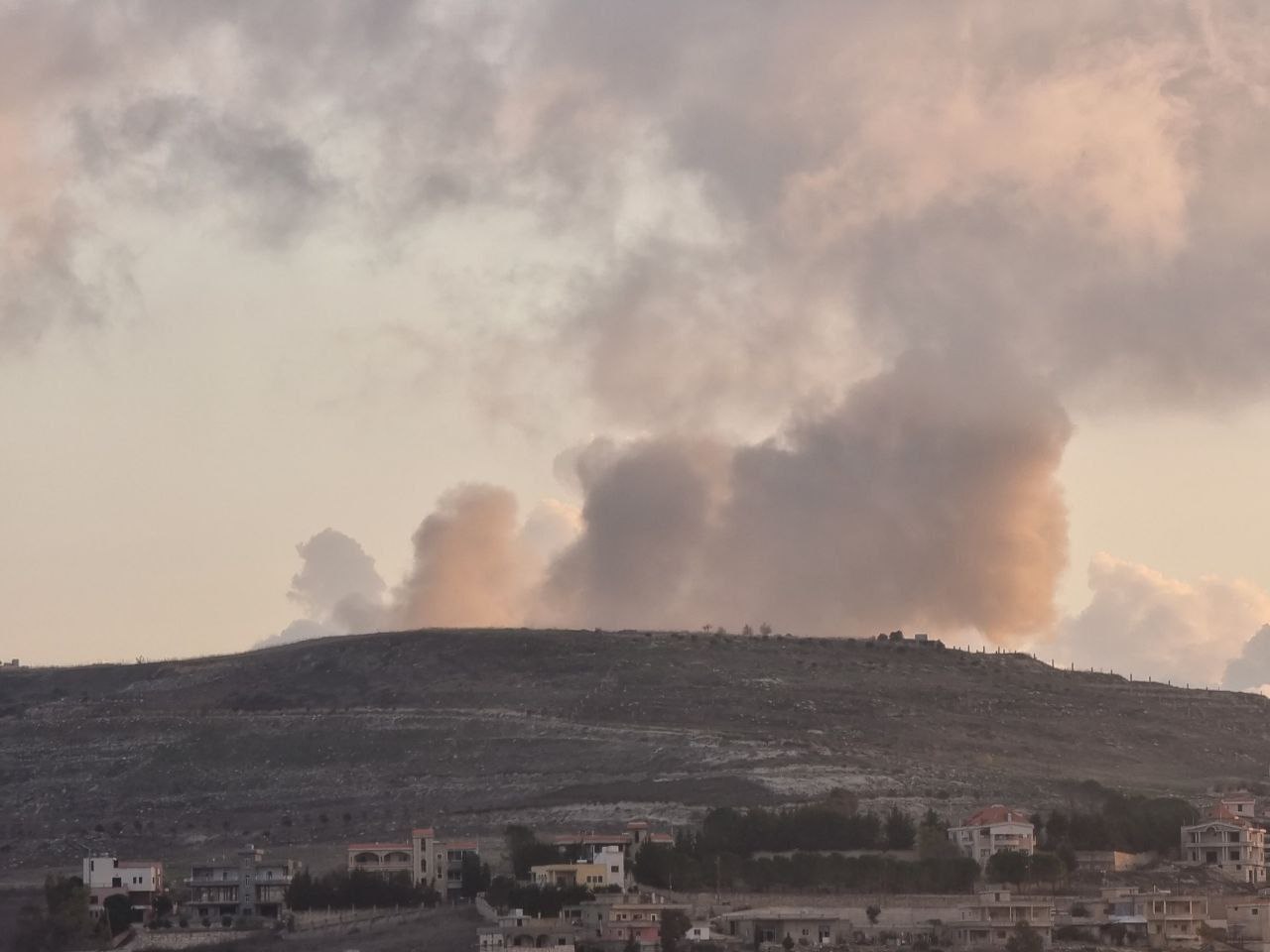
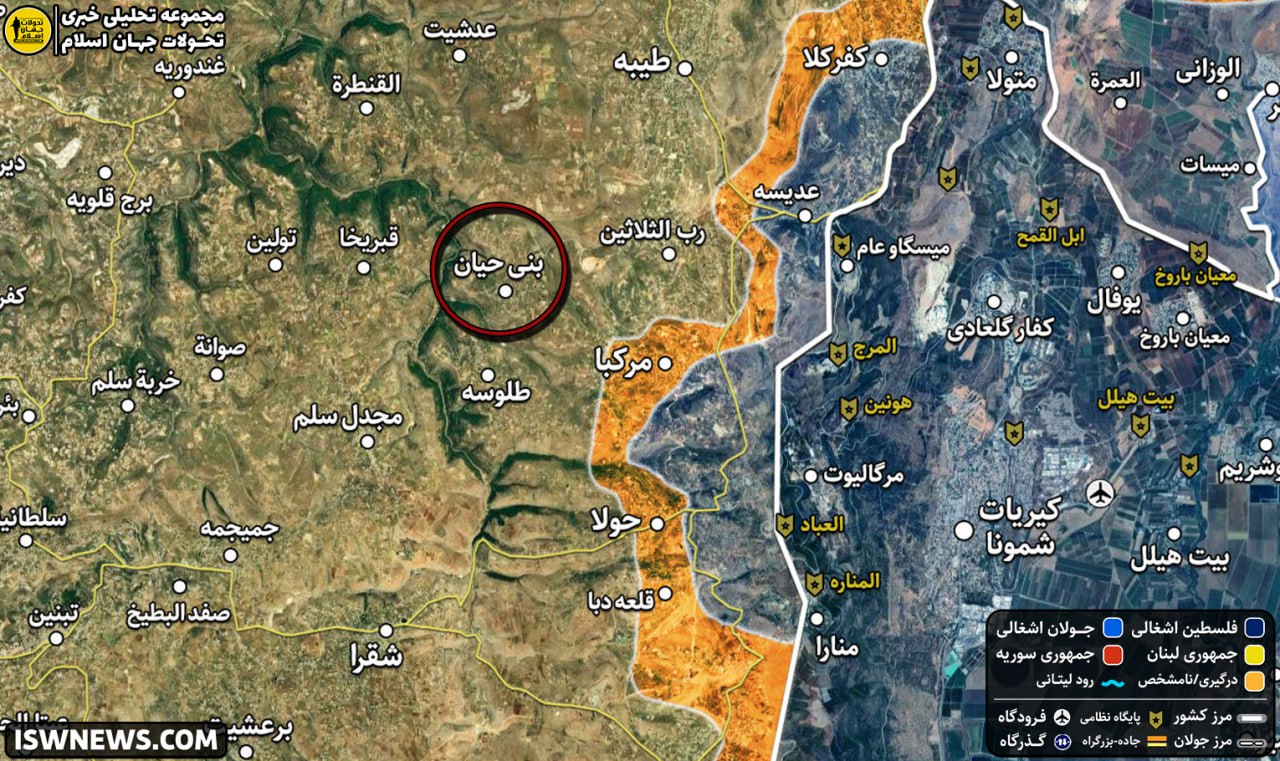
A convoy of Israeli forces, including tanks and bulldozers, entered the village of Bani Hayyan in southern Lebanon. After their arrival, the forces bombed and destroyed several buildings in the village.
Bani Hayyan village is located west of Rab al-Thalathine, and the Israeli army was unable to enter Bani Hayyan during the recent ground attack on southern Lebanon.
The Lebanese army is expected to soon take over its checkpoints in southern Khiam and Ain Arab, establishing its presence in these areas.
The withdrawal of Israeli forces and machinery from Khiam might signal the start of their retreat from southern Lebanon. The Israeli army has limited time to comply with the ceasefire agreement in southern Lebanon and must fully withdraw by Jan 26.
Additionally, the ground offensive in southern Syria has demanded substantial Israeli force allocation, necessitating preparations for the next stages. Therefore, the withdrawal from Khiam could mark the beginning of a broader withdrawal from southern Lebanon.
Amos Hochstein, the U.S. President’s special envoy to Lebanon, proposed a ceasefire plan that was approved by Hezbollah last week and announced to Lebanese government officials. Hochstein then traveled to Tel Aviv to brief Israeli officials on the proposal.
The Israeli cabinet is currently reviewing the ceasefire plan, with meetings to discuss the proposal starting this afternoon. The cabinet will vote to either approve or reject the plan, and Israel’s response to the ceasefire proposal is expected to be announced in Prime Minister Netanyahu’s upcoming speech.
The Lebanese government will also hold a meeting tomorrow morning to approve the ceasefire agreement.
The details of the agreement have yet to be disclosed, but recent discussions have centered around a 60-day, phased agreement that could be expanded in future rounds. Key topics in the negotiations have included:
1- Israel has demanded freedom of action in Lebanon, citing the ineffectiveness of Resolution 1701 in securing the northern borders. The Lebanese side, however, rejected this demand during discussions with Hochstein, considering it a violation of Resolution 1701. This point was the main source of contention in the negotiations.
2- Lebanon has requested the international community to establish a permanent land border along the Blue Line in southern Lebanon to prevent contact between Lebanese and Israeli forces. Lebanese officials have voiced concerns about deploying multinational forces for the ceasefire monitoring mission in Lebanon, preferring the presence of forces from an Arab country. On the other hand, Israel favors the deployment of forces from Western countries, and some progress has been made with the involvement of French and Italian forces.
3- The return of Lebanese refugees is contingent upon Israel’s withdrawal from Lebanese territory. Israel, however, does not accept this clause, arguing it lacks meaning without the return of displaced Zionists to settlements in northern occupied Palestine. Consequently, Israel has requested to remain in Lebanese territory for 60 days following the ceasefire’s implementation to ensure the peace process, a condition opposed by the Lebanese side. Nonetheless, Zionist media claim that Lebanon has agreed to this clause.
4- The release of Lebanese prisoners has been a significant topic of discussion. If Israel does not agree to release them, it could lead to the abduction of Israeli soldiers and a resurgence of conflict.
Although Hezbollah and Hamas leaders back the ceasefire agreement in southern Lebanon and northern occupied Palestine (Israel), there is discontent in both Lebanon and Palestine. Opponents, referencing Sayyed Hassan Nasrallah, argue that any ceasefire in Lebanon should also include a ceasefire in the Gaza Strip.
In Israel, Internal Security Minister Itamar Ben-Gvir and Finance Minister Bezalel Smotrich have been vocal in their opposition to the ceasefire agreement. However, it seems that the majority of the Israeli cabinet members are leaning towards voting in favor of the ceasefire plan.
Hezbollah utilized all its resources to support the Gaza Strip during the 14-month conflict with the Zionist regime, significantly engaging Israel’s military forces and alleviating pressure on Gaza. Despite these efforts, the war persisted. Resistance axis leaders believe that extending the conflict in southern Lebanon under the present conditions is not advisable. They view a ceasefire on this front as a beneficial move for the entire resistance axis.
The air strike did not result in any casualties in that area.
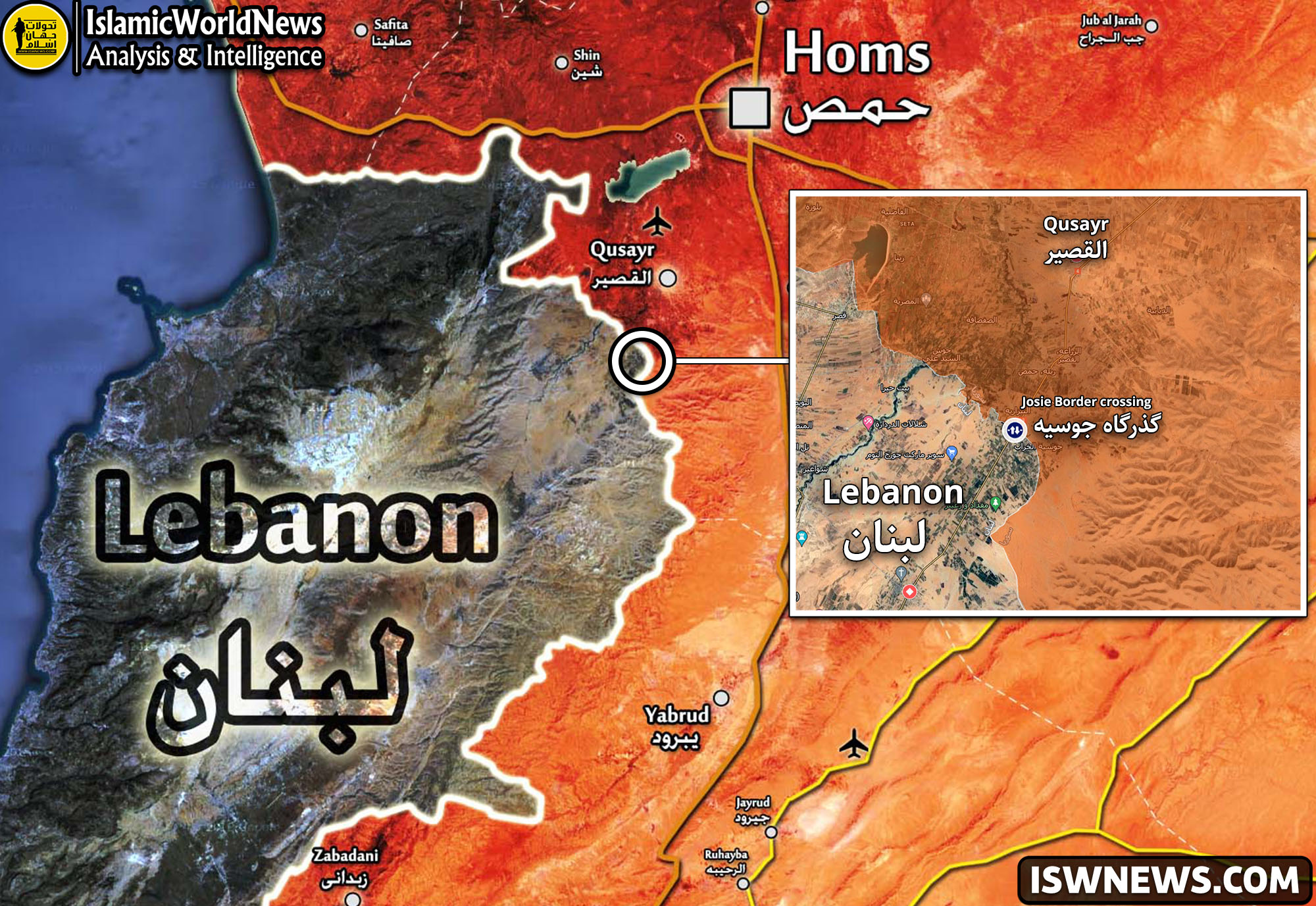
Ali Hamiyeh, Minister of Public Works and Transport in Lebanon, stated that some targets were hit by the airstrike of the Israeli regime’s army in the Jusiyah al-Amar border crossing in Syrian territory.
In recent years, the Israeli regime’s army has repeatedly violated Syria’s territorial integrity with airstrikes. Most of the Israeli regime’s illegal strikes in the past year, allegedly aimed at assassinating senior resistance commanders and destroying Syrian army’s facilities and ammunition depots. During these strikes, hundreds of civilians and SAA servicemen were martyred and injured.
Following the onset of Operation Al-Aqsa Storm by the Palestinian resistance movement Hamas, Israeli airstrikes against various regions in Syria, especially Damascus and Homs governorates, have increased.
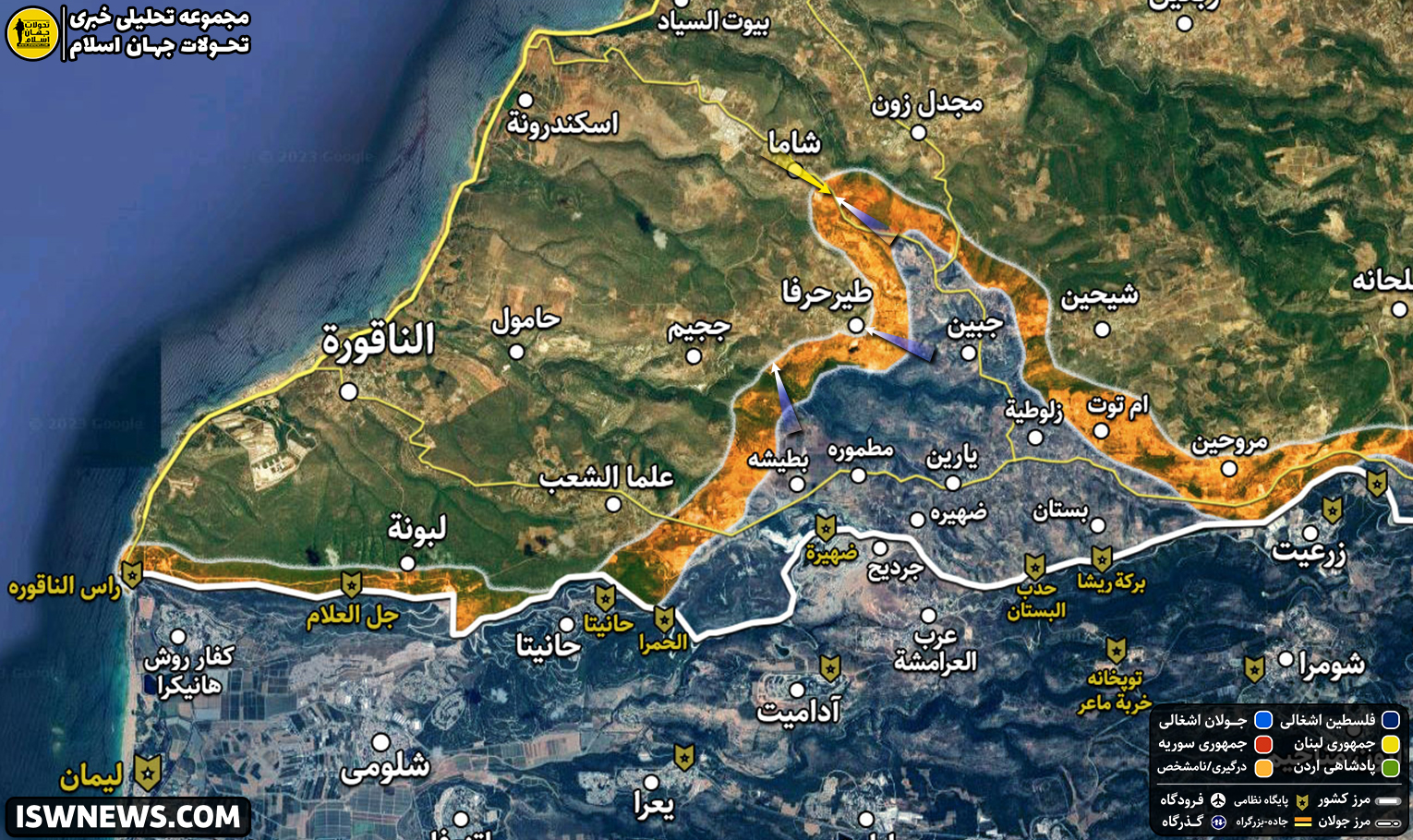
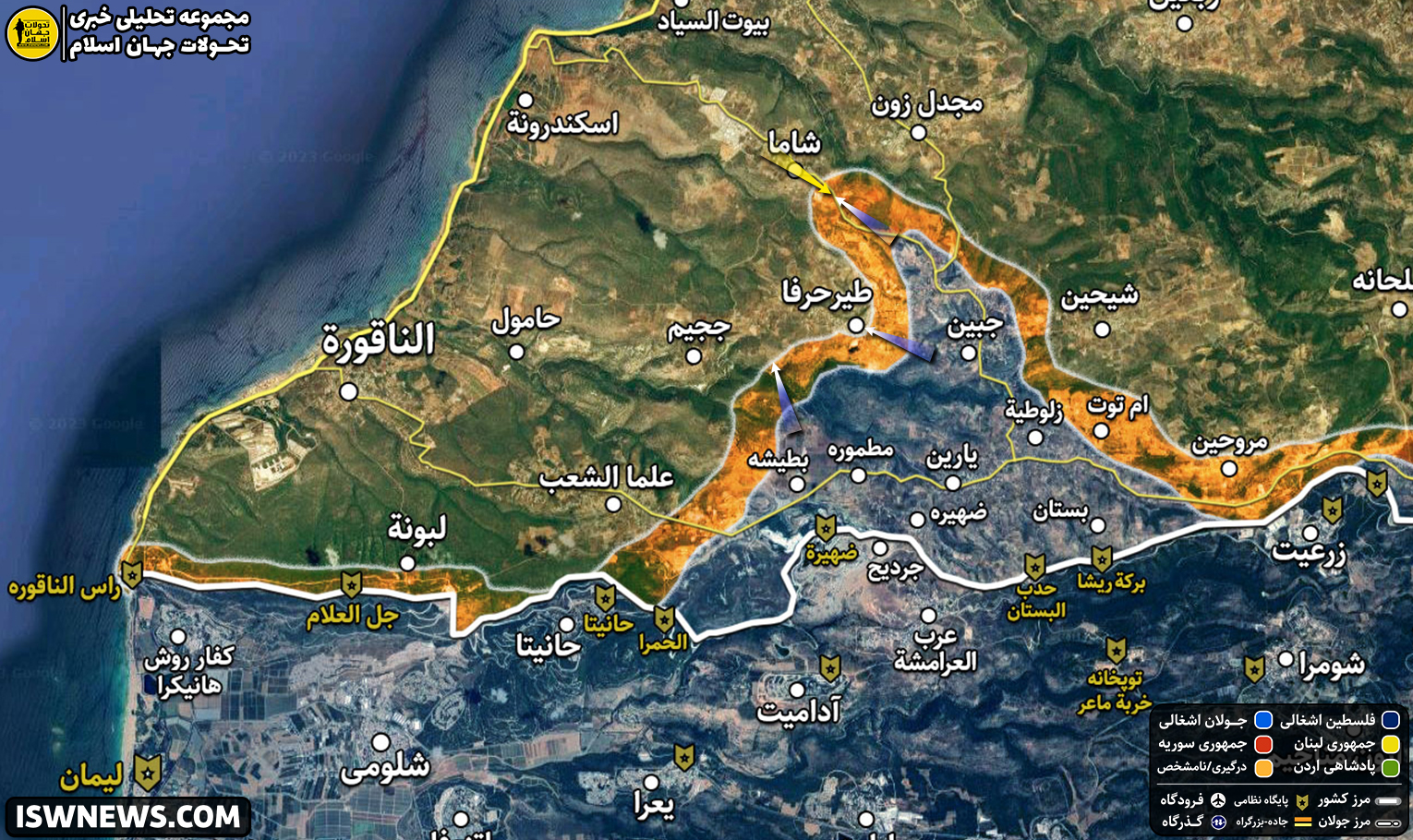
Latest updates on Naqoura front: After taking control of the villages of Shamaa, Tayrharfa, and Ulama al-Shaab, Israeli forces have concentrated their attacks on the town of al-Naqoura and al-Bayyada.
The current Israeli ground offensive is being conducted along three main axes: towards al-Bayyada and Majdal Zoun, in the Jejim area, and east of al-Naqoura. Additionally, the Italian UNIFIL forces reported that two rockets struck their base in Shamaa, resulting in injuries to four Italian soldiers.
Naqoura front
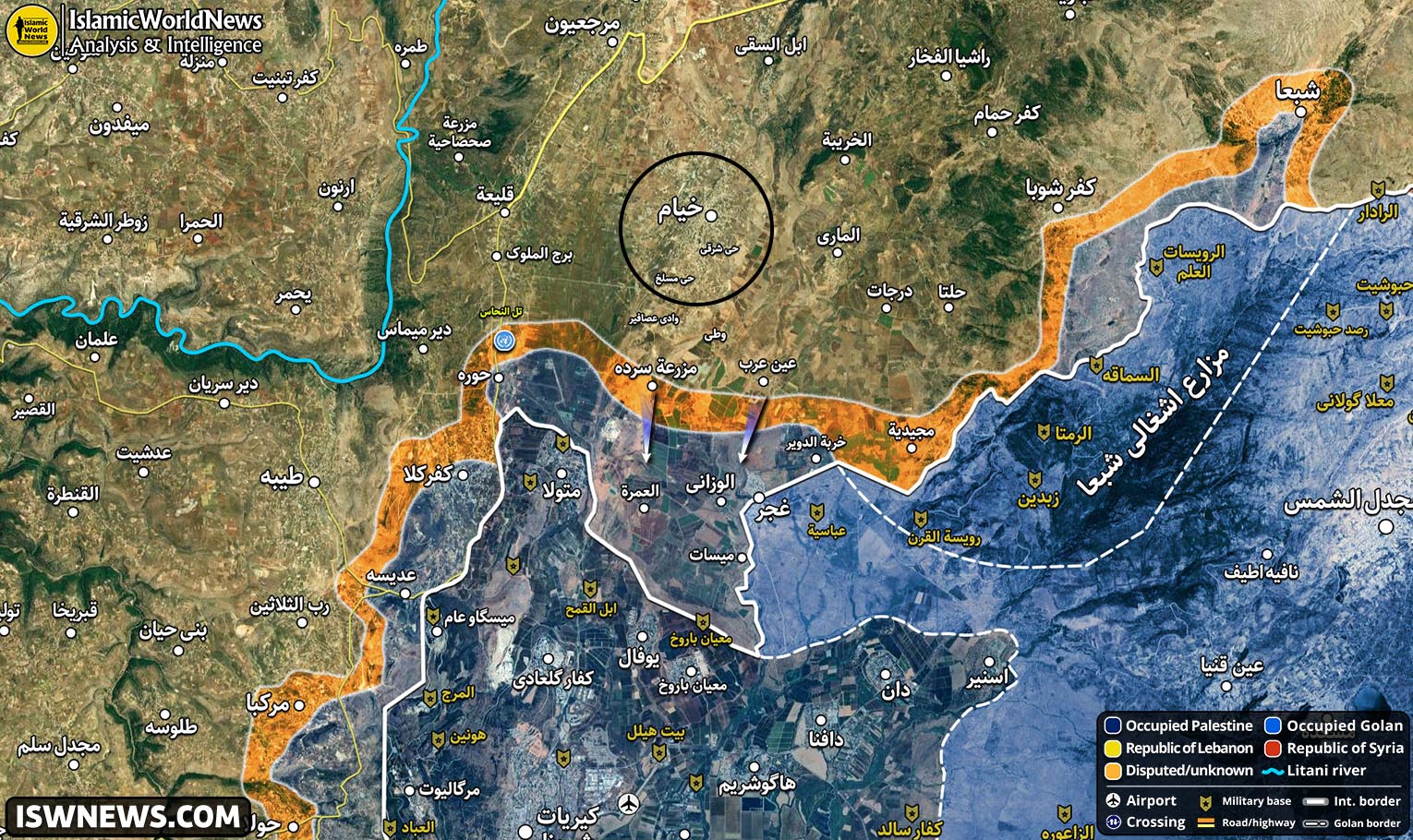
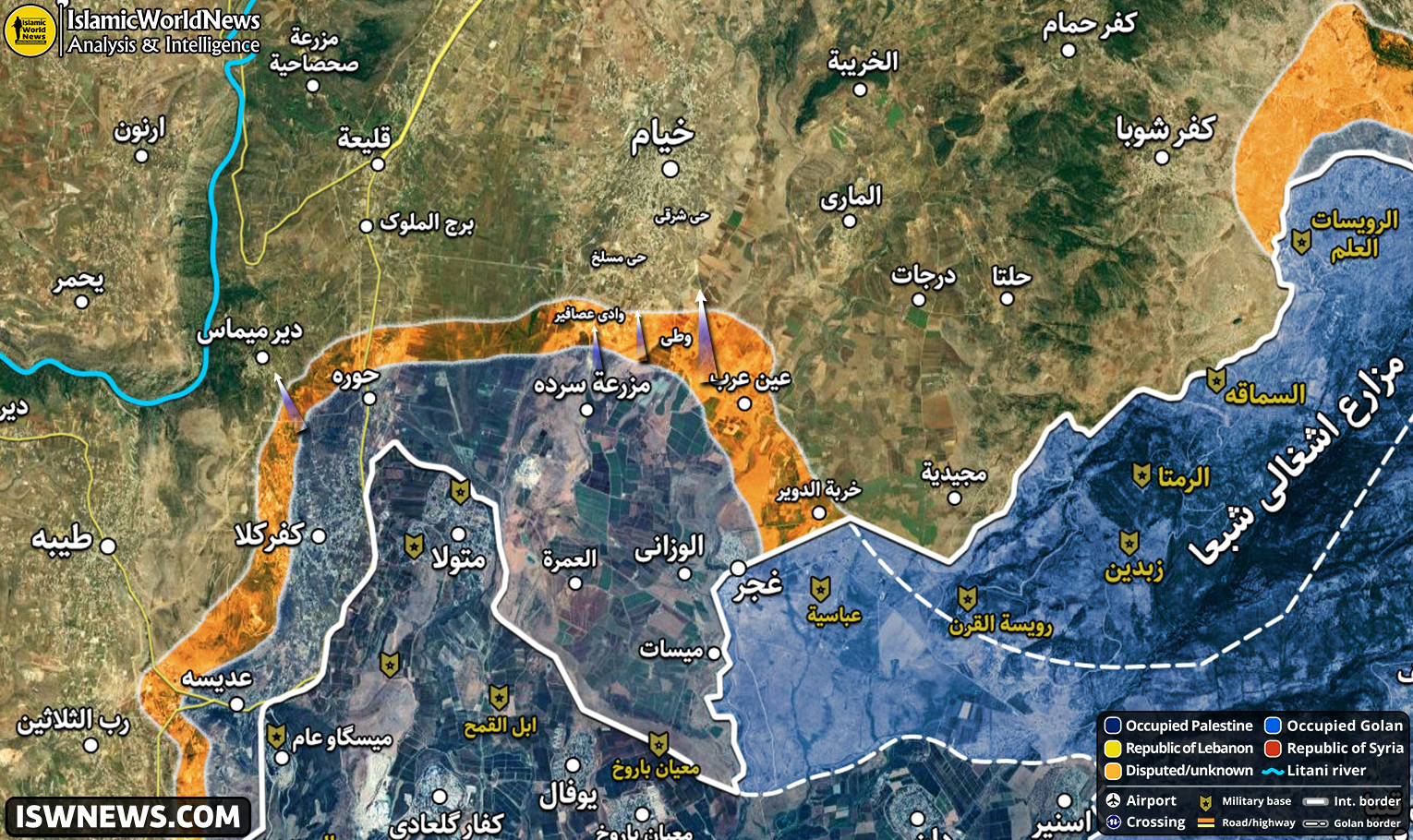
Latest updates on Khiam front: Israeli forces have entered the southern and eastern neighborhoods of Khiam, where heavy fighting is ongoing.
After bombarding the Al-Khardali road, which connects Marjayoun and Nabatieh, Israeli forces moved into the Christian village of Deir Mimas without encountering resistance and established a checkpoint in the area.
In an incident involving a convoy from UNIFIL and the Lebanese army, Israel allowed only UNIFIL forces to use the road, forcing the Lebanese army to return to Nabatieh.
Additionally, Israeli artillery is heavily shelling residential areas in the villages of Arnoun and Yohmor, located to the northwest and west of Deir Mimas.
Khiam front
The Israeli army’s invasion of Lebanon intensified after the assassination of Hezbollah’s Secretary-General, Sayyed Hassan Nasrallah. Since October 1, ground operations have been underway along the southern borders.
These assaults have so far resulted in the martyrdom of 3,670 Lebanese civilians and injuries to 15,413 others, as well as the martyrdom of over 500 Hezbollah fighters. On the other side, over 100 Israeli troops have been killed in Hezbollah’s retaliatory strikes in northern occupied Palestine.
Israeli armored convoys and infantry units are currently attacking the south and east of Khiam, particularly through the Sardeh Farms and Wati al-Khiam areas. Hezbollah is actively targeting Israeli tank movements and troop concentrations in these regions with rocket strikes, effectively preventing a serious assault on Khiam.
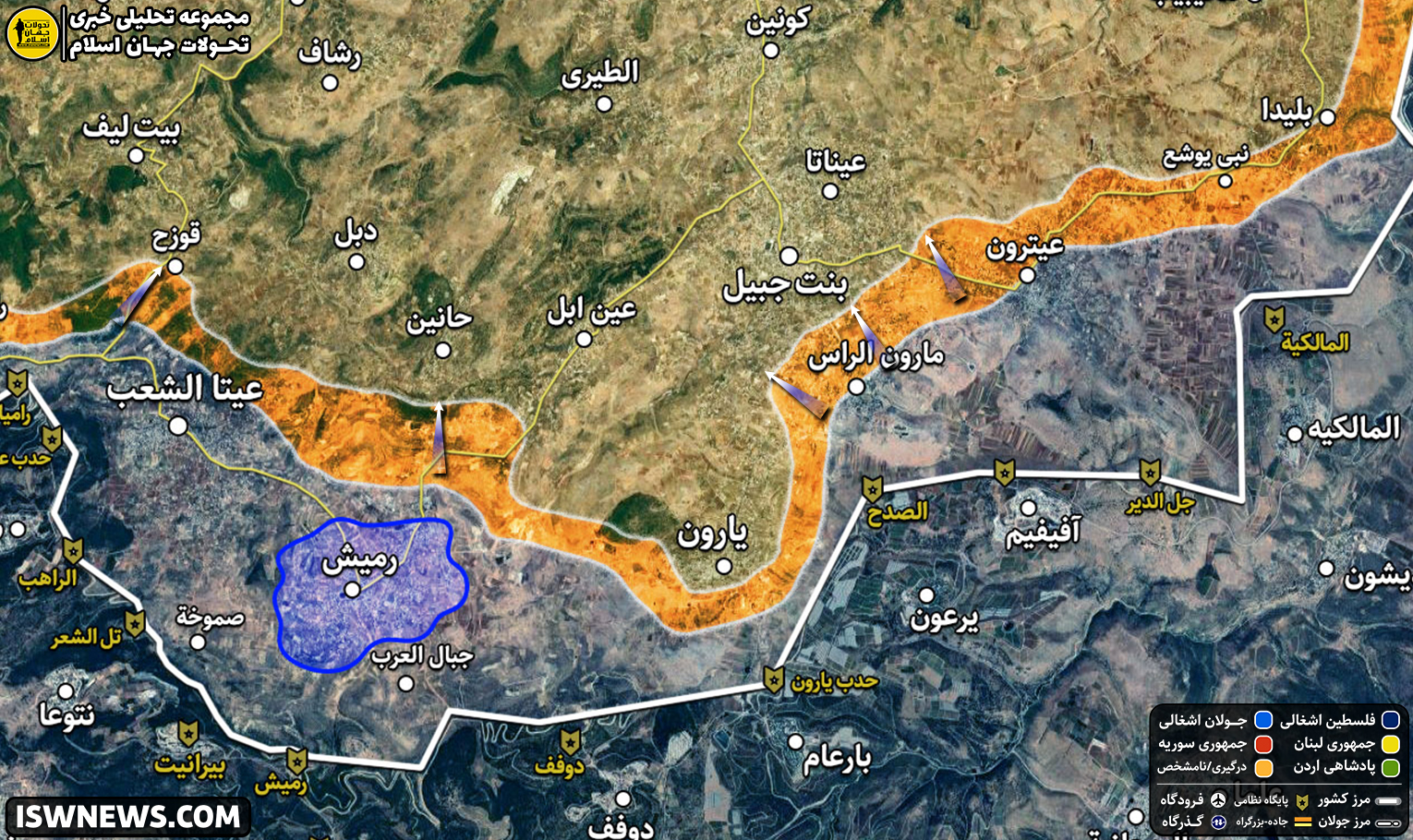
It appears challenging for the Israeli army to make progress from the south. The nearby villages of Qaliyeh, Burj Al-Maluk, and Deir Mimas are Christian settlements, raising the possibility that the Israeli army may move into these areas to encircle Khiam. Consequently, the likelihood of a scenario similar to the one in Rmaych cannot be ruled out
Al-Naqourah-Tayrharfa front: On Thursday, Israeli forces entered the villages of Yarin, Batisheh, Matmoura and Jibbain in the south Tyre district. As usual, they bombed and destroyed a part of residential and civilian buildings in these villages.
As usual, the Zionists bombed and destroyed the Nasser Salahuddin Mosque upon entering Yarin. Israel claims that Hezbollah uses this mosque and other mosques as a weapons depot and military center. But so far not even a picture has been published for these claims. Yarin Mosque is a single minaret mosque and it was built in the name of Salah al-Din Ayyubi and belongs to Ahl al-Sunnat Yarin and has no connection with Hezbollah.
Israeli army demolished Nasser Salahuddin Mosque in Yarin village
After passing through these villages, the Israeli forces attacked Tayrharfa and the historical village of Chamaa through Jibbain road and a local road in the north of Matmurah. The attack to the west of Tayirharfa faced resistance from Hezbollah fighters, while Israeli forces succeeded in taking control of the eastern areas of Tayirharfa.
Reports indicate that the Israeli army’s attack on Chamaa has been repelled. However, this repulsion was temporary, as the Israeli army resumed ground attacks in Tayrharfa and Chamaa this morning, November 16.
Video showing Israeli forces at the Shimon al-Safa shrine in the historic village of Chamaa.
During yesterday’s Israeli attacks on Chamaa, an artillery shell struck the UNIFIL headquarters in the village. Additionally, there was an unknown incident involving UNIFIL forces, which resulted in the death of one French soldier and injuries to three others. While UNIFIL has not provided details on this incident, it is likely that it was caused by the Israeli artillery strikes.
Latest military situation in Naqourah front – click to view full size
Bint Jubeil front: The battles continue in the west of Aitaroun, south of Ainatha, Al-Maslekh neighborhood and the southern areas of Bint Jbeil. The Israeli forces are making significant efforts to penetrate the city of Bint Jbeil, and their ground assaults, supported by air power, are still ongoing.
Also, limited movements and attacks have been reported in the southern region of Hanine village and in Qouzah, located north of Aita al-Shaab.
Latest military situation in Bint Jubeilfront – click to view full size
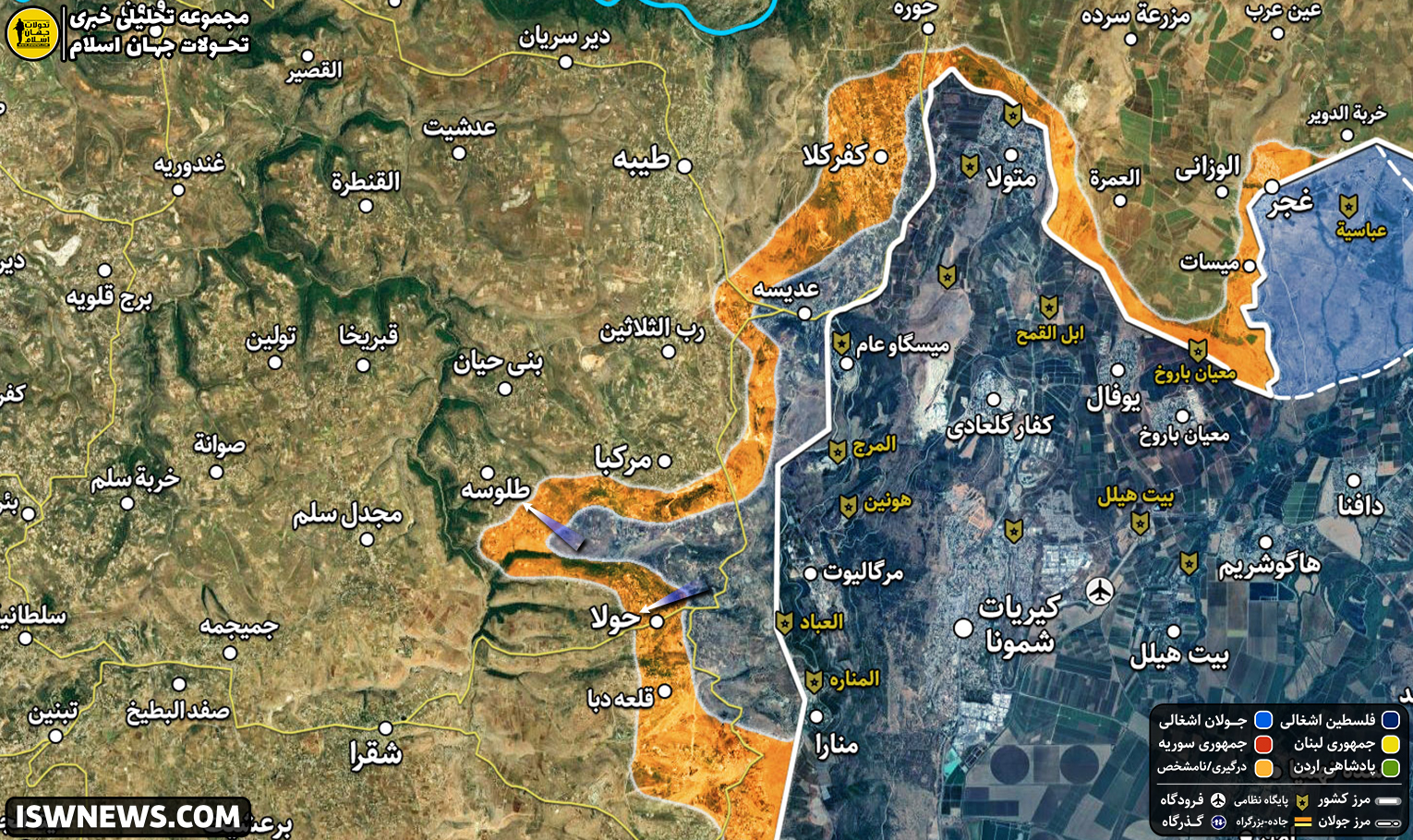
Tallouseh front: As mentioned in previous reports, Tallouseh and Bani Haiyyan will be the targets of the Israeli army in the second phase of the ground operation in southern Lebanon.
In the last 46 days, Israel has not been able to gain control of Markaba and Rab El Thalathine. Now, it has launched an attack on this village, hoping that Hezbollah’s defenses in Tallouseh are weak.
Clashes are ongoing at the southeast entrance of Tallouseh, where Hezbollah forces have successfully repelled attacks thus far.
Latest military situation in Tallousehfront – click to view full size
There are no reports of Israeli attacks in other areas. But it is likely that Israel’s attack will develop in the second phase of the ground operation to the village of Qouzah in the north of Aita al-Sha’ab, Hanine and Ain Ebel in the west of Bint Jubeil, Khiam town and Sheeba front.
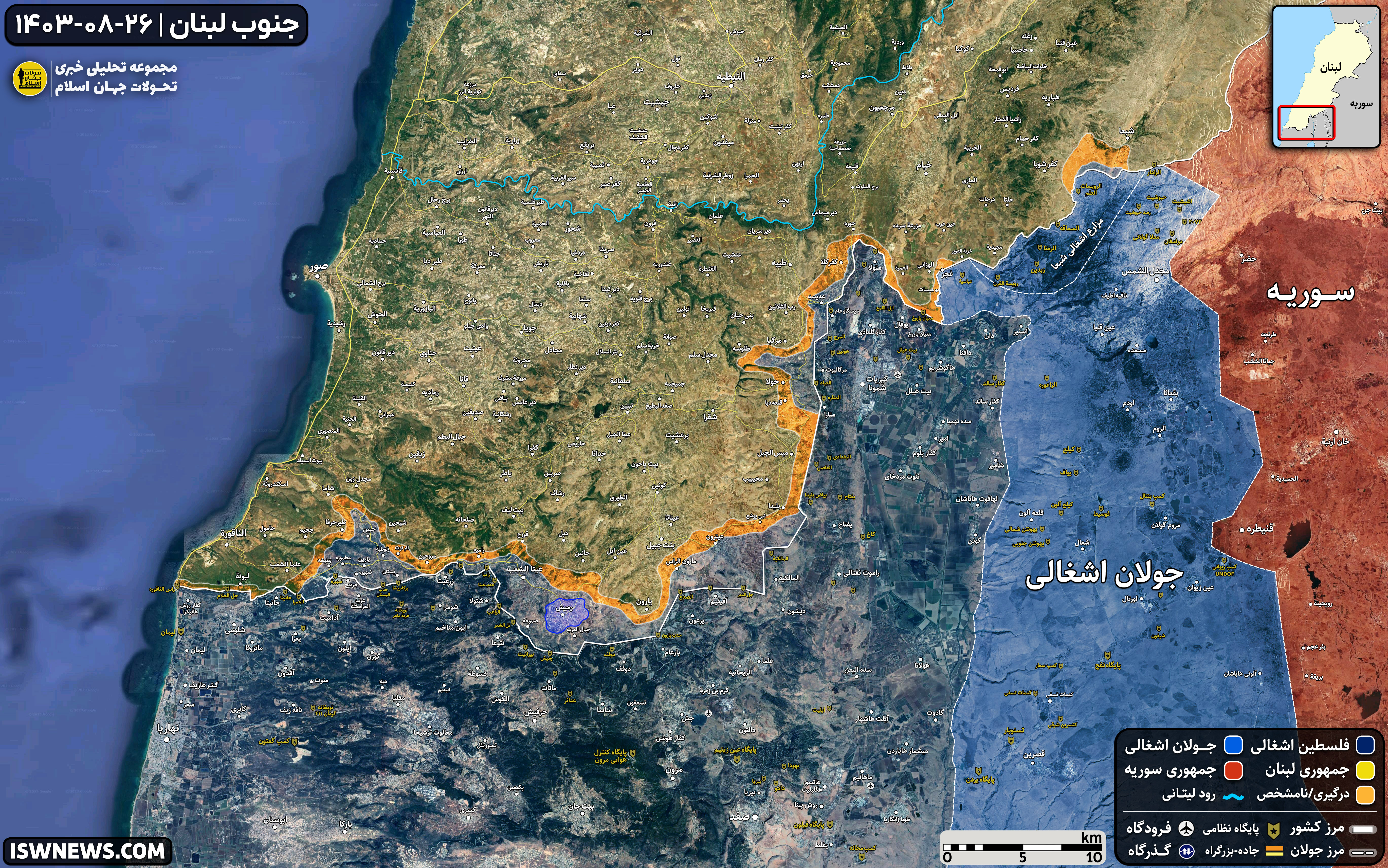
Taking a general look at the developments of the last 46 days in southern Lebanon, it must be said that the second phase of the Israeli army’s ground operation has had a better start than the first phase. By expanding the security strip in southern Lebanon, Israel seeks to create more suitable conditions for for future advances.
Latest military situation in southern Lebanon – click to view full size
The Israeli army’s invasion of Lebanon intensified after the assassination of Hezbollah’s Secretary-General, Sayyed Hassan Nasrallah. Since October 1, ground operations have been underway along the southern borders.
These assaults have so far resulted in the martyrdom of 3,445 Lebanese civilians and injuries to 14,599 others, as well as the martyrdom of over 500 Hezbollah fighters. On the other side, over 100 Israeli troops have been killed in Hezbollah’s retaliatory strikes in northern occupied Palestine.
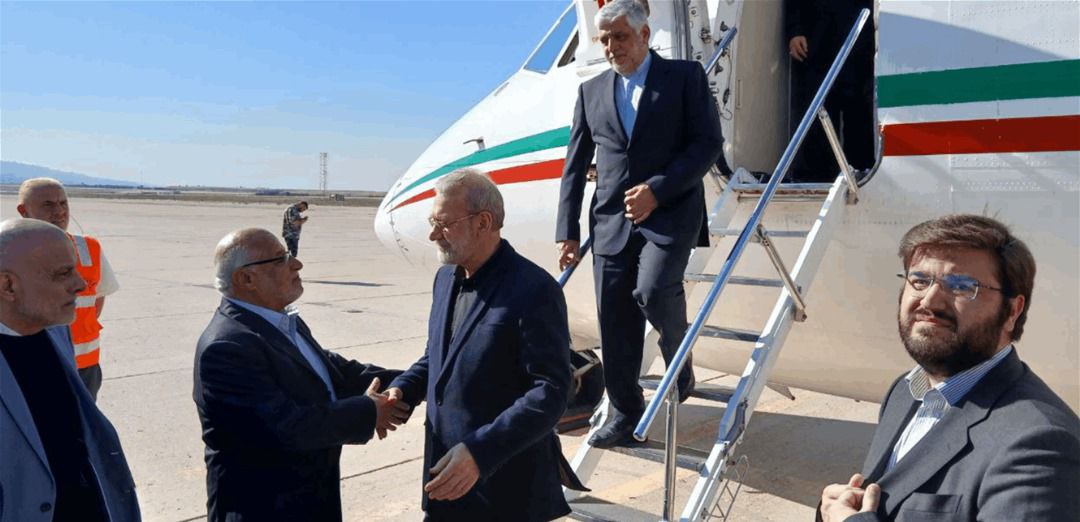
Yesterday, Ali Larijani arrived in Damascus at the head of an official delegation to meet with senior Syrian officials and Syrian President Bashar al-Assad, and today he left Damascus for Beirut.
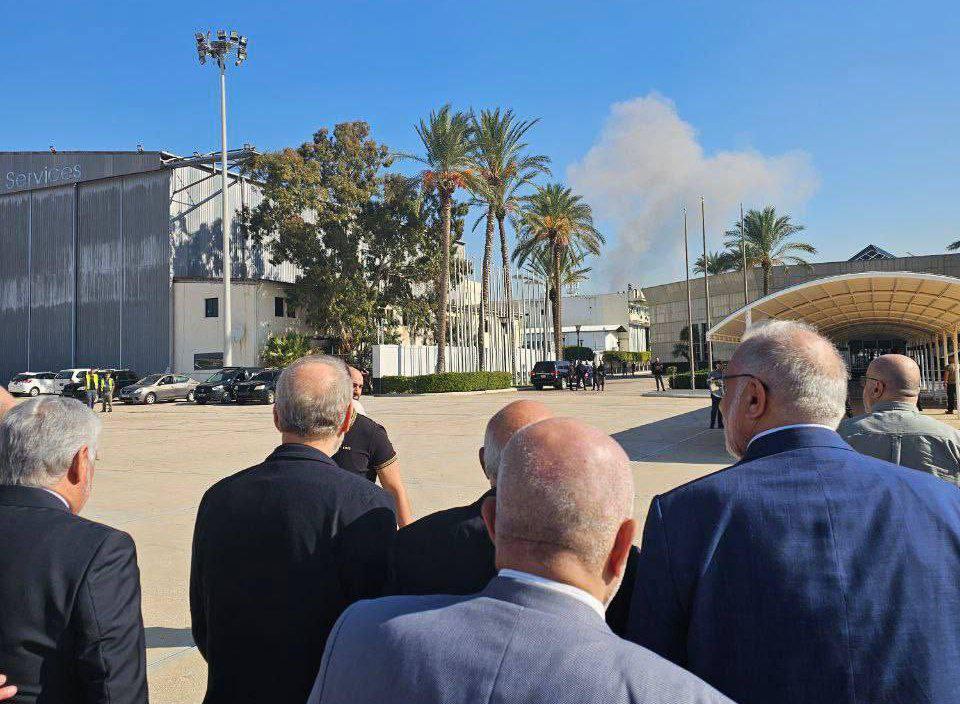
Larijani traveled to Beirut while the Dahieh area and the vicinity of the Beirut airport are under heavy bombardment by the Zionist regime. The moment Larijani arrived at Beirut airport, the Zionist regime was bombarding the area.
Bombing of areas around the airport when Larijani arrived in Beirut
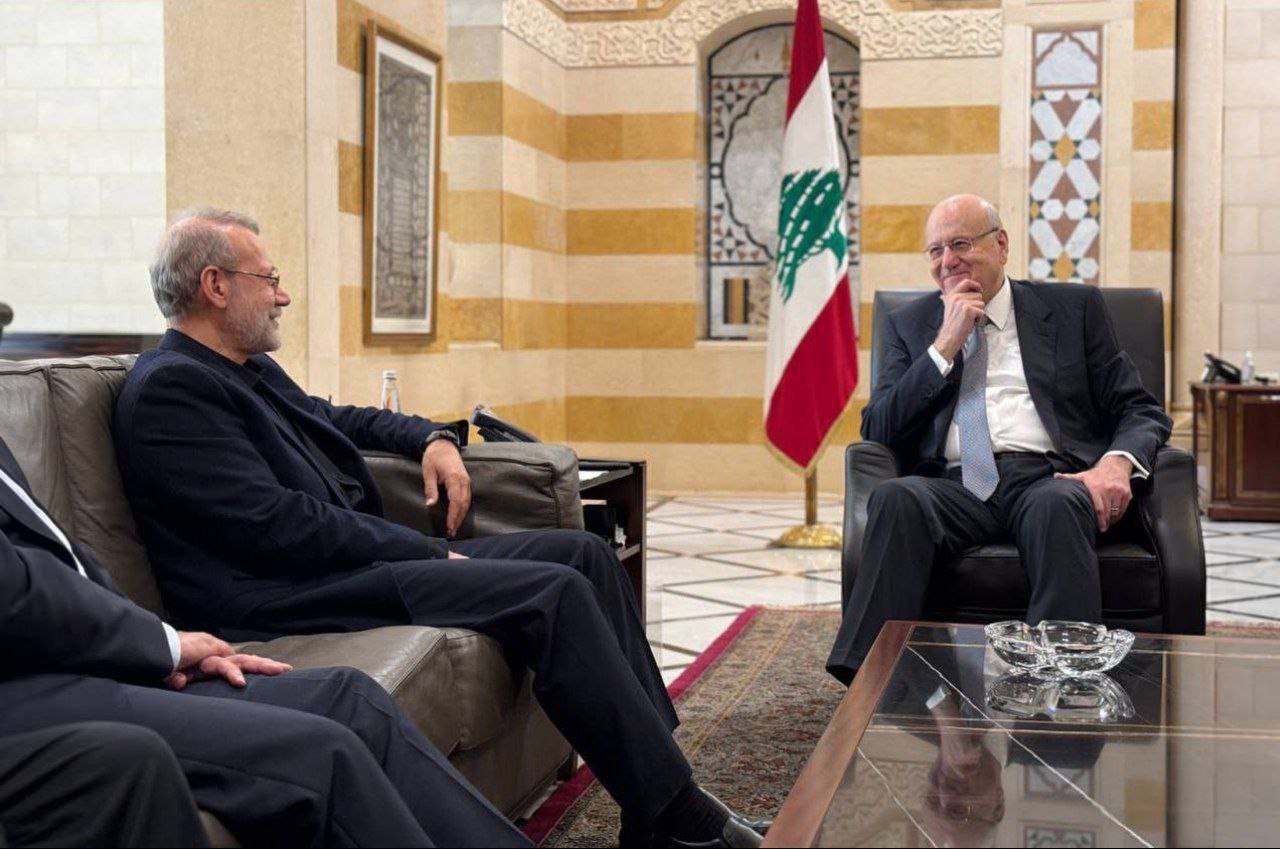
He talked with Lebanese Prime Minister Najib Mikati this noon. It should be noted that the Lebanese government is still unable to elect a president due to internal differences, and Najib Mikati is currently considered the highest political official in this country.
Recent events suggest that Larijani is delivering an important message from the leader of the revolution to the governments of Syria and Lebanon, who has entered the region in this tense situation!
Lebanese Prime Minister Najib Mikati and Ali Larijani, adviser to Imam Khamenei in Beirut
Southeast Front: The 91st and 98th Brigades of the Israeli regime’s army have withdrawn from their positions in the outskirts of the village of Taibeh, east of Rab El-Thalathine and Markaba, as well as the town of Meiss El-Jabal after 43 days of fighting and attempts to control the border strip in southern Lebanon.
Undoubtedly, the precise strikes by the Lebanese resistance movement Hezbollah on Israeli tanks, armored vehicles, and machinery have significantly affected this military withdrawal and prevented them from achieving their objectives completely.
Latest military situation on south-eastern front of Lebanon – click to view in full size
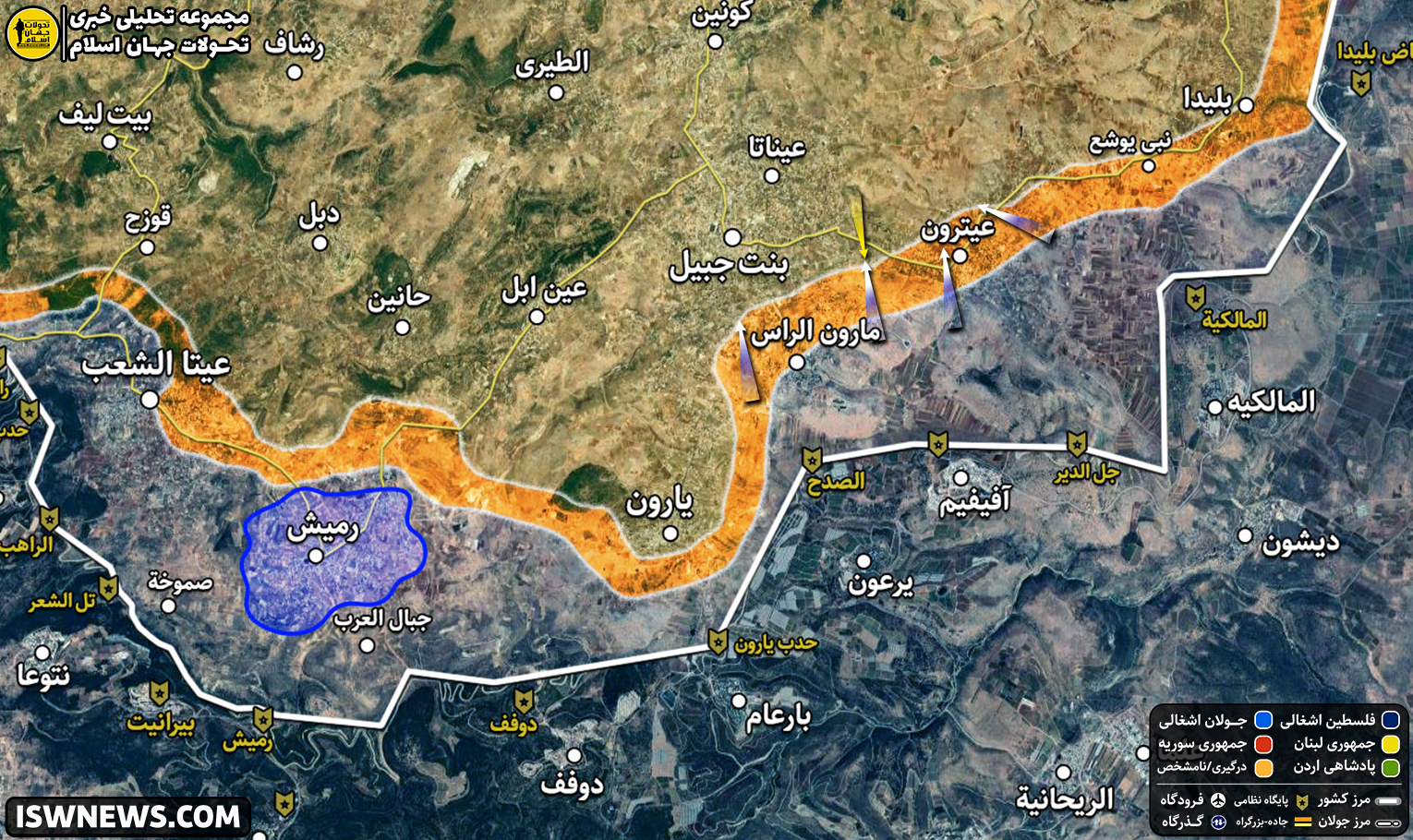
Aitaroun and Maroun El-Ras Fronts: On the Maroun El-Ras Front, the Israeli regime’s army attacked from the eastern direction of the Maroun El-Ras village toward the village of Aainata. This attack faced an ambush by Hezbollah fighters and ended in failure. The Israeli regime’s forces have also attacked from the Yaroun-Maroun El-Ras Road to the western front of Maroun El-Ras, which led to the regime forces’ advances in this front.
The Israeli forces’ movement from this front is very dangerous. If the destruction and passage through Maroun El-Ras are completed, the conflicts will shift to the town of Bint Jbeil, and the Israeli regime’s army would be able to put pressure on the resistance front in Aitaroun, Yaroun, and Ain Ebel-Hanine.
Latest military situation in Aitaroun and Marun al-Ras – click to view in full size
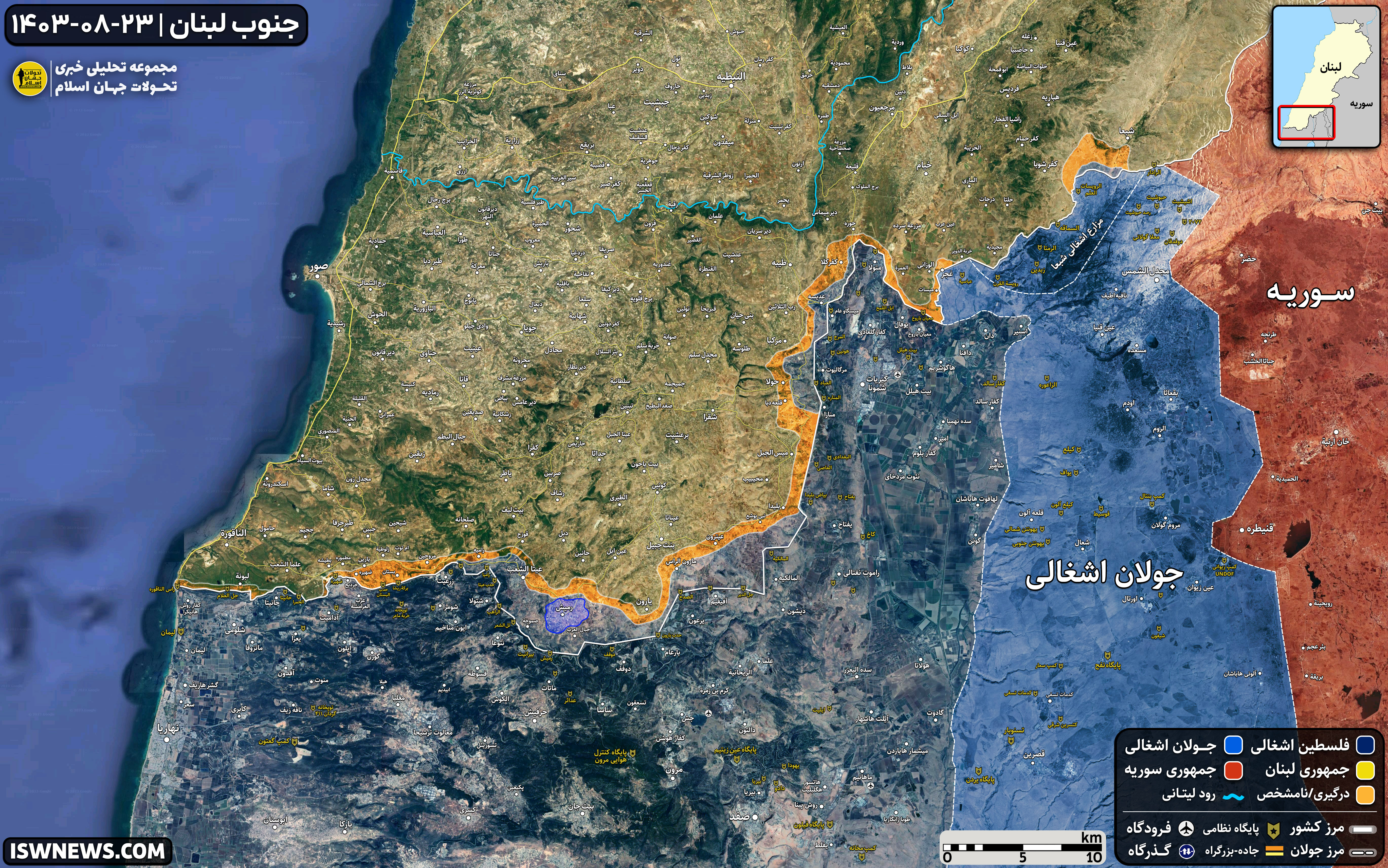
There have been no changes in the lines of confrontation in the Shebaa Farms, Kfar Kila, Houla, and Naqoura fronts. Reports have been published about the gathering of Israeli military forces at the Ras al-Naqoura border crossing, which are likely aimed at attacking Al-Labouna and then the Hamoul Valley on the outskirts of the town of Naqoura. The battle in this front will be very tough, and Hezbollah fighters can inflict effective and costly strikes on the Israeli regime’s forces by using forest as a cover.
At this stage of the conflict, the continuation of rocket and drone attacks in the border line of northern occupied Palestine has become very important. Additionally, the use of Fateh-110 missiles and the hybrid attacks of Hezbollah’s rockets and suicide drones have affected the focus and organization of the Israeli regime’s army in supporting the northern fronts.
Since the onset of the ground conflict, 43 Merkava tanks, 8 military bulldozers, 6 armored vehicles, and six Hermes 450 and 900 drones have been destroyed. Although the Israeli regime’s airstrikes on various regions of Lebanon continue, they have not had a significant impact on reducing Hezbollah’s retaliatory attacks.
This indicates that Hezbollah has gained control over the situation in the southern Lebanon front, and their strategies to remain safe from air attacks have been effective. The persistence of this situation benefits Hezbollah and will lead to further defeats for the Israeli regime’s forces unless they enter the second phase of ground operations and escalate ground attacks deep into southern Lebanon.
Latest military situation in southern Lebanon – click to view in full size