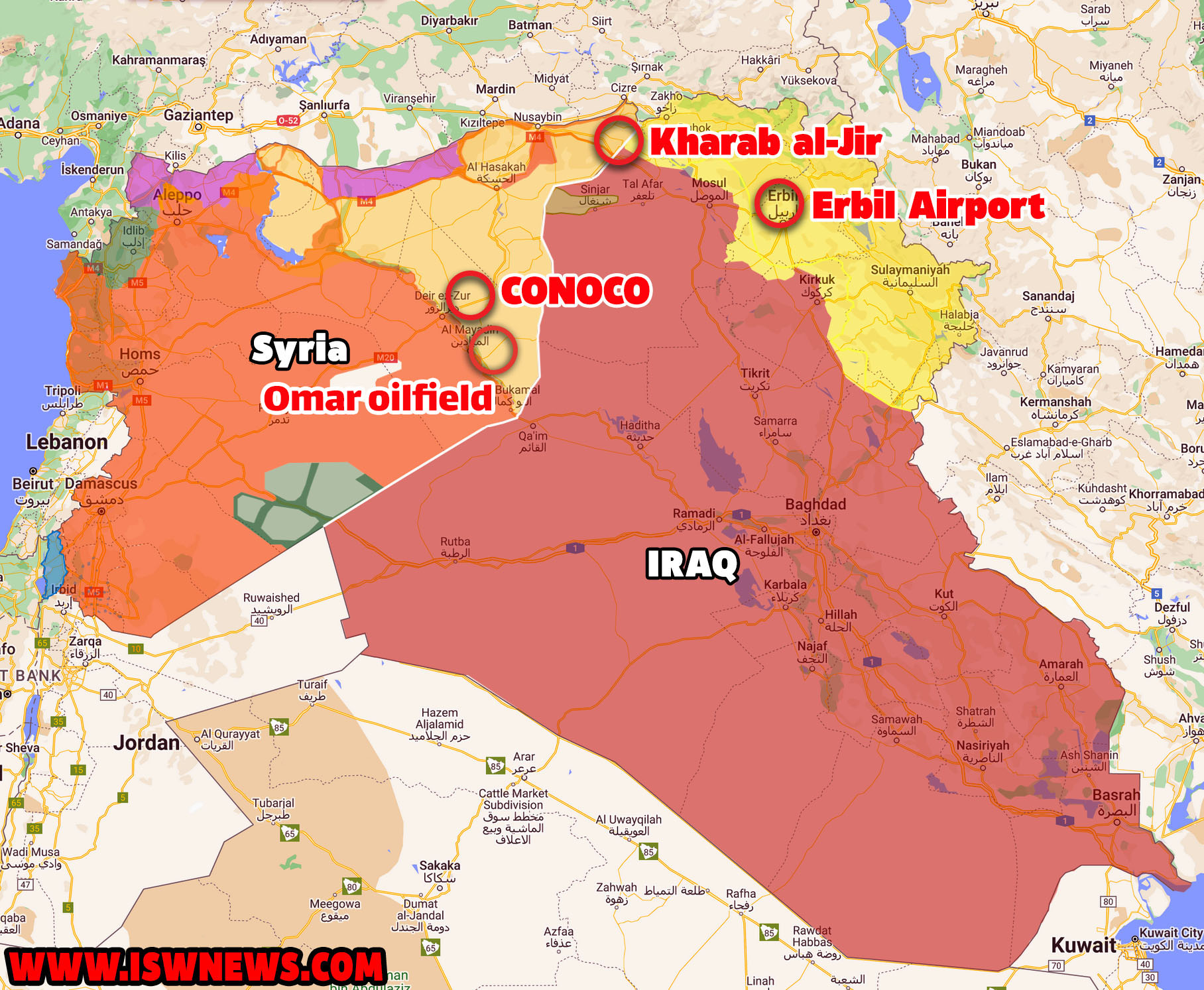
On January 14, the ‘Islamic Resistance In Iraq’ attacked the US illegal military sites in the CONOCO facility and Kharab al-Jir area in Syria and Erbil Airport in Iraq with suicide drones and rockets.
This is the 30th attack on the US base in Erbil province, the 16th attack on the US in CONOCO gas facility and the 13th attack against the Kharab al-Jir base in recent weeks.
On January 15 also the Resistance forces attacked the US illegal military site in the Omar oilfield in Syria with several rockets.
At present, the general cargo ship Behshad (MV BEHSHAD), the logistics frigate Bushehr (IRIS BUSHEHR – 422), and the Alborz frigate (IRIS ALBORZ – 72) belonging to the Iranian Navy are stationed in the waters of the Gulf of Aden and near the Bab al-Mandab Strait.
Western media outlets and analysts also claim that this naval fleet is behind all missile and drone operations by the Yemeni armed forces, and provides intelligence support for their operations against Israeli ships and the maritime forces of the US-led coalition (Operation Prosperity Guardian). They also alleged that before the outbreak of war in the Gaza Strip, the Iranian naval fleet was in charge of backing Iran’s arms and guiding shipments to the Ansar Allah movement in Yemen.
Such claims are made at a time when the strategic naval groups of the Iranian Army have been tasked with securing and supporting Iranian and international ships in free waters since early 2009, following repeated piracy incidents against Iranian ships by Somali pirates. The dispatch of the Alborz frigate was aimed at countering potential threats against Iranian ships following intensified deployments of the US-led coalition warships in the Arabian Sea and the Red Sea. The issue of Iran’s arms shipments to Yemen has been among the main accusations leveled by the US-Saudi coalition in recent years, which have been ruled out by Iranian and Yemeni authorities time and again. Furthermore, the process of building and assembling missile and drone systems within Yemen has been confirmed and endorsed in numerous reports by military experts.
In general, the naval fleet of the Iranian Army has established a naval base in the waters of the Gulf of Aden and the Red Sea for years, and this is not a new development. The objective of Western media outlets’ propaganda campaign against Iran’s naval group is to justify the blows inflicted upon the United States and the Israeli regime by Yemeni armed forces during recent conflicts. They have directly attacked Yemeni positions and forces in three air and missile operations and have faced a broad missile and drone response along with a limited missile strike from the Ansar Allah movement. The United States’ authorities have not published any figures on their own casualties and losses, while some media outlets have reported the deaths or disappearances of two American soldiers (allegedly missing in Somali waters according to the US army) and damages by Yemeni missiles and drones inflicted upon two US and British vessels.
The naval fleet of the Iranian army in the Gulf of Aden and near the Strait of Bab al-Mandeb – click to view in full size
Thousands of Israelis protested on January 13 against the Israeli regime’s cabinet and officials’ indifference to the lives of captives. Protesters demanded immediate action from the Israeli regime to return the captives from the Gaza Strip.
Demonstrators chanted slogans against the policies of Netanyahu’s government and declared that the protestors’ demand to change the government is a real and moral demand.
During this demonstration, Benny Gantz, a member of the Israeli war cabinet, and Gadi Eisenkot, Israel’s former Chief of Staff, appeared in the Tel Aviv demonstration immediately after the end of the war cabinet meeting and demanded the release of Israeli prisoners in Gaza after 100 days of captivity.
It is worth mentioning that in recent weeks, thousands of settlers residing in occupied territories of Palestine also protested and demanded the resignation of the Israeli regime’s Prime Minister Benjamin Netanyahu.
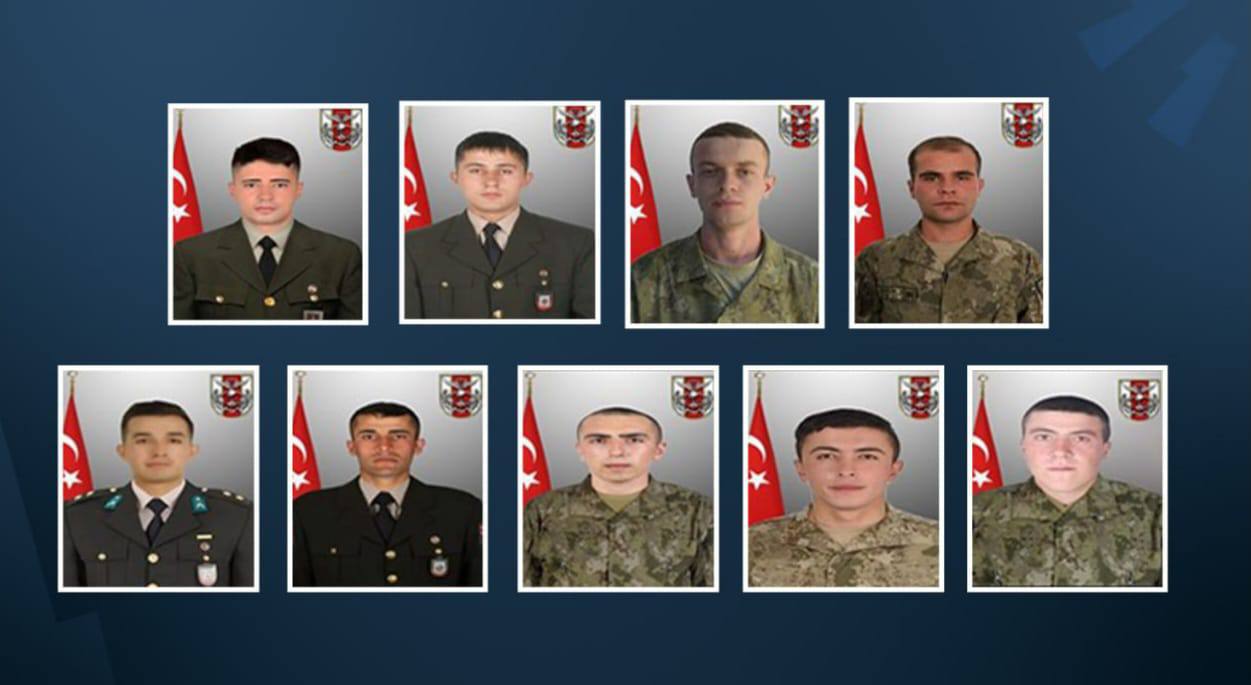
The Ministry of National Defense of Turkiye announced that as a result of an attack by the Kurdistan Workers’ Party (PKK) elements on a military base in northern Iraq, 5 Turkish soldiers were killed and 8 others were injured, with 3 of them in critical condition.
After a few hours, sources announced that 4 more soldiers were also killed, which brings the total number of Turkish soldiers killed in Iraq to 9.
According to media close to the PKK, the recent operation against Turkish soldiers took place in the Great Zab region in northern Iraq, during which at least 9 Turkish soldiers were killed and over 15 others were injured.
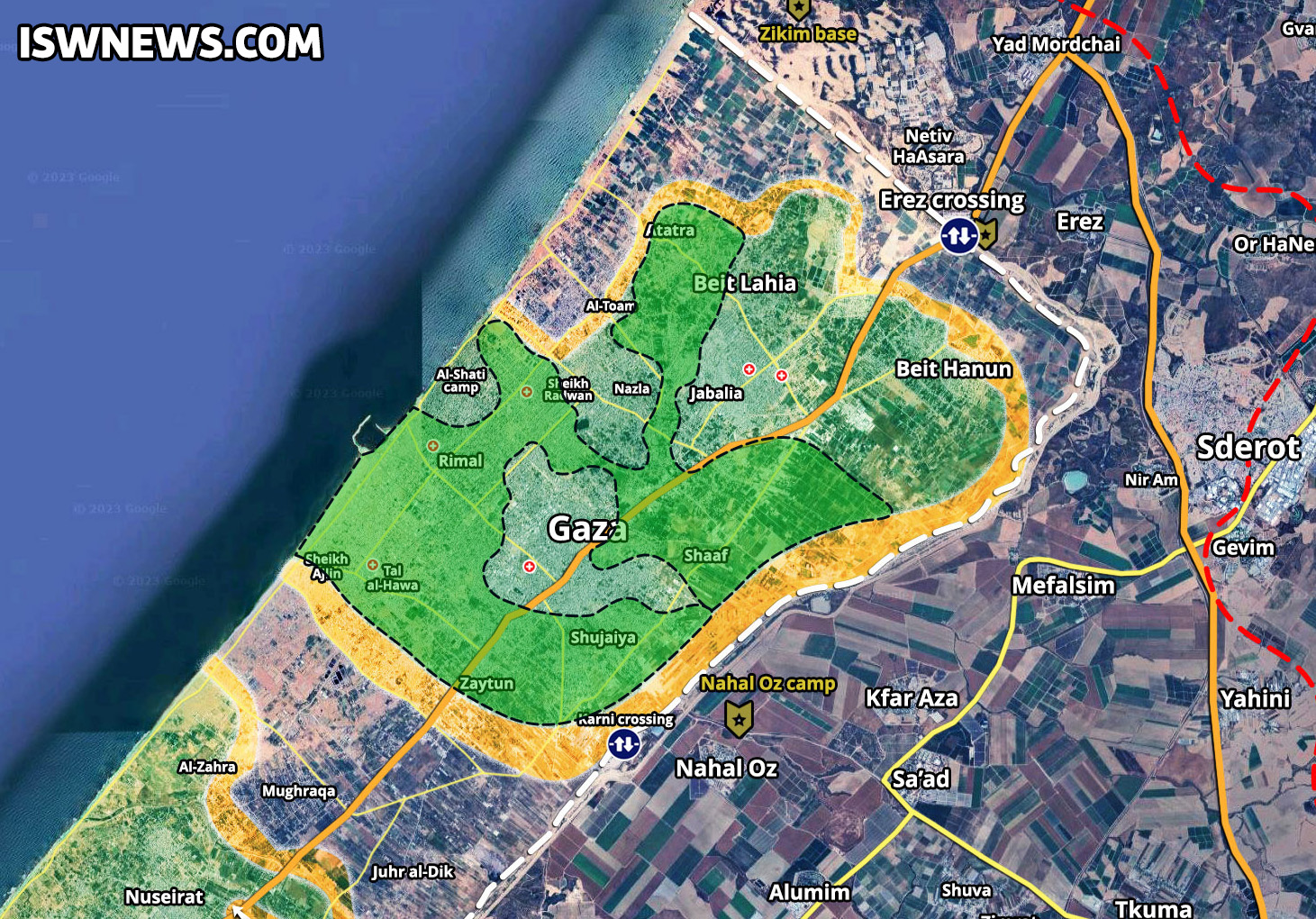
In recent days, conflicting maps have been published regarding the situation on the ground in the northern Gaza Strip.
Some believe that the Israeli regime’s forces have completely withdrawn, while others do not accept the Israeli army’s withdrawal and they highlight Israel’s presence in the Gaza city based on the United States think tanks’ maps or pro-Israeli viewpoints. Some consider the Palestinian resistance movement Hamas to be completely victorious, while others consider the Israeli regime to be triumphant.
However, all these differences of opinion, preferences, oppositions, and biased gestures have no effect on the reality of what is actually happening in the northern Gaza Strip.
For instance, when there are dozens of videos and reports confirming that Israeli forces have left Beit Hanoun city and taken positions on the outskirts of the city, what difference does it make if some pro-Israeli cartographers or the US think tank show Beit Hanoun as completely under Israeli control? Well, they can do that, but the reality does not change; time will show everything…
Some question why the Israeli regime withdrew from the occupied areas in Gaza City? The answer to this question is that although the Israeli regime has withdrawn from many areas in northern Gaza, it has not withdrawn from northern Gaza and has even achieved some of its objectives. The main goal of Israel’s attack on Gaza was to destroy the Palestinian resistance Hamas. However, the destruction and elimination of Gaza and its infrastructure is another ambition of the regime, or according to some experts, the main goal of the regime’s attack on Gaza, because they themselves know well that Hamas and the Palestinian resistance, which is actually a fundamental ideology, will not be eliminated by military operations in this way.
Therefore, Firstly, due to the very dense urban population and the presence of a vast network of undiscovered tunnels, establishing stable control over the city or, in other words, gaining complete military control over northern Gaza is not possible, and Israeli forces will be trapped in daily skirmishes with Palestinian fighters; so, they will suffer casualties. Secondly, the cost of war in Gaza is staggering, and Israelis prefer to avoid war costs as much as possible in their current economic situation. Thirdly, the Israeli regime’s army prefers to withdraw from this area, recover, and send forces to other active fronts in the middle and south of the Gaza Strip, rather than engaging in endless urban warfare in Gaza City and the northern Gaza Strip.
Therefore, considering all the above issue, the Israeli regime has concluded that the best course of action is to withdraw from the urban areas of northern Gaza. This also applies to the middle and southern parts of the Gaza Strip, and the Israelis will eventually withdraw after the destruction and massacre.
Now the question is that, has the Israeli regime destroyed the Palestinian resistance groups in Gaza City, or will it destroy them throughout the Gaza Strip? No, it cannot. But it has succeeded in maximum destruction of infrastructure and complete devastation of the Gaza Strip. Whether you perceive this reality as a victory or a defeat depends on your perspective and way of thinking!
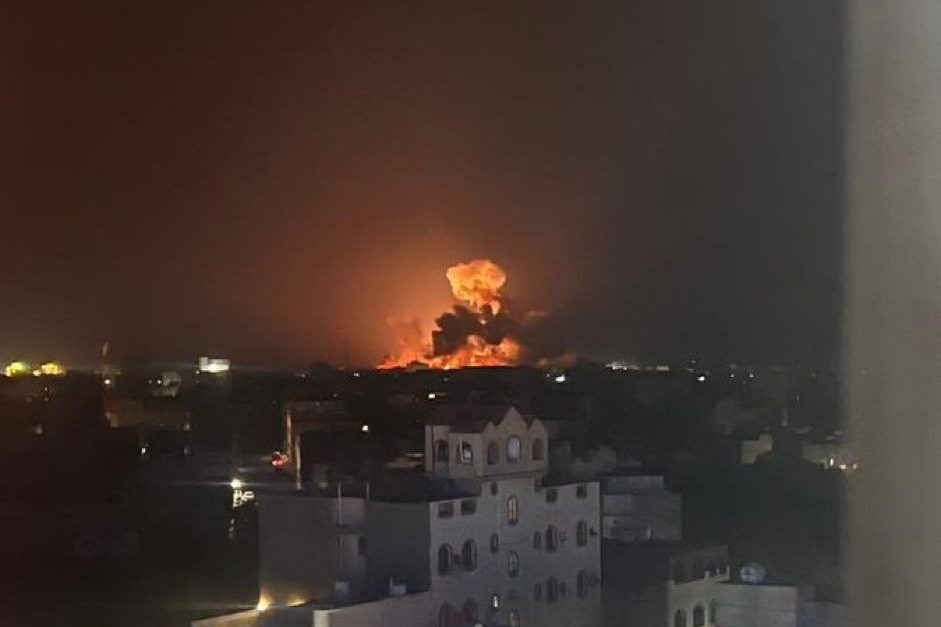
According to the US Department of Defense, this operation was carried out with the aim of limiting Ansar Allah’s capability to carry out alleged attacks against international shipping in the Red Sea and to prevent further tensions in the region.
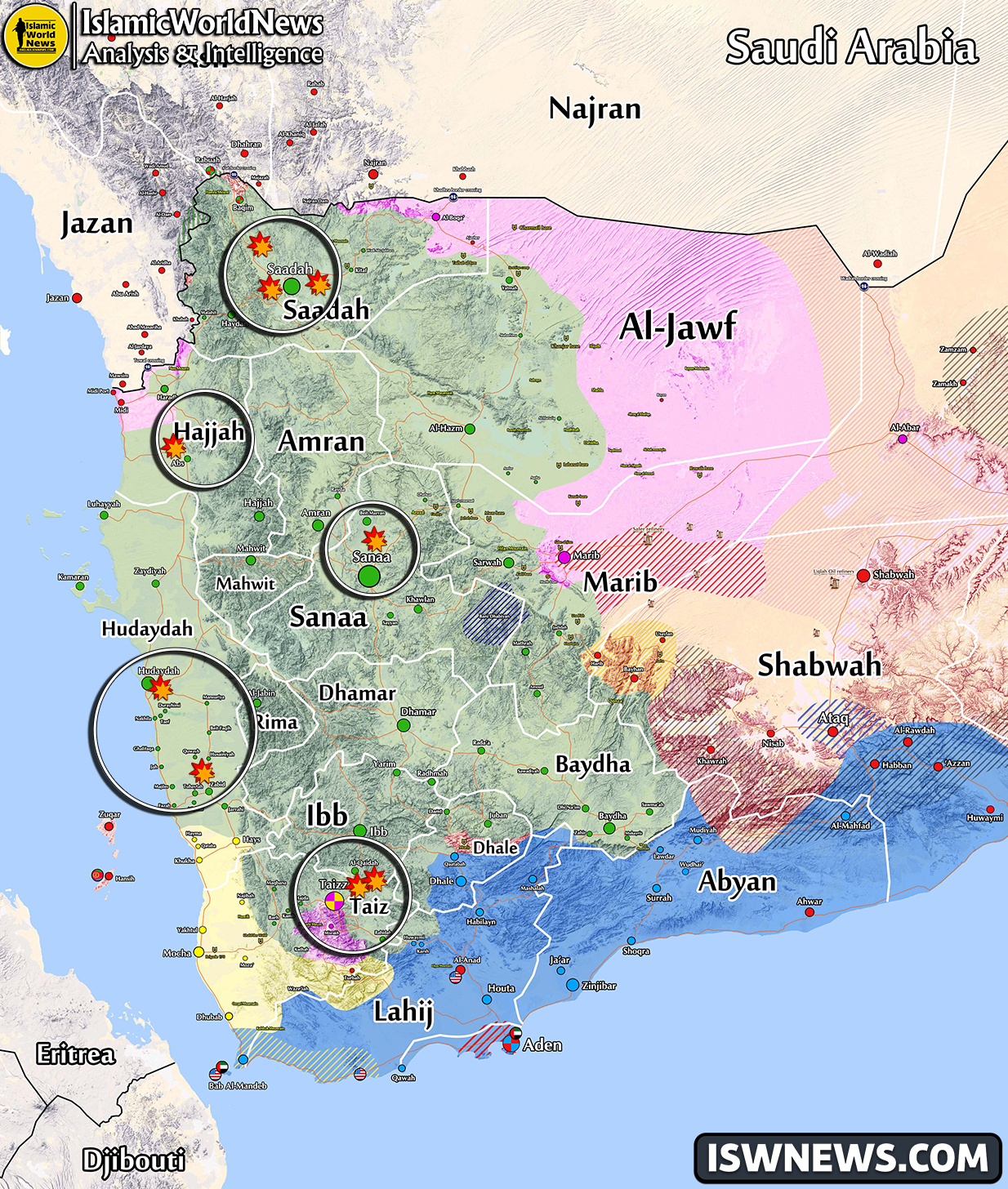
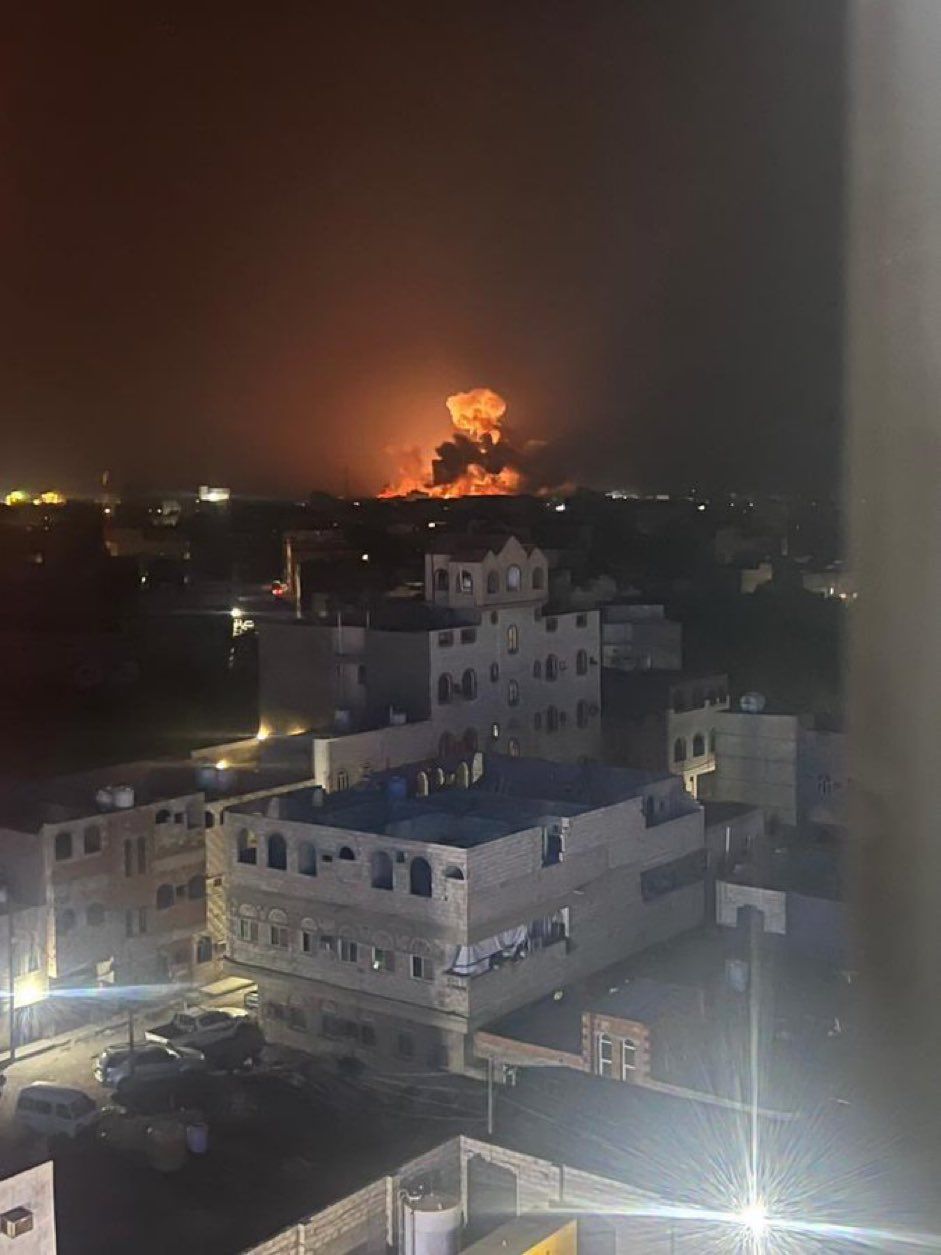
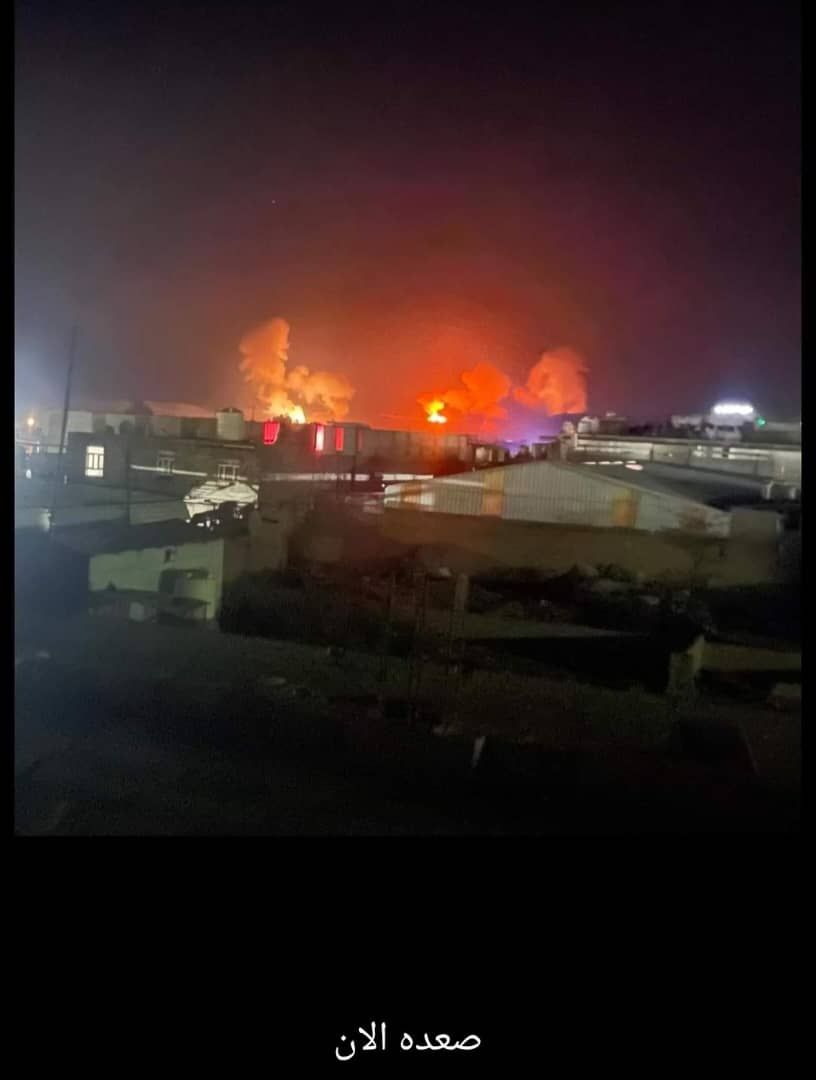
According to Yemeni media, the US-British airstrikes targeted the following areas: – Sana’a: Al-Dailami airbase (in Sanaa airport). – Hudaydah: Near Hudaydah airport and areas in the Zabid district. – Saada: Kahlan base in the east of Saada, Jabal al-Sama’ in the west of Saada city, and Takhiya area in the Majz district. – Hajjah: Abs airport in Hajjah province. – Taiz: Taiz airport and 22nd brigade base in Ta’aziyah district.
The areas that were targeted by the US-British airstrikes on January 12
American officials stated that this air operation was carried out with the cooperation of UK and with the support of Australia, Bahrain, Canada and the Netherlands. The US Military said that more than 100 missiles were fired at 60 targets in 16 centers affiliated to the Houthis (Ansar Allah movement), including command centers, ammunition depots and UAVs and missile systems.
Video: The moment the attack on Yemen began.
How was British participation in the operation against Yemen? The British Air Force has participated in joint operations with the United States against Yemen with four Eurofighter Typhoons. These fighter jets flew from the British base in Cyprus to Yemen and refueled in the sky of the Red Sea.
The British Ministry of Defense stated that this attack was carried out in response to Ansar Allah’s attack on the British destroyer HMS Diamond and the US warships. It is also said that in this attack, British fighter jets bombed two targets in northwestern Yemen, including the Abs airport in Hajjah province, and other targets were bombed by the US fighter jets.
Video: The flight of four Eurofighter Typhoon fighters from Cyprus to YemenInitial images of the bombing of Ansar Allah’s positions in Sana’a and Saada by the US and UKVideo: The first moments of the airstrikesVideo: The first moments of the airstrikes
After the American and British airstrikes against Yemen this morning, news about Ansar Allah’s missile attack on a British warship and an American warship was published, which cannot be confirmed until now.
The reaction of Yemen and different countries to the US and British attack on Yemen:
In a short message, Mohammad Abdul-Salam, spokesperson and chief negotiator of the Yemeni salvation government, in a short message emphasizing the continuation of the operations of the Yemeni armed forces against Israeli vessels and ships that move towards the ports of occupied Palestine, he said: “We emphasize that aggression against Yemen has no justification, because there is no danger to international shipping in the Red and Arabian Seas.”
Mohammad Al-Bakhiti, the governor of Dhamar and a member of Ansar Allah’s political office, also said in response to this attack:
“The United States and England made a mistake in the war with Yemen because they did not use their previous experiences. If it wasn’t for Bush’s stupidity in pushing Affash (Ali Abdullah Saleh) to attack us in 2004, the Yemeni people would not have started the 2014 revolution that ended the US ambassador’s rule in Sana’a and expelled their marines from Yemen. If it wasn’t for the stupidity of the United States and England in pressuring Saudi Arabia and the UAE to declare war against us in 2015, today Yemen would not be able to fulfill its religious, moral and humanitarian duty to support Palestine. There is no doubt that today the Americans and the British regret their previous follies and will soon realize that the “direct aggression against Yemen” was also the biggest folly in their history.
The Ministry of Foreign Affairs of Iran, Hezbollah of Lebanon, Hamas and Islamic Jihad of Palestine issued statements strongly condemning the US and British attacks on Yemen.
The US and British air campaign against Yemen is their second direct attack on Ansar Allah’s positions and could be the starting point for a widespread war in the Red Sea and the Bab al-Mandeb Strait. In their initial statements, the Yemeni authorities have considered this action as another stupidity of the United States and England, which will have severe consequences for them. Therefore, in the coming days, there is a possibility that the Yemeni armed forces will respond again to the naval fleet of the US coalition in the Red Sea and the Arabian Sea.
Ansar Allah’s naval operations against Israel’s interests have had intolerable results for the United States and England, and according to Rishi Sunak, the UK Prime Minister, it had led to a major disruption in maritime trade and an increase in the price of basic goods in Israel and Europe.
Despite the Western pressures, major shipping companies refused to sail through the Red Sea and openly and secretly declared that they were not willing to bear the losses caused by Ansar Allah’s missile and drone attacks. The US and British attack on Yemen and the developments before it once again emphasized the important role of Yemen in the regional developments and showed that if the American and Israeli war mongering is not stopped in Palestine, there is a possibility of their crimes spreading throughout the region.
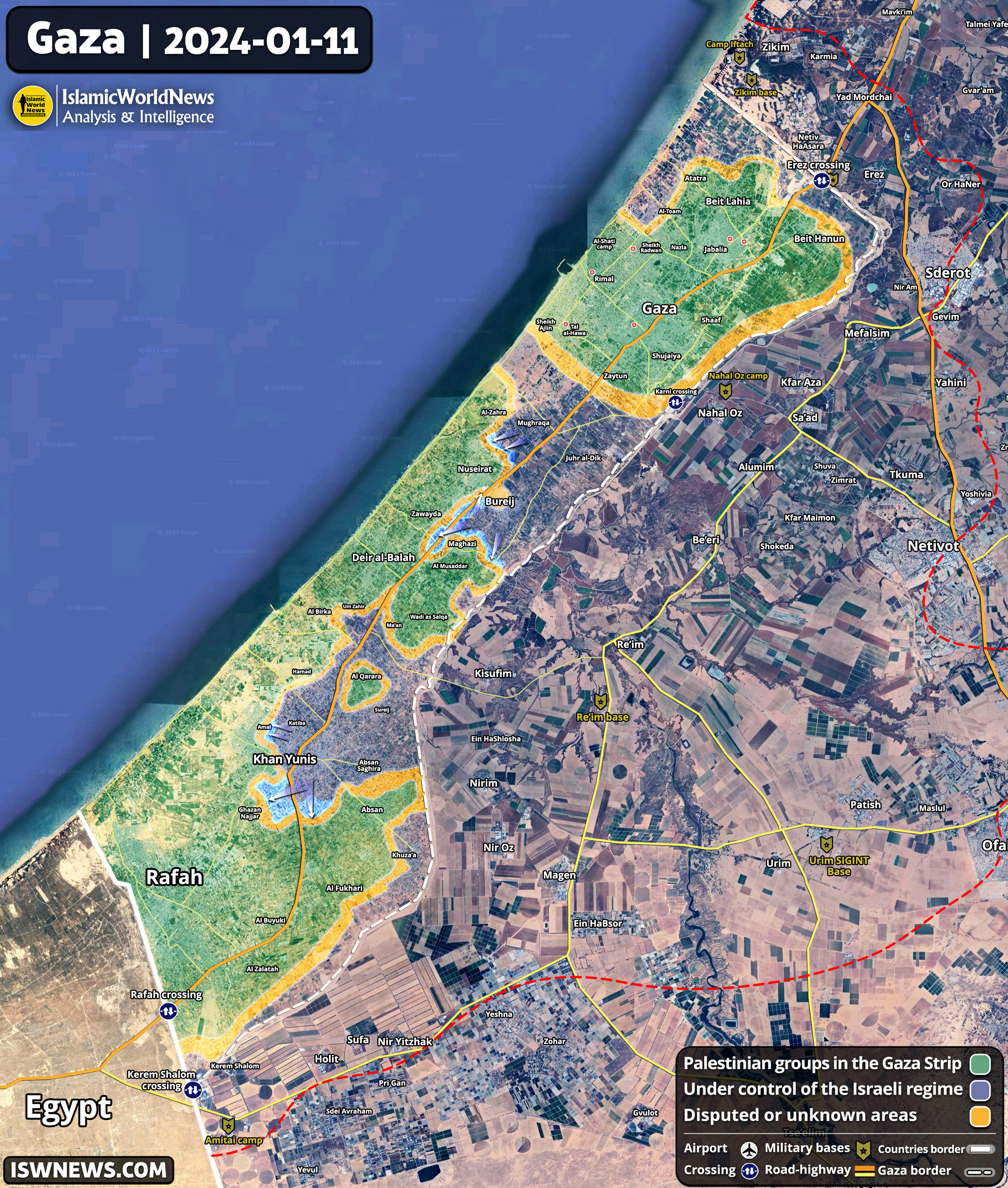
In the south of the Gaza Strip, during the last four days, Israeli forces increased the extent of their advances in the south and southwest of the city of Khan Yunis. In this axis, Israeli forces have reached Ghazan al-Najjar and clashes continue around this village. By advancing on this axis, the Israeli army plans to encircle the city of Khan Yunis from the south and cut off the roads leading to Rafah. Clashes continue in the north of Khan Yunis. The Israeli forces have made advances in this direction in the last few days, but due to the urban context and the fierce resistance by the Palestinian fighters, the amount of advances is limited.
In the middle of the Gaza Strip, Israeli forces are advancing slowly but steadily. On the Nuseirat front, Israeli forces slightly advanced in west of al-Maghraqa. On the al-Bureij front, Israeli forces have almost surrounded the al-Bureij camp and the fall of al-Bureij seems certain. On the al-Maghazi front, Israeli forces have advanced in the north and south of al-Maghazi and have bypassed this camp and are advancing on Salah al-Din road and its surrounding areas. The Juhr al-Dik front has obviously come under the control of the Israeli army after the recent advances of the Israeli army around al-Bureij and Nuseirat.
In the north of the Gaza Strip, after the withdrawal of Israeli forces from inside the Gaza City to the outskirts of the city, there is no specific clashes in the north of the Gaza Strip. Only some sporadic clashes were reported in the outskirts of the city.
Prince Khalid bin Bandar Al Sultan made the remarks in an interview with the BBC, claiming that the two countries were on the verge of an agreement before the seventh of October war; and despite the Undesirable Number of casualties in Gaza, Saudi Arabia still believes in establishing relations with Israel, but this should not be at the expense of the people of Palestine and needs to think about integrating Hamas into the future government of Palestine; so, one of these two (Palestine and Israel) will not be without the other. The order and method of managing it is what needs to be negotiated.
It should be noted that the so-called normalization talks between Saudi Arabia and the Israeli regime were suspended by the Saudis seven days after the onset of the Gaza war on October 14, 2023.
The so-called normalization talks between the Israeli regime and Arab countries began after the Abraham Accords were proposed by the then US President Donald Trump’s administration in 2020. These agreements led to the normalization of relations between the United Arab Emirates (UAE) and Bahrain with the Israeli regime after several months of negotiations, and then Morocco and Sudan joined this process. However, Saudi Arabia avoided announcing a normalization agreement with Israel for various reasons. Antony Blinken, the US Secretary of State, traveled to Riyadh yesterday to resume these talks, but Mohammed bin Salman’s response to this media request has not been announced.
Saudi officials have previously stated that they are seeking peace and the formation of a country for the Palestinians in these negotiations. They initially said that normalizing relations with the Israeli regime was impossible without the formation of a Palestinian state, but Khalid bin Bandar speaks of reducing this condition to determining a roadmap and practical strategy for its formation and solving Hamas in Palestine or in other words, removing Hamas. Overall, the Saudis are trying to squeeze concession from the Israeli reimage by using the Palestinian card, and it remains to be seen how far their pressure against the United States and the regime will continue and what the Saudis will trade for the Palestinian cause!
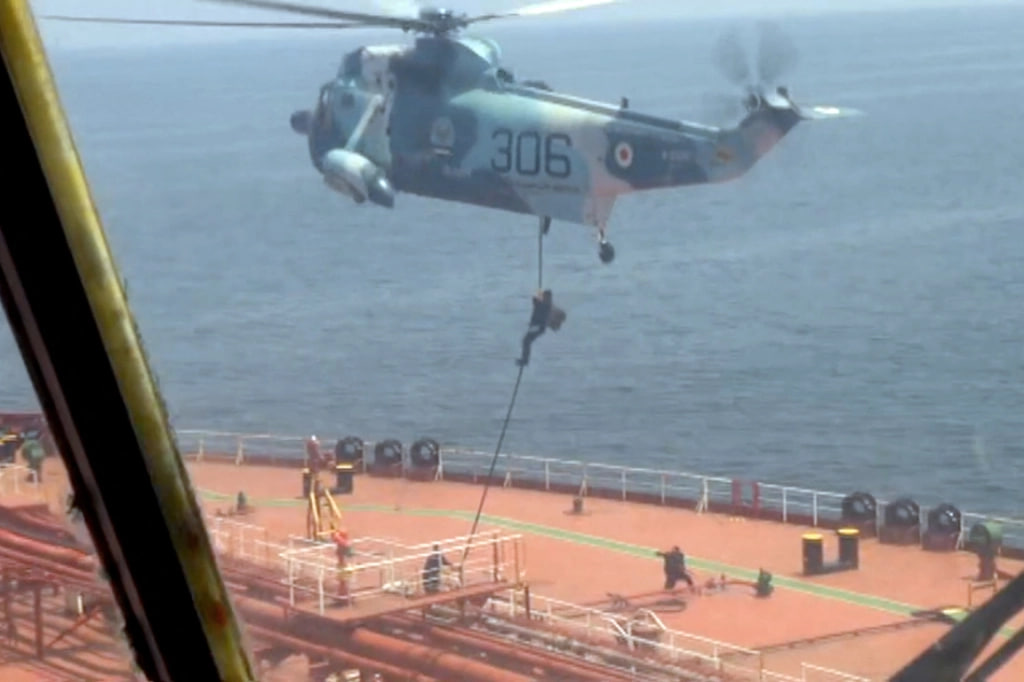
On January 11, the Public Relations Department of the Navy for the Islamic Republic of Iran’s Army has officially declared the seizure of an American oil tanker in the waters off the Sea of Oman, citing a court order as the basis for the action.
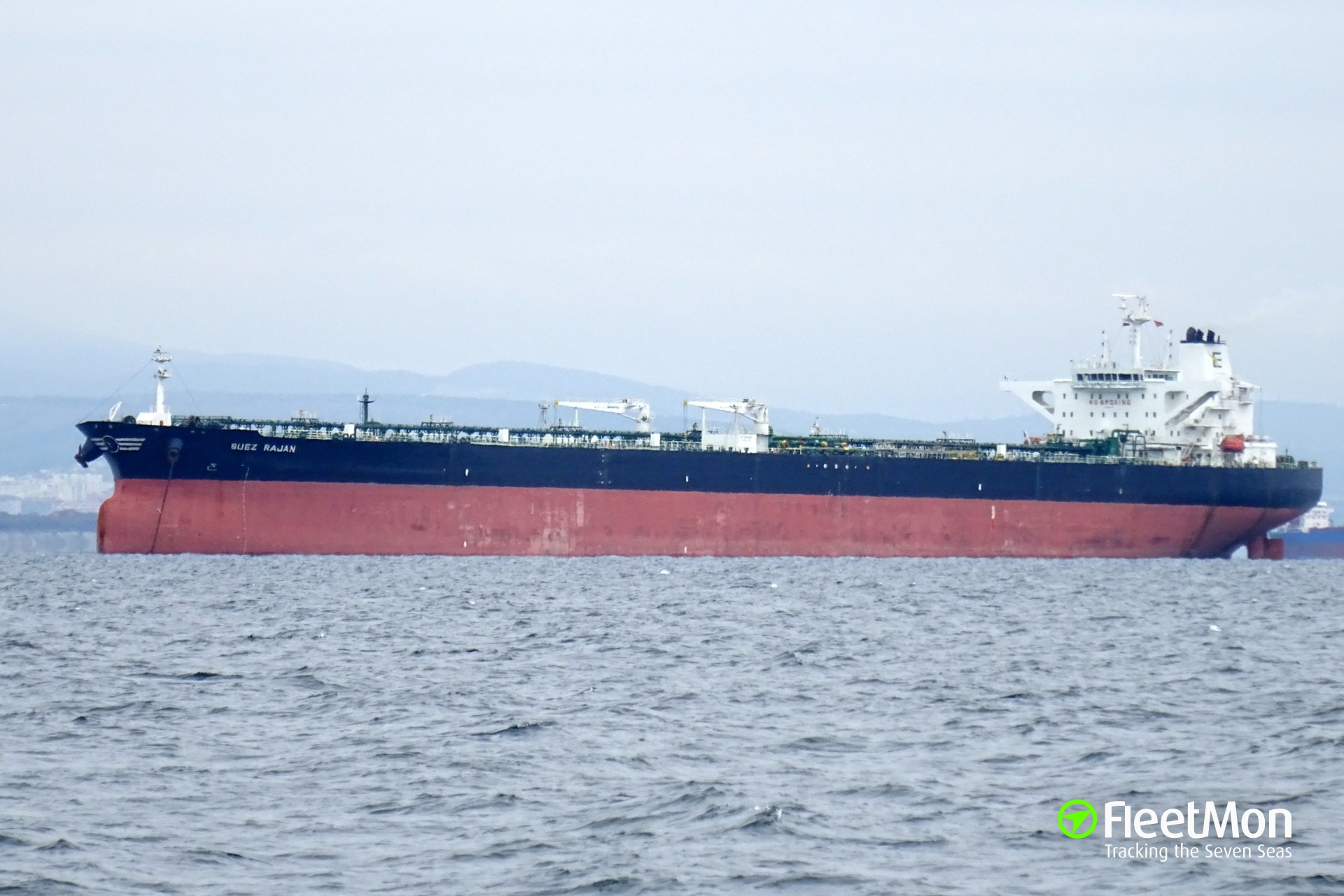
Public Relations of the Islamic Republic of Iran Navy wrote in this statement: “Following the violation of the “Suez Rajan” ship last year and the theft of Iranian oil by the United States, the aforementioned oil tanker with the new name ST NIKOLAS was seized this morning. Last year, this oil tanker had stolen the cargo of oil belonging to the Islamic Republic of Iran under the guidance of the United States and transferred it to the ports of that country and provided it to the United States. This oil tanker that renamed to ST NIKOLAS, was carrying oil in the Oman Sea, which was seized this morning by a court order by the Navy of the Islamic Republic of Iran, in retaliation for oil theft by the American regime, and is being transferred to the ports of the Islamic Republic to be handed over to the authorities.”
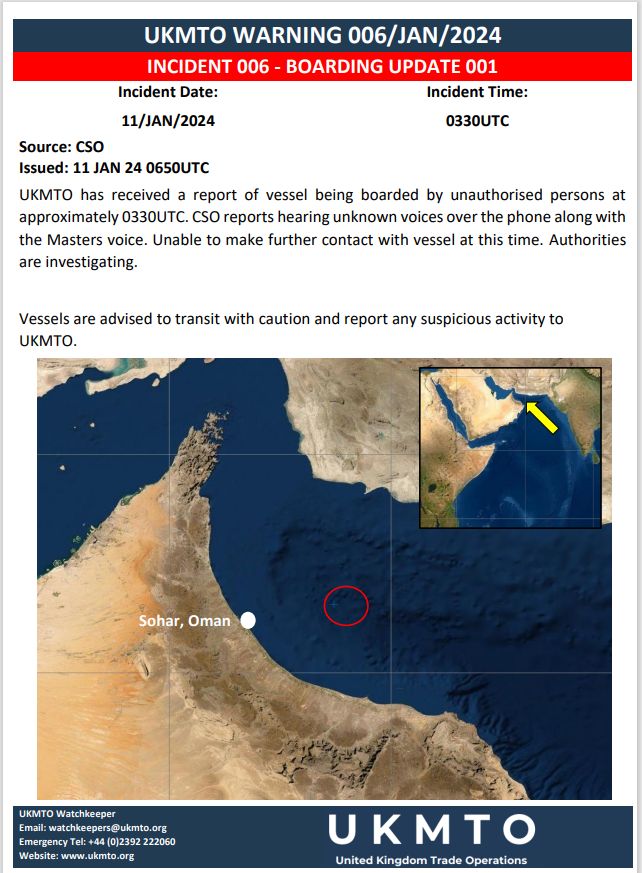
It should be noted that the United Kingdom Maritime Trade Operations (UKMTO) reported the seizure of a ship off the eastern coast of Oman by six unknown persons this morning.
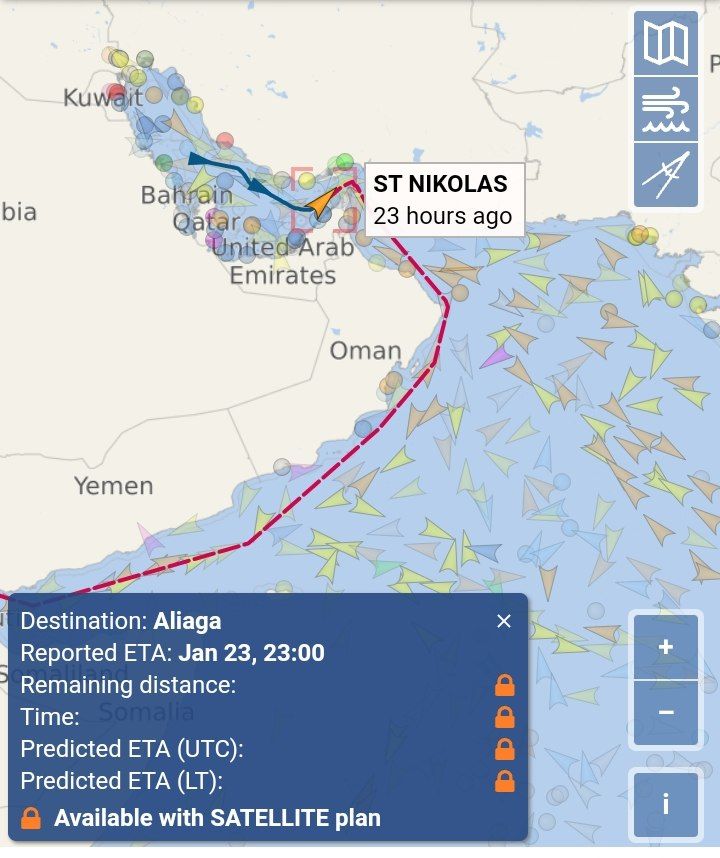
As mentioned in the army’s statement, this ship is called ST NIKOLAS or formerly Suez Rajan, and was moving from the Iraqi port of Basra to Aliaga port on the western coast of Turkey. This tanker was seized by the United States on the coast of Singapore in an unknown date after February 2022 and its one million barrels of crude oil were sold; so, it was confiscated by the United States. Now, after a few months, the Iranian army trapped the same oil tanker and responded to the American organized piracy with a naval operation and returned the property of the Iranian nation.
The United Kingdom Maritime Trade Operations (UKMTO) reported that a security incident happened in the eastern Oman Sea, 50 miles east of Oman, on Thursday morning, and announced that unidentified individuals boarded a tanker and seized the vessel, and that this center cannot contact the crew of the ship.
The most recent information shows that the name of the seized ship in the Oman Sea is ST NIKOLAS.
According to the studies of the IWN, this oil tanker was moving from the Iraqi port of Basra to Aliaga port on the western coast of Turkey. This tanker was previously operating under the name of SUEZ RAJAN affiliated to the Marshall Islands flag and belonged to the Greek company Empire Navigation. This tanker was seized by the United States on the coast of Singapore in an unknown date after February 2022 and its one million barrels of crude oil were sold; so, it was confiscated by the United States. The US fined the Greek company $2.4 million for smuggling oil to Iran and put the tanker back into operation under the new name St Nikolas.
It should be noted that after this incident, Iran had previously seized two oil tankers, Niovi and Advantage Sweet, in the Oman Sea. The seizure of the St Nikolas tanker, or Suez Rajan (if the news story is correct), can be interpreted as an operation to recover Iran’s property from the United States. Iran has recuperated its oil again!
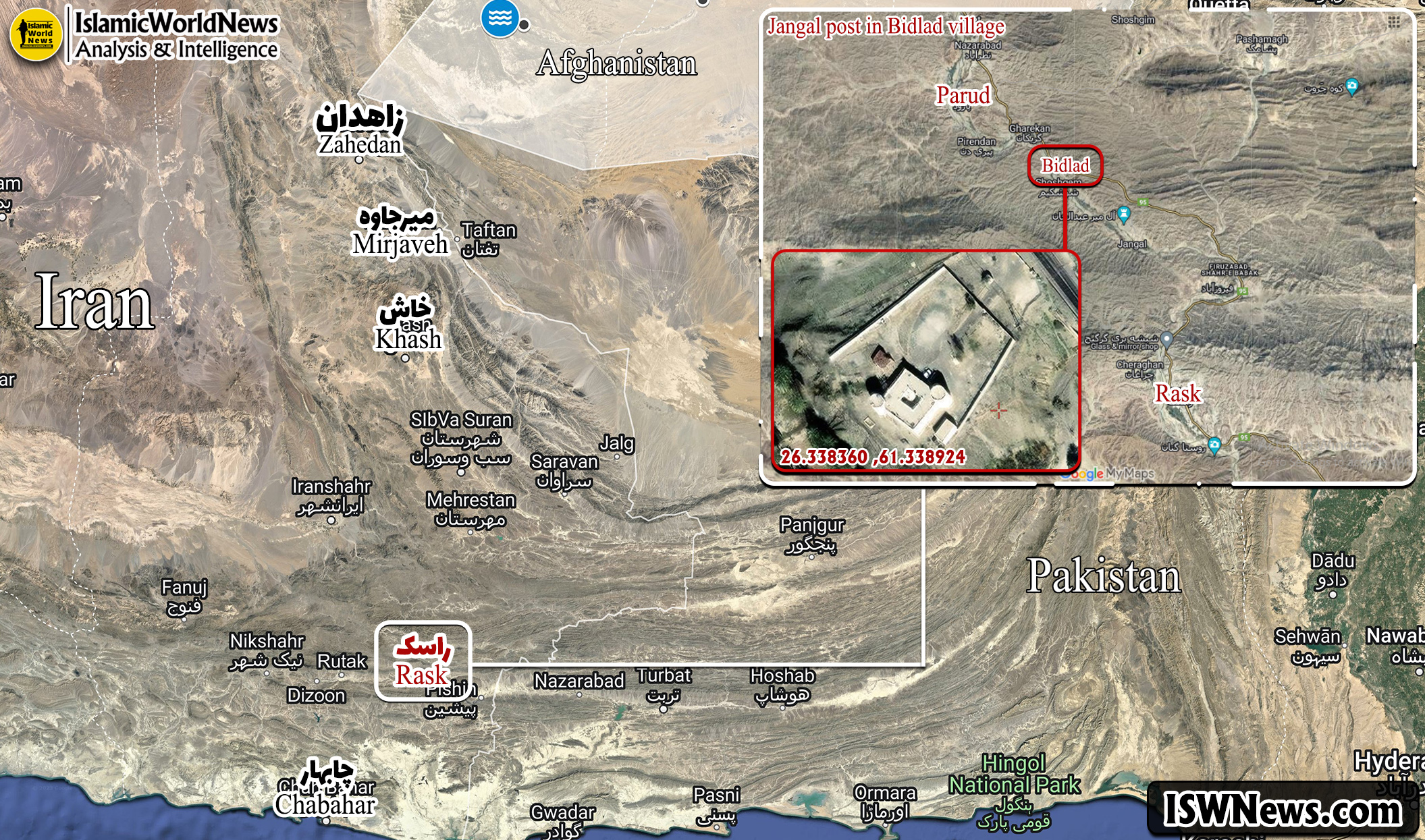
Early this morning (on January 10), the Jaish al-Adl terrorist group attacked the Jangal outpost in the village of Bidlad in the Rask County, located in the south of Sistan and Baluchestan province. During the confrontation, Sergeant Amir-Hossein Hosseini, a law enforcement officer, was martyred.
The terrorist group Jaish ul-Adl has officially claimed responsibility for this attack. According to Salim Kadkhoda, the governor of Rask, the confrontation began at 1 a.m. local time and lasted for three hours, ultimately ending with the terrorists’ retreat and the cessation of the confrontation. The police announced that their forces continue efforts to arrest the gunmen who perpetrated the terrorist attack.
Martyr Sergeant Amir-Hossein Hosseini
Prior to this attack, in recent days, one of the armed criminals and a key supporter of terrorist groups in southeastern Iran named Akram Naroui was identified and killed by security and intelligence forces in the Bampur County of Sistan and Baluchestan province, when he was attempting to flee. The fugitive was involved in a recent attack on the police headquarters in Rask city, as well as the assassination of two law enforcement personnel in February of last year.
The recent activities and movements of the terrorist group Jaish ul-Adl in Sistan and Baluchestan province, as well as the terrorist attacks by ISIS in Kerman city, have coincided with the confrontations of resistance groups against the Israeli regime and the United States. According to several experts, these movements are undoubtedly being carried out with the support of the US and Israeli intelligence and security organizations, with the aim of exerting pressure on the Islamic Republic of Iran.
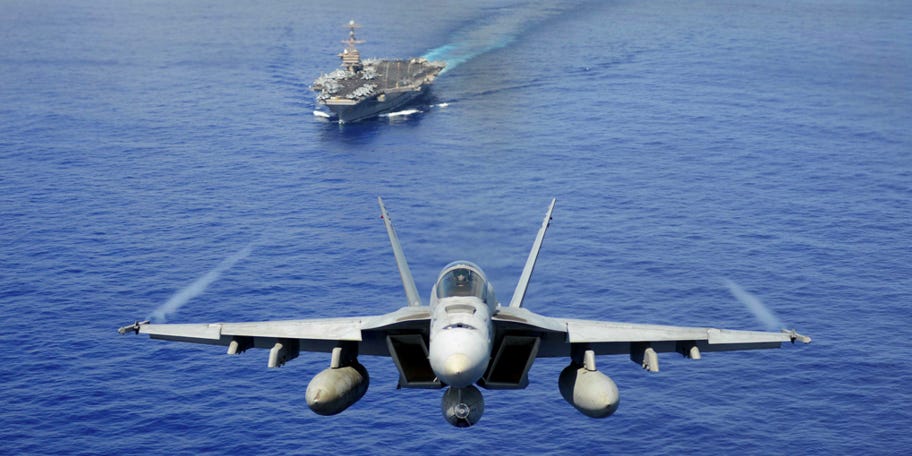
According to the CENTCOM, the Ansar Allah movement attacked heavily and intricately with the use of several suicide drones and 18 cruise and anti-ship missiles on US and British ships in the southern Red Sea on Tuesday night, January 9.
Based on statistics announced by the US Army, this is the 26th attack of its kind by Yemeni armed forces on shipping lines in the Red Sea.
In this regard, the United States has presented a draft resolution to the United Nations Security Council condemning Yemen’s attacks on Israeli shipping and the Israel-bound vessels. The resolution calls on the Ansar Allah movement to stop its attacks against what the United States calls obstruction of global trade and international shipping as soon as possible. The draft resolution also emphasizes the prevention of further tensions in the Red Sea.
Yemeni officials had previously announced that the naval operations of the Yemeni armed forces in the Arabian Sea and the Red Sea are to support the people and resistance groups of Palestine, and as long as the war against the Israeli regime continues, they will attack the interests of the Israeli regime and the Israel-bound vessels.
The escalation of tensions between the Yemeni armed forces and the US-led coalition (Operation Prosperity Guardian) occurred after US helicopters attacked Yemeni navy boats in an operation to prevent the movement of the Maersk Hangzhou ship, killing 10 Yemeni soldiers. Yemeni government officials and the Ansar Allah movement have emphasized responding to this criminal attack.
An hour ago, the Yemeni Armed Forces issued a statement and took responsibility for the attacks. In the statement of Brigadier General Yahya Saree, the spokesman of the Yemeni armed forces, it is stated:
“The naval, missile and drone forces of the Yemeni armed forces conducted a joint military operation with a large number of ballistic missiles, naval missiles and suicide drones against an American ship that supported the interests of the Zionist regime. This operation was carried out in response to the attack of American enemy forces on our navy. The Yemeni armed forces emphasize that they will not hesitate to properly deal with all hostile threats within the framework of the legitimate defense of the country and the people of Yemen. The Yemeni armed forces will continue to prevent the passage of Israeli ships and ships bound for occupied Palestinian ports in the Arab and Red Sea until the end of the aggression and the lifting of the blockade of our brothers in the Gaza Strip. The Yemeni Armed Forces declares its full protection of the continued traffic of foreign ships in the Red and Arabian seas to all destinations, except the occupied Palestinian ports.”