Category: West Asia

  • How Israel’s Intelligence Network Operates in Yemen

    How Israel’s Intelligence Network Operates in Yemen

    According to the Italian magazine Il Faro sul Mondo, Israel is attempting to isolate the conflict in Yemen from the ongoing war in Gaza and is preparing for targeted military strikes against the Sanaa-based government. This strategy involves coordinated efforts across several domains:

    1. Recruitment and Deployment of Spy Networks
    In recent days, Mossad has launched a broad campaign on social media to recruit operatives, inviting opponents of Yemen’s Ansar Allah movement to join “Unit 504,” a covert operations wing. To establish this unit, Israeli agents have reportedly reached out to various anti-AnsarAllah factions in occupied Yemeni territories, including remnants of Ali Abdullah Saleh’s network and the Southern Transitional Council.

    These activities reflect Israel’s intent to expand its intelligence footprint in Yemen and carry out preemptive strikes in response to Yemen’s support for Palestinians in Gaza. Israeli officials frequently cite Ansar Allah’s slogans and flags as evidence of a “existential threat,” with Prime Minister Benjamin Netanyahu repeatedly stating his desire to continue attacks on Yemen—even after the recent ceasefire in Gaza. Channel 12 in Israel also reported that Netanyahu plans to maintain military pressure on Yemen beyond the Gaza conflict.

    Israeli intelligence efforts in Sanaa are not limited to recruiting from political opposition. They have also infiltrated humanitarian and international organizations, allegedly using operatives for sabotage. For instance, during Israel’s 16th airstrike on Yemen on August 28, the cabinet meeting location was targeted, resulting in the death of 12 Yemeni officials, including Prime Minister Ahmed al-Rahwi of the Reform and Reconstruction Government.

    Yemeni security forces and Ansar Allah’s intelligence wing have responded by arresting networks linked to Hamed Hussein al-Majali—a Saudi agent affiliated with Mossad and the CIA—as well as operatives embedded in humanitarian organizations. However, countering Israeli espionage requires more advanced infrastructure and strategic planning.

    The primary goal of U.S. and Israeli intelligence in Yemen is to gather detailed information on missile and drone bases, naval positions, weapons depots, and the whereabouts of key political and military figures.

    2. Activation and Support of Anti-Ansarallah Groups
    Targeted assassinations in Sanaa and Al-Bayda province in recent days suggest that Western and Israeli intelligence agencies are reactivating covert cells in Ansarallah-controlled areas. These attacks, often aimed at field commanders and local officials, appear designed to destabilize and sow chaos. For example, on October 31, a female doctor was killed in Sanaa, and on November 2 and 3, two Ansarallah-affiliated personnel were assassinated in Rada’a district.

    Given the history of al-Qaeda and ISIS activity in Rada’a, it’s likely that these groups are being reactivated with support from Western-Arab intelligence. Surrounding areas such as Al-Qayfa, Al-Zahir, Mukayras, and Al-Sawma’ah remain vulnerable due to extremist presence, though most tribes in Al-Bayda are allied with Ansarallah, making a full collapse unlikely.

    Meanwhile, U.S. and British embassies in Yemen are reportedly strengthening ties with Saudi-Emirati-backed forces such as the Giants Brigades and Tariq Saleh’s units. With support from diplomats like Steven Fagin and Abdu Sharif, these groups are enhancing their capabilities for potential ground operations against Yemen’s revolutionary forces.

    3. Communications Networks and Satellite Surveillance
    Israeli intelligence is also focused on dominating communication systems in occupied Yemeni territories, conducting cyberattacks, analyzing satellite imagery to locate missile and drone bases, and monitoring Ansarallah’s field movements.

    While much of this activity remains covert, social media users—especially on X (formerly Twitter)—have been tracking and analyzing satellite images of military sites in Saada and Sanaa. These individuals may be directly or indirectly linked to Western intelligence agencies. Additionally, reports have surfaced that Southern Transitional Council forces have used Israeli Cellebrite spyware to monitor phone lines and track individuals in Hadramaut province, indicating that Israel is replicating its intelligence model from Lebanon, Syria, and Palestine in Yemen.

    Read more: Israeli Surveillance Grip on Hadhramaut Communications!

    Conclusion
    Israel’s espionage network in Yemen employs a range of tools and tactics similar to those used in other regional theaters. Yemenis, particularly in the north and central regions, benefit from strong public resistance to betrayal and foreign interference, rooted in tribal and cultural values. This social cohesion provides a powerful foundation for countering terrorist and intelligence operations.

    Israel’s primary objective is to detach Yemen from the regional resistance axis and neutralize its strategic threat. While continued missile and drone operations in the Red Sea and occupied Palestine offer a tactical response, they are insufficient against aerial assaults and surveillance dominance. A comprehensive strategy—including public mobilization, technological resilience, and regional coordination—is essential to confront and dismantle Israel’s intelligence apparatus in Yemen.

  • Baghdad at a Historical Crossroads: Examining the Future of the Popular Mobilization Forces and Iraq

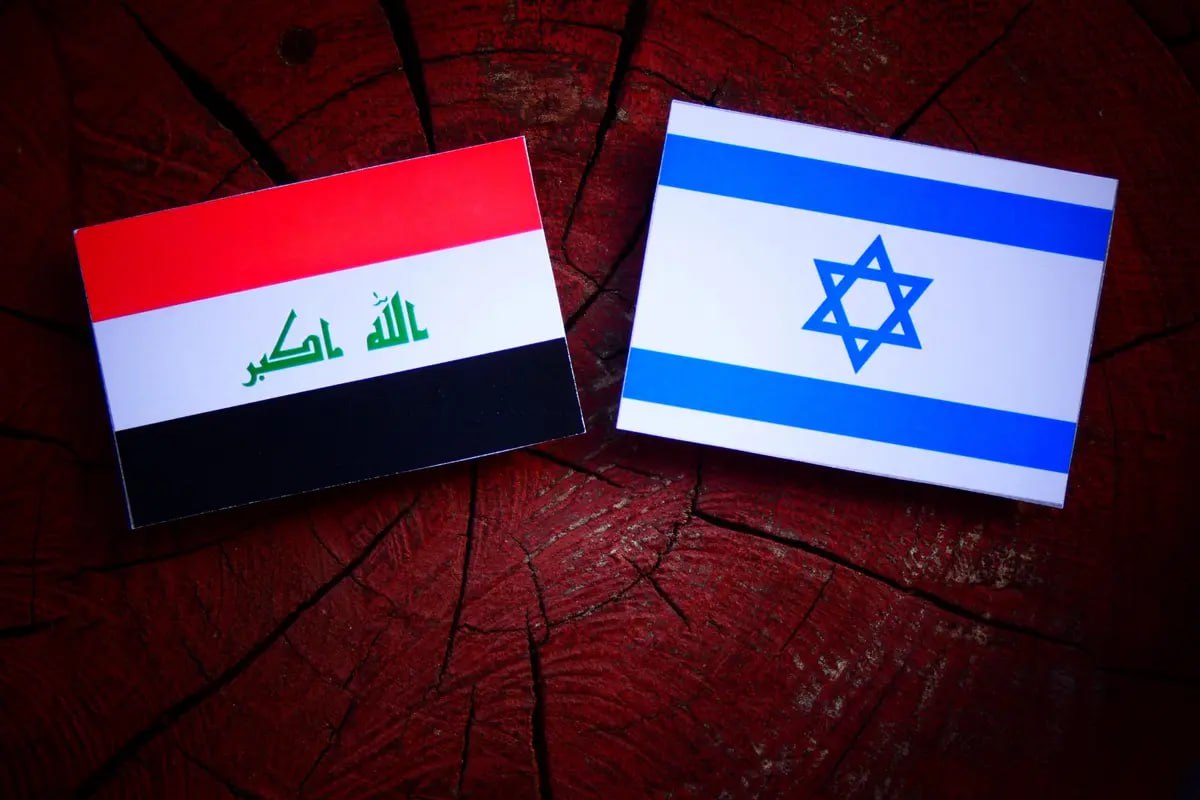
    Baghdad at a Historical Crossroads: Examining the Future of the Popular Mobilization Forces and Iraq

    The future of this situation can be envisioned through three scenarios. First, gradual integration and institutionalization within the state framework, provided there is political will and financial transparency. Second, the continuation of its semi-institutional status with sporadic conflicts, which appears to be the most likely path. Third, a deterioration into greater instability triggered by regional developments or a deepening financial crisis.

    A risk-reduction strategy should be built on three pillars. Auditing and restructuring the PMF’s personnel system. Gradual reform of legal and political frameworks to enable structured integration. Activation of regional diplomacy to reinforce security boundaries. What remains vital is preserving the PMF’s social legitimacy and operational capacity during the integration process so it can continue to serve as a stabilizing and deterrent force within Iraq’s security architecture during times of crisis.

    Iraq’s Current Position in Relation to the PMF

    In the second half of 2025, Iraq’s domestic politics depend more than ever on how the government engages with paramilitary actors while managing regional and economic pressures. The experience of the past few years shows that the PMF is no longer a temporary partisan force. It has embedded itself into Iraq’s political, social, and economic fabric and has become a key player in Baghdad’s power dynamics.

    From the perspective of local governments and many domestic observers, acknowledging this reality is the first step toward any pragmatic solution. Attempts to rapidly dismantle or marginalize the PMF are not only unfeasible but risk undermining stability and deepening social divides.

    Understanding the PMF’s current status requires a composite view of three elements. Its military and security role during the fight against ISIS, which earned it local legitimacy. The political and economic structures surrounding it, which have turned some brigades into influential actors in local institutions and markets. Its regional ties, which shape and sometimes direct its behavior.

    For example, in the summer of 2014, when ISIS rapidly captured parts of Iraq and threatened the collapse of the local government and sacred sites, Iran’s Quds Force intervened directly. Intelligence support, military advising, weapons shipments, and field presence were mobilized to organize and strengthen local resistance groups. These efforts, officially framed as protecting holy sites and preventing security collapse, forged deep operational links between certain PMF brigades and Iranian security institutions.

    Baghdad’s Balancing Act in Domestic Politics

    From the perspective of internal political dynamics, Prime Minister Mohammed Shia’ Al-Sudani’s government operates cautiously in a middle-ground position. On one hand, it must assert sovereignty and demonstrate legal control over national affairs. On the other, it faces pressure from Shiite coalitions and local leaders with divergent interests and expectations. The Coordination Framework of Shiite factions exemplifies this complexity. Some groups maintain close ties with the Islamic Republic of Iran, while others pursue more nationalist or conservative agendas. These differences have created friction in strategic decision-making and pushed the government toward a policy of “patience and passivity.” This cautious approach, especially when compounded by financial strain, reduces the likelihood of gradual compromise and instead opens space for symbolic gestures and localized bargaining.

    What Shapes Iraq’s Political Future?

    Iraq’s political future is shaped by its engagement with regional actors, particularly Tehran and Ankara. Structurally, Iran maintains deep and networked influence over segments of the Popular Mobilization Forces (PMF), and its preference has often been to preserve communication channels and pursue gradual influence rather than direct confrontation. In critical moments, Tehran has opted for a “keep the channels open” tactic to safeguard its long-term interests in Iraq. Meanwhile, Turkey’s military presence and operations in the north and Kurdish regions exert additional pressure on Baghdad’s ability to assert control, narrowing the government’s strategic options. From Baghdad’s standpoint, managing simultaneous pressure from Iran and Turkey requires active diplomacy and balanced policies. It must also secure guarantees for territorial integrity and decision-making independence without undermining local deterrent mechanisms.

    Three Scenarios for the PMF’s Political Trajectory

    Given current conditions, three plausible scenarios can be outlined for the future of the PMF and its political role. These scenarios are shaped not by ideological goals or idealistic plans, but by the actual behavior and patterns of current actors.

    In the realistic scenario, the PMF remains in a “semi-institutional” state. This means that some units and leadership structures gradually integrate into official military and security institutions, while others retain local influence and continue to play political and economic roles at regional and national levels. This model allows the central government to maintain a degree of control over the national security framework, while delegating some operational authority to paramilitary forces at lower levels. The likely outcome is continued local competition, increased political bargaining on the margins of government, and the emergence of a multi-layered field where Iraq becomes a battleground for regional influence.

    In the second scenario, which becomes more likely with rising regional tensions or a financial collapse of the government, certain units may break away from the political process and intensify independent military actions or symbolic operations. This could provoke reactions from foreign actors and rapidly push Iraq into a level of instability from which recovery would be difficult. Field reports of such behavior and attacks on infrastructure suggest that this scenario is not far-fetched.

    The third scenario involves structural institutionalization and the transformation of the PMF into a “national asset,” achievable under three conditions. First, Baghdad must demonstrate political will and draft clear legislation. Second, transparent financial mechanisms must be established. Third, regional dialogue must prevent Iraq from becoming a theater of foreign confrontation. Lessons from other regional countries and analytical recommendations suggest that a phased plan—including financial audits, formal personnel registration, revised appointment protocols, and reasonable incentive packages for moderate commanders—could enable a smooth integration into Iraq’s political and legal system. This path requires time, patience, and overlapping political guarantees, but from Baghdad’s perspective, it is both rational and achievable.

    The Role of the United States in Iraq’s Future

    From a strategic standpoint, U.S. policy toward Iraq in recent years has shifted from a model of direct, large-scale military presence to a more flexible, multi-layered approach. This new framework emphasizes reducing field deployments, maintaining deterrence capabilities, and combining targeted pressure with conditional support. Two key factors have driven this shift: first, Washington’s desire to reduce the political, financial, and human costs of prolonged engagement in the Middle East; and second, its increasing reliance on diplomatic, economic, and security tools as indirect yet effective instruments of influence. As a result, this evolving strategy carries several important implications for Iraq’s political and security architecture—understanding these is essential for grasping the balance of power in Baghdad and the interplay of domestic and regional forces.

    The first dimension of these implications relates to the mechanism of “conditional aid” and its role in shaping reform incentives. The United States typically ties its economic and military assistance to progress in governance reforms, financial transparency, and the containment of irregular paramilitary forces. In theory, such conditionality can accelerate the registration, regulation, and integration of armed groups, paving the way for a more cohesive institutional structure. However, Iraq’s field experience shows that imposing conditions without offering credible and sustainable alternatives—especially for moderate local commanders—often backfires. It intensifies political resistance and deepens internal divisions, polarizing the decision-making environment.

    The second dimension involves “strategic ambiguity.” The reduction of direct foreign military presence creates deterrence gaps that local actors may exploit to expand their operational autonomy. In this context, U.S. threats of military action or sanctions may serve as crisis deterrents, but repeated or unilateral use—especially without regional coordination or viable economic alternatives—can provoke domestic backlash and erode the legitimacy of Baghdad’s reform efforts.

    The third dimension highlights the constructive potential of U.S. assistance. When conditional pressure is paired with investment in institutional capacity—such as technical support for personnel registration systems, strengthening financial institutions, and managerial training—the likelihood of successful reforms increases. This model of pressure combined with structural support can lower the political cost of implementing reforms in Baghdad and facilitate gradual integration of armed groups, provided these programs are designed in coordination with regional stakeholders and domestic beneficiaries.

    Assessing the Risk of Early Conflict in Iraq

    In recent months, a convergence of political, security, and economic developments in and around Iraq has signaled a shift toward a more fragile phase compared to the relative stability of the past. The overlap of internal pressures with regional movements has significantly increased the risk of scattered tensions escalating into a broader crisis. Domestically, the central government’s chronic financial crisis, unresolved disputes over the PMF legislation, and the lack of transparency in resource allocation and payments have eroded Baghdad’s decision-making structure. This erosion has not only weakened the state’s capacity for rapid response to security incidents but also fostered institutional instability in the relationships between the government, political factions, and paramilitary forces—a reality confirmed by multiple field reports and analytical assessments.

    At the same time, several concrete incidents suggest that Iraq’s previously stable security landscape is becoming increasingly fragile. Drone attacks on oil fields in Duhok Province and damage to companies operating in the Kurdistan Region—such as Hunt Oil, which was recently forced to suspend and then conditionally resume operations—are examples of economic-security pressure points that could swiftly alter the local balance of power.

    In terms of foreign relations, transnational actors play a critical role. Official and unofficial statements from Iraqi officials have pointed to overt and covert pressure from the United States and Israel regarding the passage of the PMF law, along with warnings about the economic and political consequences of opposing their interests. These developments indicate that Iraq’s internal political actions are rapidly becoming entangled in regional rivalries. Mahmoud al-Mashhadani, Speaker of Parliament, recently spoke publicly about threats and pressure, signaling that disputes over the PMF law are not merely domestic matters—they could become pretexts for external leverage with long-term economic and political consequences for Baghdad.

    The Risk of Escalation in Iraq: A Strategic Assessment

    In a recent interview, Iraqi parliamentarian Mahmoud al-Mashhadani emphasized that the wave of reports and claims circulating in outlets like Al-Akhbar—regarding the possibility of Iraq being targeted by Tel Aviv-led operations—while alarmist in tone, may in practice serve a deterrent and regulatory function in regional security dynamics. Even when not grounded in verified intelligence, such narratives tend to heighten caution, surveillance, and coordination among actors, prompting them to reassess power balances and operational readiness. In this sense, these discourses, beyond their media role, indirectly activate components of regional deterrence.

    The PMF’s Role in Iraq’s Complex Security Equation

    The Popular Mobilization Forces (PMF), rooted in social legitimacy and its history of fighting ISIS, has evolved into a network of brigades and political-economic structures. In the absence of transparency and clear legislation, it retains the capacity to act based on local, economic, or ideological motives. Operational and logistical ties between certain brigades and regional actors—as seen in 2014—can justify responses that the central government may view as “outside official channels.” While this structural reality alone does not constitute a war trigger, when combined with financial shocks, external pressure, and attacks on critical infrastructure, it creates conditions for local reactions to escalate beyond the government’s control.

    Pathways to Crisis Escalation

    Several plausible pathways exist for crisis escalation, though they do not follow a simple cause-and-effect chain. These include:

    • A significant blow to the national economy, such as sanctions or widespread shutdowns in the oil sector, which would raise public dissatisfaction and strain both military and civilian budgets
    • Coordinated attacks on energy infrastructure or foreign bases, potentially provoking retaliatory military responses
    • Breakdown of diplomatic channels between Baghdad and key regional players (Tehran, Ankara, Washington), which would hinder regional crisis management and mediation

    The activation of any of these triggers—especially in combination—could substantially increase the likelihood of localized tensions evolving into a broader conflict. Recent developments suggest that some of these triggers are already active or on the verge of activation, including drone strikes in northern Iraq, political pressure surrounding the PMF legislation, and psychological-media tensions linked to allegations of foreign influence and threats.

    Strategic Summary and Outlook

    The report concludes that while a full-scale war in Iraq is not imminent, the country is exposed to a set of compounding triggers that, if not managed promptly and coherently, could push the situation toward widespread conflict within weeks or months. In other words, the risk of war is a real possibility—dependent on immediate domestic decisions and regional guarantees, not an inevitable outcome.

    Therefore, Baghdad’s current priorities must focus on rebuilding financial and personnel transparency within the PMF, passing clear legal frameworks, strengthening protection of energy infrastructure, and activating diplomatic channels with Tehran, Ankara, and Washington. Only through this integrated management approach—and not through unilateral solutions or external pressure—can Iraq avoid becoming a theater of regional confrontation.

    Conclusion

    In a broader evaluation, the prospect of a full-scale war in Iraq in the medium term is neither unavoidable nor implausible. What determines the outcome is a combination of internal and external triggers and the government’s ability to respond swiftly. If liquidity crises deepen, if the PMF’s semi-institutional structure persists without oversight, and if a strong regional trigger—such as direct attacks on bases or the collapse of diplomatic guarantees—emerges, localized clashes could rapidly escalate into a national conflict.

    Conversely, passing legislation, conducting financial audits, registering personnel, offering reasonable incentives to moderate commanders, and securing diplomatic guarantees from regional actors could pave the way for gradual integration and de-escalation. In short, the threat of war is real but entirely contingent on Baghdad’s immediate policies and the nature of regional and international engagement. Transparency, institution-building, and regional guarantees significantly reduce the risk of conflict—while neglecting these measures raises the likelihood of escalation.


  • War-Driven Growth or Strategic Misstep? Israel’s $76 Billion Defense Burden

    War-Driven Growth or Strategic Misstep? Israel’s $76 Billion Defense Burden

    This figure was released by Israel’s Ministry of Finance. Officials from the ministry stated that the military’s mismanagement of reservist service days and poor financial oversight led to the loss of billions of shekels in payments to reserve forces. Finance Minister Bezalel Smotrich emphasized in a press conference that increasing the defense budget is essential for boosting Israel’s economic growth in the coming years.

    The ministry’s report on the “misuse of reservist service days” and the resulting financial waste highlights not only the scale of expenditures but also the inefficiency in resource allocation and oversight. This managerial weakness reflects a deeper structural crisis within Israel’s military and administrative systems—a crisis that intensifies under wartime conditions.

    Overall, Israel’s economy is shifting toward an unsustainable war-driven model. Heavy military spending, weakening of the private sector, and capital flight from the stock market and tech industries have increased the likelihood of recession and slowed real economic growth. If this trend continues, Israel’s economic structure could face a serious crisis in the coming years.

  • U.S. drone strike targets senior al-Qaeda member in northern Marib

    U.S. drone strike targets senior al-Qaeda member in northern Marib

    Abu Muhammad al-Sanaani held a key security role within the group’s structure. No photos or detailed information about him have been published online. His only known physical trait was a noticeable limp.

    According to Western media statistics, the U.S. military has conducted over 380 aerial operations targeting al-Qaeda members across Yemen over the past two decades.

  • Washington’s Stern Warning to Baghdad Amid Speculation of Israeli Strike on Iraq

    Washington’s Stern Warning to Baghdad Amid Speculation of Israeli Strike on Iraq

    Iraqi Defense Minister Thabit al-Abbasi revealed in a televised interview that U.S. Secretary of Defense Pete Hegseth had informed him via a phone call about an imminent military operation in the region. Hegseth reportedly issued a firm warning against any involvement by Iraqi factions, ending the 11–12 minute call—held in the presence of Iraq’s Chief of Staff and Deputy Commander of Joint Operations—with the statement: “This is your final notice, and you know well how the current U.S. administration will respond.”

    The Hebrew outlet Walla, citing sources within the Israeli military command, reported that Iran is heavily investing in Iraqi resistance groups to prepare for potential air and ground attacks against Israel. According to Israeli intelligence, Iran has recently strengthened the military and logistical infrastructure of its allied factions in Iraq. These developments reportedly coincide with a recent visit by Esmail Qaani, commander of Iran’s Quds Force, to Baghdad, where he met with group leaders.

    The report claims that during these meetings, various scenarios for a possible attack on Israel were discussed, including drone and missile strikes, as well as ground operations via Syria and Jordan.

    The disclosure of this direct communication between the U.S. and Iraqi defense ministers, alongside Israeli media reports of a potential strike on Iraq, signals a new phase in the confrontation between the resistance axis and Israel. Washington’s warning aims to prevent coordination among resistance fronts in Iraq, Lebanon, Yemen, and Palestine, and to block the formation of a unified operational axis against Israel.

    Resistance group activity in Iraq targeting U.S. and Israeli interests has long been a point of contention between Baghdad and Washington. These attacks were temporarily halted under U.S. pressure and mediation by Iraqi Prime Minister Mohammed Shia’ Al Sudani.

    From Tel Aviv’s perspective, Iraq is increasingly becoming Iran’s strategic front against Israel. The recent transfer of drones and missiles from Iran to Iraqi resistance groups has raised serious concerns in both Washington and Tel Aviv, fueling speculation about a potential Israeli preemptive strike on weapons depots or logistical bases inside Iraq.

    Pete Hegseth’s warning to Iraq’s defense minister was not merely a security concern—it also suggests that the U.S. is tacitly aware of Israel’s military plans and seeks to diplomatically shield itself from any retaliatory actions by Iraqi groups. Washington understands that any Israeli attack on Iraq could quickly escalate into direct conflict between U.S. forces and resistance factions on Iraqi soil.

  • Israeli Spy Network Led by Syrian Nationals Arrested in Iraq’s Diwaniyah Province

    Israeli Spy Network Led by Syrian Nationals Arrested in Iraq’s Diwaniyah Province

    The operation was carried out by the intelligence unit of Iraq’s Popular Mobilization Forces (PMF), which raided a rented residence in downtown Diwaniyah. Authorities seized maps and photographs documenting strategic sites in both Najaf and Diwaniyah provinces.

    The arrest of this network in Diwaniyah—a relatively calm area far from Iraq’s border zones—suggests that Israel is expanding its intelligence operations deeper into Iraqi territory. The strategy appears aimed at establishing surveillance cells in regions with less stringent security oversight, enabling access to data on infrastructure, weapons depots, and supply routes used by resistance groups.

  • Syrian Free Army Officially Joins Interior Ministry of the Syrian Interim Government

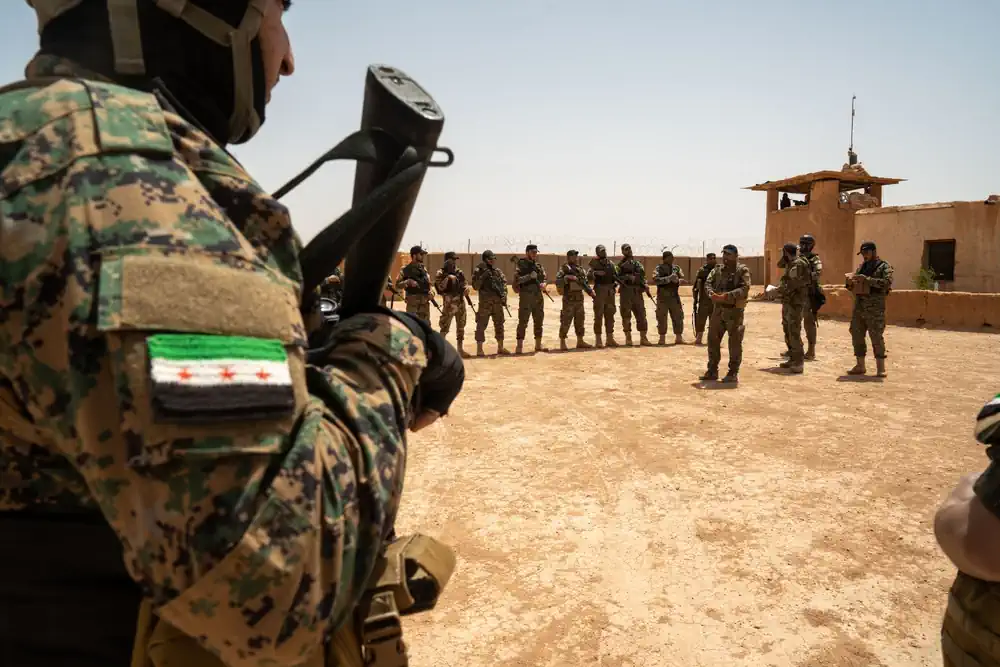
    Syrian Free Army Officially Joins Interior Ministry of the Syrian Interim Government

    Its new mandate will focus on securing Syria’s desert regions. According to Syrian sources, coordination between the SFA and the U.S.-led coalition will continue uninterrupted, and this structural shift will not affect their joint operations.

    The SFA remains stationed at the al-Tanf military base, located at the tri-border area between Syria, Jordan, and Iraq. This base serves as the main command center for the group and also hosts units from the U.S.-led coalition.

    Previously, the SFA operated under the command of the 70th Division affiliated with Syria’s Ministry of Defense. Its transfer to the Ministry of Interior signals a shift from a purely military role to a more security and policing-oriented mission. The new assignment in Syria’s desert regions is likely aimed at strengthening the interim government’s control over key transit routes and countering terrorist activity in the eastern deserts. The emphasis on continued coordination with the U.S. coalition confirms that this organizational change was made with Washington’s approval and oversight.

  • Israel Violates Gaza Ceasefire Once Again!

    Israel Violates Gaza Ceasefire Once Again!

    In addition to these attacks, Israeli military quadcopters targeted the eastern outskirts of Al-Bureij refugee camp in central Gaza.

    The southern coastline of the Gaza Strip was also struck by Israeli naval vessels.

    This renewed wave of attacks, despite the declared ceasefire, suggests that Tel Aviv is attempting to exert field pressure on resistance groups and gain leverage in future negotiations. Such actions risk completely collapsing the fragile ceasefire process. Moreover, the deliberate destruction of civilian homes and infrastructure in Gaza appears to serve a psychological and deterrent purpose—aimed at instilling fear and discouraging public support for Palestinian resistance movements.

  • Ceasefire Violation and Mass Killing: Renewed Child Casualties by Israeli Forces in Gaza!

    Ceasefire Violation and Mass Killing: Renewed Child Casualties by Israeli Forces in Gaza!

    With this escalation, the total number of casualties from the ongoing genocidal war in Gaza has risen to over 68,531 deaths and more than 170,402 injuries.

    Following the attacks, the Israeli army announced that the ceasefire in Gaza was reinstated at 10 a.m. today, after a series of extensive strikes throughout the war-torn region.

    Children murdered by the renewed Israeli strikes in Gaza

    Given Israel’s repeated disregard for ceasefire agreements, the situation in Gaza remains unstable and highly volatile. The pattern suggests that Israel may resume bombings at will, undermining any sense of lasting peace. In reality, the ceasefire appears to be a temporary pause in a cycle of violence, rather than a genuine step toward ending the conflict—with no clear resolution in sight.

  • Annual European Rabbis Conference in Baku Canceled Over Security Concerns!

    Annual European Rabbis Conference in Baku Canceled Over Security Concerns!

    Organized at the invitation of the Azerbaijani government and backed by European Jewish organizations, this was set to be the first major gathering of European rabbis in a Muslim-majority country—predominantly Shiite. Notably, a previous Jewish conference planned in Baku was also canceled in 2023 following the Al-Aqsa Storm operation against Israel.

    The cancellation appears to stem from a combination of security, political, and social factors. It likely reflects regional political pressures, public backlash over Baku’s ties with Tel Aviv, and potential threats targeting Israeli-linked figures in the city.

    The abrupt decision to cancel the high-profile event, despite significant investment, signals the Aliyev government’s strategic calculation regarding the risks and regional implications involved.

  • Amazon’s Cloud Services Linked to Israeli Military Operations in Gaza

    Amazon’s Cloud Services Linked to Israeli Military Operations in Gaza

    According to the report, Israeli defense companies—particularly Rafael Advanced Defense Systems and Israel Aerospace Industries—have directly utilized Amazon Web Services (AWS) to support their technological infrastructure. These services played a role in the operational framework of the Israeli military during its campaigns in Gaza.

    The exposure of Amazon’s collaboration with Israel’s military underscores a growing trend in the digital age: the blurring of lines between civilian tech industries and military applications. Companies that appear to operate in commercial and technological sectors are increasingly becoming active participants in armed conflicts.

    Cloud computing, battlefield data analytics, and artificial intelligence have become integral to both offensive and defensive military strategies. In this context, Amazon has transitioned from a service provider to a direct enabler of Tel Aviv’s war machine.

  • The Collapse of Qatar’s Outsourced Defense Strategy: An Analysis of the Israeli Airstrike on Doha

    The Collapse of Qatar’s Outsourced Defense Strategy: An Analysis of the Israeli Airstrike on Doha

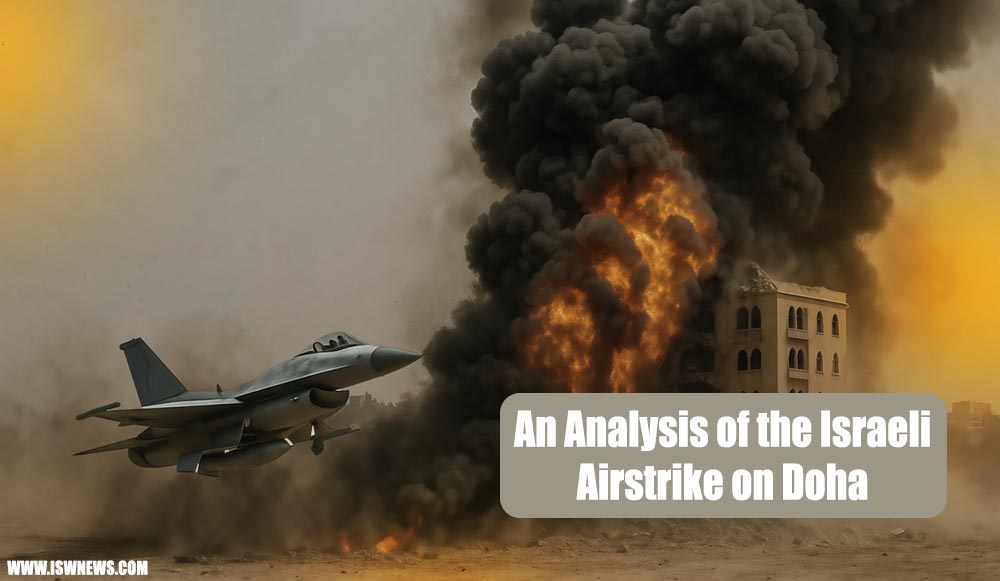
    Israeli fighter jets targeted a Hamas leadership gathering in Doha’s West Bay Lagoon, a district known for its embassies and international residential compounds². The attack took place despite Qatar hosting Al Udeid Air Base, the largest U.S. military installation in the Middle East, home to over 10,000 American troops³.

    Although the United States condemned the attack at the UN Security Council⁴, its response failed to prevent further escalation. President Donald Trump expressed being “deeply troubled” by the strike, calling it inconsistent with U.S. and Israeli objectives⁵. Nonetheless, his remarks did little to ease the profound sense of insecurity that gripped Qatar.

    This incident revealed that despite Qatar’s multibillion-dollar investments in U.S. military infrastructure and its role as a coalition host, the country remains vulnerable to regional threats.

    British Refueling Aircraft: Rumor or Reality?

    In the hours following the Israeli strike, the presence of a British RAF Voyager KC3 refueling aircraft over Doha sparked speculation about possible UK involvement. Flight tracking data showed the aircraft flying over Qatar from 3 p.m. local time—precisely when explosions were reported⁶.

    Some sources claimed the British aircraft may have refueled Israeli jets on their return journey, given the 2,200 km distance between Israel and Qatar, which aligns with the maximum range of Israeli F-35s⁷. However, subsequent investigations revealed the aircraft was conducting its annual “Soaring Falcon” exercise with the Qatari Air Force⁸.

    More importantly, the RAF’s “probe and drogue” refueling system is incompatible with the “flying boom” system used by Israeli jets⁹. Defense experts confirmed that even if the UK had intended to assist, refueling would have been technically impossible¹⁰. Nonetheless, some media outlets continue to question whether Israel and the UK were truly uninformed about each other’s actions.

    Al Udeid Air Base: Symbol of Dependence or Security Guarantee?

    Built in the 1990s with over $1 billion in Qatari funding¹¹, Al Udeid Air Base plays a central role in Qatar’s defense strategy. Hosting the U.S. Central Command (CENTCOM), the base has served as the hub for coalition air operations since 2003, supporting missions in Iraq, Afghanistan, and Syria¹².

    Qatar has spent over $8 billion on upgrading the base and plans to invest another $8.4 billion by 2033¹³. Yet the Israeli strike demonstrated that even this massive investment could not guarantee Qatar’s security.

    As analysts noted, despite advanced radar systems at Al Udeid, the U.S. either failed—or chose not—to intercept the attack¹⁴. This raised serious questions about the reliability of American security assurances. Some reports indicated that the U.S. operations center in Doha remained “silent” during the strike¹⁵, suggesting either deliberate non-intervention or operational incapacity.

    This event has led many experts to question the true value of America’s security umbrella and prompted Qatar to reconsider its defense strategy. The Iranian missile strike on Al Udeid in June 2025 further underscored that the base may not be a shield for Qatar—but rather a strategic target in regional conflicts¹⁶.

    Broken Commitments and a Crisis of Trust

    Over the past three decades, Qatar has built its security strategy on close cooperation with the United States and the United Kingdom. Since signing its first defense cooperation agreement with the U.S. in 1992¹⁷, Qatar has invested more than $26 billion in Foreign Military Sales (FMS) contracts, making it the second-largest FMS partner globally¹⁸. These deals include advanced air defense systems like Patriot and NASAMS, F-15QA fighter jets, and Apache helicopters¹⁹.

    In addition, Qatar has hosted British forces at Al Udeid Air Base and has participated in UK-led military operations against ISIS since 2014²⁰. However, the recent Israeli airstrike revealed that these commitments and investments have failed to deliver real security. As one analyst put it: “Qatar and other regional states have done much to advance U.S. interests, and in return, they expect security guarantees. This attack will shake their trust in that entire formula”²¹.

    The lack of effective response from the U.S. and UK underscored the ineffectiveness of Western security assurances against Israeli actions. Some experts now suggest Qatar should reconsider hosting Al Udeid, arguing that the base “creates more political and diplomatic challenges than opportunities”²². This trust deficit could have long-term implications for U.S. security relations across the Gulf.

    Structural Flaws in Qatar’s Outsourced Defense Model

    With fewer than 300,000 citizens and a military force of just 16,500, Qatar has the smallest army in the Gulf²³. These demographic constraints have made the country heavily reliant on foreign contractors and imported weapons systems. Between 2014 and 2024, Qatar’s defense spending surged by 434%²⁴, yet most of this went toward foreign arms purchases, with limited investment in domestic capabilities.

    Defense analysts note that despite acquiring advanced platforms like French Rafales, British Typhoons, and American F-15s, Qatar lacks strategic depth and independent operational capacity²⁵. As senior analyst Anthony Cordesman explains: “Qatar’s training and readiness are solid for such a small force, but the military can only operate at battalion level, with limited combined arms capability and minimal maneuver warfare potential”²⁶.

    This dependence on foreign forces became evident during the recent crisis. Qatar’s air defense systems—Patriot and NASAMS—operated by U.S. personnel, failed or were not permitted to respond to the Israeli strike²⁷. Moreover, Qatari fighter jets did not scramble to intercept, highlighting either a lack of operational autonomy or readiness. These shortcomings demonstrate that outsourcing defense without building indigenous capacity cannot guarantee real security.

    Alternative Paths: Domestic Investment and Diversifying Partnerships

    Unlike Qatar, other Gulf states such as the UAE and Saudi Arabia have pursued different strategies. Through EDGE in the UAE and SAMI in Saudi Arabia, both countries are developing domestic defense industries²⁸. The UAE has increased its local defense production from 2% in 2014 to over 75% of contracts at IDEX 2025²⁹. Saudi Arabia aims to localize 50% of its defense spending by 2030³⁰.

    As for diversifying defense partnerships, China has been floated as an option, but with clear limitations. As Qatar’s Prime Minister stated in 2023: “We have a strong defense alliance with the U.S., and our armed forces are built primarily on Western systems, mainly from the U.S. and France”³¹.

    Experts argue that China cannot offer a security umbrella comparable to the U.S. or supply the advanced systems Qatar requires³². Nonetheless, investing in domestic defense capabilities could help Qatar achieve greater autonomy in key areas. Building indigenous air defense systems, expanding maintenance and repair industries, and training local specialists could reduce reliance on foreign forces. Strategic partnerships with countries like Turkey—known for its successful defense industry development³³—could also facilitate technology transfer and expertise sharing. This shift would require Qatar to fundamentally rethink its approach—from purchasing security to producing it.

    Lessons for the Future of Regional Security

    The Israeli airstrike on Qatar in September 2025 served as a wake-up call for all small Gulf states that have built their security strategies around foreign military presence and expensive arms purchases. This incident revealed that even billions of dollars invested in military infrastructure and cutting-edge weapon systems cannot replace indigenous defense capabilities and strategic autonomy. The failure of Qatar’s air defense systems to intercept—or even detect—the Israeli strike³⁴ exposed deep flaws in the country’s defense architecture.

    As some analysts have noted, the attack “will have profound implications for how regional states view U.S. security guarantees”³⁵. For Qatar and similar nations, the time has come to reassess their security strategies. This reassessment must include serious investment in domestic defense industries, training of local specialists, and diversification of strategic partnerships.

    Moreover, enhancing regional cooperation and establishing joint defense systems with neighboring countries could strengthen deterrence. The key lesson from this event is that real security cannot be bought—it must be built. Qatar and other Gulf states must shift from being mere consumers of foreign arms to becoming producers and developers of their own defense capabilities. This transformation requires political will, long-term investment, and acceptance of the reality that, ultimately, every nation must take responsibility for its own security.

    Sources:

    1. Al Jazeera – “Qatar PM meets Trump after Israel’s deadly strike on Doha” (12 September 2025) https://www.aljazeera.com/news/2025/9/12/qatar-pm-meeting-trump-after-israels-deadly-strike-on-doha
    2. Al Jazeera – “Israel attacks Hamas leadership in Qatar: What we know” (9 September 2025) https://www.aljazeera.com/news/2025/9/9/israel-attacks-hamas-leadership-in-qatar-all-to-know
    3. Al Jazeera – “What to know about the US’s Al Udeid airbase in Qatar after Iran’s attack” (23 June 2025) https://www.aljazeera.com/news/2025/6/23/hld-irans-attack-on-al-udeid-air-base-in-qatar-all-you-need-to-know
    4. Al Jazeera – “UN Security Council unite in condemning Israeli bombing of Qatar” (12 September 2025) https://www.aljazeera.com/video/newsfeed/2025/9/12/un-security-council-unite-in-condemning-israeli-bombing-of-qatar
    5. The Washington Post – “Israeli strike targeting Hamas in Qatar ‘does not advance Israel or America’s goals,’ Trump says” (9 September 2025) https://www.washingtonpost.com/world/2025/09/09/qatar-doha-explosion-israel-hamas/?chead=true
    6. Middle East Eye – “RAF plane seen over Doha during Israeli attack part of annual UK-Qatar exercise” (9 September 2025) https://www.middleeasteye.net/news/raf-plane-seen-flying-over-qatar-during-israeli-attack-part-annual-exercise
    7. Skwawkbox – “Breaking: RAF refuelling plane was circling over Doha during Israeli terror attack” (9 September 2025) https://skwawkbox.org/2025/09/09/breaking-raf-refuelling-plane-was-circling-over-doha-during-israeli-terror/
    8. Middle East Eye – “RAF plane seen over Doha during Israeli attack part of annual UK-Qatar exercise” (9 September 2025) https://www.middleeasteye.net/news/raf-plane-seen-flying-over-qatar-during-israeli-attack-part-annual-exercise
    9. The New Arab – “No, the UK’s RAF didn’t refuel Israeli jets during Doha strike” (9 September 2025) https://www.newarab.com/news/no-uks-raf-didnt-refuel-israeli-jets-during-doha-strike
    10. Gazette News – “Fact check: UK tanker aircraft cannot refuel Israeli jets” (11 September 2025) https://www.gazette-news.co.uk/news/national/25460688.fact-check-uk-tanker-aircraft-cannot-refuel-israeli-jets/
    11. 5Pillars – “Al Udeid Air Base: America’s largest military installation in Middle East” (24 June 2025) https://5pillarsuk.com/2025/06/24/al-udeid-air-base-americas-largest-military-installation-in-middle-east/
    12. Grey Dynamics – “Al Udeid Air Base: The Largest US Military Installation in Middle East” (11 October 2024) https://greydynamics.com/al-udeid-air-base-the-largest-us-military-installation-in-middle-east/
    13. Congressional Research Service – “Qatar: Issues for the 119th Congress” (March 2025) https://www.everycrsreport.com/reports/R47467.html
    14. Defence Security Asia – “Israel’s Airstrike in Doha Exposes Qatar’s Air Defence Failure” (9 September 2025) https://defencesecurityasia.com/en/israel-airstrike-doha-qatar-air-defence-failure/
    15. Middle East Eye – “Israel’s attack on Qatar eviscerates promise of US security umbrella for Gulf” (9 September 2025) https://www.middleeasteye.net/news/israels-attack-qatar-eviscerates-promise-us-security-umbrella-gulf
    16. Middle East Monitor – “Time for Qatar to review its hosting of US Al Udeid military air base” (3 July 2025) https://www.middleeastmonitor.com/20250703-time-for-qatar-to-review-its-hosting-of-us-al-udeid-military-air-base/
    17. Congressional Research Service – “US-Qatar Defense and Security Relations” (2025) https://www.congress.gov/crs_external_products/R/HTML/R47467.web.html
    18. U.S. Department of State – “U.S. Security Cooperation With Qatar” (21 May 2025) https://www.state.gov/u-s-security-cooperation-with-qatar
    19. U.S. Department of State – “U.S. Security Cooperation With Qatar” (21 May 2025) https://www.state.gov/u-s-security-cooperation-with-qatar
    20. Grey Dynamics – “Al Udeid Air Base: The Largest US Military Installation in Middle East” (11 October 2024) https://greydynamics.com/al-udeid-air-base-the-largest-us-military-installation-in-middle-east/
    21. Middle East Eye – “Israel’s attack on Qatar eviscerates promise of US security umbrella for Gulf” (9 September 2025) https://www.middleeasteye.net/news/israels-attack-qatar-eviscerates-promise-us-security-umbrella-gulf
    22. Middle East Monitor – “Time for Qatar to review its hosting of US Al Udeid military air base” (3 July 2025) https://www.middleeastmonitor.com/20250703-time-for-qatar-to-review-its-hosting-of-us-al-udeid-military-air-base/
    23. Congressional Research Service – “US-Qatar Defense and Security Relations” (2025) https://www.congress.gov/crs_external_products/R/HTML/R47467.web.html
    24. Wikipedia – “Qatar Armed Forces” (accessed September 2025) https://en.wikipedia.org/wiki/Qatar_Armed_Forces
    25. New Defence Order Strategy – “Qatar’s Defense Procurement and Its Relevance for The Persian Gulf Security” (December 2022) https://dfnc.ru/en/journal/2022-1-72/qatar-s-defense-procurement-and-its-relevance-for-the-persian-gulf-security/
    26. New Defence Order Strategy – “Qatar’s Defense Procurement and Its Relevance for The Persian Gulf Security” (December 2022) https://dfnc.ru/en/journal/2022-1-72/qatar-s-defense-procurement-and-its-relevance-for-the-persian-gulf-security/
    27. Defence Security Asia – “Israel’s Airstrike in Doha Exposes Qatar’s Air Defence Failure” (9 September 2025) https://defencesecurityasia.com/en/israel-airstrike-doha-qatar-air-defence-failure/
    28. Arab Gulf States Institute – “UAE Defense Industry Ambitions” (22 July 2025) https://agsi.org/analysis/uae-defense-industry-ambitions/
    29. AGBI – “UAE and Saudi pour billions into homegrown defence industries” (18 February 2025) https://www.agbi.com/analysis/manufacturing/2023/05/uae-saudi-arabia-homegrown-defence-industries/
    30. CSIS – “Indigenous Defense Industries in the Gulf” (21 September 2022) https://www.csis.org/analysis/indigenous-defense-industries-gulf
    31. Breaking Defense – “Balancing act: Asked about China’s Middle East arms sales, Qatari PM lauds US ‘defense alliance’” (25 August 2023) https://breakingdefense.com/2023/08/balancing-act-asked-about-chinas-middle-east-arms-sales-qatari-pm-lauds-us-defense-alliance/
    32. Breaking Defense – “Balancing act: Asked about China’s Middle East arms sales, Qatari PM lauds US ‘defense alliance’” (25 August 2023) https://breakingdefense.com/2023/08/balancing-act-asked-about-chinas-middle-east-arms-sales-qatari-pm-lauds-us-defense-alliance/
    33. Carnegie Endowment – “The Rise of the Emirati Defense Industry” (May 2019) https://carnegieendowment.org/sada/2019/05/the-rise-of-the-emirati-defense-industry?lang=en
    34. Defence Security Asia – “Israel’s Airstrike in Doha Exposes Qatar’s Air Defence Failure” (9 September 2025) https://defencesecurityasia.com/en/israel-airstrike-doha-qatar-air-defence-failure/
    35. ·  Middle East Eye – “Israel’s attack on Qatar eviscerates promise of US security umbrella for Gulf” (9 September 2025) https://www.middleeasteye.net/news/israels-attack-qatar-eviscerates-promise-us-security-umbrella-gulf