Category: West Asia

  • U.S. and UAE Advisors Inspect Giants Brigades in Southern Yemen

    U.S. and UAE Advisors Inspect Giants Brigades in Southern Yemen

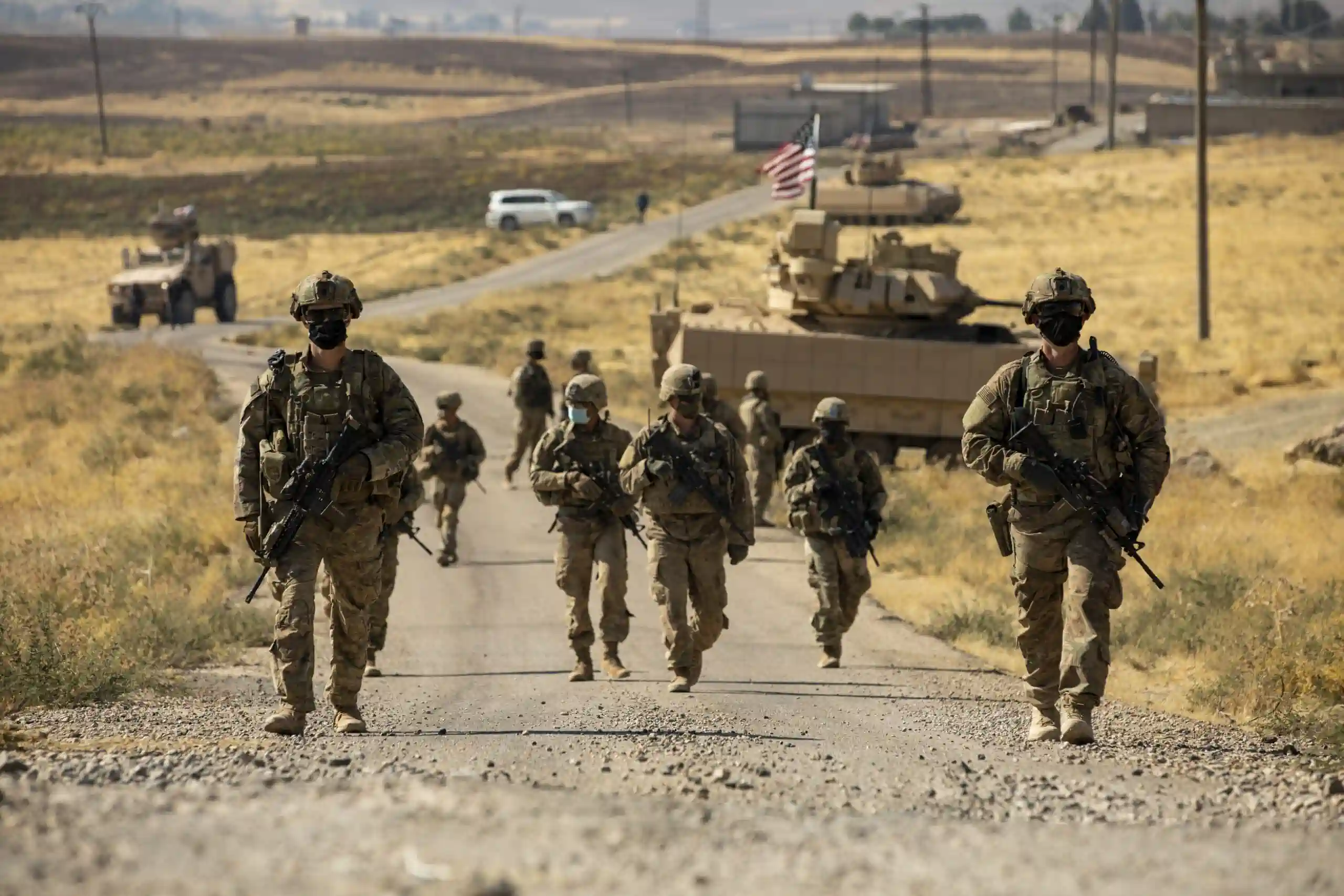
    During the visit, U.S. advisors reportedly gathered detailed intelligence on the brigades’ structure, including personnel numbers, combat capabilities, weaponry, and deployment zones along active fronts against Yemeni armed forces.

    It appears that the United States is preparing for a possible ground operation aimed at curbing the actions of Yemeni forces against Israel, with plans to utilize UAE-supported factions—particularly the Giants Brigades and loyalists of Tareq Saleh. This strategy has reportedly been under joint consideration by the U.S., UK, and Israel for several months.

  • Germany Confirms Eurofighter Typhoon Jets Deal With Turkey

    Germany Confirms Eurofighter Typhoon Jets Deal With Turkey

    Airbus Defence and Space CEO Michael Schoellhorn said negotiations, led by BAE Systems on behalf of the Eurofighter consortium, are progressing well and could conclude soon.

    The deal, valued at several billions of euros, would significantly modernize Türkiye’s air force and mark its entry into the “Eurofighter club,” joining users such as the UK, Germany, Italy, Spain, and several Persian Gulf states.

    The agreement is seen as a step toward long-term defense cooperation between Türkiye and European partners, amid a broader push by the new German government to expand Europe’s defense capabilities and reduce reliance on the U.S. for security.

  • Ceasefire Violations and Israeli Drone Strikes Against Lebanon Continue

    Ceasefire Violations and Israeli Drone Strikes Against Lebanon Continue

    As a result of these strikes, two Hezbollah members were reportedly assassinated.

    Lebanese government officials and Hezbollah have yet to respond to the escalating ceasefire violations and targeted killings of both military and civilian individuals under disputed accusations. Analysts suggest that Israel may be intensifying its operations with the aim of provoking a new conflict in Lebanon.

  • Turkey Appoints New Ambassador to Damascus After 13-Year Hiatus

    Turkey Appoints New Ambassador to Damascus After 13-Year Hiatus

    Nuh Yilmaz is considered a multifaceted figure in Turkish foreign policy. Currently serving as Deputy Foreign Minister, he previously headed the Strategic Research Center (SAM) at the Foreign Ministry. Between 2013 and 2023, Yilmaz worked with Turkey’s National Intelligence Organization (MIT), gaining substantial experience in security and political affairs across West Asia. His fluency in English and Arabic was also a key factor in his selection for the post.

    The appointment of a new ambassador marks Ankara’s strategic push to expand its influence and solidify its presence in post-conflict Syria. Yilmaz’s intelligence background suggests that his mission will go beyond diplomacy, likely involving oversight of security and field operations within Syria.

  • Wall Street Journal: ISIS Resurging in Syria

    Wall Street Journal: ISIS Resurging in Syria

    The report also pointed to the withdrawal of U.S. troops and the transfer of parts of Deir ez-Zor province to SDF control as contributing factors to the rise in ISIS activity. In an interview with one SDF commander, the paper emphasized that the U.S. exit from Syria has emboldened ISIS fighters, giving them greater freedom of movement and operational confidence.

    More than reflecting an on-the-ground reality, the Wall Street Journal report appears to align with a broader media narrative aimed at legitimizing continued U.S. military presence in Syria. By repeatedly highlighting the spike in ISIS attacks following the American drawdown, the report conveys a message that any U.S. retreat from Syria equates to the return of terrorism!

    By emphasizing the inefficiency of the SDF in countering ISIS, the report subtly reinforces the notion that stability in northeastern Syria is only achievable through U.S. support and presence.

    Overall, reports like this—alongside field data and statistics—form part of the broader narrative warfare unfolding in Syria. Western media outlets aim to portray the withdrawal of their forces not as a political decision, but as a security threat. This framing seeks to convince domestic audiences and regional allies that a prolonged U.S. military presence in Syria remains both necessary and justified.

  • New U.S.-Led Coalition Moves: Military Base Construction Near Baghdad–Damascus Highway

    New U.S.-Led Coalition Moves: Military Base Construction Near Baghdad–Damascus Highway

    Reports suggest the base is being built in coordination with Syria’s Ministry of Interior, with the stated goal of training newly recruited forces and enhancing the operational capacity of local Syrian units.

    The evolving landscape of post-conflict Syria has become a battleground for foreign powers. Among them, the United States is striving to secure a larger stake in the emerging power structure compared to Russia, Turkey, and other regional actors. While Washington frames the establishment of new bases as part of its alleged counterterrorism and local training efforts, the underlying objective appears to be securing a long-term presence in Syria and asserting control over the vital Baghdad–Damascus corridor.

  • Taliban’s Economic Chief Meets with Saudi Executive and Zalmay Khalilzad Over Gas Pipeline Project

    Taliban’s Economic Chief Meets with Saudi Executive and Zalmay Khalilzad Over Gas Pipeline Project

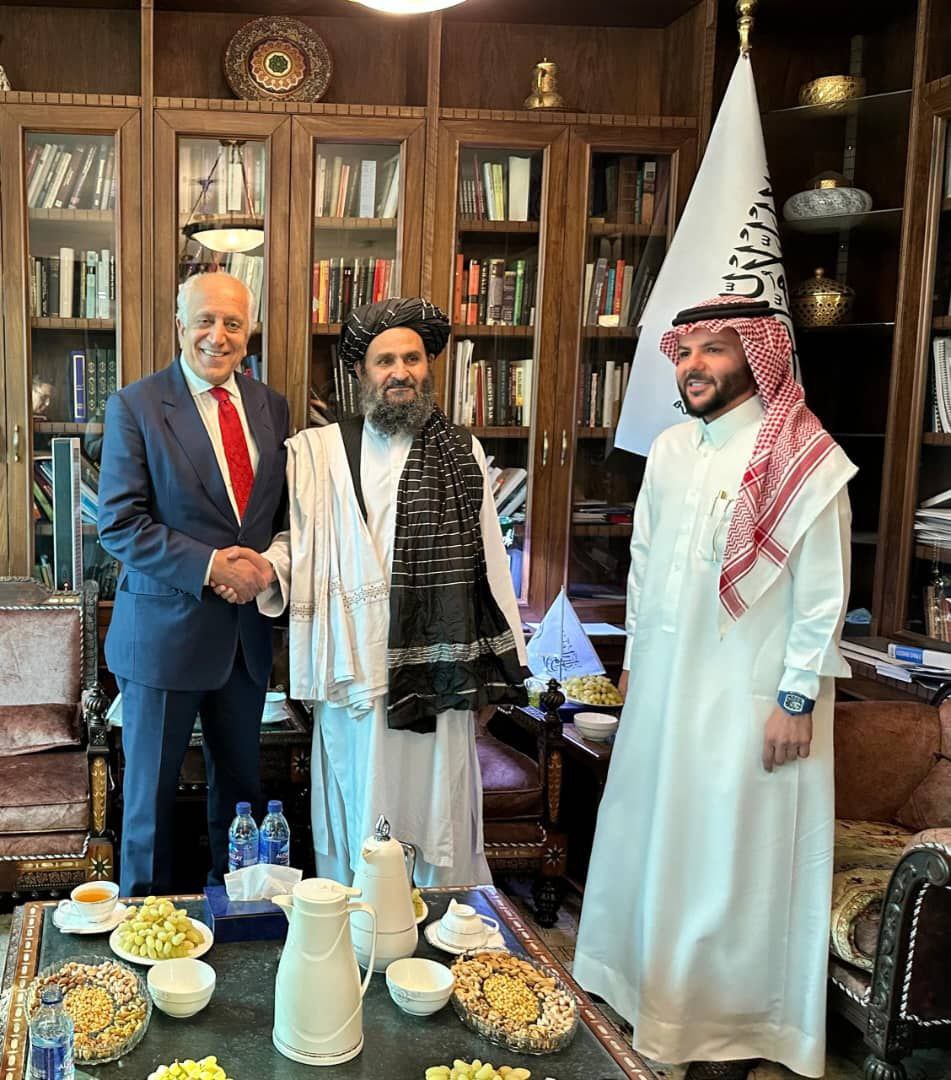
    The meeting focused on cooperation in gas exploration, extraction, and pipeline development across Afghanistan. Al-Taqi expressed strong interest in investing in the country’s energy sector.

    As negotiations over American prisoner exchanges progress, Khalilzad’s role in shaping Afghanistan’s future has become increasingly prominent. With backing from the Trump administration and Saudi firms, Khalilzad is leveraging Taliban interests—such as gas development—to advance U.S. strategic goals in the region.

    While his exact objectives remain unclear, speculation includes potential military and intelligence use of Bagram Airbase. The evolving cooperation between the Taliban and the U.S., with Khalilzad as a key facilitator, appears to be gaining momentum.

  • Julani Forces Intensify Pressure on Residents of Sheikh Maqsoud and Ashrafiyeh Neighborhoods in Aleppo

    According to a Jolani-affiliated officer stationed at the Sheikh Maqsoud checkpoint, these actions are part of a “new directive” issued in response to recent tensions between the Syrian government and the Syrian Democratic Forces (SDF) in Qamishli.

    Residents of Qamishli recently reported armed clashes and arrests carried out by Syrian army units and SDF-affiliated internal security forces (Asayish). Since the beginning of the month, SDF forces have encircled the Tayy and Halko neighborhoods, which are under Jolani’s control.

    The recent pressure in Aleppo reflects an indirect escalation between Damascus and the SDF. Jolani’s military and security apparatus appears to be imposing restrictions on SDF-controlled areas in Aleppo as a retaliatory move for the siege of Damascus-held neighborhoods in Qamishli. These developments highlight the deepening mistrust between Damascus and the SDF. Despite previous attempts at cooperation and agreements, the latest tensions reveal that the political and security divide between the two sides remains significant.

  • Turkey Extends Military Presence in Syria and Iraq for Three More Years

    Turkey Extends Military Presence in Syria and Iraq for Three More Years

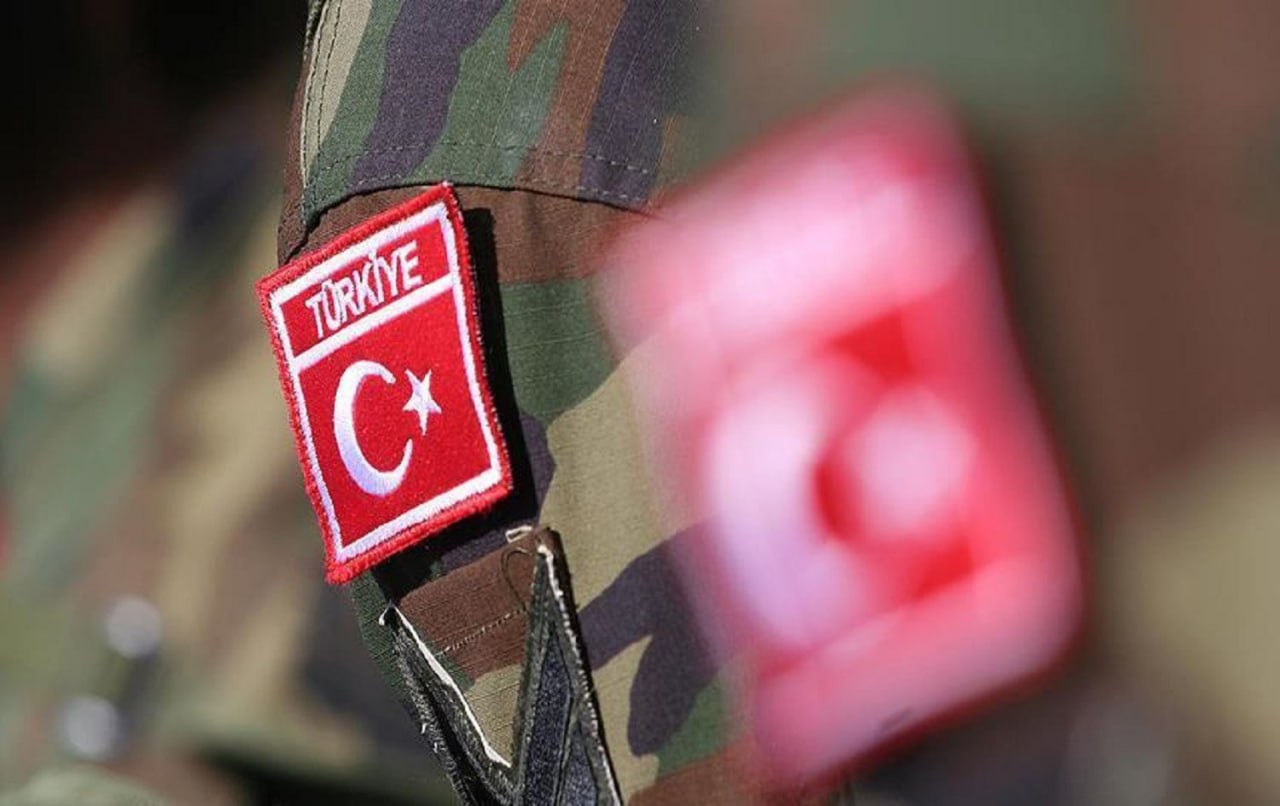
    Turkey aims to solidify its influence in post-war Syria by establishing strong ties with the emerging power structure in Damascus. Multiple meetings between Turkish commanders and senior officials with leaders of the al-Jolani-led administration, along with military support in the form of weapons, training, political backing, and security cooperation, are part of this strategic effort.

    The situation in Iraq, however, remains more contentious. Iraqi factions have consistently opposed the presence of Turkish forces on their soil. Resistance groups have launched repeated attacks on Turkish military positions in northern Iraq over recent years. If tensions escalate, further strikes against Turkish bases in the region are likely.

  • Another Alleged Iranian Shipment Seized off Southern Yemen’s Coast

    Another Alleged Iranian Shipment Seized off Southern Yemen’s Coast

    The ship was reportedly carrying Iranian weapons and goods and was seized near Ras al-Arah, west of Lahij province, close to the Bab al-Mandeb Strait. Eight crew members were arrested on suspicion of collaborating with a commander from Ansar Allah.

    According to Al-Amaliqa forces, the shipment originated from Bandar Abbas and included anti-armor Kornet missiles, spare drone parts, precision control cables and connectors, eight boxes of Iranian-made cancer treatment drugs from the company Sinagen, as well as various Iranian food and consumer goods.

    This marks the ninth time in recent years that the U.S.-backed coalition and Saudi-backed government have claimed to intercept and confiscate Iranian arms shipments destined for Yemen.

  • Aidarus al-Zoubaidi Meets Russian Officials During Moscow Visit

    Aidarus al-Zoubaidi Meets Russian Officials During Moscow Visit

    In his social media posts, al-Zoubaidi made no reference to his formal role within Yemen’s internationally recognized government. Instead, he emphasized the historical ties between Russia and the people of southern Yemen, noting that the meetings focused on shared interests and potential cooperation in political and economic fields. He highlighted Yemen’s promising investment opportunities in sectors such as energy, mining, agriculture, and fisheries.

    This visit is widely interpreted as part of al-Zoubaidi’s broader separatist agenda. While Rashad al-Alimi, chairman of the Saudi-backed Presidential Leadership Council, had previously visited Russia and met with President Putin, southern factions believe that strengthening ties with Moscow could help advance their goal of re-establishing an independent South Yemen.

  • Latest Status of the MV Falcon LPG Tanker In Gulf of Aden

    Latest Status of the MV Falcon LPG Tanker In Gulf of Aden

    The ship had 26 crew members onboard. Two were killed in the incident, while the remaining 24 were rescued by the European Union’s naval forces.

    Currently, the Indian warship INS Trikand has taken charge of firefighting operations and has successfully extinguished the blaze aboard the Falcon.

    Unconfirmed Reports: Iranian LPG Tanker MV Falcon Hit Off Yemen Coast

    Claims that the explosion was accidental are inaccurate. Based on visual evidence from the MV Falcon, the vessel was clearly targeted by either a drone or missile. If the cargo was indeed Iranian, the likely perpetrators of the attack are either the United States or Israel. This incident signals the onset of a new maritime conflict—distinct from previous Iran-Israel naval tensions—where the U.S. now appears to be directly involved.