ISIS Releases Infographic Detailing Recent Operations in Eastern Syria
In the latest issue (No. 517) of its weekly publication Al-Naba, ISIS published an infographic summarizing its activities over the past 70 days in eastern Syria.
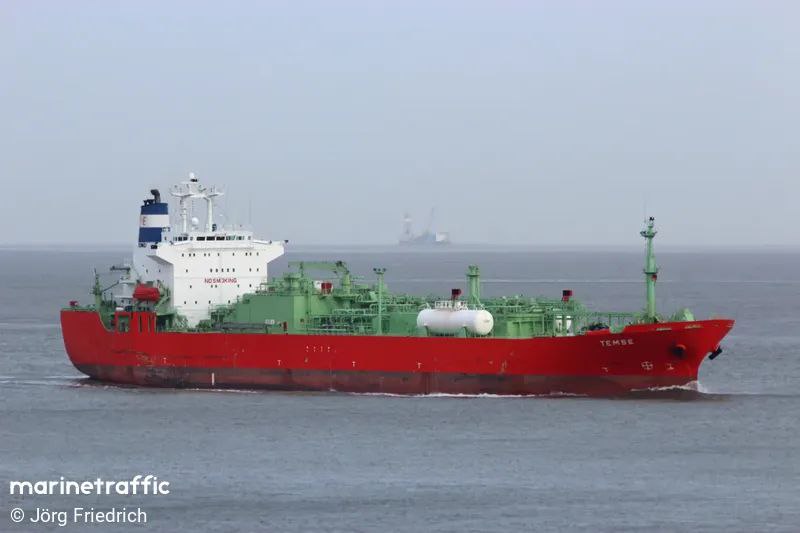
According to unofficial sources, the Cameroon-flagged vessel MV Falcon—carrying Iranian liquefied petroleum gas (LPG) destined for Ras Isa port in Yemen’s Al Hudaydah province—was reportedly struck near the Yemeni coast. The ship had loaded its cargo at Iran’s Asaluyeh port on September 25 and was en route to Ras Isa.
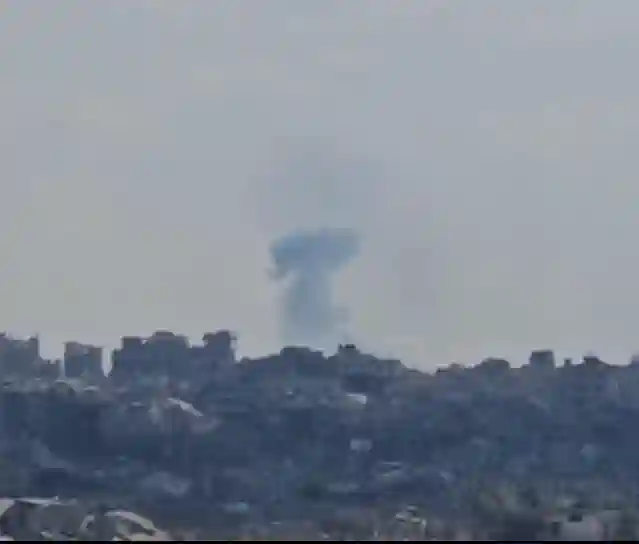
An explosion struck an Israeli military engineering vehicle in Rafah. As a result, one Israeli soldier was killed and three others were injured. Following the incident, three Israeli helicopters landed in Rafah to evacuate the wounded to medical facilities.
In recent months, the passage of legislation recognizing Iraq’s Popular Mobilization Forces (PMF) has become one of the country’s most contentious political issues. Under this law, PMF units would be formally integrated into Iraq’s armed forces, with standardized recruitment, retirement, and ranking procedures aligned with the national military framework.
During a meeting in Moscow, Russian President Vladimir Putin announced that the Russia–Syria Joint Cooperation Committee will soon resume its activities. Both sides emphasized the expansion of strategic and economic relations.
In this text, we examine Al-Sudani’s efforts to establish ties with Al-Jolani’s administration and outline the reasons behind them. Overall, ten factors can be identified, grouped into four categories. In recent years, several security-related files have emerged between the two countries, with the following being the most notable.
On the occasion of the 62nd anniversary of Yemen’s October 14 Revolution—which led to the end of British colonial rule in 1963—Mahdi Al-Mashat, President of the Supreme Political Council, emphasized Aden’s historic role as the first site of anti-Zionist mobilization and a training ground for Palestinian fighters. He called on revolutionary and freedom-loving Yemenis in occupied provinces to uphold their ancestral legacy and Yemeni identity in resisting Zionist-backed forces.
In recent months, Iraq’s state-owned Rafidain Bank has come under U.S. pressure for various reasons, aimed at increasing financial strain on the Iraqi government regarding the Popular Mobilization Forces (PMF). In the latest round of accusations, Washington claims the bank processed payments and foreign currency transfers for Yemen’s Ansarallah movement through its branch in Sana’a.
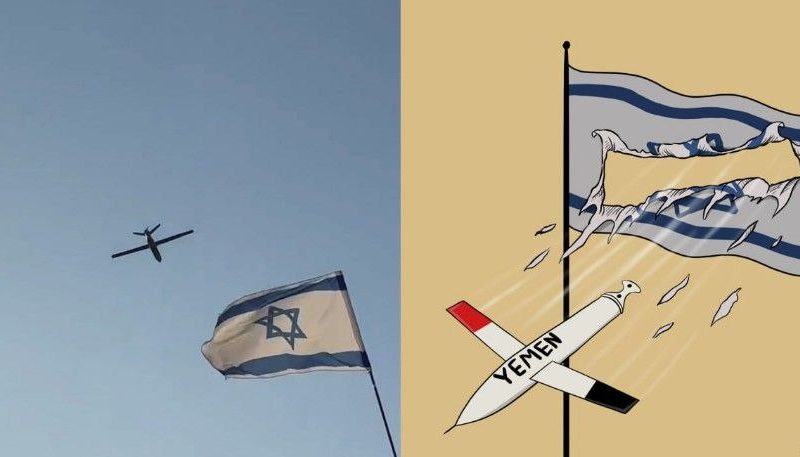
Yemen’s decision to pause its military operations reflects a strategic shift from confrontation to conditional diplomacy. By tying its halt to Israel’s compliance with the ceasefire, Yemen signals that its objectives—supporting Palestine and pressuring regional actors—have been met. Far from retreat, this marks a calculated success in its campaign.
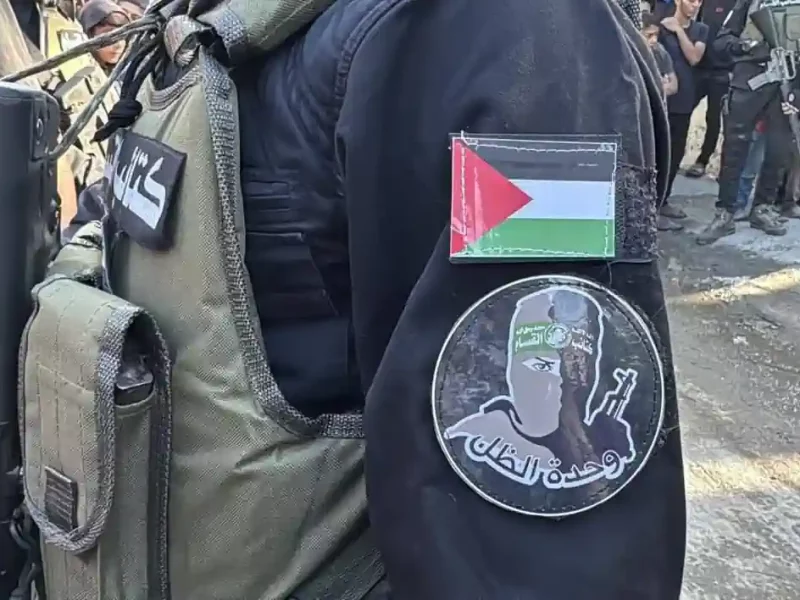
For the first time in months, the “Shadow Unit” (Unit al-Zill) of Hamas’ military wing, al-Qassam Brigades, appeared publicly during the handover of Israeli captives to the Red Cross in Gaza. The elite and highly secretive force was reportedly responsible for securing and overseeing the transfer of the prisoners.
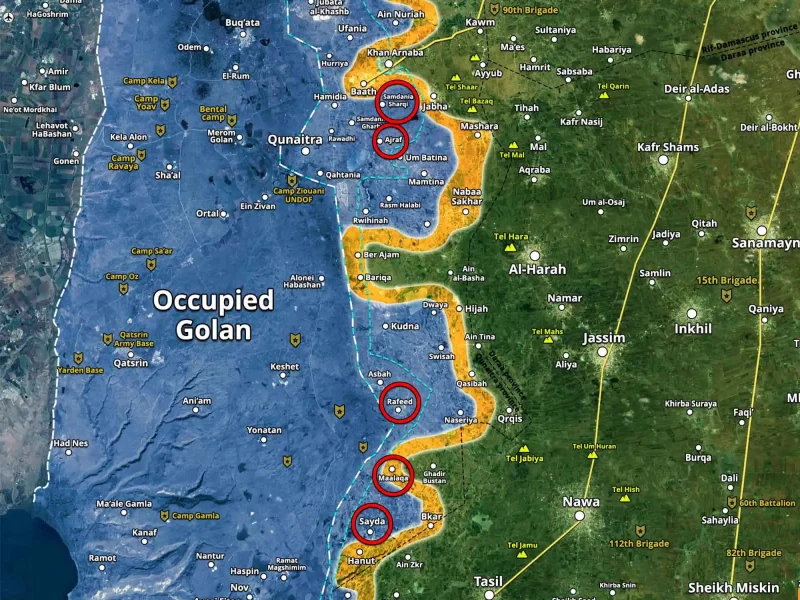
Over the past 24 hours, Israeli military forces have carried out several field operations and maneuvers in Quneitra province. These activities have primarily taken place along strategic routes connecting key villages and included the setup of temporary checkpoints.
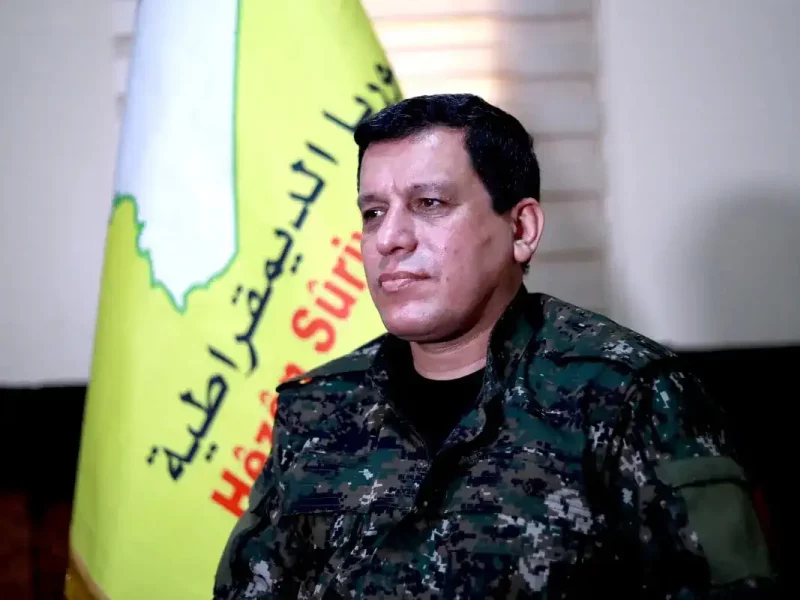
Mazloum Abdi, Commander-in-Chief of the Syrian Democratic Forces (SDF), stated in an interview with a Kurdish network that negotiations took place last week between delegations from the Autonomous Administration of North and East Syria (AANES) and officials from Syria’s interim government in Damascus