Category: West Asia

  • U.S. Senate Approves $130 Million to Support SDF and Free Syrian Army

    U.S. Senate Approves $130 Million to Support SDF and Free Syrian Army

    The new bill, estimated at around $925 billion, was approved with 77 votes in favor and 20 against. It allocates $65 million for salaries, $15.6 million for training and weapons, $32.4 million for logistical assistance, $15.3 million for maintenance of vehicles and facilities, and $1.5 million for operational services.

    The new funding for the SDF and Free Syrian Army indicates that the United States does not intend to retreat from its policy of support for non-state actors in Syria. The budget approval may be interpreted as a message to Turkey and the Syrian government. Turkey has consistently labeled the SDF as an extension of the PKK and criticized Washington’s military cooperation with the group.

    Direct funding for the SDF and Free Syrian Army reflects America’s effort to strengthen these groups as its allies in Syria. Overall, the Senate’s decision not only signals continued U.S. military presence in Syria but also shows Washington’s intent to maintain—and even expand—its influence in Syria’s political and battlefield dynamics in 2026. This path could bring new challenges for Syria and the broader West Asia region.

  • Israel Violates Ceasefire Agreement with Lebanon, Kills Lebanese Civilian

    Israel Violates Ceasefire Agreement with Lebanon, Kills Lebanese Civilian

    Despite Hezbollah’s acceptance of the ceasefire, Israeli drone strikes against its forces continue, largely unchecked by the Lebanese government’s passive stance.

    To halt these violations, Hezbollah faces two options: either enhance its military capabilities to counter Israeli aerial incursions or pursue a unified political response through the Lebanese government, formally protesting the ceasefire violations to international mediators.

  • Washington Moves to Rebuild Trust with Doha: U.S. to Host Qatari F-15s and Pilots

    Washington Moves to Rebuild Trust with Doha: U.S. to Host Qatari F-15s and Pilots

    The initiative was revealed during his meeting with Qatar’s Deputy Prime Minister and Defense Minister, Saud bin Abdulrahman Al Thani in Washington.

    He clarified that Qatar will not establish a permanent base in the U.S.; the deployment is strictly for short-term combat coordination and training.

    This move is seen as part of Trump’s broader strategy to mend relations with Doha, especially after Israel’s recent attack on Qatar and growing Arab criticism of Washington’s failure to protect its Gulf allies.

    While the deployment of Qatari fighters and pilots in Idaho might not significantly alter military strategies, it serves as a diplomatic gesture. This move signals an effort to restore and reinforce America’s image among its allies. Instead of emphasizing combat capabilities, it aims to showcase America’s loyalty, cooperation, and ongoing commitment to the security of its partners.

  • Syrian-Lebanese Officials Meet in Beirut to Reset Ties

    Syrian-Lebanese Officials Meet in Beirut to Reset Ties

    The meetings focused on strengthening bilateral cooperation in political, economic, and security fields, as well as addressing regional developments and shared interests. Both sides emphasized the need to rebuild ties that had been strained in recent years.

    This visit marks a renewed commitment by Syria’s interim government and Lebanon to restore and expand their partnership, reflecting the broader regional shifts following Syria’s political transition.

  • U.S. Deploys 200 Troops to Israel to Support Gaza Ceasefire Coordination

    U.S. Deploys 200 Troops to Israel to Support Gaza Ceasefire Coordination

    These troops are experts in transportation, logistics, planning, security, and engineering, and will work alongside regional representatives, private entities, and NGOs. Western sources have emphasized that the American forces will not enter Gaza itself; their role is strictly technical and supervisory within Israeli territory.

    The coordination center will be located in southern Israel and is designed to facilitate the ceasefire process and streamline the delivery of humanitarian aid to Gaza. According to The New York Times, U.S. troops will collaborate with counterparts from Egypt, Qatar, Turkey, and the United Arab Emirates.

    This move by President Donald Trump’s administration is seen as part of Washington’s broader effort to assert and reinforce its influence in the evolving situation in Gaza. Having played a pivotal role in brokering the recent ceasefire between Israel and Hamas, the Trump administration now aims to position itself not only as the initiator of peace but also as its guarantor.

    Analysts suggest that the White House is attempting to reclaim political leadership in the Gaza file from regional powers. While Egypt and Qatar were instrumental in mediating the ceasefire, the U.S. seeks to demonstrate—through its direct military presence in Israel—that it remains the dominant and unrivaled actor in managing the Gaza crisis.

  • Deployment of Internal Security Forces in Gaza

    Deployment of Internal Security Forces in Gaza

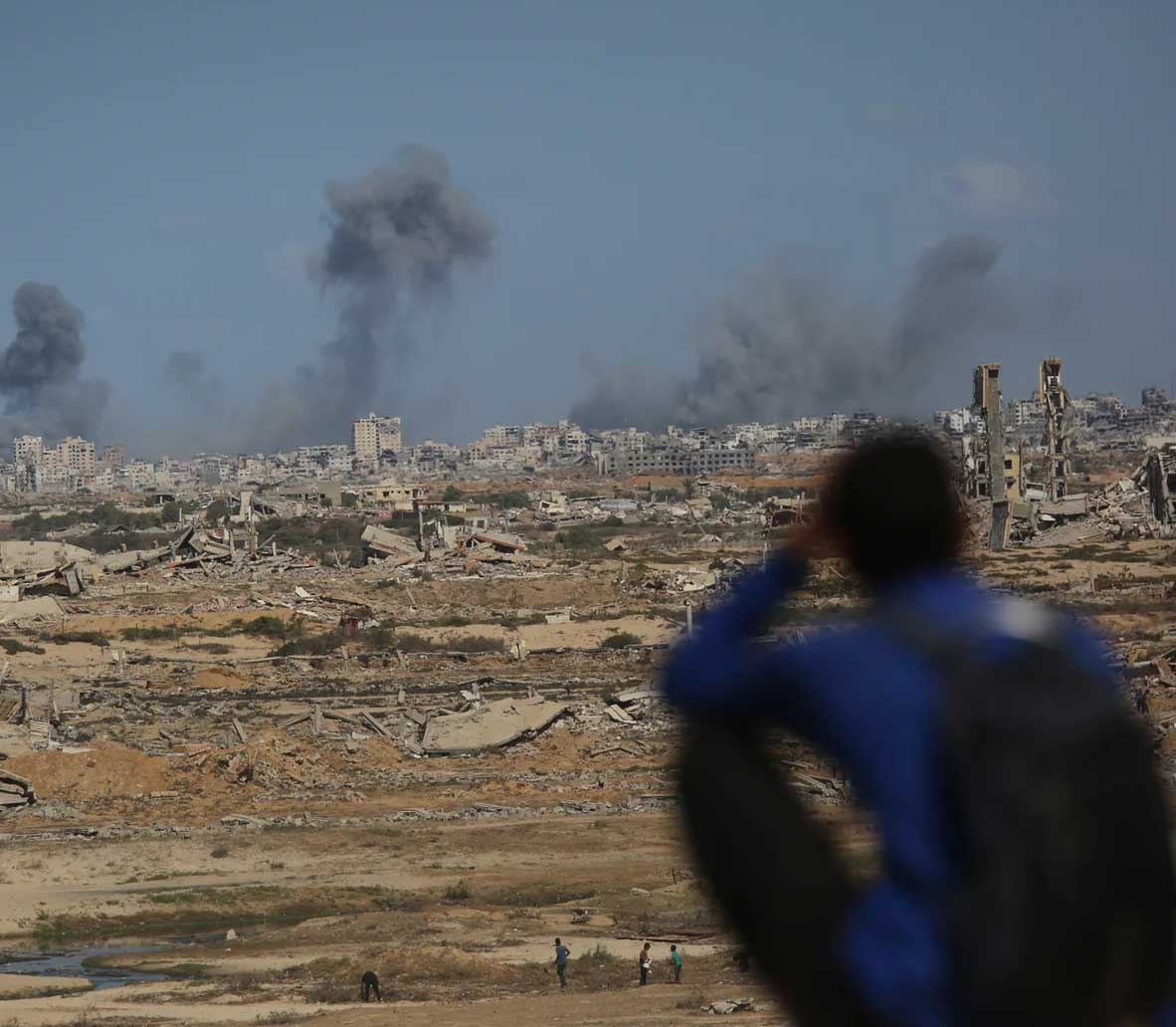
    The deployment of Hamas internal security forces throughout Gaza Strip reflects a rapid and organized reconstruction of the region’s security infrastructure. The return of displaced Palestinians to their homes—facilitated by these forces—could mark a turning point in the social and psychological recovery of the community.

    In addition to restoring relative calm, this development contributes to rebuilding social cohesion and public support for Hamas, thereby strengthening the group’s social base. Some Zionist commentators have interpreted the reappearance of Hamas forces in Gaza as a failure of Israel’s military campaign, dismissing Israeli claims of Hamas’s destruction as false.

  • Zionist Analyst: Israel’s Military Has Failed in Gaza

    Zionist Analyst: Israel’s Military Has Failed in Gaza

    Avi Issacharoff, a prominent Israeli journalist and military analyst, has voiced sharp criticism of the Israeli government’s performance in Gaza. He stated that the official objectives of Israel’s military campaign in the region have not been achieved. According to Issacharoff, despite months of intense fighting, Hamas remains firmly in control of Gaza, and there are no signs of its organizational collapse.

    He described the current situation as a painful yet unavoidable compromise, attributing it to the Israeli leadership’s inability to convert battlefield gains into meaningful political outcomes.

    Narrative control is a crucial element in any war. In the past, Israel managed to project an image of victory to its public even when its operational success was limited. However, candid remarks from analysts like Issacharoff suggest that this time, even the narrative has unraveled.

    Israeli public opinion is increasingly confused and distrustful of the government, and confidence in promises to eliminate Hamas is waning. Issacharoff’s comments reflect a broader consensus among analysts: without a structural shift in Gaza’s governance, Israel’s military campaign amounts to a strategic failure.

  • Gaza Ceasefire Agreement Takes Effect; Israeli Cabinet Officially Approves End of War

    Gaza Ceasefire Agreement Takes Effect; Israeli Cabinet Officially Approves End of War

    Under the terms of the deal, Israeli forces are required to withdraw from designated areas within 24 hours. In return, Palestinian resistance groups will begin releasing Israeli captives 72 hours after the withdrawal. Tel Aviv has also agreed to release a number of Palestinian detainees.

    A joint oversight committee—comprising representatives from the United States, Qatar, Egypt, Turkey, and other nations—will monitor the implementation of the agreement and mediate any disputes between the parties.

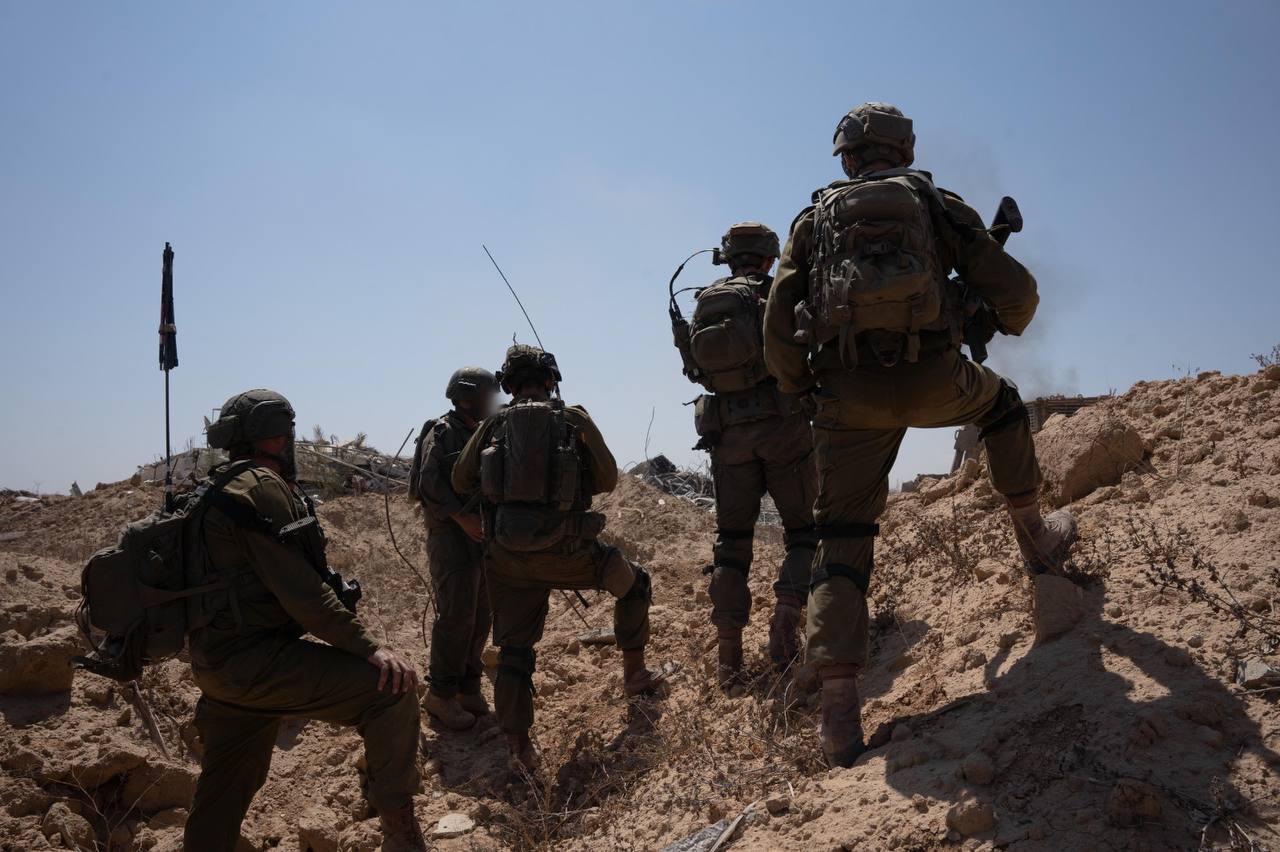
    According to released footage, the Israeli military has begun dismantling and evacuating several of its positions in the Gaza Strip. The Israeli army confirmed that the ceasefire officially came into effect at 12:00 p.m. local time.

    Israeli military has begun dismantling and evacuating several of its positions in the Gaza Strip
    Israeli military has begun dismantling and evacuating several of its positions in the Gaza Strip
  • Official Announcement of Heavy U.S. Losses in Confrontation with Yemeni Armed Forces

    Official Announcement of Heavy U.S. Losses in Confrontation with Yemeni Armed Forces

    According to the report, U.S. military spending on Yemen-related operations between October 2024 and September 2025 exceeded $4.9 billion, raising the total cost over recent years to approximately $10 billion.

    The expenses include extensive use of advanced weapons and equipment such as 2,000-pound bombs, precision missiles, Patriot air defense systems, along with the deployment of two U.S. aircraft carriers, fighter jets, bombers, and drones.

    Material and personnel losses for the U.S. military include the destruction of three F/A-18 fighter jets (estimated cost: ~$210 million), 22 MQ-9 drones (estimated cost: ~$800 million), and the use of dozens of high-cost missiles and bombs, including 75 Tomahawk missiles and 20 AGM-150 bombs.

    The American institute noted that despite these massive expenditures, the field results have not been decisive. Yemeni attacks resumed after a temporary ceasefire, leading to maritime operations that resulted in the sinking of ships and direct threats to oil tankers linked to Israeli interests. Airstrikes have also continued against airports and strategic targets deep within occupied Palestinian territories.

    The publication of this report is seen as further confirmation of the failure of U.S. naval and aerial operations in Yemen, which ultimately led to their withdrawal from the Red Sea and Gulf of Aden and acceptance of a ceasefire brokered by Oman. Although the Watson Institute did not detail human casualties in this report, it is reported that at least two American soldiers were killed and several others wounded in Yemeni attacks.

  • Israel and Hamas Reach Ceasefire Agreement

    Israel and Hamas Reach Ceasefire Agreement

    Hamas confirmed the agreement in an official statement, expressing gratitude to Qatar, Egypt, Turkey, and Trump for their mediation efforts. The movement reiterated its demands for the withdrawal of Israeli forces from Gaza, the entry of humanitarian aid, and the exchange of prisoners. Hamas emphasized that the sacrifices made will not be in vain and reaffirmed its commitment to the Palestinian cause, pledging to continue the struggle until freedom, independence, and self-determination are achieved.

    U.S. President Donald Trump announced: “I proudly declare that both Israel and Hamas have signed the first phase of our peace plan. This means all hostages will soon be released, and Israel will begin withdrawing its forces to the agreed lines—marking the first steps toward a strong, lasting, and eternal peace. All parties will be treated fairly. This is a historic day for the Arab and Muslim world, Israel, neighboring countries, and the United States. We thank the mediators from Qatar, Egypt, and Turkey for their cooperation in making this unprecedented event possible.”

    Israeli Prime Minister Benjamin Netanyahu stated that a cabinet meeting will be held on Friday to formally approve the agreement.

    Based on the statements from both sides, the implementation of the first phase appears imminent. The partial withdrawal of Israeli forces and the release of all Israeli hostages are expected to take place within the coming week. Reports suggest that Hamas currently holds around 20 living Israeli captives, while others have been killed or gone missing due to Israeli airstrikes.

    It’s important to note that this agreement only covers the partial withdrawal of Israeli forces from Gaza and the exchange of prisoners. More complex and contentious issues—such as the disarmament of Hamas and the future governance structure of Gaza—remain unresolved. These topics will be addressed in later stages of negotiation, though there is a real risk of talks collapsing and conflict resuming! It is highly unlikely that the Israeli regime will forgo this historic opportunity to destroy the Islamic resistance in Gaza.

  • Israeli Navy Violates International Waters to Seize Gaza-Bound Humanitarian Flotilla

    Israeli Navy Violates International Waters to Seize Gaza-Bound Humanitarian Flotilla

    Footage released by activists aboard the flotilla shows Israeli forces using helicopters and fast boats to storm the vessels and detain all passengers.

    According to a statement from the al-Sumud organizers, three boats—including the al-Dhamir, which carried journalists and medical personnel—were seized. The fate of the remaining vessels remains unclear. The flotilla consisted of nine boats and over 100 human rights activists from various countries, having departed from an Italian port roughly two weeks ago.

    Israel’s Foreign Ministry issued a statement claiming its naval forces successfully thwarted another attempt to breach the Gaza blockade. The statement added: “All passengers are in good health and will be deported shortly after being transferred to an Israeli port.”

    The seizure of the flotilla in international waters is widely viewed as a violation of maritime freedom and the 1982 UN Convention on the Law of the Sea (UNCLOS). The incident once again highlights the contested legality of Israel’s blockade on Gaza, which, according to multiple UN reports, constitutes part of a broader pattern of violations against Palestinian civilians.

    Israeli Navy Intercepts al-Sumoud Flotilla En Route to Gaza
    Israeli Navy Intercepts al-Sumoud Flotilla En Route to Gaza
    Israeli Navy Intercepts al-Sumoud Flotilla En Route to Gaza
  • Tripartite Meeting in Damascus: Al-Jolani Meets SDF Commander and U.S. CENTCOM Commander

    Tripartite Meeting in Damascus: Al-Jolani Meets SDF Commander and U.S. CENTCOM Commander

    A key focus of the meeting was the implementation framework of a recent agreement between al-Jolani’s administration and the Syrian Democratic Forces (SDF), with both sides emphasizing Syria’s territorial integrity and national sovereignty.

    Simultaneously, an SDF delegation led by Mazloum Abdi arrived in Damascus to discuss the political transition process and security challenges in northeastern Syria with senior Syrian officials.

    The concurrent presence of the U.S. envoy and the SDF commander in Damascus signals a coordinated push between Washington and Damascus toward a new political roadmap. This meeting is one of the few high-level meetings between the Syrian presidency, US representatives and the commanders of the Syrian Democratic Forces; this meeting could initiate a new phase of talks between the main actors in the Syrian crisis.