Continuous Yemeni Drone Strikes on Occupied Territories
In recent days, Yemeni armed forces have launched attacks on positions of the Zionist regime in southern occupied Palestine using at least four suicide drones.
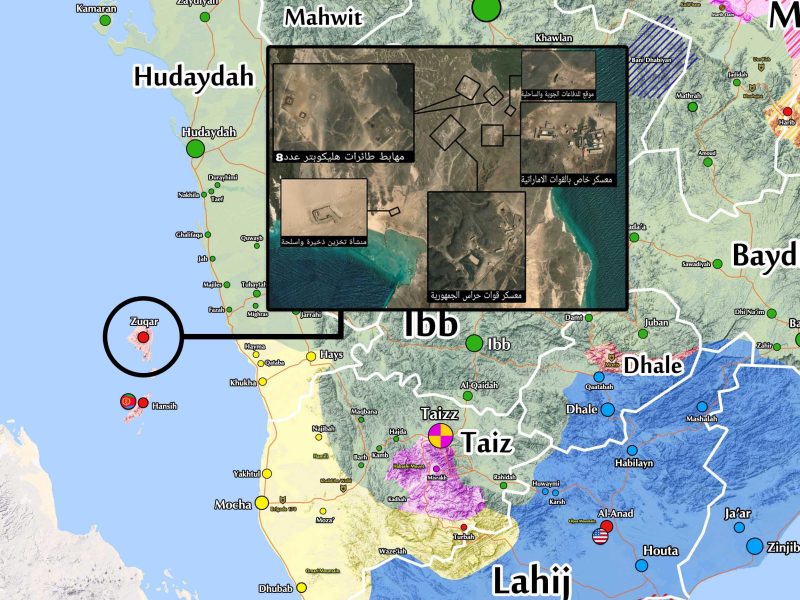
According to local sources, the Zionist regime has established radar and early-warning systems on Zuqar Island in the western shores of Hudaydah in the Red Sea, with support from the UAE and forces of Yemen’s former government.
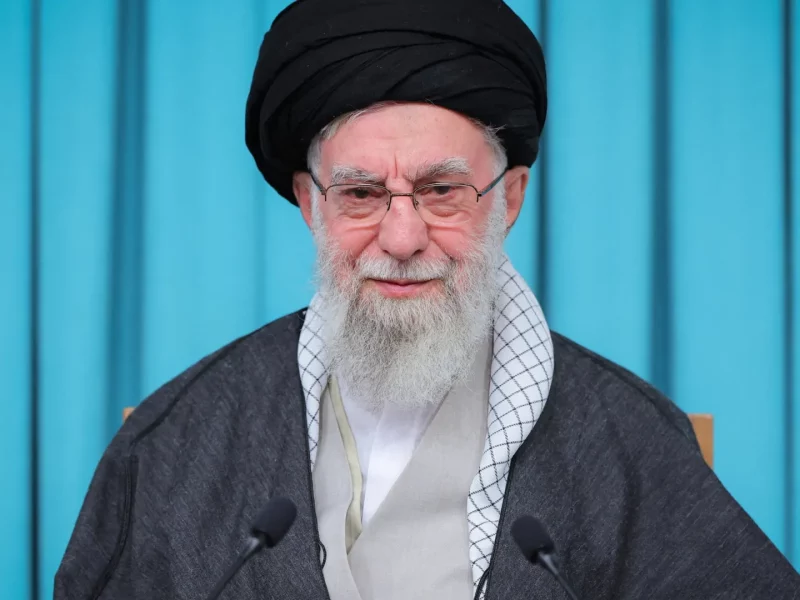
In a major televised speech, Ayatollah Khamenei, the Supreme Leader of the Islamic Republic, addressed key issues regarding the 12-day war and Iran’s nuclear energy program.
Several vessels from the humanitarian “Sumud” flotilla were struck by drone attacks in the Mediterranean Sea. At least 15 drones flew over the convoy, with 12 direct strikes hitting 9 boats. More than 13 explosions were heard near the ships, and unidentified objects were reportedly dropped on 10 vessels, causing damage.
Saudi Arabia and the United Kingdom have launched a joint initiative aimed at bolstering the maritime security of the Red Sea and Gulf of Aden. The plan involves mobilizing international financial support to equip the coast guard forces of Yemen’s internationally recognized (but deposed) government.
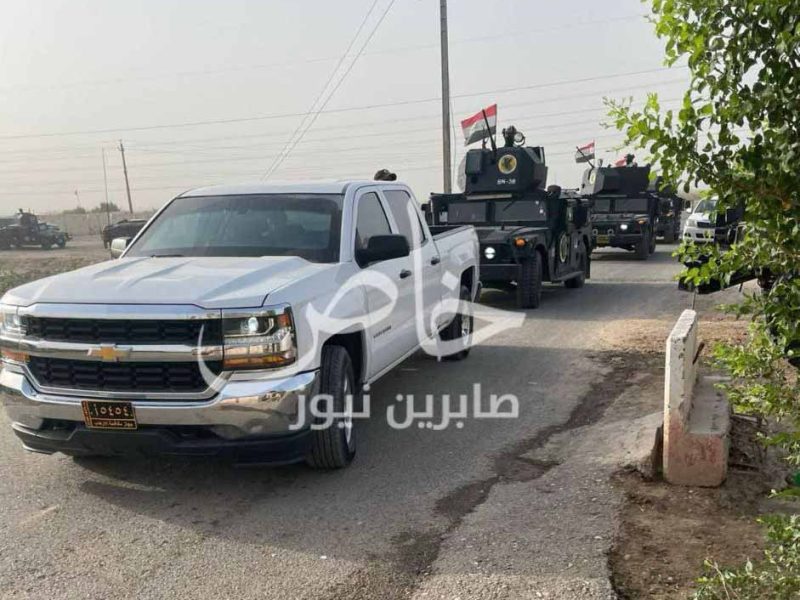
Following the U.S. designation of Harakat al-Nujaba as a Foreign Terrorist Organization, a significant standoff occurred on Friday, September 19. A combat unit from the 12th Brigade of Iraq’s Popular Mobilization Forces (PMF), composed of Nujaba fighters, blocked an American military convoy from entering Tarmiyah, a district north of Baghdad.
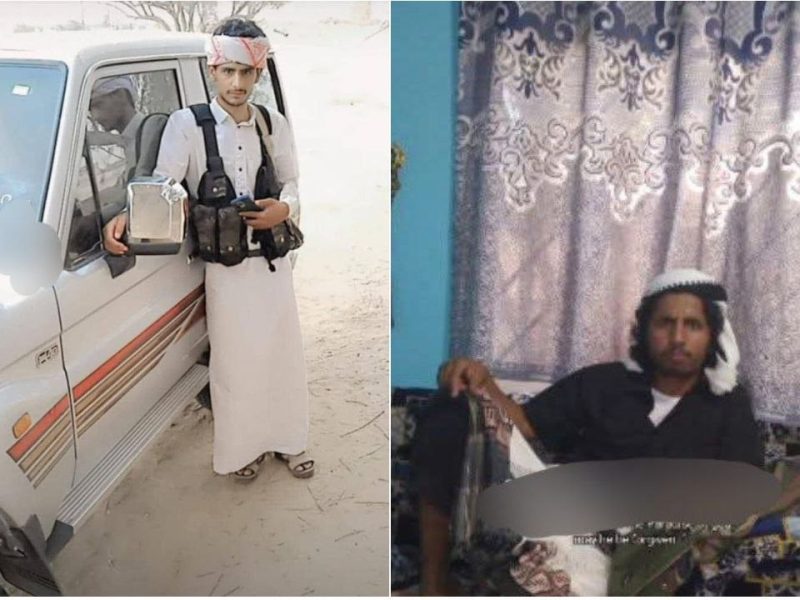
A U.S. military airstrike hit the Markhah Sufla district in Yemen’s Shabwah province, resulting in the death and injury of two alleged al-Qaeda members—Mohammed Khamis bin Arfaj and Saqr al-Humaikani—along with several of their family members.
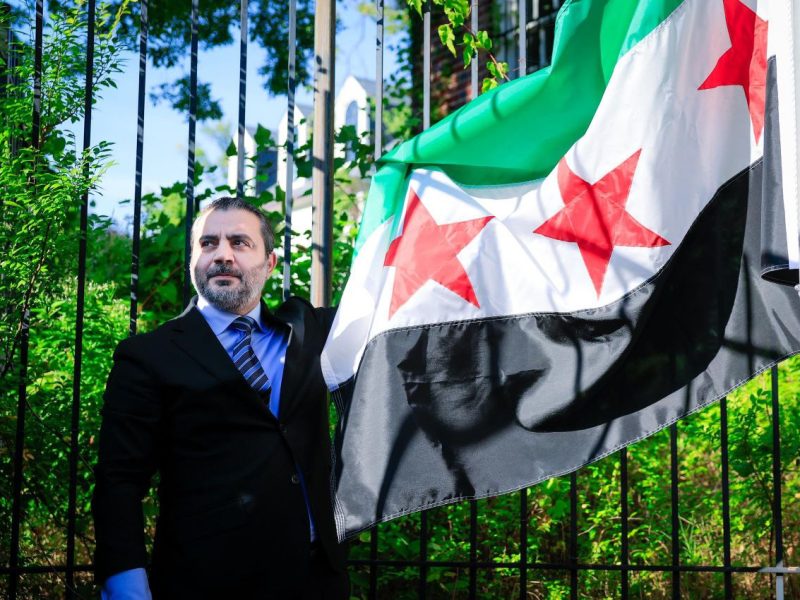
For the first time in decades, the Syrian flag was hoisted above the country’s embassy building in Washington, D.C., by Syrian transitional government Foreign Minister Asaad Hassan al-Shaibani.
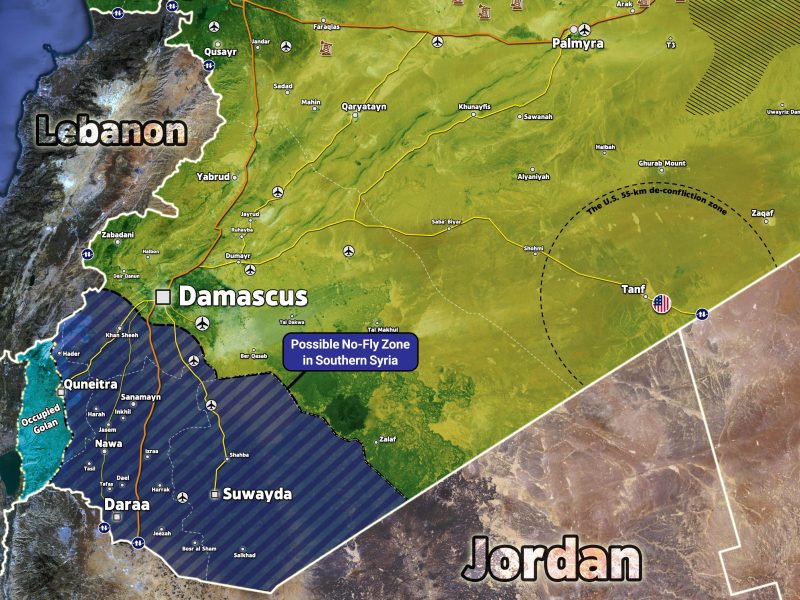
The recent meeting in Damascus between Abu Mohammad al-Julani (Ahmed al-Sharaa), head of Syria’s interim government, and Ibrahim Kalin, chief of Turkey’s National Intelligence Organization (MIT), has reignited attention on Syria’s evolving political landscape and the flurry of regional and international negotiations surrounding it. The timing of this meeting—just days after Israel proposed a no-fly zone in southern Syria and following visits by U.S. envoy Tom Barrack and Jordanian Foreign Minister Ayman Safadi—suggests a coordinated diplomatic effort rather than coincidence.
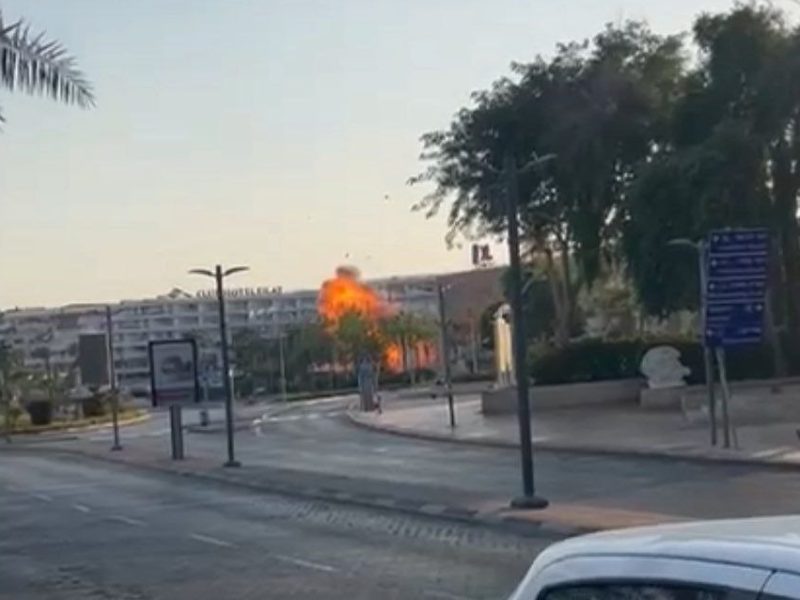
In retaliation for Israel’s recent strike on Yemen and in continued support of Palestine, Yemeni armed forces launched a series of drone and ballistic missile attacks targeting Israeli positions in Tel Aviv, Eilat, and Be’er Sheva.
A roadside bomb detonated along the path of an Israeli military vehicle in Rafah, located in the southern Gaza Strip, resulting in the deaths of at least four Israeli soldiers and injuring eight others. Several of the wounded are reported to be in critical condition.
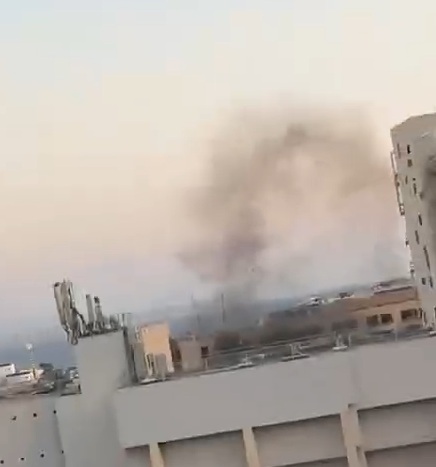
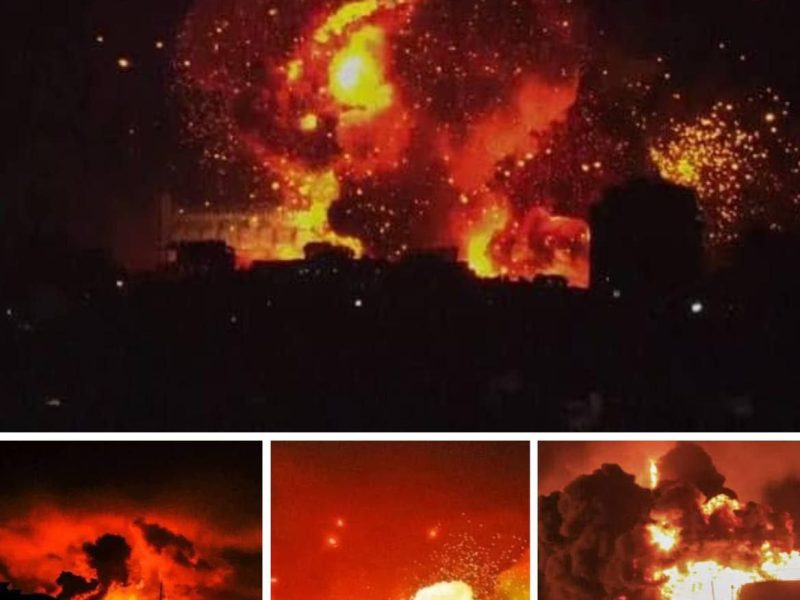
Since early morning, Israeli regime has launched intense air and artillery strikes on multiple locations across Gaza, including the telecom towers in the northwest of Gaza City, Al-Bureij refugee camp, Khan Younis, the southern and central districts of Gaza City, Sheikh Radwan neighborhood, and the northern outskirts of Khan Younis