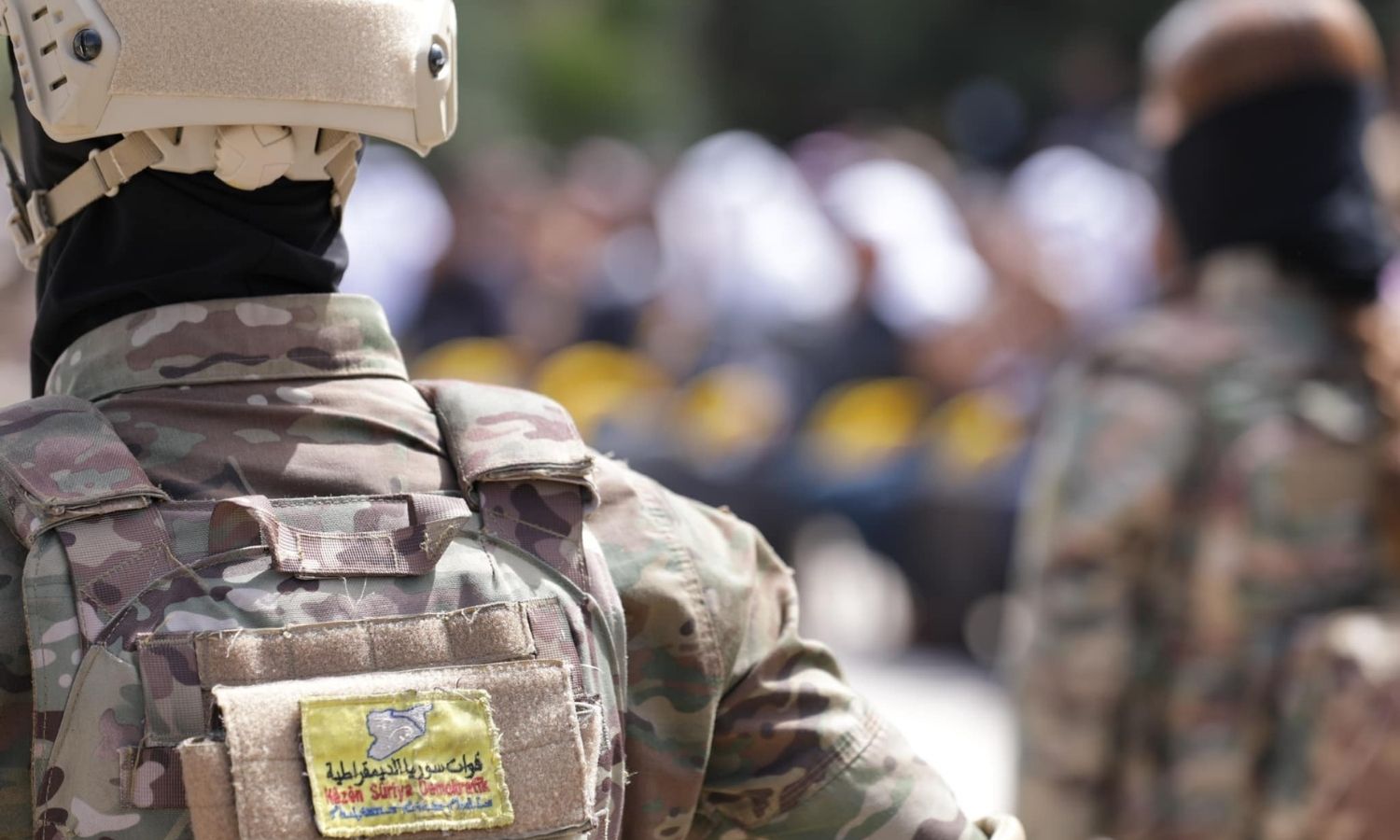
Earlier, the Syrian Army uncovered and destroyed a tunnel between Ashrafiyeh and al-Sabeel neighbourhood, suspected of being used for smuggling weapons or sabotage. In response, Syrian security forces set up checkpoints around the area to prevent further SDF infiltration.
Despite heightened security, SDF fighters disguised as civilians attacked government checkpoints, killing one and injuring three. The Syrian Army deployed reinforcements, and SDF retaliated with mortar strikes on parts of Aleppo.
Sources close to the Jolani-led administration confirm that while fighting has stopped, tensions remain high. Damascus has conditioned talks on the full withdrawal of SDF forces from Ashrafiyeh and Sheikh Maqsoud, the handover of wanted individuals, and restoration of full government control.
Unofficial reports suggest a possible U.S.-brokered meeting between Syrian officials and SDF representatives to explore integrating SDF units into Syria’s Ministry of Defense and transferring control of eastern Euphrates regions to the central government.
These tools allow Israeli access to the full contents of Yemeni phones, placing calls and messages under surveillance. With parts of southern Yemen—such as Aden, Lahij, Abyan, and Al-Mahrah—under control of Saudi-backed forces and the STC, Israeli reach may extend across other occupied regions as well.
Cellebrite is an Israeli cybersecurity firm known for developing advanced software and hardware to extract data from mobile devices. Its tools bypass locks, passwords, fingerprints, and other security features to retrieve, analyze, and report sensitive information.
SDF media claimed residential areas were also shelled, accusing the Syrian Army of destabilizing northern and eastern Syria. In response, Syria’s Defense Ministry denied the allegations, stating it only targeted SDF positions in Hmimeh and Al-Qayta villages and exercised restraint.
Clashes remain active around Deir Hafer and Tishrin Dam. Reports indicate SDF reinforcements from Hasakah and deployments by pro-Julani forces to contact zones in Aleppo.
The recent escalation highlights fragile security in northern Syria. The March 10 agreement between Damascus and the SDF aimed to reduce tensions, but ongoing field developments suggest the deal lacks enforcement and trust mechanisms—raising fears that minor skirmishes could spiral into full-blown conflict.
Al-Jabzi, who leads a battalion within the 11th Division stationed on Yemen’s western coast, reportedly clashed with Islah checkpoint personnel in the al-Hujariyah area of al-Ma’afir district. He was wounded during the confrontation and subsequently detained.
In a separate incident, two individuals were injured in a firefight between Tareq Saleh’s men and Islah militants on Zaid al-Moshki Street in northeastern Taiz.
The arrests, assassinations, and skirmishes between Islah and Tareq Saleh factions reflect rising tensions between the two sides. These clashes are part of an ongoing cycle of armed confrontations in Taiz, a stronghold of the Islah Party. Historically, parts of the province were under Tareq Saleh’s control before his split from Ansar Allah, a legacy that continues to fuel his operations and mobilization against Islah Party in the region.
A central focus of these maneuvers is logistical and operational support for Israeli fighter jets. During the previous 12-day war between Iran and Israel, American tankers played a crucial role in refueling Israeli aircraft over Iraq and Syria, particularly in the airspace above Syria’s Deir ez-Zor province. Now, with at least 30 Boeing KC-46 Pegasus and KC-135 Stratotanker aircraft reportedly in the region, aerial refueling operations could take place even closer to Iran’s borders.
Although the issue of Israeli jets entering Iraqi airspace was discussed in a recent meeting between Iraq’s National Security Advisor Qasim al-Araji and Iranian military intelligence chief General Mirahmadi, the current U.S. deployment suggests refueling may occur near the Iran–Iraq border regardless.
If Iran’s air defense systems are suppressed or rendered ineffective, eastern Iran could become vulnerable to Israeli airstrikes. Refueled near the border, Israeli jets could target strategic sites deep inside Iran. There’s also a growing possibility of direct U.S. involvement, with American fighter jets and refueling support contributing to future operations. In such a case, a division of roles may emerge—with Israel attacking from the west and the U.S. from the south.
Another critical element is the ongoing surveillance by the U.S. Navy’s MQ-4C Triton drone over the Persian Gulf. These flights aim to gather real-time intelligence on Iranian military movements and air defense activity in the south. The Triton conducts radar and visual reconnaissance over Iran’s coastal zones, complementing broader strategic monitoring.
Overall, these developments suggest a shift toward a new phase of hybrid pressure against Iran—reminiscent of Western preparations prior to the 12-day war. While the exact timing of any escalation remains uncertain, the scale of U.S. deployments and the influx of weaponry into Israeli territory indicate that a new round of conflict may be inevitable.
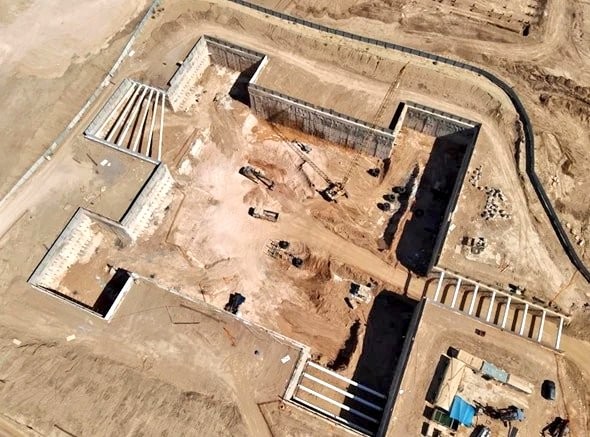
This initiative is part of Tel Aviv’s strategic effort to decentralize military command infrastructure and enhance its resilience against security threats. The move also aligns with political and developmental goals in southern Israel. The new Aman base, being built by the infrastructure firm Shikun & Binui, will include residential zones designed to accommodate around 12,000 military personnel and government staff, scheduled for relocation by 2026–2027.
New Israeli army base includes vast underground facilities in the Negev Desert
Key Aman units being transferred to the new facility include: – Research Division – Unit 8200 (SIGINT) – Unit 504 (HUMINT) – Special Operations Division (SOD) – Unit 81 (Advanced Technologies)
This relocation marks a significant shift in Israel’s intelligence and operational architecture, concentrating critical capabilities in the Negev.
Strategically, the move reflects a long-term defense and economic vision to develop the Negev and reduce reliance on densely populated central regions. The desert’s geography offers deeper security buffers, greater operational flexibility, and improved protection against missile threats increasingly targeting central Israel.
Once operational, the “New Aman Campus” is expected to become one of the world’s most advanced military intelligence centers, integrating cyber operations, technological innovation, HUMINT, and strategic analysis within a fortified, 21st-century warfare-ready environment.
This delicate balance is now under strain, especially in Syria’s Suwayda province, the heartland of the Druze. Recent clashes with Sunni Bedouin tribes and alleged Israeli interference have deepened mistrust toward Syria’s transitional government. As violence escalates, the Druze—committed to strict traditions and survival—find themselves at the crossroads of regional and international tensions.
In recent months, Suwayda has seen a surge in violence, sparked by kidnappings and retaliatory attacks between Bedouin tribes and Druze militias. The Damascus-based government deployed forces to contain the unrest, but deep-seated distrust led to armed resistance from Druze fighters. Reports of massacres, looting, and arson—allegedly by pro-government groups like Ahrar al-Sharqiya and Ansar al-Tawhid—have further inflamed tensions. Social media posts and unverified accounts of military raids and civilian killings have raised fears of another sectarian catastrophe.
Israeli tanks and airstrikes targeting Suwayda and Damascus added fuel to the fire. While Israeli officials claim to protect Druze minorities, many Syrian Druze remain skeptical of Tel Aviv’s intentions.
Geopolitical Rivalry in Southern Syria
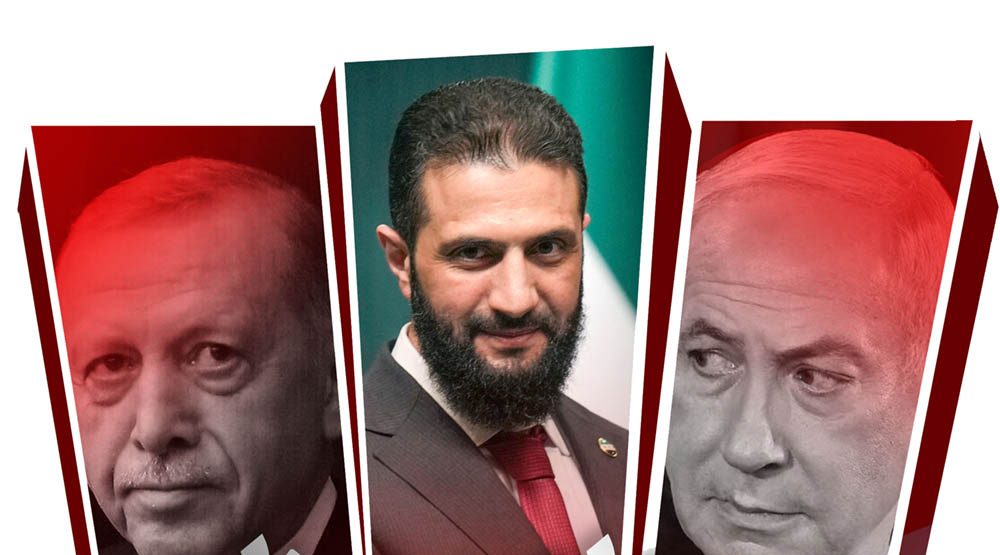
Turkey and Israel are vying for control over trade routes linking southern Syria to Jordan and the Gulf. Turkey, aligned with Damascus, seeks to expand its influence southward and open new export corridors. Israel, meanwhile, exploits instability to counter Iranian presence and build ties with minorities like the Druze and Kurds. Despite secret talks in Baku to avoid military incidents, ongoing violence in Suwayda and Israeli strikes on Damascus reveal deeper rifts.
Turkey, with limited military and political leverage, prefers diplomacy and U.S. pressure over direct confrontation, fearing that conflict could derail Syria’s reconstruction and harm its own interests.
Israel’s Peripheral Doctrine and Arab Fragmentation
Since its founding, Israel has pursued a “peripheral doctrine”—forging alliances with non-Arab regional powers and exploiting internal divisions in Arab states. Syria, as a populous neighbor with historic ties to Palestine, remains central to this strategy. By strengthening ties with Druze and Kurdish groups, Israel aims to fragment Syria from within. Prime Minister Netanyahu has openly outlined post-Assad goals: blocking Syrian government forces near Damascus, supporting Druze communities, and maintaining control over the Golan Heights.
This strategy seeks to turn Syria into a failed, unstable state, minimizing threats to Israel. The use of sectarian divisions and minority alliances as tools of control has long been a hallmark of Israeli policy.
Syria’s Response and Internal Challenges
Under President Ahmad al-Shara, Syria’s new government has responded cautiously to Israeli aggression, condemning airstrikes and emphasizing territorial integrity. It seeks regional diplomacy—especially with Jordan and Arab states—to counter expansionist threats. However, avoiding direct confrontation may weaken its domestic legitimacy and allow Israel to deepen its influence.
Effective resistance requires coordinated Arab and international efforts to prevent further collapse and regional instability.
Expanding Israeli Ambitions
Israel’s ambitions now extend beyond Syria, targeting the broader periphery—including Iran and Pakistan. Some neoconservative analysts advocate for exploiting ethnic and sectarian divides to destabilize Iran. The Abraham Accords, far from being mere peace deals, serve as instruments to cement Israel’s dominance in regional economics, security, and technology.
This approach, however, risks backfiring. As Israel’s reach grows, so does regional opposition. Countries like Iran, Turkey, and Pakistan increasingly view Israel not just as a nuisance, but as a direct threat. Military actions in Gaza, Damascus, Beirut, Sanaa, and Tehran have galvanized regional solidarity against Israeli policies.
History has shown that colonial empires rarely endure. Just as the people of this region once resisted crusaders and imperial powers, they now stand united against Israel’s expansionist doctrine.
Senior Syrian commanders—including heads of air defense, artillery, and armored units—held joint meetings with Russian counterparts to discuss training, operational experience, and combat readiness.
The visit highlights the strategic military dimension of Syria-Russia relations, beyond politics. With key Russian bases in Syria like Hmeimim and Tartus, Moscow aims to secure its long-term presence by offering military support and specialized training to Syrian forces.
Following escalating crises and the continued failures of the Palestinian Authority, a group of influential tribal leaders in Hebron, located in the West Bank, has issued an official letter calling for withdrawal from the current political framework and the establishment of a localized entity known as the “Hebron Emirate.” The proposal, submitted to Israeli Economy Minister Nir Barkat, is built around peaceful relations, regional development, and the creation of an economic zone in cooperation with Tel Aviv.
As part of the initiative, the sheikhs formally recognize Israel as the “nation-state of the Jewish people” and cite the Abraham Accords as a roadmap for coexistence. They have also requested support from the United States and President Donald Trump to help advance the project. Their proposal not only reflects deep dissatisfaction with the Palestinian Authority’s governance but also signals an effort to redefine Palestinian political order through traditional tribal structures.
This initiative emerges at a time when hopes for a two-state solution have significantly diminished following the events of October 7, 2023, and the subsequent conflicts. As a result, alternative models such as localized emirates are gaining traction. The following report explores the dimensions, reactions, and challenges surrounding this unprecedented proposal.
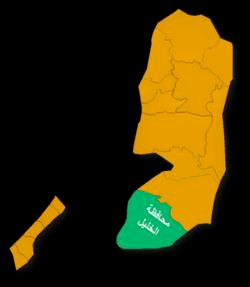
The Hebron area compared to the entire West Bank and Gaza
Nature of the Hebron Emirate Proposal
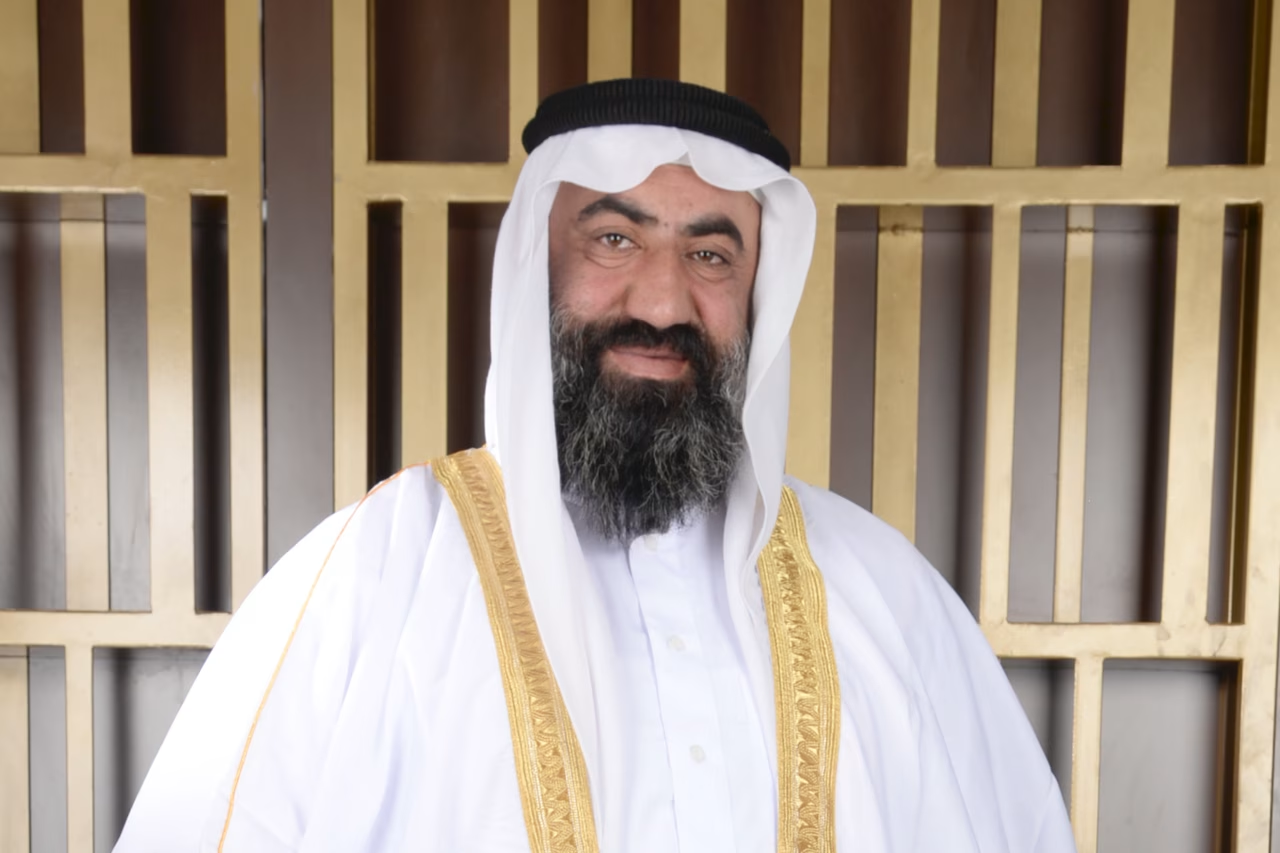
Led by Sheikh Wadee’ Jaabari, tribal leaders from five major clans in Hebron have formally called for the establishment of an autonomous emirate, independent from the Palestinian Authority. In their official letter, they propose recognizing Israel as the “nation-state of the Jewish people” and expect reciprocal recognition of the Hebron Emirate as the legitimate representative of Arabs in the region.
The sheikhs argue that the Oslo Accords have resulted in corruption, violence, and economic collapse, rendering the current political framework ineffective and lacking legitimacy. Their initiative reflects a shift toward traditional tribal governance as an alternative to centralized Palestinian leadership.
Sheikh Wadi al-Jaabari in Jerusalem, July 3
Operational Pillars of the Hebron Emirate Proposal
The plan outlines the creation of a 1,000-hectare autonomous economic zone near Israeli-controlled territory. In its initial phase, the zone would employ 1,000 Palestinian workers, with the potential to expand to 50,000 if successful. Sheikh Wadee’ Jaabari emphasizes a “zero tolerance” policy toward terrorism, relying on tribal structures to ensure security and stability.
Tribal Legitimacy vs. Formal Political Structures
In contrast to the centralized Palestinian political system shaped by the PLO and later the Palestinian Authority, the sheikhs base their proposal on traditional tribal legitimacy. They argue that external powers have imposed artificial governance models on Palestinians, and now is the time to return to indigenous, locally rooted leadership. Citing an Arab proverb—“Only the village’s calves can plow its land”—they suggest that outsiders lack the insight to address local needs and realities.
Tel Aviv’s Response and Key Stakeholders
Israeli Economy Minister Nir Barkat is one of the main supporters of the initiative and has reportedly advanced discussions with government backing. He views the proposal as a practical alternative to the failed one-state and two-state solutions. Zionist scholar Mordechai Kedar, a vocal advocate of the Palestinian emirate model, has played a key role in connecting the tribal leaders with Israeli officials. He believes Hebron could serve as a successful prototype for other cities across the West Bank.
Former Mayor of Jerusalem, Nir Barakat, current Minister of Economy of the regime, October 6, 2021
Challenges and Obstacles
Despite receiving political backing, Israel’s security institutions—such as Shin Bet and segments of the military—remain skeptical of the Hebron Emirate proposal. Their concerns center on the tribal leadership’s ability to manage weapons, counter terrorism, and maintain comprehensive control over the region. Military analysts warn that the absence of a centralized authority could lead to instability and chaos.
Locally, several groups and residents in Hebron have voiced opposition, arguing that the initiative lacks legitimacy and does not represent the broader population. Supporters of the Palestinian Authority may respond with resistance or even security confrontations, further complicating the plan’s implementation.
Conclusion
The Hebron Emirate initiative, led by tribal sheikhs, represents an ambitious attempt to reshape governance in the West Bank—moving beyond the Palestinian Authority and the two-state paradigm toward practical coexistence and economic integration with Israel. While some Israeli and Arab actors view the proposal as promising, its execution faces serious political, social, and security challenges.
The future of this initiative will depend on internal support, regional acceptance, and the involvement of international players—particularly the United States. It may also signal the emergence of a more cautious reformist current within the Palestinian Authority, echoing the vision of certain Zionist theorists who have long advocated for sidelining the PA in favor of localized alternatives.
Despite the blockade, one vessel—Mikono-Albireh—has reportedly entered Gaza’s territorial waters, according to Al Jazeera’s Hassan Masoud.
Israeli Navy Raids Sumud Humanitarian Flotilla, Dozens Detained
The raid has sparked widespread international condemnation, with countries including Iran, Turkey, Pakistan, Colombia, Malaysia, Venezuela, Spain, Australia, the UK, and Brazil denouncing the move as a clear violation of international law. The arrest of humanitarian activists has reignited global solidarity with Gaza, as protests across multiple nations highlight the growing civil resistance to Israel’s siege.
While the immediate impact may be limited, such actions are shaping a critical shift in public consciousness—especially among younger generations in the West—who are increasingly viewing Zionism through a lens of scrutiny and dissent. These symbolic pressures, though low-cost, carry long-term consequences for Israel’s global image.
Legal Grounds: How the Trump Peace Plan Unintentionally Framed the Gaza Blockade as a War Crime
To grasp the significance of this event, one must consider a key legal point: the Trump peace plan, by promising future access for humanitarian aid to Gaza, implicitly admitted that Gazans are currently deprived of this fundamental right. This undermines Israel’s claim that the blockade is purely a “security measure.” When access to basic aid is denied, the blockade becomes a form of “collective punishment”, which under Article 33 of the Fourth Geneva Convention constitutes a clear “war crime”. The Sumud Flotilla is advancing with this powerful legal foundation.
Three Possible Scenarios Ahead Each with Global Consequences:
1️⃣ Strategic Israeli Withdrawal and Normative Victory In this scenario, Tel Aviv allows the fleet to proceed to avoid confrontation with NATO and mounting global pressure. This would mark a triumph for soft power and global civil society. More than the aid itself, it would shatter the taboo of the blockade, setting a new precedent and delivering a major blow to Israel’s deterrence doctrine.
2️⃣ Military Confrontation and Activation of International Mechanisms This is the most dangerous scenario. If Israeli naval forces attack the fleet and NATO escorts intervene to protect their citizens, a full-blown international crisis could erupt. Immediate consequences may include referral to the UN Security Council under Chapter VII, investigations by the International Criminal Court (ICC), and serious sanctions against Israel. It would test NATO’s cohesion and its commitment to defending its nationals.
3️⃣ Israeli Intervention and Escort Inaction Here, Israel attacks the fleet while NATO warships refrain from direct engagement. This would be a tactical win for Tel Aviv but a strategic defeat for European governments and the entire international legal order. It would expose the fragility of humanitarian principles when confronted with brute force, signaling that realpolitik has overtaken global norms.
Conclusion: The Sumud Flotilla carries more than material aid—it carries a fundamental question for the global order. This event places Israel at a crossroads: maintain deterrence, face international isolation, or risk war. The world’s response in the coming hours will not only determine Gaza’s fate but also shape the future of international relations and the credibility of global institutions for years to come.
According to the EU naval task force operating under Operation Aspides, the missile strike caused a fire onboard and left the vessel in a state of uncontrolled drift. The ship, operated under the Dutch flag, was carrying 19 crew members of Russian, Ukrainian, Filipino, and Sri Lankan nationality. European naval forces responded swiftly, evacuating all crew and transferring them safely to Djibouti.
The Yemeni Armed Forces have issued a statement confirming that the Dutch-flagged cargo vessel MV MINERVAGRACHT was targeted with a cruise missile.
According to the statement, the attack was carried out in response to the ship’s violation of Yemen’s declared ban on maritime traffic to Israeli ports by its operating company. The missile strike severely damaged the vessel, placing it at risk of sinking.
Based on data compiled by the Islamic World News, this marks the 218th military operation by Yemen’s armed forces against vessels linked to Israel, the United States, or the United Kingdom.
Notably, the 217th operation occurred on September 23, approximately 120 nautical miles east of the Port of Aden. While that earlier attack was not officially announced by Yemeni forces, it was referenced by Ansar Allah leader Sayyed Abdul-Malik al-Houthi in his most recent speech.
These operations are parts of Yemen’s expanding campaign to pressure Israel and its allies in response to the ongoing war in Gaza. Yemeni Armed Forces have repeatedly stated that their actions in the Red Sea are a direct reaction to Israeli war crimes, including the killing of civilians, destruction of infrastructure, and forced displacement in Gaza.
The strike on MV MINERVAGRACHT reflects Yemen’s strategic use of maritime operations to challenge regional actors complicit in the siege and bombardment of the Palestinian people.