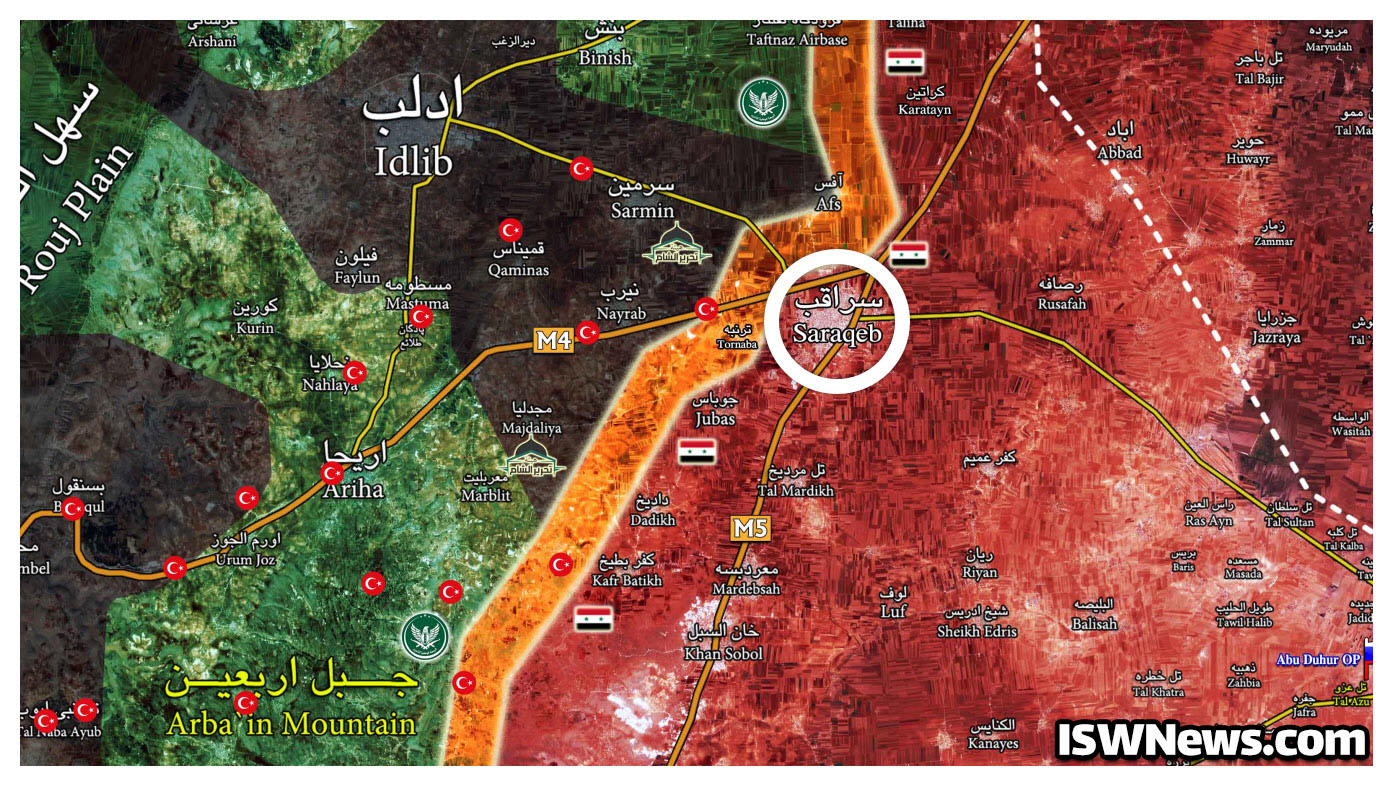
On October 2, a Syrian military convoy, consisting of dozens of military vehicles, tanks and personnel carriers, entered the city of Saraqib with a number of troops.
The move comes after sporadic clashes between SAA forces and the Turkish-backed militants in Idlib province. On the evening of October 31, Syrian Army forces and Turkish-backed militants clashed in the Saraqib, Afis, and Ruwayha areas. Also at noon yesterday, the exchange of fire between the Syrian army and the militants were reported in the Saraqib axis which lasted for an hour.
The strengthening of the Syrian army positions in the Saraqib axis is taking place while the Turkish-backed militants and Turkish military have also strengthened their positions in the lines of contact with the Syrian army in Idlib province in recent weeks.
According to a Syrian military source, at around 00:56 a.m. local time, the Zionist enemy fired several missiles from the occupied northern Palestine into the Zakiya area on the outskirts of Damascus, causing material damage.
On October 30, the Israeli army also targeted Syrian army positions in the al-Dimas area, west of Damascus, with surface-to-surface missiles.
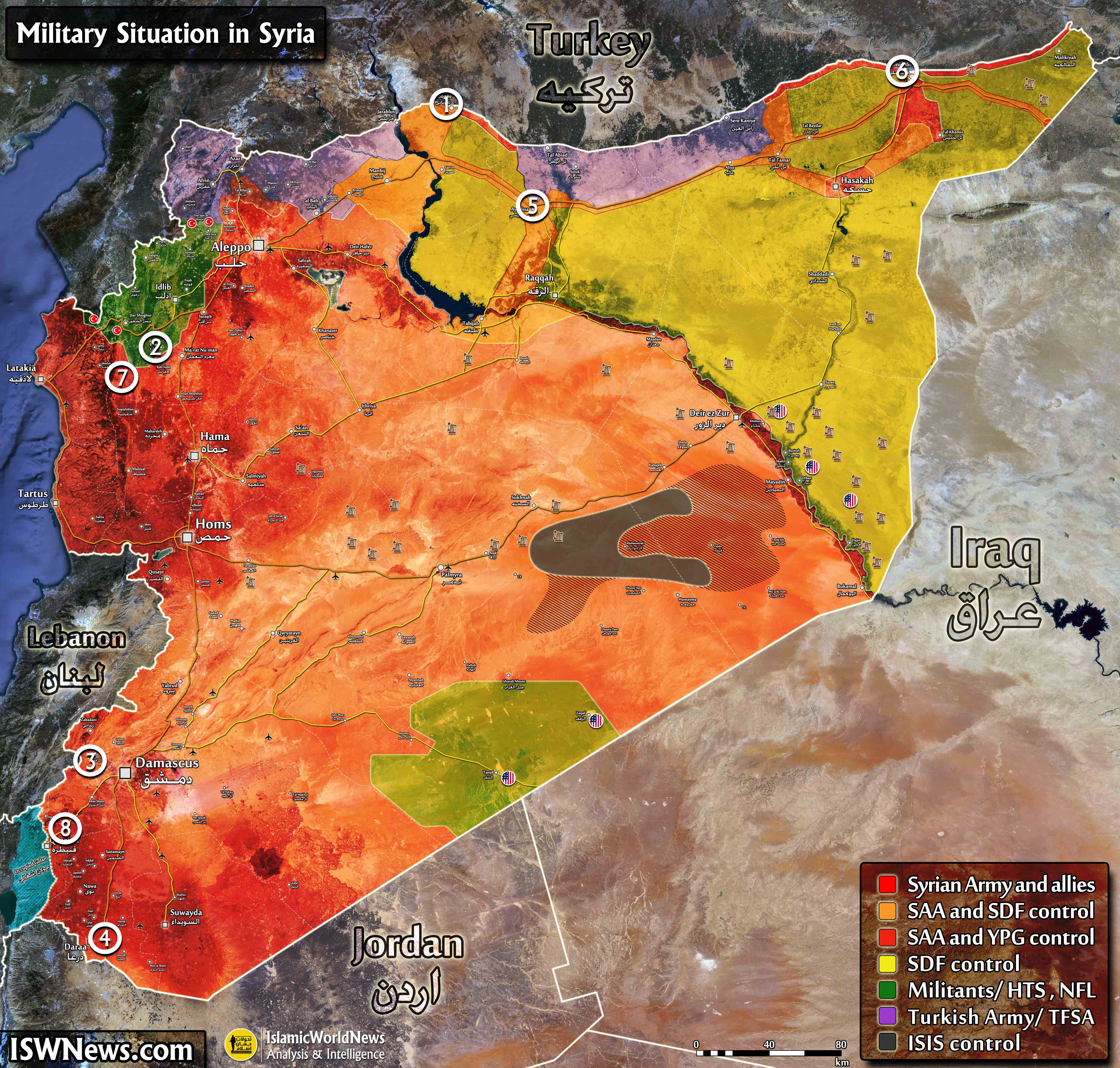
1- Aleppo: On October 24, a Turkish military drone targeted a vehicle belonging to the Syrian Democratic Forces (SDF) at the entrance to the city of Ain al-Arab, killing three SDF members.
2- Idlib: – Russian fighter jets attacked militant positions on the outskirts of the town of Al-Barah, south of Idlib. – On October 28, a Turkish military convoy entered Idlib through the Kafr Lusin crossing. – One of the Syrian army forces who was wounded on the Idlib front, was martyred yesterday due to his injuries. – Russian fighter jets attacked militant positions on the outskirts of Tadil and Kafar Ameh.
3- Damascus: On October 30, the Israeli army targeted the Syrian army positions in the west of Damascus with several missiles. The attack injured two Syrian army soldiers and caused material damage.
4- Daraa: – One of the Syrian army forces was assassinated on the Nafaa-Shajrah road by unknown gunmen. – On October 25, a Russian military police vehicle was targeted by a roadside bomb on the Sayda-Umm al-Mayazin road in eastern Daaraa, injuring its occupants. – A Syrian army colonel and his wife were injured in an explosion on a car on the Sanamayn-Jabab road.
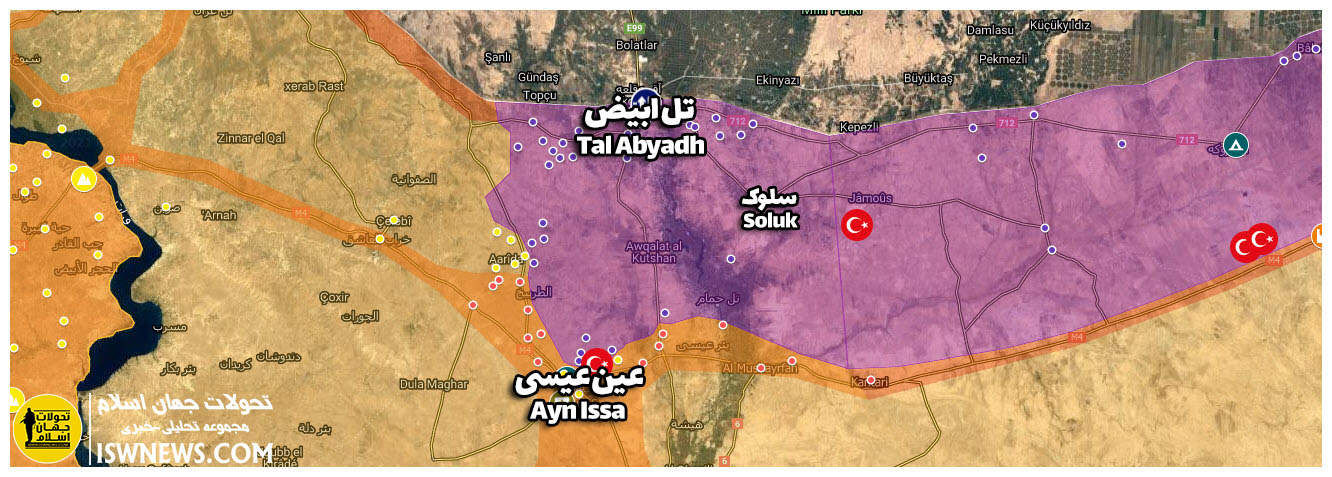
5- Raqqa: – Turkish-backed artillery attacked SDF positions on the outskirts of Ain Issa. – Following the escalation of tensions in northern Syria, on October 27, a Turkish military convoy entered the city of Tal Abyad in the northern province of Raqqa. – Russian fighter jets attacked ISIS hideouts in the Rasafa area, southwest of Raqqa. – On October23, an American MQ-9 drone attacked a target on the outskirts of the village of Saluk, north of Raqqa, and assassinated an al-Qaeda field commander named Abdul Hamid Matar.
6- Hasakah: On October 31, SAA and Russian forces carried out Joint military exercises in the countryside of Tal Tamar
7- Hama: A civilian was martyred and two children were wounded in an artillery attack by Turkish-backed militants on the village of Jurin in the Al-Ghab plain.
8- Quneitra: On October 25, Israeli helicopters targeted a Syrian military point in the village of Al-Kroum, on the outskirts of Al-Baath, and two other points in Quneitra province.
9- On October 26, the Turkish Parliament agreed to continuation of Turkey military presence in Iraq and Syria for another two years.
10- According to the Russian Reconciliation Center in Syria, the militants violated the ceasefire nine times in the Idlib region, of which 2 are in Aleppo province, 2 are in Latakia province and 5 are in Idlib province.
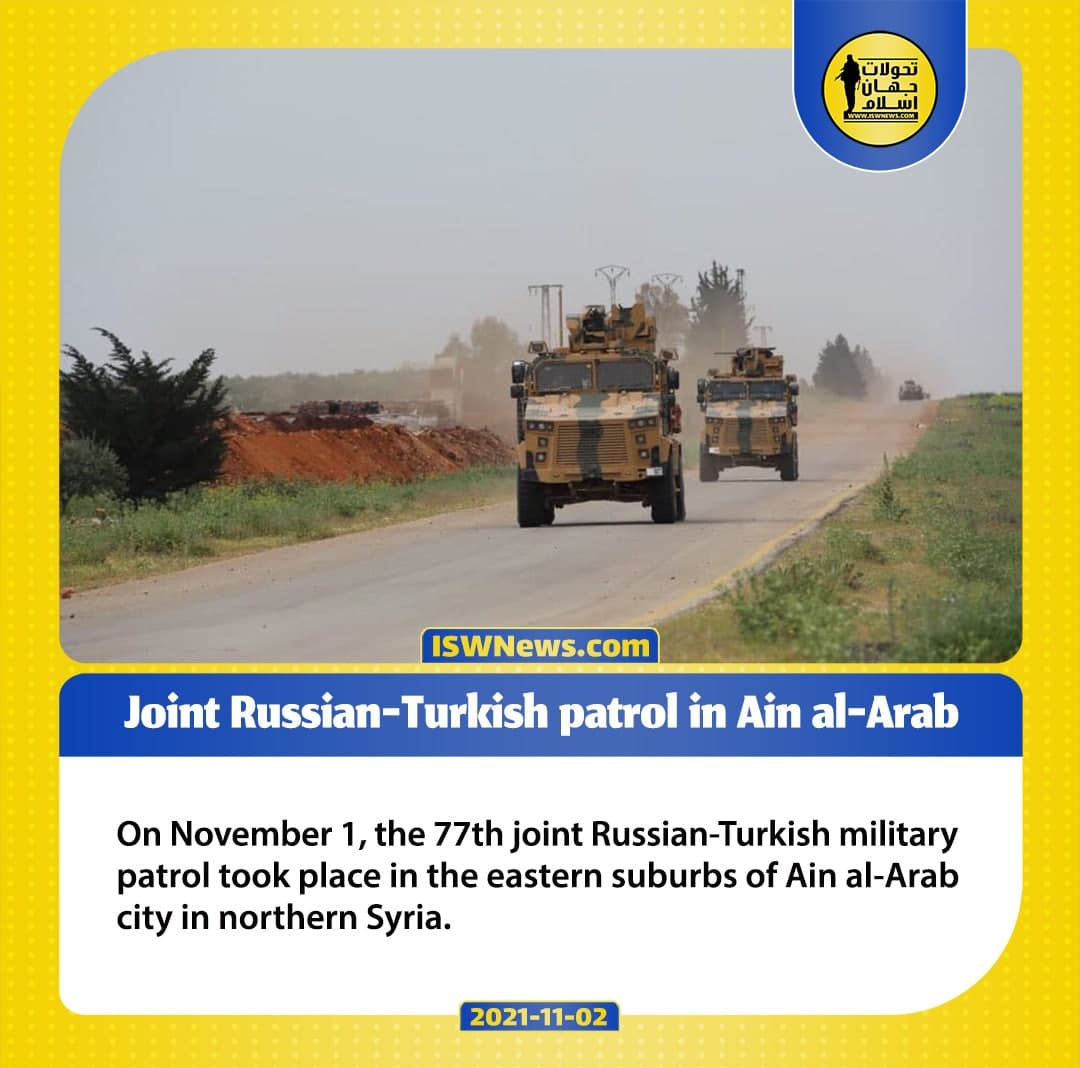
The convoy, consisting of eight Russian and Turkish military vehicles, began patrolling the village of Gharib, 15 km east of Ain al-Arab (Kobani), escorted by two Russian helicopters.
On October 25, the Russian military police canceled a joint patrol with the Turkish military due to protests of residents of the city of Ain al-Arab because of Turkish airstrikes on the city and Russia’s non-compliance with its obligations to maintain security and protection of the city of Ain al-Arab. .
The last (seventy-sixth) joint Turkish-Russian military patrol also took place on October 18 in the eastern suburbs of Ain al-Arab.
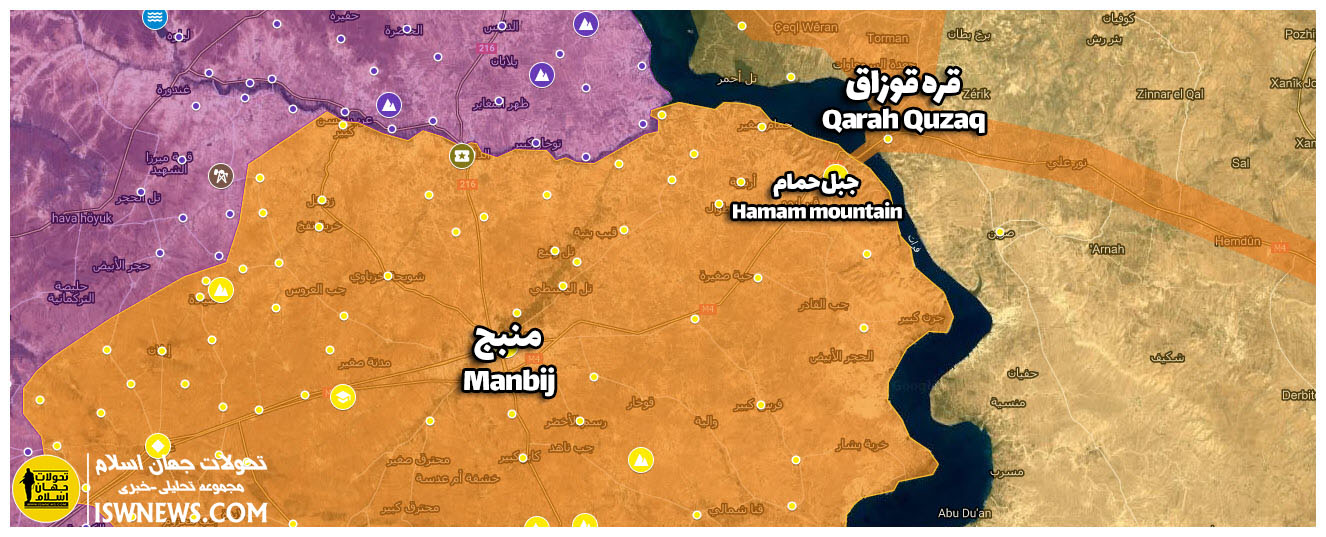
On October 30, a Turkish Army drone attacked a SDF checkpoint near Qara Quzaq bridge. Qara Quzaq bridge connects eastern and western parts of Euphrates.
No details have been released but it is said several SDF wounded and killed and some vehicles heavily damaged. Media close to SDF have not commented yet on it.
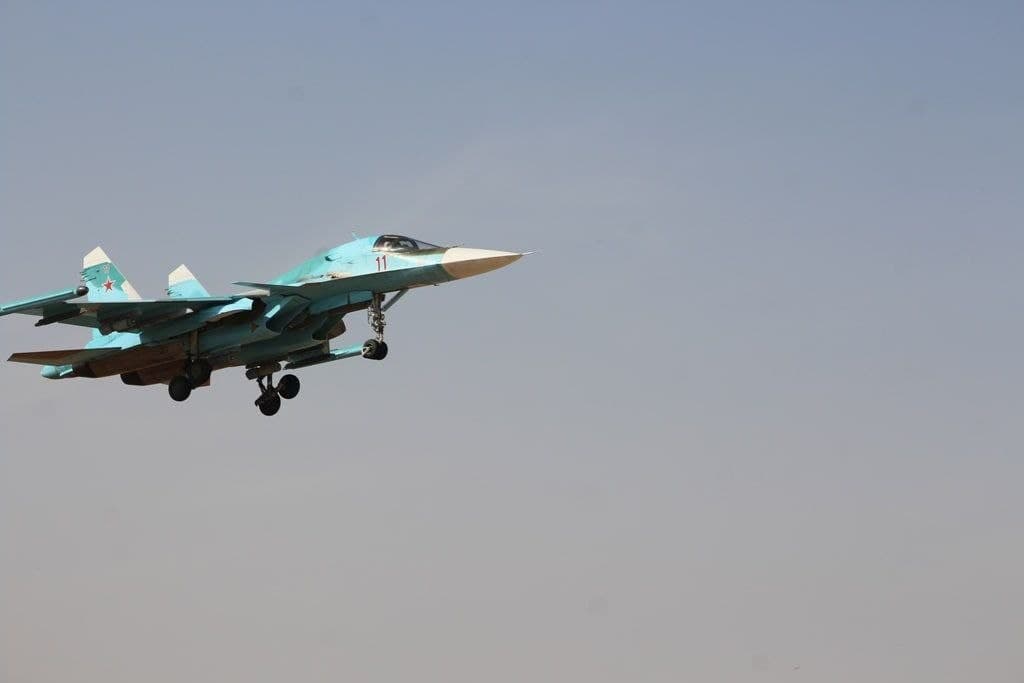
On October 31, 12 Su-34 bombers and 5 Su-35 multirole fighters, which have been stationed in Qamishli airport, conducted air raids on pre-assigned targets. 12 Mi-8 and 5 Ka-52 helicopters also stationed in Sarin area. Sarin was occupied by Americans before and was one of US largest bases in Syria which was used for logistics for American coalition due to its long runway.
Syrian air defense also drilled to confront enemy drones.
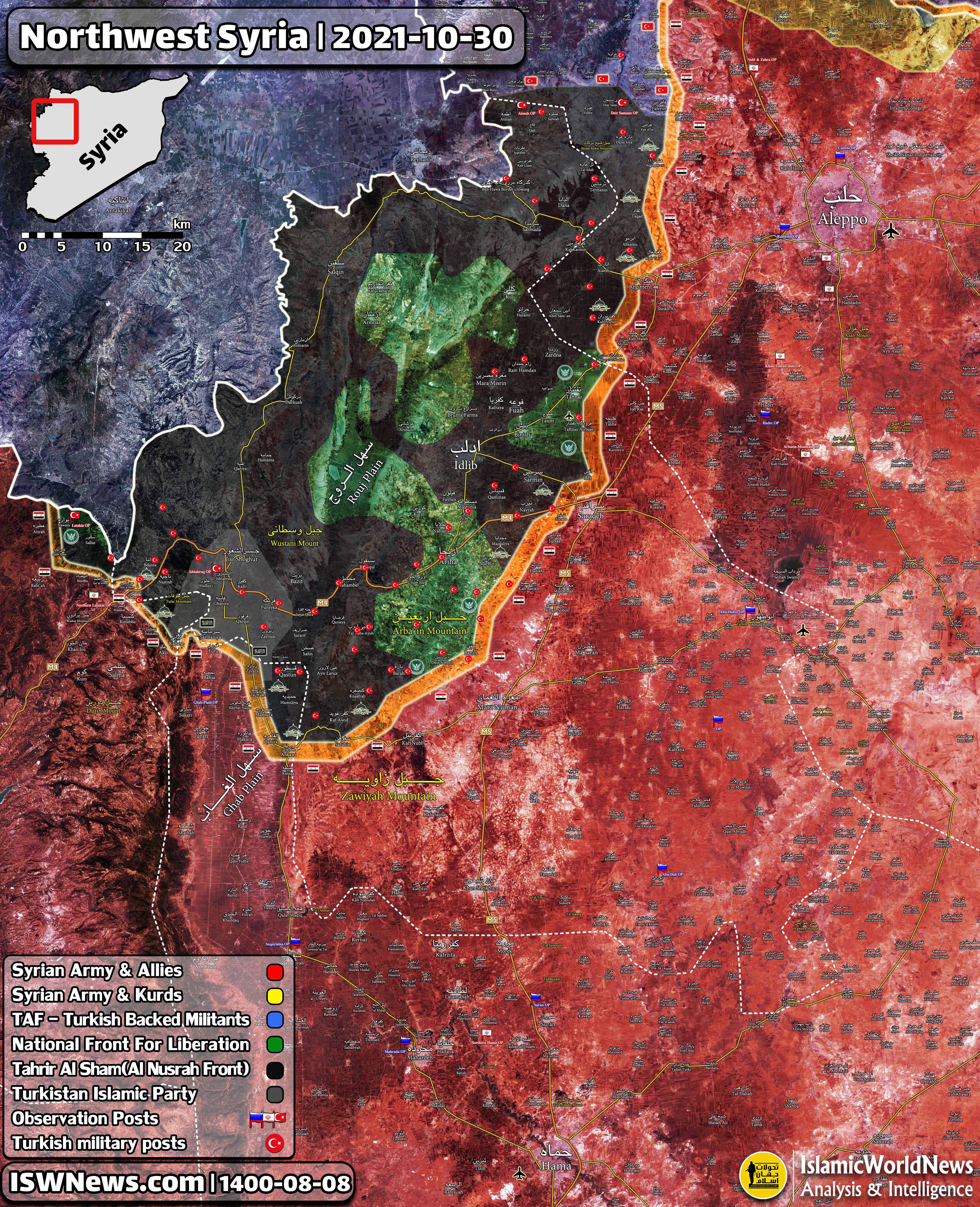
Idlib province has always been of interest to Ankara in recent years due to its strategic location and the presence of Ankara-backed militants. The Turkish military currently has four observation posts and more than 50 military points in western Aleppo and the Idlib region, and continues to strengthen and increase the number of these military posts.
In recent weeks, especially after Putin and Erdogan met and discussed about the situation of Idlib, the Turkish military has sent dozens of military convoys carrying logistics, armored vehicles, troops and construction materials to the province.
In its latest move, Turkish Army have set up a new military point near the Benin village on Jabal al-Zawiyah in the southern countryside of Idlib province. The positions of the Turkish military and Ankara-backed militants in the contact lines have also been strengthened, and Turkey has sent about 5,000 troops to Idlib province in the past three days.
As the Turkish army moves and builds military posts and strengthens its positions in Idlib province, the activity of Syrian Army artillery and Russian warplanes has also increased. In recent months, militant positions in Sheikh Bahr, al-Bara, Safuhan, al-Ankawi, Kansafra, Bayluon, al-Ruwaiha, al-Fatira, Benin, Fulaifil and Majdaliyah have been repeatedly targeted by Syrian Army artillery or Russian warplanes.
In the latest Syrian army attacks on militant positions, Syrian Army artillery units stationed east of Saraqeb targeted militant positions in the town of Sarmin. The militants based in Idlib also targeted the Syrian army positions in Ma’ra al-Nu’man, Kafr Nubl, Saraqeb, Hazarin, Dadikh, Basaqala, Dar al-Kabira and Ma’saran with artillery and rocket attacks.
However, the contact lines in Idlib have not changed much, and there is a daily exchange of fire between the Syrian army and the militants. The southern regions of Idlib are witnessing more clashes than other regions. Syrian army forces stationed on the eastern fronts of Idlib are also occasionally targeted by snipers or guided missiles.
So far, Ankara does not seem to intend to give up its support for the militants in Idlib, and the Syrian government and its allies are strongly opposed to Turkey’s decision.
This is one of the main points of contention between Putin and Erdogan. Although Russia seeks to maintain economic, military and political relations with Turkey, it disagrees on the issue of Idlib with Turkey, and the Idlib case was discussed at the last meeting between the two sides in Sochi. The Russian side told Turkey that it was not satisfied with the situation in Idlib.
Turkey’s actions in Idlib province, which run counter to the Moscow agreement, could be a good excuse for Russia to give the green light to the Syrian government and launch a comprehensive military option to clear Idlib.
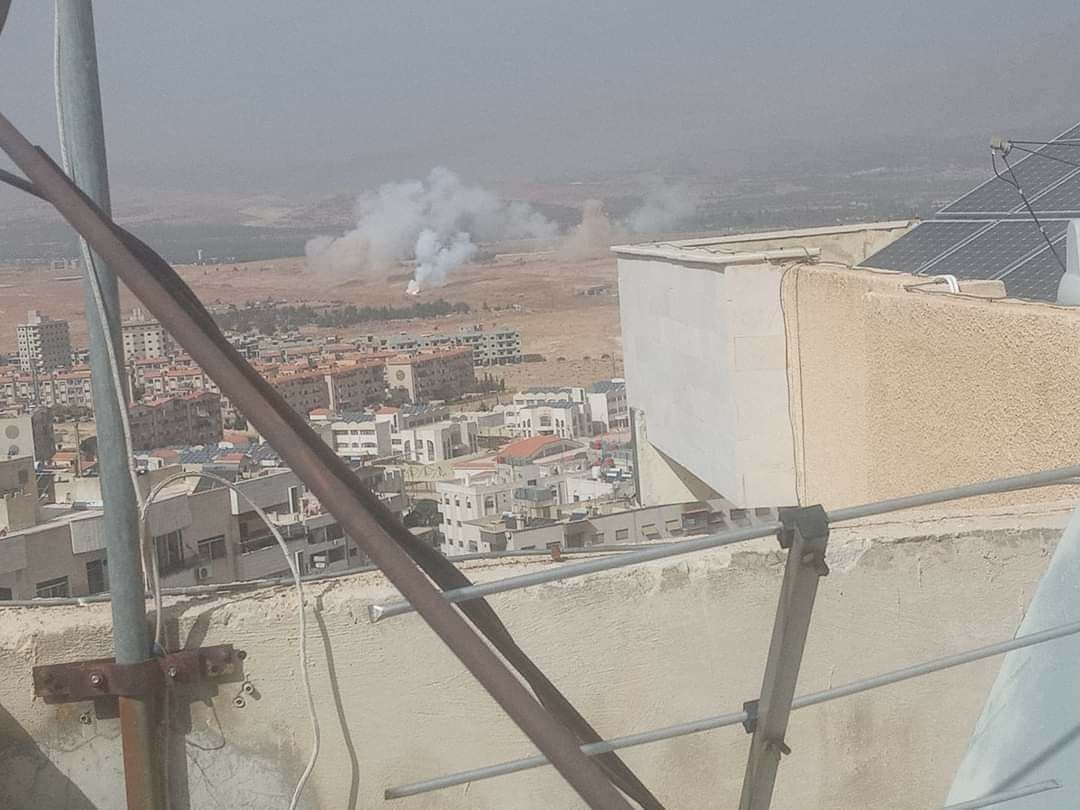
According to the Syrian military source, “At approximately 11:17 (local time), the Israeli enemy fired a burst of surface-to-surface missiles from the direction of northern occupied Palestine, targeting some points in Damascus countryside (Dimas). Our air defenses confronted the aggression’s missiles and shot down some of them, and the aggression resulted in the injury of two soldiers and some material losses.
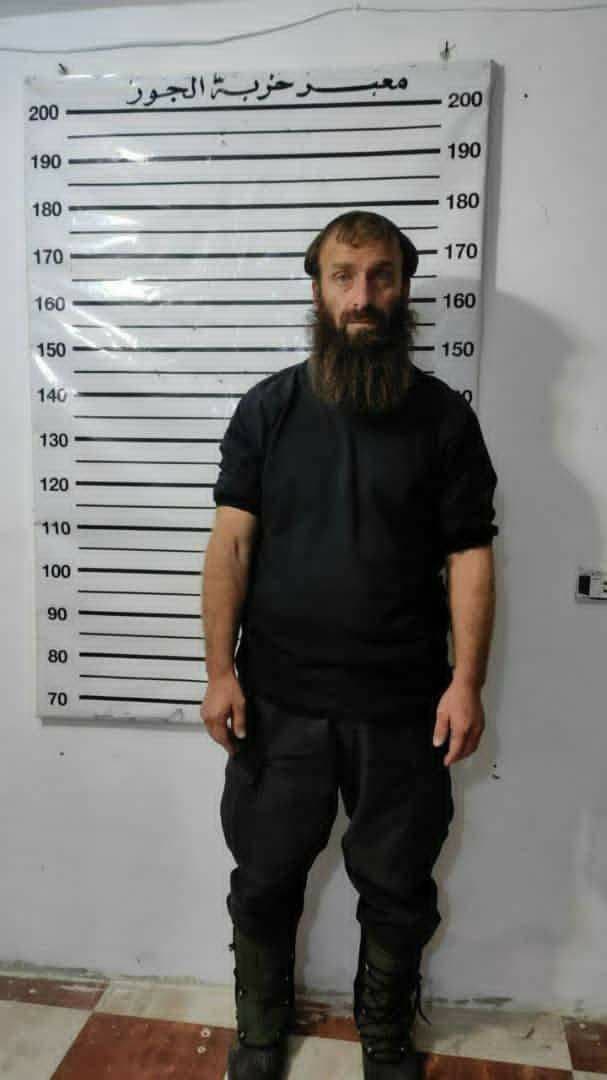
Following the clashes between Hayat Tahrir al-Sham (HTS) and Junud al-Sham and Jundallah militants in northern Latakia, Tahrir al-Sham arrested Abu Musa al-Shishani, brother of Muslim al-Shishani, the leader of Junud al-Sham, along with two other field commanders while fleeing to Turkey.
Musa al-Shishani was opposed to surrendering to Tahrir al-Sham and was very dissatisfied with his brother’s acceptance of Tahrir al-Sham’s terms. After Tahrir al-Sham militants advanced in the occupied areas of northern Latakia, he and two others decided to flee to Turkey, but failed.
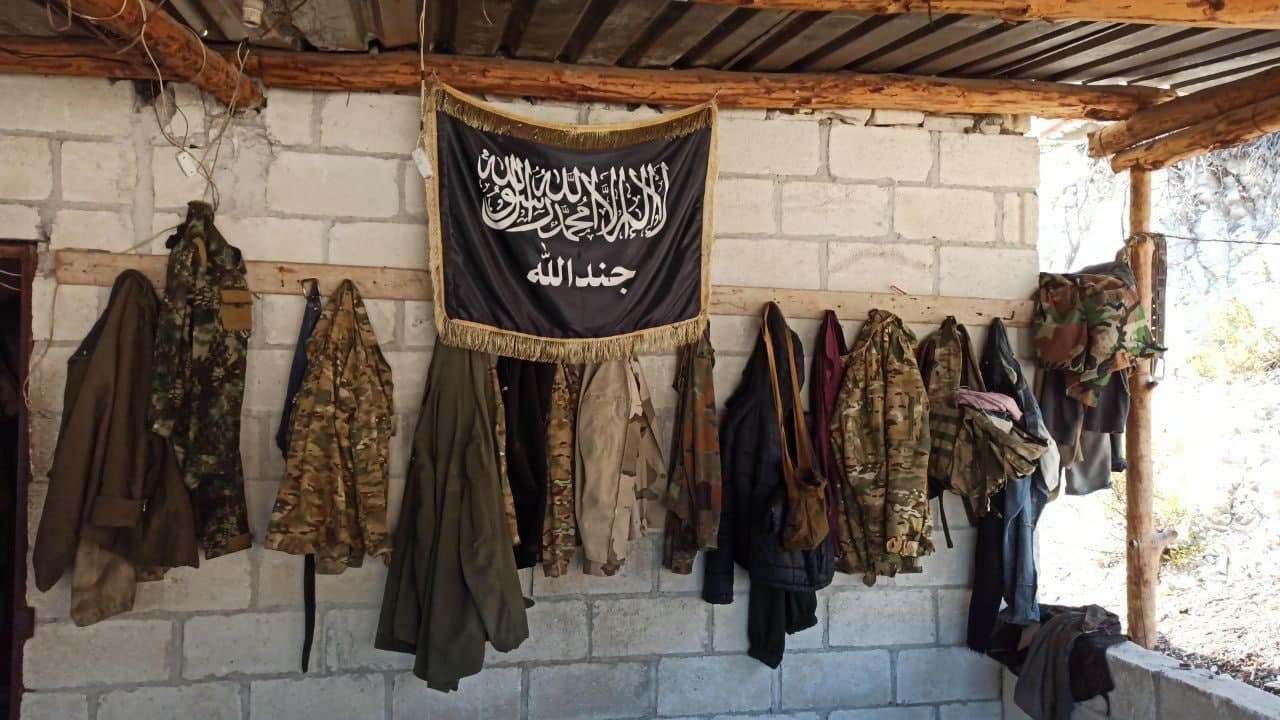
Also, as a result of the armed clashes between al-Julani and Abu Hanifa al-Azari militants in Jabal al-Turkman, Tahrir al-Sham militants succeeded in taking control of the al-Sallur area. Also, pictures released by Tahrir al-Sham show that Jundallah militants have retreated from their last positions.
Given Tahrir al-Sham’s recent advances against Jundallah and the acceptance of Tahrir al-Sham’s terms by Muslim al-Shishani, the leader of Junud al-Sham faction, to transfer him and his men to Idlib, it seems that the clashes between the two groups has ended.
The attempt of Muslim al-Shishani’s brother and two other commanders to flee to Turkey was also due to their knowledge of the current situation and the lack of conditions for resisting Tahrir al-Sham.
At around 23:34 local time on the evening of October 13th, Israeli warplanes used the airspace of the US-occupied Al-Tanf area to launch an attack on the Tadmur area and a telecommunication tower, during which a Syrian soldier was killed and three others were wounded. Following the attack, the Syrian Allied Operation Room issued a statement saying that it would retaliate the attack and will avenge the blood of the martyrs and the wounded.
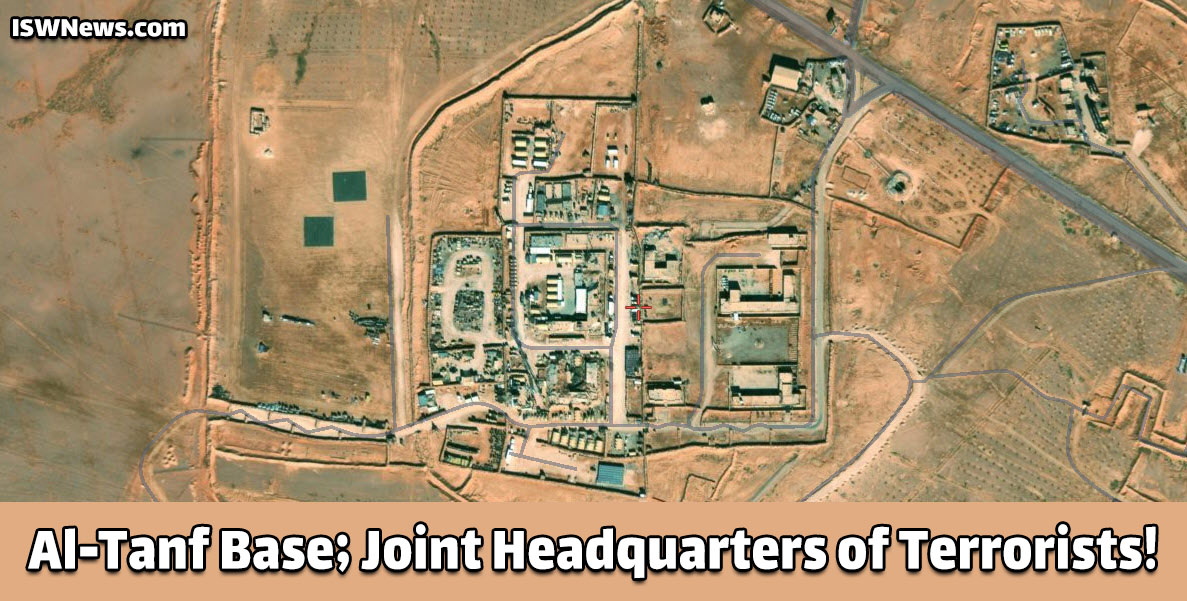
A few days later, on the evening of October 20th, the positions of the US military and its militants at Al-Tanf base were targeted by suicide drones. Shortly afterwards, images leaked from the base showed that at least three points at the base had been targeted and destroyed by drones. The scale of the damages to the base forced the CENTCOM to react, and they issued a statement blaming Iran for the attack, saying that five suicide drones were used in the attack and that no American forces were killed neither injured. The US-backed Maghawir al-Thawra militants also carried out a ridiculous propaganda by transferring a number of civilians to the targeted areas and publishing pictures of crying children, which not only did not deceive anyone, but also made fun of the group’s official Twitter account.
And where is the Al-Tanf base?
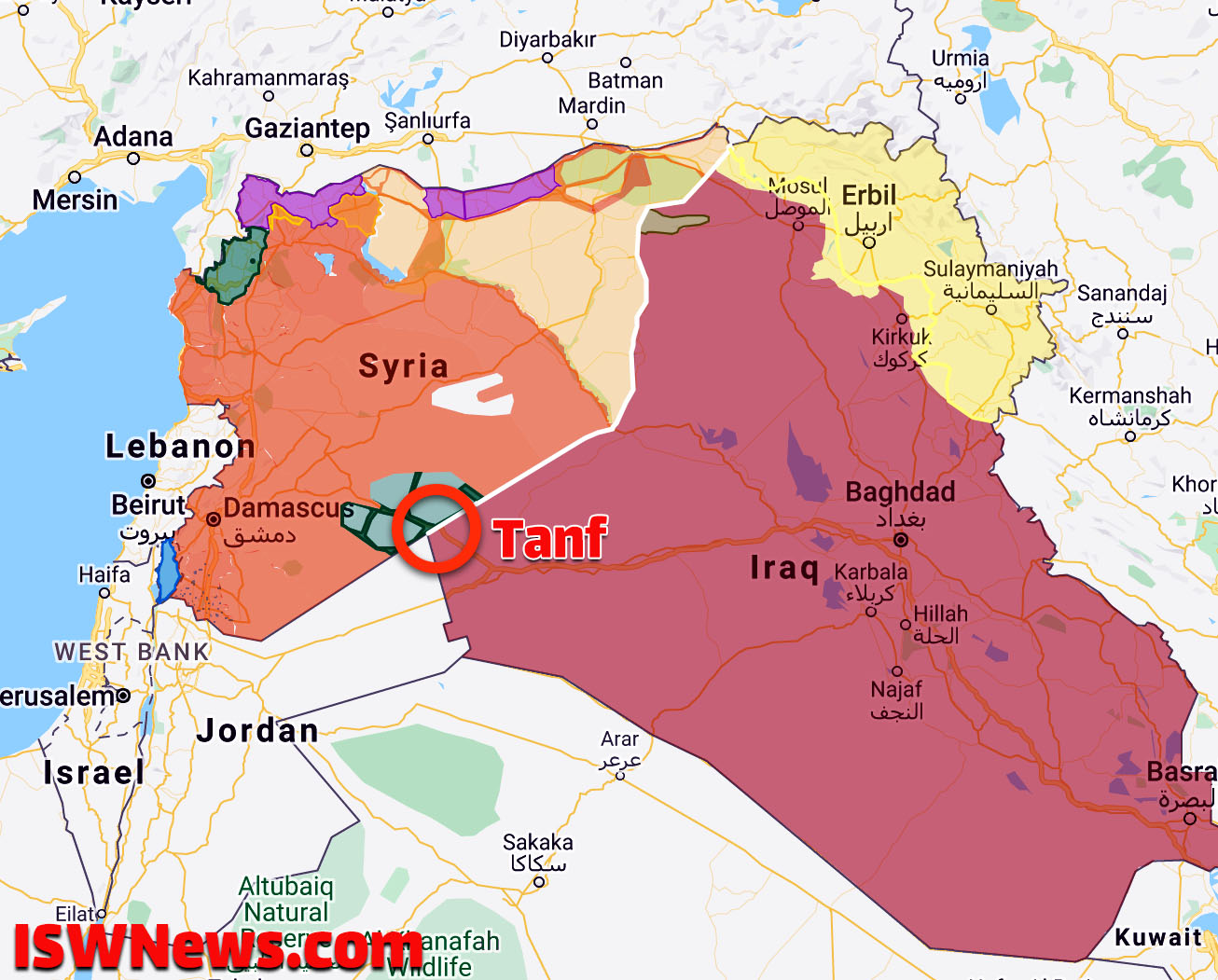
Al-Tanf base is located in the border triangle of Syria, Iraq and Jordan. The location of the base on the border between Iraq, Syria and Jordan and the Al-Waleed border crossing on Iraq and on the Baghdad-Damascus road has made Al-Tanf base one of the most important and strategic US bases in the West of Asia.
The base plays a key role in training, providing weapons and intelligence support to Syrian opposition militants, and seeks to destabilize the Iraqi-Syrian border and influence the Iran-Mediterranean communication route by moving and providing widespread support to ISIS operatives. Documents and reports from the Iraqi-Syrian border guards show that US forces stationed at the base are playing an important role in transporting ISIS terrorists from Kurdish militant prisons to various parts of Iraq and Syria.
Al-Tanf region in the border triangle of Syria, Iraq and Jordan
The Al-Tanf area has been occupied by US forces for years, and contrary to what US say, due to their presence in the area, it has become an insecure place for the Syrian and Iraqi governments and a place for sedition and attack on Syria and Iraq sovereignty; An area where Syrian Army forces and Iraqi resistance groups are not allowed to approach within a 55-kilometer radius. By occupying this region, the United States believes that it has blocked Iran’s direct land access from Tehran-Baghdad-Rutba to Damascus; But is that really the case? The answer is clear: Absolutely not!
In addition to these issues, the use of airspace of the Al-Tanf region by Israeli regime warplanes in recent attacks and attacks on Syria in recent years prompted the Syrian Allied Operation Room to decide to retaliate against these attacks. In the past, we have seen attacks in Syria against the positions of the American occupiers, but the drone strike on Al-Tanf is the first of its kind and can be considered as a turning point and the beginning of such attacks. Eye for an eye! Attack against attack. In a way that Israel and the United States understand that for every aggression and attack, there will be a painful and reciprocal attack and response. This will be the key to entering the field of deterrence against the United States and Israel in Syria.
While Turkey’s new operation is expected to start in the following weeks, yesterday a Turkish army convoy entered Tal Abyad. It included M60 tanks, ACV-15 AACVs and logistical equipment entered from Akçakale town, Şanlıurfa Province province in Turkey.
As tensions and exchanges of fire continue between Turkish-backed militants and Kurdish militias, Turkish-backed militants have made significant movements along the Kurdish contact lines in Afrin near Sheikh Isa, Maranaz, Tal Rafat and the Minnagh military airport, and Syrian Army dispatched equipment and reinforcement to the Tal Rafat area on the northern outskirts of Aleppo.
Inhabitants of Tal Rafat also gathered demanding leave of Turkish militia from Syria and to fight back Ankara’s assault and condemned Turkish army and militia’s attacks to residential areas.
It is noteworthy that Turkish parliament passed a bill to allow the army to continue its presence in Iraq and Syria. According to this bill Turkish Army can operate for two more years in Iraq and Syria.
Following a request from Tahrir al-Sham (formerly Jabhat al-Nusra ) to Muslim al-Shishani, the leader of the “Junud al-Sham” militants, to leave Jabal al-Turkman in northern Latakia and disband the Jundallah group, the militants objected and the Tahrir al-Sham decided to send troops and clash with the “Junud al-Sham” and “Jundallah” militants.
Tahrir al-Sham forces attacked positions of Ajnad al-Quqaz in the eastern and northern neighborhoods of Jasr al-Shughur. During the clashes in Jabal al-Turkmen, Jundallah militants withdrew from some of their positions in the area. A number of militants were also captured by Tahrir al-Sham.
According to the images published by Tahrir al-Sham from entering the points of Jundallah militants in Jabal al-Turkman and Jasr al-Shughur, it seems that the militants of Junud al-Sham, Ajnad al-Quqaz and Jundallah have accepted defeat and fled from most of their bases and surrendered.
It is also said that “Muslim al-Shishani”, the leader of the Junud of Al-Sham, surrendered to the conditions of Tahrir al-Sham and left Jabal al-Turkmen for Idlib.
Muslim al-Shishani, a prominent terrorist leader in northwestern Syria
Earlier, Tahrir al-Sham also threatened the “Junud al-Sham” who must declare their dissolution and hand over their weapons, otherwise the group and its elements will be dealt with military response. Tensions between the militants escalated when, a few days ago, Muslim al-Shishani criticized al-Julani in an audio file stating that Tahrir al-Sham was trying to link Junud al-Sham militants to ISIS, to justify fight with Junud al-Shama and remove the group. However, given the current situation, it seems that al-Shishani’s work as an independent and autonomous individual in Jabal al-Turkmen has come to an end.
The Tahrir al-Sham is currently expanding its dominance and influence in Idlib province and northwestern Syria, and the militants oppose the Tahrir al-Sham if they do not accept their conditions for handing over weapons, disbanding the group and joining the Tahrir al-Sham; They have to wait for the armed battle and the attacks of Tahrir al-Sham. On the other hand, some figures close to the militants believe that Tahrir al-Sham’s attack on old and experienced armed groups such as these groups, especially on the Jabal al-Turkmen and Kabani, has weakened the fronts And eventually will lead to the loss of important areas such as Kabani.