Brigadier General Yahya Saree, the spokesman of the Yemeni Armed Forces, announced the details of the Yemeni navy’s missile attacks on two American and British ships. According to the statement, the Yemeni Navy attacked the ship ‘Star Nasia’ and ‘Morning Tide’ with several naval missiles in two separate operations in the Red Sea. According to Brigadier General Saree, these attacks were precise and hit the targets.
The Yemeni Armed Forces emphasized that these attacks were carried out within the framework of Yemen’s legitimate right to respond to the aggression and defense of this country, and higher quality military operations will be carried out against all hostile American and British targets in the Red and Arabian seas. The Yemeni army also emphasized the continuation of operations against Israeli ships or ships heading towards occupied Palestinian ports until the blockade is lifted and aggression against the Palestinian people in the Gaza Strip is stopped.
The details of the ships that were attacked are as follows: Star Nasia is a Marshall Islands-flagged bulk carrier that has been operating since 2006. This ship has been moving from Port Said in Egypt to Visakhapatnam port in India. The Morning Tide ship is also a Barbados-flagged general cargo ship, which has been operating since 2006 and was sailing from the port of Port Said in Egypt to China.
According to IWN’s assessment, the Star Nasia and Morning Tide ships are the 28th and 29th ships that have been attacked by missiles and drones by the Yemeni Armed Forces. The Yemenis have announced that this naval operation is aimed at supporting the Palestinian resistance and stopping the war in the Gaza Strip, and that it will only be carried out against American, British, and Israeli ships or their affiliated ships and not the international shipping.
Early this morning, the U.S. warplanes targeted Ras Isaa area in Al-Salif district eight times, Al-Zaydiyah district twice and Al-Houk district once in Hudaydah province, And east of Saada city once and Baqim district 3 times in the north of Saada province.
These airstrikes took place while the US Army terrorist headquarters (CENTCOM) has not issued a statement about it so far.
However, according to CENTCOM’s latest statement, on February 4, at 5:30 a.m. (Sanaa time), U.S. warplanes conducted a strike against a land attack cruise missile. Also, at 10:30 a.m. US warplanes struck four anti-ship cruise missiles, all of which allegedly were aimed at the Red Sea.
The details of last night’s attacks are as follows:
13 attacks in Sana’a province (Al-Nahdayn, Atan, Bani Hashish district, etc.)
9 attacks in Hudaydah province. (Jabal al-Jada’ in the Al-Lahiya district, Al-Salif district and Aqban Island)
11 attacks in Taiz province. (Al Barah and communication networks of Muqbanah and Haifan districts)
7 attacks in Al-Baydha province. (Rada’ and Al-Sawadiya districts)
7 attacks in Hajjah province. (Al-Jar area)
1 attack in Saada province.
In his message, Brigadier General Saree emphasized that these attacks will not go unanswered, and Yemen will not give up on its moral, religious and humanitarian position of “supporting the Palestinian people in the Gaza Strip”.
The areas that were targeted last night by the US-British airstrikes in Yemen, according to ISWNEWS assessment – click to view full size
The United States army’s terrorist headquarters in the region (CENTCOM) said in a statement that this operation is in line with the so-called international efforts to respond to increased Iranian-backed Houthi destabilizing and illegal activities in the region; And the strikes are intended to degrade Houthi capabilities used to continue their attacks on U.S. and U.K. ships as well as alleged international commercial shipping in the Red Sea, Bab Al-Mandeb Strait, and the Gulf of Aden.
Of course, the term “international commercial shipping” by the United States means ships affiliated with Israel or destined for Israeli ports!
According to this statement, the U.S. coalition operation was carried out with the participation of British fighter jets and with the support from Australia, Bahrain, Canada, Denmark, the Netherlands, and New Zealand at 23:30 (Sanaa time) against 36 Houthi targets in 13 locations in different areas of Yemen. These targets included multiple underground storage facilities, command and control, missile systems, UAV storage and operations sites, radars, and helicopters.
The US CENTCOM images of operation
This operation is the third large-scale invasion of the American and UK armies in Yemen in support of Israel’s interests in the Red Sea. According to the published images and information, this operation was carried out by four Eurofighter Typhoon fighter jets of the British Army and 24 U.S. F-18 fighter jets, as well as warships equipped with Tomahawk missiles.
Also, a few hours after this attack at 4 a.m. on February 4, the US military allegedly conducted a strike against an anti-ship cruise missile prepared to launch against ships in the Red Sea.
According to Brigadier General Yahya Saree’s short message and the available evidence, the Yemeni Armed Forces will respond to this attack. The responses of the Yemeni army are currently limited to the level of missile and drone attacks on ships and naval fleets, and there is a possibility that it will become more widespread as tensions increase.
Air attacks by American and British fighter jets on the city of Sana’aAir attacks by American and British fighter jets on the city of Sana’a
Al-Lahiya district is located in the north of Hudaydah province and Al-Durayhami district is located in the south of Hudaydah city. Al-Lahiya is located on the coast of this province and plays an important role in controlling the Yemeni islands in the Red Sea. Al-Durayhami is also related to the Red Sea coast, but it seems that the American strikes on this administration was carried out with the aim of attacking drone and missile launchers.
According to IWN investigations, probably the second attack is related to the bombing of Al-Jar region in Hajjah province. Local sources reported seven airstrikes in Al-Jar area yesterday evening. The third attack is also possibly related to the report of the British maritime security company Embry, which claimed that two explosions occurred near a Liberian-flagged ship on the outskirts of Zubair Island.
On Friday evening, February 2, the Israeli Arrow air defense system countered a ballistic missile that was launched from Yemen towards the city of Eilat in the south of occupied Palestine. According to the available information, this missile was intercepted over the Red Sea, and for this reason, the alarm was not activated in the Eilat region.
After this attack, the Armed Forces of Yemen published a statement.
Brigadier General Yahya Saree, the spokesman of the Yemeni Armed Forces, said about this operation: “The Missile Force of the Yemeni Armed Forces, with the help of God, carried out an operation with a number of ballistic missiles against specific targets in the area of Umm al-Rasharash (Eilat) in the south of occupied Palestine.”
In this statement, the Yemeni Armed Forces emphasized the continuation of support for the oppressed Palestinian people in response to the call of the free people of Yemen and all the free people of the Arab and Islamic countries, for the continuation of military operations against Israel until the end of the aggression and the lifting of the siege of the Palestinian people in the Gaza Strip.
This missile attack was the 14th missile and drone operation by the Yemeni army against Israeli positions since the incite of the war in the Gaza Strip. The last missile and drone attack of the Yemeni army on Israel was carried out on December 26. In addition to the Yemeni army, Iraqi resistance groups have also carried out at lest 20 missile and drone attacks against the Israeli targets.
In a statement published on the evening of January 31, Brigadier General Yahya Saree, the spokesman of the Yemeni Armed Forces, said: “The Navy of the Yemeni Armed Forces, in a special military operation, fired several missiles at an American merchant ship KOI, which was heading towards the ports of occupied Palestine, And the ship was directly hit by these missiles.”
It should be noted that this operation was carried out hours after the attack on the American destroyer USS Gravely in the Red Sea.
In this statement, the Yemeni Armed Forces, while reiterating their support for the Palestinian people in the Gaza Strip by preventing the shipping of Israel and their affiliated ships in the Red and Arabian seas, emphasized that these attacks will continue until the end of the aggression and the delivery of food and medicine to the Gaza Strip. The Armed Forces of Yemen also added that they will deal with the increase in tension by the American-British coalition and will not hesitate to carry out large-scale military operations in response to any of their stupidity against Yemen.
The Yemeni Armed Forces also emphasized that as long as the American-British aggression against Yemen continues, all American and British ships in the Red and Arabian seas are among the legitimate targets of the Yemeni Armed Forces.
The KOI ship is a US-linked container ship that has been operating under the flag of Liberia since 2011. In the last recorded information about this ship, this ship was moving from the port of Mundra in India to Djibouti. Registering the destination to the ports of the countries bordering the Red Sea and then moving towards the Israeli ports is one of the ways that Israeli-affiliated ships take to escape Ansar Allah attacks.
KOI ship container ship
At the same time as this attack, CENTCOM claimed in statements that it had attacked Ansar Allah’s positions in three separate attacks in the past day.
The first attack was carried out at 3:30 p.m. local time against an Ansar Allah surface-to-air missile in the north of Saada city, which was considered a threat to American aircraft. The second engagement was conducted by the destroyer USS Carney at 20:30 to 21:10, during which this American destroyer managed to shoot down an anti-ship ballistic missile and three Iranian (!) suicide drones. The third engagement, which took place at 1:30 a.m. today, February 1, the control and guidance station of the Ansar Allah drone and 10 suicide drones were also attacked in Jabbana area in the northern suburbs of Hudaydah city.
According to local sources, the air defense of the Yemeni army has countered the US air strikes on Saada and Hudaydah. No information has been released about the details of Yemen’s air defense measures, but it is said that Yemen’s air defense activity has led to the withdrawal of American fighter jets and drones from the skies of Yemen. It should be noted that the US military has not released any video or image of the attack on Ansar Allah’s positions.
The areas that were targeted by US air strikes in the last 24 hours – click to view in full size
Brigadier General Saree declared all the American and British warships stationed in the Red and Arab seas that are participating in the aggression against Yemen as the “target bank” of the Yemeni Armed Forces and said: “Our forces emphasize that until the end of the aggression against Gaza and the lifting of its siege, they continue to block Israeli shipping and ships going to occupied Palestinian ports.”
The US central command also announced early today that “at 23:30 on Tuesday, the USS Gravely destroyer succeeded in destroying an Ansar Allah anti-ship cruise missile in western Yemen.” According to the American claim, Ansar Allah’s attack was neutralized and there was no damage or casualties.
USS Gravely is a US Navy’s Arleigh Burke-class guided missile destroyer that was sent to the Mediterranean Sea and then the Red Sea after the start of the war in Palestine. This destroyer is equipped with advanced defense systems and missile weapons, including Tomahawk cruise missiles.
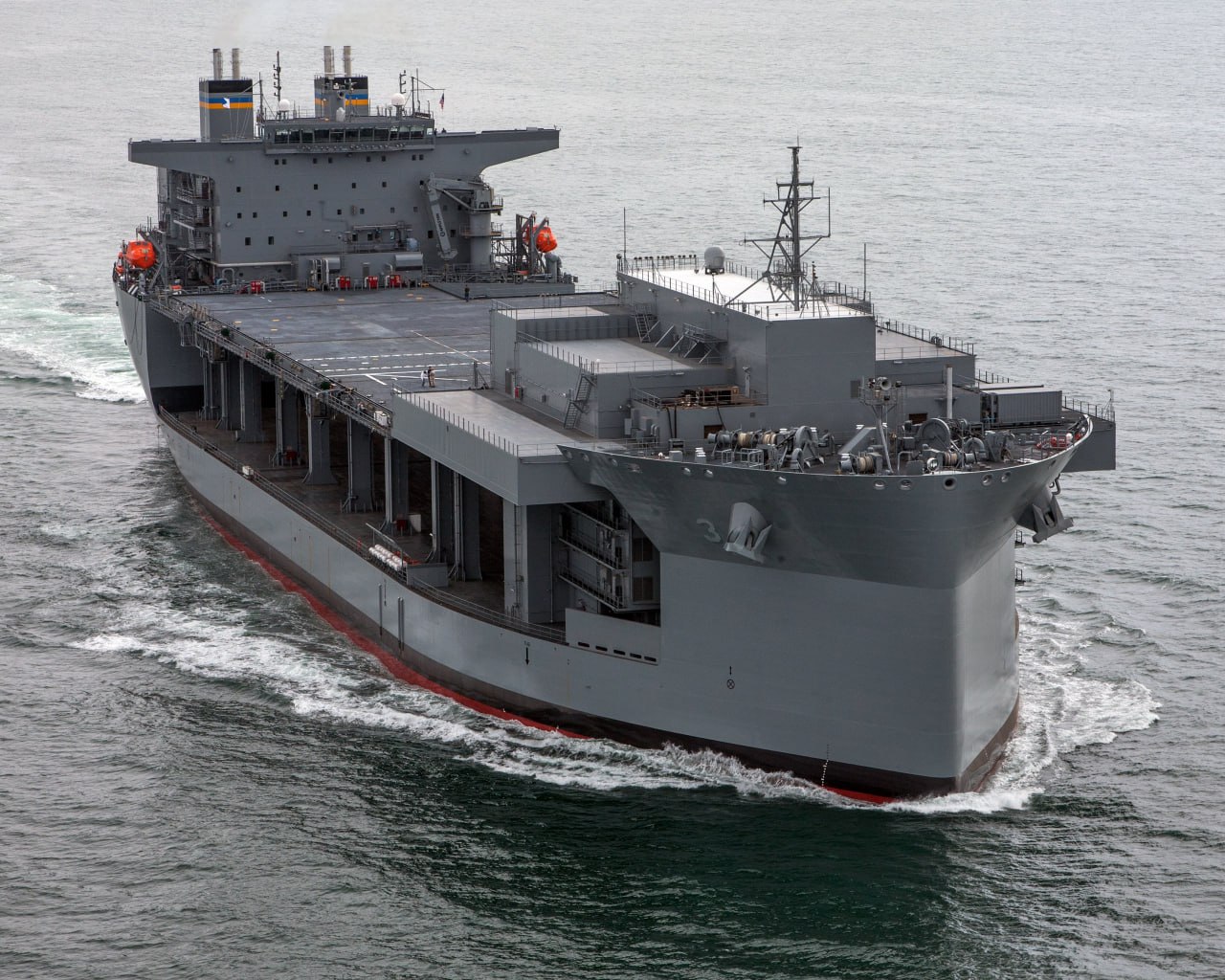
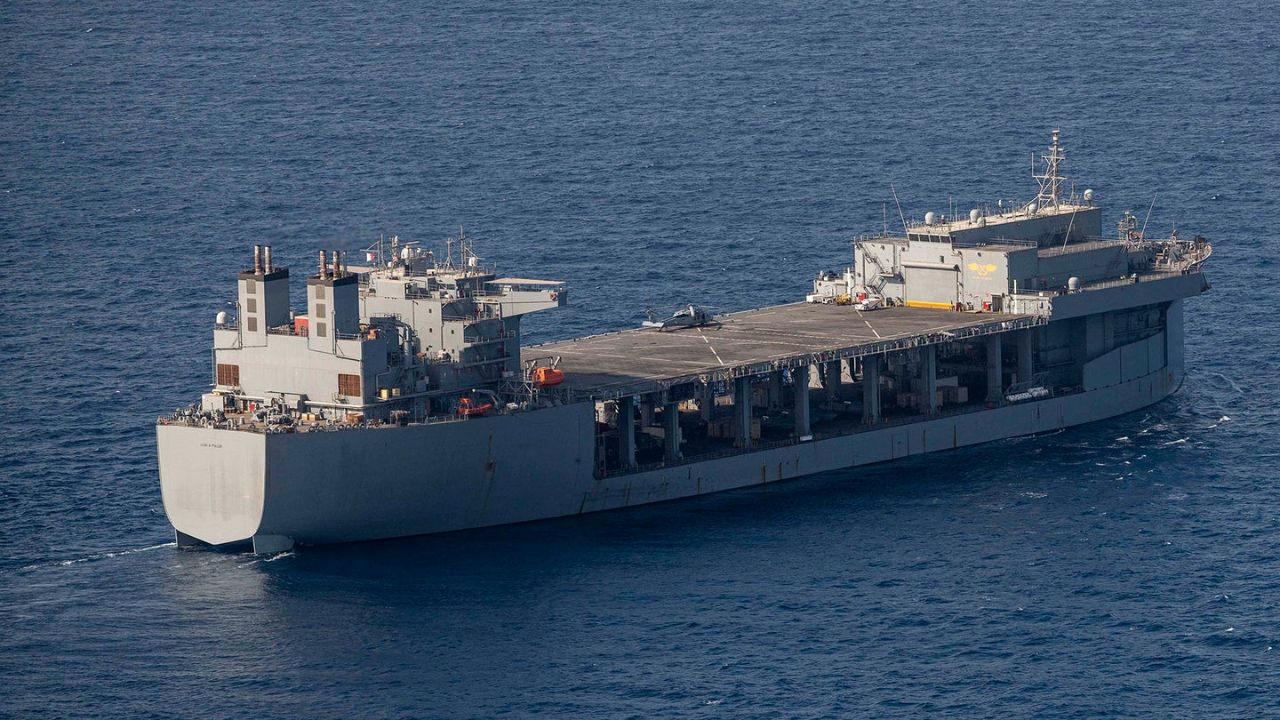
According to Brigadier General Yahya Saree, the spokesman of the Yemeni Armed Forces, the Yemeni Navy attacked the USS Lewis B. Puller logistics support ship of the US Army in the Gulf of Aden with a naval missile.
Brigadier General Yahya Saari called this operation in line with the military actions of the armed forces in defense of Yemen and support of the Palestinian people. He emphasized the continuation of operations against Israel’s interests until the end of this regime’s aggression in the Gaza Strip.
USS Lewis B. Puller was commissioned in 2017 in Bahrain and replaced USS Ponce with the U.S. Fifth Fleet in the Persian Gulf. Among the duties of this ship is logistical support for the American forces in the West Asia region, as well as support for the operation of the American coalition called “Operation Prosperity Guardian” against Ansar Allah and the Yemeni army.
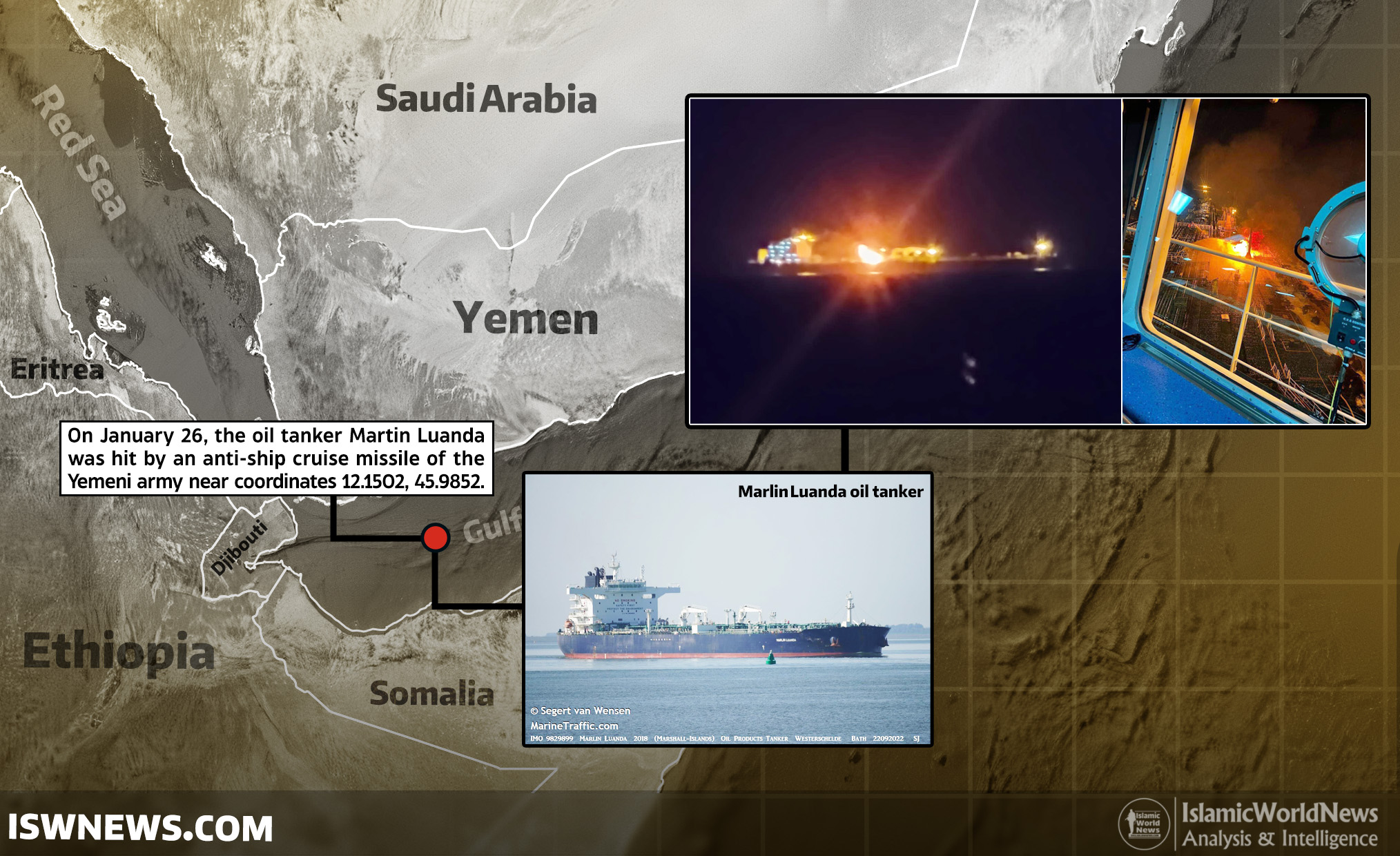
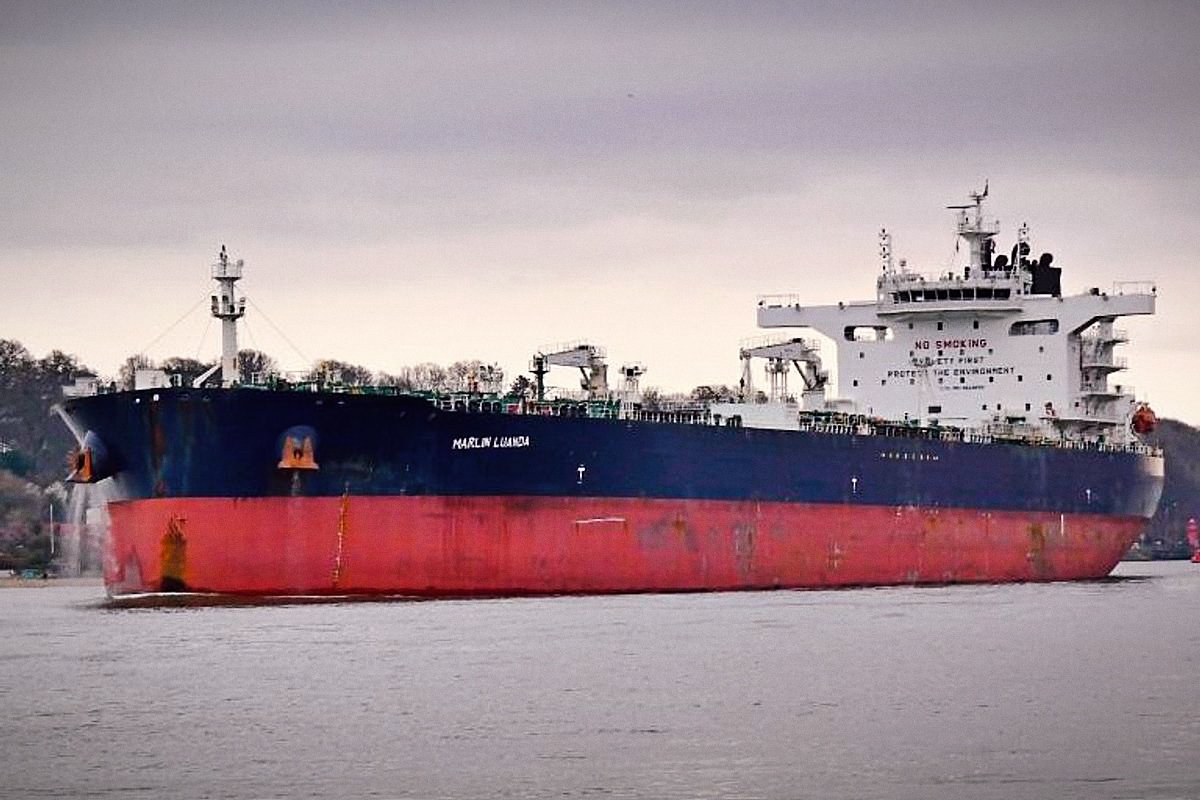
Brigadier General Yahya Saree, the spokesman of the Yemeni armed forces, announced in a statement that the Yemeni navy attacked a British oil ship called MARLIN LUANDA in the Gulf of Aden using several naval missiles.
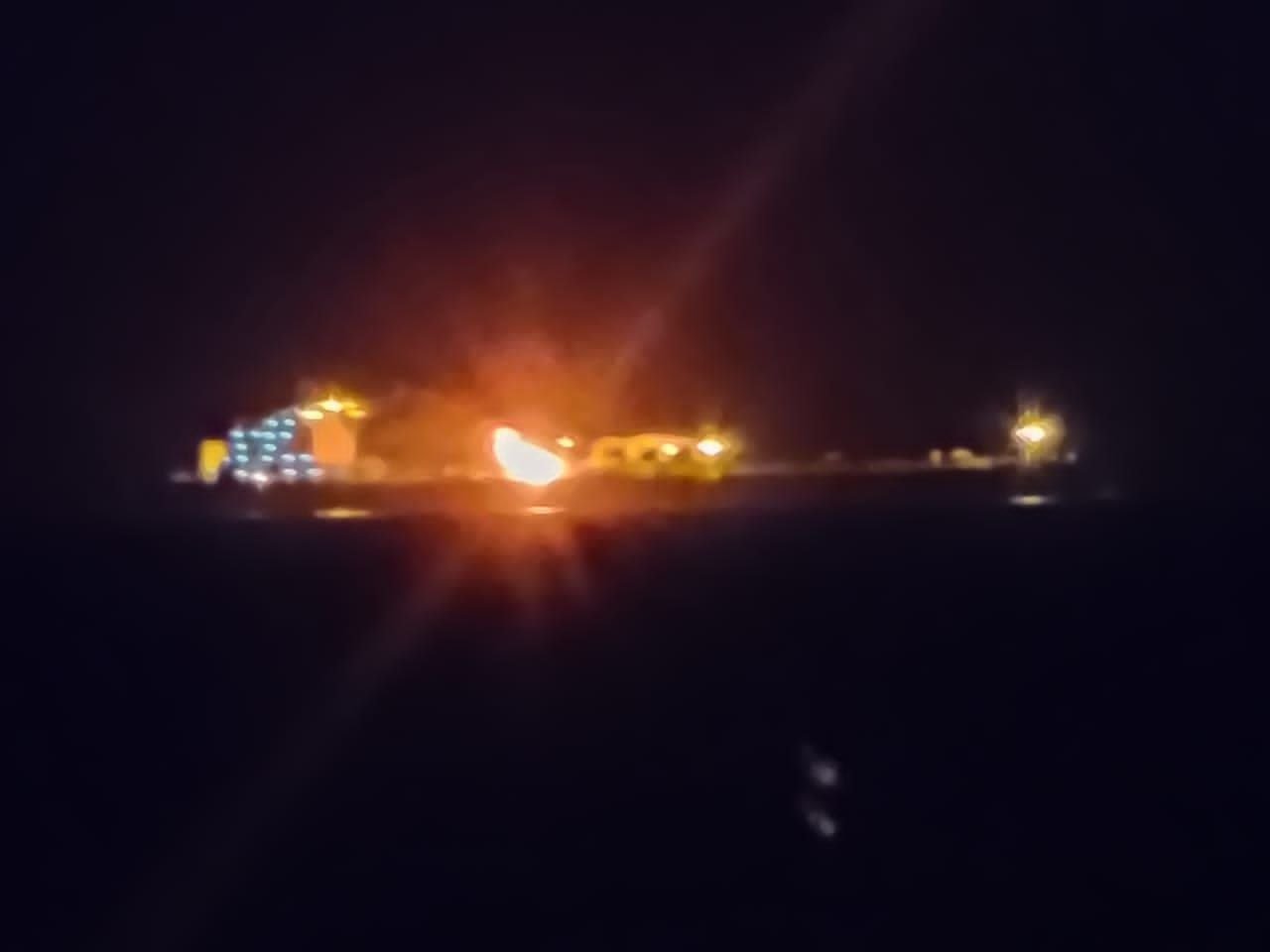
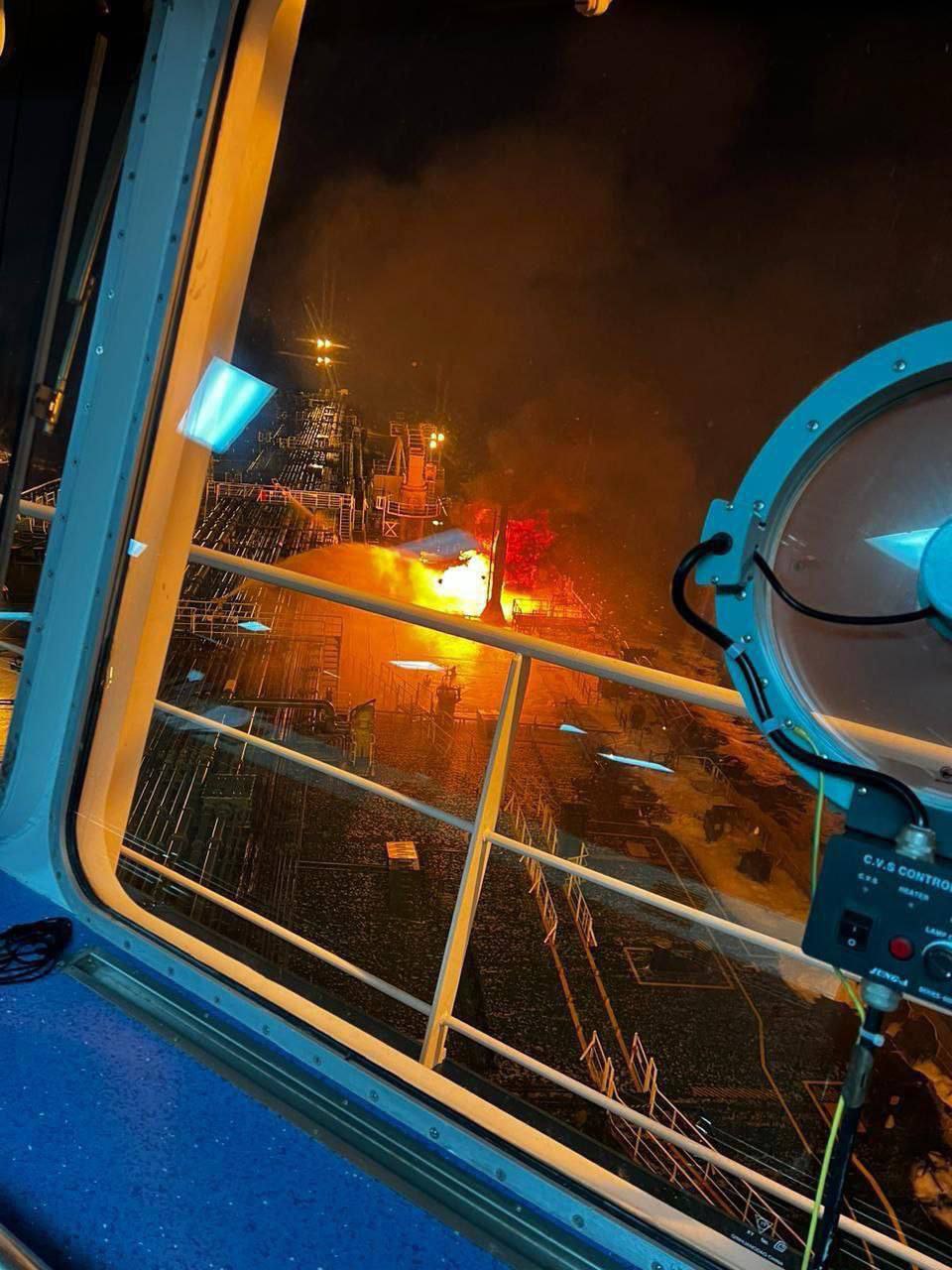
As a result of the missiles directly hitting the Marlin Luanda oil tanker, this British ship suffered a fire and significant damage. The U.S. Central Command also confirmed this news and added that a Houthi (Ansar Allah) missile damaged the mentioned oil tanker, but no casualties were reported.
The Marlin Luanda ship on fire after being hit by a missile
Trafigura company (the owner of this ship) in a report denied the sinking of Marlin Luanda oil tanker and the casualties in the missile attack. Trafigura announced that the ship’s crew, supported by US coalition warships, are trying to contain the fire.
The Yemeni armed forces emphasized the continuation of operations in the Red and Arab seas against Israeli ships or Israeli-linked ships bound for occupied Palestinian ports until the end of the aggression and the delivery of food and medicine to the Gaza Strip. The spokesman of the Yemeni armed forces also clarified that all their military actions were carried out within the framework of the right to defend Yemen and practical solidarity with the Palestinian people.
Statement of the Yemeni Armed Forces regarding the attack on MARLIN LUANDA tanker
In response to this attack, on the morning of Saturday, January 27th, the US fighter jets bombed the Ras Issa area in the north of Hudaydah city twice. The US military claims that this airstrike destroyed an anti-ship missile ready to be launched on the shores of the Red Sea.
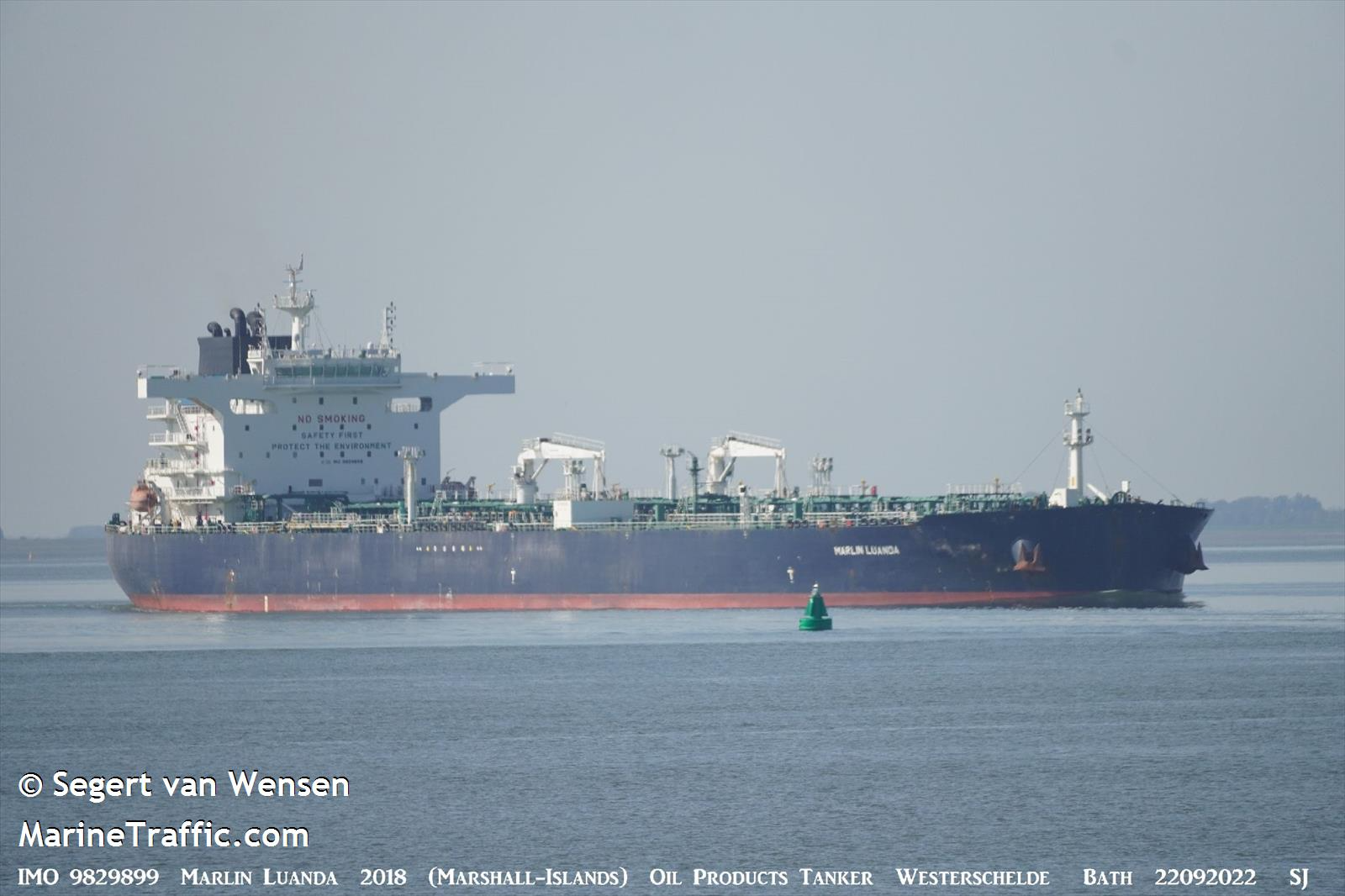
Marlin Luanda is a British oil tanker that has been operating under the Marshall Islands flag since 2018. The action of the Yemeni army against the British ships was carried out after the authorities of this country, in addition to participating in the American coalition against Yemen, adopted harsh positions against Ansar Allah and the Yemeni National Salvation Government.
In this meeting, in addition to discussing regional tensions and the current situation in Palestine and the Red Sea, the two sides exchanged views on ways to resolve the military and political crisis in Yemen, and emphasized the efforts of influential countries and international organizations to hold negotiations between the various political factions of Yemen.
Russian and Yemeni officials also condemned the US-UK airstrikes against Yemen, considering their measures as the root cause of insecurity and instability in the West Asia region
The visit and meeting of the Ansar Allah movement’s officials in Russia is not a new development, as there have been multiple meetings and discussions between Abdul-Salam and Bogdanov in recent years. However, the significant aspect of this visit is the formation of this meeting in this volatile period of time.
The common ground between the Ansar Allah movement of Yemen and the Russian Federation lies in their opposition to US projects in the West Asia region, and Moscow considers direct military engagement by the Ansar Allah movement with the US-led coalition in the Arabian Sea and the Red Sea as highly important.
It can be considered that the Russian Federation’s main goal is to keep the US and the European Union occupied in this region, while the Ansar Allah movement’s main objective in this relation is to gain legitimacy and attract support from the Russian government regarding internal issues of Yemen and the future decisions to be made by the United Nations Security Council.
On January 16, Brigadier General Yahya Saree, spokesman for the Yemeni armed forces, announced a missile attack on the bulk carrier Zografia. The cargo ship was reportedly en route from Ho Chi Minh Port in Vietnam to the Suez Canal and possibly one of the Israeli regime’s occupied ports, when it was identified about 100 miles northwest of Al-Salif Port in western Yemen and was targeted by the Yemeni army with several anti-ship missiles.
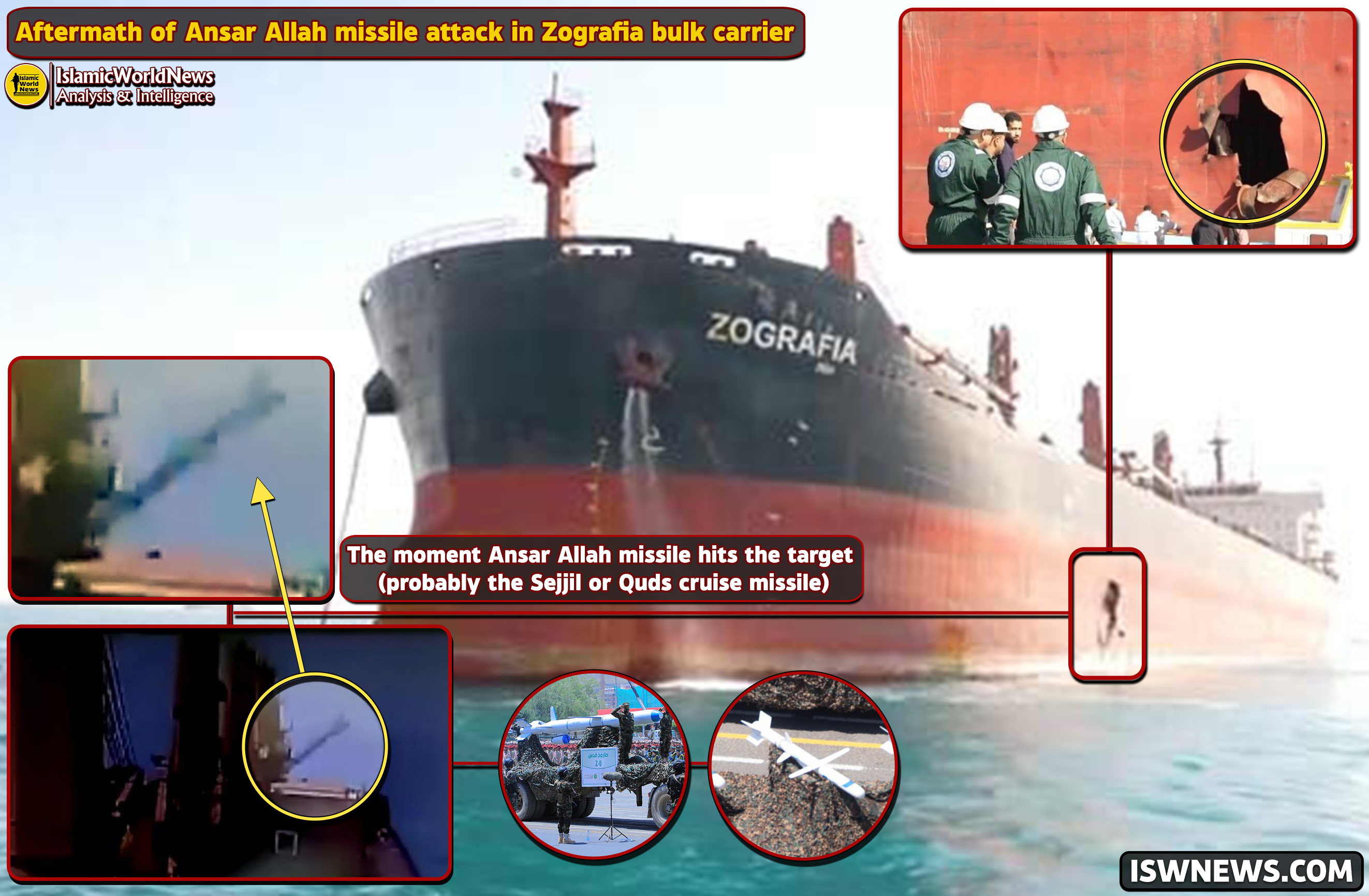
This is not the first or the last instance of the Ansar Allah movement’s missiles and drones hitting Israeli ships and Israel-bound vessels, and in the majority of operations declared by the Yemeni armed forces, the impact of missiles or suicide drones has unequivocally occurred. However, the Zografia ship is the first case where images of the moment of the Ansar Allah movement’s missile impact and its aftermath are released.
Ansar Allah missile hit the Zographia ship in the Red Sea
At first glance, from the video of the moment of impact, it can be seen that one of the Ansar Allah movement’s anti-ship ballistic missiles hits the Zografia ship. The apparent explosion appears to be relatively small, and its damage seems limited. However, a more technical look at the video and the images of the attack’s aftermath reveals that the missile approaches the ship from above at a 45-degree angle and at high speed, striking the midsection of the ship and causing damage up to its hull.
It is difficult to accurately determine the type of missile due to the low quality of the video. Some Western media outlets and analysts, based on the ballistic missile test footage of the Islamic Revolution Guards Corps (IRGC) in the Persian Gulf, have classified the missile as part of the Fateh series of naval ballistic missiles.
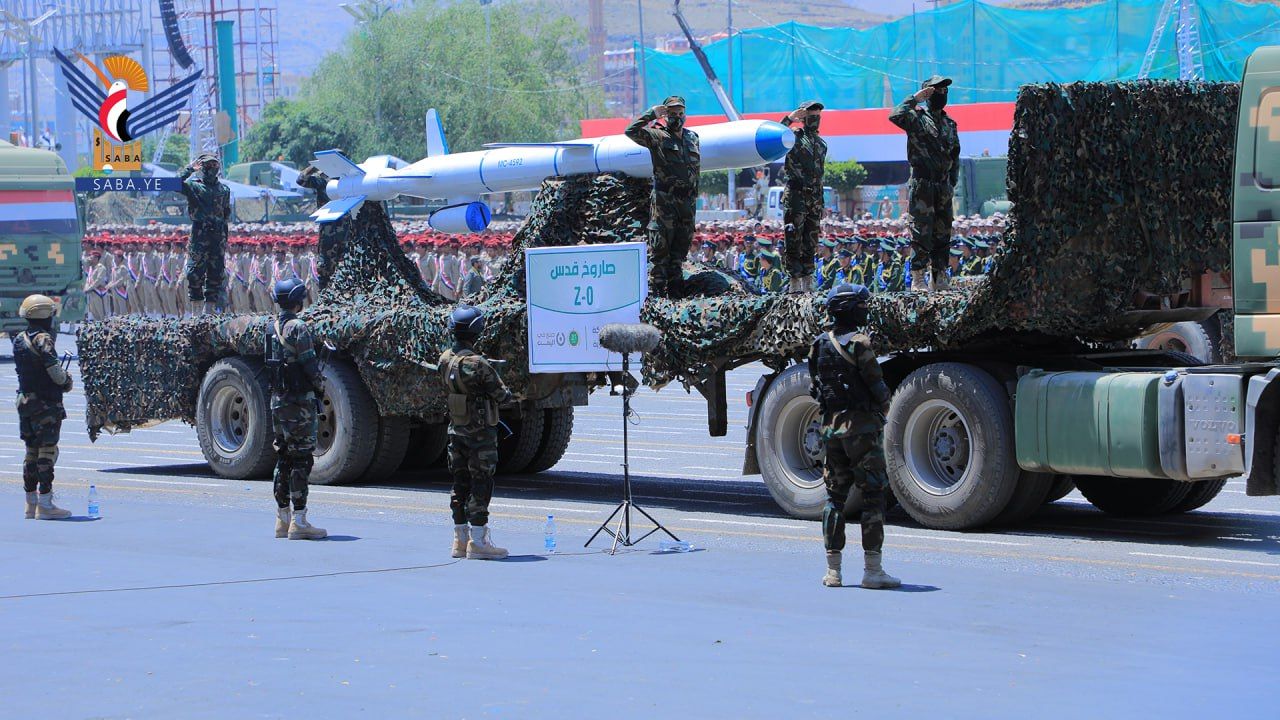
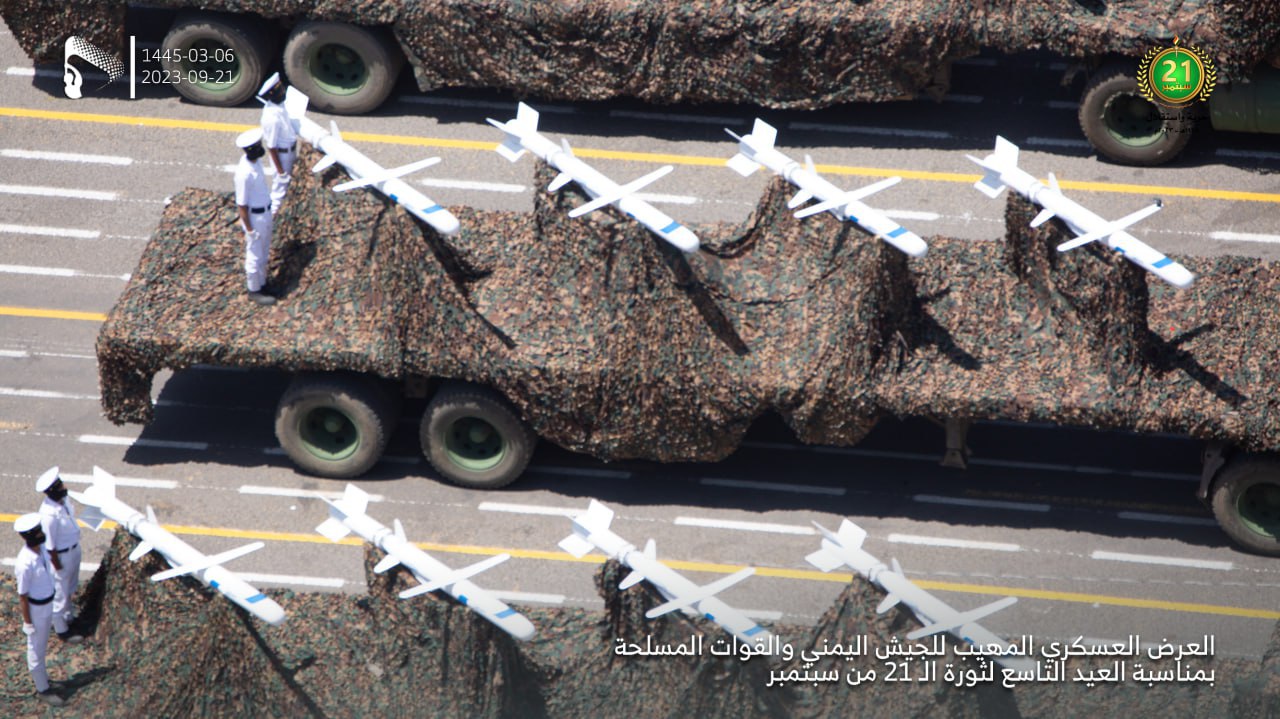
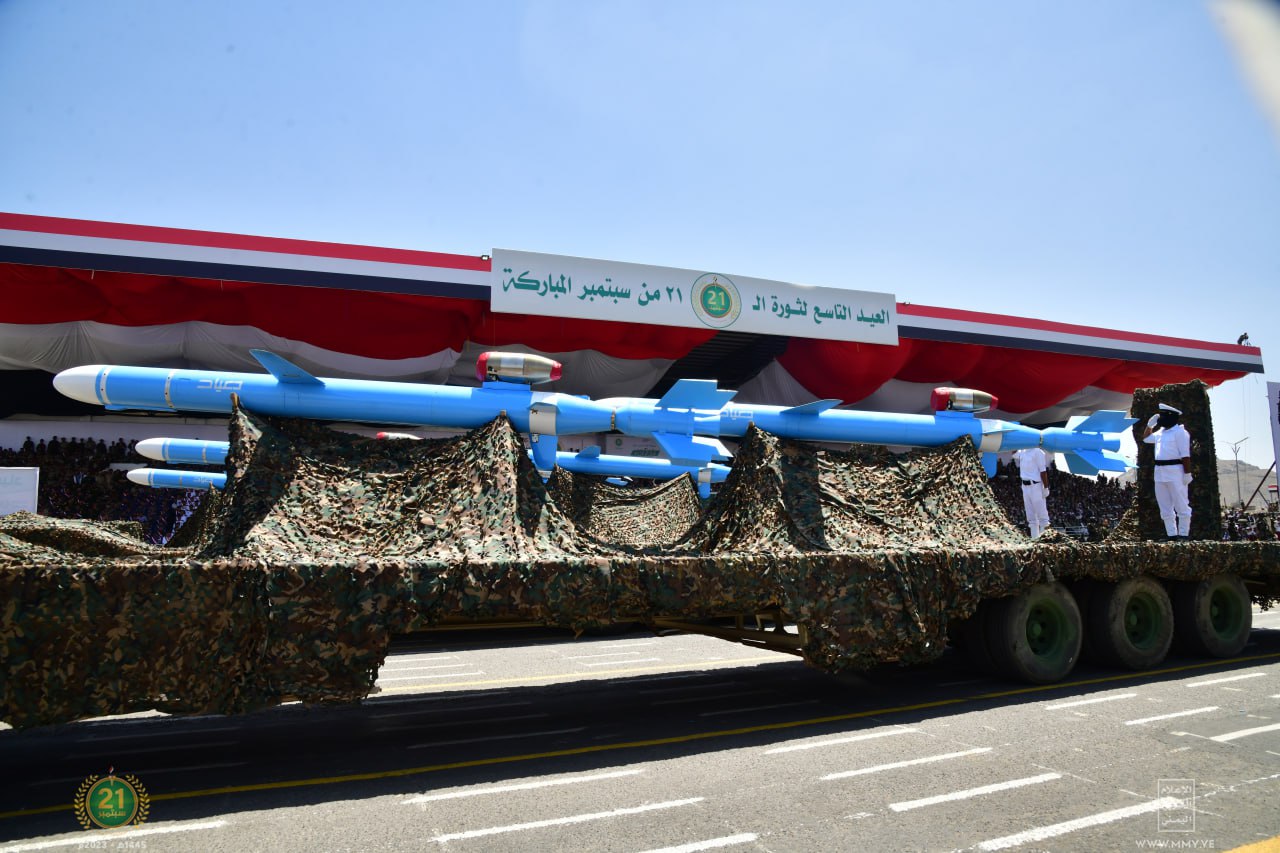
The statement from the United States Central Command (CENTCOM) in West Asia has also referred to the type of the missile fired by the Ansar Allah movement as anti-ship ballistic missile. The Ansar Allah movement’s anti-ship ballistic missiles include Tankeel, Aasef, Mohit, and Al-Bahr Al-Ahmar. However, the image of the missile clearly depicts two wings in the middle of the missile, which reinforces speculation about the use of cruise missiles. The Ansar Allah movement’s cruise missiles include the Quds series (Quds Z-0), Sayyad, Sejil, and missiles made by the Soviet Union and China. In general, determining the type of missile from a single image of poor quality is difficult, but the signs of “cruise” marks on the missile is definite, given the existence of wings in the middle of the missile.
The moment Ansar Allah missile hits the target (probably the Sejjil or Quds cruise missile)Ansar Allah cruise missiles (from right to left: Sayyad, Sejjil and Quds z-0)
The naval war between the Ansar Allah movement and the US-led coalition represents a new chapter of asymmetric conflict in the history of naval warfare. Yemen’s goal in these extensive operations, as mentioned in numerous statements from the armed forces, is to halt Israeli shipping and affiliated vessels, so they can use it as a pressure tool to stop the war in the Gaza Strip. Undoubtedly, sinking these ships is not the aim of the leaders of Ansar Allah and the Yemeni government. However, even if such a goal is defined, suitable weapons for it exist in Yemen, and generally, Ansar Allah’s objective is to stop Israeli shipping.
The deployment of more European and American warships signifies the success of the Ansar Allah movement’s operations and the achievement of its goals. Moreover, Israeli and European transportation companies’ efforts to establish a land corridor from Arab countries to the Israeli regime’s occupied territories indicate that they have no hope of reopening the Bab al-Mandab Strait and the Red Sea and are looking for alternative routes to reduce the economic pressure caused by the closure of the Red Sea shipping route.
The Ansar Allah movement faces logistical constraints and the US-UK air attacks to destroy ammunition depots, missile and drone launch systems, as well as limited capability in its air defense systems. However, the Yemeni forces are trying to counter these issues with asymmetric actions, such as heavy and limited attacks on ships and military fleets of the US and the UK. The challenges facing the US and UK fleets include the lack of control over Yemen’s territories and coasts, restrictions on identifying the sources of missile and drone attacks by Yemen, the lack of direct support from regional countries, and the presence of the Iranian military fleet in the region’s waters.
Considering the above issues, it is expected that the Red Sea route will remain closed to the Israeli regime and the United States in the coming months, and the naval forces of the European Union will join the US-led coalition. Reports suggest that the US and the UK intend to conduct ground operations on the western Yemeni coast, which is unlikely to be successful. This plan was previously carried out by the Saudi-led coalition and its failure led to high casualties and eventually the retreat of the United Arab Emirates (UAE) and the Saudi kingdom. Complete occupation of the western coasts of Yemen will not stop the Ansar Allah movement’s missile and drone attacks in the Arabian and Red Seas, as most of these attacks are launched from the Ansar Allah movement’s deep positions, and less than 20% of the attacks are carried out from the coasts of Al Hudaydah and Hajjah governorates.
The latest status of the Zographia ship / This ship has been sent to the Suez Shipyard in Egypt to repair the damage caused by the Ansar Allah missile.