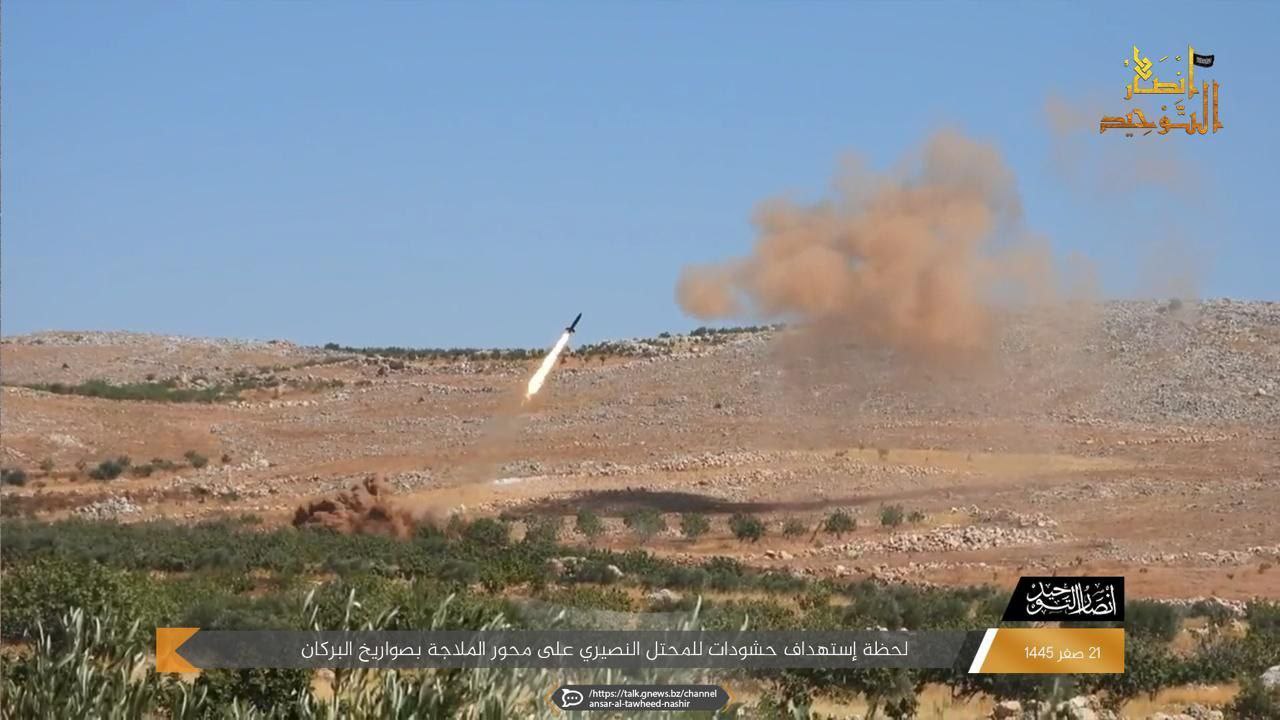
In recent days, there has been a significant increase in the battles and artillery duels between the militants and the Syrian army along the front lines of Kafr Nubl.
On August 26, militants affiliated to Ansar al-Tawhid group detonated a tunnel under the Syrian army headquarters in the al-Malaja axis, which resulted in the martyrdom and injury of several Syrian soldiers. Since then, sporadic clashes and the artillery duels between the SAA and terrorist groups has intensified.
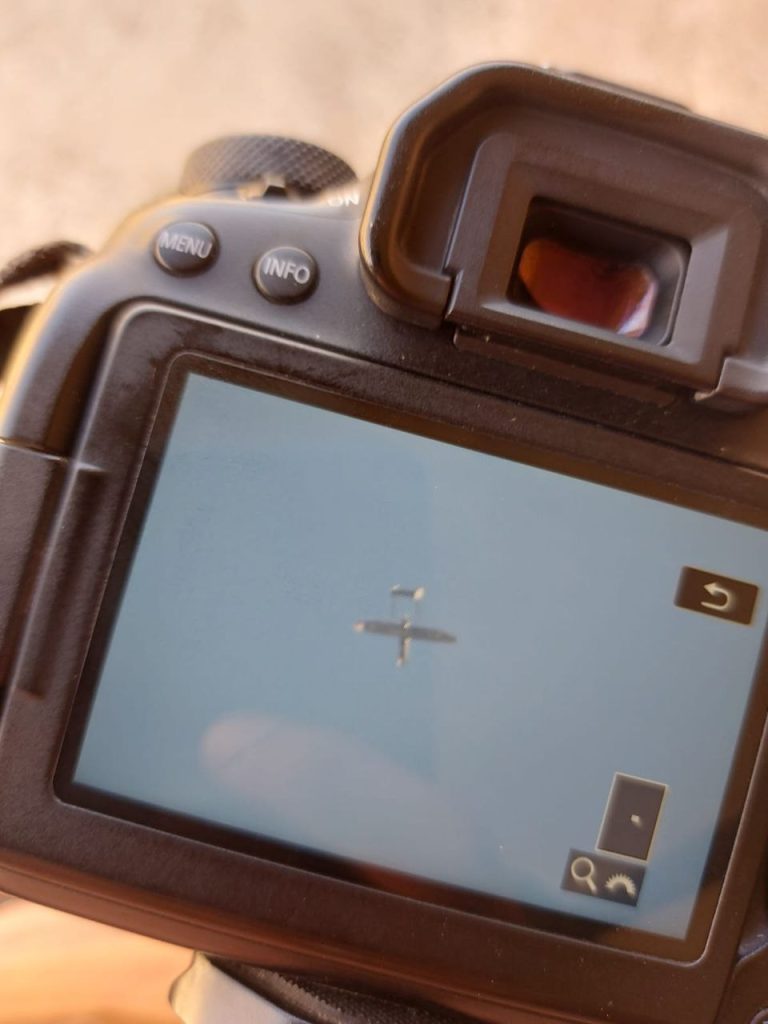
Media outlets close to the militants released a video on September 5, showing the surveillance flight of an Iran-made Ababil-3 drone in the southern frontlines of the Idlib Governorate.
According to the claims made by the militants, this drone flew over various areas of Al-Fatira, Kansafra, Kafr al-Uwayd, and Safuhen.
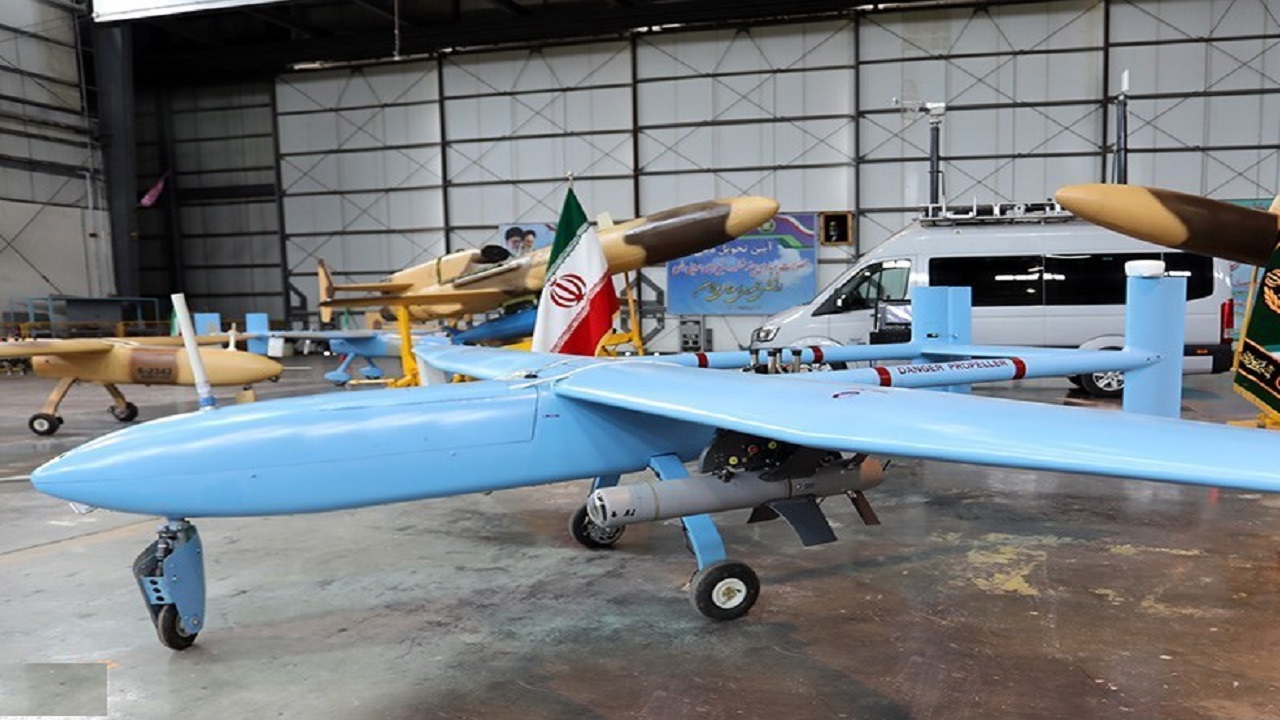
Ababil-3 drone image published by the militants
It appears that the Syrian armed forces employed this drone, because the Ababil-3 drone has been frequently used in recent years by the Syrian army to identify terrorist groups’ positions, guide artillery fire, and assist Russian helicopters in precise bombardment of militants’ headquarters in the Arab country.
Ababil-3 drones have conducted tens of thousands of flight hours for the Syrian army to monitor and detect terrorist groups in various axes, including Hama, Idlib, and northern Latakia, since the peak of the Syrian civil war. And it is said that the Syrian army is largely satisfied with the performance of the Ababil-3 drone.
It should be noted that the Ababil-3 drone appeared during the Great Prophet 5 military exercise of the Islamic Revolution Guards Corps (IRGC) in 2010 for the first time.
The range of the Ababil-3 drone is 250 kilometers, and its flight endurance is 8 hours. The maximum flight altitude of the Ababil-3 drone is reported to be 16404.2 feet (5,000 meters), and its maximum speed is also stated as 200 kilometers per hour.
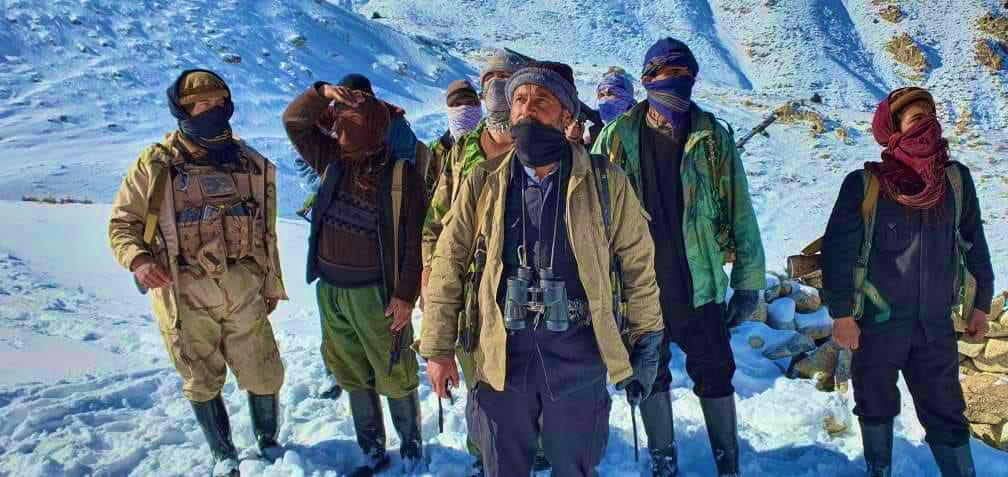
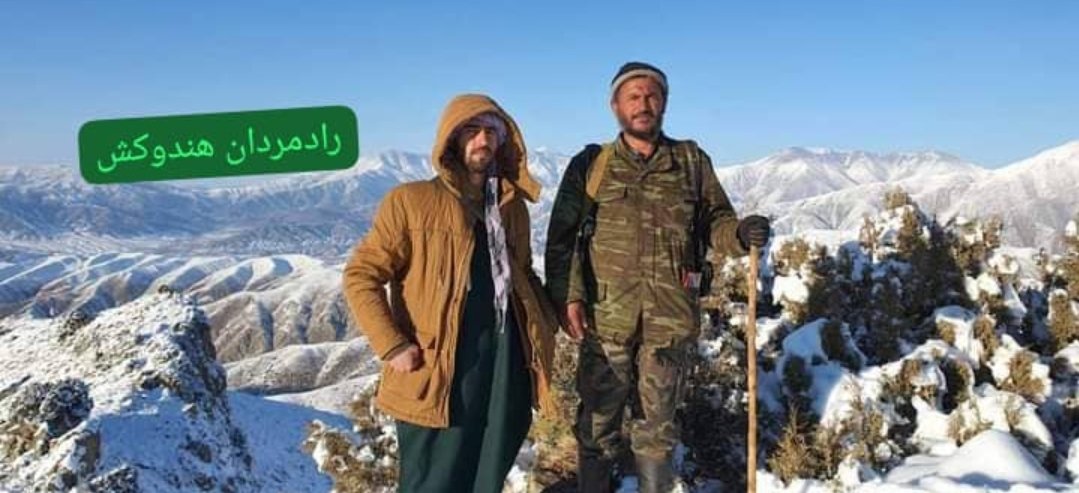
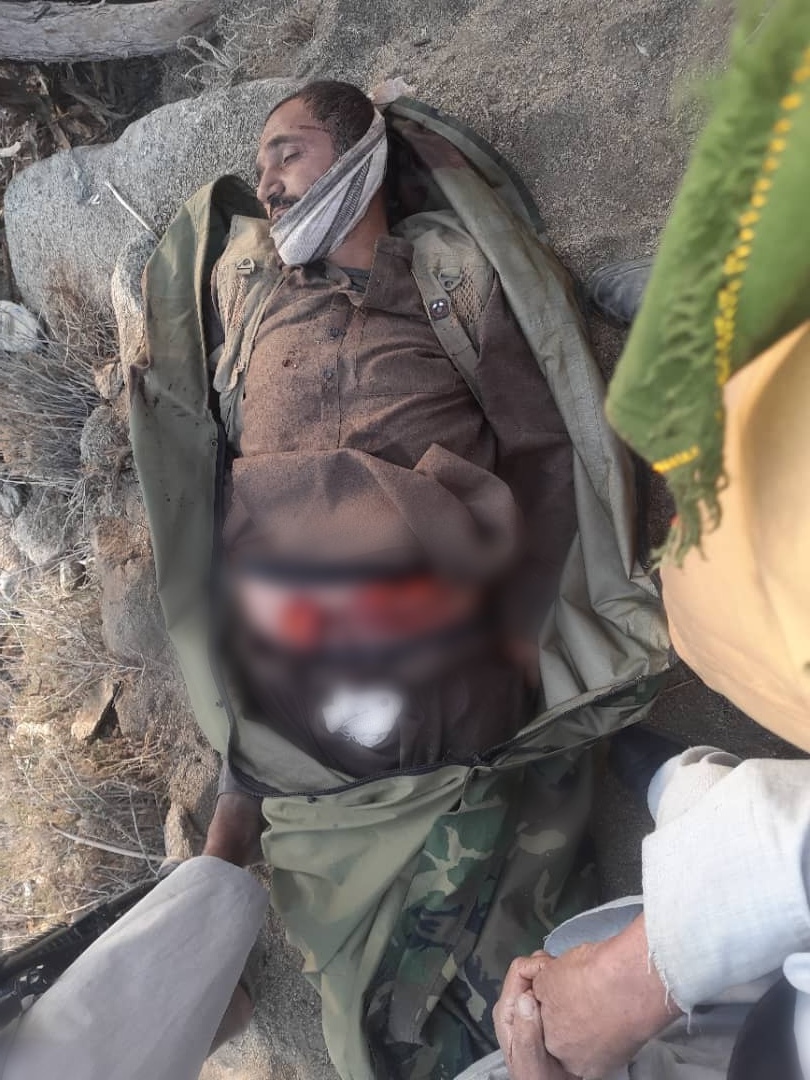
Qamaruddin Andrabi was formerly a member of the Afghan army in the previous government and joined the Taliban opposition in the provinces of Panjshir and Baghlan after the collapse of Ashraf Ghani’s administration.
He engaged in battles against the Taliban in Andarab Province. After the death of Khair Mohammad Khairkhwa, Qamaruddin Andrabi took command of the forces of Ahmad Massoud in Andrab Province in December 2022.
According to local sources, the SDF started an operation last night to control the city of Dhiban, and after hours of conflicts, the Syrian tribes forced to retreat from the area, And the Syrian Democratic Forces took control of this city.
On the other hand, some local sources reported that Syrian tribes took control over Al-Bughaz and Al-Buwayhij areas. Also, a demonstration has been held in Abu Hamam in support of Ibrahim al-Hafil, leader of the Akidat tribe. The protesters demanded expulsion of SDF forces from this region.
The Arabic word ‘Arbaeen’ (pronounced Arr-ba-een) translates to forty (ie fortieth day). The traditional period of mourning in Islamic culture is forty days. As such, millions of people around the world mark the Day of Arbaeen by remembering the story of Hussain, his family and his companions.
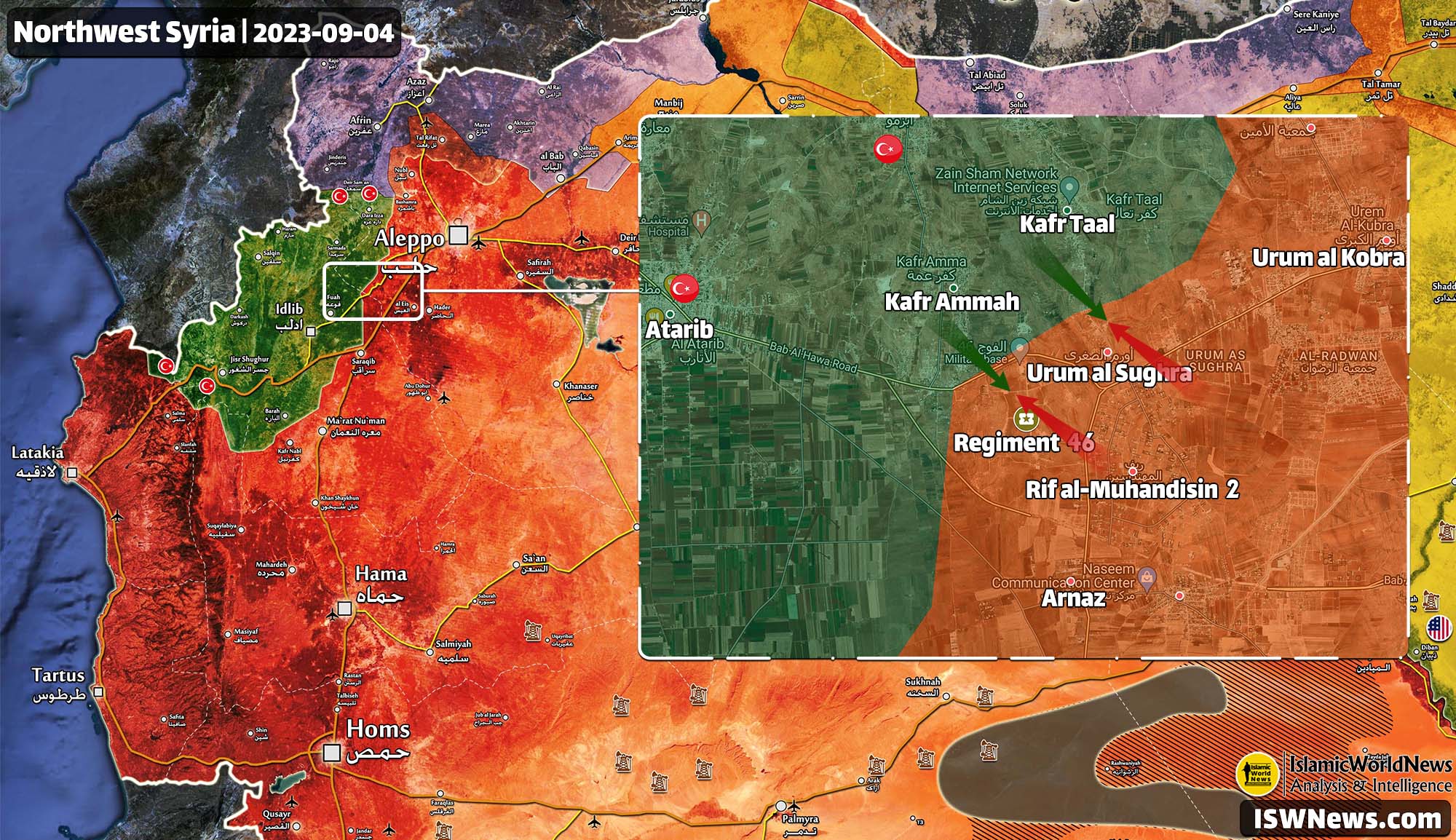
On September 4, militants affiliated to Hayat Tahrir al-Sham launched an assault on Syrian military positions in the Urum al-Sughra and 46th Regiment axes in western Aleppo, engaging in armed clashes with Syrian forces.
Both sides suffered casualties, and according to Syria’s official sources, several militants were killed in the clashes.
According to sources on the ground, the attack was carried out from the Kafr Taal area towards Urum al-Sughra and 46th Regiment, but the Syrian armed forces along with Lebanon’s Hezbollah fighters succeeded in repelling the assault.
After the severe clashes, militants’ positions in western Aleppo, including Kafr Taal and Kafr Amah, were targeted by artillery attacks by the Syrian army. Further details concerning the fierce battles have not been released so far.
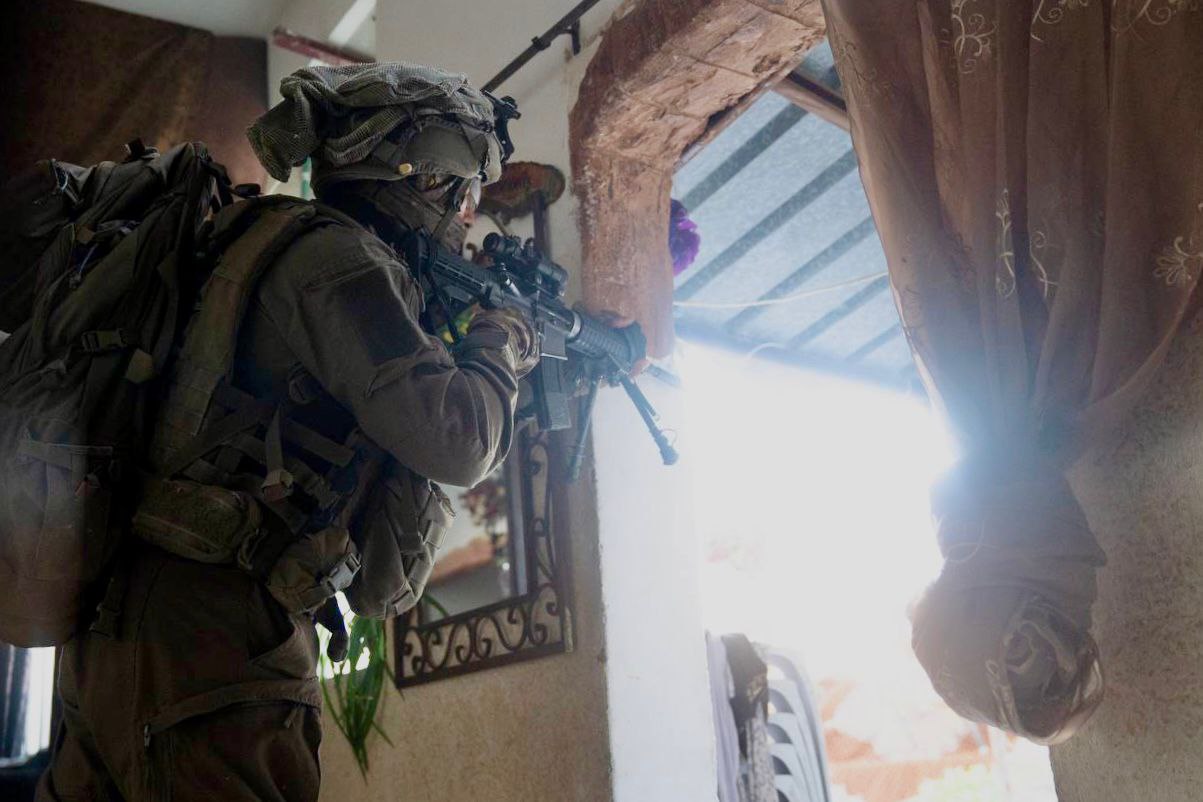
On September 4, Israeli forces stormed the Jenin camp, which lead to intense armed clashes between the Israeli occupiers and Palestinian resistance fighters.
Amid the clashes, at least four Palestinians were injured. During the Monday raid, roadside bombs made by the resistance fighters were exploded, as the Israeli army convoy were passing through the Jenin Camp.
Furthermore, the Jenin Brigades (Jenin Battalion) affiliated to the Al-Quds Brigades, the military wing of the Islamic Jihad Movement in Palestine, succeeded in shooting down an Israeli army helicopter over Jenin’s sky.
Hebrew sources claimed that after the end of the clashes and the retreat of Israeli soldiers from Jenin, some members of the Al-Ayyash Brigade, affiliated to the Izz ad-Din Al-Qassam Brigades, the military wing of Hamas, who had recently fired rockets from Jenin towards Israeli settlements, were arrested by Israeli forces.
The Israeli army and Shin Bet (Israel Security Agency) announced that three fighters of the Hamas movement, including one of its leaders, were taken captive in today’s attack on the Jenin camp.
According to official information from the Ukrainian army, some 13 residential areas and about 250 square kilometers have been liberated from the control of Russian forces during the three-month-long operations.
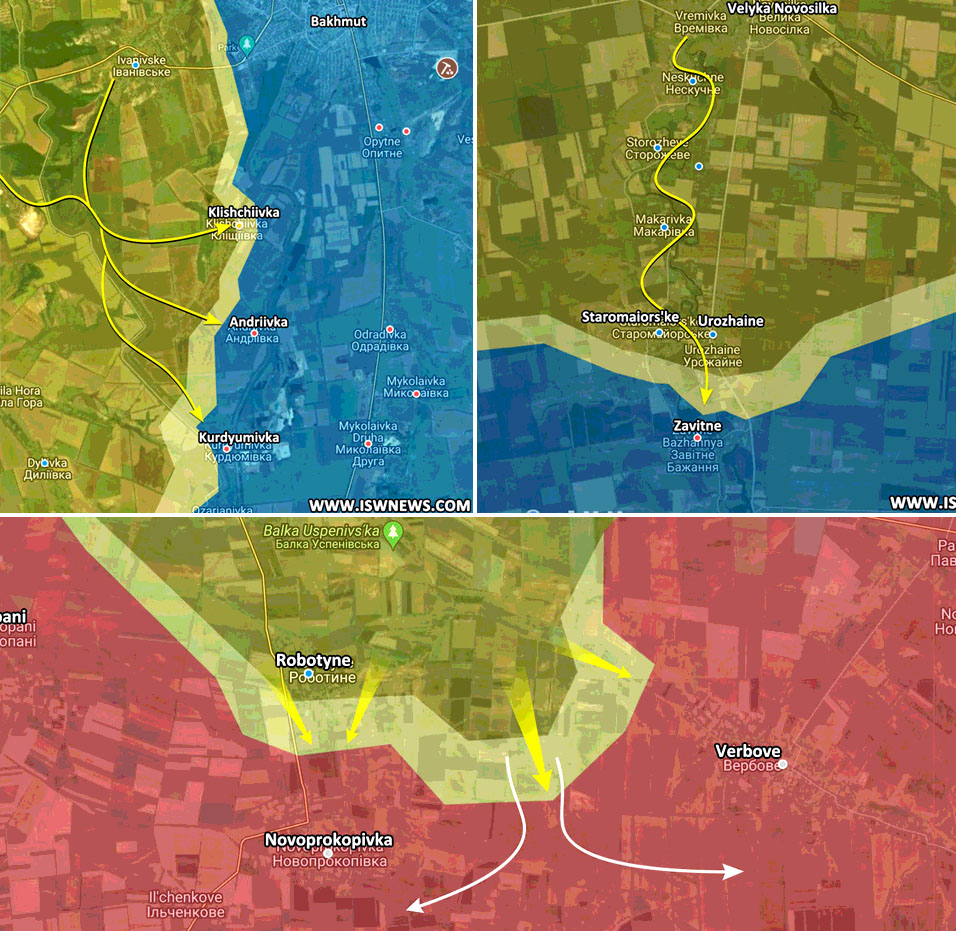
In general, the Ukrainian operations focused on three main axes of Bakhmut, Velyka Novosilka, and Orikhiv areas over the past 90 days.
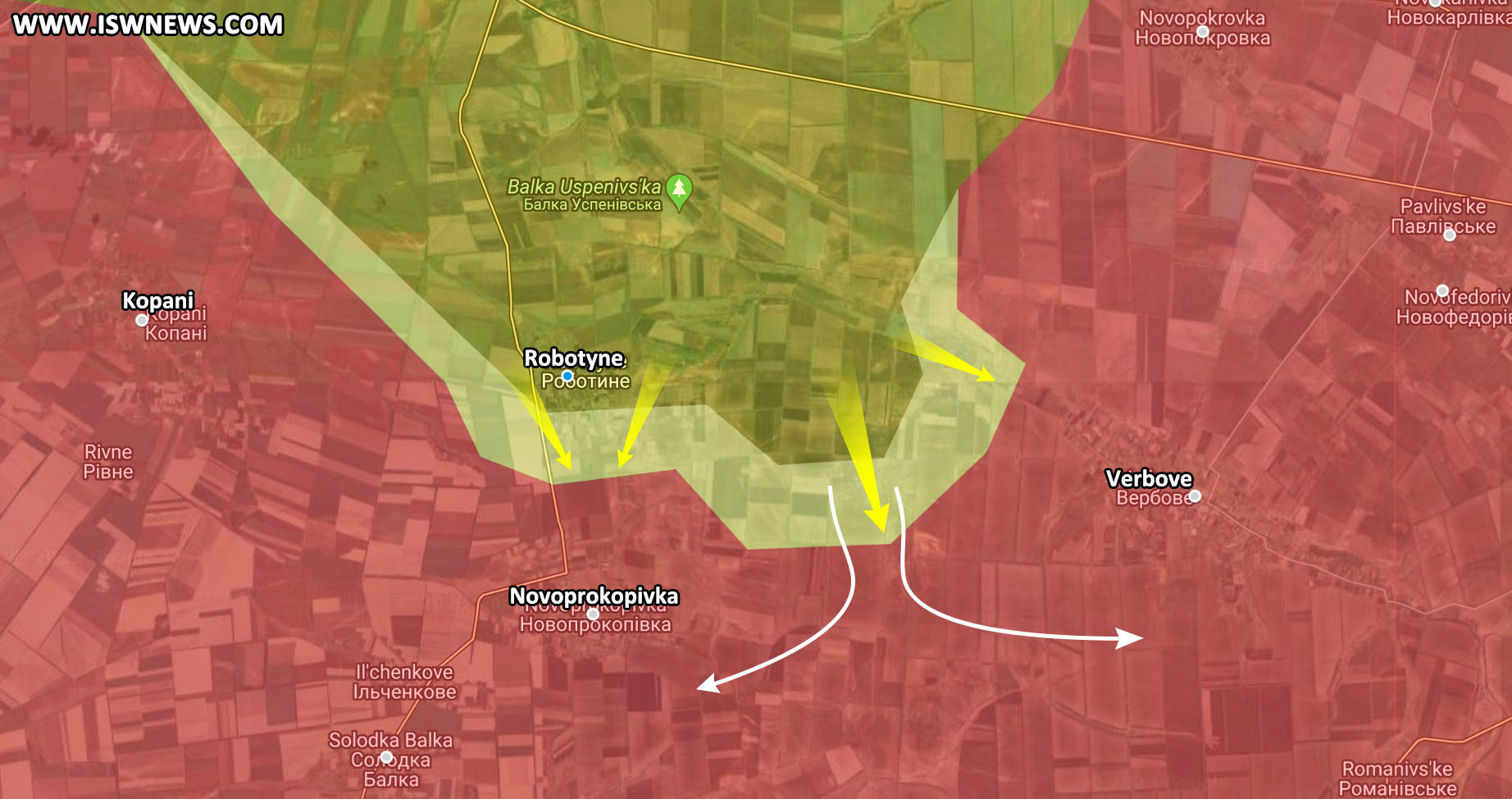
The latest advance of Ukrainian forces is related to the Orikhiv axis and the Robotyne and Verbove areas, where the two sides witnessed the most severe and costly battles in recent two weeks.
The Russian army has been forced to retreat from Robotyne to Novoprokopivka due to repeated attacks by Ukrainian forces, and now the Verbove area is also at risk of falling.
The Ukrainian army has tried several times to advance towards Verbove but it has not succeeded. Therefore, the Ukrainian army will probably try to force Russian forces stationed in this village and northern areas of the rural area to retreat via bypassing Verbove.
Latest military situation in the Orikhiv axis
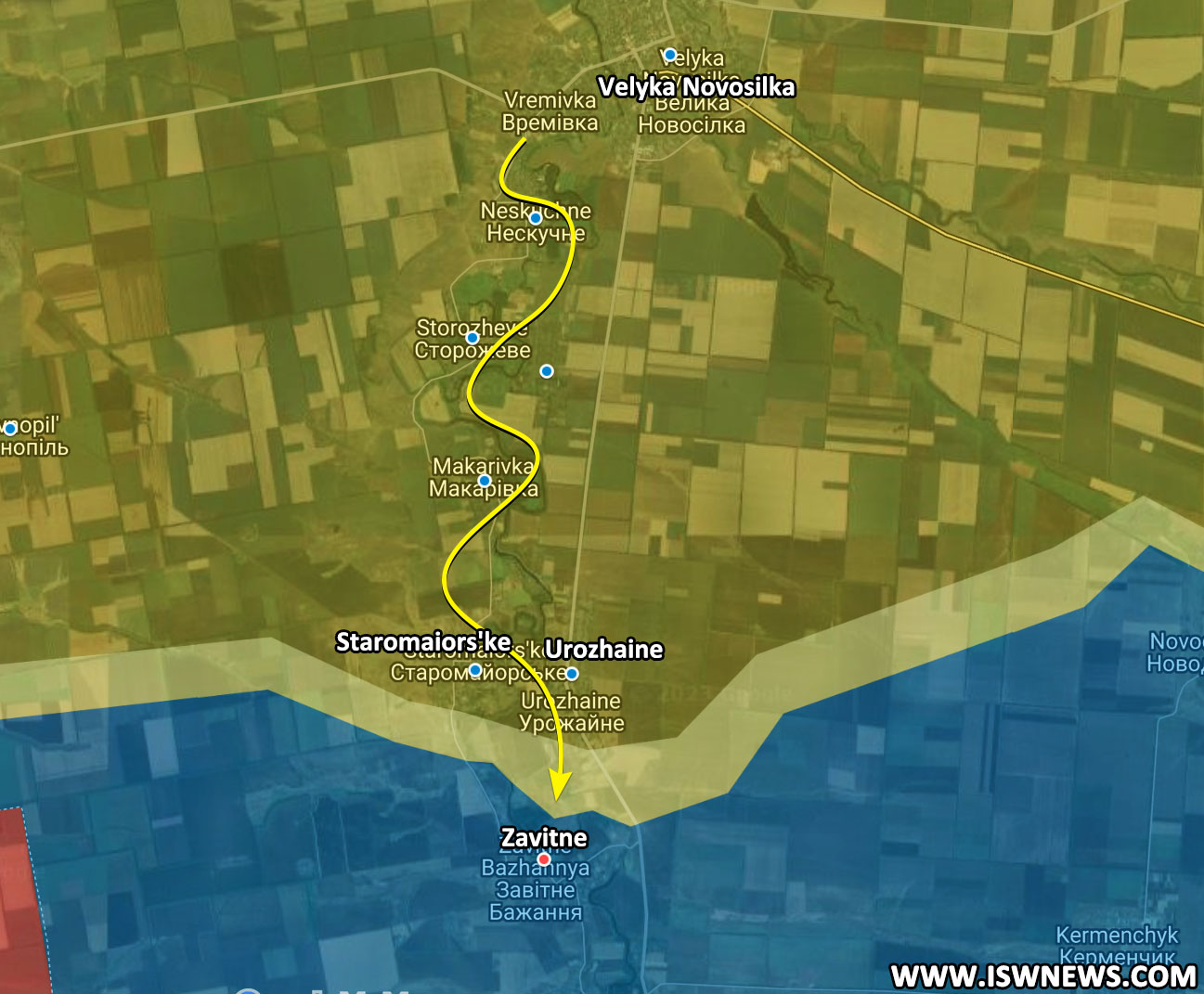
In the Velyka Novosilka axis, after stabilizing Staromaiors’ke and Urozhaine, Ukrainian attacks have decreased in intensity, and ground advances have practically stopped. The clashes in this axis are ongoing through artillery shelling.
Latest military situation in the axis of Velyka Novosilka and the progress of the Ukrainian army
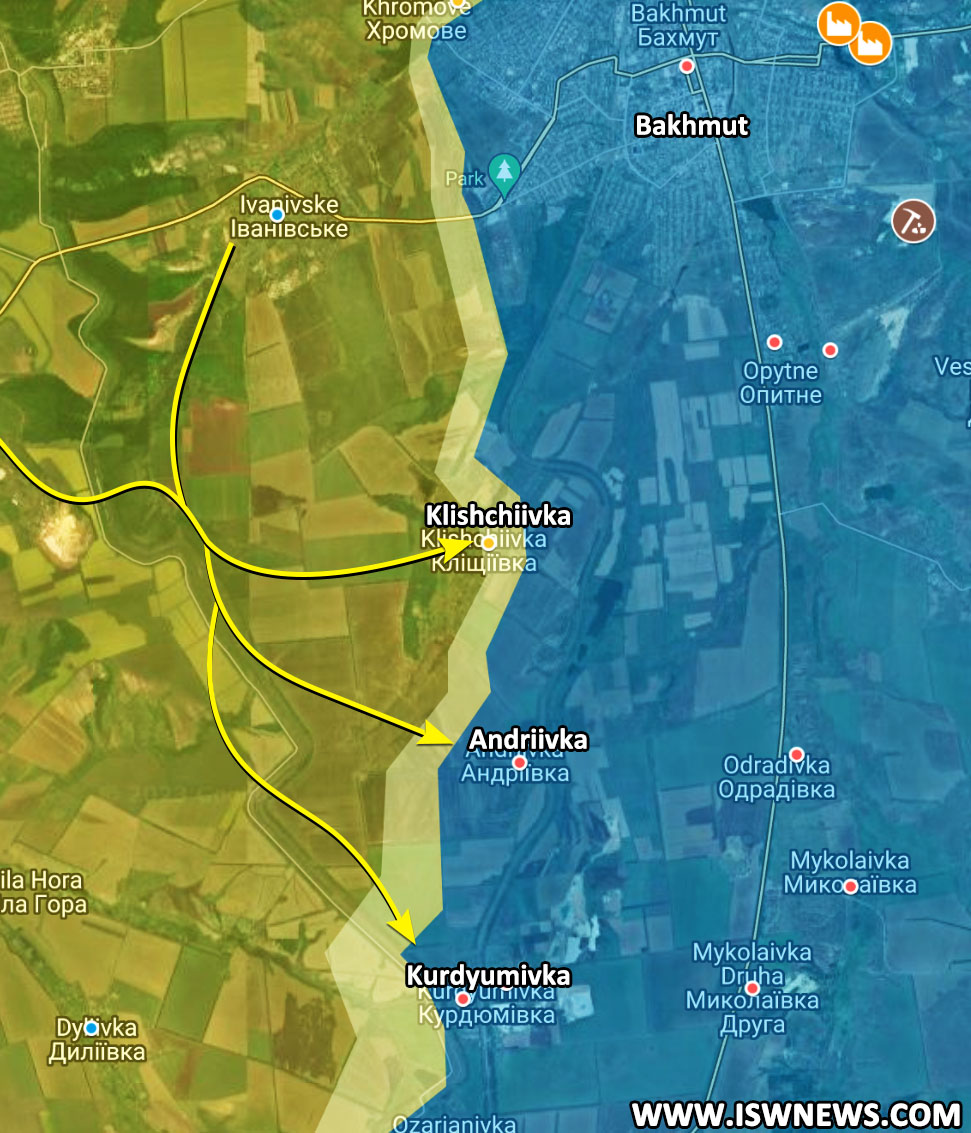
In the Bakhmut axis, clashes continue around Klishchiivka, Kurdyumivka, and Andriivka areas. The Ukrainian army has been trying for weeks to take full control of Klishchiivka village.
According to recent developments on the ground, the Ukrainian army has entered Klishchiivka village but clashes continue in the center and north of the region. If Klishchiivka and Kurdyumivka come under Ukrainians’ control, Russian forces in Bakhmut will face a serious problem from the southern axis.
Last military situation in the southern axis of Bakhmut
As a result of the Saudi-led coalition’s artillery and drone attacks on Shada’a, Munbah, Razih, Qatabir, and Al Ghumr in the northwestern and western parts of Saada Governorate during the first four days of September 2023, a Yemeni civilian and an African immigrant were killed, and three other African immigrants were injured.
Meanwhile, the Yemen Executive Mine Action Centre (YEMAC) has also announced that cluster bombs and mine explosions by the Saudi-led coalition in Yemen have killed 37 people, including 12 children, from the beginning of 2023 until now.
Saudis’ scattered attacks, mine explosions, and unexploded bombs from the war in Yemen continue to take civilian lives.
The Saudi-led coalition and the Yemeni government declared a ceasefire in all fronts in an unofficial agreement and are negotiating for peace with the mediation of the United Nations and Oman.
The United Nations has also suspended financial aid to Yemen’s mine clearance executive agencies for the second consecutive month for unknown reasons and it has called for Yemeni cooperation in political cases.
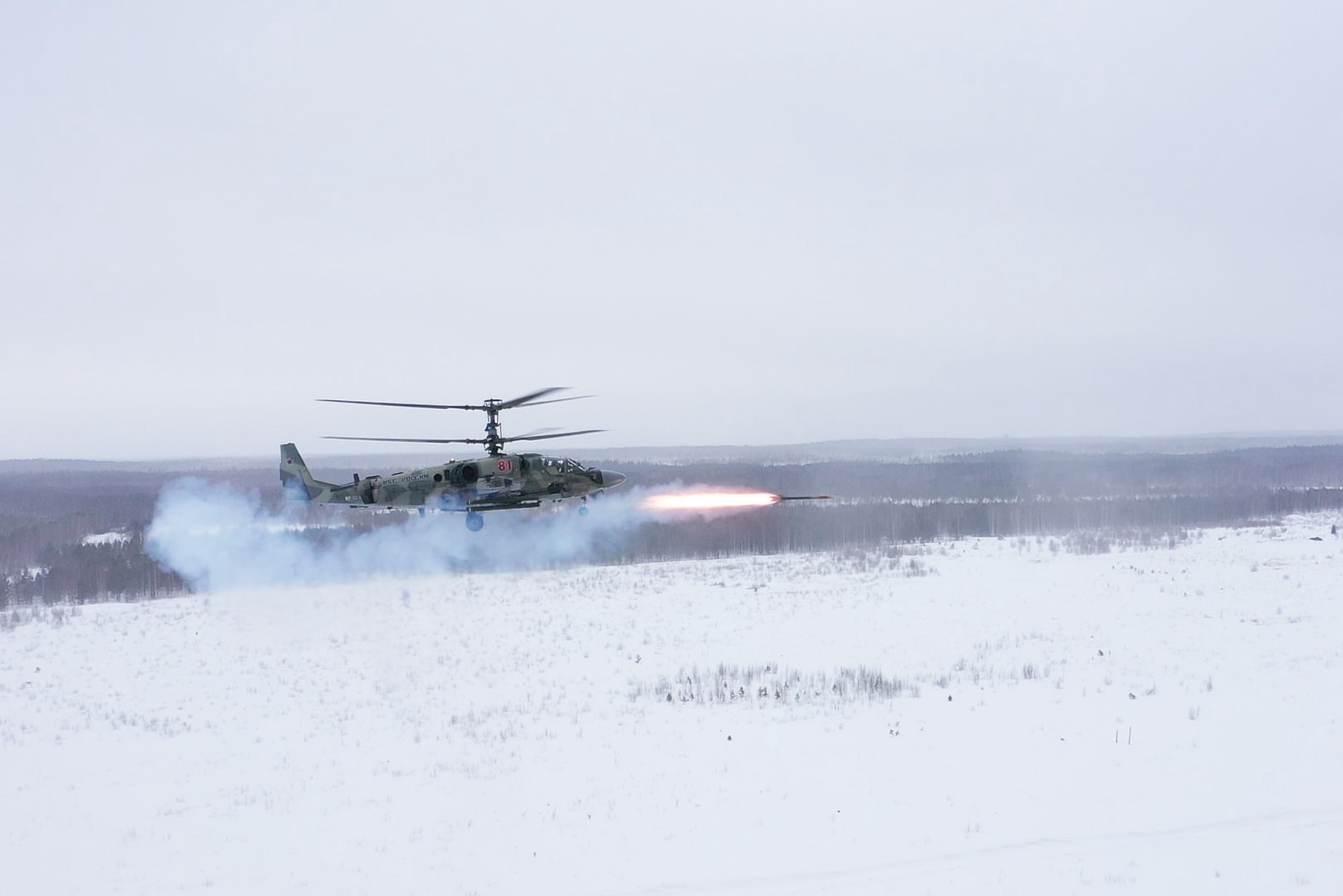
The Vikhr (whirlwind) missile was designed and developed in the Soviet Union in the 1980s to replace the 9K114 Shturm (AT-6 Spiral) missile by the “KBP” Instrument Design Bureau. This missile was able to deal with western tanks of its time such as Abrams and Leopard and conventional explosive reactive armor.
The Vikhr missile was first publicly displayed at the Farnborough Airshow in 1992. This missile was used in the early 2000s on the Su-25T close air support fighter and the Ka-50 Black Shark helicopter.
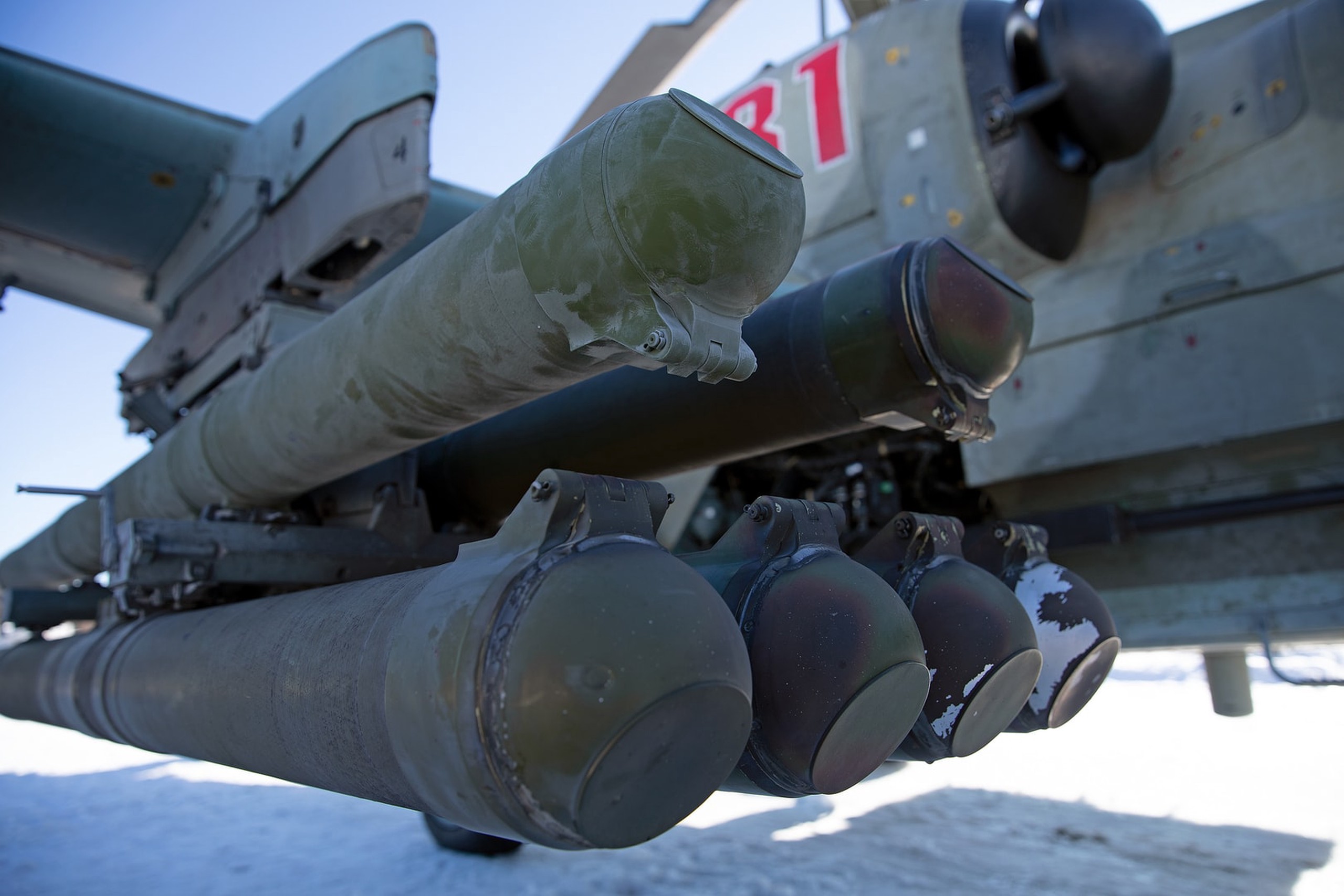
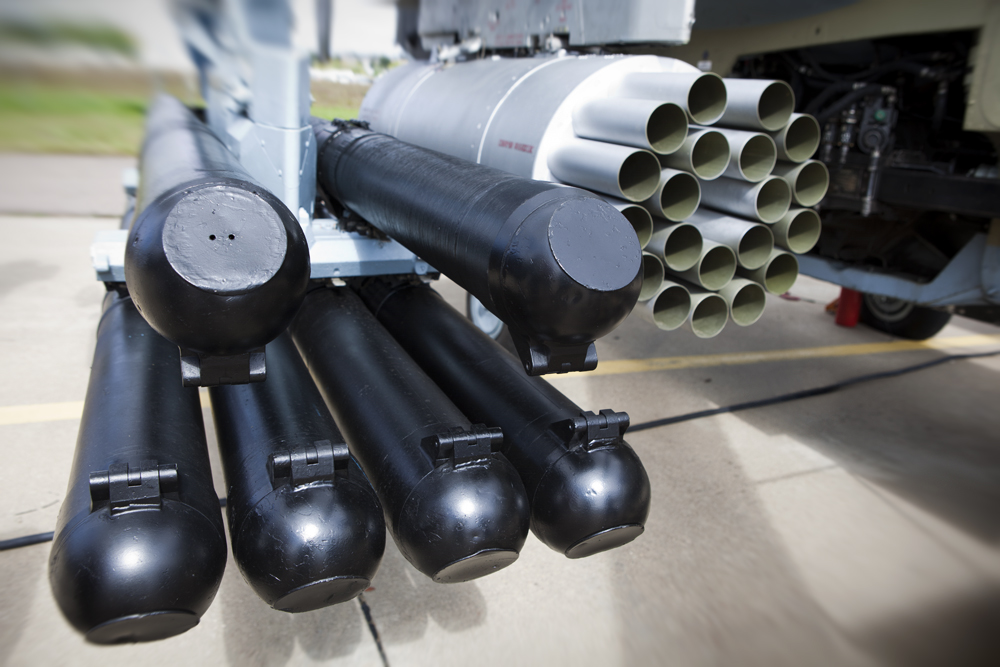
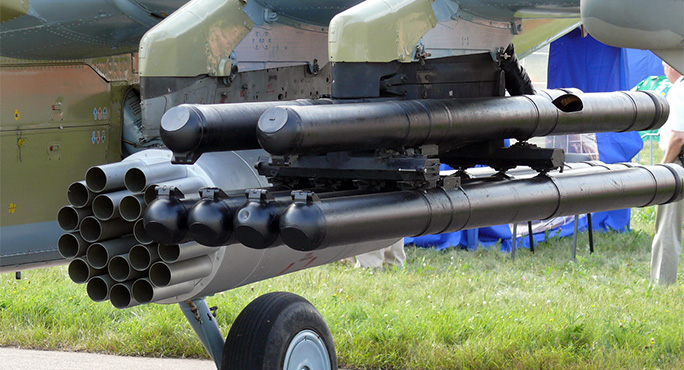
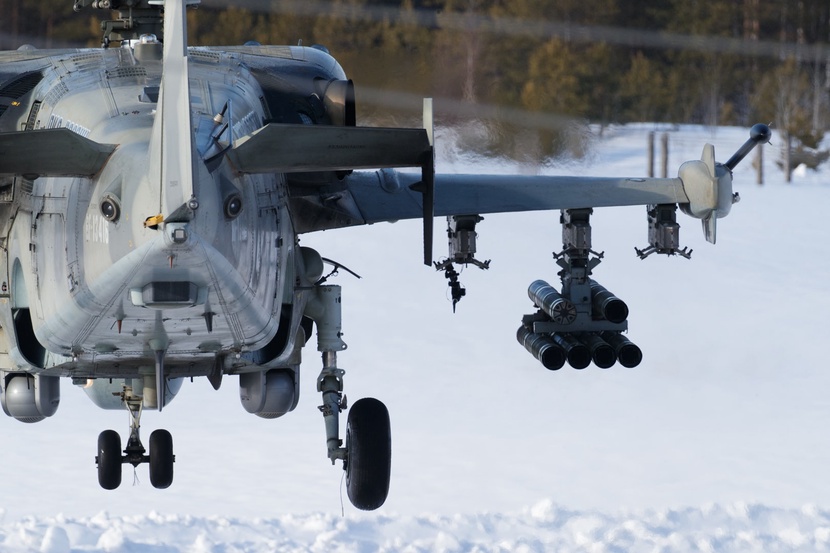
Vikher missiles are fired from APU-6 and APU-8 launchers. APU-6 rack supports 6 missiles and is used in Ka-50 helicopters. The APU-8 rack supports 8 missiles and is used in the Su-25T fighter.
The 9K121 Vikhr missile has a maximum range of 8 km if fired from a helicopter, and if fired by a fighter, its range is 5 km at night and 10 km during the day.
A picture of the APU-6 rack, which contains 6 Vikhr 9K121 missiles
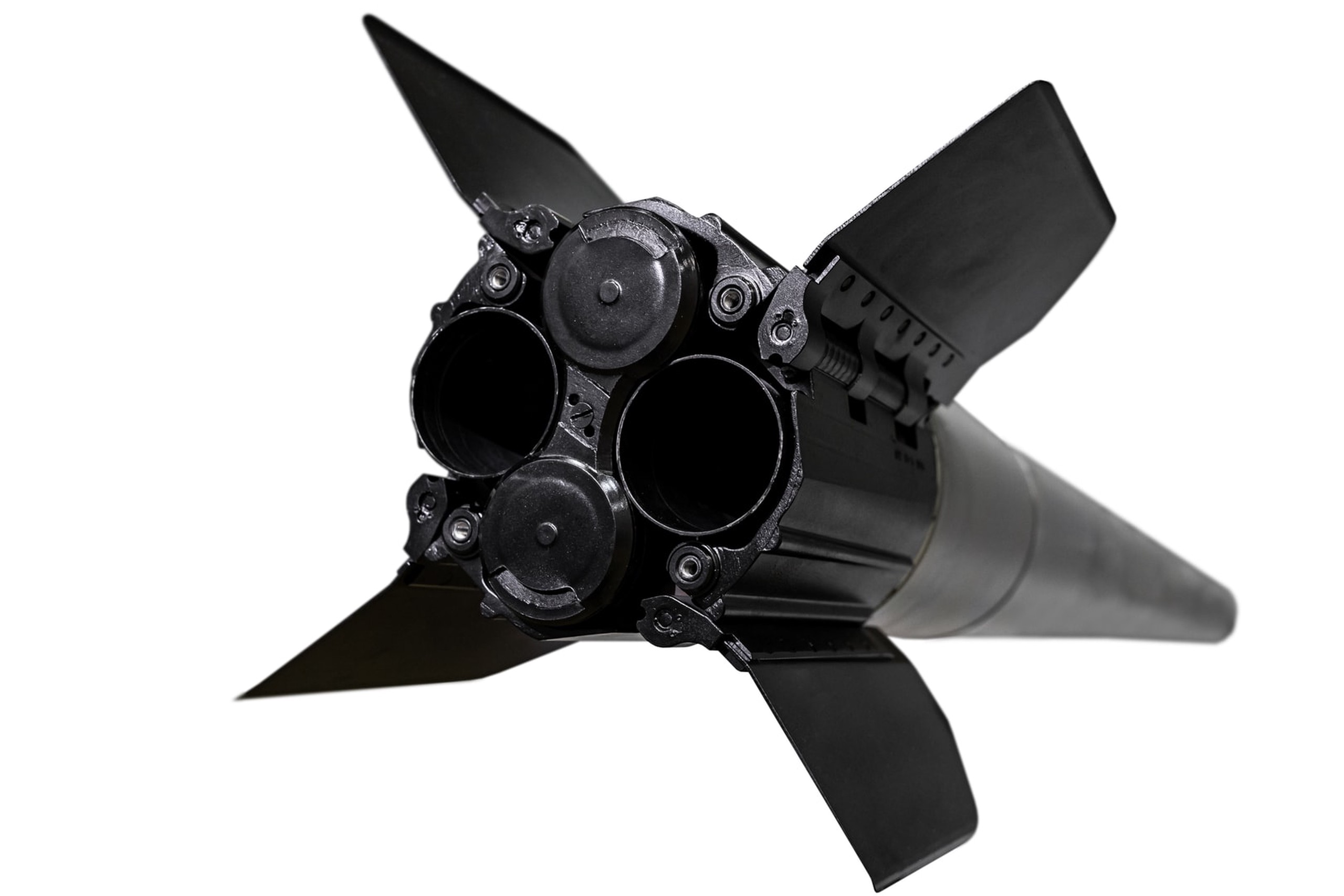
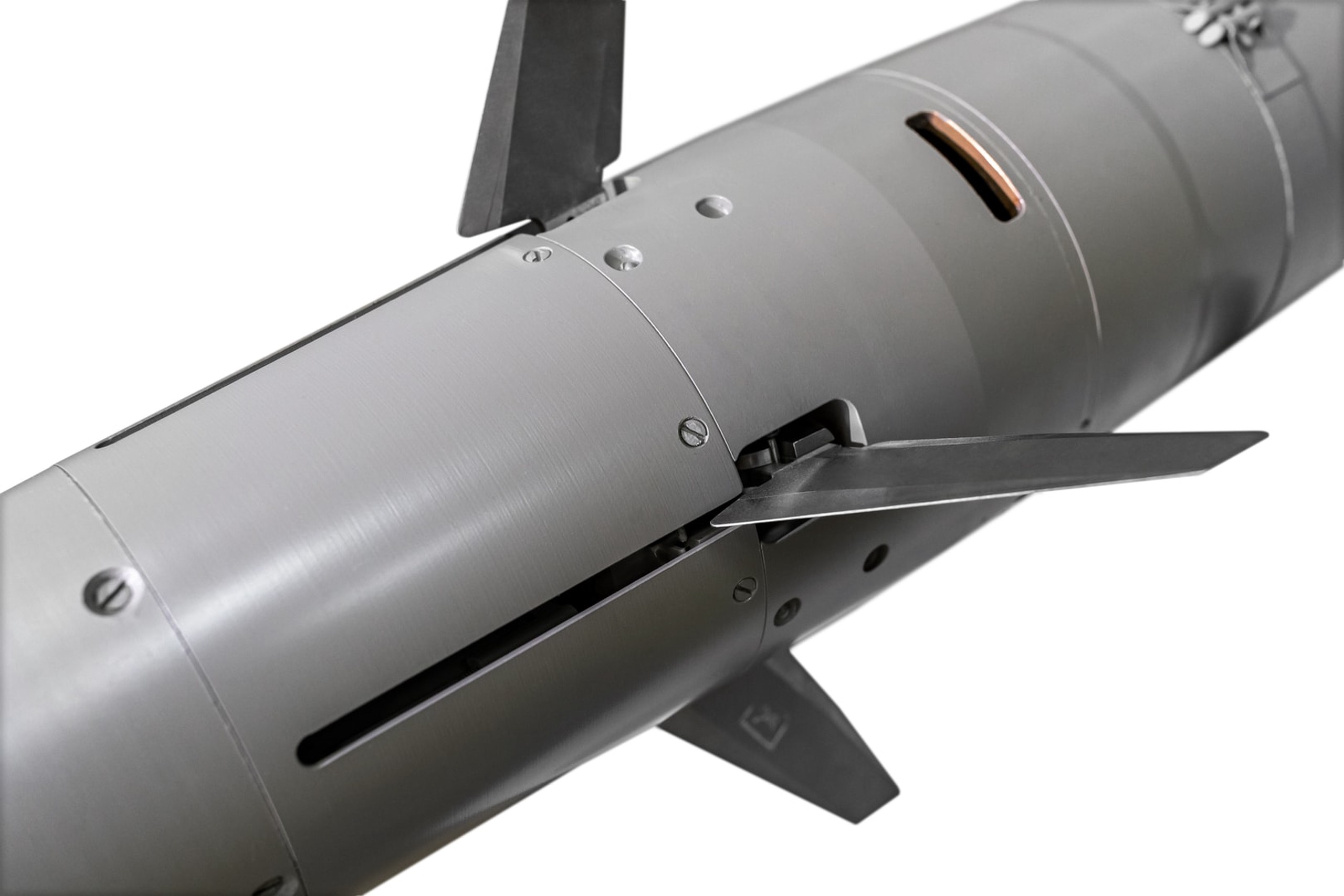
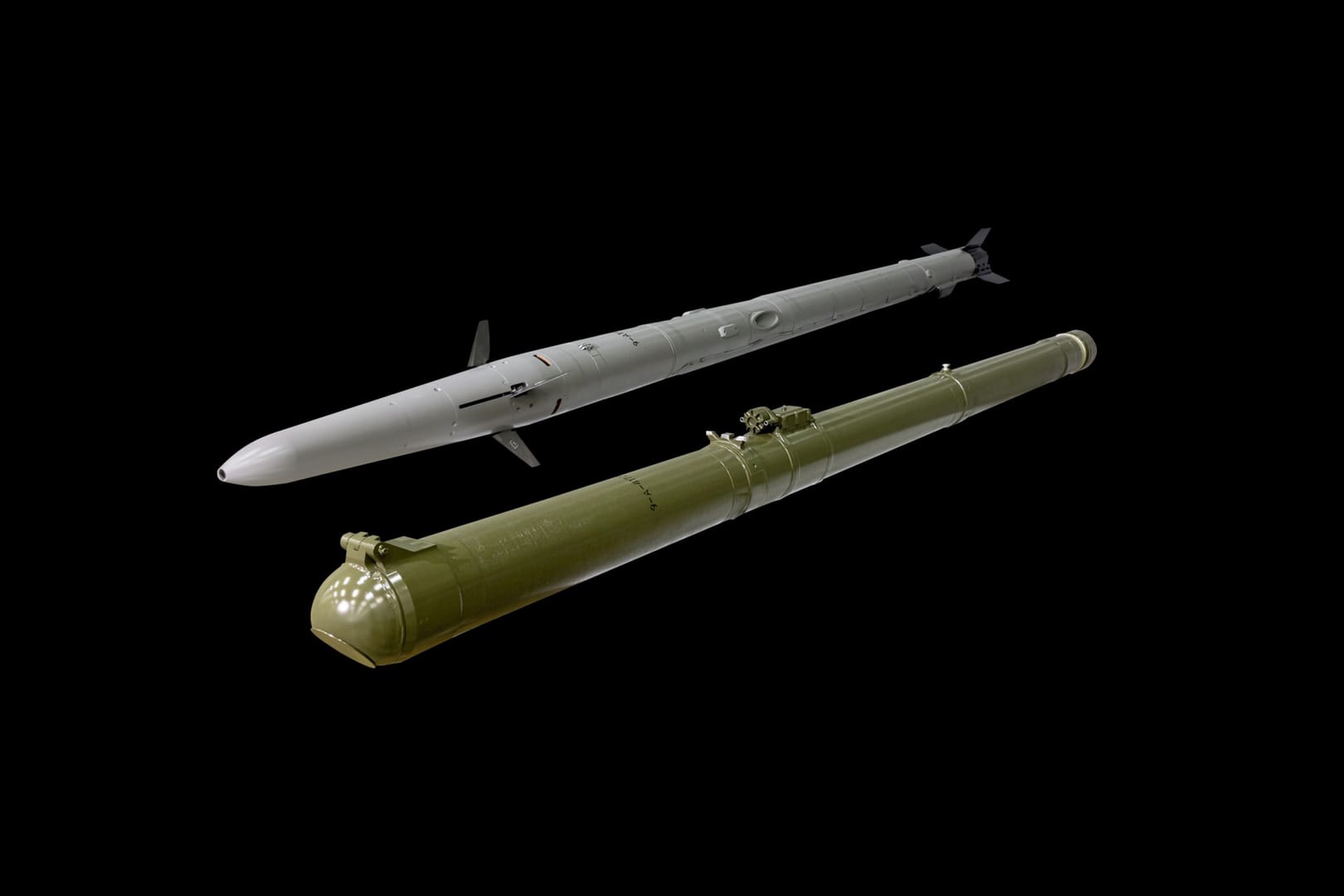
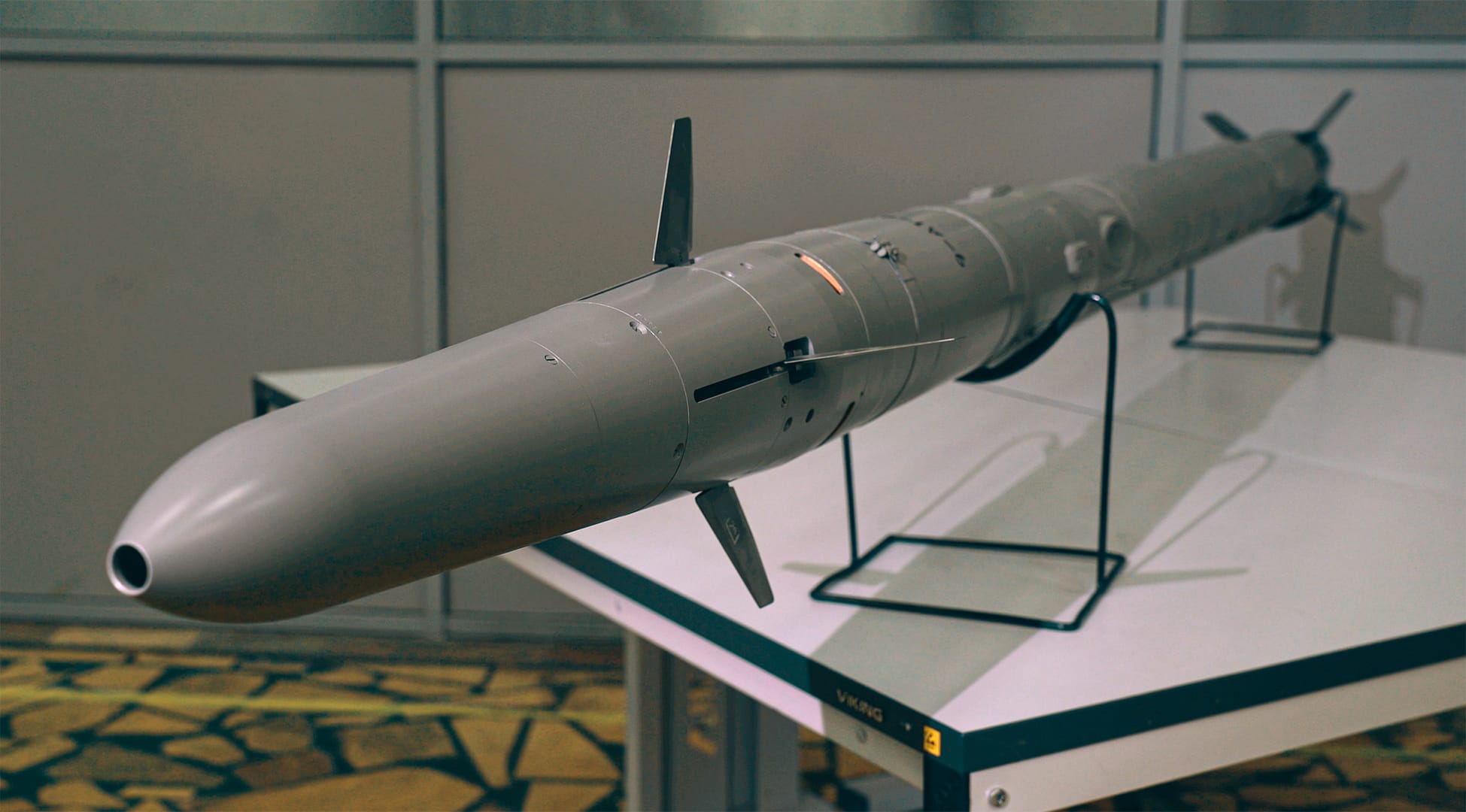
The missile is placed in a pod, the front hatch of the pod is opened before firing, and the rear hatch is removed by the crew during loading. The 9K121 Vikhr missile has wings in the front part that fold into the body, and the missile engine is located in the middle part of the body. At the end of the missile, there are control fins that are folded to the side and gathered around the missile. This missile rotates around its longitudinal axis during flight.
First, the target is marked by a helicopter or fighter or by a laser beam, then the missile receives the beam reflected from the target and moves towards it using a laser detector placed at its tip.
A picture of the end part of the Vikhr missileA picture of the front part and retractable wings of the Vikhr missileA picture of the Vikhr missile and its carrier podClick to view full size
Vikhr missile uses a two-stage warhead to pass through reactive armor and also uses two types of impact and proximity fuses. This design allows the use of missiles on different platforms. Vikhr’s proximity sensor allows it to detonate and engage within 5 meters of an air target moving at a maximum speed of 500 meters per second. This versatility is a differentiating point compared to the 9M120 Ataka missile, which is sometimes confused with the Vikhr missile.
The high supersonic speed of this missile (up to 610 m/s) reduces the vulnerability of the helicopter during attack and allows it to engage several targets in a short period of time. The Vikhr missile travels a distance of 4 kilometers in 9 seconds.
Vikhr-1 missile: The Vikhr-1 missile is an improved version of the Vikhr missile manufactured by the Kalashnikov company. In 2013, the Russian Ministry of Defense signed a contract worth 13 billion rubles with the Kalashnikov company for the production of Vikhr-1. Delivery of orders began in 2015 and ended in 2016. This contract was considered the biggest government contract for Kalashnikov at that time.
Vikhr-K missile: The Vikhr-K missile is the naval version of the Vikhr missile. This missile can be used against light sea targets such as fast boats and low-speed air targets up to a range of 10 km.
9K121 Vikhr specifications: Manufacturer: KBP Instrument Design Bureau Origin: Russia Weight: 45 kg Length: 2.8 meters Diameter: 130 mm Warhead weight: 8-12 kg Maximum penetration in rolled steel: 1000 mm Maximum speed: 600 meters per second
The USS Cole bombing was a suicide attack by al-Qaeda against USS Cole, a guided missile destroyer of the United States Navy, on 12 October 2000, while it was being refueled in Yemen’s Aden harbor. Seventeen US Navy sailors were killed and thirty-seven injured in the deadliest attack against a United States naval vessel since the USS Stark incident in 1987.
After the Al-Qaeda attack on the US ship USS Cole in Aden port, and also the incident of September 11, 2001 in New York City, the then US administration concluded that it should take action against this terrorist group in Yemen as well as Afghanistan.
Following former US president George Bush’s decision to start attacking Al-Qaeda in Yemen, the US military and security agencies in coordination with the then Yemeni government led by Ali Abdullah Saleh began their attacks in this country. These attacks continued after popular protests in Yemen and the downfall of Ali Abdullah Saleh’s government, and after such developments, the eight-year battle between the Ansar Allah movement and the Saudi-led coalition continued.
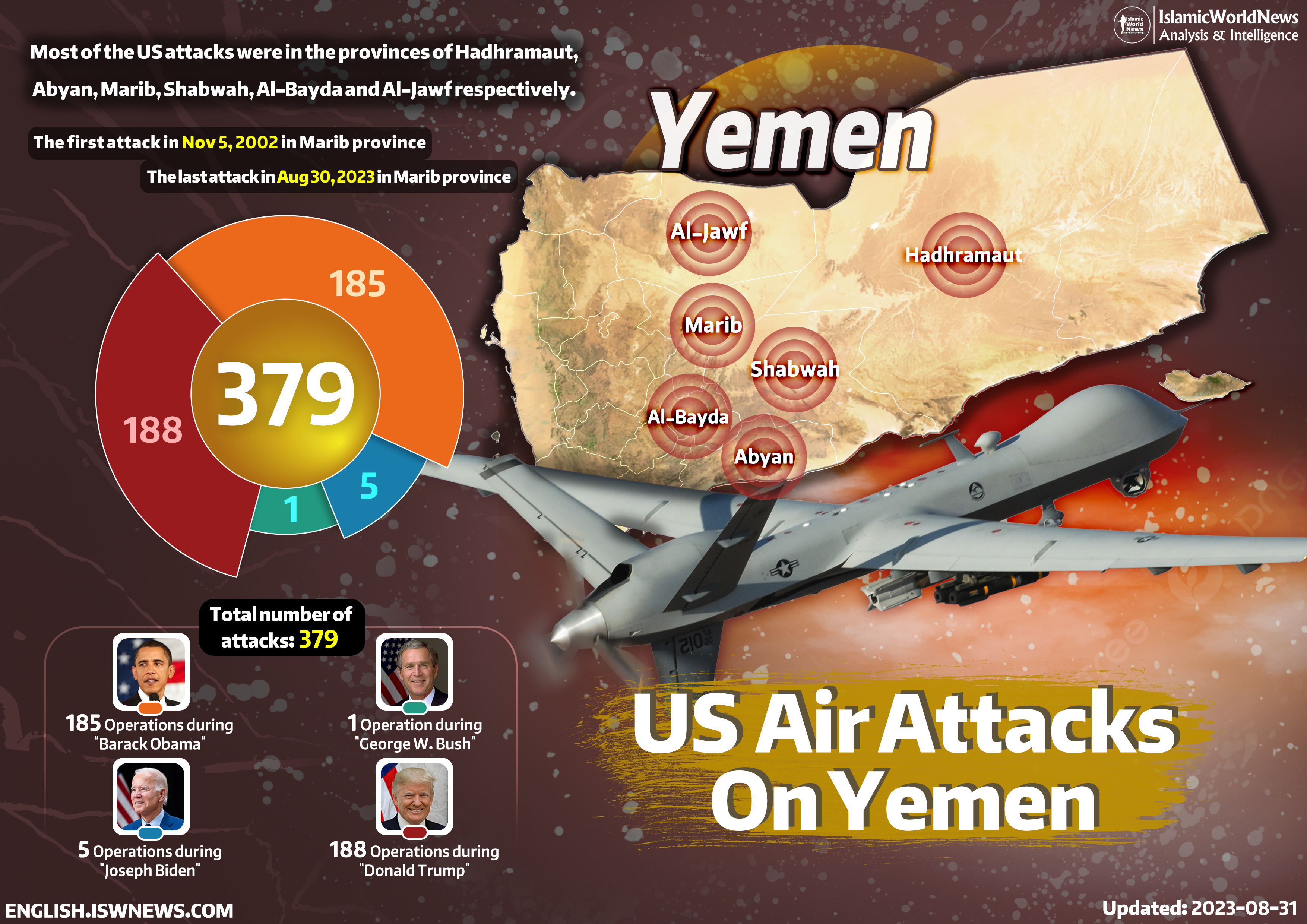
According to Western media reports, the US has so far carried out 378 attacks, including aerial (by fighter jets and combat drones), missile and ground attacks in this Arab country, which has resulted in the deaths of 1,400 to 1,800 people. So far, a large part of the details and information about these 379 operations have not been published, and the following list has been compiled based on the information available about drone operations that have been reported so far. The operation list is as follows:
1- The US MQ-1 Predator drone attack on the vehicle of al-Qaeda militants in Marib province, November 5, 2002. This attack resulted in the death of six members of al-Qaeda, including the leader Salim Sinan Al-Harethi, known as Abu Ali Al-Harethi (accused of helping to bomb the USS Cole in Aden).
2- The mistaken attack of the American drone on a gathering in Wadi Obayda in Marib province on May 24, 2010. This attack, instead of an al-Qaeda rally, resulted in the death of five people, including Jaber al-Shabwani, the deputy governor of Marib province, who was mediating between the government and the militants. This murder caused the bloodshed of the Shabwani tribes and their conflict with the government forces. They also attacked an oil pipeline in Marib twice.
3- The attack of the American drone on the car of two people suspected of being members of the Al-Qaeda group named Abdullah and Masad Mubarak on May 5, 2011. The aim of this attack was to kill Anwar al-Awlaki, a propaganda member of al-Qaeda, but he was not hit in this attack.
4- The attack of the American fighter jet or drones on the residence of Ali Abdullah Naji al-Harethi, a member of al-Qaeda, and several other suspects, including Ammar Abadah Nasser al-Waili in Zanjibar city on June 3, 2011. Al-Harethi was one of the companions of Abu Musab al-Zarqawi in Iraq and al-Waili was present in the war in Afghanistan and was ordered by Bin Laden to establish a training camp in Saada.
5- The attack of the American fighter jets or drones on a police station in the district of Mudiyah, located in the province of Abyan on July 14, 2011. The media and the Yemeni government at the time reported the casualties of this attack between 6 and 50 dead. Also, on the same day, the American drone targeted the car of Fahad al-Qasso, a senior member of al-Qaeda in Yemen, near the same area, and he survived the attack.
6- The attack of American drones with the participation of Yemeni army fighter jets on Al-Qaeda positions in the areas of Al-Wahda, Al-Amoudi and Al-Khamila in Abyann province on August 1, 2011. As a result of these attacks, 15 militants suspected of being members of Al-Qaeda, including Nasser al-Shadadi, one of the senior members of Al-Qaeda, were killed and 17 others were wounded.
7- American warplanes and drones attack suspected al-Qaeda positions in the outskirts of Zanjibar city in Abyan province on August 24, 2011. This attack killed 30 people and injured 40 others.
8- The American fighter jet attack on a mountain pass in Abyan province on September 21, 2011, which resulted in the death of four Al-Qaeda members. At the same time, seven Al-Qaeda fighters were killed in the coastal city of Shuqra.
9- American drone attack on Anwar al-Awlaki, one of the senior propaganda members of Al-Qaeda in Al-Jawf province on September 30, 2011. In addition to Al-Awlaki, three other people were killed in this attack, including Samir Khan, the American-born editor of Inspire magazine. This attack has been called the first attack in which the US military intentionally attacks its own citizens.
10- American drone attack on al-Qaeda hideouts in the east of Zanjibar, the capital of Abyan province, on October 5, 2011. This attack resulted in the death of five Al-Qaeda members.
11- American fighter jet or drone attack on an unknown mosque in Shabwa province on October 14, 2011. Some American media, quoting the Ministry of Defense of the Yemeni government at the time, claimed that seven Al-Qaeda members were killed in this attack, including Ibrahim Al-Banna, the media officer of Al-Qaeda (Egyptian origin), but this information is not correct, and currently the United States has offered a reward of 5 million to find Al-Banna.
12- In another attack on October 14, 2011, the American drone assassinated the 17-year-old son of Anwar al-Awlaki along with eight other people in Shabwa province.
13- American drone attack on the location of al-Qaeda members in the city of Jaar in Abyan province on December 22, 2011. In this attack, Abdulrahman al-Wahishi, a relative of Nasser al-Wahishi, the leader of al-Qaeda branch in Yemen, was killed along with eight others.
14- American drone attack on the gathering place of Al-Qaeda members near Lowdar city in Abyan province on January 31, 2012. During this attack, 11 al-Qaeda members were killed, including Abdul Moneim al-Fatani, one of the perpetrators of the attack on the USS Cole in October 2000.
15- The American drone attack on al-Qaeda’s hideout near Al-Bayda on March 9, 2012, which led to the death of Abdul Wahab al-Hamiqani, one of the local commanders of al-Qaeda, and 16 others.
16- American drone attack on the gathering of al-Qaeda militants in the city of Jaar in Abyan province between March 9 and 11, 2012. This attack killed 20 people suspected of being members of Al-Qaeda group.
17- American drone attack on Al-Qaeda weapons warehouse in Jaar city, between March 9-11, 2012. Three al-Qaeda members were also killed in this.
18- An American drone attack on a vehicle carrying Al-Qaeda militants in Al-Bayda province on March 14, 2012, which resulted in the death of four Al-Qaeda members.
19- American drone attack on the location of al-Qaeda militants in Lowdar city on April 11, 2012. This attack resulted in 14 deaths.
20- An American drone attack on the residence of Muhammad Saeed Al-Amdeh (Gharib al-Ta’zi), one of the senior members of al-Qaeda, in Al-Samadeh region, between Marib and Al-Jawf provinces on April 22, 2012.
21- American drone attack on the location of Fahd Muhammad Ahmed al-Qasu and another Al-Qaeda member in the south of Shabwah province on May 6, 2012.
22- The attack of an American drone on a wedding ceremony in the Radaa area of Al-Bayda province on December 12, 2013, which led to the death of 15 civilians. The US claims that 9 to 12 Al-Qaeda militants were killed in this attack, and the claim that civilians were killed is not true.
23- American drone attack on a car carrying two Al-Qaeda members in Al-Qatman area of Hadhramout province on January 8, 2014.
24- American drone attack on the car of al-Qaeda militants in Al-Mifaa area in Shabwa province on March 3, 2014. This attack killed three Al-Qaeda members, and it is believed that Mujahid Jaber Saleh al-Shabwani was one of the dead.
25- On April 20 and 21, 2014, American drones attacked al-Qaeda positions in southern Yemen, which, according to the Ministry of Defense of the resigned government of Yemen, led to the death of 22 members of this group.
26- American drone attack on the location of Nasser Abdul Karim Al-Wahishi, one of the leaders of al-Qaeda in Hadhramaut province (probably Al-Mukalla city) on June 12, 2015.
27- The attack of the American fighter or drones on the al-Qaeda camp in the Hajar region of Hadhramaut province on March 22, 2016. This attack led to the death of 40 to 50 members of this group.
28- American drones attacked the government intelligence headquarters in Zanjibar city and other positions of Al-Qaeda members in the areas of Naqeel Al-Haila and Al-Hazan in Abyan province on March 27, 2016. The casualties of al-Qaeda in these attacks have been announced as eight.
29- American fighter or drone attack on al-Qaeda positions in Shabwah province on October 4 and 18, 2016.
30- American fighter or drone attack on the location of Al-Qaeda members in Marib on October 21, 2016. Five Al-Qaeda members were killed in this attack.
31- The attack of American drones on unspecified areas in Al-Bayda province on January 21, 2017, which resulted in the death of three people. This attack was the first US airstrike in Yemen since the beginning of Trump’s presidency. The United States claims that one of the killed people, Abu Anis al-Abi, was one of the field commanders of al-Qaeda and two other members of this group, but local sources called them construction workers.
32- On October 2, 2017, American drones and fighters carried out 30 attacks on al-Qaeda positions in the three provinces of Hadhramaut, Shabwa and Abyan.
33- American drone attack on a car carrying al-Qaeda members in Shabwa province on July 6, 2018. This attack killed seven people.
34- American drone attack on the location of Jamal al-Badawi, one of the agents of the Al-Qaeda attack on the USS Cole in Marib province on January 1, 2019.
35- The attack of three American drones on al-Qaeda positions in Al-Bayda province on June 24, 2019. These attacks led to the death of 5 people suspected of being members of the Al-Qaeda group.
36- The attack of American drones on Jo Al-Nasim area in Wadi Obeidah and an unspecified place in the administration of Obeidah located in Marib province on January 25, 2020. The attack on Obeidah resulted in the death of an unknown person.
37- American drone attack on al-Hazmeh area in Marib province on January 27, 2020. During this attack, Abdullah al-Adani, a member of Al-Qaeda, was killed.
38- An American drone attack on a car at the Al-Qaeda checkpoint in the village of Hassoun al-Mashrif in the administration of Wold Rabi in Al-Bayda province on January 29, 2020. America claims that it killed Qasim Al-Rimi, the leader of al-Qaeda in Yemen, in this attack.
39- American drone attack on the car of al-Qaeda members on the eastern road of Marib on November 13, 2021.
40- American drone attack on the gathering of Al-Qaeda members in a house in Al-Hadba area in the northeast of Marib city on November 30, 2022. This attack led to the death of several people, including Abi al-Khair Abdulwahid al-Najdi, the person in charge of engineering and making explosives of Al-Qaeda group. Also, Hassan al-Hazrami and Ahmad Zaki, other prominent members of al-Qaeda, were also wounded.
41- An American drone attack on a vehicle carrying al-Qaeda militants near the Al-Haira gas station in the Al-Samada region on the Marib-Al-Abar road on January 30, 2023. In this attack, three occupants of the car were killed, including Yasir Abdullah Rashid Al-Amiri from the administration of Wasab Al-Ali in Dhamar province, Hossein Hadbol al-Makni (Hassan al-Hazrami) in charge of making bombs and explosives for al-Qaeda, and his brother Musa Hadbol (Mohed al-Hazrami).
42- American drone attack on a house in Al Jalal area, located in the east of Marib city, on February 26, 2023. This attack led to the death of Hamad bin Hamoud al-Tamimi (Abd al-Aziz al-Adnani), a Sharia official and one of the prominent commanders of al-Qaeda in the Arabian Peninsula, and one of his bodyguards.
43- American drone attack on a bus near Shaqman gas station in Hajba area, located in the south of Marib city on August 30, 2023.
Out of these attacks, one attack was carried out during George W. Bush’s tenure, 185 operations during Barack Obama’s presidency, 188 operations during Donald Trump’s era, and five attacks during the Joseph Biden administration.
It is worth mentioning that the main goal of the US attacks in Yemen was to prevent Al-Qaeda from gaining power in the Arab country. However, these attacks have not had any significant impact on the developments in Yemen, and Al-Qaeda still operates in the governorates of Hadhramaut, Shabwah, and Abyan. In contrast, the operations by Ansar Allah fighters in Saada, the northern governorate of Al-Bayda, Al-Jawf, Marib, and Sanaa have been more effective in combating terrorism in Yemen. Al-Qaeda terrorists’ presence in many of those areas has been eliminated for years.
It should be noted that the decision to use Al-Qaeda terrorists in the war against Ansar Allah was made by Saudi Arabia and the United Arab Emirates (UAE). This shows that the United States had no problem with the decision until the ceasefire between the Saudi-led coalition and Ansar Allah movement was established. Following the developments, they resumed their attacks on Al-Qaeda elements, especially in Marib.
Despite the direct attacks by the US, Al-Qaeda’s activities in Yemen continue, mainly concentrated in the governorates of Hadhramaut, Shabwah, and Abyan. They are heavily engaged in fighting with the militants affiliated to the Southern Transitional Council (STC) in northern Abyan and are trying to recruit more human resources in the Shabwah tribes. They have also disappeared into the desert areas of Hadhramaut. However, unlike their presence and influence in these areas, no area is entirely under their control. This situation has allowed them to maintain their presence in Yemen and keep their Takfiri rivals, especially ISIS, out of competition.
Finally, it should be asserted that unlike southern separatists and other secessionist movements in Yemen, Al-Qaeda has a broader view of this region and aims to control the Arabian Peninsula. However, this issue is limited to threats by their senior officials in speeches and has not yet been practically realized. Perhaps this trend has led the United States to reduce its attention to Al-Qaeda’s presence in Yemen, and their attacks have become more of a security and symbolic measure.