Turkey deemed such actions “imperialist and Zionist demands”, and a threat to the unity and sovereignty of Syria, as well as to the country’s political transition process. The spokesperson emphasized that Ankara will take all necessary measures to protect its national security.
This stance indicates that Turkey views the situation not merely in terms of border security in Syria, but as part of a broader regional equation. This perspective may lead Turkey to consider more direct and preemptive actions in the Syrian arena.
The mentioned corridor, often referred to as the so-called “David’s Corridor” is seen as a long-standing goal of Zionists aimed at expanding their influence in the region, both physically and spiritually. As long as this corridor is perceived as a threat to Turkey, the country will view it as a significant geopolitical shift and will oppose it firmly, unless the issues related to the Syrian Democratic Forces and the PKK in northern Syria are resolved.
Turkey is particularly concerned about scenarios that could strengthen federal or autonomous structures in Syria, as these might bolster the position of armed Kurds in the northern regions.
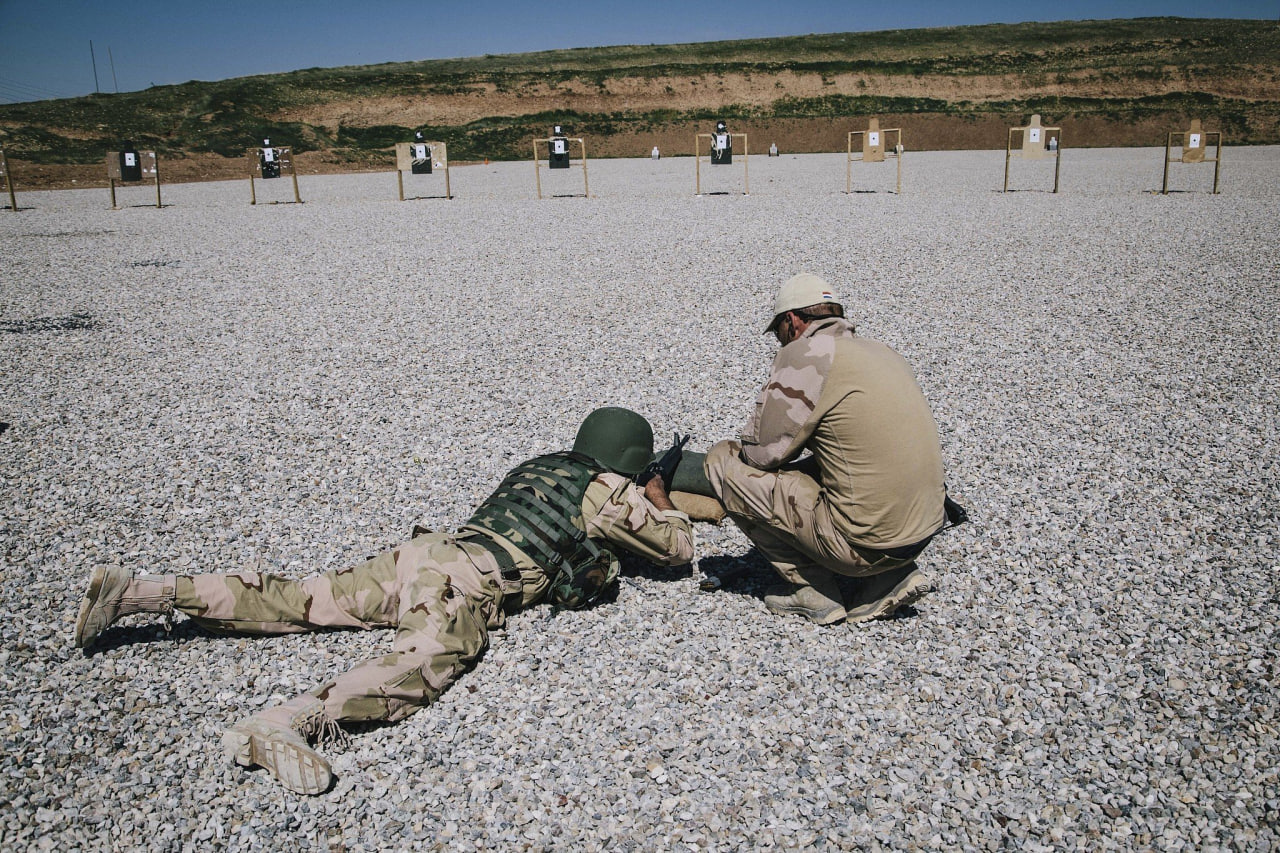
According to the new U.S. budget law and documents released by the Pentagon, the United States will stop directly paying the salaries of the Peshmerga forces in the Kurdistan Region of Iraq by the end of 2025. Starting in 2026, the central government in Baghdad will be fully responsible for providing salaries for these forces. This decision is part of a broader effort to redefine the U.S. role in Iraq and gradually reduce the coalition mission in the country.
A memorandum of understanding signed in September 2022 between the U.S. Department of Defense and the Kurdistan Region’s Peshmerga Ministry indicates that the budget for salary payments will gradually decrease, reaching approximately $135 million in 2024, about $60 million in 2025, and ultimately zero in 2026.
Despite this overall budget reduction in 2026, logistical support for Iraqi forces and the Peshmerga will continue. The Iraqi Ministry of Defense will still receive equipment including communication systems, Hellfire missiles, reconnaissance systems, and logistics services. Additionally, the Iraqi Counter-Terrorism Service will receive a package valued at over $65 million.
The U.S. decision to suspend payments to the Peshmerga forces marks a significant shift in Washington’s role in Iraq and sends a clear message to transfer security responsibilities to the central government in Baghdad. However, the Peshmerga forces’ financial dependence on foreign aid and the existence of parallel party structures present challenges to this transition. If Baghdad fails to provide salaries for these forces due to budgetary constraints or political disagreements with the Kurdistan Region, the risk of a security gap in northern Iraq may increase, which could have significant regional implications.
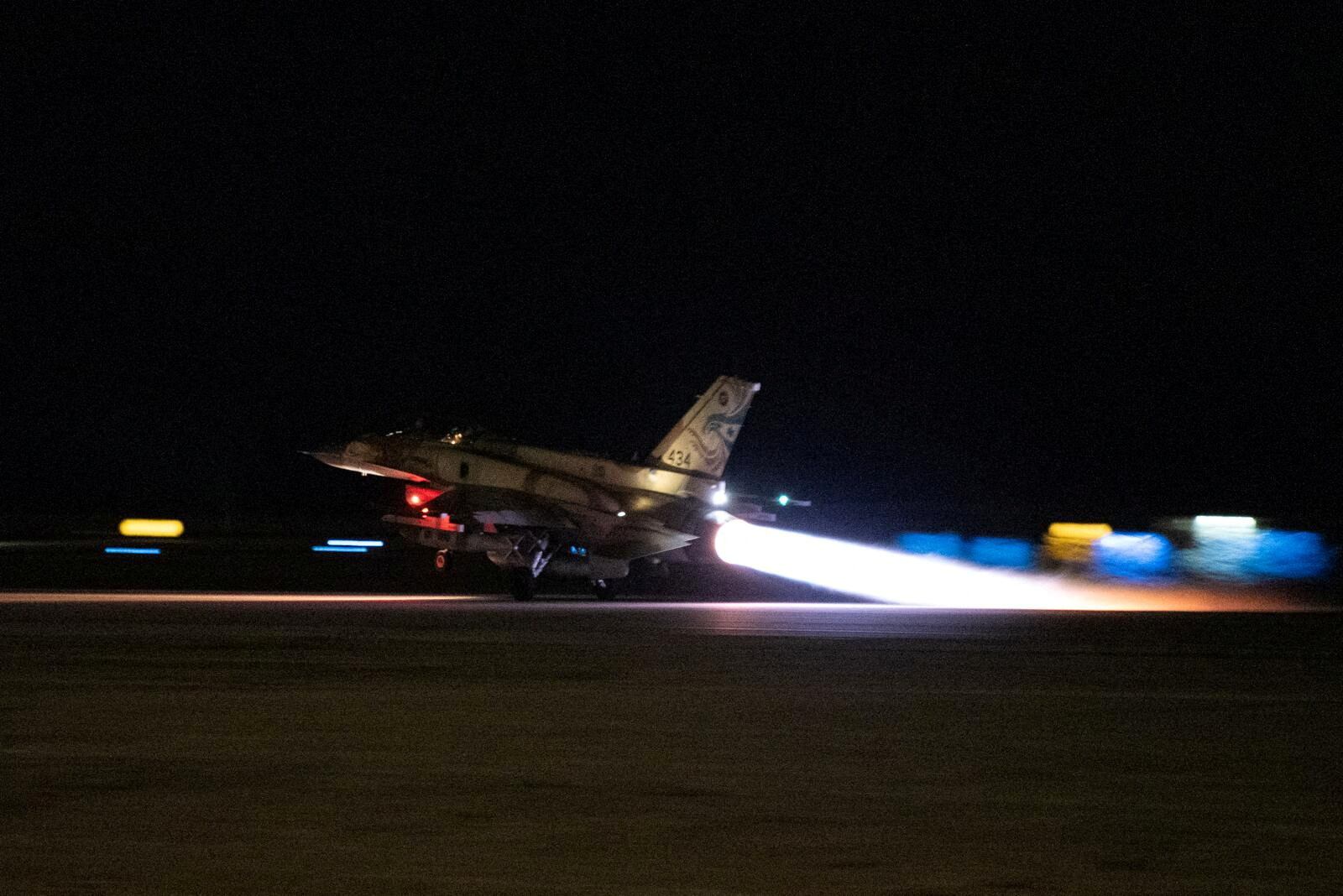
It is said that this exercise has been designed and implemented with the aim of assessing the readiness of the Zionist regime’s army to confront multi-front attacks and simultaneous conflicts. The operation is commanded by the Chief of Staff of the Israeli regime’s army, General Eyal Zamir, and is overseen by the army’s comptroller, retired Brigadier General Ofer Sarig.
In addition to Israeli fighter jets, 40 fighter jets from the United States and 20 from Britain are also present in this exercise. A significant number of reconnaissance and intelligence-gathering aircraft have also been deployed for operational support.
This exercise is being held amid rising tensions in the region, especially in southern Lebanon and the Gaza Strip, and officials of the regime continue their threats against Iran. The Israeli army has recently intensified its airstrikes against alleged Hezbollah positions in southern Lebanon and is preparing for the full occupation of the Gaza Strip.
According to the spokesperson of the Zionist regime’s army, the goal of the exercise is to assess reaction speed, decision-making quality, and operational coordination among various branches of the army. The exercise will continue until the end of the week. Some believe that the Israeli regime may use this exercise for another surprise and to carry out new attacks against Iran.
The Dawn of Hope While the Syrian Democratic Forces (SDF) concentrated their efforts on combating ISIS, Bashar al-Assad, backed by Iran and Russia, managed to reclaim large swaths of territory previously lost to Salafi groups. By 2019, following ISIS’s defeat, the conflict reached a form of deadlock. However, sudden offensives by groups such as Hay’at Tahrir al-Sham (HTS) and the Turkish-backed Syrian National Army altered the dynamics.
In the meantime, factions like the Syrian Social Nationalist Party (SSNP), which had previously fought alongside the government, remained active—justifying their continued operations as responses to growing Israeli occupation. This faction, which supports the formation of a “Greater Syria,” expressed its support on December 17 for the establishment of a front to confront Israeli aggression. In response, the group Uli al-Baas emerged on January 9, initially under the name “Southern Liberation Front,” before adopting its current name and symbolism on January 11.
As post-Assad Syria became a contested arena between Israeli and Turkish influence, Uli al-Baas framed itself as part of the Axis of Resistance against what it calls the “Global Axis of Evil.” In a statement to Newsweek, the group’s political bureau—officially named “The Islamic Resistance Front in Syria – Uli al-Baas”—affirmed that praising Israeli occupation and Turkish incursions is expected, since “[America] is the sponsor of chaos, terrorism, and evil across the globe.” The group’s emblem—featuring a raised Kalashnikov—mirrors an iconography first introduced by Iran’s Islamic Revolutionary Guard Corps (IRGC) and later adopted by Hezbollah and other Iran-aligned resistance groups, including several in Iraq. The term Uli al-Baas, mentioned in the Qur’an, was previously invoked by Hezbollah Deputy Secretary General Sheikh Naim Qassem in reference to the group’s struggle against Israel.
Despite its alignment with the Axis of Resistance, Uli al-Baas claims organizational and political independence, asserting no affiliation with any party or state. It presents itself as a revolutionary, nationalist movement rooted in Arab identity, with a distinct political project aimed at establishing a strong and liberty-oriented state.
A Turbulent Beginning On January 13, Uli al-Baas claimed it was deploying light armored vehicles and fighters to Quneitra, Suwayda, Daraa, Damascus, and surrounding rural areas. Four days later, it officially declared the start of its “military operations” against Israeli presence in the south. The group’s first alleged action was reported on January 24, claiming that one of its units downed an Israeli drone in the Tal Ahmar area of rural Quneitra on January 21. On January 31, it issued a second statement, asserting that it had attacked Israeli forces in the village of Turanja, northern Quneitra. However, no evidence was provided, and on February 14, the group’s Telegram channel retracted the claim.
Cooperation with Other Fronts On February 19, Uli al-Baas announced the deaths of two senior commanders, Muhannad al-Baqari and Muhammad Mansour, during an operation near Israeli positions in Quneitra. Just two days later, on February 21, the group formed a coalition with two other Iran-aligned factions— Liwa Dir’ al-Sahel, led by Miqdad Fathi, and Ashbah Ruh al-Muqawama, led by Abdulhamid al-Shamali. This alliance targeted ISIS, Salafi movements, and the newly restructured Syrian government. The republication of the coalition’s official statement by Uli al-Baas clearly indicated its confrontational stance toward Damascus.
Mission The group identifies the expulsion of Israeli forces from southern Syria as a central objective. It cites Israel’s violations of the 1973 ceasefire line and its continued strikes on Syrian installations as justification for its armed resistance. Uli Albas views the Syrian interim government as complicit due to its silence regarding Israeli aggression. The Zionist officials, meanwhile, have warned they will not allow hostile forces to establish a presence near their borders.
Islamic Resistance Front in Syria – Uli al-Baas
Post-Crisis Syria Despite Donald Trump’s stated intent to reduce military presence in the Middle East, roughly 2,000 American troops remain stationed in Syria. After the Gaza war, these forces were frequently targeted by militias, although such attacks diminished with the U.S. withdrawal from Iraq. With Uli al-Baas now rising and directly opposing U.S. and Israeli influence in Syria, the future of Washington’s regional presence has become increasingly uncertain.
While the U.S. State Department has reiterated its commitment to inclusive and peaceful governance in Syria and its opposition to terrorist entrenchment, it continues to classify HTS as a terrorist organization—despite the group’s claimed shift away from jihadist ideology.
Complicating matters further is the escalating tension between the U.S. and Iran, which intensified after Washington’s withdrawal from the nuclear deal in 2018. Uli al-Baas portrays Iran as a defender of sovereignty and freedom from U.S. domination, arguing that the pressure against Tehran stems from its threat to Israel’s existence.
PJAK was established in 2004 by Iranian members of the Kurdistan Workers’ Party (PKK). Its military branch, the “Eastern Kurdistan Units,” operates across Iranian Kurdistan and Qandil in Iraq. Due to its origins, PJAK is influenced by the Turkish PKK, and the United States also regards it as an affiliate of the PKK.
Over the past two decades, multiple clashes have occurred between Iranian forces and PJAK. One of the most significant confrontations took place in the summer of 2011, when the Iranian army launched a large-scale operation against PJAK positions in Qandil, which ended with a ceasefire declared on September 29 of that year. Nevertheless, sporadic skirmishes continued in the following years.
PJAK is led jointly by Amir Karimi and Peyman Wiyan. The group is part of the Kurdistan Communities Union (KCK) and regards Abdullah Öcalan as its ideological leader. After the collapse of the peace process between Turkey and the PKK in 2015, a significant number of Iranian Kurds joined the KCK’s ranks, now making up roughly 35% of its military forces. This has strengthened PJAK’s role in both regional and international contexts.
With the resumption of talks between Turkey and Öcalan in 2024, along with the PKK’s announcement of its withdrawal from armed struggle, the future of the PJAK remains uncertain. Some believe that the PKK’s military and guerrilla capabilities may shift to the PJAK, which could create significant security challenges for Iran. Maybe it’s worth revisiting Öcalan’s earlier statements; since 2008, he has expressed concerns regarding Iran’s interference in the peace process and in 2013, recommended boosting PJAK forces to 40,000 to confront Iranian dangers.
Global developments—from the war in Ukraine and the Syrian crisis to Iran-Turkey rivalry, the role of Israel, and NATO tensions—have influenced Turkey’s strategic calculations regarding Iran. Turkey’s experiences in Syria and Iraq have shown that the Kurds act as a balance of power. Ankara now seeks engagement and coordination with PJAK instead of direct confrontation.
In this context, Netanyahu’s focus on destabilizing Iran has pushed Turkey to develop a more calculated approach toward Iranian affairs. It seems Ankara has concluded that it cannot play an effective role in Iran’s future developments without considering PJAK’s influence. All these factors are compelling Turkey to seriously revise and prepare its strategic agenda concerning Iran. One indication of this may be the Turkish leadership’s intention to align the PKK’s congress with its own interests in renegotiation and potential rearmament.
The Necessity of PJAK in Turkey’s New Strategy In 2015, the Democratic Party of Iranian Kurdistan (PDKI), along with several other Kurdish parties, attempted to reclaim their former position in Iranian Kurdistan’s political and social scene through a campaign called “Rasan,” aiming to curb PJAK’s growing influence. Clashes occurred in the mountainous region of Kileh Shin, allegedly part of an operation orchestrated by the Turkish government. Media outlets close to the PDKI and to some extent Komala subtly confirmed Turkey’s role in these events.
However, these efforts failed, and the Iranian Kurdish parties were unsuccessful in achieving their objectives. Following this setback, Turkey began looking for a more effective alternative force in the region—and that force was PJAK. Simultaneously, Israel unofficially conveyed a message to these Kurdish parties suggesting that significant developments were approaching in Iran and that Kurds could play a key role in shaping them.
PJAK in Turkey’s Strategic Calculations PJAK has yet to hold a congress to formally disarm or dissolve, and this process has stalled, with Qandil attributing the deadlock to Öcalan’s absence from the process. Even if a decision to end armed struggle is made, the guerrilla forces would not immediately lay down their arms. Integrating them into formal politics would require a transitional structure—something PJAK could provide, but only if a comprehensive agreement is reached between Turkey and Öcalan, and anti-Turkish elements within PJAK shift their stance.
Turkey aims to use PJAK as a tool to manage potential developments in Iran and prevent the Kurds from aligning with Israeli interests, thereby avoiding a repeat of the Syrian scenario. For this reason, Ankara seeks to incorporate PJAK into any future peace agreements. According to a Kurdish journalist, Turkey envisions PJAK playing a role in Iran similar to that of the Syrian National Army (SNA) in Syria.
Iran’s Position in the Turkey-PJAK Equation Since 2013, when PKK guerrillas withdrew toward Iran’s borders, Tehran has grown increasingly concerned about the implications of the Turkey-PKK peace process. In meetings with the PKK and Kurdish parties in Iraq, Iran explicitly warned about the expanded presence of these forces near its borders, questioning who would control PJAK in the event of a Turkey-Öcalan agreement. This concern led to a widening rift between Iran and Qandil.
This concern was not solely security-related; it also stemmed from a deeper geopolitical rivalry between Iran and Turkey. From Tehran’s perspective, PJAK could become a tool of Turkish influence if the group aligns itself with Ankara. As a regional actor, Iran must maintain ties with Qandil and use political tools to prevent the balance from tipping solely in Turkey’s favor.
The future role of PJAK depends on the PKK’s orientation toward Iran. If relations between Qandil and Tehran deteriorate, it would signal a full alignment of the PKK with Turkey—a scenario that seems unlikely for now without concrete assurances. For the sake of regional stability, both Iran and Qandil will likely be forced to maintain engagement.
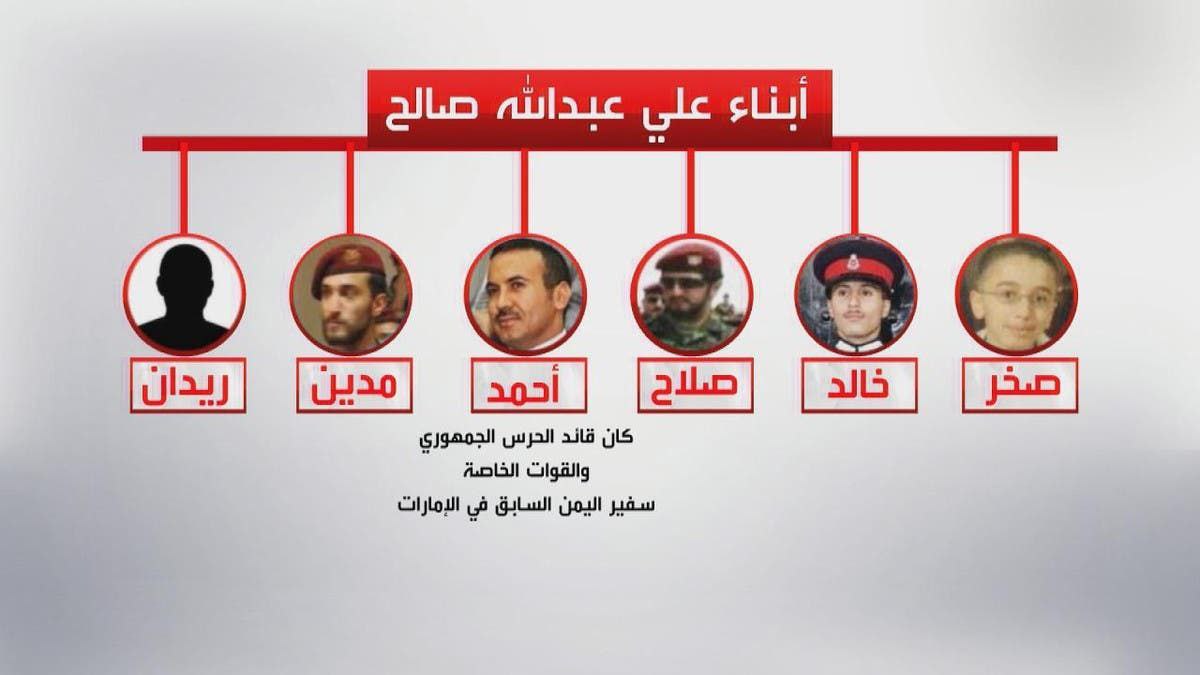
Recently, Arab media reported that Ansar Allah was at odds with its main political ally, the “Popular Congress Party,” and claimed that the party’s leaders were detained and their headquarters seized, allegedly due to connections with Ahmed Abdullah Saleh, the son of ex-Yemeni leader Ali Abdullah Saleh, now residing in the Emirates. These reports, however, were false, and the Yemeni Popular Congress Party denied the accusations circulated by Saudi and Emirati media that Ansar Allah intelligence agents had attacked its headquarters in Sanaa.
Salim Al-Mughlas, a member of the Ansar Allah political bureau, revealed that Saudi Arabia and the UAE recently attempted to incite Yemeni factions and trigger internal conflict in Sanaa, but this plan failed. He dismissed rumors in Arab media about the arrest of Popular Congress Party members, stating that these provocations aimed to target both the Popular Congress Party and the Ansar Allah movement.
The story indicates that the Ansar Allah intelligence service acted wisely by uncovering and preventing the sedition led by elements linked to the Popular Congress Party. It appears that Mossad is trying to involve Ahmed Abdullah Saleh in politics through Emirati agents and by attracting members of the Popular Congress Party based in Sanaa, aiming to create new security tensions. Meanwhile, alongside Tariq Saleh’s covert efforts to strengthen ties with the Islah Party in Taiz, local sources confirmed that Madin Abdullah Saleh, another son of former Yemeni leader Ali Abdullah Saleh, recently arrived in Marib. He traveled to Riyadh a few days earlier and was coordinated into Marib by the Saudis. These actions align with a tripartite plan involving Israel, the UAE, and Saudi Arabia to reintroduce Saleh’s children into Yemeni politics. During his visit, Madin likely met with Saudi-UAE coalition military leaders, including Sultan Al-Aradah, other Islah Party leaders, and Lieutenant General Sagheer bin Aziz, to discuss ongoing political and military developments.
The plan to bring Ali Abdullah Saleh’s children back is actually a security strategy orchestrated by the Israeli Mossad. It started by rewriting the story of Saleh’s death at the hands of Ansar Allah while he was fleeing Sanaa, and progressed through his eldest son Ahmed’s contact with members of the Popular Congress Party in Sanaa. Recently, this has become more evident with the movements of Tariq and Madin Saleh in southwestern Yemen and Marib. It is anticipated that Saleh’s sons will enter Yemen as part of a new group of mercenaries connected to the Saudi coalition. Their goal is to recruit members of the Popular Congress Party in Sanaa, as well as forces loyal to Tariq Saleh and supporters of Ali Abdullah Saleh, such as Lieutenant General Sagheer bin Aziz. This strategy aims to weaken the political influence of Ansar Allah’s allies.
At first glance, this plan might appear weak and naive, since the Popular Congress Party lacks significant power in Sanaa. Meanwhile, Ansar Allah, with its considerable political and social influence, could easily seize control of the entire organization of this party through a security operation. However, their separation will undermine Ansar Allah’s political standing in Yemen. Additionally, their subordinate elements could turn into a Mossad spy network in Sana’a and infiltrate the Yemeni government and armed forces. This would allow Israel to gather more intelligence and data on military and vital installations, as well as the headquarters of Ansar Allah leaders, commanders, and the Yemeni armed forces.
Overall, Ansar Allah must work harder than ever to maintain the unity of their internal front within the Sana’a government and prevent spies from infiltrating areas under their control. One method of infiltration involves reopening roads between cities held by Ansar Allah and the resigned government, which is being pushed by the UN. This move could allow spies easier access to Ansar Allah’s internal territories. Although Ansar Allah oversees and inspects these roads, Israeli field agents possess specialized training and resources to evade security checks, potentially infiltrating cities controlled by Ansar Allah.
Hundreds of European rabbis will gather in Baku to discuss Azerbaijan’s accession to the Abraham Accords. This conference is significant as it will be the first of its kind held in a Muslim country.
Azerbaijani President Ilham Aliyev is also likely to attend the event. The previous session of the Jewish Conference was canceled due to the Operation Al-Aqsa Flood against Israel on October 7, 2023.
Holding the first European Jewish Conference in Baku not only highlights the strong relations between Azerbaijan and Israel but also reflects ongoing efforts to enhance cooperation between the two sides. The Donald Trump administration had been advocating for Azerbaijan’s accession to this treaty for some time, considering Azerbaijan’s geopolitical position and strategic relations with Tel Aviv.
General Michael Erik Kurilla had been the commander of CENTCOM since April 2022, leading U.S. operations in West Asia.
Admiral Cooper has a distinguished career in the U.S. Navy, having commanded the 5th Fleet in Bahrain from 2021 to 2024. He has participated in major operations, including Desert Storm and the war in Afghanistan. Additionally, he served as a senior advisor to the Afghan interior minister and studied national security policy at Harvard and Tufts Universities.
Admiral Brad Cooper
While he has adopted a more cautious approach regarding Kurillas compared to Iran, Admiral Cooper maintains close relations with the Israeli regime and has played a significant role in enhancing security cooperation since Israel joined CENTCOM.
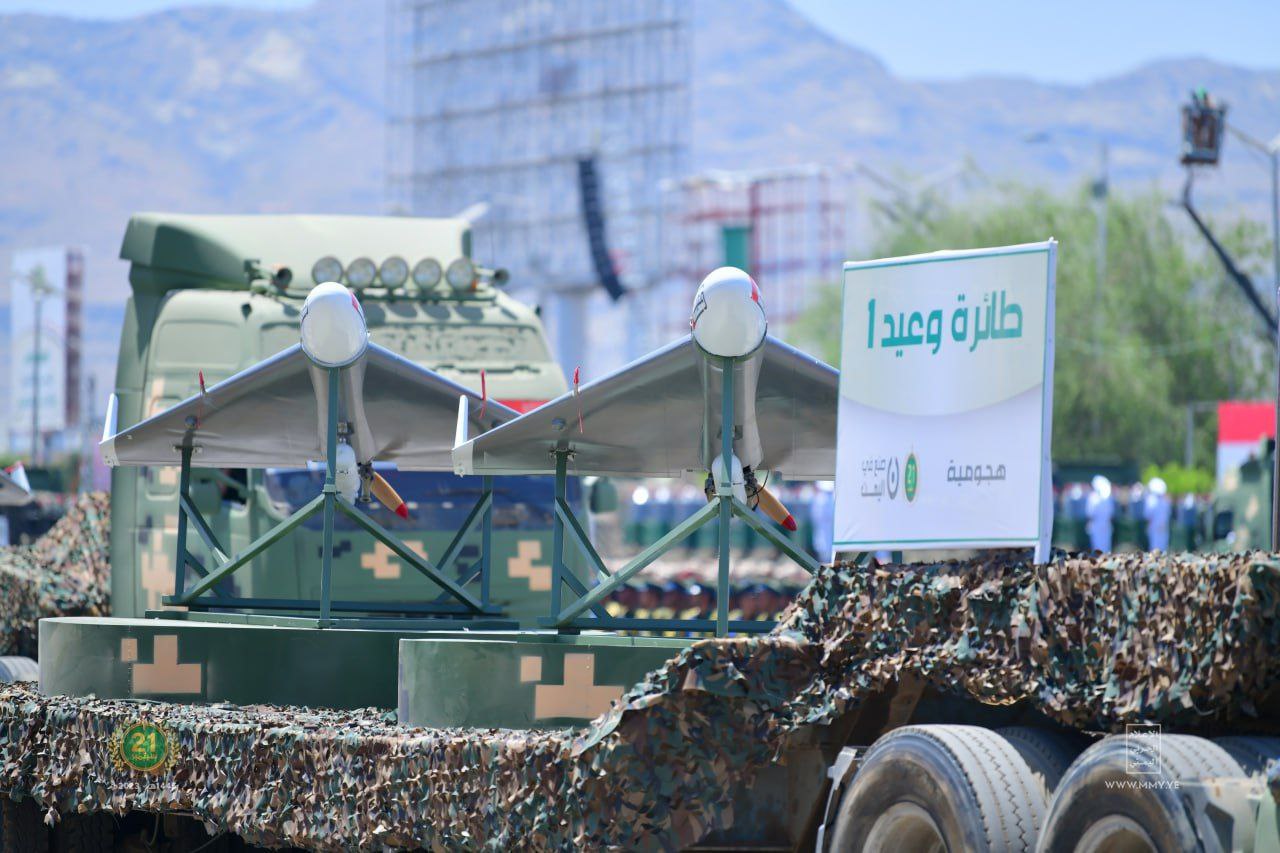
According to a statement from the spokesman of the Yemeni armed forces, these operations were deemed successful.
The Yemeni armed forces urged Islamic and Arab nations to support Palestine. They also warned companies involved with the ports in occupied Palestine, calling on them to cease their cooperation to safeguard the crews of their ships.
Data collected by IWN indicates that these operations mark the 169th to 171st air operations of the Yemeni armed forces against the positions of the Zionist regime in occupied Palestine
“Roozbeh Vadi… was executed following judicial proceedings and confirmation of his sentence by the Supreme Court,” the judiciary’s Mizan Online website said, adding that the man had leaked information about a “nuclear scientist who was assassinated during the Zionist regime’s recent aggression.”
The execution was carried out by hanging, it added, noting that Mizan reported that Vadi worked at one of Iran’s “key and sensitive organizations” and that his access enabled him to pass on “classified information” after being recruited online by Mossad.
Israel started the war on June 13, stating that its goal was to cripple Iran’s nuclear program. The war ended when a ceasefire was suddenly announced on June 24, just two days after the United States joined the war by attacking three key nuclear sites in Iran.
During the war, over a dozen Iranian nuclear scientists were assassinated by the Israeli military and intelligence. More than 30 of the Islamic Republic’s top military commanders were also killed.
Mossad rule in the war was not limited to assassinations, however. The agency’s special forces led a covert attack on Iranian air defenses and ballistic missiles, deploying suicide drones and guided missiles from within the territories of the Islamic Republic.
Some 700 people suspected of working for Mossad were arrested by Iranian security forces during the war. At least few have already been convicted and executed.
Introduction to Multi-Spectral Targeting Systems (MTS):
Multi-Spectral Targeting Systems (MTS) are advanced sensors that operate by receiving and processing data across several electromagnetic spectrum bands. At the heart of these systems is the fusion of electro-optical (EO) technology in the visible and infrared (IR) ranges. This technology gained prominence with the expansion of long-range reconnaissance UAV usage, allowing military drones to take on roles traditionally reserved for manned reconnaissance aircraft.
Unlike conventional imaging systems that are limited to a single spectral range, MTS combines images from multiple bands—including Long-Wave Infrared (LWIR: 8–12 µm), Mid-Wave Infrared (MWIR: 3–5 µm), Short-Wave Infrared (SWIR: 1–2.5 µm), and Near-Infrared (NIR: 0.7–1 µm)—making it effective not only in daylight and nighttime but also in challenging weather conditions like dust, smoke, and fog.
Raytheon, now part of the RTX group, has secured a significant portion of the market for this technology by leveraging extensive operational experience and close collaboration with the U.S. armed forces. The MTS system family is one of Raytheon’s most distinguished achievements, developed in 44 different versions for use on 21 different platforms.
In the following, the flagship models will be introduced in more detail.
MTS-A & MTS-B SensorsMTS-DThe Raytheon MTS Sensor Family
MTS-A: Foundational Multi-Spectral Targeting System (AN/AAS-52 and AN/AAS-44C)
The MTS-A model, known by designations AN/AAS-52 (used by the U.S. Air Force) and AN/AAS-44C(V) (used by the U.S. Navy), is considered one of the earliest members of Raytheon’s Multi-Spectral Targeting System family. This system integrates core electro-optical (EO) capabilities in the visible and infrared (IR) spectrum with laser range-finding, laser designation, and laser illumination functions.
These features enable long-range surveillance and reconnaissance, target detection and identification, tracking of moving targets, precise distance measurement to targets, and most importantly, accurate laser designation for guiding various laser-guided munitions such as the AGM-114 Hellfire missile and other precision-guided weapons.
MTS-A targeting system
Operational History of MTS-A
MTS-A entered operational service in the late 1990s, with the AN/AAS-52 deployed on MQ-1 Predator UAVs by the U.S. Air Force during covert operations in Kosovo, and later in Afghanistan following the events of September 11. At the time, the U.S. Air Force was heavily focused on arming Predator drones with Hellfire missiles, and the MTS-A system played a pivotal role in enabling that capability.
Beyond the Air Force, the U.S. Navy adopted MTS-A with the designation AN/AAS-44V on SH-60B and HH-60H helicopters, and the AN/AAS-44C variant on MH-60S and MH-60R helicopters.
Raytheon also declared that the MTS-A system is suitable for installation on fixed-wing aircraft.
AN/AAS-44C on MH-60 SeahawkANAAS-44C sensors AN/AAS-52 on MQ-1 PredatorAN/AAS-52 on MQ-1 PredatorSensors of MTS-A
Special Operations Variant: AN-ZSQ-2
The MH-47 and MH-60M helicopters used by the U.S. Army’s Special Operations Aviation Regiment (SOAR) are equipped with an evolved sensor variant based on MTS-A and MTS-B, designated AN-ZSQ-2, which is mounted on the aircraft’s nose.
AN-ZSQ-2 sensor on the MH-60MAN-ZSQ-2
Technical Specifications of MTS-A:
Payload Weight:
Sensor Module: approx. 59 kg
Control & Processing Unit: 11.3 kg
Dimensions:
Sensor Module Diameter: 45.7 cm
Control & Processing Unit: 36.6 × 12.4 × 19.3 cm
Field of View (FOV):
Wide: 34 × 45° – battlefield overview
Semi-wide: 17 × 22° – focused regional scans
Medium: 5.7 × 7.6° – balance between scope and detail
Semi-narrow: 2.8 × 3.7° – targets at mid-range
Narrow: 1.2 × 1.6° – for tracking moving targets
Ultra-narrow IR: 0.6 × 0.8° – precise night targeting
In November 2007, the United States Army selected Raytheon to provide the Common Sensor Payload (CSP) for use on a variety of manned and unmanned aircraft. The sensor is based on technologies used in the MTS-A system. The AN/AAS-53 CSP was initially intended for installation on the ARH-70A armed reconnaissance helicopter (which was later canceled) and for installation on the MQ-1C Grey Eagle multirole unmanned aerial vehicle.
AN/AAS-53 sensor installed on MQ-1C Grey EagleAN/AAS-53 CSP
MTS-B: Advanced System for High-Altitude, Long-Range Surveillance (AN/DAS-1)
The MTS-B system, designated AN/DAS-1, is an evolved version of the earlier MTS-A model, optimized specifically for high-altitude operational environments. It’s larger in size and tailored for long-endurance, high-flying platforms such as the MQ-9 Reaper (Predator B) UAV.
MTS-B is a multi-functional system that incorporates electro-optical (EO) and infrared (IR) sensors along with laser detection, range-finding, and target tracking technologies. This system is capable of performing:
Long-range surveillance missions
Precision target acquisition
Continuous tracking of moving targets
Laser designation for air-to-ground munitions
Besides the MQ-9 Reaper, the MTS-B system is also used on U.S. Navy’s MQ-4C Triton UAVs.
MTS-B system
Technical Specifications of MTS-B:
Payload Weight:
Sensor Module: 104 kg
Control & Processing Unit: 11.3 kg
Dimensions:
Sensor Module Diameter: 56 cm
Processing Unit: 36.6 × 12.4 × 19.3 cm
Field of View (FOV):
Wide: 34 × 45° – broad coverage for reconnaissance missions
Semi-wide: 17 × 22° – moderate area focus
Medium: 5.7 × 7.6° – balance between clarity and scope
Semi-narrow: 2.8 × 3.7° – mid-range target focus
Narrow: 0.47 × 0.63° – effective for target tracking
Ultra-narrow TV: 0.08 × 0.11° – extremely high resolution
Digital Zoom: 2× and 4× magnification
Motion Range:
Azimuth (horizontal): 360° continuous rotation
Elevation (vertical): from +40° to –135°
Rotation Speed: Up to 2 radians/second in elevation axis
Auto-tracker Modes: Three types: centroid, regional, and selective
Data & Control Interface: MIL-STD-1553 data bus
Video Output Formats: RS-170 (525 lines), digital, and other formats
Power Requirement:28V DC from aircraft supply
MTS-D: Next-Generation Multi-Spectral Targeting System (AN/DAS-4)
The AN/DAS-4, also known as MTS-D, is the latest and most sophisticated evolution in Raytheon’s family of multi-spectral targeting systems. This new generation was developed in 2016 under a $90 million contract with the U.S. Air Force, featuring significant upgrades—especially in fire control and target location accuracy. The system is deployed on platforms such as the MQ-9 Reaper UAV and the MQ-4C Triton long-range maritime surveillance UAV used by the U.S. Navy.
MTS-A, MTS-B, MTS-D systems in one frame
Core Advancements and Capabilities
At the heart of MTS-D lies an advanced suite of electro-optical sensors that includes four high-resolution cameras capable of capturing imagery across five distinct spectral bands. This multi-spectral imaging capability allows for the breakdown of visuals into varying optical wavelengths, enabling the extraction of fine details and intelligence not discernible to the naked eye or single-band systems.
Aboard the MQ-9 Reaper equipped with the AN/DAS-4, these capabilities enhance both situational awareness and precision engagement.
MQ-9 Reaper drone equipped with MTS-D AN/DAS-4 system
Laser Targeting and Tracking Enhancements
The AN/DAS-4 system is equipped with a three-color diode-pump laser designator/rangefinder, which provides highly accurate targeting data. It also supports Laser Spot Search and Track—a feature that allows the system to detect and lock onto targets designated by another source using laser markers. Automatic alignment between sensor and laser components ensures consistent targeting precision while minimizing the need for frequent manual calibration.
MTS-D AN/DAS-4
Intelligent Target Acquisition
The system supports three target tracking modes and includes automatic target acquisition capabilities. Combined with the standard MTS features—such as multi-mode fields of view and digital zoom—these intelligent enhancements significantly streamline and speed up the processes of detection, locking, and tracking of both stationary and moving targets.
The AN/DAS-4 system can provide precision laser tracking and designation for a wide range of laser-guided munitions used by U.S. and NATO armed forces, including missiles like Griffin and bombs such as the Paveway series.
MS-110 & MS-177: Strategic-Level ISR Sensors
These advanced members of Raytheon’s MTS family are built for intelligence, surveillance, and reconnaissance (ISR) missions, offering superior imaging capabilities at long ranges and high altitudes. Unlike MTS-A/B/D systems that are typically mounted on tactical UAVs and helicopters, MS-110 and MS-177 are designed for integration into larger fixed-wing aircraft.
MS-110: Tactical Electro-Optical Imaging System
Developed to deliver long-range, high-resolution imagery using multiple spectral bands.
Often installed on aircraft such as the U-2 Dragon Lady or RQ-4 Global Hawk.
It uses improved optics and sensor resolution over previous systems for detailed reconnaissance missions.
MS-110 sensor
MS-177: Enhanced Long-Range Surveillance Sensor
A successor to MS-110, boasting even higher fidelity and more powerful imaging capabilities.
Can operate across multiple spectral bands, including visible, infrared, and short-wave infrared.
Provides automated target detection and classification, improving real-time battlefield awareness.
Compatible with various platforms including E-8 JSTARS, RQ-4 Global Hawk, and other long-endurance aircraft.
Supports modular payload architecture, allowing easy upgrades and adaptations for new missions.
Training scenarios for Polish forces include night navigation, intelligence gathering, and simulated infiltration of enemy installations. These exercises reflect Poland’s readiness for potential conflict in the Baltic Sea and its adaptation to modern naval warfare trends.
Founded just 18 months ago, HavocAI has already designed and mass-produced the Rampage Gen 1 and Gen 2 USVs. These vessels can carry up to 136 kilograms of payload and are equipped with solar panels to extend their operational range. They are controlled via Starlink satellite antennas—similar to those used in Ukrainian USVs. One of their standout features is swarm capability, allowing a single operator to simultaneously control dozens of Rampage drones from anywhere in the world. Each unit is priced at approximately $100,000, making them relatively affordable within their class of military equipment.
Rampage USV by HavocAI
In addition, HavocAI is developing larger USVs ranging from 12 to 45 meters in length, which will integrate into the same Rampage operational system. The company has also initiated a strategic partnership with defense giant Lockheed Martin to advance its projects.
The use of low-cost, mass-producible remote-controlled USVs signals a shift in Eastern European military doctrine. Swarm tactics, which overwhelm enemy defense systems, significantly increase the likelihood of mission success. Satellite-based communication systems like Starlink enable remote control even in areas lacking traditional infrastructure.
Through these efforts, Poland aims to enhance its asymmetric warfare capabilities and respond effectively to regional threats. This approach could serve as a model for other NATO member states. However, the widespread use of autonomous drones in military operations raises new legal and ethical concerns—such as accountability for civilian harm, transparency in AI-driven decision-making, and compliance with international maritime laws.
Overall, Poland’s testing of naval drones marks a significant step toward modernizing its military capabilities and aligning with emerging trends in naval warfare. With its focus on technological collaboration and scalable production, Poland is preparing to confront potential Russian threats in the Baltic region.