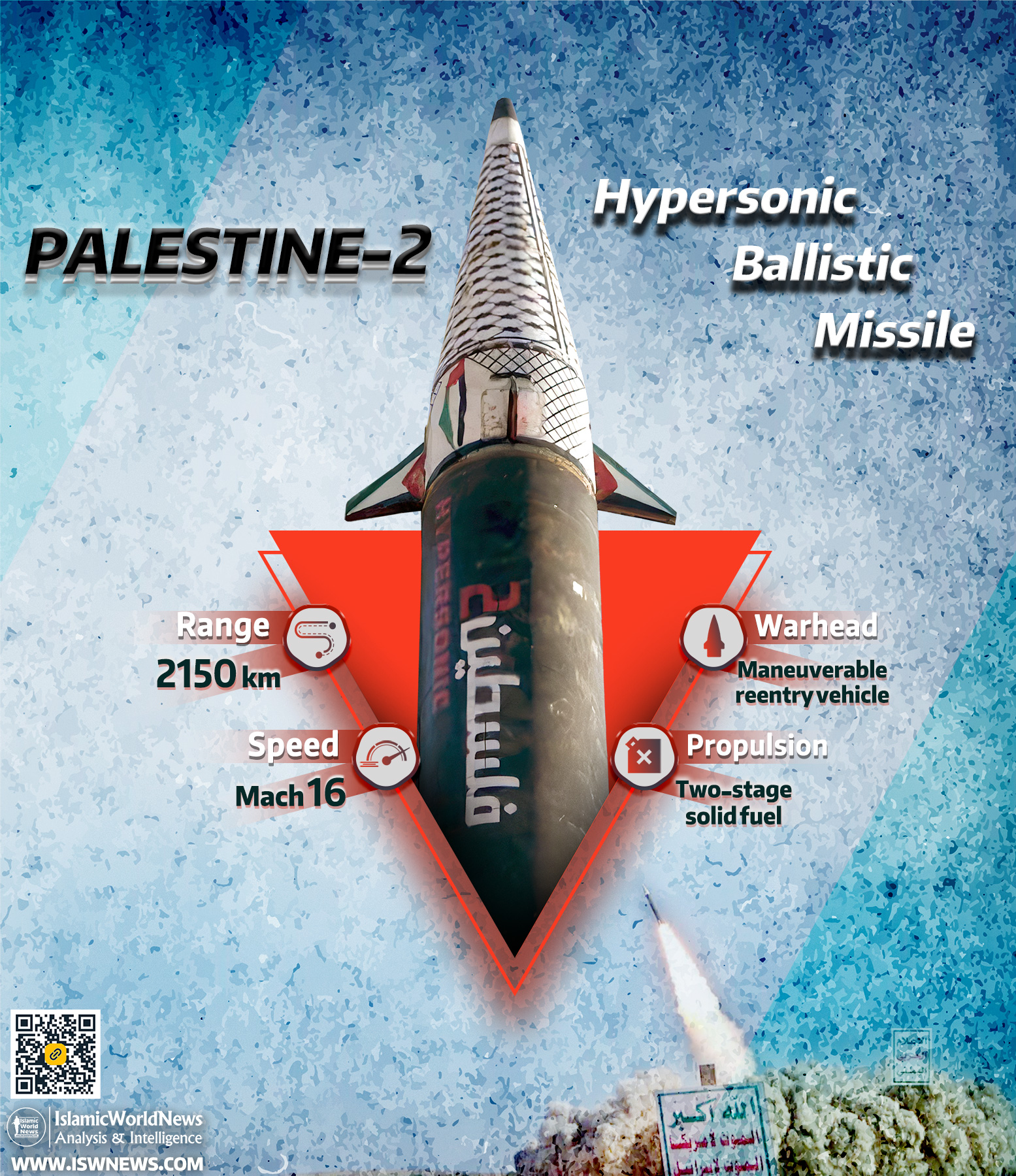
Brigadier General Yahya Saree stated the operation achieved its goal, causing panic and forcing millions of Israelis to seek shelter. Several flights at Ben Gurion Airport were disrupted and halted.
He emphasized that Yemen, along with its people, leadership and military, will continue its operations until victory is achieved for the oppressed and hungry children of Palestine. He expressed support for their courageous resistance, highlighting that they have been left alone amid the siege and conflict. Addressing the Palestinian people, he stated, “Your brothers in Yemen stand with you and will exert all their strength to fulfill their religious, Arab, and humanitarian duty.”
According to information gathered by IWN, this operation marks the 160th strike by the Yemeni army against Israel.
Introduction In March 2024 WhatsApp, which is owned by Meta, announced that 90 journalists and members of the public who use the popular messaging app had been targeted by spyware developed by Paragon Solutions, an Israeli company specializing in hacking tools. These journalists and civil society members were notified about the possible compromise of their devices’ security. It remains unclear who was behind the attack. Like other spyware vendors, Paragon’s hacking software is used by government clients, and WhatsApp stated it had been unable to identify which clients ordered the alleged attacks.
Experts have reported that the attack was of the zero-click type, meaning the targets did not need to click any malicious link for their devices to be infected. WhatsApp has declined to disclose the locations of the affected journalists and civil society members, including whether any of them were based in the United States. Three of the hacking victims were Italian journalists.
According to reports in The Guardian and Haaretz, Paragon has since severed ties with its clients in Italy, which reportedly included an intelligence agency and a law enforcement organization. Paragon exclusively works with governmental entities. The company’s flagship product, called Graphite, allows users full access to a target’s phone. Paragon claims that the software is intended for criminal investigations. The company is seen as a competitor to the NSO Group, maker of the Pegasus spyware.
Additionally, Israeli media have reported rumors of Paragon being sold to a U.S. company, which were recently denied by Israel’s Defense Minister following Donald Trump’s return to the White House.
Paragon Solutions Paragon Solutions, founded in 2019 and currently employing 450 personnel, is a cyber company focused on offensive operations and security, utilizing digital intelligence to provide surveillance solutions for smartphones and the internet. The company claims to impose “strict ethical limitations” on itself, restricting data extraction from target devices solely to conversations within messaging apps. Paragon exclusively collaborates with law enforcement and intelligence agencies in what it defines as liberal democracies—a list that includes 39 countries.
As one of the two leading Israeli offensive cybersecurity firms alongside NSO, Paragon specializes in technologies classified as weapons and requires export approval from Israel’s Ministry of Defense. Unlike NSO, which faced international backlash and was blacklisted by the U.S. government for selling spyware to authoritarian regimes, Paragon was founded with a commitment to operate exclusively within democratic nations. This ethical positioning helped pave the way for future deals.
Founders and Key Figures Among the founders of this cyber company is Ehud Barak, the former Prime Minister of Israel, underscoring Paragon’s prominence and distinct position among other firms in the industry. Some media outlets have even referred to the company as “Ehud Barak’s startup”, highlighting his influence in its establishment. According to the image below, the founders of this Israeli company are identified from right to left in the following order:
– Ehud Schneorson
After decades of service in the fields of signals intelligence (SIGINT), cyber operations, and special operations in the occupied territories, he was appointed as the head of Unit 8200, Israel’s elite military intelligence unit. According to Richard Silverstein, commanders in Israel’s Unit 8200are appointed in a highly specific and deliberate manner, alternating between a “khnun” (a Hebrew slang term for a “computer geek” or “tech nerd”) and an individual who rose through the ranks via combat roles. Ehud Schneorson is considered a khnun, whereas his predecessor, Nadav Zafrir, was a combat officer who served in Sayeret Matkal, Israel’s elite special forces unit. This alternating approach, blending technical expertise with combat experience, reflects the military’s effort to strike a balance between technological proficiency and operational capability.
– Ehud Barak
Ehud Barak, the former Prime Minister of Israel, has been a prominent figure in the country’s cybersecurity landscape. He played a significant role in the founding of Paragon Solutions, co-establishing the company alongside retired Brigadier General Ehud Schneorson. Barak’s involvement in Paragon has been substantial, and he also holds a stake in the company, underscoring his direct interest and influence in its operations.
– Idan Nurick
Idan Nurick is the CEO and co-founder of Paragon Solutions, with a background in medicine and an MBA. He has led several successful companies in the fields of cybersecurity and artificial intelligence, with a proven track record in team leadership, algorithm development, software engineering, and data analysis. Nurick founded Cyber Hunters in 2018 and Paragon in 2019, serving as CEO of both. In 2020, he stepped away from Cyber Hunters to focus on Nash and Paragon. He currently serves as a director at Alameda Ventures and a senior executive at Bloomberg Capital. Prior to his current role, he also held a senior leadership position within Paragon. Nurick completed his studies at Tel Aviv University, earning both a master’s degree and an MBA.
– Liad Avraham
Liad Avraham, a resident of the occupied territories, is currently the co-founder and Chief Research Officer (CRO) at Paragon Solutions. He brings valuable experience from his previous roles at Paragon and in the Israel Defense Forces (IDF). Avraham holds a Bachelor’s degree in Computer Science from the Open University and possesses advanced skills in hacking iOS and Android operating systems. During his service in the IDF, he served as a team leader and cybersecurity researcher.
– Igor Bogdalov Igor Bogdalov, a lesser-known figure among the founders pictured, is one of the co-founders and serves as Co-Chief Technology Officer (CTO) at Paragon. He earned his Master’s degree from Tel Aviv University.
Graphite As previously mentioned, this spyware infiltrates devices electronically using a zero-click method, the operation of which is explained in detail below. Zero-click attacks are carried out secretly and do not require any direct user interaction or action. These attacks may seem simple because the attacker does not need to trick the user through phishing emails or clicking on malicious links. However, successfully executing these attacks is not easy. A critical aspect of performing a successful zero-click attack is sending a specially crafted piece of data to the target device via wireless communications such as Wi-Fi, NFC, Bluetooth, GSM, or LTE. This data is designed to trigger a previously unknown or lesser-known vulnerability in the target device. The vulnerability may exist at the software or hardware level of the device. This data might exploit the vulnerability when processed by the device’s system on chip (SoC), but in most cases, the attacker designs the data to be interpreted by specific applications such as WhatsApp, Telegram, Skype, calling services, or even SMS. Therefore, the attacker carefully crafts this data to be interpretable by such applications. This data can take the following forms: • MMS • Voicemail • Video conferencing sessions • Text messages • Authentication requests • Network packets • Phone calls
Conclusion In light of the foregoing detailed discussion, it seems imperative to strengthen the cybersecurity outlook of intelligence agencies with respect to the newest infiltration techniques and the methods for preventing and countering cyberattacks; for failing to recognize the infection of a messaging‑service server application under normal conditions can constitute part of the persistent risk and harm posed by such attacks. Gaining familiarity with and access to the know‑how for producing this type of spyware may, in the future, foster scientific self‑sufficiency—both software‑ and network‑wise, and in certain cases hardware‑wise—within the country’s sensitive institutions as well as among technology firms operating in the realm of social networks. Another matter that acquires significant importance in the wake of these international disclosures is the investigation of the assassination cases of prominent Iranian figures and members of the resistance front in recent years; since the use of messaging apps and social networks—especially domestic platforms such as Eitaa and Baleh—has become commonplace, the hacking of individuals’ accounts grants access to every component of their smartphones, including microphones and geolocation; consequently, the relevant authorities must exercise heightened vigilance.
The Israeli army claimed to have intercepted the missile. The attack triggered sirens in hundreds of locations across the occupied territories, causing settlers to flee to shelters. Additionally, several flights at Ben Gurion Airport were disrupted.
In a statement, Brigadier General Yahya Saree paid tribute to the resilient people of Yemen, describing them as loyal, dedicated, and dignified for their historical support of the oppressed Palestinian people and their resistance against enemy dominance over the Islamic nation. He also praised the sacrifice and bravery of the heroic Palestinian fighters in Gaza and the West Bank for their engagement in the struggle against the occupying forces.
Brigadier General Saree emphasized that the operations of the Yemeni armed forces will continue until the war ends and the siege of Gaza is lifted.
According to statistics collected by IWN, this operation marks the 155th strike by the Yemeni armed forces against Israeli positions in occupied Palestine.
In a statement, Brigadier General Yahya Saree, spokesman for the Yemeni armed forces, indicated that this operation was a response to the recent attack by the Israeli army on Hudaydah. He emphasized that the operation aimed to support Palestinian resistance against the Israeli regime.
He said, the Yemeni army executed a special military operation against Ben Gurion Airport, additional military targets in Tel Aviv, the port of Umm al-Rashrash (Eilat), Ramon Military Airport in southern occupied Palestine, and a significant target in the Ashdod area. The operation successfully achieved its objectives.
This operation marks the 154th strike conducted by the Yemeni armed forces against the Israeli regime positions.
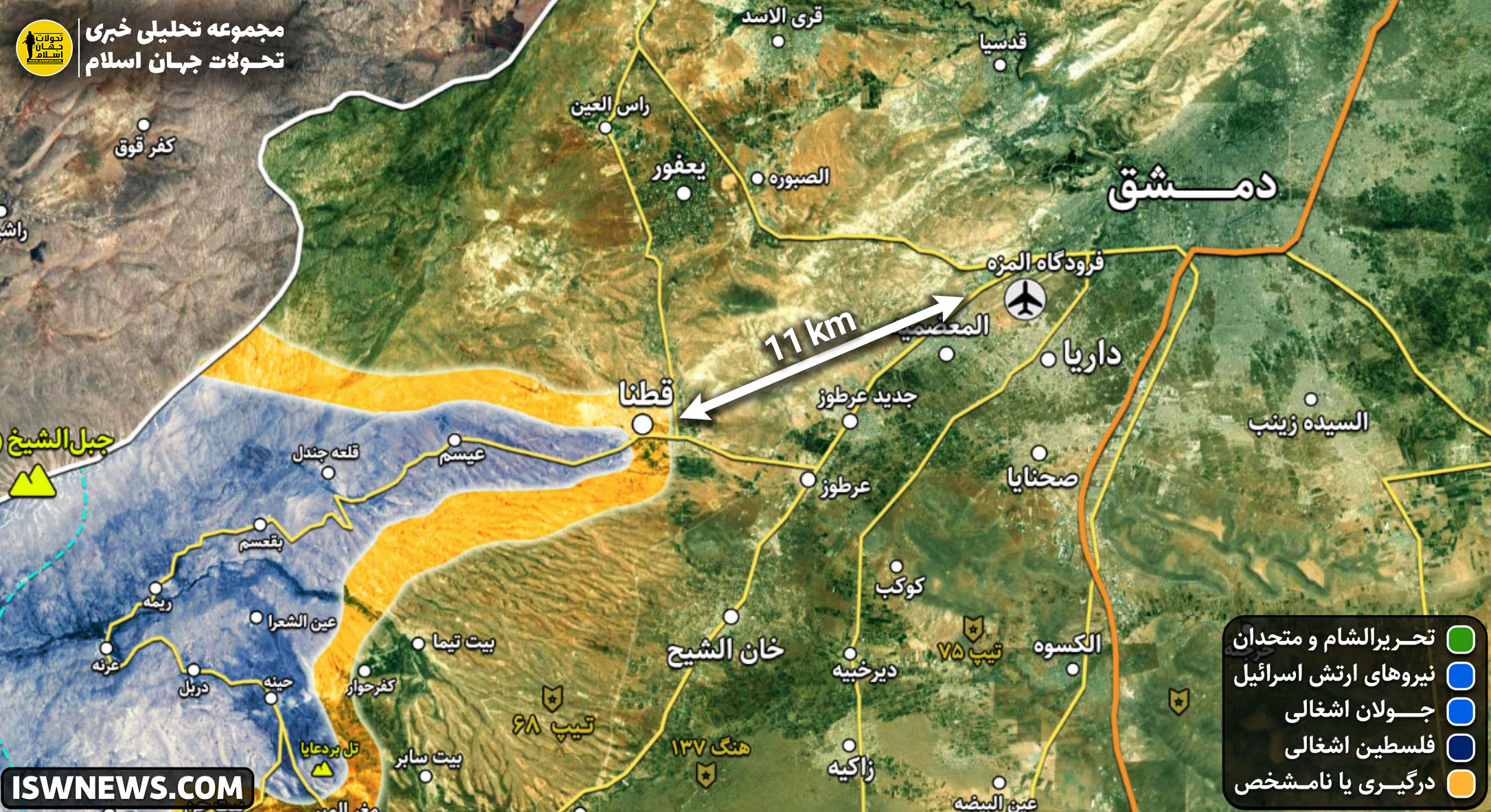
According to videos that have emerged, an Israeli army convoy consisting of approximately 15 vehicles has reached the outskirts of Qatna.
In addition to Qatna, Israeli forces have also entered the village of Al-Rafid in Quneitra province. This area has seen security operations and inspections conducted by the Israeli army in recent weeks.
Despite calls from Syrians to confront the Israeli regime and the threats made by Julani militants, the forces of the new Syrian government have not taken any action to prevent or confront the Israeli army’s movements. The Israeli advance in southern Syria continues amidst the silence of the Julani government.
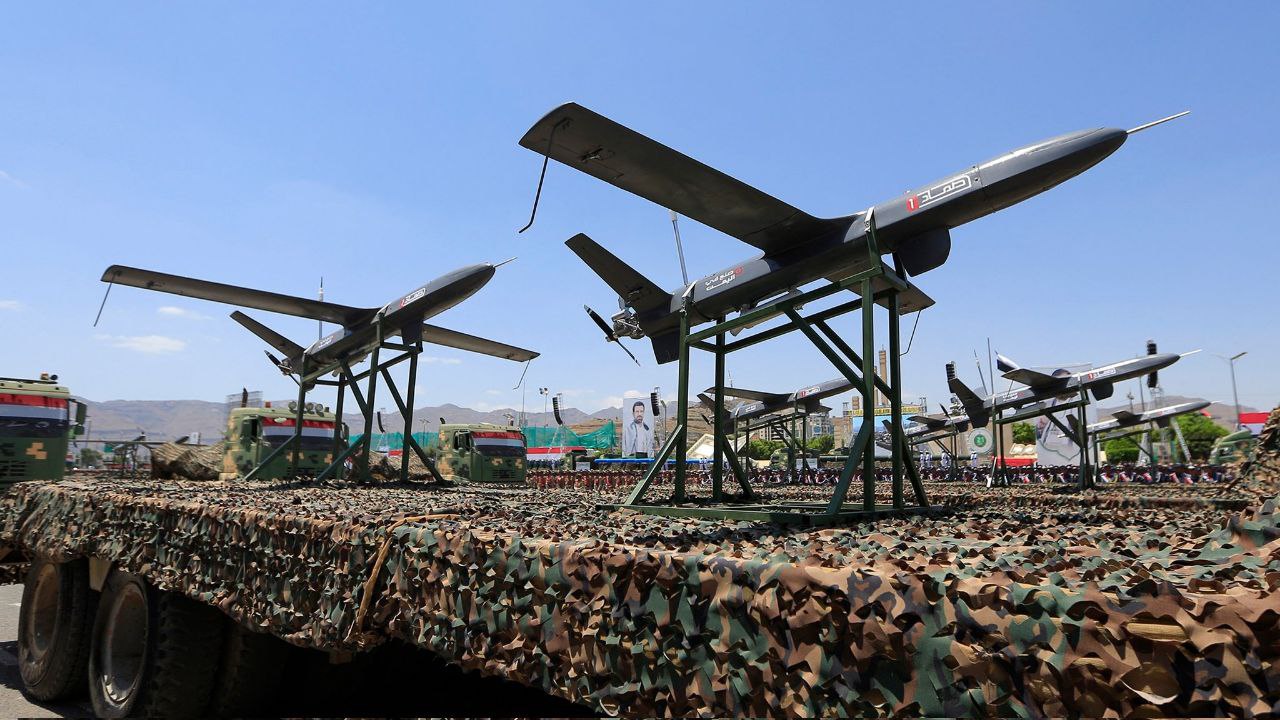
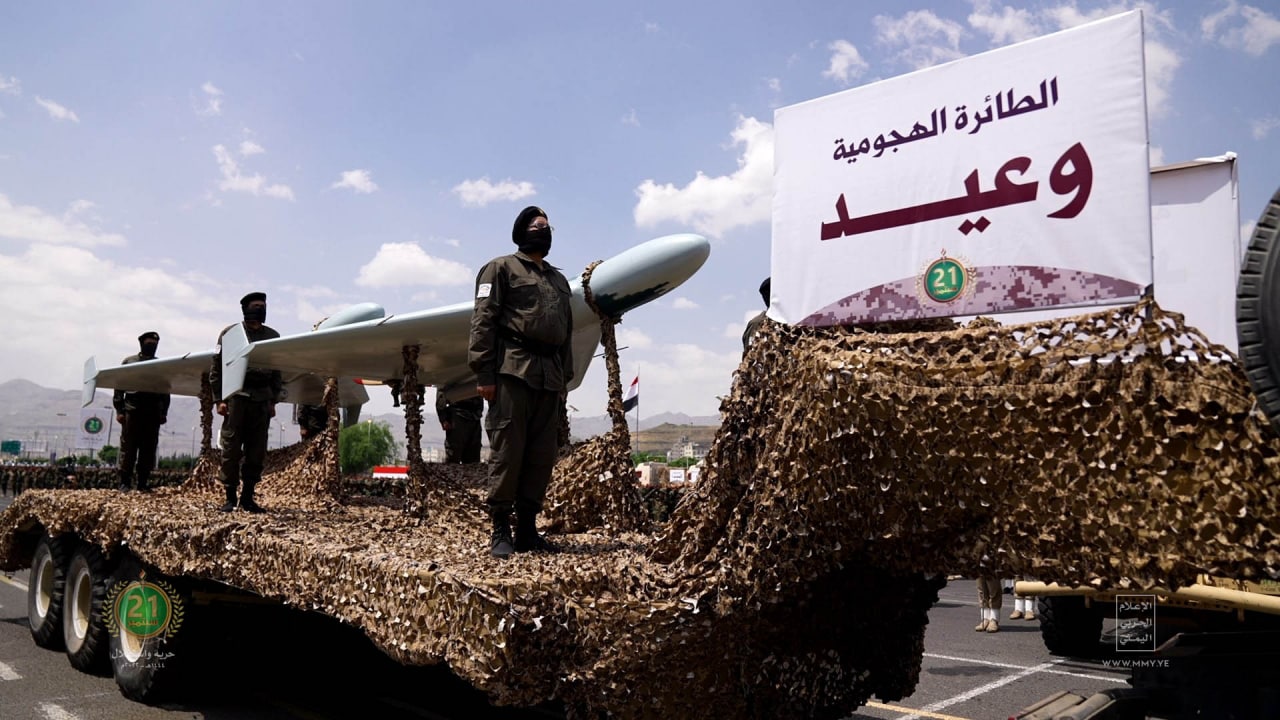
According to a statement from the Yemeni armed forces, this simultaneous military operation targeted key military sites in southern Palestine. Two of the drones struck important targets in the Negev region, while the third targeted the port of Umm al-Rashrash (Eilat).
Brigadier General Yahya Saree stated that these operations successfully achieved their objectives by the grace of God. He criticized the silence of the Islamic community regarding the Israeli regime’s actions in the Gaza Strip and emphasized that Yemen is acting within its means and will continue its support operations until the war and siege against Gaza are halted.
Statistics gathered by Islamic World News indicate that this operation marks the 148th conducted by the Yemeni armed forces against the positions of the Zionist regime in occupied Palestine.
The attack occurred at 7 AM local time, leading to a halt in operations for the American oil company HKN, which is involved in this oil field. While the explosion did not result in any casualties, it caused material damage. So far, no group has claimed responsibility for the attack on the Sarsang oil field.
It is important to note that this was the second drone attack in the Kurdistan Region of Iraq within 24 hours. Earlier, the Khurmala oil field in Erbil province was targeted by two suicide drones. In recent weeks, there has been a notable increase in drone attacks on energy facilities across Iraq.
In a joint statement, they said, “The Israeli army has been instructed to target regime forces and weapons that have been transferred to the Sweida region. The movement of forces and weapons into Sweida contradicts the policy of demilitarizing southern Syria. Israel is committed to protecting the Druze in Syria due to our close alliance with our Druze citizens in northern occupied Palestine and their family and historical ties with the Druze of Syria. We are taking action to prevent the Syrian regime from harming them and to ensure the demilitarization of the area adjacent to our border with Syria.”
VideoVideoVideo
In line with this directive, the Israeli military conducted airstrikes against targets in southern Syria. According to reports, the strikes focused on the Julani forces vehicles, including tanks, personnel carriers, and rocket launchers, as well as communication routes, in an effort to disrupt Julani’s entry into the Sweida region.
Released videos also show that the Israeli army targeted the Syrian internal security vehicles in Sweida with drone attacks.
According to information gathered by Islamic World News, the number of reported Israeli deaths since the beginning of the ground invasion of Gaza has risen to 461.
The total number of military casualties, based on claims from the Israeli regime, has reached 895 since the conflict began.
Reports indicate that the drones struck open ground, and the attack did not result in any casualties.
The Iraqi Joint Operations Command confirmed the drone attack on the Khurmala oil field in an official statement.
The Khurmala oil field is a significant oil extraction site located in the Makhmur region of Erbil province. It contains 64 oil wells and covers an area of 355 square kilometers. The estimated oil reserves of this field are approximately 3.5 billion barrels.
No group has claimed responsibility for the attack at this time. This incident marks the third drone attack by unidentified elements targeting locations in Erbil province within recent weeks. Previously, Erbil International Airport was also targeted in two separate drone attacks.
Recent days have seen an escalation in sectarian tensions in Sweida, following an armed attack on a Druze businessman on the Damascus-Sweida road, which was attributed to Arab tribes. In response to this attack, Druze youth have arrested members of Arab tribes, prompting Arab tribes to set up checkpoints.
Despite calls for calm and non-violence from leaders on both sides, clashes have intensified and spread to various areas, including Maqous, Tha’la Airport, and Sourah Kabeera.
According to the Syrian MOD, at least 30 people have been killed and more than 100 injured in these confrontations.
In recent hours, the Julani government had dispatched several tanks to support its forces in the conflict areas of Sweida province that were bombed by Israel.
The drone was neutralized at 2:20 AM local time, with no reported casualties or material damage.
Following the incident, an alarm was activated at the American base located at Erbil Airport. Local sources indicate that the American C-RAM defense systems in Erbil were responsible for shooting down the drone.
A suicide drone was intercepted near Erbil Airport
As of now, no group has claimed responsibility for the attack. It is important to note that this is the second drone attack on Erbil Airport in the past two weeks; previously, unidentified elements had attacked the airport using a Shahed 101 drone.