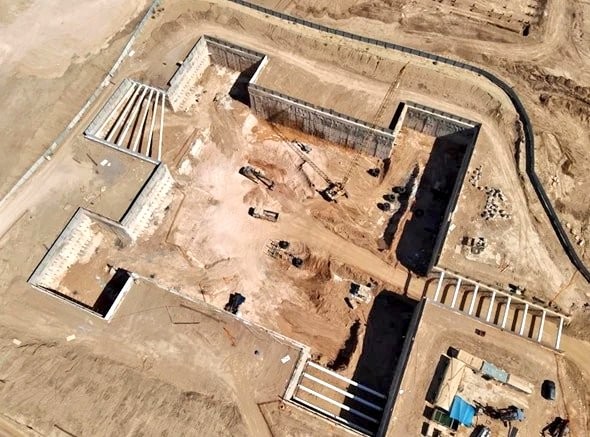
This initiative is part of Tel Aviv’s strategic effort to decentralize military command infrastructure and enhance its resilience against security threats. The move also aligns with political and developmental goals in southern Israel. The new Aman base, being built by the infrastructure firm Shikun & Binui, will include residential zones designed to accommodate around 12,000 military personnel and government staff, scheduled for relocation by 2026–2027.
New Israeli army base includes vast underground facilities in the Negev Desert
Key Aman units being transferred to the new facility include: – Research Division – Unit 8200 (SIGINT) – Unit 504 (HUMINT) – Special Operations Division (SOD) – Unit 81 (Advanced Technologies)
This relocation marks a significant shift in Israel’s intelligence and operational architecture, concentrating critical capabilities in the Negev.
Strategically, the move reflects a long-term defense and economic vision to develop the Negev and reduce reliance on densely populated central regions. The desert’s geography offers deeper security buffers, greater operational flexibility, and improved protection against missile threats increasingly targeting central Israel.
Once operational, the “New Aman Campus” is expected to become one of the world’s most advanced military intelligence centers, integrating cyber operations, technological innovation, HUMINT, and strategic analysis within a fortified, 21st-century warfare-ready environment.
This delicate balance is now under strain, especially in Syria’s Suwayda province, the heartland of the Druze. Recent clashes with Sunni Bedouin tribes and alleged Israeli interference have deepened mistrust toward Syria’s transitional government. As violence escalates, the Druze—committed to strict traditions and survival—find themselves at the crossroads of regional and international tensions.
In recent months, Suwayda has seen a surge in violence, sparked by kidnappings and retaliatory attacks between Bedouin tribes and Druze militias. The Damascus-based government deployed forces to contain the unrest, but deep-seated distrust led to armed resistance from Druze fighters. Reports of massacres, looting, and arson—allegedly by pro-government groups like Ahrar al-Sharqiya and Ansar al-Tawhid—have further inflamed tensions. Social media posts and unverified accounts of military raids and civilian killings have raised fears of another sectarian catastrophe.
Israeli tanks and airstrikes targeting Suwayda and Damascus added fuel to the fire. While Israeli officials claim to protect Druze minorities, many Syrian Druze remain skeptical of Tel Aviv’s intentions.
Geopolitical Rivalry in Southern Syria
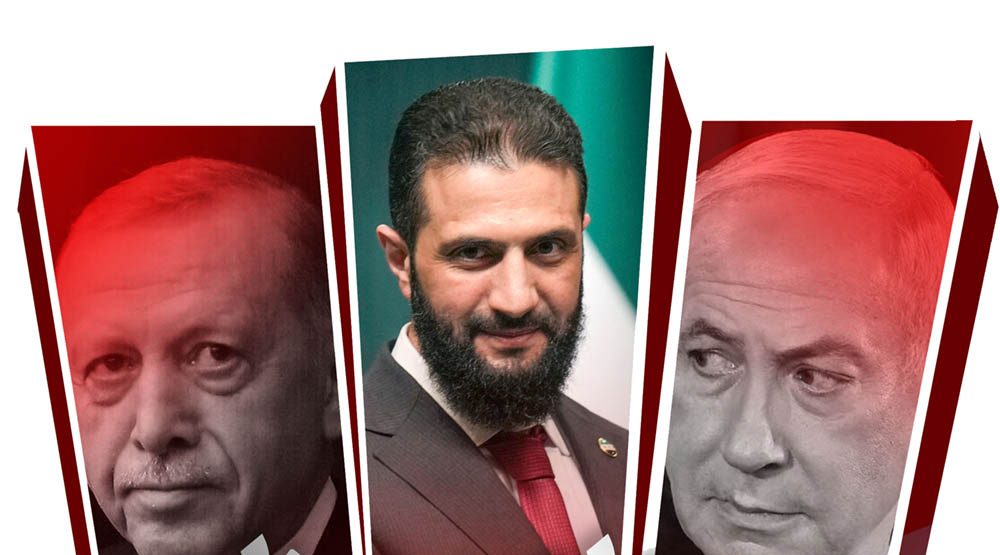
Turkey and Israel are vying for control over trade routes linking southern Syria to Jordan and the Gulf. Turkey, aligned with Damascus, seeks to expand its influence southward and open new export corridors. Israel, meanwhile, exploits instability to counter Iranian presence and build ties with minorities like the Druze and Kurds. Despite secret talks in Baku to avoid military incidents, ongoing violence in Suwayda and Israeli strikes on Damascus reveal deeper rifts.
Turkey, with limited military and political leverage, prefers diplomacy and U.S. pressure over direct confrontation, fearing that conflict could derail Syria’s reconstruction and harm its own interests.
Israel’s Peripheral Doctrine and Arab Fragmentation
Since its founding, Israel has pursued a “peripheral doctrine”—forging alliances with non-Arab regional powers and exploiting internal divisions in Arab states. Syria, as a populous neighbor with historic ties to Palestine, remains central to this strategy. By strengthening ties with Druze and Kurdish groups, Israel aims to fragment Syria from within. Prime Minister Netanyahu has openly outlined post-Assad goals: blocking Syrian government forces near Damascus, supporting Druze communities, and maintaining control over the Golan Heights.
This strategy seeks to turn Syria into a failed, unstable state, minimizing threats to Israel. The use of sectarian divisions and minority alliances as tools of control has long been a hallmark of Israeli policy.
Syria’s Response and Internal Challenges
Under President Ahmad al-Shara, Syria’s new government has responded cautiously to Israeli aggression, condemning airstrikes and emphasizing territorial integrity. It seeks regional diplomacy—especially with Jordan and Arab states—to counter expansionist threats. However, avoiding direct confrontation may weaken its domestic legitimacy and allow Israel to deepen its influence.
Effective resistance requires coordinated Arab and international efforts to prevent further collapse and regional instability.
Expanding Israeli Ambitions
Israel’s ambitions now extend beyond Syria, targeting the broader periphery—including Iran and Pakistan. Some neoconservative analysts advocate for exploiting ethnic and sectarian divides to destabilize Iran. The Abraham Accords, far from being mere peace deals, serve as instruments to cement Israel’s dominance in regional economics, security, and technology.
This approach, however, risks backfiring. As Israel’s reach grows, so does regional opposition. Countries like Iran, Turkey, and Pakistan increasingly view Israel not just as a nuisance, but as a direct threat. Military actions in Gaza, Damascus, Beirut, Sanaa, and Tehran have galvanized regional solidarity against Israeli policies.
History has shown that colonial empires rarely endure. Just as the people of this region once resisted crusaders and imperial powers, they now stand united against Israel’s expansionist doctrine.
Following escalating crises and the continued failures of the Palestinian Authority, a group of influential tribal leaders in Hebron, located in the West Bank, has issued an official letter calling for withdrawal from the current political framework and the establishment of a localized entity known as the “Hebron Emirate.” The proposal, submitted to Israeli Economy Minister Nir Barkat, is built around peaceful relations, regional development, and the creation of an economic zone in cooperation with Tel Aviv.
As part of the initiative, the sheikhs formally recognize Israel as the “nation-state of the Jewish people” and cite the Abraham Accords as a roadmap for coexistence. They have also requested support from the United States and President Donald Trump to help advance the project. Their proposal not only reflects deep dissatisfaction with the Palestinian Authority’s governance but also signals an effort to redefine Palestinian political order through traditional tribal structures.
This initiative emerges at a time when hopes for a two-state solution have significantly diminished following the events of October 7, 2023, and the subsequent conflicts. As a result, alternative models such as localized emirates are gaining traction. The following report explores the dimensions, reactions, and challenges surrounding this unprecedented proposal.
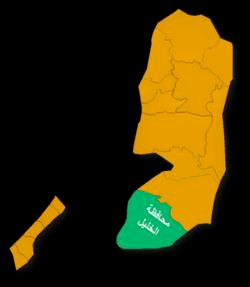
The Hebron area compared to the entire West Bank and Gaza
Nature of the Hebron Emirate Proposal
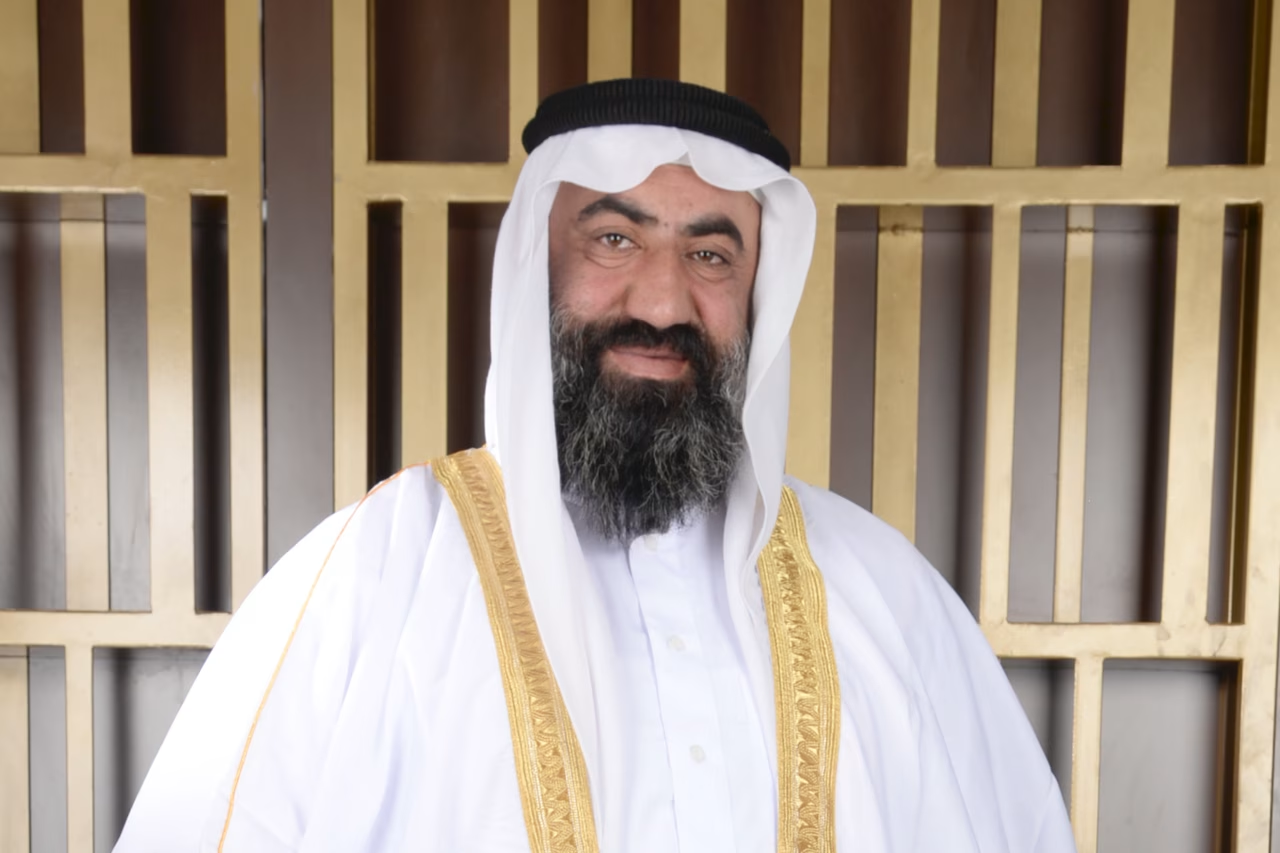
Led by Sheikh Wadee’ Jaabari, tribal leaders from five major clans in Hebron have formally called for the establishment of an autonomous emirate, independent from the Palestinian Authority. In their official letter, they propose recognizing Israel as the “nation-state of the Jewish people” and expect reciprocal recognition of the Hebron Emirate as the legitimate representative of Arabs in the region.
The sheikhs argue that the Oslo Accords have resulted in corruption, violence, and economic collapse, rendering the current political framework ineffective and lacking legitimacy. Their initiative reflects a shift toward traditional tribal governance as an alternative to centralized Palestinian leadership.
Sheikh Wadi al-Jaabari in Jerusalem, July 3
Operational Pillars of the Hebron Emirate Proposal
The plan outlines the creation of a 1,000-hectare autonomous economic zone near Israeli-controlled territory. In its initial phase, the zone would employ 1,000 Palestinian workers, with the potential to expand to 50,000 if successful. Sheikh Wadee’ Jaabari emphasizes a “zero tolerance” policy toward terrorism, relying on tribal structures to ensure security and stability.
Tribal Legitimacy vs. Formal Political Structures
In contrast to the centralized Palestinian political system shaped by the PLO and later the Palestinian Authority, the sheikhs base their proposal on traditional tribal legitimacy. They argue that external powers have imposed artificial governance models on Palestinians, and now is the time to return to indigenous, locally rooted leadership. Citing an Arab proverb—“Only the village’s calves can plow its land”—they suggest that outsiders lack the insight to address local needs and realities.
Tel Aviv’s Response and Key Stakeholders
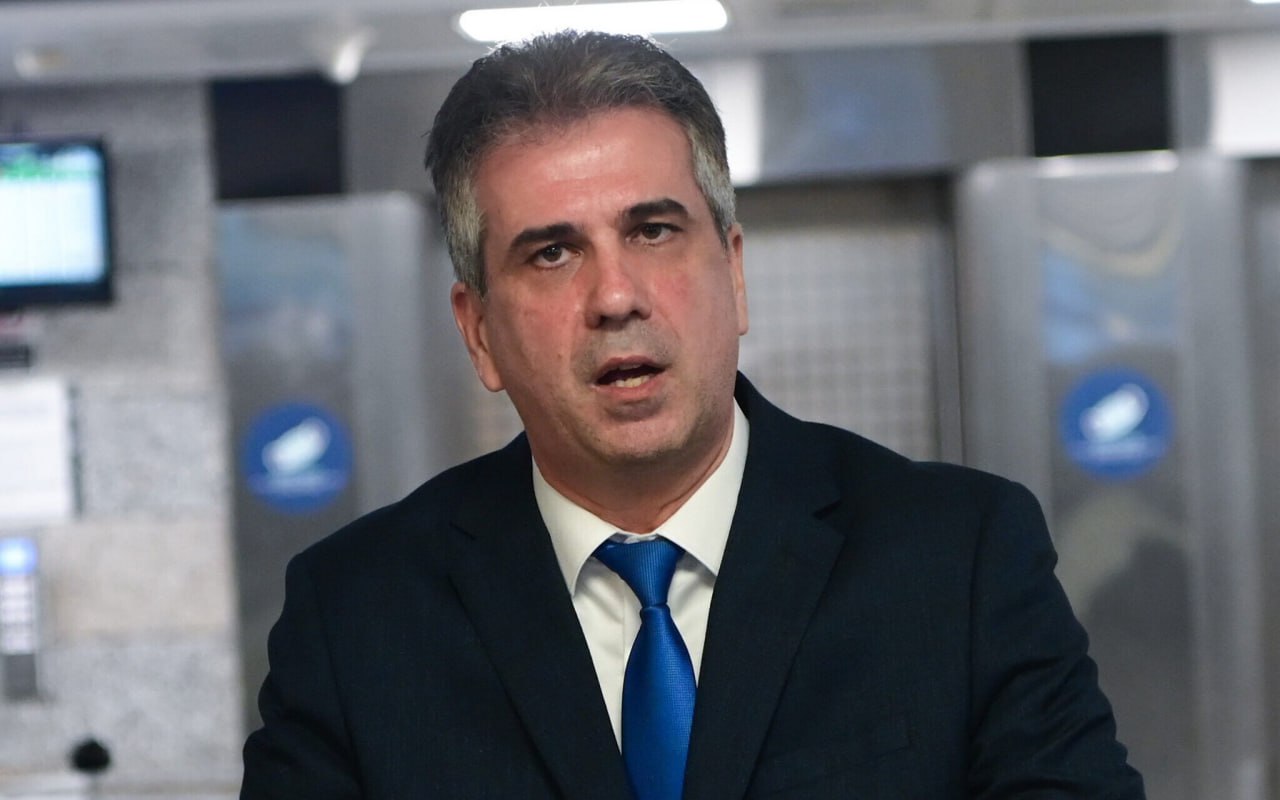
Israeli Economy Minister Nir Barkat is one of the main supporters of the initiative and has reportedly advanced discussions with government backing. He views the proposal as a practical alternative to the failed one-state and two-state solutions. Zionist scholar Mordechai Kedar, a vocal advocate of the Palestinian emirate model, has played a key role in connecting the tribal leaders with Israeli officials. He believes Hebron could serve as a successful prototype for other cities across the West Bank.
Former Mayor of Jerusalem, Nir Barakat, current Minister of Economy of the regime, October 6, 2021
Challenges and Obstacles
Despite receiving political backing, Israel’s security institutions—such as Shin Bet and segments of the military—remain skeptical of the Hebron Emirate proposal. Their concerns center on the tribal leadership’s ability to manage weapons, counter terrorism, and maintain comprehensive control over the region. Military analysts warn that the absence of a centralized authority could lead to instability and chaos.
Locally, several groups and residents in Hebron have voiced opposition, arguing that the initiative lacks legitimacy and does not represent the broader population. Supporters of the Palestinian Authority may respond with resistance or even security confrontations, further complicating the plan’s implementation.
Conclusion
The Hebron Emirate initiative, led by tribal sheikhs, represents an ambitious attempt to reshape governance in the West Bank—moving beyond the Palestinian Authority and the two-state paradigm toward practical coexistence and economic integration with Israel. While some Israeli and Arab actors view the proposal as promising, its execution faces serious political, social, and security challenges.
The future of this initiative will depend on internal support, regional acceptance, and the involvement of international players—particularly the United States. It may also signal the emergence of a more cautious reformist current within the Palestinian Authority, echoing the vision of certain Zionist theorists who have long advocated for sidelining the PA in favor of localized alternatives.
Despite the blockade, one vessel—Mikono-Albireh—has reportedly entered Gaza’s territorial waters, according to Al Jazeera’s Hassan Masoud.
Israeli Navy Raids Sumud Humanitarian Flotilla, Dozens Detained
The raid has sparked widespread international condemnation, with countries including Iran, Turkey, Pakistan, Colombia, Malaysia, Venezuela, Spain, Australia, the UK, and Brazil denouncing the move as a clear violation of international law. The arrest of humanitarian activists has reignited global solidarity with Gaza, as protests across multiple nations highlight the growing civil resistance to Israel’s siege.
While the immediate impact may be limited, such actions are shaping a critical shift in public consciousness—especially among younger generations in the West—who are increasingly viewing Zionism through a lens of scrutiny and dissent. These symbolic pressures, though low-cost, carry long-term consequences for Israel’s global image.
The attack resulted in the death of a paratrooper from the Israeli Army’s 890th Battalion. Akkad was shot and killed by Israeli security forces at the scene.
Hamas issued a statement praising the operation as a heroic act of resistance, describing it as a response to ongoing genocide in Gaza and Israeli crimes including killings, arrests, settlement expansion, and Judaization efforts in the West Bank and Jerusalem.
According to Israeli sources, this incident brings the total number of military personnel killed since the start of the conflict to 915.
Cohen, who has previously voiced strong opposition to the establishment of a Palestinian state, reiterated his stance by declaring that the two-state solution “will never be realized.” He added that Israel will eventually impose sovereignty over the entire West Bank, noting that the only remaining questions are “when and how.”
These remarks come amid repeated warnings from the international community—particularly Arab and Western nations—about the consequences of continued occupation and illegal settlement expansion in the West Bank.
Cohen’s statements underscore the lack of support for a two-state solution even within civilian branches of the Israeli government, casting doubt on the viability of international efforts to resolve the Israeli-Palestinian conflict through political means.
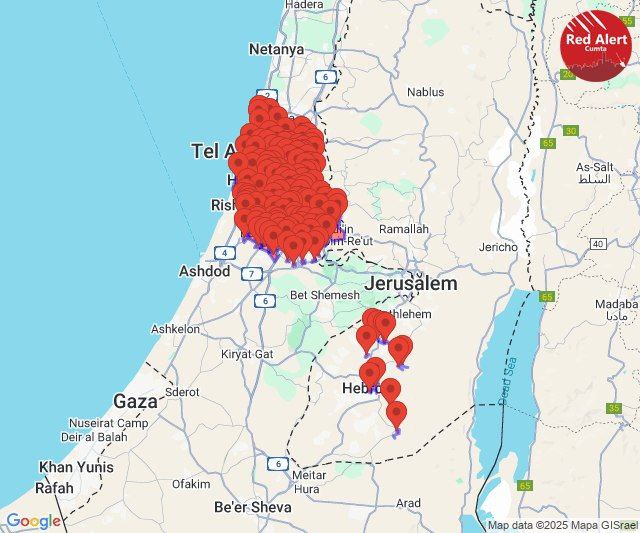
The Yemeni Armed Forces launched a hypersonic ballistic missile early Monday targeting sensitive sites in Tel Aviv. The missile, identified as the Palestine-2 and equipped with a fragmentation warhead, struck its intended targets as part of Yemen’s continued retaliation against Israeli military war crimes and in support of Palestine.
Brigadier General Yahya Saree stated, “The operation successfully hit its objectives, prompting millions of settlers to flee to shelters.”
In a coordinated attack, Yemeni drone units also deployed two suicide UAVs against strategic locations in Eilat (Umm al-Rashrash), marking the 206th and 207th aerial operations by Yemeni forces against Israeli positions in occupied Palestine.
Developing a Multi-Layered and Flexible Air Defense System
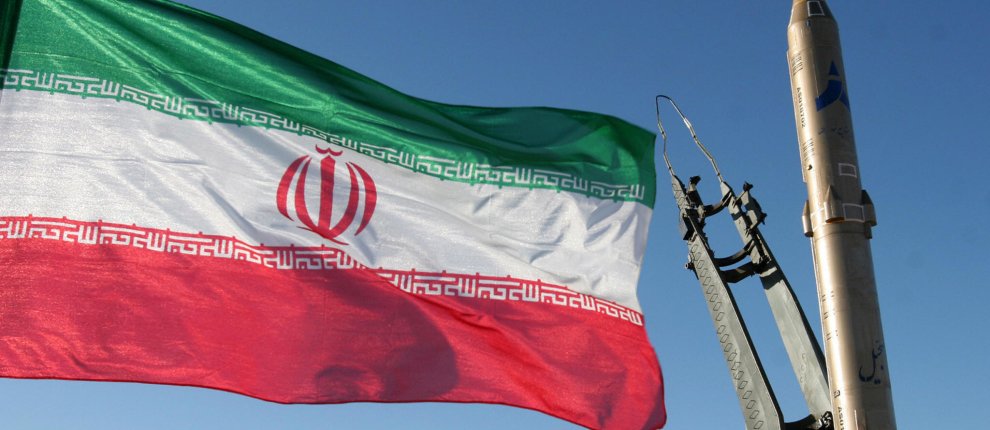
Iran’s most effective tool to counter Israel’s long-range, multi-axis operations is a dynamic, multi-layered air defense architecture. According to RAND analysis, integrating long-range systems like Bavar-373, S-300, and S-400 with medium and short-range platforms such as Mersad and Oerlikon, alongside mobile point-defense systems like Tor-M1 and Pantsir-S1, creates a dense and responsive network capable of intercepting threats across various altitudes and distances.
The IISS Military Balance 2024 report highlights that such layered defenses prevent adversaries from overwhelming a single tier—whether via low-altitude cruise missiles or high-altitude ballistic strikes. CSIS further emphasizes that combining rapid-response short-range systems with real-time data-driven C4I networks significantly enhances decision-making speed during saturation attacks.
Lessons from Russia’s war in Ukraine, documented by War on the Rocks, show that even advanced systems are vulnerable without mobility. Thus, Iran must prioritize maneuverability, frequent repositioning, and continuous joint training between the Army and IRGC to minimize preemptive detection.
Jane’s Defence Weekly (2020–2024) also notes that mobile point-defense systems and radar stations capable of relocating within 30 minutes can severely disrupt Israeli F-35I mission planning and increase operational costs.
Counterintelligence and Information Warfare
To neutralize Israel’s intelligence advantage—rooted in HUMINT and SIGINT networks—Iran must implement a comprehensive counterintelligence and data security framework. RAND’s study on Israel-Iran conflicts reveals that Israel’s advanced surveillance and human infiltration around military sites enable precision strikes and targeted assassinations. The report recommends isolating Secure C4I centers from open networks to reduce interception risks.
CSIS stresses the importance of indigenous encryption, independent satellite systems, and constant monitoring of command network entry points to block cyber intrusions. FDD’s analysis adds that threat detection must extend beyond technical layers to behavioral monitoring of key personnel. Domestic FCC centers should track anomalies, unauthorized access, and suspicious communication patterns. This should be reinforced with Red Team/Blue Team exercises, allowing forces to simulate real-world responses and patch vulnerabilities before exploitation.
Such measures can erode Israel’s intelligence edge and disrupt hybrid operations before they materialize.
Strengthening and Integrating Cyber Infrastructure
Leading think tanks agree that bolstering cyber infrastructure and fostering coordination between military and intelligence agencies is vital for Iran’s cyber defense. CSIS’s Iran and Cyber Power report recommends forming joint task forces to continuously assess vulnerabilities and synchronize cyber responses. RAND advocates for a policy framework based on continuous updates, regular training, and adoption of cutting-edge technologies to counter complex, preemptive attacks.
CISA underscores the need for early threat detection and rapid response to prevent enemy infiltration and enhance network resilience. This integration not only boosts system durability but also enables swift reactions to emerging threats, protecting critical infrastructure and maintaining operational continuity.
Strategic Dispersion and Engineered Deception
To counter precision and simultaneous strikes, dispersing critical facilities and deploying engineered deception technologies is essential. RAND’s research warns that concentrated installations are highly vulnerable, while geographic dispersion confuses enemy targeting priorities.
War on the Rocks, analyzing Russia’s defense in Ukraine, shows that thermal, radio, and mobile decoys complicate enemy identification and reduce strike success rates. CSIS also highlights the value of electronic deception and mobile structures in air defense networks, which waste enemy resources and neutralize attacks.
These engineered tactics, combined with advanced concealment systems, enhance operational survivability and prevent concentrated enemy assaults—preserving strategic balance amid regional tensions.
Active Diplomacy and Breaking Regional Isolation
Expanding security and technological ties with neighboring states is a cornerstone of Iran’s deterrence strategy. CSIS reports that intelligence-sharing with Gulf countries can create rapid data exchange corridors for timely threat detection. RAND emphasizes that active diplomacy and regional coalitions raise the cost of aggression and improve Iran’s political and operational landscape.
Crisis Group advocates for leveraging modern information technologies and regional security coordination to build trust and reduce tensions. This approach not only strengthens Iran’s national security but also opens avenues for economic and technological cooperation, enhancing resilience against complex threats.
Conclusion
Israel’s strategic power rests on intelligence dominance, long-range air capabilities, cyber assets, and its alliance with the United States. By adopting layered defense systems, reinforcing cyber security, and avoiding over-concentration of assets, Iran can reduce its vulnerabilities and raise the cost of aggression. Continued regional intelligence cooperation and implementation of an “active defense” doctrine are key to maintaining strategic equilibrium in the face of future threats.
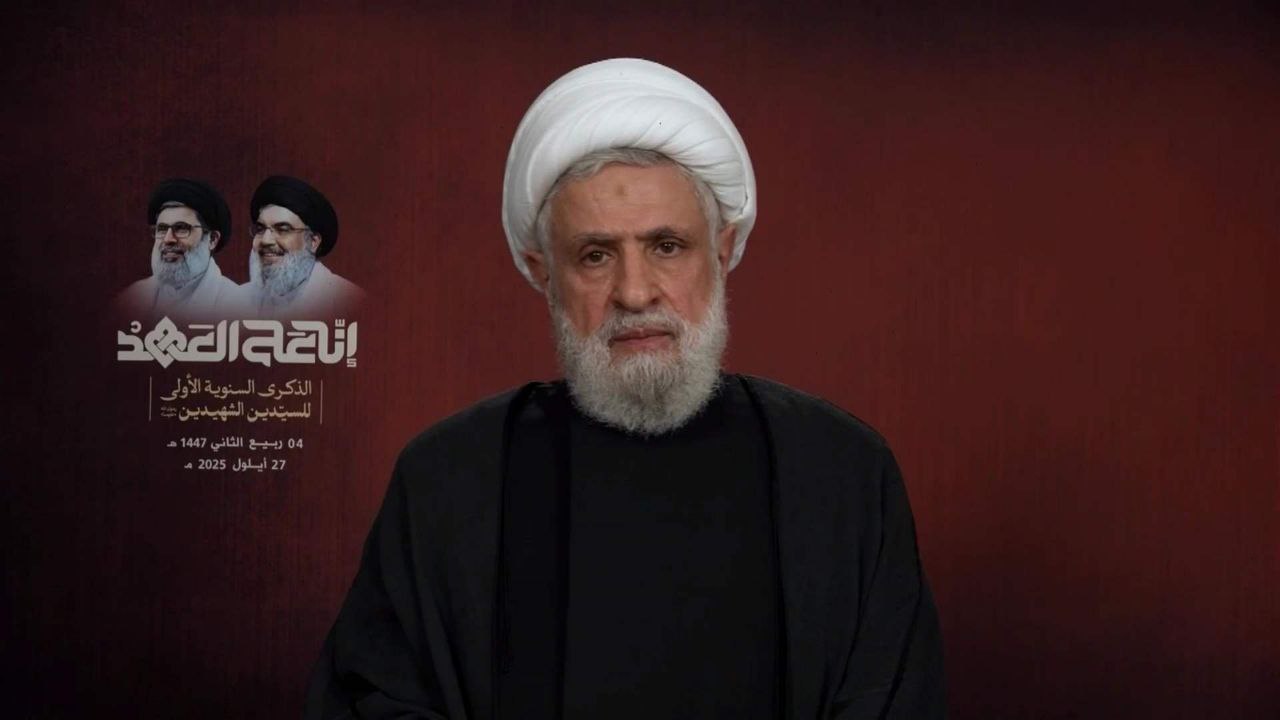
“We will not abandon our weapons or our land,” Qassem declared. “As Sayyed Nasrallah taught us, we will never forsake the path of Hussein (AS).”
The ceremony also honored martyr Haj Ali Karaki, who assumed command after the death of Fouad Shukr and was martyred alongside Sayyed Nasrallah. Sheikh Qassem described the recent conflict as a “global war” waged by Israel with U.S. and European backing, aimed at dismantling the resistance and advancing the vision of a Greater Israel. Despite targeted assassinations and battlefield pressure, he said Hezbollah regained the initiative and halted enemy advances.
“If pager attacks and assassinations of leaders and commanders had occurred along with the war, any army or militia group would have collapsed. But we regained the initiative and stopped the enemy army’s advance on the battlefield”, He said.
Addressing U.S. policy, Sheikh Qassem criticized Tom Barrack’s remarks about disarming Hezbollah and the US refusing to arm the Lebanese army against Israel, “We will not allow the U.S. to dictate Lebanon’s defense strategy,” he said. “Any plan that serves Israel, even if disguised in national colors, will be met with resistance.”
Sheikh Qassem also called on the Lebanese government to allocate resources for reconstruction and reaffirmed support for the Taif Agreement, which emphasizes full liberation of Lebanese territory. He endorsed holding parliamentary elections on schedule and emphasized unity with the Lebanese army against external threats.
“The land watered with the blood of martyrs will never belong to the Zionists,” he said. “To the people of resistance: no one can defeat you. Together, we will expose the failure of the enemy’s project. This anniversary is a testament to our loyalty.”
This isn’t the first time Israel has made such a request. During earlier talks in Paris, Tel Aviv also pushed for the corridor, which Syria firmly opposed. According to Israel Hayom, deep divisions remain over issues like Israeli control of Mount Hermon and the Golan Heights, as well as security guarantees for the Druze minority allied with Israel.
Previous rounds in Baku, Paris, and London had shown progress, with the U.S. even signaling that a de-escalation deal was within reach. However, the Sweida corridor dispute highlights the persistent strategic challenges facing any agreement.
Suweida, home to a majority Druze population, holds significant security and social importance for Damascus. Accepting Israel’s proposal could undermine Syria’s political legitimacy. Even if the Sweida issue is set aside, core disagreements over the Golan and Mount Hermon remain major obstacles—issues too complex for short-term diplomacy to resolve.
This development came immediately after the 12-day war between Iran and Israel, which exposed serious shortages in Israel’s missile defense inventory. The urgent need for reinforcement led Tel Aviv to publicly seek upgrades. The transfer of THAAD units and expanded support infrastructure suggest a strategic push to deepen defensive layers and reduce vulnerability to missile threats.
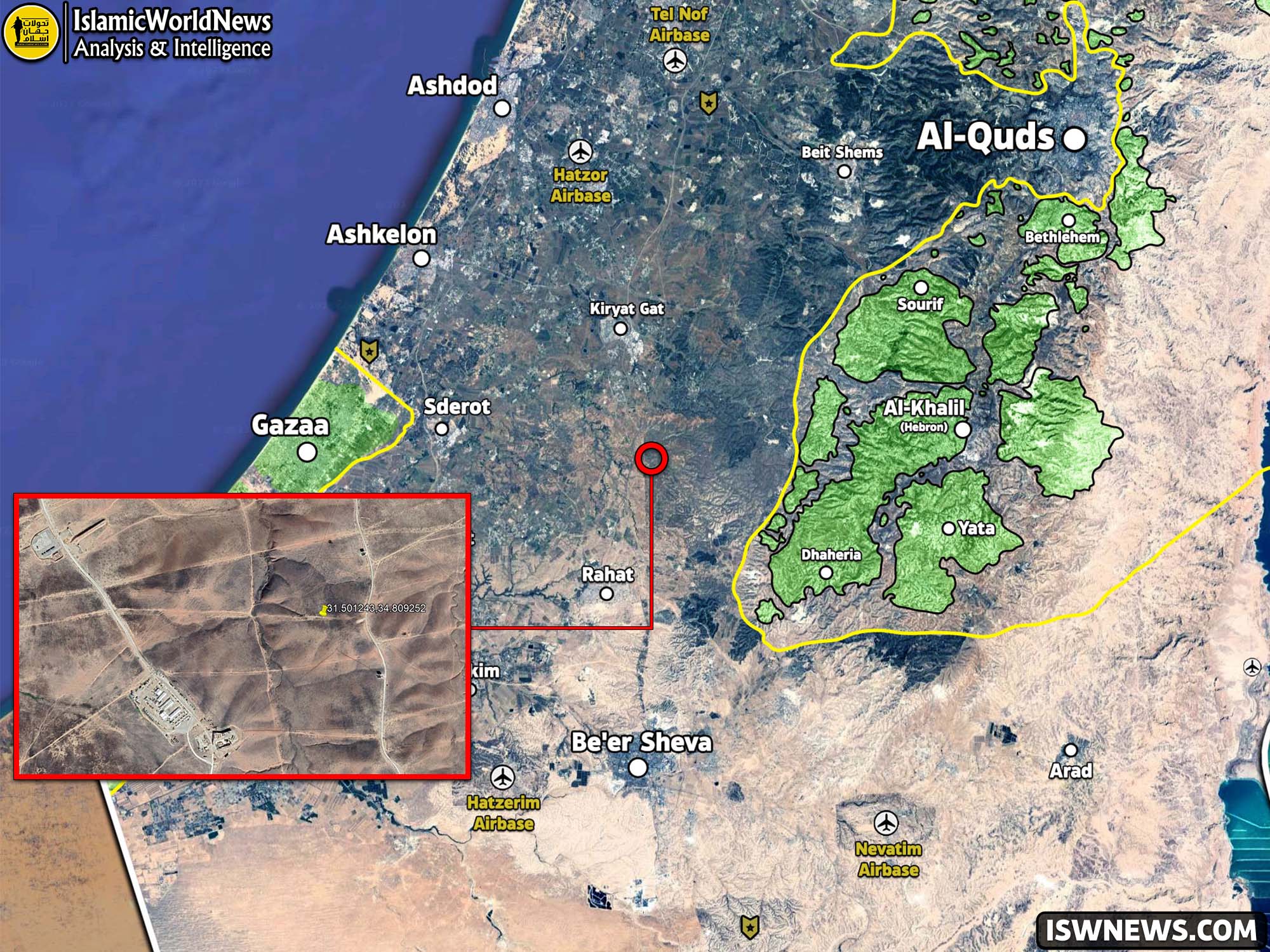
THAAD units at coordinates 31.501243, 34.809252 in the western outskirts of Hebro
The site, located at coordinates 31.501243, 34.809252 in the western outskirts of Hebron, lies just 13 kilometers from parts of the West Bank—making it a potential target for Palestinian resistance operations.
Lessons from the recent war and Israel’s tactics against Iran show that low-cost tools like drones and guided anti-armor weapons can significantly disrupt advanced defense systems. During the 12-day Tehran–Tel Aviv conflict, Israeli-linked operatives inside Iran used drones, quadcopters, and precision-guided munitions to strike missile and air defense systems. If Iran replicates such tactics in the occupied territories, the damage from missile strikes could multiply dramatically!
According to a statement by Brigadier General Yahya Saree, the Yemeni drone force carried out a special military operation using two suicide drones targeting two sites in the Umm al-Rashrash area (Eilat port). The operation reportedly succeeded, with Israeli air defense systems failing to intercept the drones.
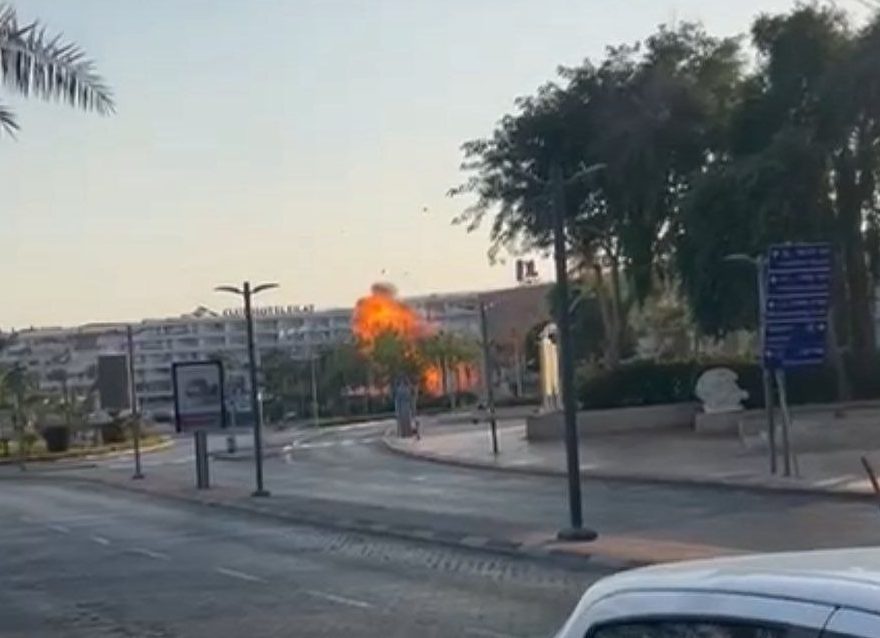
On September 24, 22 Israeli settlers were injured after a Yemeni suicide drone attacked and hit the port of Eilat. The Israeli regime’s air force also issued a statement confirming that an investigation has been launched into the drone strike on the port city of Eilat.
A Yemeni drone hit near a hotel in Eilat
Another operation was conducted on September 23, involving multiple suicide drones aimed at targets in Eilat port and Be’er Sheva.
Based on data from the Islamic World News, these strikes mark the 203rd and 204th aerial operations by Yemeni armed forces against Zionist regime positions in occupied Palestine.