Tag: Kurdistan Democratic Party

  • Tension In Kirkuk; Iraqi PM Al-Sudani Announced Curfew

    Tension In Kirkuk; Iraqi PM Al-Sudani Announced Curfew

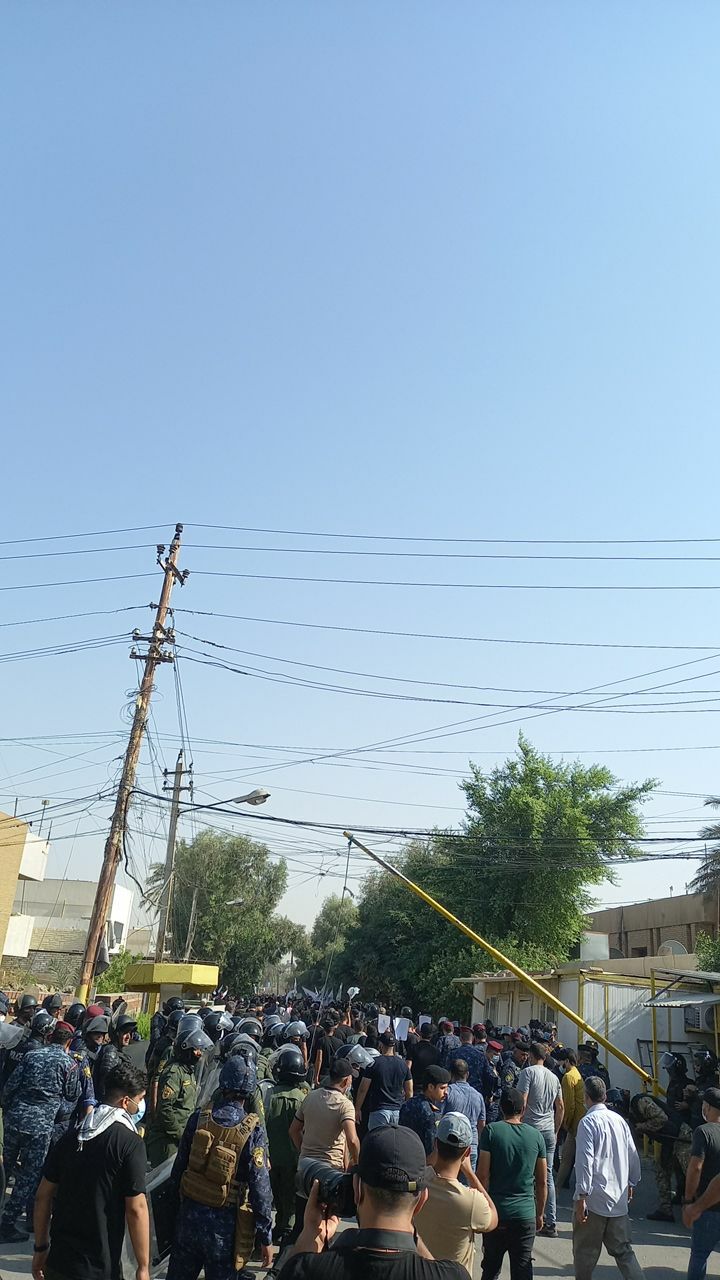
    On September 2, following the issuance of orders by Mohammed Shia’ Al-Sudani on the evacuation of the Kirkuk Operations Command headquarters and its delivery to the leaders of the Kurdistan Democratic Party, hundreds of Arabs and Turkmens living in Kirkuk city came together to hold a protest rally.

    Protesters in Kirkuk were attacked by forces affiliated to the Kurdistan Democratic Party, and severe clashes took place in this city, which is the capital of the Kirkuk Governorate and located 238 kilometers north of Baghdad.

    After tensions escalated, security forces and police entered the scene to control the situation, but protesters clashed with security forces as well.

    According to Kirkuk Hospital, a security officer was killed in these clashes. Moreover, 4 people were killed and 12 others were injured.

    After these incidents, the Iraqi prime minister and commander-in-chief of the Iraqi Armed Forces ordered the military to impose a curfew in Kirkuk and kick off extensive security operations in areas witnessing unrest for precise inspection.

    On the other hand, Prime Minister of the Kurdistan Region of Iraq Masrour Barzani also emphasized in a statement that we strongly condemn the riotous actions in the city of Kirkuk that are contrary to democratic principles and peaceful coexistence.

    Head of the Kurdistan Democratic Party Masoud Barzani said that regarding the situation in Kirkuk, I must say that rioters have been preventing the opening of the headquarters of the Kurdistan Democratic Party in Kirkuk for a long period.

    It is worth mentioning that before its evacuation in 2017, the Kirkuk Operations Command headquarters belonged to the Kurdistan Democratic Party, but Iraqi forces took control of it after holding a referendum in Kurdistan.

    It is said that the Kirkuk Operations Command headquarters is a symbol of a bitter incident for residents of this area because after evacuating the headquarters by the Kurdistan Democratic Party in 2017, unidentified corpses were discovered buried in the sewage system of the headquarters.

  • PKK militants attack to Peshmerga forces in north of Iraq

    PKK militants attack to Peshmerga forces in north of Iraq

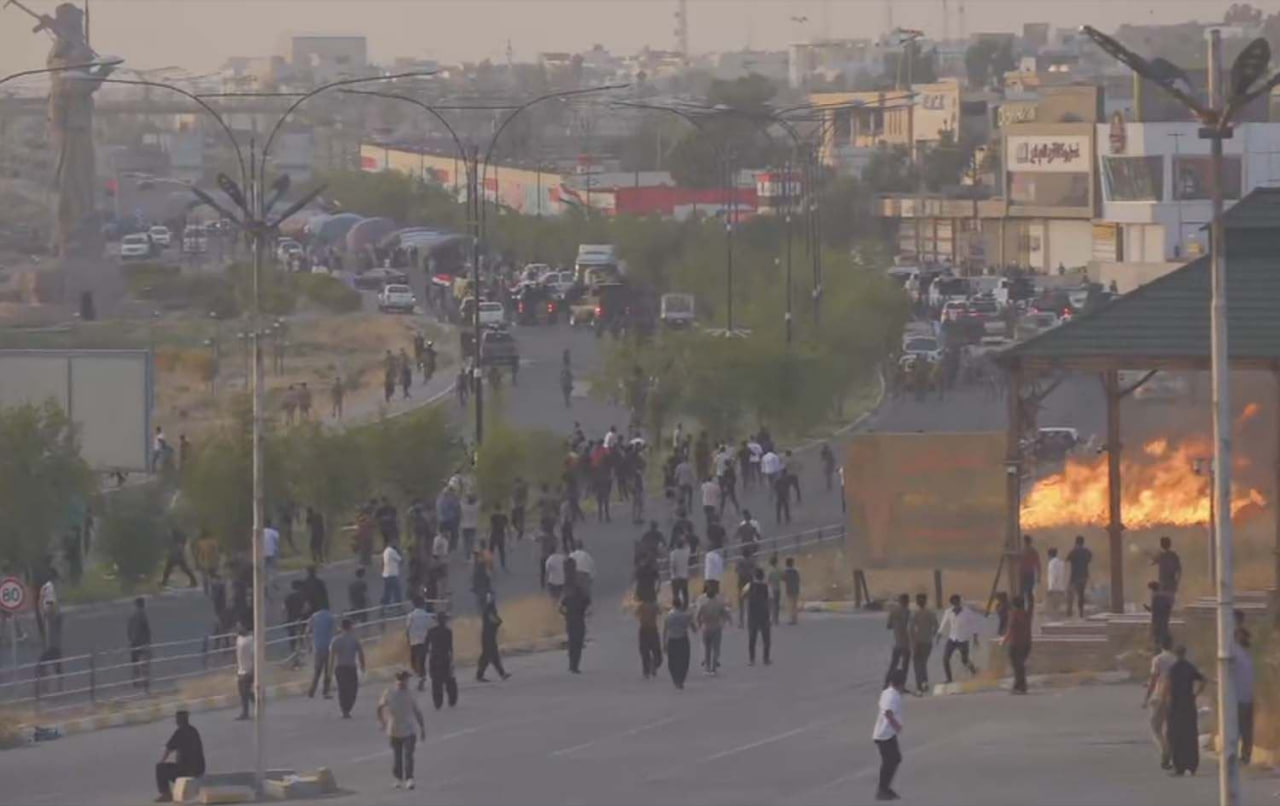
    According to Chamanki officials, the conflict started after an explosion happened en route Peshmerga forces by PKK and continued until today noon.

    In recent weeks there was a war in media and harsh statements against each other. It started after Iqlim Kurdistan and Iraq government agreement over Sanjar, deploying forces by Kurdistan Democratic Party (PDK) led by Masoud Barzani, to areas in Iqlim which are controlled by PKK, and security head of Sarzir border port killed that PDK accused the opponent of it.

    PKK considers Iraq government agreement with PDK and sending Peshmerga troops to north as what Turkey wants. On Wednesday, PKK used the weak point of Iqlim Kurdistan and blew up the oil line of Iqlim to Turkey and took the responsibility in a statement.

    It seems Iqlim Kurdistan has too much political and financial troubles specially many employees and soldiers are unpaid, therefore avoids engaging with PKK. The local government issued a statement condemning the attack and claimed Iqlim Kurdistan considers any Kurdish-Kurdish war as killing brother thus it is their red line.

    A member of the PDK who was killed by the PKK
  • Political discord between Kurdistan Democratic Party and Hashad al-Shaabi

    Political discord between Kurdistan Democratic Party and Hashad al-Shaabi

    Hoshyar Zebari, who has been former FM and DM of Iraq, in a recent interview with al-Hurrah (close to USA), accused Hashad al-Shaabi of attacking American bases in Erbil and Baghdad and consider it equivalent as ISIS attacks. He asked PM Al Kadhimi to confront Hashad al-Shaabi, exiting their forces from Green Zone of Baghdad, changing the commanders and immobilizing people against Hashad al-Shaabi.

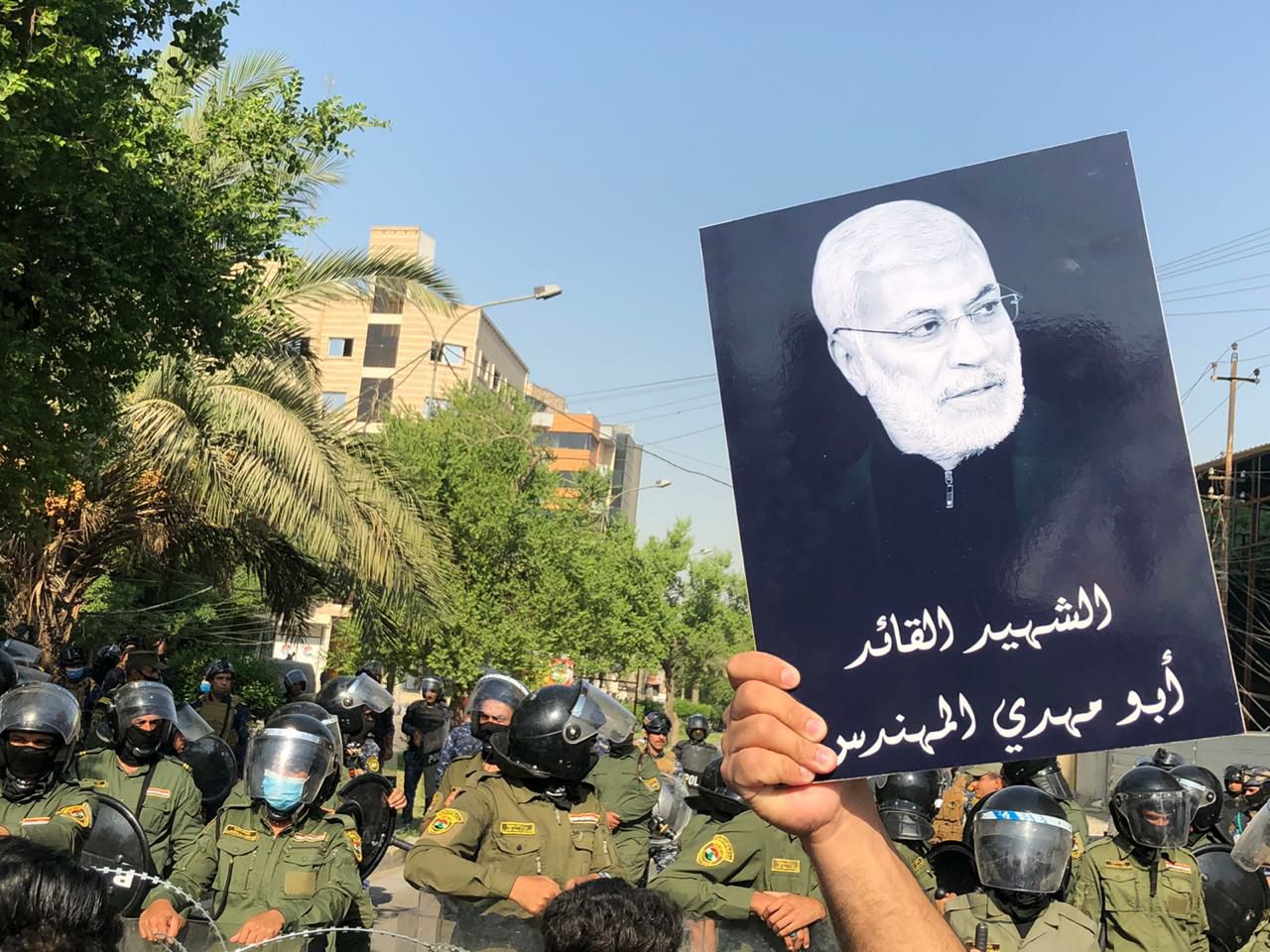
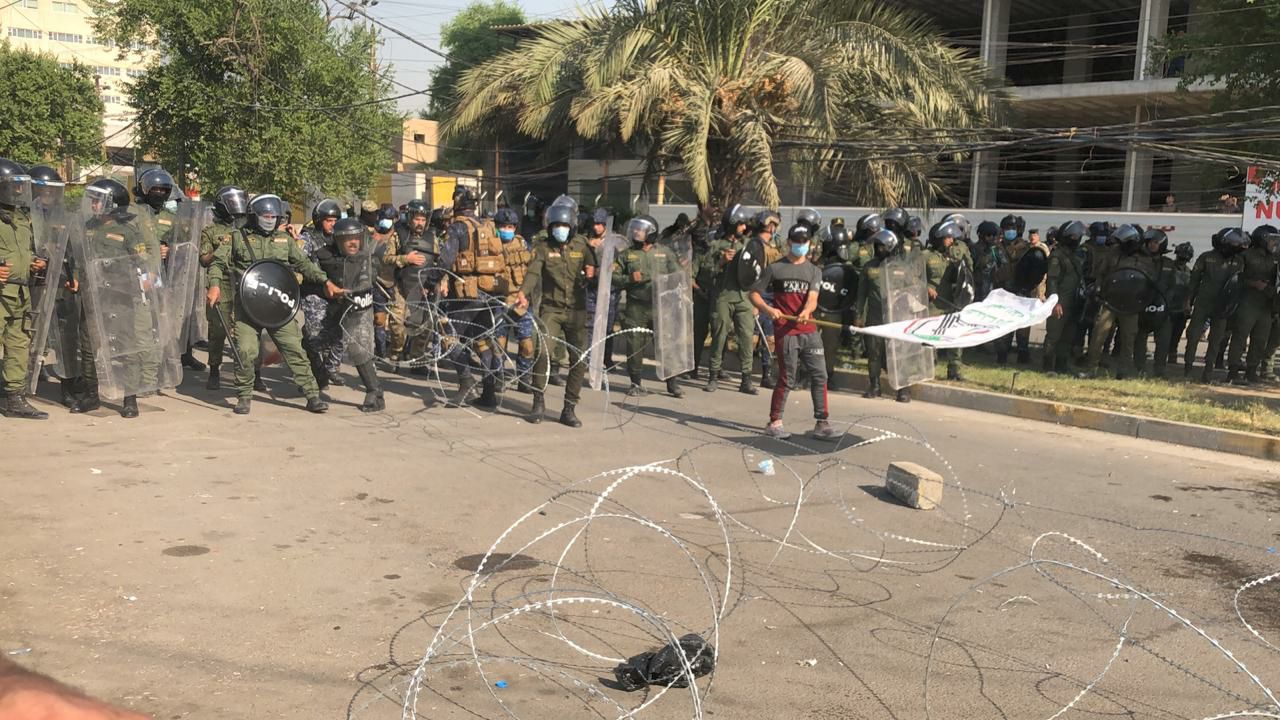
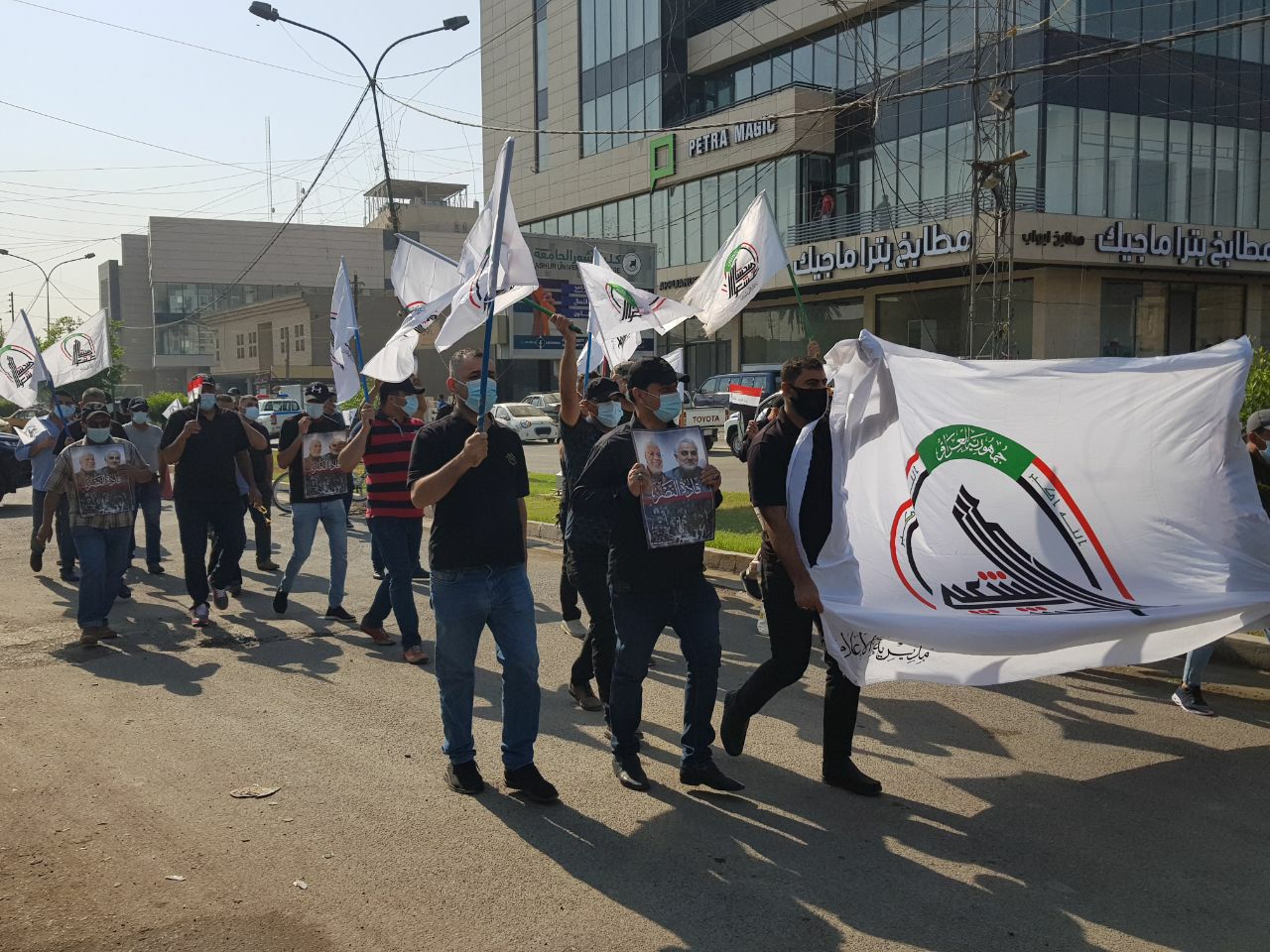
    Following his remarks, different political groups of Iraq show solidarity with Hashad al-Shaabi and invited people to gather in front of Kurdistan Democratic Party office in al-Karadah area of Baghdad.
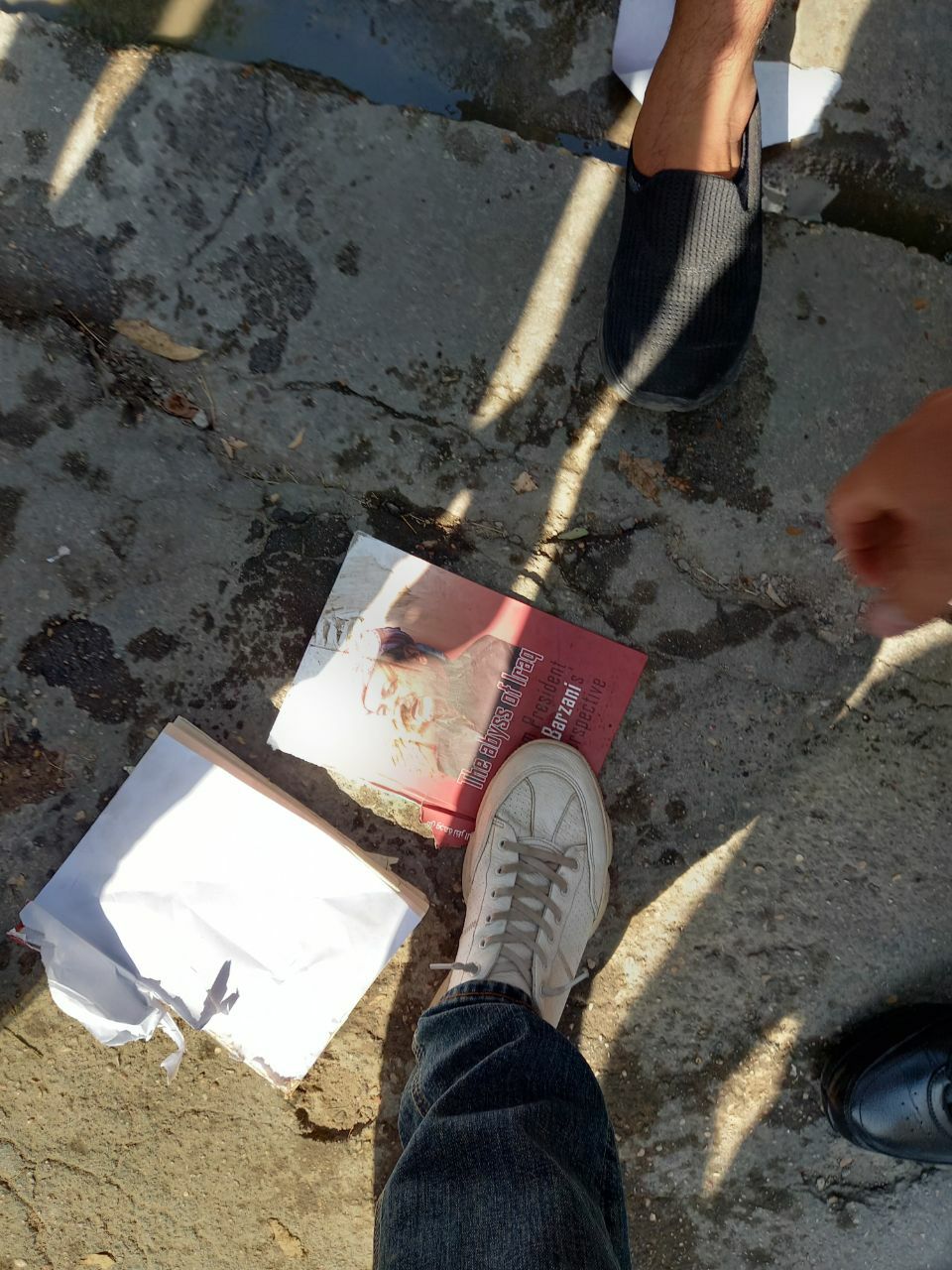
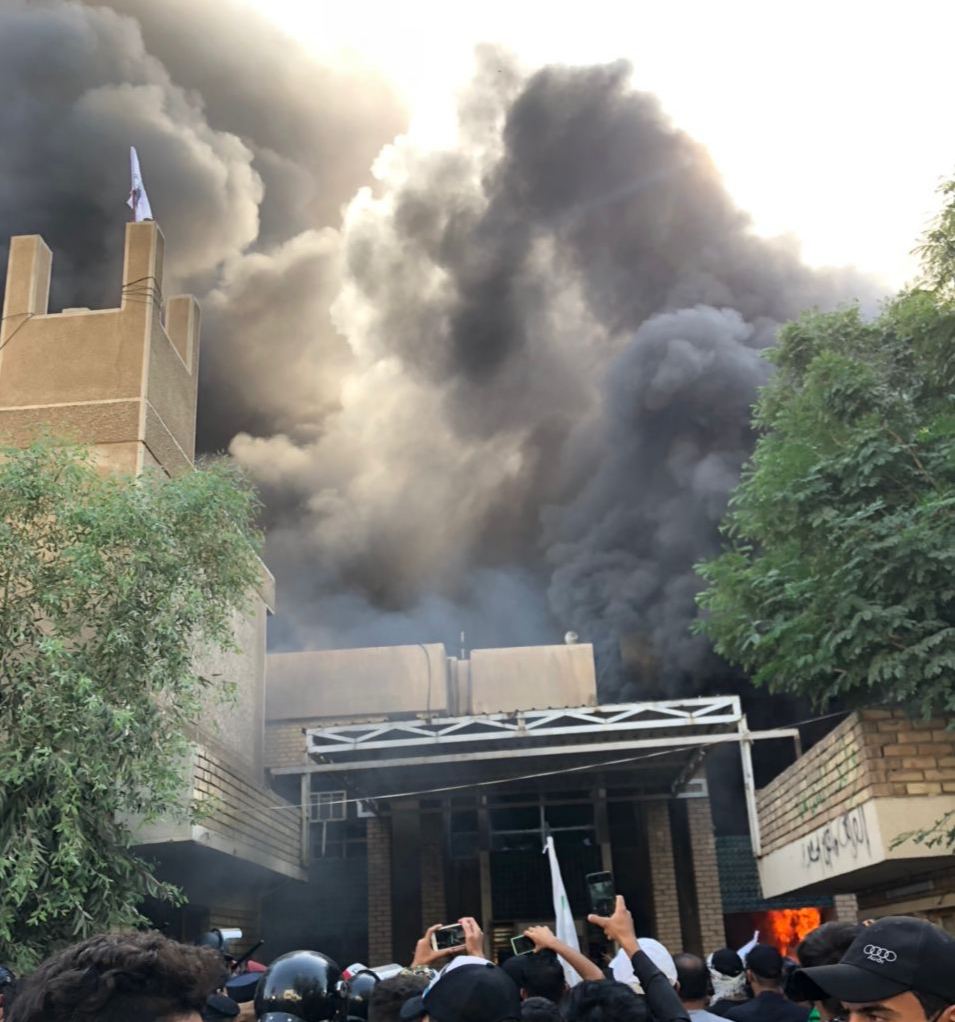
    The protests went violent by setting the pictures of party leaders ablaze in presence of special forces and eventually the protesters occupied the office and set it ablaze and rised flag of Hashad al-Shaabi above it.

    In the first reaction, KDP party threatened the government to sue. Stepping back from his previous remarks, Hoshyar Zebari said relationship with commanders of Hashad al-Shaabi is historical and close.

  • Article: Damascus policy towards Syrian Democratic Forces and Arab tribes

    Article: Damascus policy towards Syrian Democratic Forces and Arab tribes

    From the beginning of crisis in Syria, to prevent the protests to expand and reach the biggest minority of the country, the government tried to collaborate and give space to Kurds of the area and Democratic Union Party (PYD) to prepare the situation for presence of military forces of the party in Kurdish inhabited areas. In the following sense, two months after the protests started in Syria in the middle of 2012, the government signed an agreement with the party and let them to come back to Syria. Near the end of 2012, Syrian government supported People’s Protection Units (YPG) after attack of opposition militias to Raas al-Ain town and left the service, security, military and economic affairs of Hasakah province, except the security square, to PYD.

    Although Syrian Kurds, after expanding their reign over Kurdish and even Arabic areas located in East of Euphrates river called “Jazirah”, started the system of self-government under support of USA, but their relation with Syrian government was in the state not peace nor war. There were limited engagements between them for time to time but never became a full enmity.

    In this situation, PYD (close to PKK in Turkey) as the main player of Kurds in Syria started the project of expansion and establishing Kurds in 2012 and from the beginning removed Kurdish National Council (ENKS), as the party close to opposition of Syria and Kurdistan Democratic Party (KDP) in Iraq (led by Barzani), from the battle.
    In fact, in the battle between two idealogies of Barzani and Öcalan, PYD led by Öcalan won.

    They established YPG as the military branch of PYD in March 2012 under command of officers from Qandil area as the first step and also formed the security and police forces of Asayish in the same year. In November 2013, formed self-government office in north of Syria, which divides the area ruled by Kurds to three cantons of Island, Kobani and Afrin and in 2014 three councils of lawmakers and executive to govern the three cantons.
    In October 2015, they formed Syrian Democratic Forces (SDF) from Arabs, of east of Euphrates, Kurds and Assyrians, with proposal of then US special envoy in coalition entitled fighting ISIS and under support of the coalition.

    However, the main player was still YPG and SDF was a distraction to avoid Turkey’s bad relationship with PKK forces. After establishment of SDF, Syrian Democratic Council (SDC) was formed as the political branch of it. Then in March 2016 SDF reported of a federal Kurdish government surprisingly which caused Syrian government and regional and international sides engaged in Syria to react negatively. However due to Turkey’s assault to Afrin area and occupying it, the issue of federal Kurdish government was suspended.

    In 2018, Kurds stepped down from federal government and just formed self-government system in north and east of Syria by establishing local councils under the names of different regions. (Jazirah, Kobani, Manbij, Raqqah, Deir Ezzor, Tabqah, Afrin)

    After the areas under control were expanded in east of Euphrates under support of USA, to manage the Arab-Kurd confrontation, SDF followed both attract and surpass policies using USA and Arabic capacities in Arabic tribes of the area.

    On the other hand, to revive the sovereignty on east of Euphrates area, having an upper hand to manage their relationship with SDF and confront USA occupation of the area, Syrian government started to approach tribes of the area by holding numerous sessions in Hasakah town to attract nomads to themselves and confront USA plans in the area. Therefore, the title and agenda of these sessions were more about confronting USA occupation and plans of dividing Syria rather than sovereignty of Damascus on north and east of Euphrates. Currently and after Turkey occupied some parts and after the Sochi agreement between Turkey and Russia, the situation is ready for return of Syrian army and Russian police to some of the area. Even though the sovereignty of Syrian government has increased in some areas ruled by SDF, they still reject to join central government and relying on USA, they try to have more in their hands in future negotiation with Syrian government.

    Therefore, Syrian government tries to use its pressure levers to manage Kurds and lower their bargaining ability in negotiations by approaching the chiefs of tribes there and giving privileges such as dropping charges against them, fixing some issues of local tribes, to make the younger generation to rebel against their chiefs and leave SDF and join the army.
    In the same sense, after Ali Mamluk visit to Qamishli and meeting chiefs and seniors of tribes, a high committee representing Damascus met with Salih Muslim, the former co-chairman of PYD, in Qamishli.
    In this meeting, the Damascus negotiating team offered the local administration which was contained in the reformed constitution in 2012, for the areas controlled by SDF but Kurdish team did not approve nor reject it. According to Faisal Azuz, presented in the negotiations, both sides tried to reach a plan between self-government and local administration plan that was mentioned in article 107 of the constitution.

    In conclusion, Syrian government plan regarding Kurds and Arabic tribes of east of Euphrates is to have full sovereignty in the area and their tactic is to approach and attract Arabic tribes of the area, who are the majority, prepare the situation of division between Kurds and Arabs and eventually having upper hand in negotiations with Kurds. In another word, they want to use the tribes to bring Kurds close to the central government and reduce their demands in the negotiations. However, the primary issue of Syrian government at the moment is Idlib and east of Euphrates comes after it.

  • The Final Results of the Electronic Election of Iraq Has Been Released.

    The Final Results of the Electronic Election of Iraq Has Been Released.

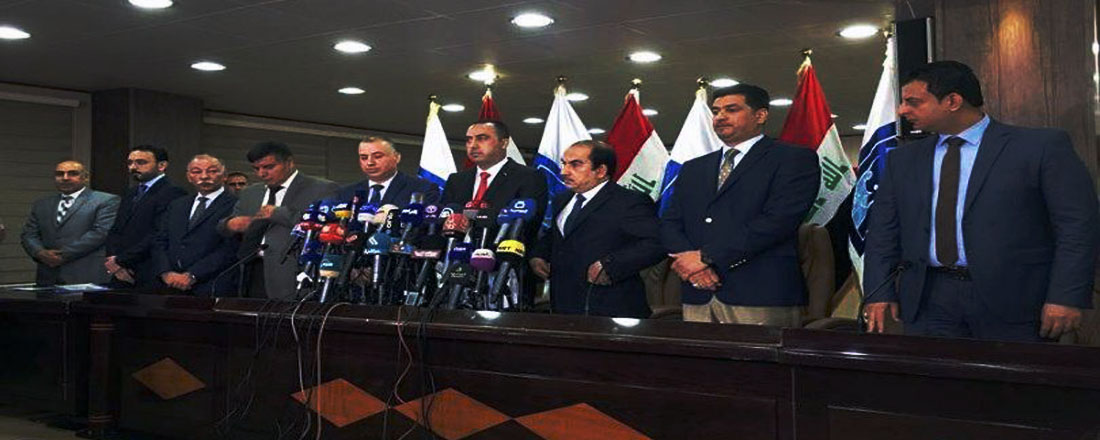
    After the conflicts of last night and the delay in releasing the final results, The Independent High Electoral Commission, after one week of election released the final results.


    According to the results,

    The alliance of “Revolutionaries For Reform”(Saairun) with the leadership of Muqtada Sadr, obtained 54 seats,

    The “Fatah alliance” with the leadership of Hadi Al-Amiri 47 seats,

    and the “Victory alliance”(al-Nasr) with the leadership of Haider Al-Abadi 42 seats.


    Also in this results,

    The “State of Law Coaliton”(Dawlat al-Qanoun) with the leadership of Nouri Al-Maliki obtained 26 seats,

    Kurdistan Democratic Party with the leadership of Masoud Barzani 25 seats,

    “Al-Wataniya Coalition” with the leadership of Ayad Allawi 21 seats,

    The “National Wisdom Movement”(Tayar al-Hikmah al-Watani) with the leadership of Sayyid Ammar al-Hakim 19 seats,

    The “Patriotic Union of Kurdistan”(PUK) with the leadership of Jalal Talibani 18 seats,

    and the “al-Qarar al-Iraqi Coalition” with the leadership of Osama al-Nujaifi 11 seats.


    According to the announcement of the Independent High Electoral Commission (IHEC), the number of participants in this election is %44.52, which is 10,848,000 out of 24,000,0000 eligible citizens who could vote.


    About electing the prime minister and to form the cabinet, the participant lists, have to form the biggest coalition in parliament, which started with the meeting of Hakim and Sadr.


    It needs mentioning that today, Saturday, the parliament of Iraq with the request of 81 of its representatives will form a meeting about the electoral fraud of the past days.