Tag: Lebanon

  • Israel’s Ground Invasion Of Lebanon And Syria: What Would It Look Like?

    Israel’s Ground Invasion Of Lebanon And Syria: What Would It Look Like?

    Although the Israeli government claims that the current ground operation is limited, the evolving events ahead create the possibility of any incident, and the conditions of war depend on various factors.

    In the past month, the leaders of the Zionist regime have been paying more attention to the situation in southern Lebanon and northern occupied Palestine, as well as focusing on carrying out terrorist operations in Lebanon. This “attention and concentration” was the result of Hezbollah’s effective intelligence-security operations against Israel and the successful operations of Lebanese, Iraqi and Yemeni resistance groups. These actions have made the situation unbearable for the Israeli regime.

    The targeted killings of Ismail Haniyeh, Saleh al-Arouri, Fuwad Shukr, Ibrahim Aqil, Ali Karaki, Mohammad Hossein Sarour, and numerous field commanders and senior members of Hezbollah did not lessen the pressure on the Israeli regime. Instead, the psychological impact of the resistance’s response to these assassinations heightened the process of evacuating settlers from northern occupied Palestine.

    This pressure was so heavy for the Zionists that once Amos Hochstein, the special adviser and special envoy of the US President in Lebanon, said in his last sentence that Nasrallah chose to escalate the war by rejecting the ceasefire proposal based on UN Resolution 1701. Exactly 10 days later, we witnessed the assassination of Seyed Hassan Nasrallah along with other officials of Hezbollah and Iran in Beirut.

    In any case, the chaotic situation in the West Asian region, especially the southern Lebanon-northern occupied Palestine front, has reached a point where there are speculations about a ground attack on Lebanon and even southern Syria.

    Israel’s ground invasion of Lebanon is not new to Hezbollah, as a similar invasion occurred in 1982. During this war, Israeli forces attacked southern Lebanon under the pretext of avenging the assassination of its ambassador in the UK and pursuing the Palestinian Liberation Organization forces. With heavy air and artillery support, Israel quickly reached Beirut and surrounded the Palestinian, Lebanese, and Syrian forces in the west of the city.The war initially led to the expulsion of Palestinian forces from southern Lebanon and the suppression of Lebanese Islamist movements. However, with the formation of Hezbollah and the strengthening of other resistance groups in Lebanon, it turned into a war of attrition that eventually forced Israel to evacuate southern Lebanon.

    In 2006, in the second Lebanon war, which is also known as the 33-day war, the Israeli army launched a ground attack on southern Lebanon and advanced one kilometer along the border strip of southern Lebanon, but at the end of the war, it retreated from these areas, and the war ended with United Nations Resolution 1701.

    According to the UN Resolution 1701, Hezbollah must evacuate southern Lebanon and retreat to the north of the Litani River so that the Lebanese Army and UNIFIL forces can be deployed in these areas. Also, the Israeli army must withdraw its forces from the southern regions of Lebanon and adhere to the territorial integrity of this country.

    In general, Israel’s ground invasion of Lebanon is an idea that has serious supporters and opponents within the Israeli regime. The supporters of the ground attack view the situation positively, citing the assassination of senior Hezbollah commanders and the secretary general, the advancement of their military infrastructure, and the weak response of the resistance to consecutive attacks in Lebanon. On the other hand, opponents, reflecting on past events, present various reasons and urge the army to avoid taking risks in this area.

    The potential ground attacks by the Israeli army may include the following directions:

    1- Attacking southern Lebanon and creating a buffer zone across the southern border of Lebanon:

    In this scenario, Israel could create a 5-10 km security buffer zone in southern Lebanon, but this would involve occupying Lebanese settlements. This would expose Israeli attacking forces to Hezbollah’s anti-armor unit and could lead to significant losses for the Israeli military.
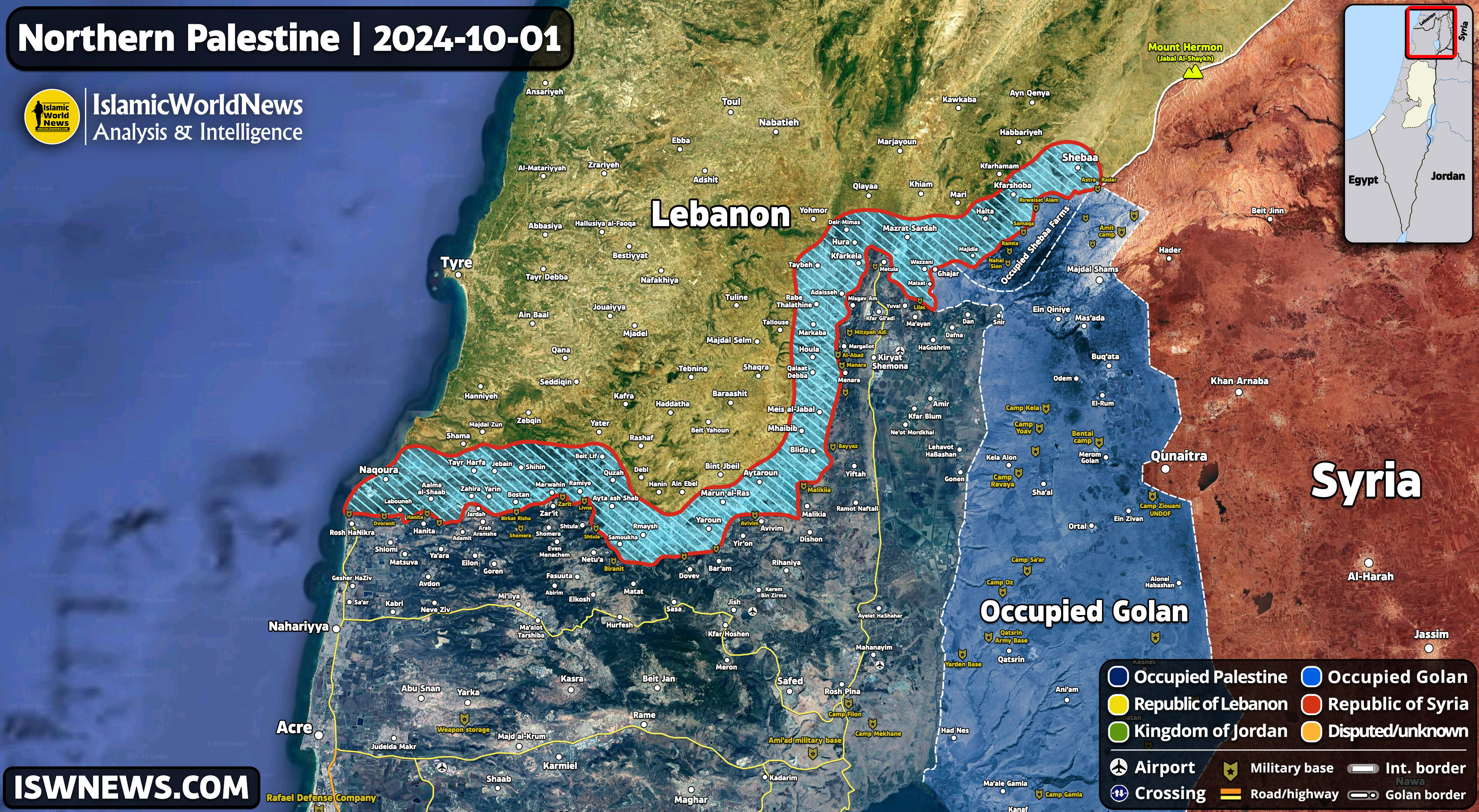
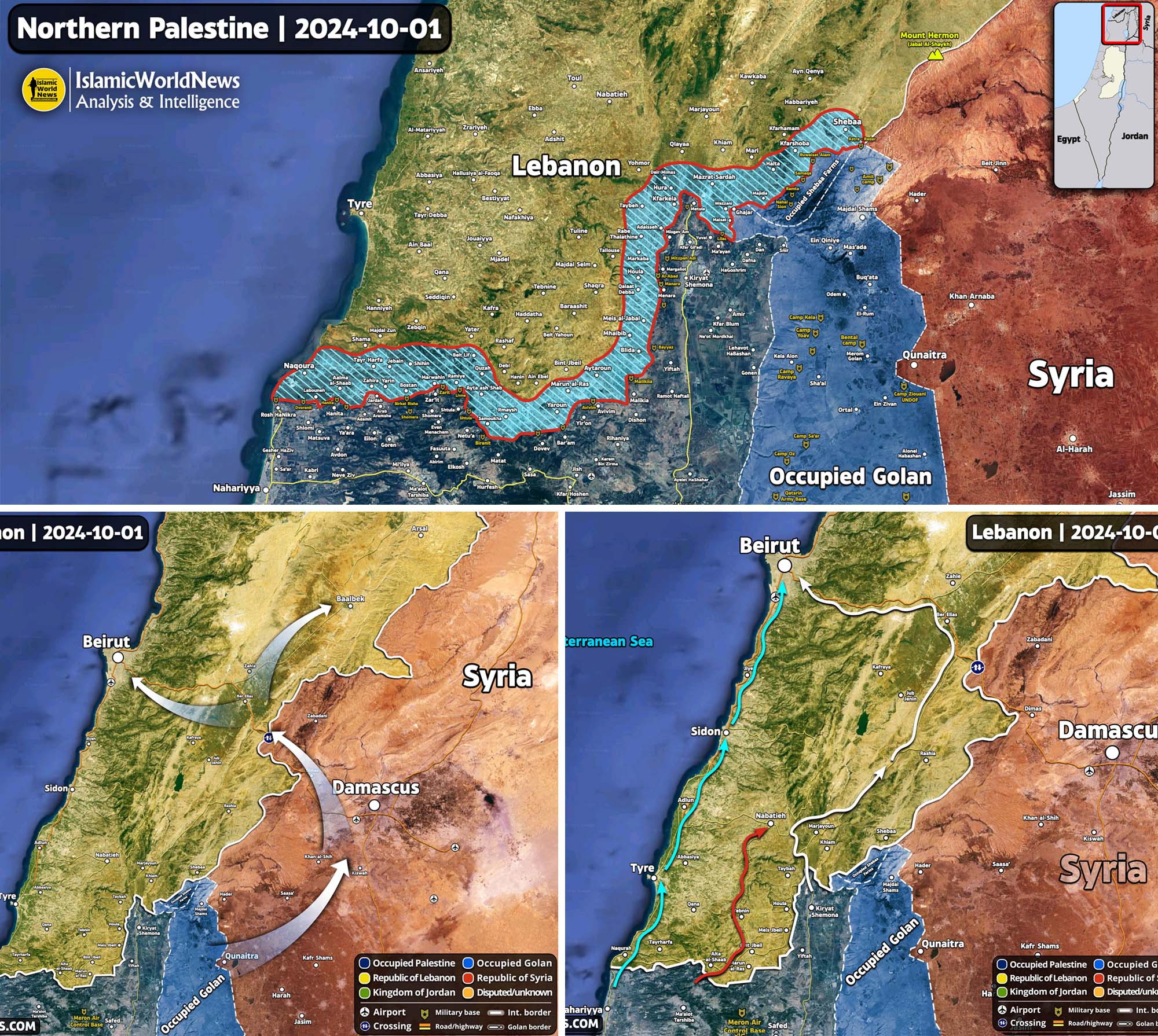
    Attacking southern Lebanon and creating a possible buffer zone across the southern border of Lebanon

    2- Massive attack in southern Lebanon:

    This scenario can be done from one to three axes:
    A (blue arrows) – advance on the Al-Naqourah-Tyre road to Sidon and south of Beirut. (high probability)
    B (red arrow) – advance towards the towns of Maroun al-Ras and Bint Jubeil and then move towards the city of Nabatieh. (low probability)
    C (white arrows) – advance from the north of Kiryat Shemona to the town of Marjayoun and the city of Nabatieh and then continuing to the Bekaa province. (average probability)
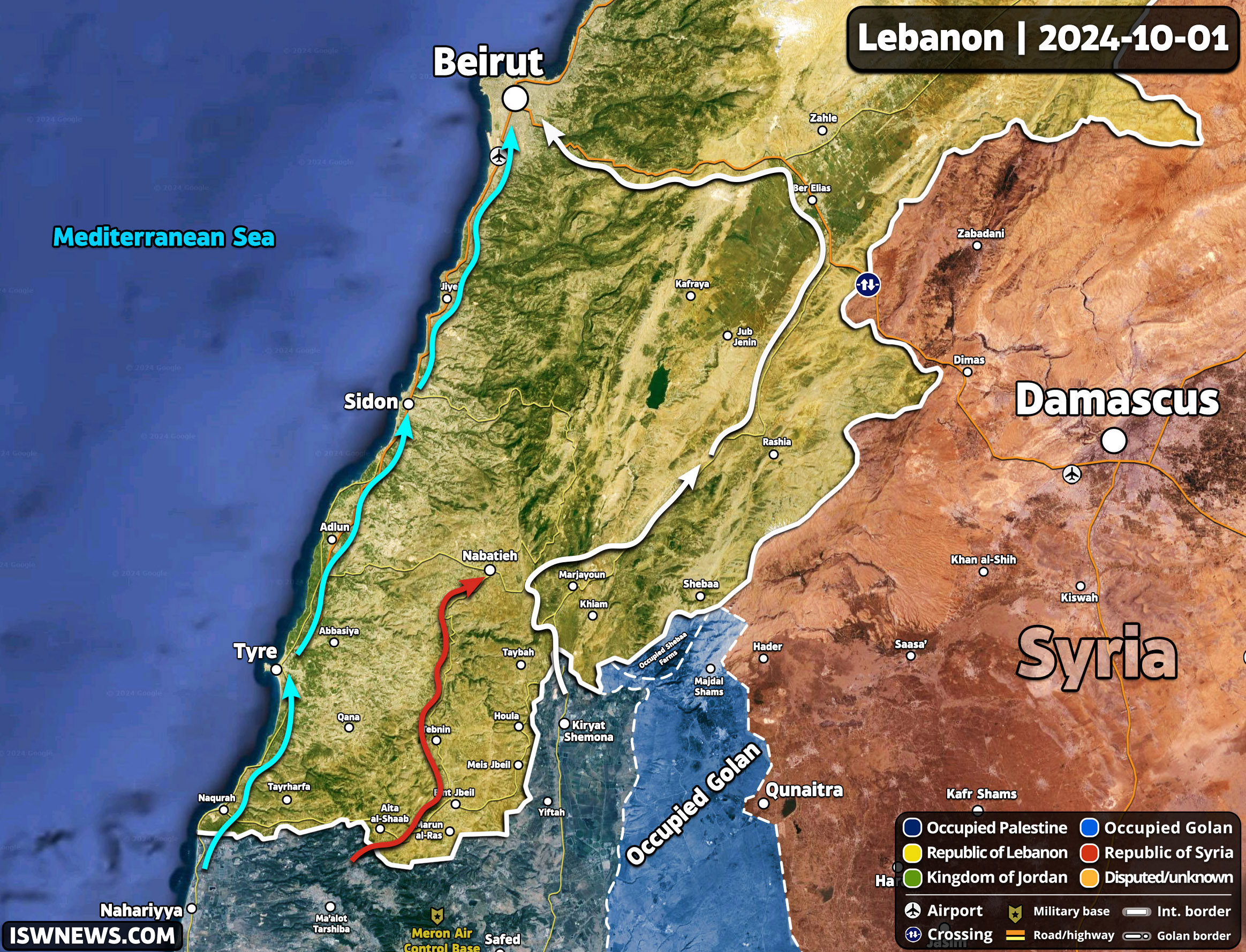
    Possible routes of a massive attack in southern Lebanon

    3- Attack on southern Syria and eastern Lebanon:

    Upon initial observation, this attack may not seem very likely. However, upon considering the unstable situation of the Syrian government and army, the troubled areas of southern Syria, and the significant silence of the Syrian militants and the old opponents of the resistance in Daraa and Sweida, it becomes apparent that Syria does not have enough power to handle all the chaos and a potential full-scale Israeli invasion.

    Israel’s advance with the help of Syrian militants and Takfiris in this area may proceed more quickly compared to southern Lebanon. Although the Israeli army will not only be fighting the Syrian army in Daraa and Quneitra, but the resistance groups also have a strong presence there. So Israel will be engaged in a multifaceted battle in southern Syria.
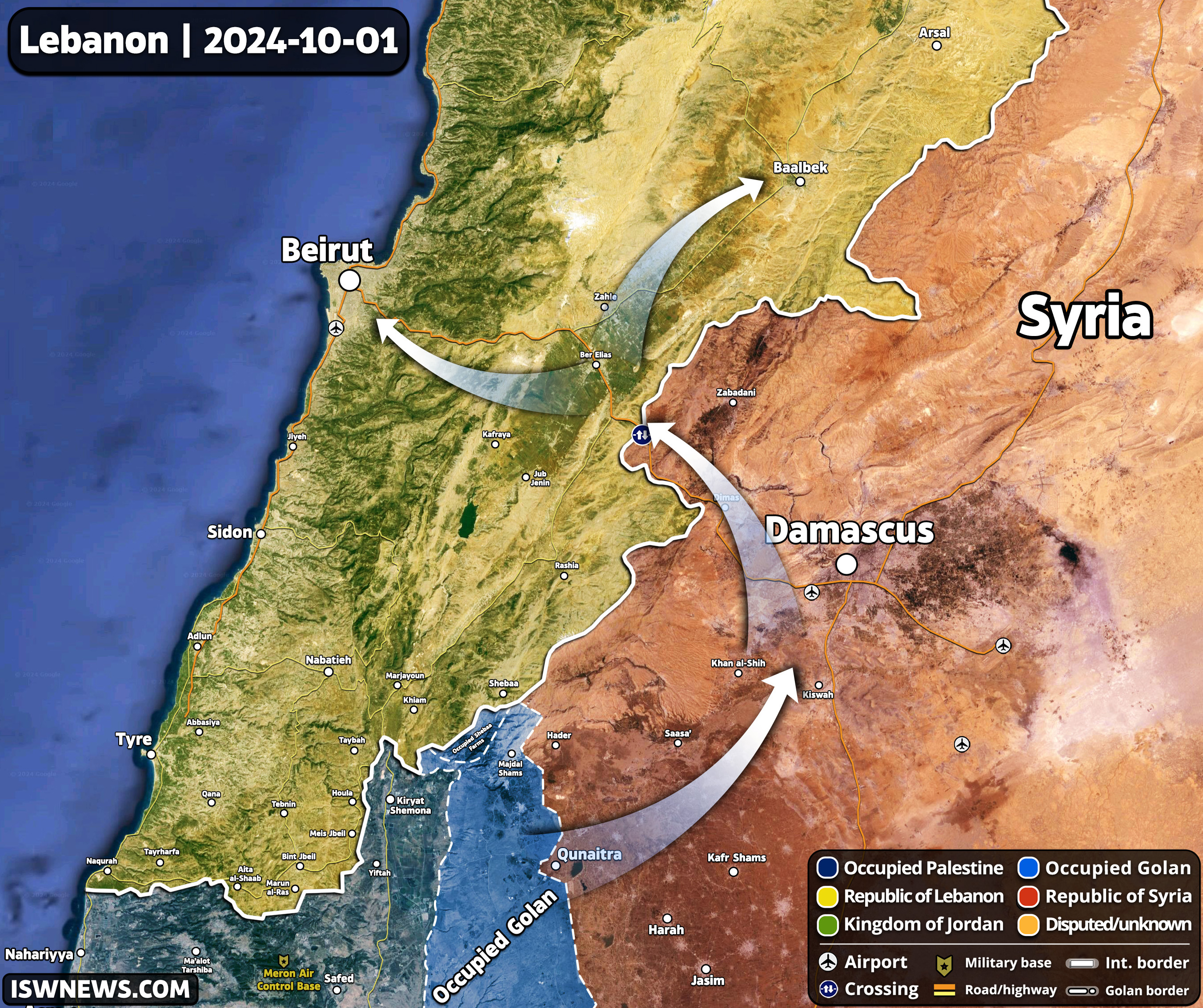
    The possible direction of Israel’s attack on southern Syria and eastern Lebanon

    In conclusion, it should be noted that the potential ground attack routes of the Israeli army have been assessed based on past Zionist movements and tactics in ground battles. The information provided is not definitive. It’s also possible that some of these routes may be executed in combination or that each route may complement the others.

    Israel’s ground attack on the countries of the region is a certain thing that first happened in the Gaza Strip, and then it will happen in Lebanon and Syria, and it may spread to other Arab countries. But how and when it is not clear.

    The Zionists advance based on the existing conditions. When they feel unable to advance and fight, they enlist the support of America and the Europeans to establish a ceasefire as a last resort. They observe the other party’s reaction and analyze it. If they encounter strong determination, they retreat from conflict. However, if they sense any discord or weakness in the other party, they proceed to dismantle their enemy’s foundation. The current situation in Palestine and Gaza, as well as the future situations in Lebanon and Syria, along with Netanyahu’s dreams for the future of Iran and Yemen, support this perspective.
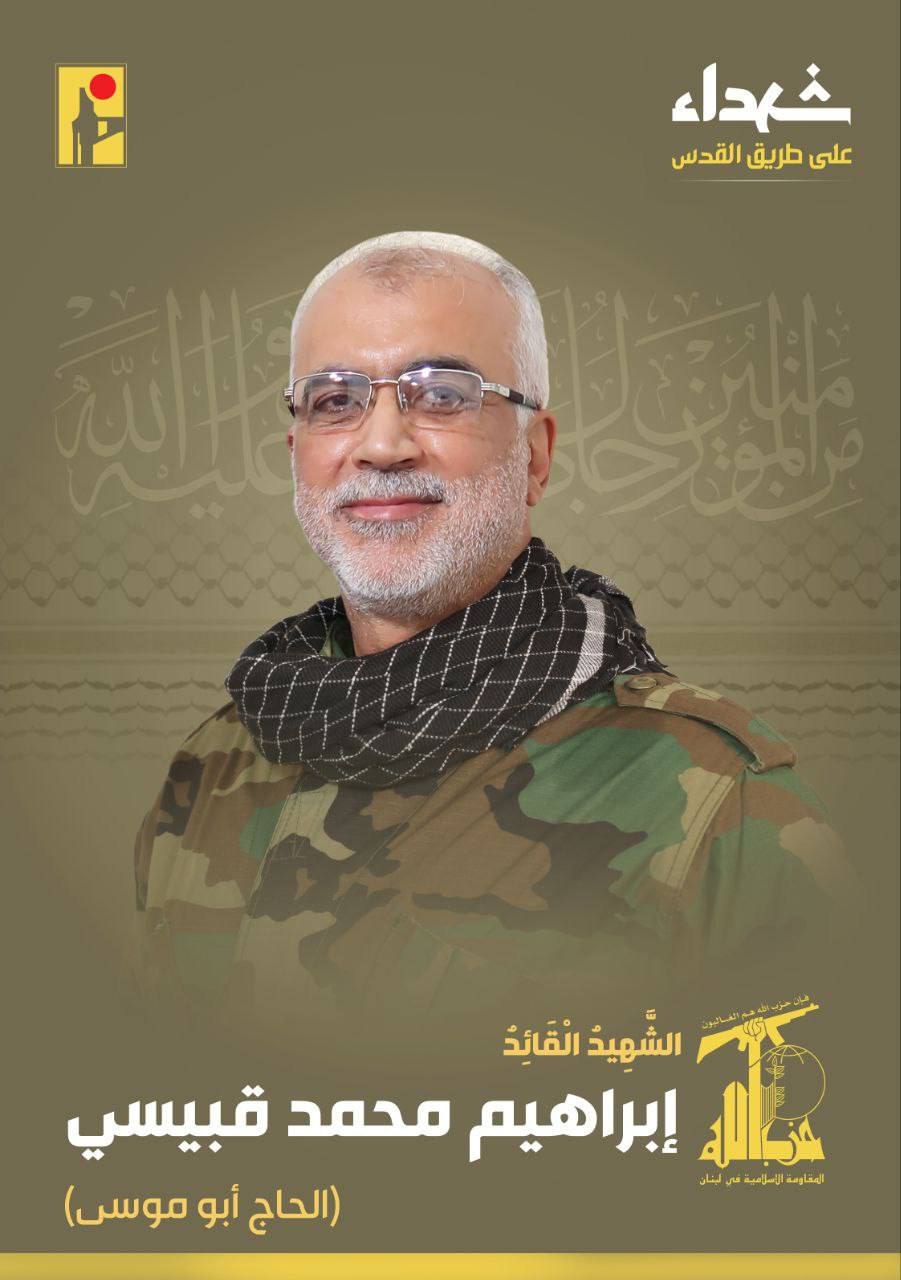
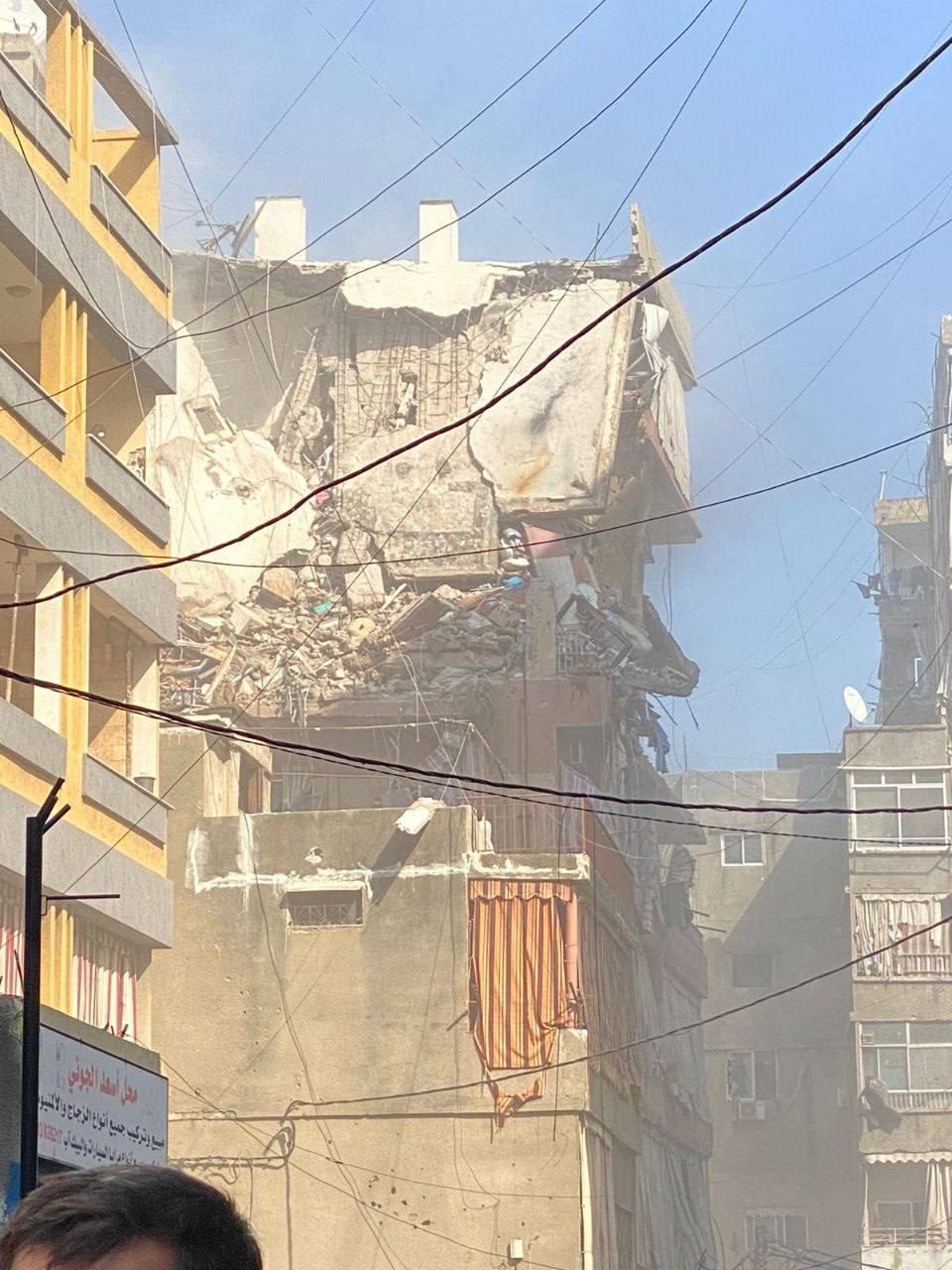
  • Israeli Regime Martyrs Hezbollah Commander Ibrahim Qubaisi In Terrorist Attack On Beirut

    Israeli Regime Martyrs Hezbollah Commander Ibrahim Qubaisi In Terrorist Attack On Beirut

    As a result of the terrorist strike, six individuals, including Qubaisi, were martyred, and 15 others were wounded.

    Prior to Hezbollah’s recent announcement, the Israeli military claimed to have targeted and assassinated the commander of Hezbollah’s missile unit in an air raid on the southern Beirut region.

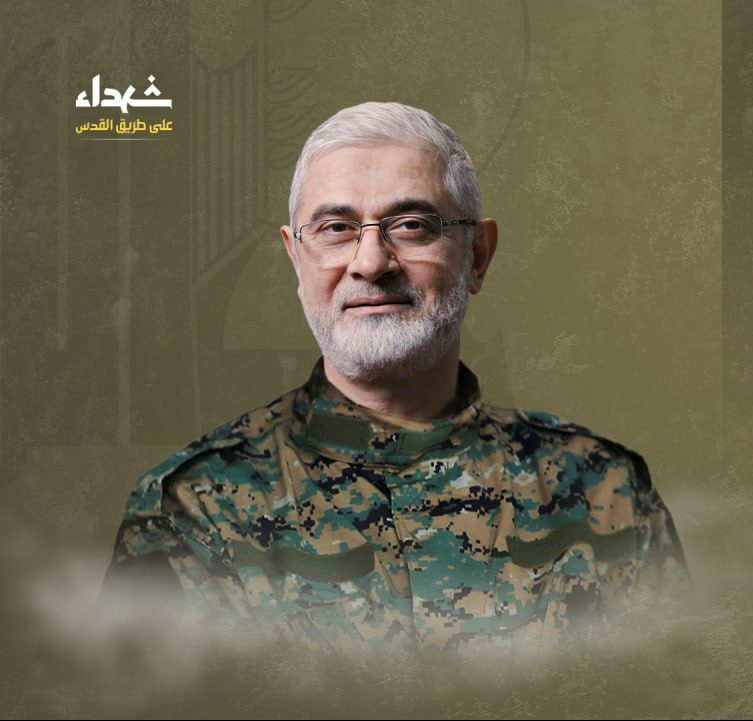
    Ibrahim Muhammad Qubaisi was born on October 10, 1962, in the Zebdine municipality of southern Lebanon. He joined the Islamic resistance in Lebanon in 1982 and was appointed to various organizational roles within the ranks of the resistance movement. Martyr Qubaisi played a key role in planning and leading plentiful military operations against the Israeli occupying forces in Lebanon from 1998 to 2000.

    From 2001 to 2018, Hajj Ibrahim was in charge of the Bader military unit (north of the Litani River) in southern Lebanon and also managed segments of Hezbollah’s missile units. The esteemed commander was ultimately assassinated on September 24, 2024 by Israeli military aircraft in the southern areas of Beirut.

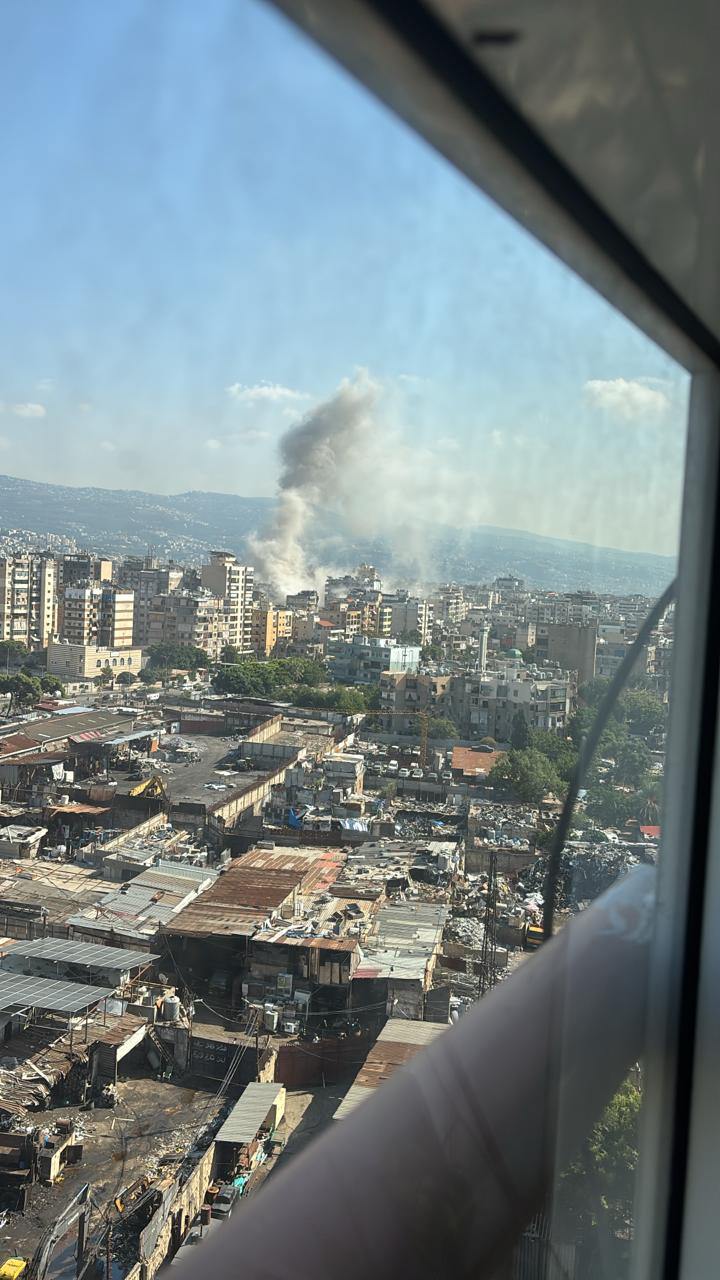
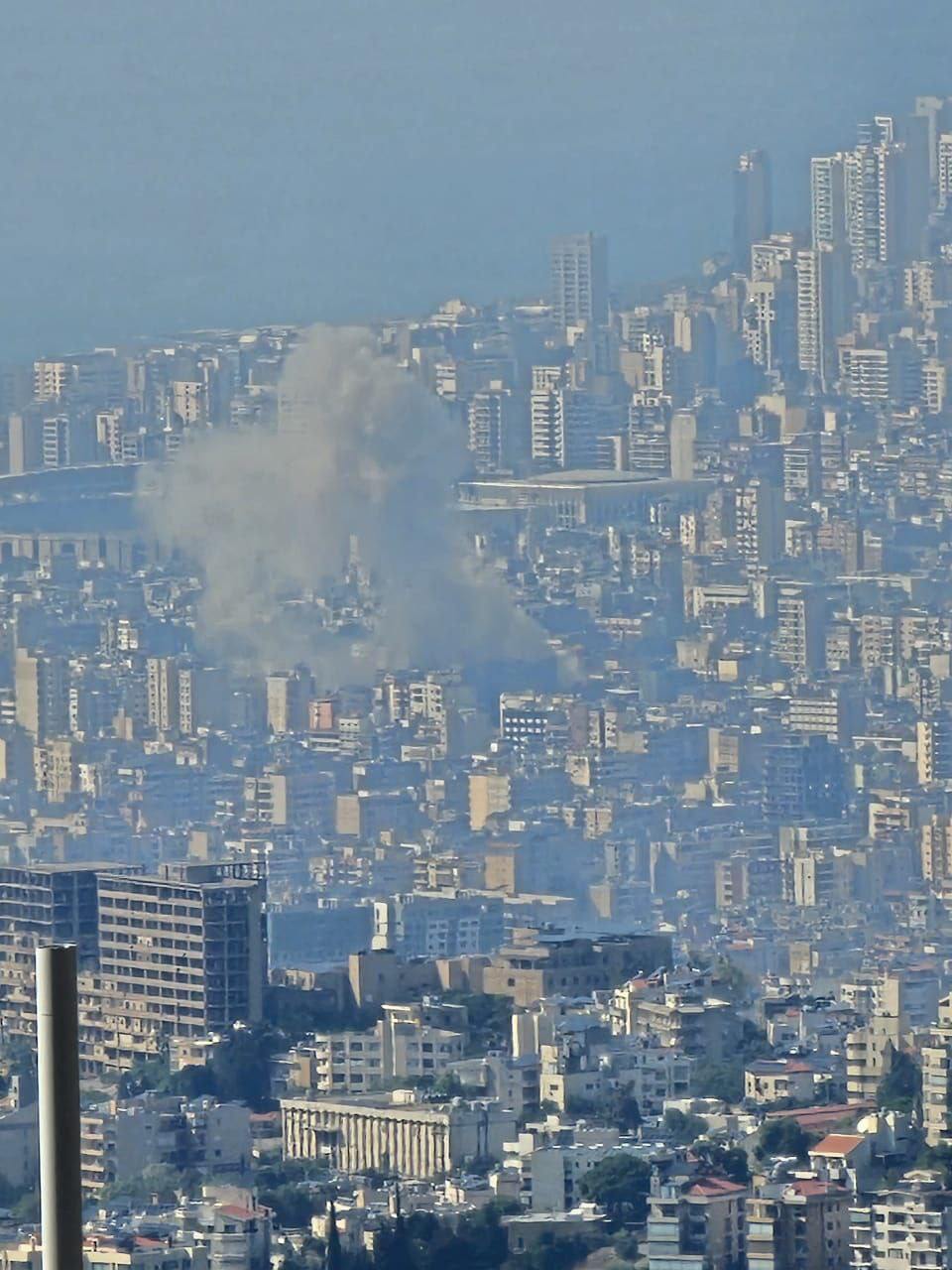
    The assassination of Martyr Qubaisi marks the fifth terrorist strike by Israeli military aircraft in the Lebanese capital in the course of the recent days.

    Israeli regime released footage of its terrorist strike in Dahieh

    Earlier, the Tel Aviv regime had attempted to assassinate key leaders of the resistance movements in Lebanon and the Gaza Strip, including the founding commander of Hamas military wing (the Izz ad-Din Al-Qassam Brigades) and also served as the Hamas’s military commander of the West Bank and deputy head of Hamas’s Political Bureau Saleh al-Arouri, as well as senior Hezbollah commanders such as Fuad Shukr, Ibrahim Aqil, and Ali Karaki; however, the regime failed on conduct a successful assassination when it came to Karaki.

    The Israeli regime’s objectives behind such terrorist operations in Lebanon appear to be aimed at putting more pressure on Hezbollah to halt its retaliatory attacks on the front along the southern Lebanon and northern occupied Palestine.
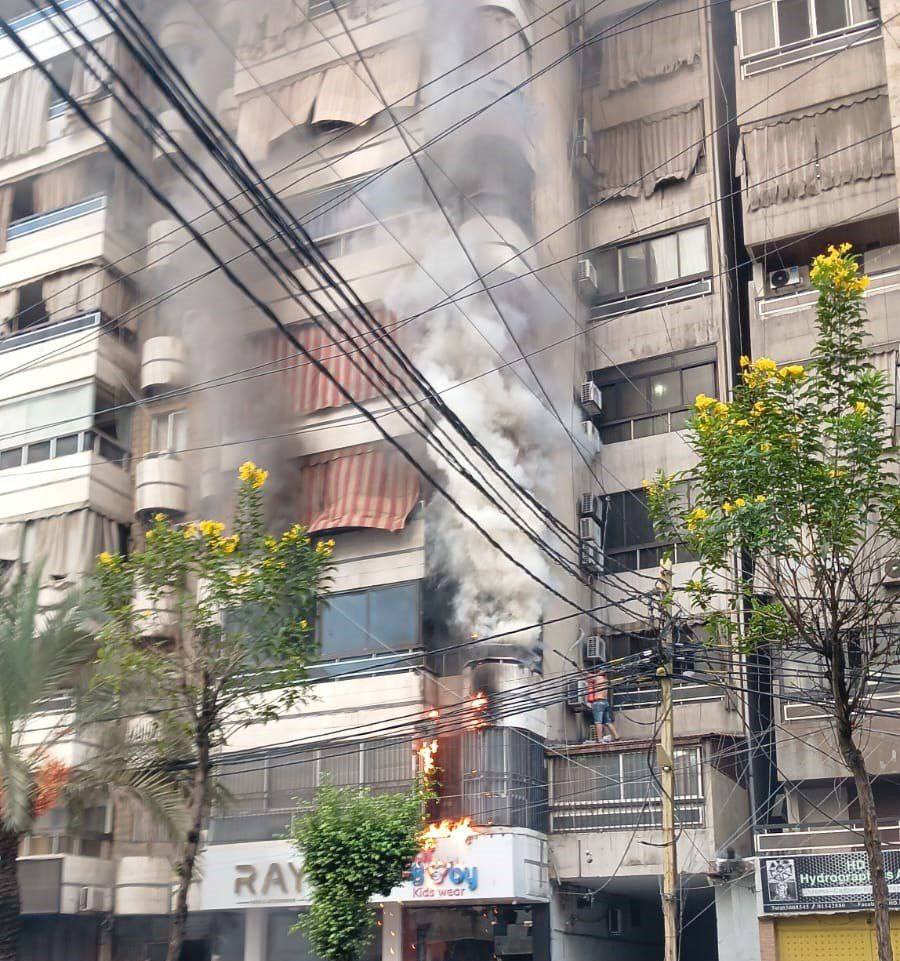
    Hezbollah has declared that its operations in this front are intended to provide the Palestinian people with support as well as to counter the Israeli regime’s aggression in the Gaza Strip.
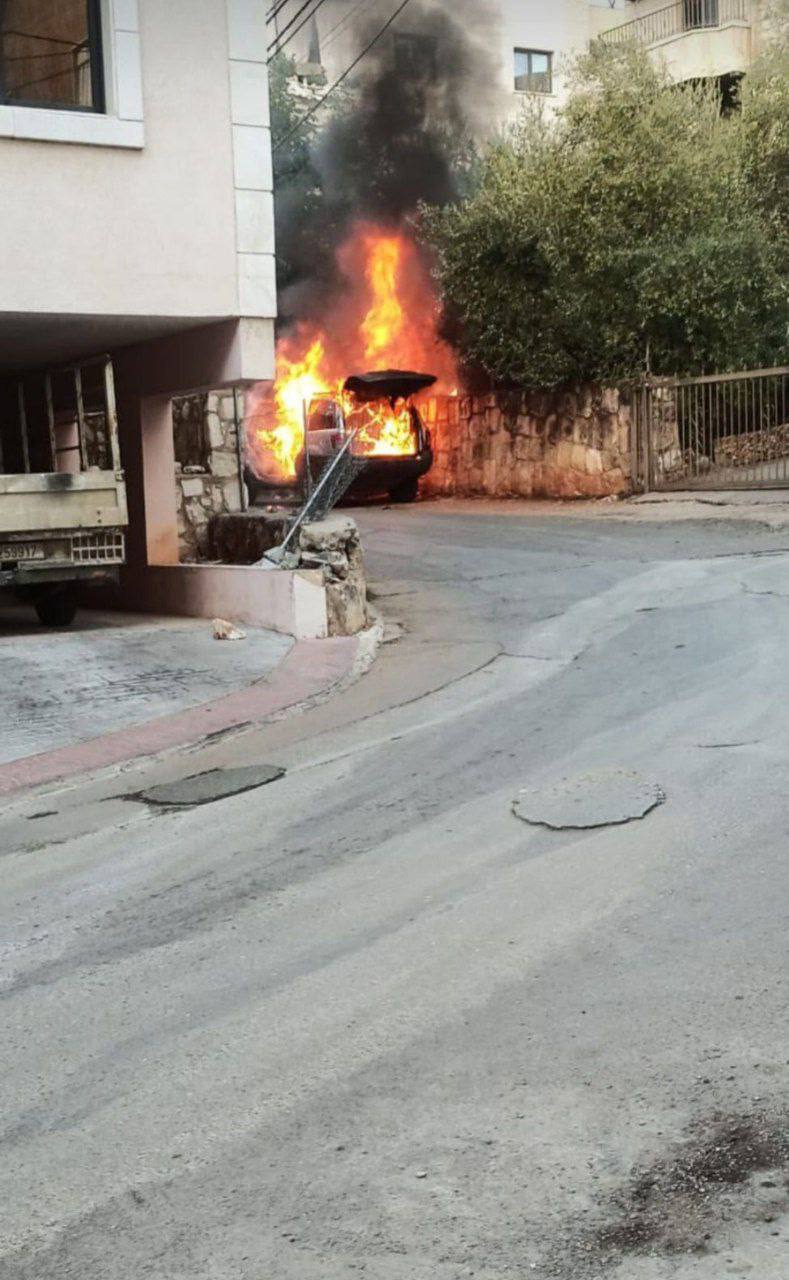
    The Lebanese resistance movement also emphasized that they will continue their attacks on northern occupied Palestine until the Israeli military ceases its operations in this usurped region.

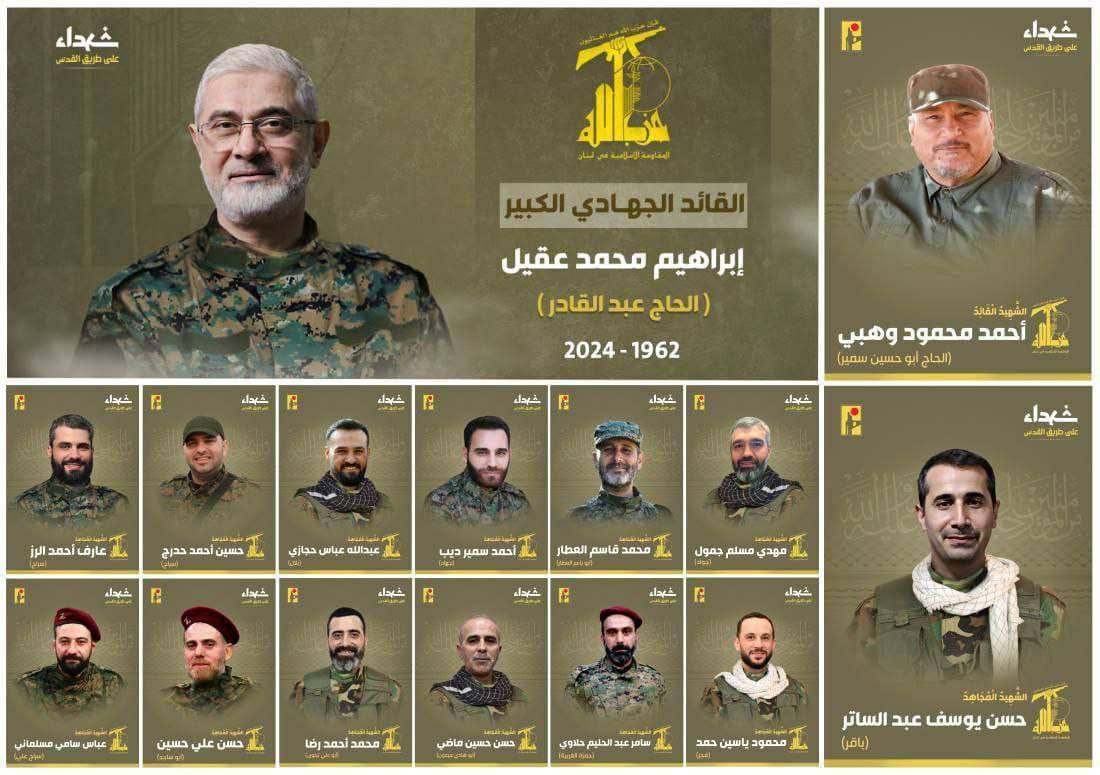
  • Who Was Ibrahim Mohammad Aqil (Haj Abdul Qader), Commander Of Hezbollah?

    Who Was Ibrahim Mohammad Aqil (Haj Abdul Qader), Commander Of Hezbollah?

    Below is a summary of his life and activities:

    – Place and date of birth: Bednayel (Bekaa), born on December 24, 1962.

    – From the generation of the founders of the Islamic Resistance Movement in Beirut and one of the leaders of heroic operations against the Israeli assault on Beirut in the early 1980s.

    – Abdul Qader took on the responsibility of training for Hezbollah fighters in the 1990s and then he took shoulder the responsibility of the headquarters of the resistance, and played a key role in developing human capabilities within the organization of Hezbollah.

    – From 1997 until after the liberation of Lebanon from the Israeli occupation, he was in charge of the operations unit in Jabal Amel region in southern Lebanon and was the main commander of many special operations. He was one of Hezbollah’s field commanders in the 33-day war and was considered one of the pillars of Islamic resistance in Lebanon. In 2008, he was appointed as the assistant Secretary-General of Hezbollah for operational affairs and turned into a member of the Jihad Council Hezbollah, a council responsible for directing the groups’ military and security activities.

    – For several years until the date of his martyrdom, Haj Abdul Qader was in charge of the establishment, development, and command of the Redwan Force in Hezbollah.

    – Haj Ibrahim Aqil was one of the senior leaders and fighters who planned and managed military operations against Takfiri groups on the eastern borders of Lebanon, the city of Al-Qusayr, the town of Qalamoun, and other regions of Syria.

    – In the recent war with the Israeli regime, he led the military operations of the Radwan Force of the Lebanese front in support for the resistance factions in the Gaza Strip.

    – Finally, Haj Ibrahim Aqil was martyred in a terrorist attack by the Israeli regime’s fighter jets of on a building in the al-Dahiya district of Beirut on September 20, along with several field commanders and senior members of the Lebanese resistance movement.

  • Hezbollah Carries Out Rocket Attack On Ramat David Base, Rafael Military Company In Haifa

    Hezbollah Carries Out Rocket Attack On Ramat David Base, Rafael Military Company In Haifa

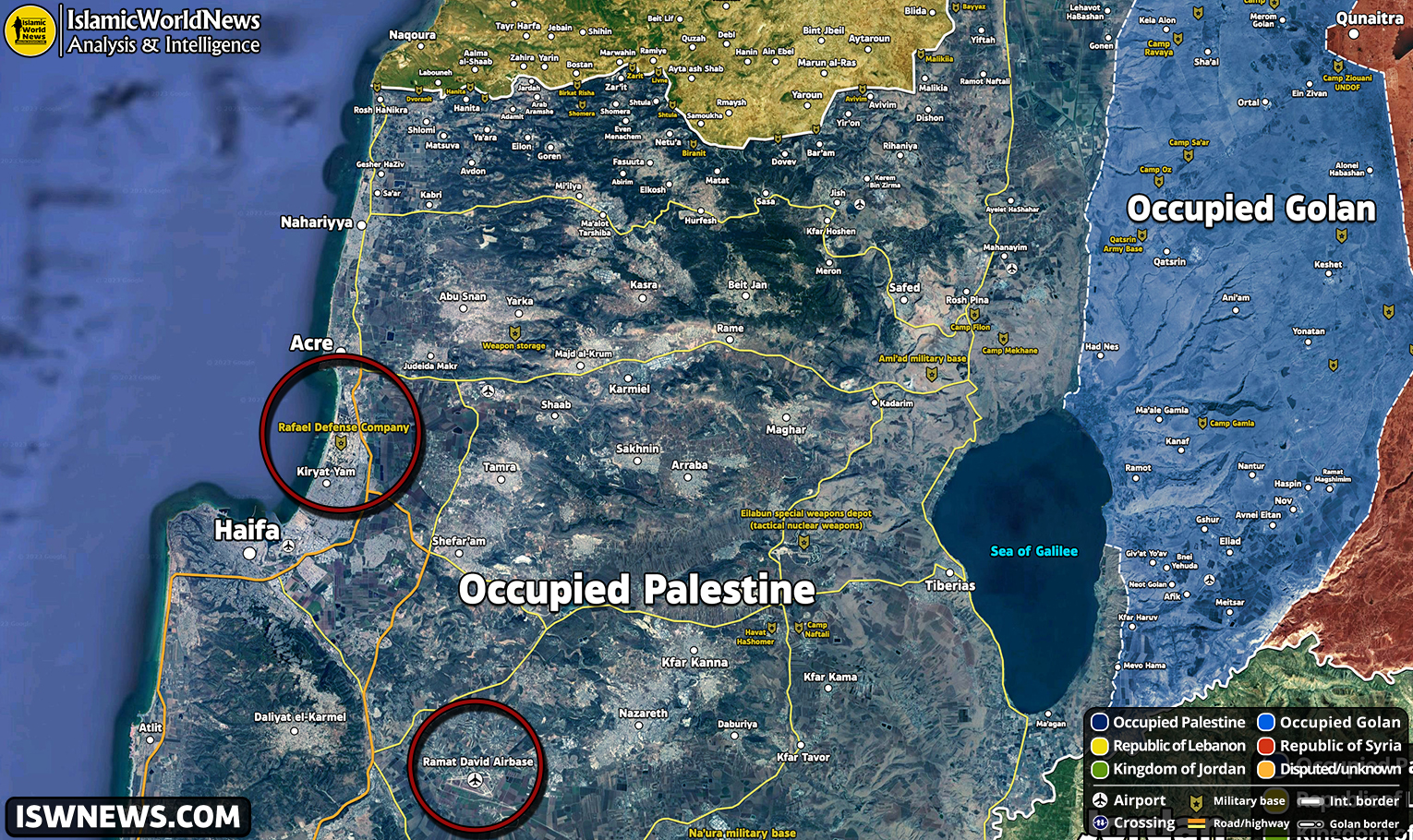
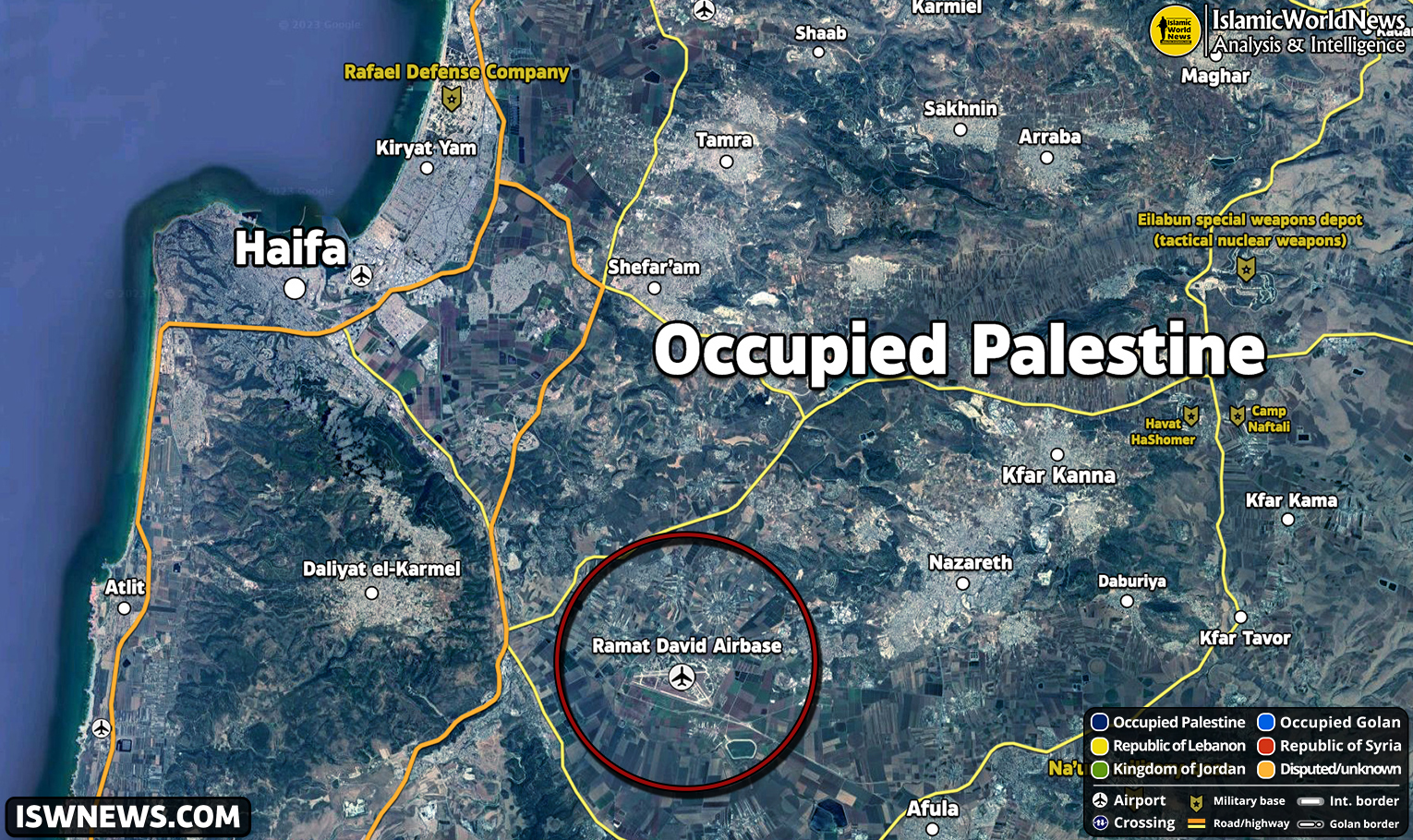
    According to Hezbollah’s fresh statements, the first two rocket attacks were carried out on Tuesday morning in response to the repeated Israeli air raids on various regions of Lebanon. During these assaults, the Ramat David base and airport were attacked by Hezbollah with dozens of Fadi-1 and Fadi-2 rockets.

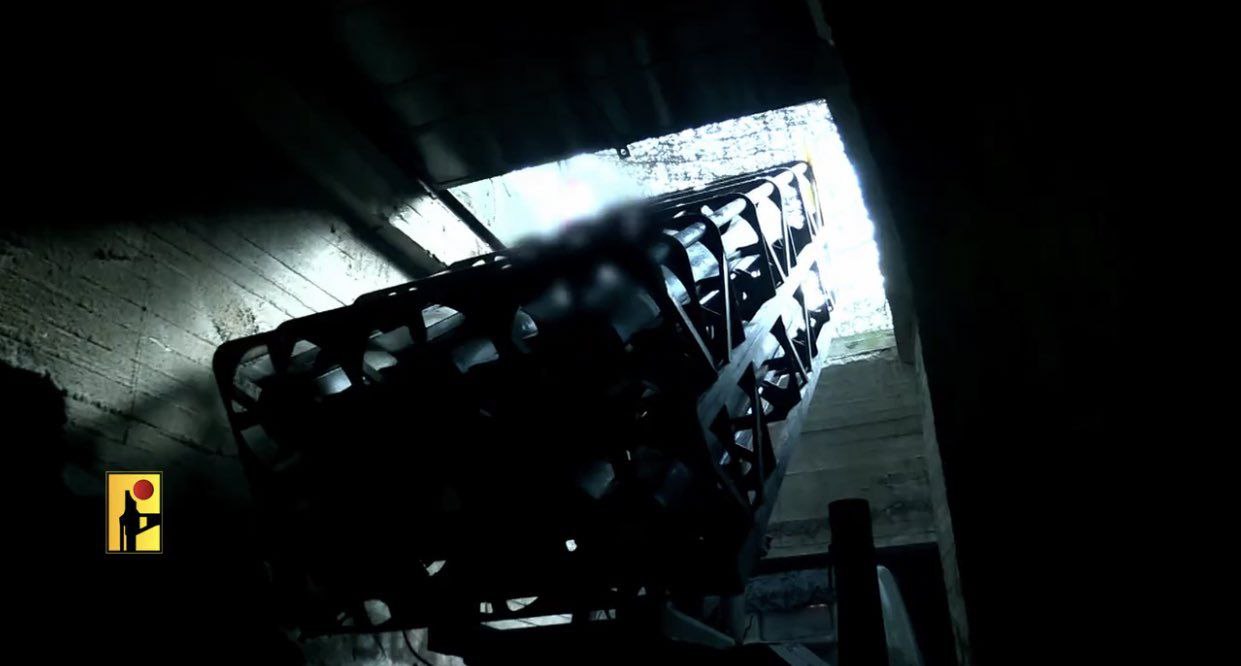
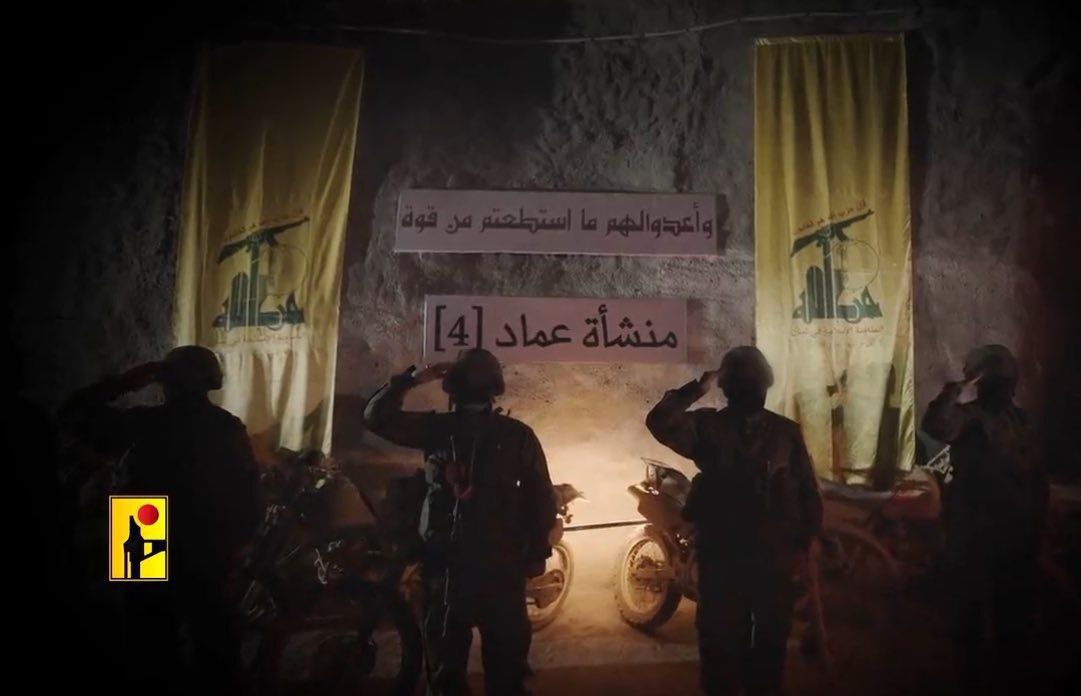
    The Fadi-1 and Fadi-2 rockets are being utilized for the first time since the onset of the confrontations, and the launch of such rockets is likely to have taken place from one of the underground facilities at Imad underground missile base. The Fadi-1 rocket is a 220 mm artillery rocket, which is manufactured by Syria, and also known as the Khyber M220 class. Fadi-2 rocket, also named Khyber M302, was featured in the video unveiling of the Imad 4 underground facility in Lebanon.

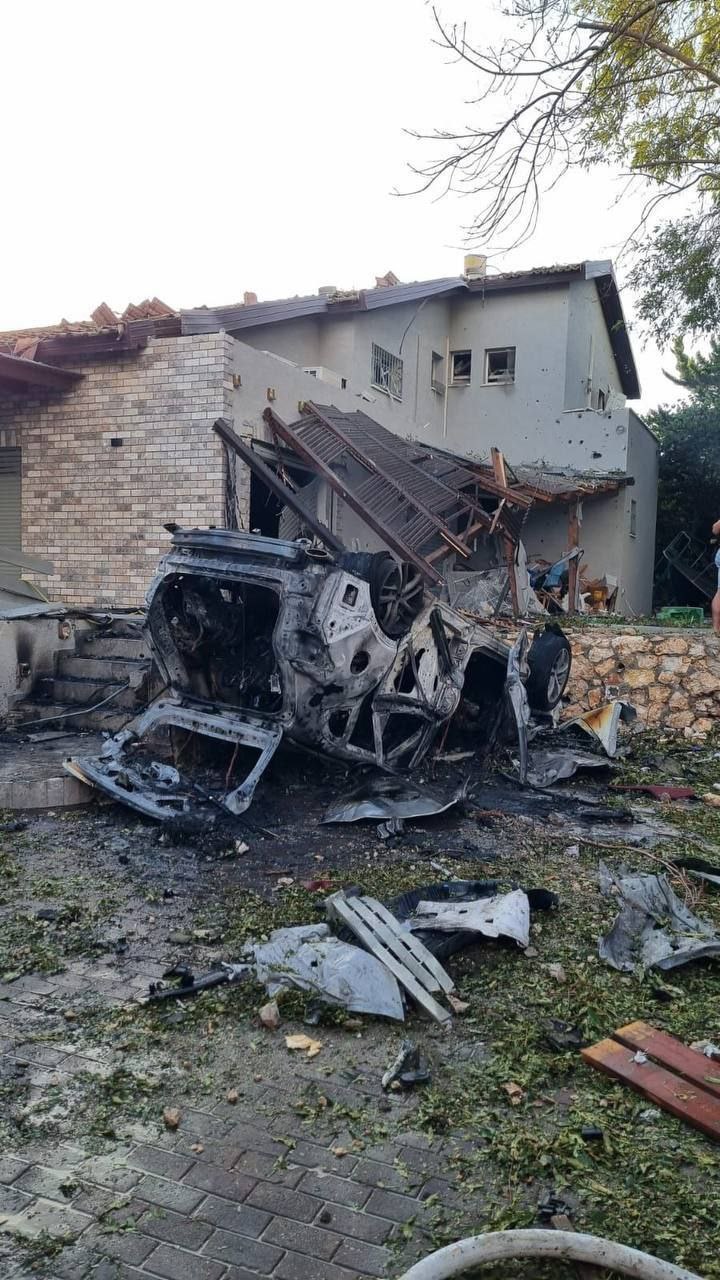
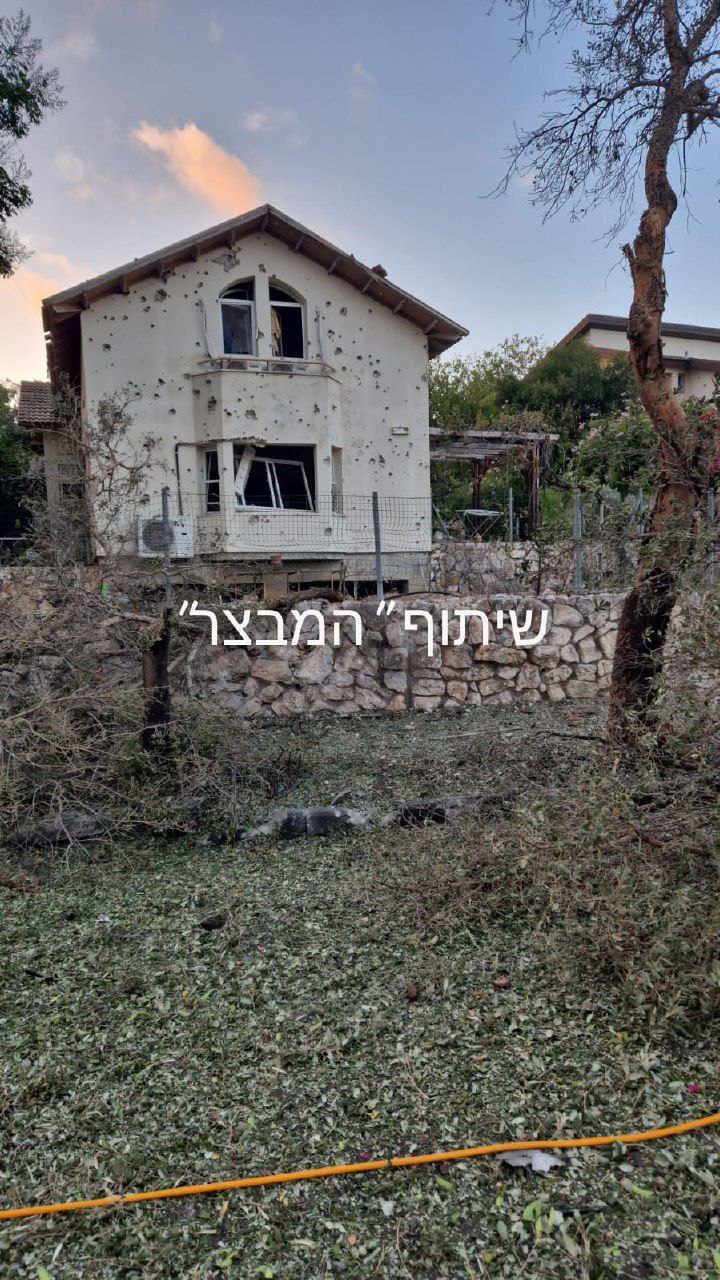
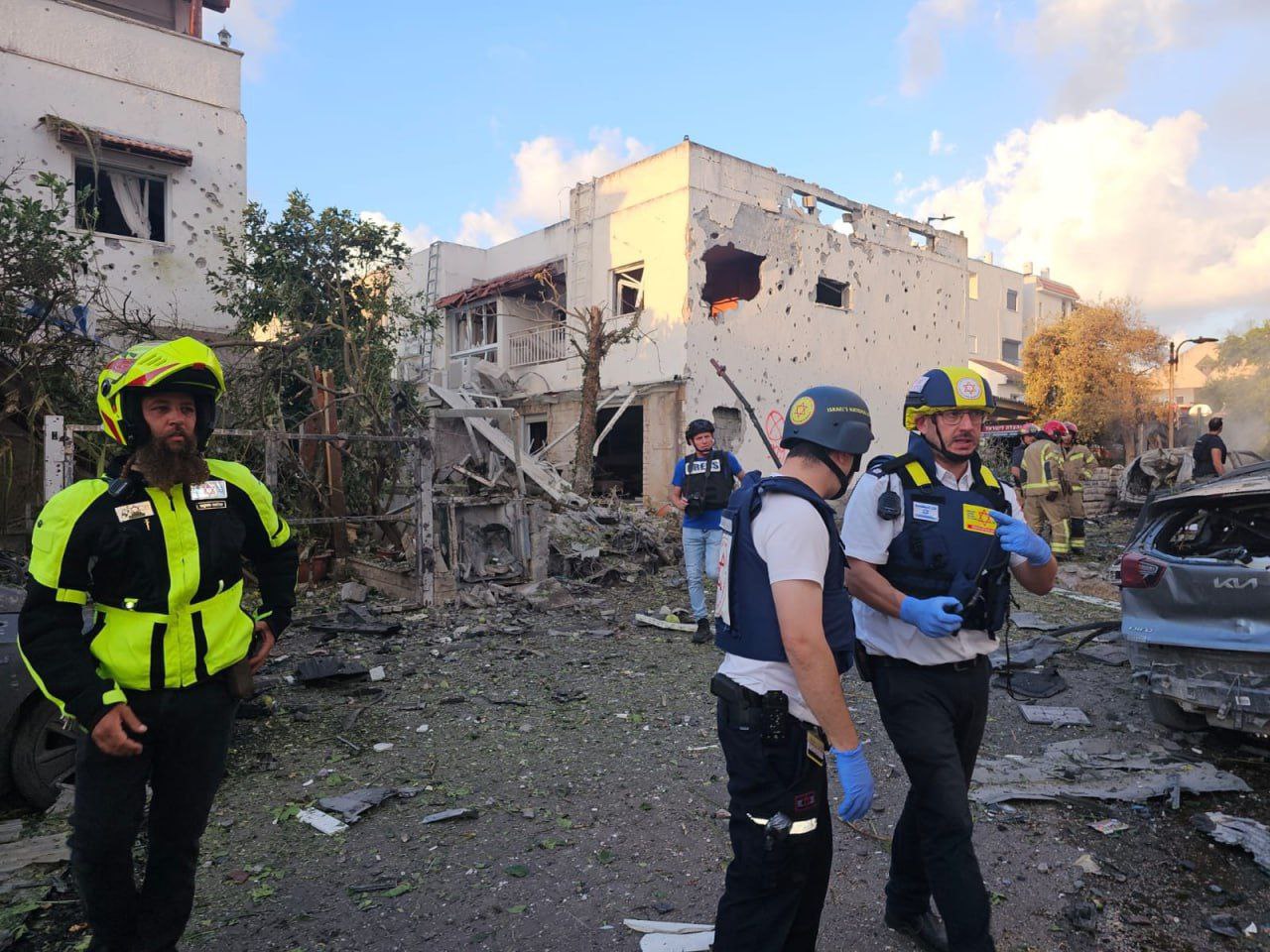
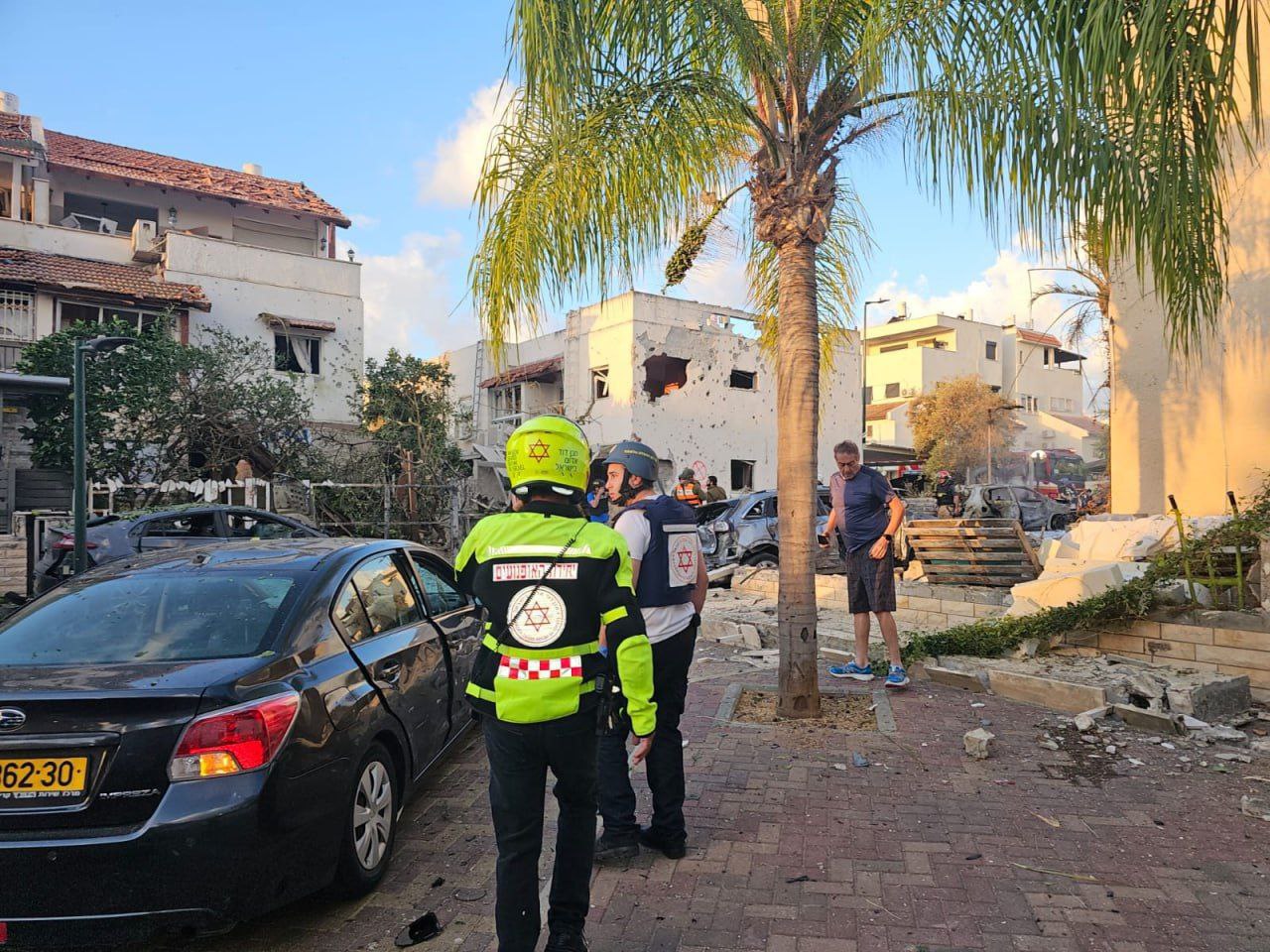
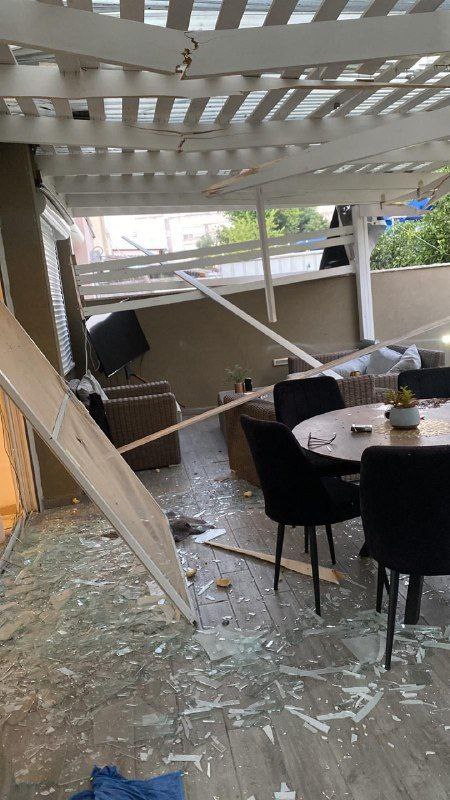
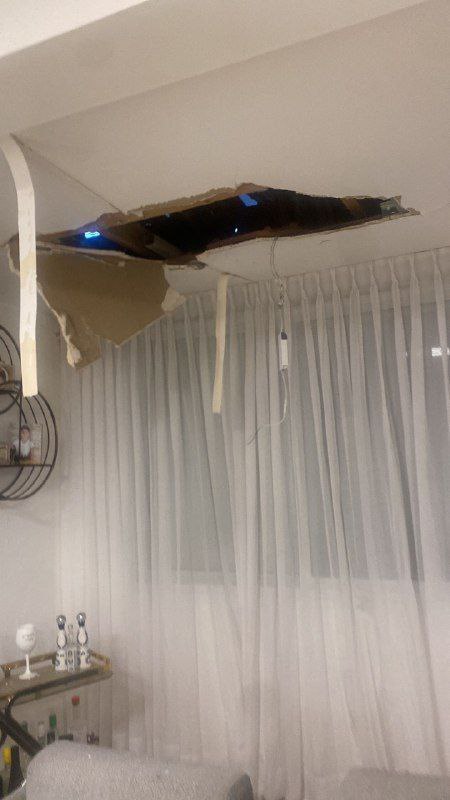
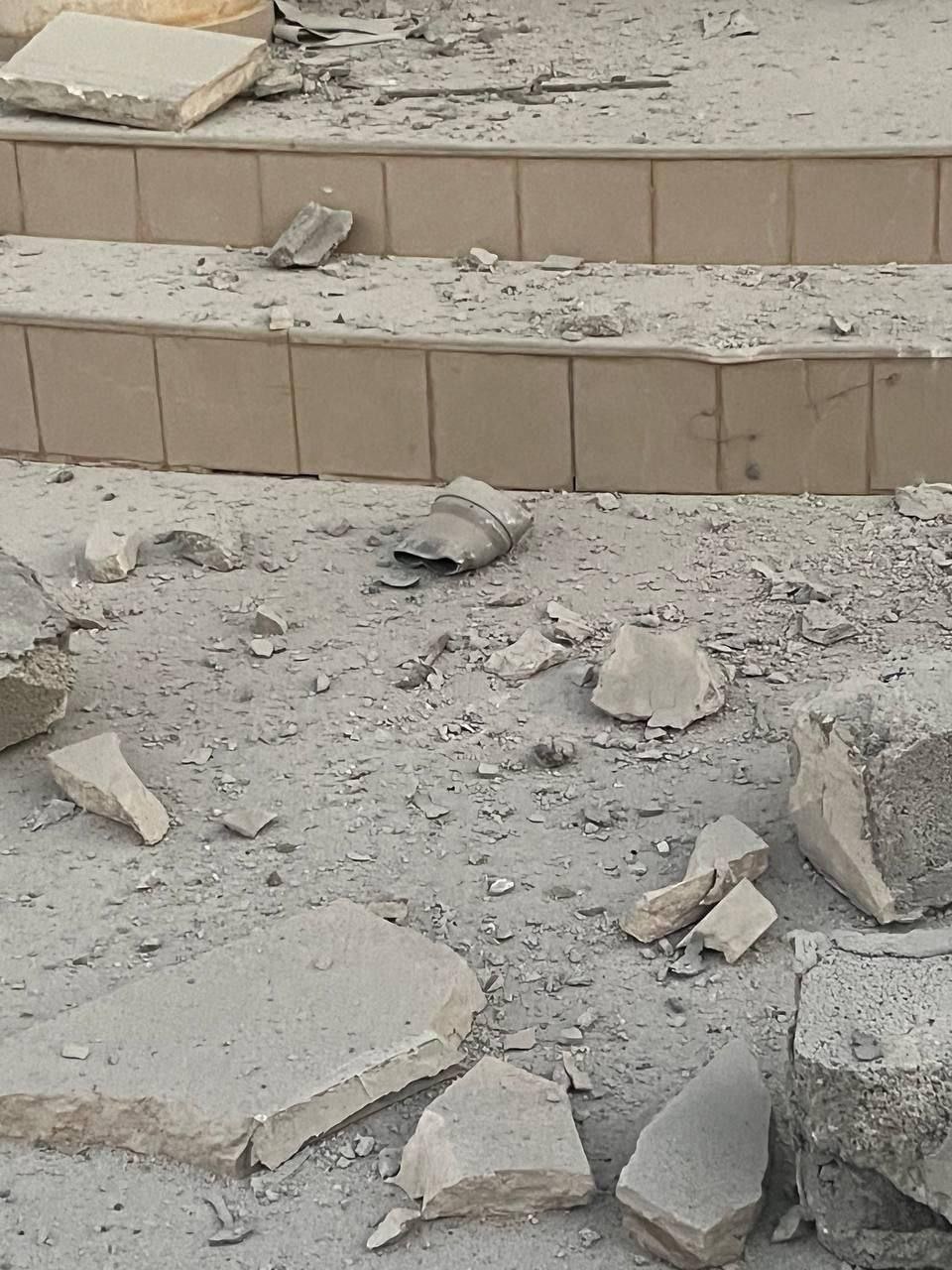
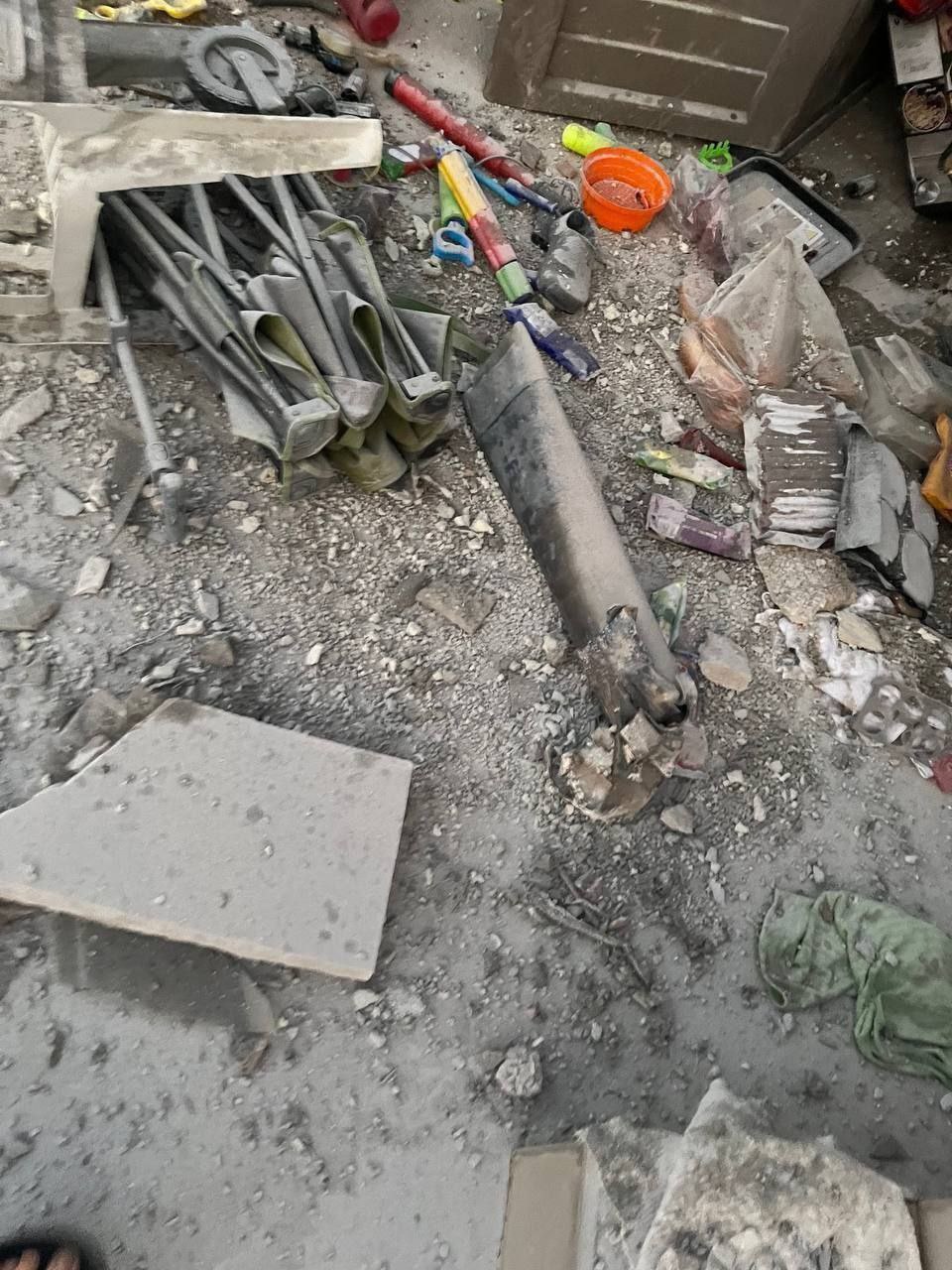
    According to reports published by Israeli media outlets, 13 Zionist settlers were injured as a result of Hezbollah’s rocket attacks and the settlers escaped to shelters. One of the injured is reported to be in critical condition. In addition, 12 residential buildings and dozens of cars were demolished or damaged. Moreover, the Israeli army’s Arabic-spoking spokesman Avichai Edrei announced that Hezbollah had fired more than 115 rockets into the northern Israeli-occupied areas of Palestine.

    The Ramat David Air Base is the main Israeli Air Force base in the northern region of occupied Palestine, which is situated 46 kilometers from Lebanese border areas. The air base includes three runway and is home to several F-16 fighter squadrons, the IAI Heron class drones and combat helicopters. The Ramat David base is the main pillar of the Israeli army’s bases, which is used to carry out attacks on Lebanon. 

    Ramat David air base in the outskirts of Haifa

    It should be mentioned that on July 2024, the Lebanese resistance movement’s Hudhud (hoopoe) drone succeeded in infiltrating northern occupied Palestine, flew over the Ramat David Air Base, and returned to Lebanon safely after carrying out reconnaissance operation and filming of maintenance facilities, hangars, fuel and ammunition storage tanks, and the Boeing Apache helicopters.

    Israeli air Defense systems confronting Hezbollah rockets in the outskirts of Haifa city.
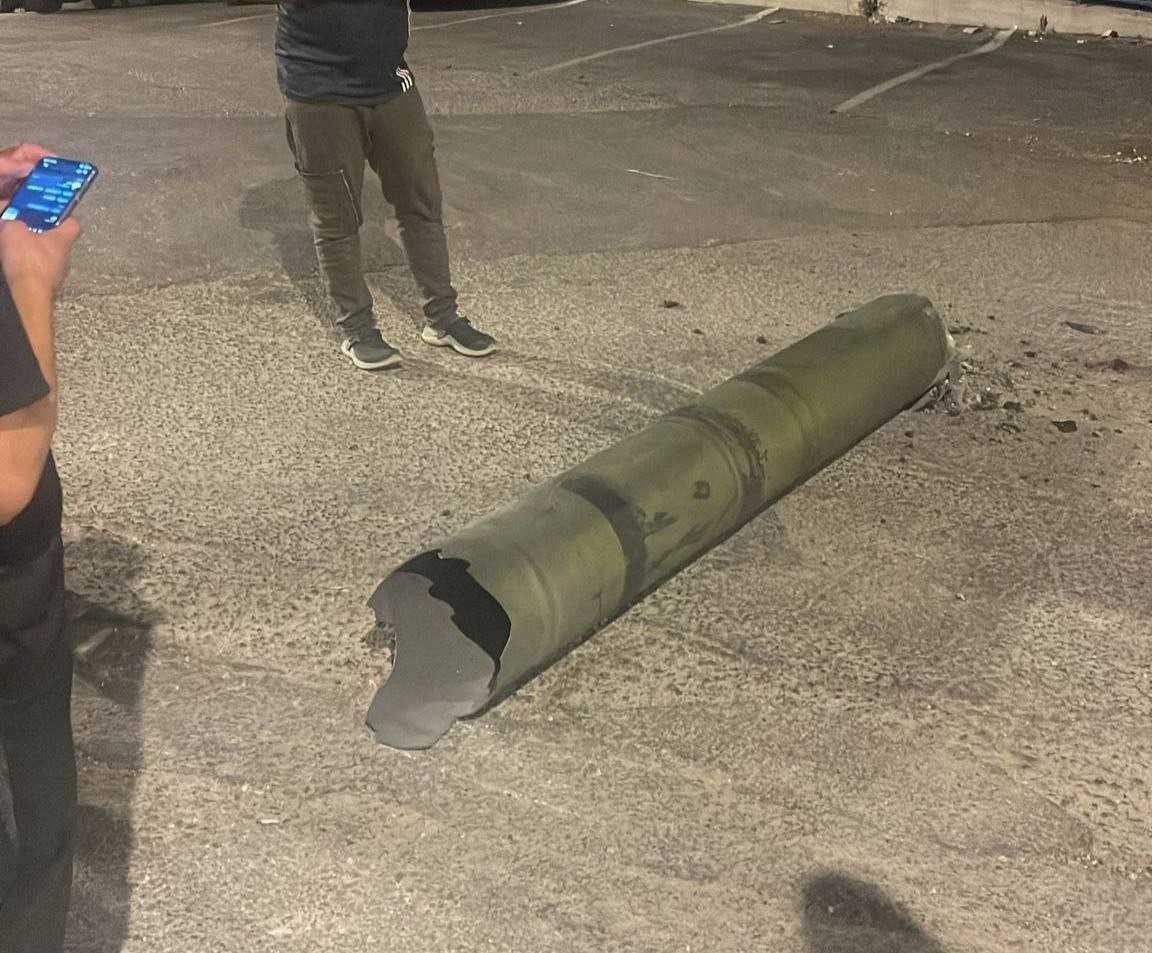
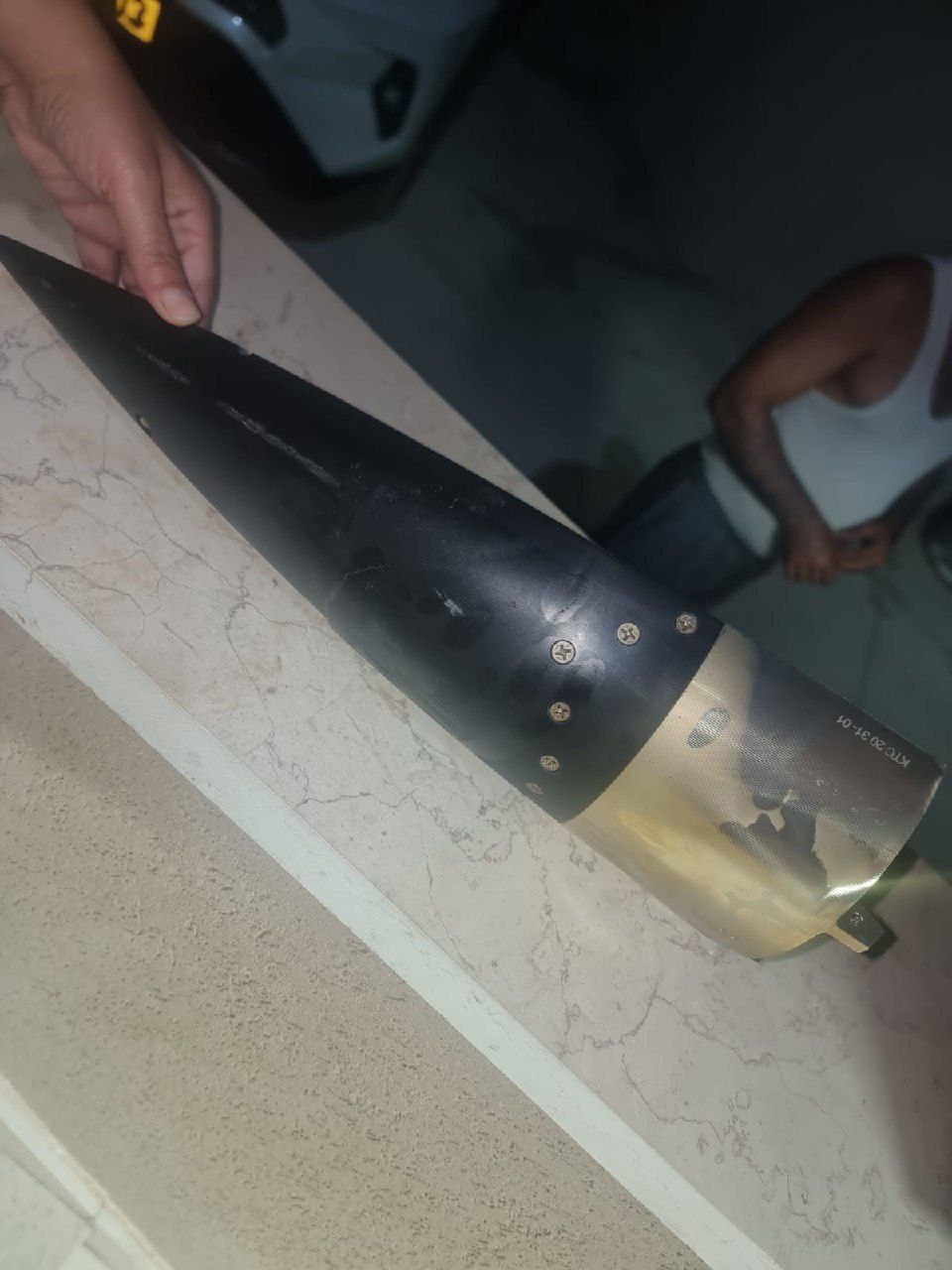
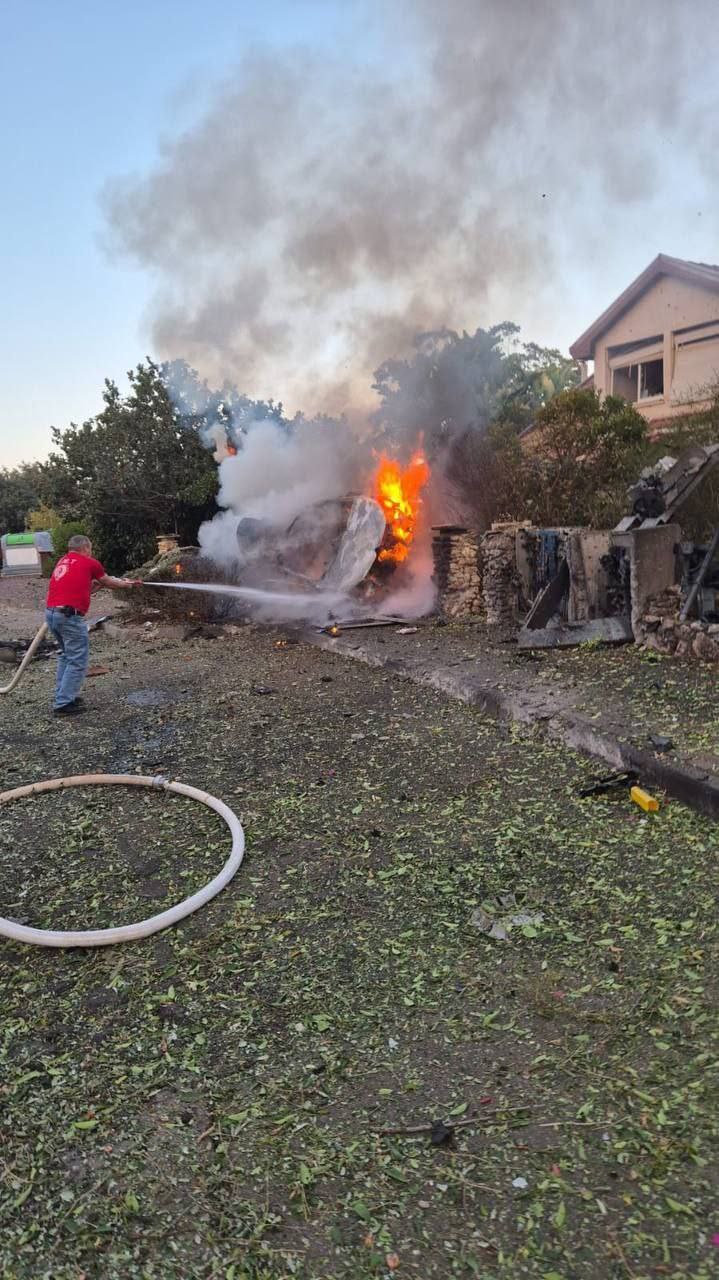
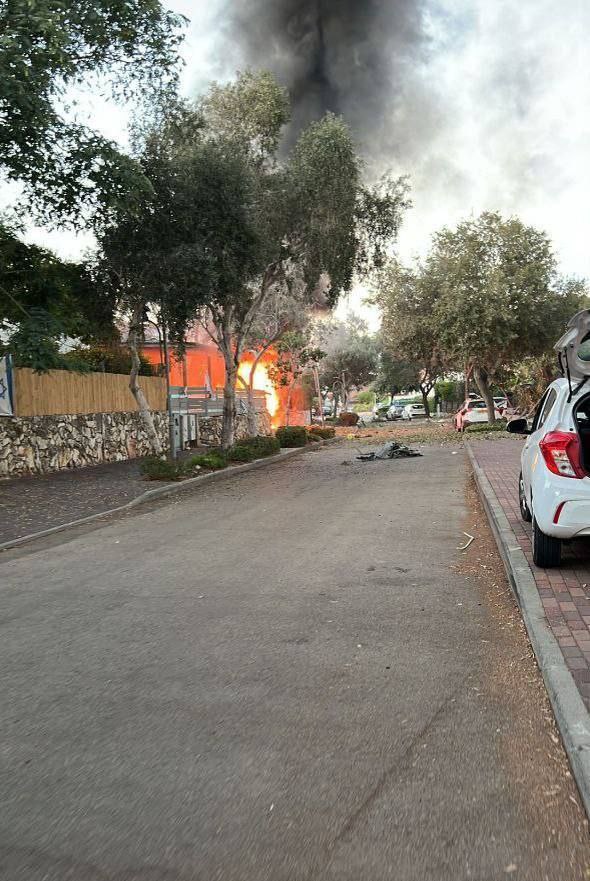
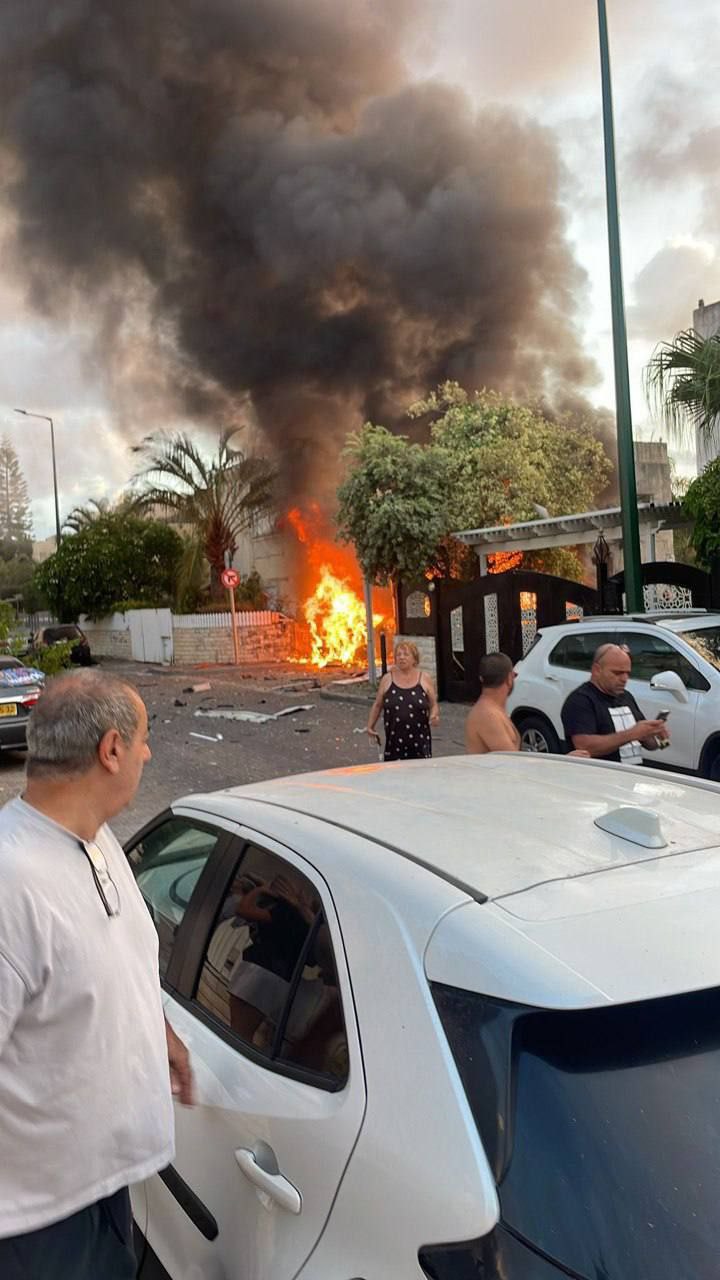
    The fall of Hezbollah rockets or Israeli air defense missiles has caused fire and destruction in the town of Al-Nasra and other occupied areas.
    Hezbollah’s rockets hit or fell in the occupied territories
    Zionist settlers flee to shelters after Hezbollah rocket attack

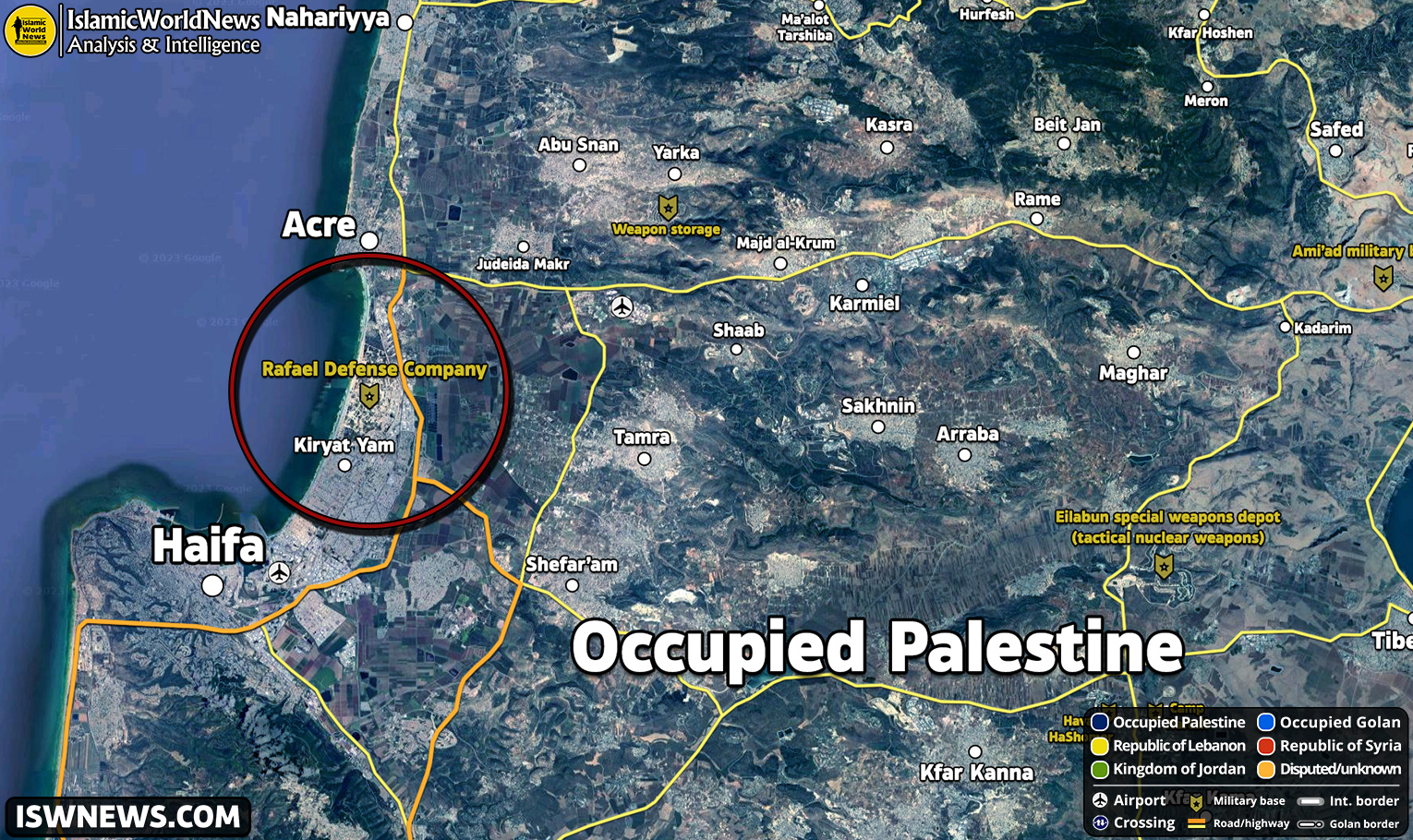
    In the third operation, which was carried out as part of Hezbollah’s initial response to the brutal crime of the Israeli enemy in various regions of Lebanon on September 17 and 18 (the explosion of pagers and other communication devices), the Rafael military industrial facility, situated in north of Haifa, was attacked with Fadi-1 and Fadi-2 rockets and Katyusha rockets.

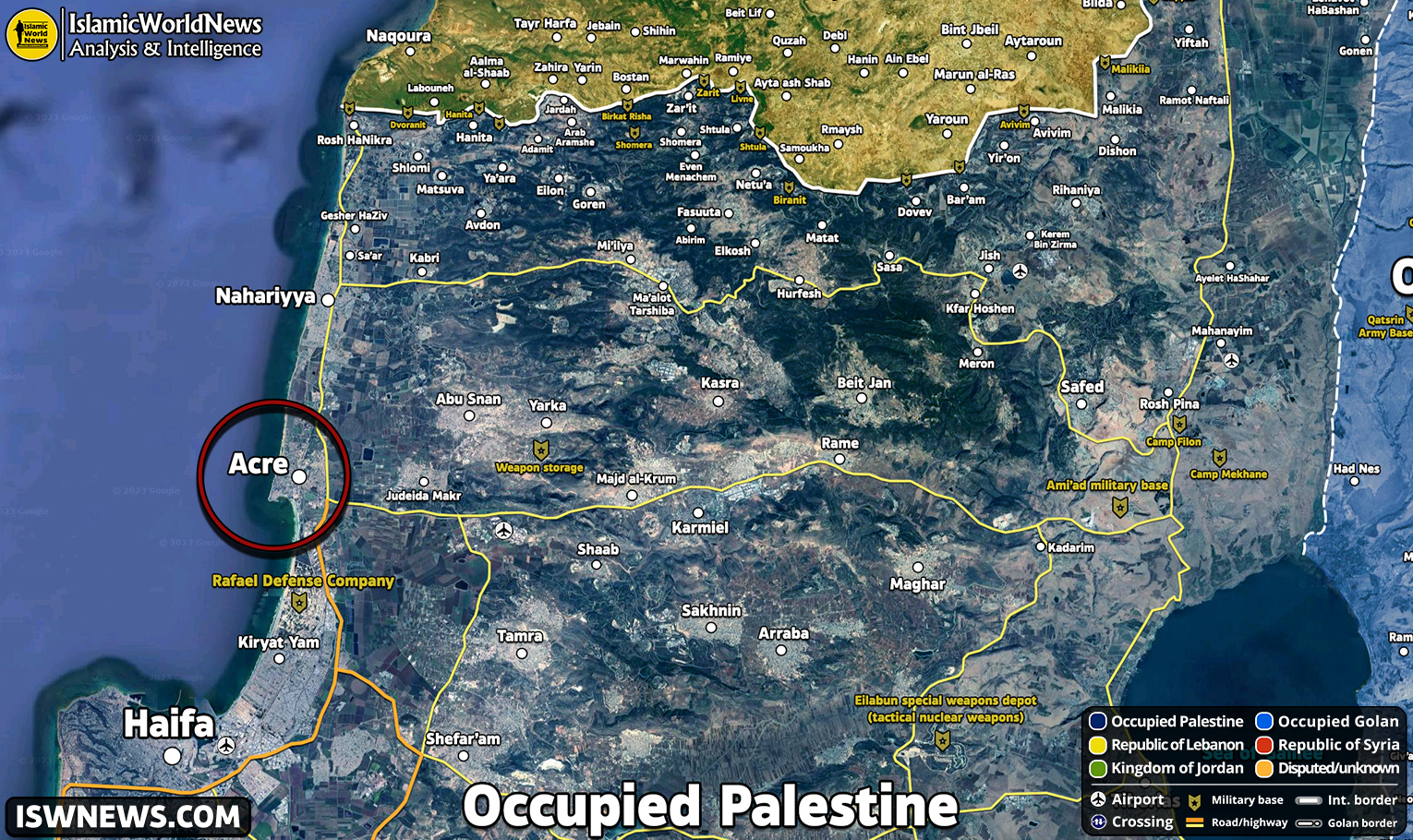
    The Rafael Advanced Defense Systems Ltd. is a specialized manufacturer of electronic devices and equipment and is located in the north of the city of Haifa.

    Rafael company in the suburbs of Haifa

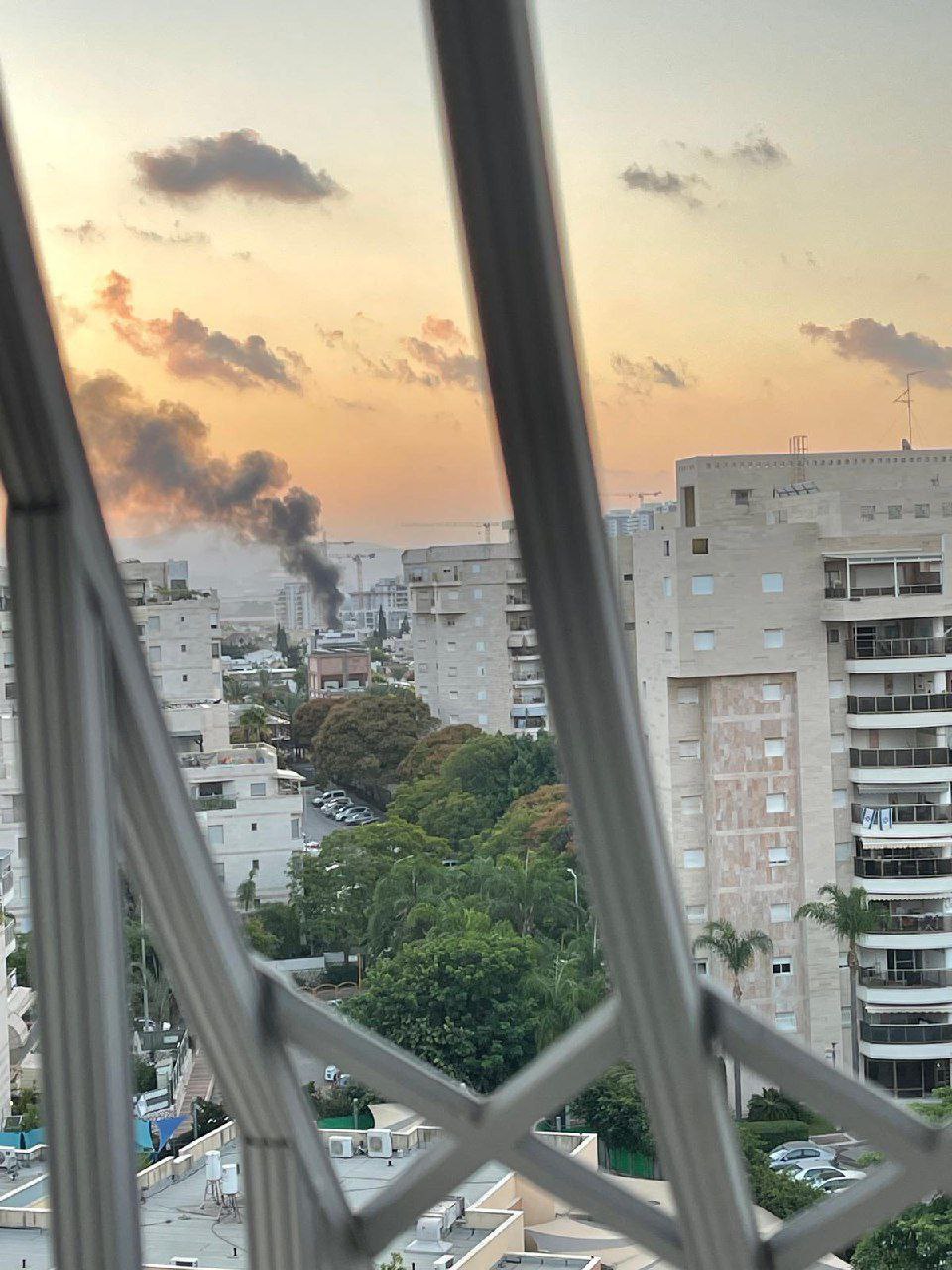
    Hezbollah’s today attacks on the city of Haifa have forced at least 300,000 residents of the Israeli-occupied territories to escape. Various pictures and footages of fires and heavy smoke in the cities of Nazareth, Tamra as well as other towns around Haifa also indicate that, contrary to the Israeli regime’s claims, the great number of Hezbollah rocket attacks have caused a lot of damage and destruction to the occupied territories. As the scale of Hezbollah’s strikes expands, the internal pressure on Israeli Prime Minister Benjamin Netanyahu’s cabinet and the wave of migration from the north to the center of occupied Palestine will surge. Perhaps if such attacks had been carried out in previous rounds of escalations between Hezbollah and the Tel Aviv regime, Israel may not be able to escalate tensions and embark on such heinous terrorist attacks against the Lebanese people.

    Today’s military operation is Hezbollah’s first large-scale rocket assault and its second military incursion deep into Israeli army’s positions following the drone strikes on the Glilot base and the Ein Shemer Airfield in the center of occupied Palestine. With this new attack, Hezbollah increased the range of its rocket strikes to a distance of 50 kilometers from Lebanon’s southern border. In a speech commemorating the martyrs of the second Israeli terrorist attack in Lebanon’s capital city Beirut, which led to the martyrdom of senior Hezbollah commander Fuad Shukr, Hezbollah’s Secretary-General Sayyed Hassan Nasrallah warned that the Lebanese resistance movement possesses the ability to carry out rocket attacks in all areas of the Israeli-occupied territories from Kiryat Shmona to Eilat, which could increase the number of displaced Israeli settlers to two million.

    Hezbollah’s retaliatory operations on the southern Lebanon and northern Palestinian fronts kicked off on October 8 last year in order to actively support the Palestinian people and resistance groups in the Gaza Strip. During the operation, the Lebanese resistance movement used rockets, drones, anti-armor ammunition and artillery to pound numerous positions of the Israeli regime’s army in the northern areas of occupied Palestine as well as the Israeli-occupied Golan Heights of Syria more than 10 times on a daily basis. It is worth mentioning that 485 Lebanese resistance commanders and fighters have been martyred as a result of the Israeli regime’s strikes.

    Several Hezbollah rockets hit Tamra town.
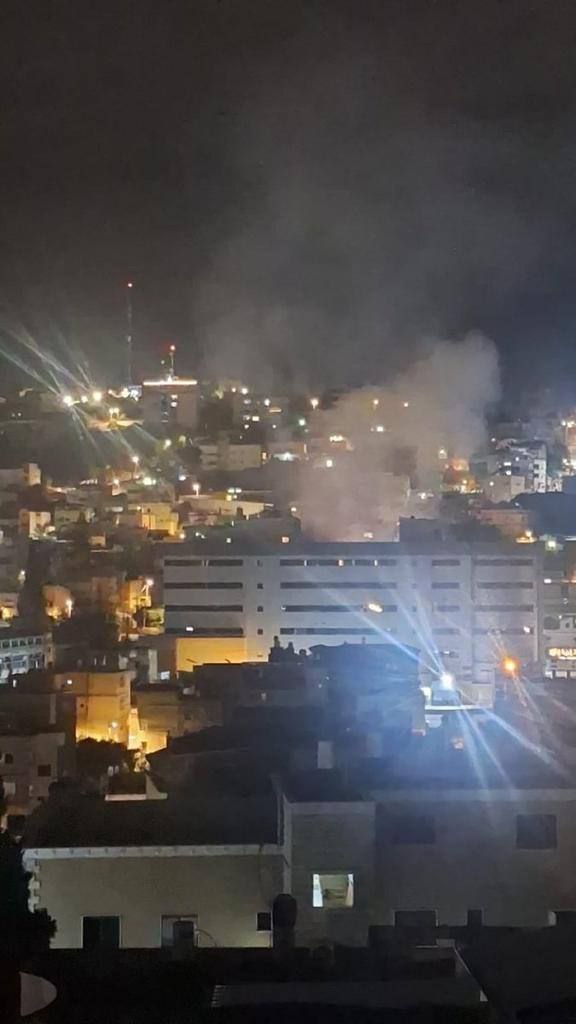
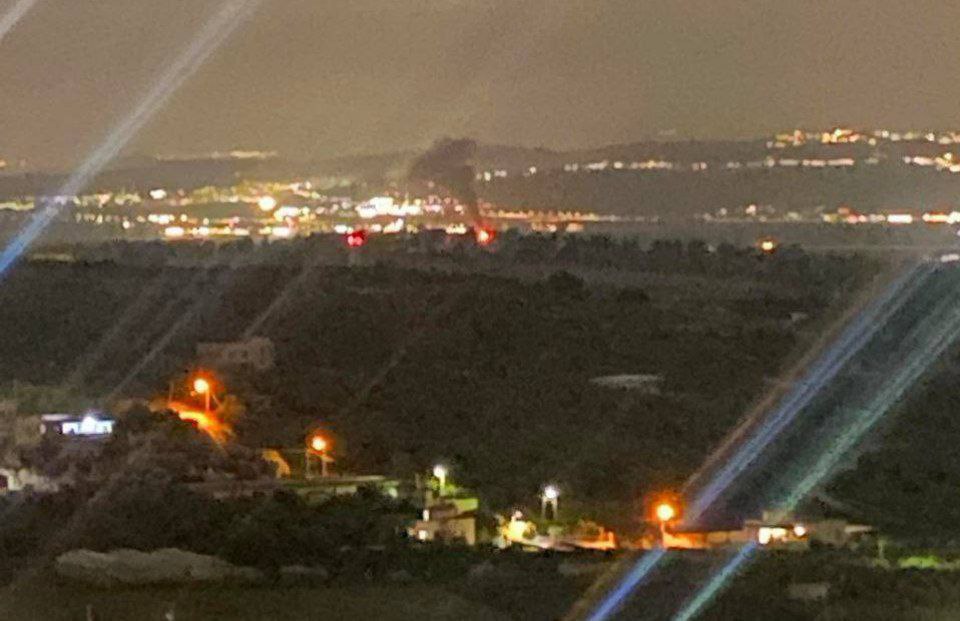
    Fires and smoke in occupied settlements following repeated rocket attacks by Hezbollah
    Fires and smoke in occupied settlements following repeated rocket attacks by Hezbollah
    Fires and smoke in occupied settlements following repeated rocket attacks by Hezbollah
    Fires and smoke in occupied settlements following repeated rocket attacks by Hezbollah
    Video
    Fires and smoke in occupied settlements following repeated rocket attacks by Hezbollah
  • Israeli Strikes In Beirut Murdered 31; A Senior Hezbollah Commander Martyred

    Israeli Strikes In Beirut Murdered 31; A Senior Hezbollah Commander Martyred

    On Friday, the Zionist warplanes fired two missiles at a building near the Martyr Seyed Hadi Nasrallah highway in the Dahieh area south of Beirut.

    During this attack, 15 commanders and senior members of Hezbollah were martyred, including Ibrahim Aqil known as Haj Tahsin, the senior military commander of Hezbollah. The United States had previously set a $7 million reward for providing any information about him.

    In a statement claiming responsibility for the strike, the Israeli army said that the main target, Ibrahim Aqil, was the head of Hezbollah’s military operations, the acting commander of the group’s elite Radwan Force.

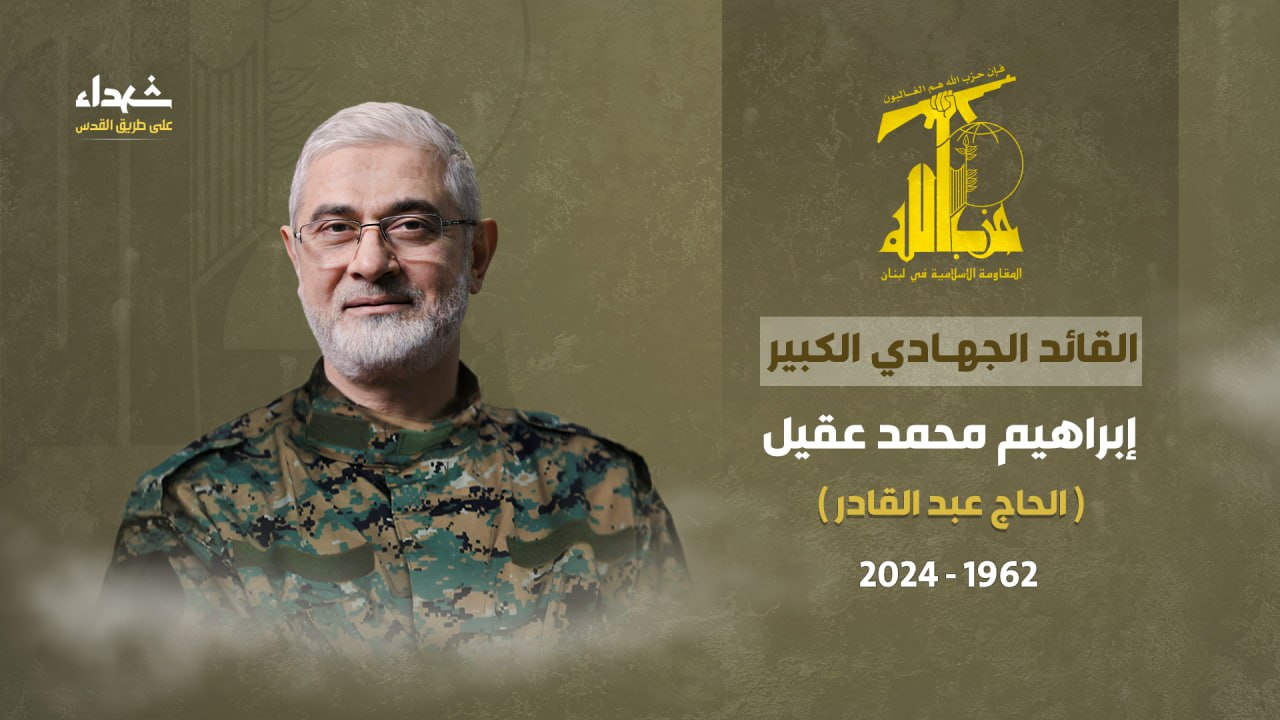
    Ibrahim Aqil, known as Hajj Abdul Qader, was also the most senior military member of the Jihad Council, Hezbollah’s top military body, after Israel’s assassination of Fuad Shukr in a strike in Beirut in July.

    Martyr Ibrahim Aqeel known as Haj Tahsin

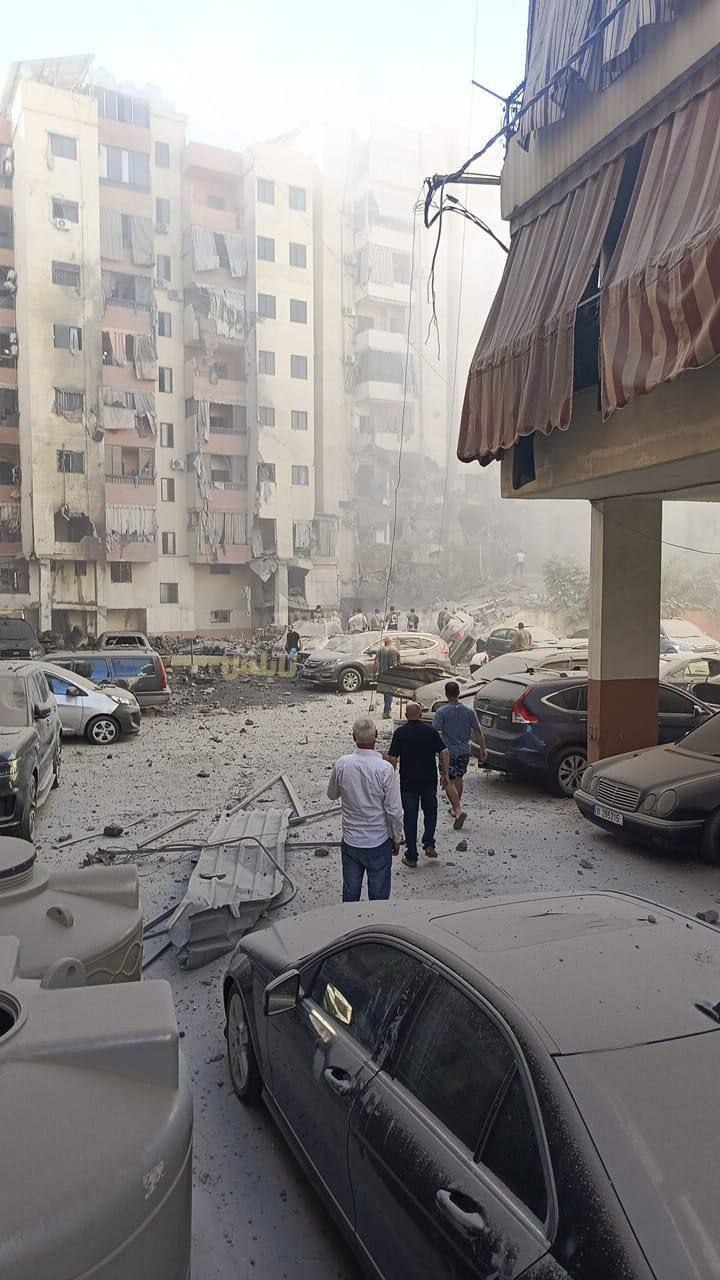
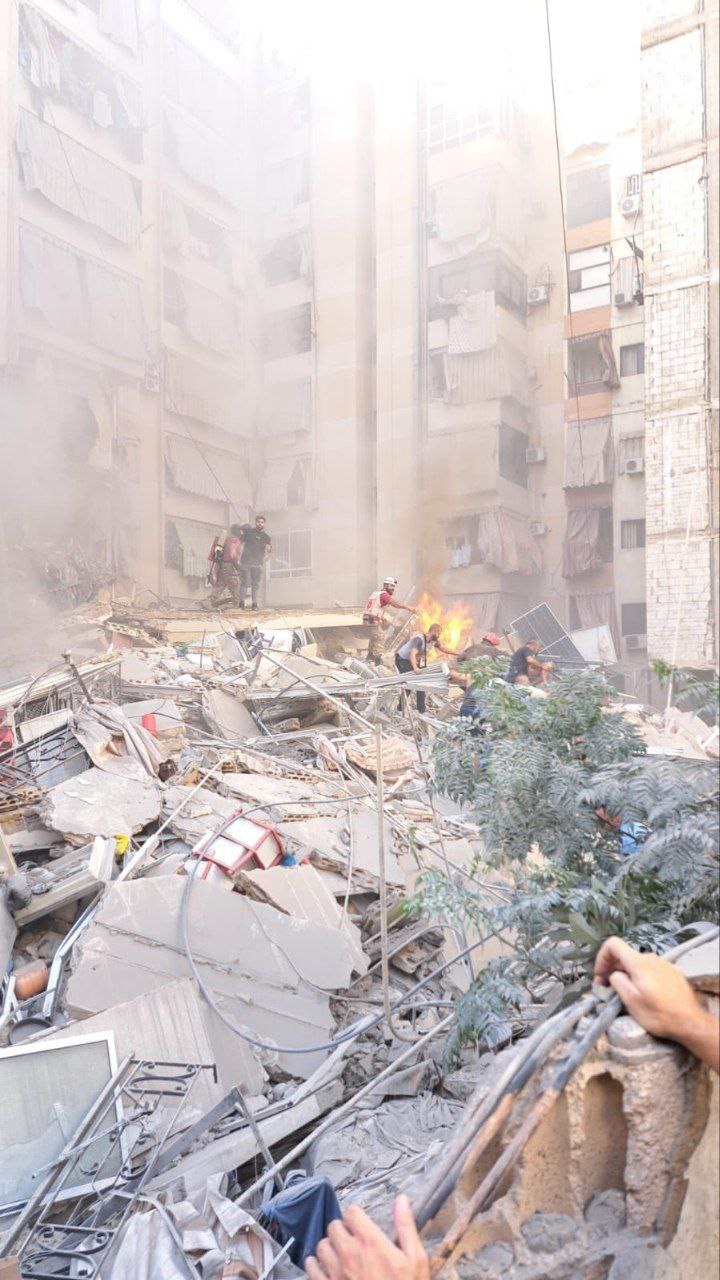
    According to the Lebanese Ministry of Health, a total of 31 people, including three children and seven women, were martyred and 68 others were injured in this terrorist attack. The operation of Lebanese rescuers to remove the debris and try to find the missing continues.

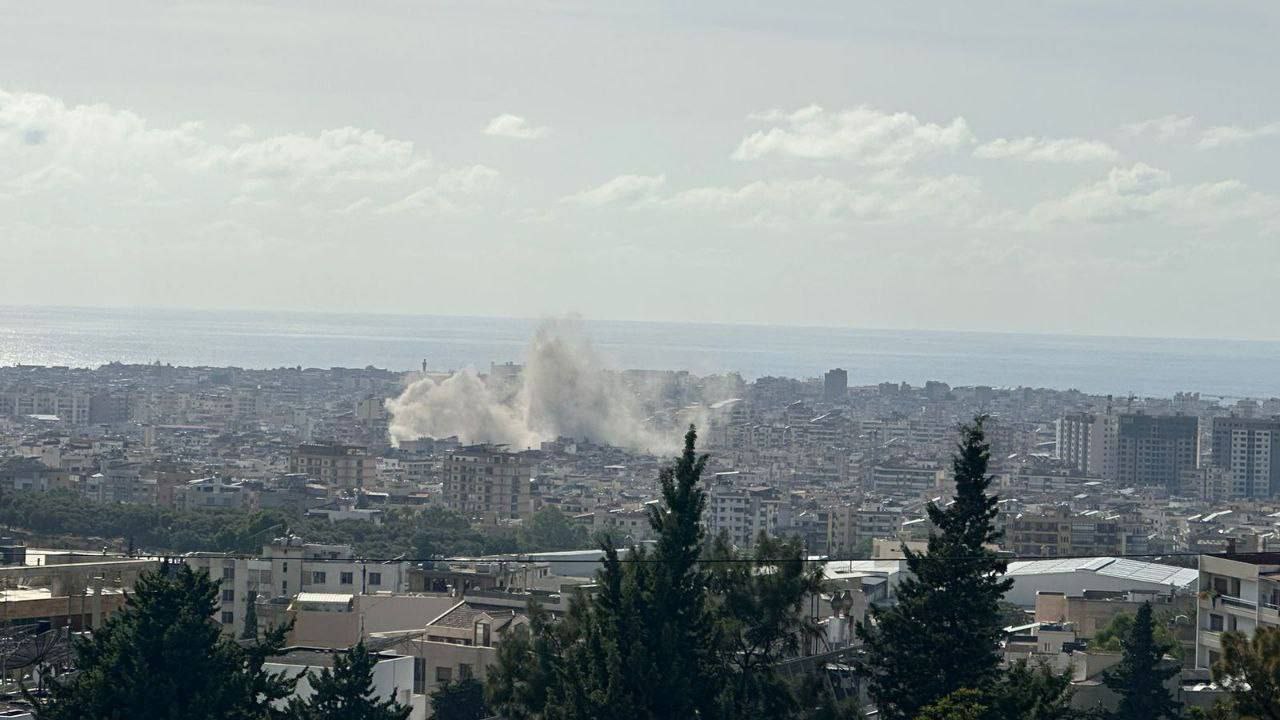
    Aftermath of Israeli airstrikes in Dahieh Beirut

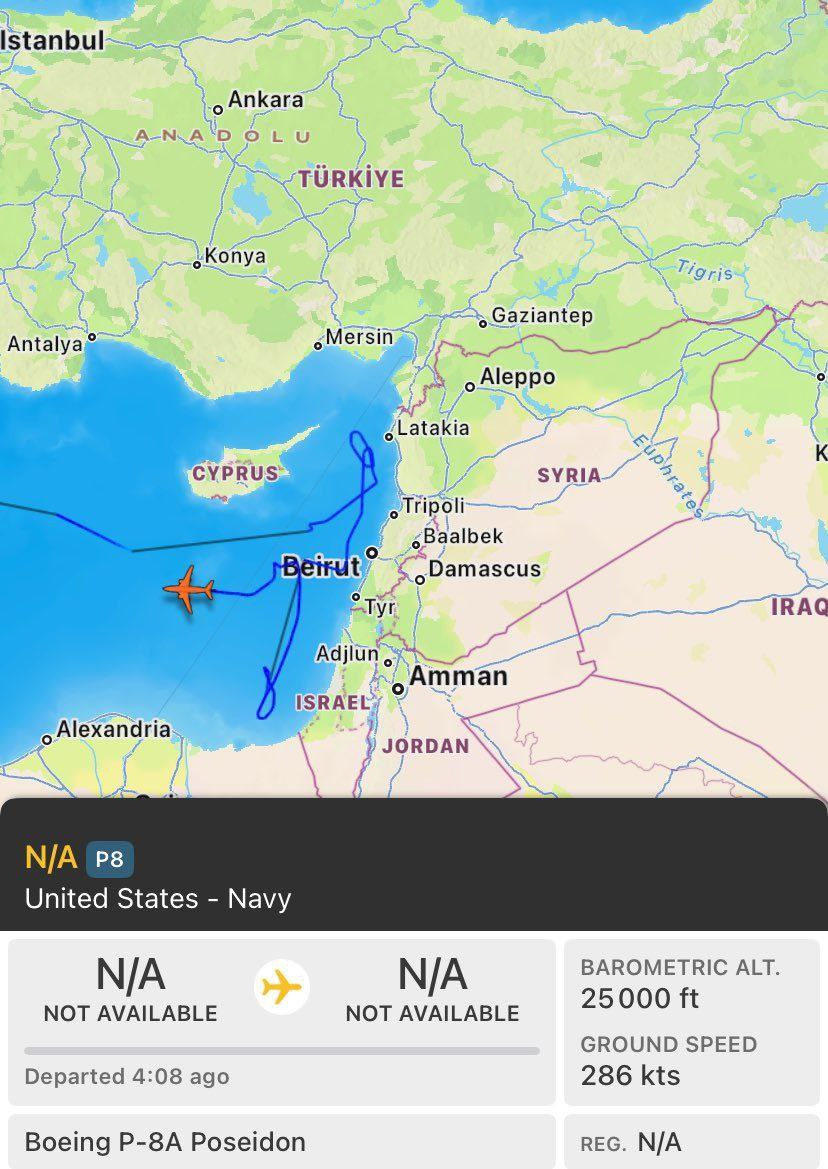
    The interesting thing to note was the presence of the US patrol and reconnaissance aircraft around Lebanon before the Zionist airstrike.

    Investigations show that the American Poseidon P8 patrol and reconnaissance aircraft was patrolling the eastern sky of the Mediterranean Sea before the terrorist attack by the Israeli army in the Dahieh of Beirut.

    American Poseidon P8 patrol and reconnaissance aircraft over the eastern sky of the Mediterranean Sea

    A Zionist media published alleged detail of Israeli aggression in Dahieh Beirut:

    “This afternoon, the information about presence of Ibrahim Aqil and senior Hezbollah officials in a secret apartment in the heart of Dahieh neighborhood of Beirut received. Despite the complexities of attacking an apartment, from the moment their information reached the Israeli Air Force, they quickly planned the attack. The entire event lasted only a few hours and was not an assassination that had been planned for a long time. In fact, this assassination was the ultimate use of an “operational opportunity”.

    The report added that “the authorization of the attack to assassinate Ibrahim Aqil was immediately approved by the Chief of Staff of the Army, Herzi Halevi, who was visiting the northern front at the time. The Chief of Staff approved the attack and also communicated it to the political elite (Benjamin Netanyahu, Prime Minister of the regime).

    This attack was defined as “necessary opportunity for execution” and the political class approved it, and the attack was carried out minutes later. After the assassination, the security officials in Israel said: “Now Nasrallah does not have two of the most important people who were sitting next to him in every situation. When we talk about “a new phase in the war”, this is exactly what we mean. “Beirut used to be a red line, but now there is no red line.”

    Hezbollah mourned Aqeel in an official statement, saying “one of its great leaders was martyred on the road to Al-Quds.” The statement also said the “great jihadist leader” had “joined the procession of his brothers, the great martyr leaders, after a blessed life full of jihad, work, wounds, sacrifices, dangers, challenges, achievements, and victories.”

    Hezbollah martyrs in Dahieh Beirut airstrike

    The Israeli airstrike on Beirut came just a few days after another terrorist sabotage attacks in which pagers and wireless devices exploded across Lebanon, murdering at least 44 people and wounding more than 3,500 others.

    Hezbollah Secretary-General Hassan Nasrallah vowed retaliation in his latest speech.

    Hezbollah and its allies in Lebanon have been launching near-daily attacks against the Israeli regime in support of the Gaza Strip since the start of the Israeli genocidal war on the Palestinian enclave last October. While Israel has so far limited its response to strikes, it appears to be heading to an all out war with Lebanon.

    So far, the limited confrontation has resulted in 26 civilian deaths in Israel and the occupied Syrian Golan Heights as well as the deaths of at least 22 soldiers and security officers. On the Lebanese side, more than 900 people have been killed, including 497 fighters of Hezbollah and over 150 civilians.

  • Israeli Pager Attack Creates Shocking, Unexpected Turning Point In Ongoing Battle

    Israeli Pager Attack Creates Shocking, Unexpected Turning Point In Ongoing Battle

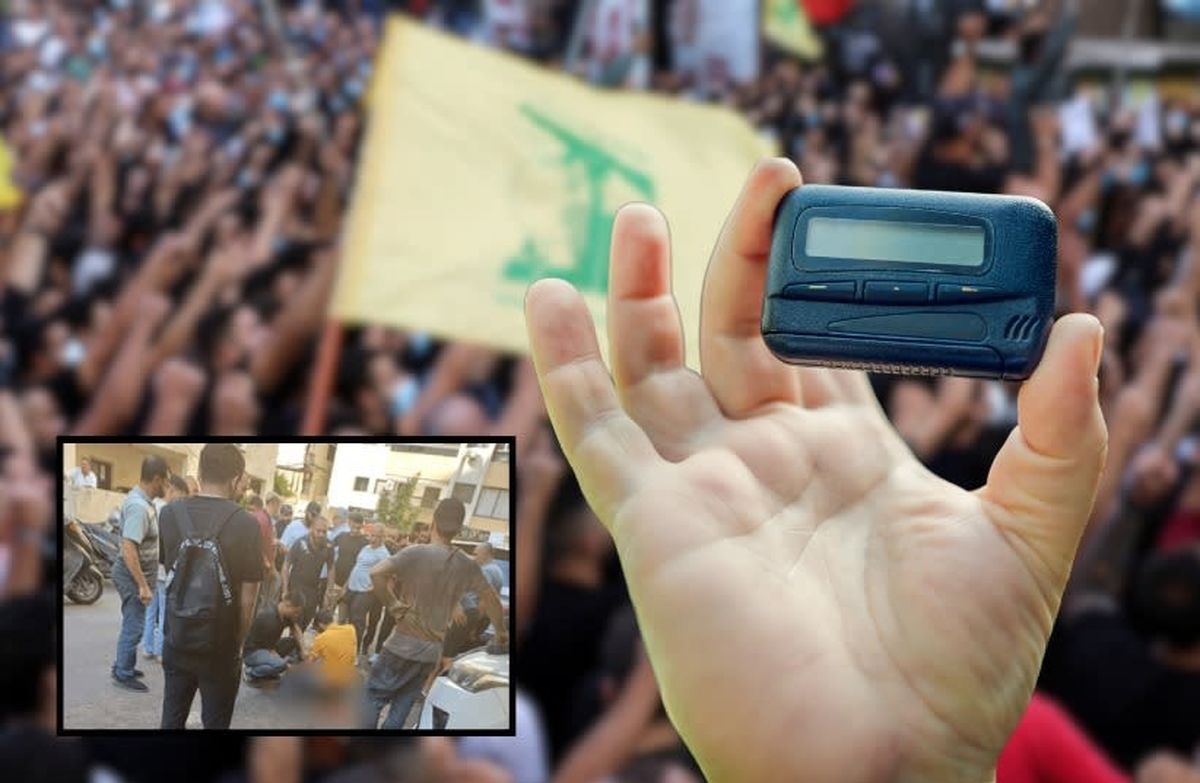
    On Tuesday, various districts of Lebanon and even Syria experienced the explosion of pagers (wireless telecommunications devices) and the martyrdom and wounding of thousands of Lebanese people, including Hezbollah fighters.

    A day after, another round of explosions took place in different areas of Lebanon. These explosions led to death of 32 people and 450 wounded.

    These fatal incidents requires a series of comprehensive researches and analyses to comprehend the repercussions of the use of electronic devices in the wake of the cyber-information warfare, particularly in the ongoing battle and the current complicated regional circumstances.

    First and foremost, it is essential to pay attention to the important difference between traditional warfare that relies on direct military force and modern warfare, which is carried out using intelligence apparatuses and electronic (cyber) infiltrations. When it comes to the modern warfare, one of the requirements for each warring side is high technical skills, it is possible for each party of the conflict to attack targets without leaving any evidence of itself, or penetrate into the other party’s systems.

    Read more:
    12 Martyred, 2,800 Injured In Targeted Explosions Of Pagers in Lebanon, Syria
    Explosions In Lebanon; This Time Wireless Devices! (Video)

    1- At this moment and in the ongoing battle, the United States and the Israeli regime have become more inclined to cyber warfare in the wake of information warfare, which gives them the ability to achieve strategic objectives without direct confrontation and all-out military fight. This will make the response by the Lebanese resistance movement Hezbollah more problematic and complicated.

    2- At the same time as these incidents, the Israeli regime kicked off intensive media propaganda campaign, and it was declared that these pager explosions were carried out after they succeeded in infiltrating Hezbollah and that the fatal incident took place as a result of a security breach. Such actions are part of a strategy of psychological warfare aimed at weakening the morale of the Lebanese resistance fighters and putting pressure on Hezbollah’s commanders.

    3- The pager incident proved that in the field of cyber warfare, there is not any absolute security guarantee due to the fact that technologies are continuously advancing and new vulnerabilities are discovered every day; thus, the field of cyber warfare is full of unanticipated surprises, and even the Israeli regime is not immune from these challenges despite its technological superiority.

    Consistent with the abovementioned issues, it can be noted that the incident of the explosion of pagers in Lebanon and Syria discloses a qualitative shift in the methods of warfare and highlights the significance of precautionary cyber-intelligence measures more than in the past.

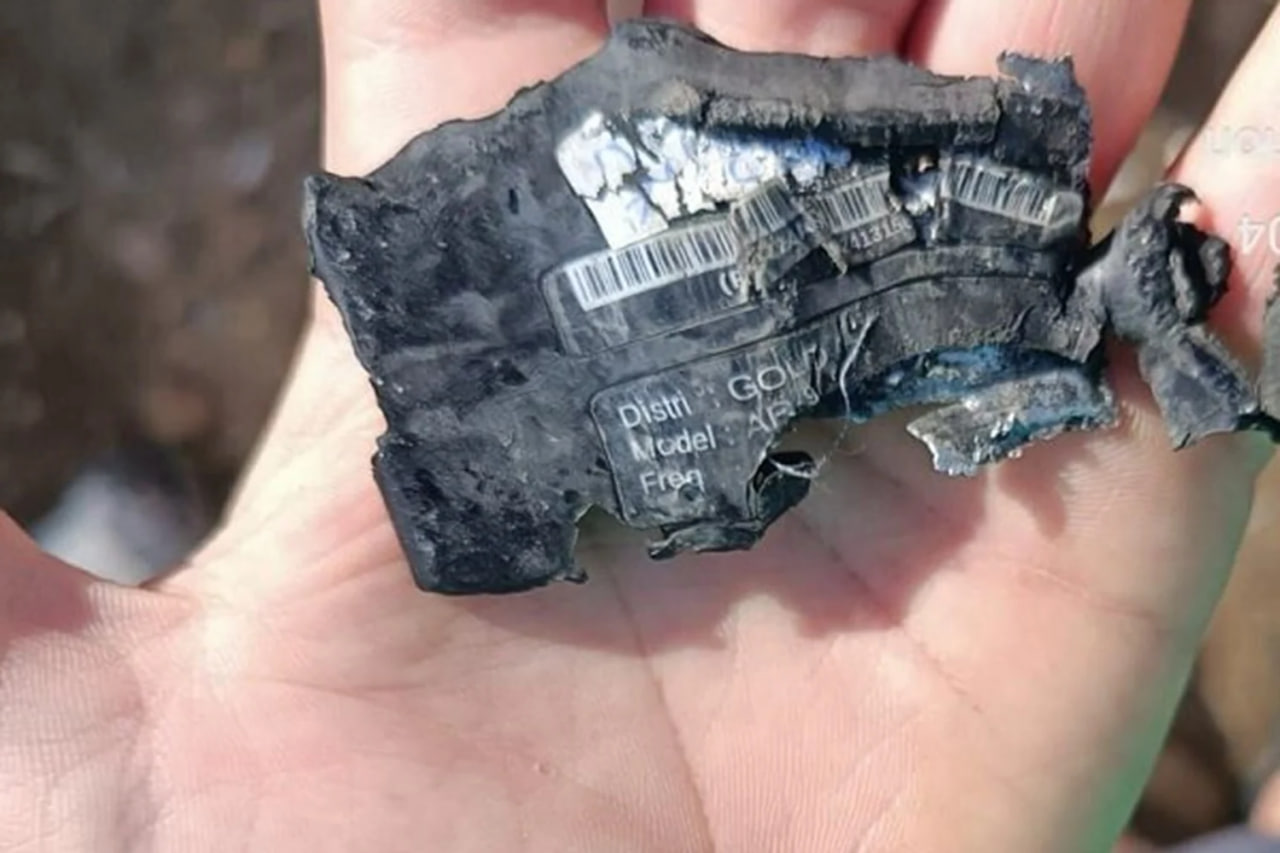
    Investigations indicated that the detonated pagers are known as the AR-924 model, which are manufactured by the Taiwanese company Gold Apollo. The company specializes in wireless paging systems such as pagers and alphabetic transmitters.

    In this respect, Founder and Chairman of Gold Apollo Hsu Chingkuang said that Taiwanese company did not produce the exact pagers used in the explosions in Lebanon and Syria. He claimed that the pagers used in the explosion were made by a company in Europe named BAC Consulting Kft, which is entitled to use the brand of this Taiwanese company to manufacture such products.

    It is said that the Israeli regime hatched a plot to blow up these devices at the onset of the military operation against the Lebanese resistance movement, but after a number of Hezbollah fighters recently suspected the pager devices and the Tel Aviv regime intercepted their conversations, the regime’s authorities decided to blow up the communication devices so as not to miss the opportunity.

    According to Israeli news sources, in addition to the explosives attached to the devices, they were also contaminated and the Israeli intelligence agencies had the ability to listen to messages conveyed and received by Hezbollah fighters.

    The Israeli authorities’ hasty decision to blow up the pagers and wireless devices because of the likelihood of revealing the espionage operation led certain Israeli security entities to consider it a loss of a enormous source of information due to the fact that Israeli institutions have been controlling numerous of Hezbollah’s messages over the past four months.

  • Explosions In Lebanon; This Time Wireless Devices! (Video)

    Explosions In Lebanon; This Time Wireless Devices! (Video)

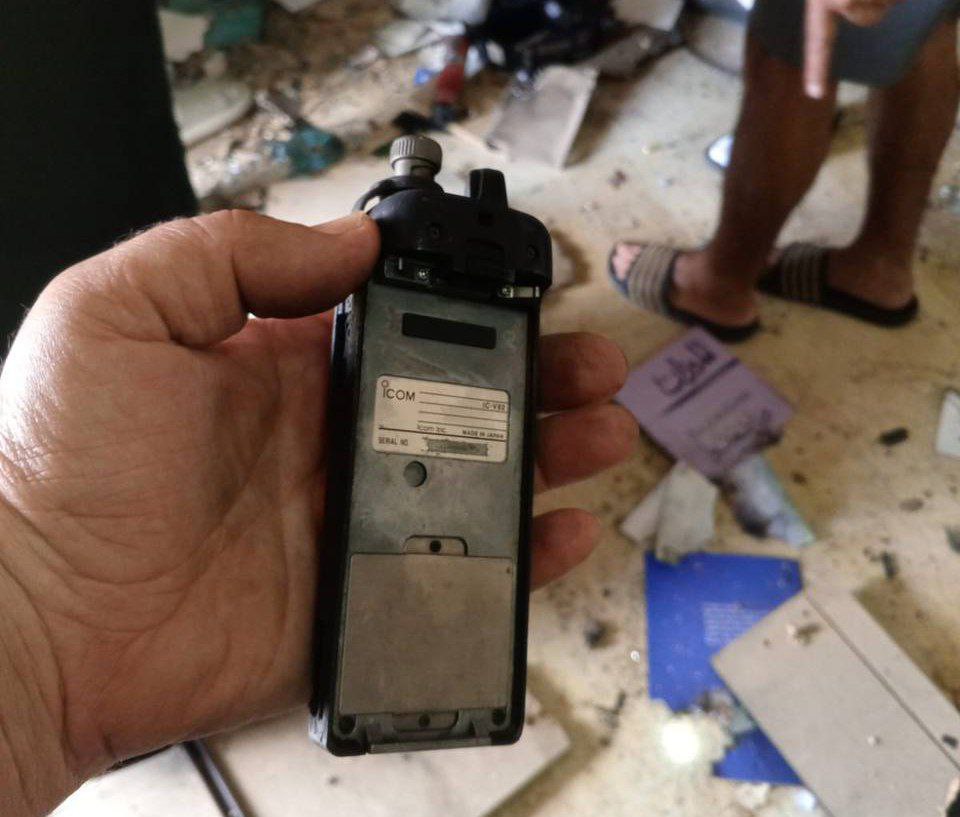
    After yesterday’s widespread explosion of pagers in Lebanon, wireless devices, laptops and some other communication devices exploded this evening. These explosions caused a lot of damage in different cities of Lebanon.

    Lebanon’s Ministry of Health announced as a result of today’s explosions, 32 people were martyred and 450 others were injured.

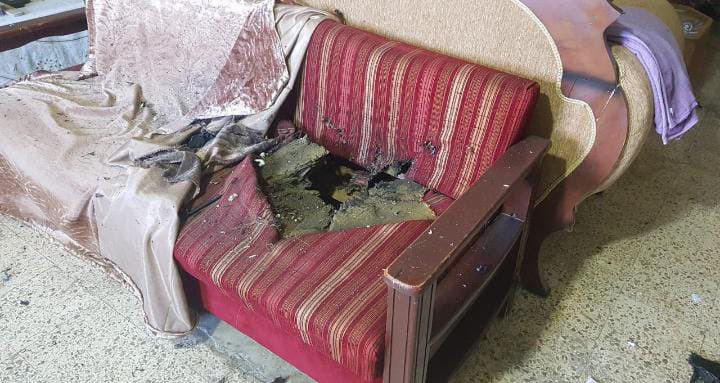
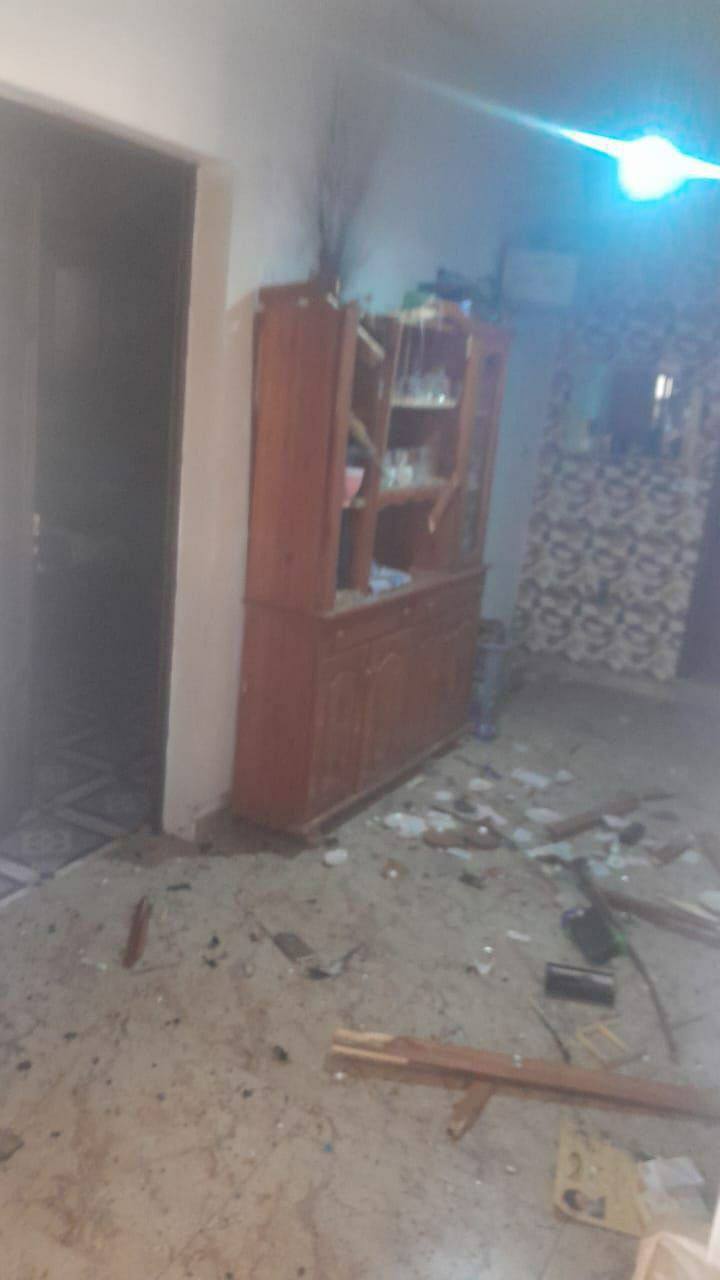
    A fire in the house due to the explosion of the communication devices

    The devices that exploded today as a result of Zionist sabotage attacks are devices that are portable and were not only used by Hezbollah members.

    In addition to the explosions in Beirut, at least five explosions occurred in Sidon and four in Baalbek.

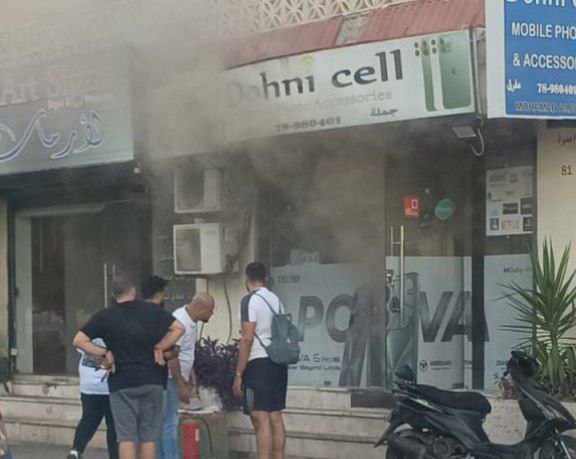
    Explosion in a communication equipment store
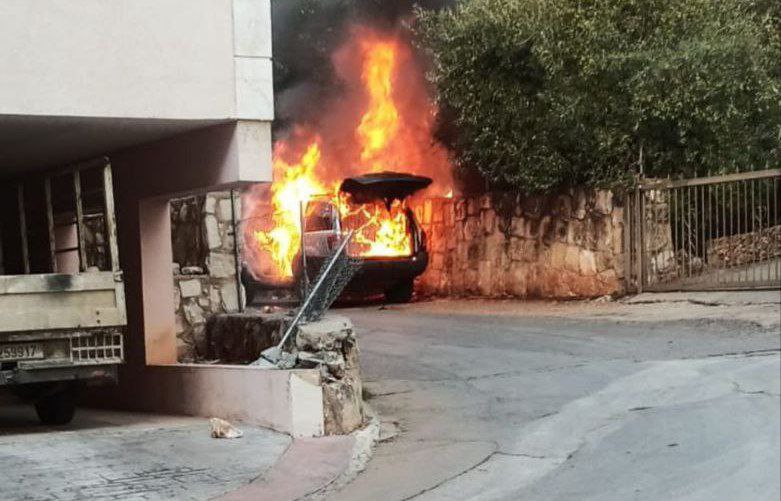
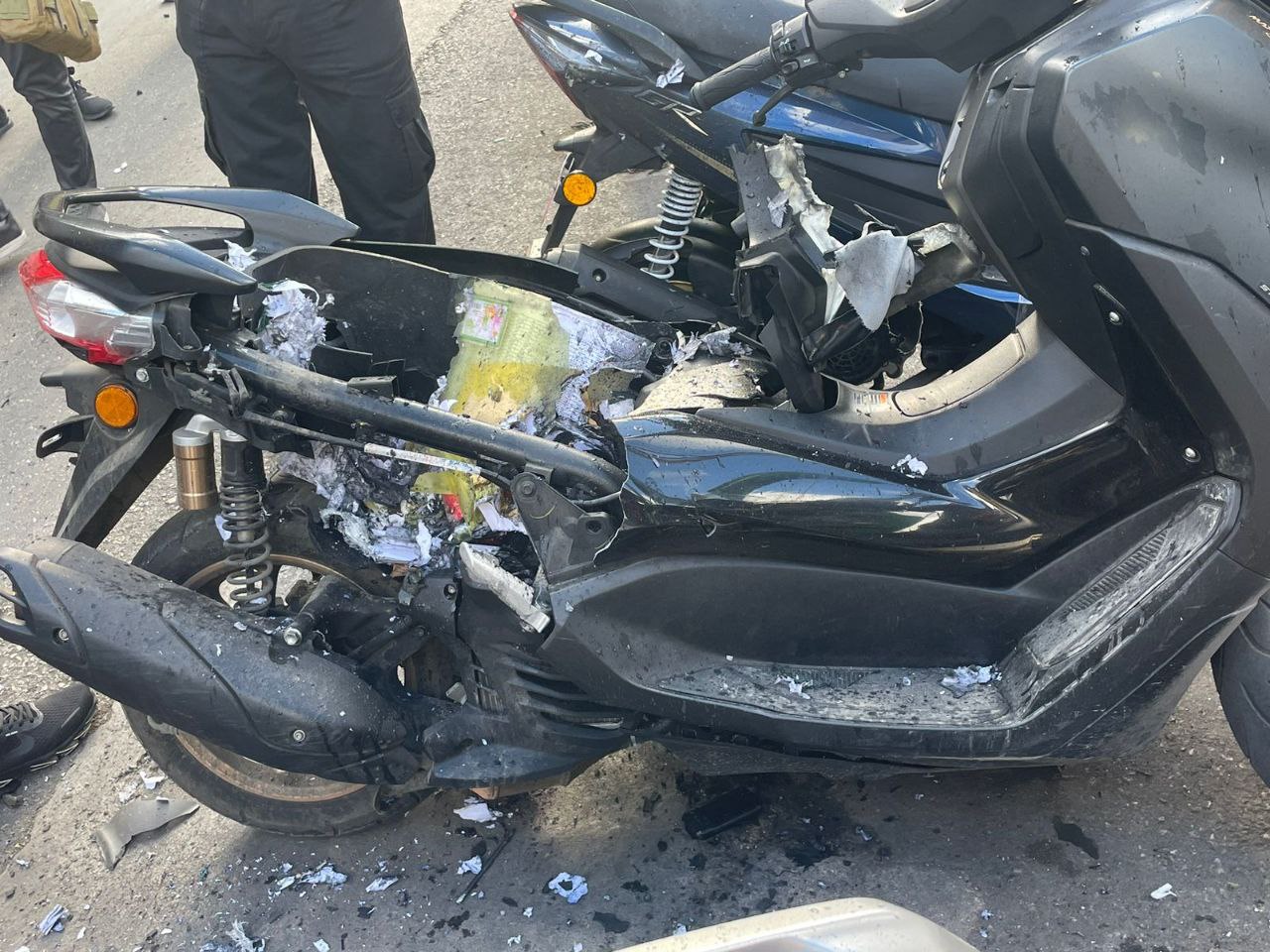
    Fire in the car due to the explosion of the communication device
    The moment when the communication device exploded at the funeral of Hezbollah martyrs

    The authorities of the Zionist regime have not commented on these explosions until now.

    According to Reuters, citing a security source, the communication devices that exploded today were purchased by Hezbollah five months ago. This news shows that the Zionist regime has planned for a long war and continuous strikes.

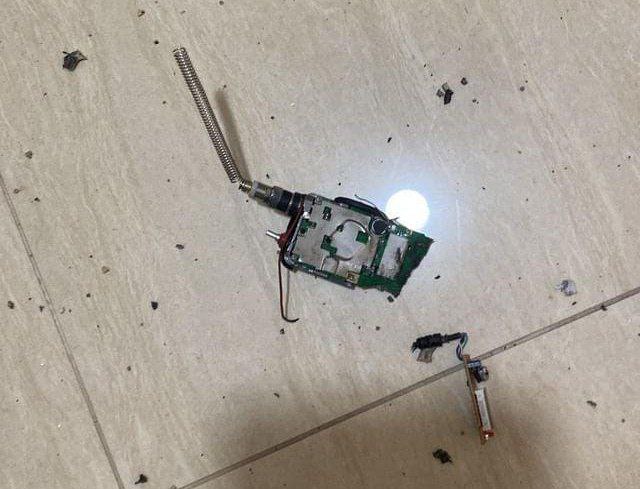
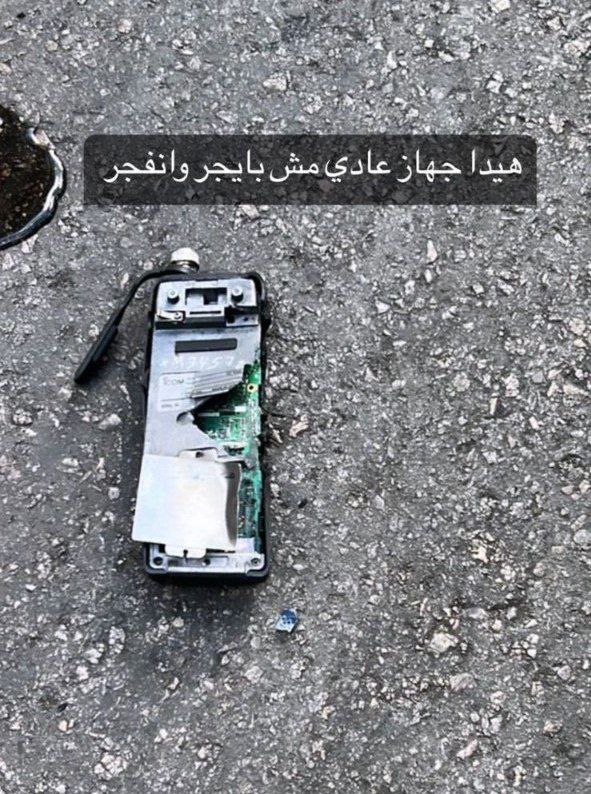
    Aftermath of explosion of communication devices

    Hezbollah hold the Israeli regime fully responsible for these criminal attacks, which targeted civilians in addition to the military personnel, and led to the martyrdom of several people and the injury of a large number of people.

    Hezbollah vowed the traitorous and criminal enemy will definitely be punished for such a brutal aggression.

  • 12 Martyred, 2,800 Injured In Targeted Explosions Of Pagers in Lebanon, Syria

    12 Martyred, 2,800 Injured In Targeted Explosions Of Pagers in Lebanon, Syria

    On September 17, local news sources reported a security incident in the Lebanese capital city Beirut and declared that numerous people were seriously injured during the incident.

    Minutes after the incident, similar reports were published from other areas of Lebanon, including the Beqaa Valley, and even in the Syrian capital city of Damascus, indicating that the pager (wireless telecommunications) devices exploded almost at the same time for unknown reasons, injuring numerous people.

    The Lebanese National Security Agency announced in a statement that wireless telecommunications devices of various types blew up in some areas of the Arab country, injuring a number of citizens.

    According to the latest statistics, at least 12 people, including two Lebanese children, were martyred and almost 2,800 others were injured in the deadly incident. Around 200 injured are reported to be in critical condition.

    Fatima Jafar Abdallah, a Palestinian child who was murdered by a pager explosion in a house in the town of Sarein, Lebanon.

    Iran’s Ambassador to Beirut Mojtaba Amani was also injured in the hand and face as a result of the explosion of the pager of one of his bodyguards. The Iranian envoy is in good condition and is undergoing treatment in Beirut. 

    At least four people were injured when a pager exploded in a car and were taken to medical centers in the Syrian capital city of Damascus.

    Contrary to the allegations propagated by some media outlets, it was not only fighters affiliated with the Lebanese resistance movement Hezbollah who were targeted during the terrorist pager operation in Lebanon. Many of the guards of residential complexes, park rangers, etc. who used pager devices to monitor residential centers as well as environmental preserved areas, were also injured or martyred during the terrorist attack.

    The moment a pager explodes

    In this context, Hezbollah issued a statement in early hours of the incident, declaring that at around 15:30 Tuesday (local time), a number of message-receiving devices known as pagers, which were used by a number of fighters of different units and institutions of Hezbollah, blew up, in which a young girl and two fighters were martyred and many others were injured.

    The competent institutions in the Lebanese resistance movement are now carrying out extensive security and scientific investigations in a bid to find out the causes of the pager blasts at the same time, as well as medical and healthcare staff are also treating the wounded in a number of hospitals in different areas of Lebanon.

    Thus far, there has not been details on how the pagers were detonated, but it is obvious that the main culprit in the terrorist incident is the Israeli regime. Initial investigations show that the attack was the result of explosives planted in a great number of pagers. It is conceivable that the stages of the purchase of the pagers was identified by the Tel Aviv regime and sabotage took place before the telecommunications devices reached the hands of Hezbollah fighters.

    The Lebanese resistance movement declared in its second statement that following prudently examining all the aspects, data and available information about the brutal aggression that took place on Tuesday evening, Hezbollah holds the Israeli regime fully responsible for this criminal pager attack, which targeted civilians in addition to the military personnel, and led to the martyrdom of several people and the injury of a large number of people; therefore, the traitorous and criminal enemy will definitely be punished for such a brutal aggression.

  • Hezbollah Conducts Massive Attack On Israel Dubbed ‘Operation Arbaeen Day’ In Response To Assassination Of Fouad Shukr

    Hezbollah Conducts Massive Attack On Israel Dubbed ‘Operation Arbaeen Day’ In Response To Assassination Of Fouad Shukr

    Hezbollah declared in its initial statement concerning the rocket and drone strikes this morning that in response to the terrorist assault by the Israeli regime’s army in the suburb of the Lebanese capital city Beirut and the cowardly assassination of the senior commander of the resistance movement, Fuad Shukr, the positions of the Israeli army in the northern settlements of occupied Palestine and its military bases in the occupied Golan Heights have been pounded with at least 320 rockets and a large number of suicide drones.

    According to the initial statement, the first phase of the retaliatory operation has been accomplished with full success. The first phase included targeting Israeli barracks and military sites in order to pave the way for the passage of combat drones towards their envisioned targets deep inside the positions of the Israeli regime.

    The list of military sites and regions, which were targeted during the first phase of the retaliatory operation is as follows:
    1- Meron air control base
    2- Neve Ziv artillery base
    3- Ga’aton base
    4- Al-Zaoura artillery base in the occupied Golan
    5- Sahl Brigade HQ in Beit Hillel
    6- Camp Kela in the occupied Golan
    7- Camp Yuav in the occupied Golan
    8- Camp Yitzak in the occupied Golan
    9- Yarden military base in the occupied Golan
    10- Ein Zeitim base north of Safed town
    11- Ramot Naftali barracks

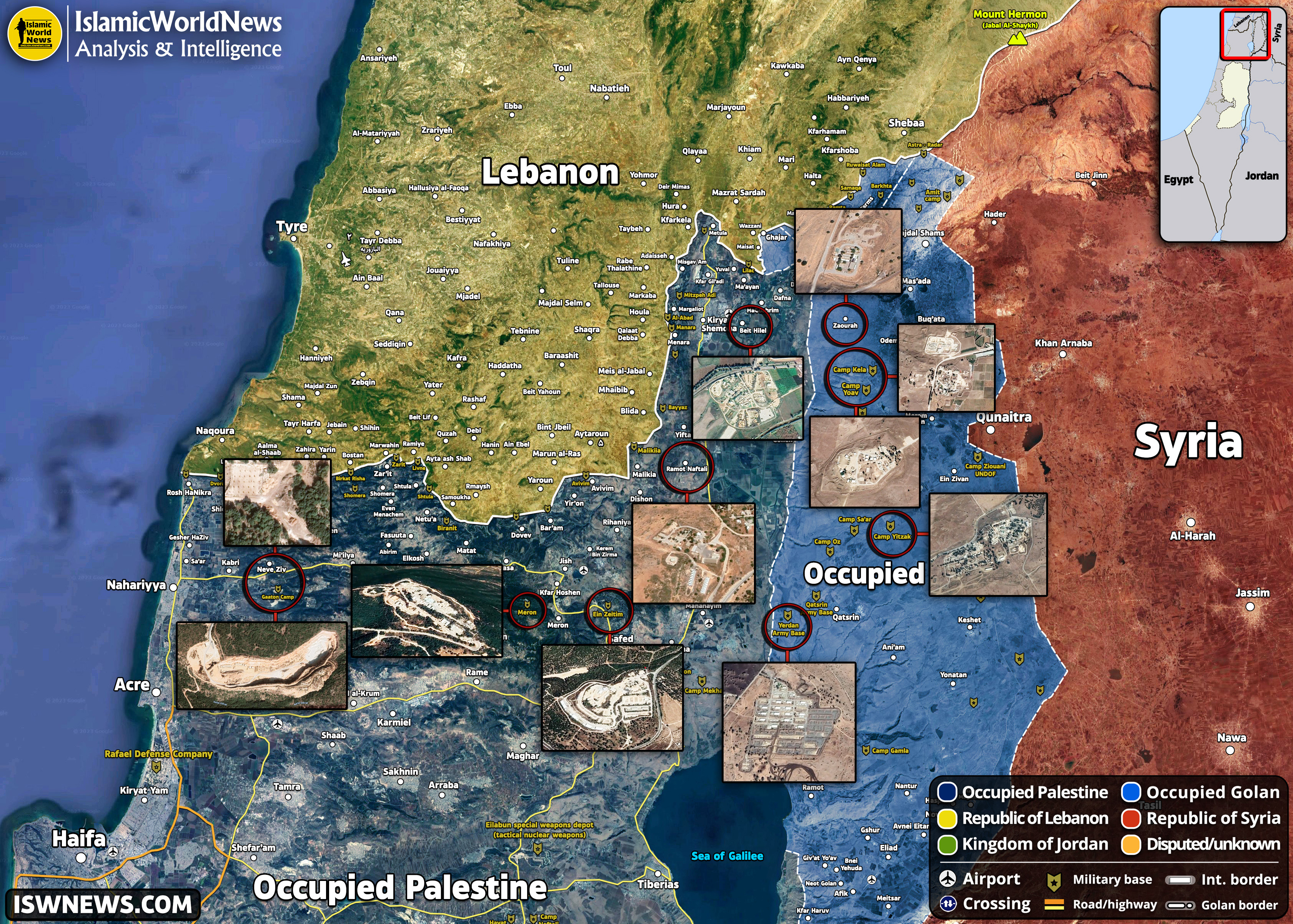
    The military sites and areas that were targeted in this phase of the operation

    Read more: Senior Hezbollah Commander Martyred In Israeli Air Strike

    As it is obvious in the video footages, the Israelis have made extensive preparations to counter Hezbollah’s missile attacks. Hezbollah also noted in its statement that the rockets were fired in order to pave the way for its suicide drones to reach their targets.

    Israeli air defense systems intercepting rockets fired from Lebanese soil (1).

    Israeli air defense systems intercepting rockets fired from Lebanese soil (2).

    The Israeli regime’s army claimed in a new report that Hezbollah’s strike was carried out firing 210 rockets and 20 suicide drones. According to Admiral Daniel Hagari, the spokesman for the Israeli regime’s army, a number of drones were reported to have blown up in the northern areas of occupied Palestine.

    The collapse of the wreckage of Hezbollah’s rockets or missiles launched by the Israeli army caused fires and extensive destruction of buildings in the occupied territories of Palestine.

    A video of a Hezbollah suicide drone flying and hitting road 959 in the occupied Golan
    The moment an Israeli malfunctioned air defense missile hit an Israeli warboat in the coast of Nahariya. One Israeli was killed

    Certain Western and Israeli media quoted officials of the Tel Aviv regime as saying that the US and Israeli armies had accurate information 24 hours prior to this morning strike that Hezbollah had decided to conduct a major retaliatory attack on the Israeli regime by 5 a.m. local time on Sunday, and therefore, Israeli fighter jets have been attacking the areas of Zibqine, between Siddiqi and Yater, Baslia, Haris, Beit Yahoun, Mlikh, Tayr Harfa, Chama, Tel Armez, Deir Siriane, Kfar Melki, Ain Qana, Kounine, Hadath and several other areas in southern Lebanon.

    The US and Israeli reports have not yet been officially confirmed by the officials of the two warrying sides (Hezbollah and Israel), but given the uncertain results of Hezbollah’s operation and the full readiness of the Israeli army to repel the strike, it seems that the nature of the resistance movement’s retaliatory attack has been discovered by American and British planes, and adequate preparations have been made to repel it through extensive and 24-hour surveillance. The Israeli military claimed that more than 100 warplanes participated in a pre-emptive attack on Lebanon, pounding the launch sites of more than 6,000 rockets.

    Israeli army shared the footage of the alleged preemptive airstrikes in southern Lebanon

    Nevertheless, Hezbollah rejected alleged reports in the Western media about the Israeli enemy’s pre-emptive attacks and the disruption of the Lebanese resistance retaliatory operations in its third statement. Hezbollah highlighted in this statement that all the combat drones were launched from their positions at the specified times and crossed the Lebanese-Palestinian border towards the preplanned position in different directions. Such claims are ridiculous and opposing the realities on the ground, and will be denied and addressed in today’s speech by Sayyed Hassan Nasrallah, the Secretary-General of the Lebanese resistance movement Hezbollah. The secretary-general of Hezbollah made a speech at 18:30 Sunday evening on the recent developments.

  • Hezbollah Target Northern Occupied Territories With Suicide Drones And Barrage Of Rockets

    Hezbollah Target Northern Occupied Territories With Suicide Drones And Barrage Of Rockets

    On August 20, Hezbollah fired at least 80 rockets at the Israeli army positions in the north of the occupied territories. According to Israel TV Channel 12, 20 rockets were fired towards Western Galilee.

    The Hezbollah-affiliated media reported that in response to attacks by Israeli fighter jets on the Bekaa province in eastern Lebanon last night (19 August), Hezbollah fired dozens of rockets at the command headquarters of the 210th Golan Division at Nafah base, as well as at the headquarters of the artillery regiment and the 210th armored brigade at the Yarden barracks in the occupied Golan.

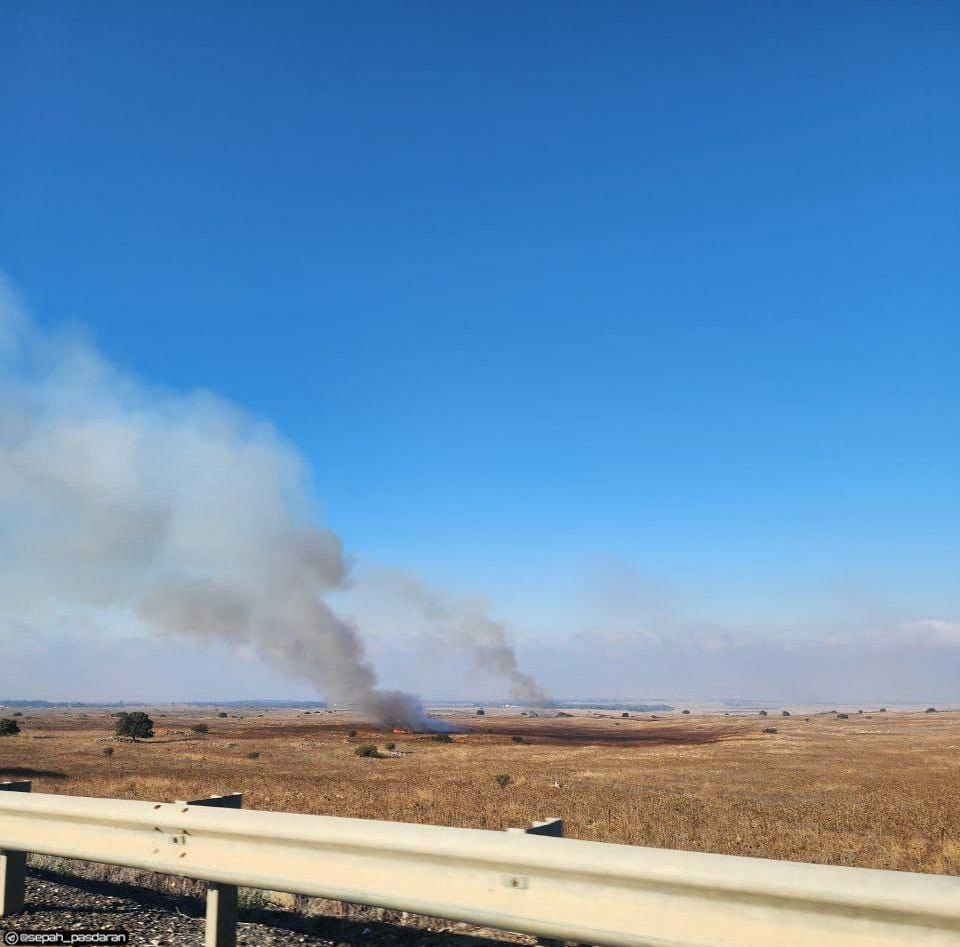
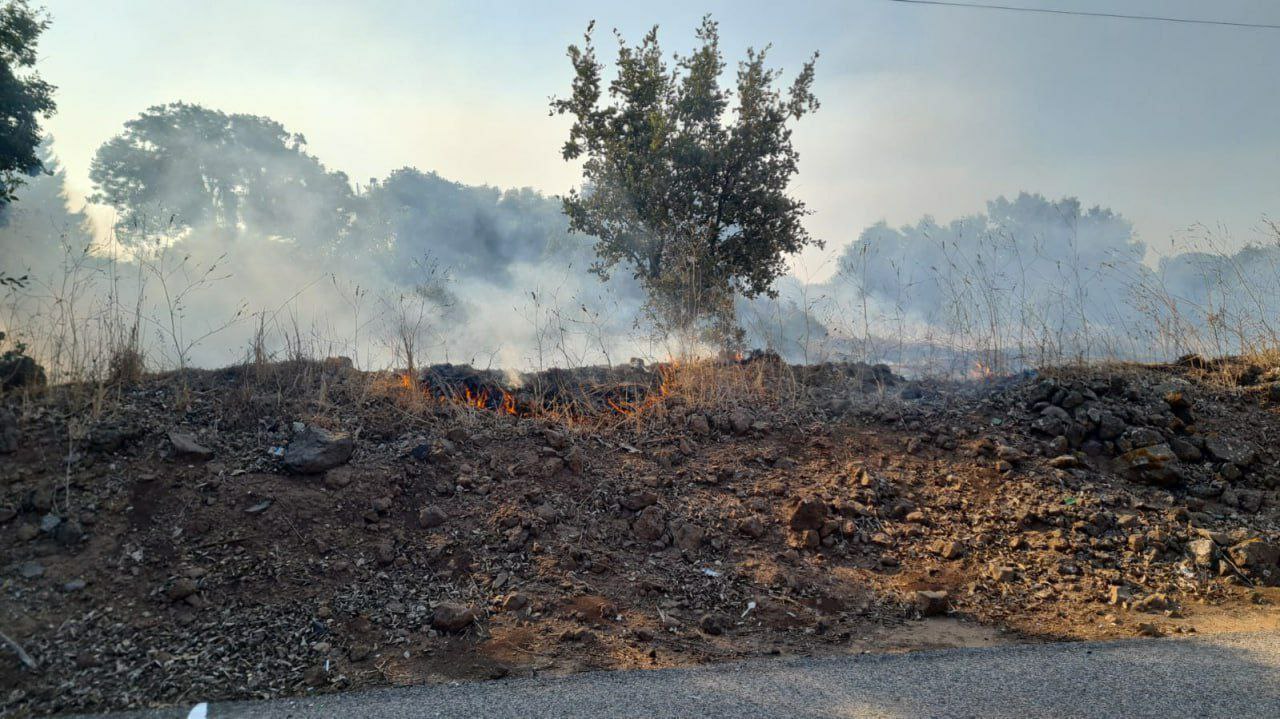
    These attacks did not result in casualties, but caused destruction and fires in some areas of the occupied Golan.

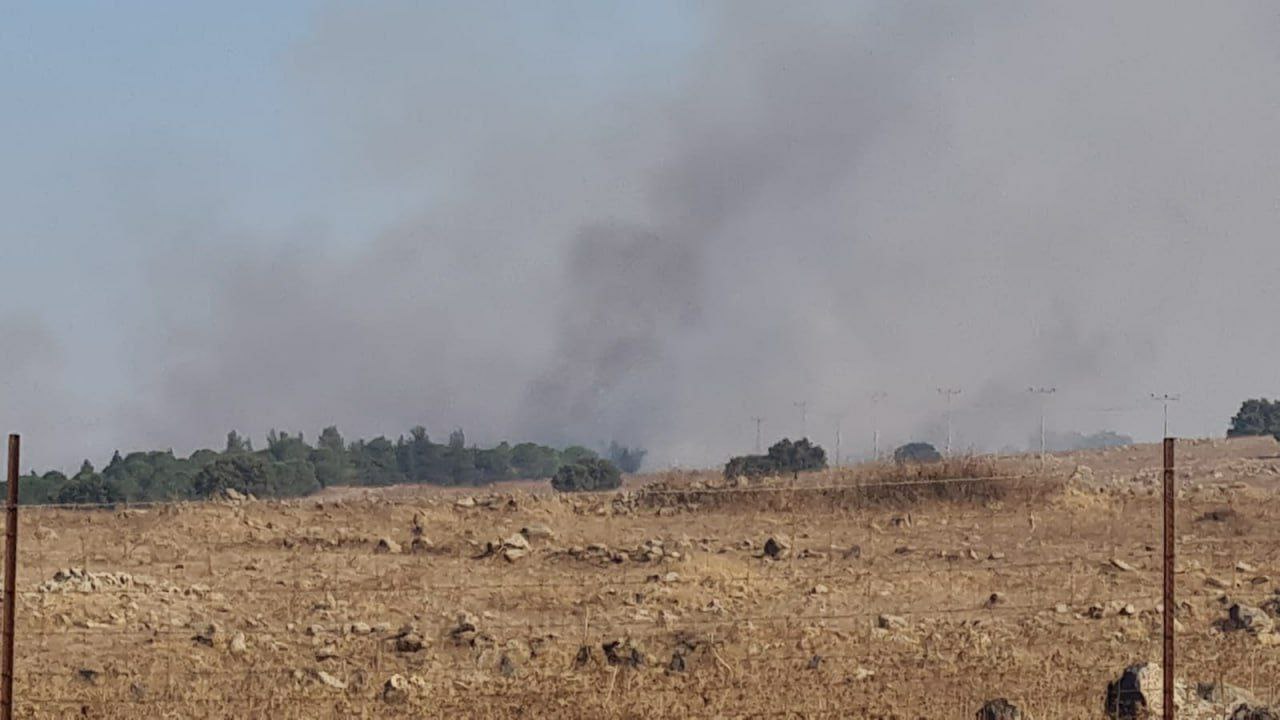
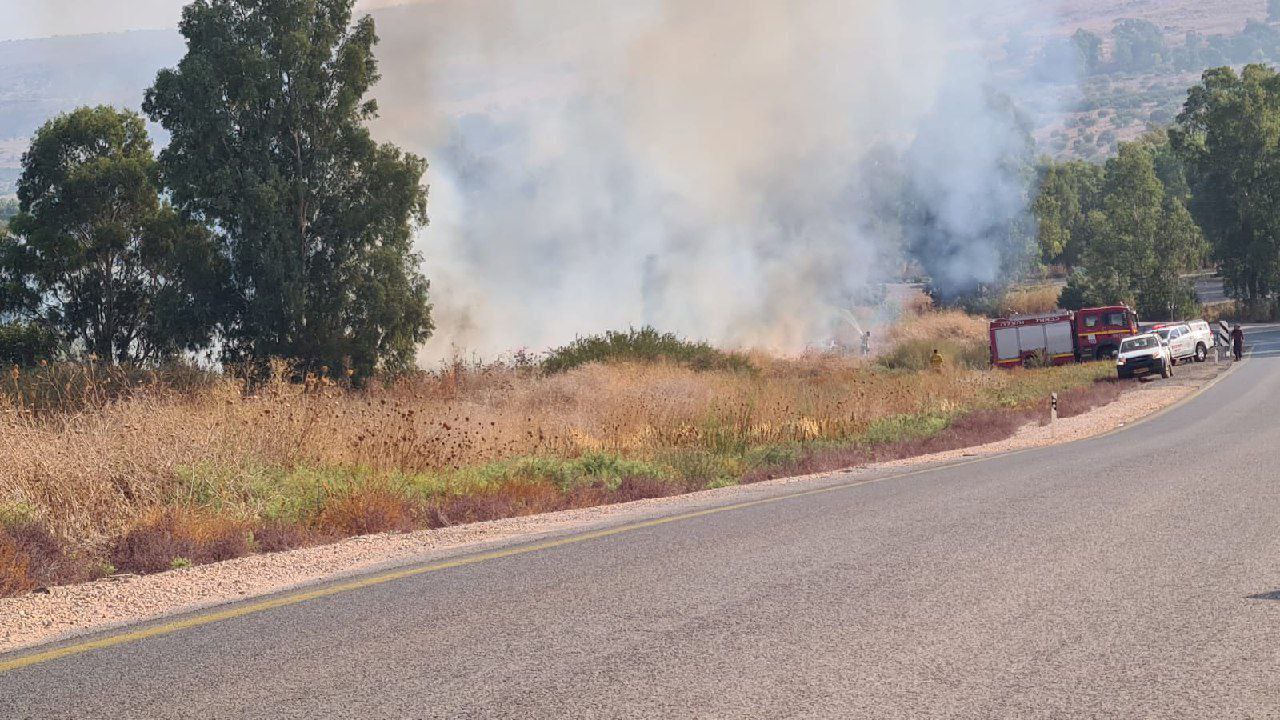
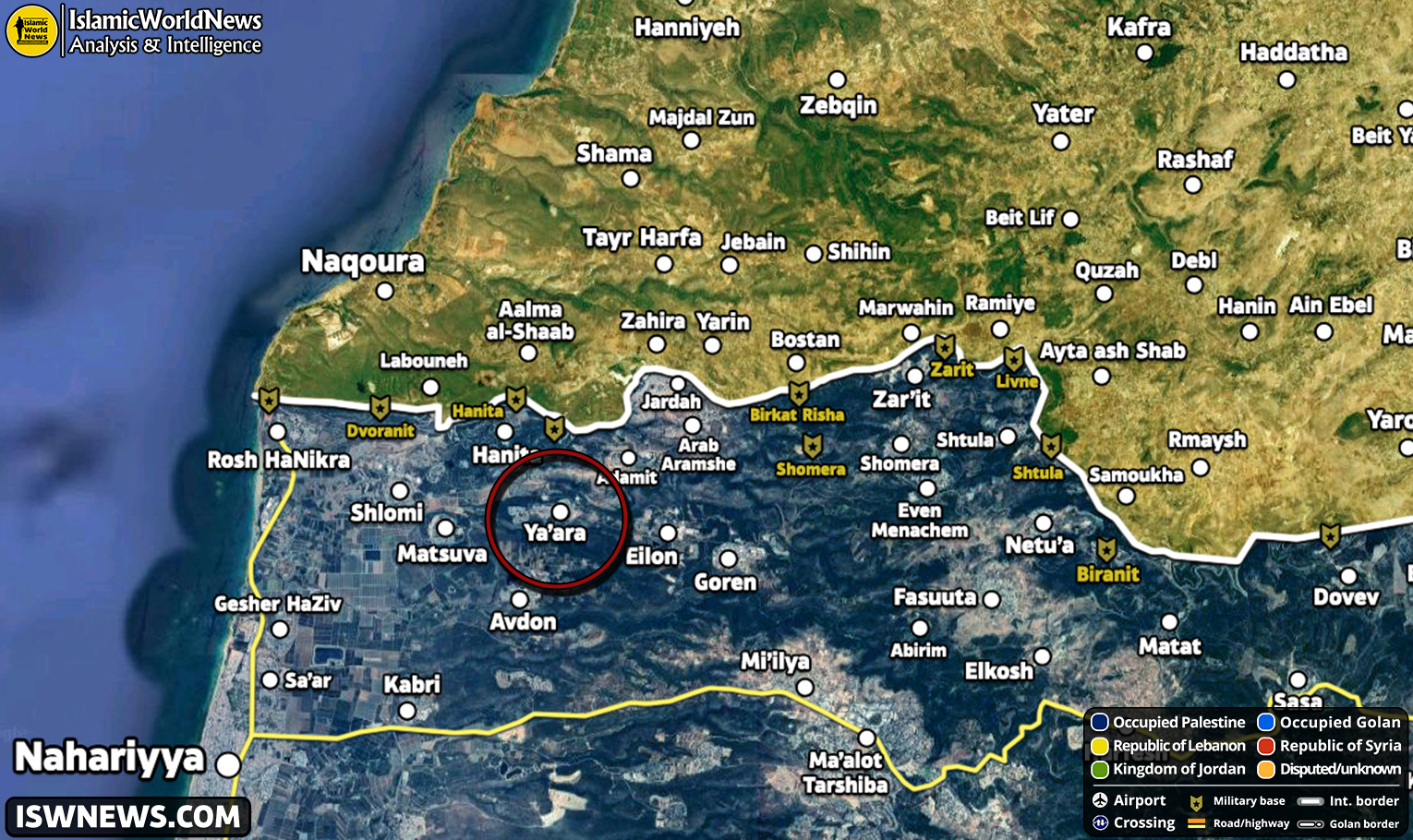
    On August 19, Lebanon’s Hezbollah targeted the headquarters of the Israeli military in the Ya’ara area and the Sanat Chin base north of Acre with several suicide drones. In this attack, one Israeli soldier was killed, and six others were wounded.

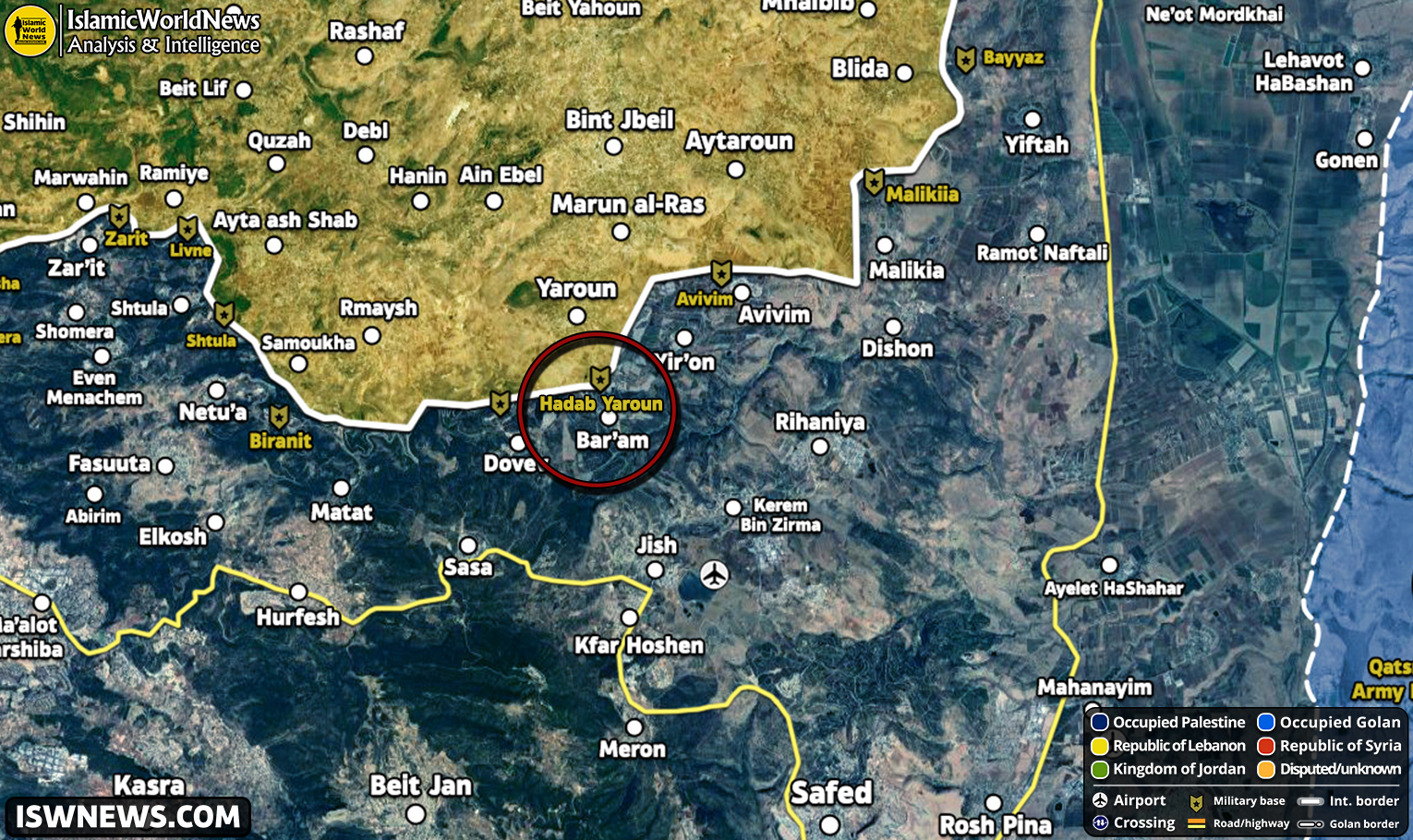
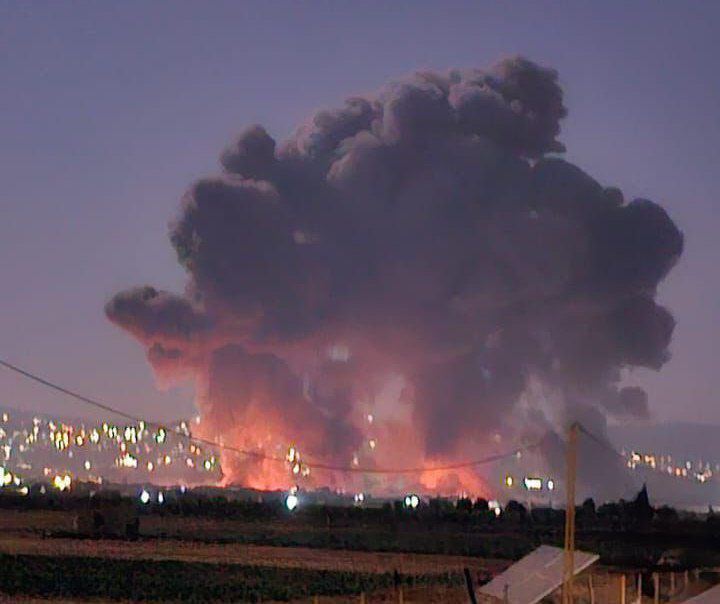
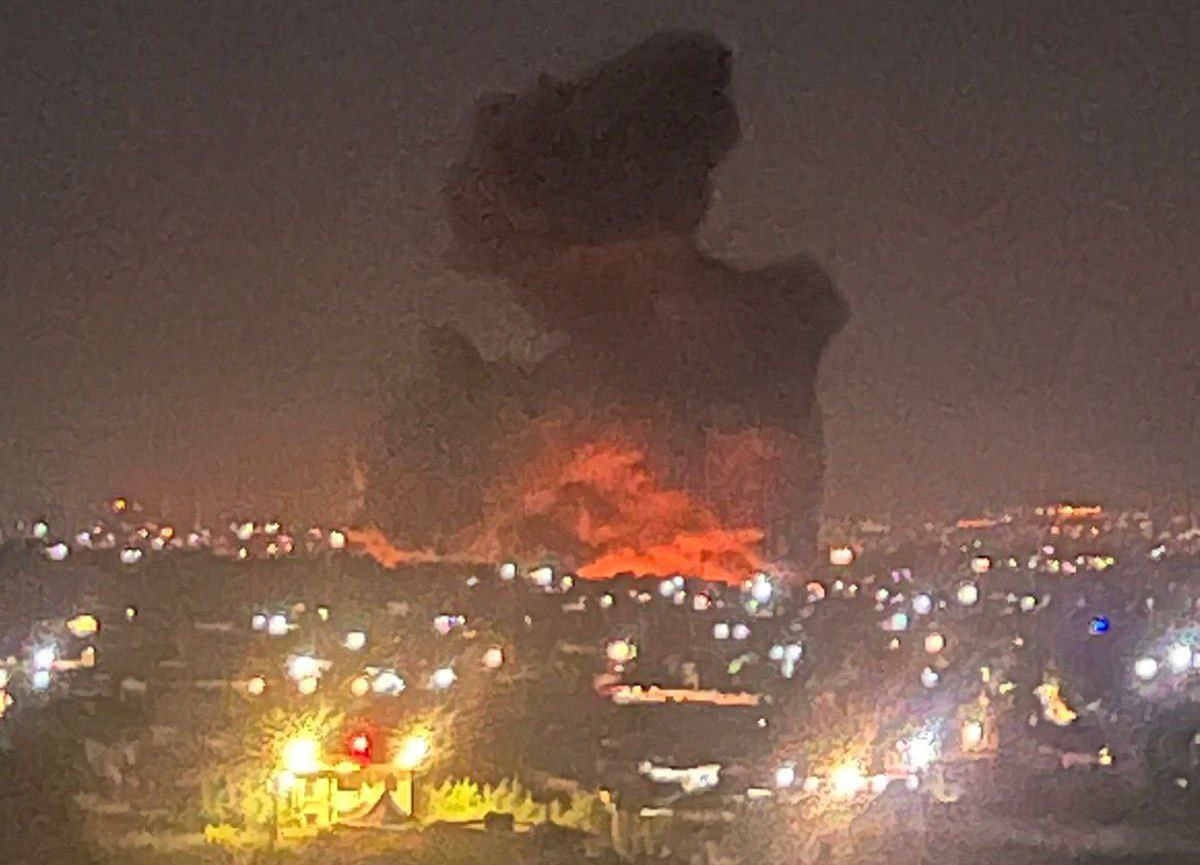
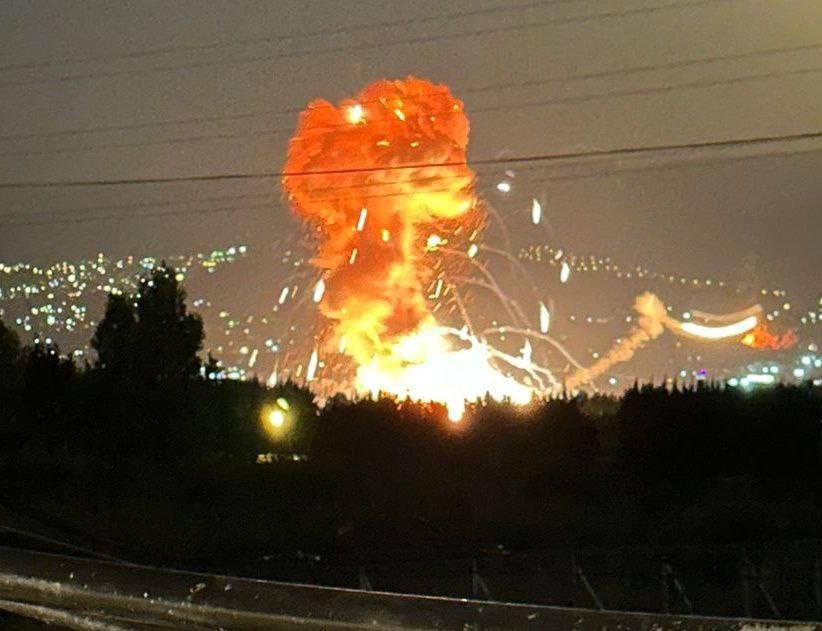
    Hezbollah forces attacked the Hadab Yarun base in two separate attacks this morning with artillery shells and suicide quadcopters (FPV). The attack is Hezbollah’s 16th operation using FPVs.

    Hadab Yarun base

    Also this morning, five buildings were destroyed and one Israeli was wounded in a Hezbollah rocket attack on the logistics base of Qatsrin (according to Hezbollah: Tasnobar) in the occupied Golan.

    Hezbollah’s rocket attack on Katsrin logistics base and its surrounding areas in the occupied Golan

    On the other hand, Israeli fighter jets are targeting the eastern and southern towns of Lebanon using heavy bombs.

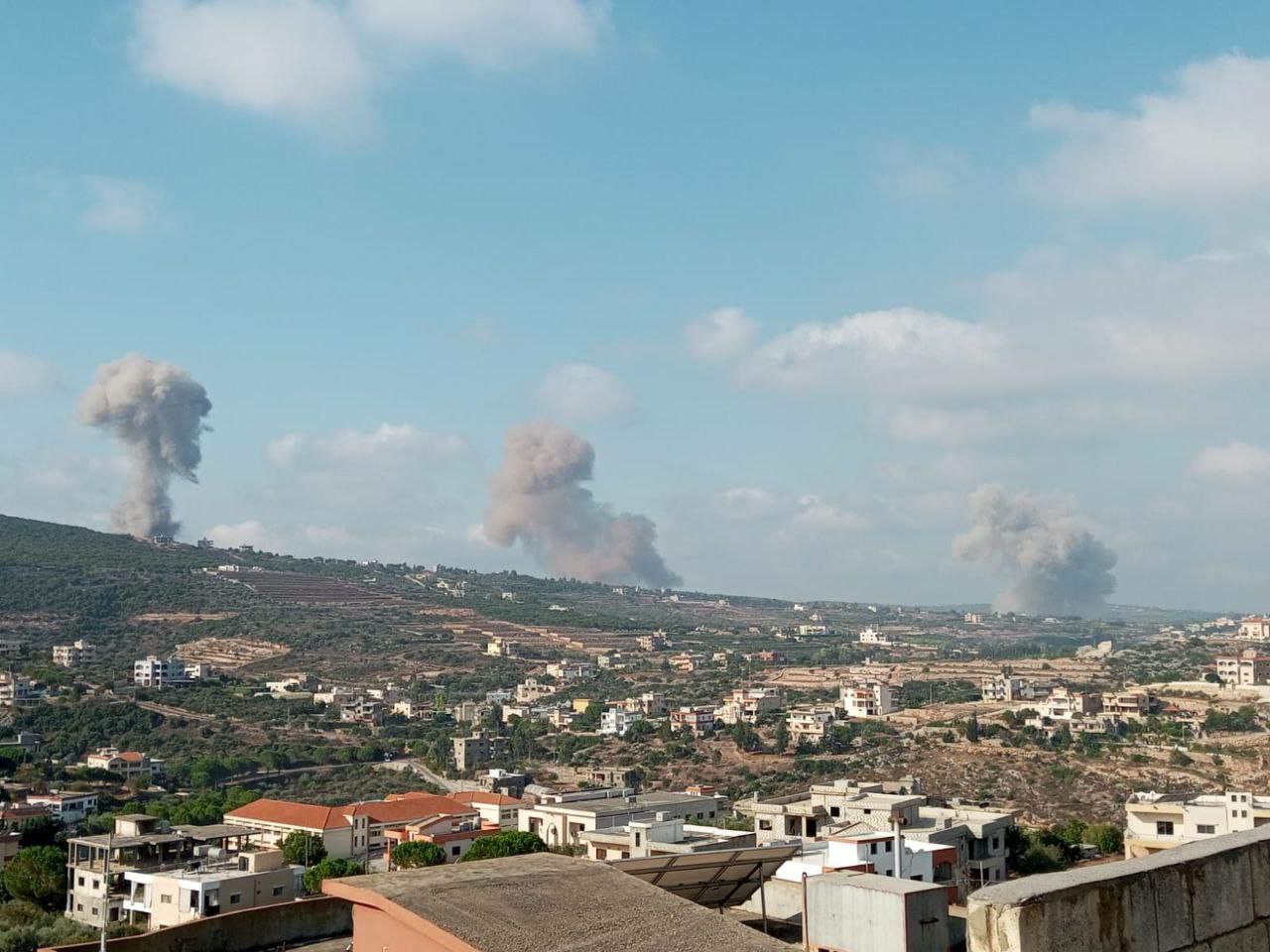
    During the last three days, Israeli fighter jets attacked dozens of southern and eastern areas of Lebanon, such as Ayta al-Shaab, Tayirharfa, Tayyaba, Khiam, Al-Naqourah, Houla, Ramieh and Bayut al-Siyad, Al-Mansouri, Nabi Sheith, Sahl Serain, Sardeh and Deir Serian.

    A Syrian citizen was martyred during the Zionist artillery attack on Sardeh area.

    Three Lebanese rescuers were injured in an Israeli drone strike on an ambulance near the al-Naqoura area. The ambulance was carrying a wounded man from the Hamul area when it was attacked.

    As a result of the Israeli airstrikes in Dhahira area, two Lebanese were martyred.

    Also, Israel’s targeted assassinations against Hezbollah forces and commanders continue. On August 19, Israeli drones attacked a passenger car on the Deir Qunon-Ras Al Ain road. During this assassination, a Lebanese was killed.

    Israeli drones attacked a passenger car on the Deir Qunon-Ras al-Ain road

    Clashes continue in southern Lebanon while Hezbollah casualties are slowly increasing. During the last two days, Hezbollah published the names of seven of its members who were killed in southern Lebanon. Most of these individuals were killed due to heavy bombardment by Israeli warplanes in southern Lebanon.

    According to available information, the casualties of Hezbollah have reached 400. While Hezbollah officially announces its military casualties, the Israeli regime seems to avoid providing real statistics of its casualties in the northern fronts.

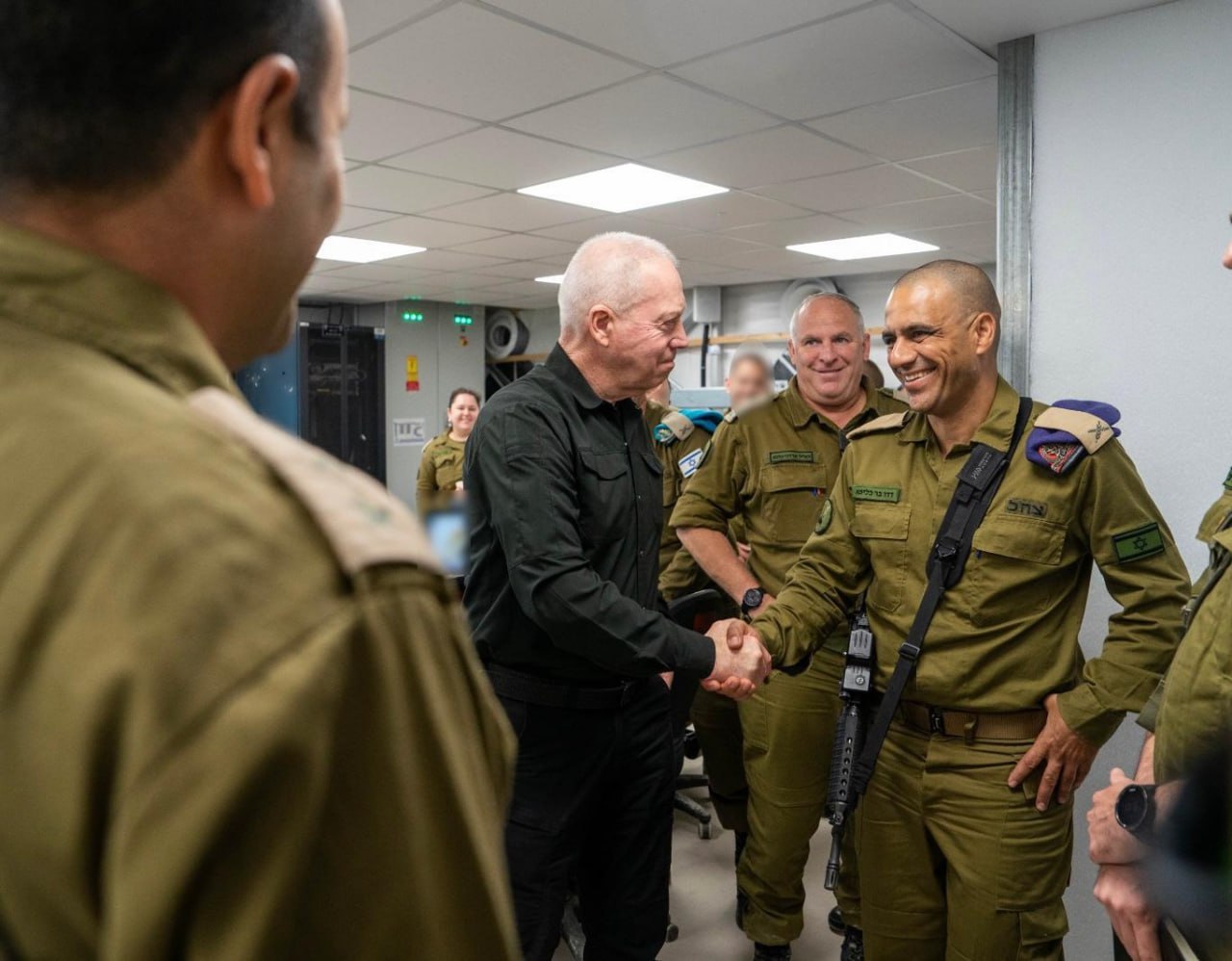
    Israeli Defense Minister Yoav Galant said last night during a visit to the 36th Division in northern Israel that Israel’s center of gravity is gradually shifting away from the Gaza Strip to the northern front, as Israel prepares for a major escalation with Lebanon’s Hezbollah. Gallant’s words refer to the current ceasefire negotiations in the Gaza Strip and the prisoner exchange agreement.

    Yoav Gallant meets with 36th Division commander Brig. Gen. Dado Bar Kalifa at a base in northern Israel (Ariel Hermoni)

    The ceasefire talks were held on Thursday and Friday last week in Doha, Qatar, without any particular achievement. Another round of negotiations will be held this week in Cairo, the capital of Egypt, between mediators and Israeli military and intelligence officials.

    Read more: Hamas Reject Israeli Deceitful Ceasefire Negotiation Terms

    The results of these negotiations are very important for Israel. Israel is currently fighting on two fronts, north and south. On the one hand, the Israeli army has concentrated almost half of its forces in the north and the other half is occupied in the southern front. Therefore, currently, the Israeli army is not capable of carrying out a major operation on the northern front.

    By reaching a suitable agreement in the south of the Gaza Strip, the Israeli army will have the opportunity to bolster its forces and equipment on the northern front, allowing them to better combat Hezbollah and pave the way for the return of refugees to the northern lands.

    Military operations along the northern borders have led to widespread evacuations of settlements. According to the latest reports, more than 250,000 Israeli citizens have been displaced by the war, with some 164,000 ordered or recommended to evacuate with government compensation and nearly 150,000 evacuated without being asked. The number of Israeli refugees increases daily.

  • Hezbollah Unveil Underground Missile City!

    Hezbollah Unveil Underground Missile City!

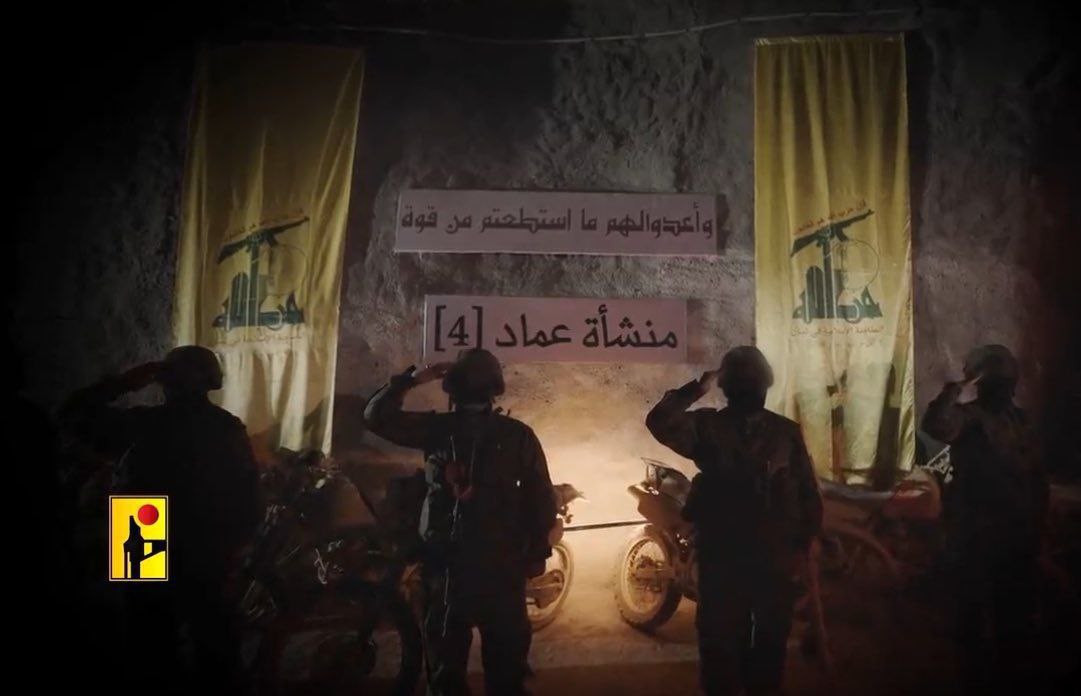
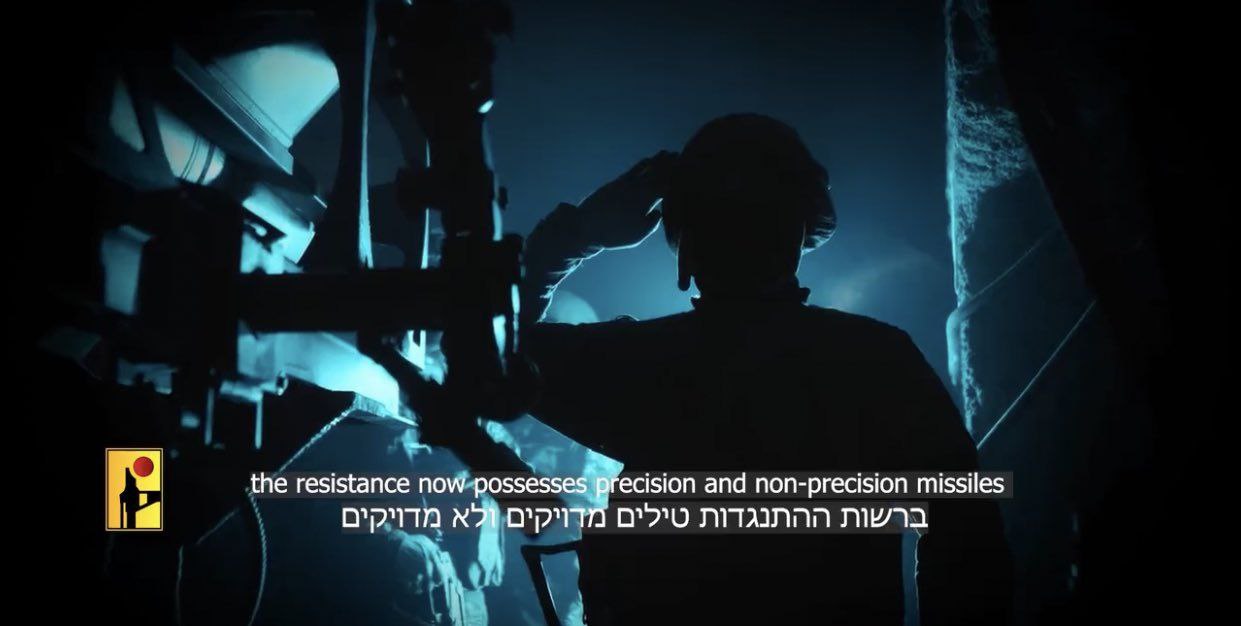
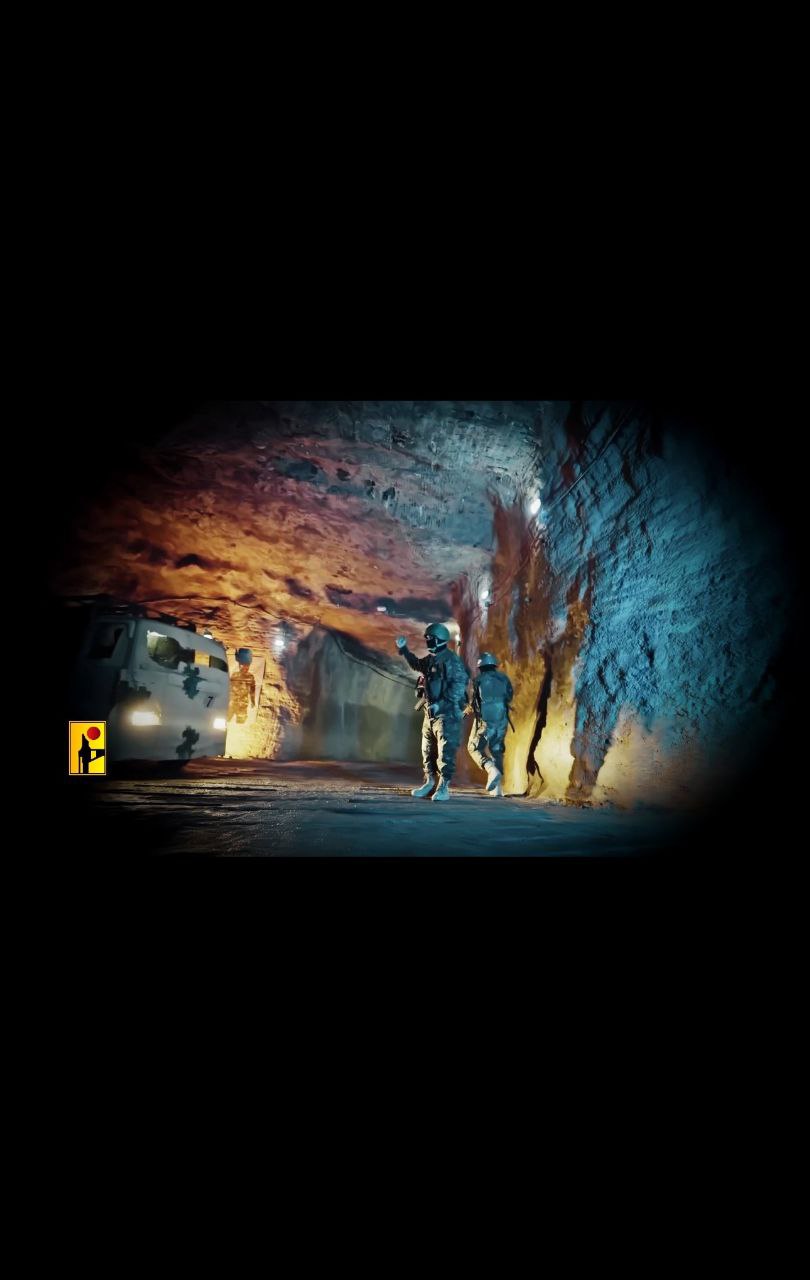
    In a new video footage, the Lebanese resistance movement Hezbollah unveiled the Imad-4 underground missile facility (named after Hezbollah’s martyred commander Imad Mughniyeh) and issued a threatening message against the Israeli regime, declaring that the Lebanese movement will definitely respond to the regime’s crimes; although the response has been postponed.

    Hezbollah released the video footage to underline:

    The information on the military facilities of the Lebanese resistance movement is secret and such installations are protected in the face of the Israeli regime’s assaults, and that any pre-emptive strike by the Tel Aviv regime to thwart Hezbollah’s retaliatory attack in response to the assassinations of Hezbollah’s commander Fouad Shukr and Palestinian resistance movement Hamas chief Ismail Haniyeh is doomed to failure.

    The Islamic resistance enjoys a great capability to respond harshly and destructively against the Zionist enemy, and Hezbollah has the tactical ability of the “second strike” as well.

    Hezbollah’s Imad 4 underground facilities in Lebanon

    The Imad-4 tunnel complex is one of the Lebanese resistance movement’s underground and military facilities, and the quantity and details of the location of the tunnel complex is not identified.

    Following the release of this video, Hezbollah repeated that the resistance movement is not frightened by confrontation in Lebanon, but is prepared to fight and defend the Arab country in the case of an escalation of tension and unlimited aggression, especially in the face of the Israeli regime.

  • Israeli Warplanes Attack Syria-Lebanon Border Areas

    Israeli Warplanes Attack Syria-Lebanon Border Areas

    The Israeli regime’s aircraft have bombed the Lebanese resistance movement Hezbollah’s military bases on Syrian soil in at least three air strikes on July 2.

    These air raids were carried out in the Homs Governorate, and as a result of these direct strikes several ignitions were reported. No casualties have been reported so far.

    Israel airstrike near Qusayr
    Israel airstrike

    A source close to Hezbollah claimed late Friday that Israel conducted air raids on a convoy of trucks entering Lebanon from Syria.

    This incident marks the latest in a series of Israeli airstrikes in the border region.

    Hezbollah’s military chief Fuad Shukr was martyred in the Lebanese capital Beirut in an Israeli air strike and Hamas political leader Ismail Haniyeh was also martyred in the Iranian capital Tehran earlier this week.

    On Friday, the Lebanese resistance movement claimed responsibility for five retaliatory attacks on Israeli military positions in northern occupied Palestine.

    Hezbollah’s Secretary General Sayyed Hassan Nasrallah addressed Shukr’s funeral on Friday, warning that Israel and its supporters should expect a decisive response to the recent assassinations.

    Since the outbreak of hostilities in October, at least 542 individuals have been martyred on the Lebanese side, predominantly fighters but also including 114 civilians. On the Israeli side, army figures indicate that at least 22 soldiers and 25 settlers have been killed.