Tag: Palestine

  • Will we see an alliance of the Muslim Brotherhood of Jordan and Iran?

    Will we see an alliance of the Muslim Brotherhood of Jordan and Iran?

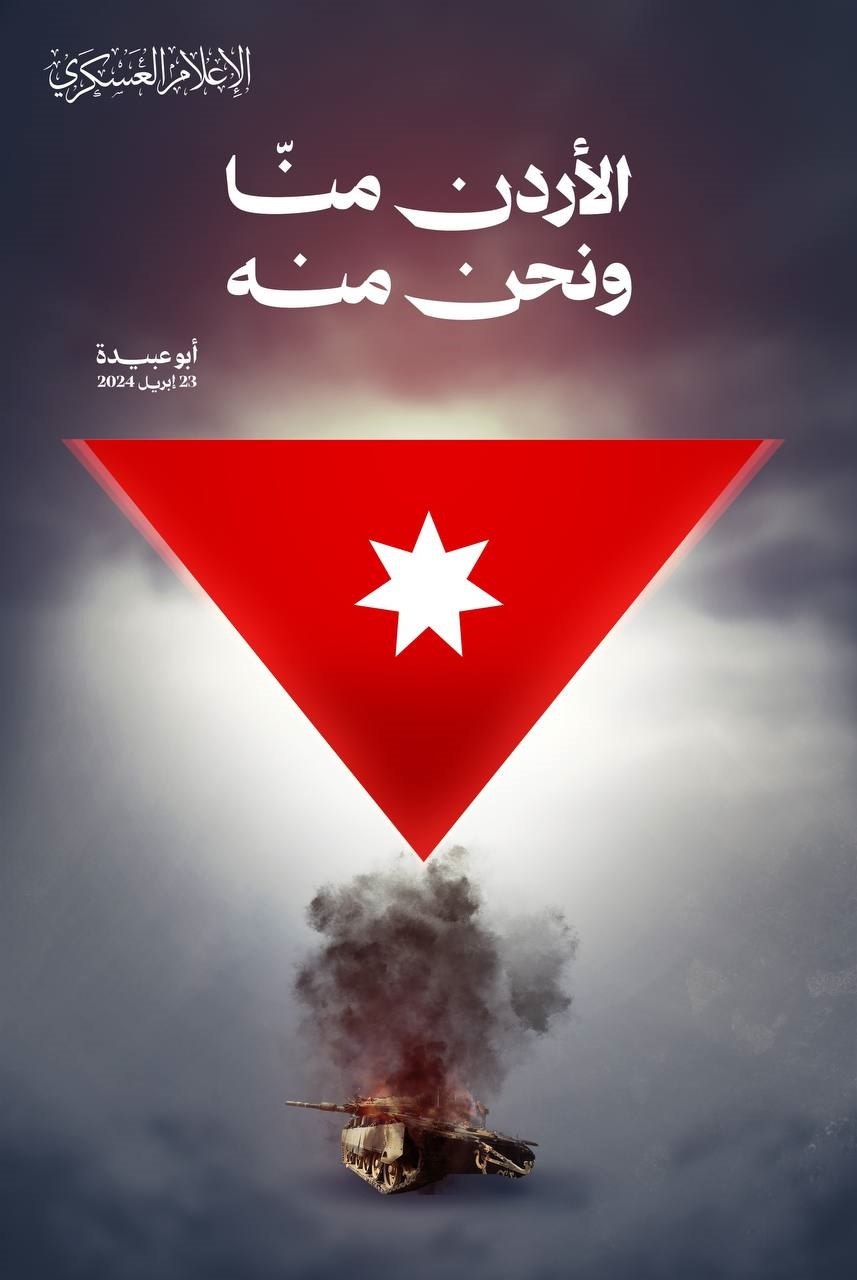
    Here, it is worth paying attention to Jordan, which the spokesman for the al-Qassam Brigades, Abu Ubaida, has repeatedly noted as an important strategic pillar of the Palestinians.

    It all started with a statement by Abu Ali al-Askari (spokesman for Kataeb Hezbollah – Iraq), in which the Iraqi resistance expressed its willingness to train 12,000 Jordanians to participate in the resistance to the Zionists. Earlier, the authorities of the Hashemite autocracy arrested three local residents on charges of smuggling weapons to the West Bank, after which Hamas demanded the release of the detainees. Some authors and journalists were quick to point out the presence of local Ikhwan cells that oversee their actions with Hamas and Iran, but no one provided concrete evidence.

    After these incidents, propaganda was organized in the pro-government media of the kingdom against local Ikhwans and Iran, both sides were attacked and accused of trying to “destabilize the country.” In an attempt to defuse tensions, the leader of the Islamic Action Front (the political wing of the Muslim Brotherhood of Jordan), Murad al-Adaylah, pointed out that Jordan’s Ikhwans allegedly had no relations with Iran after 2011. In connection with the disagreements on Syria.

    In my opinion, the head of the Ikhwans proceeded from two points. 1 – at the moment, his main task is to prevent a confrontation with the regime of Abdullah II, so as not to return to a situation in which the Brotherhood of Jordan will be banned. 2 – due to the small number of seats that the “hawks” of the movement gained in the recent internal vote of the Muslim Brotherhood, the party’s agenda remained moderate, which means that one should adhere to relative conformity and voice narratives convenient for the regime.

    In any case, all the justifications for the weak position of the Jordanian Brotherhood against the background of the genocide of the Gaza Strip look inappropriate, especially after Abu Ubaida’s calls to intensify resistance from Jordan to help occupied Palestine.

    The most important question in this whole situation is, will the members of the Muslim Brotherhood of Jordan respond to Kataeb Hezbollah’s proposal to organize a common resistance to Zionism? Time will tell, but the fact that a younger generation has grown up among the Ikhwans dissatisfied with the dominance of the old conformists is a fact. As well as the fact that among all the branches of the brotherhood there is a strong pro-Hamas line that sees the allies of the Palestinian resistance as like-minded people.
  • Hamas, Islamic Jihad Respond To Ceasefire Proposal

    Hamas, Islamic Jihad Respond To Ceasefire Proposal

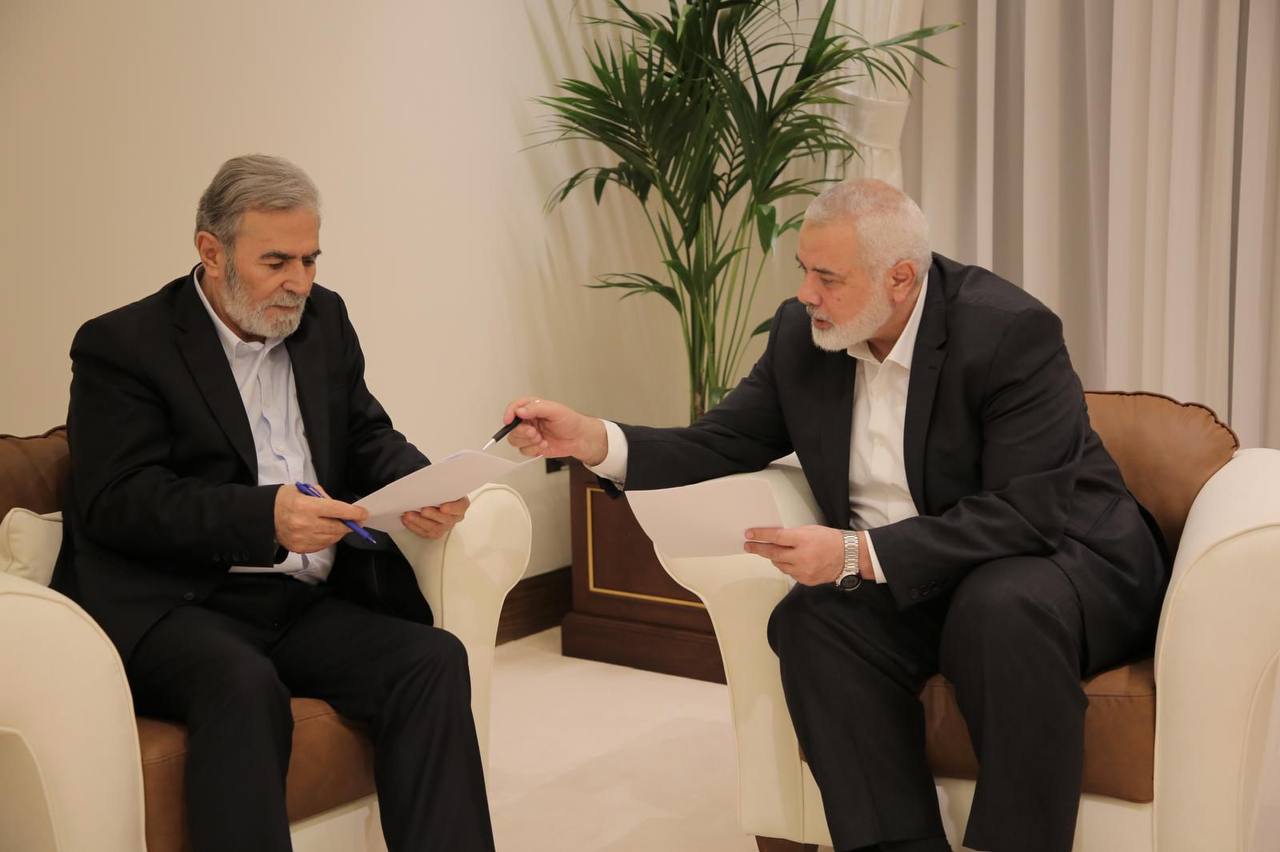
    Hamas and Islamic Jihad movements have announced in a statement that head of the Hamas political Bureau Ismail Haniyeh and Secretary-General of Islamic Jihad in Palestine Ziyad al-Nakhala delivered the response of the resistance groups to the proposed ceasefire and prisoner swap initiative in a meeting with the Qatari Prime Minister Sheikh Mohammed bin Abdulrahman bin Jassim Al Thani. They also delivered their response to Egypt.

    The statement emphasizes that the resistance groups considered the interests of the Palestinian people, the imperative necessity of a complete cessation of hostilities, and the full withdrawal of occupying forces from Gaza in the response to the proposal.

    The statement further asserts that a Palestinian delegation, relying on a sense of national responsibility, expresses readiness for positive engagement to achieve an agreement that would bring an end to the ongoing war.

    The two resistance movements said in a joint statement that they are ready to “deal positively to arrive at an agreement” and that their priority is to bring a “complete stop” to the regime’s assault on the besieged area.

    Senior Hamas official Osama Hamdan told Lebanon’s Al-Mayadeen television network that the group had “submitted some remarks on the proposal to the mediators.”

    A Hamas official also told Reuters that the response reaffirmed any agreement must end the Zionist aggression on Palestinian people, get the occupying forces out, reconstruct Gaza and achieve a serious prisoner swap deal.

    The foreign ministries of Qatar and Egypt said in a joint statement that they were examining Hamas’ response and that they would continue their mediation efforts along with the United States until an agreement is reached.

    White House National Security Spokesperson John Kirby said the US had also received and was evaluating the response.

    US Secretary of State Antony Blinken visits the region to pursue Washington’s plan and discuss Zionist officials.

  • Israeli Forces Extend Control in Rafah, Clashes Intensify in Strategic Region (Map)

    Israeli Forces Extend Control in Rafah, Clashes Intensify in Strategic Region (Map)

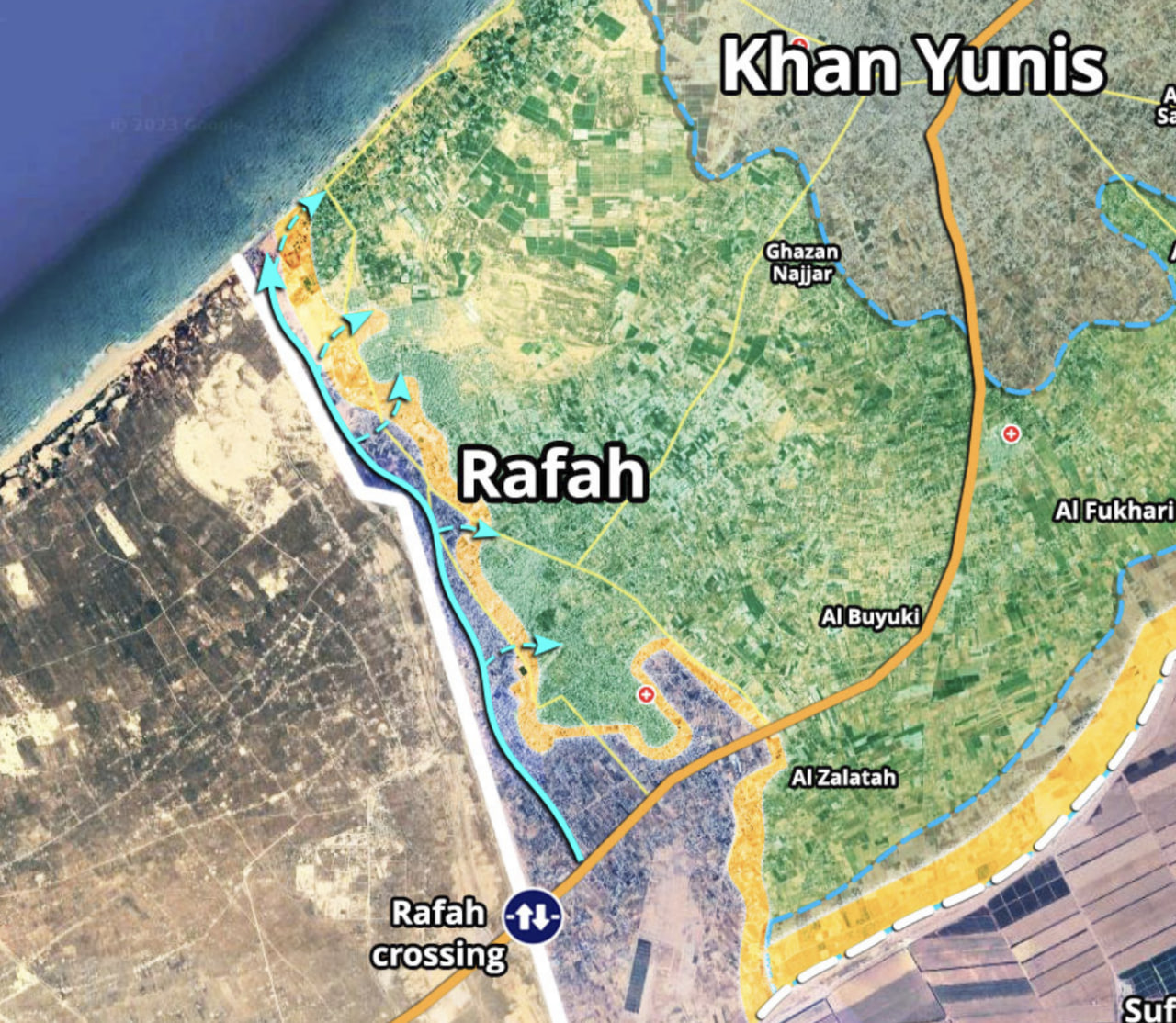
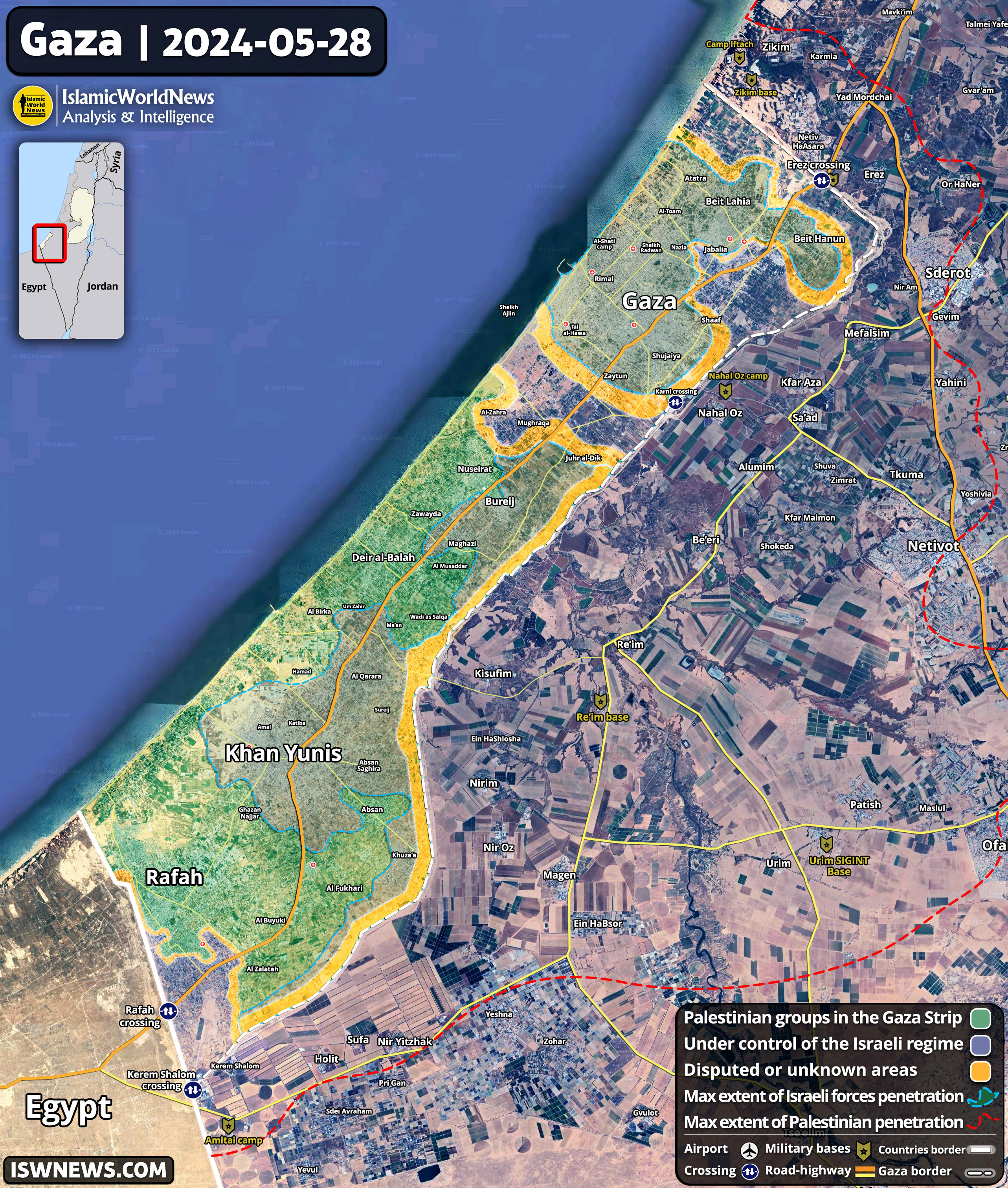
    The Israeli regime’s army’s advancement to the shores of Rafah marks a pivotal moment in the evolving dynamics of the conflict, with implications reverberating across the region.

    In Rafah, a city at the heart of the conflict, clashes persist in multiple fronts, spanning the southern, western, and northern axes. Recent confrontations have seen targeted assaults by Israeli forces on vital locations such as Tel al-Sultan and the Saudi Housing in the city’s northern sector. Concurrently, efforts to secure and clear areas in the western part of Rafah are underway, underscoring the intensity of the ongoing military incursion.

    The advance of Israeli regime in Rafah and along the border line

    Insights from field sources within the Israeli regime shed light on the tactics employed by the Israeli army in Rafah. Despite lacking the requisite strength for a full-scale assault, Israeli forces are employing tactical approaches involving limited raids, strategic retreats, and iterative movements to consolidate control over the region incrementally. This strategy indicates a push by Israeli forces to expand their territorial influence along the coastal perimeters of Rafah.

    Reports indicate a significant evacuation of approximately two-thirds of Rafah’s population, highlighting the humanitarian impact of the genocidal war. Furthermore, with around 35% of Rafah falling under Israeli occupation, the plight of civilians in the region is exacerbated, underscoring the urgent need for international intervention and humanitarian assistance.

    In a tactical deployment towards Al-Bureij refugee camp in the central axis, the Israeli regime’s army has advanced several kilometers to support military operations aimed at the release of Israeli captives. However, these advancements are deemed temporary, with expectations of Israeli forces withdrawing from these areas in the near term, reflecting the fluid and dynamic nature of the conflict landscape.

    The intensifying clashes in Rafah underscore the precarious situation faced by civilians caught in the Israeli plot for the region.

    Meanwhile, some reports point out to the fact that discussions regarding the reopening of the Rafah Crossing have hit a roadblock due to Israeli Prime Minister Benjamin Netanyahu’s rejection of involving the Palestinians in overseeing the vital crossing.

    Read more: Latest Military Situation In Gaza Strip, June 01, 2024 (Map)

    Latest military map of Gaza Strip
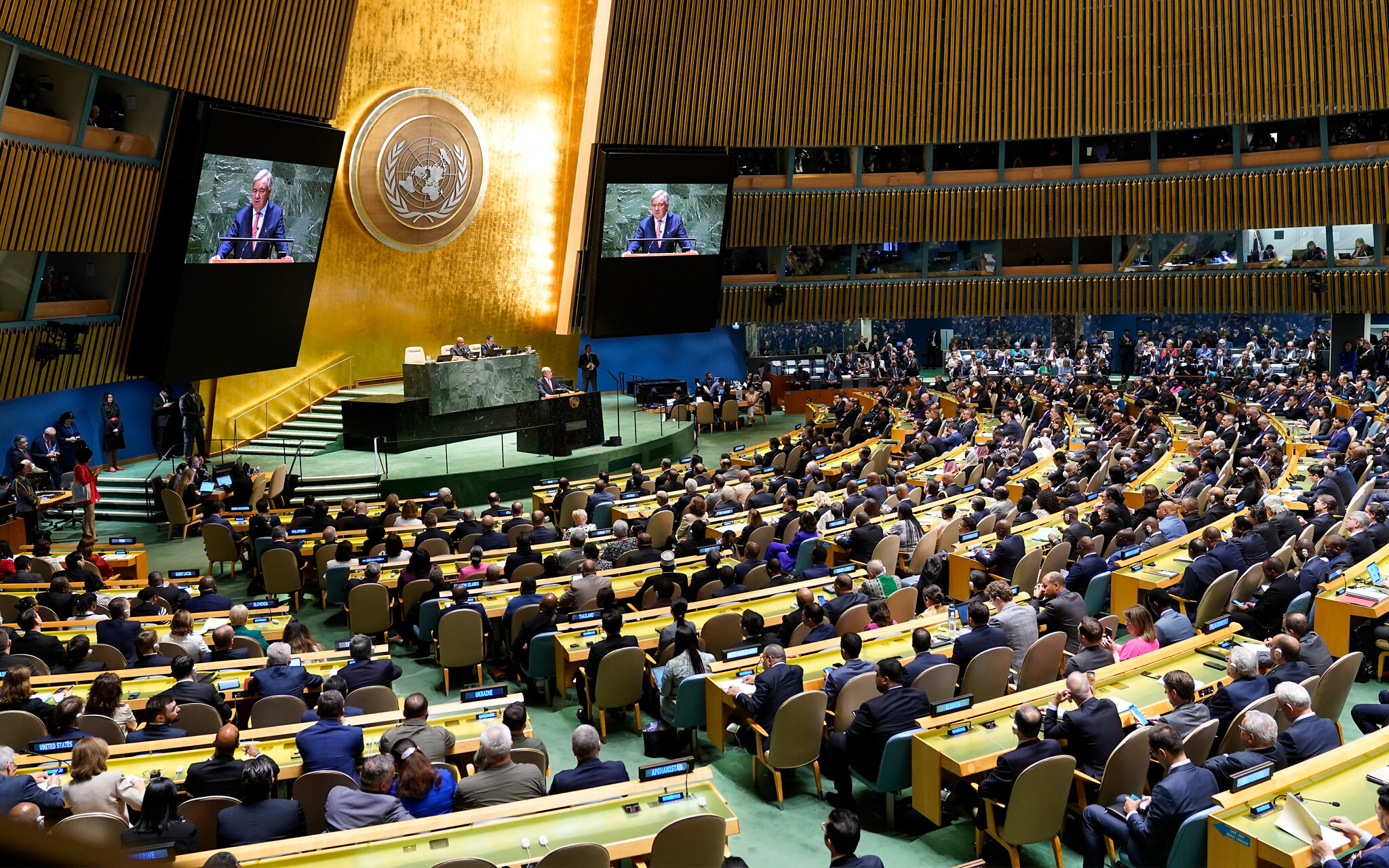
  • Israel’s Listing On UN Blacklist: A Victory For Justice, Accountability In Palestine

    Israel’s Listing On UN Blacklist: A Victory For Justice, Accountability In Palestine

    The Palestinians Authority (PA) has described the United Nations’ decision to place the Israeli regime on the blacklist for harming children as a proper measure to make the regime accountable.

    This move has shed light on the plight of Palestinian children who have long suffered the brunt of Israeli aggression and violations of their basic rights.

    The confirmation from the representative of the Israeli regime at the United Nations regarding Guterres’ decision has sparked a wave of condemnation from Israeli officials, underscoring the sensitivity and significance of this development.

    The criticism levied by the Israeli representative, in response to the listing, reflects a desperate attempt to deflect attention from the atrocities committed by the Israeli regime, particularly during the Gaza war, where innocent Palestinian children bore the heaviest burden of violence and displacement.

    Israeli Prime Minister Benjamin Netanyahu’s dismissal of the UN’s decision and his claim of the Israeli army’s ethical standards only serve to perpetuate the narrative of impunity and disregard for Palestinian lives that has characterized Israel’s actions in the region.

    Netanyahu said: “It is the United Nations that is on the blacklist. When the UN joined Hamas supporters, it was placed on the blacklist; the Israeli army is the most ethical army in the world, and no ridiculous decision by the United Nations will change this reality.”

    Netanyahu’s rhetoric fails to acknowledge the systemic injustices and human rights violations that Palestinians have endured for decades at the hands of the Israeli military.

    For Palestinians and advocates of justice worldwide, Israel’s inclusion in the UN blacklist symbolizes a glimmer of hope for accountability and a recognition of the ongoing humanitarian crisis in Palestine.

    The international community must stand firm in holding Israel accountable for its actions and ensuring that the rights of Palestinian children and civilians are safeguarded against further violations and atrocities.

    As the voices of the Palestinian people grow louder in their quest for freedom and justice, the listing of Israel on the UN blacklist serves as a reminder of the urgent need for solidarity and action to end the cycle of oppression and violence in Palestine.

  • Hundreds Of Palestinian Killed, Wounded Amid Israeli Army Operation To Free 4 Captives

    Hundreds Of Palestinian Killed, Wounded Amid Israeli Army Operation To Free 4 Captives

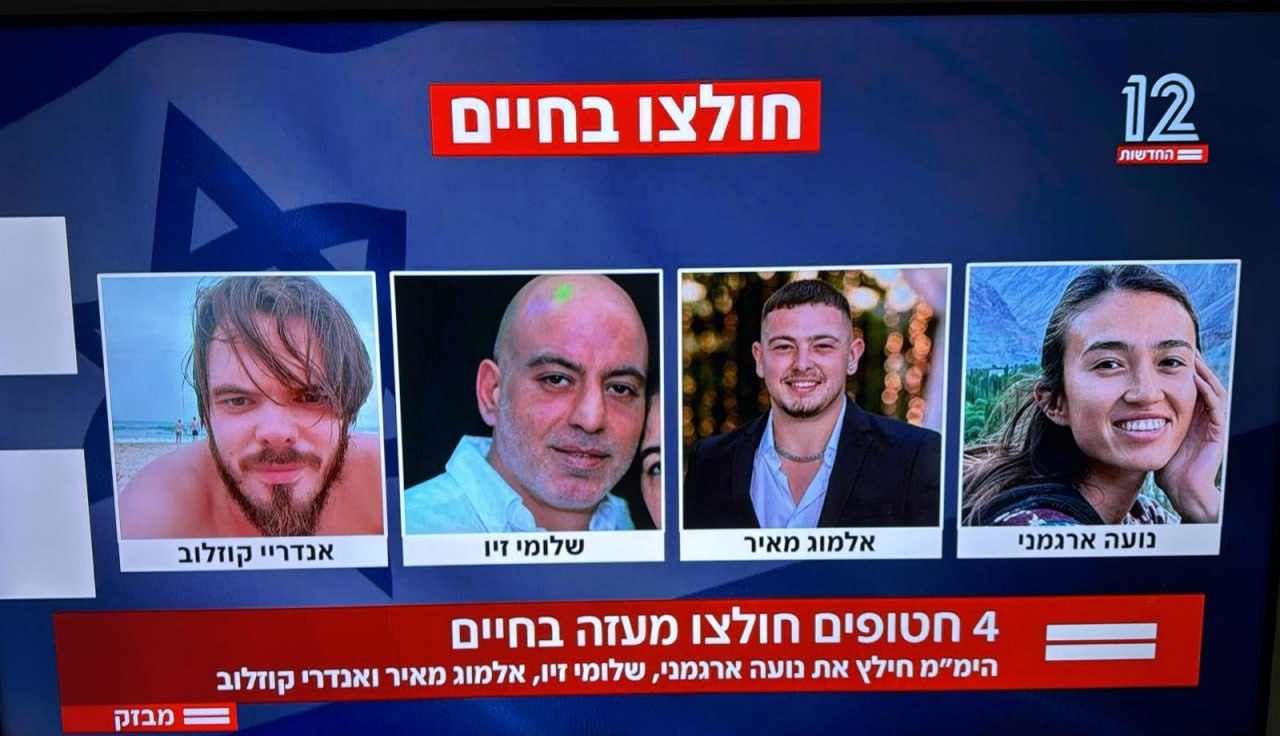
    According to the Israeli army’s statement, the four prisoners – Noa Argamani (25 years old), Almog Meir Jan (21 years old), Andrey Kozlov (27 years old), and Shlomi Ziv (40 years old) – were successfully rescued during the complex and highly coordinated operation.

    The Israeli military claimed that the prisoners’ health conditions were good and that they had been transported to the Sheba Tel-HaShomer Medical Centre.

    Reports from Hebrew-language media claim that at least 30 Palestinian resistance fighters were martyred during the clashes, along with one Israeli officer from the elite Yamam unit, Arnon Zamoura, 36, dies of wounds sustained during operation to rescue 4 Gaza hostages.

    As the dust settles, the people of Nuseirat and the broader Gaza Strip are left to grapple with the aftermath of this tragic event. Hospitals, already strained by conflict, have been overwhelmed with the influx of wounded patients, many of whom are in critical condition due to the severity of their injuries.

    Read more: At Least 210 Palestinians Killed In Nuseirat Refugee Camp Massacre (Video)

    In defiance of the international calls for the end of the onslaught on the Gaza Strip, Israeli Prime Minister Benjamin Netanyahu in a statement vowed to continue the fight until all Israeli captives are released.

    The Israeli regime’s war minister Yoav Gallant claimed the operation was “daring in nature, planned brilliantly, and executed in an extraordinary fashion.”

    The operation, which was carried out with the presence and assistance of US special forces, has been condemned by Palestinian authorities as a “massacre.” They have called for an immediate investigation into the disproportionate use of force by the Israeli military.

    Egypt strongly condemned the Israeli regime’s strikes on the Nuseirat refugee camp. The Egyptian Foreign Ministry described it a “flagrant violation of all rules of international law.”

  • At Least 210 Palestinians Killed In Nuseirat Refugee Camp Massacre (Video)

    At Least 210 Palestinians Killed In Nuseirat Refugee Camp Massacre (Video)

    According to the Government Media Office in Gaza, the death toll from the attack has now risen to a staggering 210, with over 400 individuals injured. The majority of the victims are reported to be children and women, a tragic testament to the indiscriminate nature of the Israeli onslaught on the Gaza Strip.

    Moments of the brutal bombing of Nusirat by the Israeli regime

    The Al-Aqsa Martyrs Hospital, already struggling to cope with the influx of casualties, has been overwhelmed by the sheer scale of the crisis. Patients have been forced to lie on the floor and in the corridors, as the facility lacks the necessary beds and medical supplies to adequately treat the injured.

    Many of the wounded are at risk of death due to the severity of their conditions and the lack of resources, said hospital spokesman Khalil Al-Dakran, who has made a desperate plea for international intervention and support.

    The bombing, which targeted the Nuseirat market and the area around the Al-Aqsa Martyrs Hospital in Deir Al-Balah, has left the community in a state of shock and anguish. Ambulances continue to transport the injured from various parts of the camp, which has been subjected to relentless Israeli bombardment.

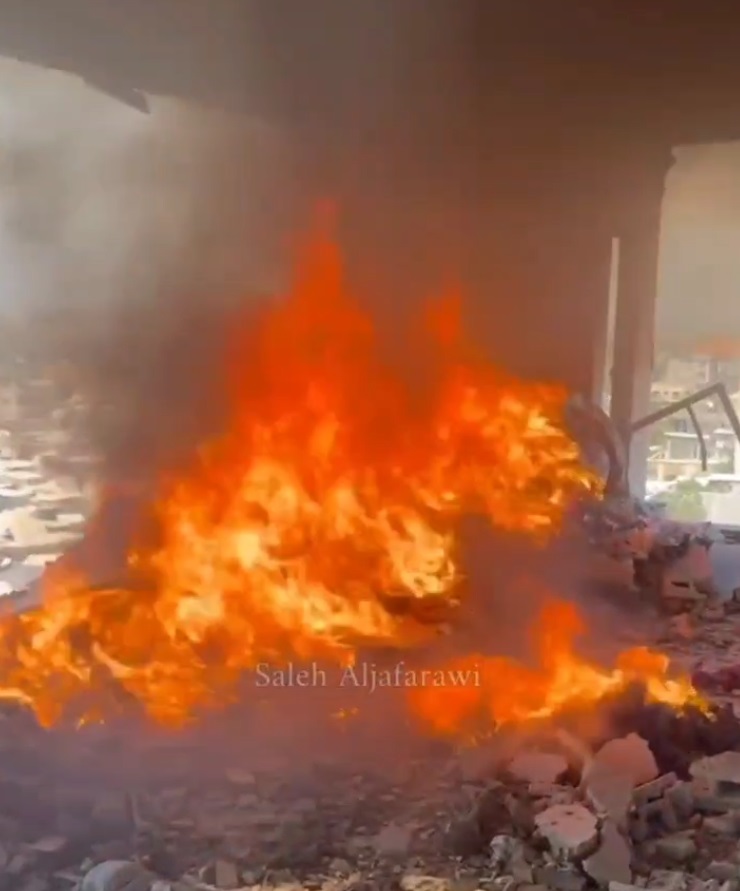
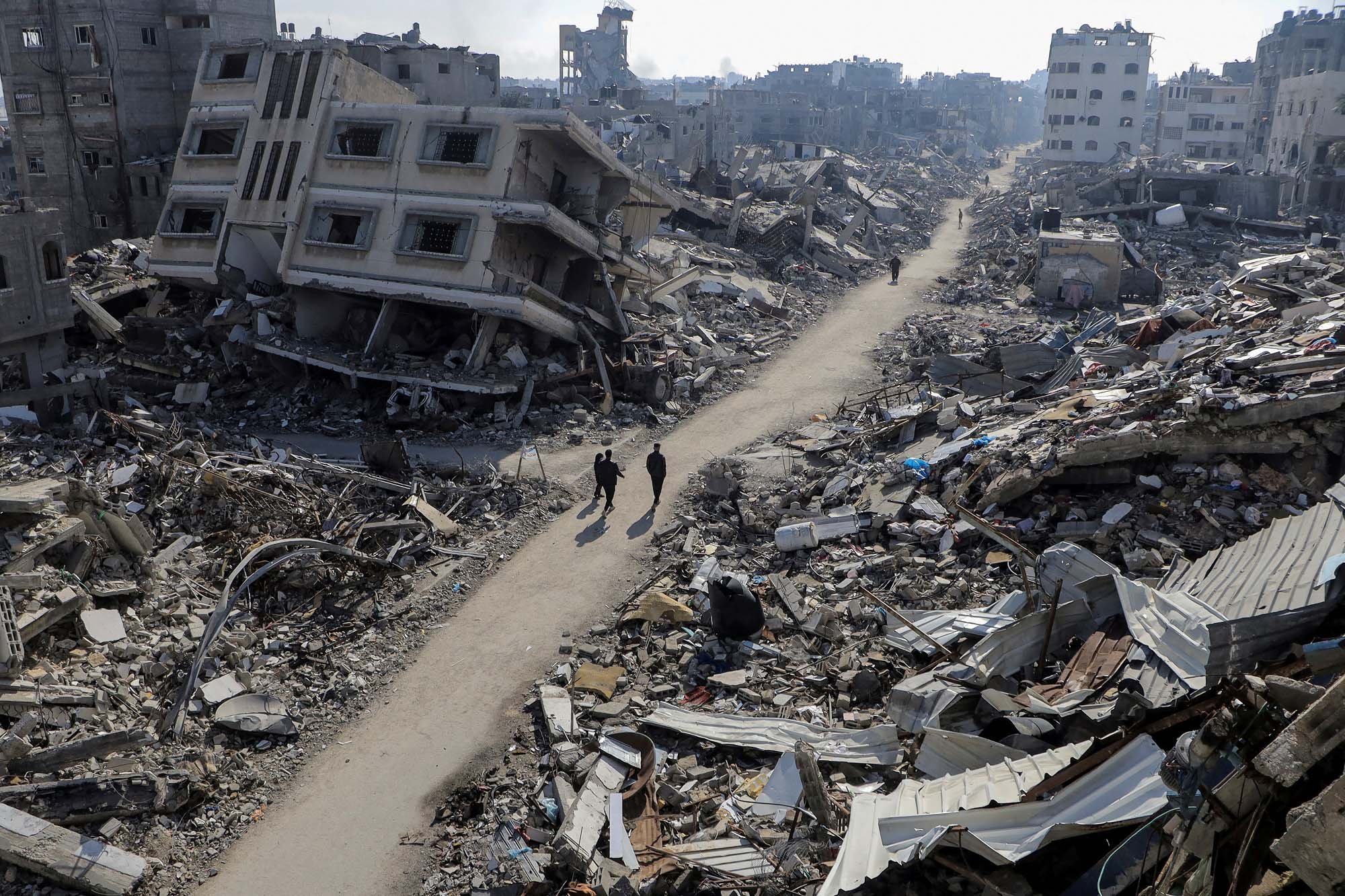
    Aftermath of Israeli genocide in Nuseirat camp

    This latest atrocity is a devastating blow to the already beleaguered people of Gaza, who have endured the horrors of Israel’s ongoing genocide against the Palestinian population. According to the Gaza Ministry of Health, the Israeli onslaught on Gaza that began on October 7 has claimed the lives of at least 36,801 Palestinians, with 83,680 more wounded.

    As the international community grapples with the gravity of the situation, the people of Nuseirat and across Gaza remain in dire need of immediate humanitarian aid and protection.

  • Israeli Airstrike Kills Over 40 Palestinian Refugees in Al-Nuseirat

    Israeli Airstrike Kills Over 40 Palestinian Refugees in Al-Nuseirat

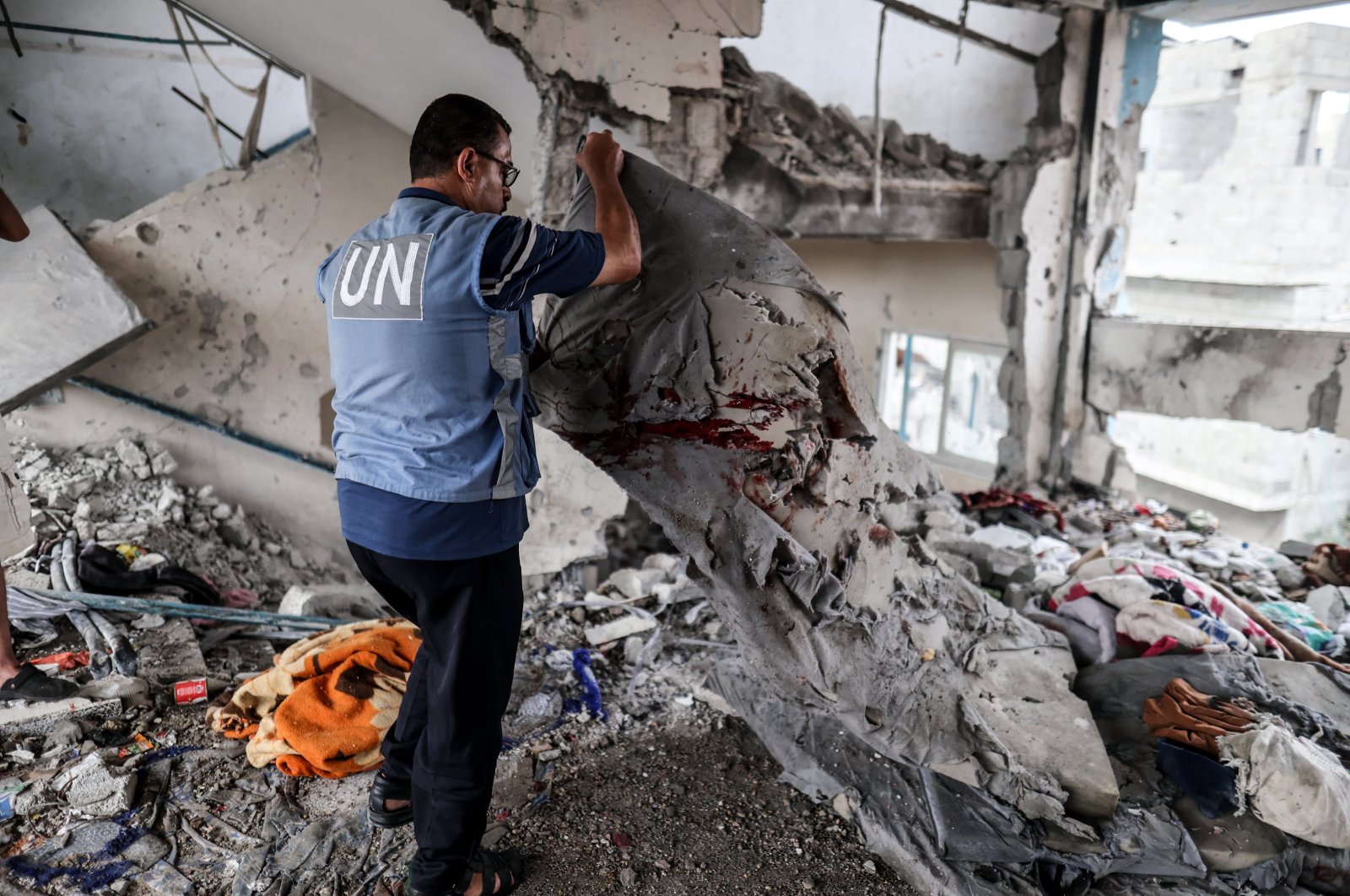
    The airstrike on the Al-Sardiya school in the Al-Nuseirat refugee camp has resulted in the deaths of more than 40 refugees, including a significant number of women and children.

    According to eyewitness accounts and initial investigations, Israeli fighter jets carried out the bombardment of the school, which was serving as a refuge for displaced Palestinians. The school, located in the central Gaza Strip, had provided shelter and basic necessities to those seeking safety from the ongoing conflict.

    According to the director of the Gaza government media office, Ismail Al-Thawabta, and a Gaza health ministry official, the airstrike on the Al-Sardiya school resulted in the martyrdom of 40 Palestinians and left 73 others injured.

    The Gaza government media office strongly condemned the attack, describing it as a “horrific massacre that shames humanity.”

    The media office also stated that they hold the Israeli occupation and the US administration fully accountable for the atrocities being committed against the innocent Palestinian civilians in the Gaza Strip.

    The victims of this latest Israeli assault were already struggling, having been forced to flee their homes due to the persistent violence and instability in the region. Now, their safe haven has been shattered, and their families are left to mourn the senseless loss of life.

    Condemnation of the attack has been swift, with human rights organizations and international bodies denouncing the Israeli military’s actions as a flagrant violation of international law and the principles of humanitarian protection.

    As the world grapples with the aftermath of this tragedy, the calls for a just and lasting peace in the region have only grown louder, underscoring the urgent need for a political solution that prioritizes the safety and well-being of all Palestinians.

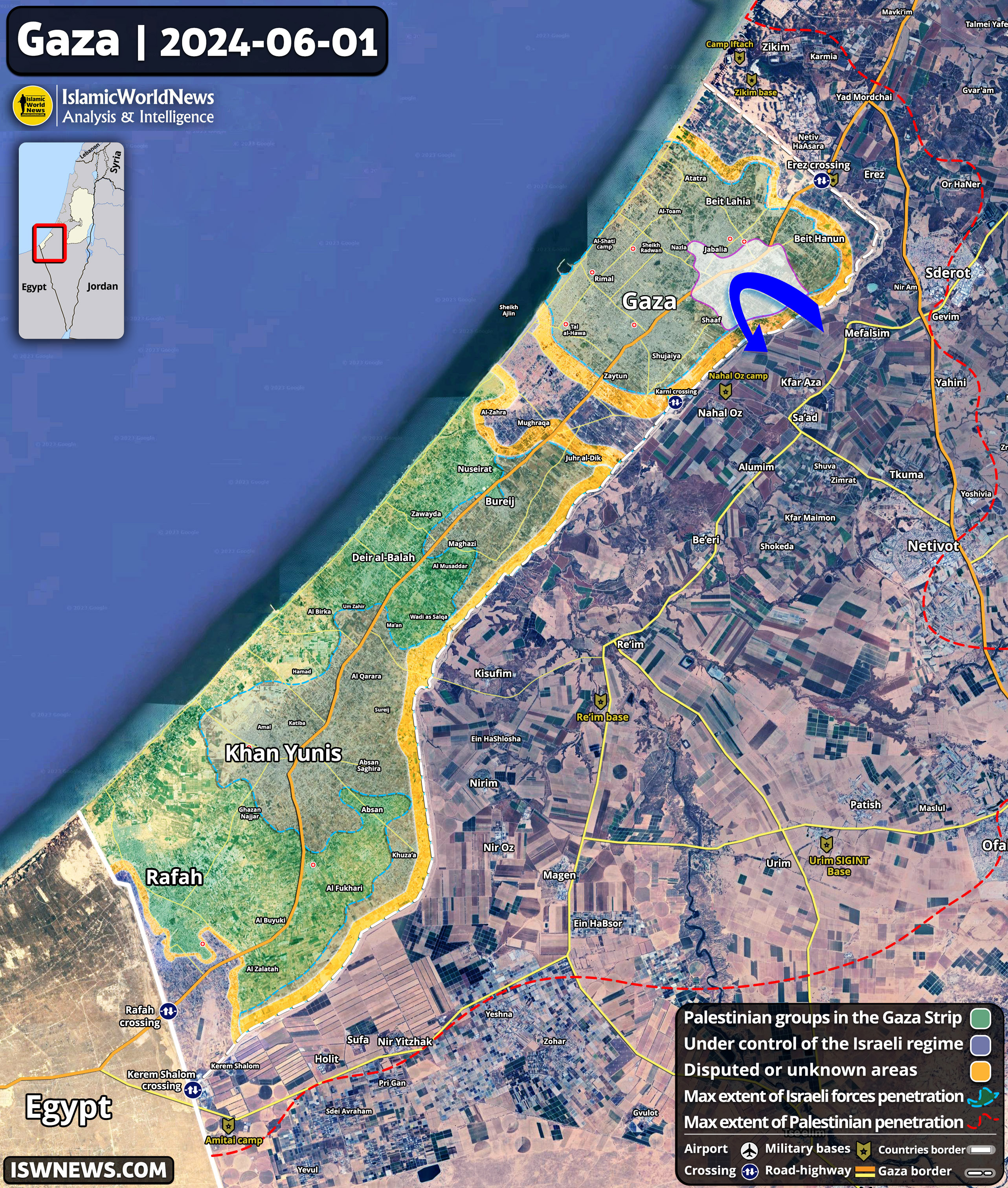
  • Latest Military Situation In Gaza Strip, June 01, 2024 (Map)

    Latest Military Situation In Gaza Strip, June 01, 2024 (Map)

    After two weeks of military operations and penetrating deep into Jabalia in the north of the Gaza Strip, the Israeli occupying forces have completely withdrawn from this area. As it was said before, the Israeli army never has the ability to clear, stabilize and establish a long-term presence in these areas, and the recent operations of the Israeli regime in Jabalia lacked any strategic goals. The only goal that may have been achieved was more destruction and killing in Jabalia.

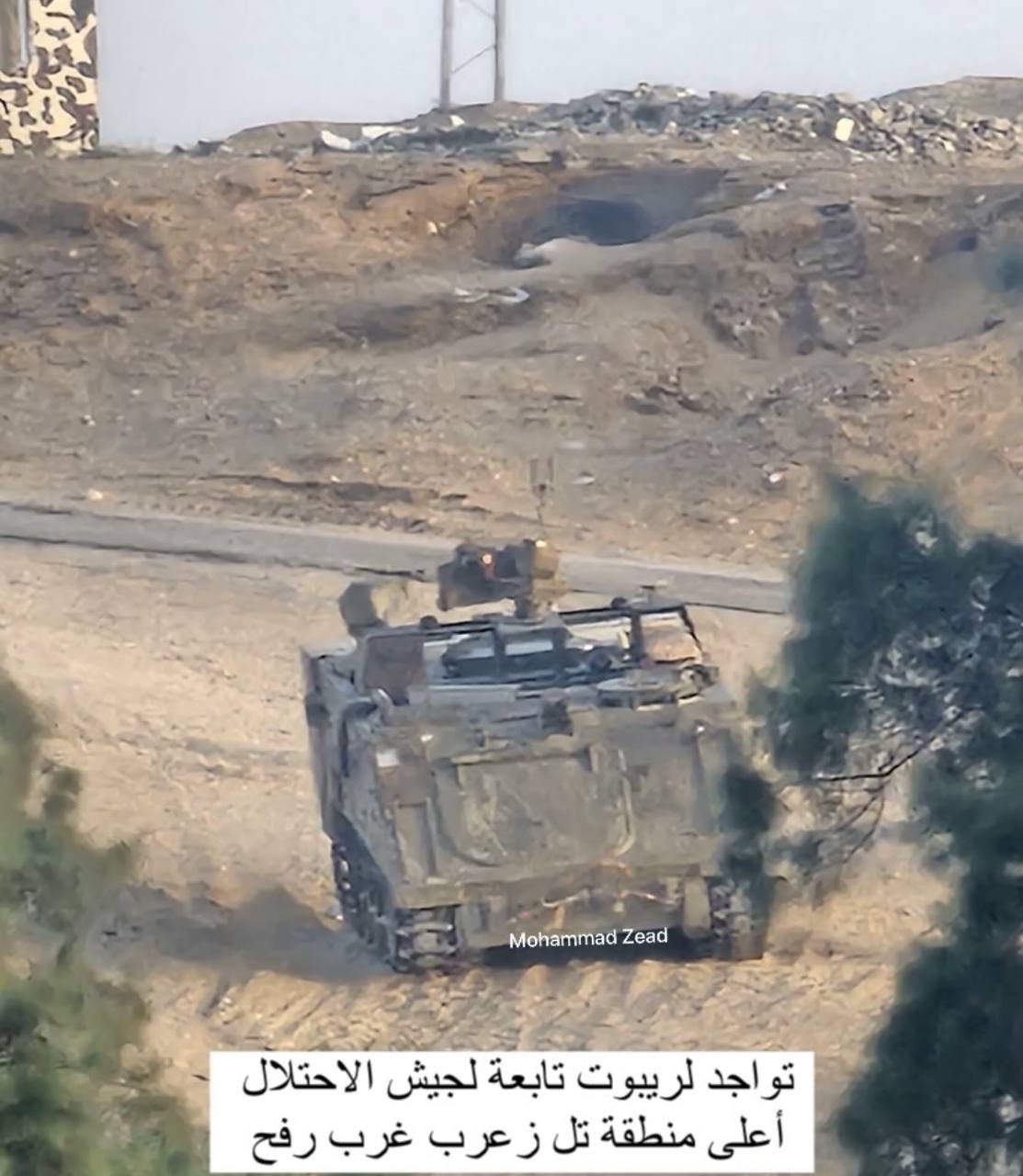
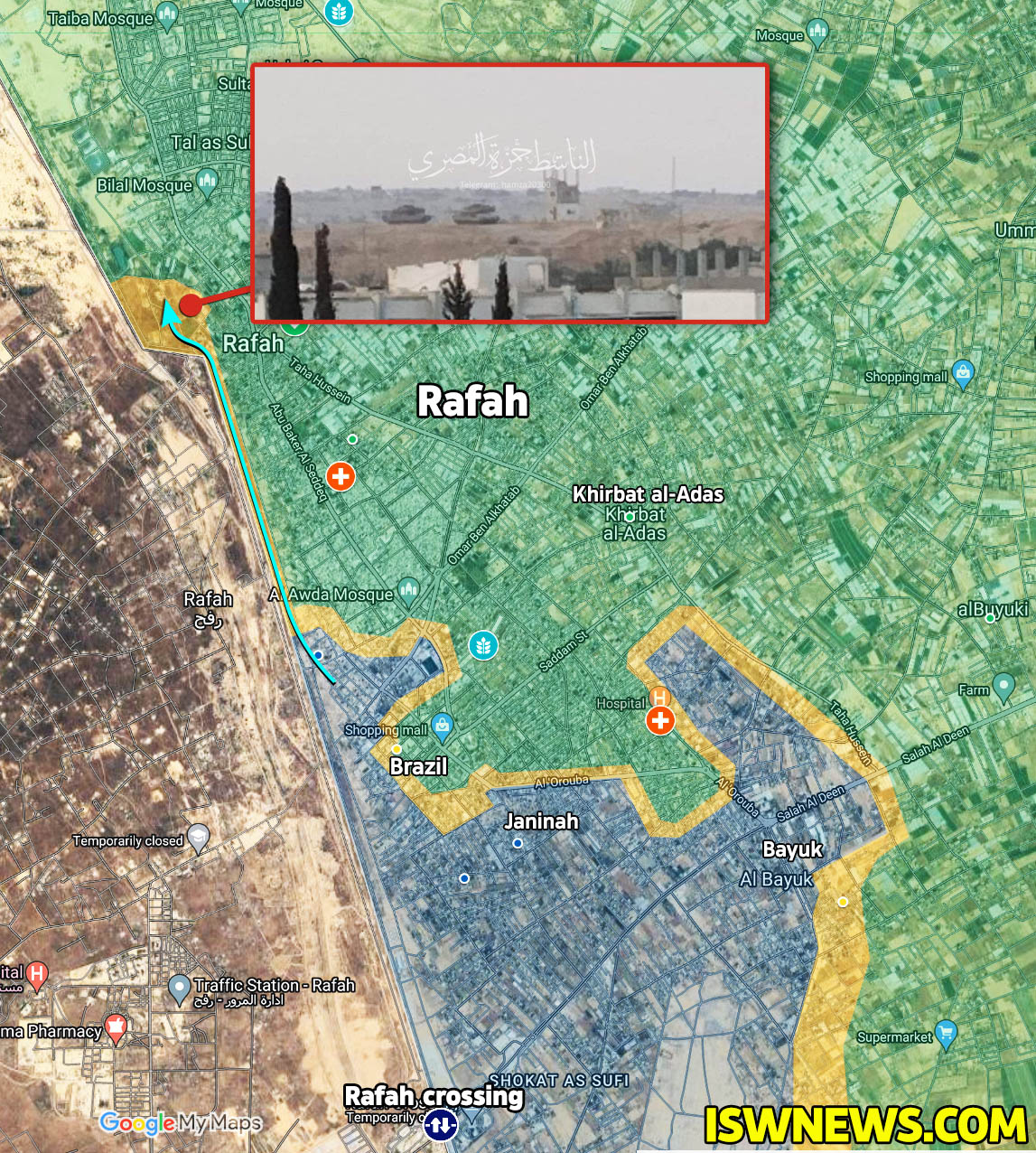
    But in the south of the Gaza Strip in the Rafah axis, Israeli forces are slowly expanding their territories along the Egyptian border. During the last week, Israeli forces entered Tel Zaarab, the highest hill in the west of Rafah city. In the attack on Rafah, the Israeli army has adopted a strategy similar to the attack on Gaza City from the north. In the north of Gaza, the Israeli army slowly bypassed Gaza City using the coastal line, and in the next stages, from the east side, it cut off the Palestinian forces in the depth of Gaza. In Rafah, Israeli forces are slowly increasing the contact lines along the border, and probably in the next stages, with the addition of forces from the eastern axes, the Palestinian forces will be cut off in the center of Rafah.

    On the other hand, there are whispers of the possibility of establishing a comprehensive ceasefire in the Gaza Strip, but nothing is certain yet and we have to wait.

    Latest military situation in Gaza Strip
  • Israeli Soldiers Killed In West Bank, Gaza Strip Operations

    Israeli Soldiers Killed In West Bank, Gaza Strip Operations

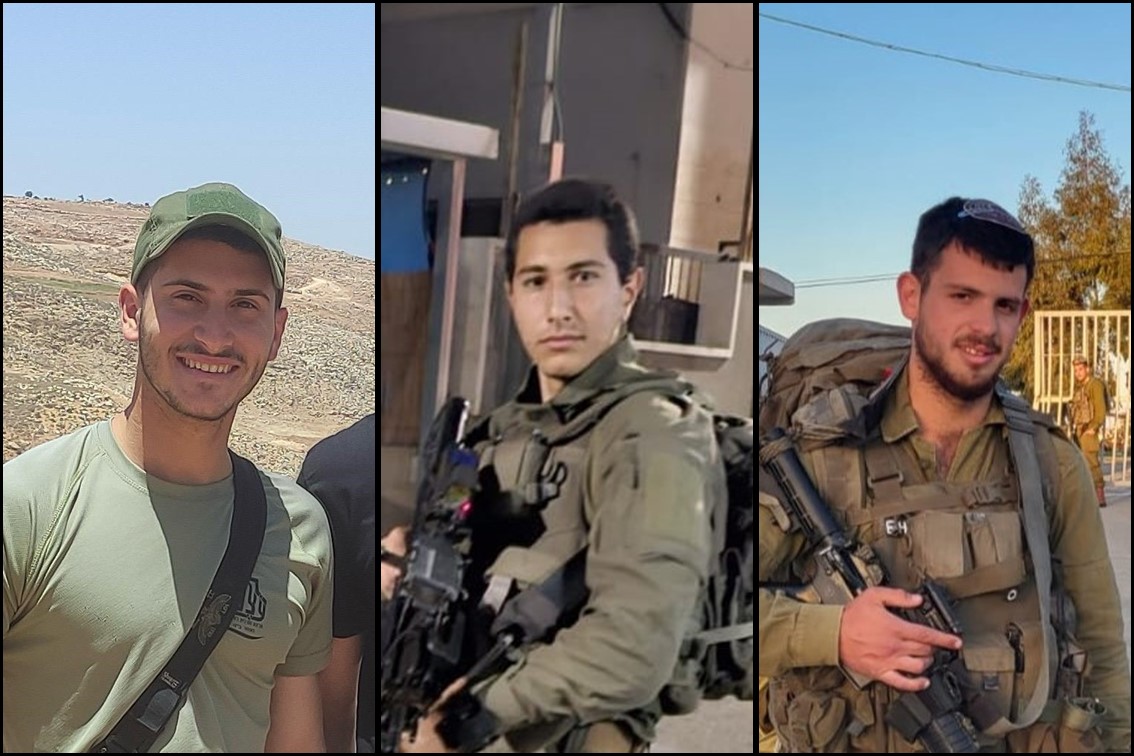
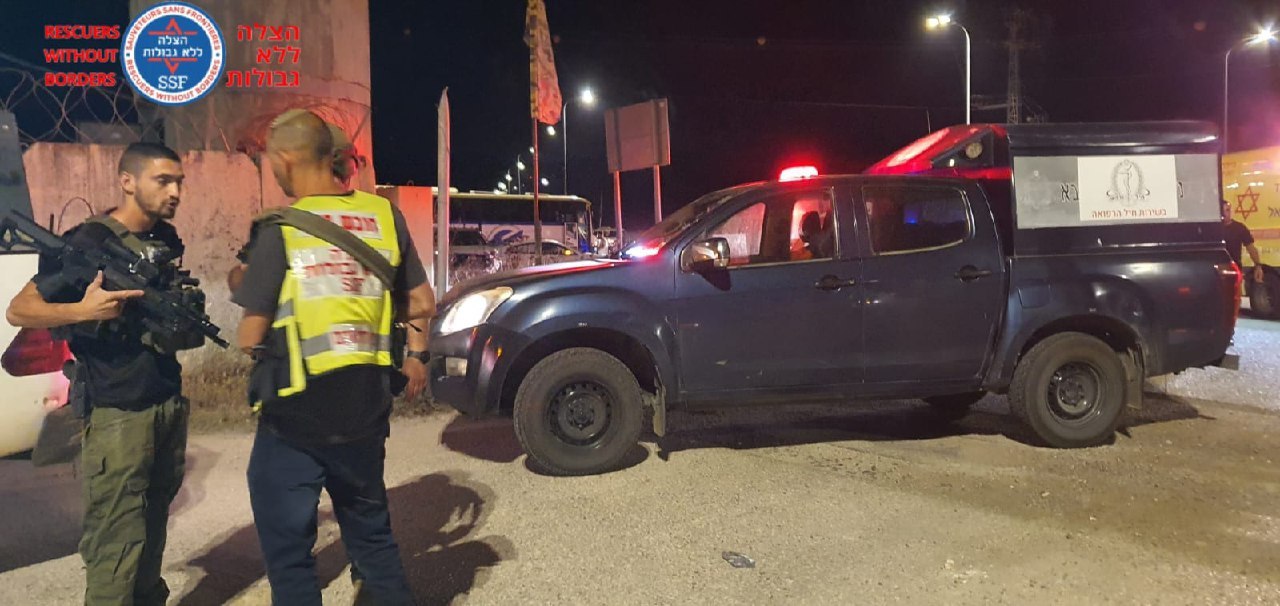
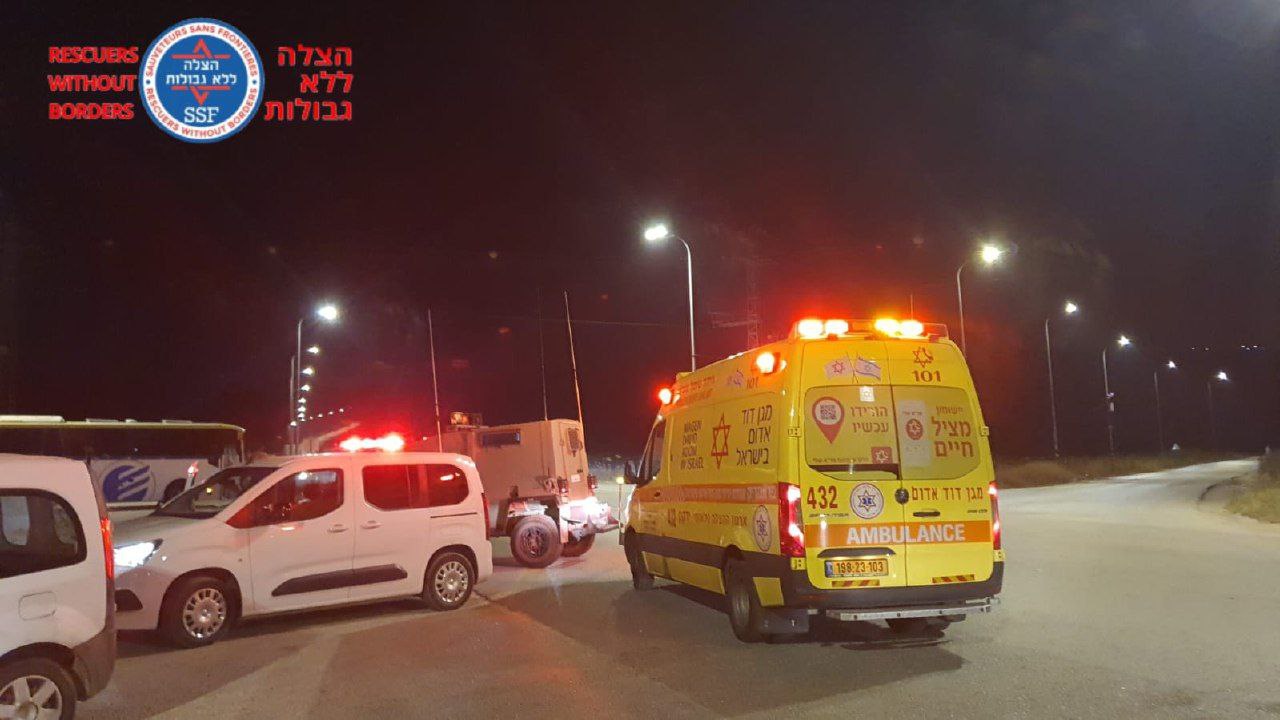
    According to the Israeli army’s statement, two of its soldiers were killed last night in an anti-Zionist operation by a Palestinian in the Ourta checkpoint area, southeast of Nablus in the West Bank. The army claimed the soldiers were killed during anti-Zionist car-ramming operation by a Palestinian in that checkpoint.

    In a second incident, another Israeli trooper was killed during clashes with Palestinian resistance groups in the besieged Gaza Strip. The army provided few details about the circumstances of this soldier’s death.

    The deaths of these three Israeli troopers mark a significant increase in the military casualties sustained by Israel since the start of its latest ground invasion of Gaza in mid-May.

    The Israeli army now claims that 292 of its soldiers have been killed since the ground offensive began. This figure represents a dramatic rise from the previous toll of 264 Israeli military deaths acknowledged just days ago.

    Furthermore, the total number of military casualties claimed by the Israeli regime has reached 642 since the beginning of the current round of confrontations with Palestinian groups. This statistic, provided by the Israeli military, has not been independently verified.

    However, some Israeli experts believe that the real number of Israeli military casualties are much more than the announced figure. They mentioned that the number of casualties of Israeli officers, soldiers and reservists stands at over 3,000.

    The admission of these latest deaths comes as Israel faces growing international criticism over the high civilian death toll resulting from its bombardment of the densely populated Gaza Strip.

    Read more: Gaza Declared ‘Famine-Stricken’ As Israeli Assault Wreak Havoc

    The Israeli cabinet has defended the military’s actions, claiming they are necessary to combat Palestinian rocket fire and destroy the network of cross-border tunnels used by resistance fighters.

    The Israeli genocidal war on the Gaza Strip has left at least 36,171 Palestinians killed and 81,420 others wounded since October 7.

  • Gaza Declared ‘Famine-Stricken’ As Israeli Assault Wreak Havoc

    Gaza Declared ‘Famine-Stricken’ As Israeli Assault Wreak Havoc

    The UN’s World Food Programme (WFP) has issued an urgent call for an immediate ceasefire, warning that its ability to provide aid to the “starving and desperate” people of Gaza is rapidly deteriorating.

    People displaced in Rafah and across Gaza are beyond exhausted. And our ability to help them is deteriorating with every passing hour, every passing day, the WFP said in a statement, adding: “Rafah is burning.”

    As the humanitarian crisis worsens, more than 30 countries have called for greater scrutiny of Israel’s role in the destruction of Gaza’s healthcare system, further exacerbating the suffering of the Palestinian population.

    Just this week, Israeli forces shelled a tent camp in a designated “safe zone” west of the city of Rafah, killing 25 people, mostly women and children, in the latest mass killing of Palestinian civilians.

    Warning, videos contain disturbing scenes!

    Aftermath of Zionist regime’s strikes on refugee tents in Rafah
    Aftermath of Zionist regime’s strikes on refugee tents in Rafah

    The United Nations Security Council has convened an emergency meeting to address Israel’s ground invasion of Rafah, as several European countries, including Spain, Ireland, and Norway, have formally recognized the state of Palestine in recent days.

    However, the scale of the humanitarian crisis continues to outpace the international community’s response. The UN reports receiving only about 170 trucks of aid over the past three weeks – a mere “drop in the ocean” compared to the 500 trucks needed daily to address the dire needs of Gaza’s population.

    Read more: Israeli Forces Push Into Jabalia, Rafah Cities (Map)

    Stephane Dujarric, spokesperson for the UN chief, announced that aid to Gaza has dropped 67 percent since May 7, when Israel’s Rafah attack kicked off.

    Israel’s incursion, launched in early May, has forced over one million people to flee Rafah, many of whom had already been displaced multiple times by previous Israeli offensives in Gaza. The violence has taken a staggering toll, with at least 36,171 Palestinians killed and 81,420 wounded since October 7.

    Meanwhile, the Israeli military has claimed “operational control” of the Philadelphi Corridor, the area separating Gaza from Egypt, sparking outrage from Egyptian officials who say Israel is violating the terms of the 1979 peace treaty between the two countries.

  • Israeli Forces Push Into Jabalia, Rafah Cities (Map)

    Israeli Forces Push Into Jabalia, Rafah Cities (Map)

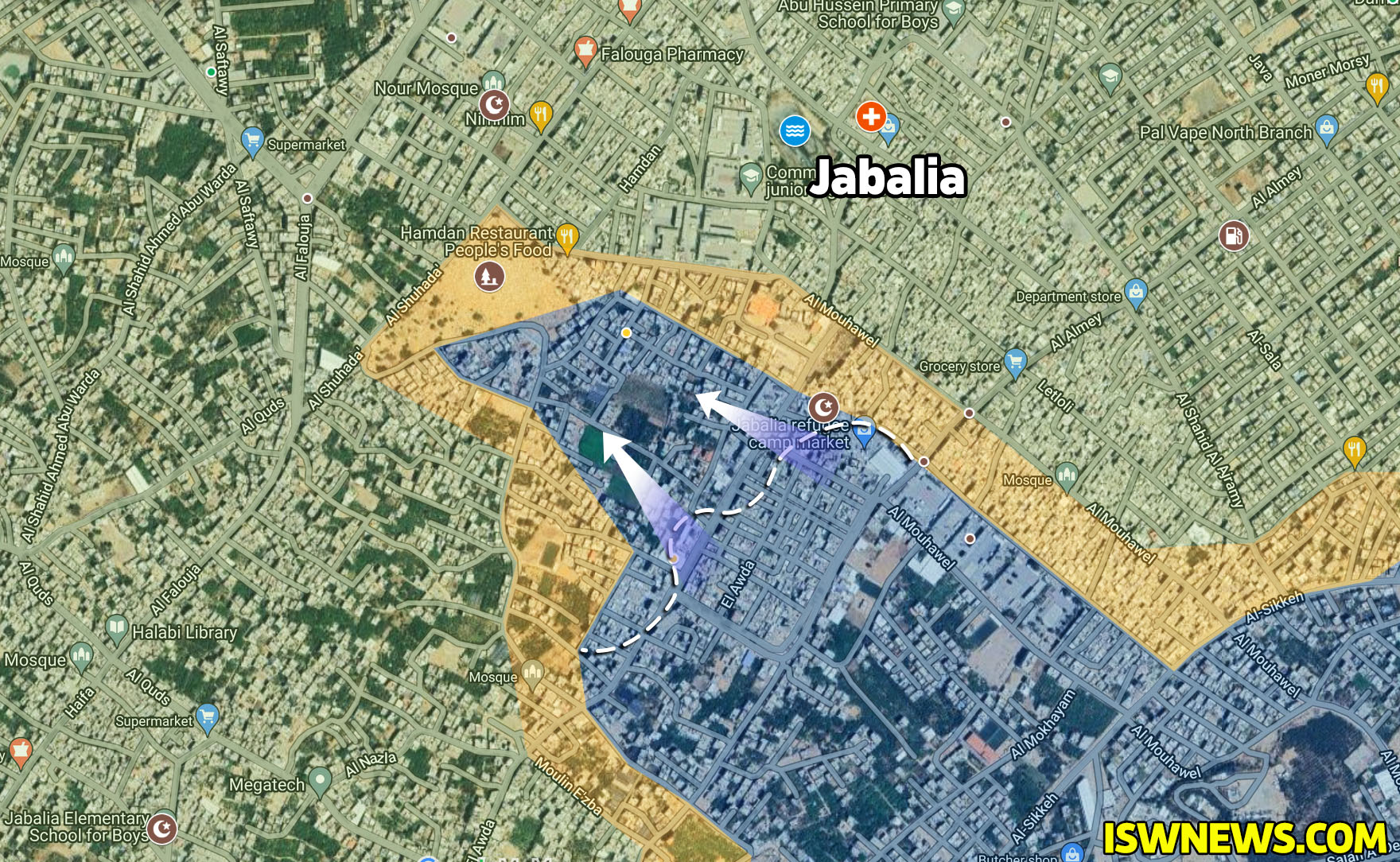
    According to the latest field reports, the Israeli forces have advanced in the southern part of the Jabalia refugee camp and re-entered the Al-Faloujah cemetery. Clashes are currently ongoing near Al-Faloujah Street and Abu Sharakh Square.

    These areas had previously been under the control of the Israeli regime’s army, but the occupying forces were ultimately forced to withdraw from them in the past months. The purpose of the latest Israeli incursion into these regions remains unclear, as the regime has never demonstrated the ability to effectively cleanse, stabilize and maintain a long-term presence in these areas.

    A kind of lack of planning and confusion is seen in the movements of the regime in the northern Gaza Strip, reports show, suggesting that the Israeli military’s actions in the region lack a coherent strategic vision.

    Israeli forces advanced in the southern part of the Jabalia refugee camp

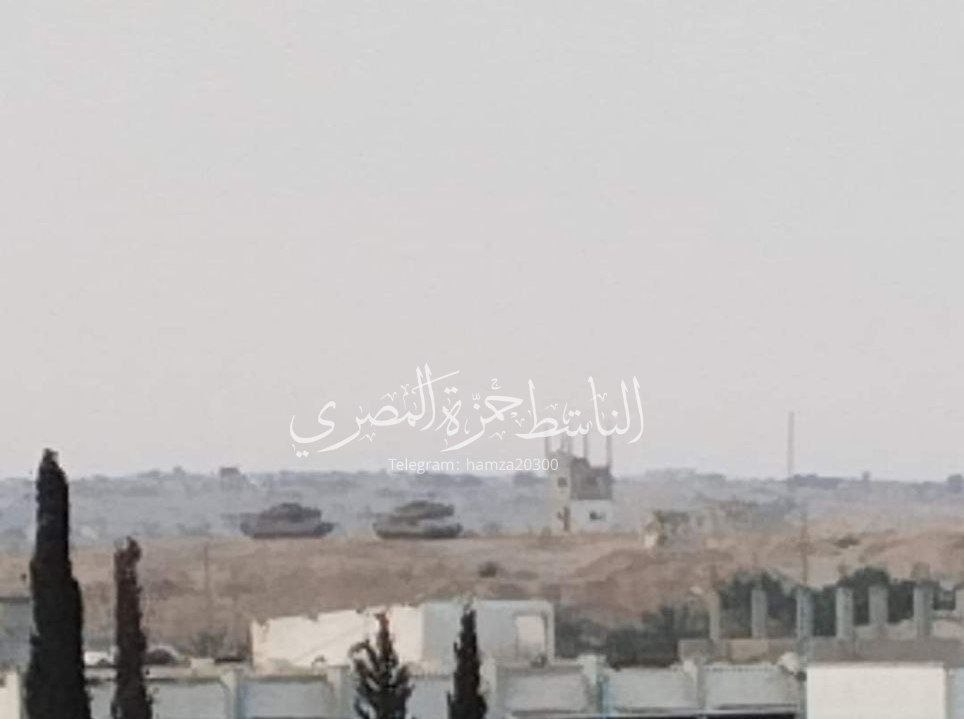
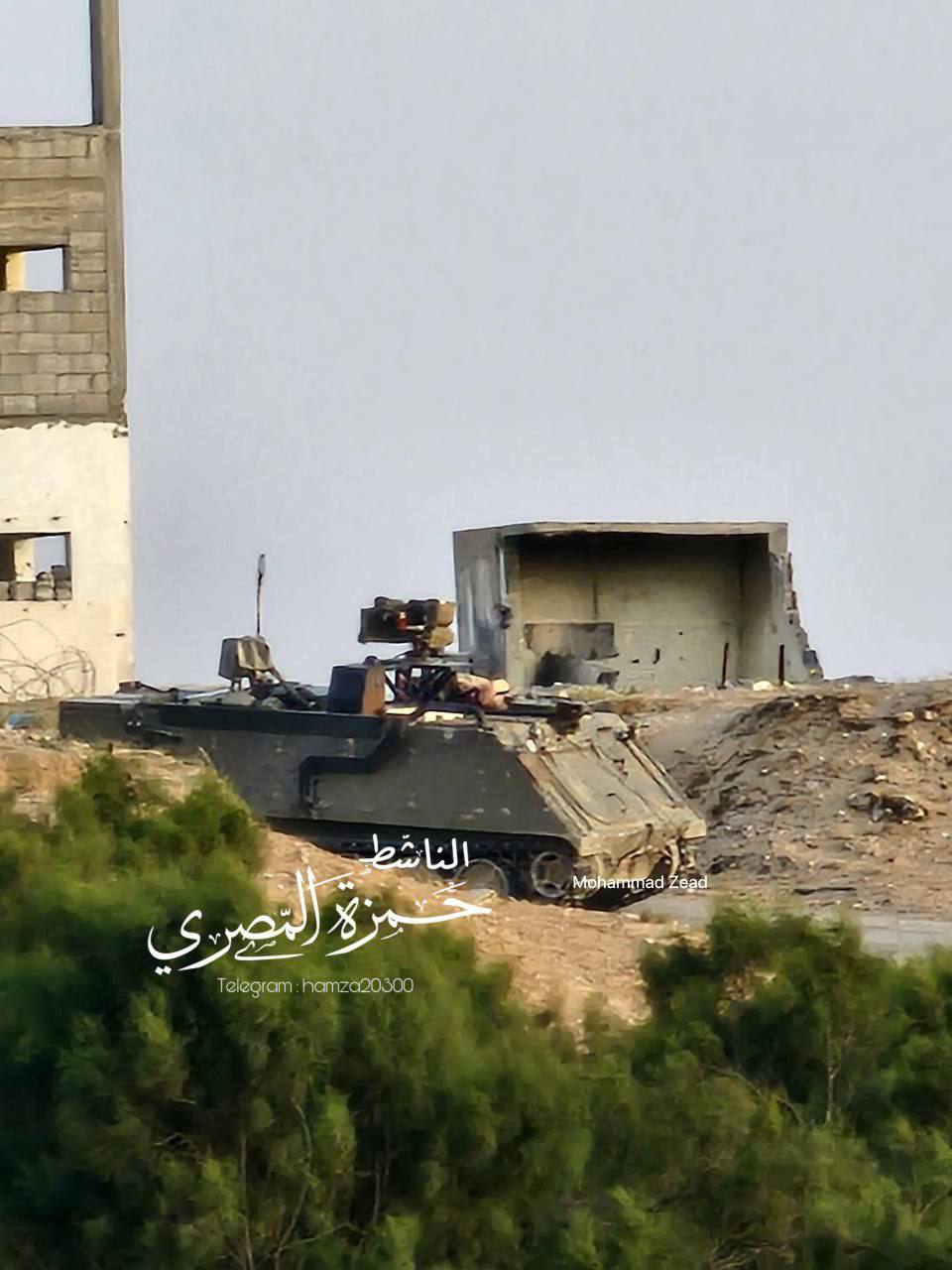
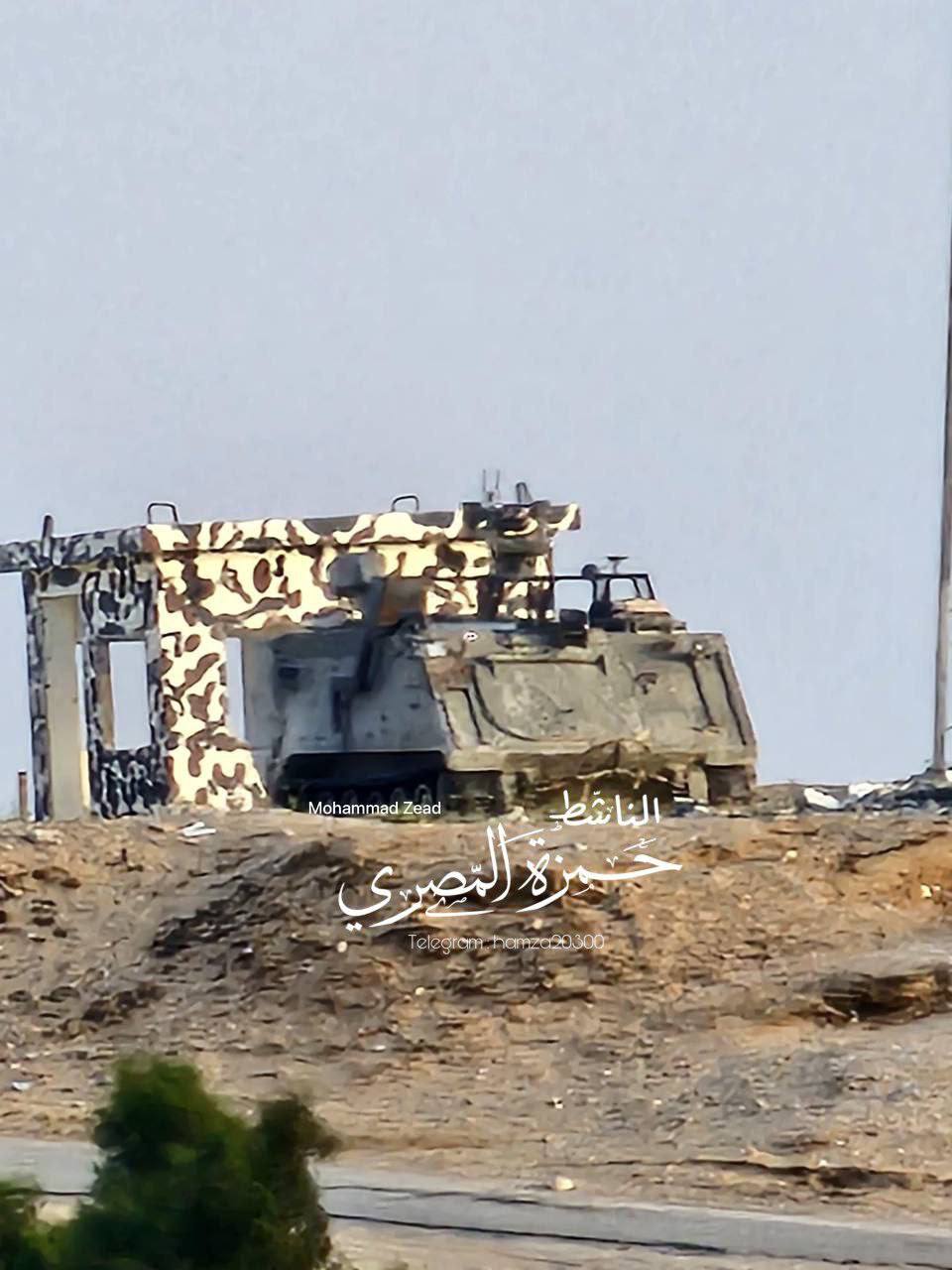
    Elsewhere, the battles in the southern city of Rafah continue, with no significant changes in the frontlines. However, new images have emerged showing that the Israeli regime’s battle tanks and remote-controlled armored vehicles have entered Tel Zaarab, located in the western part of the Rafah city.

    Tel Zaarab is considered the highest point in Rafah and overlooks the entire city. This development suggests that the Israeli military forces may be preparing to expand the scope of their operations from the western outskirts of Rafah towards the center of the city in the coming days.

    Israeli regime’s battle tanks in Tal Zaarab

    The ongoing conflict in the Gaza Strip has been a subject of international concern, with calls for a peaceful resolution to the longstanding Israeli-Palestinian tensions. However, the latest escalation in the fighting indicates that the region remains a powder keg, with the potential for further violence and instability.

    The death toll from the Israeli ongoing onslaught on the Gaza Strip has surged to 36,096, the Health Ministry in the besieged enclave said on Tuesday. At least 81,136 people have also been wounded in the genocidal war since October 7, 2023.

    Latest military situation in the Gaza Strip – click to view full size
  • 45 Displaced Palestinian Killed In Israeli Airstrike On Rafah Tent Camp (Video)

    45 Displaced Palestinian Killed In Israeli Airstrike On Rafah Tent Camp (Video)

    The Palestinian Health Ministry in the Gaza Strip announced on Monday that 45 people, including 23 women, children and elderly, lost their lives and 249 others were injured in the air strike.

    Eye witnesses said at least eight missiles pummeled the refugee camp, which was designated by the Israeli regime’s army to be a safe zone, at about 8.45 p.m. local time (17:45 GMT).

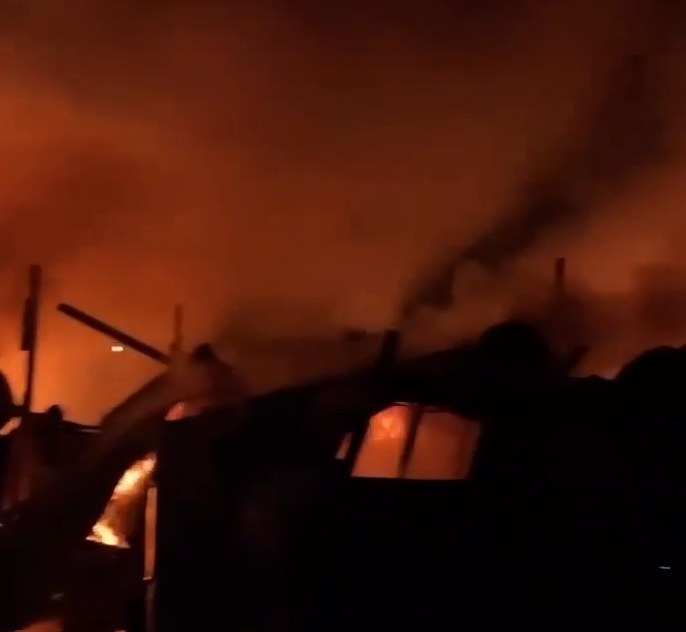
    In the early morning, the Rafah camp had been reduced to a smoking ruin, with tents, twisted metal, and charred belongings scattered throughout. Women could be seen weeping, and men gathered to hold prayers beside the bodies wrapped in shrouds.

    Palestinian families rushed to hospitals to prepare their dead for burial after the late-night strike on Sunday set tents and makeshift shelters ablaze.

    Video footage captured the chaos as a fire raged in the darkness, with people screaming in panic.

    The regime’s military said it was investigating reports that a strike it carried out against Gaza residents in Rafah caused the deadly fire.

    Survivors described the panic as families were preparing to sleep when the strike hit the Tall as-Sultan neighborhood, where thousands were sheltering after Israeli forces began a ground offensive in eastern Rafah over two weeks ago.

    This incident prompted outrage from global leaders, who urged the implementation of an order by the International Court of Justice (ICJ) to halt Israel’s assault on Rafah.

    Despite the ruling by the top UN court ordering the Israeli regime to stop its offensive, Israel has continued its military operations, saying the court’s ruling grants it some scope for military action in Gaza.

    Several leaders from around the world condemned the latest attacks, stating that the International Court of Justice ruling must be respected.