Tag: Yemen

  • Al-Qaeda Motorcyclist Taken Out by U.S. Drone in Marib

    Al-Qaeda Motorcyclist Taken Out by U.S. Drone in Marib

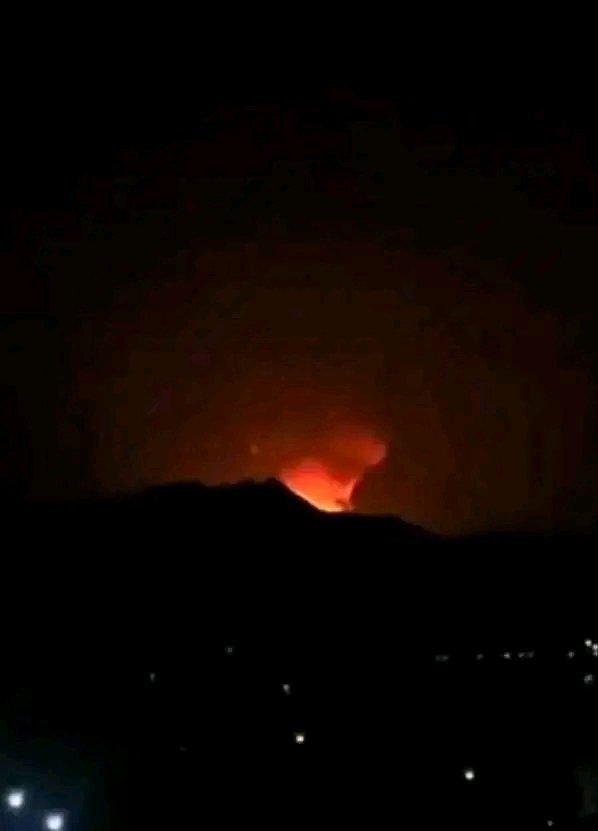
    American drones targeted a motorcycle near the Bin Mu’ili station in the al-Husoun area of Wadi district, east of Marib, on the evening of December 8. The strike killed Munir Bajali al-Ahdal, also known as Abu al-Hijaa al-Hadidi, a field commander of al-Qaeda, along with one of his companions. The assassination occurred shortly after al-Ahdal left the home of Mabkhout bin Aboud al-Sharif, head of the Islah Party organization in Marib.

    According to Western media statistics, over the past two decades the U.S. military has carried out more than 385 air operations against al-Qaeda members across Yemen.

  • UAE and Saudi Arabia Mobilize Forces to Seize Hadhramaut

    UAE and Saudi Arabia Mobilize Forces to Seize Hadhramaut

    At the same time, reinforcements from the Southern Transitional Council (STC), consisting of hundreds of fighters and military vehicles, have entered the city of Mukalla. In addition, a battalion from Tariq Saleh’s forces has been deployed to a camp west of Mukalla, the provincial capital of Hadhramaut.

    Given the large-scale deployment of STC fighters to Hadhramaut over the past two weeks, the likelihood of a southern military offensive against the Hadhramaut tribes has increased. The province’s oil-rich areas remain under tribal control, and tribal leaders — backed by Saudi Arabia — have refused to transfer revenues to the exiled government or the STC. This has fueled sharp tensions and rivalry between UAE- and Saudi-backed factions in Yemen’s occupied territories.

  • Unconfirmed Reports of Abdul Karim al-Houthi’s Critical Condition After Sana’a Attacks

    Unconfirmed Reports of Abdul Karim al-Houthi’s Critical Condition After Sana’a Attacks

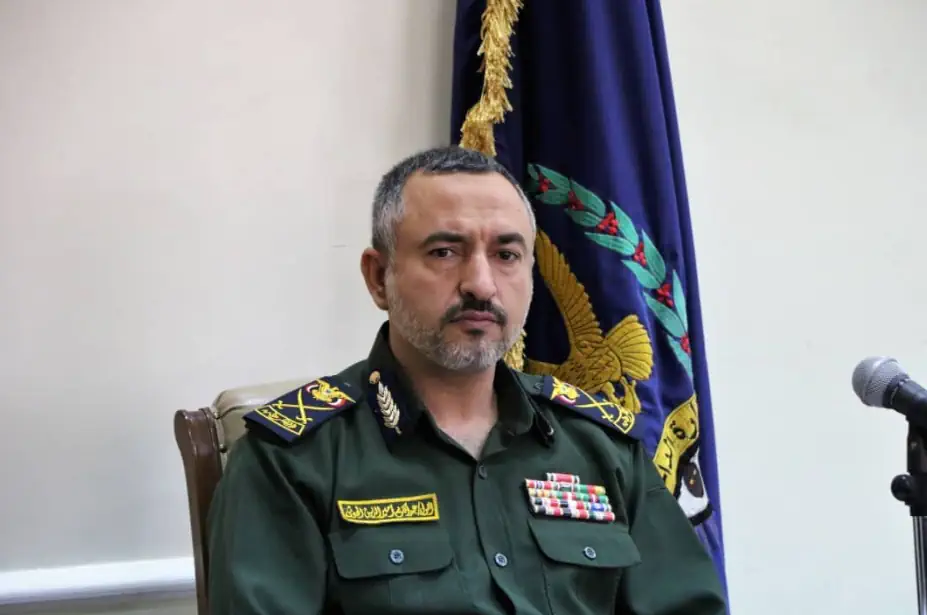
    Since the Israeli attacks, Abdul Karim has not appeared publicly or attended any meetings. In the meantime, his deputy, Abdul Majid Saghir Ahmed al-Murtadha, has taken charge of running the Interior Ministry and is actively engaged in security affairs.

    Given Abdul Karim al-Houthi’s absence from public appearances, the reports seem credible. His exact health status remains unclear, and Ansar Allah has not issued any statement on the matter. Despite being a relatively lesser-known figure in Yemen, he is considered an influential personality within the AnsarAllah movement.

  • UAE Strengthens Its Proxies in Yemen

    UAE Strengthens Its Proxies in Yemen

    The vehicles were dispatched from the UAE and transported through the Shahn border crossing between Yemen and Oman, heading toward Shabwah.

    This marks the first large-scale and overt military assistance provided by the UAE to the Shabwah Defense Forces in recent years. The UAE aims to equip and mobilize these forces to confront threats from the Islah Party and al-Qaeda in the province, as well as to secure control over the oil-rich areas.

  • Assassinate Attempt Against the Governor of Taiz

    Assassinate Attempt Against the Governor of Taiz

    The attack left five people dead and two others from their entourage wounded. It is still unclear which group or tribe carried out the assault, but given Governor Shamsan’s ties to Tariq Saleh, it is suspected that Islah Party militants may have been behind it.

    The Islah Party and Tariq Saleh are locked in a serious rivalry over control of Taiz city and province, a tension that has escalated in recent months. Nabil Shamsan had also survived a terrorist attack in April 2023.

  • U.S. Drone Strike on al-Qaeda Members in Shabwah Province

    U.S. Drone Strike on al-Qaeda Members in Shabwah Province

    The American drone first dropped a bomb on a house, and minutes later launched a second strike on a civilian car. Both attacks resulted in casualties among civilians as well as the suspected individual.

    Based on statistics from Western media regarding U.S. air operations in Yemen over the past two decades, more than 383 strikes have been conducted against al-Qaeda members in the country.

  • How Israel’s Intelligence Network Operates in Yemen

    How Israel’s Intelligence Network Operates in Yemen

    According to the Italian magazine Il Faro sul Mondo, Israel is attempting to isolate the conflict in Yemen from the ongoing war in Gaza and is preparing for targeted military strikes against the Sanaa-based government. This strategy involves coordinated efforts across several domains:

    1. Recruitment and Deployment of Spy Networks
    In recent days, Mossad has launched a broad campaign on social media to recruit operatives, inviting opponents of Yemen’s Ansar Allah movement to join “Unit 504,” a covert operations wing. To establish this unit, Israeli agents have reportedly reached out to various anti-AnsarAllah factions in occupied Yemeni territories, including remnants of Ali Abdullah Saleh’s network and the Southern Transitional Council.

    These activities reflect Israel’s intent to expand its intelligence footprint in Yemen and carry out preemptive strikes in response to Yemen’s support for Palestinians in Gaza. Israeli officials frequently cite Ansar Allah’s slogans and flags as evidence of a “existential threat,” with Prime Minister Benjamin Netanyahu repeatedly stating his desire to continue attacks on Yemen—even after the recent ceasefire in Gaza. Channel 12 in Israel also reported that Netanyahu plans to maintain military pressure on Yemen beyond the Gaza conflict.

    Israeli intelligence efforts in Sanaa are not limited to recruiting from political opposition. They have also infiltrated humanitarian and international organizations, allegedly using operatives for sabotage. For instance, during Israel’s 16th airstrike on Yemen on August 28, the cabinet meeting location was targeted, resulting in the death of 12 Yemeni officials, including Prime Minister Ahmed al-Rahwi of the Reform and Reconstruction Government.

    Yemeni security forces and Ansar Allah’s intelligence wing have responded by arresting networks linked to Hamed Hussein al-Majali—a Saudi agent affiliated with Mossad and the CIA—as well as operatives embedded in humanitarian organizations. However, countering Israeli espionage requires more advanced infrastructure and strategic planning.

    The primary goal of U.S. and Israeli intelligence in Yemen is to gather detailed information on missile and drone bases, naval positions, weapons depots, and the whereabouts of key political and military figures.

    2. Activation and Support of Anti-Ansarallah Groups
    Targeted assassinations in Sanaa and Al-Bayda province in recent days suggest that Western and Israeli intelligence agencies are reactivating covert cells in Ansarallah-controlled areas. These attacks, often aimed at field commanders and local officials, appear designed to destabilize and sow chaos. For example, on October 31, a female doctor was killed in Sanaa, and on November 2 and 3, two Ansarallah-affiliated personnel were assassinated in Rada’a district.

    Given the history of al-Qaeda and ISIS activity in Rada’a, it’s likely that these groups are being reactivated with support from Western-Arab intelligence. Surrounding areas such as Al-Qayfa, Al-Zahir, Mukayras, and Al-Sawma’ah remain vulnerable due to extremist presence, though most tribes in Al-Bayda are allied with Ansarallah, making a full collapse unlikely.

    Meanwhile, U.S. and British embassies in Yemen are reportedly strengthening ties with Saudi-Emirati-backed forces such as the Giants Brigades and Tariq Saleh’s units. With support from diplomats like Steven Fagin and Abdu Sharif, these groups are enhancing their capabilities for potential ground operations against Yemen’s revolutionary forces.

    3. Communications Networks and Satellite Surveillance
    Israeli intelligence is also focused on dominating communication systems in occupied Yemeni territories, conducting cyberattacks, analyzing satellite imagery to locate missile and drone bases, and monitoring Ansarallah’s field movements.

    While much of this activity remains covert, social media users—especially on X (formerly Twitter)—have been tracking and analyzing satellite images of military sites in Saada and Sanaa. These individuals may be directly or indirectly linked to Western intelligence agencies. Additionally, reports have surfaced that Southern Transitional Council forces have used Israeli Cellebrite spyware to monitor phone lines and track individuals in Hadramaut province, indicating that Israel is replicating its intelligence model from Lebanon, Syria, and Palestine in Yemen.

    Read more: Israeli Surveillance Grip on Hadhramaut Communications!

    Conclusion
    Israel’s espionage network in Yemen employs a range of tools and tactics similar to those used in other regional theaters. Yemenis, particularly in the north and central regions, benefit from strong public resistance to betrayal and foreign interference, rooted in tribal and cultural values. This social cohesion provides a powerful foundation for countering terrorist and intelligence operations.

    Israel’s primary objective is to detach Yemen from the regional resistance axis and neutralize its strategic threat. While continued missile and drone operations in the Red Sea and occupied Palestine offer a tactical response, they are insufficient against aerial assaults and surveillance dominance. A comprehensive strategy—including public mobilization, technological resilience, and regional coordination—is essential to confront and dismantle Israel’s intelligence apparatus in Yemen.
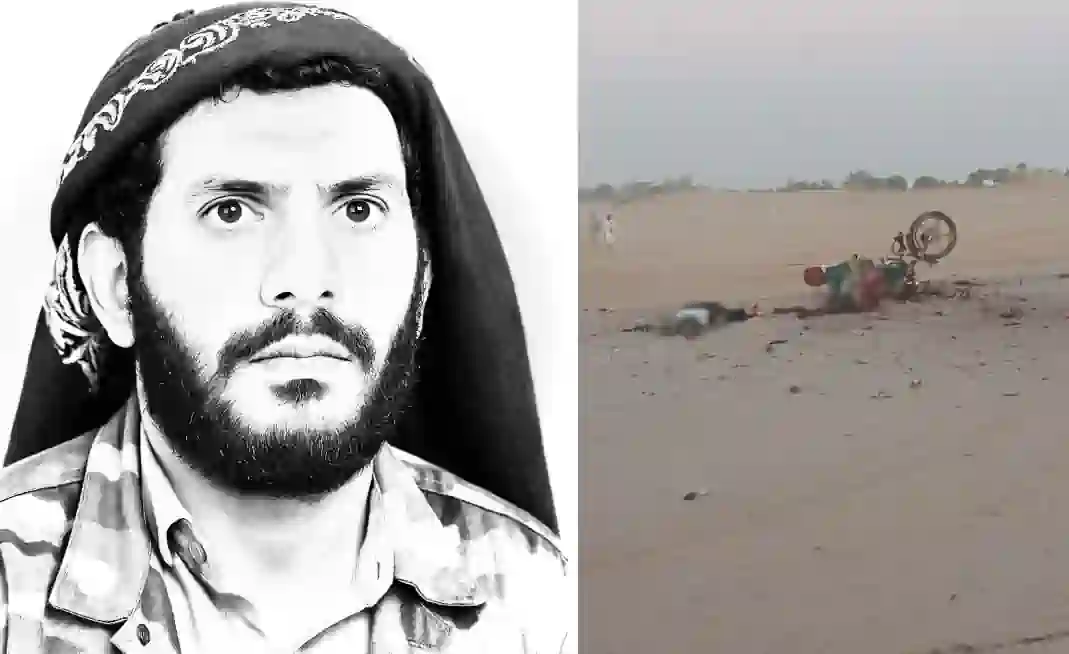
  • U.S. drone strike targets senior al-Qaeda member in northern Marib

    U.S. drone strike targets senior al-Qaeda member in northern Marib

    Abu Muhammad al-Sanaani held a key security role within the group’s structure. No photos or detailed information about him have been published online. His only known physical trait was a noticeable limp.

    According to Western media statistics, the U.S. military has conducted over 380 aerial operations targeting al-Qaeda members across Yemen over the past two decades.

  • U.S. and UAE Advisors Inspect Giants Brigades in Southern Yemen

    U.S. and UAE Advisors Inspect Giants Brigades in Southern Yemen

    During the visit, U.S. advisors reportedly gathered detailed intelligence on the brigades’ structure, including personnel numbers, combat capabilities, weaponry, and deployment zones along active fronts against Yemeni armed forces.

    It appears that the United States is preparing for a possible ground operation aimed at curbing the actions of Yemeni forces against Israel, with plans to utilize UAE-supported factions—particularly the Giants Brigades and loyalists of Tareq Saleh. This strategy has reportedly been under joint consideration by the U.S., UK, and Israel for several months.

  • Another Alleged Iranian Shipment Seized off Southern Yemen’s Coast

    Another Alleged Iranian Shipment Seized off Southern Yemen’s Coast

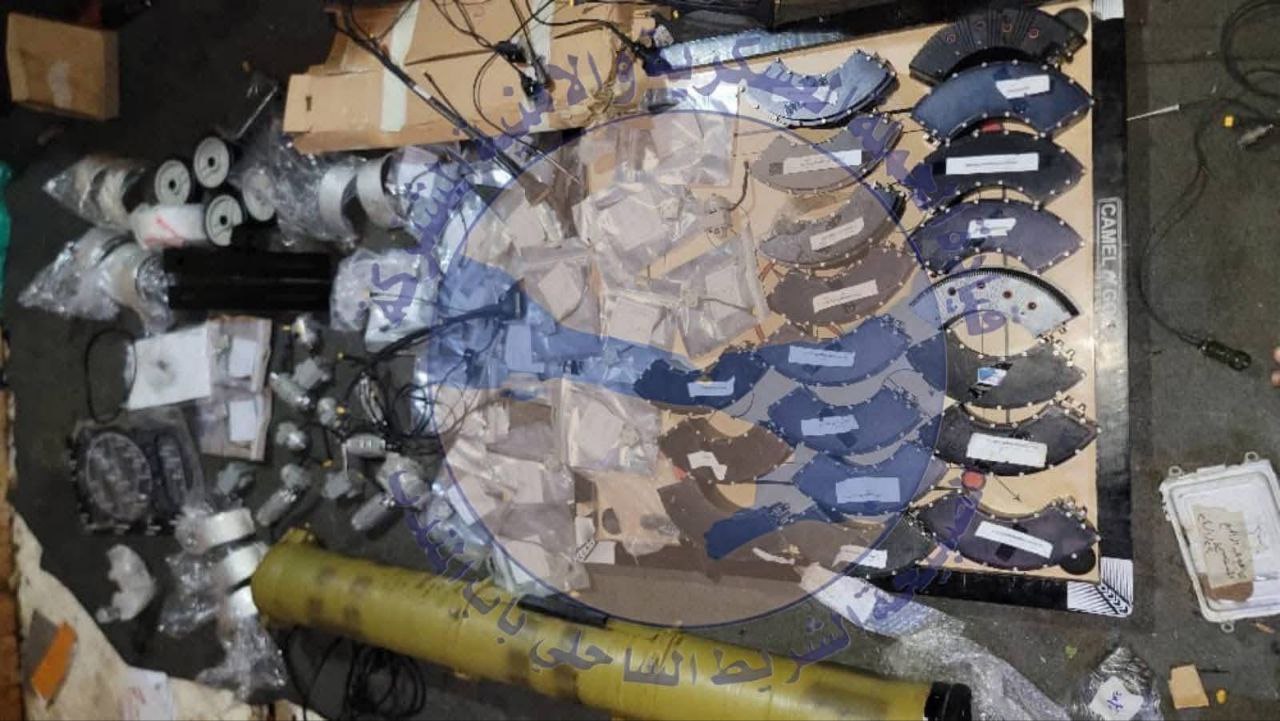
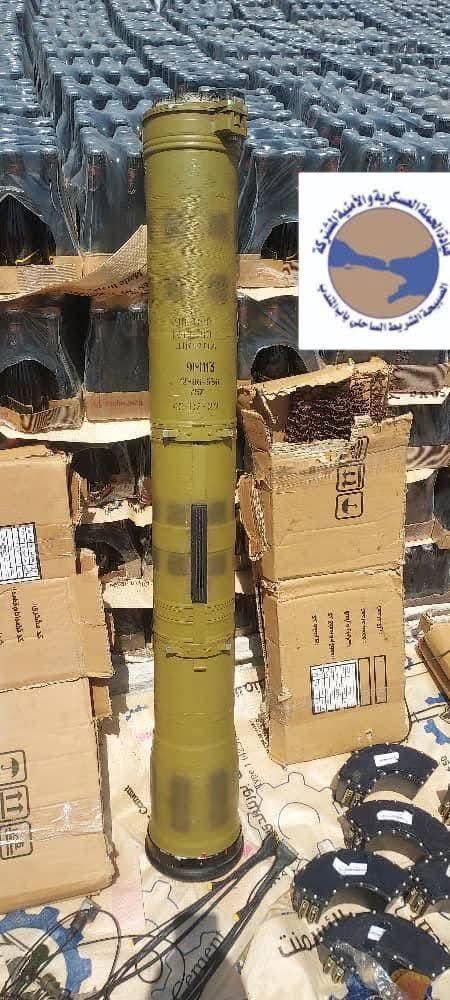
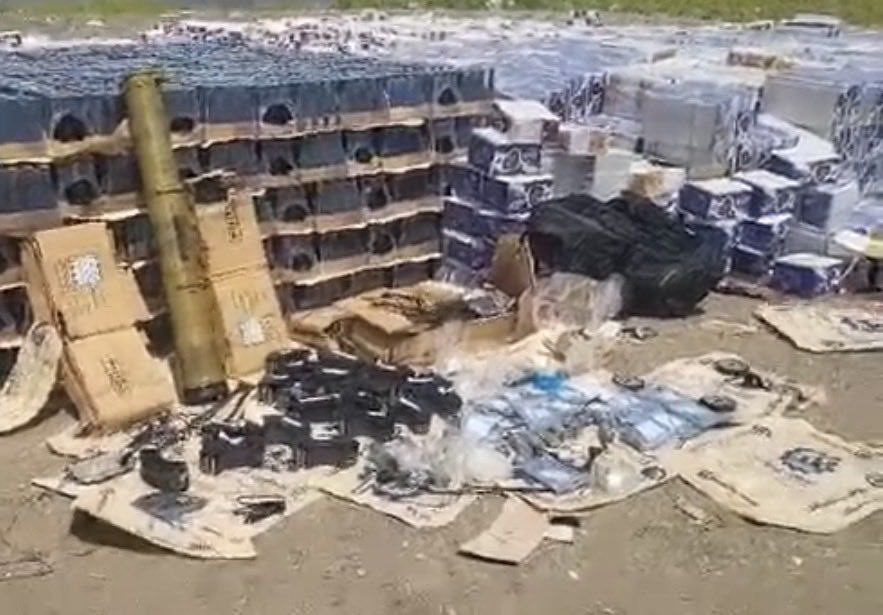
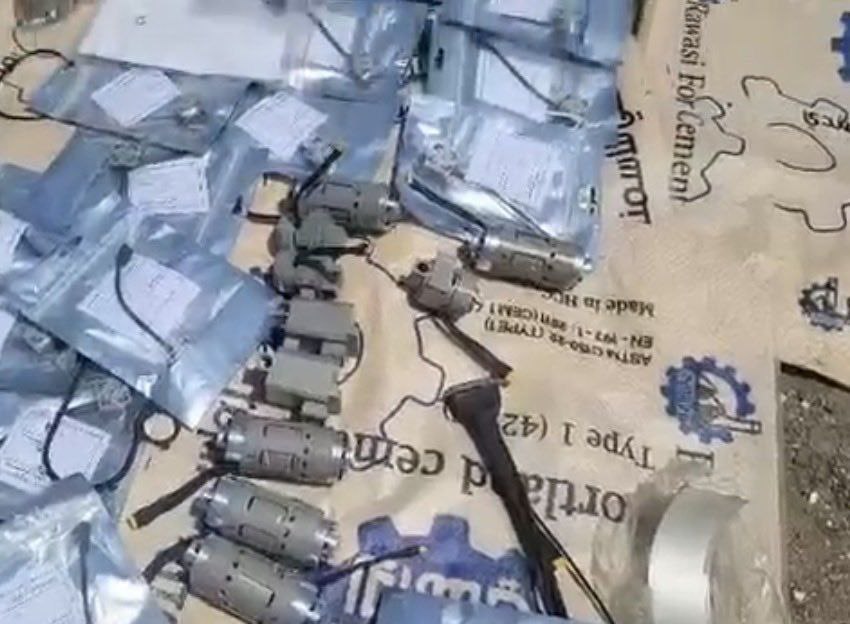
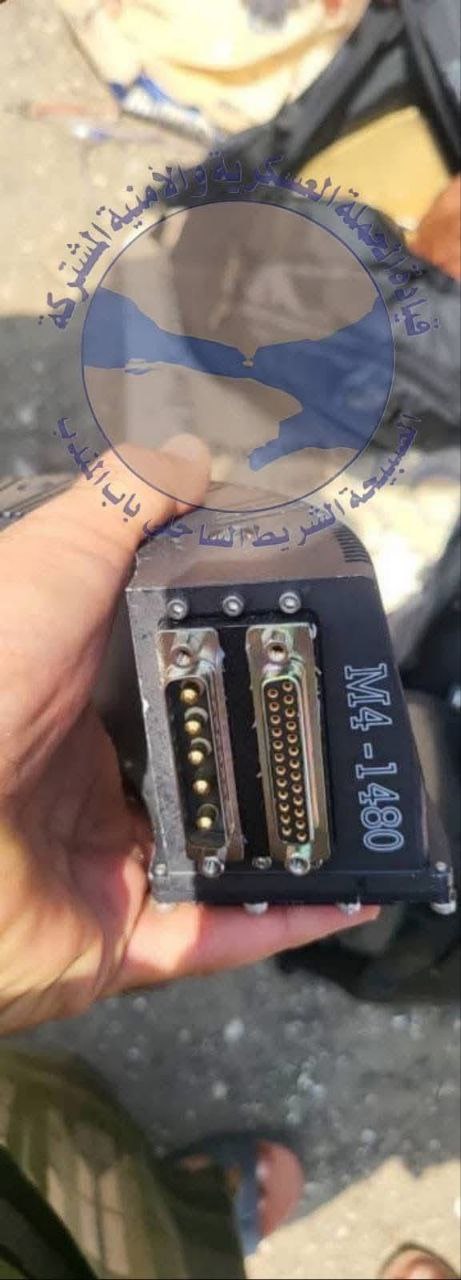
    The ship was reportedly carrying Iranian weapons and goods and was seized near Ras al-Arah, west of Lahij province, close to the Bab al-Mandeb Strait. Eight crew members were arrested on suspicion of collaborating with a commander from Ansar Allah.

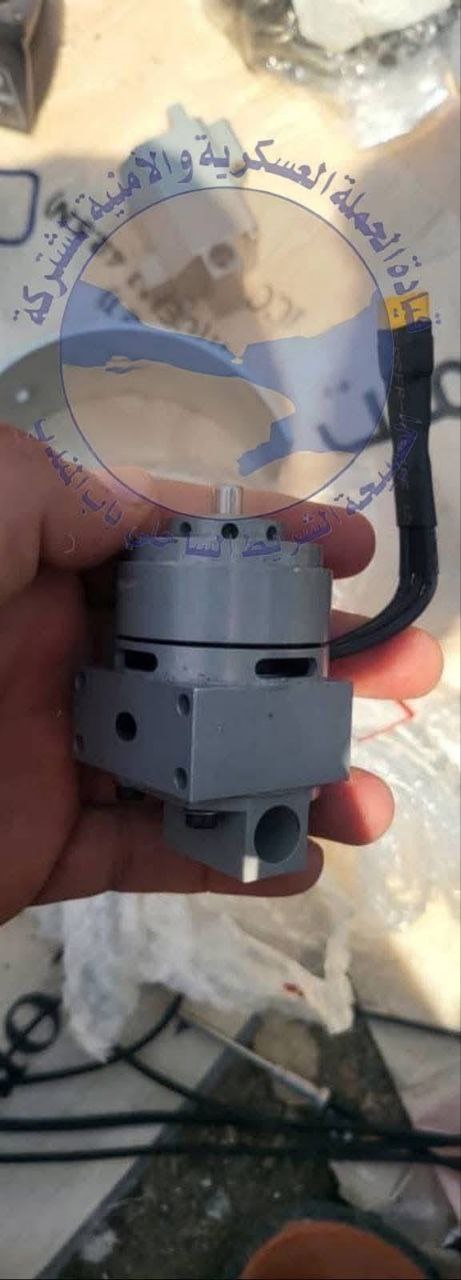
    According to Al-Amaliqa forces, the shipment originated from Bandar Abbas and included anti-armor Kornet missiles, spare drone parts, precision control cables and connectors, eight boxes of Iranian-made cancer treatment drugs from the company Sinagen, as well as various Iranian food and consumer goods.

    This marks the ninth time in recent years that the U.S.-backed coalition and Saudi-backed government have claimed to intercept and confiscate Iranian arms shipments destined for Yemen.

  • Aidarus al-Zoubaidi Meets Russian Officials During Moscow Visit

    Aidarus al-Zoubaidi Meets Russian Officials During Moscow Visit

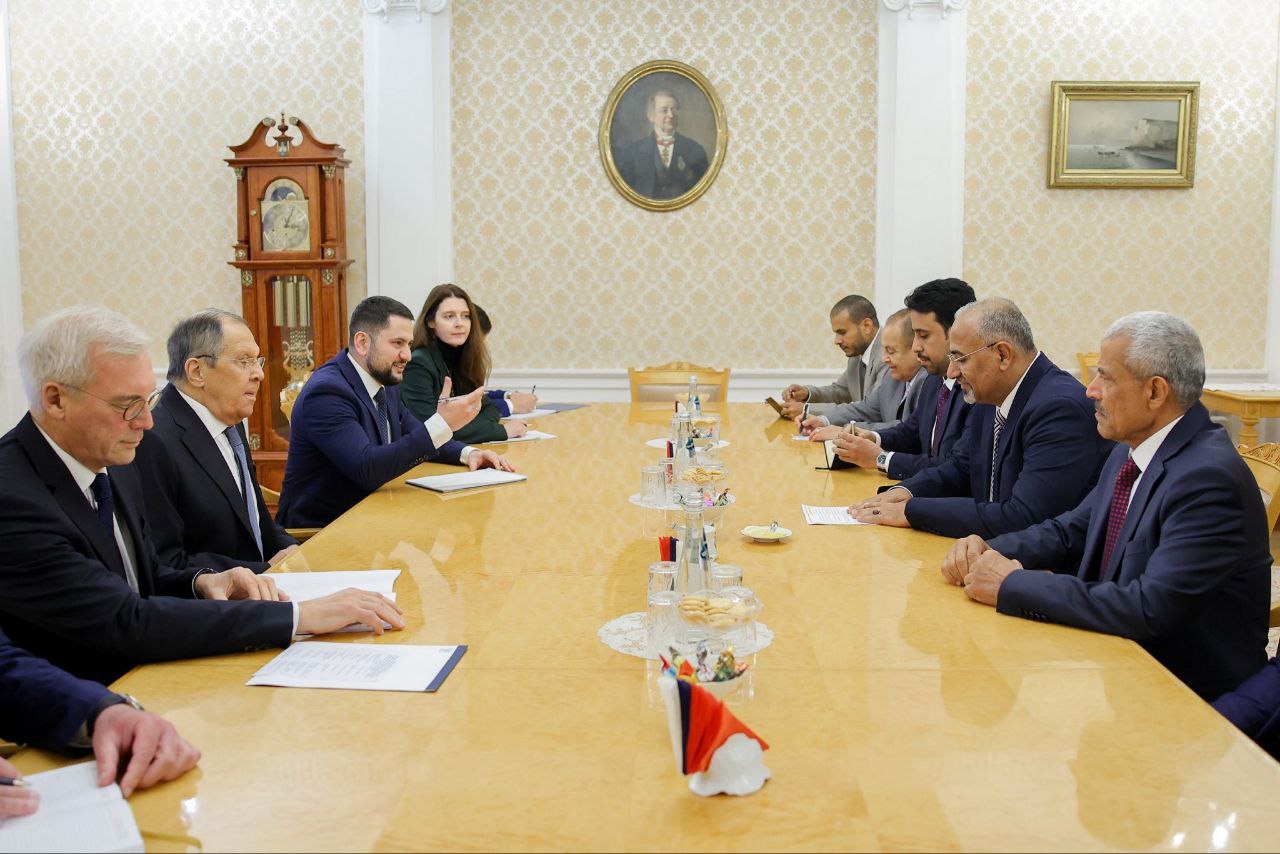
    In his social media posts, al-Zoubaidi made no reference to his formal role within Yemen’s internationally recognized government. Instead, he emphasized the historical ties between Russia and the people of southern Yemen, noting that the meetings focused on shared interests and potential cooperation in political and economic fields. He highlighted Yemen’s promising investment opportunities in sectors such as energy, mining, agriculture, and fisheries.

    This visit is widely interpreted as part of al-Zoubaidi’s broader separatist agenda. While Rashad al-Alimi, chairman of the Saudi-backed Presidential Leadership Council, had previously visited Russia and met with President Putin, southern factions believe that strengthening ties with Moscow could help advance their goal of re-establishing an independent South Yemen.

  • Assassination Attempt Targets Brigadier General Adnan Razeeq al-Qamishi in Yemen

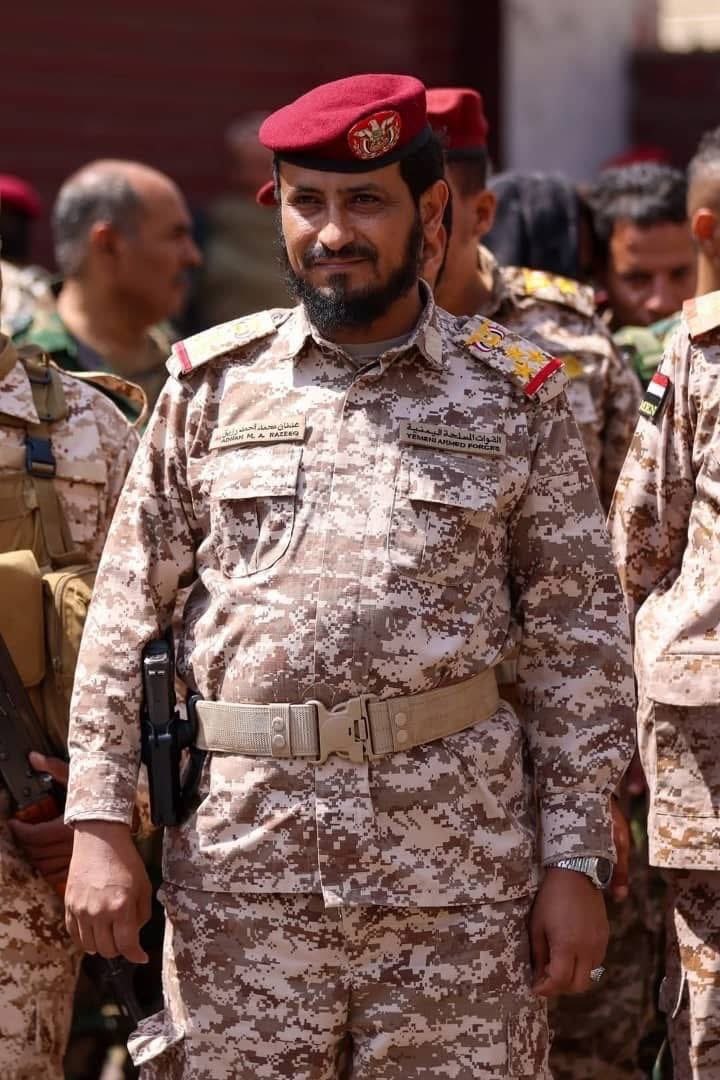
    Assassination Attempt Targets Brigadier General Adnan Razeeq al-Qamishi in Yemen

    Local sources differ on the method of the attack. Some report that a roadside bomb was planted along the route of Razeeq’s convoy, while others—citing eyewitness accounts—claim the assault was carried out using an explosive dropped from a quadcopter allegedly operated by Ansar Allah!

    Despite accusations from opposition media blaming Ansar Allah, evidence suggests the attack may have been orchestrated by armed militias of the Islah Party. Over the past month, Islah militants have engaged in fierce confrontations with Tareq Saleh’s forces in Taiz province, including repeated attempts to eliminate his affiliates in areas like al-Turba.

    These militants, reportedly equipped with weaponized drones through ties with Turkey, have conducted similar deadly strikes on other Yemeni fronts.